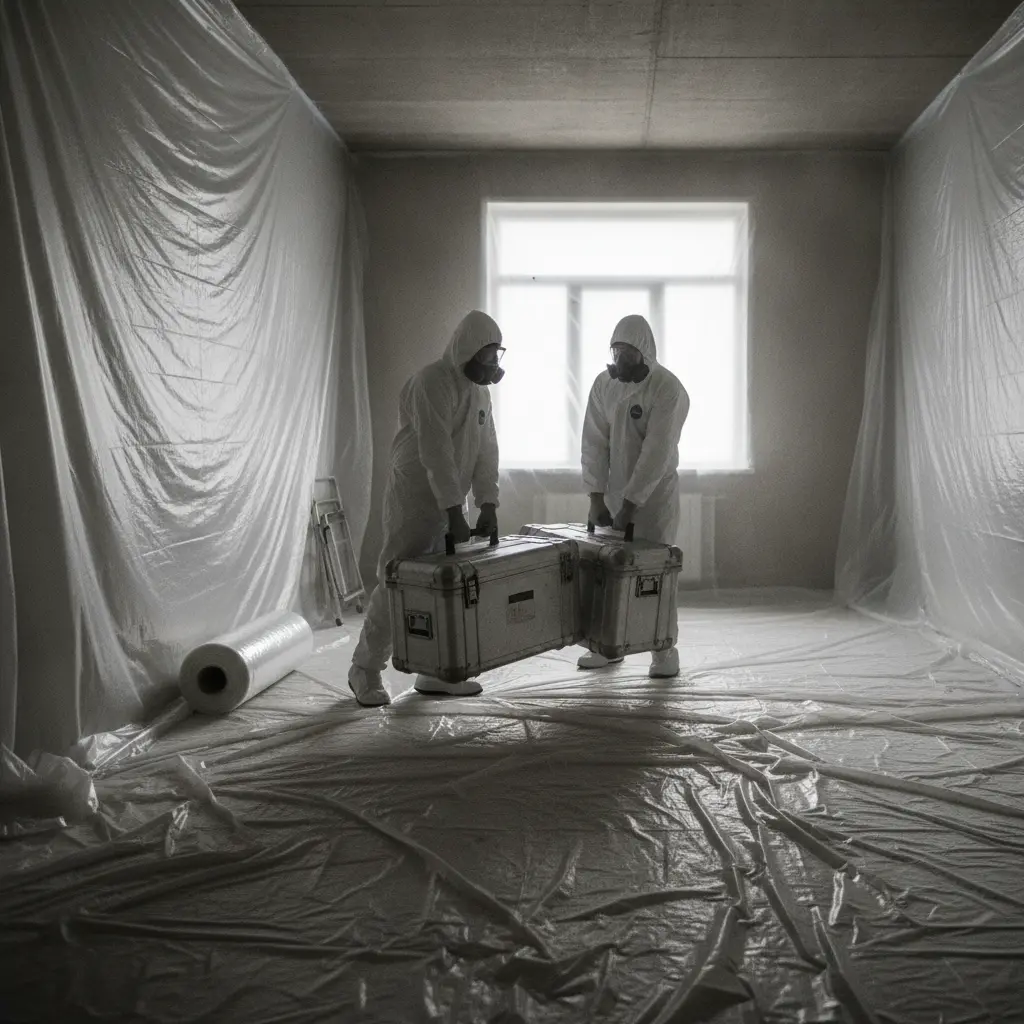
Suicide cleanup is the professional remediation of biological hazards — including blood, bodily fluids, and tissue — from a scene following a suicide, performed by trained technicians using regulated safety protocols. It is not a service families should attempt themselves; it requires specialized equipment, biohazard disposal procedures, and a steady, compassionate approach that protects everyone in the home. Integrity Crime Scene Services, a 24/7 crime scene and biohazard cleanup company with local teams across the U.S., provides this work for families, landlords, and property managers.
If you are facing this situation right now, please know: you do not have to handle this alone, and you likely do not have to pay for professional cleanup out of your own pocket. Our team, a crime scene cleanup service serving the entire United States, responds to these situations every day. Our teams are available 24 hours a day, 7 days a week. Call us at (727) 649-8014 and we will take it from there.
If you or someone you know is in crisis, the 988 Suicide & Crisis Lifeline is available by call or text — simply dial or text 988.
Most customers pay $0 out of pocket — we bill your insurance directly.
Call (727) 649-8014What Suicide Cleanup Covers
This topic is one part of our broader biohazard & crime scene cleanup services, and that page gives the full overview. Suicide cleanup addresses every biological and structural element of the scene that poses a health hazard or emotional burden to the family and property occupants.
- Blood and bodily fluid removal from floors, walls, ceilings, furniture, and subfloor materials.
- Porous material removal — carpet, padding, drywall, insulation, and wood framing that has absorbed biological material and cannot be safely disinfected in place.
- Industrial-grade disinfection of all affected surfaces using EPA-registered biocidal agents.
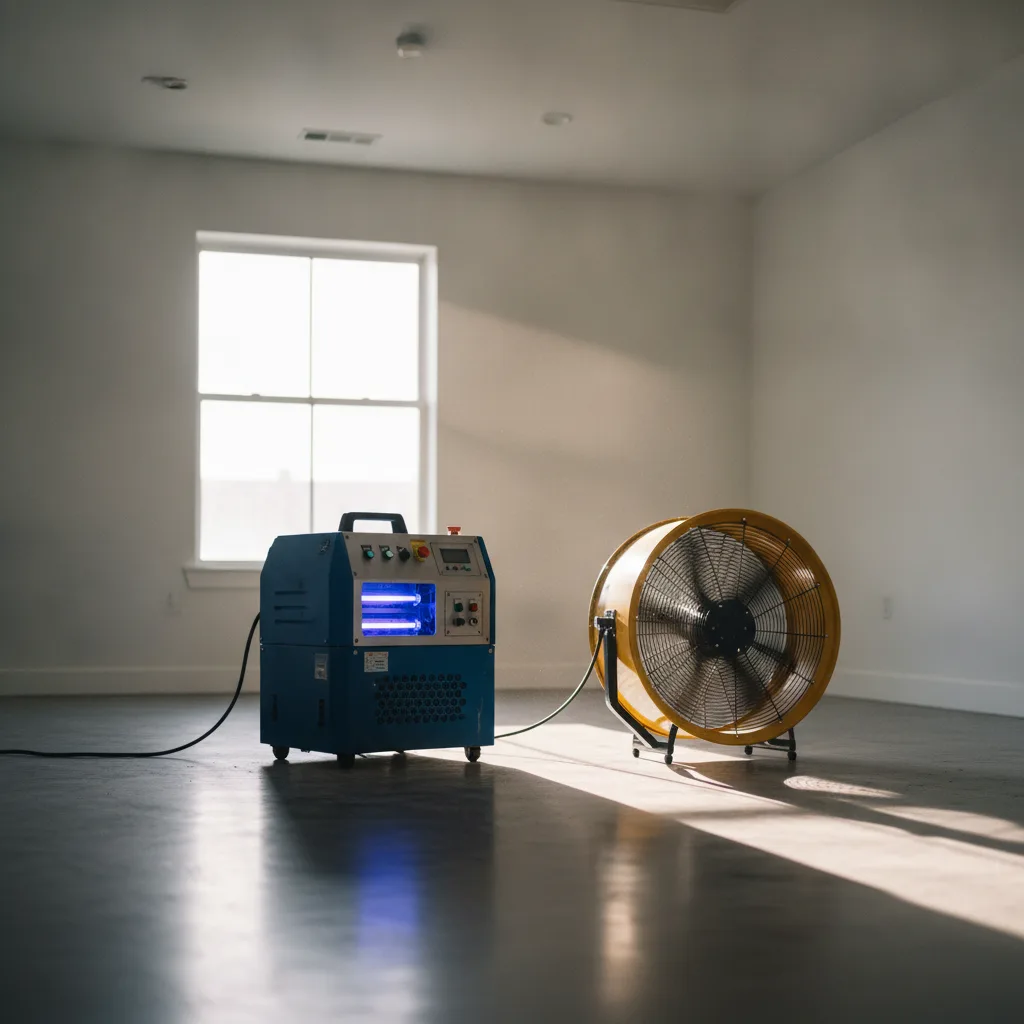
- Odor neutralization using hydroxyl or ozone technology where biological odor has penetrated the structure.
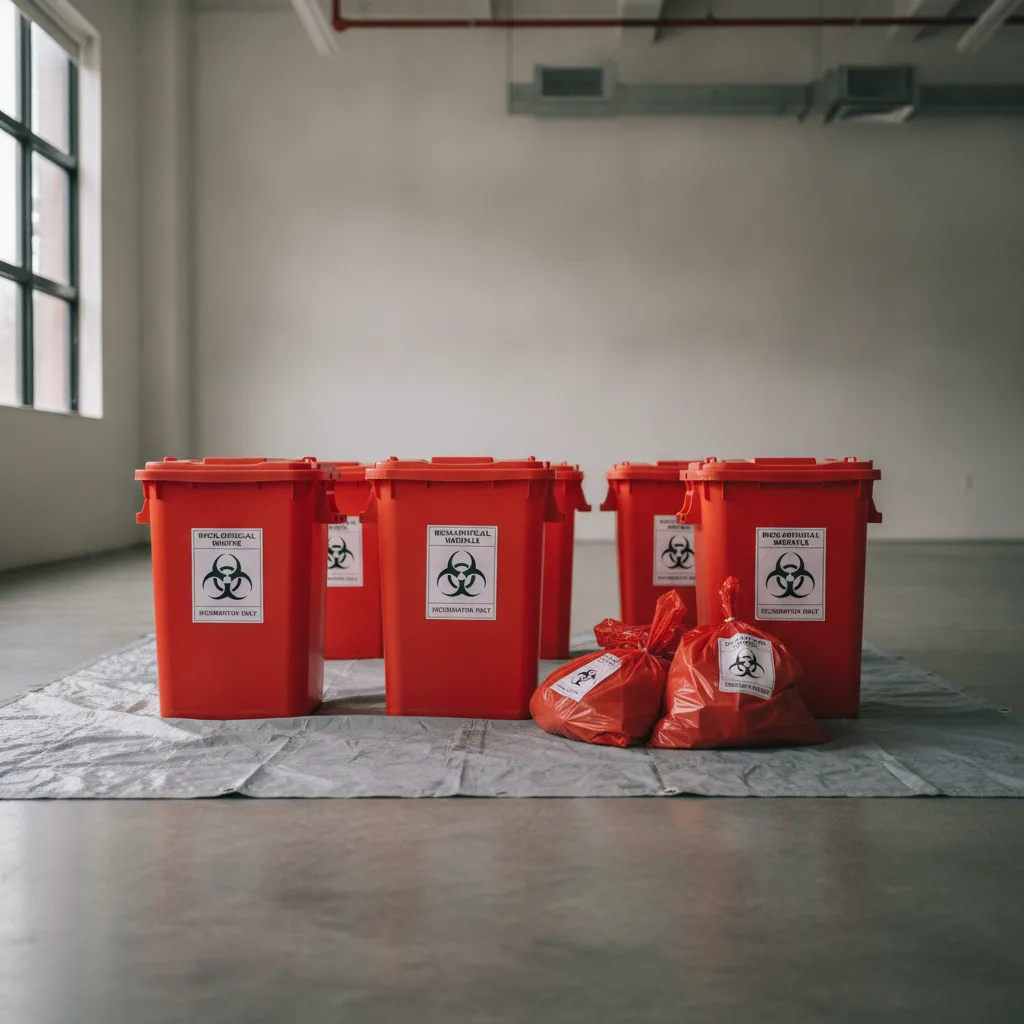
- Regulated biohazard waste disposal in accordance with federal and state Department of Transportation rules for medical waste.
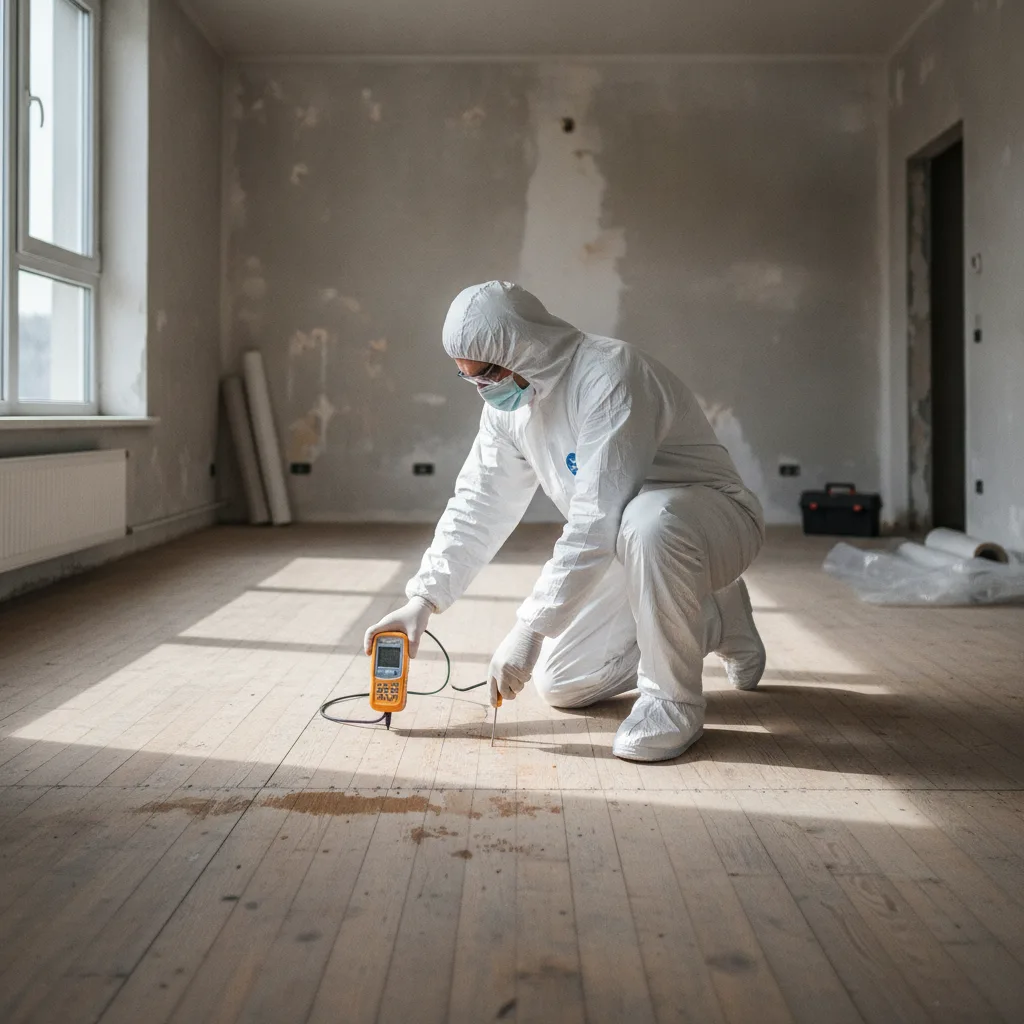
- Structural assessment to determine whether contamination has migrated into wall cavities, HVAC systems, or subfloor layers that are not visible at first inspection.
The scope of cleanup varies based on the type of property, the time elapsed before discovery, and the specific location within the structure. A scene discovered quickly in a bathroom typically involves a smaller remediation footprint than one discovered after several days in a finished basement.
How We Protect Your Family's Privacy
We protect your family's privacy through unmarked vehicles, plain protective gear, and arrival times coordinated with you. Our technicians wear plain protective gear without large company branding. We coordinate arrival times with the family to minimize visibility to neighbors. All communication with your insurance company is handled by us, so you do not need to describe the scene repeatedly to multiple people.
We remove all biological material in sealed, opaque containers. No materials leave the property in a way that is identifiable to passersby. Waste transport and disposal follow regulated medical waste protocols, fully documented for your insurance file.
We understand that the people who reach out to us are often in the most difficult hours of their lives. If you need help right now, you can contact our team at any hour for an emergency response. Every member of our team is trained to work quietly, efficiently, and with full respect for the family's space and grief. Everyone who contacts us after a suicide is in one of the most difficult moments of their life, and our approach is built entirely around their pace and emotional needs. Our page for families after a traumatic death offers emotional support, a practical process for navigating cleanup, and insurance guidance. Reach out at any point — no question is too small, and no call is ever rushed.
Most customers pay $0 out of pocket — we bill your insurance directly.
Call (727) 649-8014What to Do First: A Guide for Families and Property Owners
The period immediately following a suicide is filled with shock, grief, and an overwhelming number of decisions that families are never prepared to make. The first steps are to contact emergency services, keep family members away from the scene, and call a professional cleanup service before cleaning anything yourself; the full steps that matter most in the first hours are below. For immediate steps, the cleanup process, and emotional support for families, read what to do after a suicide. That guide walks through each step in order so families do not have to figure it out alone.
- Contact emergency services if you have not already done so. Law enforcement and, in most cases, the medical examiner must clear the scene before any cleanup can begin. Do not disturb the area until they have released it.
- Keep family members, especially children, away from the scene. There is no benefit to exposure, and the memory of a traumatic scene can compound grief significantly.
- Call a professional cleanup service before attempting any cleaning yourself. Blood and biological fluid are classified as regulated biohazardous waste. Personal cleaning exposes you to bloodborne pathogens including hepatitis B, hepatitis C, and HIV, and may void your insurance coverage if improperly handled.
- Contact your insurance company or allow us to do it for you. Most homeowner, renter, landlord, and commercial property policies cover professional biohazard cleanup. For situations that go beyond a suicide scene, biohazard cleanup may be the related service you need instead. We handle the insurance contact and claim paperwork directly, so you do not have to navigate that process while grieving.
- Document nothing yourself for insurance unless your insurer specifically requests it. We photograph and document the scene professionally as part of our intake process, in a way that meets insurance claim requirements.
One practical decision rule: If you are unsure whether the scene has been released by law enforcement, call the responding agency directly before allowing anyone — including us — to enter. We can begin intake and insurance coordination by phone while you wait for clearance.
Insurance & Cost: What Families Need to Know
Suicide cleanup is classified as biohazard remediation — a covered peril under most standard property insurance policies in the United States. Coverage typically applies whether the property is owner-occupied, rented, or commercially managed.
We contact your insurer on your behalf, submit the documentation they require, and follow the claim through to payment. You do not need to describe the scene to an insurance adjuster. You do not need to negotiate costs or submit invoices. We manage every step.
Because policies vary, we always say "most policies cover" rather than guaranteeing coverage for every situation. The only dollar amount we ask families to think about is $0 — what you typically pay when your policy applies. If a coverage question arises, we work directly with your insurer to resolve it. Families should not assume suicide is an excluded event under their homeowners or renters policy, because coverage varies by carrier and policy wording, and many events are covered. For insurance coverage for biohazard cleanup, including policy types, who pays, and how direct billing works, see our page on insurance policies that cover suicide cleanup. Integrity Crime Scene Services reviews the policy with the family and bills the carrier directly when coverage is confirmed.
Landlords and property managers are also commonly covered under commercial landlord or property policies. Landlords and property managers also request cleanup through our partner network, and the same insurance process applies to them.
In some states, crime victim compensation programs extend to suicide cleanup when the death occurred in specific circumstances or the decedent was considered a victim of a criminal act. Our page on state crime victim compensation programs explains how these programs can provide coverage for biohazard and crime scene cleanup. Eligibility requirements vary significantly by state and are detailed on that page.
Most customers pay $0 out of pocket — we bill your insurance directly.
Call (727) 649-8014Our Cleanup Process
Every job follows a structured, documented process designed to ensure complete biological removal and meet insurance documentation standards.
- Initial call and intake. When you call (727) 649-8014, a live team member gathers the basic facts: property type, scene location, and insurance information. We begin coordinating with your insurer at this stage.
- Scene assessment (on arrival). Trained technicians conduct a thorough walkthrough to identify all affected surfaces, determine whether contamination has migrated beyond the visible area, and document findings for the insurance file.
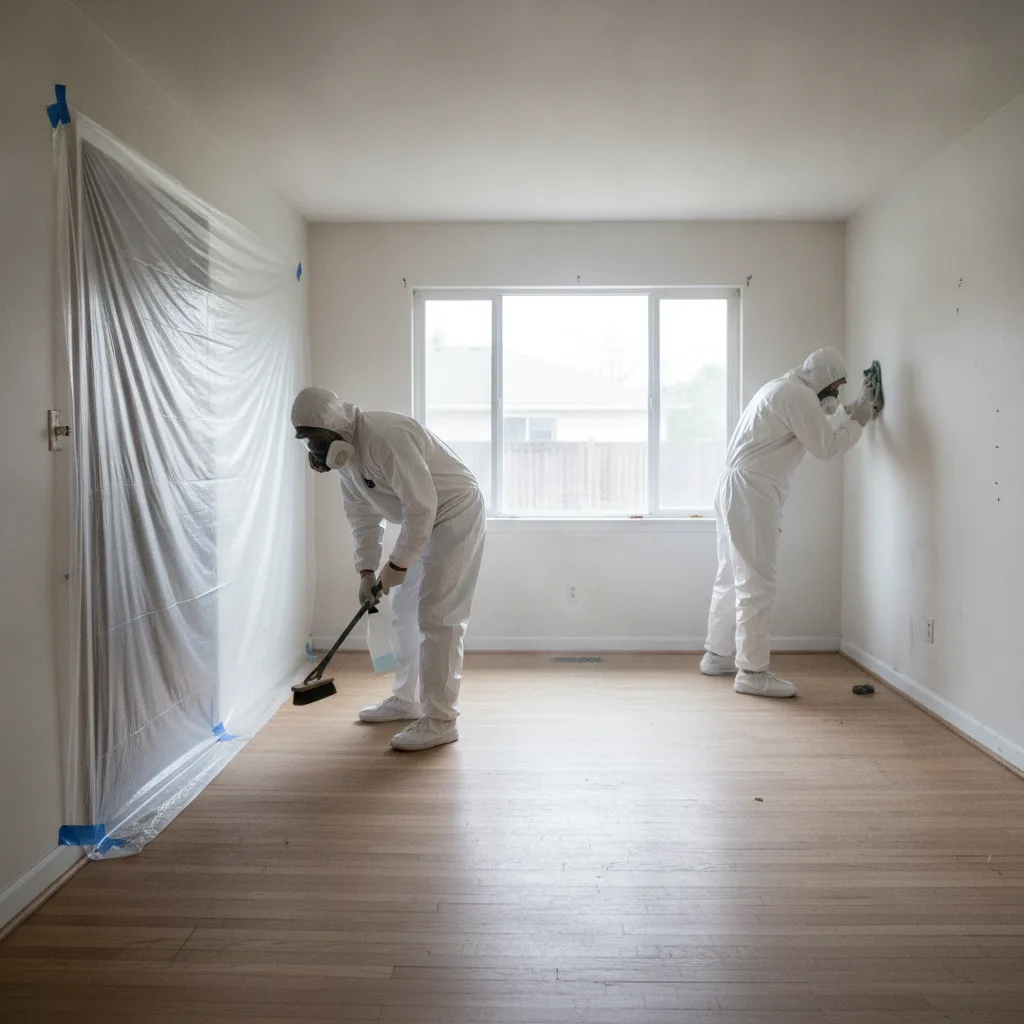
- Containment setup. The affected area is isolated using physical barriers and negative air pressure where needed to prevent cross-contamination of unaffected areas of the property.
- Biological material removal. All blood, fluids, and tissue are removed from surfaces. Porous materials that cannot be safely disinfected — including carpet, padding, drywall, and subfloor sections — are removed and packaged as regulated biohazard waste.
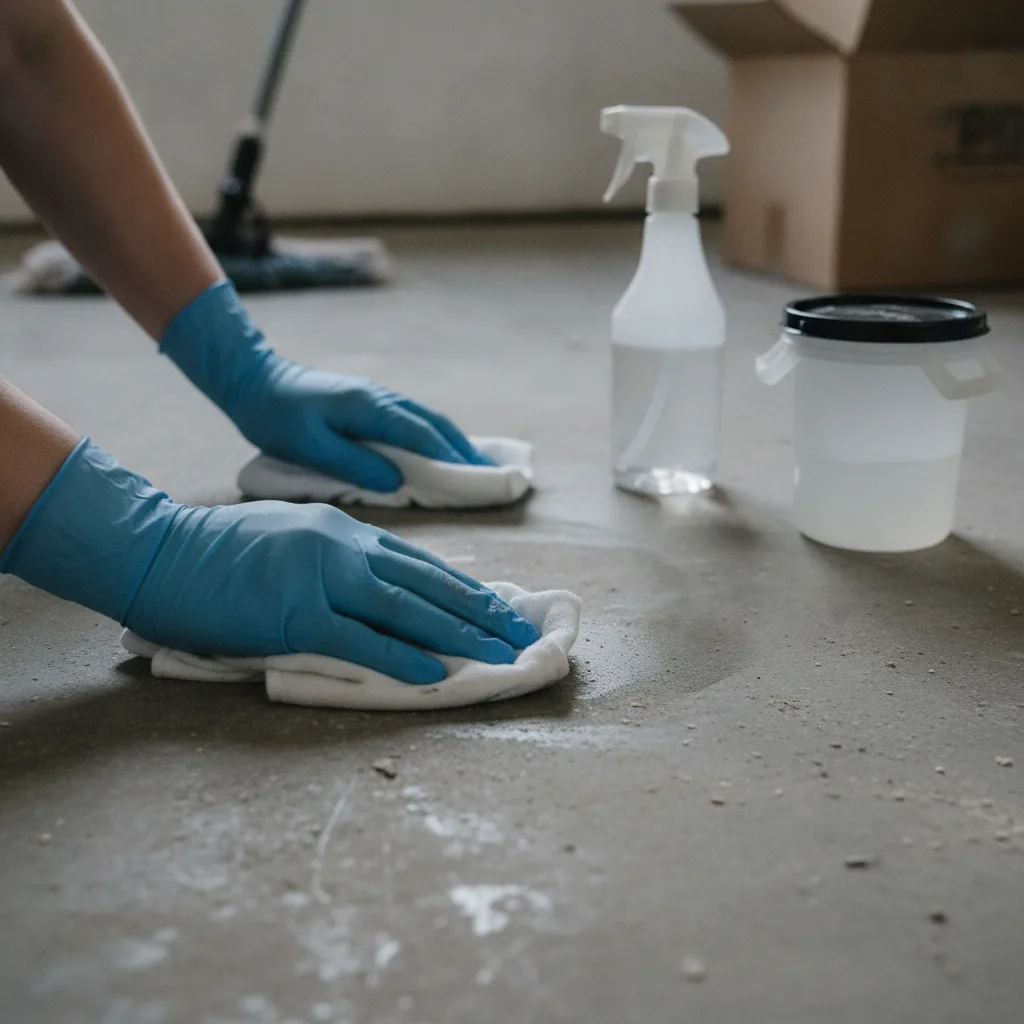
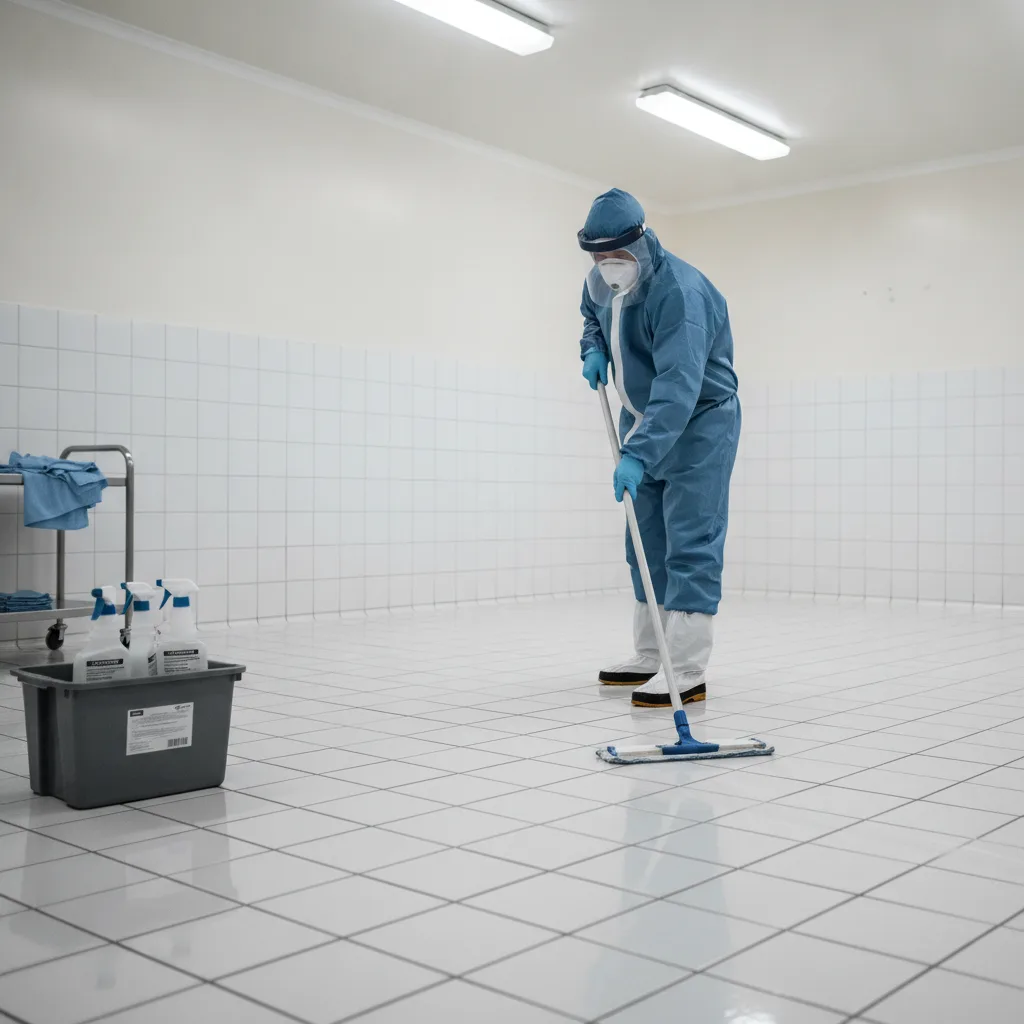
- Disinfection. All affected hard surfaces are treated with EPA-registered biocidal disinfectants at concentrations required to eliminate bloodborne pathogens. This step is logged for insurance documentation.
- Odor treatment. Where biological odor has penetrated the structure, we deploy hydroxyl or ozone equipment to neutralize odor at the molecular level rather than masking it.
- Final inspection and documentation. Technicians conduct a room-by-room post-remediation inspection. All findings and completed steps are documented and submitted to your insurer as part of the claim file.
Why Professional Cleanup Is Necessary
Blood and bodily fluids are classified as regulated biohazardous waste under OSHA Bloodborne Pathogens Standard 29 CFR 1910.1030. Hepatitis B can survive on a dry surface for up to 7 days. These facts alone explain why household cleaning products and personal protective equipment available to the public are insufficient for scene remediation.
Beyond health risk, improperly cleaned scenes can retain odor that is identifiable months later, particularly in warmer climates where biological decomposition accelerates. Scenes where contamination reaches subfloor material, concrete, or wall cavities require demolition and replacement — work that must be documented for insurance and disposed of according to medical waste regulations that apply to biohazardous material.
Attempting to clean the scene personally before contacting your insurer can also create a coverage problem: some policies require documentation of the original condition before remediation begins. Our process includes pre-cleaning documentation specifically to protect your claim.
Most customers pay $0 out of pocket — we bill your insurance directly.
Call (727) 649-8014Frequently Asked Questions
These answers cover insurance coverage, upfront cost, arrival, privacy, rental properties, timing, and who typically contacts us after a suicide.
Will my insurance cover suicide cleanup?
Most homeowner, renter, landlord, and commercial property policies cover professional biohazard and trauma scene cleanup, including suicide cleanup; our Trauma Scene Cleanup Services page details how this work is done. We contact your insurer, submit documentation, and manage the claim. Most families pay $0 out of pocket. Because every policy is different, we always say "typically covered" rather than guaranteeing it, and we work directly with your insurer to confirm and maximize coverage.
Do I have to pay anything upfront?
No. We bill your insurance company directly. There is no upfront payment required from you. The only amount most families pay is $0.
How quickly can a team arrive?
A team can arrive as quickly as possible once the scene has been released, and we operate 24 hours a day, 7 days a week. Teams are located in cities across the United States. Response timing depends on your specific location; call (727) 649-8014 and we will confirm availability for your area. The scene must first be released by law enforcement before cleanup can begin, so contact us as soon as it is cleared.
Can I clean the scene myself to save money?
We strongly advise against it, for two reasons. First, biological material at a suicide scene poses real bloodborne pathogen exposure risk that household cleaning products cannot adequately address. Second, cleaning the scene before it is professionally documented may create a problem with your insurance claim. Since professional cleanup is typically covered at no cost to you, there is no financial reason to attempt it yourself.
Will neighbors or building staff know why your team is there?
No. Our vehicles are unmarked. Our technicians wear plain protective equipment without identifiable branding. We coordinate arrival times with the family and work in a way that does not draw attention. Privacy is a standard part of every job, not an add-on.
What if the scene involves a rental property?
Landlord and property management policies typically cover biohazard cleanup in rental units. We work with landlord, commercial, and property management policies using the same direct-billing process. The tenant's or the property owner's policy may apply depending on the specifics; we help determine which policy to contact first. For a closer look at this situation, see the dedicated page on suicide cleanup in apartments and rental units.
How long does suicide cleanup take?
The length of cleanup depends on the size of the scene and how far contamination has spread. A contained scene in a single room generally takes less time, while scenes where contamination has spread to multiple surfaces, subfloor material, or wall cavities may require a second visit or extended work. We give you a clear timeline estimate after the initial scene assessment.
Who usually contacts you after a suicide?
Family members, landlords, and property managers all contact us after a suicide. We also receive referrals from medical examiners, law enforcement, and funeral homes. Whoever contacts us first, we walk every caller through the same straightforward process.
Related Cleanup Services
Suicide cleanup is one part of a broader category of trauma and biohazard remediation. We handle all related situations through the same trained teams and insurance-covered process. For scenes that involve blood without a suicide, blood cleanup may be the service you need instead.
- Unattended Death Cleanup
- Homicide Cleanup
- Blood Cleanup
- Biohazard Cleanup
- Decomposition Odor Removal
- Trauma Scene Cleanup
Find the team closest to you through our local teams in 149 cities across 31 states.
We Are Here. Call Us Now.
We are a crime scene cleanup service operating nationwide across the United States, available 24 hours a day, 7 days a week. If the scene has been released by law enforcement, we can begin coordinating your cleanup and your insurance claim right now.
Call: (727) 649-8014 — a live team member answers at any hour.
To find the team serving your specific city or region, visit our locations page. You can also learn more about our insurance and billing process or explore our full range of crime scene and biohazard services.
Integrity Crime Scene Services, a nationwide crime scene and biohazard cleanup provider whose local teams work in cities across the country, is ready to help; if you or someone you know needs immediate mental health support, dial or text 988 to reach the Suicide & Crisis Lifeline, available 24/7.