Discreet, certified crime scene and biohazard cleanup in Green Bay — unmarked vehicles, compassionate technicians, and in most cases $0 out of pocket since we bill your insurance directly.
Cleaning a trauma scene in Green Bay isn't the same as doing it in Phoenix or Atlanta. Long, sealed-up winters and sticky summers play a part. So do century-old houses and the way the county releases scenes. Here's what shapes every job we do in Brown County.
January highs here average in the low-to-mid 20s °F, and lows often drop into the single digits. Subzero nights come every winter. Houses stay sealed, and forced-air furnaces run around the clock. When someone dies at home and isn't found for days, that furnace carries odor and airborne contamination into every room and deep into the ductwork. The cold outside doesn't slow anything down when it's 70 degrees inside. Summer has its own problems. July highs run around 80°F with dew points in the 60s, which speeds up decomposition, insect activity and odor soaking into porous materials. About 50 inches of snow a year and early darkness also make staging and hauling waste harder. In January, you can't just open the windows to air a place out.
Green Bay is one of Wisconsin's oldest settled places. Houses from the late 1800s and early 1900s around Astor, Navarino, downtown and Fort Howard have plaster-and-lath walls, uncoated plank floors and stone or block basements. Blood and body fluids soak deep into those materials, so cutting out subfloor and sealing with encapsulants is common. Two-flats and duplexes share floors, stairwells and ducts, so one incident can affect two households. The postwar ranches and Cape Cods in Ashwaubenon and older De Pere may contain 9x9 floor tile or pipe wrap from the asbestos era, which has to be identified before any demolition. Newer homes in Howard and Bellevue have carpet, drywall and OSB subfloors that absorb fluids fast and usually have to be removed.
Cleanup can't start until the scene is released. Depending on the address, that's done by Green Bay Police, the Brown County Sheriff's Office (which covers Howard and Bellevue), Ashwaubenon Public Safety or De Pere Police. Death investigations go through the Brown County Medical Examiner. Contaminated materials count as infectious waste under Wis. Admin. Code NR 526. They have to be segregated, labeled, transported and disposed of properly, with records kept, and they never go in household trash. Workers fall under OSHA's Bloodborne Pathogens Standard (29 CFR 1910.1030). Wisconsin has no state license specific to crime scene cleanup, so OSHA compliance, insurance and proper waste records are how you tell a legitimate company from the rest. Rebuilding after demolition can require a building permit from your city or village.
Green Bay has about 107,000 residents, and Brown County has about 268,000. In many ways it still feels like everyone knows everyone. Families tell us their first worry is what the neighbors will see, so we use unmarked vehicles. Many older residents live alone in homes they've owned for decades, and their adult children often handle the estate from another state. Landlords and property managers here need documented cleanups to make units habitable again under ATCP 134 and Wis. Stat. ch. 704. We work with all of them in plain language, and we coordinate directly with insurers and funeral homes.
Every service we offer follows the same standard. We clean to the source, not just the surface. We dispose of waste legally and keep records. We bill insurance directly whenever coverage applies. Here's what each service includes and how it applies to Green Bay homes, rentals and workplaces.
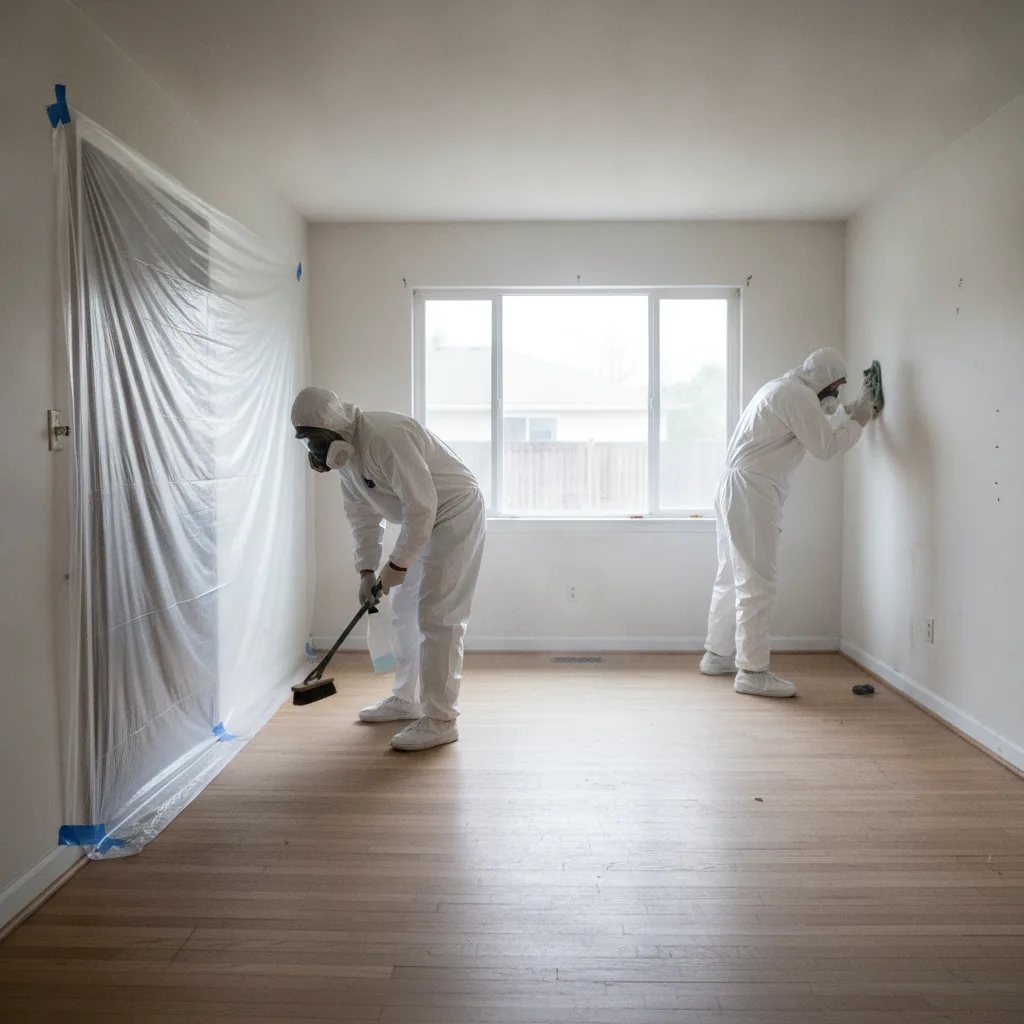
After law enforcement releases the scene, we remove blood, tissue, fingerprint powder, tear gas residue and contaminated materials, and return the space to a safe, livable condition.
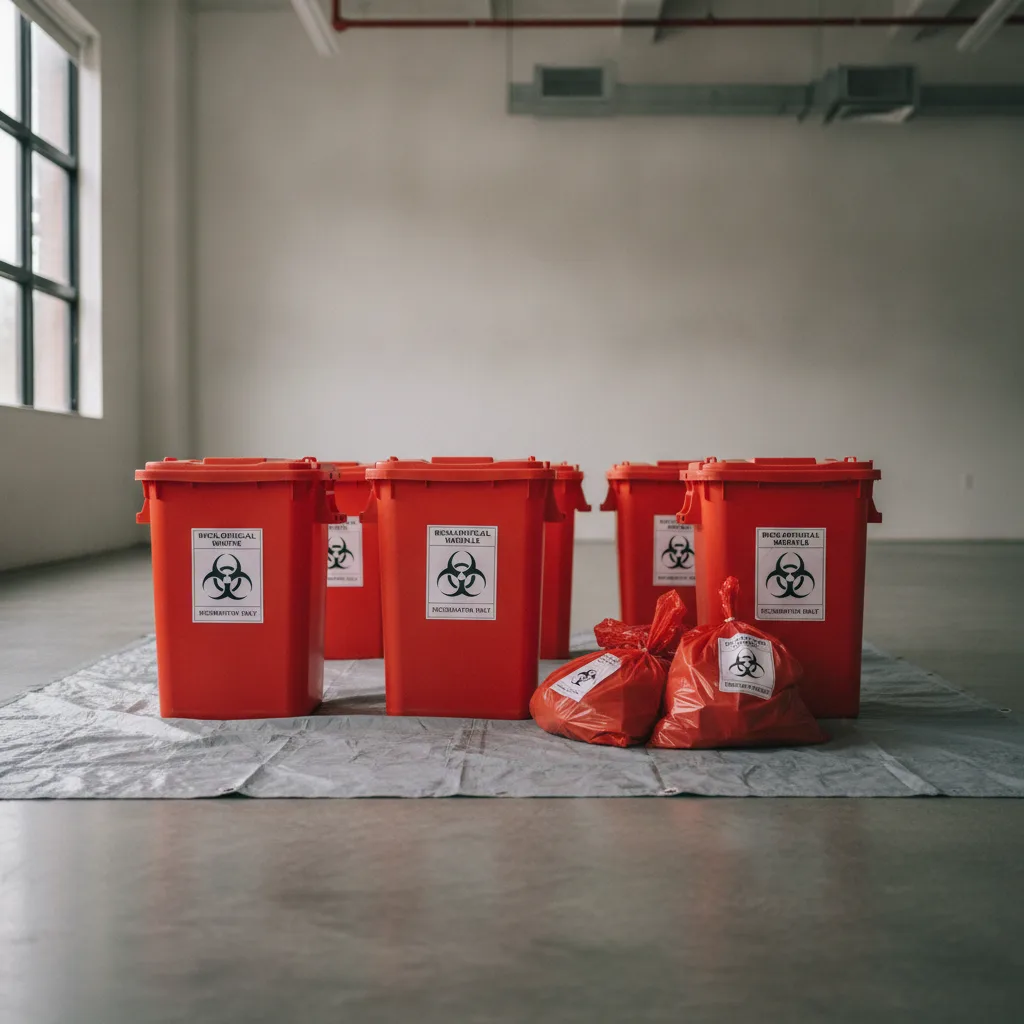
We clean up any material that carries infectious risk, including blood, body fluids, feces, vomit and sewage, in homes, businesses and vehicles.
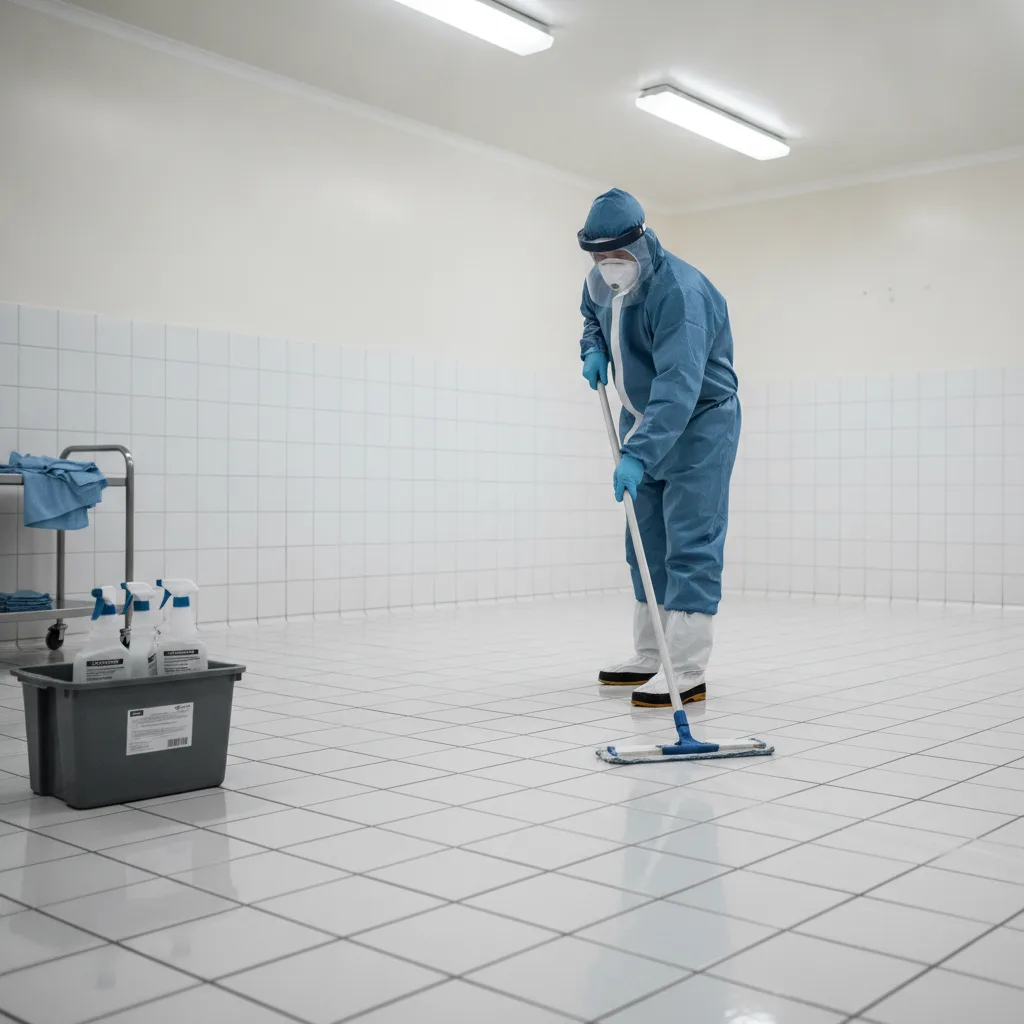
We clean up after suicides, serious accidents and injuries, with a calm crew that lets the family focus on each other instead of the room.
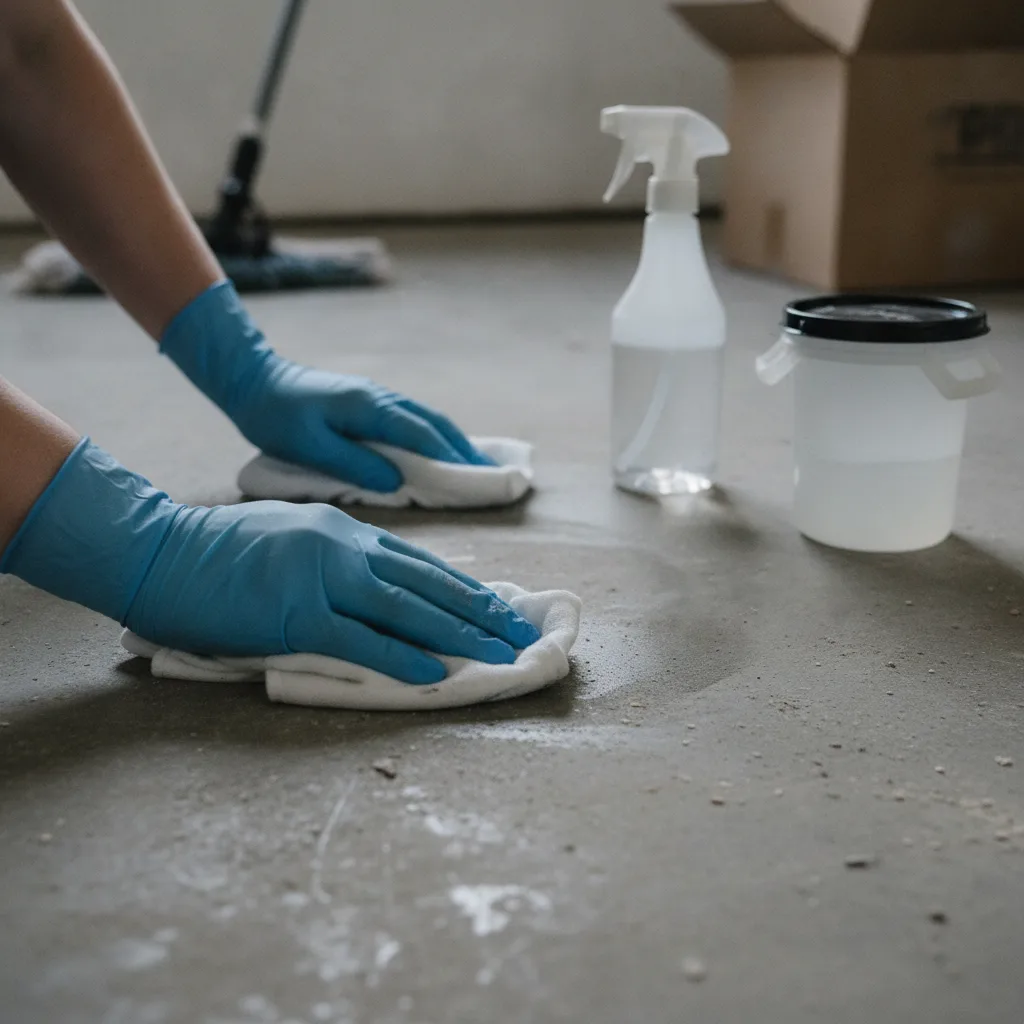
We remove blood of any amount from floors, walls, furniture, vehicles and workplaces, including what has soaked in below the surface.
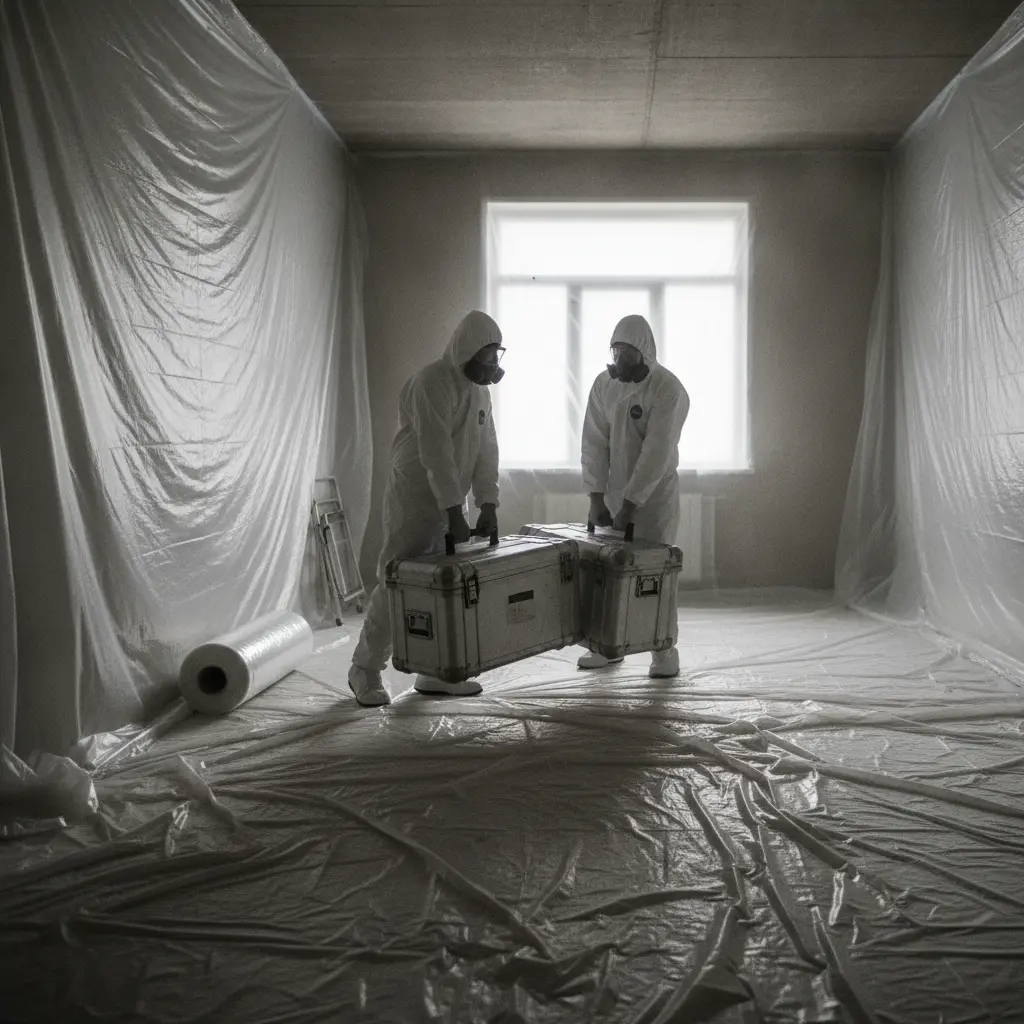
We restore homes and properties after a homicide with full discretion, and we work with investigators, insurers and victim advocates.
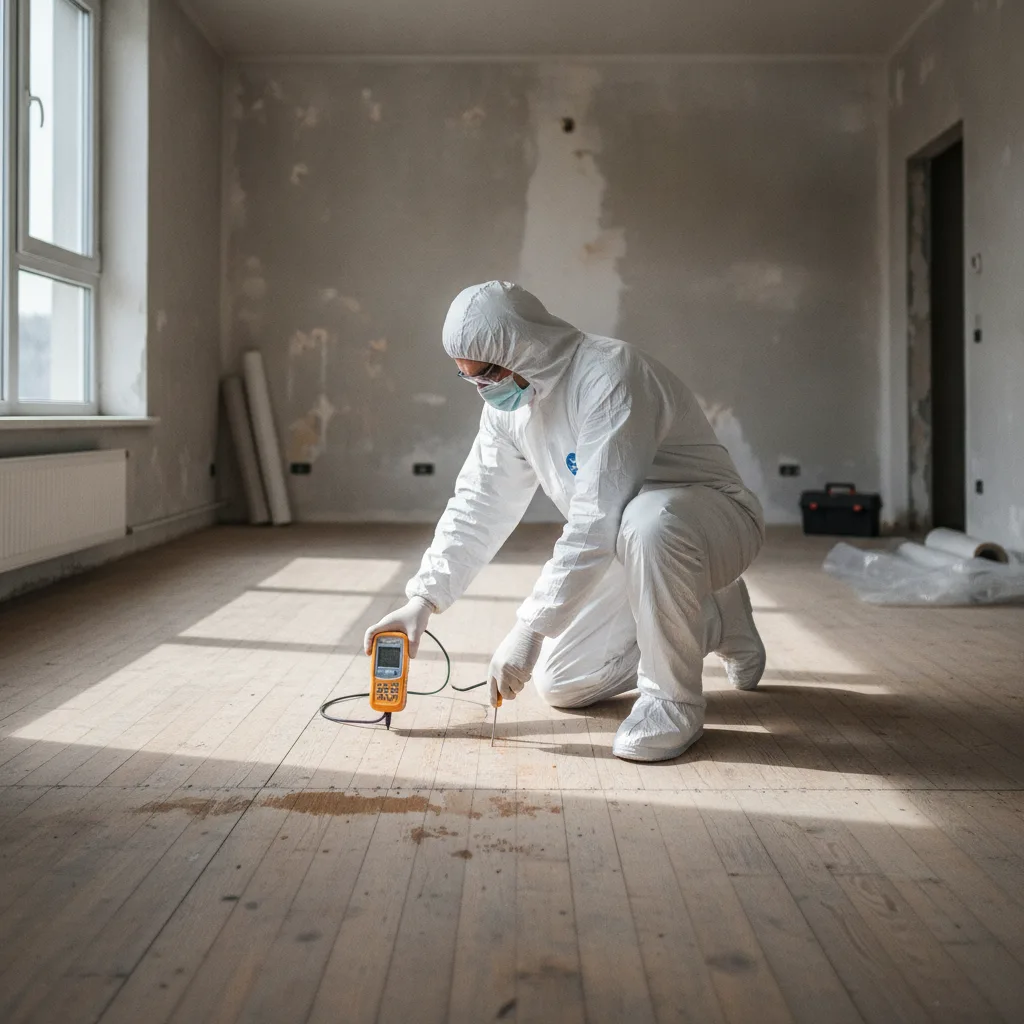
We clean up after a death that went undiscovered, including the flooring, the subfloor, the room below and the HVAC system that carried contamination through the house.
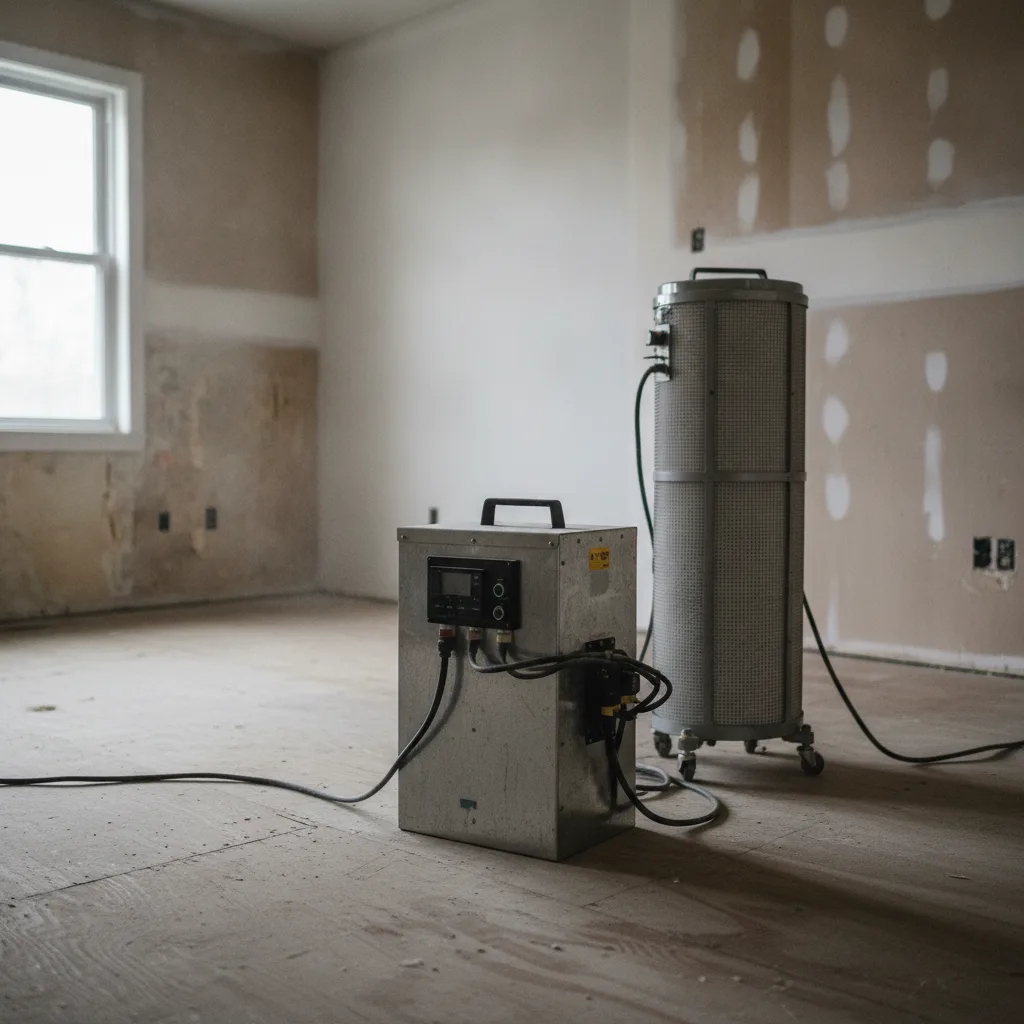
We handle advanced decomposition, including fluids, insects and severe odor, and restore the structure so it can be lived in again.
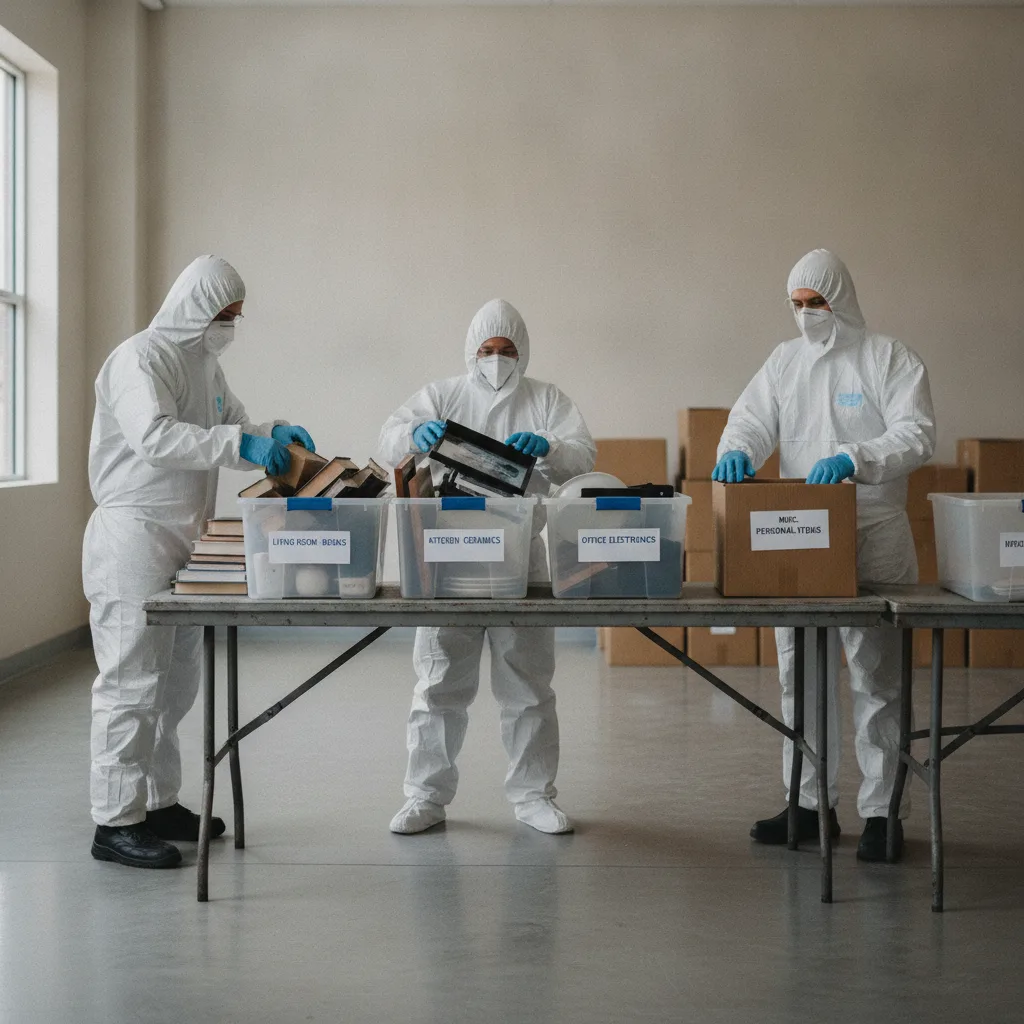
We clear hoarded and squalor conditions safely, set aside valuables and documents, and remove animal waste, rodent contamination and mold.
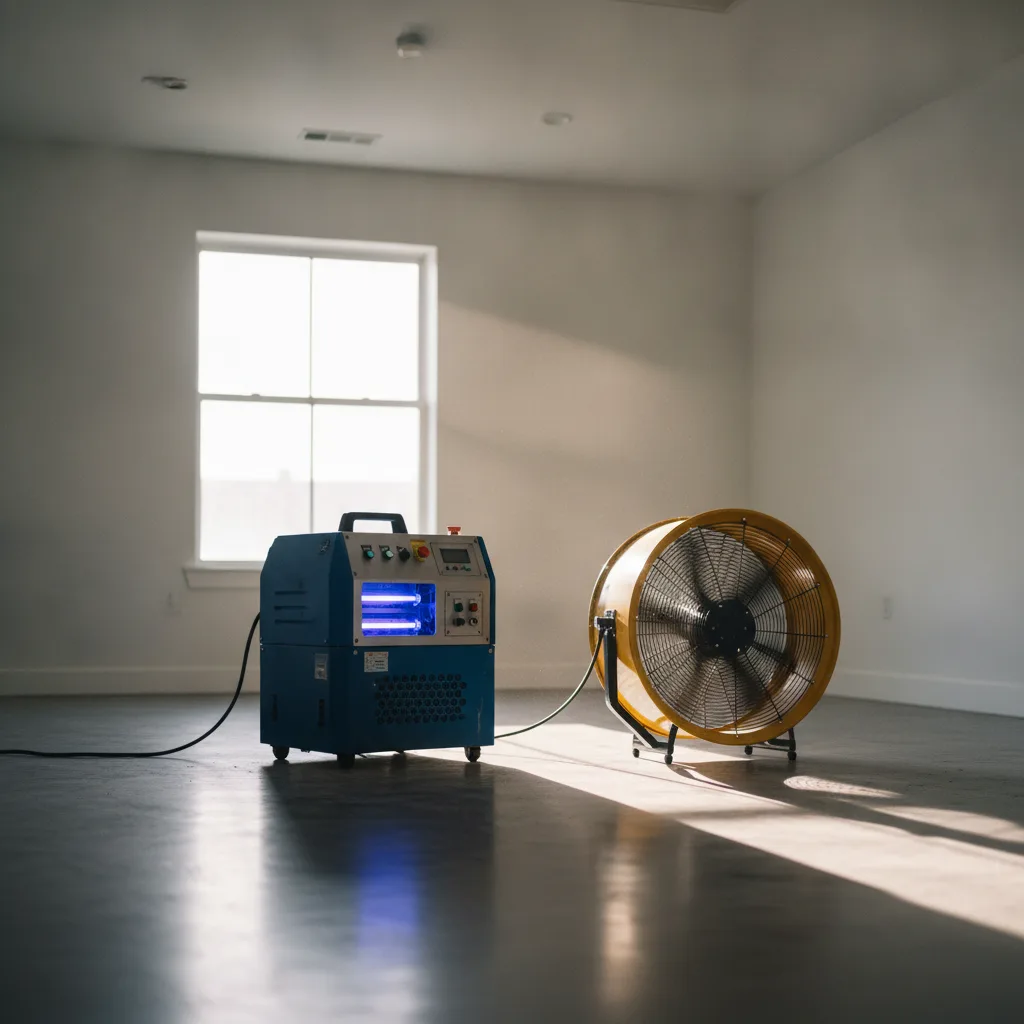
We eliminate decomposition, smoke, urine and biohazard odors at the source instead of covering them up.
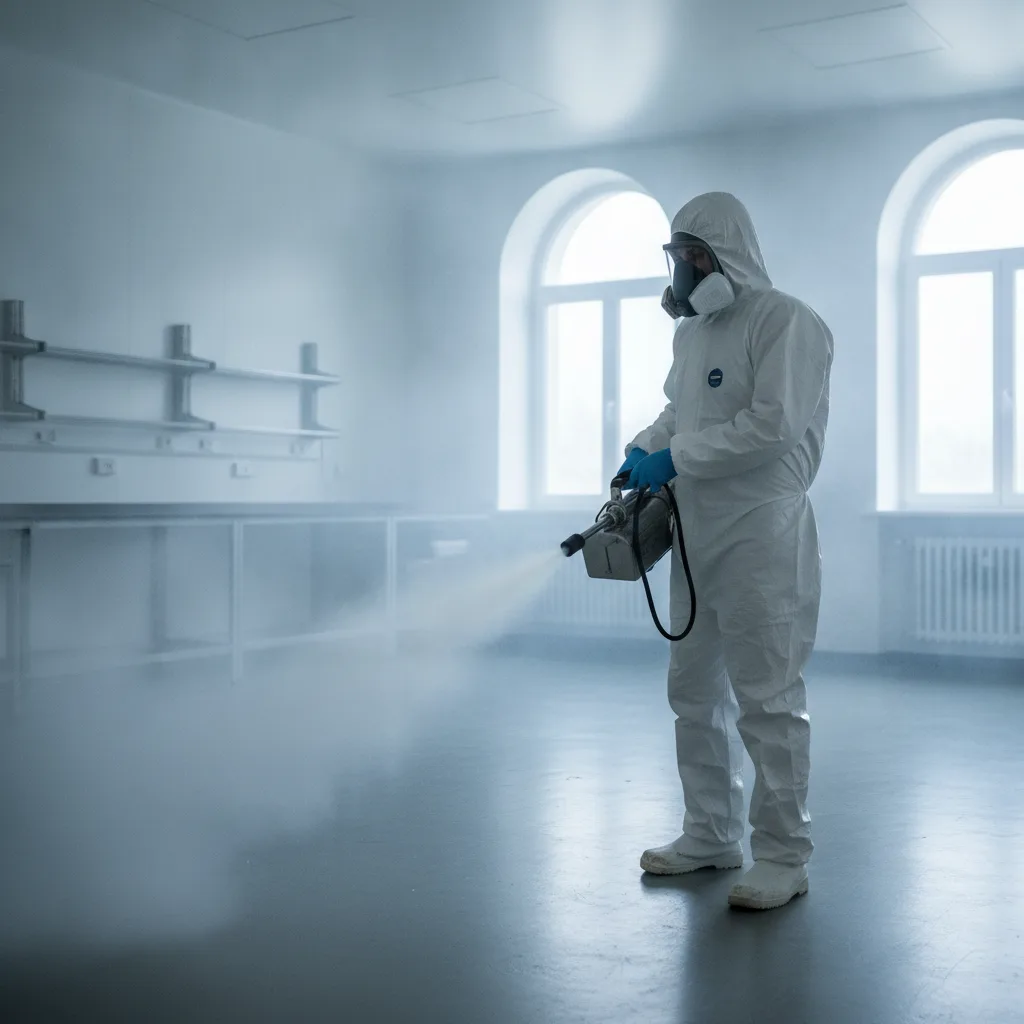
We decontaminate homes, rentals, motels, vehicles and workplaces exposed to drug residue, infectious materials or pathogens.
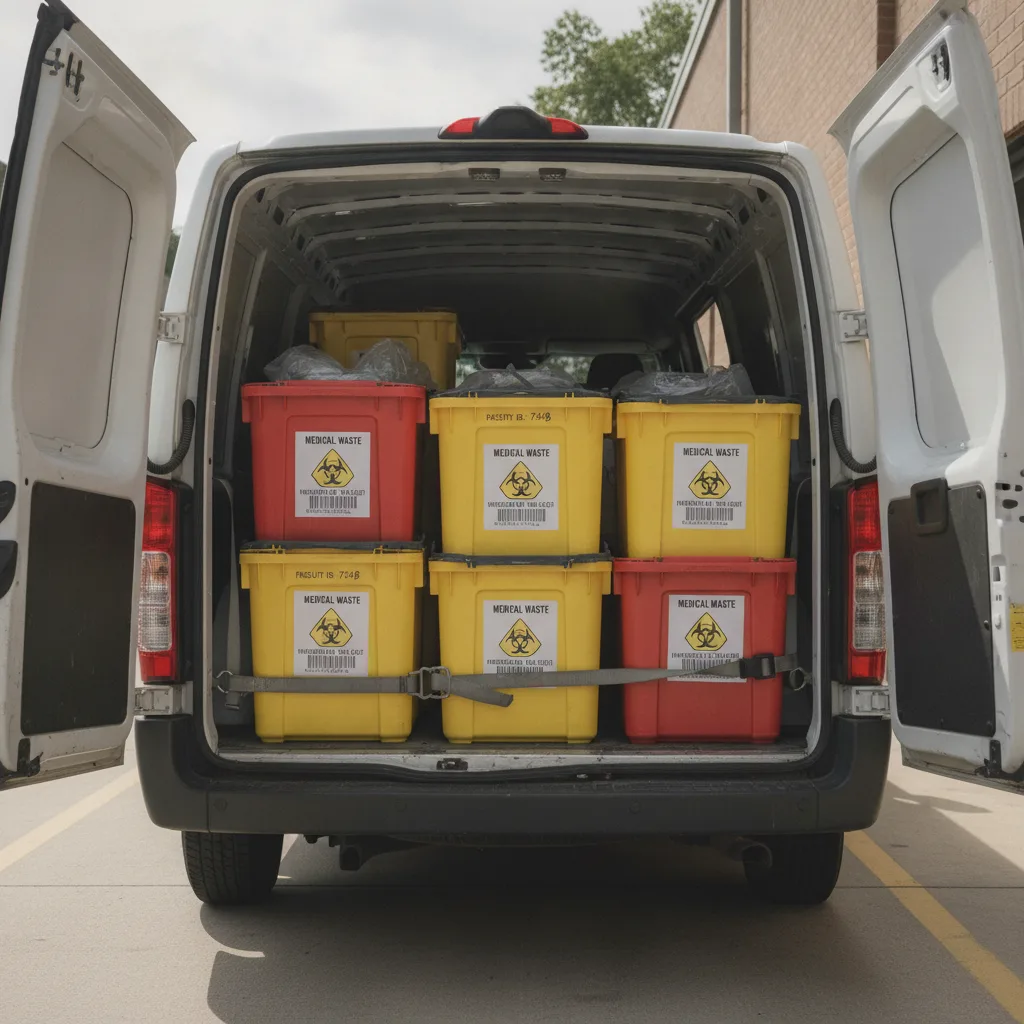
We collect, package, transport and dispose of sharps, blood-soaked materials and other infectious waste legally.
Families usually call us after something has already gone wrong and they don't know what comes next. These are the situations we see most often across Brown County. For each one, we explain why it happens here, the signs to watch for, and how serious it is, so you know when to call right away.
This is a death that goes undiscovered for days or weeks while the home's heating system keeps running. Body fluids soak into flooring and subfloor. The forced-air system pulls odor and airborne contaminants through the return ducts and spreads them throughout the house.
In warm, humid conditions, decomposition moves fast. Flies, maggots and odor can soak a room within days. Fluids reach deep into carpet, pad, drywall and wood, and insects can spread contamination to other parts of the home.
After a homicide, suicide, assault or serious accident, blood moves past what you can see. It soaks into porous surfaces, settles in floorboard gaps, runs into subfloor, and can drip into basements below, where it carries bloodborne pathogens such as hepatitis B and C and HIV.
This includes cleanup after an opioid overdose, discarded needles and sharps, and residue from smoking or making methamphetamine. Meth residue settles on walls, ducts and fabrics and can harm the next occupants, especially children.
This is black water from a sewer or septic backup flooding a basement. It's classified as Category 3, the most contaminated level, and carries bacteria, viruses and parasites. Drywall, carpet and anything stored on the floor that it touches becomes biohazard waste.
These are homes where years of accumulated belongings hide animal waste, rotting food, rodent activity, mold or human waste. Clutter can block exits and hide structural damage, and the air is often unsafe to breathe without protective equipment.
This means a limited amount of blood from a household injury, a workplace cut, or a person injured inside a vehicle. The area is small, but the pathogen risk is the same as a larger scene, and cloth seats and carpet soak it up quickly.
Most families have never done this before, and they shouldn't have to figure it out alone. Here's exactly what happens from your first call until we hand your home back to you.
24/7, immediately
Often within the hour after you call
Same day, in most cases
Typically 1–3 days, longer for severe decomposition or hoarding
Final day
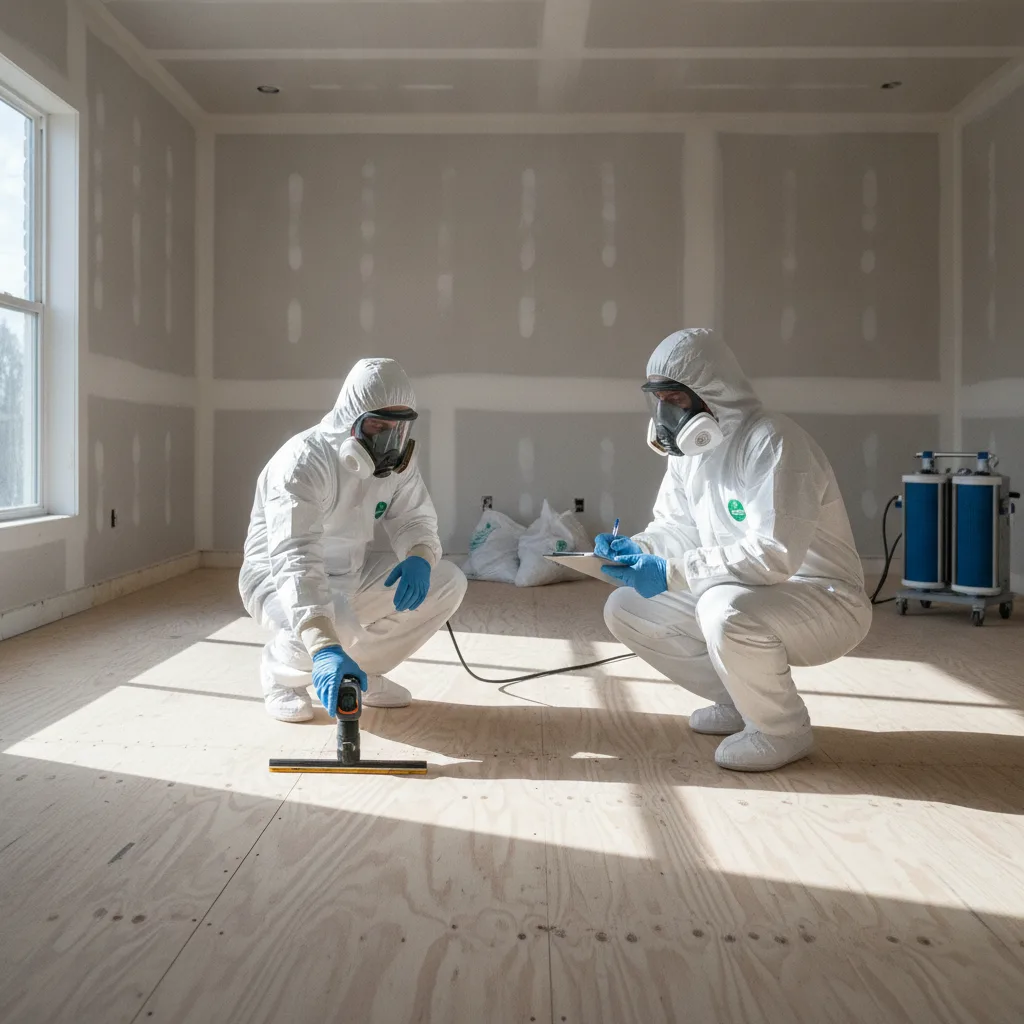
Homeowners and landlord policies often cover trauma, unattended death and biohazard cleanup. Most people never learn that until they're in the middle of it. We contact your insurer, send the adjuster the photos and scope, and bill them directly. For many covered claims, that means $0 out-of-pocket for you beyond any deductible your policy has. If something isn't covered, we tell you before any work starts, never after. For eligible crime victims, we explain how the Wisconsin DOJ Crime Victim Compensation Program may help.
Nobody chooses when a tragedy happens. It might be 2 a.m. in January or a holiday weekend. When you call, a person picks up, not an answering service that calls back hours later. We can usually be headed your way within the hour, anywhere in Green Bay, Ashwaubenon, Howard, Bellevue or De Pere. Our crews are equipped to work through subzero cold, heavy snow and early darkness, so winter doesn't slow down our response.
Green Bay is a place where neighbors notice things and word travels. We get that. Our vehicles are unmarked, our crews keep a low profile, and we don't talk about your situation with anyone who doesn't need to know. In HOA-controlled subdivisions in Howard, Bellevue and De Pere, we plan vehicle and waste-container placement to keep things discreet and within the rules. Your family deserves privacy while you grieve.
A lot of our work is in older wood-frame homes: balloon-frame houses in Astor Park and Navarino, two-flats in Fort Howard, and stone-basement homes near downtown. Those materials hold contamination in ways newer drywall doesn't. We know when plank subfloor has to come out, when encapsulants are enough, and how to protect historic finishes you want to keep. We also know that homes closed up all winter usually need their ducts cleaned too.
Wisconsin doesn't license crime scene cleaners, so anyone can claim to be one. What separates real professionals is how they work. Our technicians follow OSHA's Bloodborne Pathogens Standard, including PPE and respiratory protection. Every bag of infectious waste is handled under Wisconsin DNR NR 526 rules and disposed of legally, with records kept. None of it ends up in a dumpster. That protects you, your neighbors, and anyone who lives in the home later.
Biohazard work means cutting out floors, handling dangerous materials and working inside someone's home during a hard time. Integrity Crime Scene Services is fully insured, so you aren't exposed to liability if something goes wrong on the job. Insurance adjusters, property managers and estate attorneys check this first, and it's one of the few real ways to verify a cleanup company in Wisconsin. Ask any company you're considering for proof of insurance.
Most families assume the police, the Medical Examiner or the funeral home will handle cleanup. Then they find out it's up to them. We explain what happens next in plain language, without pressure. If you're an adult child handling a parent's home from out of state, we can manage everything with photos and updates so you don't have to walk into the room. We set aside photos, documents and keepsakes for you.
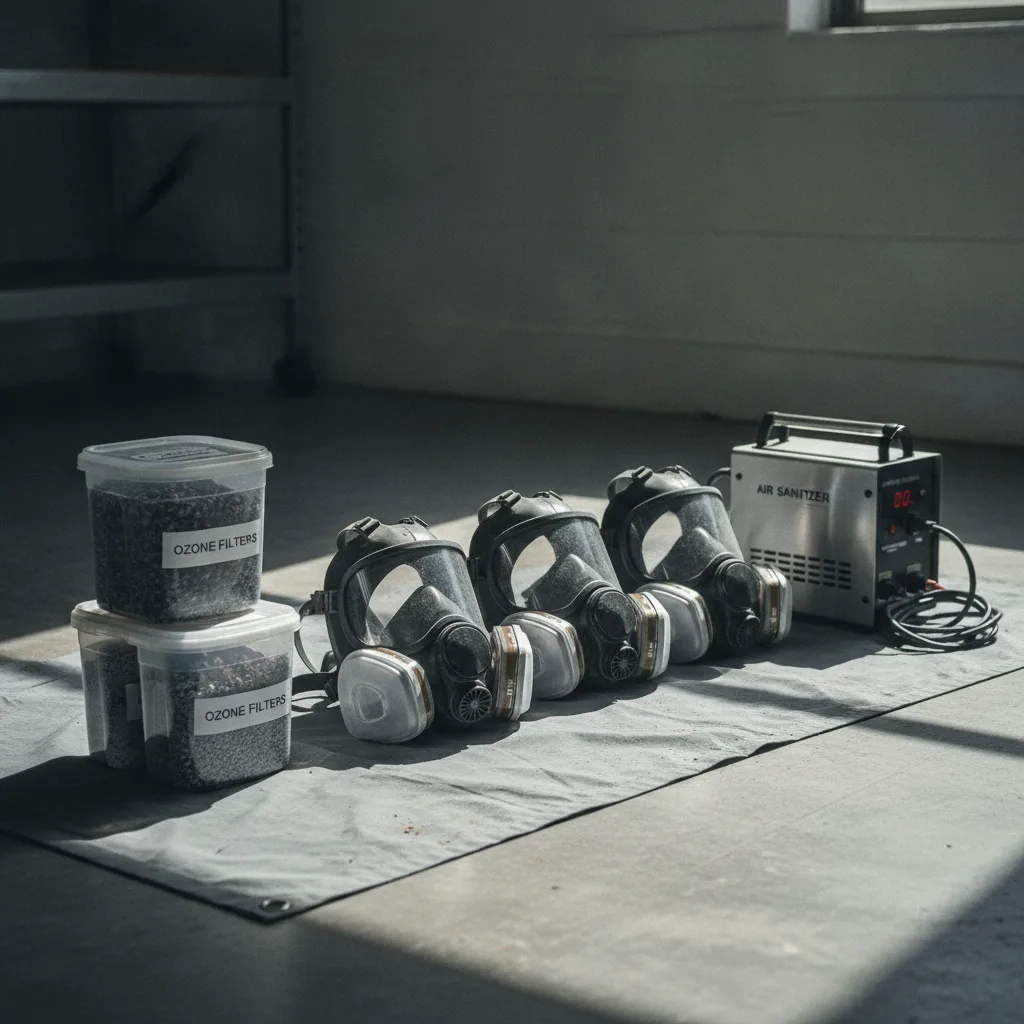
For most Green Bay families, the cost question has a simple answer. Homeowners and landlord insurance often covers trauma and biohazard cleanup, and we bill the insurer directly. Here's what affects the claim amount, so you know what the adjuster is looking at.
Your policy matters more than anything else. Most homeowners and landlord policies treat a sudden trauma, death or biohazard event as covered damage, and we bill the insurer directly. You may owe only your deductible, and many families pay nothing. If the event involved a crime, the Wisconsin DOJ Crime Victim Compensation Program may help eligible victims with costs that aren't covered. We review all of this with you before any work starts.
A spill on vinyl is a small job. Fluids that went through plank flooring into the subfloor, down to basement joists, and into the furnace ducts are a much bigger one. In Green Bay, winter unattended deaths often involve the HVAC system, which adds duct decontamination to the claim. We document every affected area with photos so the adjuster can see why each step is needed.
The longer a scene goes undiscovered, the more materials have to come out and the longer odor treatment takes. A death found within a day is a very different job from one found after two weeks of snow piling up, or a week in July humidity. Getting the cleanup started quickly after the scene is released keeps secondary damage, like basement mold, from adding to the claim.
Older plaster, uncoated planks and stone basements in Astor Park, Navarino and Fort Howard take more work to remove and seal. Postwar homes may need asbestos-era materials checked before demolition. Carpet, drywall and OSB subfloors in Howard and Bellevue usually come out and get replaced. Shared-wall duplexes can turn one claim into two.
All contaminated material has to be packaged, transported and disposed of as infectious waste under Wisconsin DNR NR 526, and that cost goes on the insurance claim. Hoarding jobs and large removals produce more containers. Winter conditions can add time to staging and hauling.
If part of a job isn't covered, such as many hoarding cleanups, we explain that upfront and talk through options with you, the estate, or the property owner before work begins. You won't get a surprise bill.
In many cases, yes. Homeowners and landlord insurance policies often cover trauma, unattended death and biohazard cleanup as sudden, accidental damage. We work with your insurer directly by sending photos, scope and documentation to the adjuster, so many families pay $0 out-of-pocket beyond any deductible. Coverage depends on the policy, so we review it with you before work begins. If a crime was involved, the Wisconsin Department of Justice Crime Victim Compensation Program may help eligible victims with certain costs. Eligibility is decided case by case, and we're happy to explain how to apply.
No, and a lot of Green Bay families don't learn this until it happens. Green Bay PD, the Brown County Sheriff, Ashwaubenon Public Safety or De Pere Police secure and investigate the scene. The Brown County Medical Examiner handles death investigations, and the funeral home takes care of your loved one. Once the scene is released, cleanup becomes the property owner's responsibility. That's where we come in. Call us, and we'll coordinate the next steps, including insurance, so you don't have to work out who's responsible.
Most trauma and blood cleanups take one to two days. An unattended death with subfloor removal and HVAC duct decontamination often takes two to four days. Severe decomposition or large hoarding jobs can take longer. Odor treatment sometimes needs extra time after the main cleanup, especially in older plaster homes. Rebuilding is a separate step, and we tell you upfront if it will be needed. We give you a clear timeline at the assessment and keep you updated throughout.
Wisconsin doesn't have a state license specific to crime scene cleanup, so anyone can advertise the service. The work itself is regulated, though. OSHA's Bloodborne Pathogens Standard (29 CFR 1910.1030) covers worker training, PPE and exposure control. Contaminated materials are infectious waste under Wisconsin DNR rules (NR 526) and have to be packaged, transported and disposed of properly, with records kept. Former meth properties may need sign-off from Brown County Public Health or De Pere's health department. When rebuilding involves replacing drywall or subfloor, it can require a permit from your city or village.
We strongly advise against it. Blood and body fluids can carry hepatitis B, hepatitis C and HIV. In Green Bay's older homes, contamination usually soaks below the surface into plank floors, subfloors and basement joists, where household cleaners can't reach it. Infectious waste also can't legally go in your household trash. And because insurance often covers professional cleanup, doing it yourself usually doesn't save you anything. It can also hurt your claim if the damage isn't documented first.
Call as soon as the scene is released, or even before, so we can be ready. Every day matters. In winter, a running furnace keeps spreading odor through the ducts. In summer, heat and humidity speed up decomposition and insect activity. Fluids keep moving down toward the subfloor and basement, and Green Bay's damp clay-soil basements can grow mold within days. Acting quickly limits damage, keeps the insurance claim smaller, and gets your home livable again sooner. We answer 24/7.
We arrive in unmarked vehicles and keep a low profile. We don't discuss your situation with anyone outside the people you authorize. In HOA neighborhoods in Howard, Bellevue and De Pere, we plan where vehicles and waste containers go to stay discreet and follow the rules. On Packers game days near the Titletown District, we plan our arrival around traffic. In shared-wall flats, we talk with the neighboring tenants only as much as needed to protect their health.
Landlords can lower the risk with regular inspections, wellness check policies for older tenants living alone, and quick action on signs of hoarding or drug activity. After an incident, Wisconsin's landlord-tenant rules (ATCP 134 and Wis. Stat. ch. 704) mean you need the unit returned to habitable condition. We provide documented cleanup, sharps removal, residue testing and decontamination, and records you can give to tenants, insurers or health officials. In duplexes, we also contain the work to protect the occupied unit next door.
We come to you anywhere in Green Bay and the surrounding area, in unmarked vehicles, any hour of the day.
You've already been through enough. One call to us, day or night, and a calm, discreet crew takes it from here. We work with your insurer directly, so many families pay nothing out-of-pocket.
Call (920) 519-6210 Now