Discreet, certified crime scene and biohazard cleanup in Hauppauge — unmarked vehicles, compassionate technicians, and in most cases $0 out of pocket since we bill your insurance directly.
Biohazard cleanup on central Long Island isn't the same as it is in a city high-rise or a dry Sun Belt suburb. Our humid summers, closed-up winters, septic-dependent neighborhoods, post-war housing and overlapping town and county rules all affect how a scene has to be handled safely and legally.
Summer highs in Hauppauge reach the low-to-mid 80s °F, and July and August dew points often sit in the upper 60s to low 70s. In those conditions, decomposition speeds up fast. An unattended death found after three or four days usually means fluids have soaked through carpet, padding and plywood subfloor, and odor has gotten into the ductwork. Winter brings its own problems. Highs hover around 38–42 °F, so homes stay sealed and forced-air heat pushes odor and particulates into every room. Rainfall runs about 45–50 inches a year, so damp basements are common, and mold can take hold within 24–48 hours on contaminated materials. Nor'easters and tropical remnants like Sandy (2012) and Isaias (2020) have caused sewage backups that count as Category 3 black-water events.
Most homes here went up between the 1950s and 1970s: capes, ranches, hi-ranches and split-levels on lots of a quarter acre to half an acre. Hauppauge, Commack and Smithtown have many 1960s–70s split-levels and colonials. Smithtown also has pre-war and 19th-century homes near the village center and along the Nissequogue. In Brentwood and Central Islip, many capes and ranches have been turned into two-family homes or accessory apartments, which makes containment harder and muddies who's responsible for the cleanup. Finished basements with wall-to-wall carpet, paneling and drop ceilings soak up fluids and odor like a sponge. Any home built before 1980 may also contain asbestos, such as 9x9 floor tiles or pipe insulation, along with lead paint. That has to be checked before anything comes out. On the commercial side, the Long Island Innovation Park at Hauppauge, the county complex on Veterans Memorial Highway, LIRR stations and the motels along Route 347 and Jericho Turnpike all produce their own kinds of incidents.
All of Long Island's drinking water comes from the Upper Glacial, Magothy and Lloyd aquifers, which the EPA has designated a sole-source aquifer. The sandy soil drains fast, and much of Suffolk relies on cesspools and septic systems, all overseen by the Suffolk County Department of Health Services. Biohazardous fluids therefore have to be contained, solidified and removed as regulated medical waste, which falls under NYS DEC Part 364 transport rules and NYS Department of Health definitions. New York doesn't issue a dedicated crime-scene cleanup license, but OSHA 29 CFR 1910.1030 and 1910.134 still apply, and disturbing asbestos can trigger NYS DOL Industrial Code Rule 56. Cleanup can't start until Suffolk County Police (the 3rd or 4th Precinct) or the Medical Examiner's office in Hauppauge releases the scene. Jurisdiction is split, too. Hauppauge falls partly in Islip and partly in Smithtown, and Commack is split between Smithtown and Huntington. Islip's rental-permit enforcement also comes into play in tenant-death and hoarding cases.
Hauppauge, Commack and Smithtown are affluent suburbs with high homeownership. Many residents are older and live alone while their adult children live elsewhere, so executors and estate attorneys often hire us remotely. Brentwood has more than 60,000 residents and is majority Hispanic and Latino, with many renters and crowded housing. Central Islip, with more than 35,000 residents, is one of the most diverse communities on the Island. In every one of these places, families want the same things: help with insurance or NYS Office of Victim Services reimbursement, compassion and complete privacy.
Every service below follows OSHA protocols and New York State disposal requirements, and each one is built around central Long Island's septic systems, housing stock and climate. Most residential and commercial trauma work is billed directly to insurance, and we'll check your coverage before any work starts.
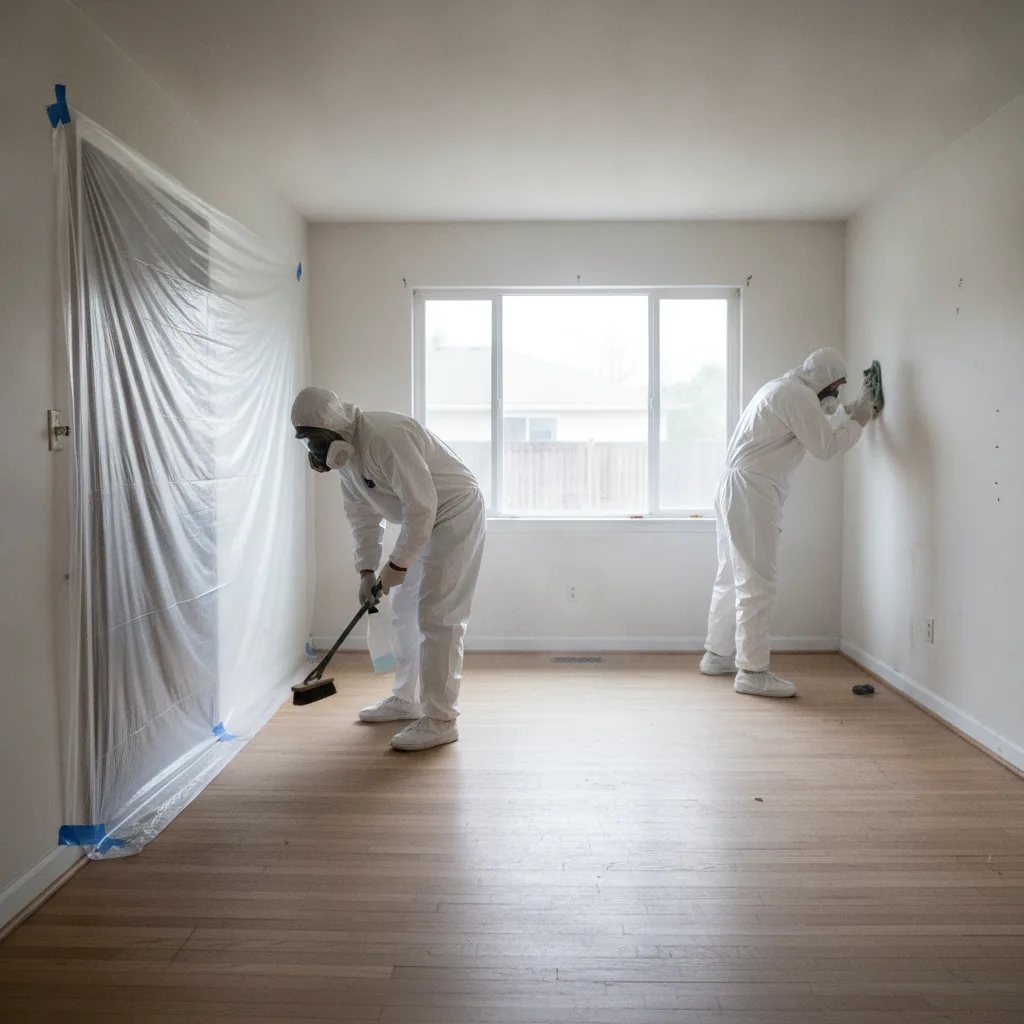
After police or the Medical Examiner release the scene, we clean, disinfect and restore it. That includes blood, tissue, fingerprint powder and other investigation residue in homes, vehicles and businesses.
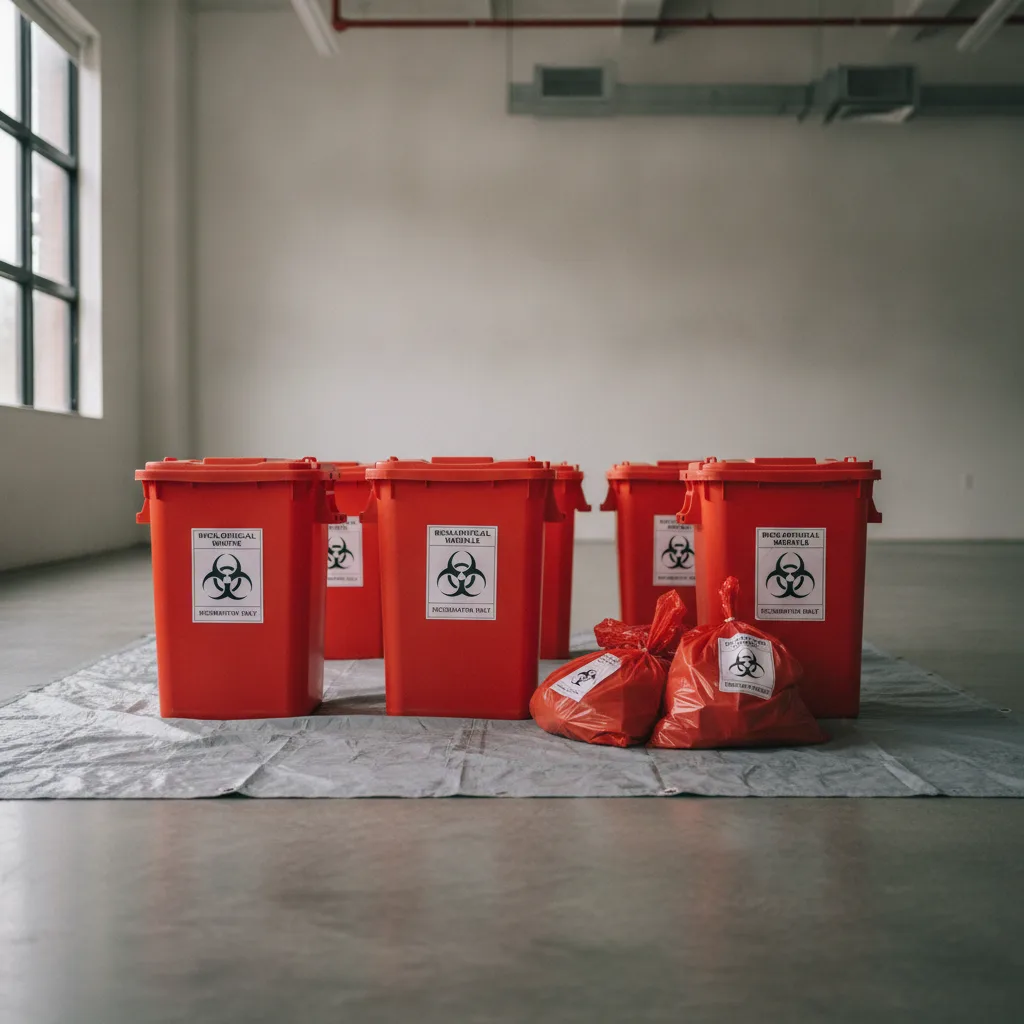
We safely remove and decontaminate any material that carries infectious risk, including blood, bodily fluids, human or animal waste and contaminated debris, in homes, vehicles and commercial facilities.
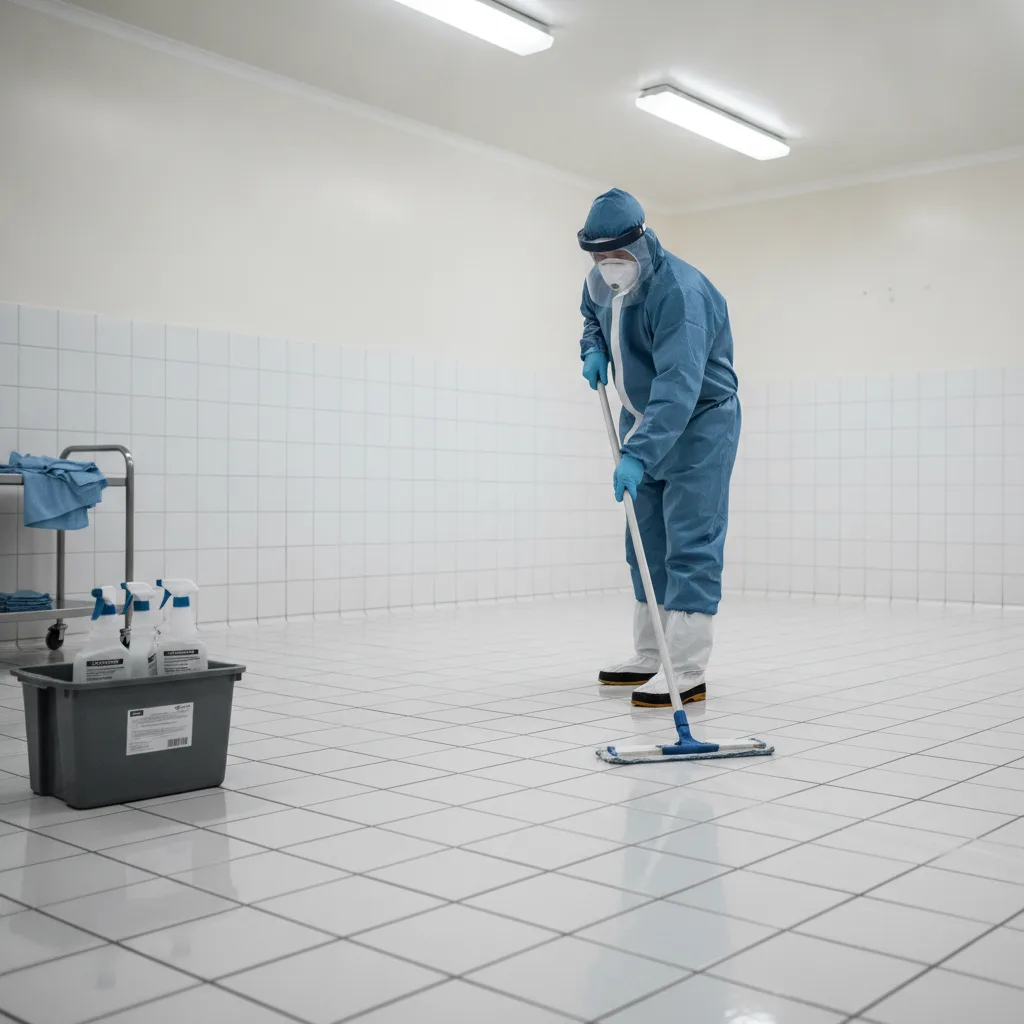
We clean up after suicides, serious accidents and other traumatic events so the family doesn't have to see or handle what's left behind.
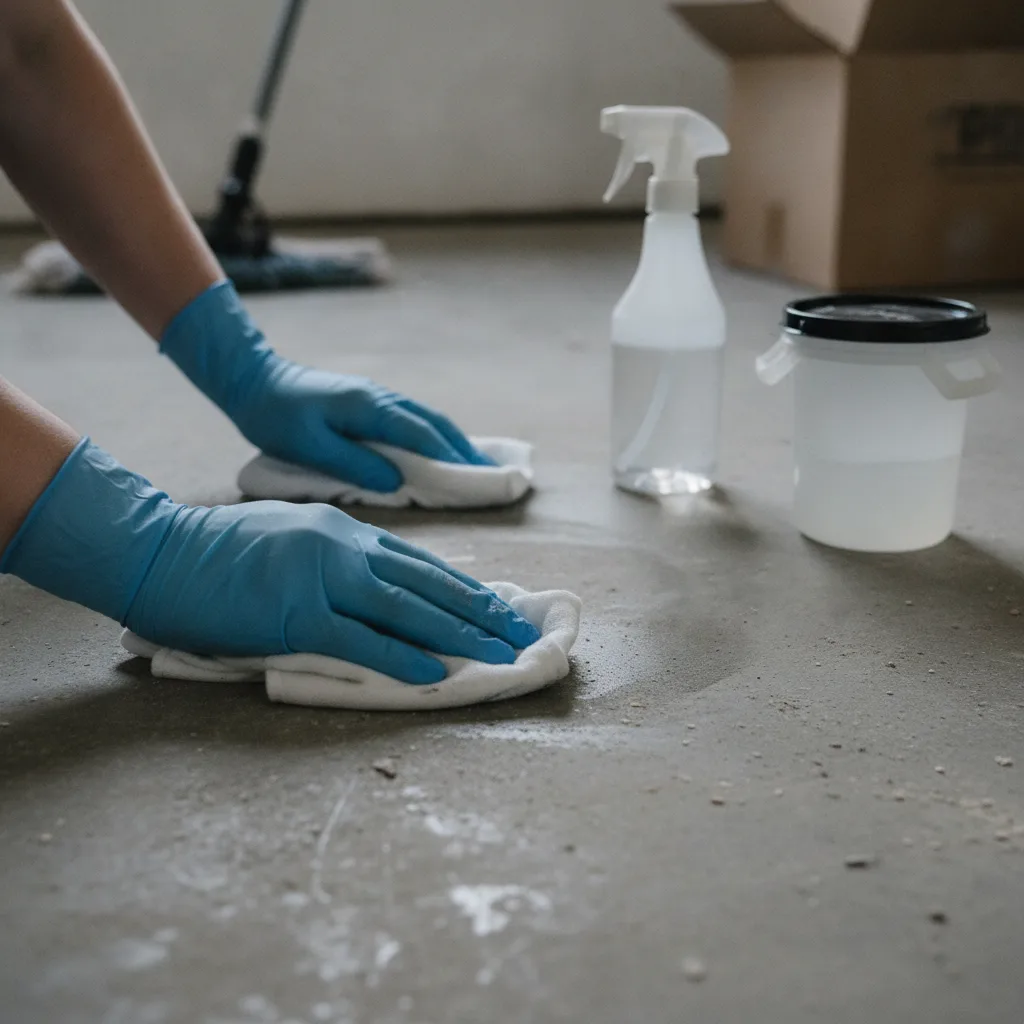
We clean up and disinfect blood from injuries, accidents, medical events or assaults on any surface, including carpet, tile, upholstery, concrete and car interiors.
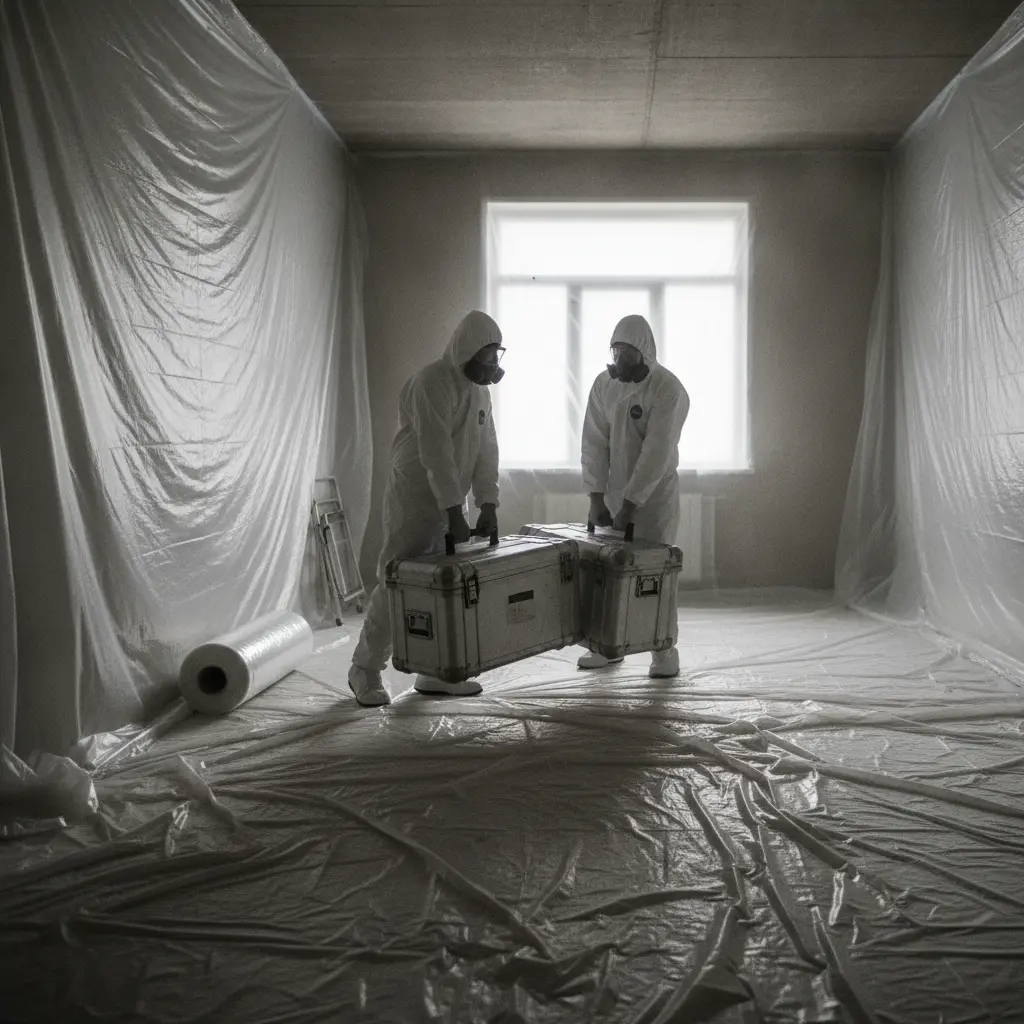
We do complete remediation after a homicide, with extra attention to privacy, family sensitivity and documentation for victim-assistance programs.
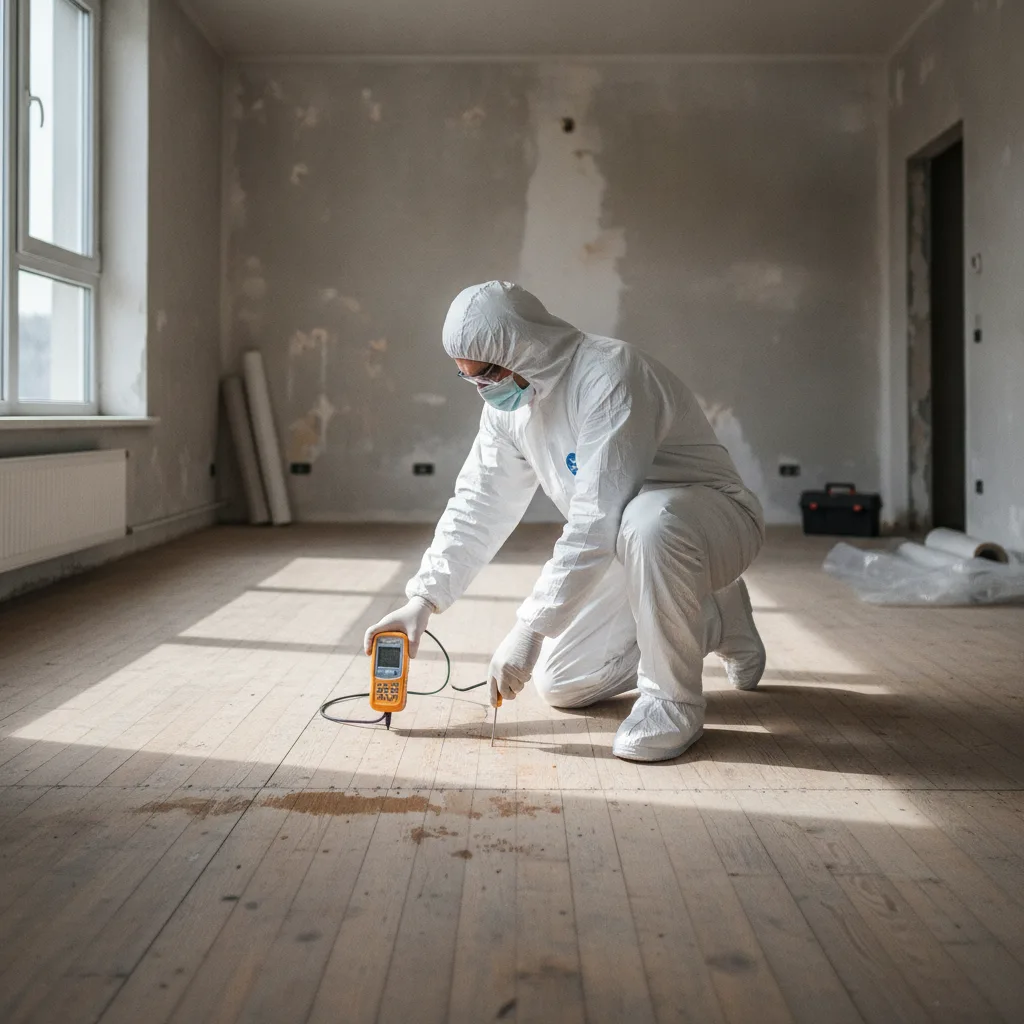
We restore homes where a death went undiscovered. We remove contaminated materials, disinfect the structure and eliminate the odor so the property is safe to live in, sell or settle.
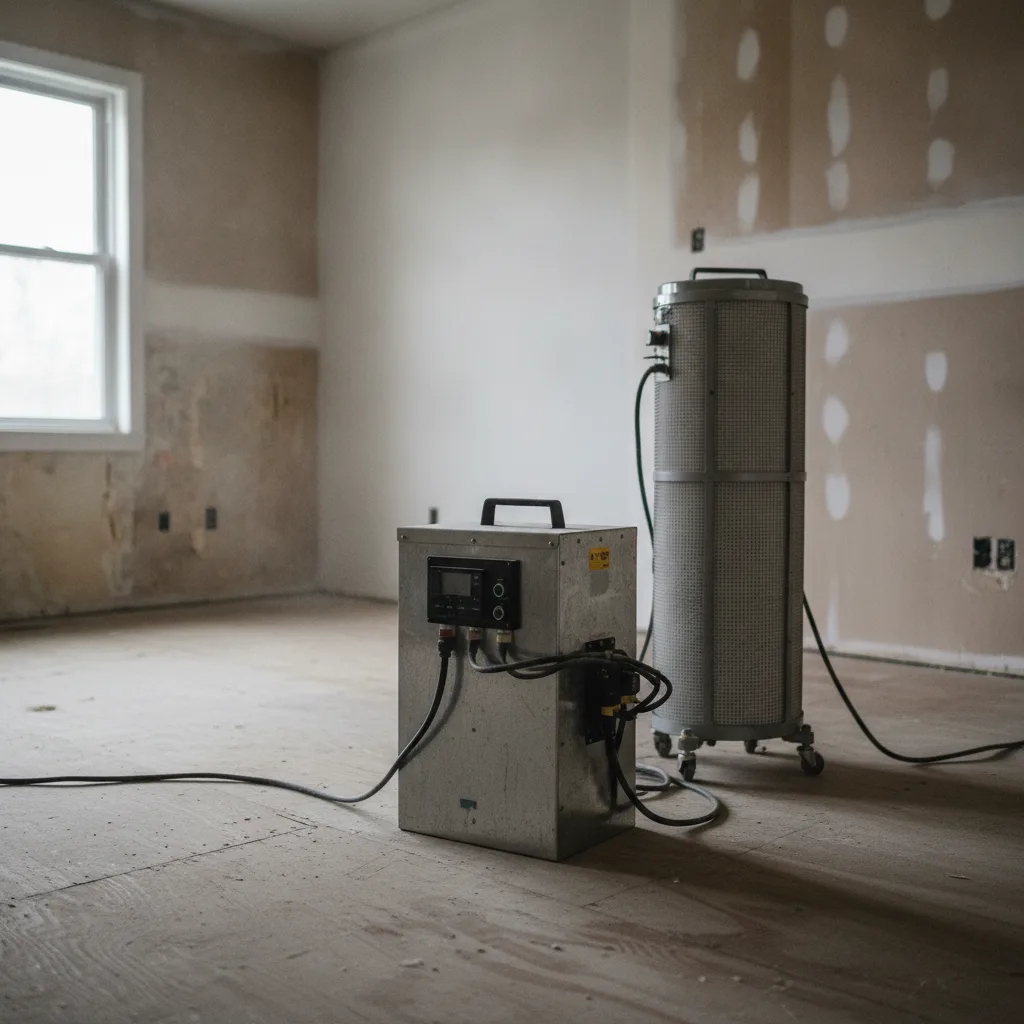
We remediate advanced decomposition, including fluid saturation, insect activity and heavy odor, wherever it has spread through the structure.
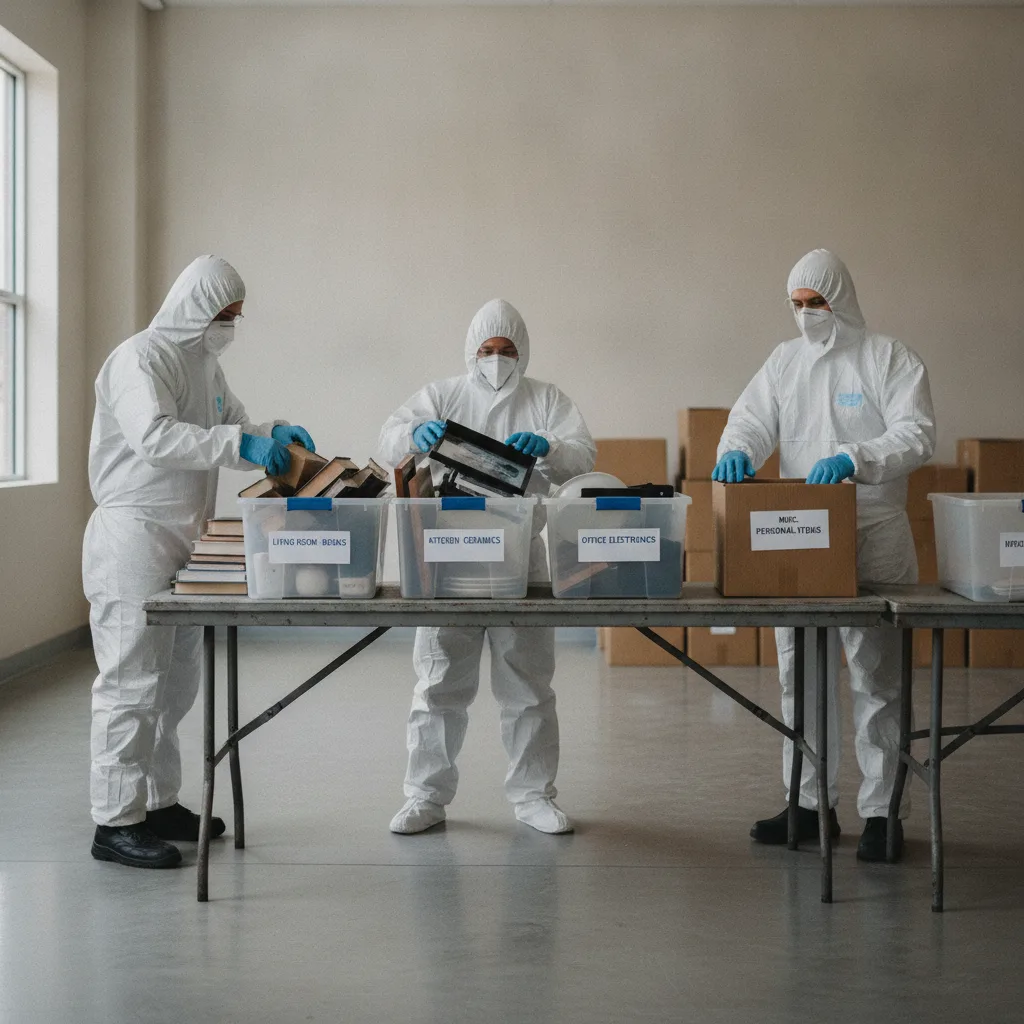
We clean out and sanitize hoarded homes without judgment, including animal waste, rodent contamination and the mold that tends to grow in damp Long Island basements.
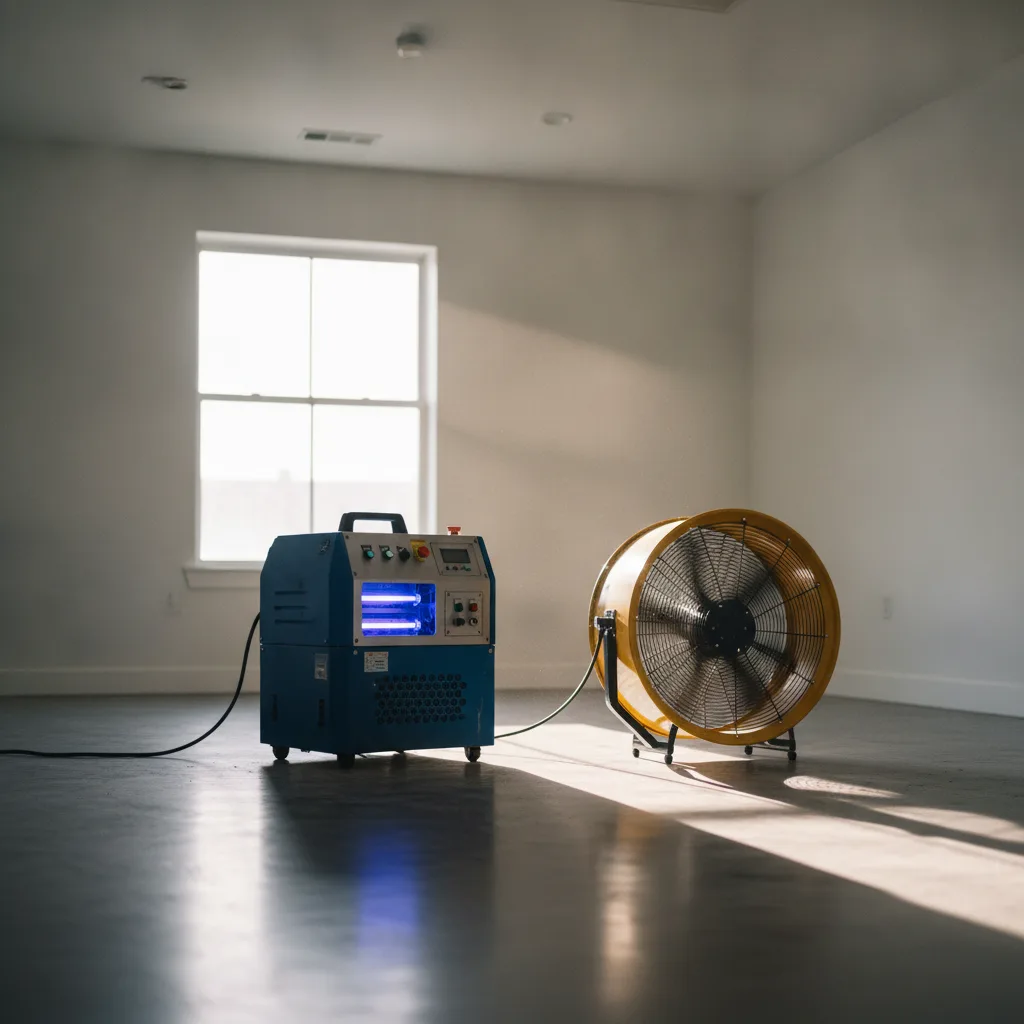
We get rid of odor from death, decomposition, smoke, pets and sewage at the source. We don't cover it up with fragrance.
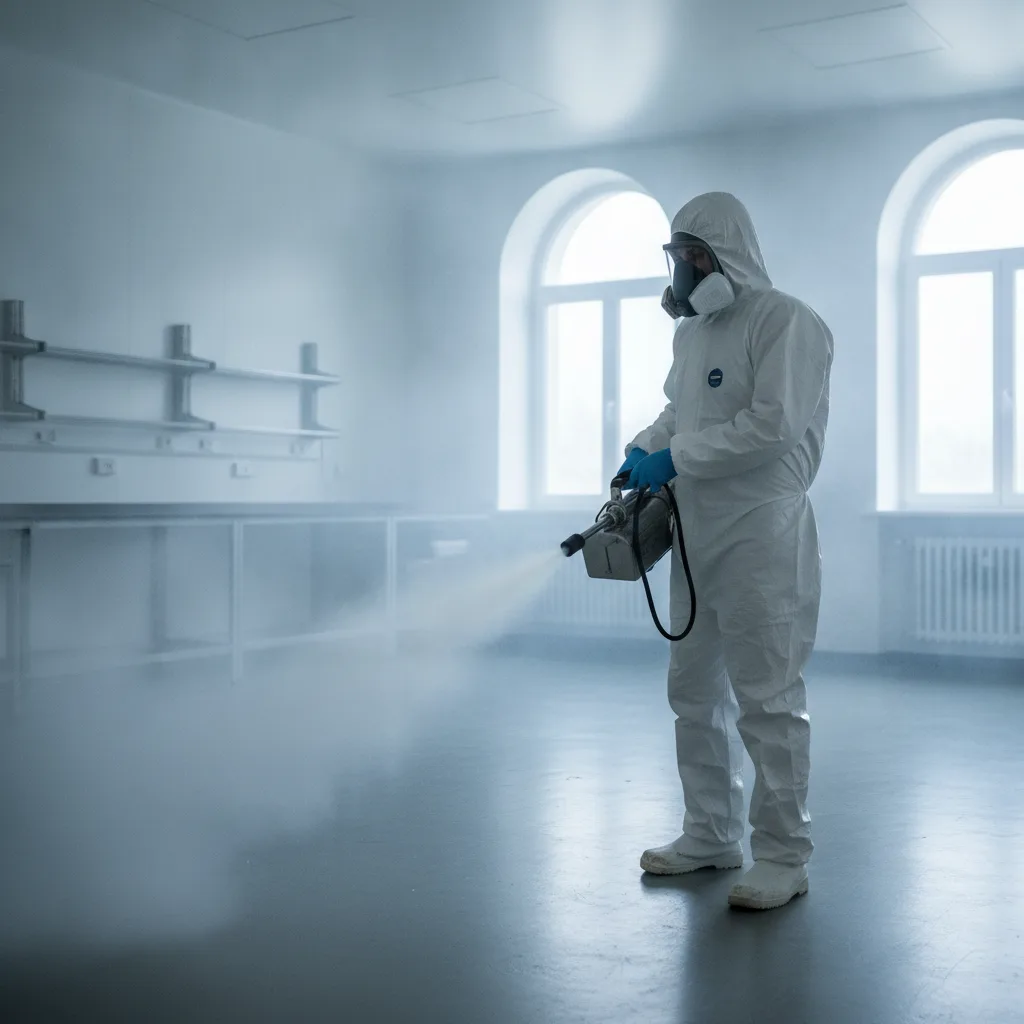
We decontaminate homes, vehicles and workspaces after exposure to pathogens, drug residue, sewage or mold-prone contamination.
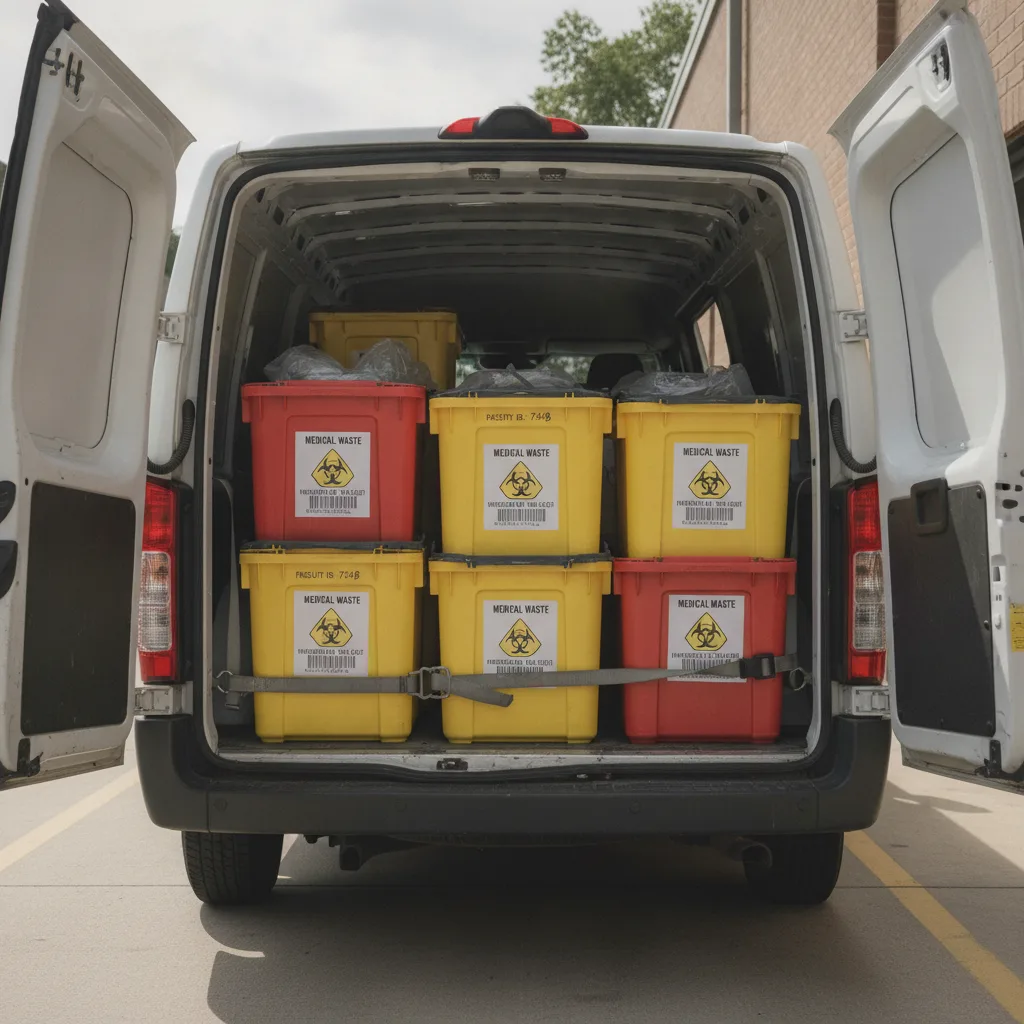
We package, transport and dispose of sharps, contaminated materials and other biohazardous waste according to NYS rules for regulated medical waste.
Every scene is different, but some situations come up again and again in Hauppauge, Smithtown, Brentwood and the surrounding towns. Knowing why they happen here and what to look for helps you act quickly and avoid damage that becomes far more expensive to fix later.
An unattended death is one that goes undiscovered for days or weeks. As the body breaks down, it releases fluids, gases and bacteria that soak into flooring and walls and get into the HVAC system. That turns a contained event into structural contamination.
Violent deaths and assaults leave blood and other potentially infectious materials that can spread well beyond what you see. Blood spatter, pooling and tracking can get into upholstery, grout, outlets and HVAC returns, and every bit of it carries bloodborne pathogen risk.
Overdose deaths and drug-use sites can leave behind fentanyl or other synthetic opioid residue, used needles, paraphernalia and bodily fluids. Even small amounts of residue pose a real exposure risk to anyone cleaning without the right protective equipment.
Severe hoarding means years of accumulated belongings, often mixed with animal waste, rodent droppings, spoiled food and sometimes human waste. The result is a fire hazard and a biohazard that can make a home unsafe or lead to condemnation.
Category 3 black water is water contaminated with sewage, bacteria and pathogens. It comes from cesspool or septic backups, sewer surcharges and storm flooding. Porous materials it touches generally have to be removed, not just dried.
Workplace injuries, industrial accidents and on-site deaths leave blood and bodily fluids on machinery, concrete, break rooms and vehicles. Employers have to clean these up properly under OSHA's Bloodborne Pathogens Standard before staff can safely return.
Not every call is a major scene. Some involve a small amount of blood from an injury or a nosebleed in a car, or a faint odor that's still there after a previous cleanup. Even small amounts of blood need proper disinfection.
From the first call to the final walkthrough, we follow the same steps on every job. We stay discreet, keep the family informed and keep the insurance paperwork moving in the background.
Immediate, 24/7
Same day for emergencies
Often within 24 hours
1–5 days depending on scope
At completion
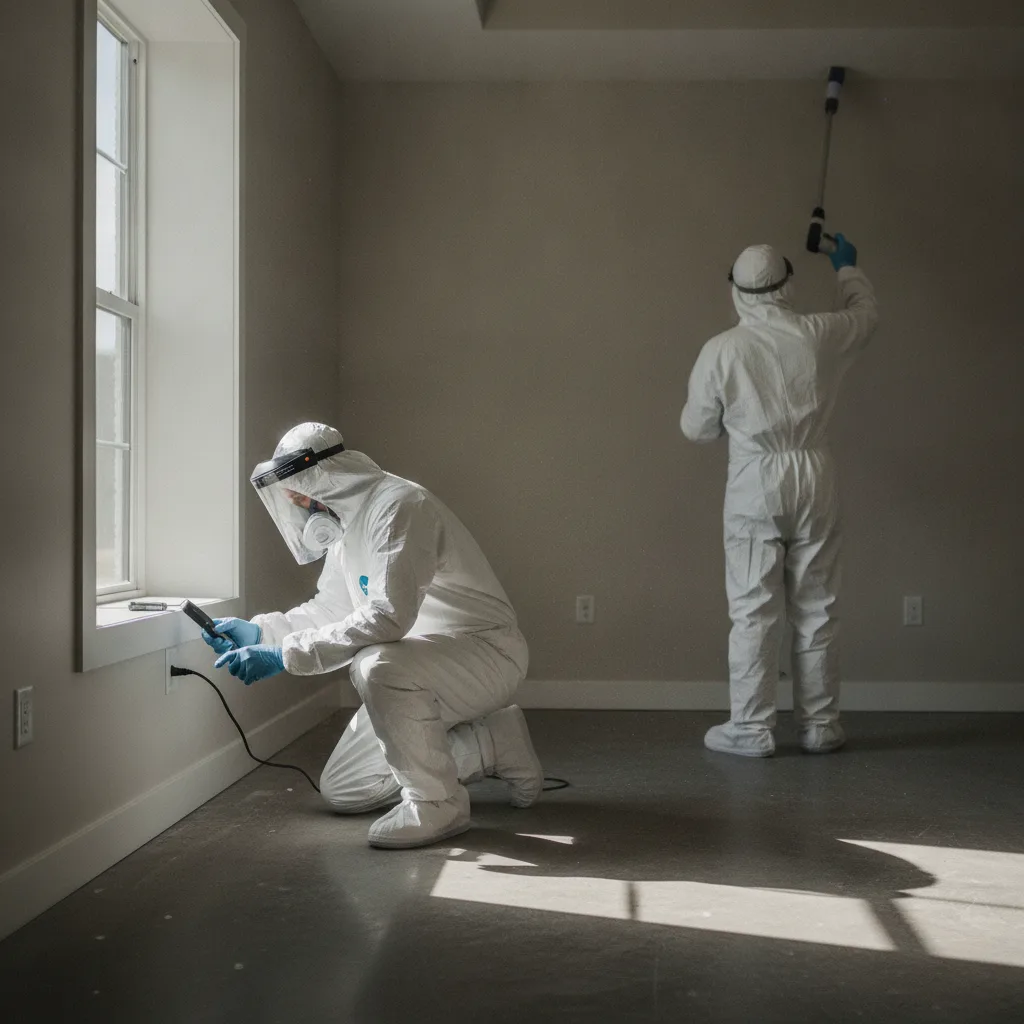
Homeowners and commercial property policies often cover trauma and biohazard cleanup. We document the scene the way adjusters need it documented and bill your carrier directly. Before any work starts, we'll explain your deductible or any coverage gaps, so nothing comes as a surprise. If you're the victim of a crime, we'll help you apply for reimbursement through the NYS Office of Victim Services. When you're grieving, you shouldn't have to make phone calls to an insurance company. Let us handle it.
Biohazards on Long Island don't wait for business hours. In a humid summer, every day of delay means more fluid in the subfloor and more odor in the ducts. When you call us at 2 a.m., you won't reach a voicemail or a call center. You'll reach someone who can answer your questions, confirm whether the scene has been released and start dispatching a crew. We plan routes between the North and South Shores so the arrival time we give you is one we can actually keep.
Neighbors notice everything on a cul-de-sac in Hauppauge or on a crowded block in Brentwood. We show up in unmarked vehicles, keep our equipment out of sight and work quietly. That's how we keep your family's loss private. In HOA and condo communities in Hauppauge and Commack, we arrange access with management ahead of time so nobody has to ask questions on your doorstep. What happened is your family's business.
Most homes here are 1950s–70s capes, hi-ranches and split-levels with carpeted basements, plywood subfloors and forced-air ducts, and we know how contamination moves through them. We know pre-1980 homes may contain asbestos tiles or lead paint that has to be checked before demolition. We also know how converted two-family homes in Central Islip and Bay Shore complicate containment and the question of who's responsible. Knowing these houses keeps us from missing contamination or making it worse.
Long Island drinks from a sole-source aquifer, and most of Suffolk depends on cesspools and septic systems. Pouring biohazardous fluids down a drain isn't only unsafe here. It can create liability under the Suffolk County sanitary code. Our technicians follow OSHA and New York State disposal protocols. We solidify fluids on site, package all waste as regulated medical waste and send it to permitted treatment or disposal facilities. Your property and the groundwater stay protected.
New York doesn't license crime-scene cleanup, so it's up to you to ask how a company actually works. We're fully insured, which HOAs, co-op boards and commercial clients routinely ask to see. Our technicians follow OSHA's Bloodborne Pathogens Standard (29 CFR 1910.1030) and respiratory protection rules (29 CFR 1910.134), and we document each step for your insurer and safety records.
Families get patience and gentle communication. We set aside personal items for review, and executors who live out of state get photo updates. Businesses in the Innovation Park, motels and retail properties get after-hours scheduling and fast turnaround so they can reopen and keep their OSHA records in order. Everyone gets the same thorough, verified cleanup.
For most clients, the answer is often $0 out of pocket. Trauma and biohazard cleanup is commonly covered by homeowners, renters, auto or commercial property insurance, and we bill the carrier directly. These are the factors that shape a claim's scope, and we explain all of them before any work begins.
Coverage decides most of what happens next. Many homeowners and commercial policies cover sudden biohazard events such as unattended deaths, suicides and crime scenes. We confirm coverage with your adjuster, bill them directly and tell you up front about any deductible. For eligible crime victims, the NYS Office of Victim Services may reimburse some cleanup costs up to a capped amount, and we help put together that paperwork.
A contained blood spill on tile is a very different claim from fluid that has soaked through carpet, padding and subfloor into a finished basement below. The longer a scene goes undiscovered, especially in humid Long Island summers, the more material has to be removed, and the larger the claim scope gets. Calling early is the best way to keep damage contained.
Many local homes were built between the 1950s and 1970s and may contain asbestos floor tiles, pipe insulation or lead paint. If contaminated materials need to be removed, testing comes first, and NYS DOL Rule 56 may require licensed abatement. That adds steps to the scope, which we document so your insurer understands why each step is necessary.
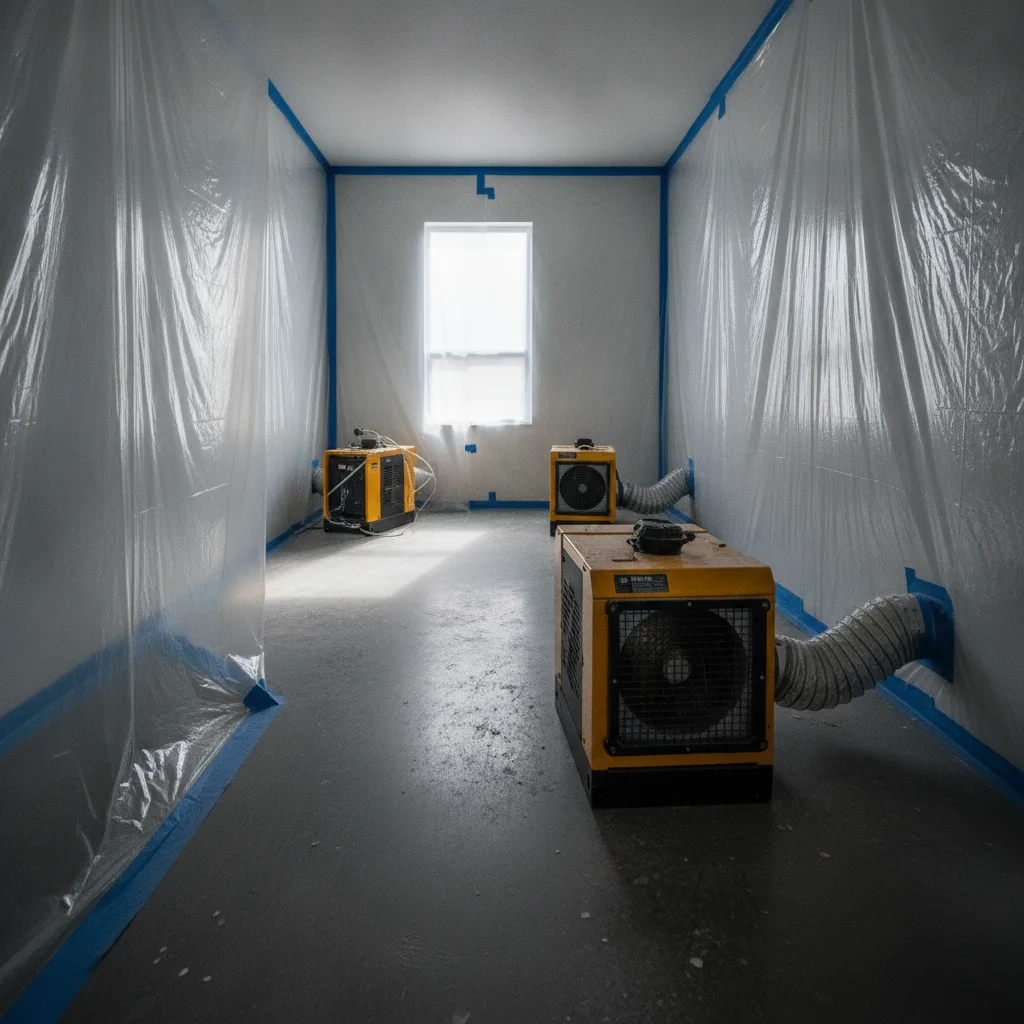
Forced-air systems carry decomposition odor and particulates through the entire house. When the ductwork is affected, cleaning or treating it and running extended odor treatment become part of the claim. In winter, sealed homes and summer cases with heavy humidity often take several days of treatment to fully clear.
Because of Suffolk's septic systems and sole-source aquifer, every bit of contaminated material leaves the site as regulated medical waste, sent to permitted facilities. More removed material means more containers and disposal handling. That's a standard, documented line item insurers expect to see.
If your coverage leaves a deductible or a gap, we'll tell you before any work starts and talk through options with you. We won't surprise you with a bill.
In many cases, yes, and our clients often pay nothing out of pocket. Homeowners, renters and commercial property policies commonly cover sudden biohazard events like unattended deaths, suicides and crime scenes, and auto policies may cover vehicle cleanup. We contact your adjuster, provide the photos and scope they need and bill them directly. If your policy has a deductible, we'll tell you before work begins. If you're a crime victim, the NYS Office of Victim Services may reimburse some cleanup costs up to a capped amount, and we'll help you prepare the paperwork.
Most residential jobs take one to five days. A contained blood cleanup can often be done the same day. An unattended death found quickly usually takes one to two days. Severe decomposition takes longer, especially in July or August when fluids reach the subfloor and odor gets into the ductwork. Those jobs can run four or five days, including odor treatment. Hoarding cleanouts depend on volume and may take a week or more. Commercial jobs in the Innovation Park can be scheduled after hours so your business loses as little time as possible.
Cleanup can only start once the Suffolk County Police (usually the 4th Precinct for Hauppauge and Smithtown, or the 3rd Precinct for Brentwood and Central Islip) or the Suffolk County Medical Examiner's office has released the scene. Call us as soon as you can anyway. We can talk you through what to expect, start the insurance process and be ready to go the moment the scene is released. New York doesn't require a special crime-scene cleanup license, but OSHA and NYS waste rules still apply, and we follow them.
Blood and bodily fluids can carry hepatitis B, hepatitis C and HIV. Overdose scenes may also have fentanyl residue or needles. On top of that, much of Suffolk County runs on cesspools and septic systems over a sole-source aquifer, the only drinking water supply Long Island has. Flushing fluids down a drain or onto the ground can contaminate groundwater and create liability under the county sanitary code. These materials have to be contained, solidified and removed as regulated medical waste. Contamination also usually goes deeper than it looks, into padding and subfloor.
Call right away, even before the scene is released. Long Island's humid summers speed up decomposition, and fluids can move from carpet into the subfloor and the basement ceiling below within days. Mold can start growing on damp, contaminated materials within 24 to 48 hours. In winter, heating systems spread odor through the whole house. Calling early keeps the damage contained and reduces how much has to be torn out. It also keeps the insurance claim simpler. Someone answers our line 24/7, day or night.
Many older Long Islanders live alone in Smithtown, Commack and Hauppauge while their children live out of state. A few simple habits help. Set up daily check-in calls or texts, or use a medical alert device. Give a trusted neighbor a key and your contact information. Ask the mail carrier or a neighbor to speak up if mail or packages start piling up. Consider smart-home sensors that flag when there's been no activity. These steps won't prevent every loss, but they can shorten the time before discovery, and that makes a big difference to the family.
We do everything we can to make sure they don't. We arrive in unmarked vehicles, keep our equipment and protective gear out of sight until we're inside, and work quietly. On close-knit cul-de-sacs in Hauppauge and Commack and on busy blocks in Brentwood, discretion matters a lot, and we treat it that way. In HOA, condo or co-op communities, we can provide proof of insurance and coordinate access with management ahead of time, so nobody has to ask questions at your door.
Yes. Many of the homes we restore in Smithtown, Hauppauge and Commack belong to estates whose heirs or executors live elsewhere. We can coordinate access with an estate attorney, realtor or neighbor. We'll send photos of the scene, set aside personal items and documents for your review and work directly with the homeowners' insurance carrier. You'll get progress updates by phone or email and final documentation when the job is done. Then the home is ready to sell, rent or settle.
We come to you anywhere in Hauppauge and the surrounding area, in unmarked vehicles, any hour of the day.
You don't have to deal with this alone or pay for it upfront. One call connects you with a real person who'll start the insurance process and send a discreet crew as soon as the scene is released.
Call (934) 200-3212 Now