Discreet, certified crime scene and biohazard cleanup in New Orleans — unmarked vehicles, compassionate technicians, and in most cases $0 out of pocket since we bill your insurance directly.
Biohazard cleanup works differently here than it does in Denver or Minneapolis. Gulf heat, near-constant humidity, below-sea-level drainage and some of the oldest housing in the country all speed up contamination and complicate the work. Here's what makes New Orleans different and why fast, local response matters.
From June through September, New Orleans highs sit around 90–92°F, relative humidity runs 70–90%, and heat indexes routinely pass 100°F. In those conditions decomposition moves quickly. Fluids migrate, odor sets into porous wood and flies arrive within hours, not days. Winter lows in the mid-40s mean insects never fully go dormant. The city gets 60–64 inches of rain a year, and water tables stay high, so moisture feeds mold on contaminated drywall and plaster. Hurricane season runs June 1 through November 30. After Ida in 2021, outages lasted days to weeks in parts of the region. That left spoiled freezers, sewage-laden floodwater and, tragically, deaths in homes without air conditioning that went undiscovered for days.
Much of the city's housing went up in the 19th and early 20th centuries. That includes shotguns and camelbacks, Creole cottages, French Quarter townhouses and raised bungalows in Gentilly and Broadmoor. These homes have heart pine and cypress floors with gaps between the boards, lath-and-plaster walls, beadboard and pier-and-beam foundations over open crawlspaces. Blood and decomposition fluids pass through those gaps to the joists and subfloor below. Many pre-1978 homes also contain lead paint, and some have asbestos in plaster or flooring. In Metairie and Kenner, it's mostly mid-century to 1980s slab homes, condos and apartments, where contamination can travel through shared walls and HVAC systems.
Cleanup can't start until law enforcement and the Orleans Parish or Jefferson Parish Coroner's Office release the scene. Biomedical waste has to be handled under Louisiana Department of Health sanitary code and sent to permitted medical waste facilities. Technicians work under OSHA's Bloodborne Pathogens Standard (29 CFR 1910.1030). Interior demolition may involve the City's Department of Safety and Permits. Exterior repairs in the Vieux Carré need Vieux Carré Commission review, and the HDLC oversees districts like the Marigny, Bywater, Treme and Garden District. Disturbing paint in pre-1978 homes calls for EPA RRP lead-safe practices. Jefferson Parish and the City of Gretna each run their own permitting offices.
Orleans Parish has roughly 360,000–385,000 residents, and Jefferson Parish has another 420,000–440,000. Many older residents have lived alone in family homes for decades, which raises the risk of unattended deaths and hoarding. Landlords, hotels, bars and short-term rental hosts need scenes cleaned quickly and quietly, especially around Mardi Gras, Jazz Fest and the Sugar Bowl. After Katrina and Ida, many families are wary of out-of-town contractors and want a local team that will help them through the insurance claim.
Each service below is usually billed directly to insurance when coverage applies, and we help you confirm that before any work begins. Every job follows OSHA bloodborne pathogen protocols and Louisiana biomedical waste rules. Every crew arrives in unmarked vehicles, and every job is adapted to New Orleans homes and our climate.
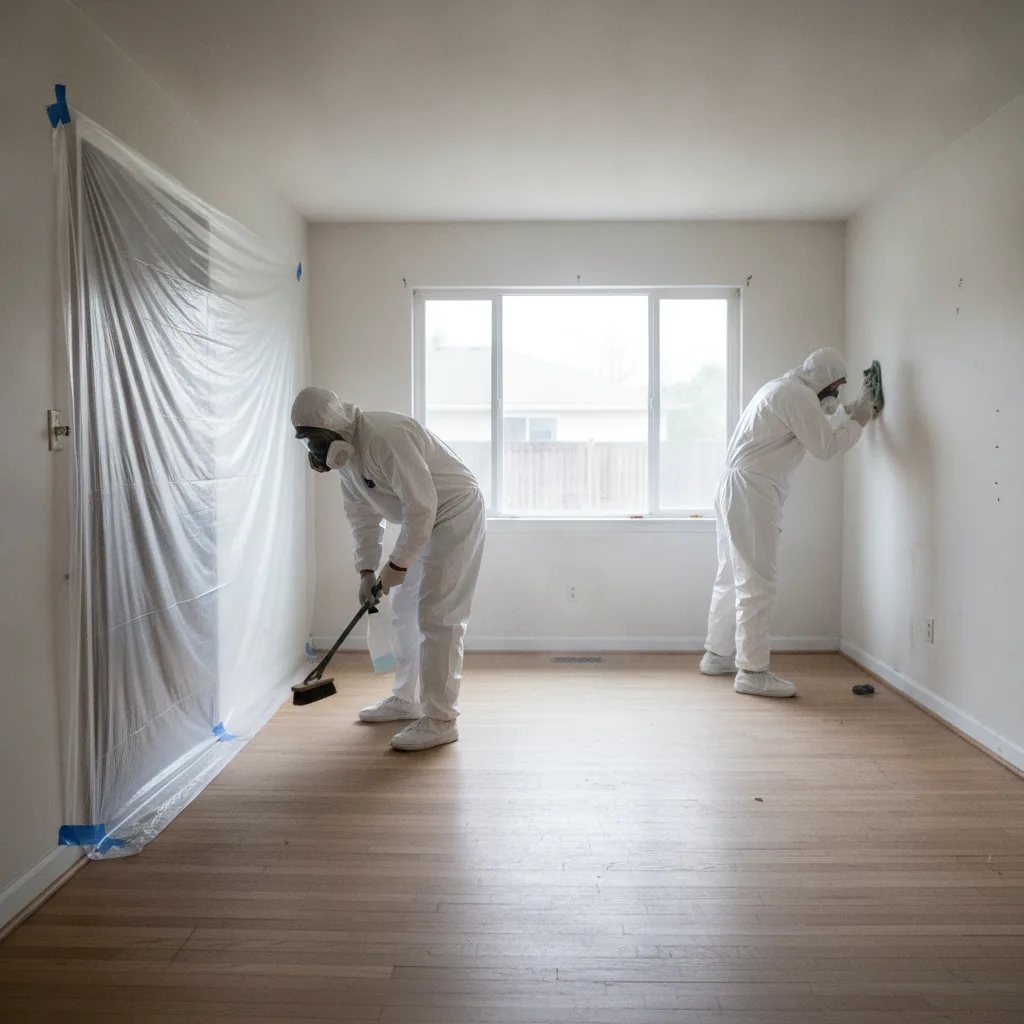
After police and the coroner release the scene, we remove all biological contamination, fingerprint powder and affected materials. Then we restore the space so it's safe to use again.
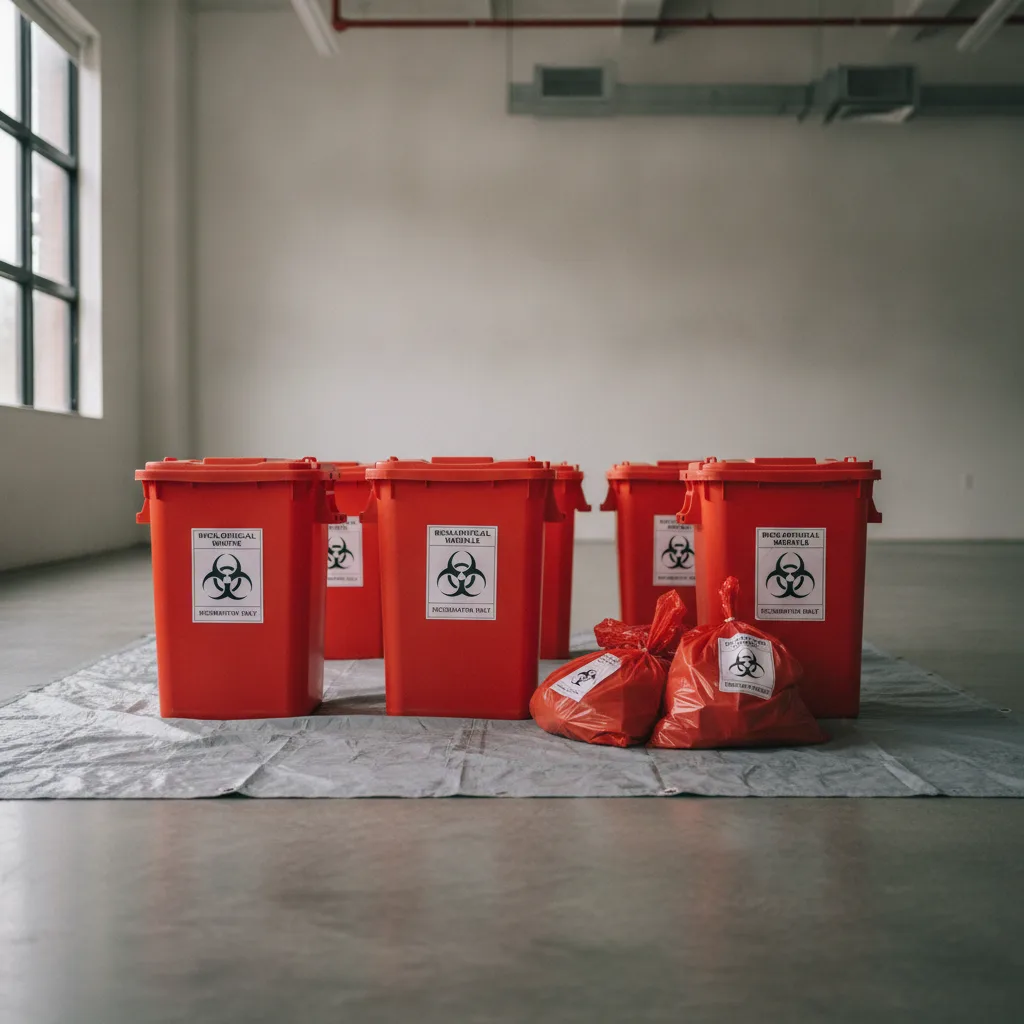
We clean up any blood, bodily fluids, waste or infectious material in homes, businesses or vehicles, and dispose of it legally.
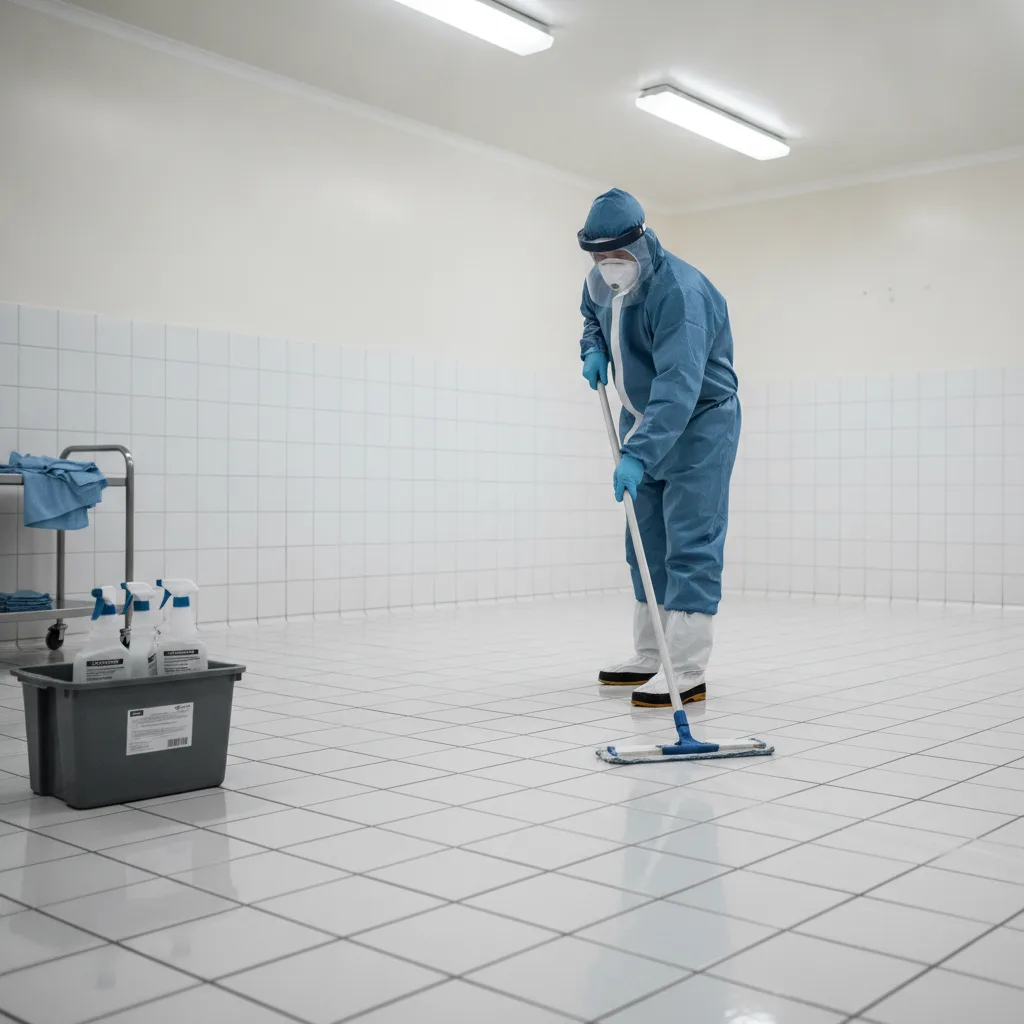
We clean up after suicides, accidents and serious injuries, gently and with privacy, so your family never has to.
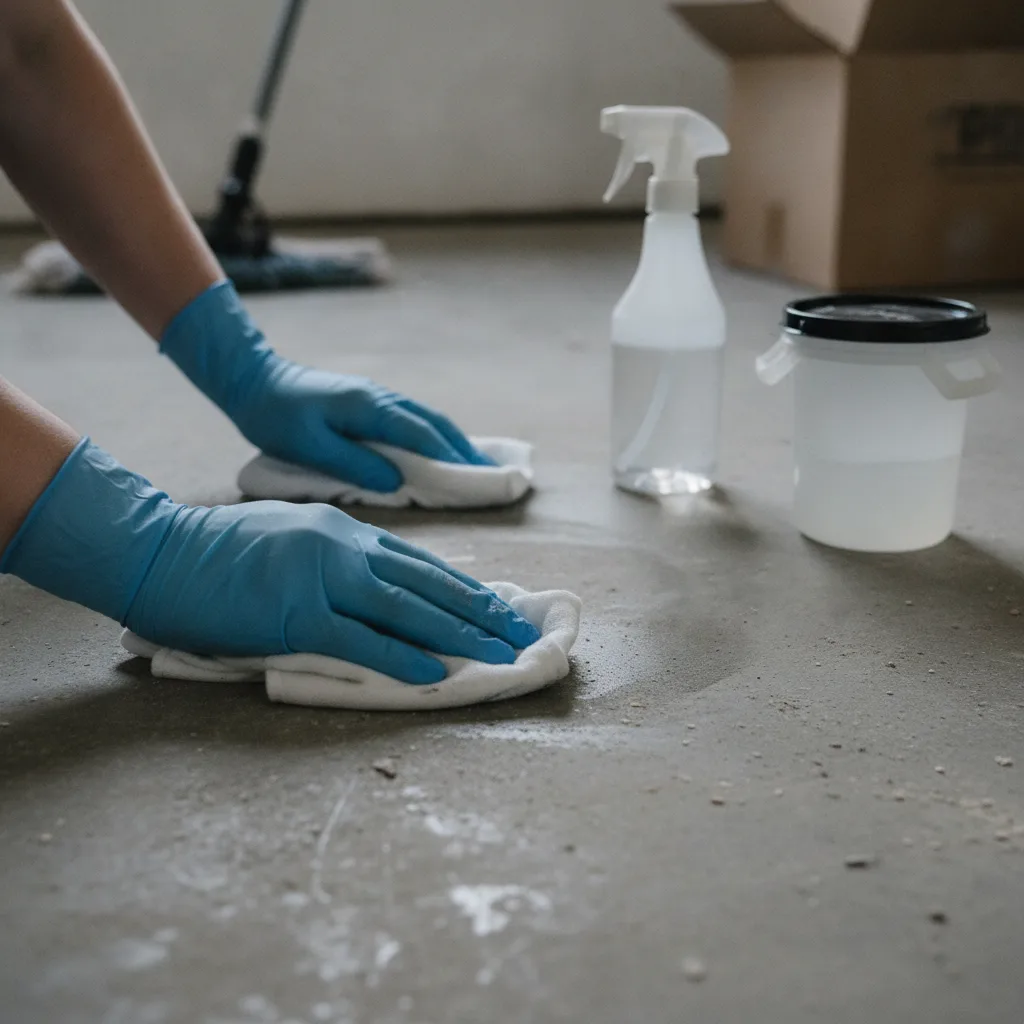
We take care of blood spills of any size, from small injuries to large losses, on floors, walls, furniture and fabrics.
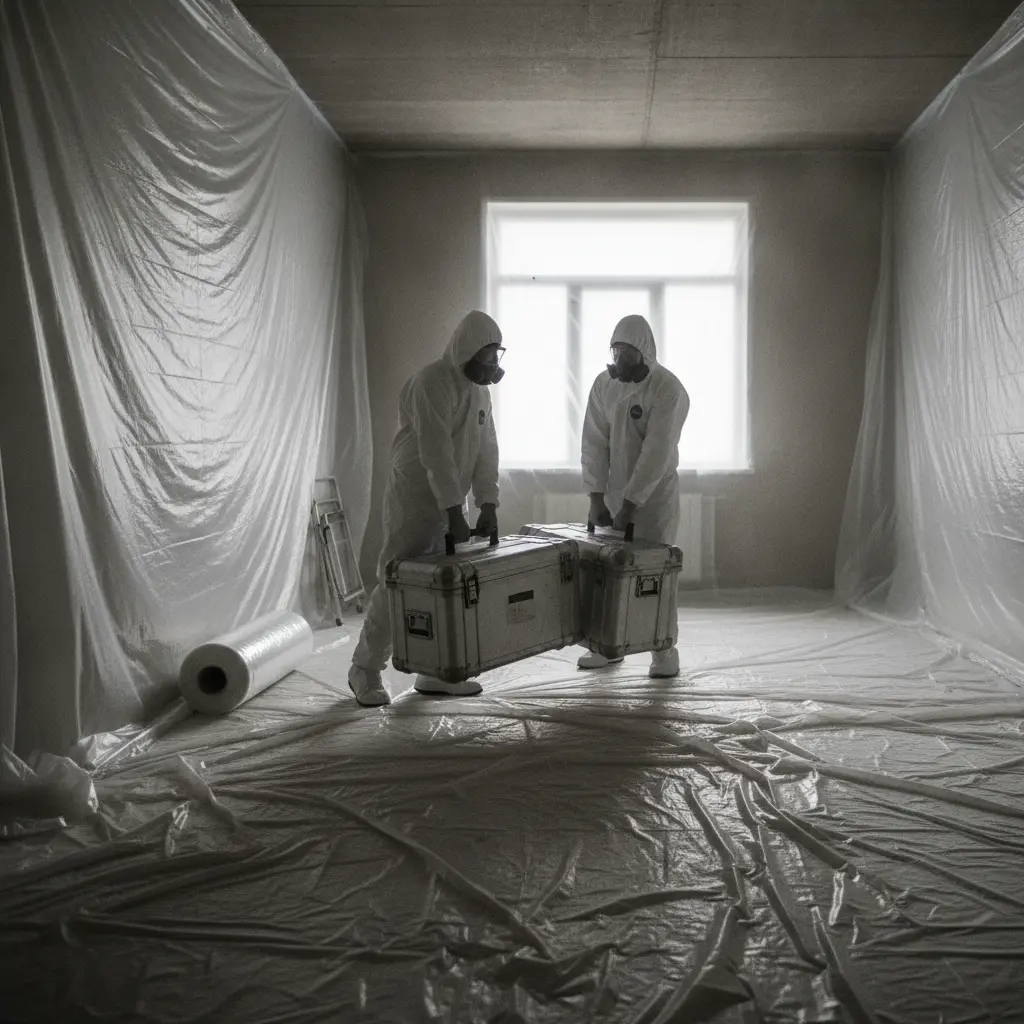
We restore a home or business after a homicide, with full respect for the family and the property.
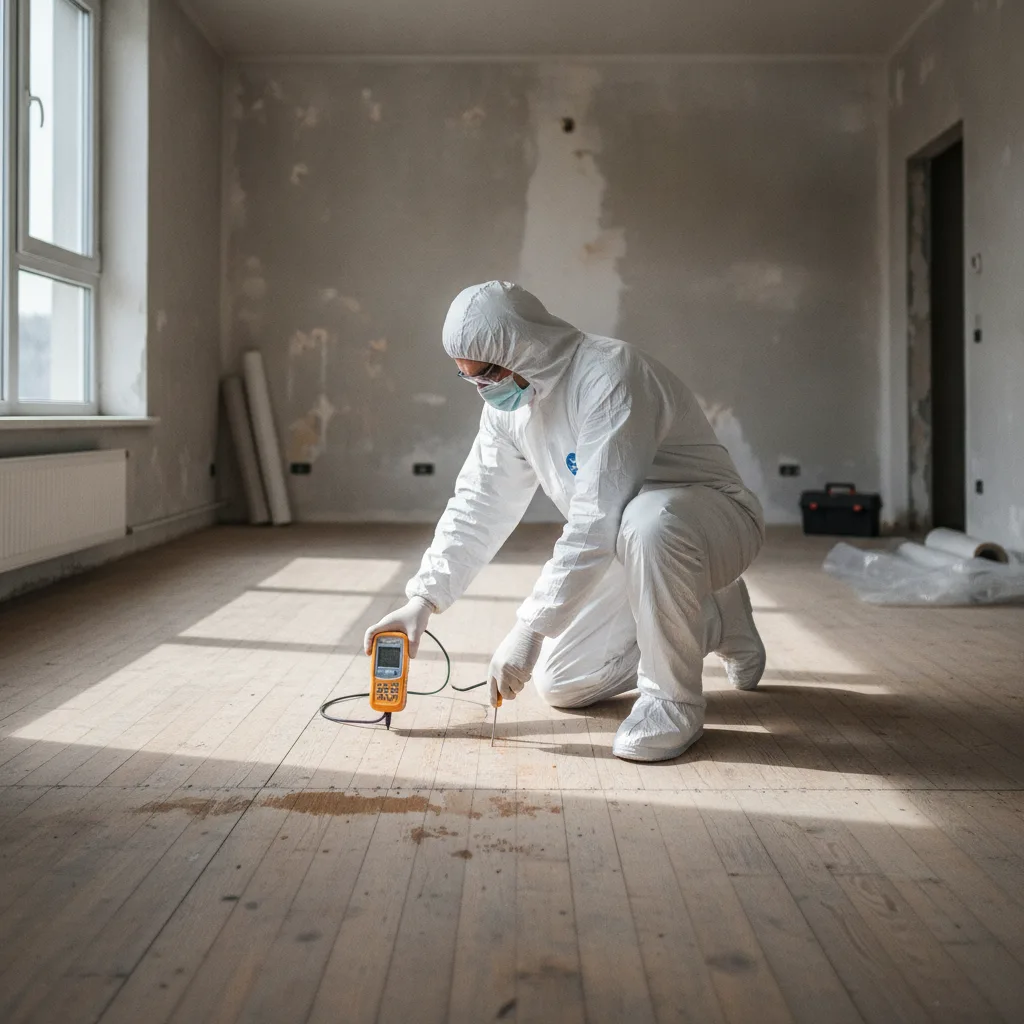
We fully remediate homes where someone passed and wasn't discovered right away, including fluids, odor, insects and affected building materials.
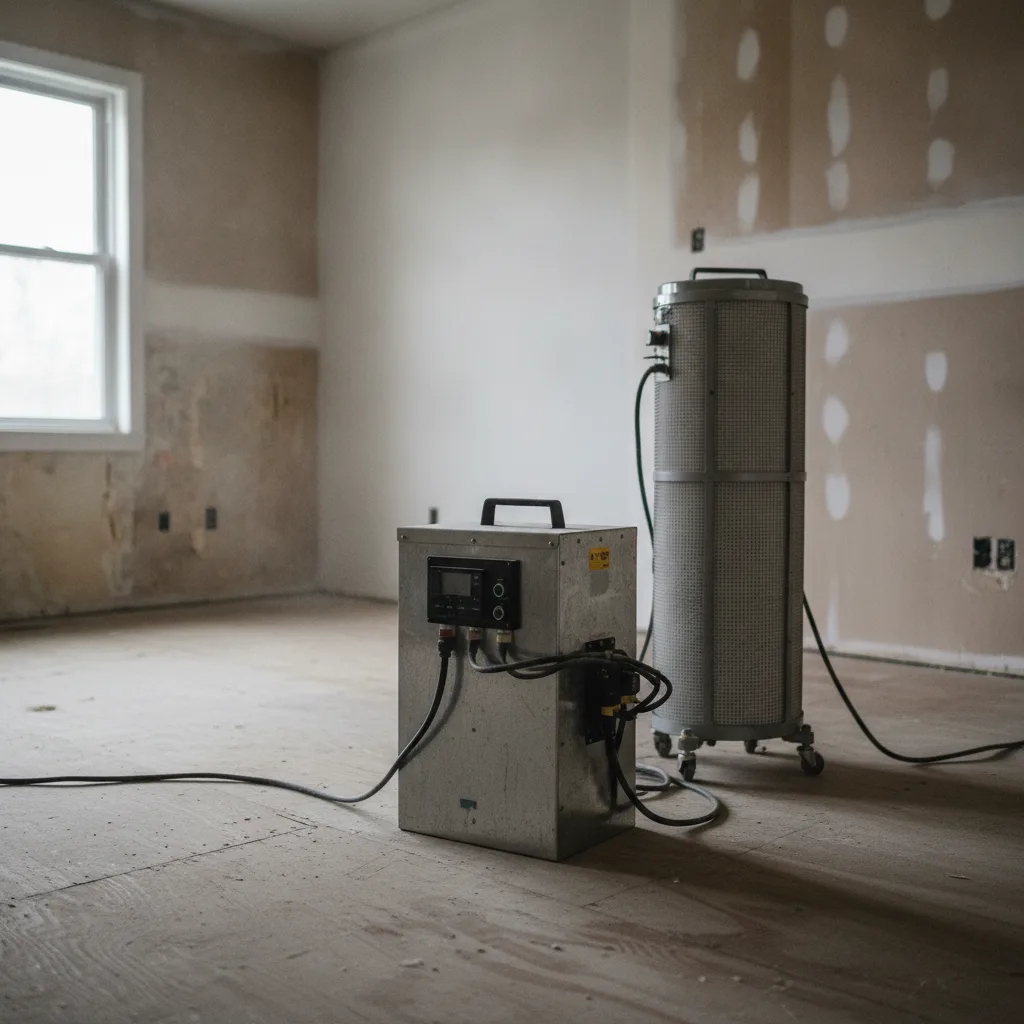
We remove decomposition fluids, tissue and odor from every affected surface and material.
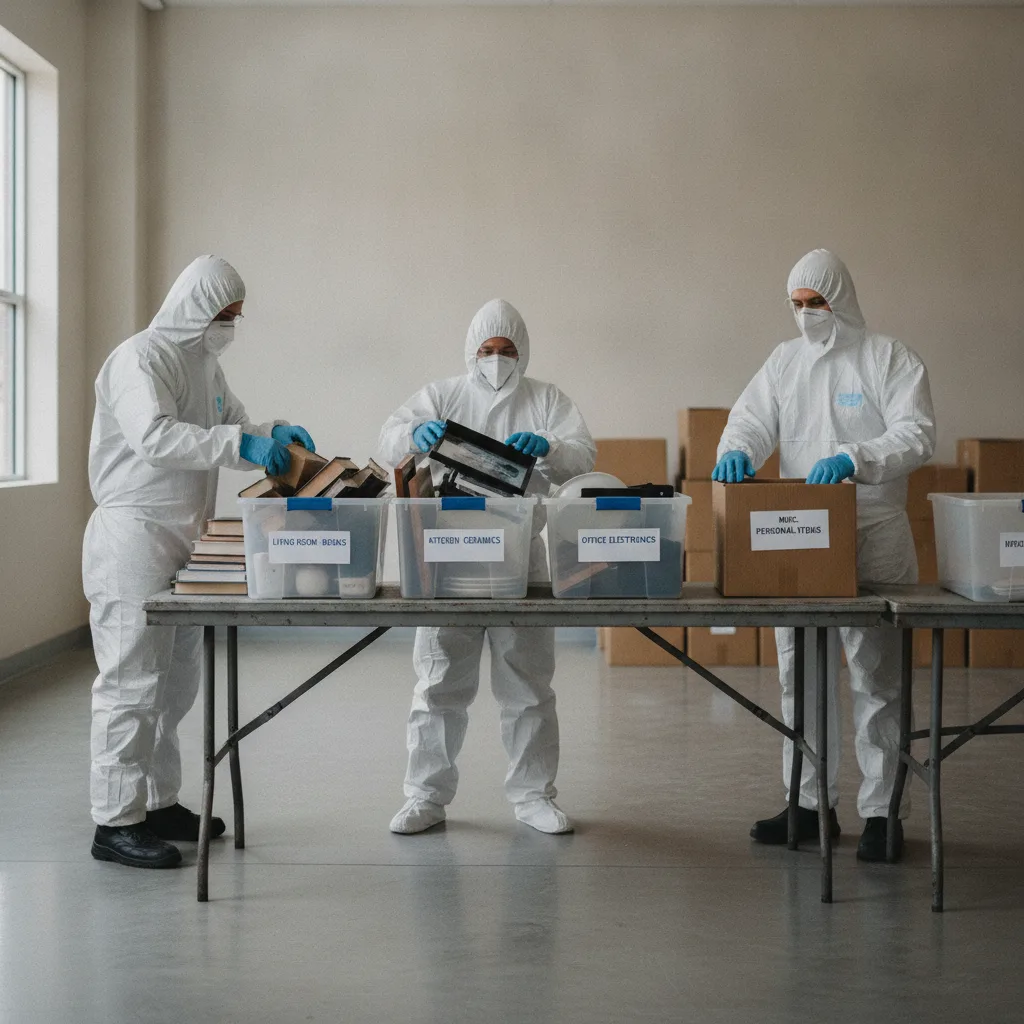
We handle respectful, judgment-free cleanouts of hoarded homes, including biohazards, pests and mold.
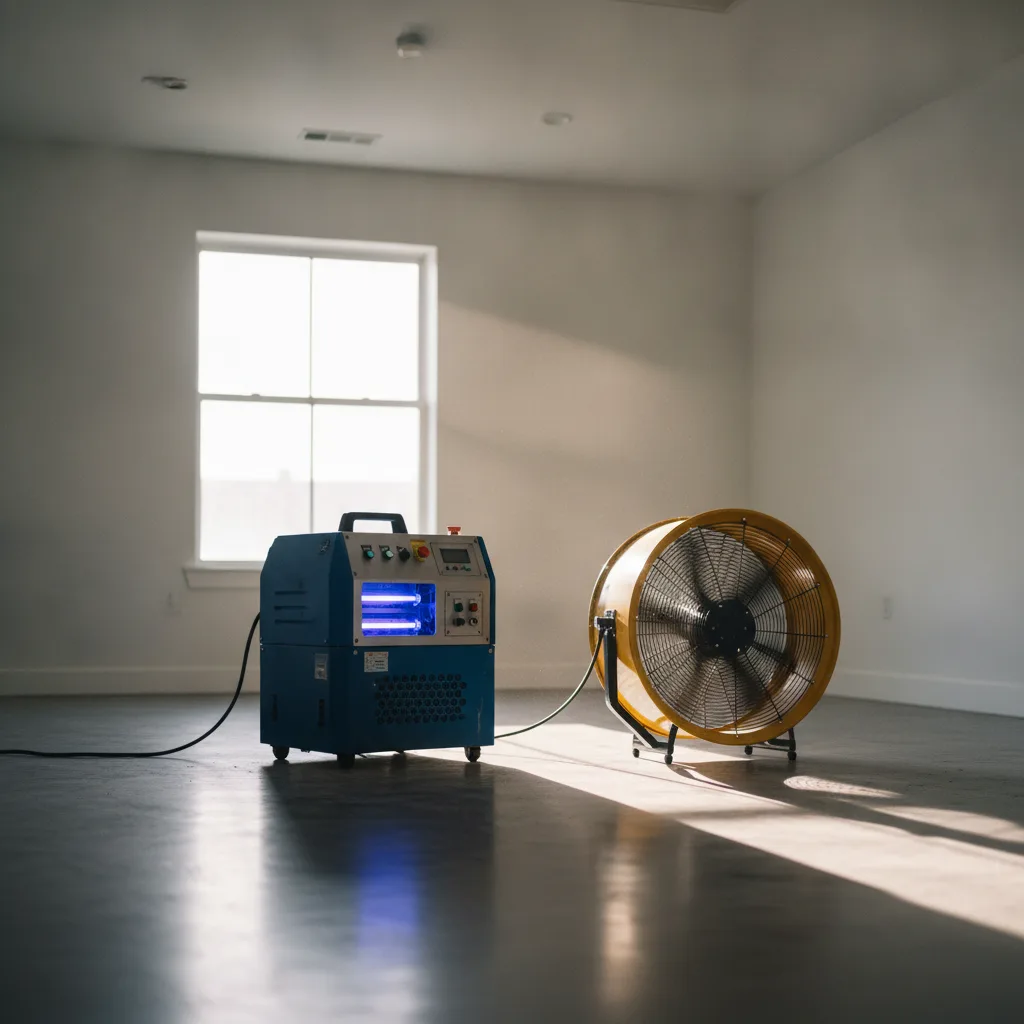
We permanently eliminate odors from death, decomposition, smoke, spoiled food and waste.
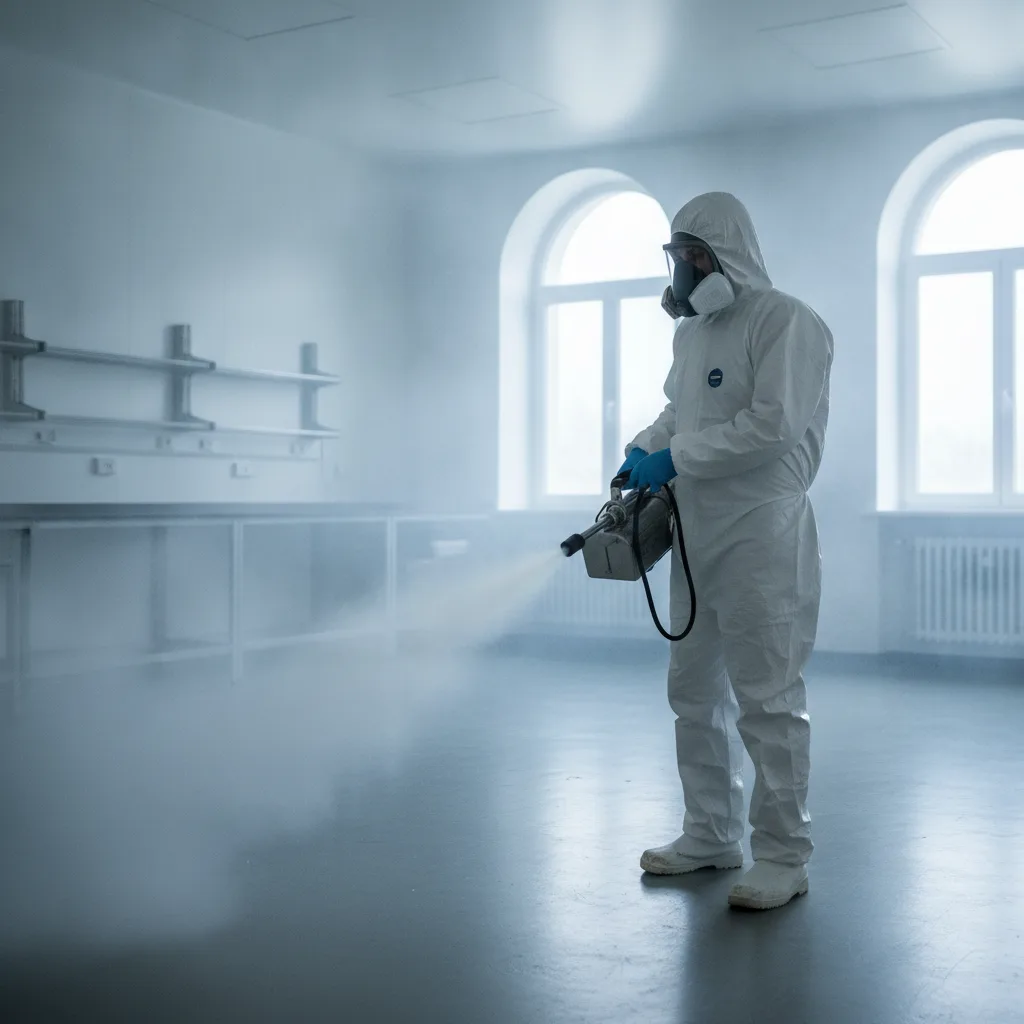
We disinfect homes, businesses and vehicles after infectious disease exposure, sewage backups or biohazard events.
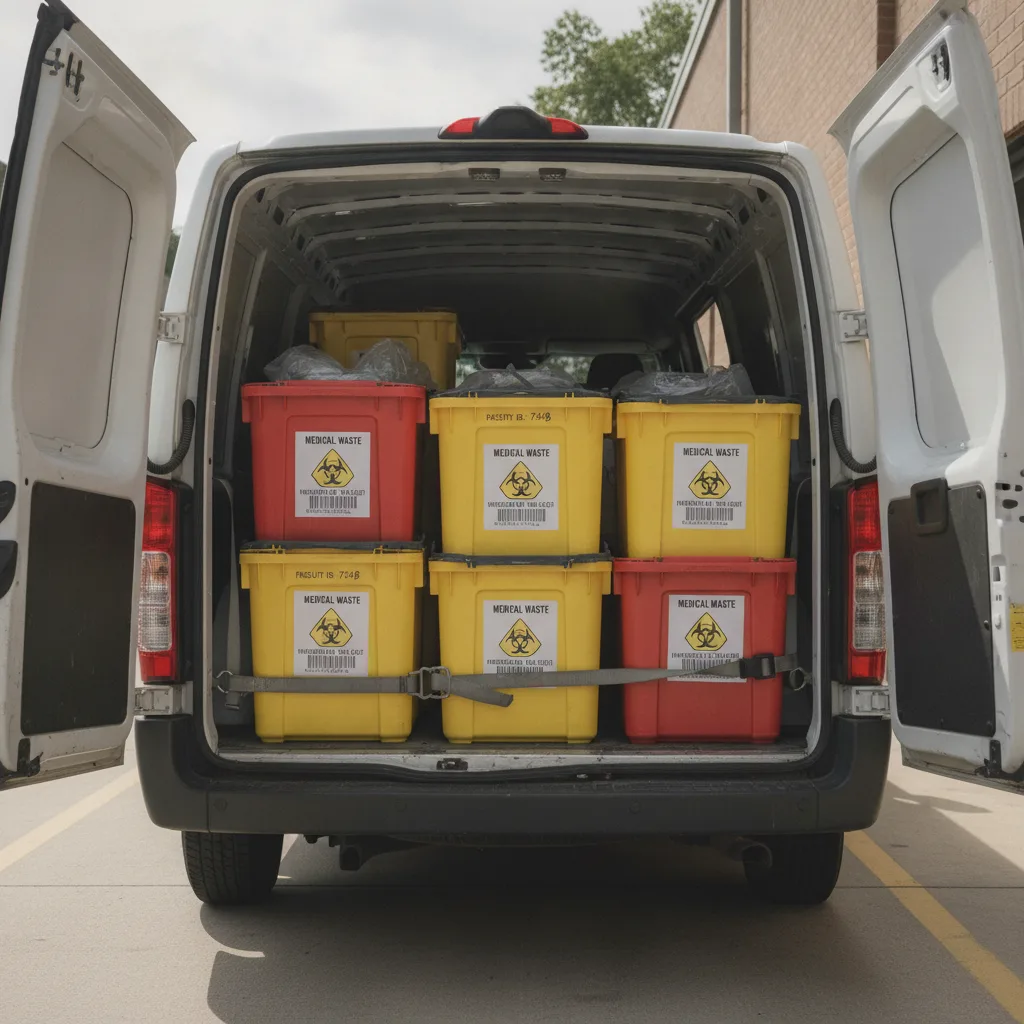
We collect, package and dispose of sharps, needles and regulated medical waste in compliance with the rules.
Every scene is different, but some problems come up again and again in our climate and older housing. Knowing the warning signs helps you act before contamination spreads into subfloors, crawlspaces or neighboring units. Here's what we see most often across New Orleans and Jefferson Parish.
When someone passes away and isn't found for days or weeks, the body breaks down and releases fluids, gases and pathogens. These soak into flooring, mattresses and walls, and the odor won't go away with ordinary cleaning products.
Violent incidents leave blood, tissue and bodily fluids that can travel well beyond what you can see. Spatter reaches ceilings, fixtures and fabrics, and pooled blood soaks into flooring and walls. Bloodborne pathogens like hepatitis B and HIV remain a real risk.
Accidents, suicides and serious injuries leave biological material that untrained family members should never try to clean. Hidden contamination in cracks, upholstery and HVAC returns can harbor pathogens and odor long after the visible stains are gone.
Floodwater and sewage backups carry bacteria, viruses and parasites. Wet drywall, insulation and flooring become breeding grounds for pathogens and mold. This counts as Category 3 'black water,' and it needs biohazard handling, not just drying.
Long-term hoarding can hide animal waste, spoiled food, pests, mold and sometimes human waste. Blocked exits and fire load create safety hazards, and the mix of contaminants can make the home unsafe to live in.
Used syringes, human waste and contaminated debris in public-facing areas put employees, customers and tenants at risk of needlestick injuries and bloodborne pathogen exposure.
When power goes out for days, food rots inside sealed appliances and in kitchens, causing intense odor, bacteria and insect infestations. The odor can soak into cabinets, flooring and the home's air.
From your first call to the day you're back in your home, we handle the details, including your insurance claim. Here's what to expect, step by step.
Any hour; a real person answers
Usually same day
Hours to several days, depending on severity
1–3 days, including air treatment
Final day
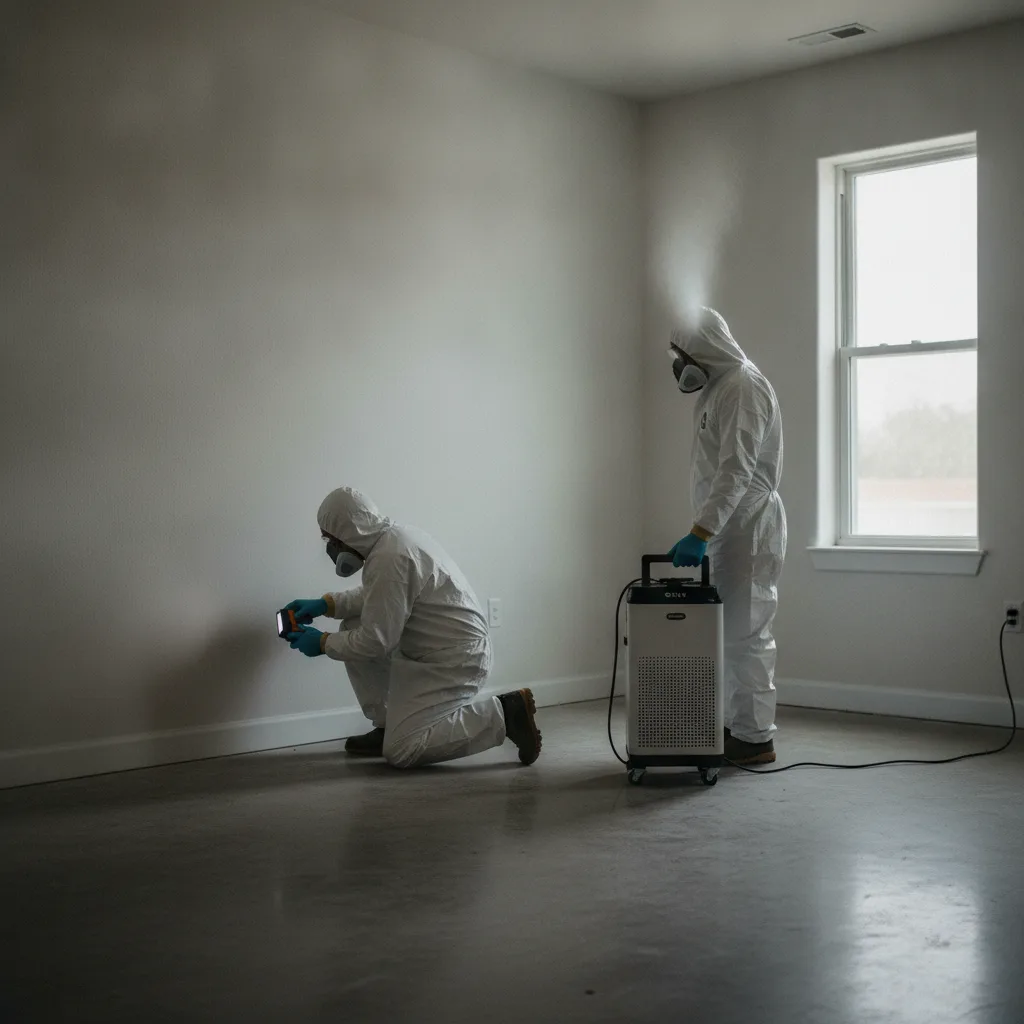
Most homeowners and many commercial policies cover biohazard remediation, and we start every job by checking yours. We document the scene, talk directly with your adjuster and bill the carrier, so many families pay nothing beyond their deductible. If a cost isn't covered, we tell you plainly before any work begins. After Katrina and Ida, plenty of people here have been burned by contractors with surprise invoices. We'd rather earn your trust by being clear from the first phone call.
In New Orleans heat, a few hours can be the difference between surface cleaning and pulling up a subfloor. That's why our phones are answered around the clock, including holidays, Mardi Gras and the days after a hurricane. When police and the coroner release a scene at 2 a.m., we can be on our way. Starting fast limits how far fluids spread, keeps insects down, reduces odor and often lowers the total claim, which helps protect both your home and your policy.
In the French Quarter, the Marigny and Old Metairie, neighbors notice everything. Our technicians arrive in unmarked vehicles and plain clothes, and we keep the job quiet. We don't post photos, we don't talk with bystanders, and we treat every home with the dignity your loved one deserves. We understand the faith traditions and family customs many local families follow around death. We work around wakes, funerals and family gatherings whenever we can.
Cypress and heart pine floors, lath-and-plaster walls and pier-and-beam crawlspaces all need special handling. We trace contamination through floorboard gaps down to the joists, and we save original materials when we safely can instead of tearing everything out. We look for lead paint and possible asbestos before demolition in pre-1978 homes. And we understand how Vieux Carré Commission and HDLC rules affect any exterior repairs afterward.
Our technicians follow OSHA's Bloodborne Pathogens Standard (29 CFR 1910.1030), with proper PPE and safe work practices. Regulated medical waste is packaged, documented and taken to permitted facilities under Louisiana Department of Health sanitary code rules. Nothing goes into a household dumpster. You get the disposal documentation, which protects you as a property owner, landlord or business operator.
We're insured, and we'll gladly provide proof to condo associations, HOAs, property managers, hotels and short-term rental operators that require it before work starts. Many Metairie and Kenner condo boards and downtown management companies won't let a crew in without it. We also provide the clearance documentation they need before reoccupancy, so your unit or property can get back in use without delays.
We serve all of New Orleans plus Metairie, Kenner and Gretna. We know the Orleans and Jefferson Parish coroner processes, the separate permitting offices, and how to get across the metro quickly. For hotels, bars and short-term rentals, we work to get you reopened fast. For out-of-town heirs, we coordinate access and send updates remotely so you don't have to fly in to manage the job.
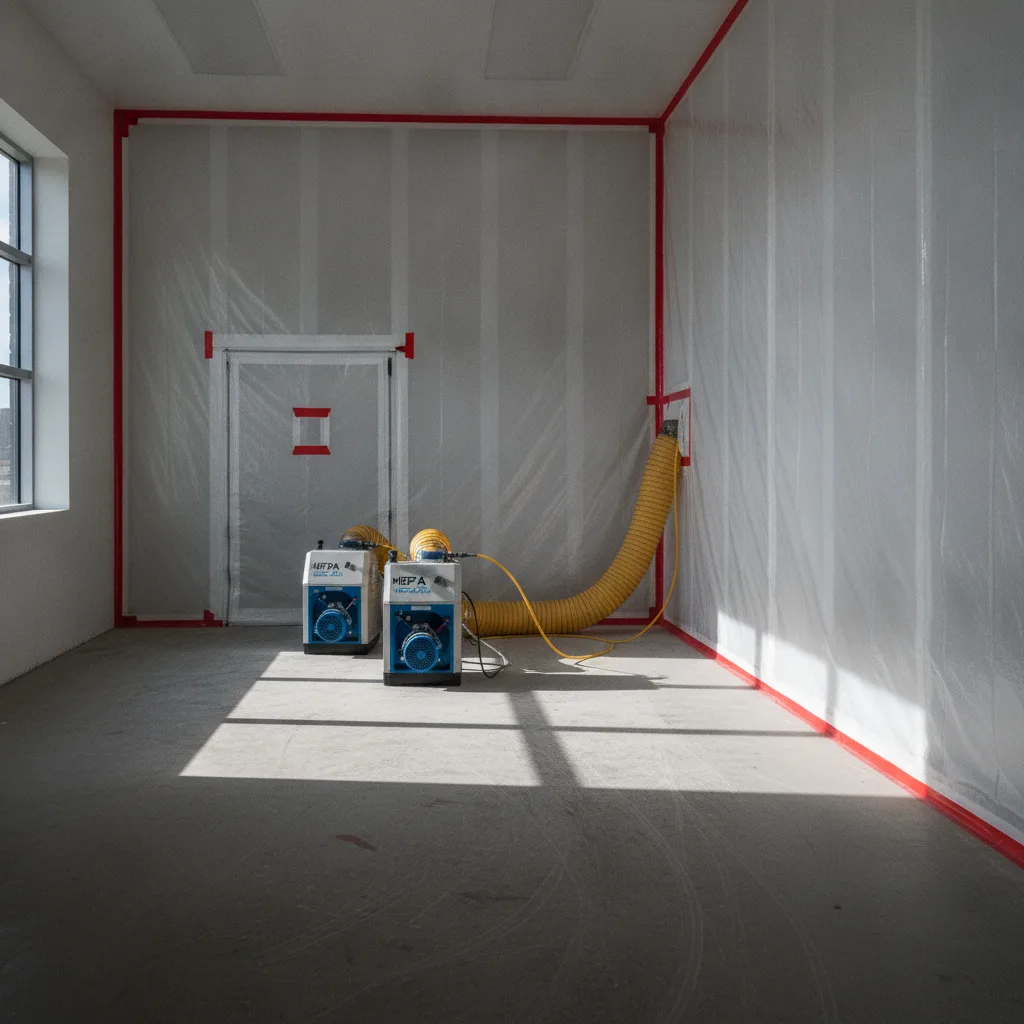
Homeowners, renters and commercial property policies often cover biohazard and trauma cleanup. Many New Orleans families pay nothing beyond their deductible. We review your policy, document everything and bill your insurer directly. Here's what determines the size of a claim, so you know what your adjuster will be looking at.
Your policy decides who pays, so we check it first. Most homeowners policies treat biohazard remediation as a covered loss, and commercial policies often cover businesses, hotels and rentals. We send your adjuster photos, moisture and ATP readings, and an itemized scope. If any part of the work might not be covered, we tell you before we start. No one gets a surprise bill after a tragedy.
In New Orleans heat, every day before discovery means a bigger cleanup. A scene found within hours may need only surface cleaning. One found days later in August often needs subfloor removal, crawlspace treatment and several rounds of odor treatment. Calling us quickly limits how far contamination spreads, which keeps the claim smaller and makes approval faster.
Gapped cypress and heart pine floors over pier-and-beam crawlspaces take more labor than a sealed slab with LVP. Plaster walls, beadboard and historic trim take careful removal or restoration. Pre-1978 homes may need lead-safe practices, and suspected asbestos needs testing before demolition. All of this gets documented for your insurer.
A contained spill in one room is a much smaller project than contamination spread across several rooms, an HVAC system or shared walls in a double or condo. Multi-unit buildings may also need checks in neighboring units. We map the full affected area at the start so the claim is accurate the first time.
The amount of regulated medical waste, the number of items that have to be removed, and how deep the odor has gone all affect the scope. Humidity drives odor into wood and plaster, sometimes requiring encapsulation and repeated ozone or hydroxyl treatment. Proper disposal at permitted Louisiana facilities is part of every scope.
No policy, or a claim that's been denied? Ask us about other options. Victims of violent crime may qualify for help through the Louisiana Crime Victims Reparations program, and landlords' or property owners' policies sometimes apply. We'll help you look into every option before any work begins.
In most cases, yes. Many homeowners, renters and commercial policies cover biohazard remediation as part of a covered loss, and families often pay $0 out-of-pocket beyond their deductible. We review your policy, document the scene with photos and readings, talk with your adjuster and bill the carrier directly. If anything might not be covered, we tell you plainly before work begins. Auto policies with comprehensive coverage often cover vehicle cleanups. Crime victims may also qualify for help through the Louisiana Crime Victims Reparations program.
We answer 24/7, and we can usually be on site the same day once police and the coroner have released the scene. Speed matters more here than in most places. With summer heat indexes over 100°F and humidity around 70–90%, fluids spread and odor sets into wood within hours. We cover New Orleans, Metairie, Kenner and Gretna. During Mardi Gras and big events, we plan our route around parade closures so we can still get to you quickly.
Most blood or trauma cleanups take a few hours to one day. Homicide scenes usually take one to two days. An unattended death in a raised home with subfloor and crawlspace involvement can take two to five days, including odor treatment and verification. Hoarding cleanouts vary with the size of the home and the volume of items. You'll get a realistic timeline at the assessment. We'll also tell you if permits, lead-safe practices or asbestos testing will add time.
We can start once law enforcement and the Orleans Parish or Jefferson Parish Coroner's Office officially release the scene. Until then, don't touch or clean anything. That protects the investigation and protects you from pathogens. Call us as soon as you know the release is coming. We can start the insurance review and get a crew ready so we arrive the moment you're allowed back in. In our heat, that head start makes a real difference.
Cleanup and disinfection usually don't need permits. Removing contaminated building materials, like subfloor or plaster, can fall under the City of New Orleans Department of Safety and Permits, or under Jefferson Parish or City of Gretna permitting for those areas. Exterior changes to French Quarter properties need Vieux Carré Commission review, and homes in districts like the Marigny, Bywater, Treme and Garden District fall under the HDLC. Most of our work happens inside the home, and we'll flag anything that needs approval.
Often, yes, depending on how far the contamination went. Blood and decomposition fluids slip through the gaps in old-growth boards to the joists and subfloor. When we can, we lift the boards, treat both sides and the framing beneath, and seal them before putting them back. Boards that are saturated and can't be safely disinfected have to be removed. We'll show you what we find and explain your options, because we know how hard original materials are to replace in older New Orleans homes.
We strongly advise against it. Blood and bodily fluids can carry hepatitis B, hepatitis C and HIV. OSHA requires workers to use specific PPE, training and disposal methods for good reason. Household cleaners can make a surface look clean while contamination stays in floor gaps, grout and plaster, and our humidity keeps it active and feeds mold. Disposal also has to follow Louisiana medical waste rules. Since insurance often covers professional cleanup, there's rarely a reason to put yourself through it, physically or emotionally.
For older relatives living alone, set up daily check-in calls, a medical alert device, or a neighbor or church member who looks in regularly. Before hurricane season, plan where vulnerable family members will go if the power goes out. Ida showed how dangerous long outages without air conditioning can be. Empty freezers or have a plan for them before an evacuation, keep drains and sump systems maintained, and check crawlspaces after heavy rain. If you notice unusual odors, flies or mail piling up, call for a wellness check right away.
We come to you anywhere in New Orleans and the surrounding area, in unmarked vehicles, any hour of the day.
You shouldn't have to face this alone or clean it yourself. One call starts a free insurance review, and a discreet local crew can be on the way, often at $0 out-of-pocket.
Call (504) 447-9069 Now