Discreet, certified crime scene and biohazard cleanup in Minneapolis — unmarked vehicles, compassionate technicians, and in most cases $0 out of pocket since we bill your insurance directly.
Minneapolis isn't an easy place to clean up a biohazard. Temperatures swing from subzero to sticky summer heat, much of the housing is a century old, and Minnesota has strict rules for infectious waste. All three change how a scene has to be handled, how long it takes and what your insurer will need to see.
Few major U.S. metros swing as hard between seasons. January highs average in the low 20s °F, lows sit in the single digits, and polar-vortex nights can fall below -20 °F. In July, highs reach the low-to-mid 80s with dew points in the 60s and 70s. Summer heat speeds up decomposition, so even a few days in a closed, un-air-conditioned apartment can push fluids through carpet and pad into the subfloor. In winter, homes stay sealed for five or six months with the furnace running constantly, and ductwork spreads odor and contaminants through the whole house. Around 50 inches of snow a year means icy steps and snow-packed alleys when crews have to carry sealed waste containers out. Ventilating is also hard when the outdoor air is far below zero.
Most Minneapolis homes were built before 1940. That includes streetcar-era bungalows, foursquares and Victorians in Powderhorn, Longfellow and Near North, up-and-down duplexes, and 1910s–20s brick walk-ups in Uptown, Loring Park and Stevens Square. Plaster over wood lath, old-growth hardwood over plank subfloors, and unsealed stone or concrete basements all absorb fluids. Golden Valley and St. Louis Park have mostly post-war ramblers and Cape Cods. Crystal and Brooklyn Center add 1950s–60s split-levels and 1960s–70s garden apartments. Any home built before 1978 may contain lead paint. Asbestos can turn up in 9x9 floor tile, plaster texture, pipe insulation or vermiculite, so removing contaminated materials sometimes requires testing first.
Minnesota's Infectious Waste Control Act (Minn. Stat. 116.75–116.83) requires contaminated materials to go through compliant transporters and disposal facilities, with oversight involving MPCA and MDH. Workers fall under OSHA's Bloodborne Pathogens Standard (29 CFR 1910.1030), which Minnesota enforces through MNOSHA. Former meth labs must be remediated under Minn. Stat. 152.0275 and MDH guidance before anyone can move back in. The Hennepin County Medical Examiner and police have to release a scene before cleanup can start. Minneapolis Regulatory Services, along with suburban rental licensing programs, can placard or condemn a unit until remediation is documented. Replacing subfloors or joists usually requires a city building permit.
Minneapolis has about 425,000 residents, and more than half of its households rent. That makes landlords, property managers and condo associations a big share of our clients, along with families. The region is aging, and many people live alone, which raises the risk of unattended deaths. The city is also very diverse, with Somali and East African families in Cedar-Riverside, Latino communities along Lake Street, and Black and Hmong families on the North Side. We respect religious and cultural death practices. Many grieving relatives live out of state, so we help coordinate with the medical examiner, insurers and landlords.
Each service below follows the same core approach. We contain the area, remove what's contaminated, decontaminate what can be saved, and dispose of waste under Minnesota's Infectious Waste Control Act. We bill your insurer directly whenever coverage applies, and we adapt every job to the specific building we're working in.
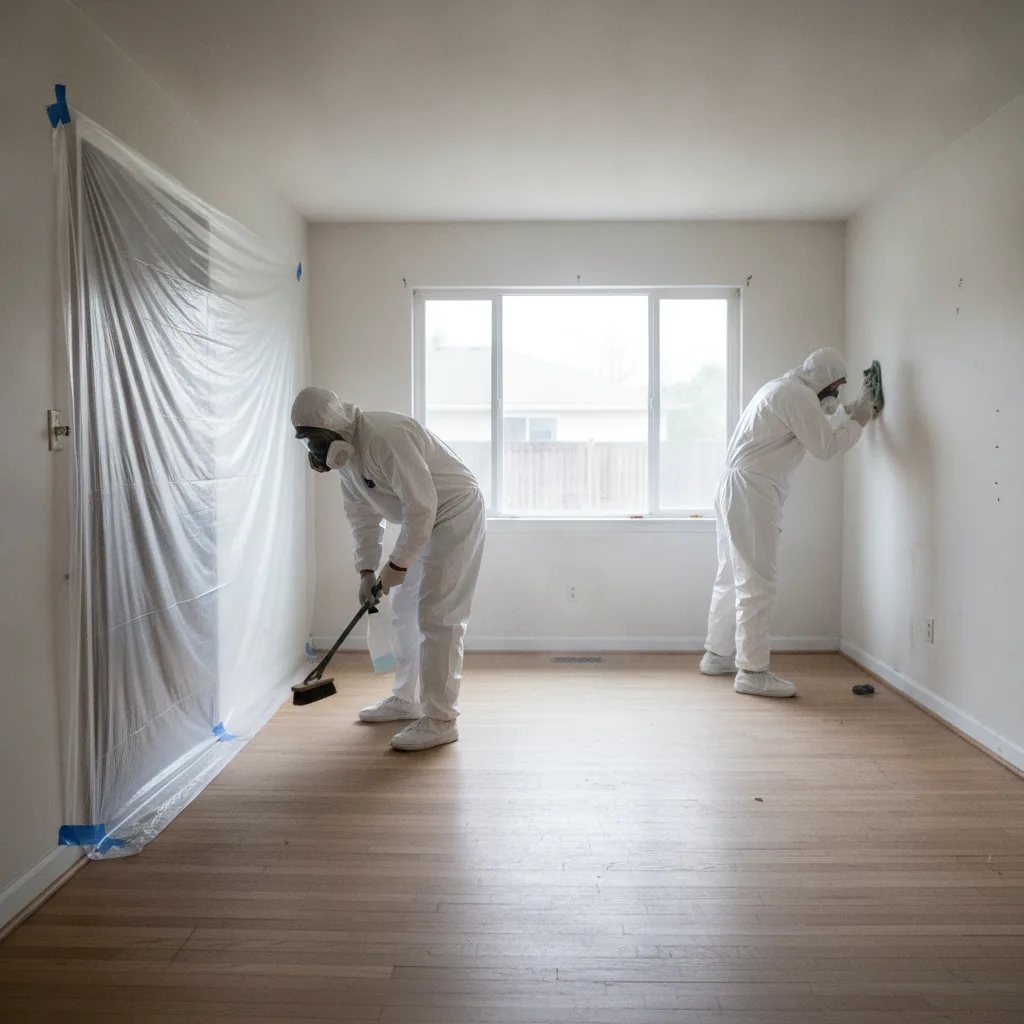
After police and the Hennepin County Medical Examiner release the scene, we take over. We remove blood, fluids, fingerprint powder and other contamination, and we leave the space safe and calm again.
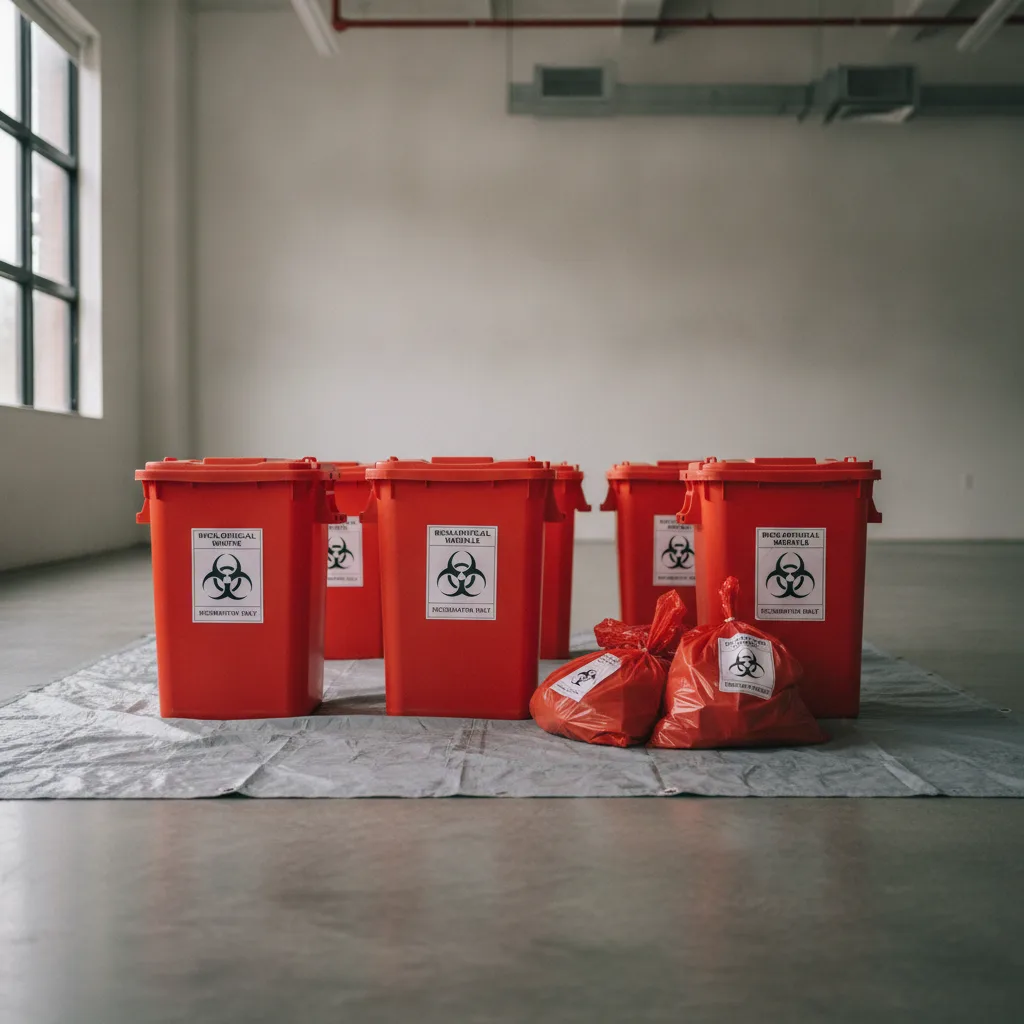
We clean up blood, bodily fluids, feces, vomit and other potentially infectious materials in homes, vehicles, businesses and public spaces.
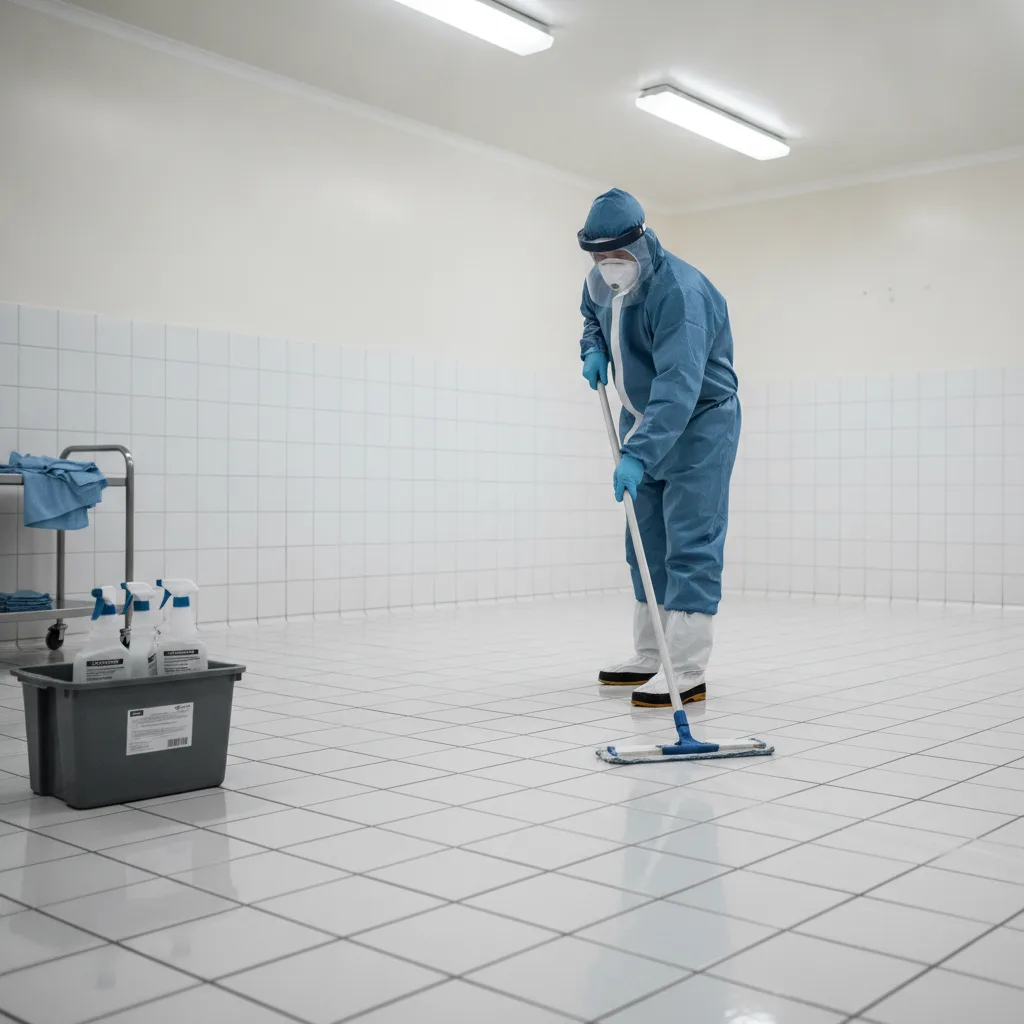
We restore homes after suicides, accidents and serious injuries, and we treat grieving families with patience and respect.
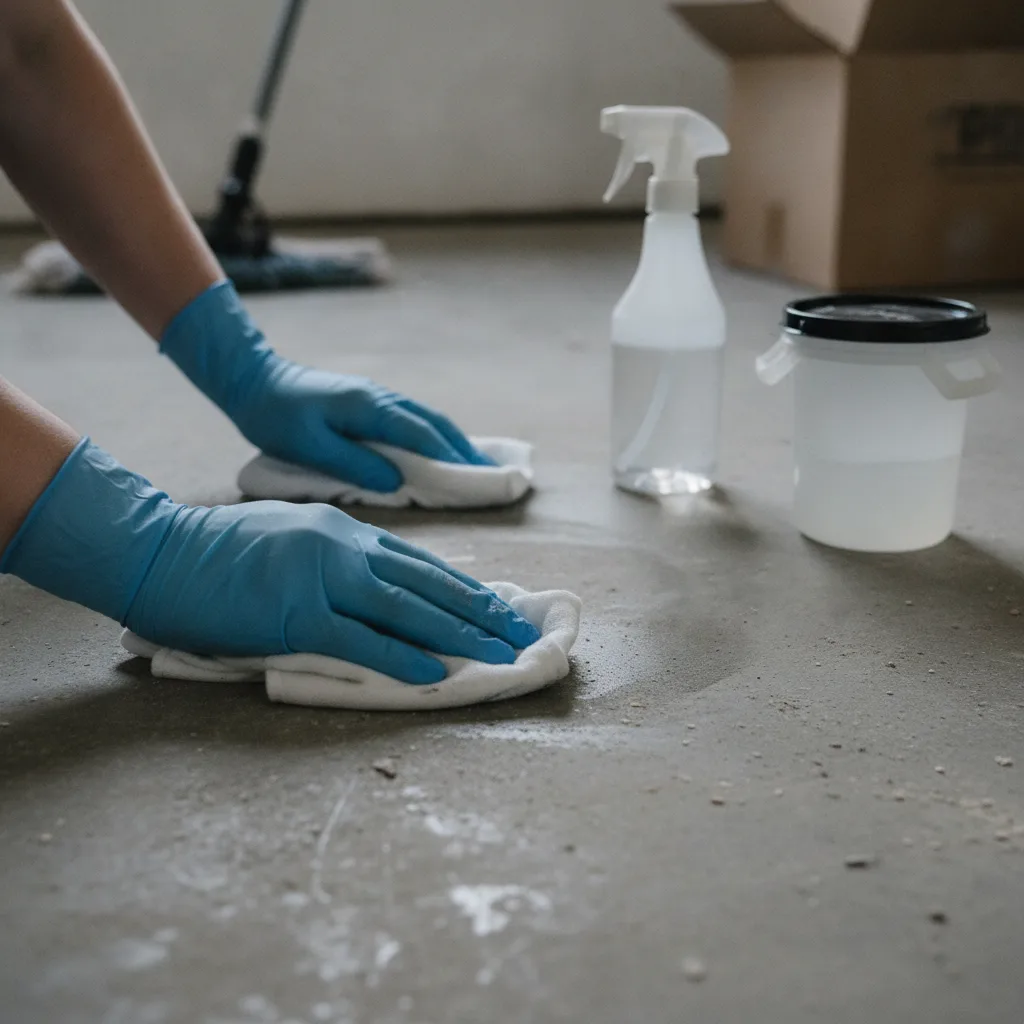
We remove blood from floors, walls, upholstery, mattresses and vehicles, including stains that have seeped underneath.
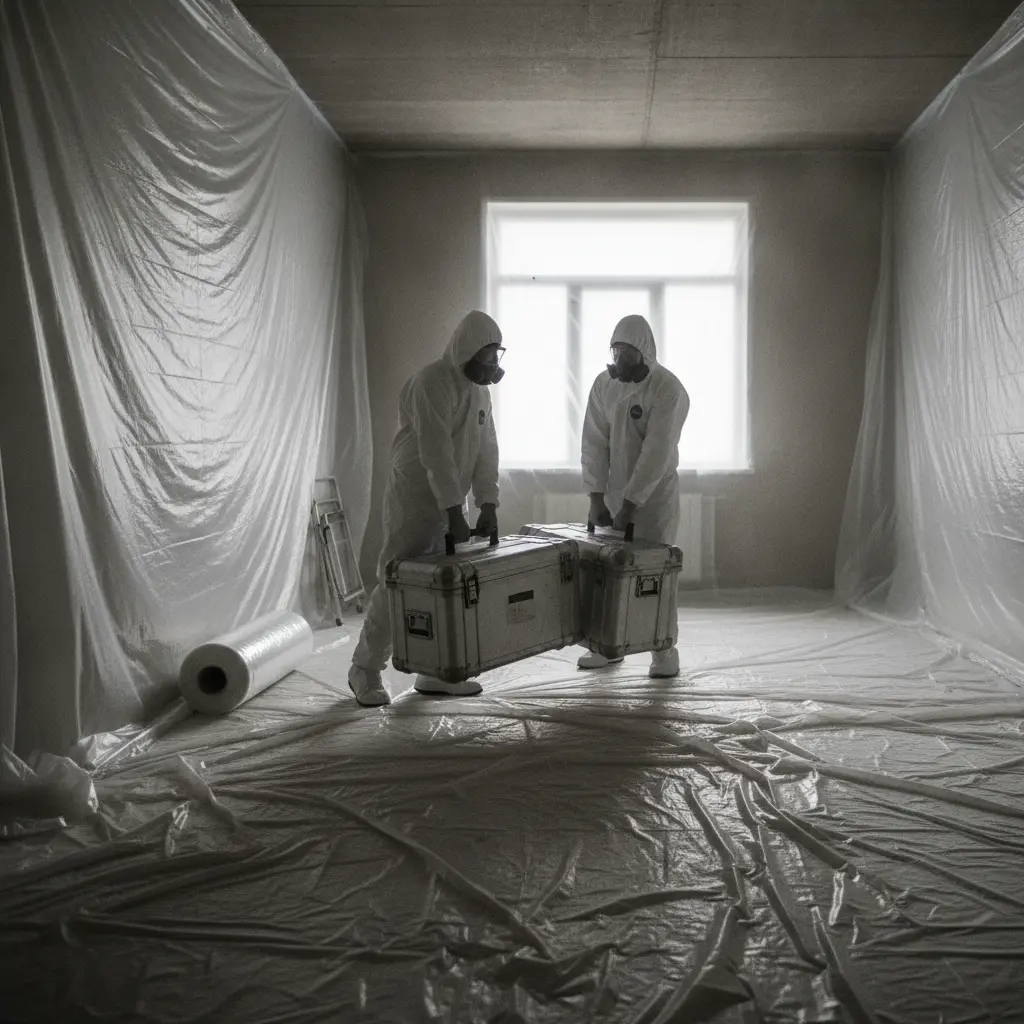
We provide full remediation after a homicide and protect the family's privacy at every step.
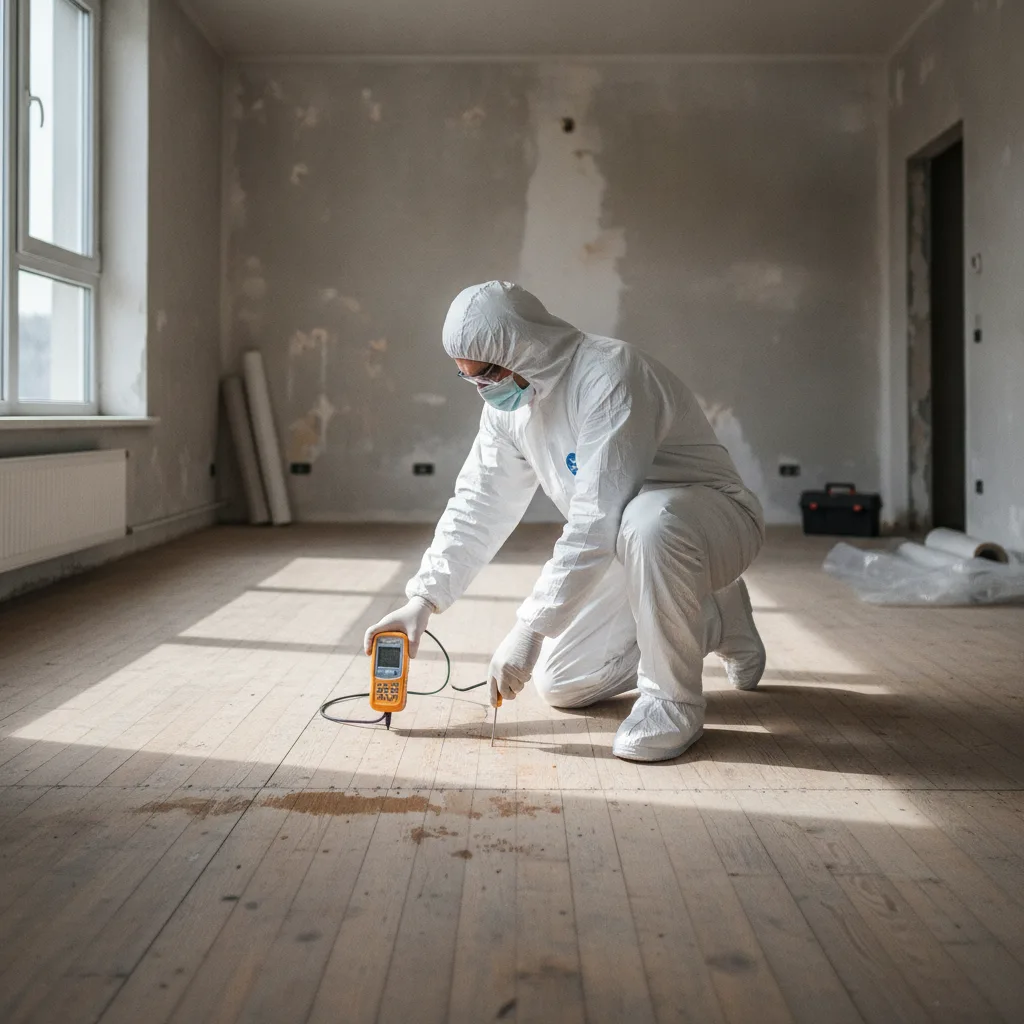
We clean homes where someone died alone and wasn't found for some time, removing every trace of contamination and odor.
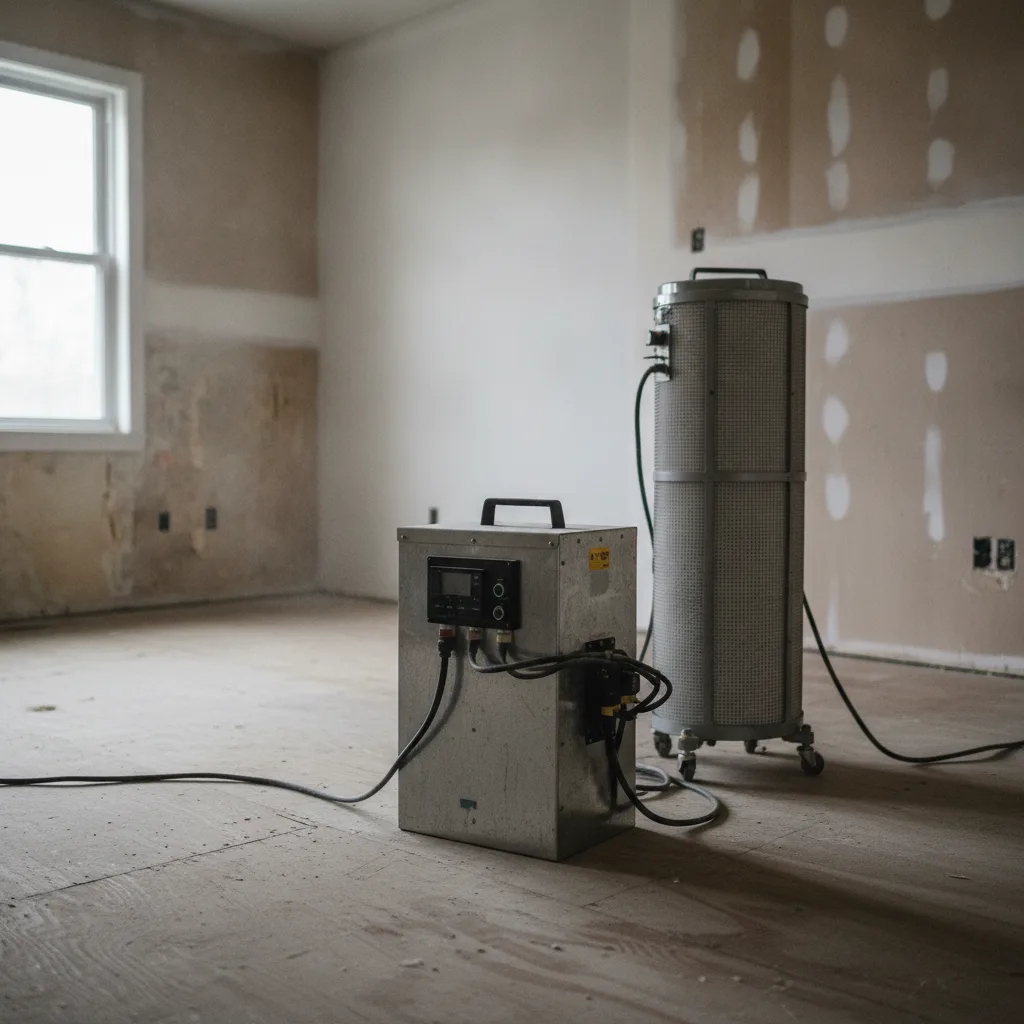
We remove decomposition fluids, insects and the materials they've soaked into, then restore a sanitary space.
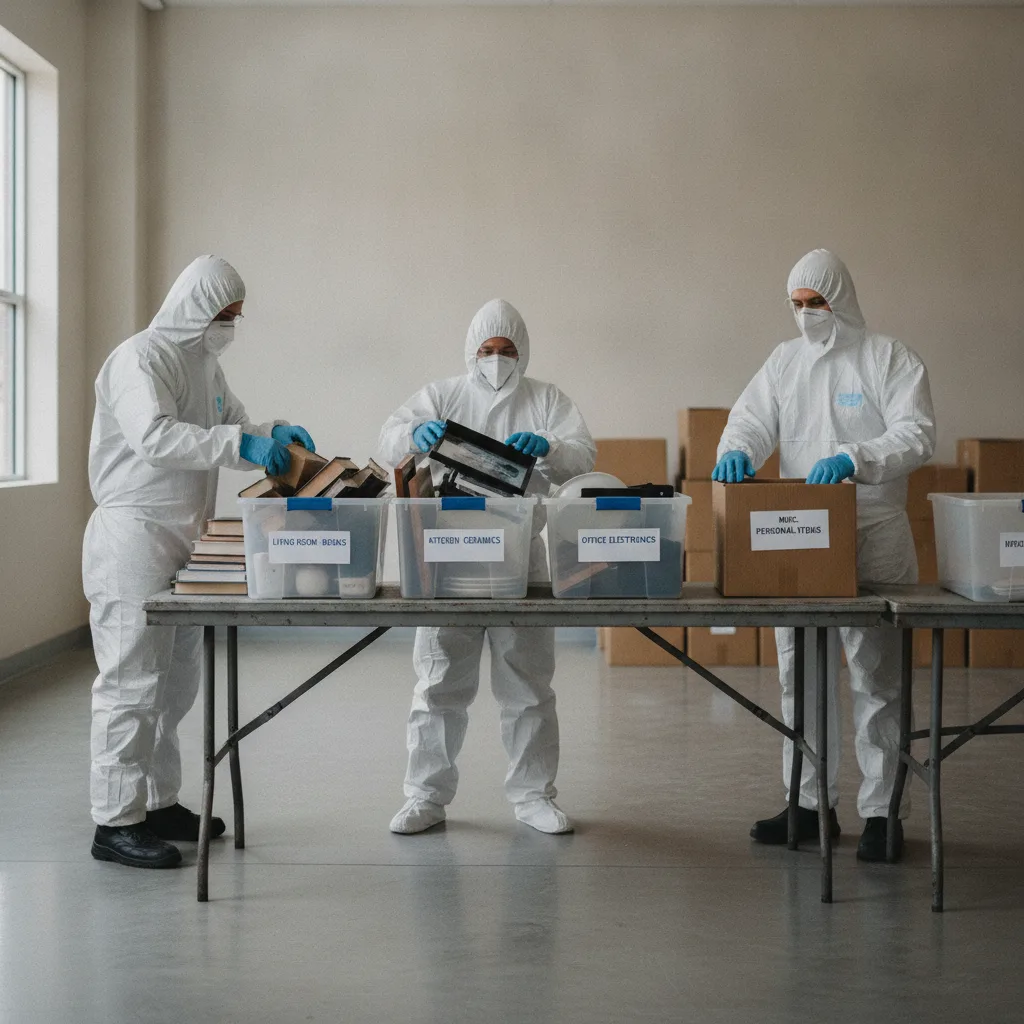
We clear severe hoarding and filth situations without judgment and with the family's involvement.
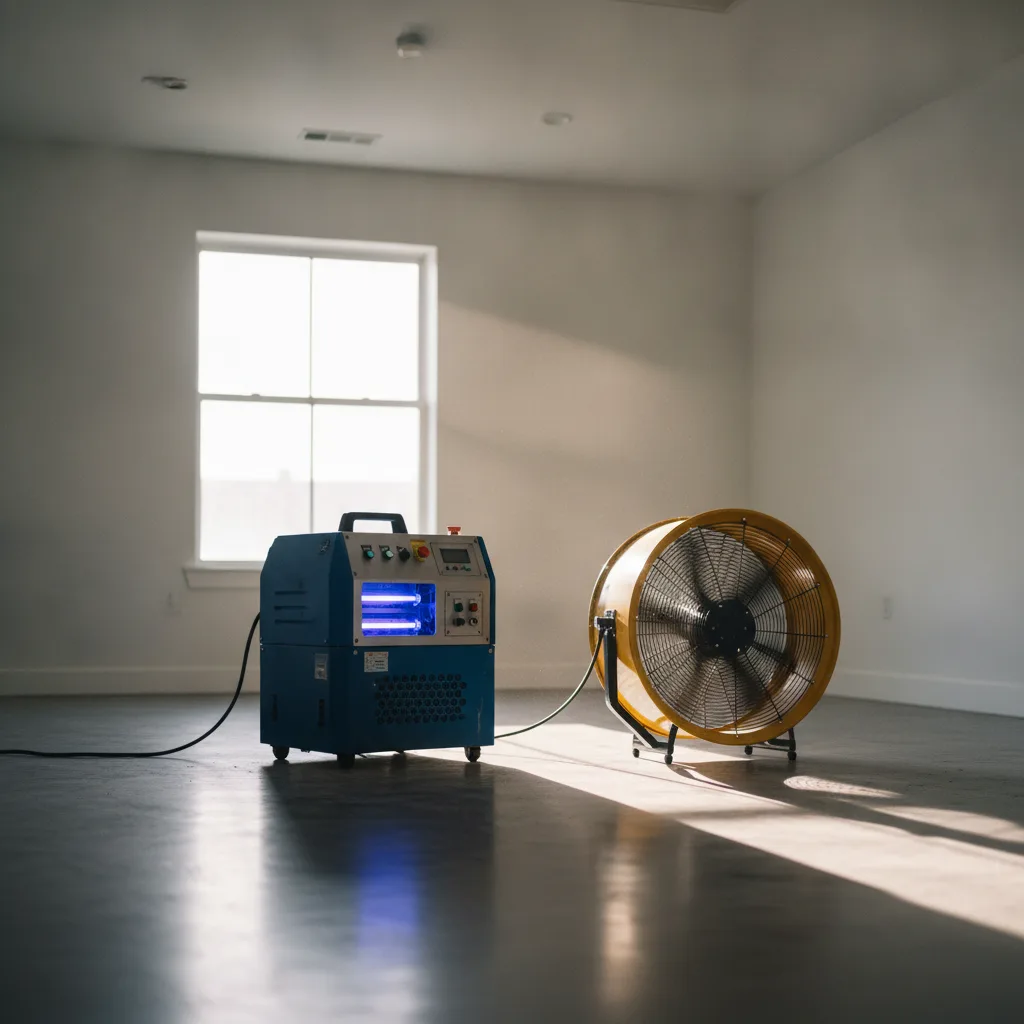
We remove death, smoke, urine and biohazard odors at their source instead of covering them up.
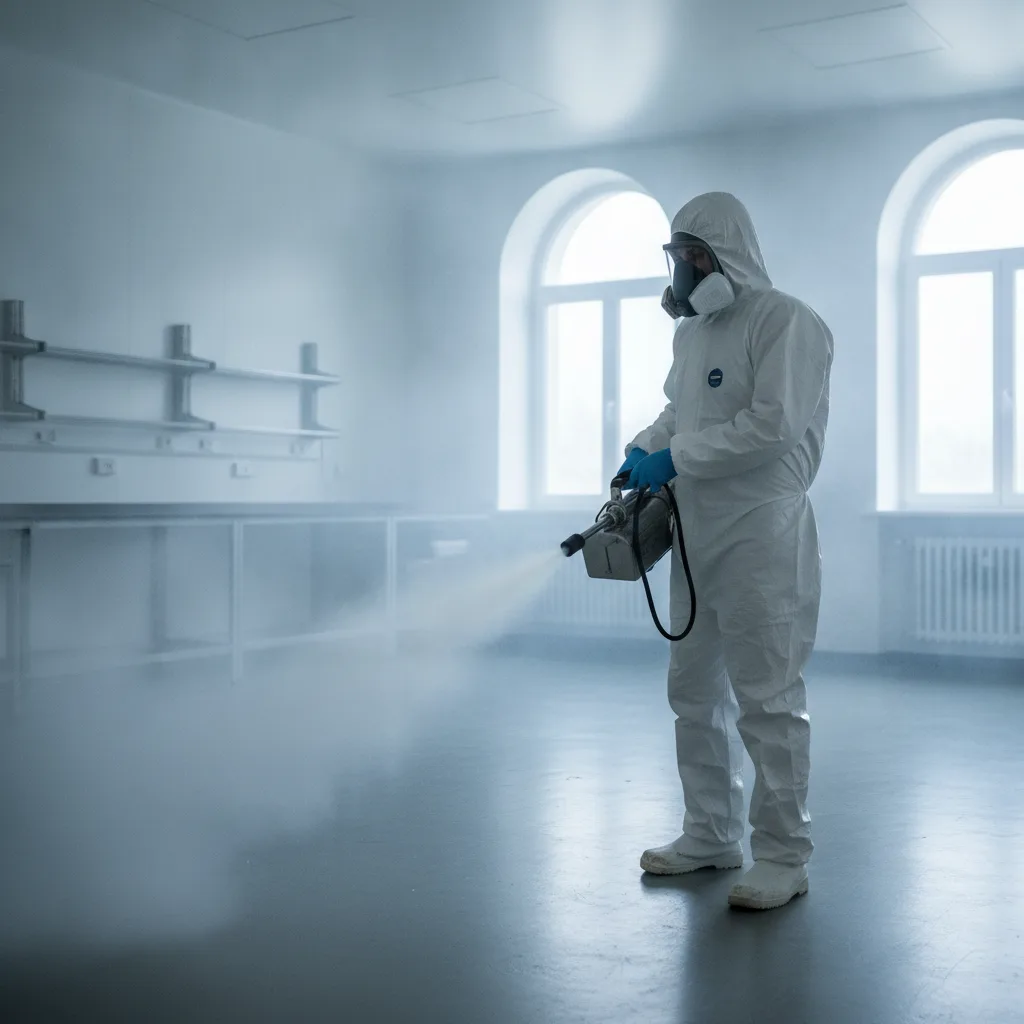
We decontaminate homes, vehicles and commercial spaces after drug activity, infectious disease exposure or meth lab use.
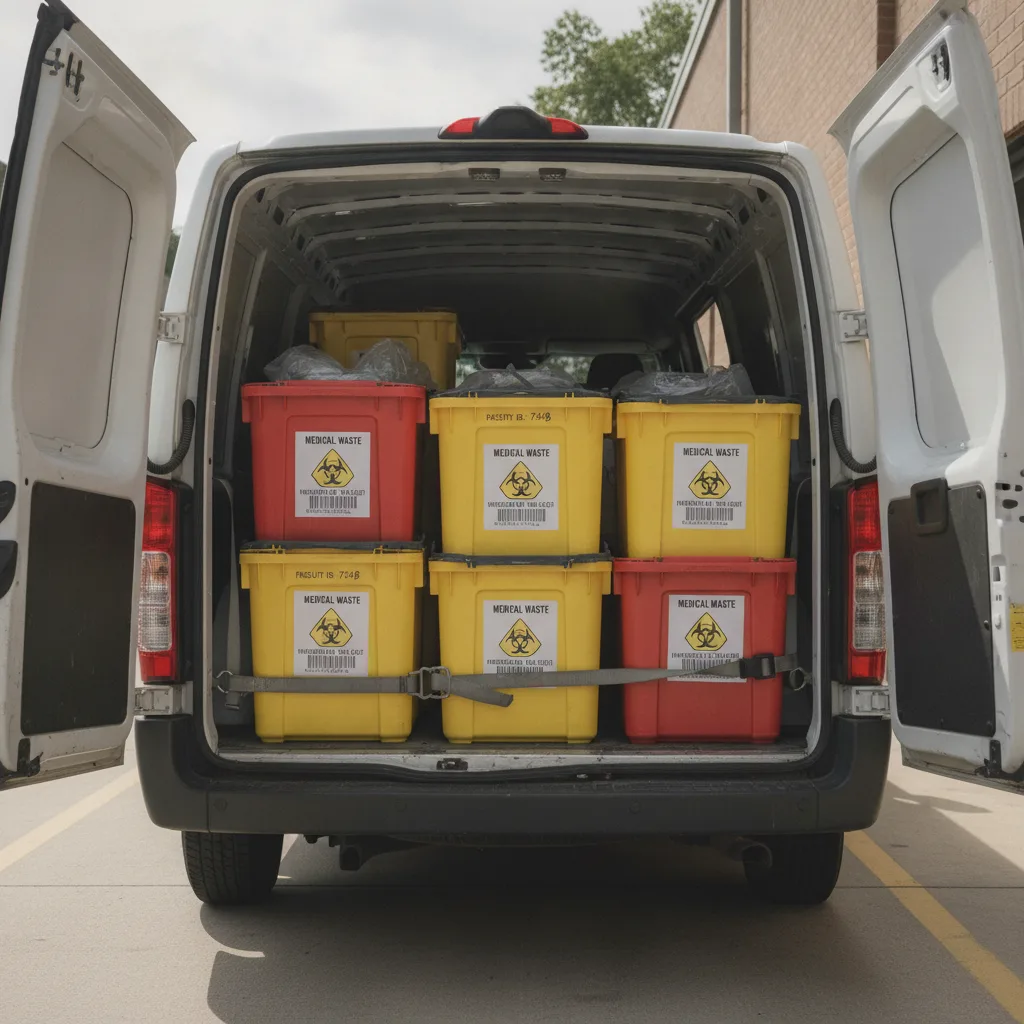
We collect and dispose of sharps, contaminated supplies and other infectious waste.
Every scene is different, but the same situations come up again and again in Minneapolis homes and buildings. Here's what each one involves, why it happens so often here and what to watch for. Some need a call tonight. Others can wait until morning, but not much longer.
When someone dies alone and isn't found for days or weeks, the body breaks down and releases fluids, gases and pathogens. Those soak through flooring, bedding and furniture. The result is a serious biohazard and a strong odor that ordinary cleaning can't remove.
Violent events leave blood and other bodily fluids that can travel well beyond what you see. Fluids spatter onto walls and ceilings, seep into seams and soak into porous materials. Bloodborne pathogens such as hepatitis B and C and HIV make this a serious health risk.
An overdose scene can include bodily fluids, used needles, drug residue and sometimes fentanyl contamination. Each of these is dangerous to touch or breathe. These scenes need trained handling and proper sharps disposal before anyone can safely go back in.
Decomposition, smoke and biohazard odors don't stay in one room. They move through ducts, wall cavities, pipe chases and shared floors, and they settle into neighboring units. Soon multiple households are complaining, even after the original source is gone.
Severe hoarding can bury a home in belongings, rotting food, animal waste and pests. Exits get blocked, fire risk rises and the air becomes unhealthy. Cleaning it out takes patience, sorting and biohazard protocols, not just a dumpster.
Category 3 black water is sewage or floodwater carrying bacteria, viruses and parasites. It contaminates everything it touches, including drywall, carpet, stored belongings and porous concrete.
Clandestine drug labs leave chemical residue on walls, ducts and fixtures. The residue isn't always visible, but it can cause health problems for whoever lives there next.
We know you're dealing with a lot right now. Here's exactly what to expect, step by step. We handle the hard parts, including your insurance company.
Answered any hour, day or night
Usually same day
Starts on day one
One to several days depending on scope
At completion
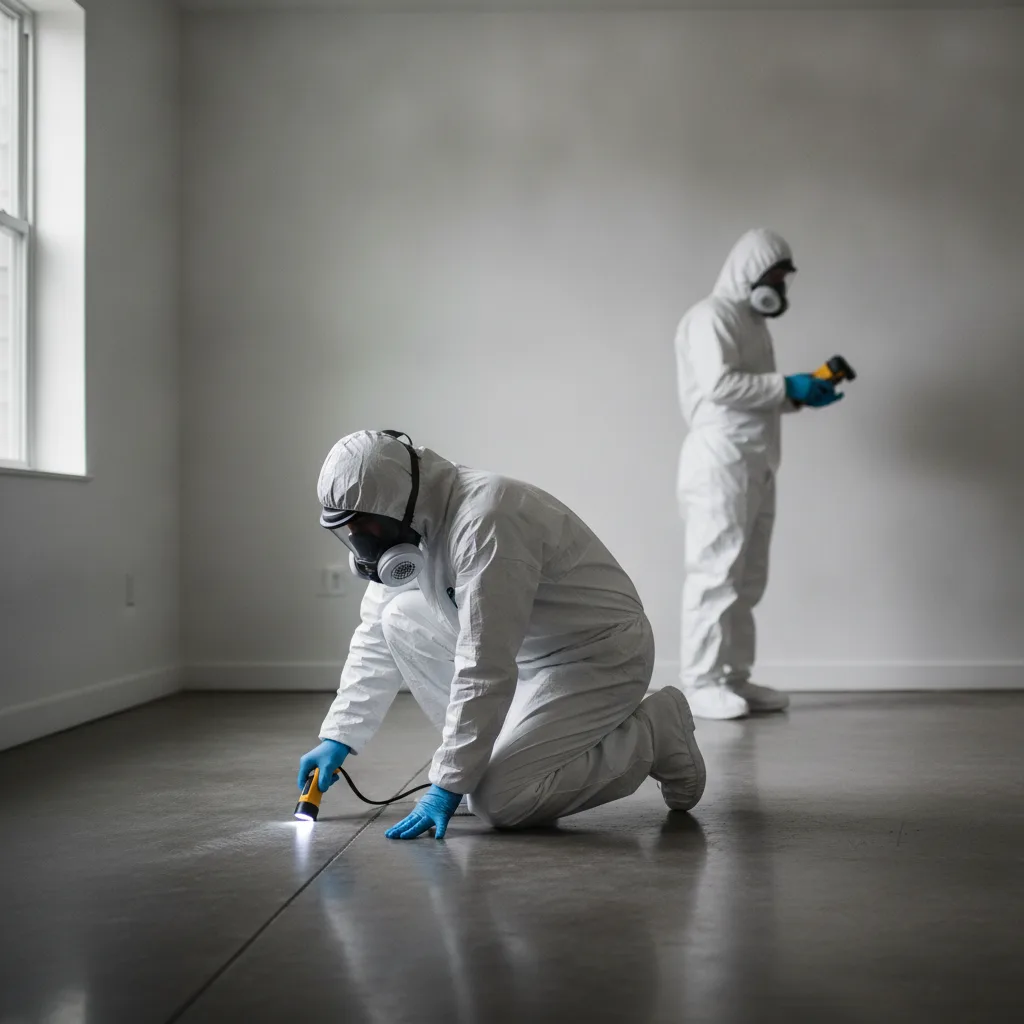
Homeowners, renters and commercial policies often cover trauma and biohazard cleanup. We confirm your coverage, write up the scope in the terms adjusters expect and bill your insurer directly. For many Minneapolis families, the cleanup ends up costing $0 out of pocket. If there's a deductible or something isn't covered, we tell you before any work begins. You won't get a surprise bill or high-pressure upsells. The last thing you need right now is a fight with an insurance company, and we'd rather take that on for you.
Pre-1940 bungalows, up-and-down duplexes and brick walk-ups don't clean up like new construction. Plaster over lath, plank subfloors, radiator chases and original ductwork all hold contamination and odor. We know where to look, including under carpet laid over oak floors, in the joists, and in the ceiling of the room below. In first-ring suburbs like Crystal and Brooklyn Center, we understand split-level layouts and garden-style apartment ventilation. That local knowledge means fewer return visits and odor that doesn't come back next July.
Minnesotans value privacy, and so do we. Our vehicles carry no biohazard branding. Our crews work quietly and respectfully, and they don't discuss your situation with neighbors. In condos and HOA buildings, we follow work-hour rules and elevator reservations so other residents aren't disturbed. Whether you live in a Golden Valley rambler or a Loring Park walk-up, the people next door don't need to know why we're there.
Tragedy doesn't wait for business hours, and neither do we. We answer calls at any hour, including holidays, polar-vortex nights and July heat waves when every hour counts. In summer, a fast response limits how far decomposition spreads. In winter, it keeps odor from moving through your furnace. We'll get there, haul the waste out and keep the work moving through snow-choked alleys and icy steps.
Our technicians follow OSHA's Bloodborne Pathogens Standard, which Minnesota enforces through MNOSHA. All waste goes through compliant channels under the Minnesota Infectious Waste Control Act. Integrity Crime Scene Services is insured, which protects you and your property while we work. When older homes may contain asbestos or lead, we flag them for proper testing before anything is removed. We don't cut corners that could put you, us or your future occupants at risk.
Minneapolis is home to Somali, East African, Hmong, Latino, Black, Jewish and many other communities, and each has its own traditions around death and mourning. We ask about your needs, handle personal and religious items with care, and take our pace from you. When family members live out of state, we coordinate with the Hennepin County Medical Examiner's Office, landlords and insurers on their behalf.
More than half of Minneapolis households rent, and a unit that's sitting empty costs money. We work quickly and provide clean, organized documentation for rental license re-inspections, MDH meth-lab clearance and adjuster files. This applies across Minneapolis, St. Louis Park, Crystal, Brooklyn Center and Golden Valley, each of which runs its own rental program.
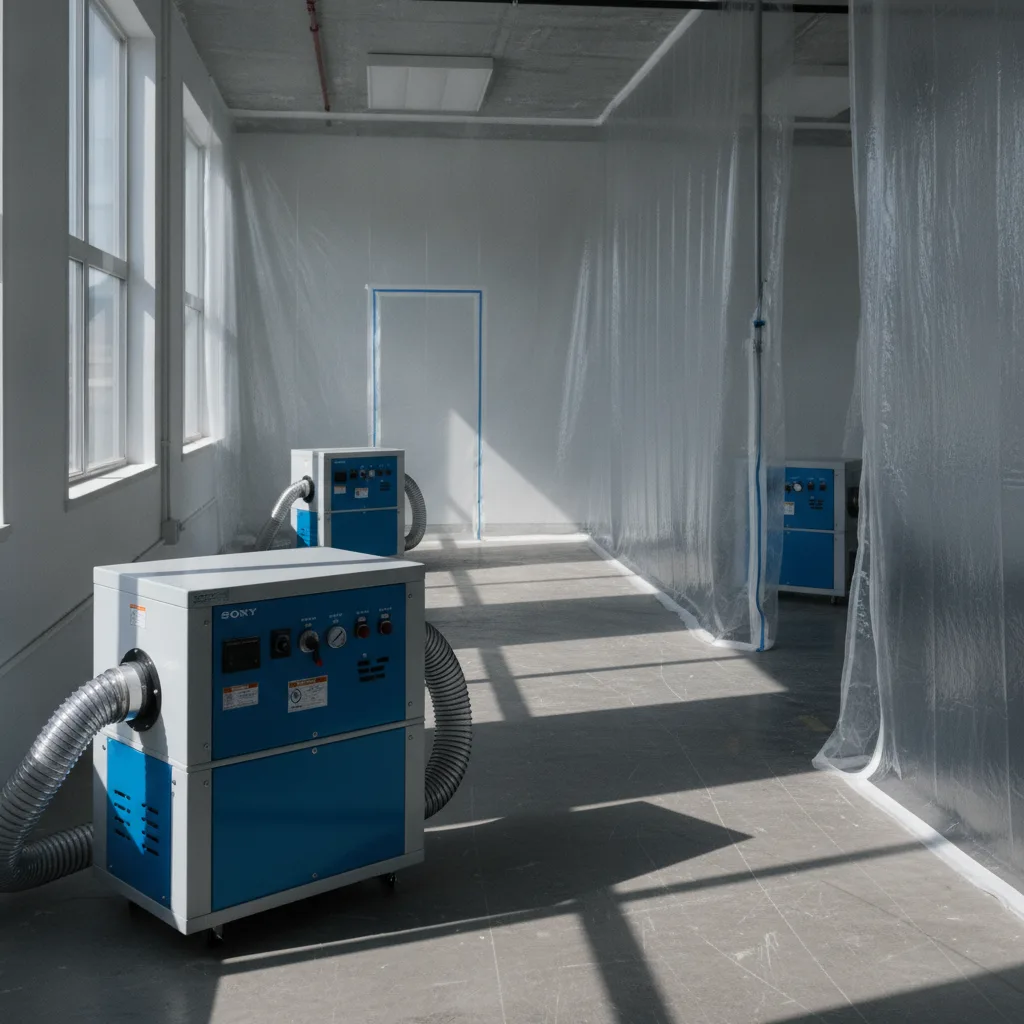
Most crime scene, trauma and unattended death cleanups are covered by homeowners, renters or commercial property insurance. We bill your insurer directly, so many Minneapolis families pay $0 out of pocket. Here's what determines the claim amount your insurer will see.
Surface blood on sealed tile takes far less work than fluids that have soaked through carpet, pad and old plank subfloor into the joists. In pre-1940 Minneapolis homes, contamination usually goes deeper than it looks, so careful demolition is often needed. We document every layer with photos so the adjuster can see exactly why the work was necessary, and the claim gets approved without back-and-forth.
An unattended death found within a day in January is a very different job from one found after a week in July with dew points near 70 °F. Delayed discovery increases fluid spread, insect activity and odor penetration. In winter, a running furnace can carry odor through the whole house, which adds duct decontamination to the claim.
Older forced-air systems, gravity-converted ducts and radiator chases spread odor to rooms and units well away from the scene. Shared ventilation in duplexes and walk-ups can extend the scope to neighboring spaces. Cleaning ducts and treating odor with hydroxyl or ozone are common, insurable line items on Minneapolis jobs.
Homes built before 1978 may contain lead paint, and asbestos can turn up in 9x9 tile, plaster texture or pipe insulation. When contaminated materials have to come out, testing or licensed abatement may be needed first. We flag these issues early so they're included in the claim and don't stall the job later.
High-rise elevators, HOA work-hour limits, third-floor walk-ups and icy winter alleys all affect labor time. So does the amount of sealed biohazard waste that has to go through compliant Minnesota disposal. We plan for these logistics upfront so the scope is accurate.
We bill your insurance company directly and work with your adjuster from day one. There's nothing to pay upfront for covered losses. We'll confirm coverage and any deductible before work starts, so you won't be surprised later.
In many cases, yes. Homeowners, renters, landlord and commercial property policies often cover trauma, crime scene and unattended death cleanup as sudden, accidental loss. Many Minneapolis families pay $0 out of pocket. We verify your coverage, prepare a detailed scope with photos and bill your insurer directly. If there's a deductible, or if part of the job falls outside your policy, we explain it clearly before we start. We never pressure you to sign anything during a crisis. Not sure what your policy covers? Call us and we'll help you find out.
We answer 24/7 and usually arrive the same day once the scene has been released. Smaller blood cleanups often take a few hours to a day. Unattended death or decomposition scenes that need subfloor removal and duct decontamination can take several days, plus time for odor verification. Winter weather and HOA elevator schedules can affect timing, and we'll plan around them. We'll give you a realistic timeline at the assessment and keep you updated, whether you're local or coordinating from out of state.
Yes. In Minneapolis, Golden Valley, St. Louis Park, Crystal and Brooklyn Center, the Hennepin County Medical Examiner's Office handles death investigations. Police and the ME have to release the scene before cleanup can begin. You can call us before that happens. We'll start on insurance verification and planning so we're ready the moment the scene is released. We can also help you understand next steps if you aren't sure whether the property has been released yet.
Yes. Minnesota's Infectious Waste Control Act (Minn. Stat. 116.75–116.83) requires infectious waste to be handled by compliant transporters and disposal facilities, and both MPCA and MDH are involved in overseeing it. Biohazard materials can't simply go out with the household trash. Our technicians also follow OSHA's Bloodborne Pathogens Standard, which MNOSHA enforces in Minnesota. Former meth labs fall under a separate statute, Minn. Stat. 152.0275, and must be remediated to MDH guidance before anyone moves back in. We provide the documentation that shows each requirement was met.
Cleanup itself generally doesn't need a permit. If contaminated subfloors, joists or structural framing have to be replaced, though, the City of Minneapolis or your suburb will usually require a building permit for that repair work. Pre-1978 homes may also need lead-safe practices, and suspected asbestos requires testing and MDH-licensed abatement before it's disturbed. Historic district rules mostly apply to exterior changes. We document our removal work so your contractor and the inspector know exactly what was done.
Odor spreads through ducts, radiator chases and shared walls, especially in Minneapolis duplexes and walk-ups that stay sealed all winter. Shut off forced-air heating or cooling to the affected area if you can do it safely. Keep doors closed and don't try to cover the smell with sprays. When we arrive, we remove the source, clean and decontaminate the ductwork, treat with hydroxyl or ozone where appropriate and seal porous surfaces. That's how we keep the odor from coming back the next time the furnace runs.
Call right away if you notice a strong sweet or rotting odor, flies near windows, stains coming through a ceiling, or odor coming out of heat registers. Call immediately, too, after any death, violent event or overdose once the scene is released. In Minneapolis summer humidity, every day of delay lets fluids spread deeper into porous floors. In winter, running heat spreads contamination through the house. Please don't try to clean blood or fluids yourself. Bloodborne pathogens and hidden sharps are real risks.
Yes. Minneapolis Regulatory Services and suburban rental licensing programs in Brooklyn Center, Crystal, St. Louis Park and Golden Valley can placard or hold a unit after hoarding, sanitation, drug-lab or death-related conditions. We move fast, protect other tenants' privacy and provide documented remediation for inspectors and insurers. We also deal with odor complaints from neighboring units and coordinate with property managers, condo boards and HOAs on access and work hours.
We come to you anywhere in Minneapolis and the surrounding area, in unmarked vehicles, any hour of the day.
You don't have to face this alone or pay for it upfront. One call starts everything: insurance verification, a discreet arrival and complete restoration. We answer 24/7 and treat your home and family with respect.
Call (507) 466-2710 Now