Discreet, certified crime scene and biohazard cleanup in Kansas City — unmarked vehicles, compassionate technicians, and in most cases $0 out of pocket since we bill your insurance directly.
No two cleanups are alike, and Kansas City brings its own challenges. Hot, humid summers, century-old porous building materials, a combined sewer system and a state line down the middle of the metro all affect how a scene has to be cleaned, documented and legally disposed of.
July highs in Kansas City average near 89°F. Heat waves regularly push past 95–100°F, and dew points sit in the upper 60s and 70s. In a closed brick home without central air, decomposition can reach a severe stage within days. Fluids get into subfloors, insects show up, and odor works its way into plaster, carpet pad and ductwork. Winter brings the opposite problem. January lows near 20°F mean sealed-up houses and running furnaces, which can hide odor, delay discovery and push contaminants through forced-air ducts. Roughly 40 inches of rain a year, mostly from spring thunderstorms, overwhelms the older combined sewer system. That sends Category 3 black water into basements, especially near the Missouri River, Brush Creek, the Blue River and Turkey Creek.
The urban core is full of homes built between the late 1800s and the 1940s: Victorians, Foursquares, brick bungalows and Kansas City's signature shirtwaists. Most still have plaster-and-lath walls, old-growth hardwood over plank subfloors and limestone or brick basement foundations. All of those materials absorb blood and decomposition fluids deeply, and wiping the surface won't make them safe. Brick walk-ups and converted multi-unit homes often share walls and ventilation, so odor and contamination can move from one unit to the next. Outside the core, the stock changes. Raytown, Gladstone and Independence have 1950s–70s ranches with wall-to-wall carpet and finished basements. South Overland Park, Leawood and Lee's Summit have larger homes with drywall and engineered flooring, and each type needs a different remediation approach.
Neither Missouri nor Kansas issues a dedicated crime scene cleanup license. What you should look for is documented OSHA compliance, including the Bloodborne Pathogens Standard (29 CFR 1910.1030), respiratory protection and hazard communication. Waste rules depend on which side of the line you're on. In Missouri, the Department of Natural Resources regulates infectious waste, which must go through permitted transporters and treatment facilities with a manifest. In Overland Park and the rest of Johnson County, the waste falls under KDHE. Former meth labs follow Missouri Department of Health and Senior Services guidelines. Cleanup can't start until the Jackson County Medical Examiner or the Johnson County coroner releases the scene, and rebuilding can require KCMO, Independence, Overland Park or Lee's Summit permits.
Kansas City, MO has some of the highest per-capita homicide and shooting rates of any large US city, and it set its all-time homicide record in 2023. Demand is heaviest east of Troost and in parts of Northeast KC, but scenes happen everywhere. Fentanyl overdoses and suicides reach into Leawood, Prairie Village and Lee's Summit HOA neighborhoods, where families care most about privacy. Independence has an older population, which means more unattended-death calls. KCMO's Healthy Homes rental inspection program also pushes landlords to fully remediate units before re-renting.
Every service below is available 24/7 anywhere in our Kansas City service area, and every one is done discreetly. We put insurance coordination first, work under OSHA protocols and dispose of waste according to the rules for whichever state the job is in. The goal is simple: leave your property safe, clean and livable again.
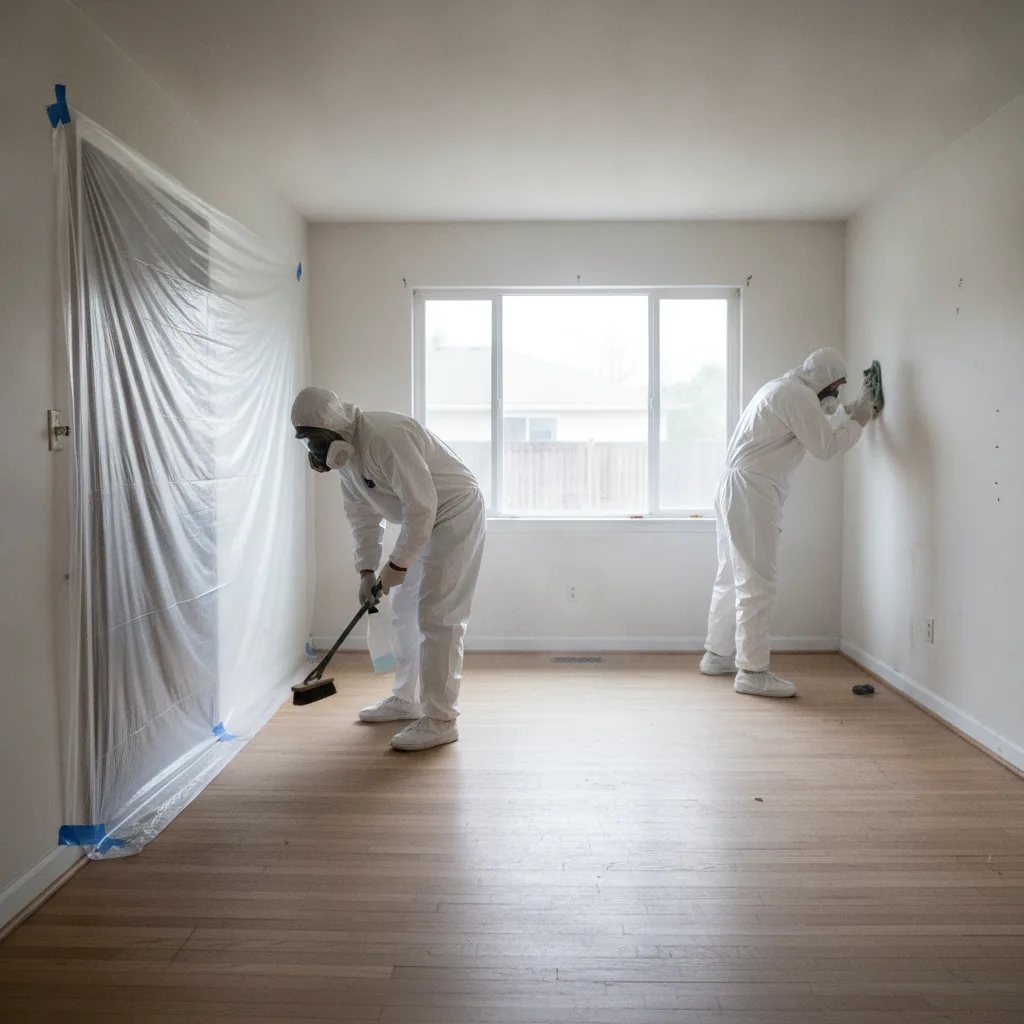
We clean and decontaminate homes, businesses and vehicles after violent crimes. That includes removing blood, tissue and fingerprint powder and restoring the space so it's safe to use. We start only after police or the medical examiner release the scene.
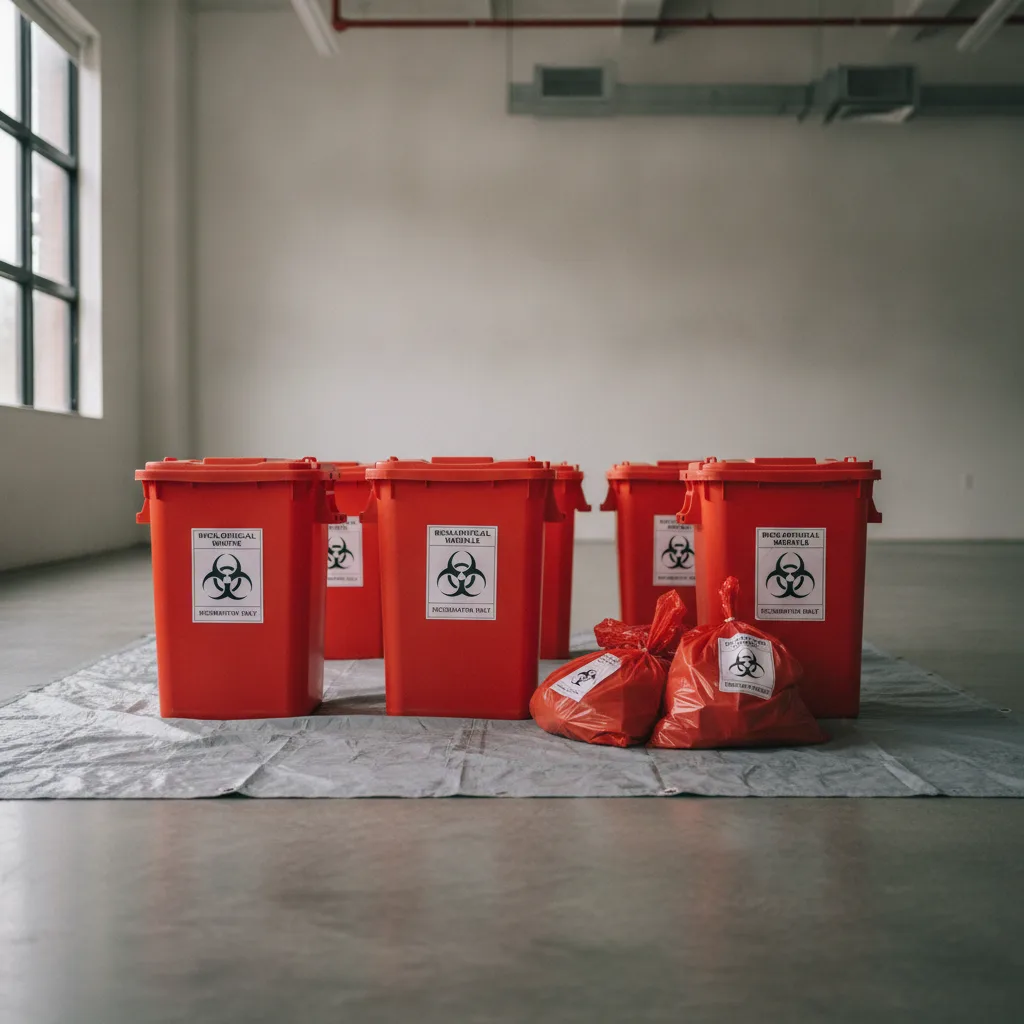
We safely remove and dispose of any biological contamination, including blood, bodily fluids, sewage, animal waste and infectious material, in homes, commercial spaces and vehicles.
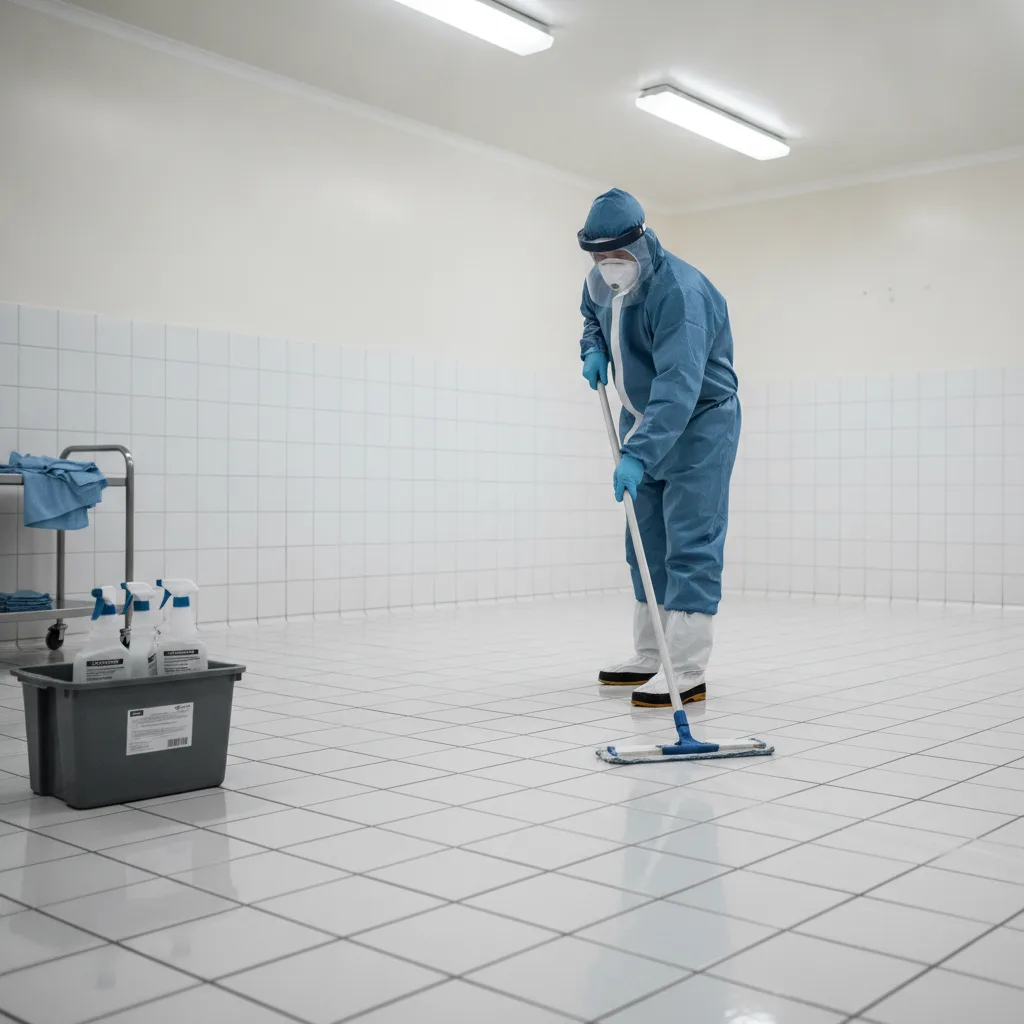
We clean up after suicides, accidents, serious injuries and other traumatic events, with quiet compassion. Families don't have to see or handle anything.
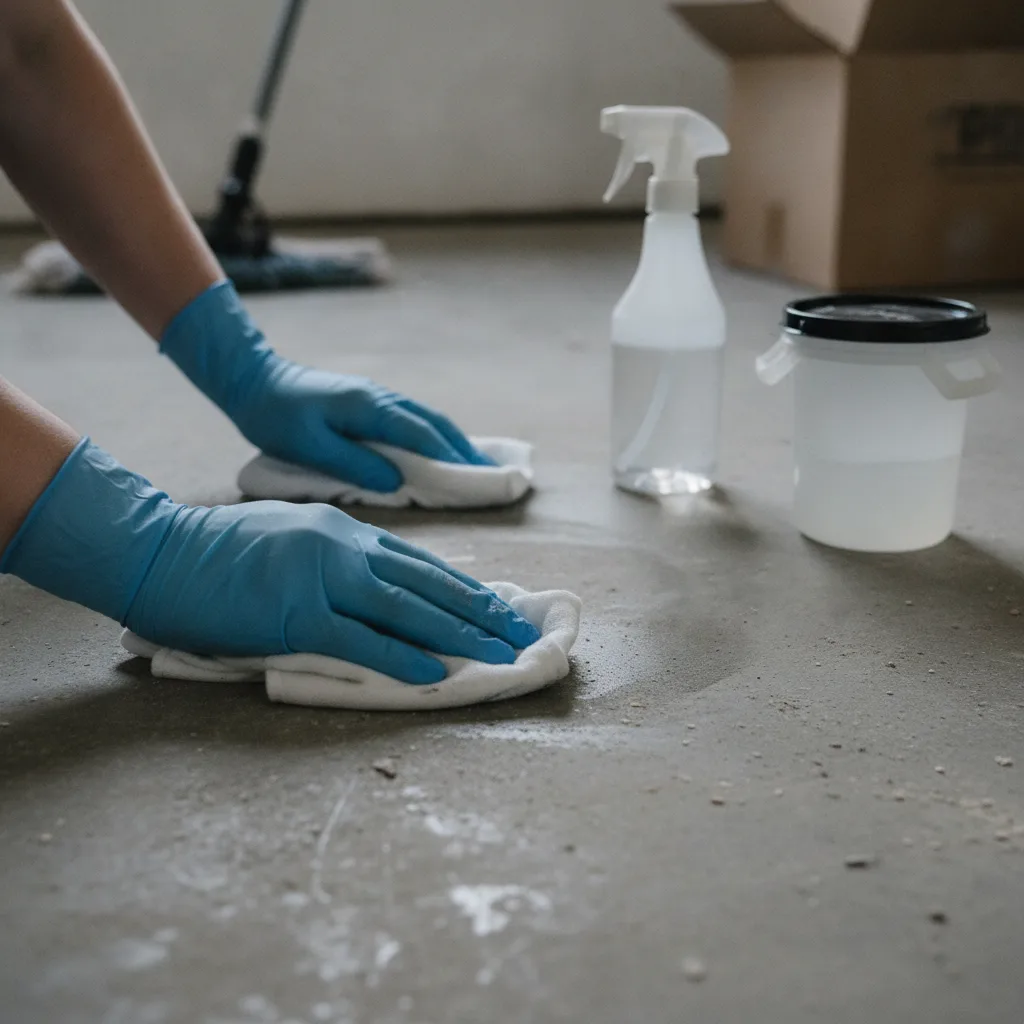
We remove blood from carpet, upholstery, hard surfaces, walls and vehicles, whether there's a small spill or a large amount soaked into the structure.
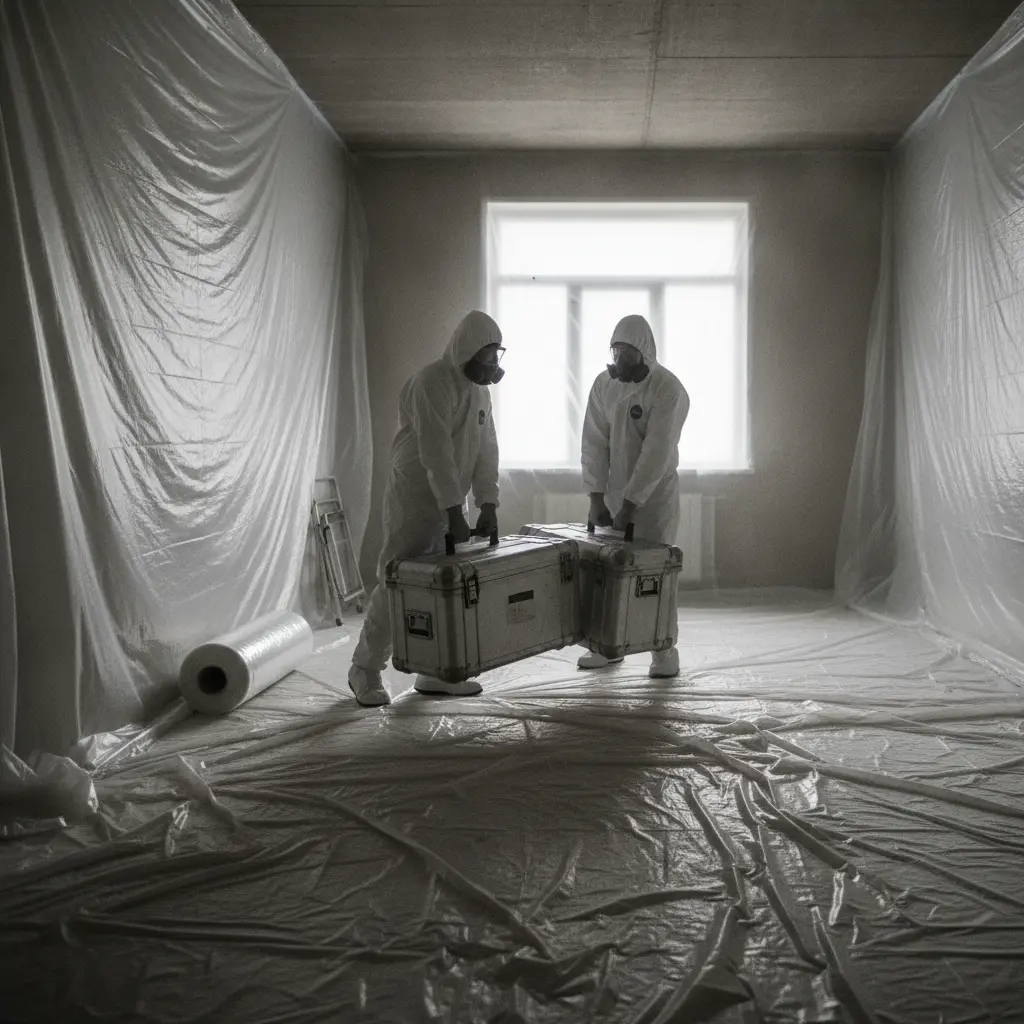
We restore homes, vehicles and businesses after a homicide. Our crews handle extensive biological contamination and leave the space safe to live or work in.
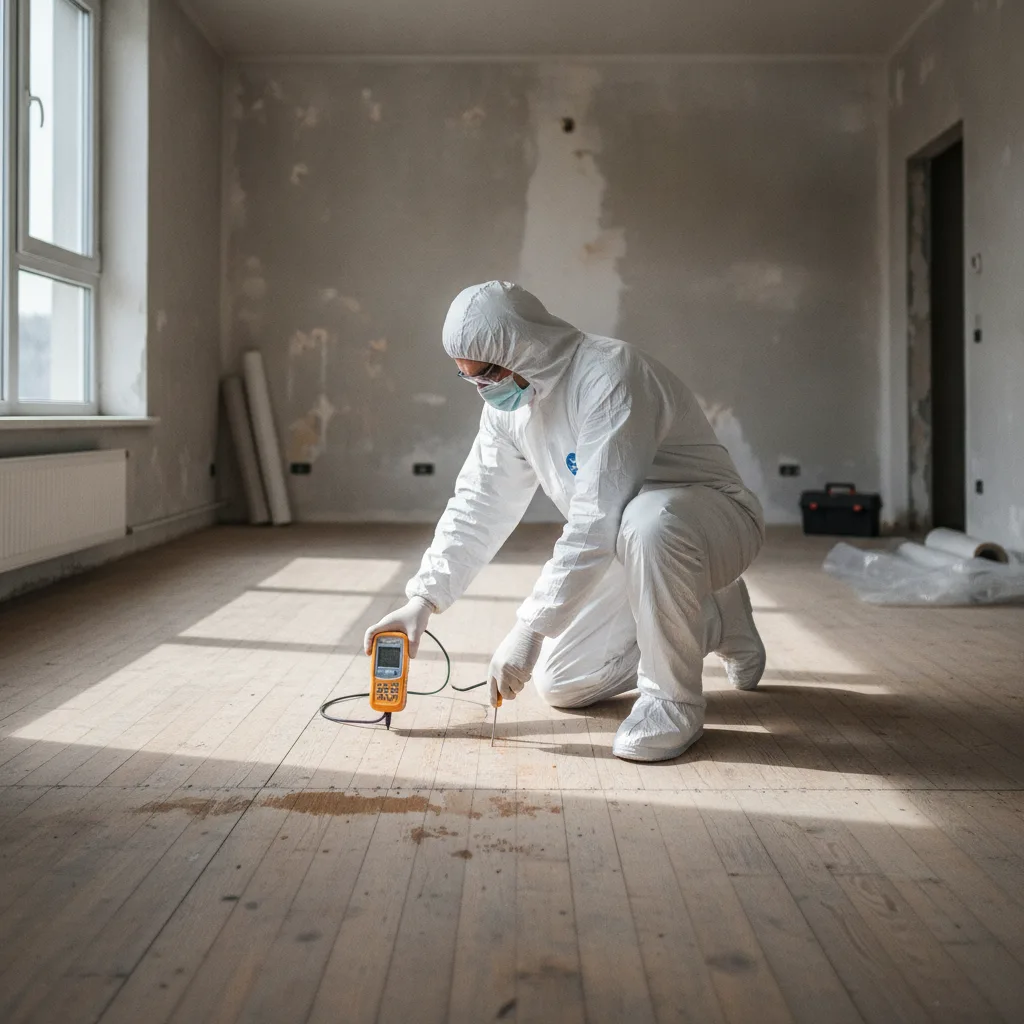
When a loved one passes away alone and isn't found right away, we remove all contamination, odor and insect activity and restore the home.
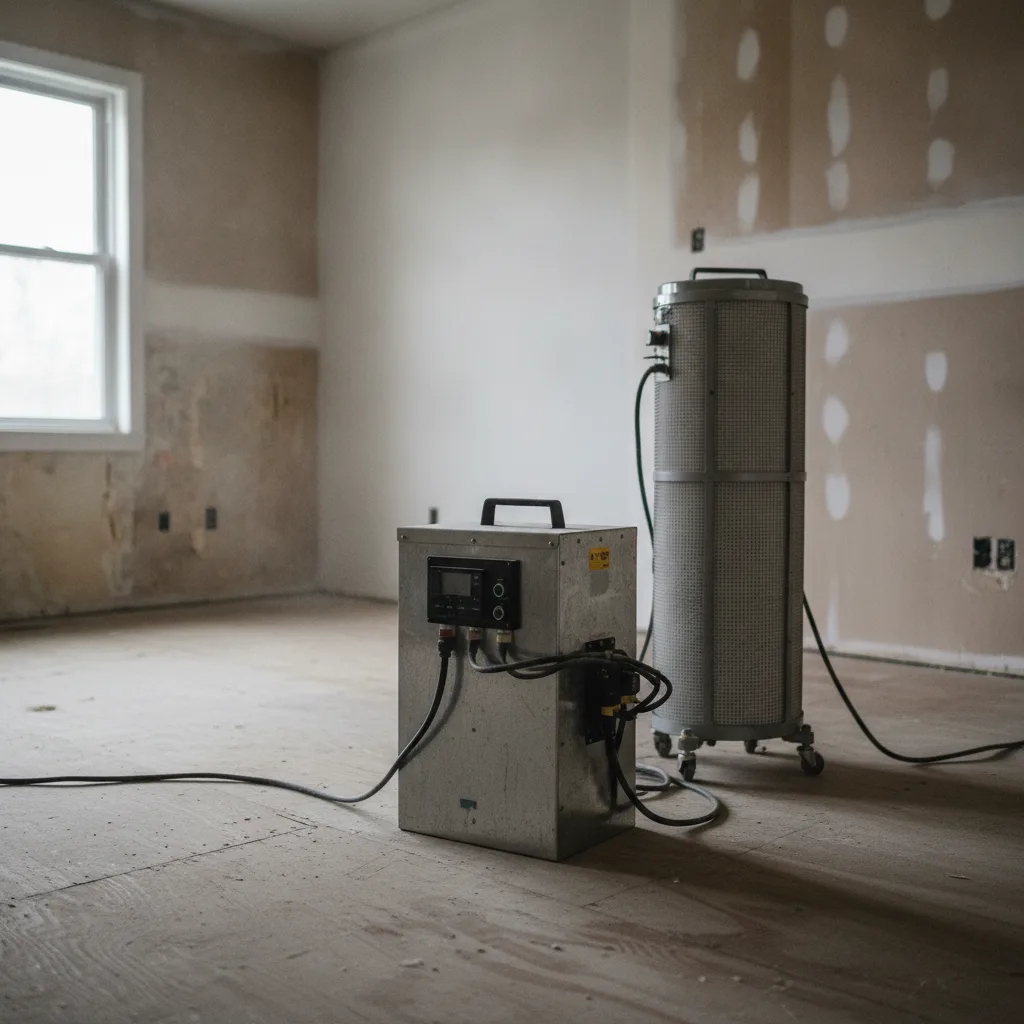
We handle the advanced cleanup that decomposition requires, including fluid saturation, structural contamination, insects and strong odor, wherever it has spread.
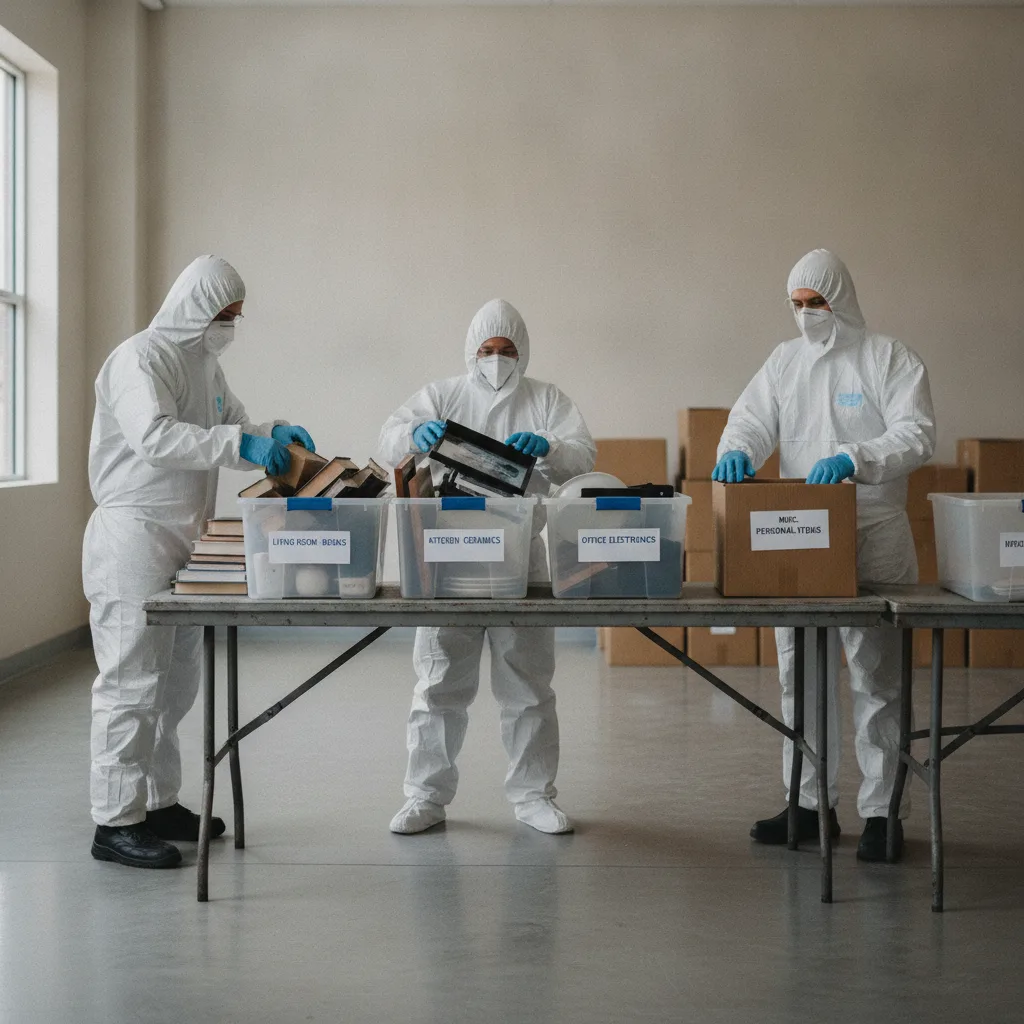
We clear and sanitize hoarded homes, including animal waste, mold and pests, while treating the person who lives there and their family with dignity.
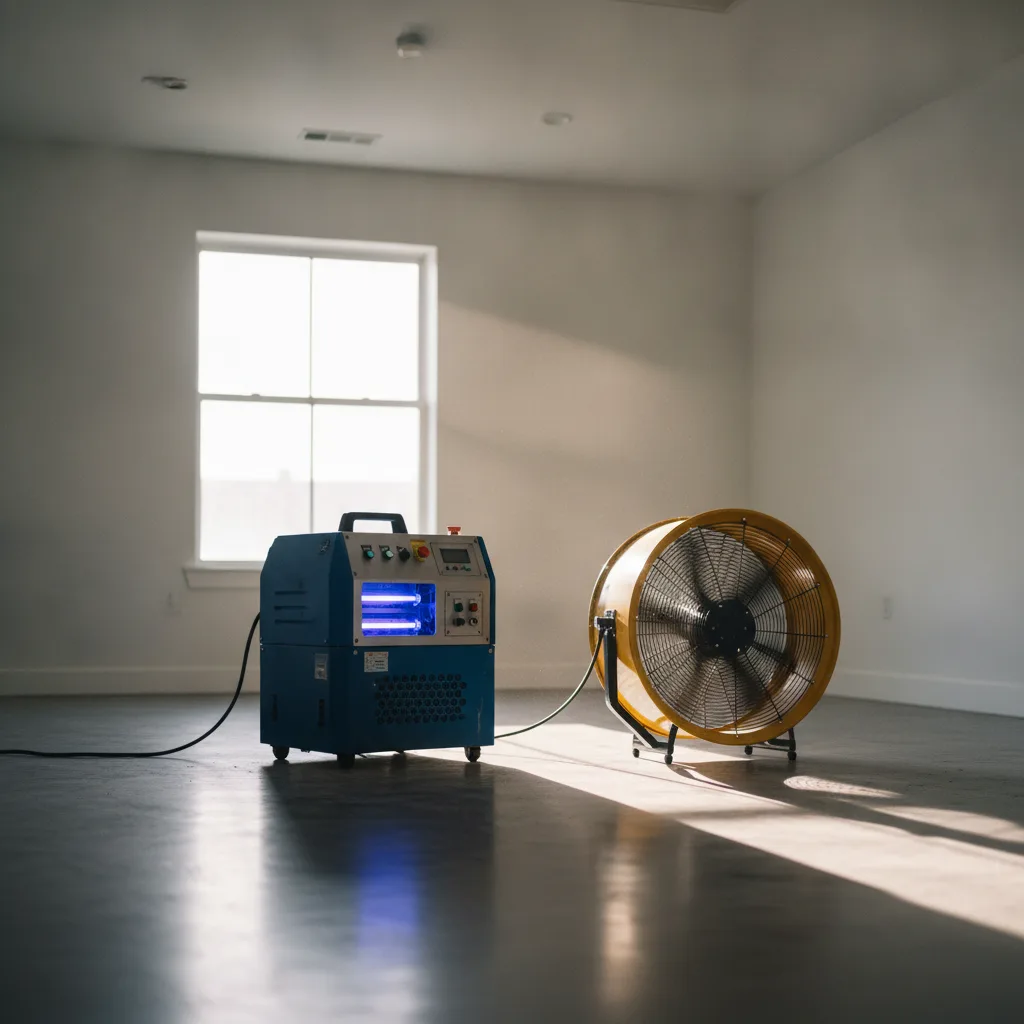
We remove odor left by death, decomposition, smoke, animal waste or sewage, permanently, without masking it.
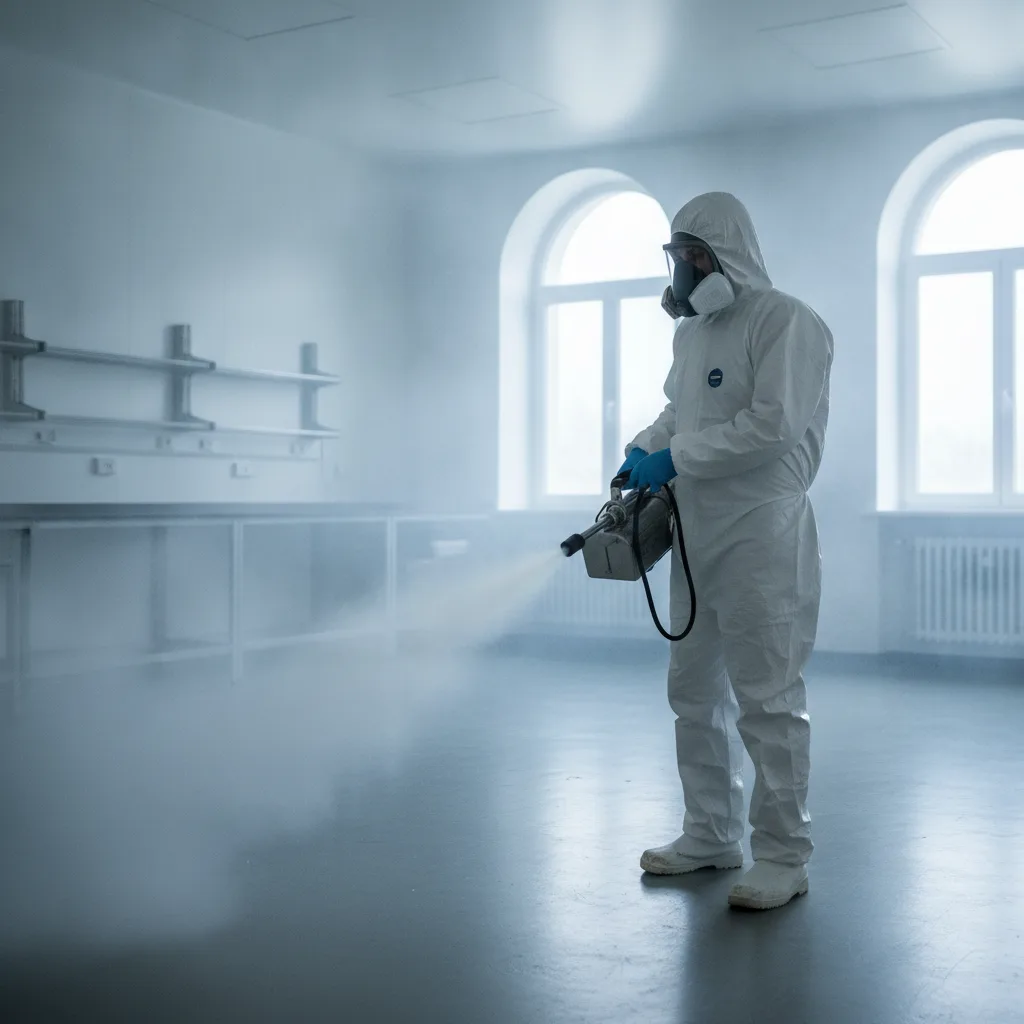
We decontaminate properties affected by former meth labs, infectious disease, sewage and other hazardous residues so they can be occupied safely.
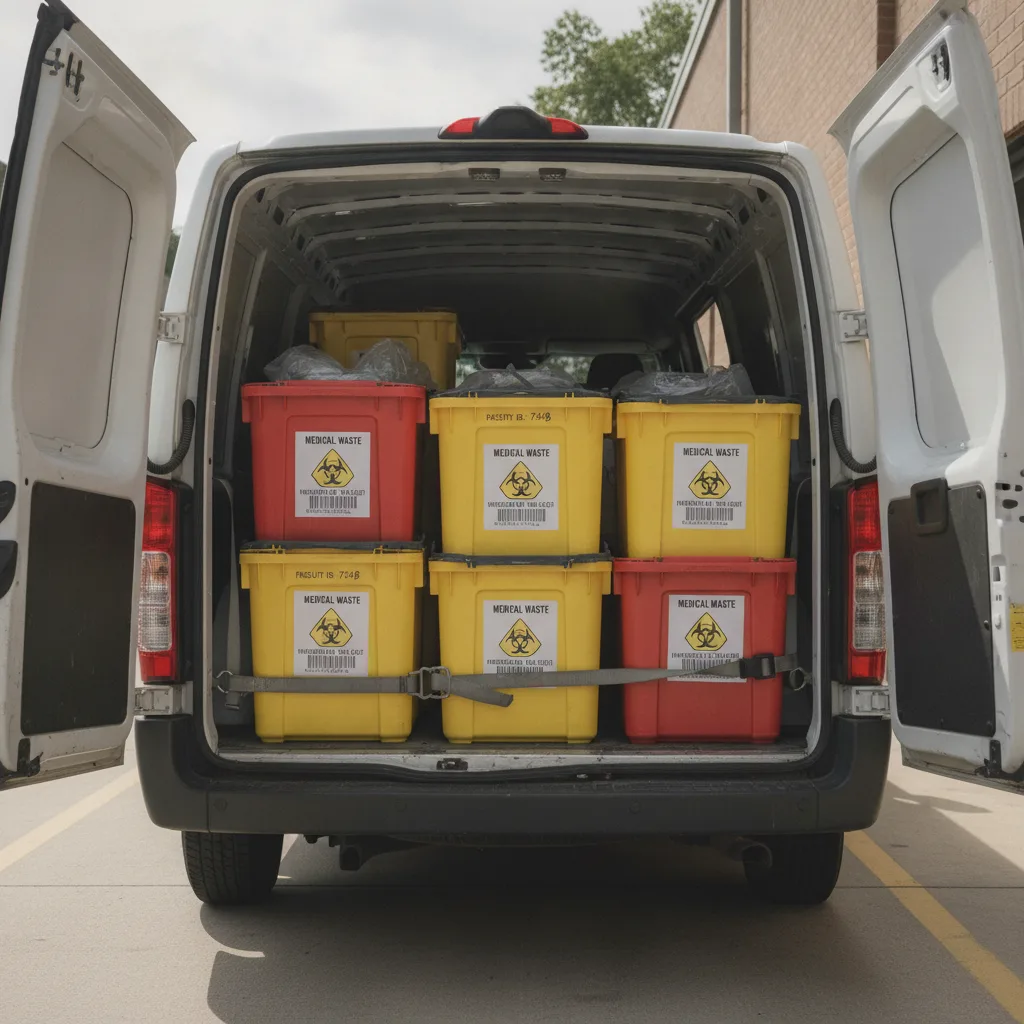
We collect, transport and dispose of sharps, needles and infectious medical waste from homes, businesses, encampment sites and commercial properties.
Every scene is different, but certain situations come up again and again in the Kansas City metro. Below we explain what each one involves, why it's common here, which warning signs to watch for and how serious it is, so you can decide quickly and with the right information.
When someone passes away and isn't found for days or weeks, the body releases fluids, gases and bacteria. These soak into flooring, walls and the structure itself. The result is a serious health hazard and a strong odor that ordinary cleaning can't remove.
Violent incidents can leave blood, tissue and other bodily fluids across several rooms, on furniture, in vehicles and on outdoor surfaces. Every bit of it may carry bloodborne pathogens such as hepatitis B, hepatitis C and HIV, so it has to be handled under OSHA protocols.
These scenes involve blood or bodily fluids and sometimes drug paraphernalia such as needles. Family members are often the ones who find the person. Cleanup has to be thorough and handled with real sensitivity, because loved ones are grieving and often need privacy.
Severe hoarding can bury a home under clutter, spoiled food, mold, pests and animal urine or feces. That creates dangerous air quality, structural damage and fire risk. Animal waste also soaks into subfloors and gives off ammonia levels that can harm the people living there.
Category 3 water, also called black water, carries raw sewage, bacteria, viruses and parasites. Anything porous it touches, like drywall, carpet, insulation or furniture, is considered contaminated and usually has to be removed, not just dried out.
Making methamphetamine leaves chemical residue on walls, ceilings, ductwork and fixtures, and you can't see it. That residue can make people sick long after the lab is gone. Properties usually need testing and decontamination before anyone can safely live there.
Sometimes a scene looks clean but still smells, often days or weeks after someone else cleaned it. That usually means organic material is still trapped in subfloors, wall cavities or ductwork, or that odor molecules have soaked into porous materials.
When you call, we take over from there. This is what to expect from the first phone call to the final walkthrough. Our aim is to keep you informed without asking you to deal with any of the scene yourself.
Answered 24/7; dispatch arranged during the call
Usually the same day, once the scene is released
Started on day one, often while work begins
A few hours to several days, depending on scope
At job completion
Many homeowners policies cover crime scene, trauma and unattended death cleanup, and a lot of families end up paying nothing out of pocket. Still, insurers expect detailed documentation, and you shouldn't have to put that together while you're grieving. We photograph the scene, write up the scope of work, communicate with your adjuster and answer their questions. If anything about your coverage is unclear, we'll tell you before work begins. Our job is to take the financial stress off your plate along with the physical cleanup.
No logos on the trucks, no hazmat suits on the front lawn, no crowd of curious neighbors. We arrive in unmarked vehicles, keep a low profile and suit up inside when we can. That matters everywhere, but especially in HOA neighborhoods in Lee's Summit, Leawood, Prairie Village and south Overland Park, where driveway time and waste containers get noticed. We plan the visit around your privacy and leave without drawing attention.
Tragedies don't wait for business hours, so neither do we. Whether it's 3 a.m. on a holiday or the middle of a July heat wave, a real person answers and a crew gets moving as soon as the scene is released. In Kansas City's summer heat, waiting even a day or two can make an unattended death scene much worse. Responding quickly limits damage to your property, and it often keeps the insurance claim smaller and simpler too.
Much of our work happens in the region's older housing: shirtwaists, Foursquares, brick walk-ups and 1920s Tudors with plaster walls, old hardwood and limestone basements. These materials absorb fluids in ways newer drywall and laminate don't. We know when a stain means the subfloor or joists are affected, how to seal old framing and how odor travels through shared walls. That's how we fix the problem completely on the first visit.
The Kansas City metro sits across two states, and biohazard waste rules change at State Line Road. Missouri infectious waste is regulated by the Department of Natural Resources. On the Kansas side, KDHE has jurisdiction. Our technicians follow OSHA's Bloodborne Pathogens Standard along with respiratory protection and hazard communication rules, and our waste goes to permitted transporters and treatment facilities with proper manifests. You won't have to wonder whether something was disposed of legally.
Biohazard work involves tearing out flooring, cutting into walls and handling regulated waste inside your home. We're fully insured, which protects you and your property throughout the job. Property managers, landlords and commercial clients can request proof of insurance before we begin, and we're happy to provide it.
Most people call us on the worst day of their lives. We keep that in mind on every job. We speak plainly and gently, never pressure you and keep you as far from the scene as you'd like. If we find personal items, photos or valuables, we set them aside carefully for your family. Funeral homes, victim advocates, adjusters and property managers can refer people to us knowing they'll be treated with dignity.
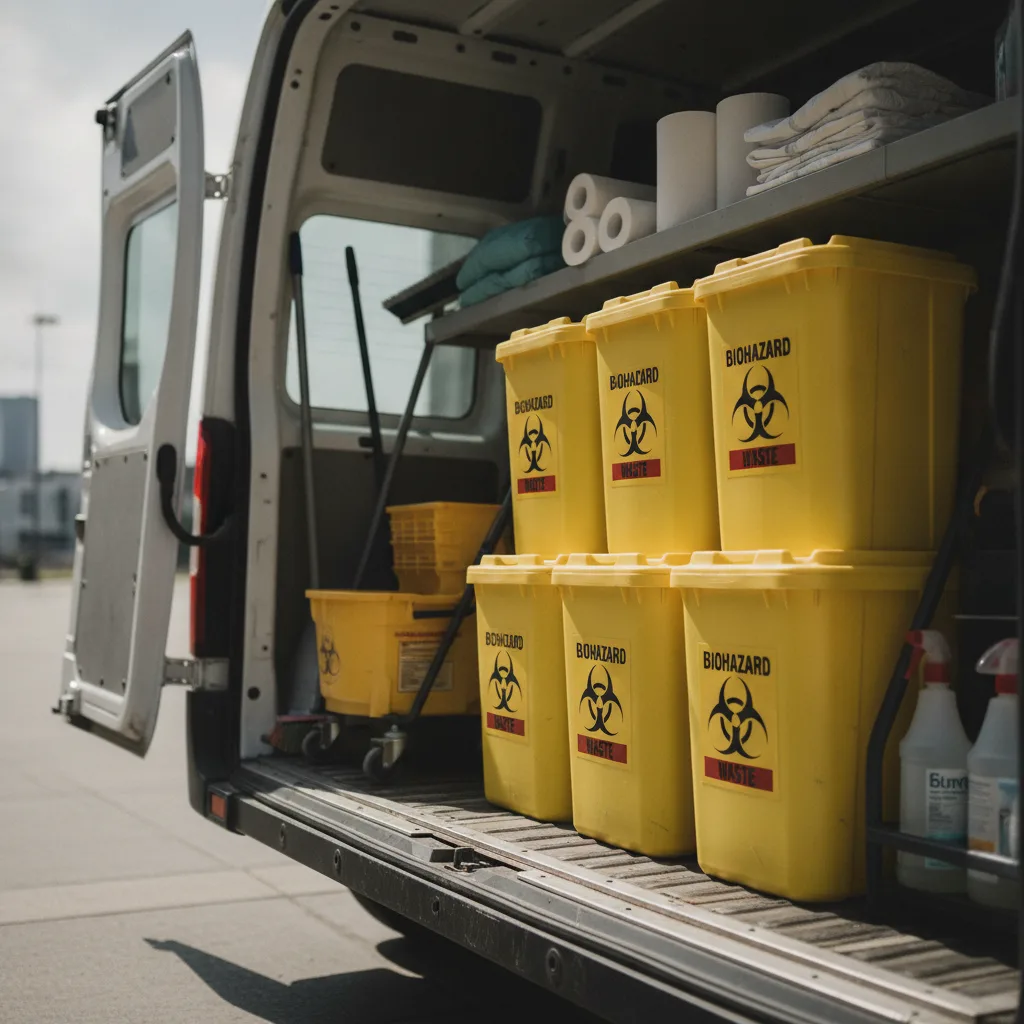
For most Kansas City families, the most important number is $0 out of pocket. Homeowners and renters policies often cover traumatic-event cleanup, and we bill your insurer directly. Here's what affects the size of a claim, plus typical claim ranges we see.
Most homeowners policies cover sudden, accidental events such as homicides, suicides, assaults and many unattended deaths, so families often pay nothing beyond a possible deductible. Commercial and landlord policies frequently cover the same events. We review your policy with you on day one, send the documentation adjusters need and tell you plainly if anything isn't covered before work starts. We don't hand you surprise bills.
A contained blood spill on a tile floor is a much smaller job than fluids that have spread across several rooms or soaked through to the subfloor. Time is a big factor here. In a Kansas City summer, a few extra days before discovery can turn surface contamination into a structural problem. Contamination that reaches ductwork or neighboring units makes the claim larger.
Kansas City's pre-1940s homes have plaster-and-lath walls, old-growth hardwood and plank subfloors that absorb fluids deeply. Fixing them often means removal down to the joists, cutting out plaster and sealing the framing, which is more involved than replacing carpet and drywall in a newer Lee's Summit or south Overland Park home. Shared-wall walk-ups may need work in more than one unit.
When odor has moved through forced-air systems or into wall cavities, the claim may include duct cleaning, encapsulation and hydroxyl or ozone treatment. That's common after unattended deaths, especially in humid weather or in winter when a furnace has been running.
All biohazard waste has to be manifested and taken to permitted facilities under Missouri DNR or Kansas KDHE rules. The more contaminated material removed, the higher the disposal portion of the claim. Your adjuster gets this documented line by line.
Not sure whether your policy covers it? Call us before worrying about money. We'll review your coverage for free and explain your options. For landlords, property managers and estates, we can also coordinate with commercial insurers, victim compensation resources or estate representatives.
In many cases, yes. Homeowners and renters policies often cover cleanup after sudden, traumatic events such as homicides, suicides, assaults and many unattended deaths, so families frequently pay $0 out of pocket beyond any deductible. Landlord and commercial policies usually cover these events as well. We review your policy with you, document the scene thoroughly and communicate with your adjuster directly. If any part of the job looks like it won't be covered, we'll tell you before work starts, so you won't get an unexpected bill.
We answer 24/7 and dispatch as soon as police, the Jackson County Medical Examiner or the Johnson County coroner releases the scene. Often that's the same day. A contained blood cleanup can be finished in a few hours. A homicide scene or an unattended death in an older Kansas City home, where flooring and plaster need to come out, usually takes one to three days. Severe decomposition or hoarding cases can take longer. You'll get a clear timeline after our initial assessment.
Neither Missouri nor Kansas issues a specific state license for crime scene cleanup, so the real differences are training, OSHA compliance and correct waste handling. We follow OSHA's Bloodborne Pathogens Standard (29 CFR 1910.1030), respiratory protection and hazard communication rules. Infectious waste goes through permitted facilities under Missouri DNR rules, or KDHE rules on the Kansas side. If rebuilding after remediation means replacing drywall, subfloor or electrical, that work may require a building permit from KCMO, Independence, Overland Park or Lee's Summit.
We strongly advise against it. Blood and bodily fluids can carry hepatitis B, hepatitis C and HIV, and decomposition releases bacteria and gases. Household cleaners don't reach fluids that have soaked into carpet pad, plaster or the gaps in old plank subfloors, which is common in Kansas City's older homes. Biohazard waste also can't legally go out with regular trash. On top of the health risk, many people find the emotional toll of cleaning a loved one's scene far heavier than they expected.
Call as soon as you know about the scene, ideally right after it's released. In Kansas City summer heat, decomposition and fluid spread speed up within hours, and odor works its way into plaster, framing and ductwork. Waiting can turn a manageable job into structural removal. You should also call if odor comes back after an earlier cleanup, if sewage backs up into your basement, or if you suspect a property was once a meth lab.
Discretion is built into how we work. We use unmarked vehicles, keep crews small, suit up out of sight when possible and plan parking so we're not in the driveway longer than needed. In HOA communities in Lee's Summit, Leawood, Prairie Village and south Overland Park, we remove waste containers promptly and keep the work low-key. We never discuss your situation with neighbors, and we share information only with the people you authorize, such as your insurer or property manager.
Lingering odor almost always means organic material is still somewhere, usually under flooring, in wall cavities or in ductwork. We find and remove the source first, then seal the framing with encapsulants, decontaminate the HVAC and use hydroxyl or ozone treatment as needed. Kansas City's humidity can make leftover odor flare up on hot days, so we finish with a final odor check before we leave. Removing the source, rather than masking the smell, is what keeps it from coming back.
Yes. We serve Kansas City, Independence, Raytown, Gladstone and Lee's Summit in Missouri, and Overland Park, Leawood and Prairie Village in Kansas. Waste rules differ between the two states. Missouri DNR regulates infectious waste in Missouri, and KDHE regulates it in Kansas, so we handle disposal according to where the job is. We also coordinate with either the Jackson County Medical Examiner or the Johnson County coroner system on scene release, so you don't have to.
We come to you anywhere in Kansas City and the surrounding area, in unmarked vehicles, any hour of the day.
You shouldn't have to face this alone or clean it up yourself. Call Integrity Crime Scene Services any hour. We'll handle the scene and the insurance claim, and we'll treat your family with care.
Call (816) 660-7318 Now