Discreet, certified crime scene and biohazard cleanup in Louisville — unmarked vehicles, compassionate technicians, and in most cases $0 out of pocket since we bill your insurance directly.
Some cleanup problems are specific to Louisville. The river valley climate, one of the country's largest stocks of Victorian housing, and rules that change when you cross the bridges all affect how a scene has to be handled. Here's why mopping and bleach aren't enough, and can make things worse.
July highs in Louisville sit around 88–89°F. Dew points are often in the upper 60s to low 70s, and the heat index regularly goes above 95°F. In an un-air-conditioned shotgun house or garage, those conditions can bring strong odor and insect activity within days of an unattended death. Fluids soak into flooring and subfloors quicker too. The valley often traps air under temperature inversions, so neighbors notice the smell sooner. Louisville gets about 44–46 inches of rain a year, mostly in spring, and that rain floods low areas along Beargrass Creek, Mill Creek and the West End. MSD's combined sewer system can then push Category 3 sewage into basements. Under much of the metro, karst limestone and clay soils keep basements and crawlspaces damp, so materials that soak up fluid dry slowly and grow mold if they aren't handled properly.
Old Louisville is often called the largest Victorian residential district in the country. Germantown, Schnitzelburg, Butchertown, Portland, Smoketown and Russell are full of late-1800s shotgun and camelback houses. They have original plank floors, plaster-and-lath walls and balloon framing, so blood and other fluids run along the joists and settle in wall cavities. Highlands and Old Louisville mansions that became apartments let contamination soak into the unit below. Post-war ranches in Shively, Okolona, Valley Station and Fern Creek often hide hardwood under carpet, and their aging ductwork spreads odor. Most homes here were built before 1978, so we plan for possible lead paint and asbestos before removing any plaster, trim or floor tile.
In Louisville, bloodborne pathogen work falls under OSHA 29 CFR 1910.1030, which the Kentucky OSH Program enforces. Biohazardous waste has to be packaged, labeled and taken by permitted haulers to licensed treatment facilities, with manifests, under Energy and Environment Cabinet regulations. Replacing joists or subfloor requires a Louisville Metro building permit. In preservation districts like Old Louisville, Butchertown, Limerick and Cherokee Triangle, exterior changes need a Certificate of Appropriateness. Across the river, Indiana OSHA and 410 IAC 1-3 govern infectious waste in Clark and Floyd counties. New Albany's Mansion Row and Old Jeffersonville each have their own historic review. Kentucky doesn't license crime scene cleaners as a category, so following these protocols is what actually protects you.
About 620,000–630,000 people live in Louisville Metro, and the wider metro area, including Clark and Floyd counties, has about 1.3 million. Kentucky has one of the highest overdose death rates in the country. Louisville had record homicide years in 2020–2021, and the older population is growing, with many people living alone in homes they've owned for decades. That leads to more trauma scenes, overdoses and unattended deaths that go unnoticed for a while. A lot of our calls come from grieving families and executors. Many also come from landlords in the urban core, where renting is common.
Every service below follows OSHA bloodborne pathogen standards and Kentucky or Indiana disposal requirements. Each one is set up so insurance can be billed. We plan the work around Louisville's older building materials, its humid climate and its many rentals, so the property is actually safe when we finish, not just clean on the surface.
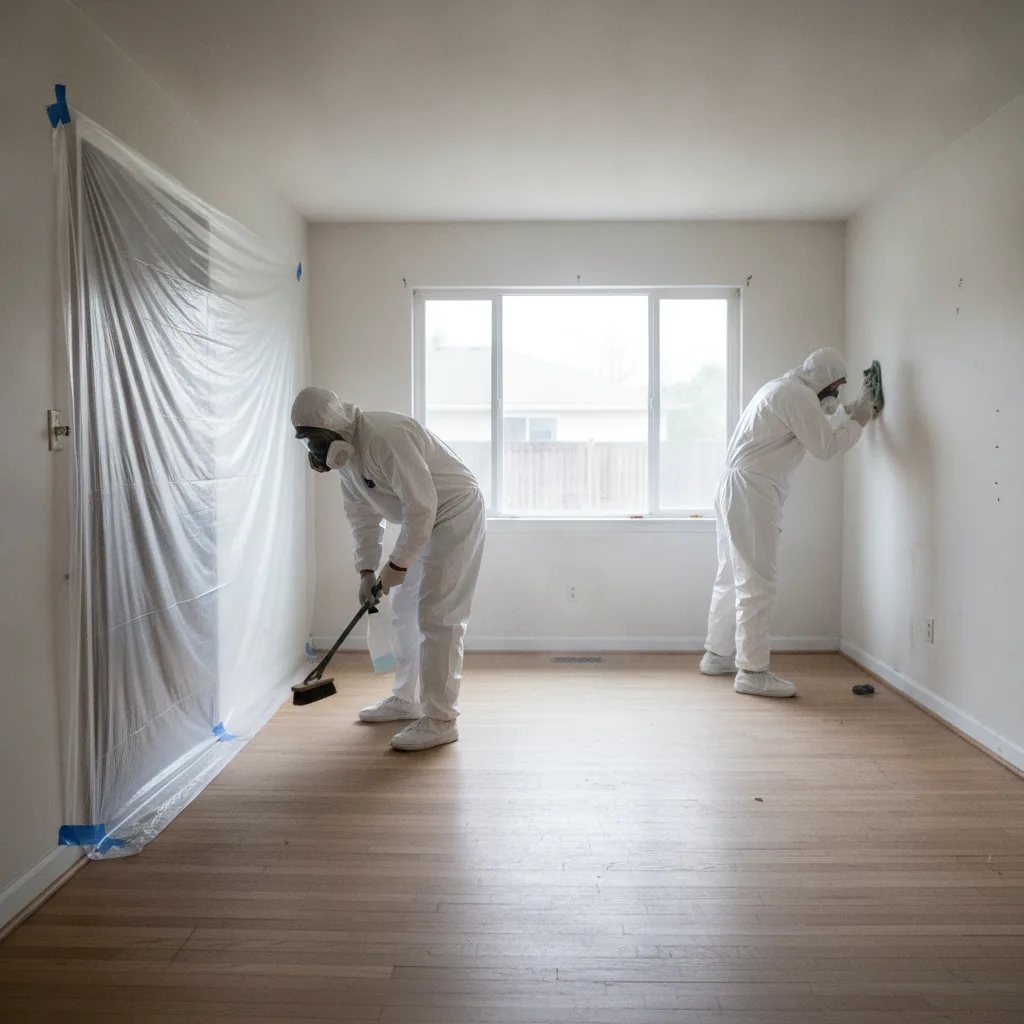
After police release a scene, we remove blood, tissue, fingerprint powder and other contamination. We arrive in unmarked vehicles and work quietly, so the family doesn't have to see the scene again or relive it.
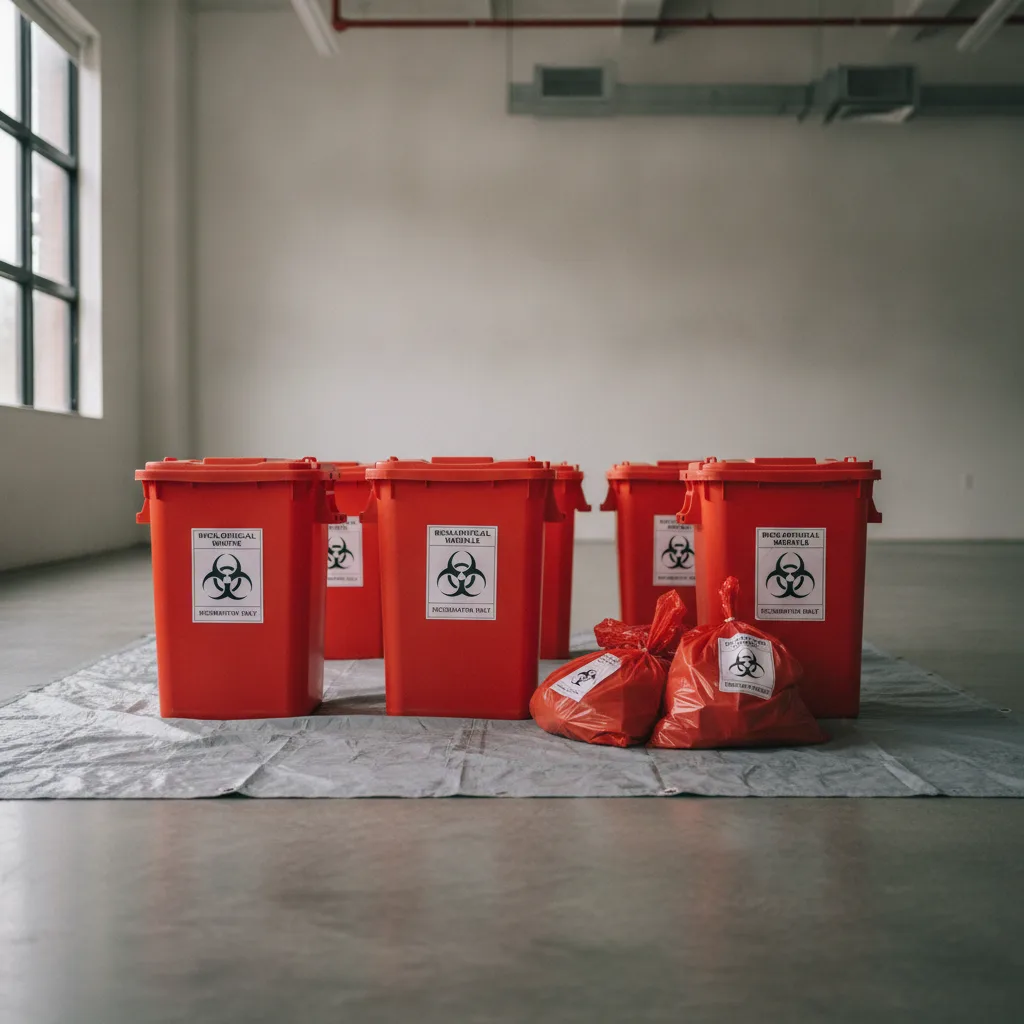
We clean up any situation involving blood, bodily fluids, infectious material or sewage, in homes, vehicles, workplaces and commercial properties.
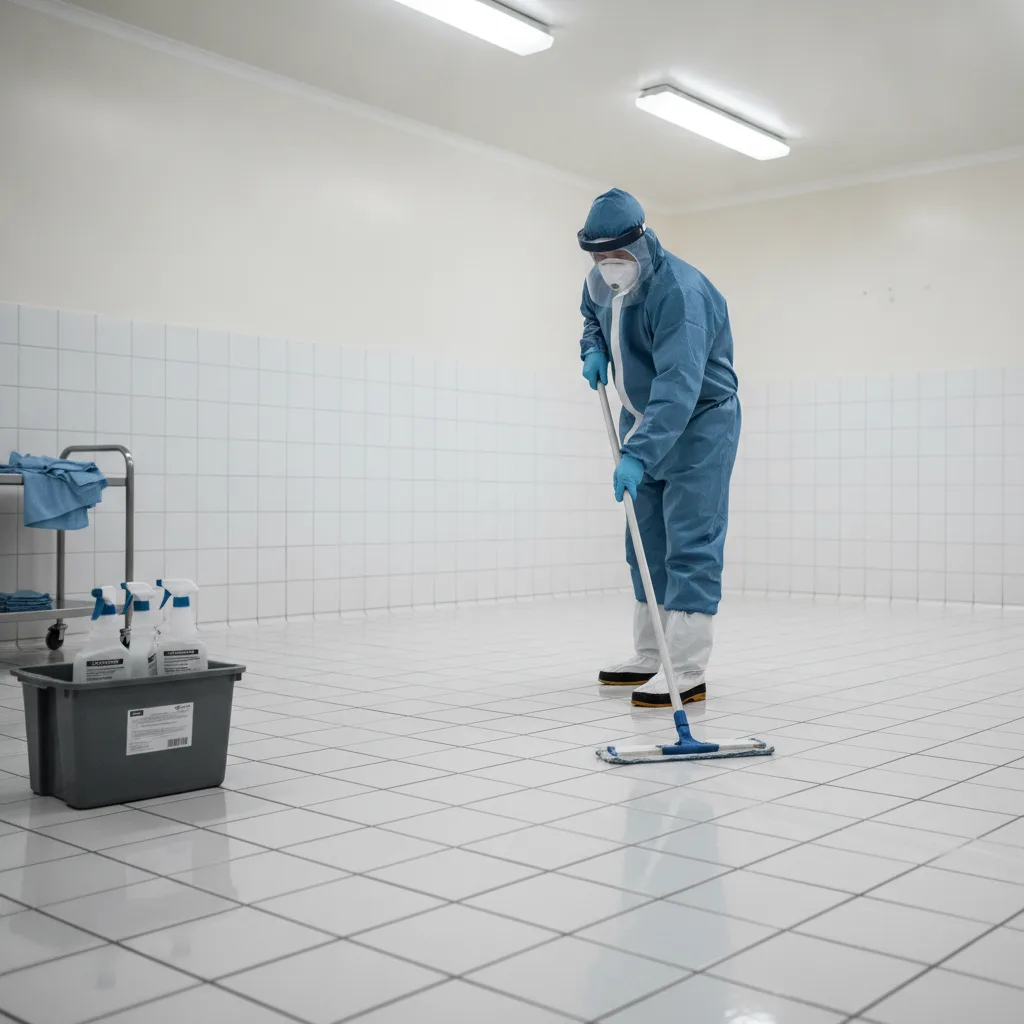
We clean up after suicides, accidents and serious injuries. Our technicians are compassionate and discreet, so loved ones can grieve without having to deal with the scene.
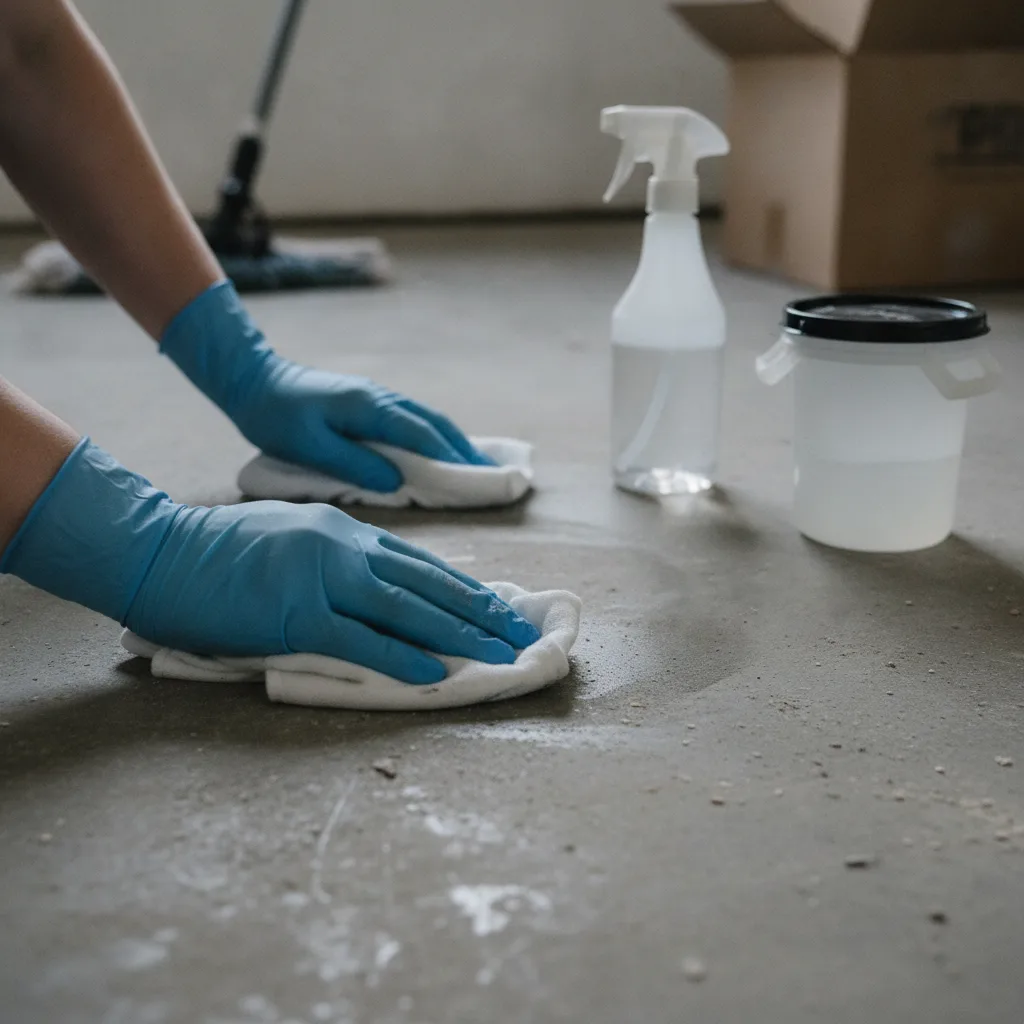
We remove blood from floors, walls, vehicles, furniture and fabrics, including smaller incidents where DIY cleanup still puts people at risk of bloodborne disease.
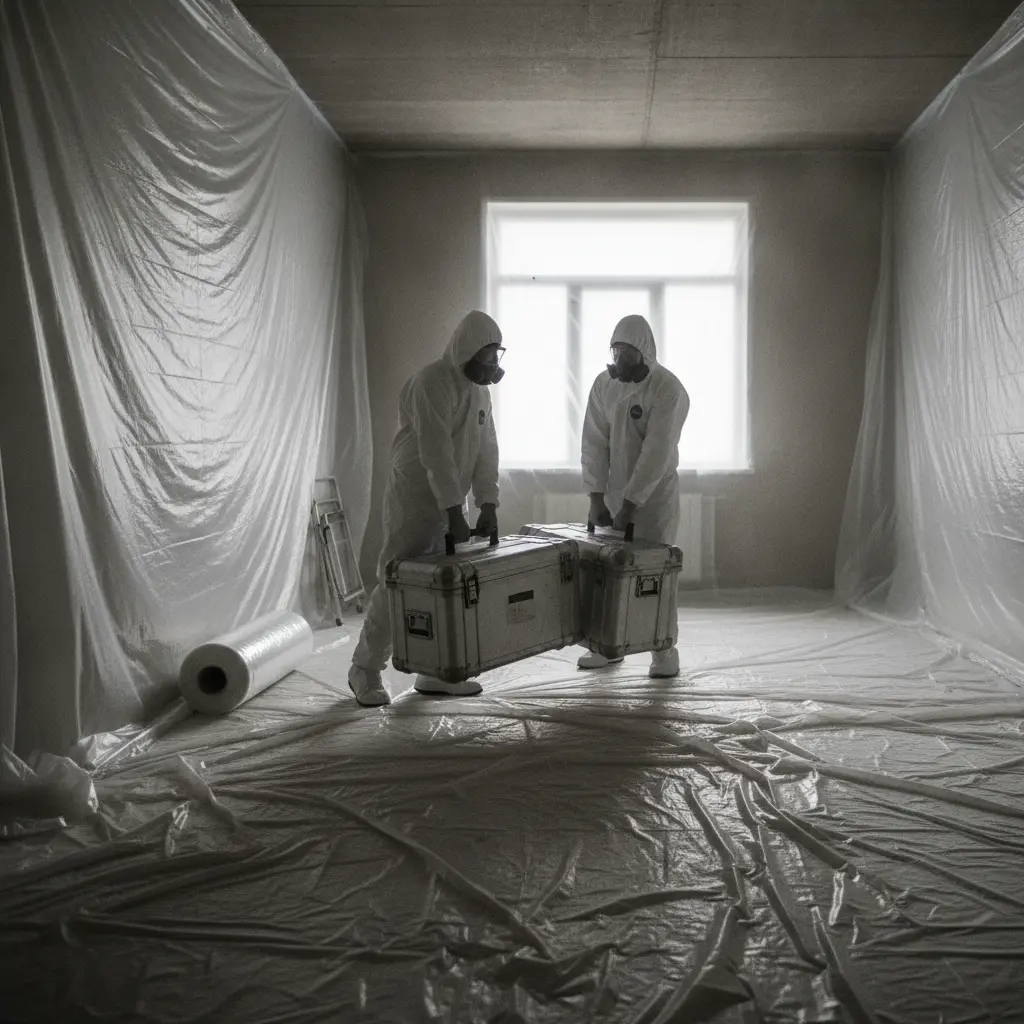
We fully restore homes and businesses after a homicide, handling the scene with care for the family, landlord and community involved.
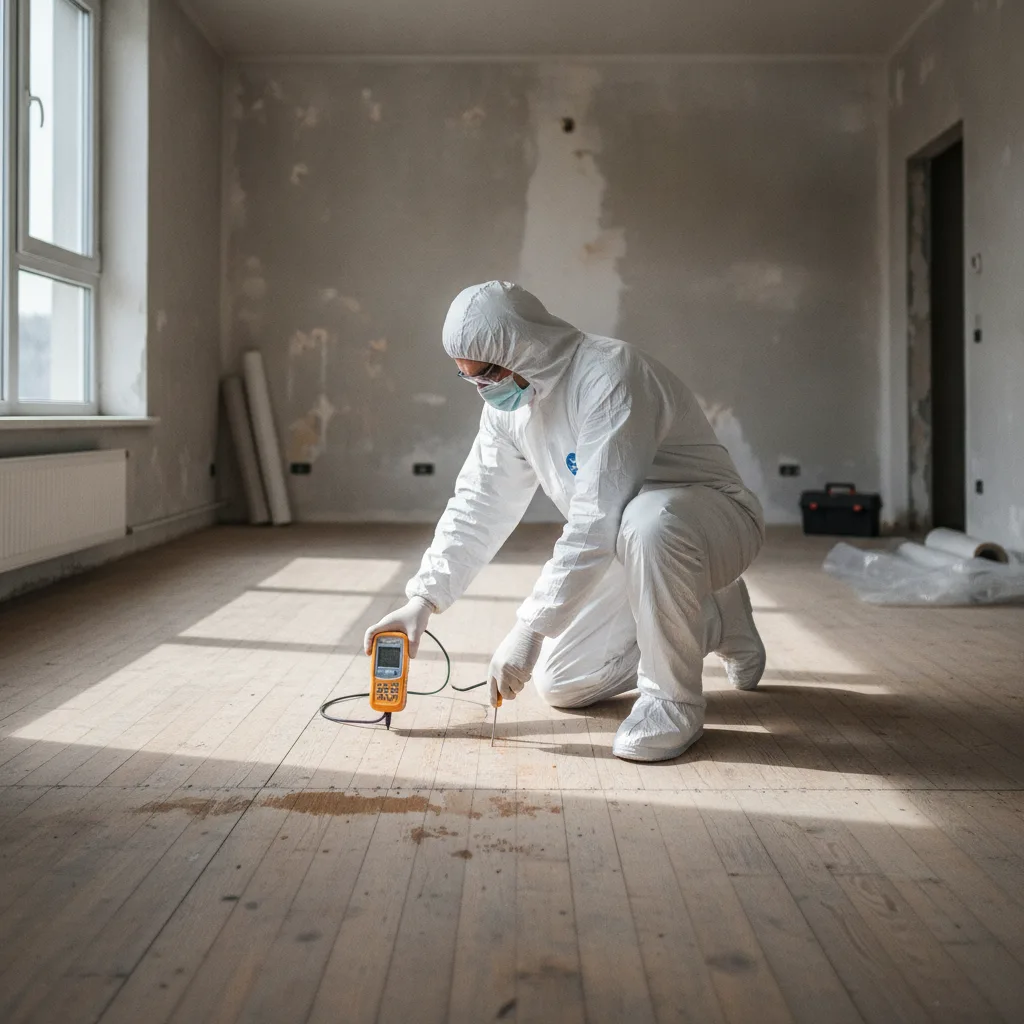
When someone has passed alone and wasn't found right away, we handle the cleanup so families and executors don't face it themselves.
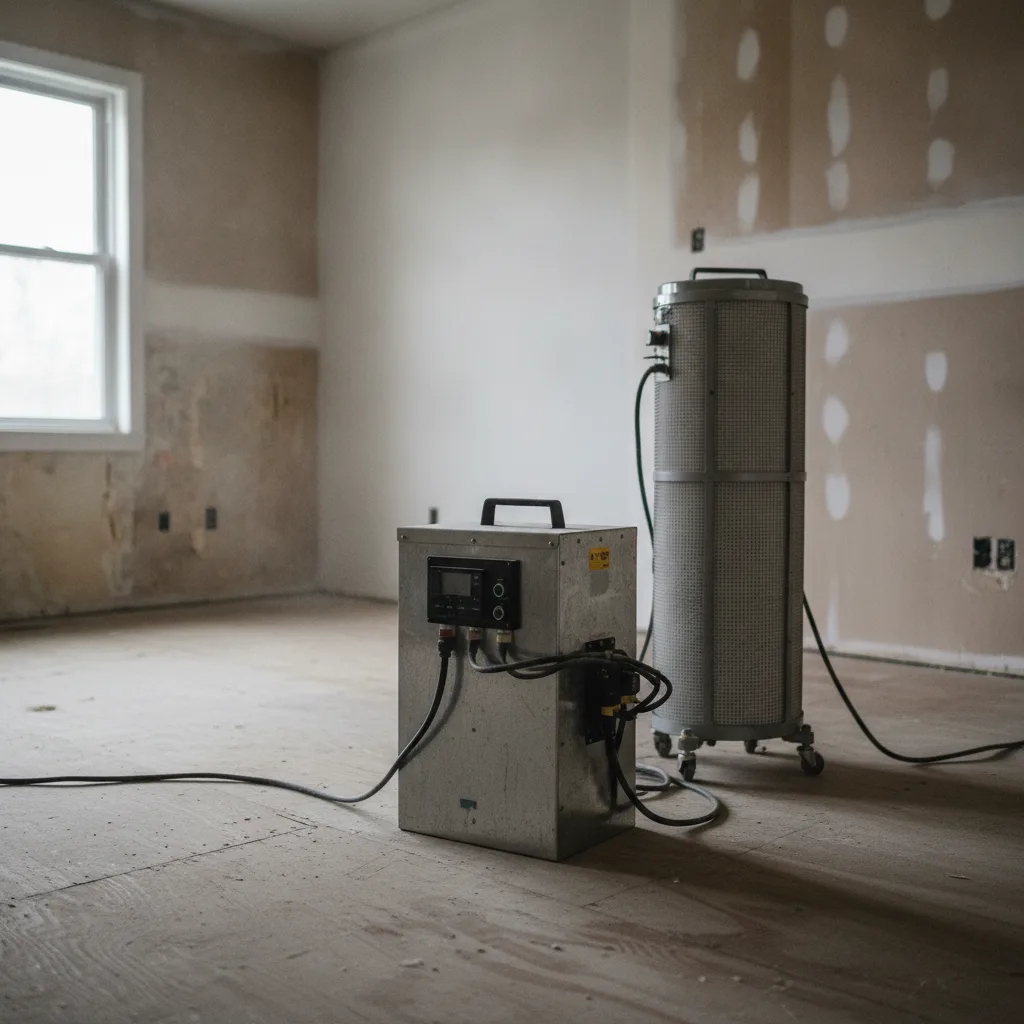
We handle the most severe cleanups, where fluids, insects and odor have reached the structure of the building.
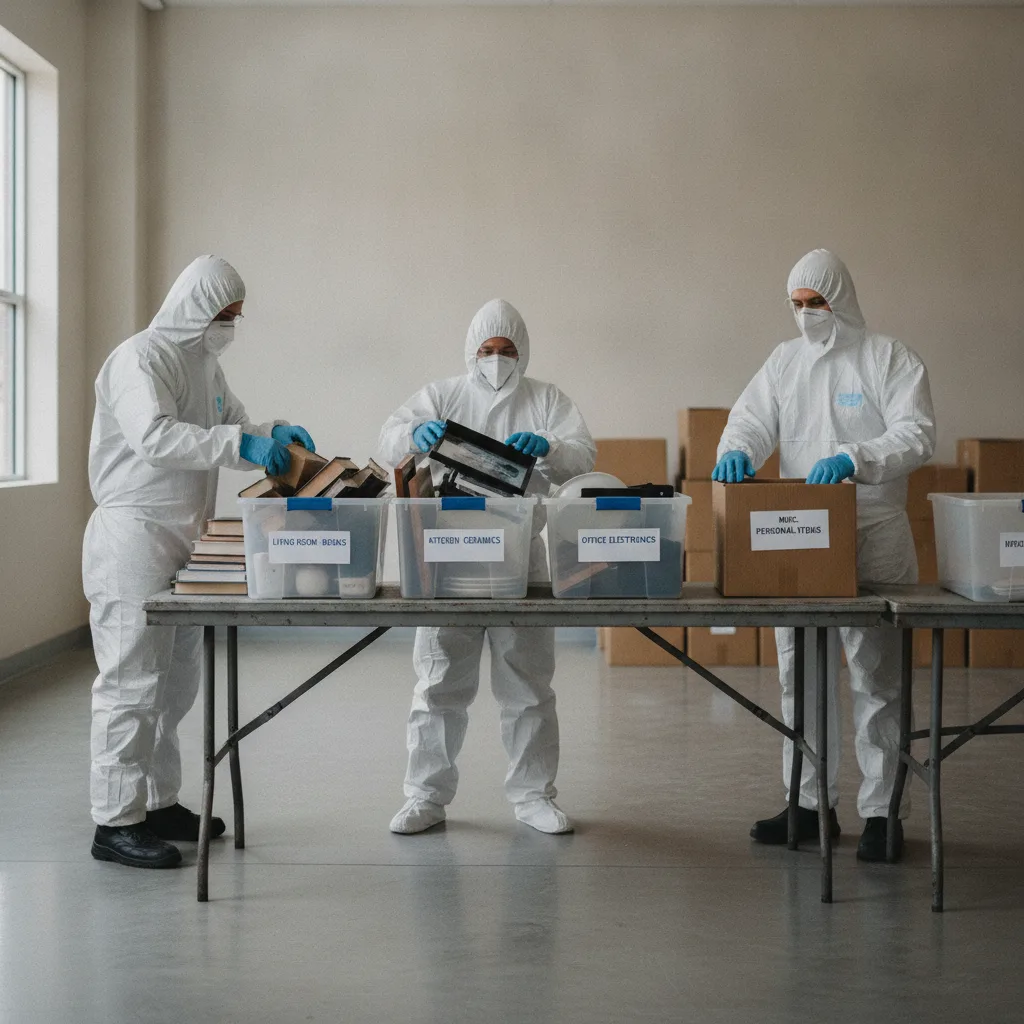
We clean out hoarded homes without judgment, removing debris, animal waste, sharps and mold, and keeping what matters to the family.
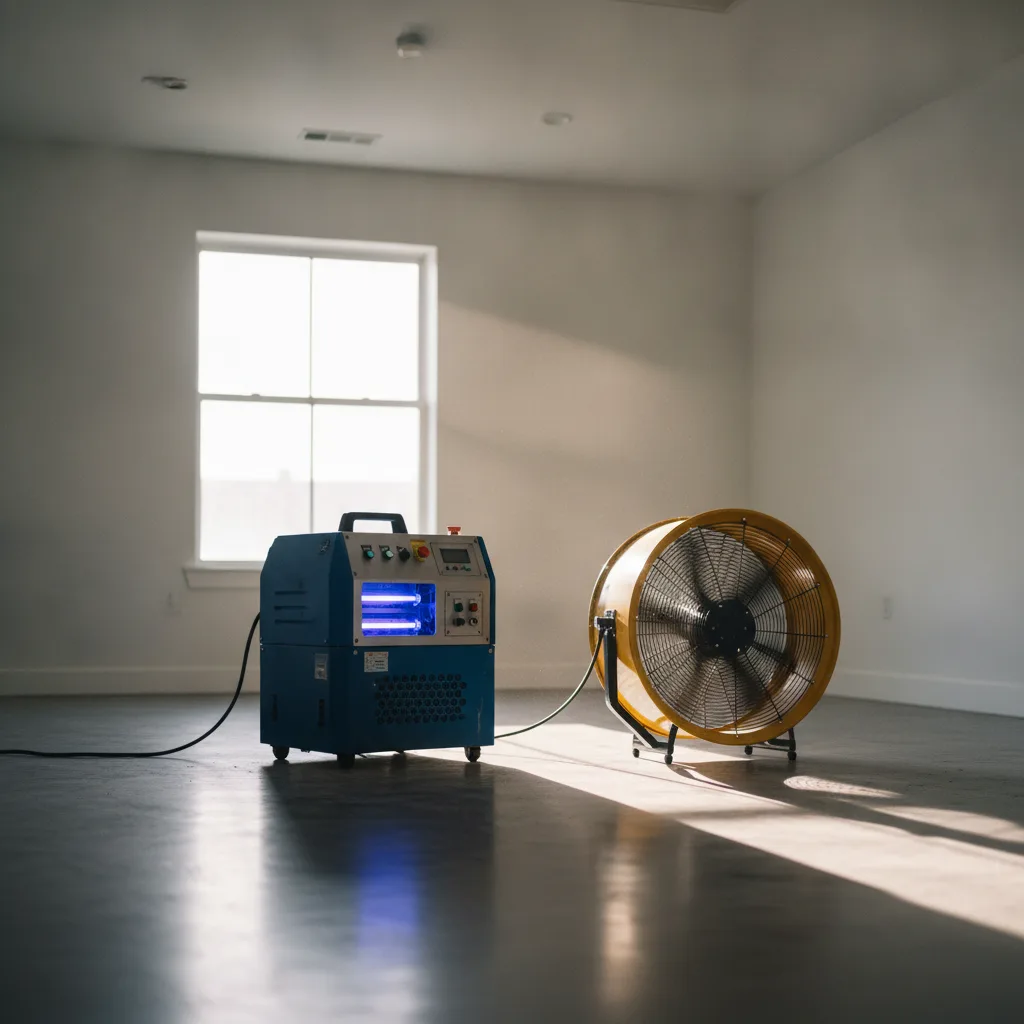
We get rid of odors from death, decomposition, smoke, animals and sewage permanently, instead of covering them up.
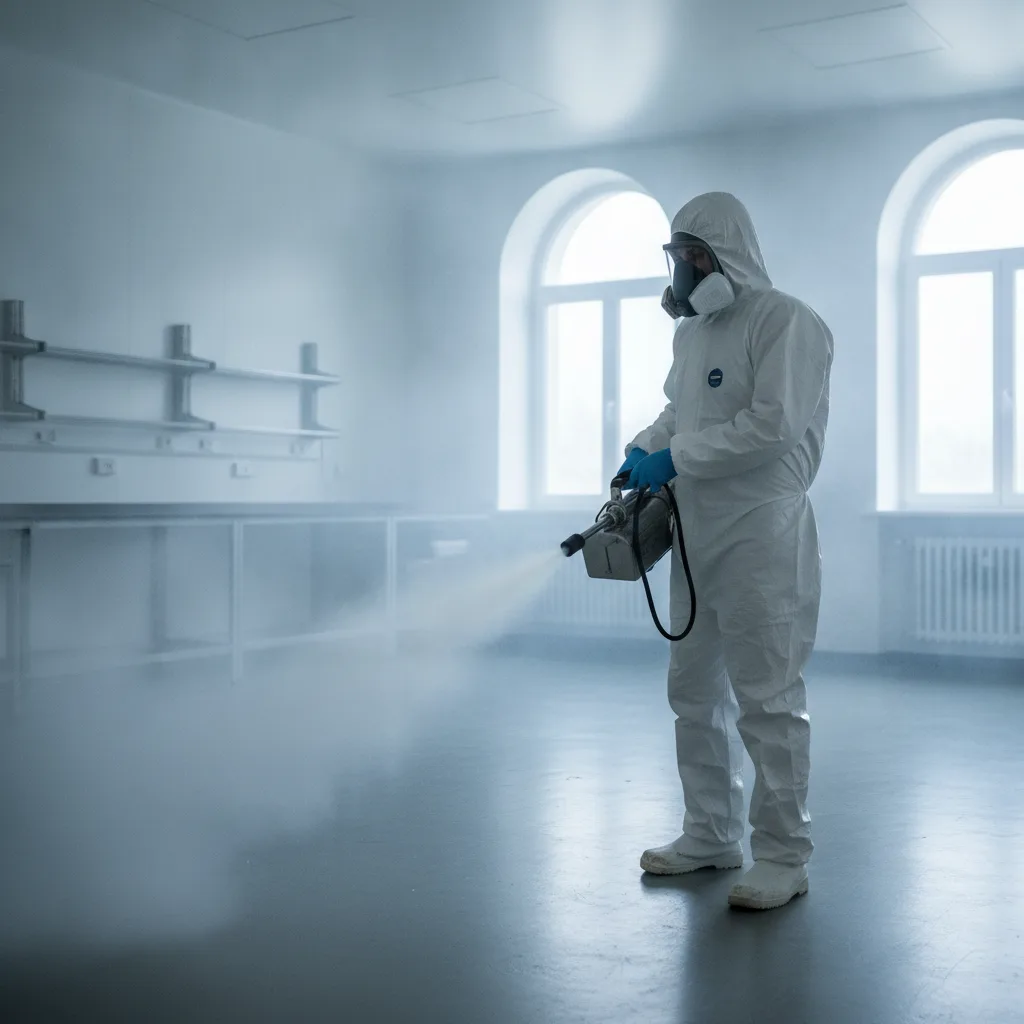
We disinfect homes, vehicles and workplaces after infectious disease exposure, bodily fluid contamination or unsanitary conditions.
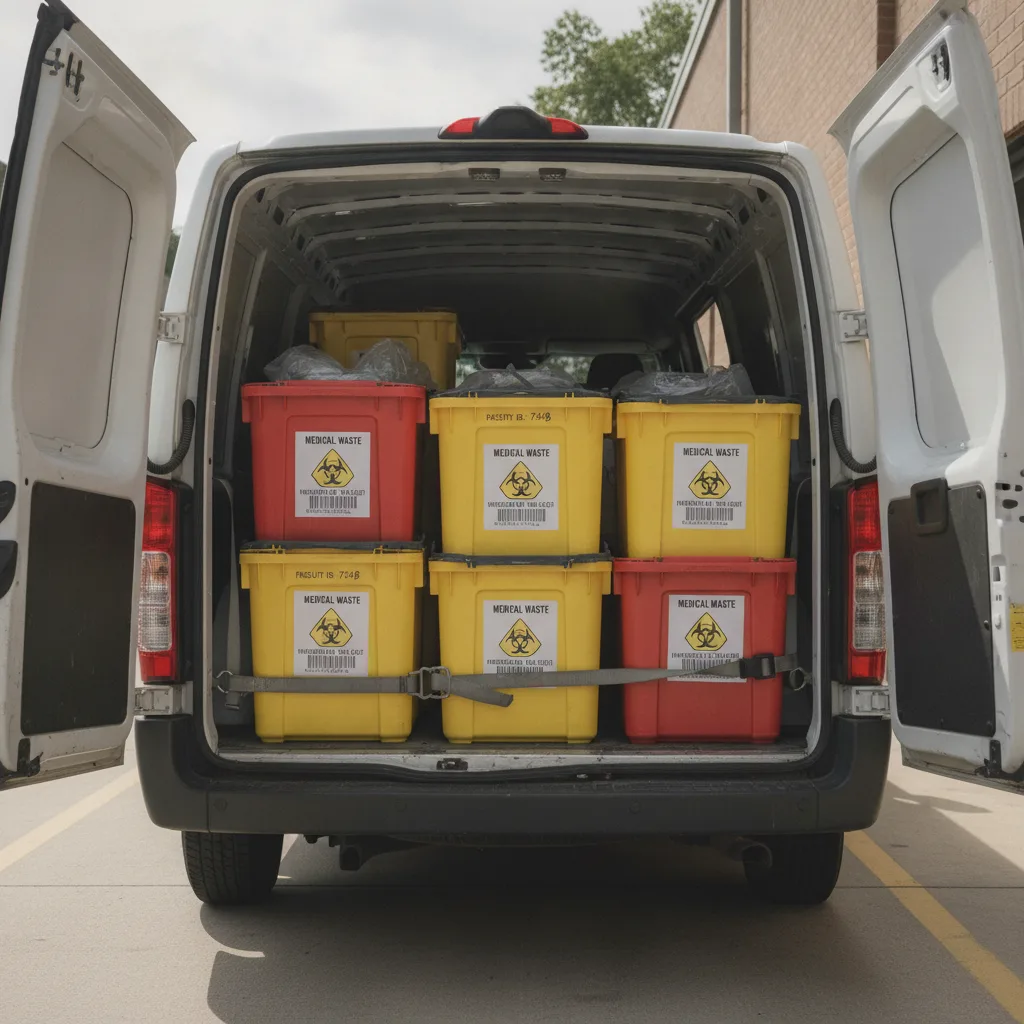
We collect, package and transport sharps, blood-soaked materials and other regulated medical waste for lawful disposal.
Every scene is different, but some patterns come up again and again in Louisville and Southern Indiana. Knowing why they happen here helps families and property owners understand why professional remediation matters and why acting quickly protects both health and the property.
This is when someone dies alone and isn't found for days or weeks. As the body decomposes, fluids soak into flooring, subfloors and walls, insects arrive, and a strong odor sets in. Bleach and air fresheners can't fix it.
After a shooting, stabbing or assault, police release the scene, and the family or property owner is left with the blood and tissue. Bloodborne pathogens like hepatitis B, hepatitis C and HIV make DIY cleanup dangerous.
Opioid and fentanyl overdoses can leave behind bodily fluids, drug residue and used needles. Sharps can carry bloodborne disease and are easy to miss. One overlooked needle in a couch cushion or carpet can injure a family member or a worker.
Blood or decomposition fluid can soak through floors into ceilings, cavities and units below. Contamination you can't see in one apartment can become a health problem, an odor complaint and a liability for the building owner.
Black water from sewer backups or floods carries bacteria, viruses and parasites. Anything porous it touches, including drywall, carpet, insulation and stored belongings, is generally considered contaminated and has to come out.
Severe hoarding brings rodent and animal waste, rotting food, mold, sharps and fire risk. Health departments may cite the property, and families are often overwhelmed by both the volume and the emotional weight of the cleanout.
Odor molecules get into drywall, ductwork, wood and fabrics. Covering the smell doesn't fix it. If the source and the absorbed residue aren't removed, the odor keeps coming back, especially on humid days.
From your first call until the home is safe again, we take care of the details so you don't have to. Here's what to expect, step by step, at any hour.
Answered any hour, day or night
Prompt dispatch across Louisville and Southern Indiana
Starts the same day
Hours to several days depending on severity
Final walkthrough at completion
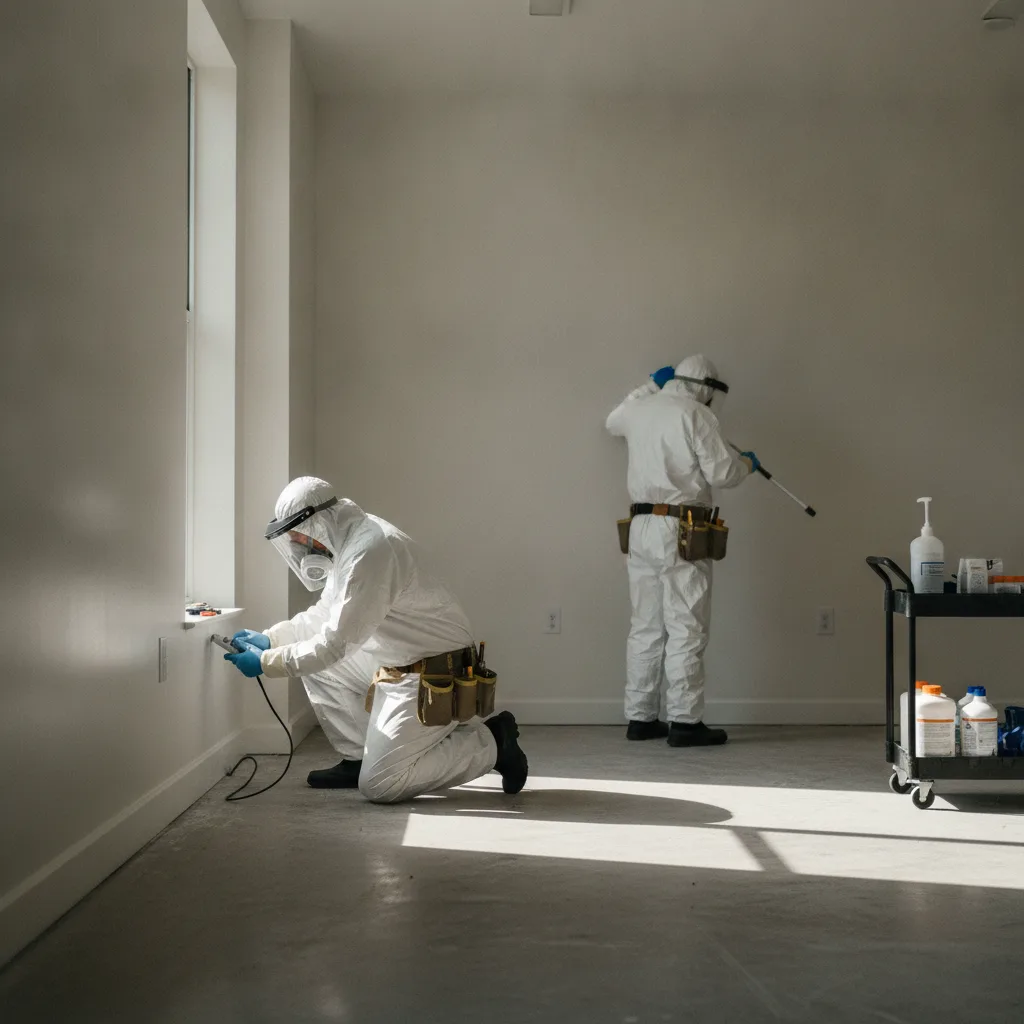
Many families don't realize their homeowners or landlord policy may cover trauma and biohazard cleanup. We review your coverage, document the scene the way adjusters need it, and bill the insurer directly whenever coverage applies. For many clients, the cost out of pocket is $0, or only the policy deductible. We explain all of that before work begins, so there are no surprises. You'll have plenty to deal with this week, and we'd rather you not have to fight with an insurance company too.
Tragedy doesn't keep business hours, so neither do we. We answer around the clock, including holidays and Derby weekend. Our technicians arrive in unmarked vehicles and plain clothes, so neighbors don't have to know what happened. That matters in close-knit shotgun-house blocks in Germantown, in East End HOA communities and in apartment buildings. We work quietly, keep the details private, and treat your home and your loved one's belongings with respect.
Much of our work is in Louisville's older homes, including Old Louisville's converted Victorians and the camelback shotguns of Portland and Butchertown. We know how fluids move through heart-pine plank floors, plaster-and-lath walls and balloon framing, and how damp stone basements hold onto contamination. We check joist bays and cavities that a general cleaning company might miss. We also plan for lead paint and asbestos in pre-1978 homes before removing any material.
Kentucky doesn't license crime scene cleaners as a category, so it's worth asking how a company actually works. Integrity Crime Scene Services is fully insured. Our technicians follow OSHA's bloodborne pathogen standard, 29 CFR 1910.1030, which the Kentucky OSH Program enforces. We also follow Kentucky's biohazard disposal requirements, using proper packaging, labeling, permitted transport and licensed treatment with manifests. When we work in Indiana, we follow IOSHA and the state's infectious waste rules.
Renting is common in Louisville's urban core, and many scenes affect more than one unit. We coordinate with property managers, tenants and adjusters at the same time, document contamination in every affected unit, and help owners meet habitability requirements so units can be rented again. That covers a converted Highlands fourplex, a garden-style complex on Preston Highway or a duplex in Shelby Park.
Whether it's an overdose, a suicide, a hoarded home or a loved one who passed alone, we treat every family with dignity. We set aside photos, documents and keepsakes, and we go at whatever pace you need. People in Louisville care about their churches, funeral homes and neighbors, and we want families to feel looked after, not processed.
We cover Louisville/Jefferson County Metro and cross the bridges to Jeffersonville, Clarksville and New Albany. Each state has its own rules, and we follow the right ones on each side, so one company can handle a family's needs wherever the property is.
In many cases you'll pay nothing out of pocket. Homeowners, renters, landlord and commercial policies often cover trauma and biohazard cleanup, usually minus a deductible. We bill your insurer directly. The figures below show typical claim values billed to insurance, not amounts families pay upfront.
Whether your policy covers the cleanup matters more than anything else. Many homeowners and landlord policies cover sudden, accidental events like a death or a crime in the home, and for many families the only cost is the deductible, sometimes nothing. We review your coverage, document the scene with photos and moisture readings, and send everything to your adjuster. If coverage turns out to be limited, we'll talk through other options with you before any work begins.
A small blood spill on sealed tile is a much smaller job than fluids that have soaked through carpet, pad, plank flooring and subfloor. In Louisville's shotgun houses and converted Victorians, fluids often travel along joists or into the unit below, which means selective demolition and sealing. The more material that has to be cut out, contained and disposed of as regulated waste, the larger the claim.
In Louisville's humid summers, a delay of a few days can turn a surface cleanup into a structural one. Longer delays mean more decomposition, insects, odor and fluid soaking into wood and plaster. Calling as soon as police or the coroner release the property is the best way to limit damage and keep the claim manageable.
Older materials take more work. Pre-1978 homes may need lead and asbestos checks before plaster, trim or floor tile come out, and replacing joists or subfloor may need a Louisville Metro building permit. Original heart-pine floors and lath walls absorb more than modern materials. Damp basements on karst soils also need longer drying and treatment to prevent mold.
Getting rid of odor completely may mean cleaning ductwork, running hydroxyl or ozone equipment for several days, and sealing surfaces. Regulated biohazardous waste has to go through permitted haulers to licensed treatment facilities with manifests, under Kentucky or Indiana rules. These steps are required for compliance and are usually part of a covered claim.
Not sure what your policy covers? Call us before you call your insurer. We'll help you understand your options, and we never ask grieving families for payment before coverage is reviewed.
Often, yes. Many homeowners, landlord and commercial policies cover cleanup after a sudden event like a homicide, suicide, assault or unattended death, usually minus your deductible. For many Louisville families, the cost out of pocket is $0 or just that deductible. We review your policy, document the scene the way adjusters need it, and bill the insurer directly. If coverage is limited, we'll explain other options, such as victim-compensation programs, before any work begins. You don't have to call your insurance company first. Call us, and we'll help you figure out what to do next.
We answer 24/7 and dispatch quickly across Louisville and Southern Indiana. A small blood cleanup can often be finished in a few hours. A full unattended death or decomposition job usually takes one to several days. Removing subfloor, treating joists and controlling odor all add time, and older shotgun houses or multi-unit buildings often need extra work below the surface. In summer heat, calling as soon as the scene is released makes a real difference to how big the job becomes.
Yes. Bloodborne pathogen work falls under OSHA 29 CFR 1910.1030, enforced in Kentucky by the Kentucky OSH Program. Biohazardous waste has to go through permitted haulers to licensed treatment facilities with manifests. Replacing joists, subfloor or framing generally requires a Louisville Metro building permit. In preservation districts like Old Louisville, Butchertown or Cherokee Triangle, replacing exterior doors or windows may require a Certificate of Appropriateness. In Jeffersonville, Clarksville and New Albany, Indiana's IOSHA and infectious waste rules apply instead. We handle the requirements on both sides of the river.
We strongly recommend you don't. Blood and bodily fluids can carry hepatitis B, hepatitis C and HIV, and needles from overdoses are easy to miss. Household cleaners don't reach fluids that have soaked into Louisville's old plank floors, plaster walls or subfloors, so the odor comes back and contamination stays behind. There's an emotional cost too, and no family should have to take that on. Since insurance often covers professional cleanup, doing it yourself usually saves nothing and puts you at risk.
Call as soon as police, the coroner or the medical examiner release the property. That's especially important from May through September, when Louisville's heat and humidity speed up decomposition, odor and insect activity. Waiting even a day or two can let fluids reach subfloors and the units below. Also call right away if you notice a strong odor, flies or stains on a ceiling in a rental, find needles, or get a health or codes notice about a hoarded property. We're available any hour.
We arrive in unmarked vehicles, without logos or signs about what we do. Technicians can stage equipment quietly and change into protective gear indoors when possible. We don't discuss your situation with neighbors, and we can coordinate timing with HOAs, property managers or building staff. That matters on close-knit shotgun-house blocks, in East End and Southern Indiana subdivisions and in apartment buildings.
First we remove the source: contaminated flooring, padding, drywall or subfloor. Then we treat with enzymes, clean the ductwork and run hydroxyl or ozone equipment. Finally, we seal remaining surfaces with an encapsulant. Air fresheners and fogging only cover the smell, and in Louisville's humid summers, odor trapped in plaster and wood comes back. Post-war ranches with aging ducts often need the HVAC system treated too, so the smell doesn't spread through the house.
Yes. Renting is widespread in Louisville's urban core, and we regularly work with owners and managers after tenant deaths, overdoses and crimes. We document every affected unit, including contamination that reached ceilings or cavities below, and coordinate with tenants and your insurer. We work to get units back to habitable condition so they can be rented again. That includes converted Victorians in Old Louisville, duplexes in Germantown and garden-style complexes along Preston Highway and Dixie Highway.
We come to you anywhere in Louisville and the surrounding area, in unmarked vehicles, any hour of the day.
You shouldn't have to face this alone or clean it up yourself. Call any hour. We'll handle the scene and the insurance paperwork, and we'll treat your family with respect.
Call (520) 630-4052 Now