Discreet, certified crime scene and biohazard cleanup in New York City — unmarked vehicles, compassionate technicians, and in most cases $0 out of pocket since we bill your insurance directly.
New York packs 8.3 million people into older, vertical buildings, and Hudson County is one of the densest counties in the country. Heat, steam heat, porous prewar materials and shared walls all change how a scene has to be cleaned. A cleanup method that works in a suburban house usually won't work in a fifth-floor walk-up.
July highs average in the mid-80s°F, and heat waves regularly go past 90°F. Many older apartments have no central air, and top-floor walk-ups trap heat. When a death goes unnoticed in those conditions, fluids can soak through a mattress into the subfloor within days. Winter doesn't slow things down. The Housing Maintenance Code requires heat from October 1 to May 31, and prewar steam radiators often push units into the high 70s or 80s°F with the windows shut, which concentrates odor. The region also gets 45–50 inches of precipitation a year. Combined sewers can push sewage into basements, as Sandy did in 2012 and Ida did in 2021. Humid summers then let mold take hold in plaster and cellars quickly when drying isn't done right.
Our jobs range from Old-Law tenements on the Lower East Side and in Mott Haven, to prewar elevator co-ops in Washington Heights, Harlem brownstones, Queens garden apartments, NYCHA towers and glass condos on the Jersey City waterfront. The original materials work against you. Oak strip and pine plank floors over wood joists absorb blood and decomposition fluids, so sections often have to be cut out. Plaster-and-lath walls, penny-tile grout and steam risers all hold contamination. Shared shafts and party walls carry odor between units. Buildings from before 1960 often have lead paint, and asbestos can turn up in pipe insulation, floor tile and mastic. Access is tight too: 4–6 story walk-ups, freight elevator reservations, no driveways and alternate-side parking.
Neither New York nor New Jersey licenses crime scene cleanup. What counts is following OSHA's Bloodborne Pathogens Standard (29 CFR 1910.1030) and respiratory protection rules. Biohazard waste can't go out with DSNY curbside trash. In New York it falls under NYS DOH Article 13 and DEC Part 364 transporter permitting. In Jersey City, Bayonne, Kearny and Secaucus, NJDEP rules (N.J.A.C. 7:26-3A) require tracking forms. OCME and the NYPD, or the Hudson County Regional Medical Examiner, have to release the scene before cleanup starts. When flooring or plaster comes out, NYC DEP Title 15 asbestos rules and lead-safe practices may apply. Co-op boards also typically require certificates of insurance, signed work agreements and set working hours.
About two-thirds of NYC households rent, and rent-stabilized tenants often stay in one apartment for decades. That's a big reason so many older New Yorkers die alone at home. The person who calls us is often not the occupant. It may be a landlord, managing agent, co-op board, estate executor, attorney, insurance adjuster, or an adult child in another state. Incomes range from Upper East Side co-op owners to NYCHA and SRO residents, so insurance billing and guidance on the NYS Office of Victim Services or New Jersey's Victims of Crime Compensation Office often decide whether a family can afford proper cleanup at all.
Every service below follows the same rules: contain the area, protect the neighbors, remove and disinfect contamination, dispose of waste legally, and document everything for your insurer. Most of this work is covered by homeowner's, renter's or landlord policies, and we handle the paperwork so families and property managers don't have to.
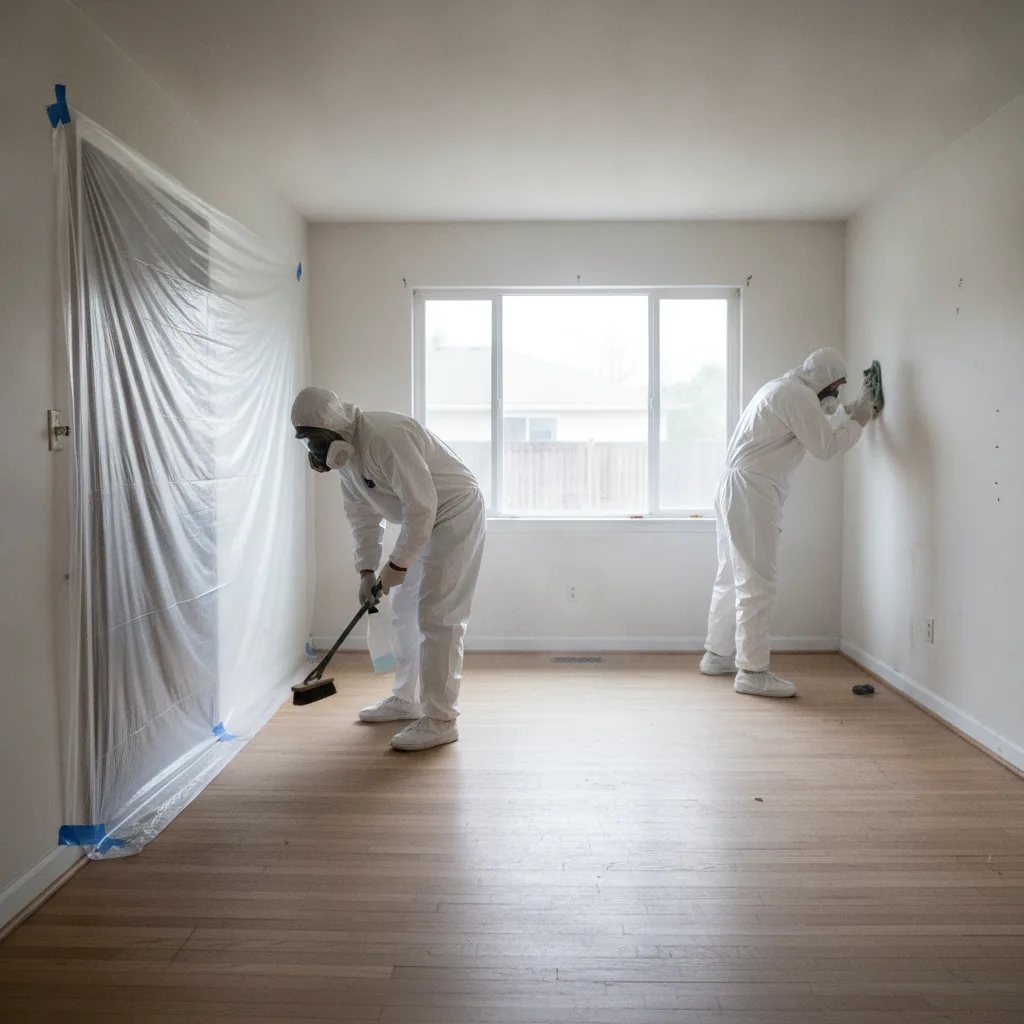
We clean and restore spaces after violent crimes once the NYPD, OCME or Hudson County authorities release the scene. That covers blood, tissue and other biological material.
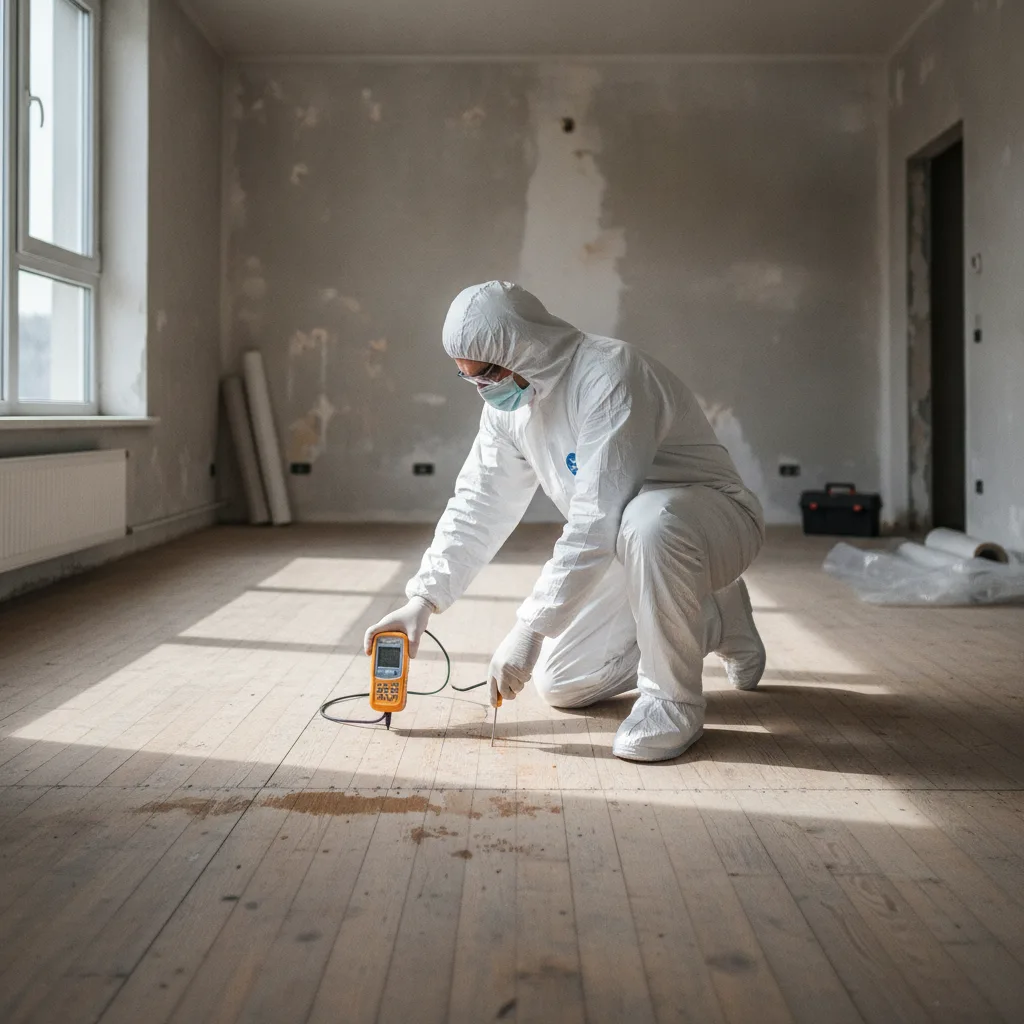
We restore apartments and homes after someone has died alone and wasn't found right away. That includes fluid removal, odor control and getting the unit back into service.
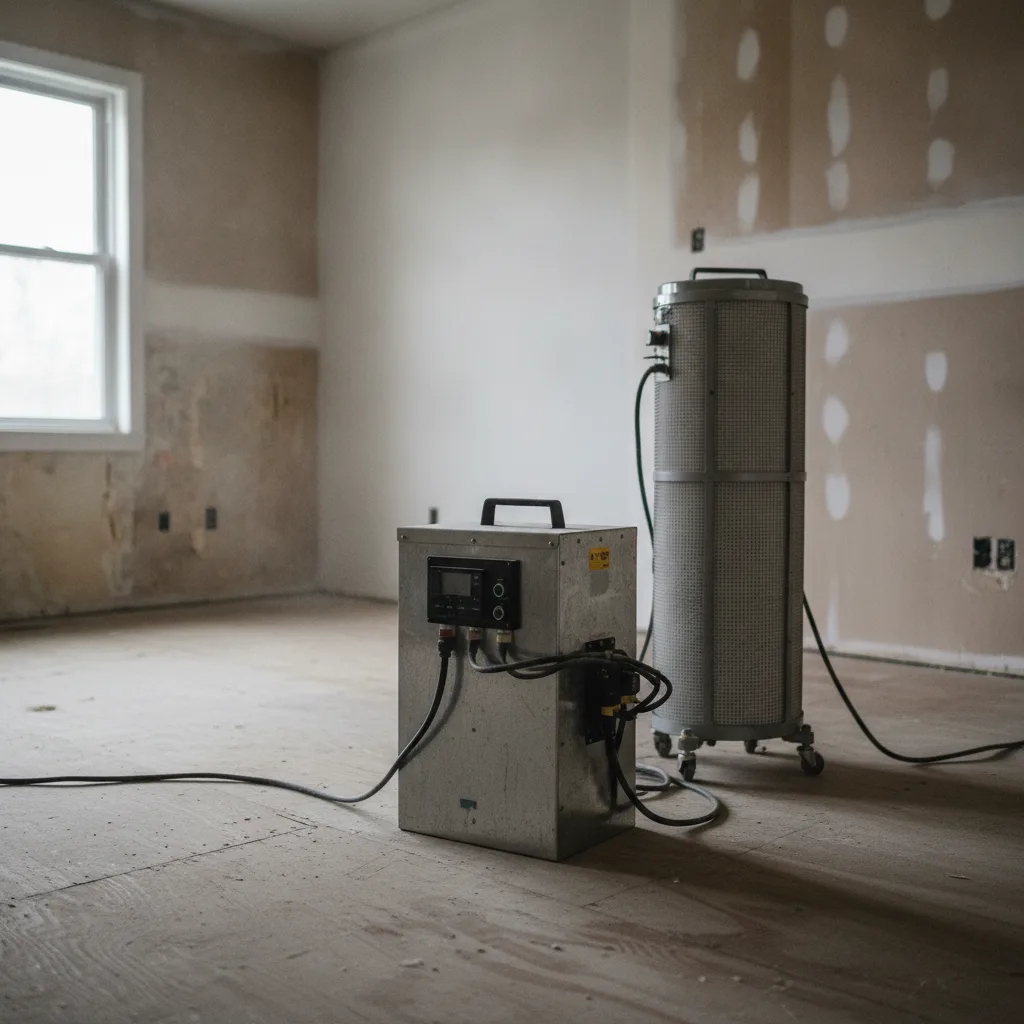
This is advanced remediation for decomposition: fluids, tissue, insects and severe odor that have reached subflooring and sometimes the ceiling below.
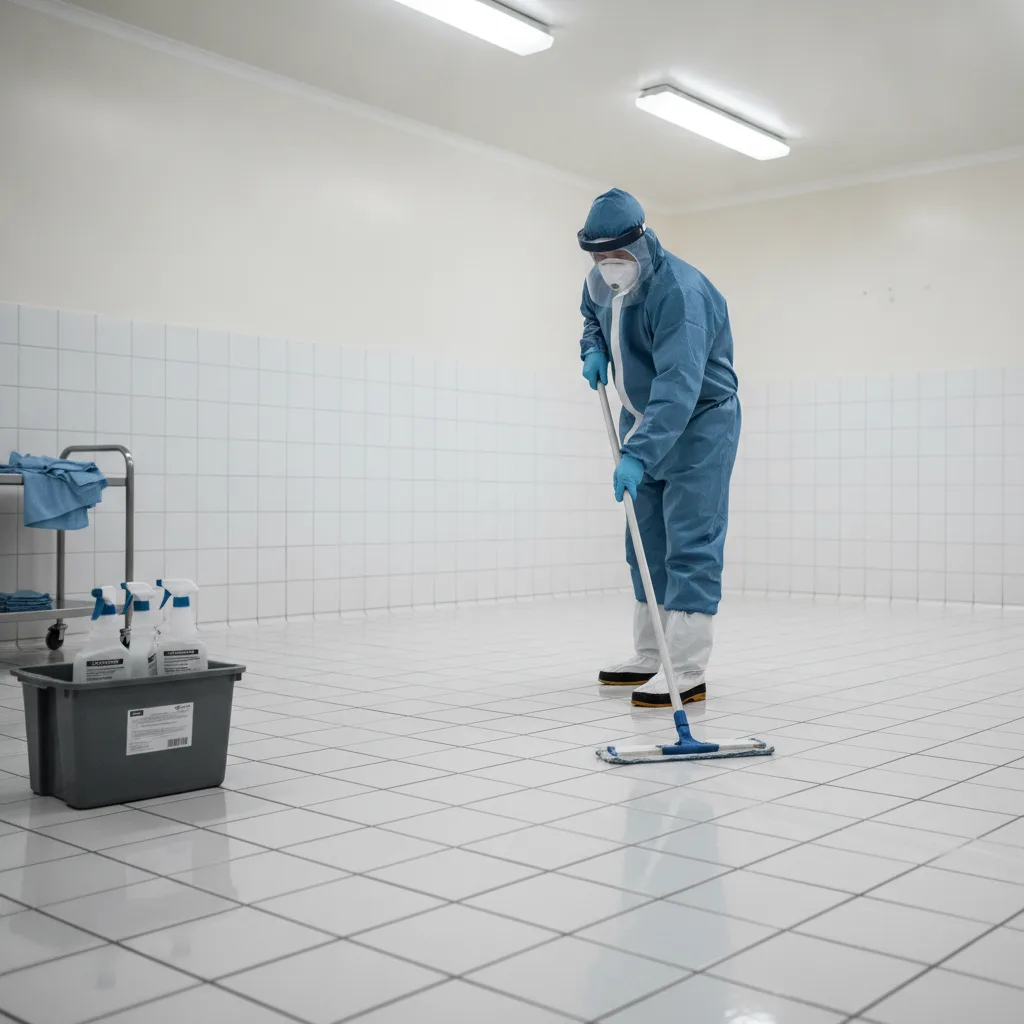
We clean up after suicides, serious accidents and other traumatic events, and we work at a pace that respects the family.
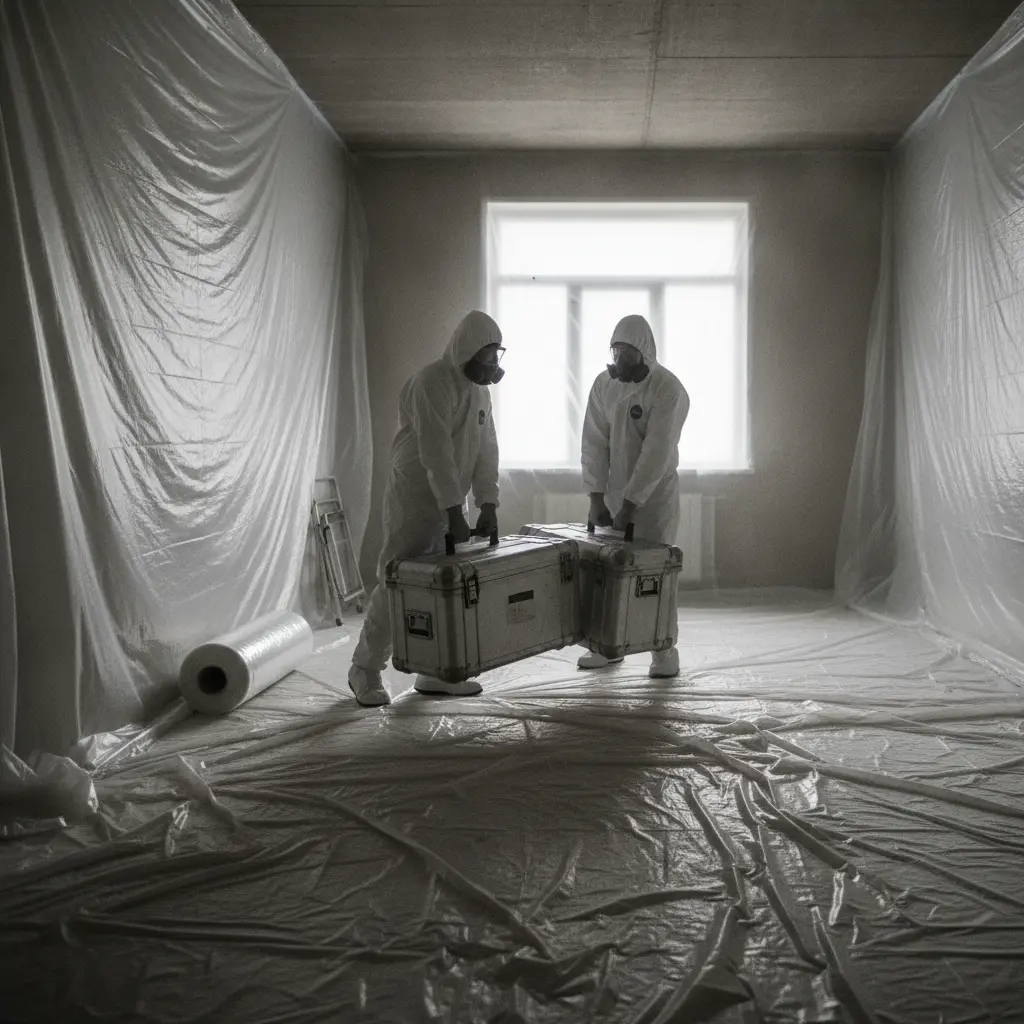
We fully remediate homicide scenes after release, including hidden contamination behind fixtures and under flooring.
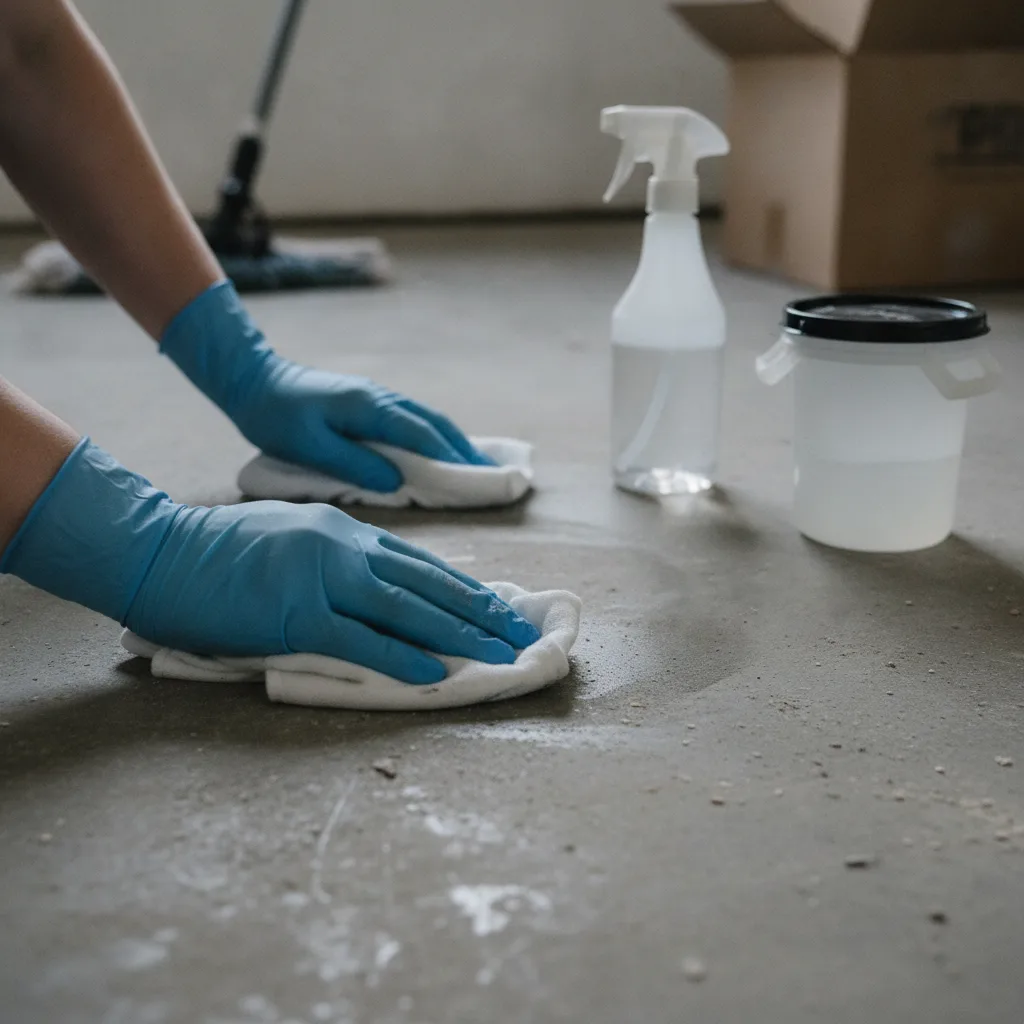
We clean blood from accidents, injuries, medical events and self-harm in homes, vehicles and commercial spaces.
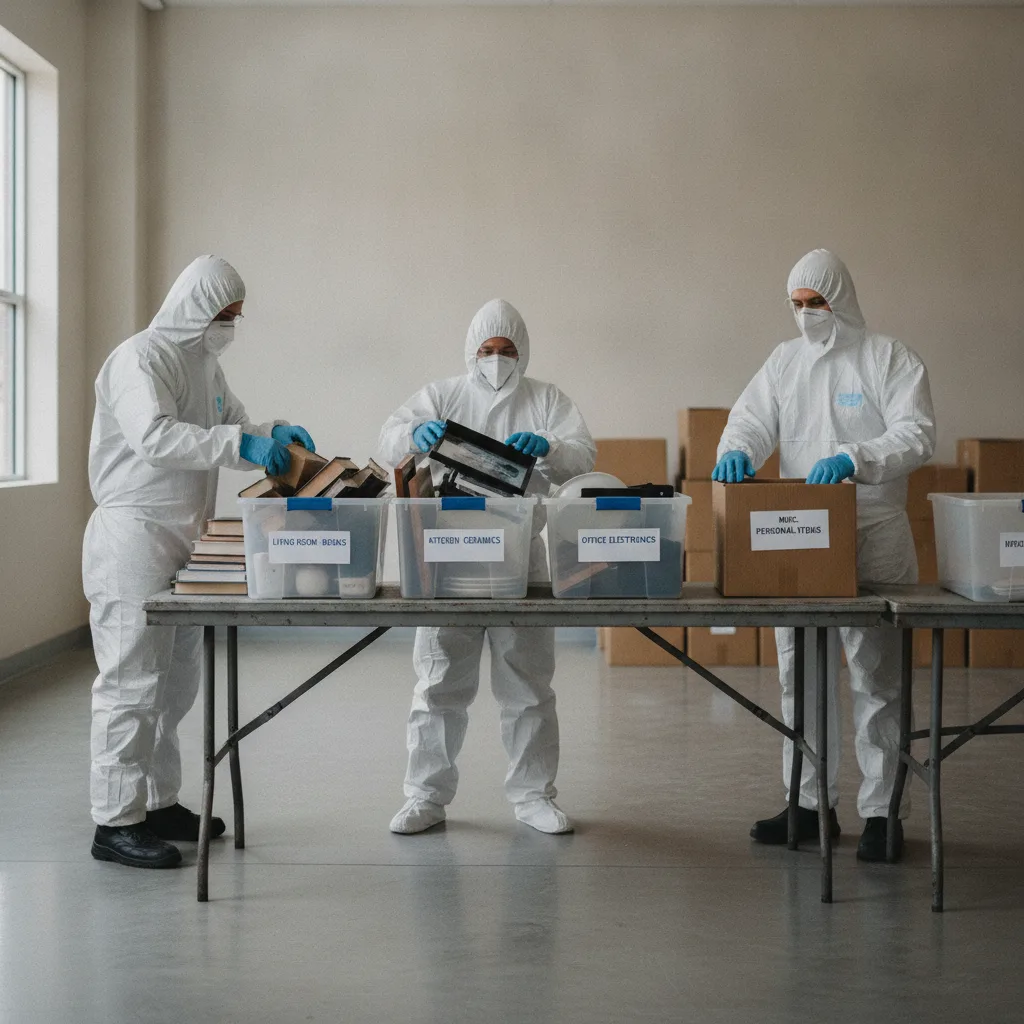
We do compassionate cleanouts of hoarded apartments and homes, including biohazards, pests and sanitation.
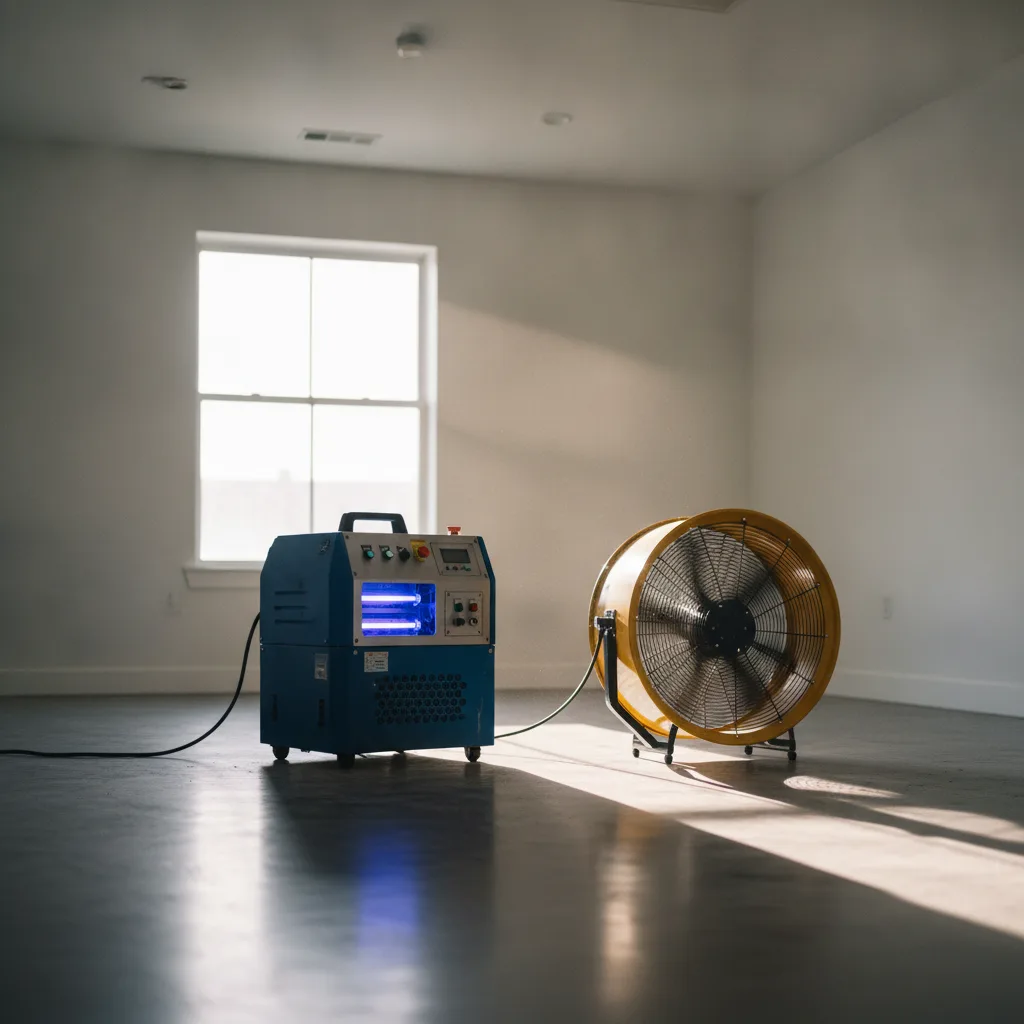
We remove odor at the source after death, decomposition, hoarding, sewage or smoke. We don't just mask it.
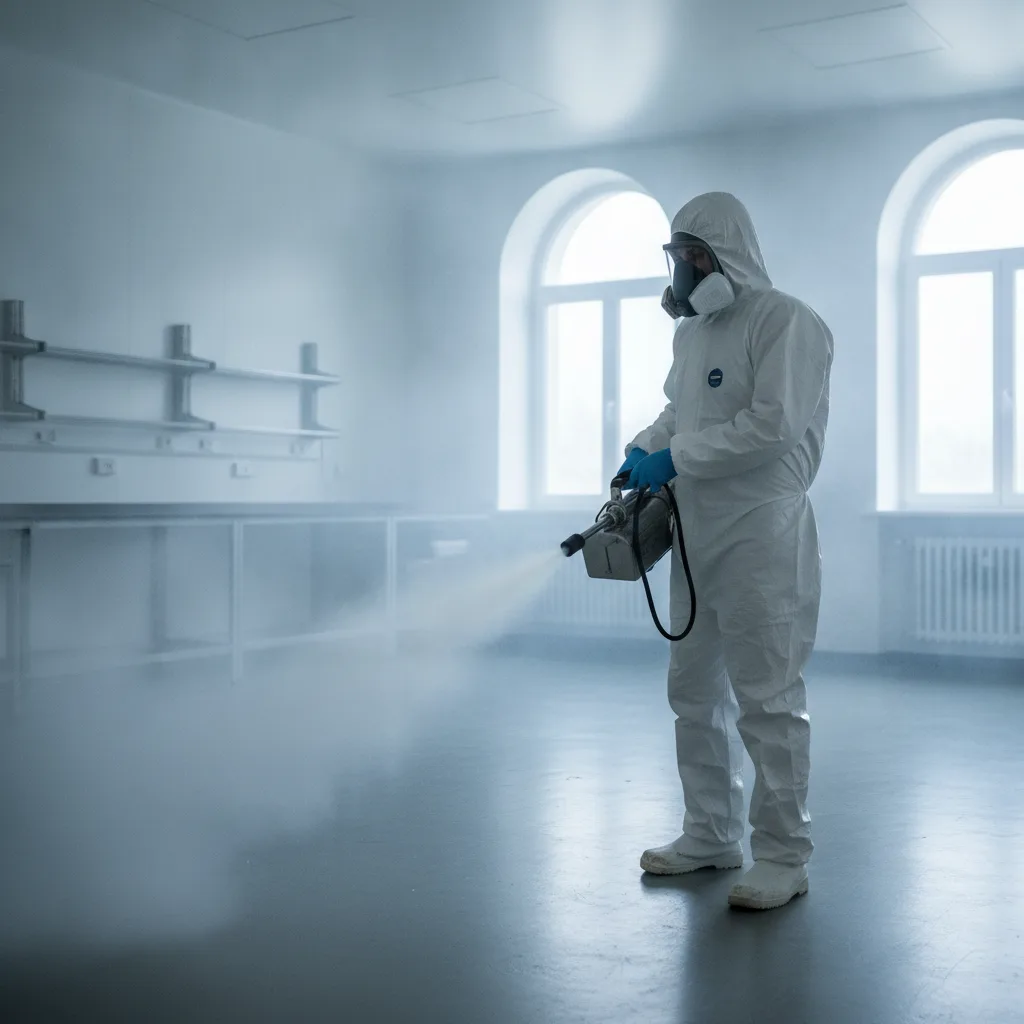
We decontaminate spaces exposed to bodily fluids, drug residue, sewage, or infectious disease, and we also handle mold remediation.
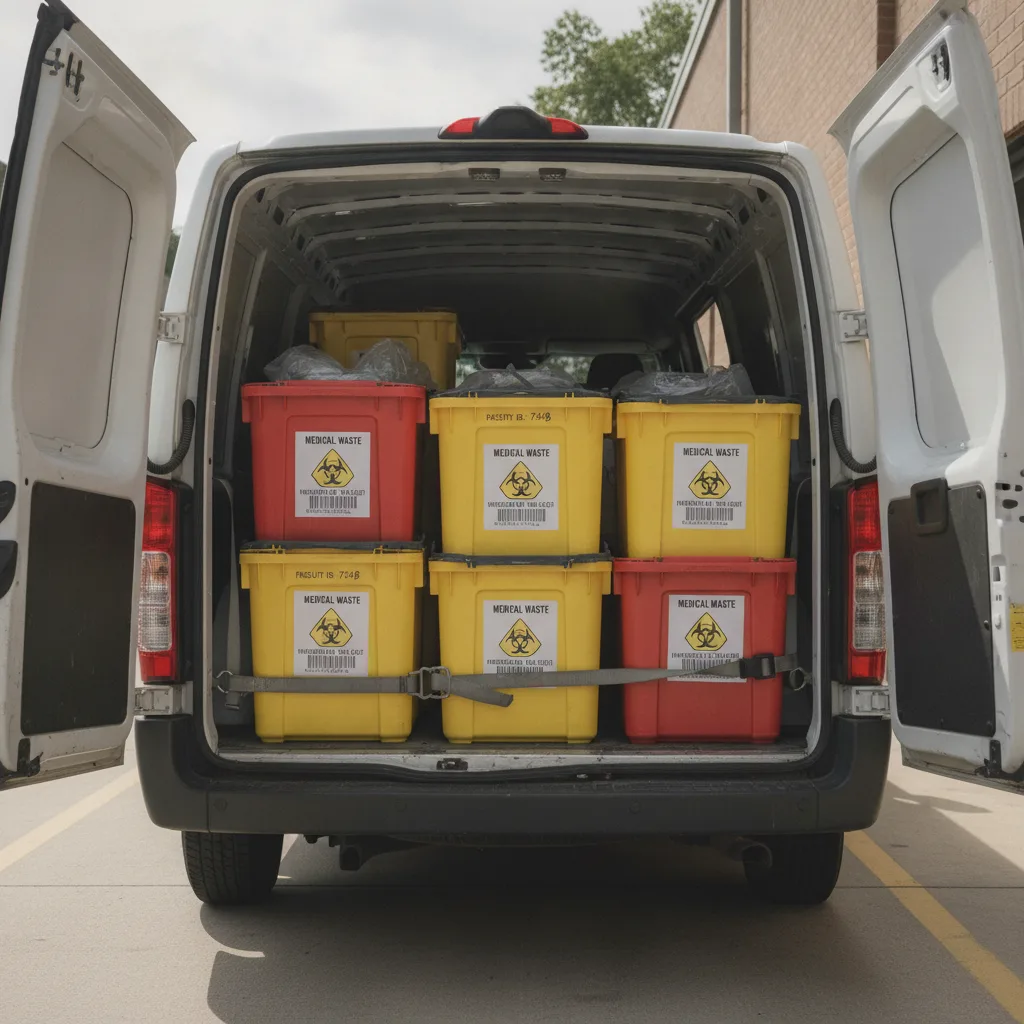
We package and dispose of biohazard and sharps waste from cleanup scenes and properties.
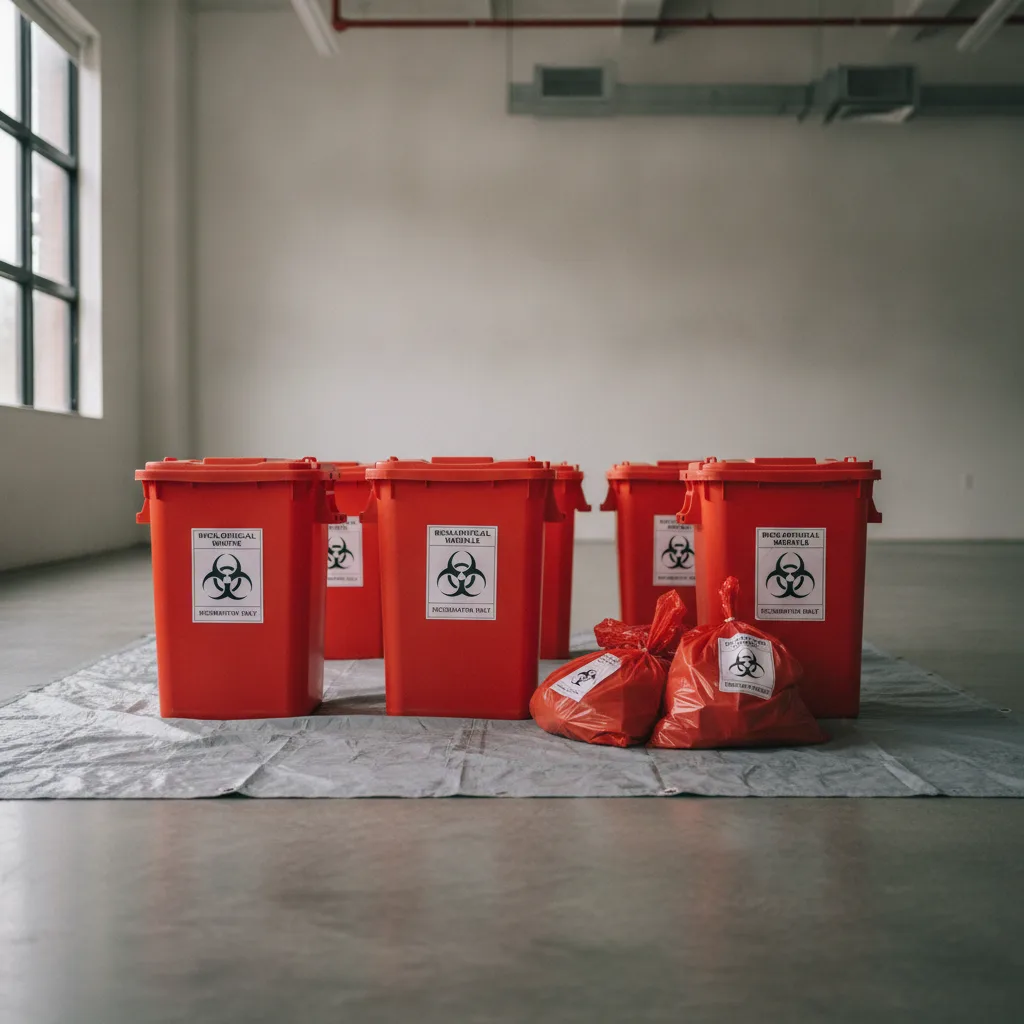
This is general biohazard remediation for any space contaminated with blood, bodily fluids, animal waste or other infectious material.
These are the situations behind most of our calls in New York City and across the river. Some need help within hours. Others can be planned around a board's work schedule. Each one is shaped by old buildings, shared walls and the region's heat and humidity, which is why a generic approach falls short here.
An unattended death happens when someone dies alone and isn't found for days or weeks. Body fluids break down tissue and soak into bedding, flooring and subfloor. The result is strong odor, insect activity and contamination that spreads well past the visible stain.
Violent incidents leave blood and tissue spread across surfaces, often far beyond what's visible. Spatter can reach ceilings, radiators, outlets and fabric. Every contaminated surface carries bloodborne pathogen risk and has to be found, removed or disinfected and documented.
Not every blood cleanup involves a crime. Falls, serious cuts, medical emergencies and nosebleeds can leave large amounts of blood on floors, stairs and upholstery. It's still a bloodborne pathogen hazard and needs professional disinfection.
Hoarding means a unit is packed with possessions, trash, spoiled food, and sometimes animal or human waste. It creates fire, pest and structural hazards, and cleanup has to be handled with patience and respect for the person living there.
Category 3 or black water is water contaminated with raw sewage. It carries bacteria, viruses and parasites. Anything porous it touches, like drywall, carpet or insulation, usually has to be removed.
Drug scenes can include used needles, residue from substances like fentanyl, and bodily fluids. Sharps and residue are dangerous to anyone who touches them, including the next tenant or a hotel housekeeper.
Sometimes an earlier cleanup removed the visible mess but the odor keeps coming back. That usually means contamination is still in the subfloor, wall cavities or shared ventilation paths.
We've designed every step around three things: getting through the claim, keeping the building calm, and handling the family's belongings with respect. Here's what you can expect from your first call until the unit is ready again.
Any hour, 24/7
Often within hours of release
Same day, ongoing
1–5 days depending on scope
1–3 days after cleanup
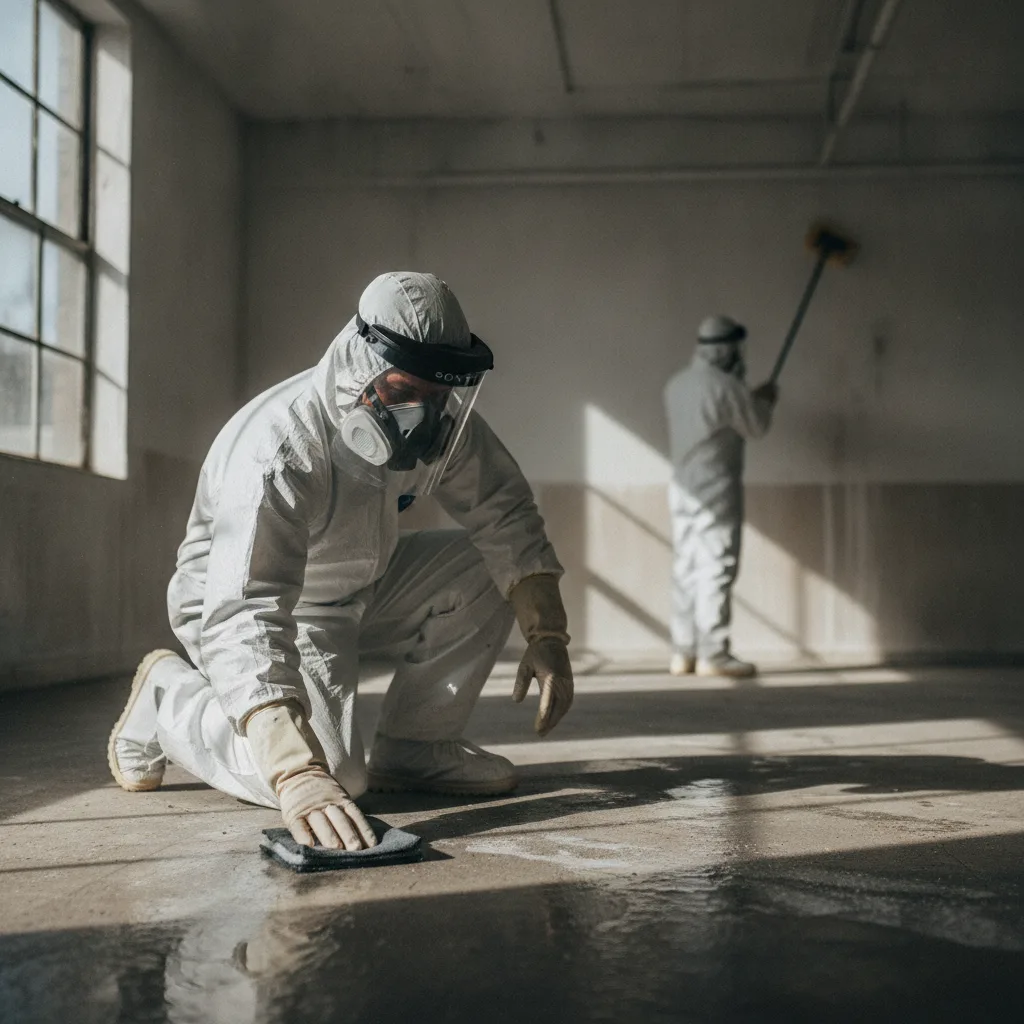
Most people calling us are in shock or grieving, or they're managing an estate from another state. Worrying about money shouldn't be part of that. Homeowner's, renter's and landlord policies often cover trauma and biohazard cleanup, so we start by checking your coverage and then work with your insurer directly. For crime victims, we explain how the NYS Office of Victim Services or New Jersey's Victims of Crime Compensation Office may help with remaining costs. Our documentation is detailed enough that adjusters, executors and attorneys have what they need without coming back to you.
The work is in high-rises and walk-ups where one wrong move puts contamination in a shared hallway. We book freight elevators, use service entrances, protect floors and walls, and follow the work hours co-op and condo boards set. We've worked with plank floors, plaster walls, penny tile, steam risers and dumbwaiter shafts, and we know where odor and fluids end up in them. Supers and managing agents can count on us to keep the building running while we work.
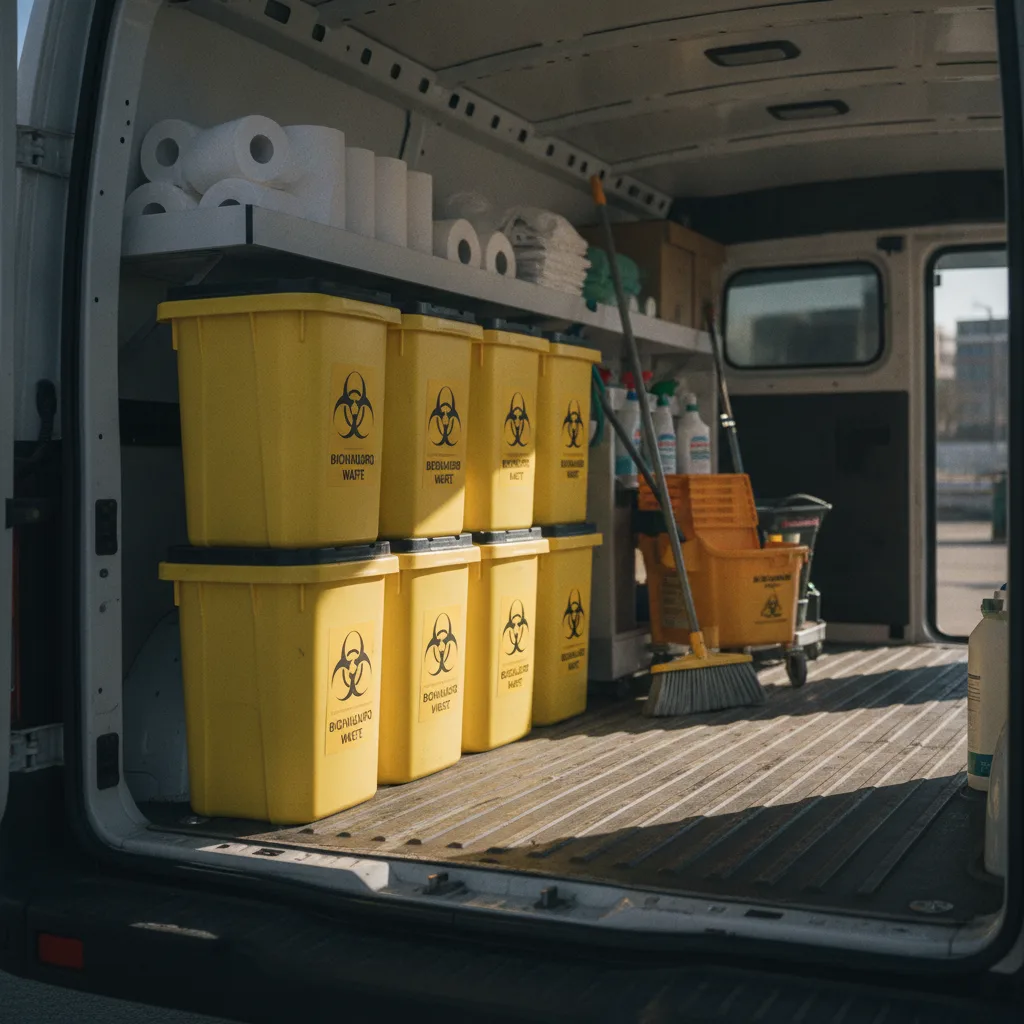
Nobody in the building needs to know what happened. That's especially true in a doorman building on the Upper West Side or a close-knit block in Bayonne. Our vehicles are unmarked, crews arrive in plain clothes, and we suit up inside the unit. Bags are sealed before they reach the hallway. We keep conversations with neighbors to a minimum and send questions to the family or the management office. Discretion is part of the job for us, and families tell us it matters almost as much as the cleanup.
In a hot top-floor walk-up, decomposition doesn't wait until Monday, and neither do tenant complaints. Our phone is answered by a person at any hour, including holidays. We'll talk you through what to expect, check whether the scene has been released, and start the insurance conversation right away. Once authorities release the scene, we mobilize. We plan the route around tunnel and bridge traffic and parking limits so the crew gets there quickly.
Neither New York nor New Jersey licenses crime scene cleanup, so compliance is what separates professionals from everyone else. We're fully insured and can provide certificates of insurance naming your building and managing agent. Our technicians follow OSHA's Bloodborne Pathogens Standard and respiratory protection rules. Waste goes through permitted regulated medical waste channels with manifests or tracking forms, under NYS DOH and DEC rules in the city and NJDEP rules in Hudson County. When removal could disturb asbestos or lead, we flag it before anything is touched.
This is all we do. We aren't a general cleaning or restoration company that takes the occasional trauma call. Unattended deaths, homicide and trauma scenes, hoarding cleanouts, sewage contamination and odor removal each require different methods, equipment and judgment. Because of that focus, we know when a floor can be saved and when it has to come out, and when an odor is coming through a riser instead of the room. It's also why buildings stop getting tenant complaints after we finish.
Families and property companies often have properties on both sides of the river. We cover all five boroughs plus Hudson County, and we know which medical examiner, police department, waste rules and victim-compensation office apply to each address. That saves you time when an estate includes an apartment in Astoria and a two-family home in Kearny, or when a management firm has buildings in Harlem and Jersey City Heights.
For most families, the cost of crime scene and biohazard cleanup goes to insurance, not to them. Homeowner's, renter's and landlord policies frequently cover this work, and victim-compensation programs in both states can help as well. We bill the insurer directly whenever possible. Here's what affects the claim amount.
How far fluids spread, and how long they sat, matters more than anything else. A contained blood spill on tile is a fairly small claim. A death discovered late in a steam-heated or summer-hot unit often means fluids reached the plank flooring and joists, so the subfloor has to be removed and sealed. We document how far the contamination goes with photos so your adjuster can see why every item in the scope is necessary.
Prewar materials such as oak strip floors, plaster-and-lath walls and penny-tile grout absorb contamination and often have to be removed rather than cleaned. In older buildings, that removal may require an asbestos assessment under NYC DEP Title 15, along with lead-safe work practices. These steps add to the scope, but they're legitimate and claimable, and they protect you and your neighbors.
A fifth-floor walk-up, a limited freight elevator window, board-approved hours, floor protection and parking constraints all add labor time. Walk-up jobs mean everything gets carried by hand down narrow stairs. Doorman co-ops often require weekday-only work and certificates of insurance. We include these realities in the documented scope so the claim reflects the actual work.
When odor has traveled through party walls, dumbwaiter shafts or hallways, treatment has to cover those pathways, not just the room. That can mean longer hydroxyl or ozone treatment and checks of adjacent units. Insurers generally recognize odor treatment as part of restoring the property after a biohazard event.
Regulated medical waste has to go through permitted transporters and treatment facilities with tracking under NY or NJ rules. Disposal charges depend on how much material is involved. Hoarding cleanouts also have regular debris volume to handle. Proper disposal is required and documented, and it's normally included in the claim.
We contact your insurer directly and submit the documentation. Many families pay nothing out of pocket. For crime victims, the NYS Office of Victim Services and New Jersey Victims of Crime Compensation Office can reimburse eligible cleanup costs within program limits, and we'll walk you through the application.
In most cases, yes. Homeowner's, renter's and landlord policies frequently cover trauma, crime scene and unattended death cleanup because it's sudden, accidental damage to the property. We contact your insurer, document the scene with photos and a detailed scope, and bill them directly when possible, so many families pay nothing out of pocket. For violent crimes, the NYS Office of Victim Services and New Jersey's Victims of Crime Compensation Office can reimburse eligible costs within their limits. We'll explain which applies to your address and help you start the claim.
We answer 24/7 and mobilize as soon as the scene is released. Cleanup can't start until the NYPD and OCME, or the Hudson County Regional Medical Examiner and local police, have released it. A small blood cleanup usually takes a few hours to a day. Trauma scenes typically take one to three days. Decomposition jobs that need subfloor removal and odor treatment can take three to seven days. Freight elevator schedules and board-approved work hours sometimes add time, and we'll give you a clear timeline at the assessment.
Neither state has a dedicated license for crime scene cleanup. What matters is compliance. Technicians should follow OSHA's Bloodborne Pathogens Standard (29 CFR 1910.1030) and respiratory protection rules, and waste has to go through permitted regulated medical waste channels. In New York that's NYS DOH and DEC Part 364. In New Jersey it's NJDEP N.J.A.C. 7:26-3A. If flooring or plaster has to come out of an older building, NYC DEP asbestos rules and lead-safe practices may apply. Most interior work doesn't need Landmarks approval, even in historic districts.
Yes, and we do it all the time. Boards and managing agents usually want a certificate of insurance naming the building and management company, a signed work or alteration agreement, freight elevator bookings, floor and hallway protection, and work only during set hours, often weekdays. We're fully insured and provide the certificate up front. We also coordinate directly with the super, arrive in unmarked vehicles, and seal everything before it reaches a common area so other residents aren't exposed or alarmed.
Call a professional any time blood, bodily fluids, decomposition, sewage or needles are involved. Bloodborne pathogens like hepatitis B and C and HIV can survive on surfaces, and fluids usually soak into old wood floors and plaster far deeper than they look. Household cleaners won't reach them. Biohazard waste also can't legally go out with DSNY trash. With an unattended death, call right away once the scene is released. In NYC's summer heat or steam-heated winter apartments, every day makes the damage and odor worse for neighbors.
Odor treatment starts with removing the source. Air fresheners and fogging alone won't do it. We take out contaminated bedding, flooring and subfloor, clean the joists, then apply an encapsulating sealer. Next comes hydroxyl or ozone treatment, depending on whether people are nearby. In prewar buildings, odor travels through dumbwaiter shafts, steam riser chases and party walls, so we check and treat those pathways and neighboring units too. That's why the smell doesn't come back on the next hot, humid day.
Some risks can be reduced. For older relatives living alone, regular check-ins, a neighbor or super with a key, and a medical alert device help catch emergencies sooner. Landlords can train staff to report odors, flies or piled-up mail right away. For flooding, a backwater valve and keeping valuables off basement floors help in combined-sewer neighborhoods and in flood-prone Secaucus, Kearny and Bayonne. With hoarding, early, gentle intervention is far easier than a cleanout forced by a court or HPD deadline.
We do everything we can to keep it private. Our vehicles are unmarked, and crews arrive in plain clothes and suit up inside the unit. Every bag is sealed before it goes into a hallway, stairwell or elevator. We work quietly within building hours and send any questions to the family or management office, not to curious neighbors. In doorman buildings and close-knit blocks from the Upper West Side to Bergen Point, families tell us that discretion matters to them almost as much as the cleanup.
We come to you anywhere in New York City and the surrounding area, in unmarked vehicles, any hour of the day.
You don't have to deal with this alone or pay for it up front. Call any hour and a real person will answer, walk you through next steps and start your insurance claim today.
Call (329) 200-2778 Now