Discreet, certified crime scene and biohazard cleanup in Midland — unmarked vehicles, compassionate technicians, and in most cases $0 out of pocket since we bill your insurance directly.
Biohazard cleanup isn't the same everywhere. In Midland, the heat, the oil boom-and-bust housing, the transient workforce, and the distances between towns all change how a scene develops and how it has to be handled. Here's what makes local scenes harder, and why a quick, informed response matters so much.
Midland sits about 2,800 feet up on the Llano Estacado and gets only 14–15 inches of rain a year. From June through August, highs often stay above 100°F, and the record is around 116°F. In that heat, an unattended death inside a closed home can go from contained to severe within days, with fluids reaching subfloors, slab cracks, and crawlspaces. Vehicles, metal shops, and portable buildings get much hotter than the outside air. Because humidity is so low, some remains partly mummify instead of liquefying. That changes how we remediate, but the odor still soaks into drywall, carpet pad, and ductwork. Older homes with evaporative (swamp) coolers pull outside air through the house, which spreads odor and draws in flies. Spring dust storms also blow grit into broken or open structures, where it sticks to contaminated surfaces and makes them harder to clean.
Each oil boom left its own kind of housing. Homes from the 1920s–1940s near Downtown Midland often sit on pier-and-beam foundations with wood floors, so fluids can seep between the boards into the crawlspace. The 1950s–60s boom brought brick ranch homes on slabs, often with layered carpet over hardwood. Homes built before 1980 may also contain asbestos in popcorn ceilings, flooring, or mastic, so they may need testing before materials are removed. Since about 2010, the shale boom has added master-planned subdivisions in north and west Midland, plus extended-stay hotels, RV parks, man camps, and manufactured homes across Midland, Ector, Howard, and Martin counties. Their thin particleboard and OSB subfloors absorb fluids quickly and usually have to be removed rather than cleaned.
Texas doesn't issue a state license for crime scene cleanup, so the rules that apply come from other regulations. OSHA's Bloodborne Pathogens Standard (29 CFR 1910.1030) covers worker training, PPE, and exposure control. TCEQ and Texas DSHS rules require medical waste to be hauled by registered transporters to permitted facilities. It can't go in household trash or the city landfill. Midland, Ector, Howard, and Martin counties generally use Justice of the Peace inquests instead of a medical examiner, so cleanup can start only after the JP or law enforcement releases the scene. In newer Midland subdivisions, HOA limits on dumpsters and work vehicles are one more reason discreet, unmarked trucks matter.
Midland has about 130,000–140,000 residents, and the wider Midland–Odessa area has roughly 350,000. The population skews younger and more male than the Texas average, and many people are oilfield workers who live alone or rotate in and out. When someone dies alone in an apartment or RV, days can pass before anyone notices, and the next of kin often live in another state. Fentanyl overdoses, crashes on I-20 and SH 349, and the community's memory of the 2019 shooting all add up to one need: cleanup that's quick, compassionate, and fully discreet.
Every service below is handled by insured technicians who follow OSHA and Texas medical waste disposal rules. Whenever coverage applies, we bill insurance directly and help families with victim compensation paperwork, so cost doesn't stand between you and a safe home.
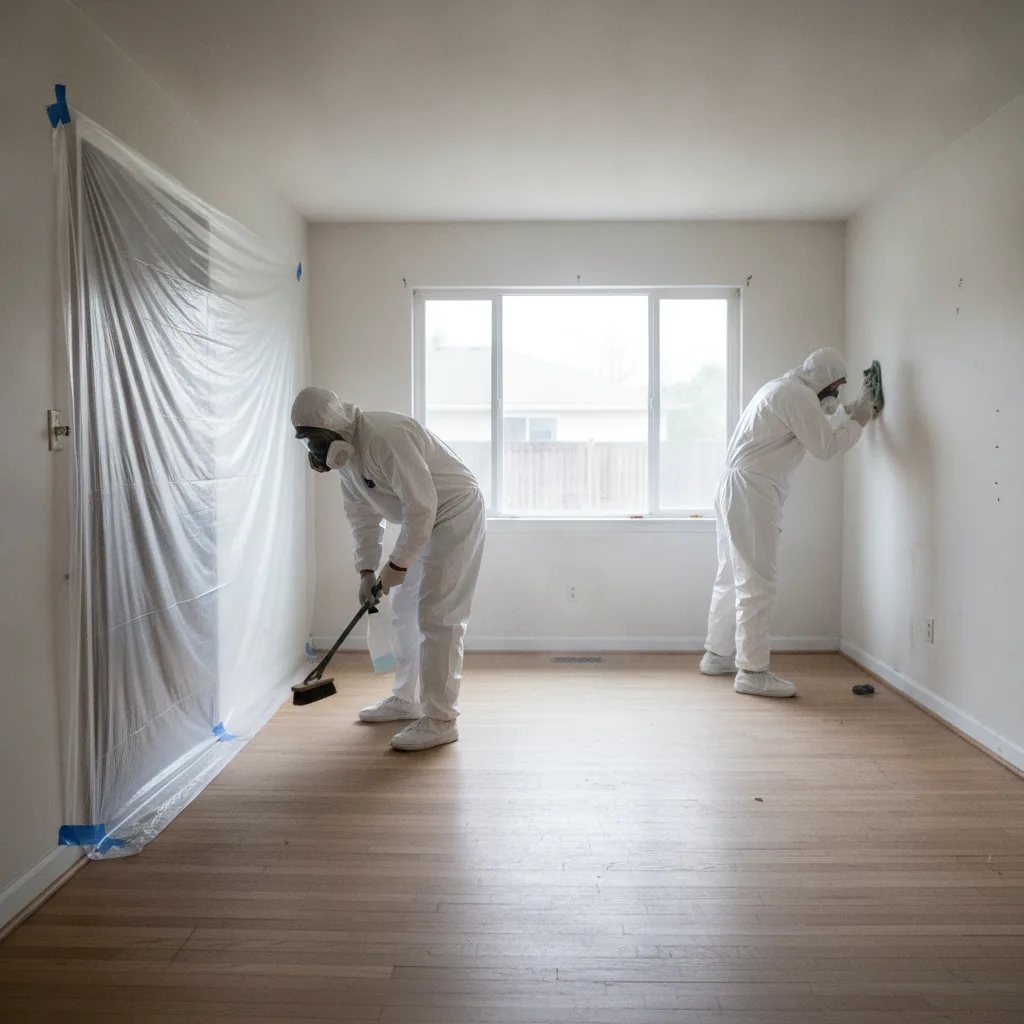
We restore homes, businesses, and vehicles once law enforcement or the JP releases them. That means removing blood, tissue, fingerprint powder, and other contamination so the space is safe and usable again.
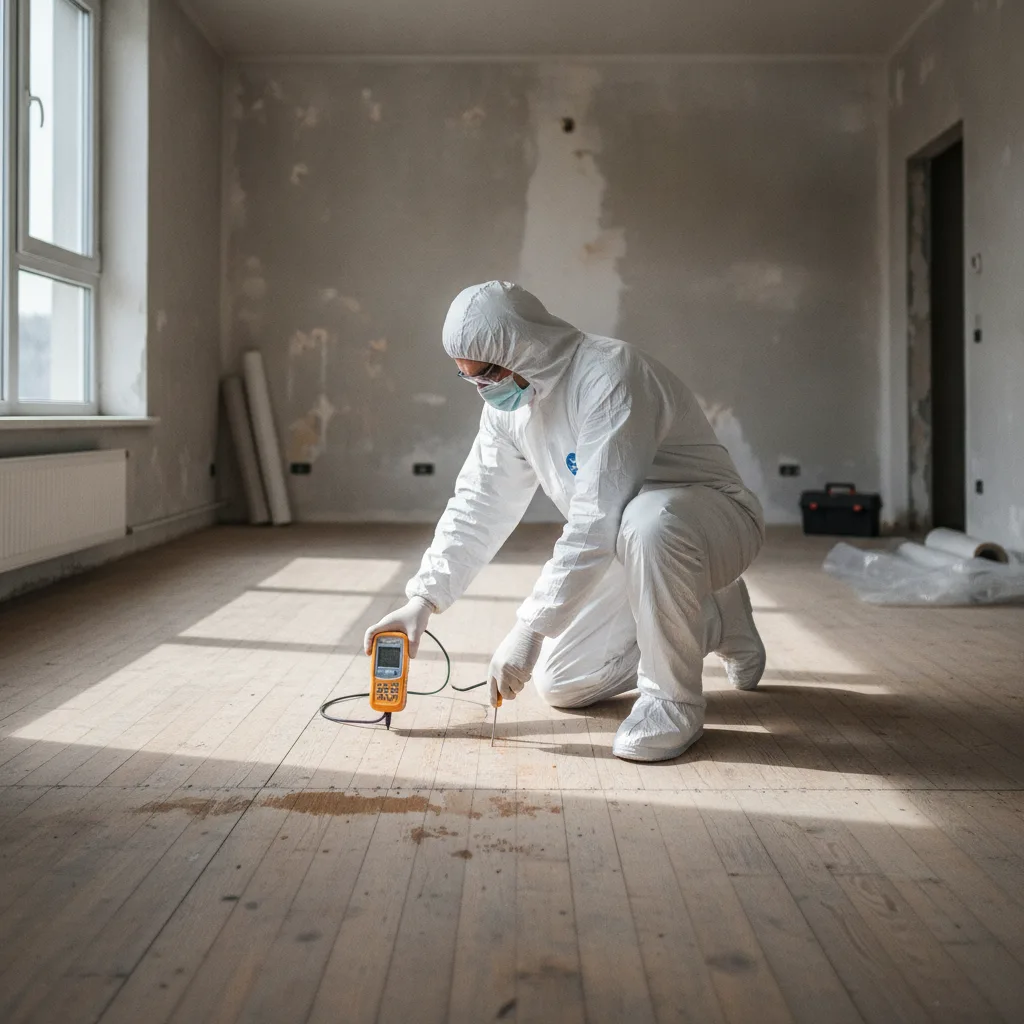
We handle the fluids, odor, and contamination left when a death goes undiscovered. That includes structural cleanup of flooring, subfloor, and walls that heat has saturated.
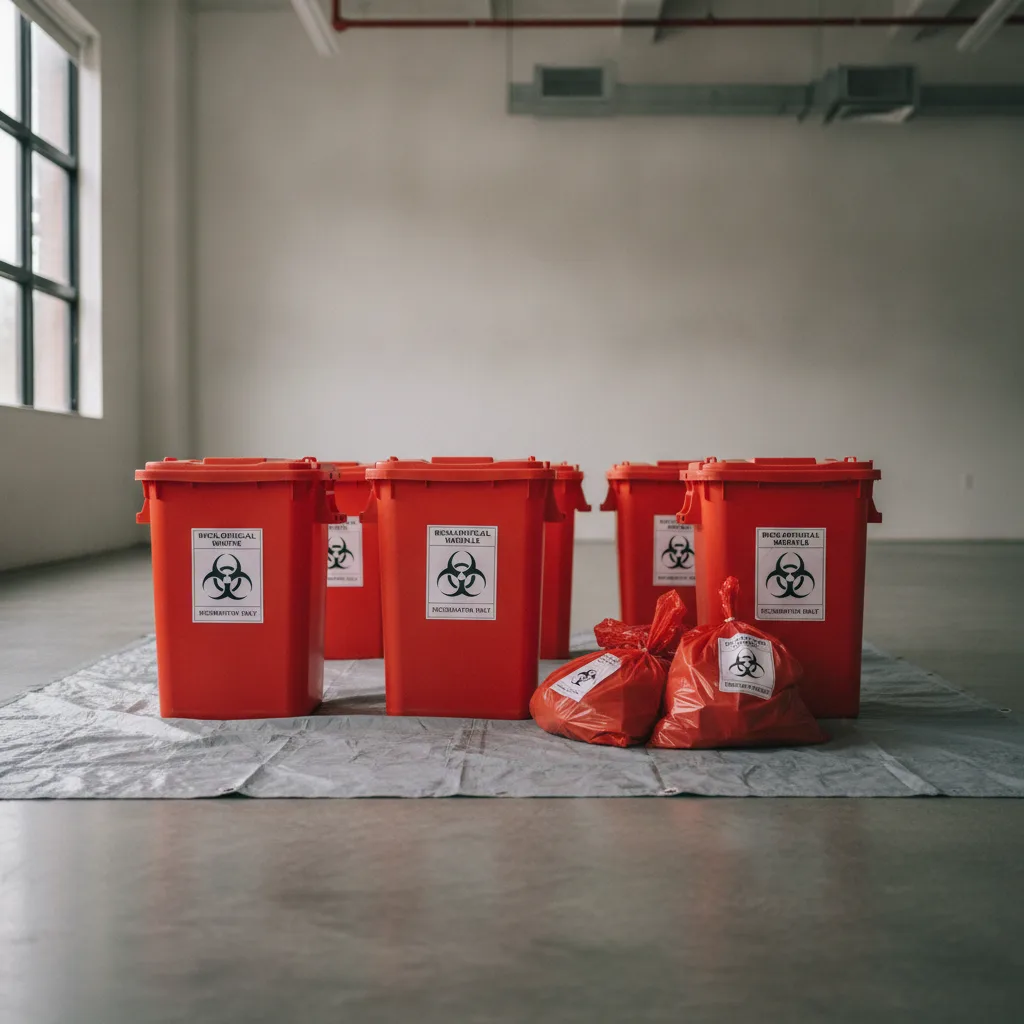
We safely remove any biological contamination, including blood, bodily fluids, human or animal waste, and infectious material, from homes, vehicles, and commercial properties.
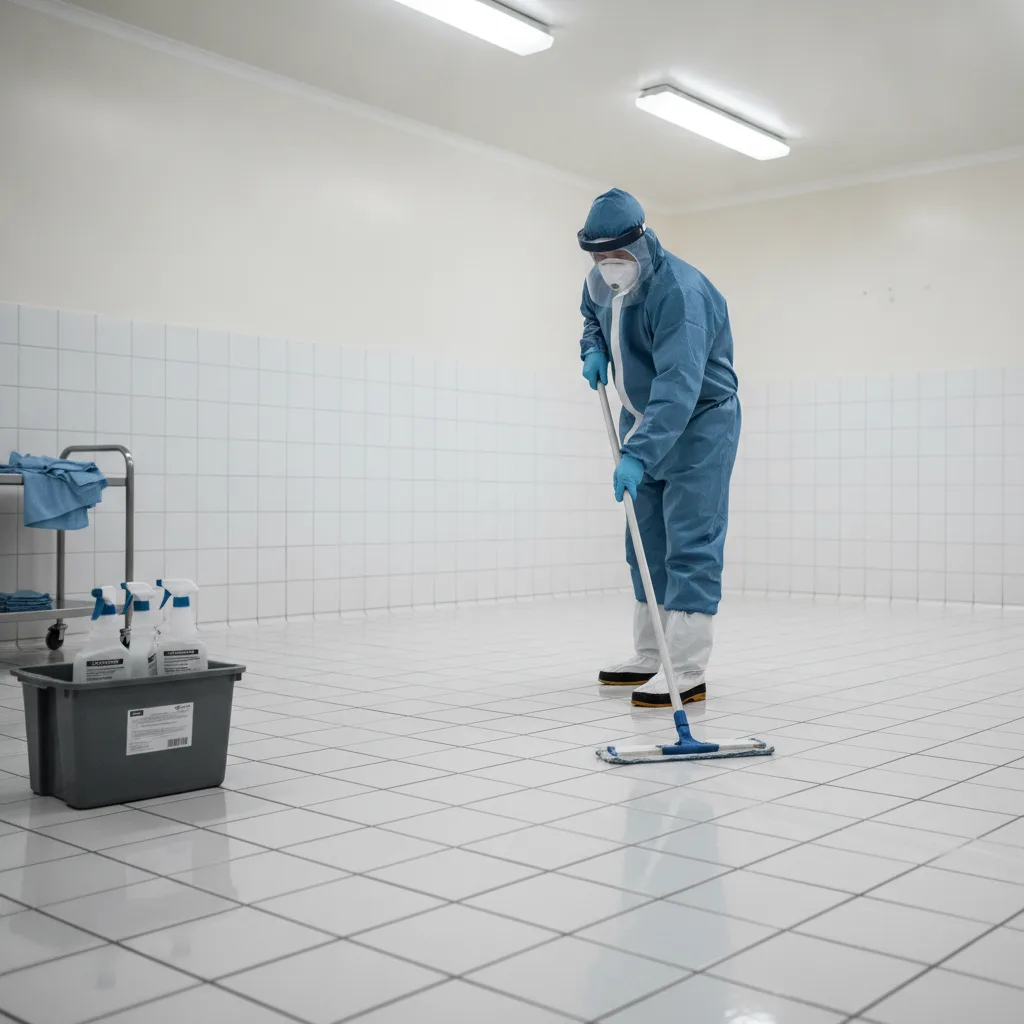
We clean up after suicides, accidental injuries, and workplace accidents, treating both the scene and the people affected with dignity and care.
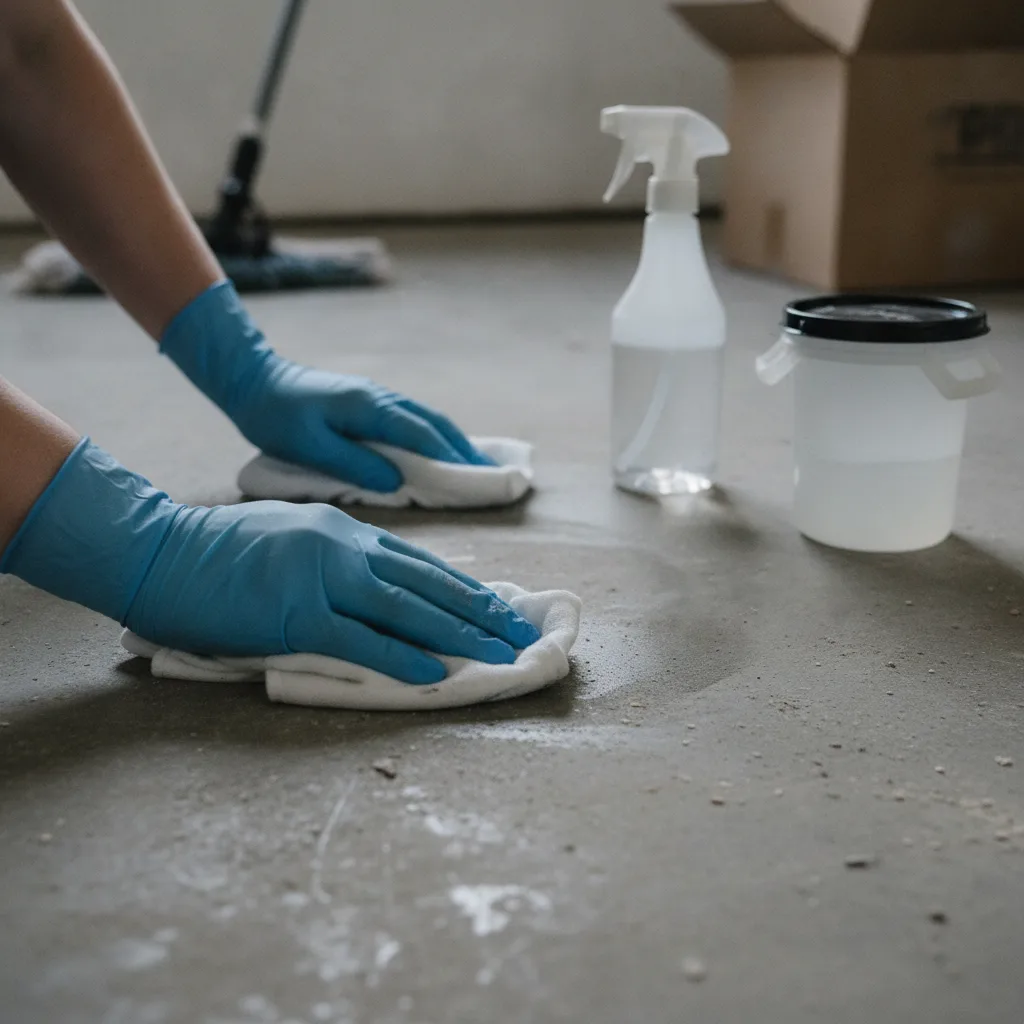
We remove blood from carpet, pad, subfloor, drywall, furniture, and vehicles, including what you can't see after it has soaked in.
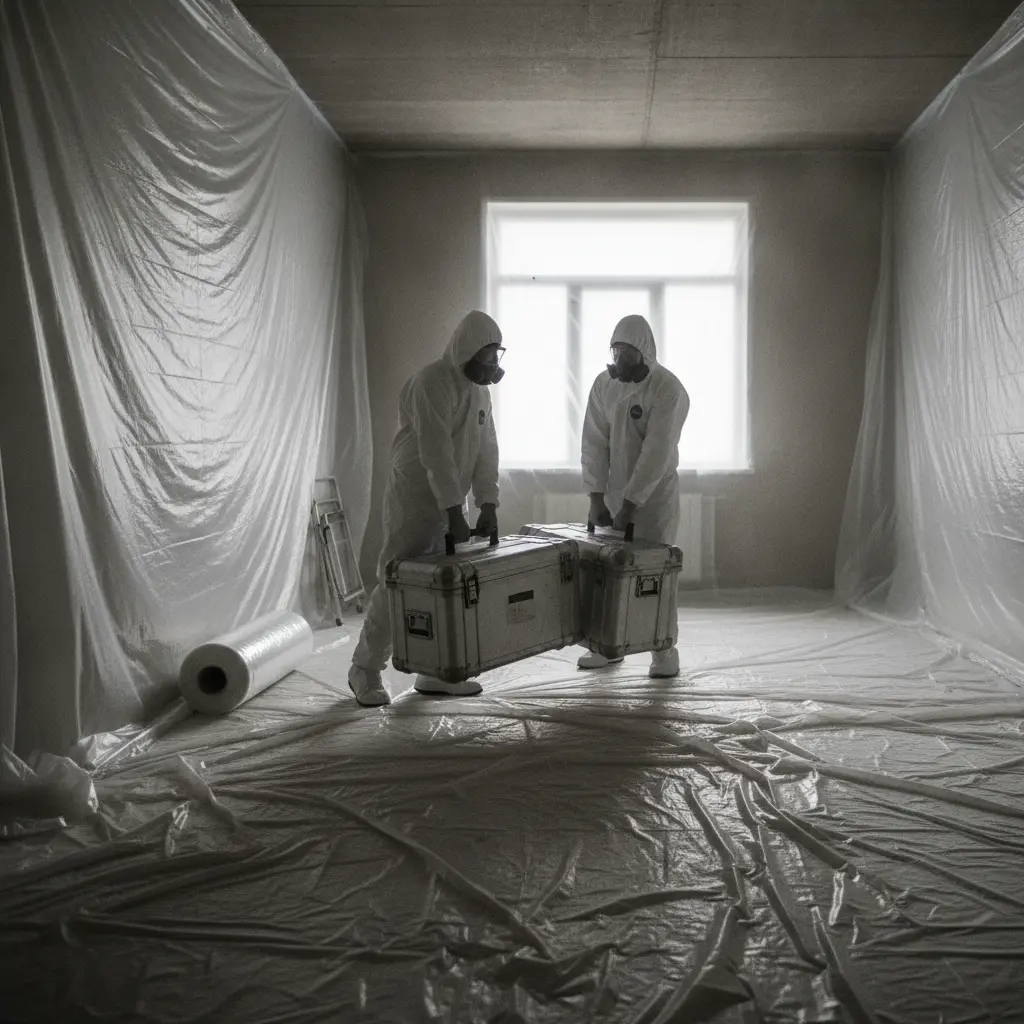
We provide complete, discreet cleanup after violent death. Victims' families should never have to clean these scenes themselves.
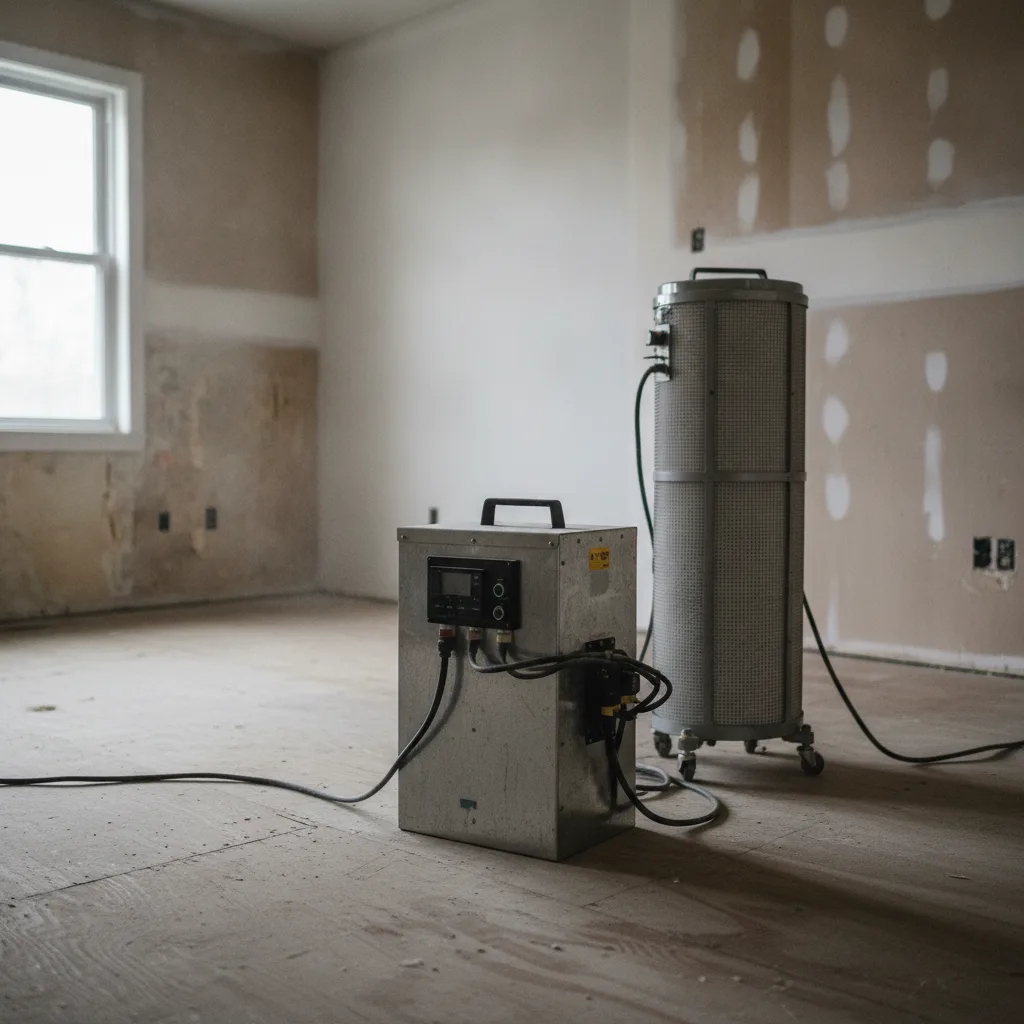
We remediate advanced decomposition, whether liquefied or partly mummified, along with the odor, insects, and structural contamination that come with it.
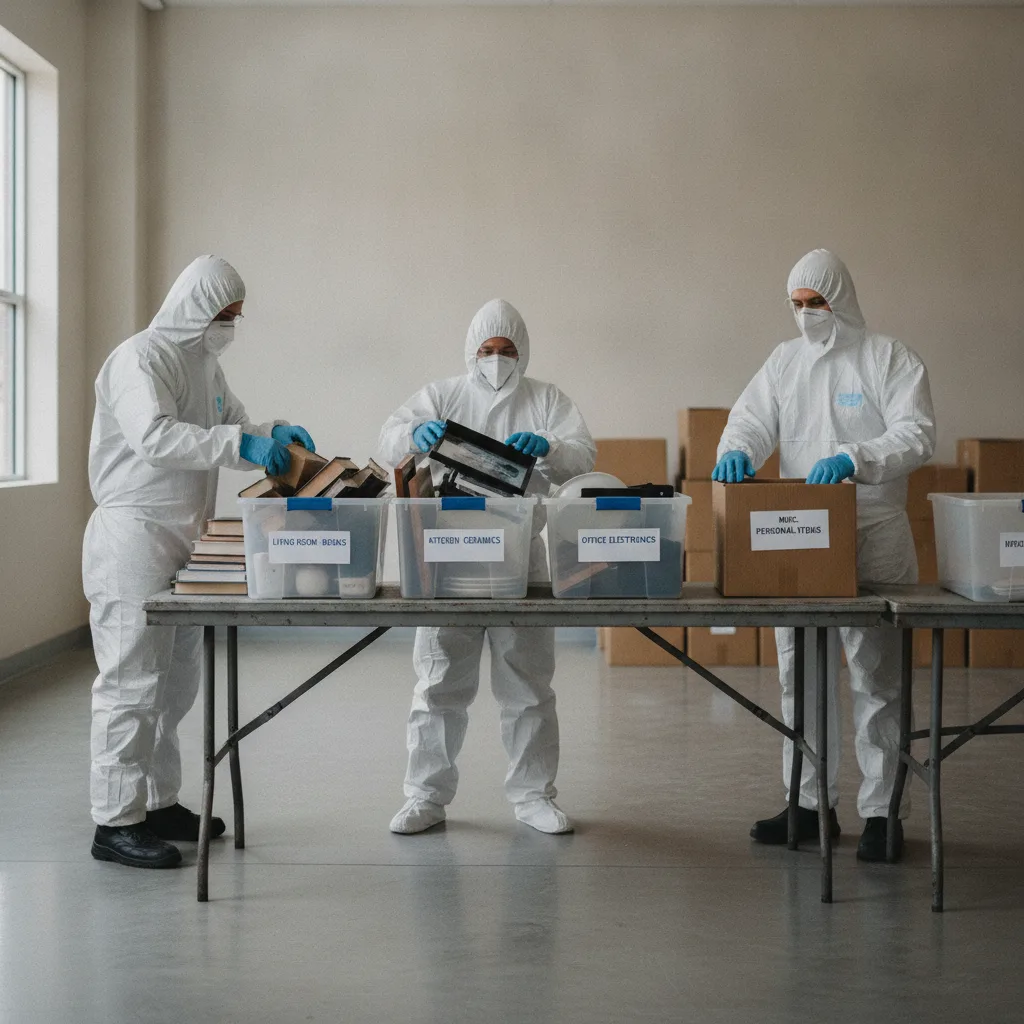
We clear hoarded and squalor homes without judgment, removing waste and biohazards and saving items that matter to the family.
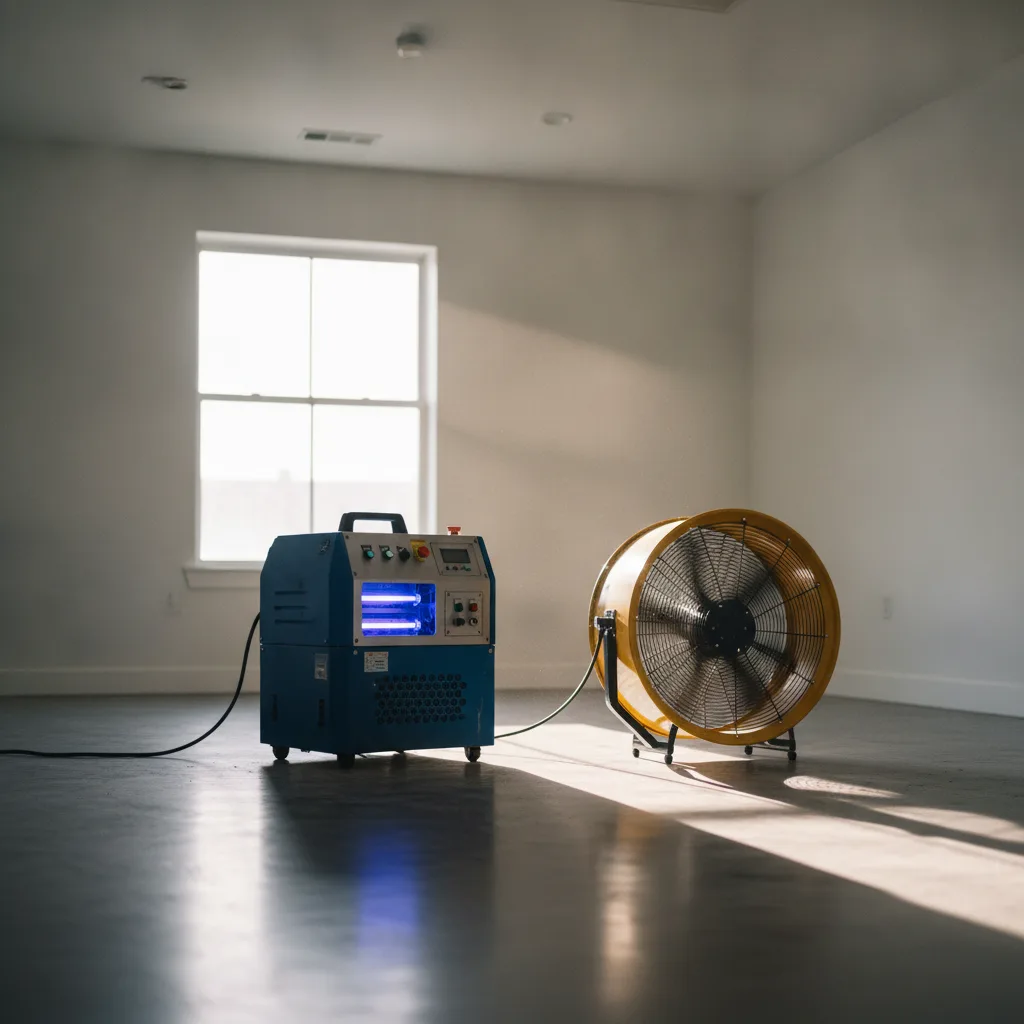
We eliminate death, decomposition, smoke, and waste odors at the source. We don't just mask them.
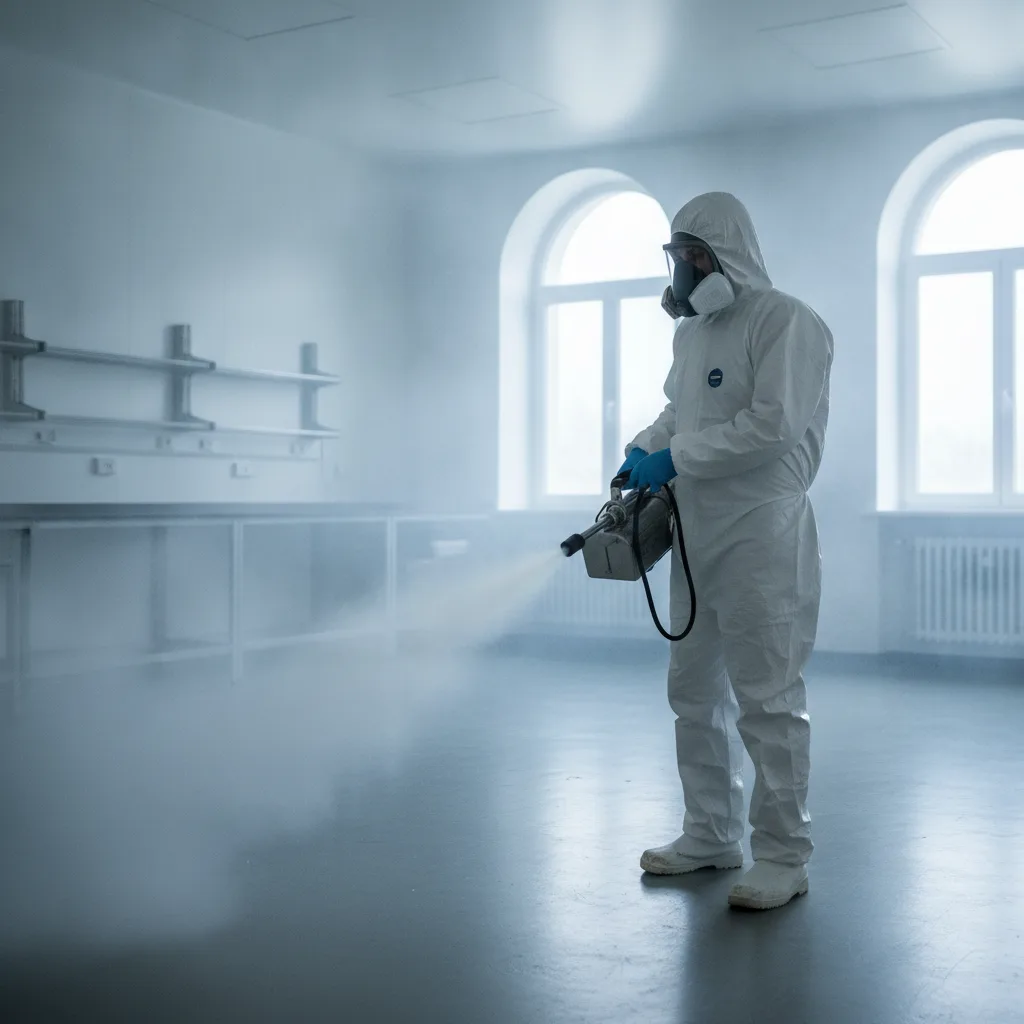
We decontaminate properties affected by drug residue, infectious disease, rodent droppings, or other hazards so they're safe to live in or occupy again.
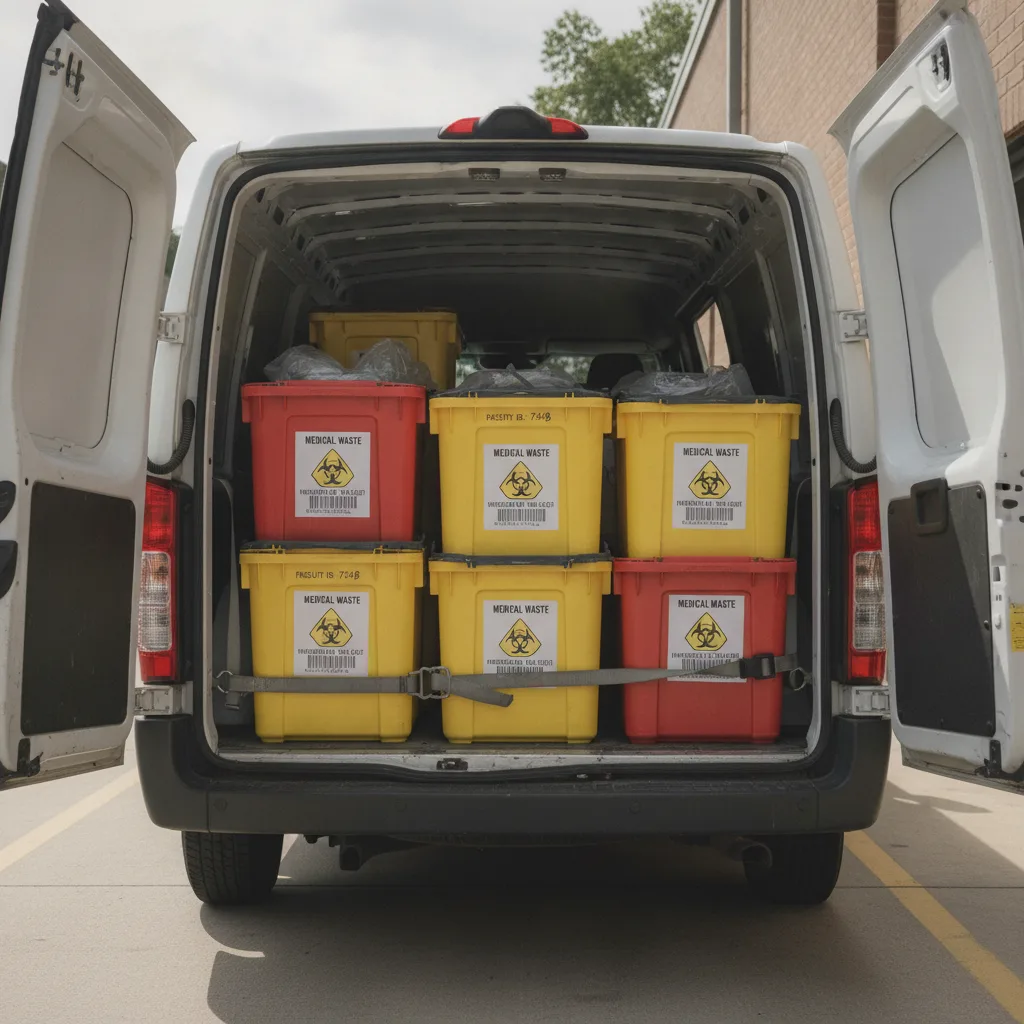
We package, transport, and dispose of biohazardous and sharps waste properly. It never goes in household trash or the city landfill.
Every scene is different, but in West Texas the same situations come up again and again. Knowing why they happen here and what to watch for helps families, landlords, and employers act quickly. Most of all, it helps them avoid trying to clean dangerous material themselves.
This is a death that goes undiscovered for days or weeks. As the body breaks down, it releases fluids, gases, and pathogens. Those soak into flooring, subfloor, walls, and air systems and produce an odor that ordinary cleaning can't remove.
An overdose death often leaves bodily fluids plus drug residue and paraphernalia, sometimes needles. Fentanyl and similar drugs can make residue hazardous, so the scene needs protective equipment and careful removal of contaminated items.
Violent events can spread blood and tissue far beyond what you can see, onto ceilings, into outlets, under baseboards, and through carpet into the pad and subfloor. Each of these can carry bloodborne pathogens like hepatitis B and C and HIV.
Crashes, suicides, and unattended deaths in vehicles leave blood and fluids in upholstery, carpet, and seat foam. In summer, a closed vehicle heats up far beyond the outside air, so contamination breaks down quickly.
Heavy accumulation of belongings, trash, spoiled food, animal waste, or human waste makes a home unsafe. It can bring pests, mold, structural damage, and code violations, and the people living there are often struggling.
Built-up rodent droppings and urine, or heavy pigeon and bird waste, can carry disease. In dry rural buildings, rodent droppings carry a risk of hantavirus, which spreads when contaminated dust gets into the air.
This is odor that stays after the visible cleanup is done. It sits in ductwork, cooler pads, drywall, and porous materials and makes the property feel unlivable even when the surfaces look clean.
From your first call to the final walkthrough, we keep things simple and handle the hard parts for you, including insurance paperwork and coordinating with law enforcement.
Immediately, any hour
Same day in Midland, with rapid dispatch to Odessa, Big Spring, and Stanton
Usually within 24–48 hours, while work begins
Hours for small scenes, several days for severe decomposition or hoarding
When the work is done
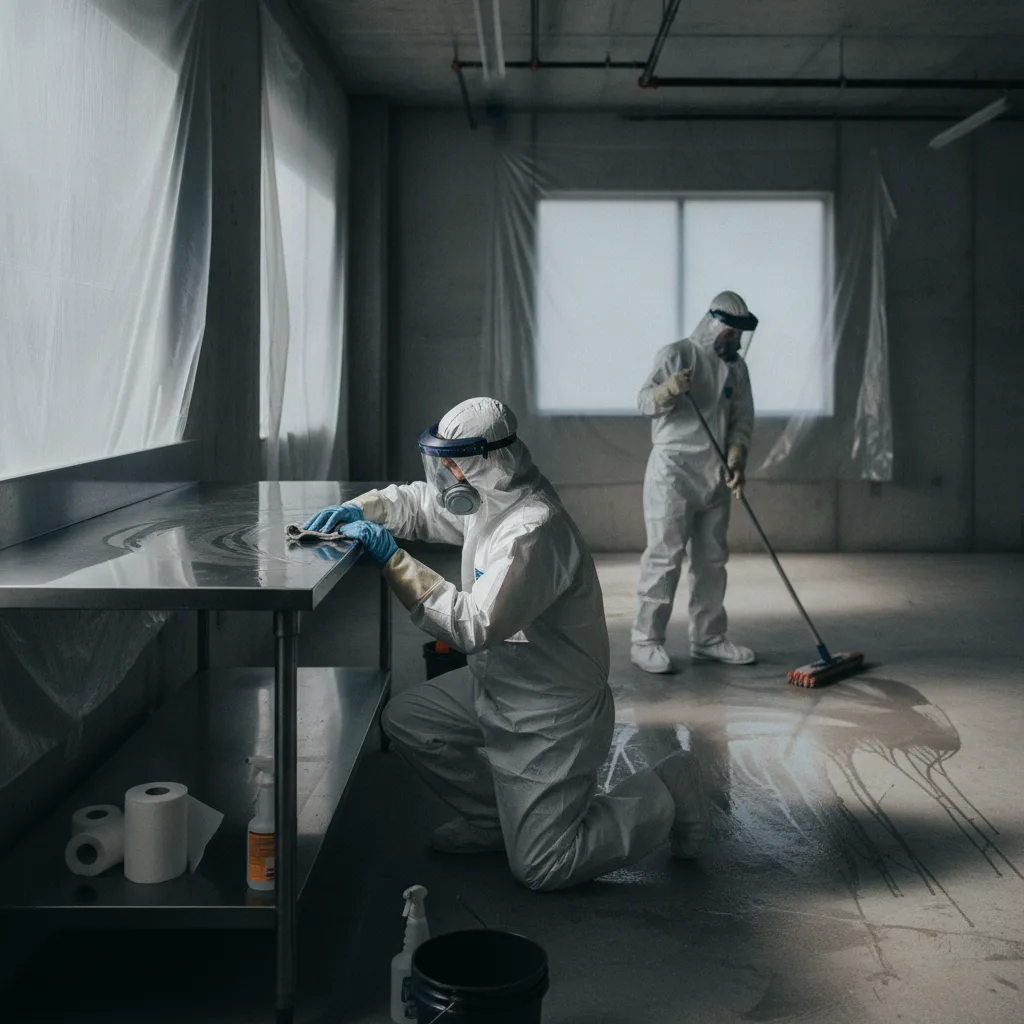
Money is the last thing you should be worrying about right now. Many homeowner's, auto, and commercial policies cover biohazard remediation, and we work directly with your carrier, sending the photos, scope, and documentation adjusters ask for. For crime victims and their families, we help with the Texas Attorney General's Crime Victims' Compensation Program, which can pay for crime scene cleanup within its limits. Our goal is for you to pay nothing out of pocket whenever coverage allows, and we'll tell you up front what's covered before any major work begins.
Death and trauma don't keep business hours, and in a Midland summer, waiting until Monday can turn a manageable scene into a structural one. We answer around the clock, every day of the year, including holidays. When you call at 2 a.m. after a scene is released, you'll reach someone who can explain the next steps and dispatch a team. Responding fast limits how far fluids travel, keeps odor from soaking into drywall and ductwork, and often keeps the total claim, and the disruption to your life, much smaller.
West Texas communities are close, and privacy matters. That's why we arrive in unmarked vehicles and work as quietly as we can. Neighbors in Polo Park, Gardendale, or a small town like Stanton don't need to know what happened inside your home. We don't post photos and we don't discuss jobs. We also keep our setup low-profile, which helps in newer north and west Midland subdivisions where HOA rules limit how long work vehicles and dumpsters can stay.
Much of our Midland work happens in the kinds of properties the shale boom created: extended-stay hotels, apartment complexes, RV parks, man camps, and manufactured homes on rural acreage. These properties need a different approach. Their thin particleboard and OSB subfloors absorb fluids fast and usually have to be removed. Hotel and apartment operators need quick, quiet turnover so units don't sit empty. We understand how these properties are built and what owners need, and we plan the job around both.
Texas doesn't license crime scene cleanup specifically, so it's on you to ask how a company actually works. Our technicians follow OSHA's Bloodborne Pathogens Standard, respiratory protection, and hazard communication requirements. Contaminated materials are packaged and disposed of under Texas TCEQ and DSHS medical waste rules, never dumped in household trash or the landfill. We're insured, so property owners, landlords, and employers are protected while we're on site.
Many of the families we help live in another state. Their loved one may have been an oilfield worker who moved here alone or an aging parent who stayed in the family home. We coordinate everything remotely: we send photos, recover keepsakes and important documents, and do the final walkthrough by video. We treat every scene as someone's home and every person as someone's family, with the patience and respect this community expects.
Our service area stretches 60+ miles, from Odessa in the west to Stanton and Big Spring in the east, plus ranch and oil-lease properties in between. We plan for the drive so distance doesn't slow down our response. That includes I-20 crash vehicles, rural metal outbuildings, and residential or institutional work in Big Spring. Wherever the call comes from, you get the same team and the same standards.
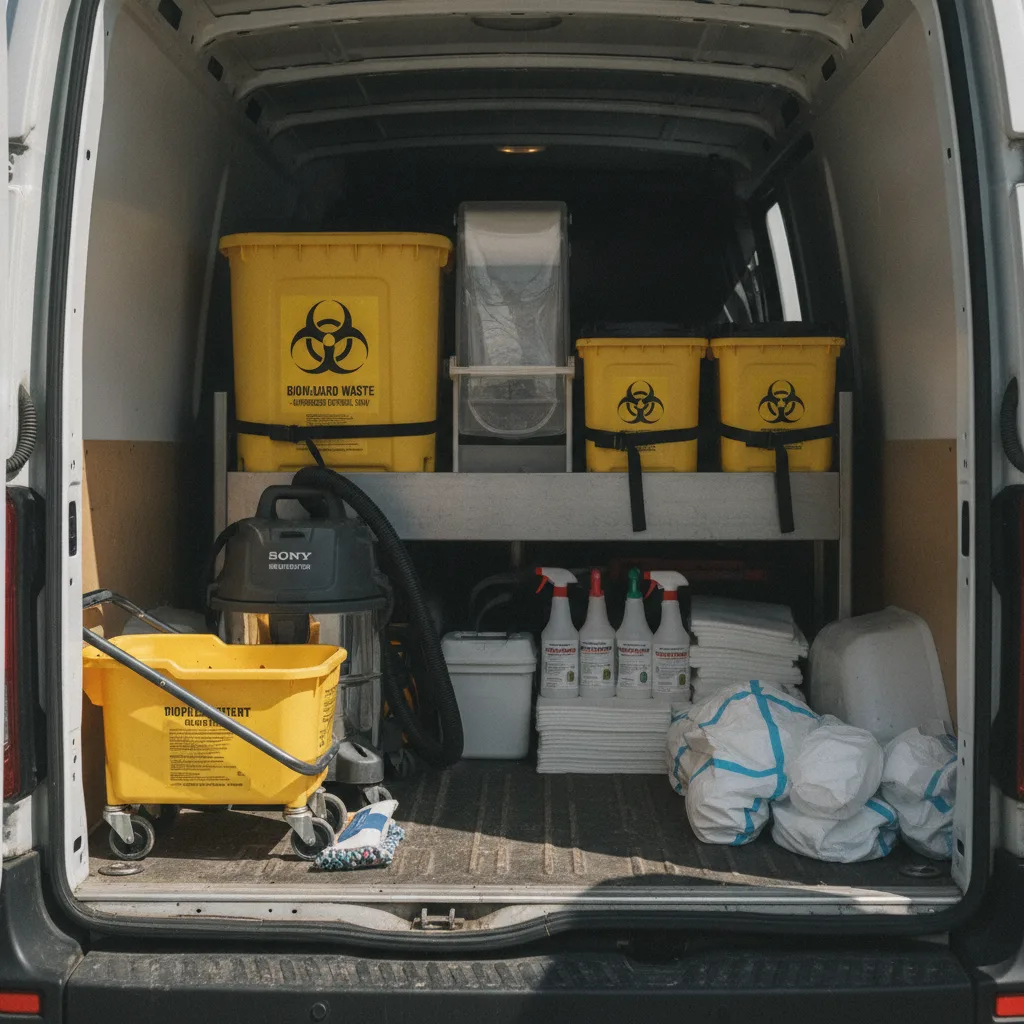
Most families we help pay $0 out of pocket. Homeowner's, auto, and commercial policies often cover biohazard remediation, and the Texas Crime Victims' Compensation Program can pay for qualifying crime scene cleanup. Below is what drives the total claim, which we bill directly whenever coverage applies.
Coverage matters most because it decides whether you'll owe anything at all. Many homeowner's policies treat biohazard remediation after a death or crime as a covered loss. Auto policies often cover vehicle interiors, and commercial policies cover rental and hotel units. For crime victims, the Texas Attorney General's program can pay cleanup costs within its limits. We check coverage early, deal with the adjuster for you, and explain everything before work starts.
How long the scene went undiscovered, and how hot it was, has a huge effect on the scope. In a 100°F Midland July, fluids can move from carpet to pad to subfloor to slab or crawlspace within days. A scene caught early may need only surface cleaning and some flooring removal. One left for a week or more in summer may need subfloor, drywall, and HVAC work. That's why calling quickly helps keep the claim smaller.
How the property was built changes the job. Manufactured homes and RVs have thin particleboard or OSB subfloors that usually have to be removed. Pier-and-beam homes near Downtown Midland may need crawlspace soil treatment. Brick ranch homes built before 1980 may need asbestos testing before flooring or popcorn ceilings come out, and that adds steps. Slab homes may need crack sealing and encapsulation.
The size of the contaminated area matters, but so does how far the odor has traveled. In homes with swamp coolers or central HVAC, odor can spread into every room, so ducts and the cooler need treatment along with the room where it happened. Hoarding conditions, dust, or rodent activity add labor, too.
Rural ranch and lease properties far from town and large volumes of contaminated material both add to the scope. Texas rules require medical waste to go through registered transporters to permitted facilities, so disposal is billed by volume. Like the rest of the job, these costs are included in the documentation we send your insurer.
When we can confirm coverage, we bill your insurer or the compensation program directly, and you won't be asked to pay up front. If something isn't covered, we'll explain it clearly and in writing before any work starts.
Often, yes. Many families pay $0 out of pocket. A lot of homeowner's policies cover biohazard remediation after a death, crime, or trauma as a property loss. Auto policies frequently cover vehicle interiors, and landlords and hotel operators can often file under commercial policies. If the scene is the result of a crime, the Texas Attorney General's Crime Victims' Compensation Program may pay qualifying victims or families for cleanup within its limits. We bill insurers directly, provide all the photos and scope documentation adjusters need, and help with compensation applications. We'll explain your coverage before major work starts, so there are no surprises.
We answer 24/7 and usually reach Midland properties the same day, with rapid dispatch to Odessa, Big Spring, Stanton, and rural sites. How long the job takes depends on the scene. A small blood cleanup may take a few hours. An unattended death in an apartment often takes one to two days. Severe decomposition in a manufactured home or RV, where subfloor has to be removed, or a large hoarding cleanout can take several days. Because summer heat makes scenes worse quickly, the sooner we start, the shorter and simpler the job usually is.
Cleanup can start once law enforcement or the Justice of the Peace releases the scene. Midland, Ector, Howard, and Martin counties generally use JP inquests rather than a medical examiner, so a JP often rules on unattended deaths. Depending on location, the investigating agency may be Midland PD, the Midland County Sheriff, Odessa PD, the Ector County Sheriff, Big Spring PD, the Howard County Sheriff, or the Martin County Sheriff. You can call us before the release. We'll start insurance paperwork right away and coordinate timing so we arrive as soon as you're allowed back in.
Texas doesn't issue a license specifically for crime scene cleanup, which makes it even more important to ask how a company works. Federal OSHA rules still apply, including the Bloodborne Pathogens Standard (29 CFR 1910.1030), respiratory protection, and hazard communication. Under TCEQ and DSHS rules, medical waste has to be hauled by registered transporters to permitted facilities. It can't go in household trash or the city landfill. Older homes may also fall under DSHS asbestos rules. Our technicians follow OSHA and Texas disposal protocols, and we're insured.
We strongly advise against it. Blood and bodily fluids can carry hepatitis B and C and HIV, and drug residue from overdoses can be dangerous. Fluids usually go much deeper than you can see, into carpet pad, subfloor, slab cracks, and crawlspaces, so surface cleaning leaves contamination and odor behind. Bagging the material and putting it in household trash also breaks Texas disposal rules. Since insurance or victim compensation often covers professional cleanup, doing it yourself usually doesn't save money. It just puts your health and the property at risk.
Yes, and we do it often. Many families we serve live outside Texas, especially when the person who died was an oilfield worker living alone in Midland or Odessa. We handle intake by phone and email, work with the property manager or JP office for access, coordinate with your insurer, and send photos throughout. We set aside personal items, photos, and important documents and can ship them to you. The final walkthrough can happen by video, so you don't have to travel to West Texas during an already painful time.
Regular contact is the best protection. Older relatives living alone in Midland's mid-century neighborhoods or on rural property should have a daily check-in routine, especially during heat waves, when the risk goes up. Landlords and extended-stay operators can watch for warning signs like uncollected packages, vehicles that haven't moved, flies at windows, or a strange odor, and request a wellness check from local police when something seems off. Homes that still use swamp coolers should be checked on regularly. Being found quickly is better for the family and also greatly reduces damage to the property.
Call right away if there's any blood or bodily fluid, a death that went unnoticed, an overdose, a decomposition odor, or a large amount of rodent droppings in a closed building. In Midland's summer heat, a scene left for even a few more days can spread from carpet into subfloor and ductwork, which makes the cleanup bigger. Also call if code enforcement has sent a notice about a hoarding or unsanitary property. We answer 24/7, the first call commits you to nothing, and we'll tell you honestly what the situation needs.
We come to you anywhere in Midland and the surrounding area, in unmarked vehicles, any hour of the day.
You don't have to face this alone or carry the cost. Call any hour and we'll take it from here, quietly and respectfully, often at $0 out of pocket.
Call (432) 322-3452 Now