Discreet, certified crime scene and biohazard cleanup in Baltimore — unmarked vehicles, compassionate technicians, and in most cases $0 out of pocket since we bill your insurance directly.
Baltimore's climate, its century-old rowhouses, and its layered regulations all make biohazard cleanup harder here than in most cities. A scene that a mop might seem to handle in a newer home can spread into joists, party walls, and a neighbor's ceiling here. Here's why.
Baltimore is humid subtropical. Summer highs reach the upper 80s and 90s °F, and dew points often sit in the upper 60s to 70s. That heat speeds up decomposition. In a closed-up rowhouse without air conditioning, fluids soak deeper into the subfloor and flies arrive within hours. Winter brings its own problem. People shut themselves in with space heaters, so an unattended death can go unnoticed longer, and heat left running makes the damage worse. The city gets 42–45 inches of rain a year, and many basements already deal with rising damp, so wet biohazard spills can turn into mold quickly. Heavy thunderstorms can also flood Fells Point, Canton, the Dundalk shoreline, and the Jones Falls corridor. When that happens, the aging sewer system can push Category 3 black water into basements.
A large share of Baltimore's housing was built before 1940. That includes Federal and Italianate rowhouses in Federal Hill and Mount Vernon, daylight rowhouses in Hampden and Charles Village, and narrow workers' rowhouses across East and West Baltimore. Many have old-growth floorboards laid over joists with little or no subfloor, so blood runs through the seams into framing and the ceiling below. Plaster on lath and soft brick with lime mortar are porous and often have to be removed rather than cleaned. Shared party walls and roof spaces let odor and contamination reach the neighbors. Pre-1978 homes very often contain lead paint, and some have asbestos in pipe insulation or floor tile. Both change how any demolition has to be done.
Maryland doesn't issue a separate crime scene cleanup license, but the work is still regulated. MOSH enforces the federal Bloodborne Pathogens Standard (29 CFR 1910.1030). Regulated medical waste must be packaged, hauled by a licensed carrier, and manifest-tracked under MDE's COMAR 26.13.11–.13. Disturbing paint in pre-1978 housing triggers the EPA RRP Rule and Maryland lead law, and asbestos requires MDE-licensed abatement. Rebuilding after removing joists may need a permit from Baltimore City DHCD, Baltimore County PAI, or Anne Arundel County. Window or door replacement in CHAP historic districts like Fells Point or Bolton Hill may need review.
Baltimore City has roughly 565,000–585,000 residents and a homeownership rate of about half, so many calls come from small landlords who need units habitable and licensed again. Fentanyl overdose deaths here are among the highest per capita in the U.S., and many are found days later. Thousands of vacant rowhouses hold syringes and squatter waste. Older residents living alone in Dundalk, Essex, Glen Burnie, and Catonsville mean more unattended deaths and hoarding situations. Most of the people who call us are in crisis. They need a team they can trust more than they need a quote.
Every service below is available 24/7 throughout Baltimore and the surrounding counties. For insured property owners, most are billed directly to the insurer. Each job is planned around how Baltimore's rowhouses, apartments, and older homes are actually built, so we clean contamination at its source and don't just clean what's visible.
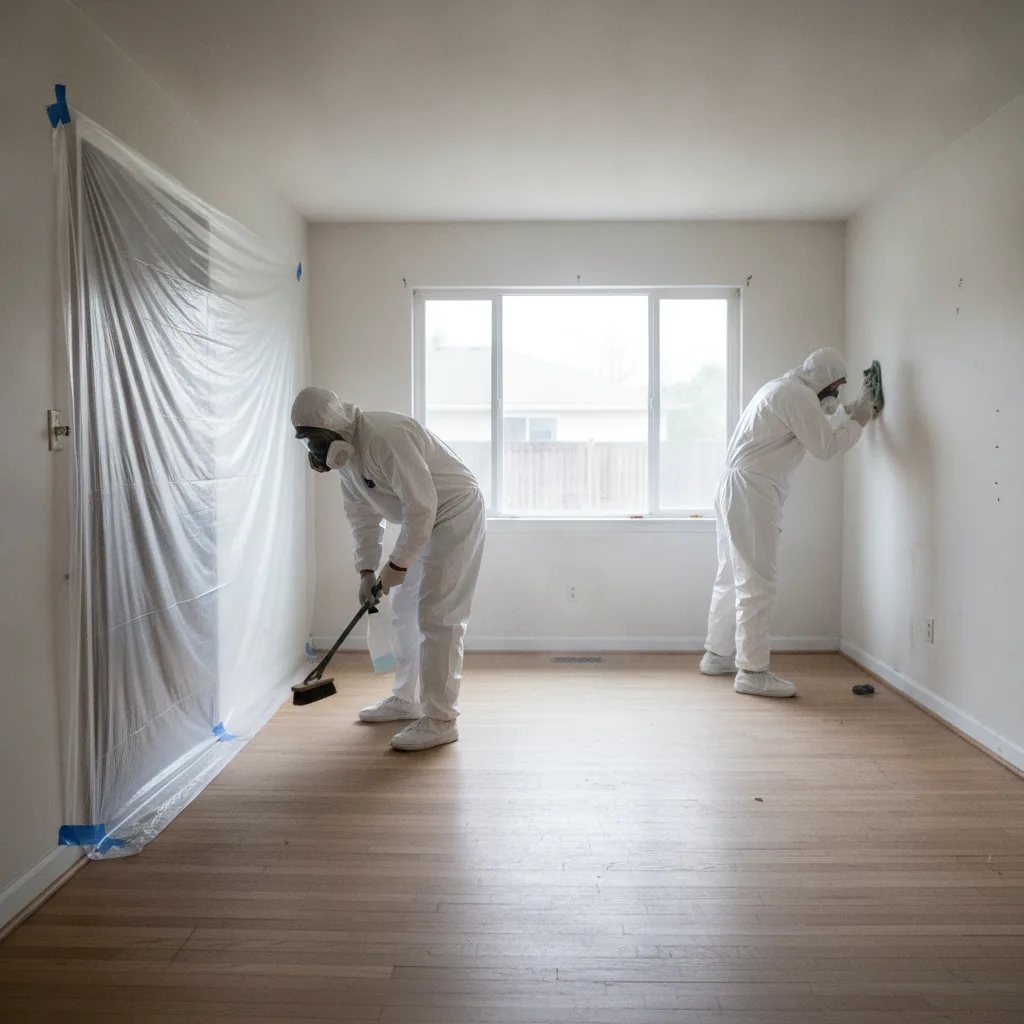
After police release a scene, we restore it completely. That includes blood, tissue, fingerprint powder, tear gas residue, and damaged materials. You won't need to see or touch anything.
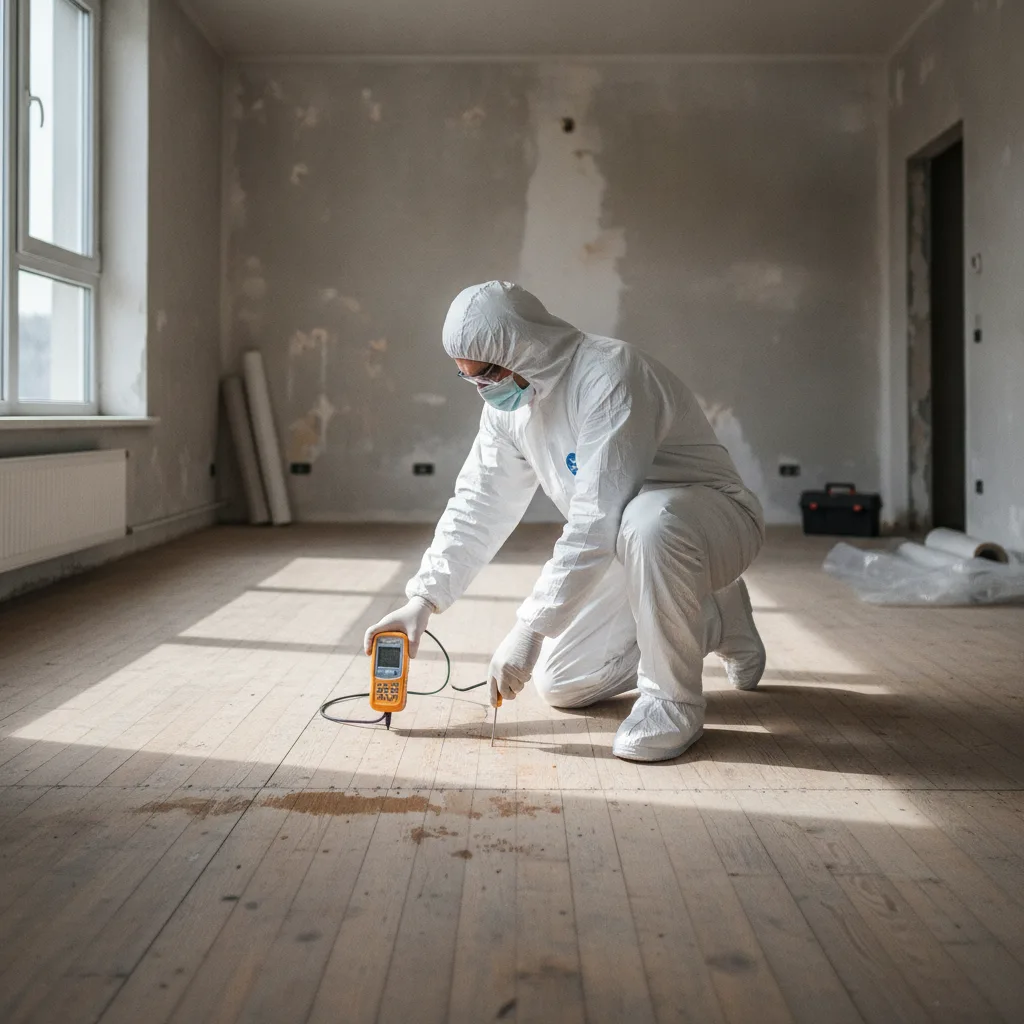
We restore homes after a death that went undiscovered. We work directly with out-of-state relatives and executors so they don't have to travel to the property while it's unsafe.
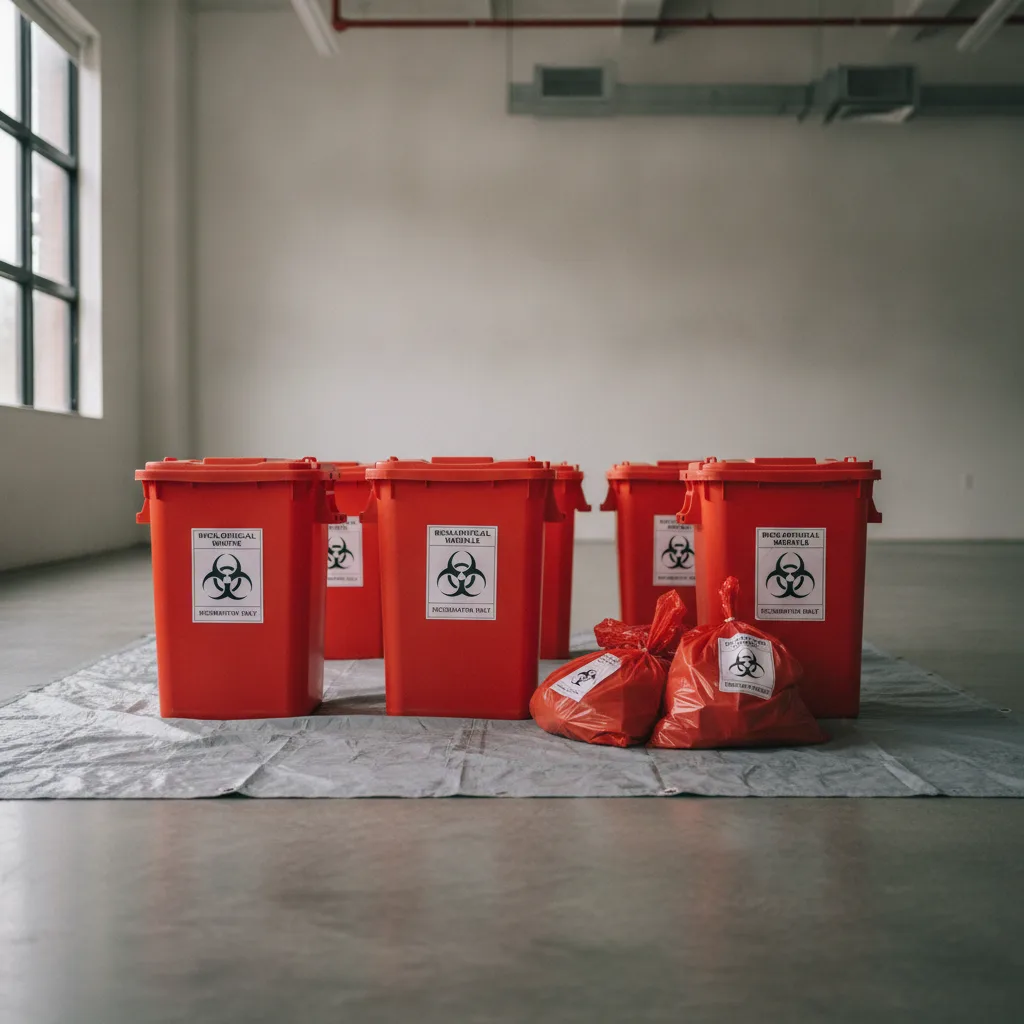
We safely remove blood, bodily fluids, feces, and other potentially infectious materials from homes, businesses, and vacant properties.
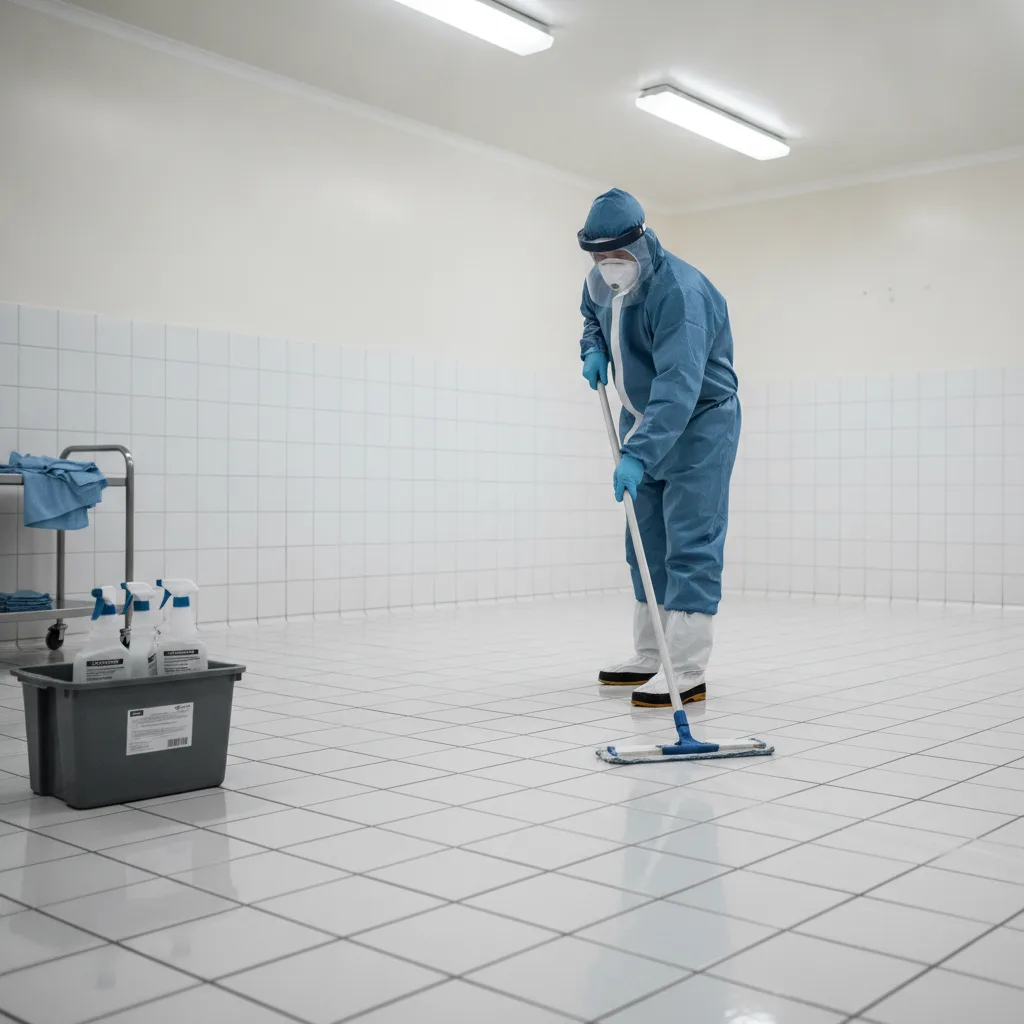
We clean after suicides, accidents, and serious injuries at home, at work, or in vehicles, with careful attention to what the family is going through.
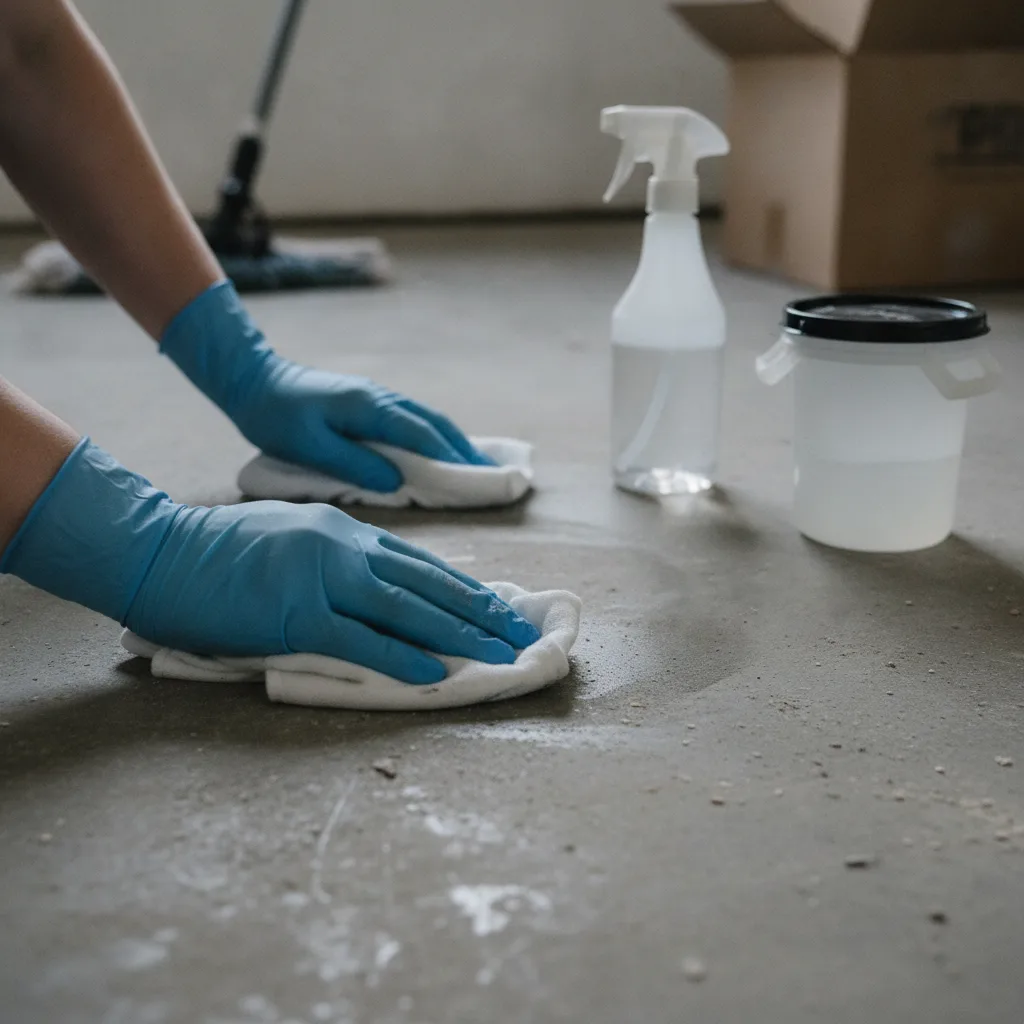
We clean blood spills of any size from carpet, hardwood, upholstery, mattresses, vehicles, and hard surfaces.
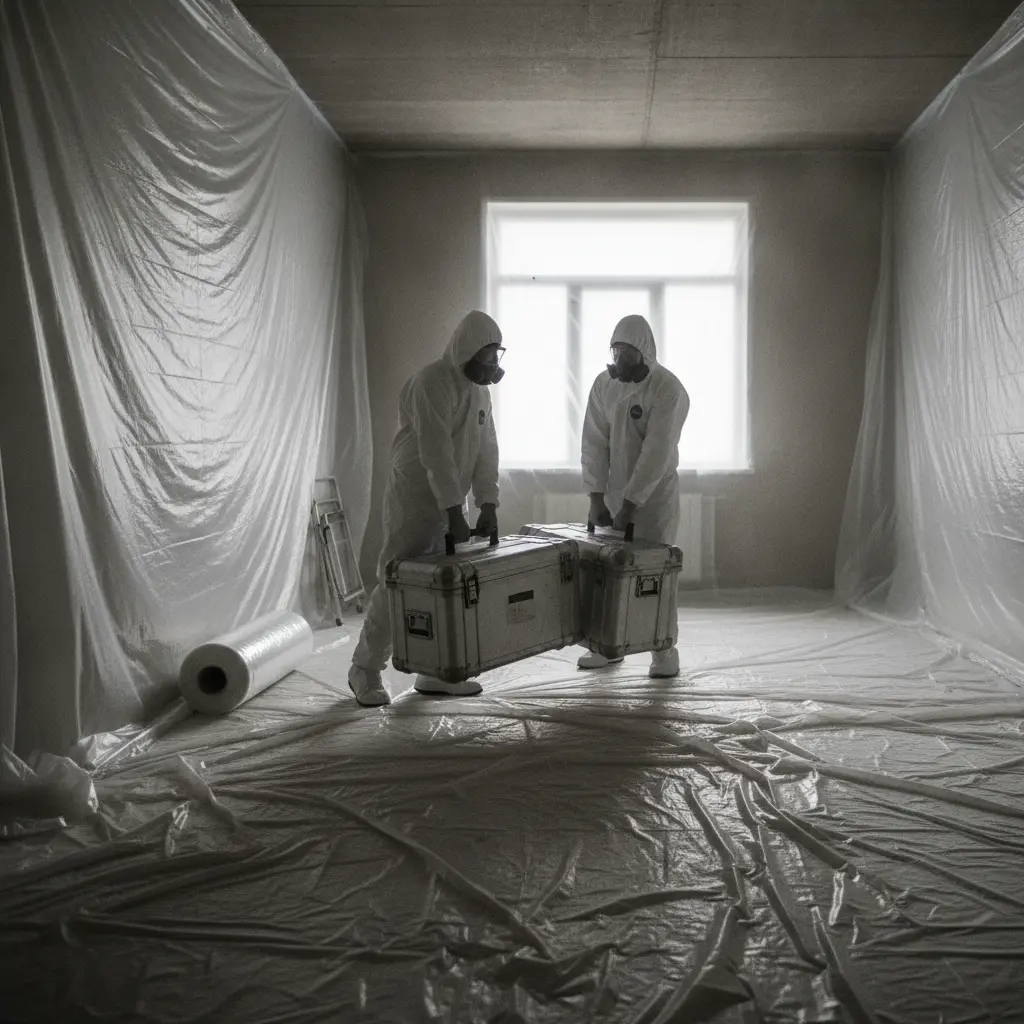
We restore a home after a homicide with discretion and care, and we help families understand insurance and Maryland victim compensation options.
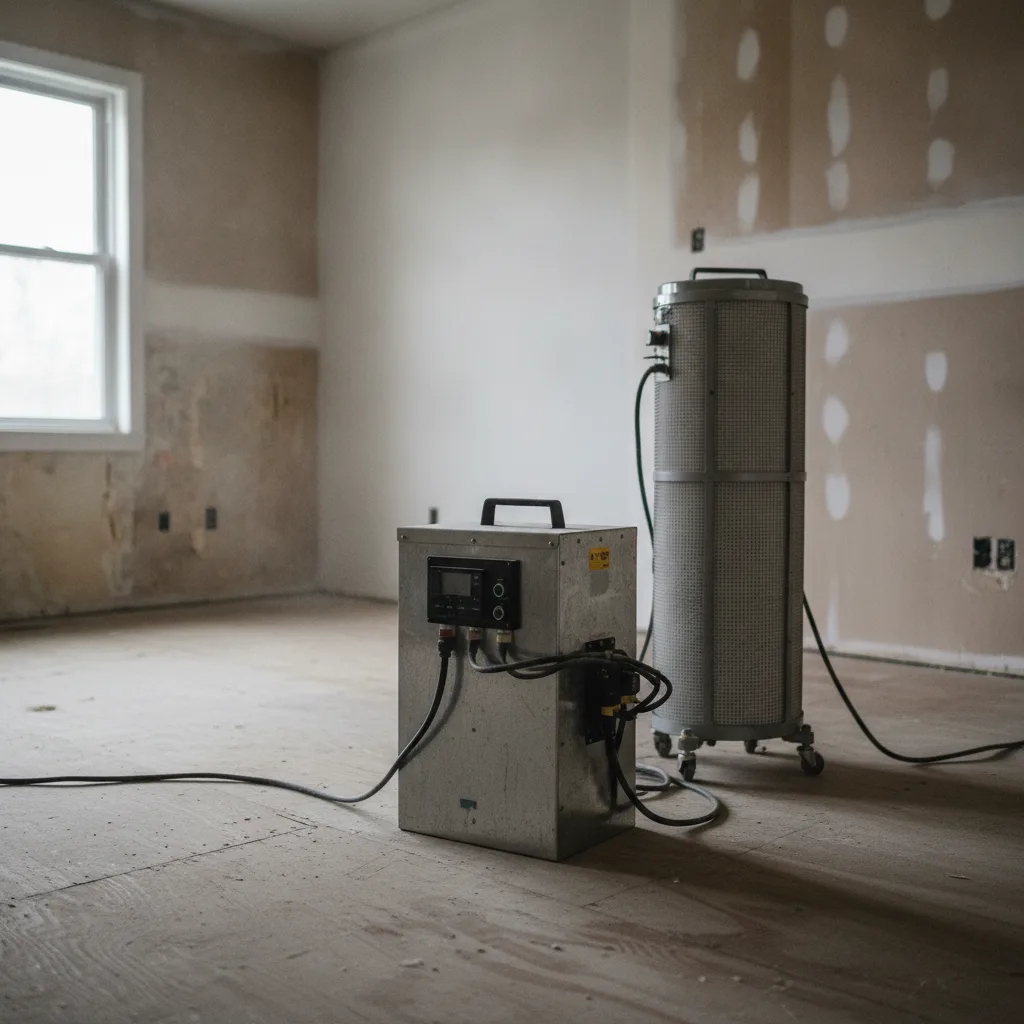
We remove decomposition fluids, insects, and the materials they've contaminated, and we eliminate the odor at its source.
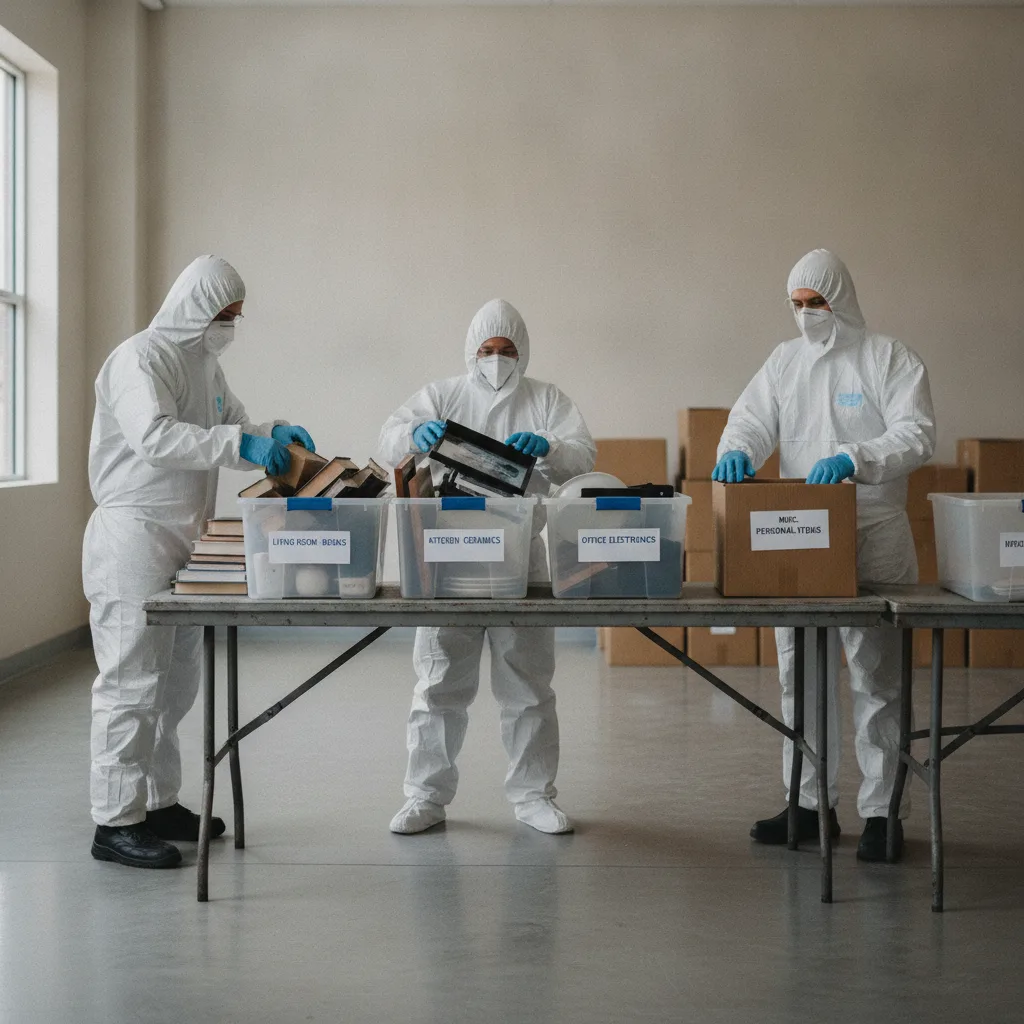
We clear hoarded homes, separate keepsakes and important papers, and remove waste and biohazards with patience and respect.
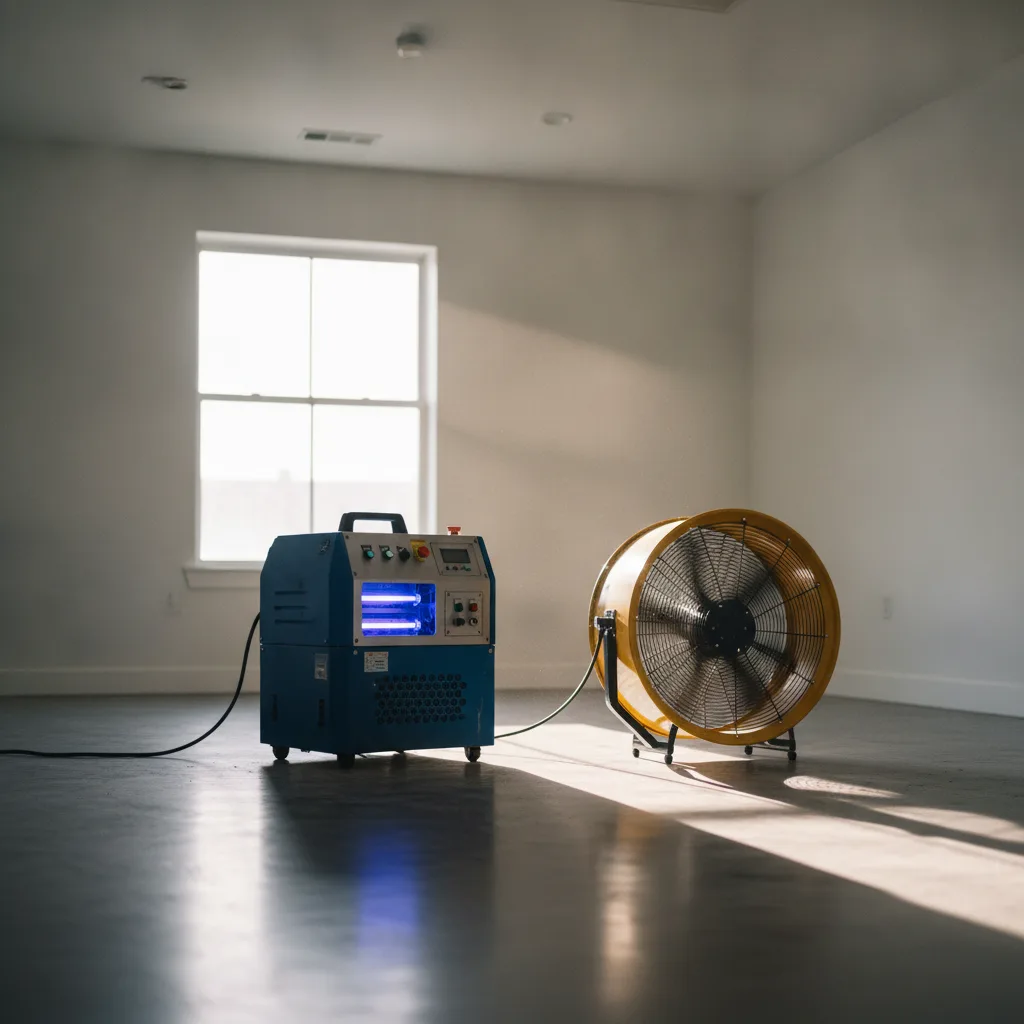
We permanently remove odors from death, decomposition, smoke, urine, and long-term waste rather than covering them up.
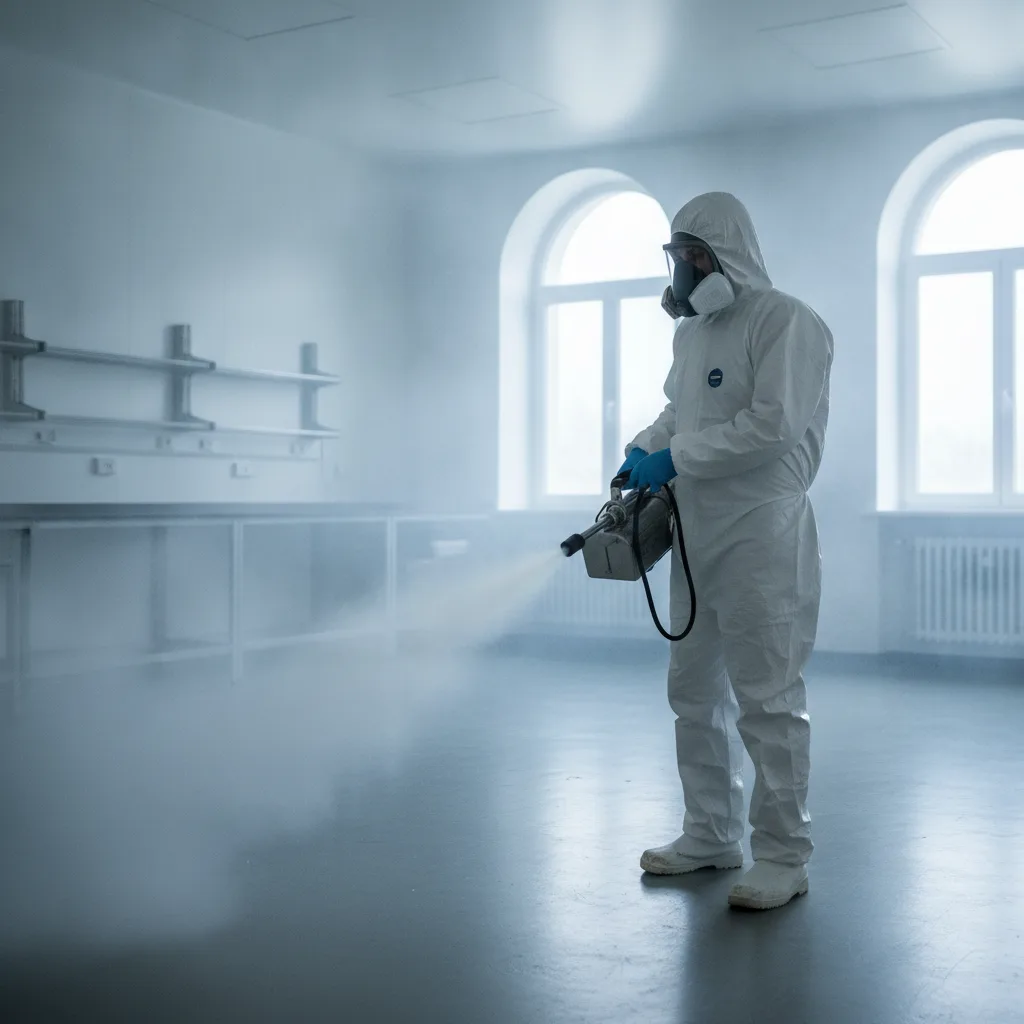
We decontaminate homes, vehicles, and commercial spaces exposed to pathogens, drug residue, sewage, or tear gas.
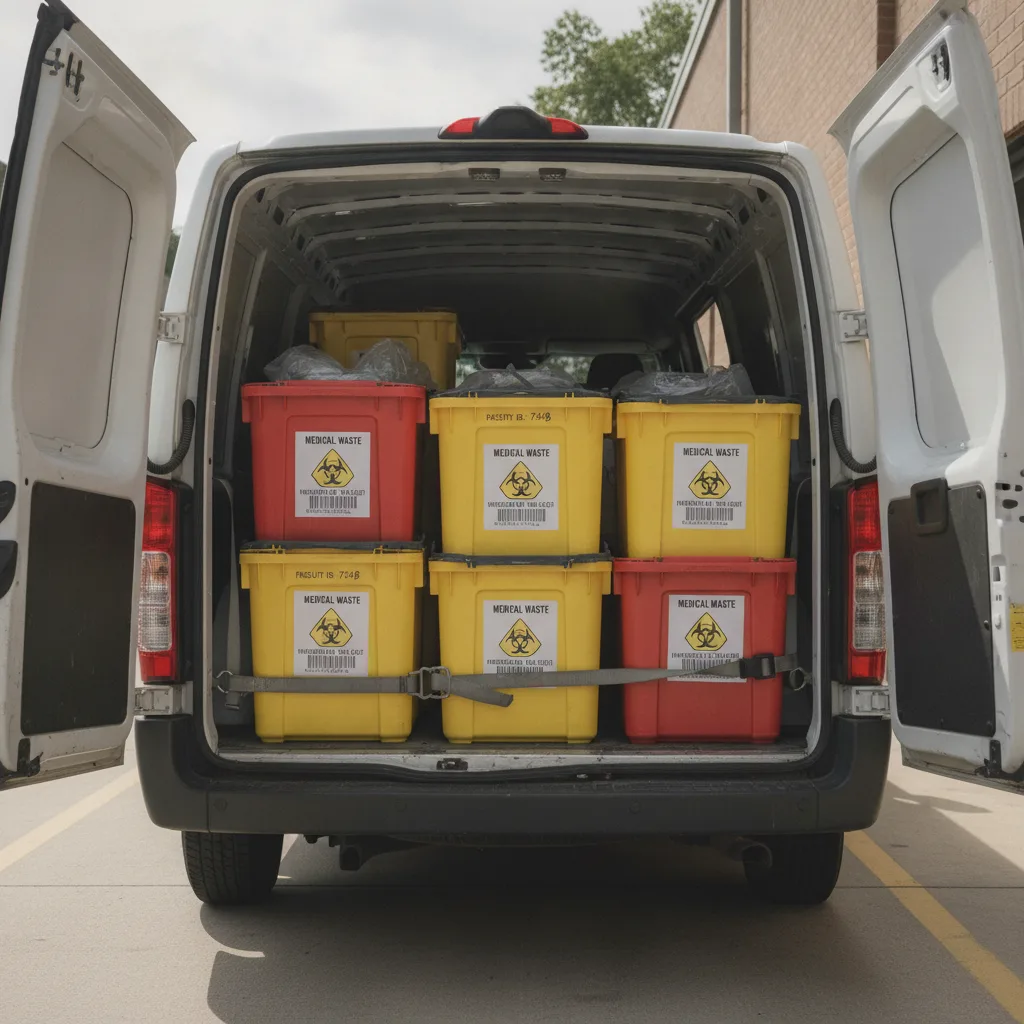
We collect, package, and dispose of sharps and regulated medical waste from homes and vacant properties.
No two scenes are alike, but Baltimore's housing and its public health challenges create clear patterns. Below are the situations we see most often, why they happen here, and the signs that tell you a professional cleanup is needed rather than a DIY attempt.
An unattended death is one that goes undiscovered for days or weeks. As decomposition progresses, fluids leak out and soak into flooring, mattresses, and subfloors. Strong odors, insect activity, and pathogens follow. Surface cleaning won't remove contamination that's soaked into the materials underneath.
Violent crime leaves blood spatter, pooled blood, and tissue that can carry hepatitis B, hepatitis C, and HIV. Fingerprint powder and sometimes tear gas residue add to the mess. Blood travels much farther than it looks, into outlets, trim gaps, carpet pad, and the floor below.
Overdose scenes and former drug houses can hold fentanyl residue, used syringes, and other paraphernalia. Fentanyl can be dangerous in very small amounts. It's a hazard for family members, landlords, and contractors who walk in without protection.
Severe hoarding piles up belongings along with rotting food, human or animal waste, rodent infestations, and sometimes remains. Blocked exits and heavy debris also create fire and structural risks. Cleanup has to be both sanitary and handled with emotional care.
Sewage backing up into a basement is classified as Category 3 black water. It carries bacteria, viruses, and parasites. Porous materials it touches usually can't be saved, and leftover moisture quickly leads to mold.
Odor molecules from decomposition, smoke, or long-term waste soak into plaster, wood, and HVAC ductwork. Air fresheners only cover them up. If the source isn't removed, the odor keeps coming back, especially on hot, humid days.
Blood from a fall, a bad cut, a nosebleed, or a self-injury can still carry bloodborne pathogens. Even small amounts soak into carpet, upholstery, and grout. That leaves hidden risk and staining that household cleaners can't fully take care of.
From your first call to the final walkthrough, we handle the logistics, paperwork, and physical work. You focus on your family. Here's what to expect.
Immediate. Answered 24/7
Typically within hours of your call
Same day, often running alongside the cleanup
Several hours to 3–5 days depending on severity
At job completion
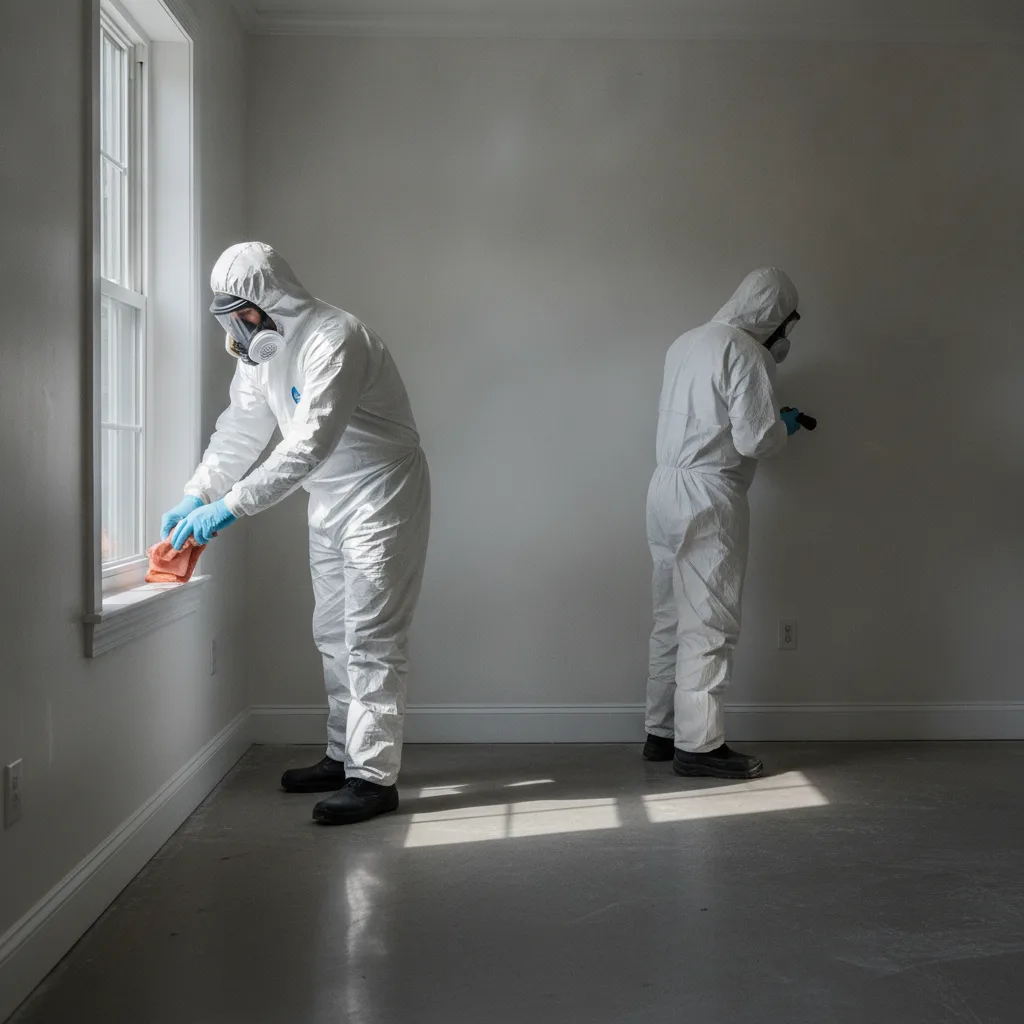
Most homeowners and many landlord policies cover biohazard cleanup, and many of our clients pay $0 out-of-pocket. We bill your insurer directly, talk to the adjuster for you, and send the documentation they need. If you were the victim of a violent crime, we'll explain how Maryland's Criminal Injuries Compensation Board may reimburse eligible cleanup costs. You'll understand your coverage before any work begins, and you won't be surprised by a bill while you're grieving.
Scenes don't wait for business hours, and in Baltimore's summer heat a few hours can change how much material has to come out. We answer around the clock, 365 days a year, and move fast to get a team to you. That matters even more in a rowhouse, where odor and fluids can reach a neighbor through a shared wall. The sooner we start, the less damage and disruption there is for you and the people next door.
We arrive in unmarked vehicles and plain clothes. Nothing on our trucks tells your neighbors what happened. On narrow streets in Highlandtown, Federal Hill, and Canton, we use alley access when we can and load quickly and quietly. In condo buildings and HOA communities we coordinate with management ahead of time. Your family's privacy is part of the job, not an afterthought.
Old-growth floorboards with no subfloor, plaster on lath, lime mortar, and shared party walls all change how contamination moves. We know to check the joists, the ceiling below, and the adjoining unit, because that's where problems hide in Baltimore housing. We also recognize pre-1978 lead paint and possible asbestos before demolition starts, so the cleanup doesn't create a second hazard.
Maryland doesn't issue a specific crime scene cleanup license, which makes standards and insurance even more important. We're fully insured, and our technicians follow the OSHA Bloodborne Pathogens Standard enforced by MOSH, along with Maryland Department of the Environment rules for packaging, hauling, and manifesting regulated medical waste. Insurers, landlords, and building managers get clear documentation of what was removed and where it went.
This isn't a sideline for us. Crime scene, unattended death, decomposition, hoarding, and decontamination work is all we do. We use ATP testing to verify results, not just how a room looks. We handle fentanyl-contaminated scenes with the precautions they require, and we treat odor at its source instead of masking it. The result is a property that's actually safe to live in, rent, or sell.
Many of our calls come from adult children managing a parent's death from out of state. We can handle access, set aside keepsakes, and keep you updated without asking you to come back to a painful scene. For landlords and investors, we know a vacant unit costs money and Baltimore City rental licensing requires habitable conditions. We work to get the property back in service quickly.
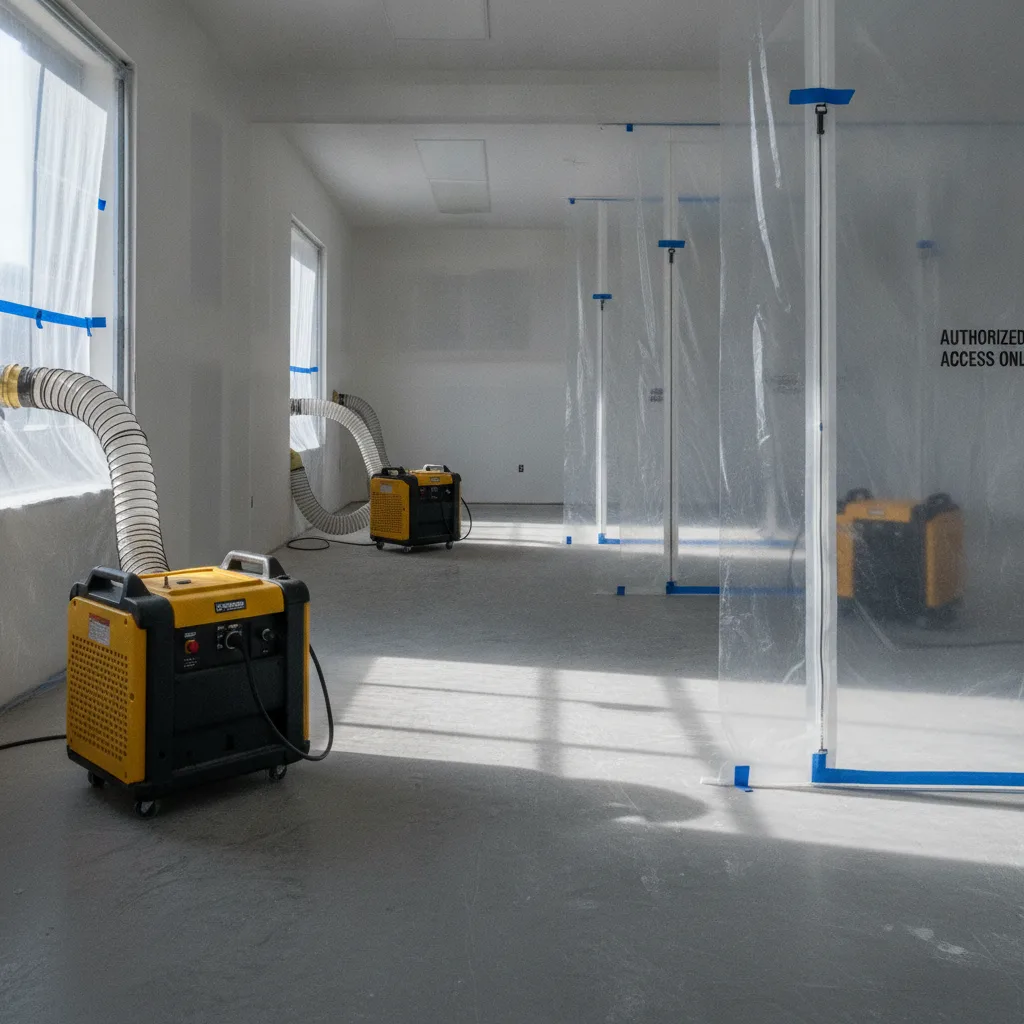
For most insured Baltimore homeowners and landlords, crime scene and biohazard cleanup is billed directly to the insurer, often at $0 out-of-pocket for you. Below are the factors that shape a claim's scope and typical claim values insurers see. These aren't bills to you.
Homeowners and landlord policies often cover biohazard cleanup as part of a covered loss, and many of our clients pay nothing out-of-pocket beyond any deductible their policy requires. We verify coverage, submit the scope of work, and talk with your adjuster directly. For eligible violent-crime victims, Maryland's Criminal Injuries Compensation Board may reimburse some cleanup costs. We'll explain your options before work starts.
A contained blood spill on tile is very different from a scene where fluids have run through Baltimore's gapped heart-pine floorboards into the joists and the ceiling below. How long a scene went unnoticed matters too, especially in humid summers. The more porous material that has to come out, including flooring, plaster, and framing, the larger the scope your insurer will see.
Pre-1940 rowhouses with plaster on lath, lime mortar, and shared party walls often need selective demolition and checks of the neighboring unit. If remediation disturbs lead paint in pre-1978 housing or possible asbestos, RRP practices and MDE-licensed specialists may be required. That adds documented steps to the claim, but it keeps everyone in the building safe.
Unattended deaths and long-term hoarding usually need enzymatic treatment, framing sealants, HVAC cleaning, and hydroxyl or ozone treatment over several days. Party-wall homes may also need treatment next door. These steps are what make the odor go away for good, and they're commonly included in covered claims.
Regulated medical waste has to be properly packaged, transported by a licensed hauler, and manifest-tracked under Maryland rules. Hoarding cleanups and vacant rowhouses with syringes or squatter debris generate larger volumes. We document every container so insurers, landlords, and estates have a clear record.
We bill insurers directly and help with adjuster communication and Criminal Injuries Compensation Board paperwork. If coverage is limited or unclear, we'll go through every option with you before any work begins, so there are no surprises.
In most cases, yes. Many Baltimore homeowners and landlord insurance policies cover biohazard and crime scene cleanup, and many of our clients pay $0 out-of-pocket beyond any applicable deductible. We bill your insurer directly, send the photos and scope of work, and talk with your adjuster for you. Auto policies often cover vehicle trauma cleanup. If you were the victim of a violent crime, Maryland's Criminal Injuries Compensation Board may reimburse eligible cleanup costs, and we can help with the paperwork. We confirm coverage with you before any work begins.
No. That surprises a lot of Baltimore families. Police and the Office of the Chief Medical Examiner investigate, remove the deceased, and release the scene. Cleaning it is then the responsibility of the family or property owner. Please don't try to do it yourself. Blood and bodily fluids can carry hepatitis B, hepatitis C, and HIV, and overdose scenes may hold fentanyl residue. Call us once the scene is released and we'll handle everything from there, including insurance.
We answer 24/7 and dispatch quickly, usually within hours of your call, anywhere from Fells Point to Glen Burnie. How long the job takes depends on the scene. A small blood cleanup may take a few hours. A homicide scene usually takes one to two days. An unattended death in a summer rowhouse, where fluids have reached the joists, can take three to five days including odor treatment. We give you a realistic timeline after our assessment and keep you updated throughout.
Maryland doesn't issue a specific crime scene cleanup license, but the work is regulated. The OSHA Bloodborne Pathogens Standard, enforced by MOSH, governs worker safety. MDE's special medical waste rules (COMAR 26.13) require proper packaging, licensed haulers, and manifest tracking. Lead paint in pre-1978 homes falls under the EPA RRP Rule, and asbestos requires MDE-licensed abatement. Cleanup itself rarely needs a permit, but rebuilding removed joists may need one from Baltimore City DHCD, Baltimore County, or Anne Arundel County. Exterior changes in historic districts like Fells Point may need CHAP review.
Not from us. We arrive in unmarked vehicles, wear plain clothes when we arrive, and load quietly. On tight rowhouse blocks in Federal Hill, Canton, or Highlandtown, we use alley access when we can. In condo buildings and HOA communities in Towson or Glen Burnie, we coordinate with management ahead of time. We do check adjoining rowhouses for odor or seepage through party walls, but we do it tactfully and only when it's needed to fully resolve the problem.
Call right away if there's more than a small amount of blood, any bodily fluid that's soaked into carpet, mattresses, or floors, any death that went undiscovered, a strong odor, insects, needles, possible drug residue, or sewage in a basement. In Baltimore's humid summers, contamination spreads quickly into old floorboards and plaster, so waiting usually means more material has to come out. Also call if you notice odor coming through a shared wall. That often means a hidden problem next door.
Yes, as long as the source is removed. Air fresheners and ozone alone won't do it in a Baltimore rowhouse, because odor soaks into porous plaster, heart-pine floors, and lime mortar, and it comes back on humid days. We remove contaminated materials, treat the framing with enzymes, seal it, clean the HVAC, and use hydroxyl or ozone treatment as needed. Then we check the results before we leave. Landlords can show the unit with confidence, and families can return home without that reminder.
Prevention is mostly about connection. If an older parent lives alone in Dundalk, Essex, Catonsville, or a city rowhouse, set up daily check-ins by phone or text, share a key with a trusted neighbor, and consider a medical alert device. Watch for piling mail, closed blinds, or unanswered calls, especially during summer heat waves and winter cold snaps when people stay shut indoors. Landlords should keep emergency contacts on file for every tenant. If something seems wrong, ask police for a welfare check right away.
We come to you anywhere in Baltimore and the surrounding area, in unmarked vehicles, any hour of the day.
You shouldn't have to clean this yourself or worry about paying for it. Call Integrity Crime Scene Services any hour. We'll verify your coverage and arrive discreetly to restore your home.
Call (443) 293-1739 Now