Discreet, certified crime scene and biohazard cleanup in Tampa — unmarked vehicles, compassionate technicians, and in most cases $0 out of pocket since we bill your insurance directly.
The heat, the storms and the older housing around Tampa Bay all make biohazard cleanup harder. A scene that might stay contained for days in Ohio can reach the subfloor here overnight. Knowing how local conditions affect each job is what lets us plan it properly.
From June through September, Tampa's highs sit around 90–92°F and nights rarely drop below the mid-70s. Relative humidity often stays above 70%. In those conditions, an unattended death in a home without air conditioning, or one that lost power after a storm, can bring heavy odor, fluid migration and flies within 24–48 hours. In cooler climates that same stage can take several days. More than half of the area's 46–50 inches of yearly rain falls during the wet season, and the extra moisture helps bacteria and mold grow after the original event. Hurricane season runs June 1 through November 30. Ian, Idalia, Helene and Milton all brought Category 3 black-water flooding and long outages to Pinellas and Hillsborough, and each one caused a wave of sewage, spoiled-food and unattended-death emergencies.
The houses around Tampa Bay were built in very different eras. Early-1900s wood-frame bungalows in Hyde Park, Tampa Heights and Seminole Heights stand on raised piers with porous heart-pine floors. Ybor City's buildings are cigar-factory-era brick. From the 1950s through the 1970s, builders put up concrete-block ranches on slabs, often with terrazzo now hidden under carpet. That style fills St. Pete, West Tampa and Town 'n' Country. Pinellas has many 1970s–80s condo towers that share walls and ventilation, and mobile home parks across Pinellas and eastern Hillsborough use particleboard subfloors that soak up fluids like a sponge. Brandon, Riverview and Valrico are mostly newer frame or stucco homes with wall-to-wall carpet. In any home built before 1980, we also have to check for asbestos and lead before demolition.
Florida doesn't issue a dedicated crime scene cleanup license. What it does regulate is biomedical waste, under Chapter 64E-16 of the Florida Administrative Code. That rule requires compliant red-bag packaging, a DOH-registered transporter and tracking records. Technicians also fall under OSHA's Bloodborne Pathogens Standard, 29 CFR 1910.1030. Before we can begin, Tampa PD, HCSO, St. Pete PD, PCSO or Clearwater PD has to release the scene. Removing flooring or drywall may need a city or county permit. Historic districts and HOAs such as Westchase and FishHawk add their own rules. Florida's 2023 limits on assignment of benefits also affect how claims get billed, which is why we help families work through the paperwork.
The Tampa–St. Petersburg–Clearwater metro has about 3.3 million people. Pinellas County's median age is in the high 40s, and many retirees there live alone, so unattended deaths and hoarding cases come up more often than in most places. Snowbirds and second-home owners leave properties empty for months at a time. Landlords, property managers near MacDill AFB and hospitality operators around Clearwater Beach and downtown Tampa need scenes handled fast and quietly. Most of the people who call us are grieving family members, and many live out of state. They need us to be discreet, quick and compassionate, and to help with the insurance.
Every service listed here is built around three things: keeping you safe, keeping things discreet, and documenting the work fully for your insurance claim. Most are covered by homeowners, commercial or auto policies. Florida's Crime Victim Compensation program can help with crime-related cleanup, which keeps many families at $0 out-of-pocket. Here's what each service involves and how we adapt it to local homes.
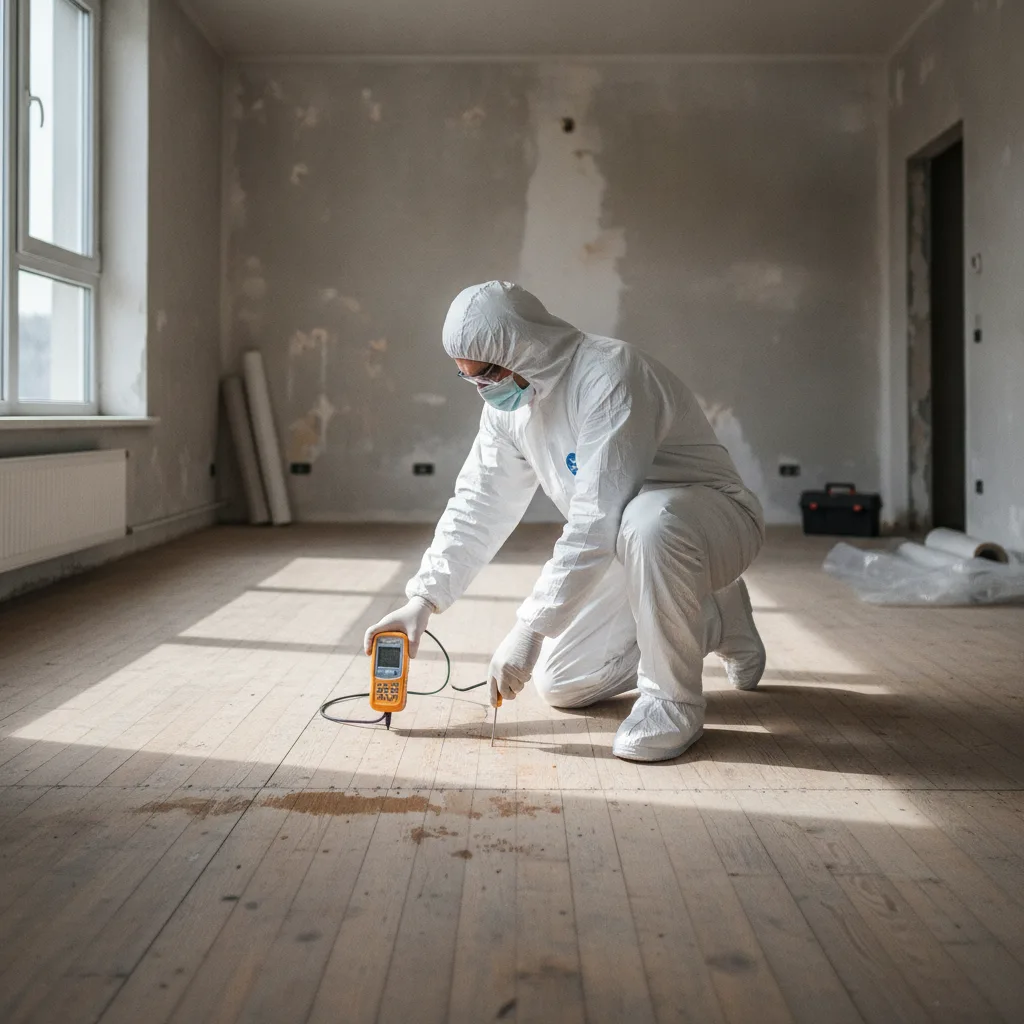
We restore a home after someone passed away alone and wasn't found right away. That means removing contaminated belongings and building materials, disinfecting the structure, and returning the space to a safe, livable condition with no lingering odor.
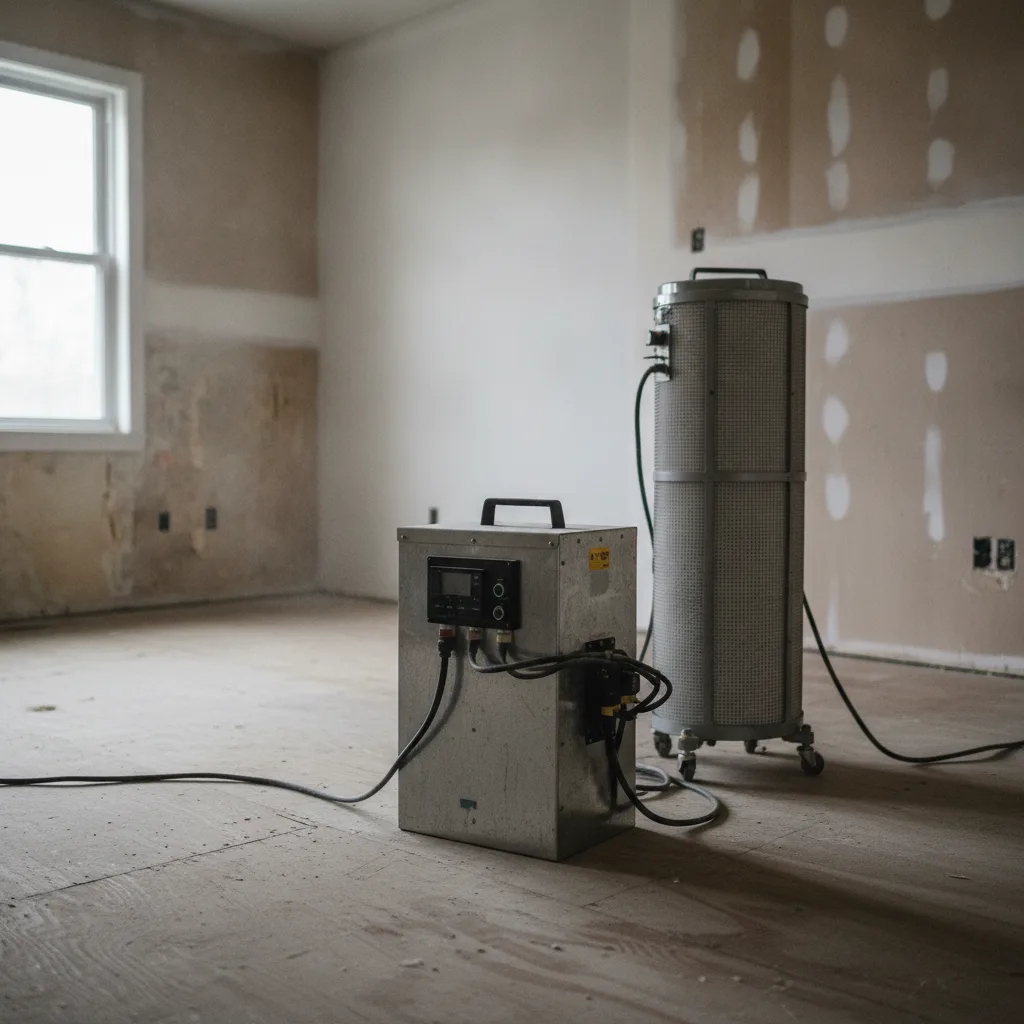
We handle advanced decomposition cases where fluids, insects and odor have reached the subfloor, walls or ventilation. We take care of the full structural remediation, not just what's visible.
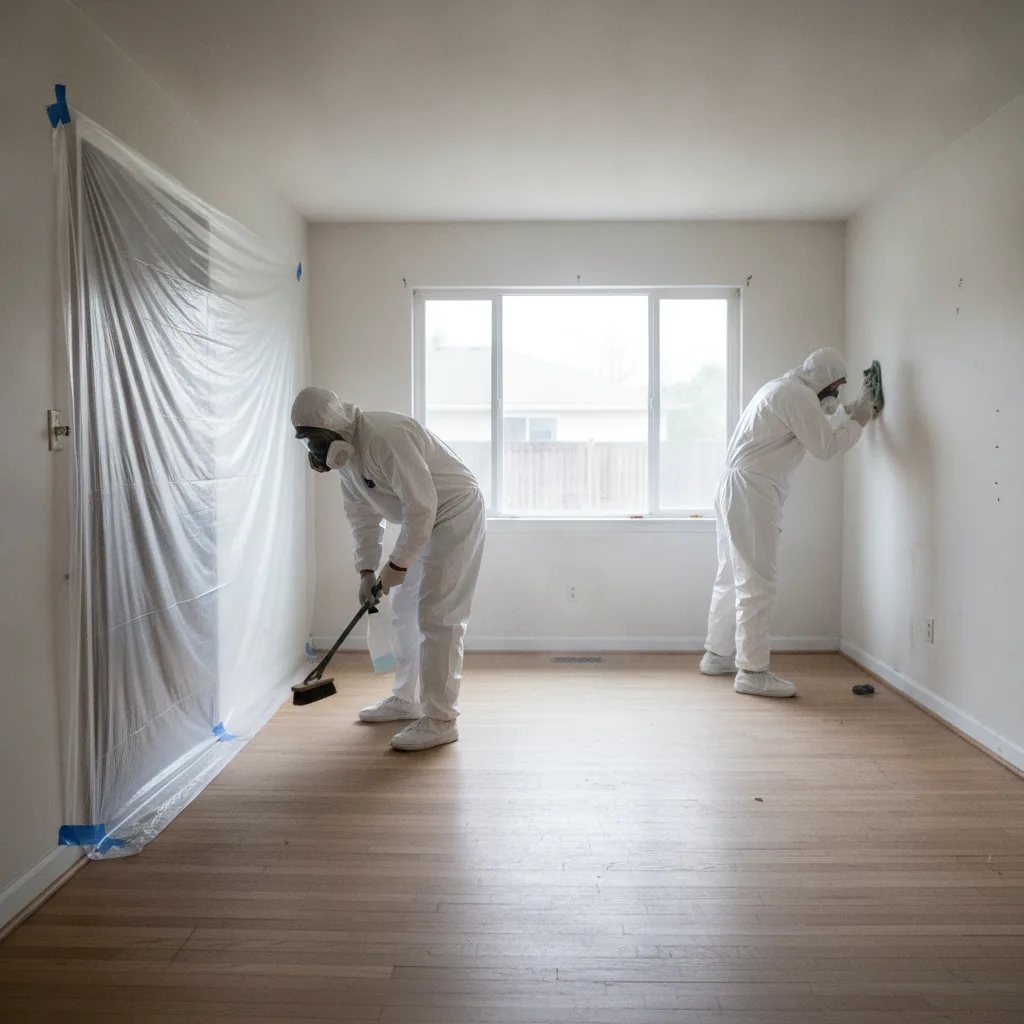
Once law enforcement releases the property, we clean and restore it after a violent crime. Blood, tissue, fingerprint powder and other contaminants are removed so the family doesn't have to see or handle any of it.
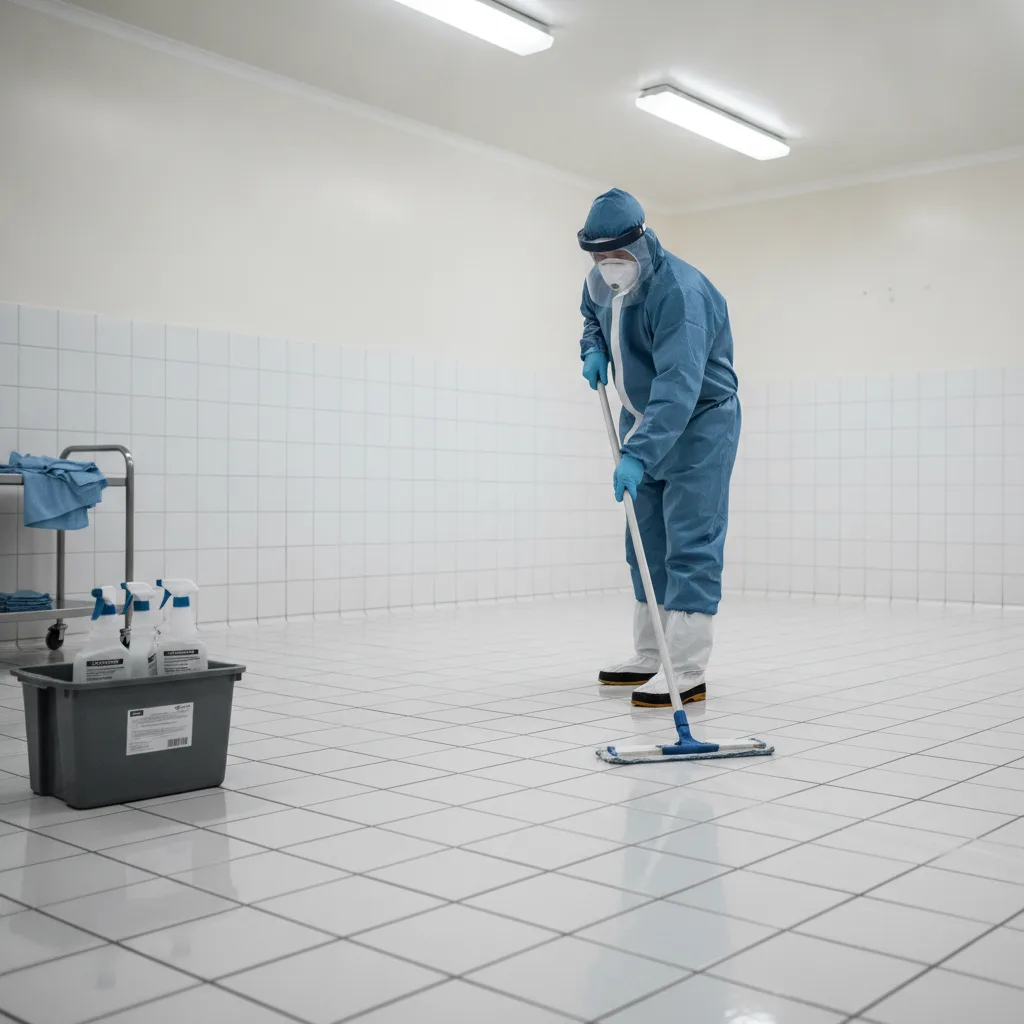
We clean up after suicides, serious accidents and injuries, with compassion and complete discretion, and leave the space safe to use again.
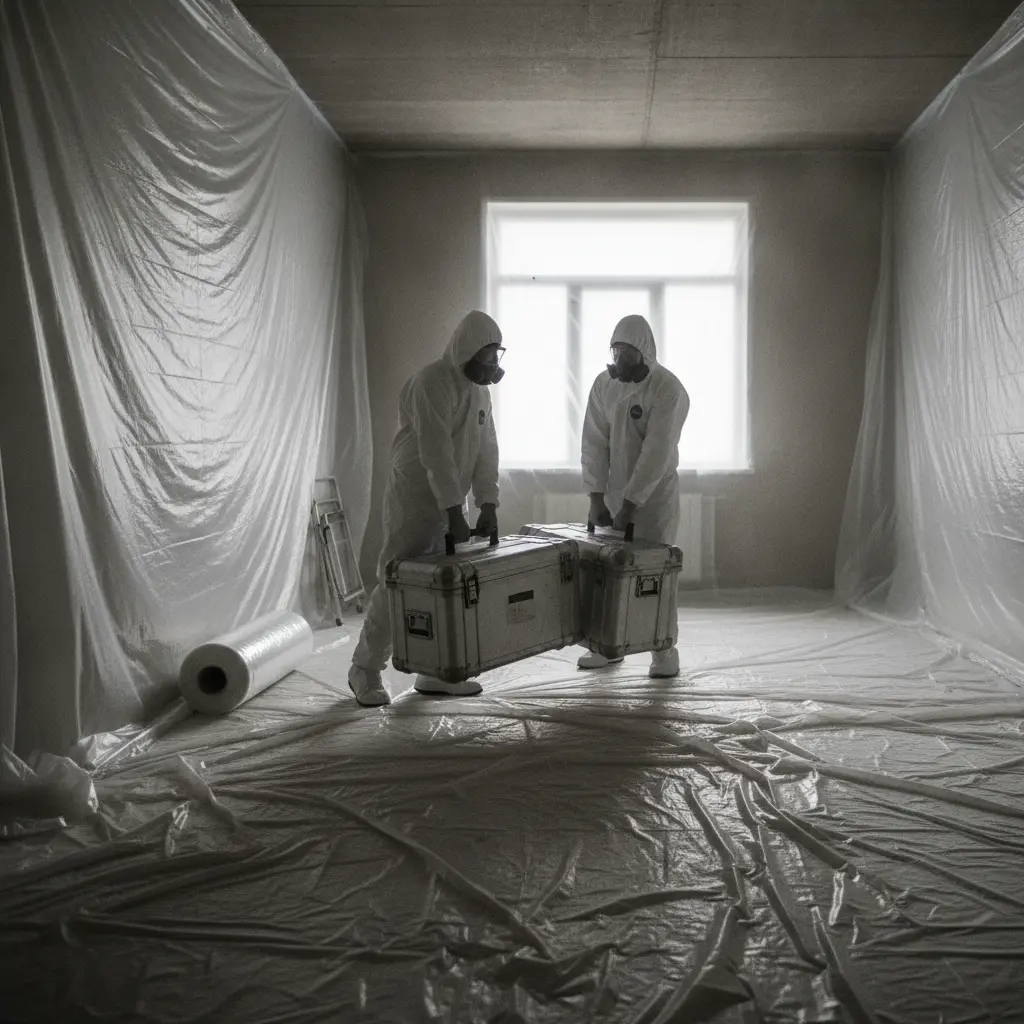
We remediate homicide scenes, which are often extensive, spanning several rooms and including hidden fluid migration.
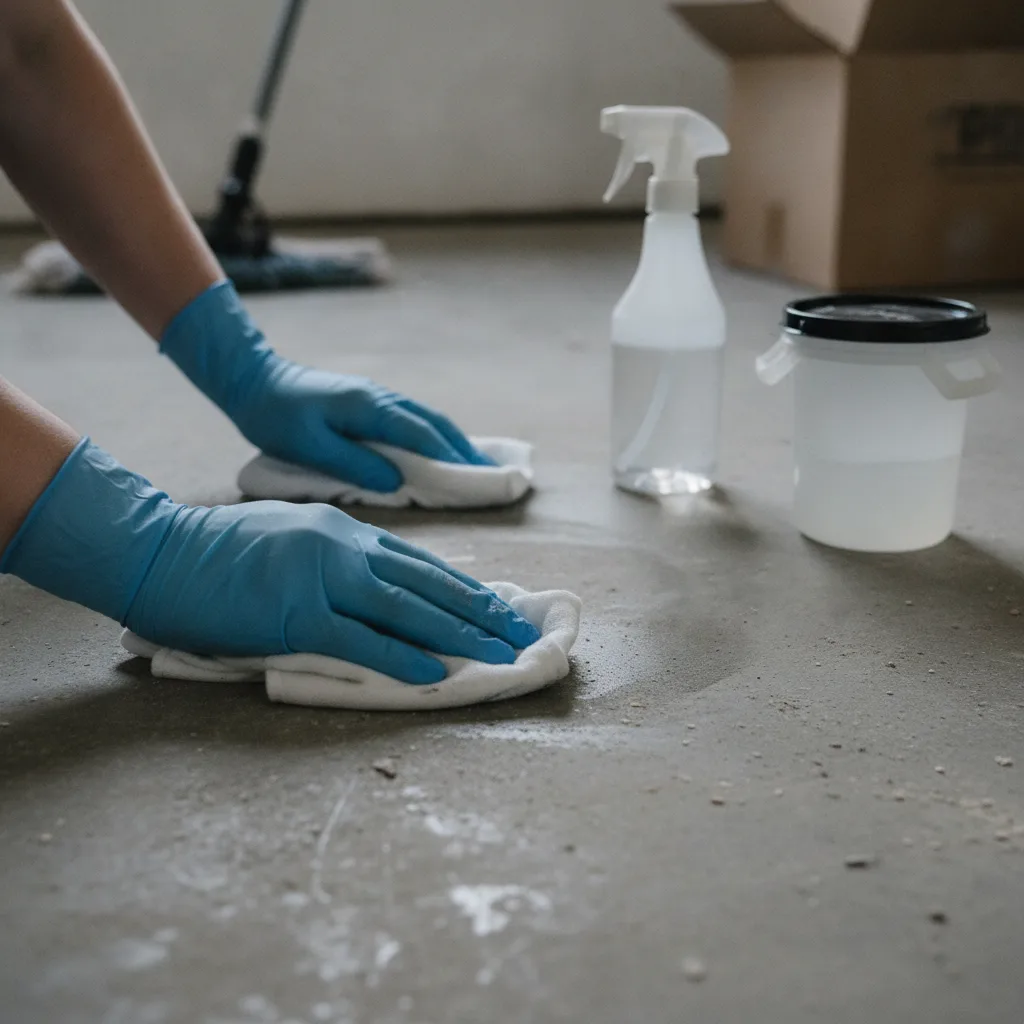
We clean up blood from injuries, medical events or accidents in homes, vehicles and businesses, including blood you can't see.
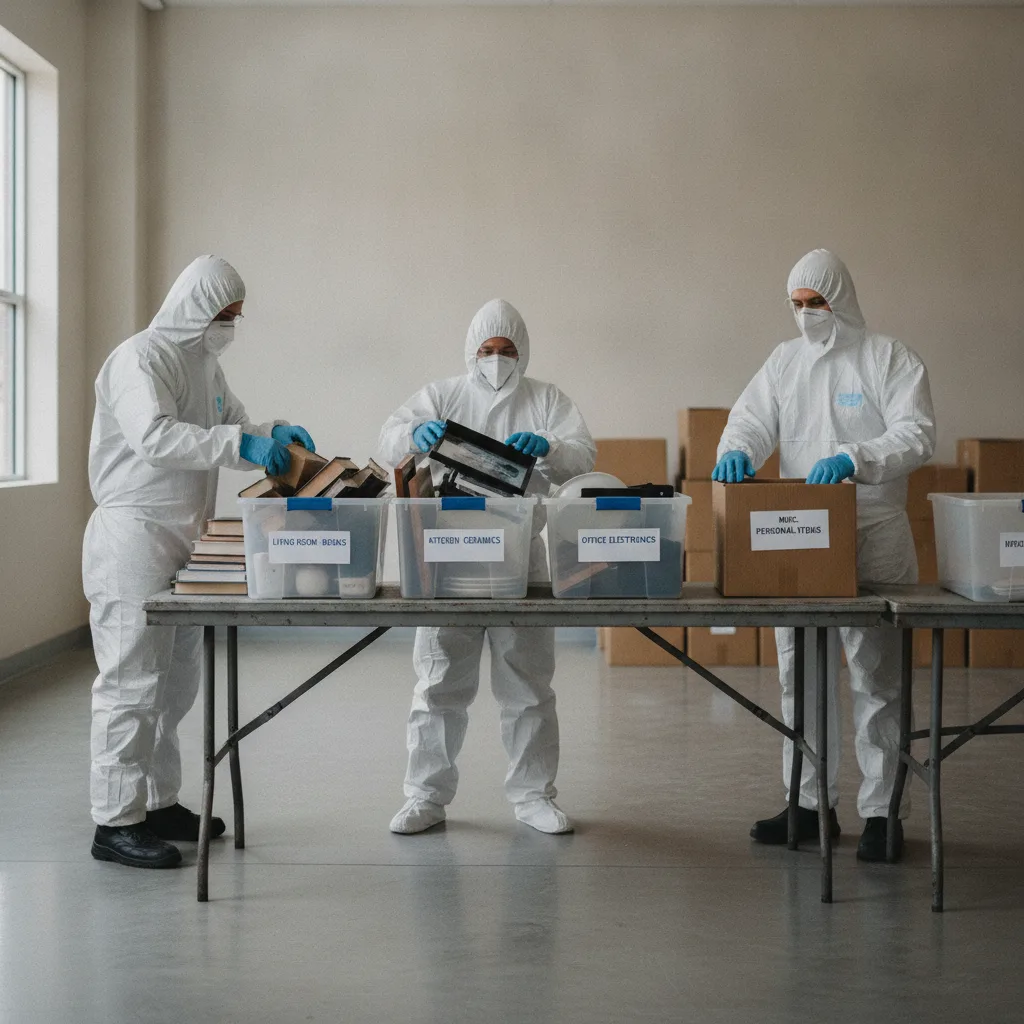
We clear hoarded homes that contain biohazards, without judgment, and save the valuables, photos and documents the family needs.
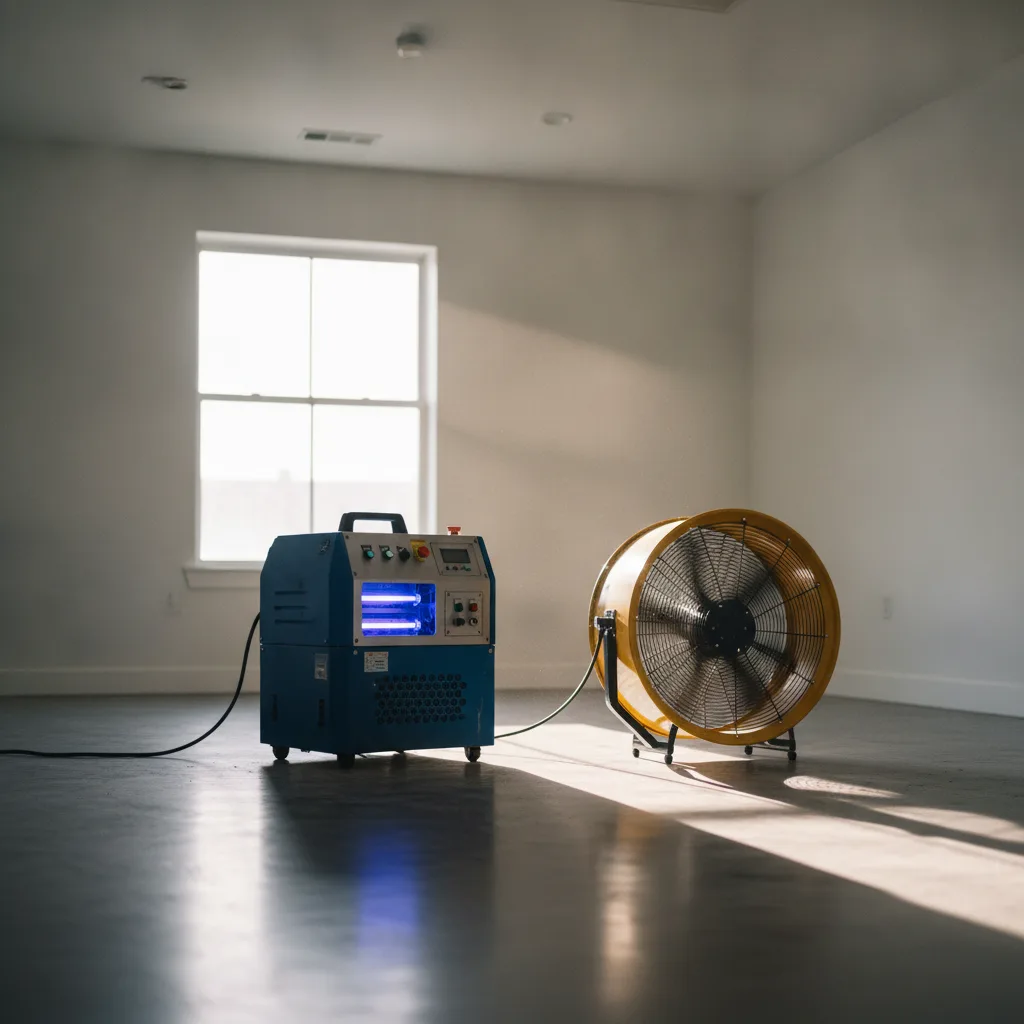
We eliminate odor from death, decomposition, smoke, pets, sewage and hoarding at its source. We don't cover it up.
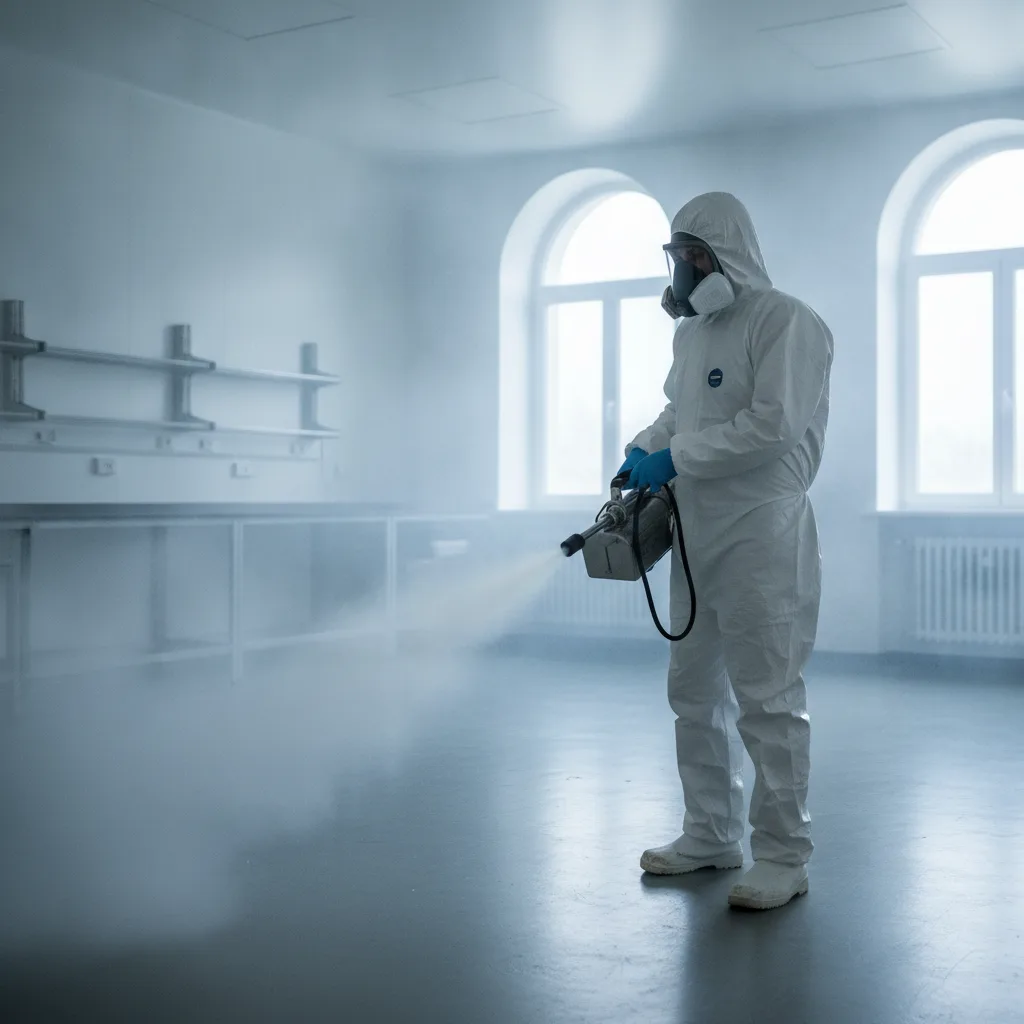
We decontaminate surfaces and structures after sewage, black water, drug residue, infectious disease or mold growth.
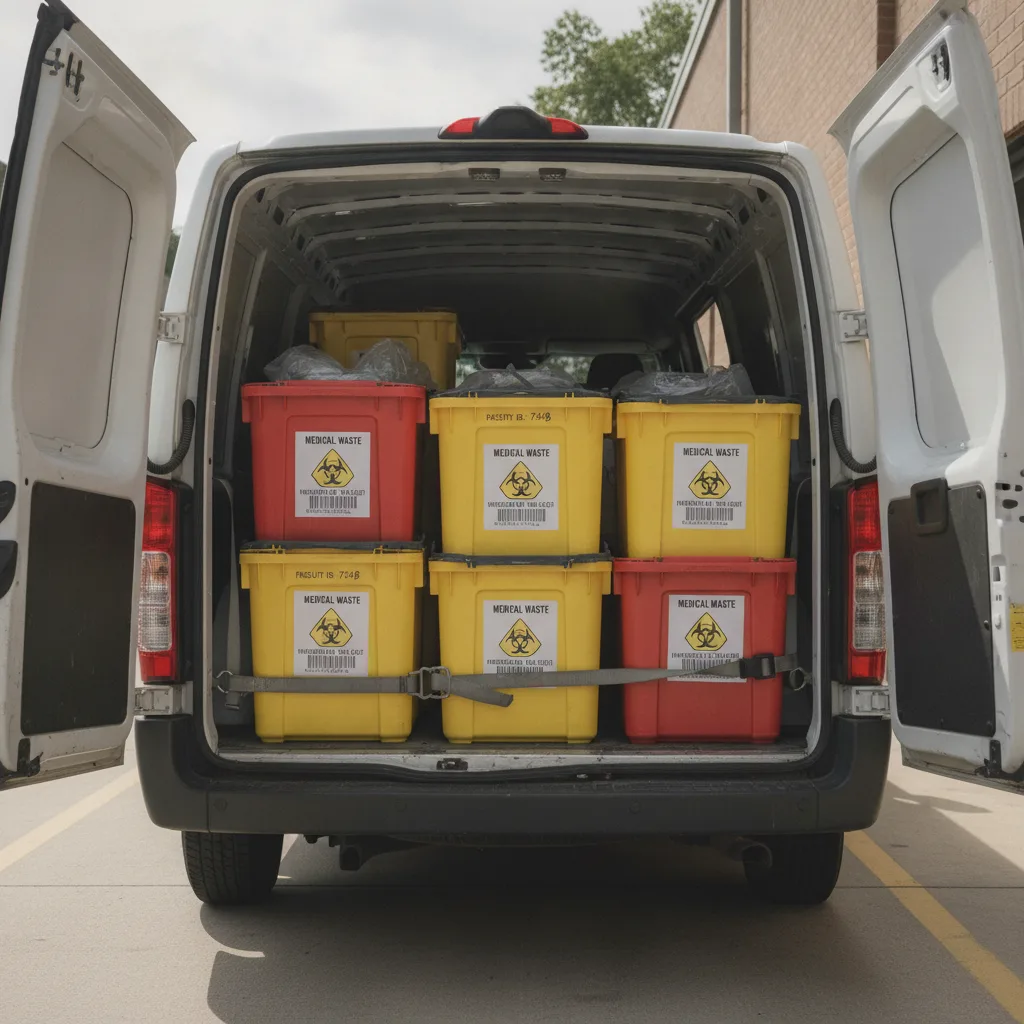
We collect, package and arrange disposal of biomedical waste and sharps from homes, businesses and properties.
Every call is different, but local conditions keep producing the same kinds of scenes. Here's what each one involves, why it happens so often in Tampa Bay, the signs to watch for, and what professional remediation looks like. That way you can judge how urgent your situation is.
An unattended death is one where a person passes away and isn't found for days or weeks. As the body decomposes, fluids, gases and insects contaminate flooring, subfloor and walls, and sometimes the HVAC system. Odor-causing compounds soak into nearly every porous surface in the home.
Violent events and serious accidents leave blood, tissue and bodily fluids on several surfaces. These are bloodborne pathogen hazards and they're emotionally devastating for families. The scene usually covers more area than the visible staining suggests, including spatter, seepage under flooring and contamination behind trim.
Category 3 water includes storm surge, river flooding and sewage backups. It carries fecal bacteria, chemicals and debris. Any porous material it touches, including drywall, insulation, carpet and cabinetry, generally has to come out, and the structure needs a full disinfection.
Drug-related scenes involve used needles, opioid residue, and sometimes methamphetamine contamination. Sharps carry hepatitis and HIV risks. Fentanyl residue on surfaces can be dangerous to anyone handling it without proper PPE.
In severe hoarding cases, the clutter is mixed with rotting food, animal waste, pests and sometimes human waste. Blocked exits, structural strain and poor air quality make the home unsafe, often for the occupant and for the family trying to help.
Blood, decomposition or drug contamination inside a car, truck or RV soaks into upholstery, foam, carpet and ventilation, all in a small, sealed space.
Sometimes an odor keeps coming back after someone else cleaned the scene, or after the family tried to do it themselves. That usually means contaminated subfloor, ductwork or wall cavities were missed, and humidity is pulling odor compounds back out.
From your first call until the space is restored, you'll always know what's happening next. We take care of the hard parts, including the insurance paperwork, so you can focus on your family.
Immediately, 24/7
Dispatched promptly; travel depends on bay-crossing traffic
Starts the same day
Usually 1–3 days, depending on severity
At completion
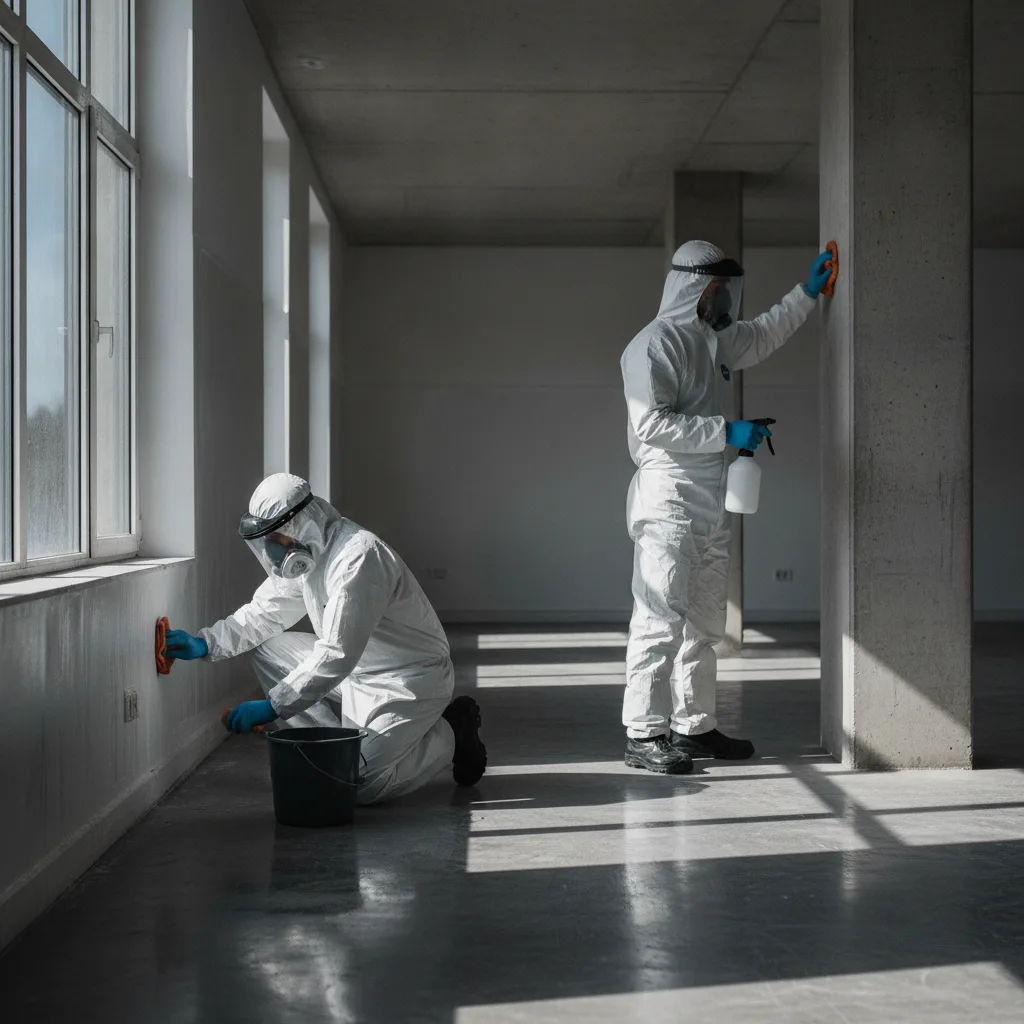
You shouldn't have to think about invoices right after a tragedy. Most of the work we do is covered by homeowners, commercial or auto insurance, and many families pay nothing beyond their deductible. We document the scene thoroughly, prepare an itemized scope your adjuster can follow, and explain how Florida's post-2023 assignment-of-benefits rules affect billing on your policy. When a crime is involved, we also help you document costs that may qualify for Florida's Crime Victim Compensation program through the Attorney General's office. Our goal is to take paperwork off your plate, not add to it.
When you call at 3 a.m. after finding a loved one, you shouldn't reach a voicemail or a phone menu. Whenever you call, a real person picks up, listens and tells you what happens next. We offer 24/7 emergency response because in Tampa's heat, every hour matters. Waiting until morning can mean fluids reach the subfloor or odor gets into the AC system. Getting started quickly protects your home and keeps the cleanup scope, and the claim, smaller.
We arrive in unmarked vehicles. We don't put signs in your yard, and we don't talk about the job with neighbors or onlookers. In condo towers in Clearwater, St. Pete or downtown Tampa, we work within the association's hours and elevator rules. For hotels, short-term rentals and businesses near Clearwater Beach or Amalie Arena, we work quickly and quietly to protect guests and limit lost bookings. People who see our crews shouldn't be able to tell what happened.
A heart-pine bungalow in Seminole Heights, a terrazzo-floored block ranch in Kenwood, a Largo mobile home with a particleboard subfloor and a Riverview townhome with wall-to-wall carpet each absorb contamination differently. We know where fluids go in each type of home, what can be saved, and what has to come out. We also know the local agencies, from Tampa PD and HCSO to the Pinellas Sheriff's Office, and we understand the extra requirements historic districts and HOAs bring.
Integrity Crime Scene Services carries insurance coverage, and we can provide certificates to condo associations, HOAs and property managers on request. Our technicians follow OSHA's Bloodborne Pathogens Standard, wear proper PPE and use controlled containment. Biomedical waste is packaged and handed off according to Florida's Chapter 64E-16 rules, with tracking records kept. For you, that means a cleanup done to a documented standard, and paperwork that holds up when your insurer or condo board asks for it.
We know you may be grieving, in shock or making decisions for a family member several states away. We explain things simply, never push you, and handle sensitive items carefully. Photos, documents, jewelry and keepsakes are set aside for you. For hoarding cases, we work without judgment and at a pace the family is comfortable with. Out-of-state relatives and estate attorneys get regular updates so they always know where the job stands.
Cleaning what you can see is only part of the job. We use ATP testing to find hidden contamination, remove materials down to the structure, seal subfloors, decontaminate ductwork and verify the odor is gone, including on humid Tampa days when odors tend to resurface. When we finish, the space is ready for repairs, sale, a new tenant or your family's return, and you have the documentation to show it.
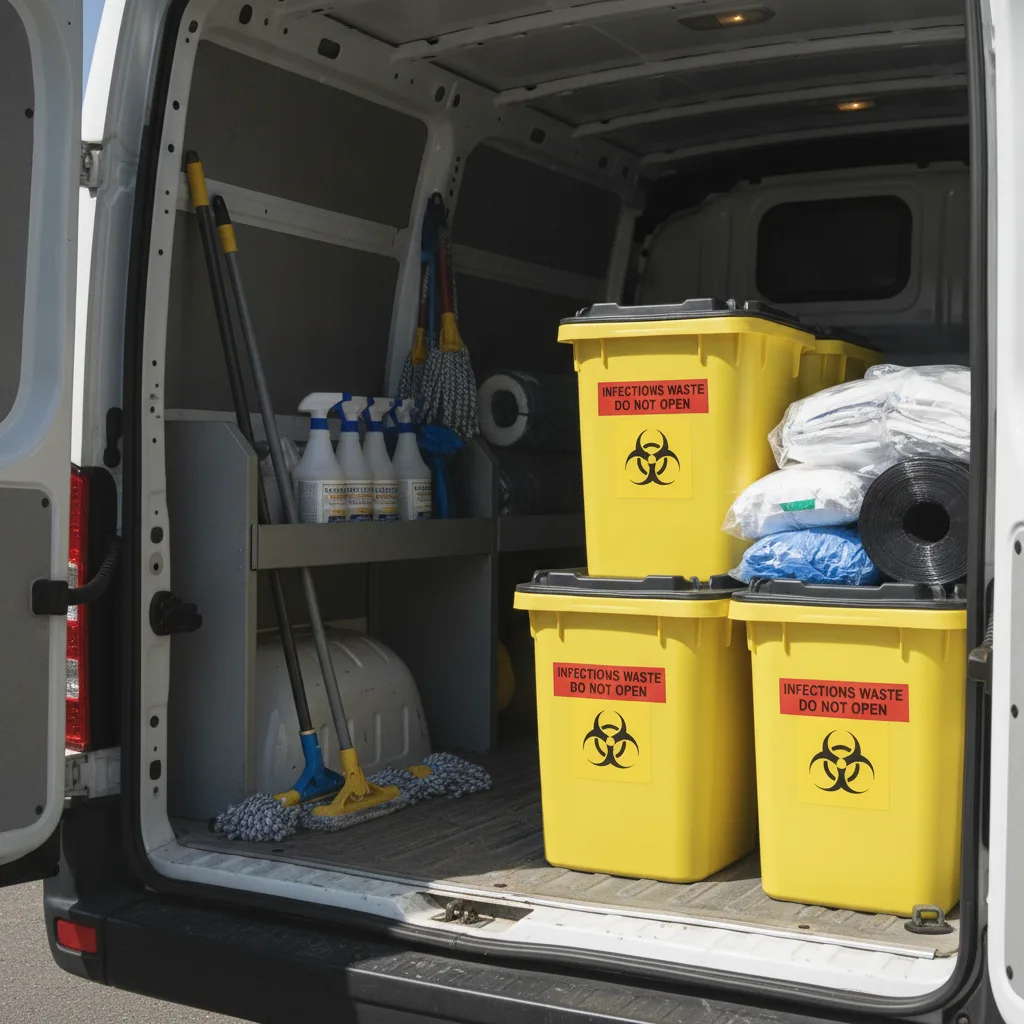
For most families, the main thing to know is that this cleanup is usually covered. Homeowners, commercial and auto policies typically pay for biohazard remediation, and many families pay $0 out-of-pocket beyond their deductible. The factors below affect the scope we document for your insurer.
Most homeowners and commercial policies cover sudden, accidental biohazard events such as trauma, unattended death and sewage backup. Auto policies often cover vehicle cleanup. We review your coverage, prepare documentation for your adjuster, and explain how your deductible and Florida's 2023 AOB limits affect billing. For crime-related scenes, Florida's Crime Victim Compensation program can reimburse eligible costs that insurance doesn't.
In Tampa's summer heat, every day an unattended death goes undiscovered adds to the scope. Fluids move from the carpet into the pad, then the subfloor, then the walls and ducts. A case found within hours may only need surface remediation, while one found after a week or a hurricane outage often requires structural removal and HVAC decontamination. Insurance generally covers this extra scope when it's well documented.
How a home is built affects the scope a lot. Sealed terrazzo and tile in a St. Pete block home can often be cleaned in place. Particleboard subfloors in mobile homes, heart-pine planks in historic bungalows and wall-to-wall carpet in Riverview townhomes absorb fluids and usually have to be cut out. Pre-1980 homes may need asbestos or lead testing before demolition.
A blood spill in one room is a much smaller job than a scene spread through several rooms, or one that has seeped through shared condo walls or ventilation into a neighbor's unit. We map the full spread with testing so your claim covers all the affected areas, and nothing is missed that would bring back odor or contamination later.
Condo elevator scheduling, HOA rules, historic-district limits and any required permits all add coordination to a job. So does biomedical waste disposal through a DOH-registered transporter. These are standard parts of a documented insurance scope, and we handle them for you.
We help with every step of the claim: policy review, adjuster communication and documentation. If a situation isn't fully covered, such as some hoarding cases, we'll talk through options with you, including estate funds or victim compensation, before any work begins. You'll never be surprised.
In most cases, yes. Homeowners, condo (HO-6), renters, commercial and auto policies generally cover sudden, accidental biohazard events, and many Tampa Bay families pay $0 out-of-pocket beyond their deductible. We document the scene, prepare an itemized scope for your adjuster and explain how your policy works. Florida's 2023 reforms limit assignment of benefits on policies issued after January 1, 2023, which can change how billing works, and we'll walk you through that. For crime-related scenes, Florida's Crime Victim Compensation program can reimburse eligible cleanup costs your insurance doesn't cover.
We respond 24/7, and a real person answers every call. Arrival time depends on where you are and on traffic across the Howard Frankland, Gandy or Courtney Campbell. Most blood and trauma cleanups are done in a single day. Unattended death and decomposition cases usually take one to three days, depending on whether subfloor, drywall or ductwork has to come out. Large hoarding projects can take longer. We'll give you a realistic timeline after the initial assessment.
Yes. Law enforcement has to release the scene first, whether that's Tampa PD, the Hillsborough or Pinellas Sheriff's Office, St. Pete PD or Clearwater PD. If the Medical Examiner is involved, we coordinate timing with them as well. Florida doesn't issue a dedicated crime scene cleanup license, but biomedical waste is regulated under Chapter 64E-16 and has to go through a DOH-registered transporter. Removing flooring or drywall may need a City of Tampa, county or St. Pete permit, and historic districts and HOAs have their own rules. We help you through all of it.
Call as soon as the authorities have released the property. In Tampa's heat and humidity, decomposition fluids, odor and insects can go from bad to severe within 24–48 hours, especially if the AC was off or the power went out after a storm. Each extra day lets fluids sink deeper into the subfloor and lets odor spread into the ducts, which makes the remediation bigger. In the meantime, keep doors closed, don't try to clean anything yourself, and avoid touching items in the affected area.
We strongly advise against it. Blood and bodily fluids can carry bloodborne pathogens like hepatitis B, hepatitis C and HIV. Florida's humidity drives contamination deep into grout, wood and subfloor, past where household cleaners can reach. Biomedical waste legally has to be packaged in compliant red bags and moved by a registered transporter. DIY cleanup can also hurt your insurance claim if contamination stays behind. And it's emotionally traumatic. Your policy likely covers professional cleanup, so let us carry this part.
Not from us. We arrive in unmarked vehicles, put up no signage, and don't discuss the job with anyone other than you or the people you authorize. In condo towers and HOA communities like those in Clearwater, St. Pete or Westchase, we follow work-hour and elevator rules and supply insurance certificates. If the board needs remediation records because contamination may have reached shared walls or ventilation, we give them only the documentation they need, with no unnecessary detail.
Odor comes back when contaminated material is left behind. Humidity pulls the odor compounds back out of porous surfaces. To prevent that, we remove the source down to the structure, cut out saturated subfloor when needed, seal the remaining surfaces with encapsulants, decontaminate the HVAC and run hydroxyl or ozone treatment. Before we sign off, we check that the space stays odor-free. Running your AC and keeping humidity below about 60% afterward helps protect the restored space.
Yes, and we do it often. Many unattended death and hoarding cases in Pinellas and Hillsborough involve relatives who live in the Northeast or Midwest. We can coordinate access with property managers, executors or probate attorneys, send photo and video updates throughout the job, and set aside valuables and documents for you. We also handle the insurance documentation remotely, so you can manage everything by phone and email without having to travel.
We come to you anywhere in Tampa and the surrounding area, in unmarked vehicles, any hour of the day.
You don't have to deal with this alone, and in most cases you don't have to pay for it out of pocket. Call any time and a real person will help you take the next step.
Call (727) 649-8014 Now