Discreet, certified crime scene and biohazard cleanup in Asheville — unmarked vehicles, compassionate technicians, and in most cases $0 out of pocket since we bill your insurance directly.
Asheville's mountain climate, old housing and many vacant homes all make biohazard cleanup harder. What would be a one-day job somewhere else can turn into subfloor removal, crawlspace work and odor control here. Below is what drives that and how it affects your property.
Asheville sits on a plateau about 2,100 feet up, where the Swannanoa River meets the French Broad. It gets roughly 40–50 inches of rain a year. Summer highs reach the low-to-mid 80s°F with heavy humidity, and that speeds up decomposition when a death isn't found right away. Odor, fluid migration and insect activity all get worse within days. Moisture in hillside crawlspaces turns leftover biological material into mold and wood rot quickly. Winter nights in the 20s°F can burst pipes in vacant homes, mixing water damage with existing contamination. Hurricane Helene in September 2024 left sewage-laden floodwater, silt and mold in homes across Swannanoa, Biltmore Village, the River Arts District, Woodfin's riverfront and Fairview, and that recovery work is still going on.
Asheville tore down very little after the 1929 crash, so a large share of its 1880s–1920s housing is still standing. That includes Queen Anne homes in Montford, Craftsman bungalows in Kenilworth and North Asheville, and Art Deco buildings downtown with apartments upstairs. Old-growth heart pine plank floors and plaster-and-lath walls are porous. Blood and decomposition fluids run through floor seams into the subfloor and joists, so proper cleanup usually means cutting out the affected sections, not just wiping surfaces. Homes built before 1978 may have lead paint, and older ones can have asbestos in flooring, pipe wrap or plaster. Vented crawlspaces, fieldstone foundations and aging ductwork hold onto odor and spread it through the house.
North Carolina doesn't have a separate license for crime scene cleanup. The work falls under the NC Department of Labor's OSHA state plan, including the Bloodborne Pathogens Standard (29 CFR 1910.1030), respiratory protection and hazard communication. Blood-saturated materials and sharps count as regulated medical waste under NC DEQ rules and have to be packaged and handed off to permitted haulers. They can't go out with household trash. Former meth lab properties have to meet state decontamination standards before anyone moves back in. In Montford, Chestnut Hill and Albemarle Park, exterior changes need a Certificate of Appropriateness. Structural repairs may need permits from the City of Asheville, Buncombe County or Henderson County. HOAs in Fletcher, Fairview and Woodfin usually expect unmarked vehicles and limited time on site.
Buncombe County has about 270,000 residents, and the median age is well above the national average. Many are retirees who moved from Florida, the Northeast or the Midwest, and their adult children often live hundreds of miles away. As a result, unattended deaths are sometimes found days or weeks later, and families end up managing everything by phone. Western North Carolina has also been hit hard by opioid and fentanyl overdoses. The tourism economy means short-term rental hosts, B&Bs and hotels need fast, quiet turnaround to protect their bookings. Property managers deal with encampment cleanups and sharps along the river corridors. We work with grieving families and with the adjusters and attorneys handling their claims.
Each service below follows OSHA bloodborne pathogen rules and North Carolina medical waste requirements. We bill insurance directly whenever coverage applies. Our approach is built for Asheville's porous historic materials, damp crawlspaces and the need to keep things private.
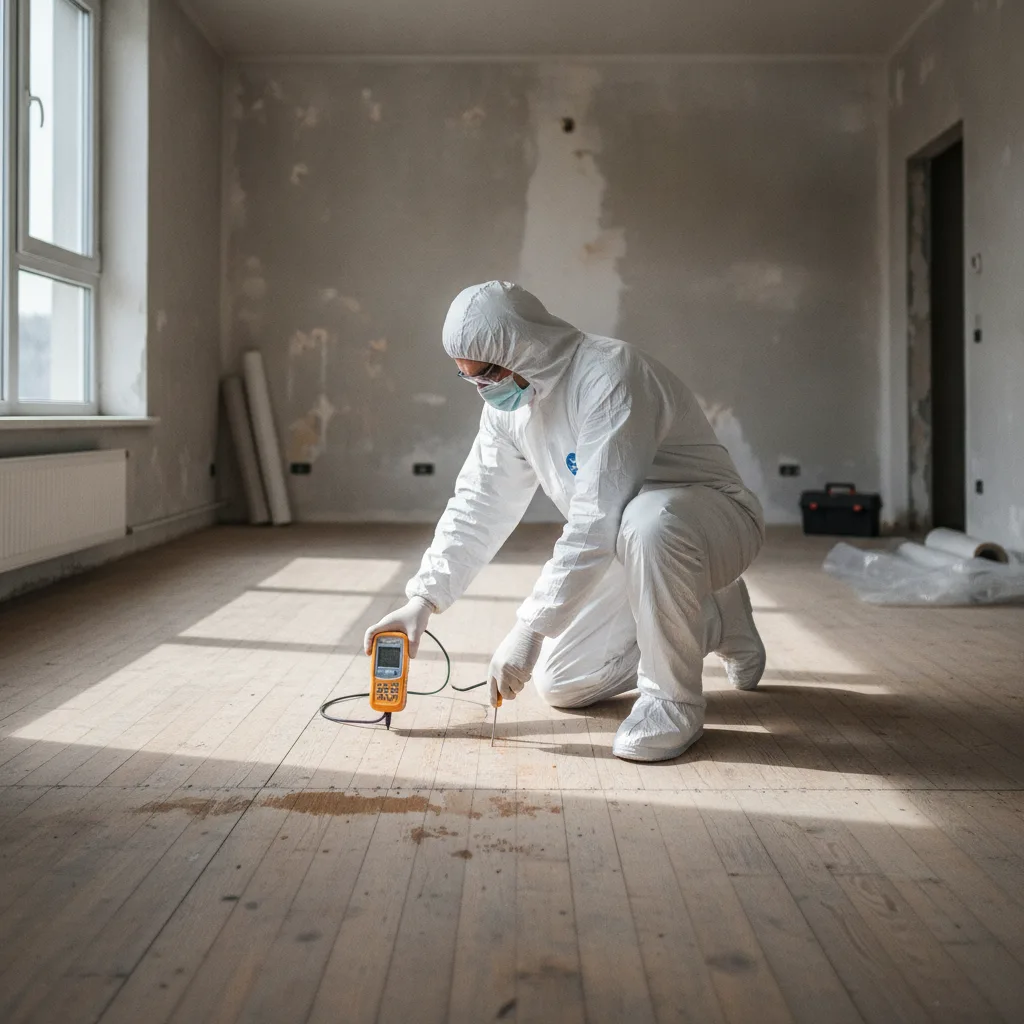
We restore homes where someone passed away alone and wasn't found right away. That includes removing affected materials, disinfecting and fully eliminating odor.
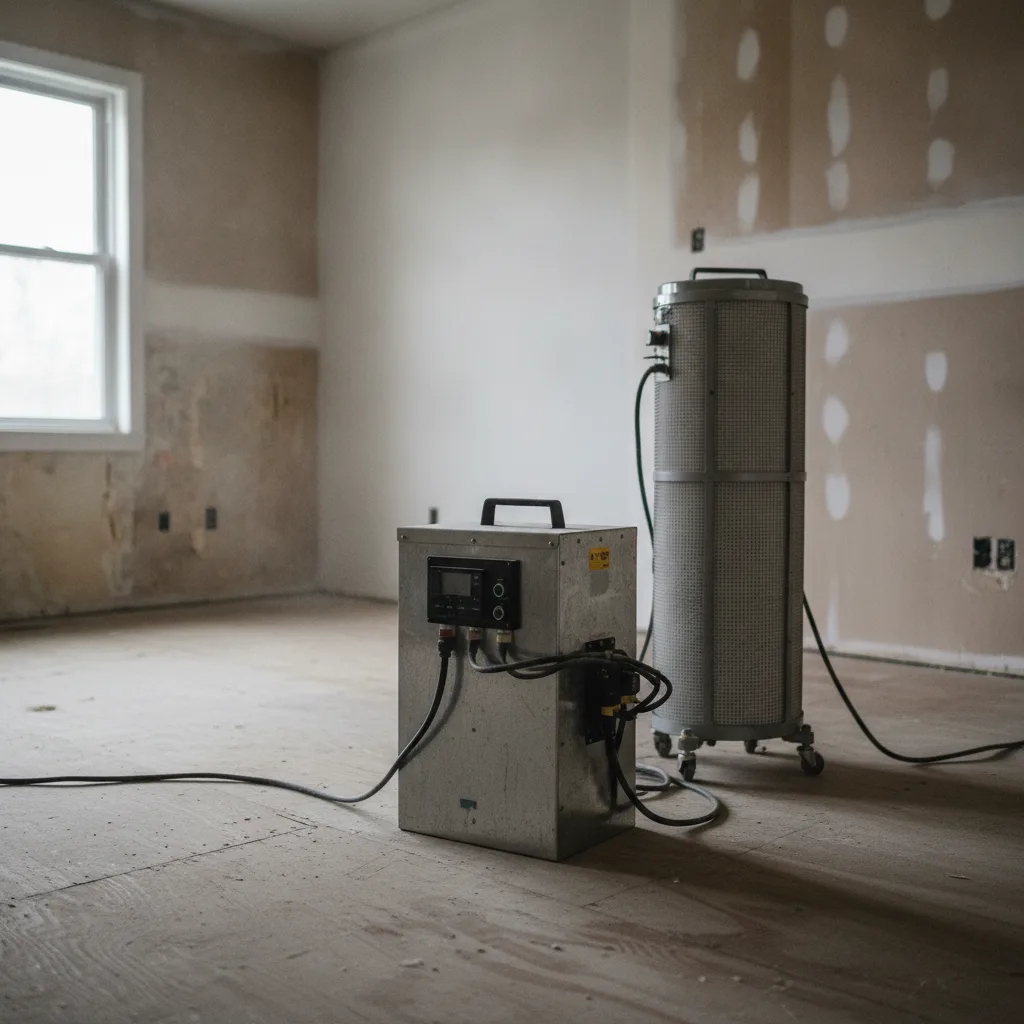
We remove decomposition fluids, tissue and insect activity from structures, furniture and crawlspaces.
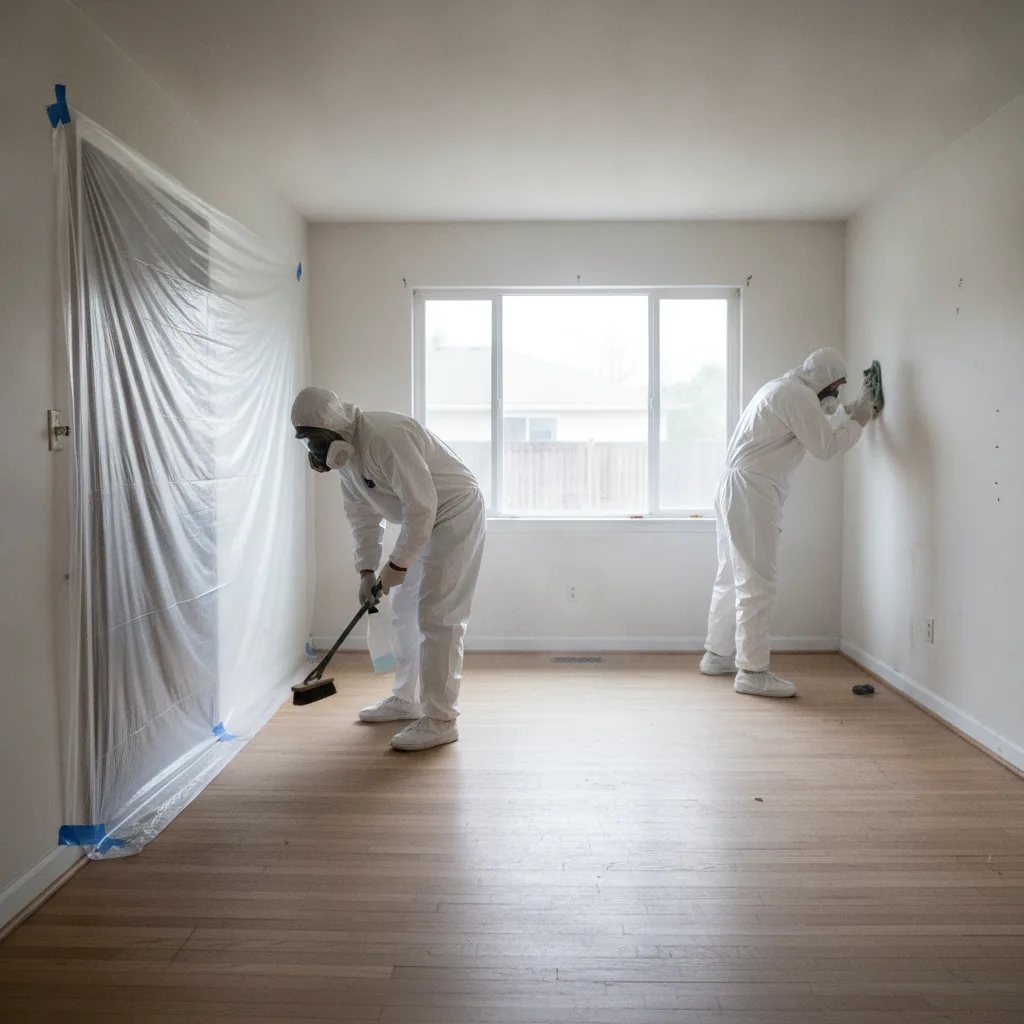
Once police release the scene, we clean and restore homes, vehicles and businesses after violent crimes.
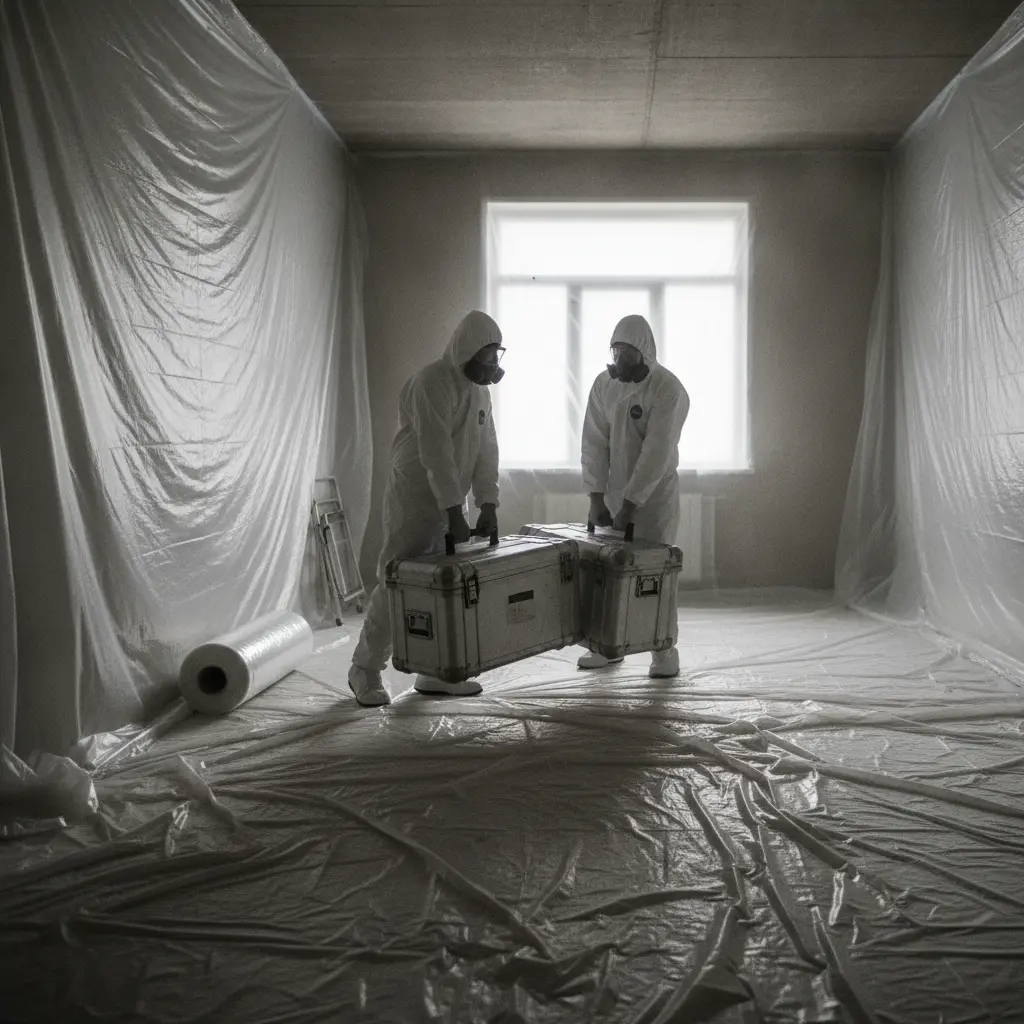
We provide compassionate, thorough restoration after a homicide, returning the home to a safe condition.
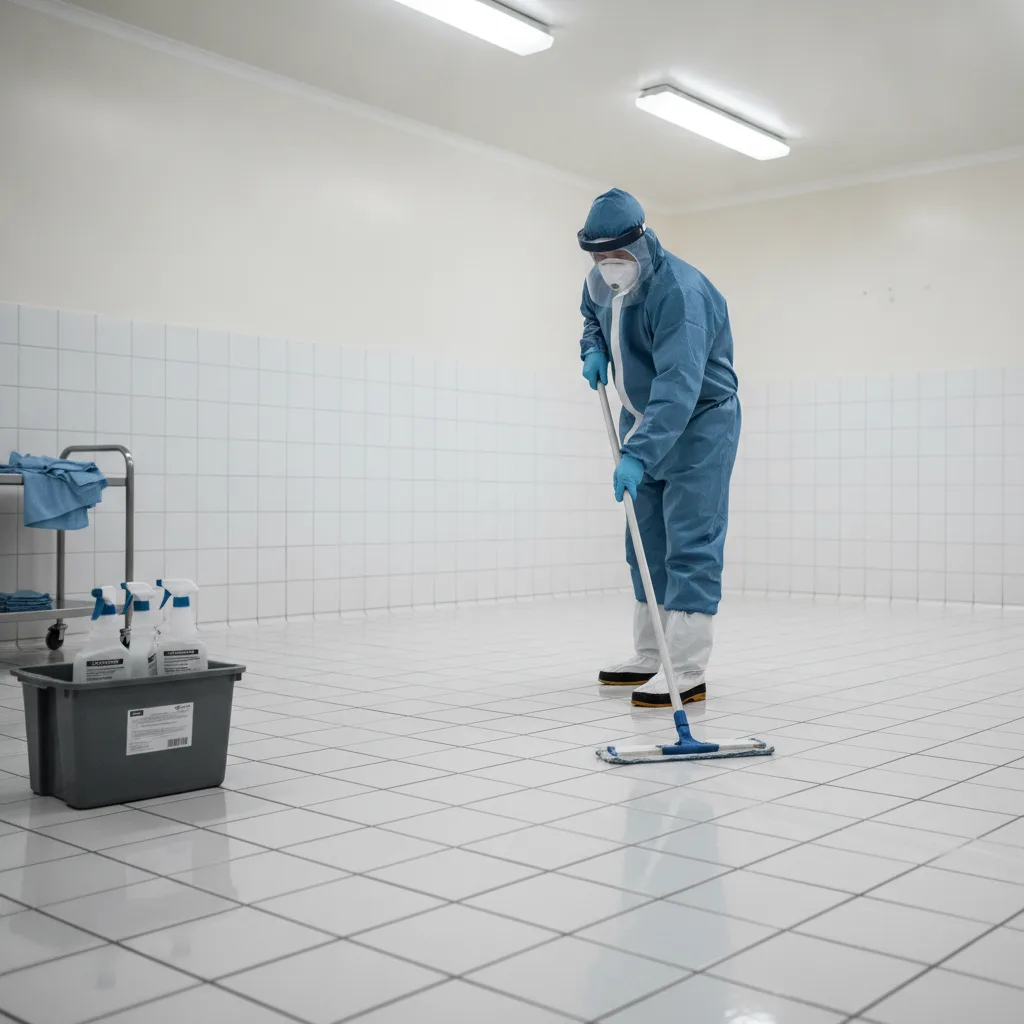
We clean up after suicides, accidents and serious injuries with care and complete privacy.
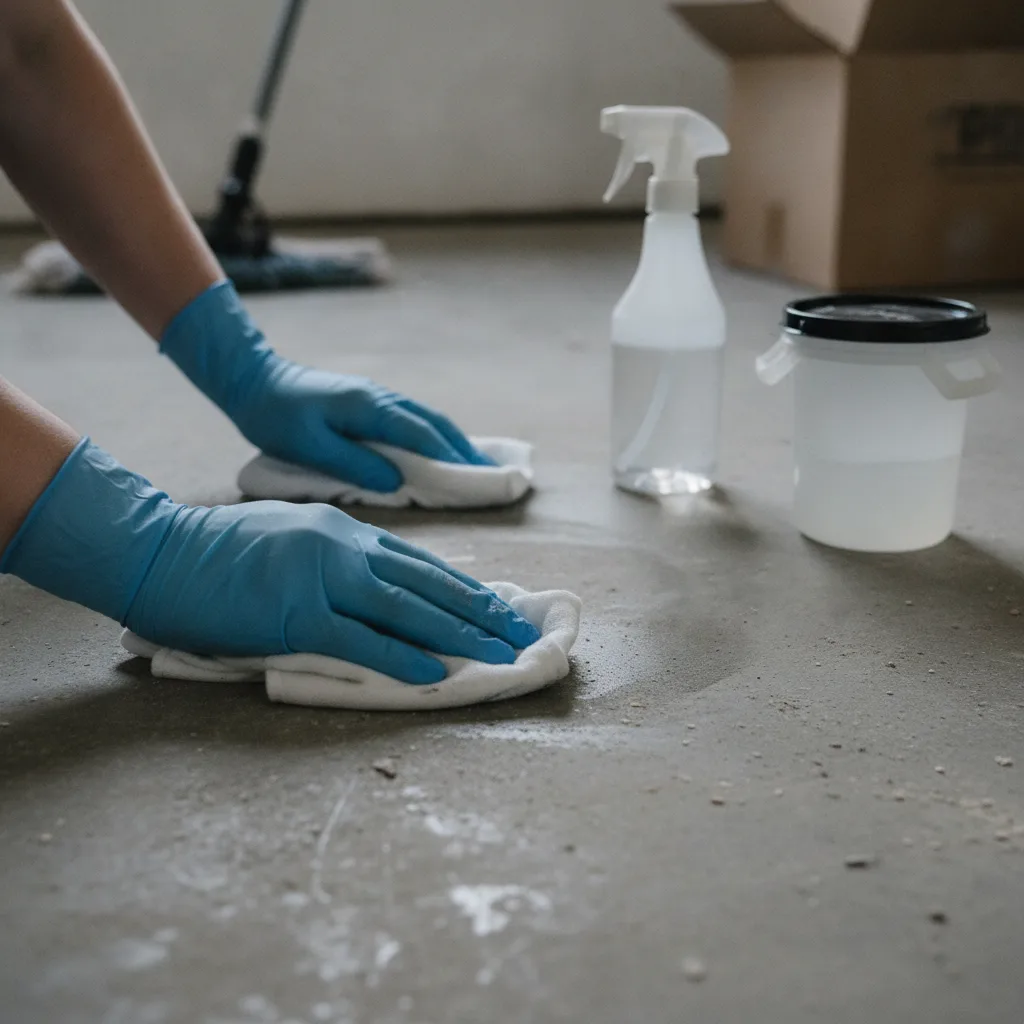
We remove blood and bodily fluids from any surface, including hidden seams and soft furnishings.
We clean up sewage, human waste, animal waste and other biological contamination.
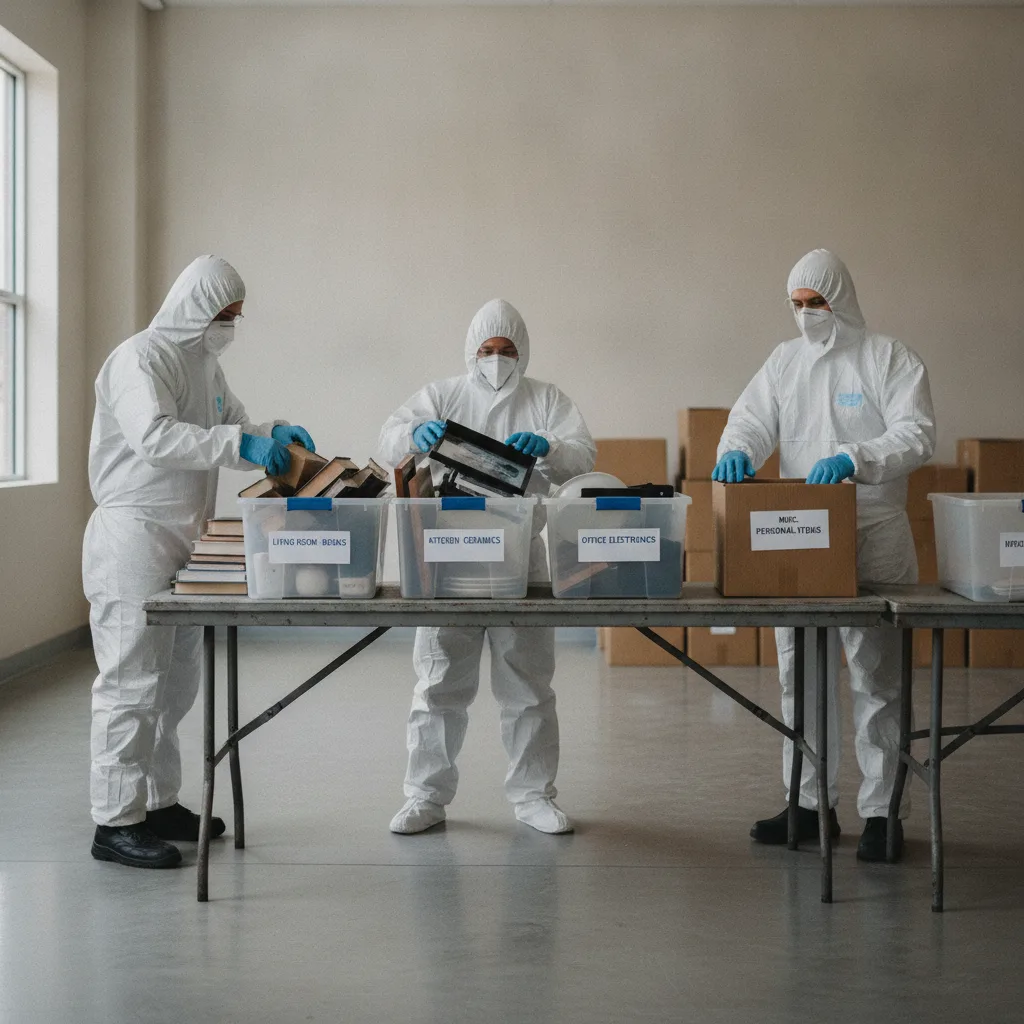
We clear hoarded homes respectfully and save personal items as we go.
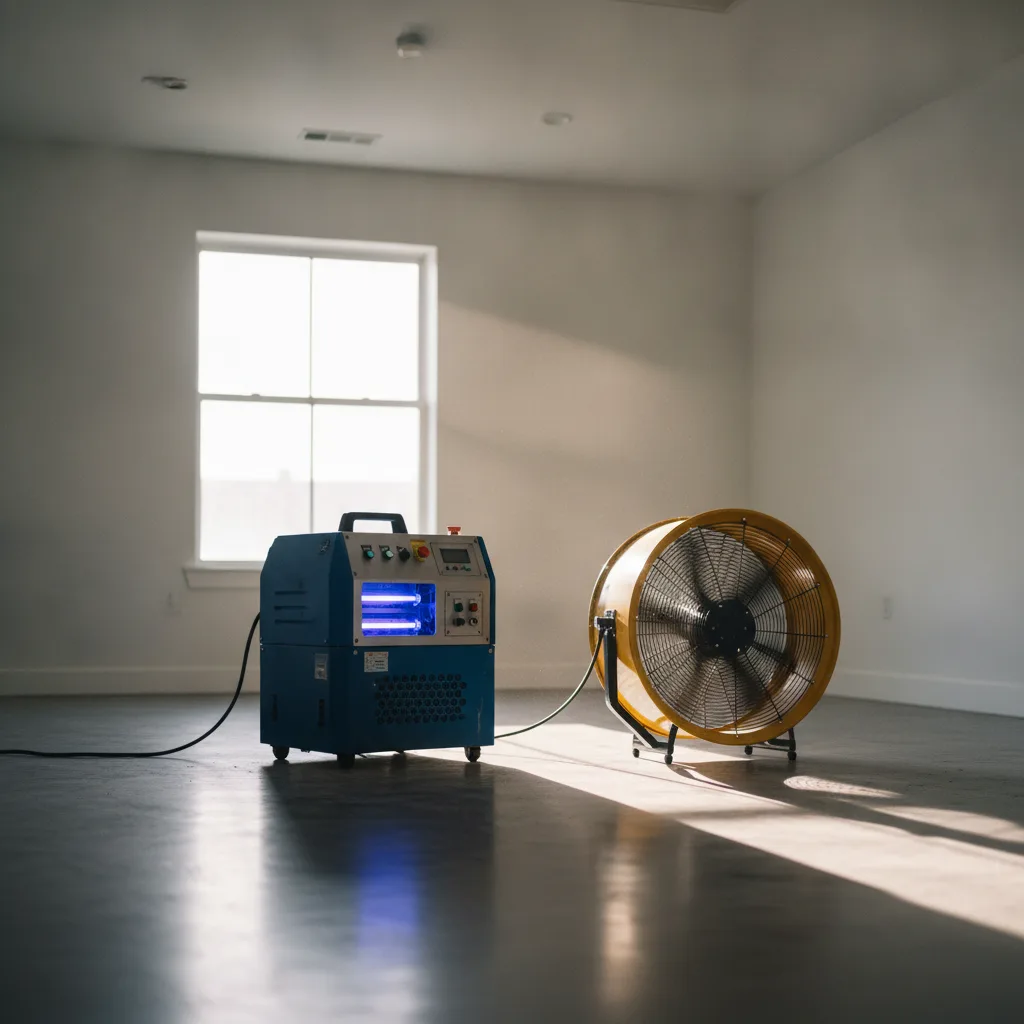
We find and permanently eliminate odors from decomposition, smoke, pets and sewage.
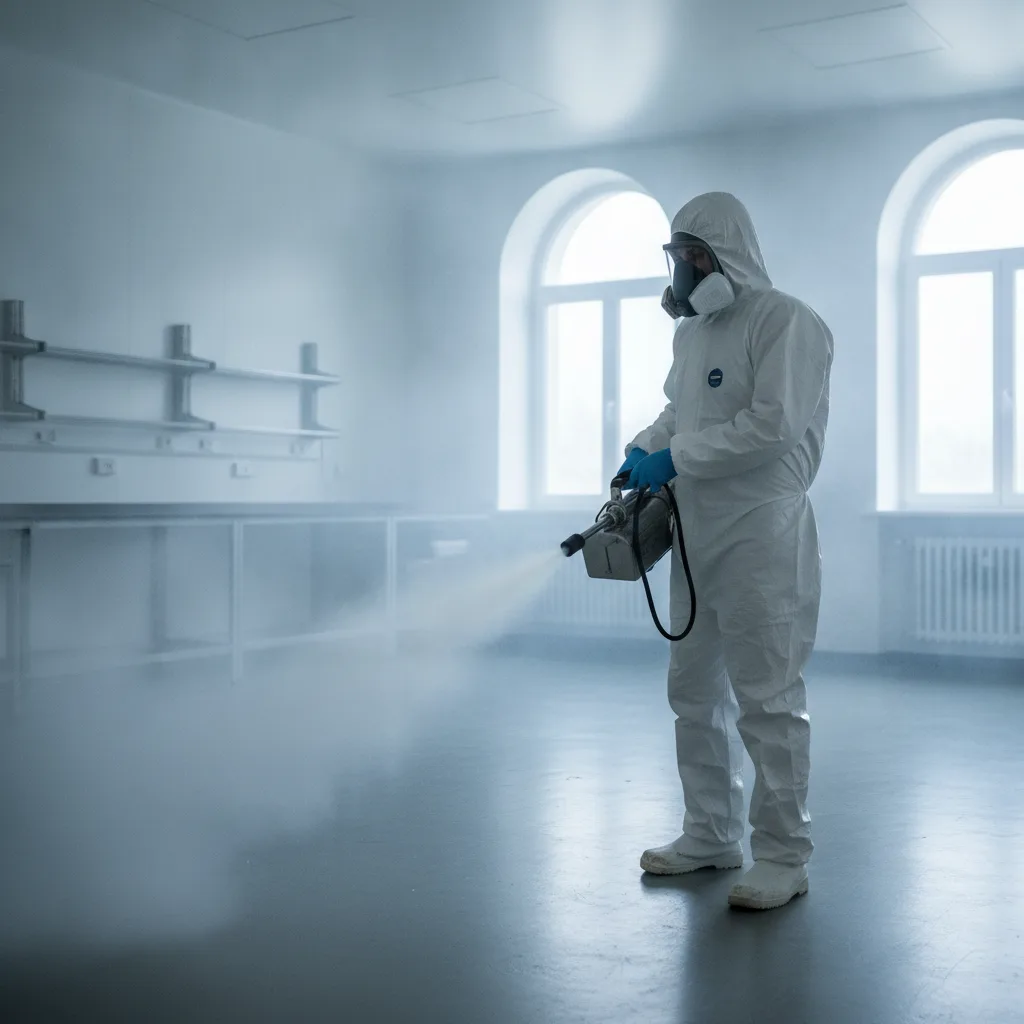
We decontaminate properties after meth labs, chemical exposure, infectious disease or mold.
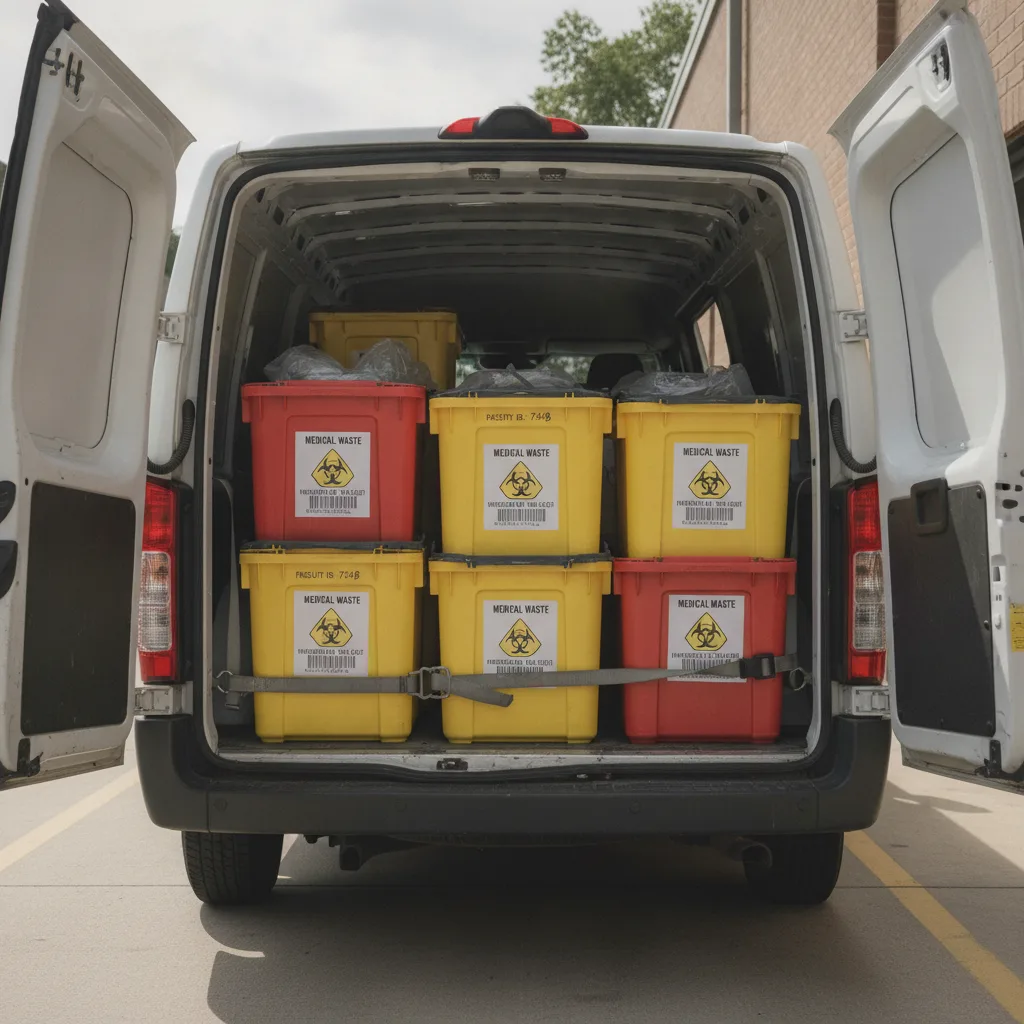
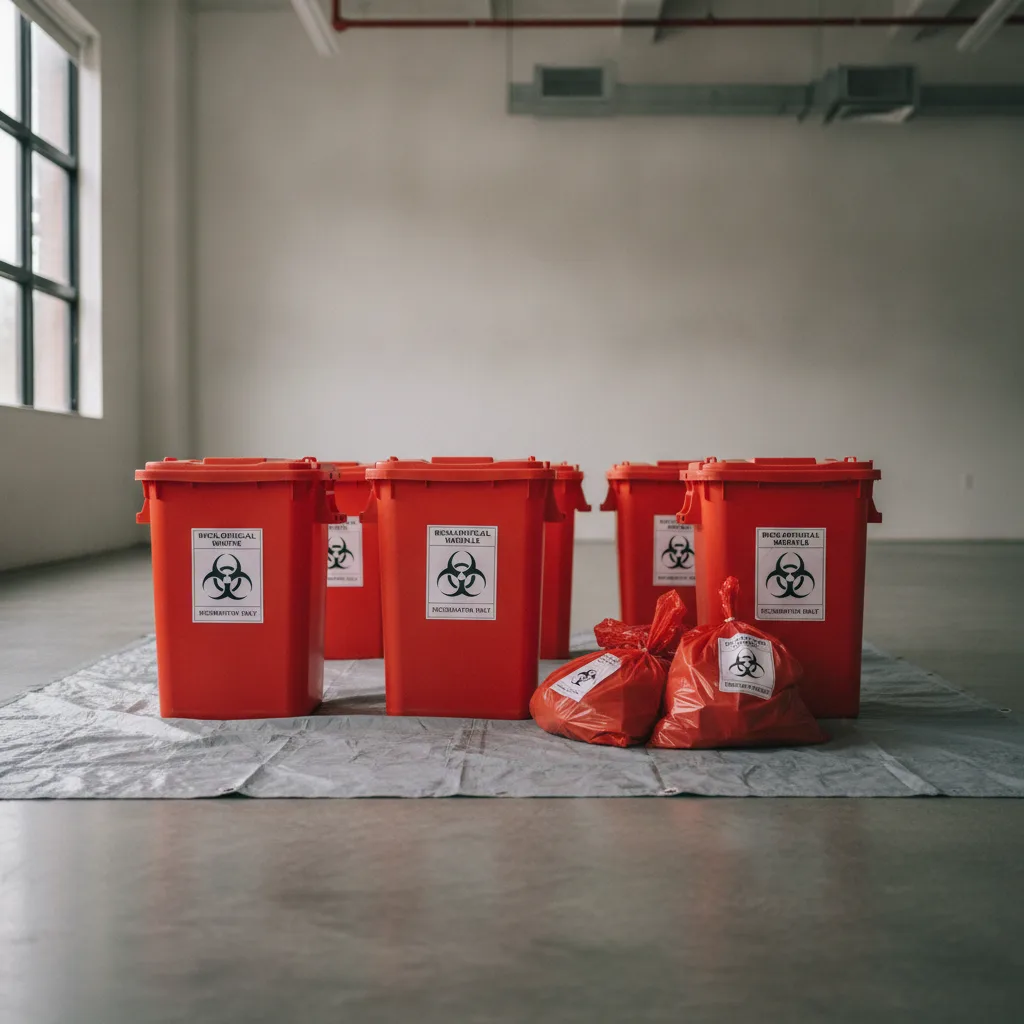
We package and dispose of sharps, blood-soaked materials and regulated medical waste.
Most calls come in at a hard moment, and each situation carries different risks. Knowing why these problems are common in Asheville helps you act fast, protect your health and keep your insurance claim on track. These are the situations we see most often across Buncombe and Henderson counties.
This is when someone dies alone and isn't found for days or weeks. Decomposition releases fluids, gases and bacteria that soak into flooring, mattresses and framing. It draws insects and leaves a strong odor that ordinary cleaning can't remove.
This means blood and bodily fluids left after a suicide, assault, accident or serious injury. Blood can carry bloodborne pathogens like hepatitis B, hepatitis C and HIV. It often spreads farther than you can see, into grout, baseboards, upholstery and HVAC returns.
These are deaths or medical events tied to opioids or fentanyl, often with used needles, drug residue and bodily fluids left behind. Hidden sharps are a serious risk to families, tenants and maintenance staff.
This is a severe buildup of belongings, trash, animal waste or spoiled food that creates pest, mold and structural problems. It's often found after an older resident dies or goes to assisted living.
Floodwater from the 2024 storm carried raw sewage, chemicals and silt into homes. The remaining contamination and mold are a Category 3 biohazard and keep releasing bacteria and spores until they're removed.
This is odor that stays after the visible cleanup is done, from decomposition, smoke, pets or sewage. It usually comes from contamination absorbed into wood, plaster, insulation or ductwork.
This includes human waste, needles and contaminated debris left on business properties, vacant lots or rental exteriors. It creates health risks and liability for owners and property managers.
You'll know what to expect from the first call to the final walkthrough. We handle the insurance and coordinate with everyone involved, so you can focus on your family.
Available 24/7. A person answers immediately.
Usually the same day or the next morning
Starts right away and continues alongside the cleanup
One to several days, depending on scope
When work is complete
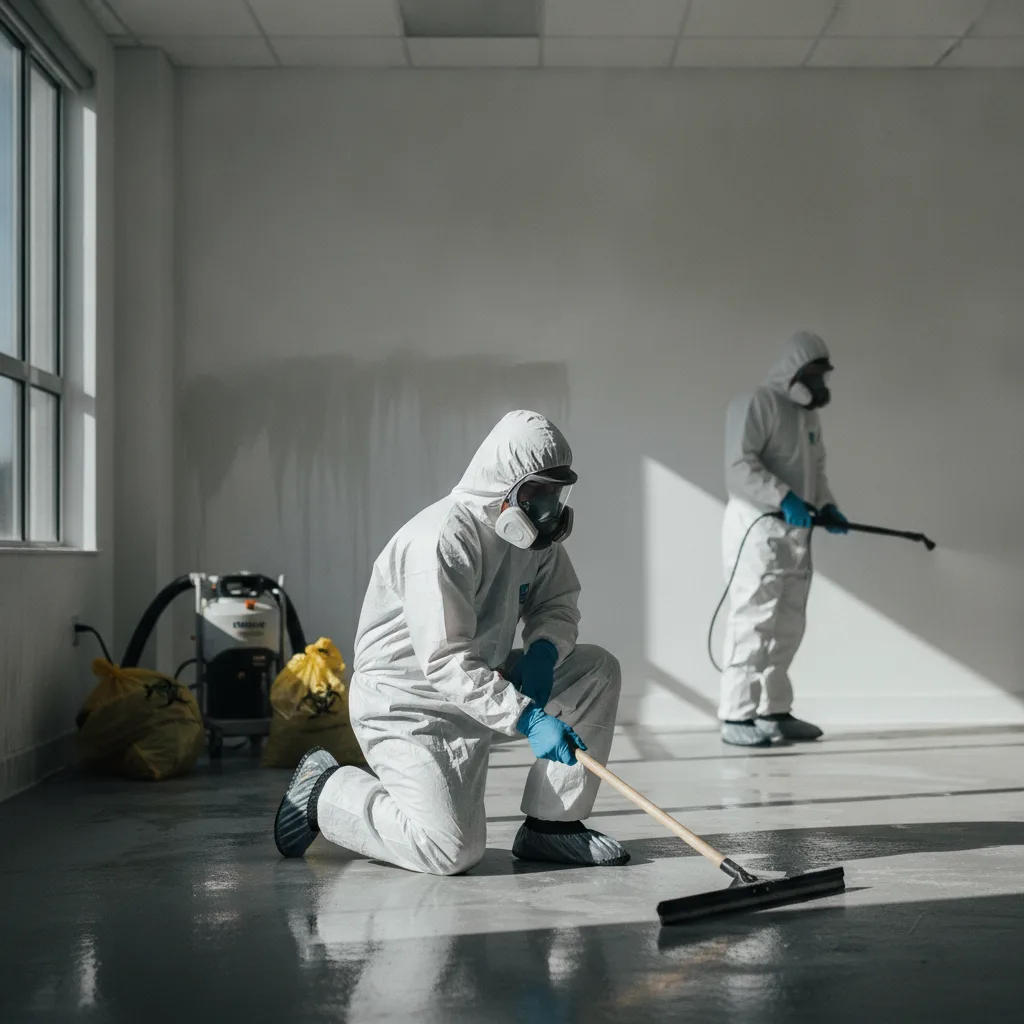
Homeowner's and property policies often cover biohazard and trauma cleanup. When they do, we bill your carrier directly. We put together the photos, scope and documentation adjusters need, and we talk with them so you don't have to. For many families that means nothing out of pocket. If you're unsure whether your policy applies, call us and we'll help you find out before any work begins. Paperwork shouldn't land on you while you're grieving, and we take that seriously.
Tragedy doesn't happen on a schedule. When you call us at 2 a.m. on a holiday, a person answers, not a voicemail system. We respond around the clock across Asheville, Woodfin, Swannanoa, Fairview and Fletcher. Fast response matters most in Asheville's humid summers, when every day a death goes undiscovered makes the damage and the odor worse. We'll give you clear next steps on that first call and tell you honestly when we can be there.
A lot of our Asheville work happens in century-old houses: Montford Victorians, Kenilworth bungalows, downtown Art Deco apartments. Heart pine floors, plaster-and-lath walls and fieldstone crawlspaces all absorb contamination in their own ways. We know when surface cleaning is enough and when selective removal is the only real fix. We also take lead paint and asbestos risks into account before cutting into older materials, which protects both your family and the home.
Neighbors don't need to know what happened. Our vehicles and uniforms are unmarked, and we work quietly. That matters in close-knit Asheville neighborhoods, in HOA communities in Fletcher and Fairview, and in gated developments like Reynolds Mountain. Short-term rental hosts and B&B owners can count on us to protect their privacy and their reputation, with no signage, no attention and a fast turnaround so the property can get back in service.
North Carolina has no specific license for crime scene cleanup, so it's worth asking how a company actually does the work. We're insured, and our technicians follow OSHA's Bloodborne Pathogens Standard, respiratory protection and hazard communication rules. Regulated medical waste goes through permitted channels under NC Department of Environmental Quality rules, never into household trash. You get a safe, properly documented cleanup that holds up to insurer and legal review.
Many Asheville retirees have children who live far away. When something happens, those families are trying to manage a property from hundreds of miles away. We can work directly with insurers, landlords, property managers and estate attorneys. We'll send photo updates, explain what we find, and keep everyone informed without asking you to fly in. If it helps, we can also set aside personal items and important documents for you.
From steep Fairview driveways to Helene-damaged homes along the Swannanoa River, we're prepared for Asheville's terrain. We plan for switchback roads, limited cell service and winter ice. For flood-affected homes, we deal with sewage contamination, silt and mold, and we provide the documentation needed for insurance or FEMA-related claims.
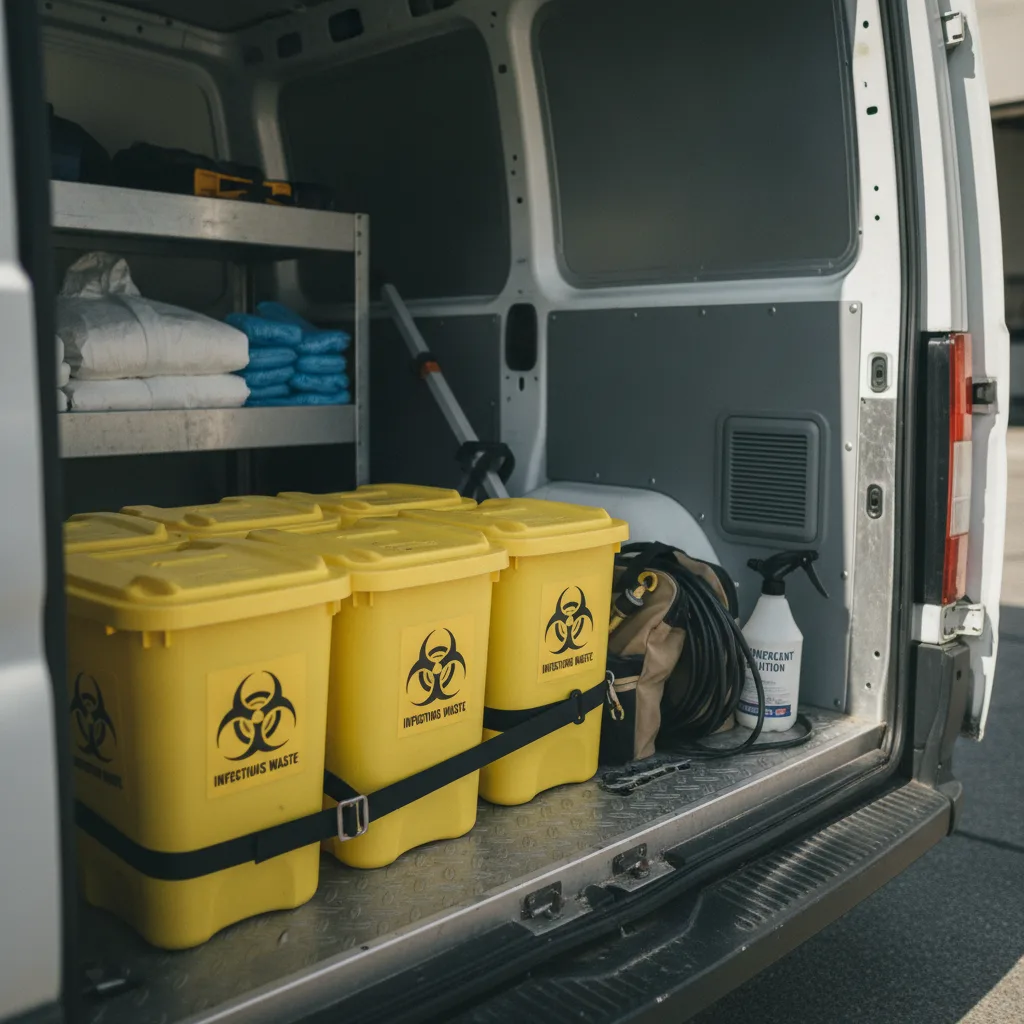
Many homeowner's and property insurance policies cover crime scene, trauma and biohazard cleanup, and families often pay $0 out of pocket. We bill your insurer directly. The figures below are typical claim values your carrier would see, not amounts you'd be asked to pay up front.
Whether your policy covers the cleanup matters most. Homeowner's, landlord and commercial property policies often include biohazard and trauma remediation. When coverage applies, we submit documentation and bill the carrier directly, so you usually have nothing to pay. Your deductible may apply depending on the policy. We'll help check your coverage on the first call, before any work starts, so there are no surprises.
A small blood cleanup in one room is very different from a decomposition case where fluids have reached the subfloor, joists and crawlspace. In Asheville's humid summers, a death that goes undiscovered for a week can affect much more of the structure. The square footage and depth of contamination drive most of the claim value.
Heart pine plank floors, plaster-and-lath walls and fieldstone foundations absorb contamination, so selective demolition is often needed. Homes built before 1978 may need lead-safe work practices, and suspected asbestos changes how materials are removed. These older-home factors can increase scope compared to newer construction.
When odor has gotten into ductwork, insulation or crawlspaces, the job grows to include duct cleaning, hydroxyl or ozone treatment and encapsulation. Older Asheville HVAC systems spread odor through the whole home, which often adds equipment time.
Steep driveways in Fairview and Swannanoa, limited parking downtown, and large amounts of regulated medical waste all affect labor and disposal. Hoarding jobs, in particular, generate a lot of material that has to be handled through proper channels.
We work directly with insurers, and when it applies, with estates and property management companies, so families usually aren't asked to pay up front. If coverage is uncertain, we'll explain your options honestly before any work begins.
Often, yes. Many homeowner's, renter's, landlord and commercial property policies cover biohazard and trauma cleanup as part of property damage. When coverage applies, we bill your insurer directly, and many families pay $0 out of pocket apart from any deductible. We'll help verify coverage on your first call and handle the documentation, photos and adjuster communication. If you're managing an Asheville parent's home from out of state, we can coordinate with the estate attorney or executor as well. Call us before paying anyone, so you know exactly where you stand.
We respond 24/7, and a real person answers every call. Once law enforcement or the medical examiner releases the scene, we can usually be on site the same day or the next morning anywhere in Asheville, Woodfin, Swannanoa, Fairview or Fletcher. Remote mountain properties with steep driveways or winter ice can take longer to reach, and we'll give you an honest arrival time. Speed matters, especially in summer, when heat and humidity make decomposition worse by the day.
Most blood or trauma cleanups take one day. An unattended death with decomposition usually takes two to five days, depending on whether subfloors, crawlspaces or ductwork are affected. Large hoarding jobs or Helene flood-contamination projects can take a week or longer. Asheville's older homes sometimes need more selective removal because heart pine floors and plaster absorb fluids deeply. We'll give you a timeline after our assessment and keep you updated as the work goes on.
The cleanup itself generally doesn't need a permit. If structural repairs follow, like replacing subfloor, framing or electrical, those may need building permits from the City of Asheville, Buncombe County or Henderson County. In historic districts like Montford, Chestnut Hill and Albemarle Park, interior remediation typically doesn't need approval, but exterior changes such as replacing windows, doors or siding may need a Certificate of Appropriateness. We'll point out anything that might trigger review before it happens.
We strongly advise against it. Blood and bodily fluids can carry bloodborne pathogens, and OSHA requires specific protective equipment and procedures. In North Carolina, blood-saturated materials and sharps are regulated medical waste and can't be thrown in household trash. Do-it-yourself cleaning also tends to push contamination deeper into porous floors and walls, which can leave odor and health risks behind. Professional cleanup is safer, documented for your insurer, and often costs you nothing.
Call as soon as authorities release the scene, or right away if you've found blood, needles, sewage contamination or signs of a death. Until we arrive, keep people and pets out of the affected area, don't touch fluids or sharps, and don't run fans or the HVAC, which can spread odor and particles. In vacant homes, shut off the water if pipes have frozen or burst. You don't need to clean anything. Just call us.
For vacant second homes and short-term rentals, schedule regular in-person checks and consider smart sensors for temperature, water leaks and occupancy. For older relatives living alone, daily check-in calls, medical alert devices and a trusted neighbor with a key make a real difference. In winter, keep vacant homes heated to prevent burst pipes. After Helene, have crawlspaces inspected for leftover moisture and contamination before small problems turn into mold and rot.
Not from us. We arrive in unmarked vehicles with no company signage, wear unmarked uniforms and keep everything confidential. We work efficiently to limit our time on site, which is especially important in HOA communities in Fletcher and Fairview and in gated neighborhoods like Reynolds Mountain in Woodfin. For short-term rental hosts and B&B owners, we focus on fast, quiet turnaround so bookings and reviews aren't affected.
We come to you anywhere in Asheville and the surrounding area, in unmarked vehicles, any hour of the day.
You don't have to handle this alone or pay up front. Call any time and a real person will walk you through the next steps, check your insurance and arrange a discreet cleanup.
Call (828) 316-0360 Now