Discreet, certified crime scene and biohazard cleanup in Bronx — unmarked vehicles, compassionate technicians, and in most cases $0 out of pocket since we bill your insurance directly.
Bronx scenes don't play by suburban rules. You've got shared walls, steam heat, century-old subfloors, and five different jurisdictions inside our service area, and each one changes how a scene has to be contained, cleaned, documented, and cleared before the unit can be lived in or re-rented.
Bronx summers regularly sit in the mid-to-upper 80s°F with heavy humidity, and heat waves push past 90°F. In the South Bronx, packed pavement and thin tree cover create a strong urban heat island. A top-floor walk-up with no air conditioning can get much hotter than the street outside, so decomposition and odor move fast. Winter doesn't slow things down much either. Prewar radiators often overheat apartments even when it's in the high 30s outside, so a January unattended death can look like a summer one. The area gets 45–50 inches of rain a year, and storms like Ida in 2021 add sewage backflow and Category 3 water into basements. With humidity this high, mold can start growing within days of a fluid release if remediation waits.
Much of the Bronx was built between 1900 and the 1940s. That means brick and masonry walk-ups, the Art Deco elevator buildings on the Grand Concourse, and then postwar NYCHA developments and Co-op City's 1968–1973 high-rises. The original materials are plaster-and-lath walls, strip and parquet hardwood laid over wood subfloors, and cast-iron plumbing, and nearly all of them are porous. Fluids travel past what you can see on the surface, so the work often involves cutting out subfloor sections and treating joists. Shared ductwork and gaps around pipe chases carry odor into neighboring units. Before any demolition, we have to plan around lead paint (most units here were built before 1978) and possible asbestos in old floor tile and mastic.
The NYPD and the Office of Chief Medical Examiner have to release a scene before cleanup can start. New York's Environmental Conservation Law and DEC rules require regulated medical waste to travel with permitted transporters and manifests. If demolition disturbs suspect asbestos, NYC DEP rules can kick in. Pre-1978 units fall under Local Law 1 lead-safe practices. NYCHA units go through Housing Authority vendor procedures. Co-ops in Riverdale, Parkchester, and Co-op City usually want a COI naming the board, along with restricted work hours and booked elevators. Cross into Alpine and NJDEP's waste rules apply, with different paperwork.
The Bronx has about 1.4 million residents. Most households rent, and median income is the lowest of any NYC borough, so insurance, landlord responsibility under the Housing Maintenance Code, and OVS assistance often decide how a cleanup gets paid for. Large senior populations in Co-op City and Parkchester mean unattended deaths are sadly common. In Riverdale, Rye, and Alpine, clients expect careful handling of luxury finishes and help with their insurance claim.
Every service below follows OSHA's Bloodborne Pathogens Standard and New York State disposal protocols. Each one is planned around Bronx buildings: shared walls, prewar materials, board rules, and neighbors close by. Where insurance or OVS applies, we coordinate billing so families aren't left paying directly.
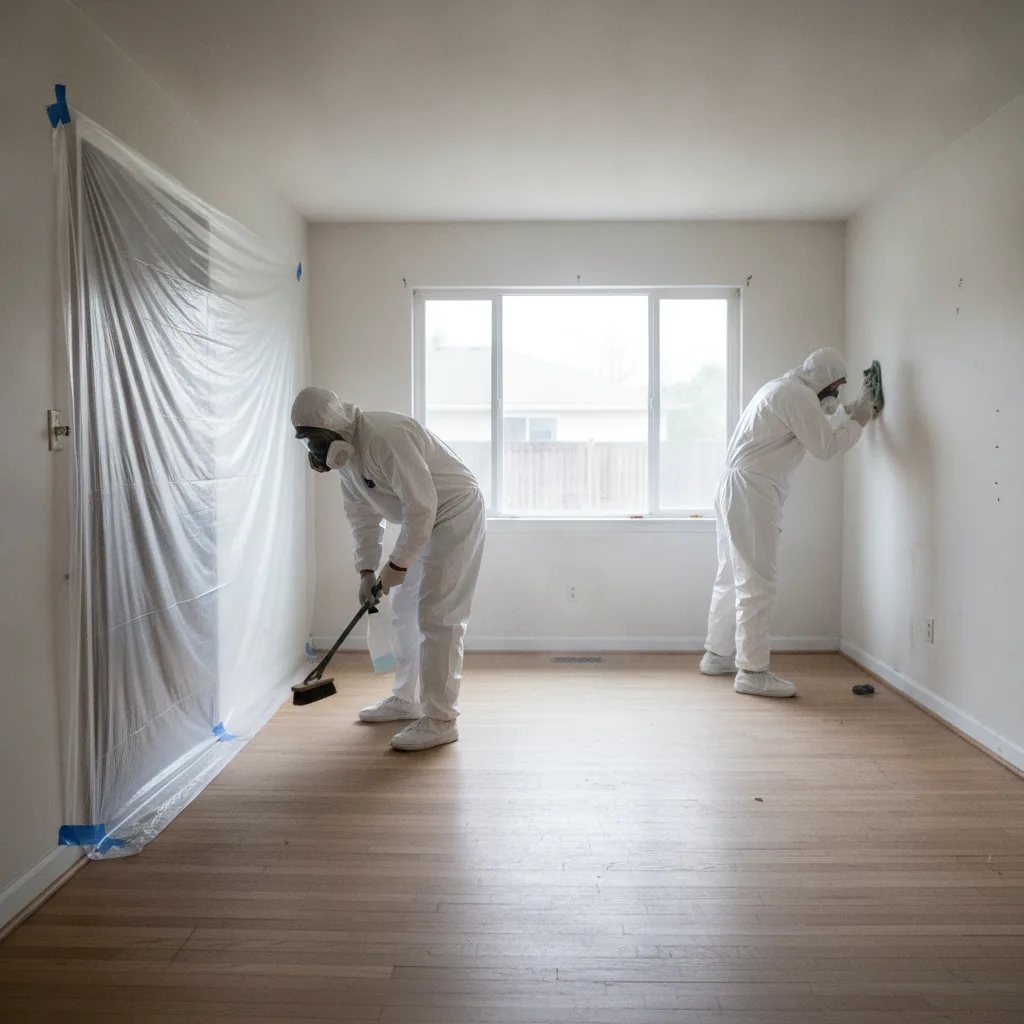
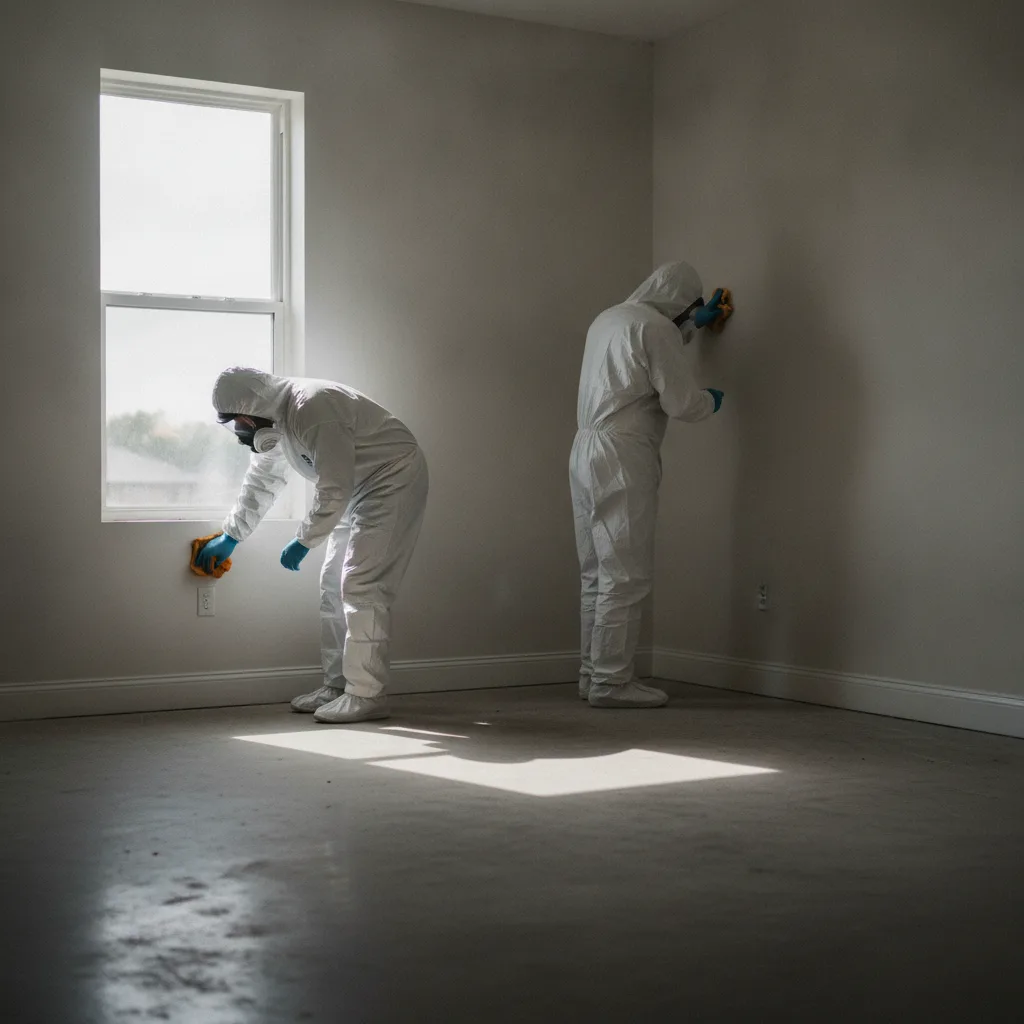
After the NYPD and OCME release the scene, we restore it to a safe, livable condition. That includes removing blood, tissue, fingerprint powder, and other residue from every affected surface.
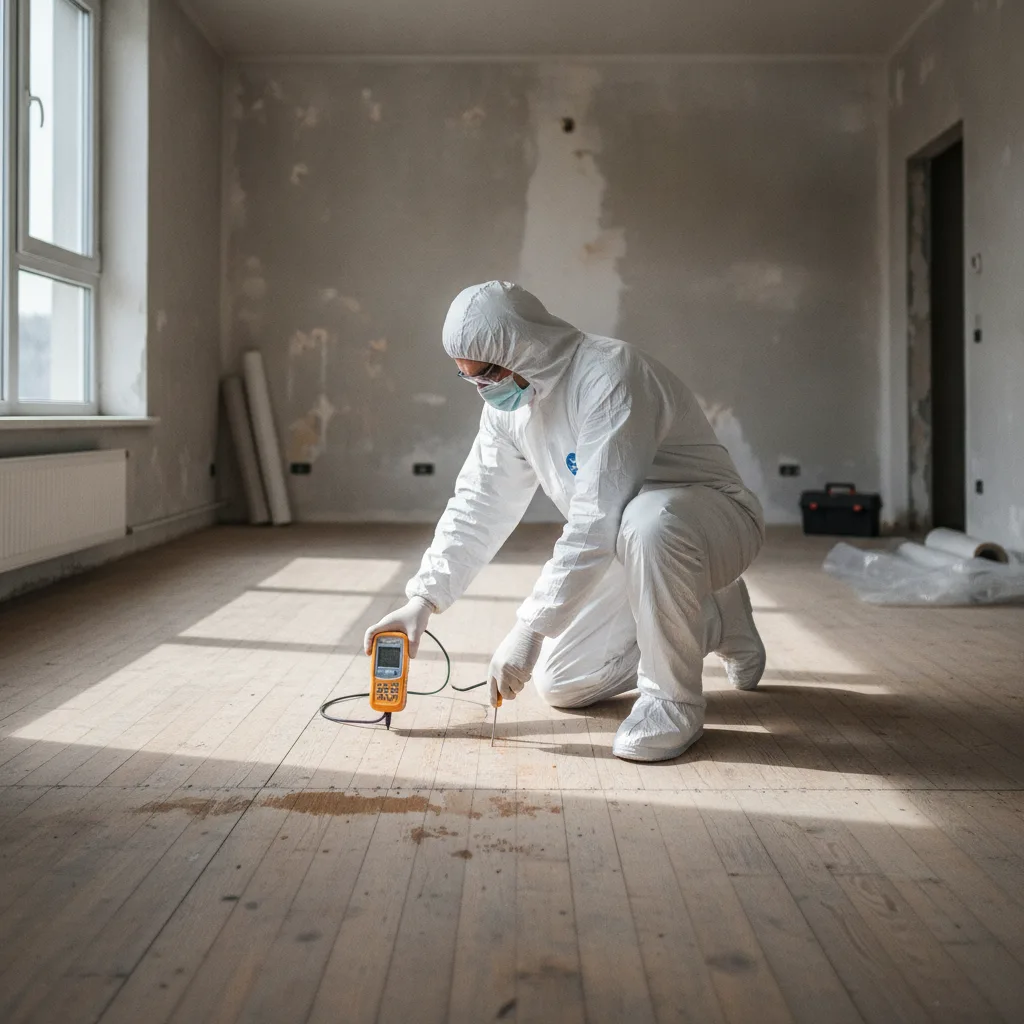
We remediate homes where someone passed away and wasn't found for days or weeks, removing biological contamination and restoring the space.
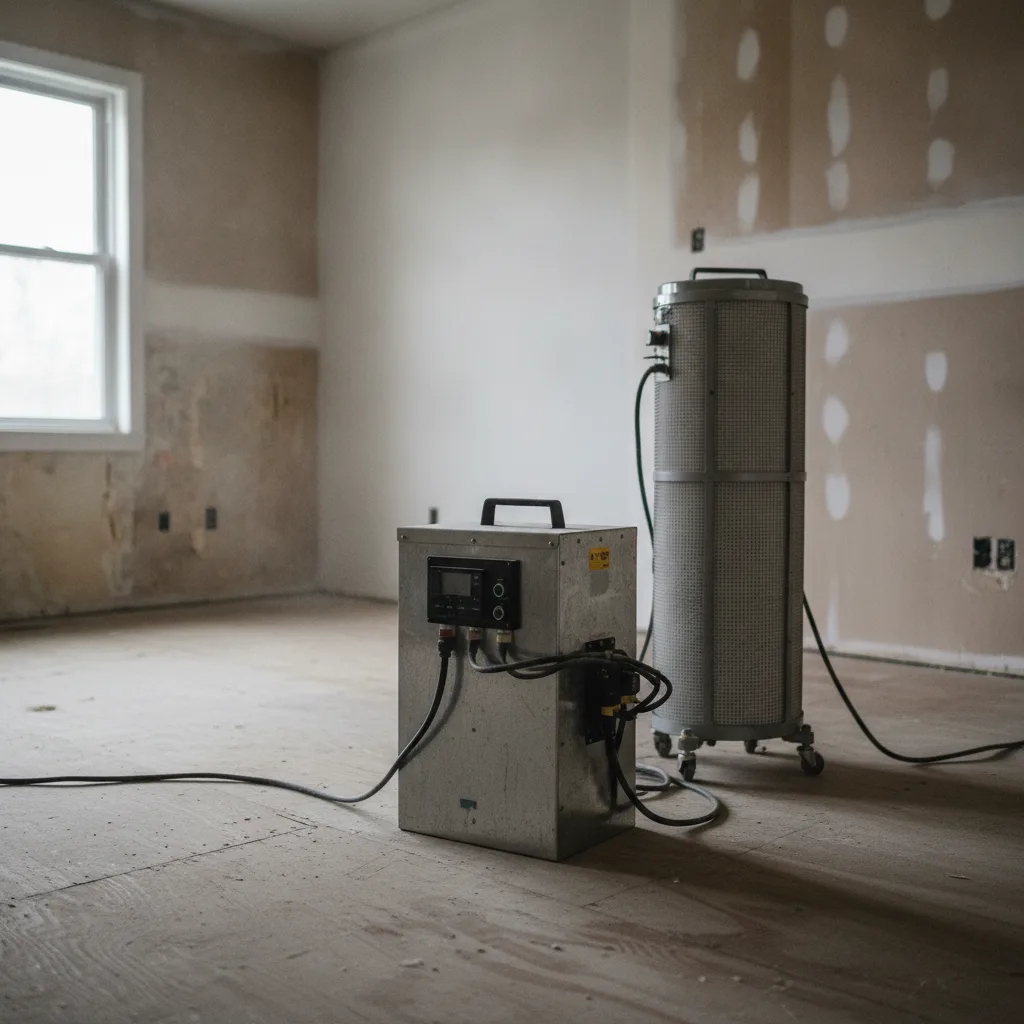
We handle advanced decomposition, including fluid saturation, insect activity, and strong odor, through structural and contents removal.
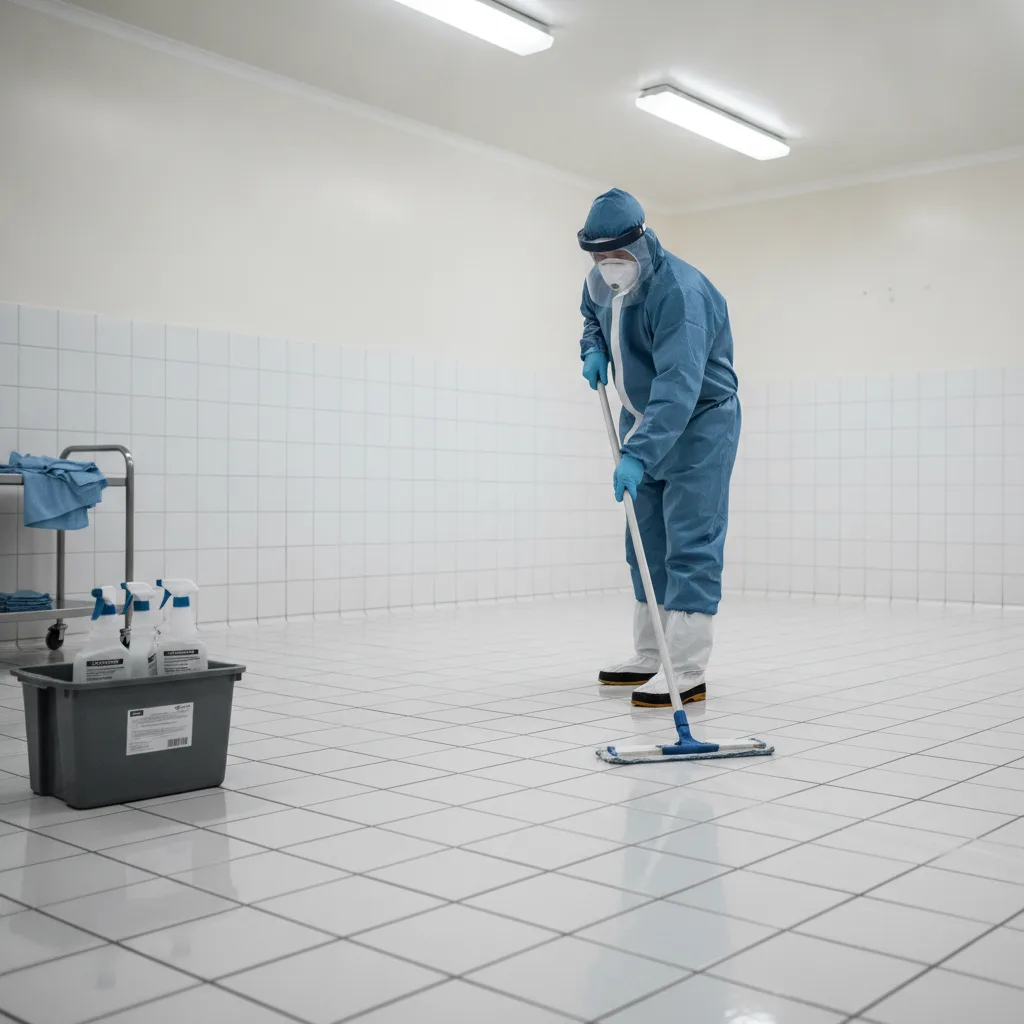
We clean up after suicides, serious accidents, and violent injuries with care and discretion, and we explain what to expect without adding stress.
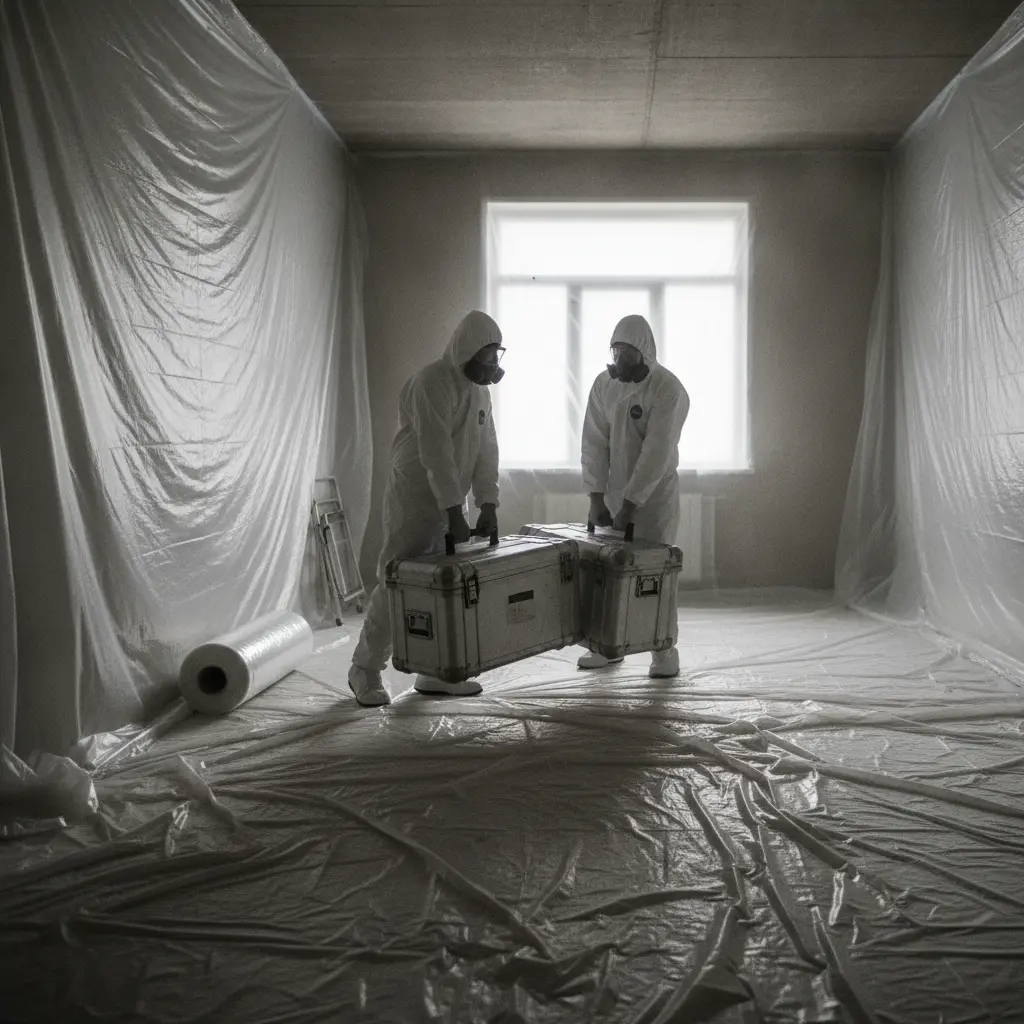
After police release a homicide scene, we fully remediate it, including blood, tissue, and investigative residue.
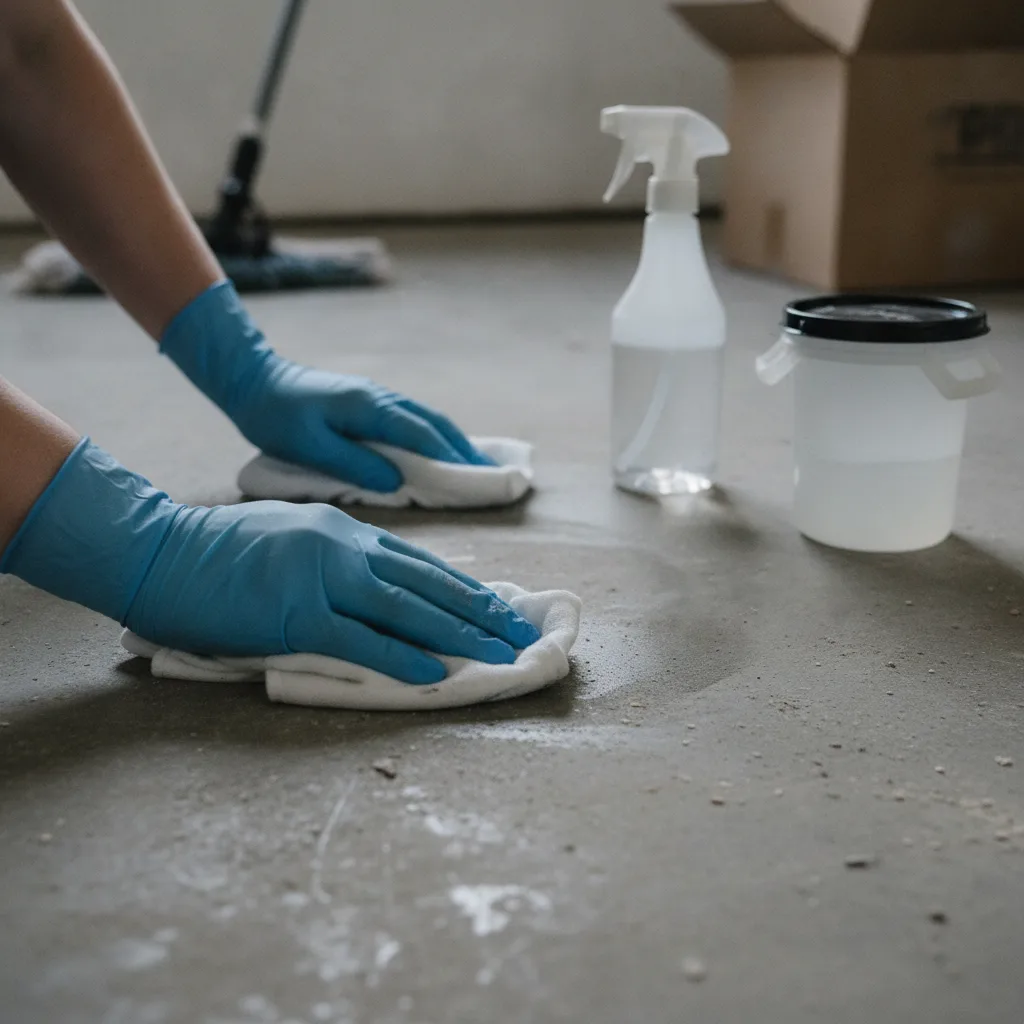
We remove and disinfect blood from injuries, medical events, or incidents in homes, vehicles, lobbies, and workplaces.
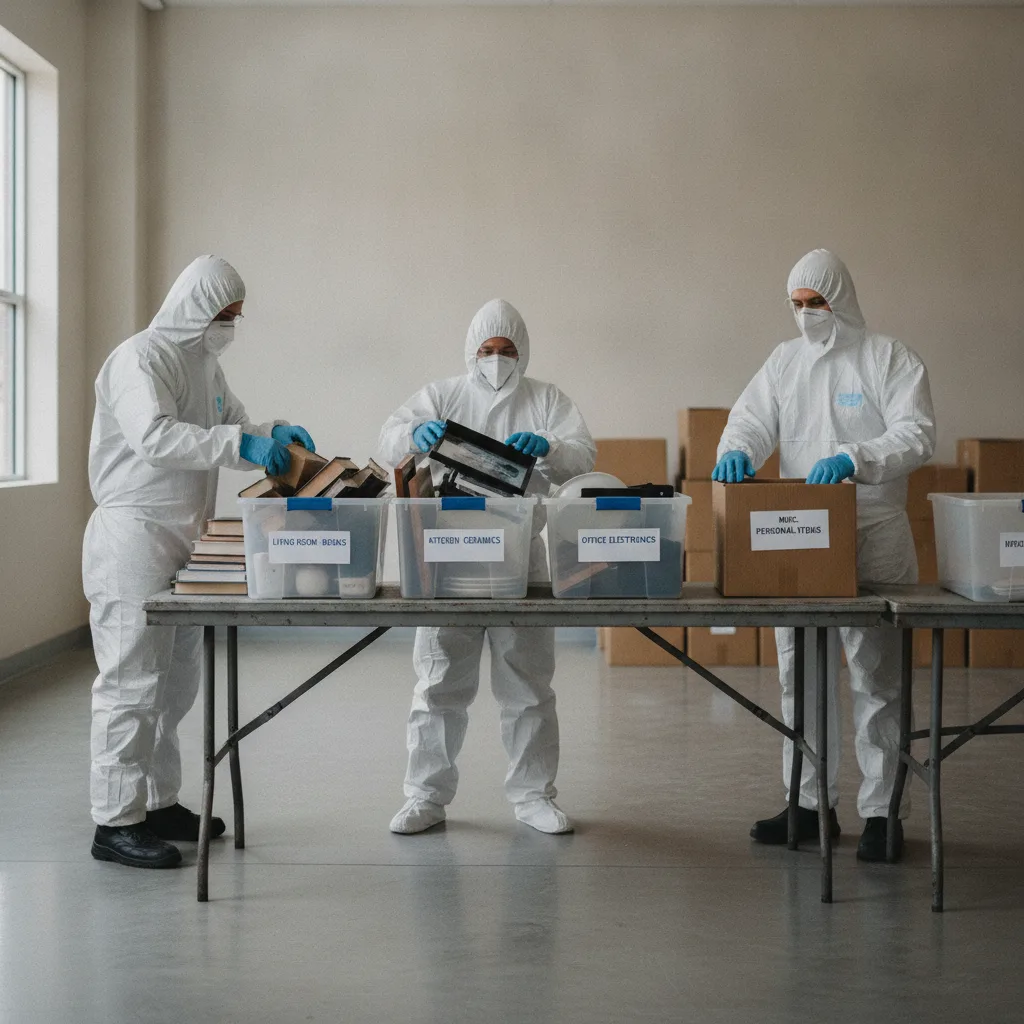
We clear hoarded and gross filth conditions respectfully, saving valuables, documents, and keepsakes along the way.
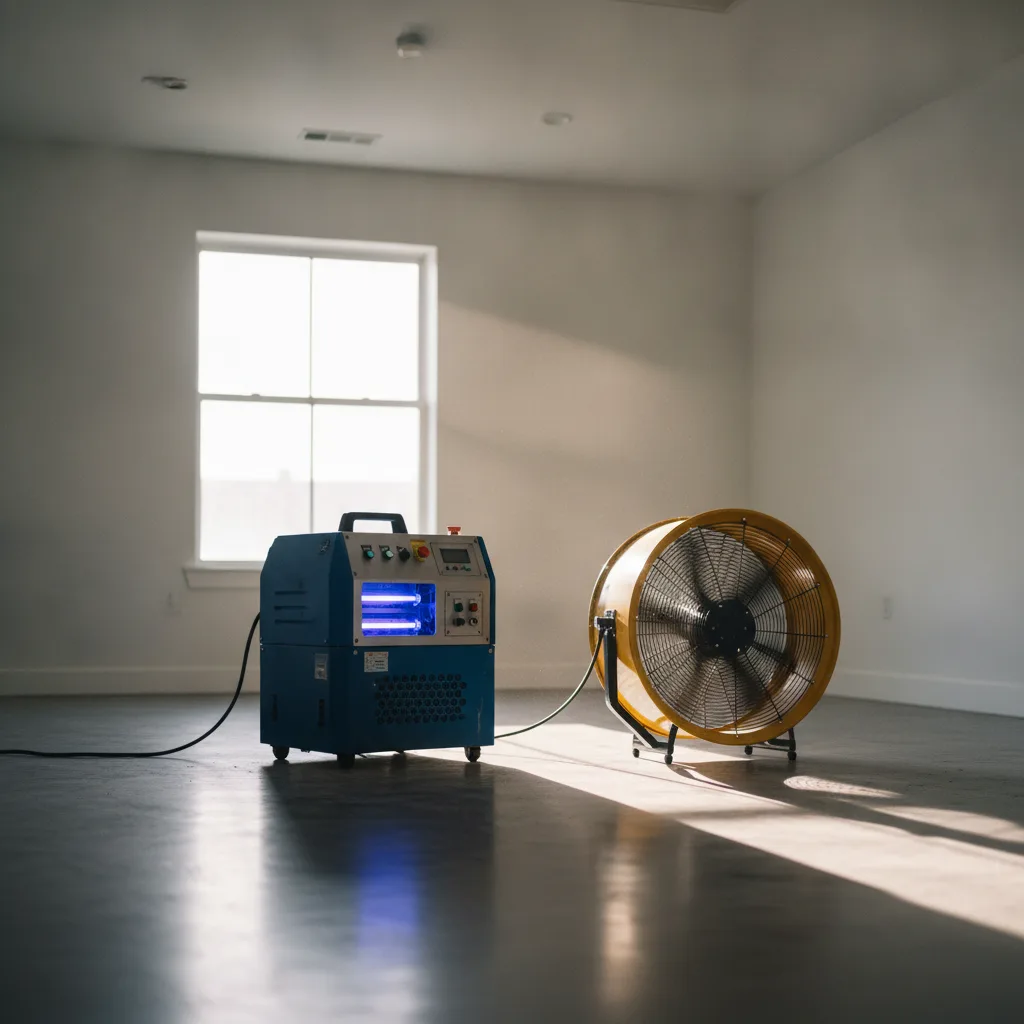
We permanently remove decomposition, smoke, urine, and biological odors instead of covering them up.
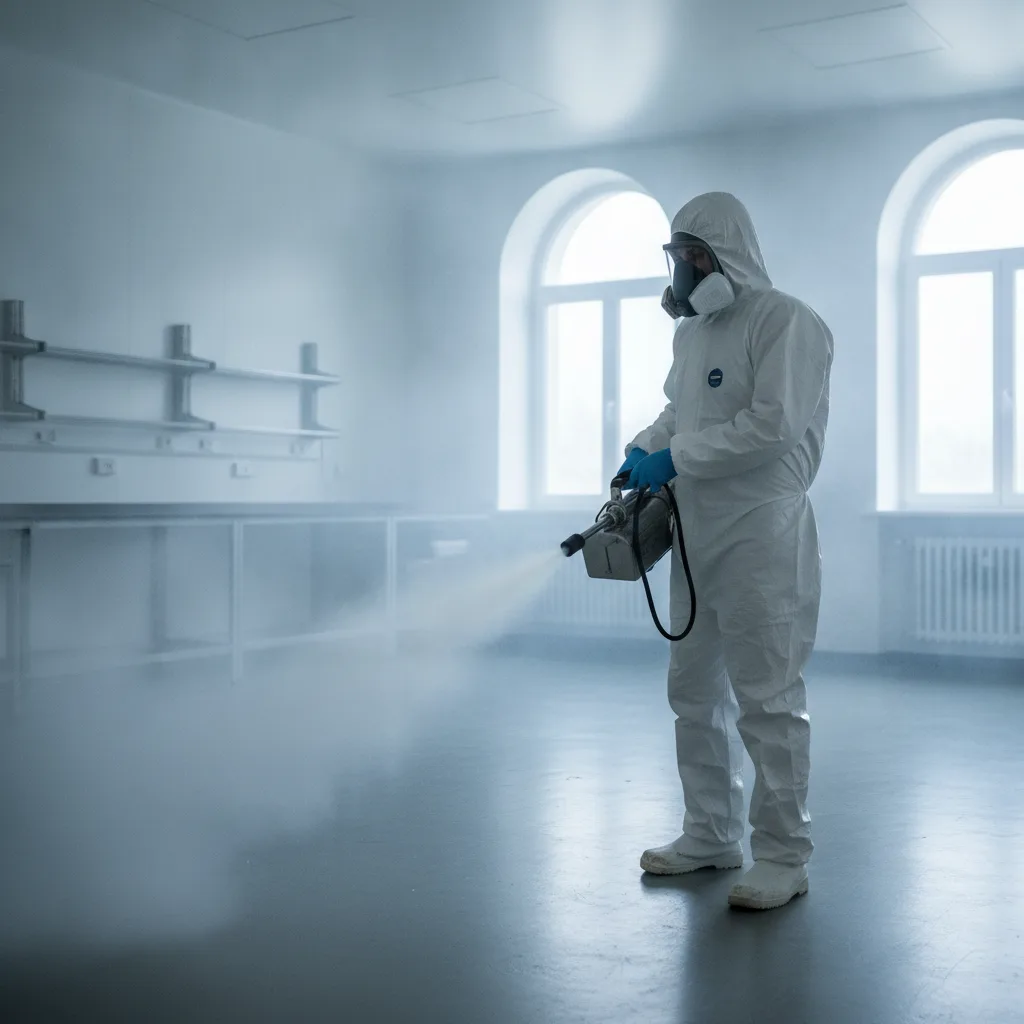
We decontaminate spaces affected by drug residue, sewage, Category 3 water, tear gas, fire suppressant, or infectious disease.
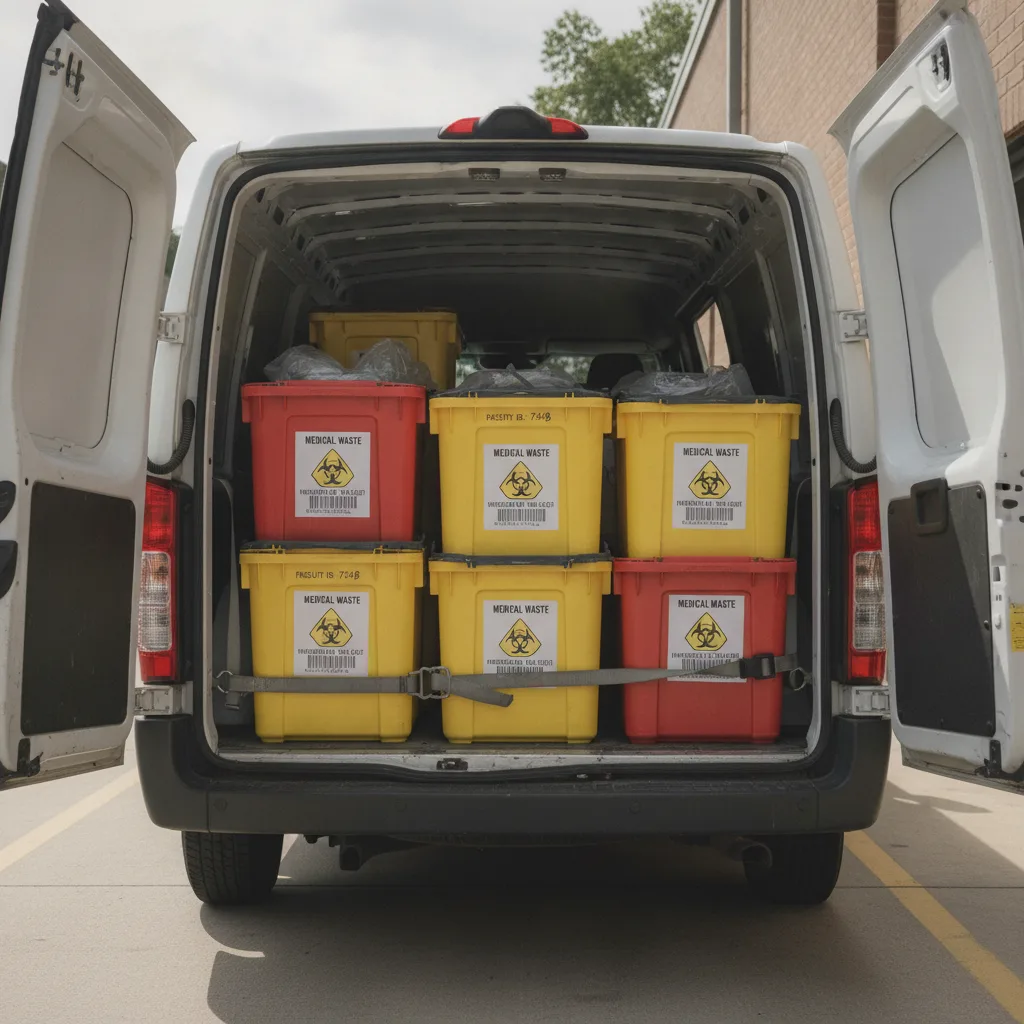
We collect, package, and dispose of regulated medical waste, sharps, and biohazardous materials.
Every scene is different, but the same situations come up again and again across the Bronx and nearby Westchester. Below we explain what each one involves, why it's so common here, the signs to watch for, and how urgent it is, so you can make clear decisions in a hard moment.
This is a death that goes unnoticed for days or weeks. Decomposition releases fluids, gases, and bacteria that soak into flooring, mattresses, and walls. It's one of the most hazardous and emotionally difficult scenes to remediate, and it needs specialized removal and odor treatment.
These are violent incidents that leave blood, tissue, and other potentially infectious material on surfaces. Contamination usually spreads farther than it looks, into grout, baseboards, and soft furnishings, and it has to be handled under OSHA bloodborne pathogen rules.
This is a buildup of belongings, trash, food waste, or animal waste severe enough to create fire, pest, mold, and biohazard risks. These cases often turn up after a death, an eviction, or an HPD complaint, and they need sensitive, organized handling.
Sewage or floodwater coming into basements and ground-floor units carries bacteria, viruses, and chemicals. Category 3 water is classified as grossly contaminated, so affected drywall, insulation, and flooring usually have to come out.
This is contamination from drug use or manufacturing, including fentanyl powder, residue on surfaces, and discarded needles. Fentanyl can be dangerous at tiny amounts, and sharps carry bloodborne pathogen risk.
This is a lingering smell of decomposition, smoke, or biological material after the visible mess has been cleaned. It usually means the source is still in subfloors, wall cavities, or ductwork.
These are limited blood releases from an injury, nosebleed, or medical event. They're smaller in scale, but they still involve potentially infectious material and need proper disinfection.
Here's what happens from your first call until the space is safe again. We keep you informed at each step, handle the insurance side, and work around your building's rules.
Any hour, day or night
Usually same day for emergencies
Often handled the same day as the assessment
1–5 days depending on scope
At completion
The last thing a grieving family needs is an invoice. Before we start, we look at homeowners and renters policies, the landlord's coverage, and New York's Office of Victim Services. Biohazard remediation is often covered, and when it is, we bill the insurer directly and work with the adjuster on scope and documentation. Many families end up with nothing out of pocket. If coverage is unclear, we'll explain your options plainly before any work starts, so there are no surprises later.
Plaster-and-lath, parquet over wood subfloors, cast-iron plumbing, and shared pipe chases all behave differently than modern drywall. We've learned to follow fluids past what's visible, to check the unit below, and to treat the pathways odor uses to reach the hallway. In buildings along the Grand Concourse, in Kingsbridge, or in Mott Haven, that knowledge keeps a cleanup from becoming a building-wide complaint. It also means the smell doesn't come back three weeks later on a humid day.
Neighbors in the Bronx live close together. Our vehicles are unmarked, our crews keep quiet in stairwells, and we bag and box materials inside the unit before carrying anything out. We time our trips to pass as few people as possible. In Riverdale co-ops, Rye homes, and Alpine estates, where privacy matters just as much, we take the same care. Nothing about how we arrive or leave tells anyone what happened inside.
Scenes don't wait for business hours, and in summer heat or a radiator-warmed apartment, every hour matters. When you call Integrity, day or night, a person answers. They can talk you through what to do next, confirm whether the scene has been released, and send a crew out quickly. You won't be leaving messages or waiting for a callback while odor spreads through the building.
Integrity Crime Scene Services is insured. Co-op boards and managing agents in Riverdale, Co-op City, Parkchester, and Westchester routinely ask for certificates of insurance naming the board and management, and we provide them promptly. We work within restricted hours, book elevators ahead of time, and follow NYCHA vendor procedures where they apply, so the job isn't held up by paperwork.
Our technicians follow OSHA's Bloodborne Pathogens Standard and New York State disposal protocols. Regulated medical waste moves with permitted transporters and manifests. For Alpine, we follow New Jersey's NJDEP rules. When demolition could disturb suspect asbestos or lead paint in older buildings, we plan for it and bring in the appropriate certified professionals. You get documentation that holds up with insurers, landlords, and regulators.
Families need patience, privacy, and someone to save the photos, papers, and keepsakes. Landlords need a habitable unit and quiet neighbors. We do both. We set aside personal items with care, explain each step without jargon, and give property managers a clear timeline and completion documentation so they can meet Housing Maintenance Code obligations and turn the unit over.
For most families, the real question is who pays, not how much. Biohazard remediation is often covered by homeowners, renters, or landlord insurance, or by New York's Office of Victim Services. We bill insurers directly, and many families pay $0 out of pocket.
Your coverage source matters more than the size of the job. Homeowners and many renters policies cover biohazard remediation. Landlords carry responsibility under the Housing Maintenance Code when a unit becomes uninhabitable. OVS may help with crime-scene cleanup costs for eligible victims. We review all of these with you, deal with the adjuster, and bill the carrier directly. You won't be asked to pay up front and wait to be reimbursed.
A blood spill on tile is a very different job from fluids that have soaked through parquet, subfloor, and into the ceiling below. In prewar Bronx buildings, contamination often moves farther than it looks, which adds structural removal and treatment of the neighboring unit. We document the full extent with photos and measurements so the insurer approves the right scope the first time.
An unattended death found after two days in winter is a smaller job than one found after two weeks in an August heat wave. Longer exposure means deeper fluid penetration, more insect activity, and stronger odor in walls and ductwork. Overheated radiator apartments can speed things up even in cold months. Calling right away keeps the claim smaller.
Five-floor walk-ups, booked elevators, restricted co-op hours, and scarce parking all affect how many technicians and hours a job takes. Luxury finishes in Rye or Alpine homes need careful removal and documentation for replacement claims. We build these logistics into the estimate the insurer sees.
Pre-1978 units need lead-safe work practices, and old floor tile or mastic may need an asbestos survey before demolition. Regulated medical waste has to move with permitted transporters and manifests, and NJ jobs follow NJDEP rules. These compliance steps are standard parts of a covered claim, not optional extras.
If part of a job isn't covered, like some hoarding cleanups, we'll explain that clearly before work starts and go over options with you. No surprise bills.
Often, no. Homeowners and many renters insurance policies cover biohazard remediation, and we bill the insurer directly, so many families pay $0 out of pocket. If you rent and the unit is uninhabitable, the landlord may be responsible under the Housing Maintenance Code. For crime victims and their families, New York's Office of Victim Services may help with cleanup costs in eligible cases. We review every option with you before work begins and deal with the adjuster ourselves, so you aren't stuck making phone calls during an already painful time.
We respond 24/7, and a person answers every call. For emergencies, we usually aim to have someone on site the same day, depending on location and building access. A small blood cleanup can take a few hours. Most trauma scenes take one to two days. An unattended death that needs subfloor removal and odor treatment can take three to five days. Co-op work hours, elevator bookings, and walk-up stairwells can change the schedule, and we'll give you a clear timeline after the assessment.
No. In New York City, the NYPD and the Office of Chief Medical Examiner have to release the scene before anyone can begin cleanup. Once they do, call us right away. When you call, we'll confirm the release, and if you're unsure, we can explain who to check with. Starting promptly after release matters, especially in summer heat or a radiator-heated apartment, because contamination and odor spread through shared walls and floors quickly.
Yes, several. Regulated medical waste must move with permitted transporters and manifests under New York DEC rules. If demolition could disturb suspect asbestos, NYC DEP requirements may apply. Pre-1978 units fall under Local Law 1 lead-safe practices. NYCHA units go through Housing Authority vendor procedures, and co-ops in Riverdale, Co-op City, and Parkchester usually require a COI, restricted hours, and elevator reservations. In Alpine, NJDEP rules apply. We handle this coordination for you.
We do everything we can to keep it private. Our vehicles are unmarked, our technicians keep quiet in hallways and stairwells, and contaminated materials are bagged and boxed inside the unit before anything is carried out. We time trips down walk-up stairs to pass as few people as possible. If odor has already reached the hallway, we treat it quickly so complaints stop. In co-ops and private homes in Riverdale, Rye, or Alpine, we bring the same discretion.
Call us any time there's blood, bodily fluid, decomposition, sewage, drug residue, or needles involved, or if an odor won't go away. Bloodborne pathogens and fentanyl residue pose real health risks, and household cleaners don't reach what's soaked into plaster, grout, or subfloors. If you smell decomposition in a hallway, see staining on a ceiling, or notice flies at a neighbor's window, call building management or 911 first. Then call us once the scene is released. Waiting usually makes the job larger.
Check in regularly on older relatives or tenants living alone, especially during heat waves. Simple wellness calls in Co-op City and Parkchester buildings can catch problems early. Landlords should respond quickly to odor or pest complaints, since these often point to hoarding or an unattended death. Install backwater valves and keep floor drains clear to reduce sewage backups during storms. After any fluid release, get professional remediation fast. Bronx humidity can turn a cleanable spill into a mold problem within days.
Yes. Along with every Bronx neighborhood, we serve Yonkers, New Rochelle, Rye and Rye Brook, and Alpine, New Jersey. Each area comes with its own building management, co-op or HOA rules, and waste requirements. Yonkers and New Rochelle follow New York State disposal rules, while Alpine jobs follow NJDEP regulated medical waste rules, so the paperwork changes when we cross the state line. We provide the right documentation either way and work directly with insurers on high-value properties.
We come to you anywhere in Bronx and the surrounding area, in unmarked vehicles, any hour of the day.
You don't have to handle this alone or pay for it yourself. Call any hour and a person answers. We'll check your coverage, send a discreet crew, and restore the space safely.
Call (929) 640-5581 Now