Discreet, certified crime scene and biohazard cleanup in Syracuse — unmarked vehicles, compassionate technicians, and in most cases $0 out of pocket since we bill your insurance directly.
A trauma scene in central New York isn't like one in a newer Sun Belt suburb. Lake-effect winters, muggy summers, century-old framing, and a mix of state and city rules all change how a scene has to be cleaned, documented, and paid for. Here's what we deal with on almost every Syracuse job.
Syracuse gets about 115–125 inches of snow a year, mostly from lake-effect bands coming off Lake Ontario 30–40 miles to the northwest. In winter, people keep their homes sealed up with the heat or space heaters running. That can hide an unattended death for longer, and it traps the odor and contamination in one room. July highs of 80–83°F and sticky humidity have the opposite effect. In closed-up upper flats and attics without air conditioning, decomposition, insect activity, and fluid seeping into the subfloor can get severe within days. Each spring, snowmelt and 38–40 inches of yearly rain flood basements that sit on poorly draining glacial clay. Once the moisture is there, mold grows quickly on any biohazard that hasn't been treated. Below-zero nights, freeze-thaw cycles in unheated garages, and a foot of new snow on a narrow street all affect how we set up and haul waste.
Most Syracuse homes were built before 1960, and a large share go back before 1940. The city is full of wood-frame upper/lower doubles, late-1800s Queen Annes, and Foursquares from the 1910s and '20s in Strathmore, Sedgwick, Eastwood, and Westcott. The Near Westside, Southside, and Northside are packed with old worker housing. Balloon framing lets fluids and odor travel through wall cavities from one floor to the next. Softwood plank subfloors under strip oak and layers of old linoleum absorb blood the way a sponge would. A lot of jobs therefore mean taking materials down to the framing. Asbestos pipe wrap, 9x9 floor tiles, and lead paint show up in nearly every home built before 1978. Narrow staircases to the upper flats make it slow work to carry out mattresses and flooring.
New York doesn't license crime scene cleaners. That's why it matters which rules a company actually follows. We work under OSHA's Bloodborne Pathogens Standard (29 CFR 1910.1030) and its respiratory protection rules. Regulated medical waste falls under NYS DOH and DEC rules, which require a permitted transporter and tracking manifests. Cleanup can't start until police or the medical examiner releases the scene. In Syracuse and De Witt that's the Onondaga County ME. Auburn and Oneida use the Cayuga and Madison County systems. Older homes add more steps. Disturbing painted surfaces brings in the EPA's lead-safe RRP rule, and removing plaster or tile can require an asbestos survey under Industrial Code Rule 56. Syracuse Code Enforcement cites unsanitary rentals, and the Landmark Preservation Board reviews exterior changes in areas like Hawley-Green.
Most Syracuse households rent, and many buildings belong to absentee landlords. That makes property managers some of our most frequent callers, usually with a code deadline coming up. De Witt's aging, mostly insured homeowners lead to estate cleanouts, often arranged by adult children who live out of state. Opioid and fentanyl overdoses keep causing unattended deaths across Onondaga, Cayuga, and Madison counties. Long, isolating winters and older people living alone add hoarding cases. Whoever is calling usually needs the same three things: discretion, speed, and help working out who pays.
Each service below follows OSHA bloodborne pathogen and respiratory protection standards and New York disposal requirements, and we document everything for insurance. We match the method to the building. A plaster-and-lath Victorian in Strathmore needs a different plan than a 1965 split-level in De Witt.
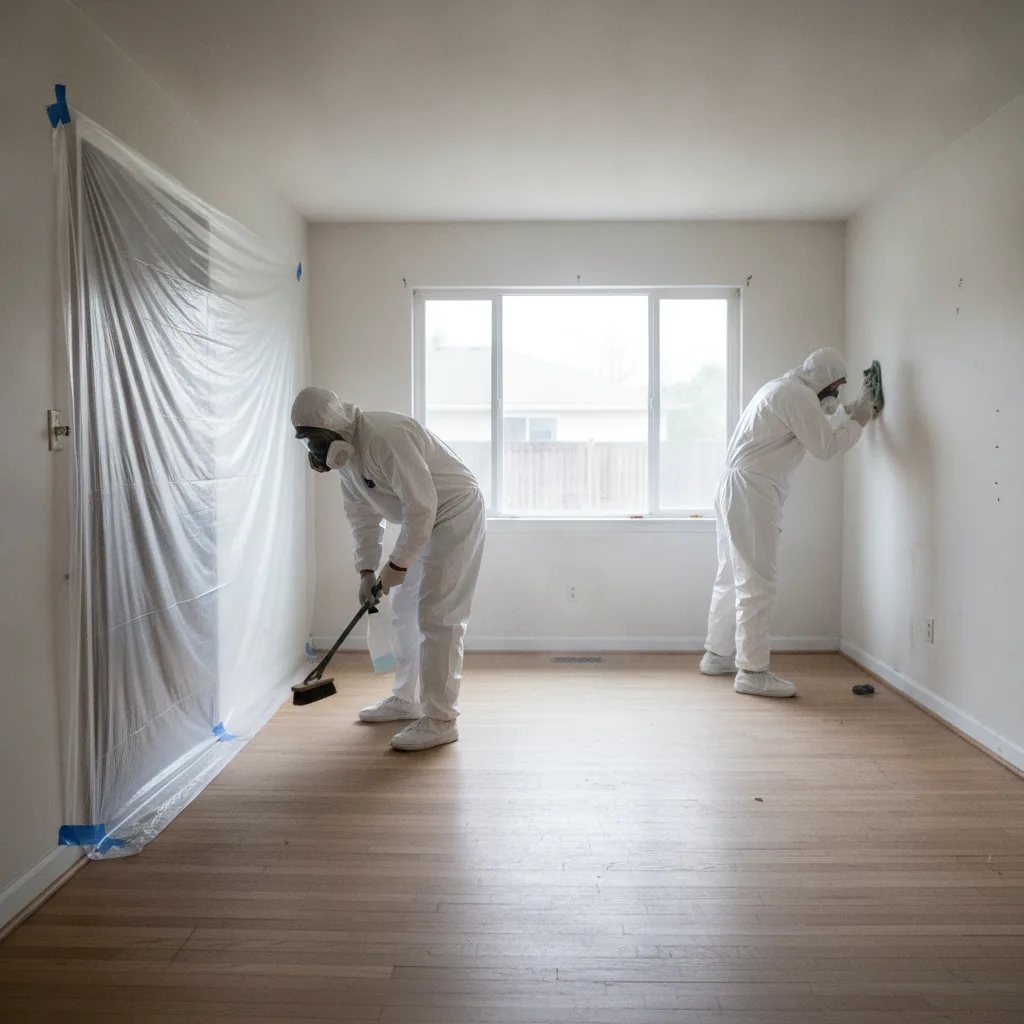
Once police release the scene, we fully remediate homicides, assaults, and other violent crimes. That includes blood, tissue, fingerprint powder, and any damaged materials.
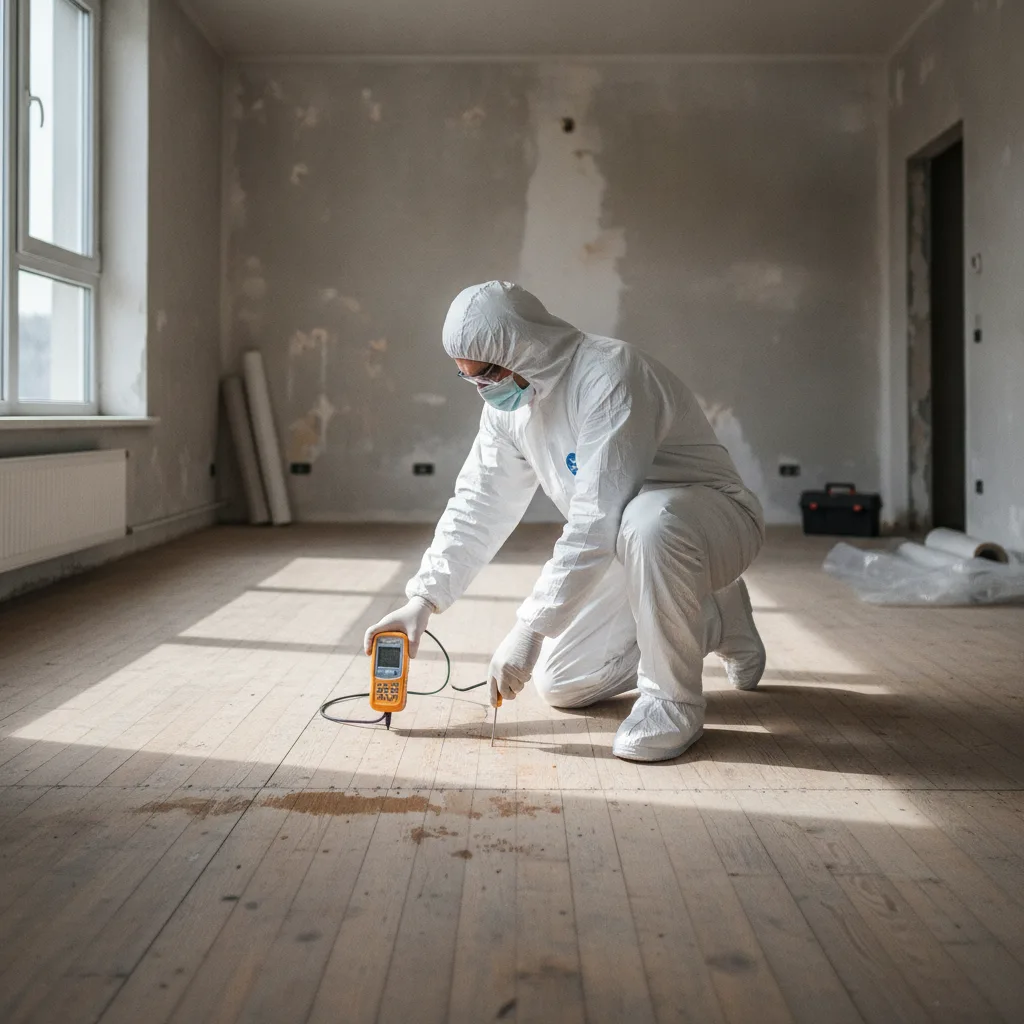
After the medical examiner releases the home, we clean up after deaths that went undiscovered for days or weeks. We restore rooms so they're safe and free of odor.
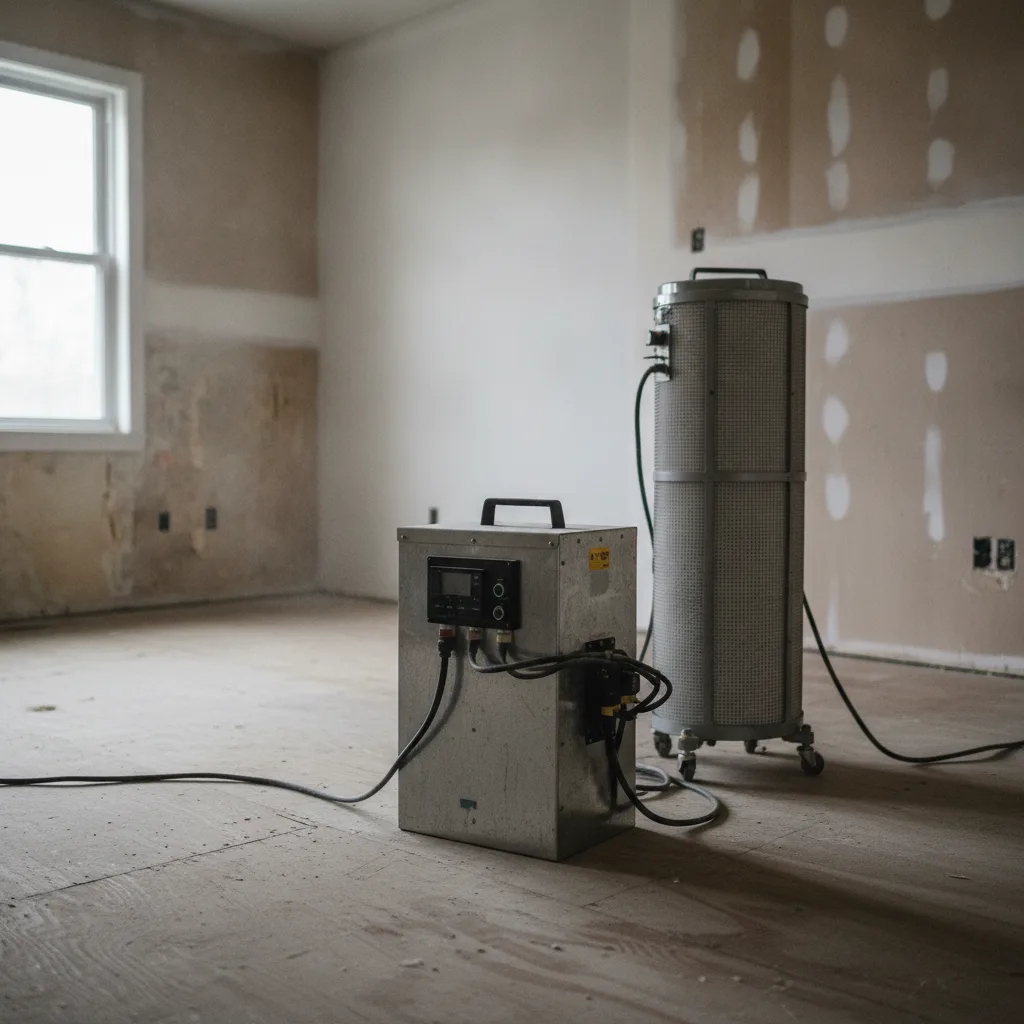
We remove decomposition fluids, tissue, insects, and contaminated building materials, including mattresses, flooring, and subfloor sections.
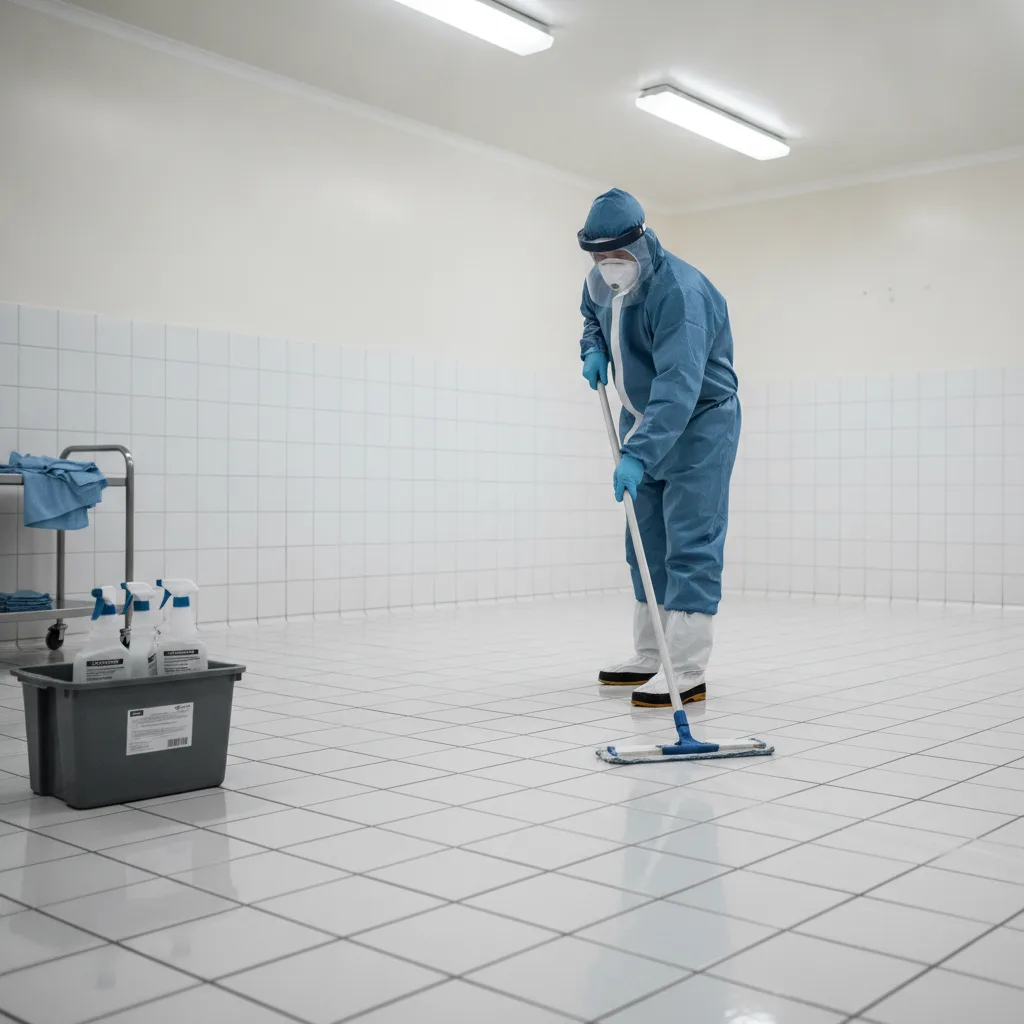
We clean up after suicides, accidents, and serious injuries at homes, businesses, and in vehicles, and we're careful about what family members see.
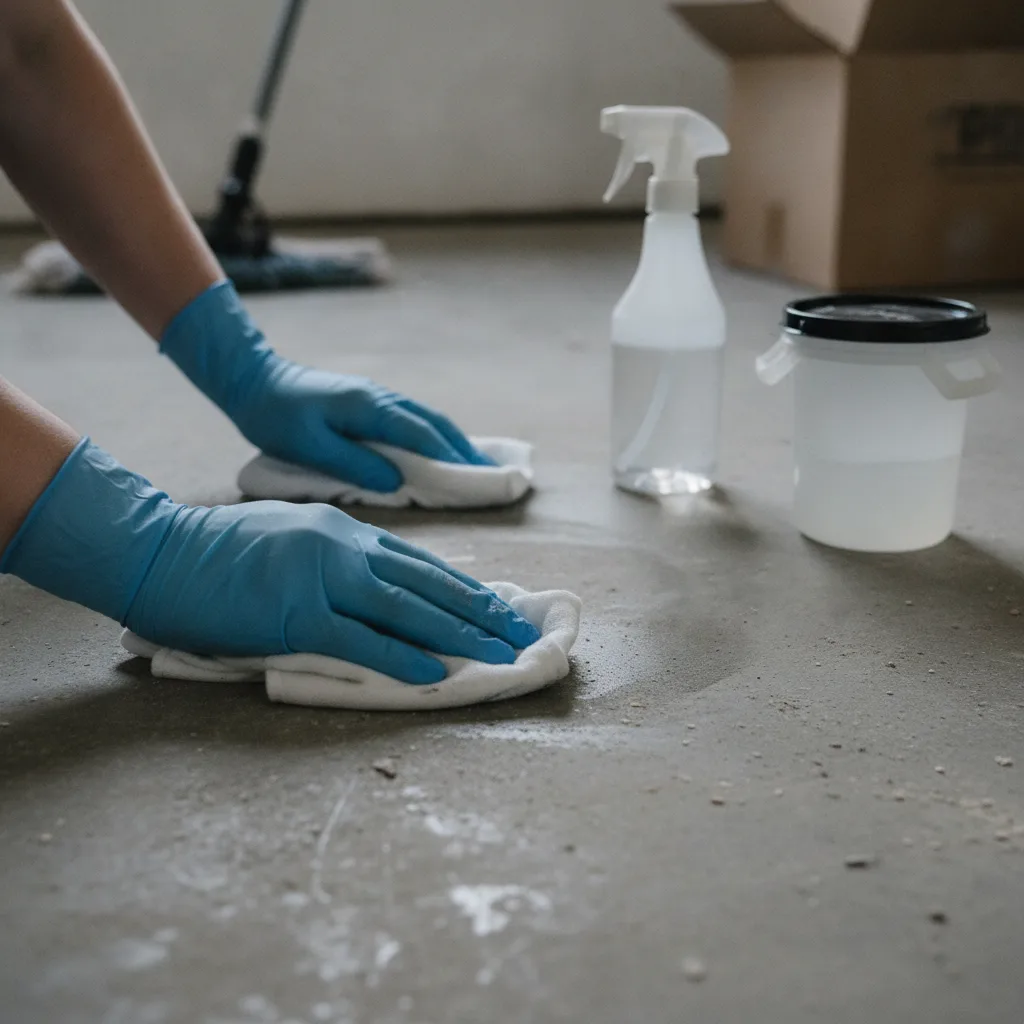
We handle blood and bodily fluid cleanup of any size, from a fall on the stairs to a large spill.
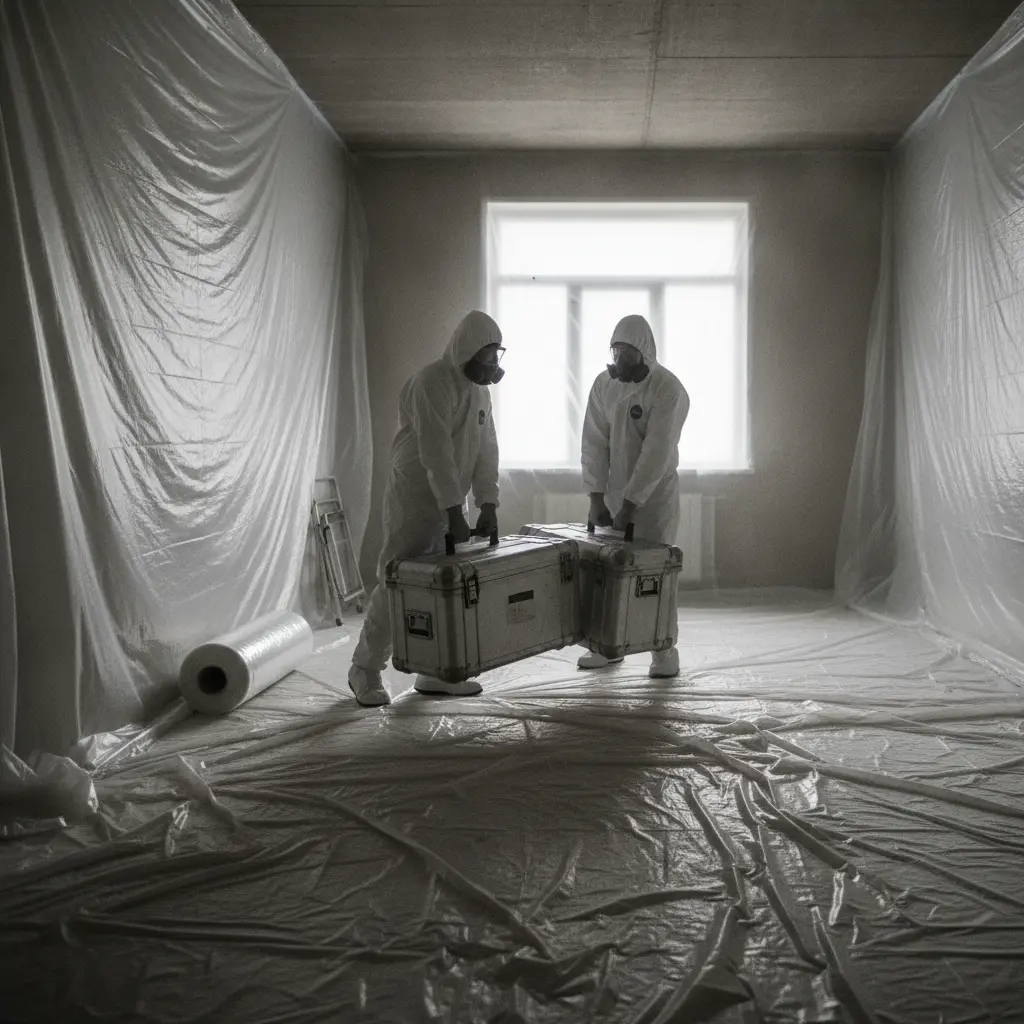
We restore homicide scenes completely and treat the family and the property with dignity.
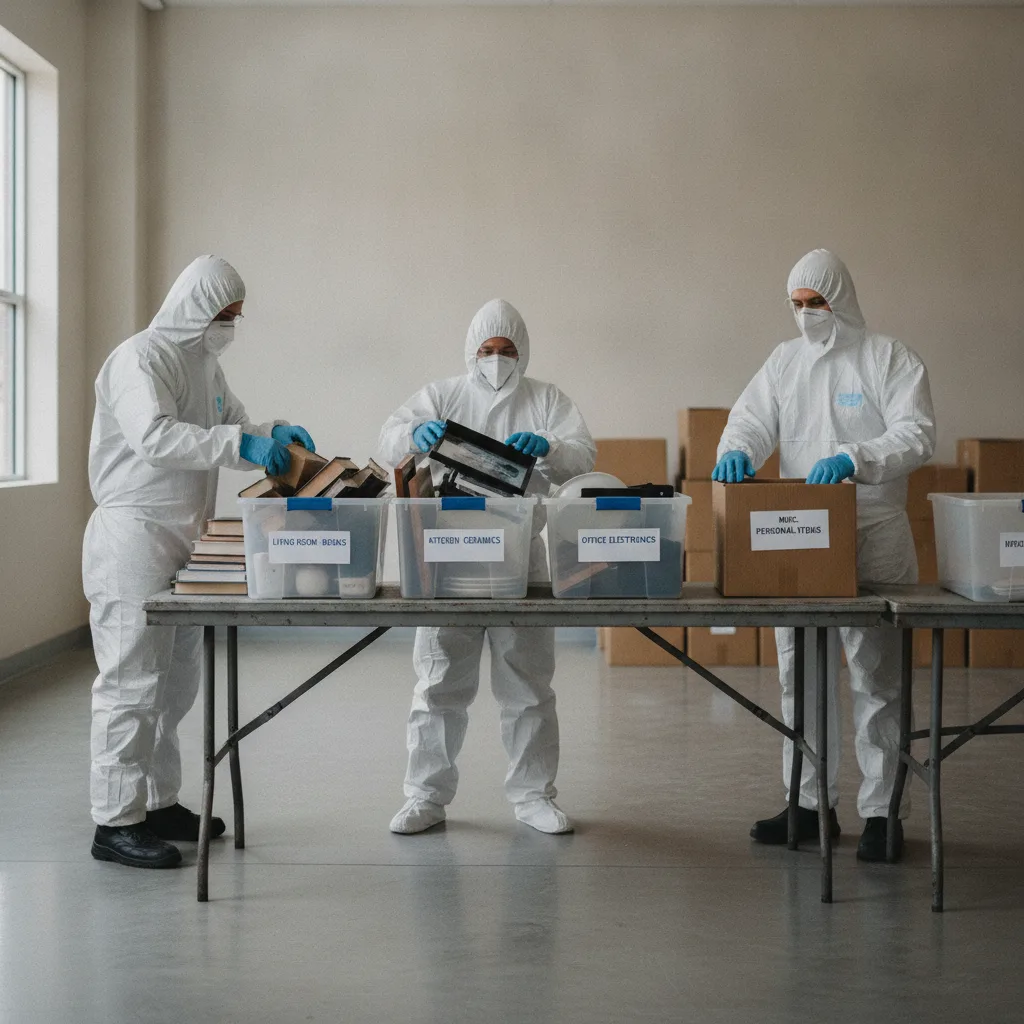
We clear hoarded homes and squalor conditions, including animal waste, and decontaminate the space.
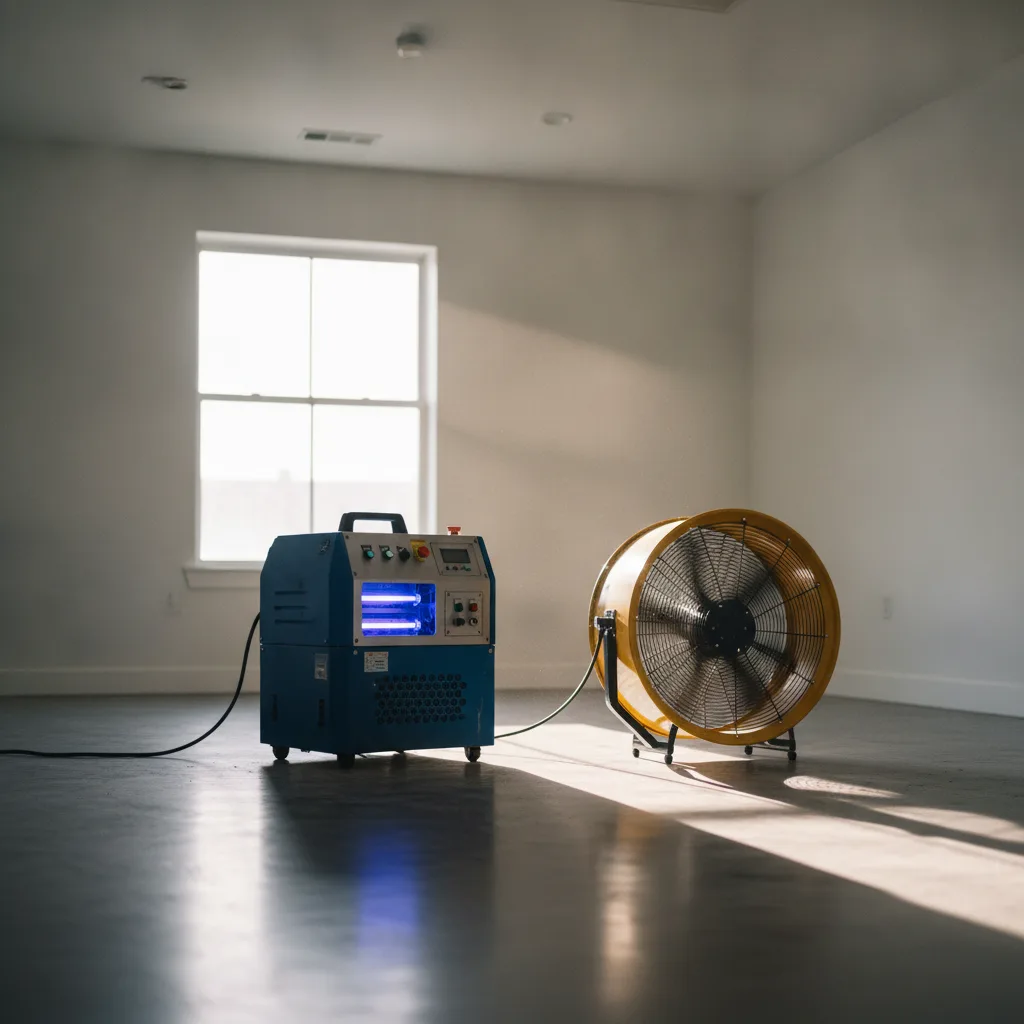
We permanently remove odor from decomposition, smoke, pets, and waste. We don't mask it.
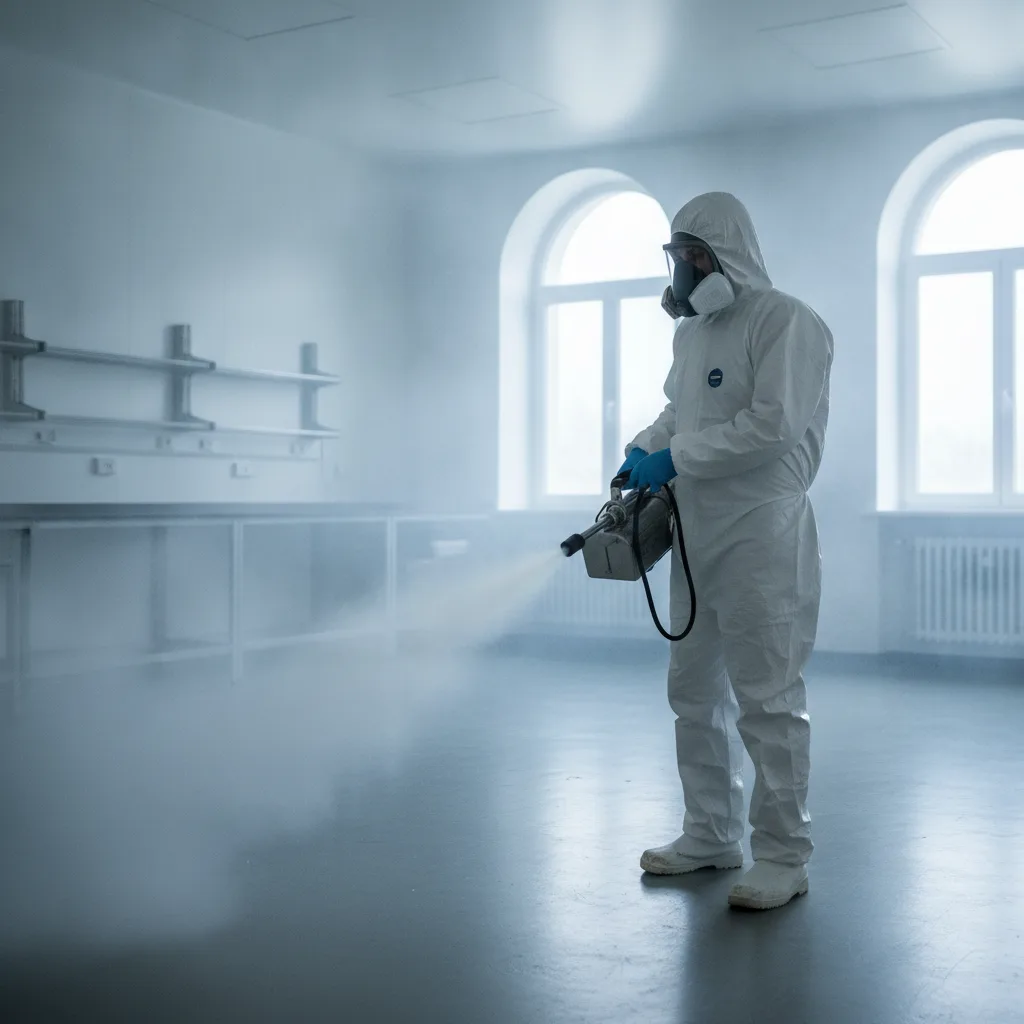
We disinfect homes, vehicles, and commercial spaces after biohazard exposure, including sewage and mold remediation.
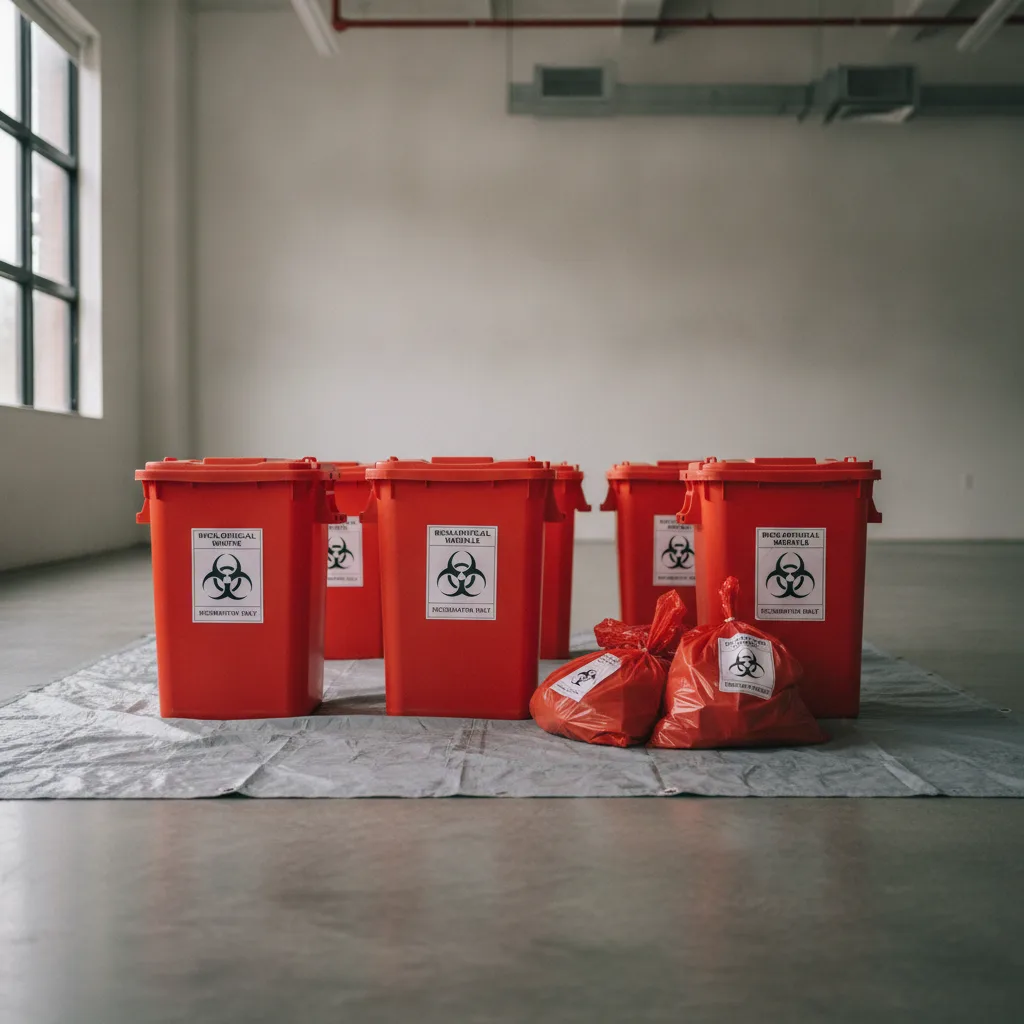
We handle general biohazard contamination that doesn't fit one category, such as animal remains, bodily waste, and contaminated rooms.
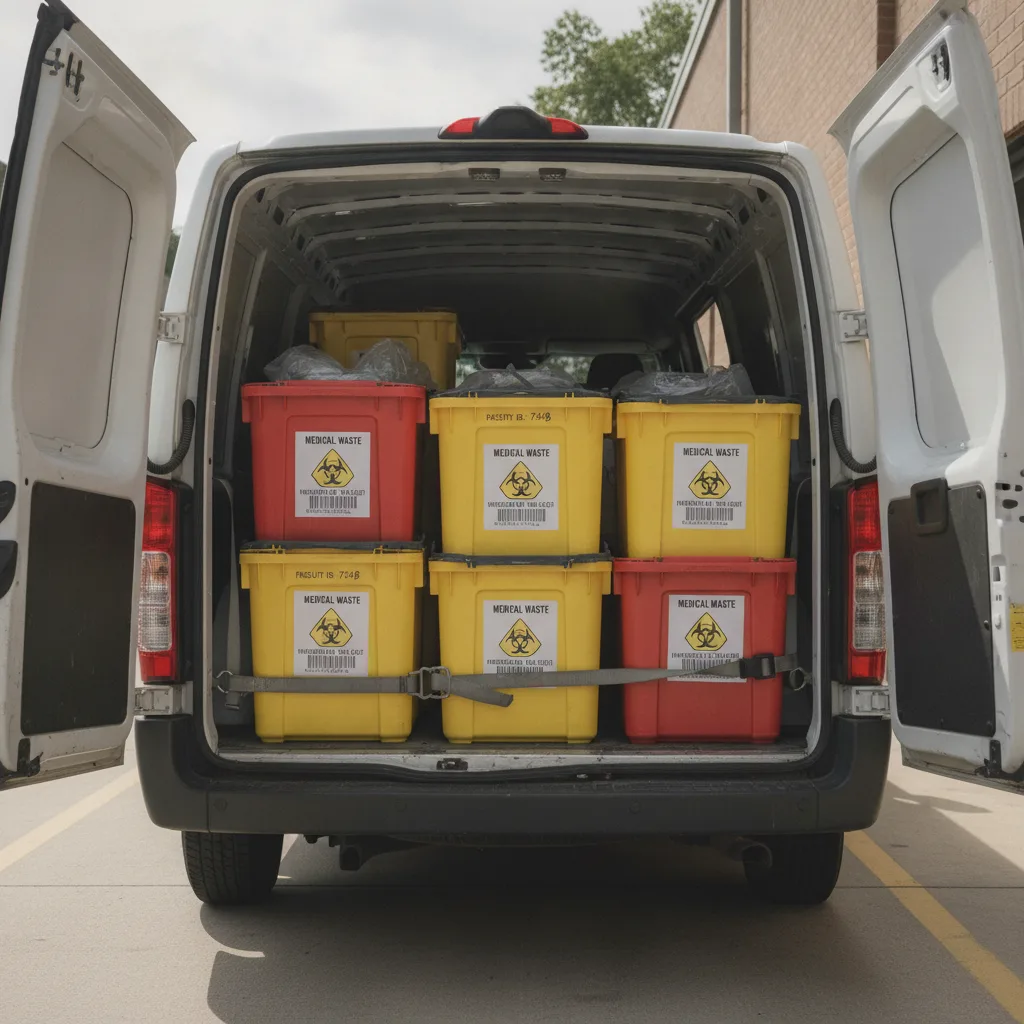
We package, transport, and dispose of regulated medical waste and sharps.
These are the calls we take most often in Syracuse, De Witt, Auburn, and Oneida. Some can't wait, and some can be planned. Knowing why each one happens here, and what to look for, helps you protect your health, your property, and anyone in the unit next door or downstairs.
When someone dies alone and isn't found for days or weeks, the body breaks down. Fluids, bacteria, and strong odor compounds soak into flooring, subfloors, mattresses, and walls. The contamination goes far deeper than what you can see on the surface.
After a homicide, assault, or shooting, blood and tissue can be left on porches, stairwells, vehicles, and interiors. Every trace has to be treated as potentially infectious under OSHA bloodborne pathogen rules, and none of it should be handled by family members.
After an overdose, there can be bodily fluids, used syringes, drug residue, and sometimes fentanyl contamination on surfaces. Even a small scene needs sharps handling, PPE, and disposal as regulated medical waste.
Hoarding is a long buildup of belongings, trash, spoiled food, and sometimes animal or human waste. It can block exits, overload floors, feed mold and pests, and create serious health and fire hazards.
Sewage backups and floodwater from outside count as Category 3 'black water.' It carries bacteria, viruses, and parasites. Anything porous it touches, like drywall, carpet, and insulation, usually has to be removed, not just dried out.
Odor molecules from decomposition, smoke, pets, or garbage get into wood, plaster, insulation, and HVAC ducts. Air fresheners only cover them up, and the smell comes back when the temperature or humidity rises.
These are limited spills from injuries, nosebleeds, falls, or medical events at home. They're small, but bloodborne pathogens can survive on surfaces, and blood soaks into carpet pads and subfloors faster than most people expect.
We keep this as simple as we can for you. One phone call starts everything. After that, we handle the work, the paperwork, and the coordination while you take care of your family.
Immediately, 24/7/365
Same visit as arrival
Usually the same day
Several hours to several days, depending on scope
At completion
Before we start, we work out how the job will be paid for. Homeowner's policies often cover trauma and unattended death cleanup, and the NYS Office of Victim Services can reimburse eligible crime victims' families within program limits. We put together the scope, photos, and waste manifests that adjusters ask for, and we explain each step in plain language. Many families pay little or nothing out of pocket. Either way, you'll know where you stand before any work begins. Nobody should have to argue with an insurer while grieving.
A Sedgwick Foursquare or a Near Westside double has balloon framing, plaster and lath, and plank subfloors that carry contamination far past the visible stain. We plan for that from the start. We check the unit below, open wall cavities when we need to, and treat joists rather than just the floor surface. We also know the asbestos and lead issues that come with pre-1978 homes. That way you get a realistic scope from the beginning, not unpleasant surprises halfway through.
Tragedies don't happen on business hours, and they don't wait for the plows. Our phone is answered by a person day and night, all year. We offer true 24/7 emergency response and plan around lake-effect storms, snowbanks, and winter parking rules so we can still reach you. If a storm slows us down, we'll tell you honestly and keep you updated.
We arrive in unmarked vehicles, with quiet crews and no logos on the driveway. That matters in tight-knit places like Auburn and Oneida, and in De Witt neighborhoods where HOAs set work hours and vehicle rules. We keep conversations private, cover what's being carried out, and treat every room, and every person who lived there, with respect.
New York doesn't license crime scene cleaners, so it's up to you to ask what standards a company follows. Ours follows OSHA's Bloodborne Pathogens Standard and respiratory protection rules, along with New York regulated medical waste requirements and manifests. We're fully insured. Our documentation holds up for insurers, landlords, and code enforcement.
Most Syracuse housing is rental, and many property owners live elsewhere. We know a citation from Code Enforcement or the rental registry comes with a deadline, and that the tenant downstairs still needs a livable home. We work quickly, keep the other unit protected, and give you written documentation of the remediation so you can clear the violation and get the unit re-rented.
We cover Onondaga, Cayuga, and Madison counties, from downtown Syracuse to Auburn about 25 miles west and Oneida about 30 miles east. We travel I-690, NY-5, and the Thruway to rural farmhouses and manufactured homes. If you're out in the country, you still get the same response and the same standards.
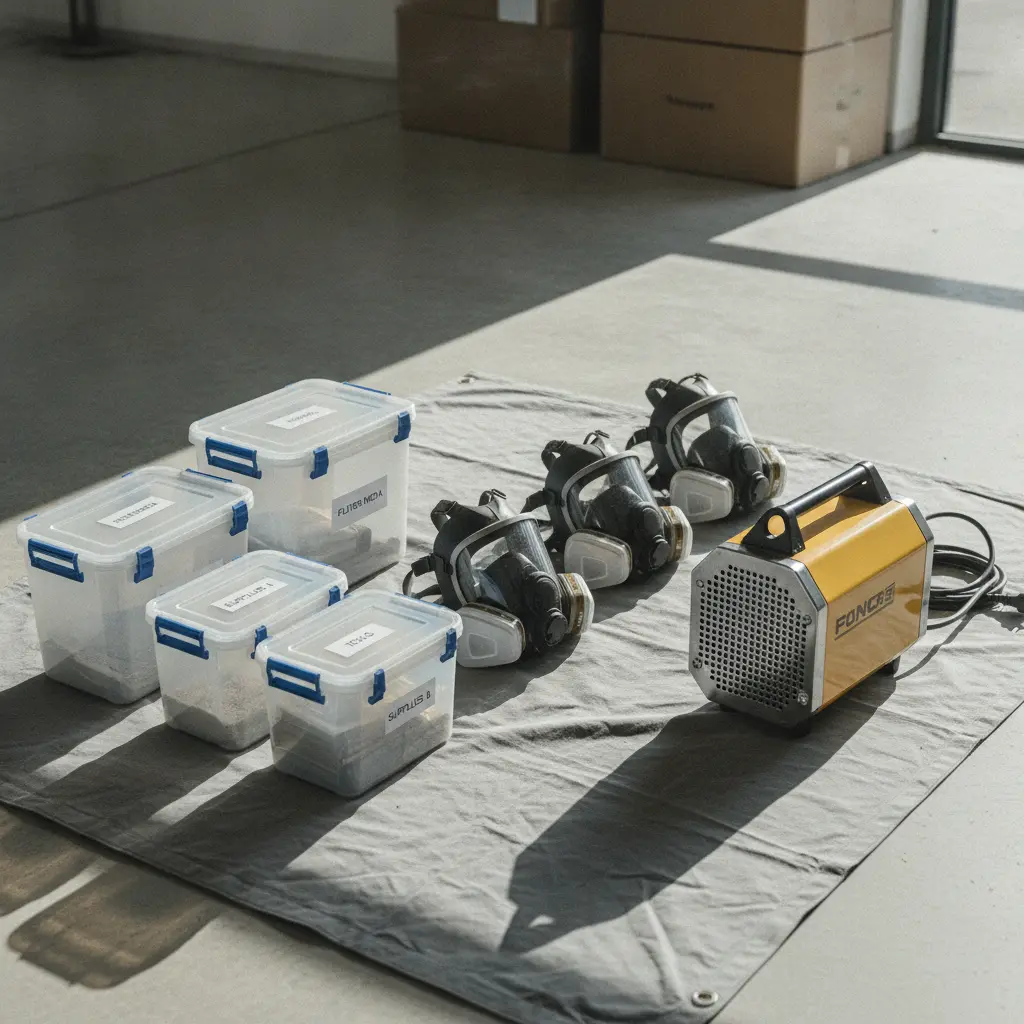
Most families never pay a cleanup invoice directly. Homeowner's and landlord policies often cover trauma, unattended death, and biohazard remediation, and NYS Office of Victim Services funds can reimburse eligible crime victims. We help sort out coverage before any work starts.
Most homeowner's and landlord policies treat biohazard contamination as sudden, accidental property damage, so they often cover trauma, unattended death, and decomposition cleanup. In those cases, what you pay out of pocket is usually just your deductible, and sometimes it's nothing. We send the carrier a written scope, photos, and manifests so the adjuster has what they need. We'll review your policy with you before work begins.
If the scene is the result of a crime, the New York State Office of Victim Services may reimburse eligible victims or their families for cleanup costs, within program limits. The application can be confusing, especially while you're grieving. We help families in Syracuse, Auburn, and Oneida gather the documentation and get the claim through.
How far fluids moved determines how much has to be removed. In Syracuse's balloon-framed homes with plank subfloors, a death in an upper flat can reach the joists and the ceiling below. That means removing structural materials, not just disinfecting surfaces. The longer a scene goes undiscovered, especially in humid summer weather, the bigger the scope tends to be.
In homes built before 1978, removing contaminated plaster, flooring, or pipe insulation may require asbestos testing under Industrial Code Rule 56 and lead-safe RRP practices. These steps add time and documentation. They're usually part of the covered scope, and we flag them early so your claim reflects them.
Narrow upper-flat staircases, lake-effect snow, winter parking rules, and rural roads in Cayuga and Madison counties all affect labor and hauling. Waste volume matters too. Regulated medical waste has to be manifested and disposed of through permitted channels.
When insurance or OVS doesn't cover the full scope, as can happen with some hoarding jobs, we'll explain your options clearly before any work begins. You won't get surprise invoices.
In most cases, yes. Homeowner's and landlord policies often cover crime scene, trauma, and unattended death cleanup as sudden, accidental damage, so families commonly pay only their deductible or nothing at all. If a crime was involved, the NYS Office of Victim Services may also reimburse eligible victims and families within program limits. We review your coverage before work starts, give your adjuster the scope, photos, and waste manifests they need, and help with the OVS paperwork. You'll know what you owe, if anything, before we begin.
We respond 24/7, and a real person answers the phone at any hour. In the city, we can usually be on site quickly after the scene is released. Auburn and Oneida take a bit longer because of the 25–30 mile drive. During lake-effect storms, we plan around snowbanks and winter parking rules and give you honest arrival estimates rather than optimistic guesses. Weather slows travel down, but it doesn't stop us from showing up.
A small blood cleanup is often done in a few hours. Most crime scene and trauma jobs take one to two days. Unattended deaths and decomposition cases in older Syracuse homes can take several days when fluids have reached subfloors, joists, or the unit below. Asbestos testing or lead-safe work in pre-1978 homes can add time. Hoarding cleanups range from a couple of days to more than a week, depending on volume. We'll give you a realistic timeline at the assessment.
You don't need a permit for interior biohazard cleanup, but someone does have to release the scene. Police or the medical examiner must release it before cleanup can begin. In Syracuse and De Witt, that's the Onondaga County ME. Auburn and Oneida use Cayuga and Madison County systems. In older homes, removing materials can trigger an asbestos survey under NY Industrial Code Rule 56 and EPA lead-safe rules. Exterior work on landmark properties may also need Syracuse Landmark Preservation Board review. We coordinate all of this for you.
New York doesn't have a state license specifically for crime scene cleanup, so ask how a company works. We follow OSHA's Bloodborne Pathogens Standard and respiratory protection rules, dispose of regulated medical waste under New York DOH and DEC requirements with tracking manifests, and carry insurance. Ask any company you're considering about its disposal manifests and documentation. Insurers usually require them before they'll pay a claim.
We strongly advise against it. Blood and bodily fluids can carry bloodborne pathogens, and decomposition scenes may contain needles or fentanyl residue. In older Syracuse homes, the visible stain is usually the smallest part of the problem, because fluids soak through plank subfloors and travel through balloon-framed walls. Doing it yourself risks your health, leaves contamination and odor behind, and can hurt your insurance claim if it isn't documented. It's also emotionally devastating. Let us take this on.
Call as soon as you know there's a problem, even before the scene is released, so we can be ready. Don't enter the area, move contaminated items, or try to cover the odor. Keep pets and children out. In summer, every day makes decomposition worse, and in upper flats it can reach the unit below. If you're a landlord, let the downstairs tenant know an issue is being handled. Then call your insurance company, or let us help you make that call.
Regular unit inspections, wellness checks on older tenants living alone, and quick responses to odor complaints catch problems early. Keep basements dry, because Syracuse's clay soils and spring snowmelt turn small issues into mold. If a tenant situation looks like hoarding, act before Code Enforcement does. When an incident happens, insist on documented remediation. Our written scope, photos, and manifests give you the proof you need to clear rental registry violations and re-rent the unit with confidence.
We come to you anywhere in Syracuse and the surrounding area, in unmarked vehicles, any hour of the day.
You shouldn't have to clean this up, and you probably shouldn't have to pay for it either. A real person is ready to answer right now, day or night, and walk you through the next step.
Call (315) 201-1677 Now