Discreet, certified crime scene and biohazard cleanup in Milwaukee — unmarked vehicles, compassionate technicians, and in most cases $0 out of pocket since we bill your insurance directly.
Milwaukee's lake-driven weather, century-old housing and layered regulations make trauma and biohazard cleanup harder than it is in newer metros. Here's what changes the work in Milwaukee County and the western suburbs, and why a general cleaning crew isn't enough for it.
July highs average around 80°F, with dew points in the 60s and stretches in the upper 80s to 90s. In an upper flat or attic with no air conditioning, an unattended death can saturate the subfloor within days, and the affected area grows fast. Winters run the other way. January highs hover near 29°F, homes stay sealed, and forced-air furnaces run constantly, pulling odor and airborne contaminants through ductwork into rooms that were never touched. Snowfall averages 45–50 inches a season. Add 34–36 inches of annual precipitation and a high water table near the Menomonee, Kinnickinnic and Milwaukee Rivers, and combined-sewer overflows can push Category 3 black water into older basements. Humid summers then speed up mold in fieldstone and block foundations.
A large share of Milwaukee homes were built before 1940. Fluids get past the surface finish here. Old-growth hardwood over plank subfloors absorbs blood and decomposition fluids, so sections usually have to be cut out. Lath-and-plaster walls and balloon framing let odor travel between floors. Soft, porous Cream City brick in Walker's Point and Brewers Hill is very hard to decontaminate. In upper/lower duplexes across Sherman Park, Harambee and Riverwest, fluids can drip into the lower unit. Pre-1940 construction also means lead paint, and possibly asbestos in plaster, pipe wrap, floor tile and mastic, which changes how we demolish. West Allis cottages have their own patterns, and so do the 1950s–1990s ranches and condos in Greenfield and Brookfield.
Wisconsin doesn't license crime scene cleaners, so compliance is up to the company. Workers fall under OSHA's Bloodborne Pathogens Standard (29 CFR 1910.1030), which requires PPE, training and hepatitis B vaccination. Biohazard waste counts as infectious waste under DNR rule NR 526. It has to be packaged, labeled, moved by a qualified transporter and treated at a licensed facility, with records from pickup to disposal. Pre-1978 homes fall under EPA's RRP Rule. Disturbing asbestos triggers DNR notification. Cleanup can't start until the Milwaukee County Medical Examiner releases the scene. DNS handles condemnation placards and hoarding orders. In historic districts such as Brewers Hill, Concordia and the Third Ward, removing windows may need a Certificate of Appropriateness.
Milwaukee County has more than 900,000 residents and a high share of renters, many of them in older duplexes. The fentanyl crisis has made overdose scenes and needle sweeps routine. An aging population means more elderly people living alone, and deaths that sometimes go undiscovered for days. Often the person handling it is an adult child who lives out of state. Many city households need insurance billing or help with victim-compensation claims. Suburban clients in Wauwatosa and Brookfield expect paperwork that satisfies HOAs and property managers. Almost everyone wants discretion in neighborhoods where people notice everything.
Every service below is handled by trained technicians using OSHA bloodborne pathogen protocols and Wisconsin infectious-waste disposal rules. We bill insurance directly whenever coverage applies. We adapt each job to Milwaukee's building materials, from plank subfloors and plaster to Cream City brick and fieldstone basements.
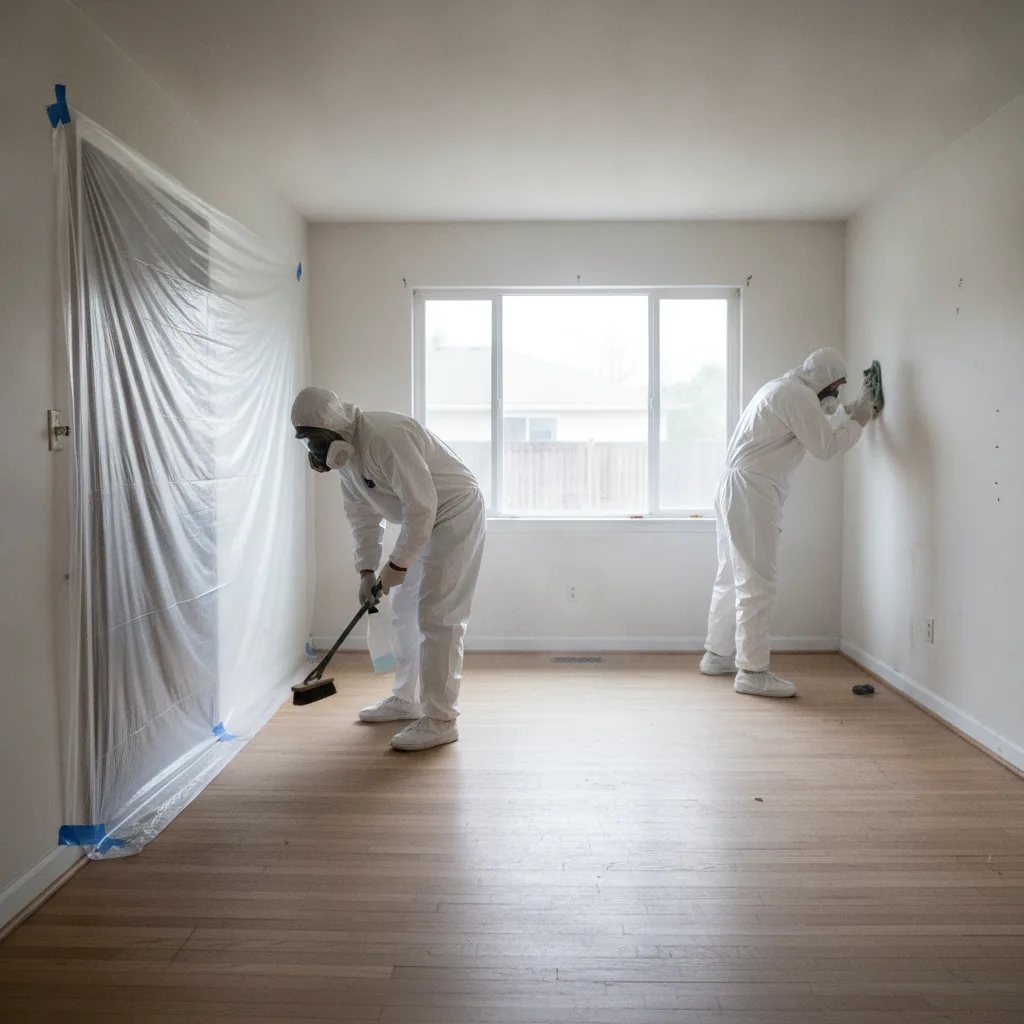
We fully clean and restore homes, businesses and vehicles after a violent crime once police and the Medical Examiner release the scene. We handle the physical work and the insurance paperwork.
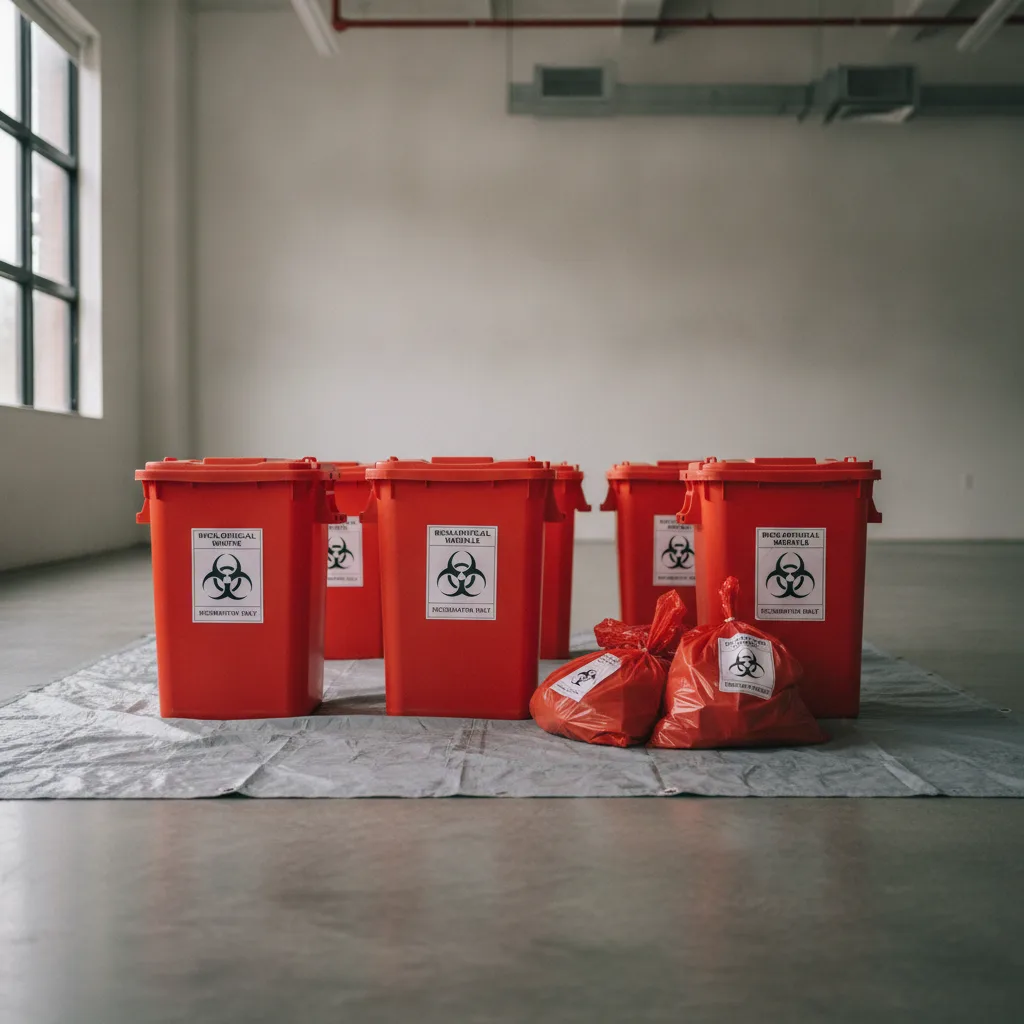
We remove and decontaminate any biological hazard: blood, bodily fluids, sewage, animal waste and infectious materials in residential and commercial spaces.
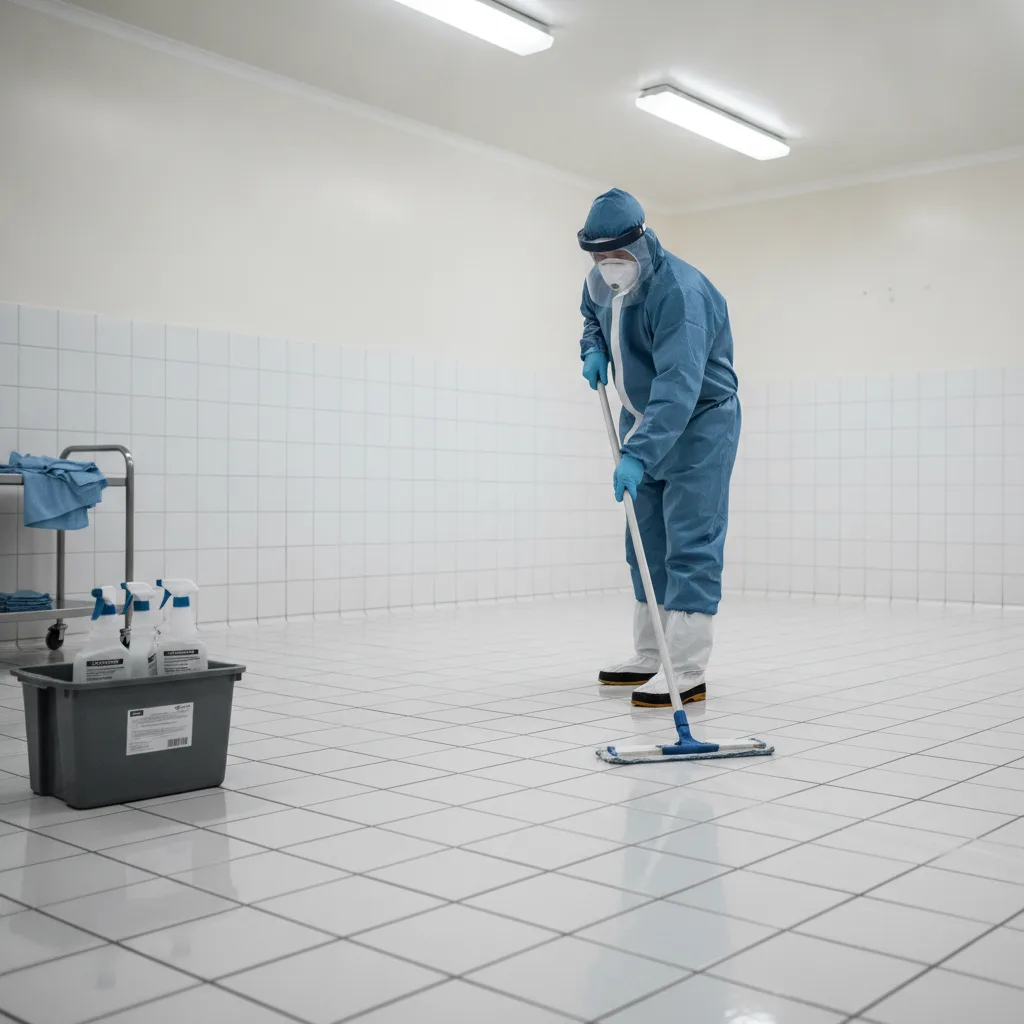
We clean up after suicides, accidents and serious injuries with care and discretion, so the family never has to see or handle the aftermath.
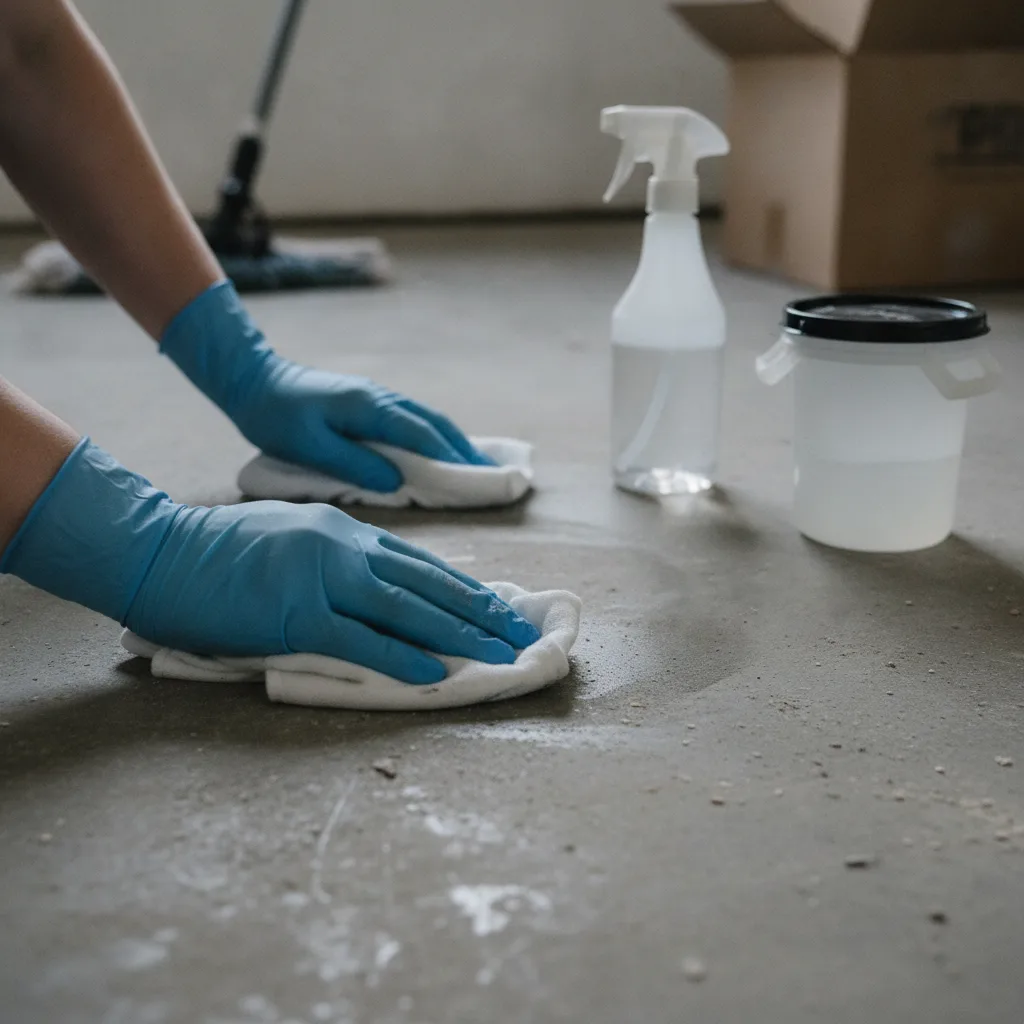
We remove blood from all surfaces, including the places it hides: between floorboards, under baseboards, inside vents and within upholstery.
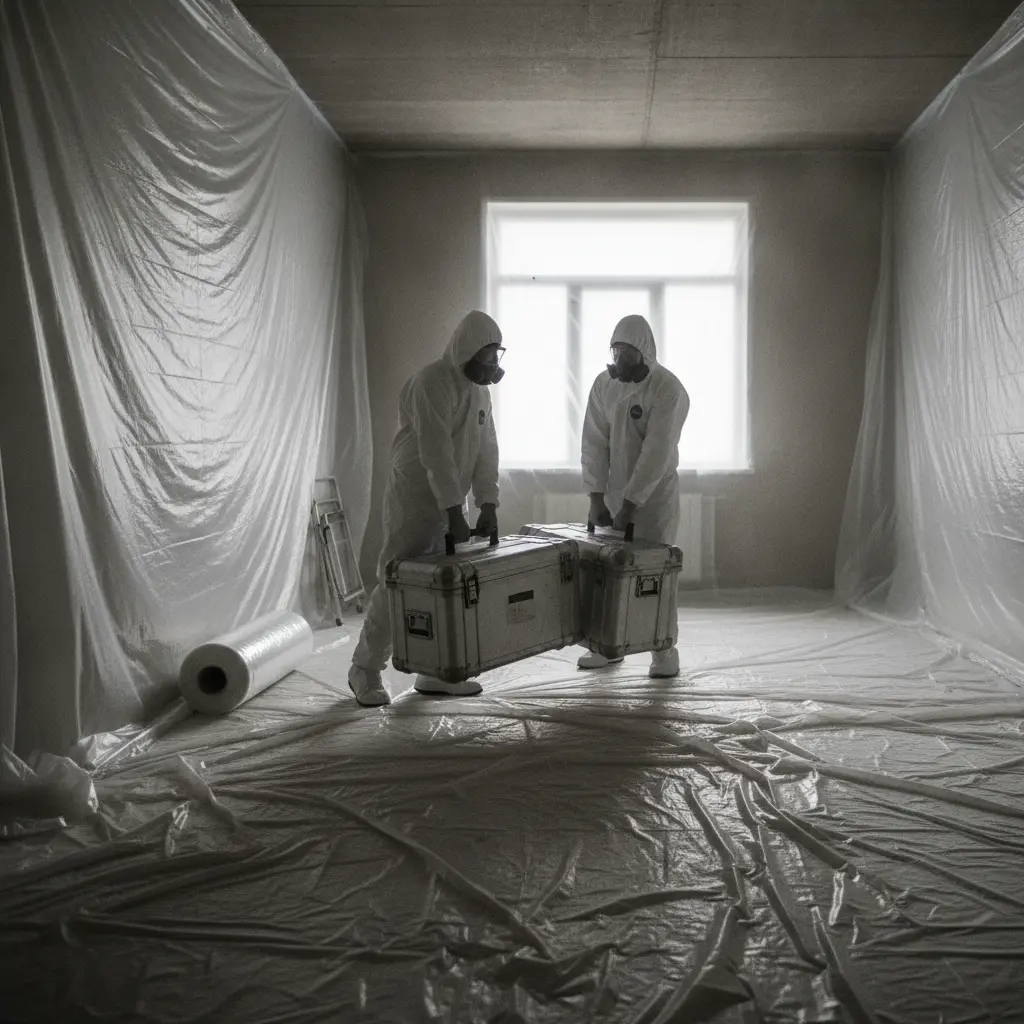
We restore homes after a homicide with full decontamination, and we help families document losses for insurance and Wisconsin Crime Victim Compensation.
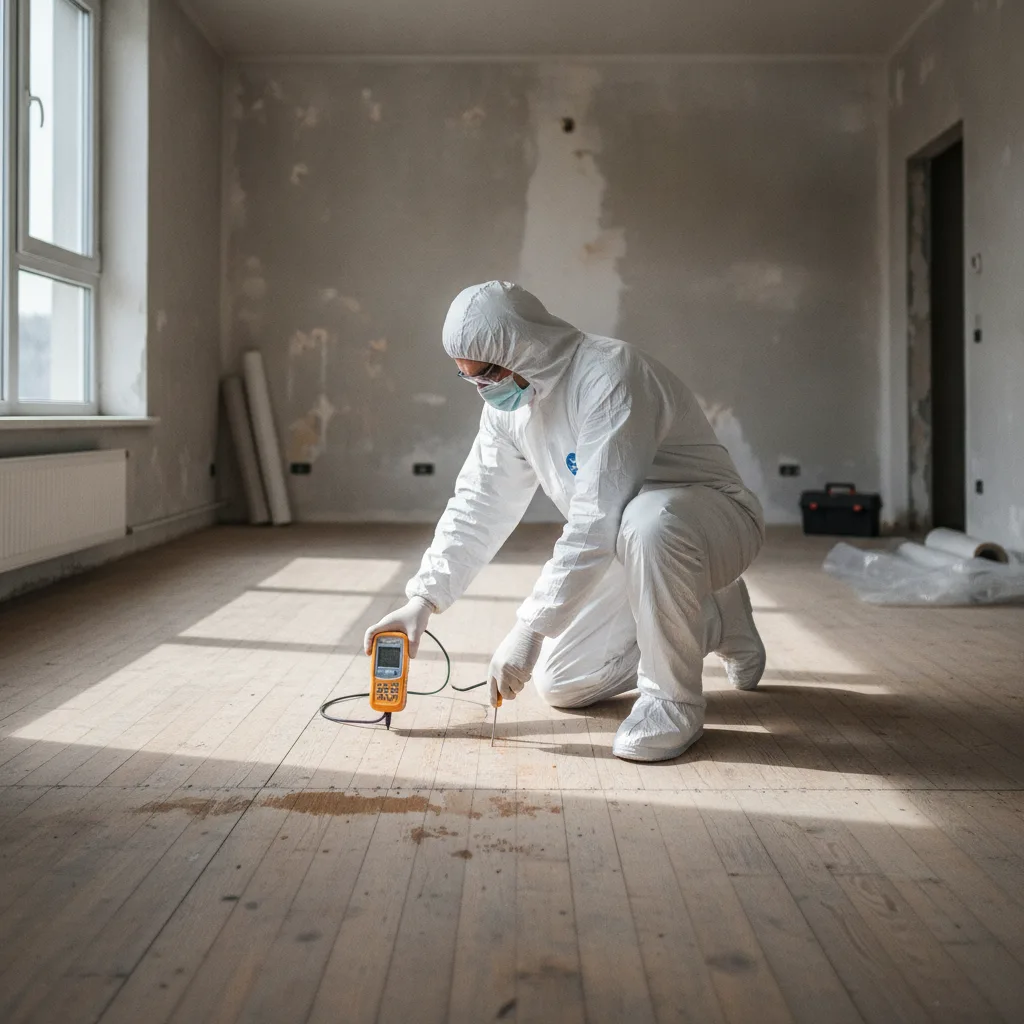
We clean and restore homes after someone has passed away alone, covering affected structure, contents and air quality.
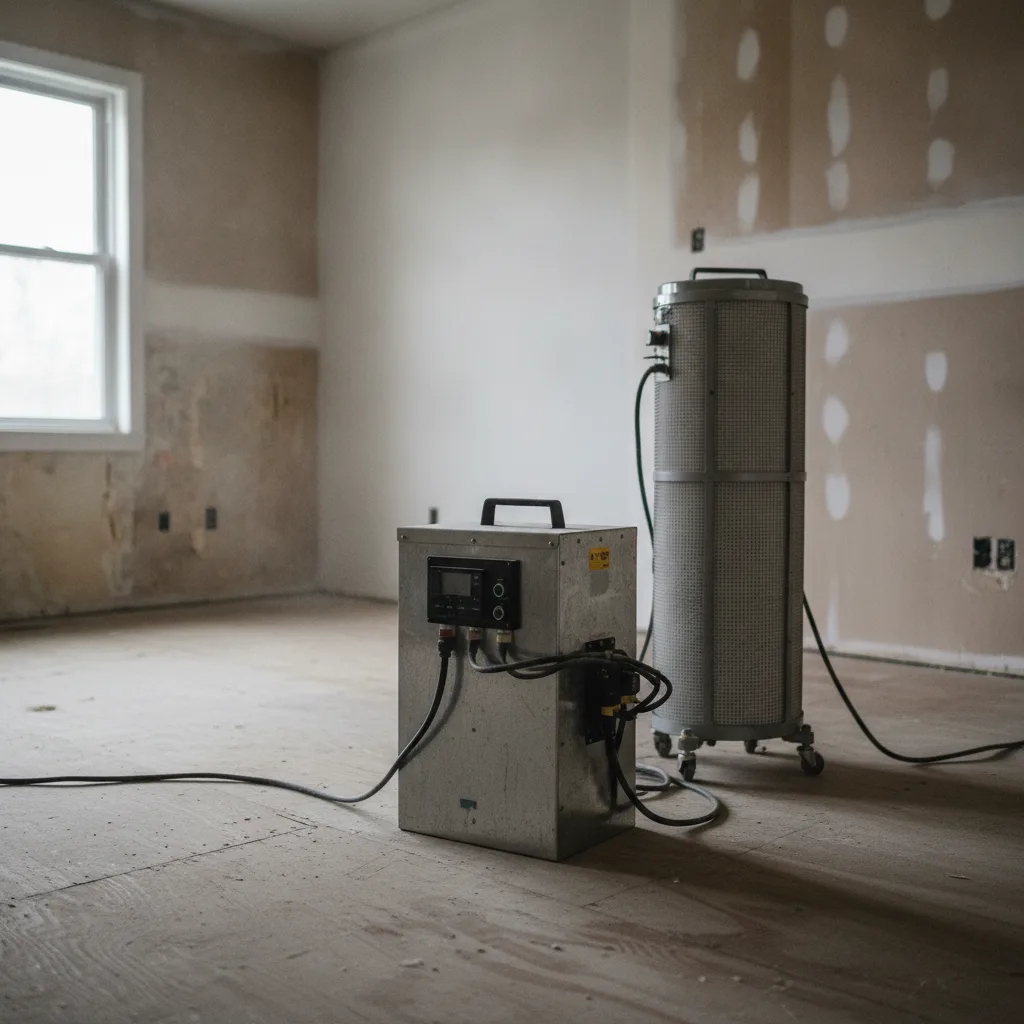
We fully remediate decomposition, including fluid-saturated flooring, insect activity and severe odor, so the home is safe again.
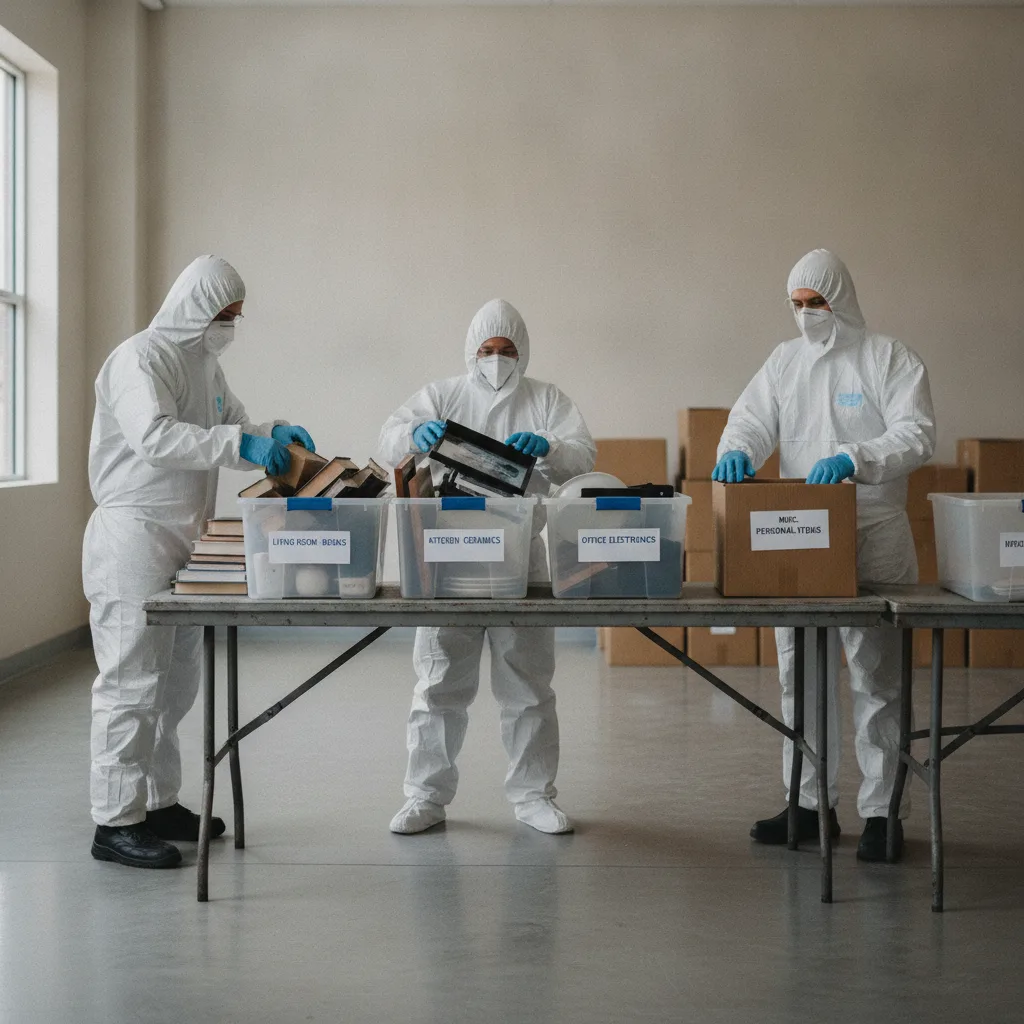
We do compassionate, judgment-free cleanouts of hoarded homes, from sorting and removal through sanitizing and deodorizing.
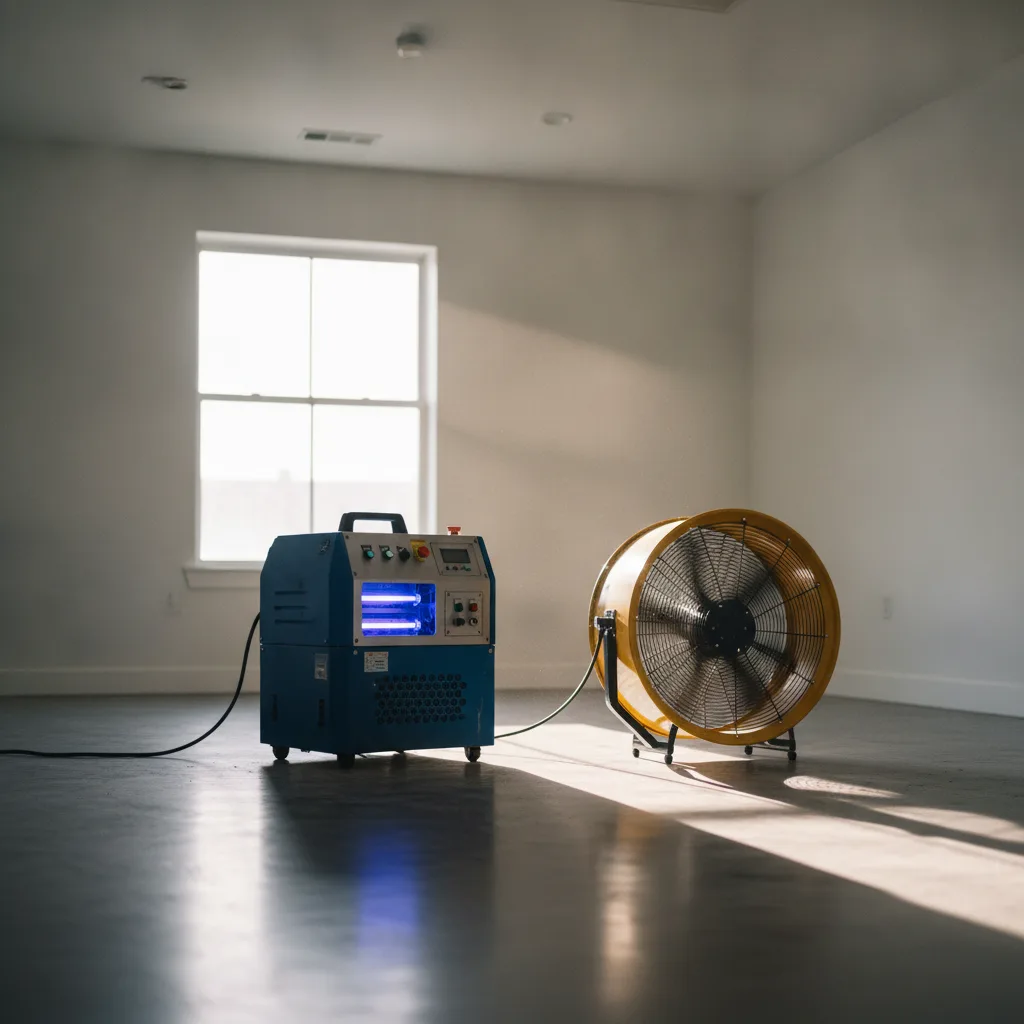
We find and eliminate odor at its source instead of masking it. That covers death, smoke, sewage, animal and hoarding odors.
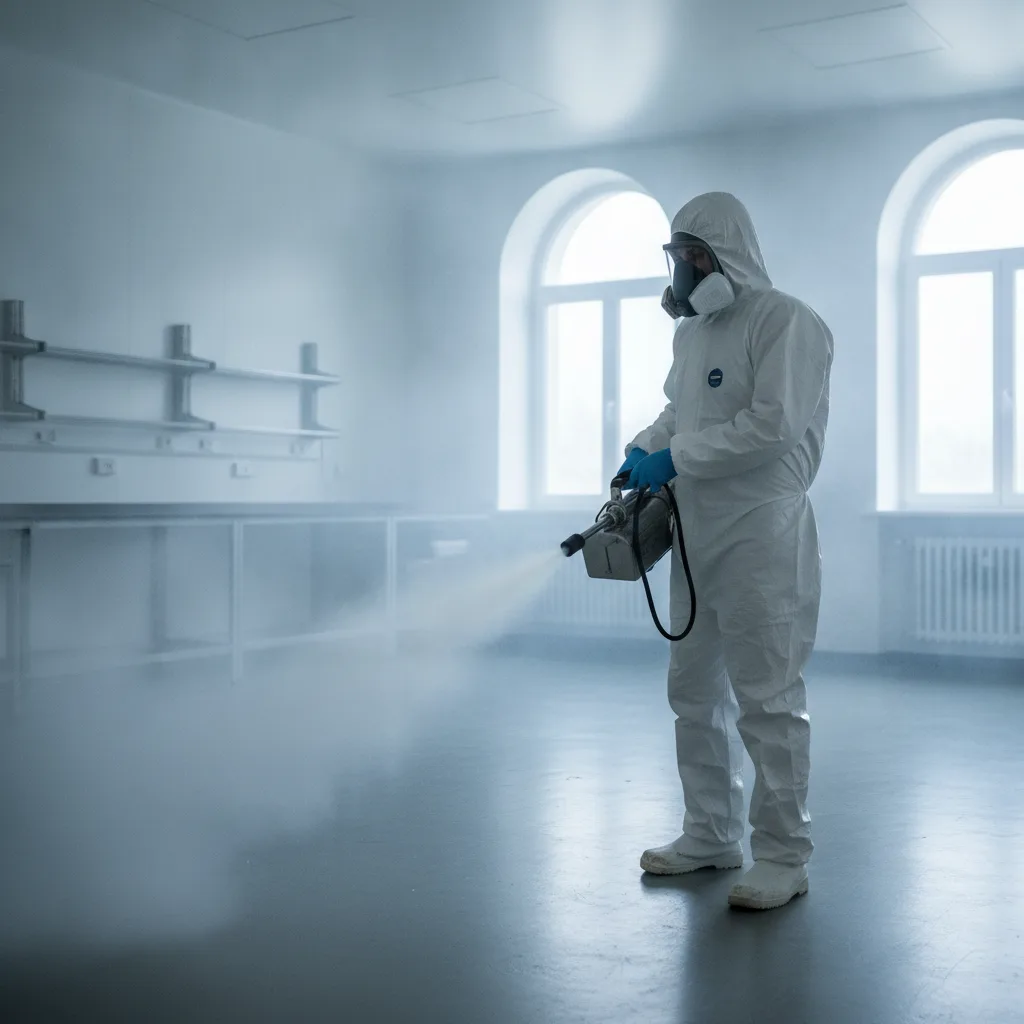
We do full-property decontamination for drug residue, infectious disease exposure and chemical contamination in homes, vehicles and businesses.
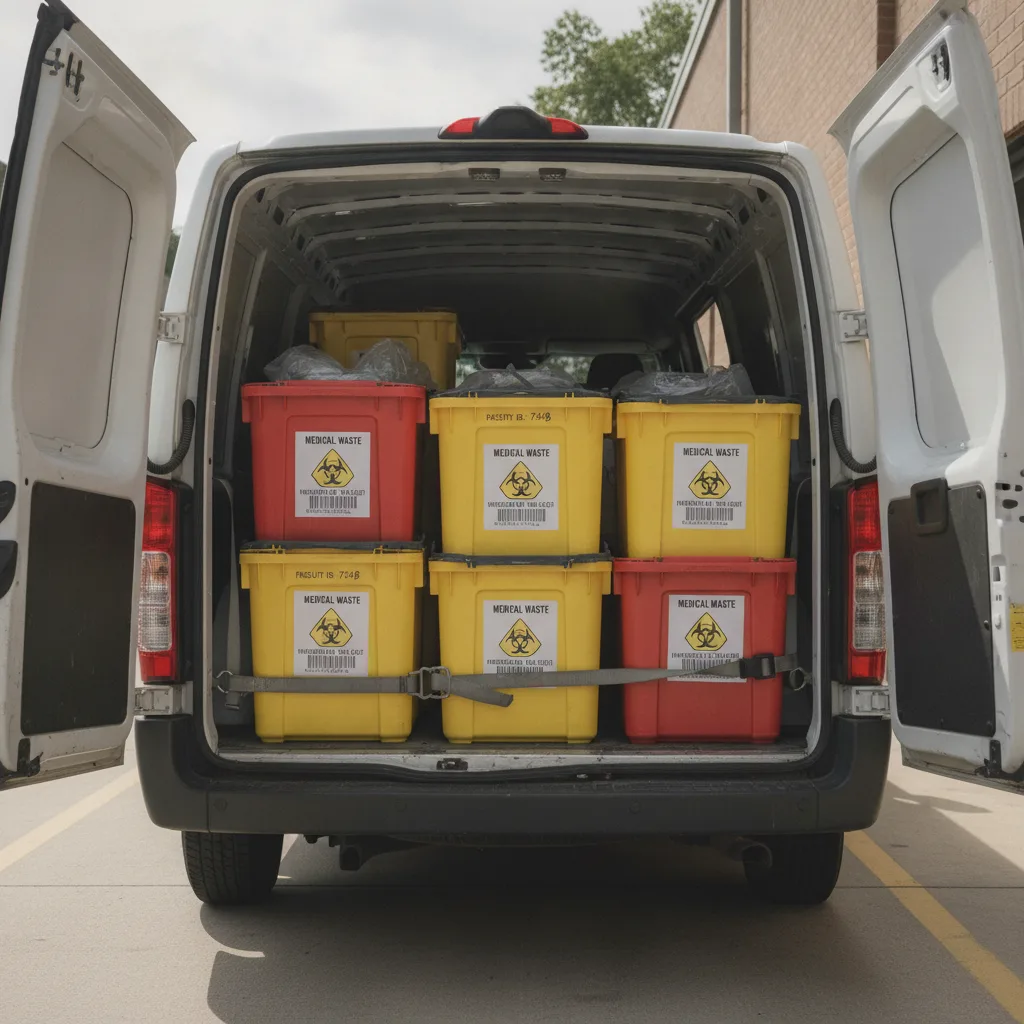
We package, transport and dispose of sharps and infectious waste, with a paper trail from pickup to treatment.
These are the situations Milwaukee families, landlords and property managers call us about most. Each one is shaped by the local climate and housing, and each carries real health risks if a store-bought cleaner and a mop are all it gets.
When someone dies alone and isn't found for days or weeks, the body breaks down. Fluids, bacteria and powerful odor compounds soak into flooring, subfloors, walls and furnishings. It's one of the most structurally invasive and emotionally hard cleanups there is.
Shootings, stabbings, assaults and suicides leave blood and other potentially infectious materials (OPIM) on surfaces, in fabrics and in hidden areas. Visible cleanup is only part of the job. Blood travels into seams, gaps and porous materials the eye won't catch.
Fentanyl and other opioid overdoses can leave bodily fluids, used syringes and drug residue in homes, rentals, vehicles and public restrooms. Fentanyl residue and discarded needles are a real hazard to families, tenants, pets and the next occupant.
Hoarding means severe accumulation of belongings, trash, animal waste or spoiled food. It creates fire risk, pest infestations, mold and biohazards, and it often hides structural damage. Done well, the cleanup protects the dignity of the person involved.
When combined sewers overflow during heavy storms, untreated sewage pushes up through floor drains. This Category 3 black water carries bacteria, viruses and parasites and contaminates everything it touches.
After a death, hoarding or sewage event, odor molecules and microscopic contaminants settle into ductwork, insulation and porous building materials. They keep coming back long after the visible mess is gone.
You make one call. We handle the scene, the coordination and the insurance paperwork. Here's what to expect from your first call until you're back in the space.
Immediate, any hour
Usually within hours of your call
Typically 1–3 days, longer for decomposition or hoarding
1–2 days
At completion
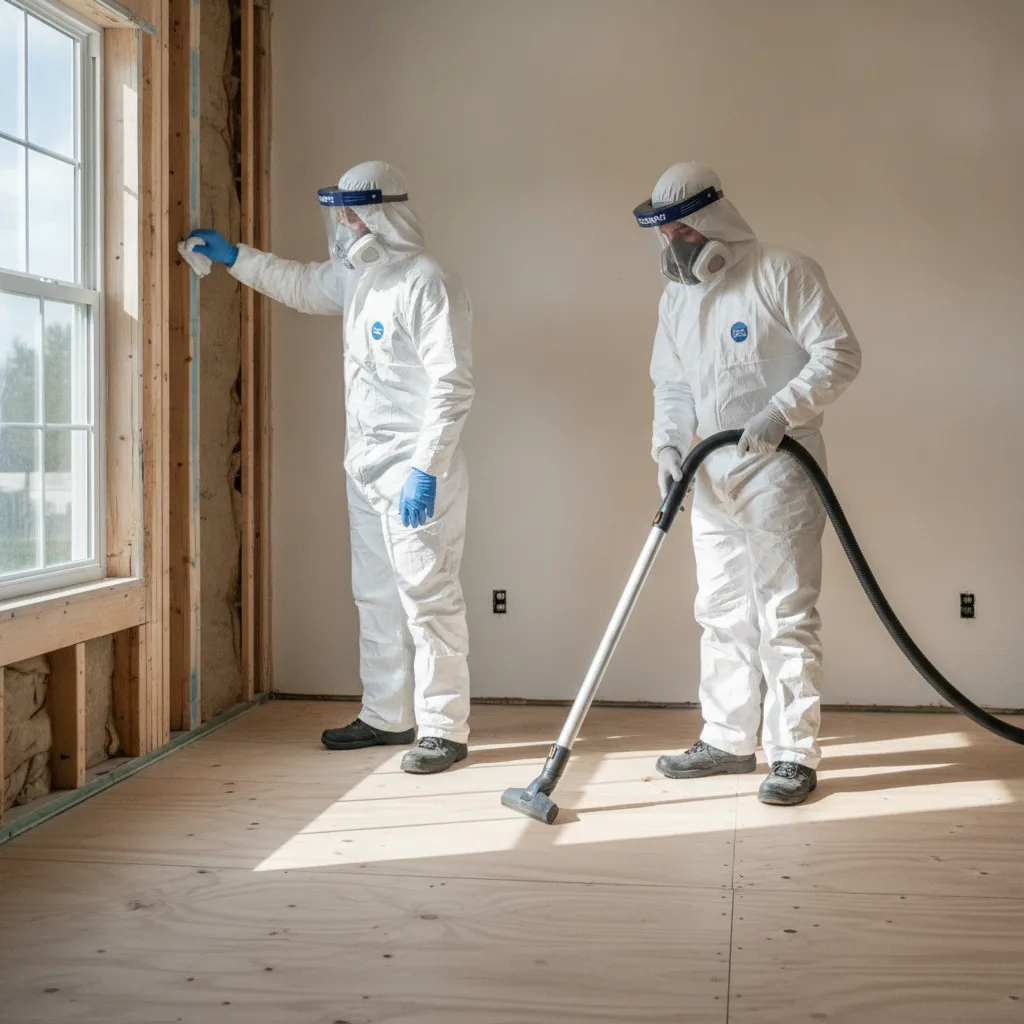
Most homeowner's, renter's, landlord and commercial policies cover biohazard and trauma cleanup. We contact your carrier, document the scene thoroughly and bill the insurer directly, so in many cases you don't pay anything up front. If the cleanup follows a crime, we'll help you apply to the Wisconsin Crime Victim Compensation Program, which can reimburse eligible victims. We know many Milwaukee families are already under financial strain after a loss. Taking billing off your plate is one of the most practical ways we can help.
Emergencies don't keep business hours, and neither do we. Call at 2 a.m. on a January night with wind chills below zero and a person answers. We plan around snow-packed alleys, narrow lots and icy stairwells so bagged waste and equipment move safely. A fast response matters most in summer, when heat speeds decomposition in upper flats and every hour of delay can mean more flooring and drywall to remove.
Neighbors on Milwaukee blocks notice everything, whether that's Bay View, Sherman Park or a cul-de-sac in Brookfield. We arrive in unmarked vehicles. Our crews work quietly and keep doors closed, and we never discuss the details of a scene with anyone who isn't authorized. Families tell us that privacy mattered nearly as much as the cleanup itself. We treat your home and your loved one with the respect we'd want for our own families.
Much of our work is in century-old duplexes and basements. That means old-growth plank subfloors, lath-and-plaster, balloon framing, and Cream City brick or fieldstone foundations that hold onto odor. We know when a board can be cleaned and when it has to come out, how contamination moves between upper and lower units, and how to work lead-safely in pre-1978 homes. That experience prevents the most common failure in this business: a smell that comes back weeks later.
Wisconsin doesn't license crime scene cleaners, so you need a company that holds itself to the rules anyway. Our technicians follow OSHA's Bloodborne Pathogens Standard. All infectious waste is packaged, labeled, transported and treated under Wisconsin DNR NR 526, and you get records that track it from pickup to disposal. We're fully insured and provide proof of insurance to landlords, HOAs and property managers when they ask.
Cleanup after a death or crime often involves the Medical Examiner, insurers, landlords, tenants, DNS inspectors, funeral homes and estate attorneys. We coordinate with all of them. Adult children managing a parent's estate from out of state get photo updates and remote approvals, so they don't have to fly in just to unlock a door. You make one call, and we keep everyone informed.
From blood and trauma cleanup to decomposition, hoarding, odor removal, decontamination and medical waste disposal, we handle the whole job. You won't need separate vendors for cleanup, deodorizing and waste hauling. That keeps the scope clear for your insurer and the timeline short for landlords trying to turn over a unit.
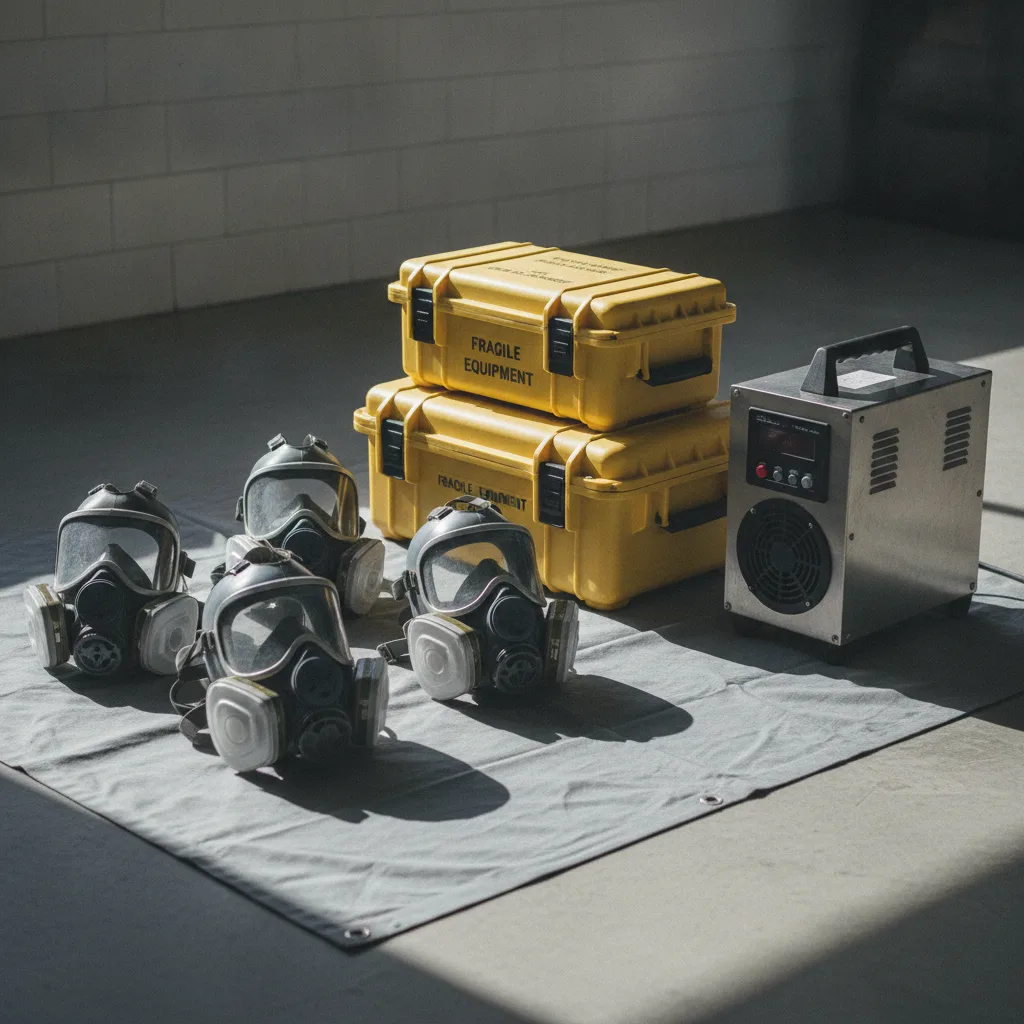
Most Milwaukee clients never see a bill. Homeowner's, landlord and commercial policies usually cover biohazard and trauma cleanup, and we bill your insurer directly. Here's what affects the size of a claim, and some typical figures we've seen billed to insurers.
Your policy decides what you pay, and for most covered claims that's little or nothing beyond any deductible. Homeowner's and renter's policies typically cover sudden events like a death or crime in the home. Landlord and commercial policies cover rental units and businesses. For crime-related cleanup, the Wisconsin Crime Victim Compensation Program can reimburse eligible victims. We verify coverage before work begins, so you know where you stand.
An unattended death discovered after two weeks in a July heat wave affects far more material than one found within a day. Fluids reach Milwaukee's plank subfloors, joists and the ceiling of the lower unit. More affected area means more removal, more treatment and a larger claim. Winter discoveries often add HVAC decontamination because the furnace spread odor throughout the house.
Pre-1940 homes with old-growth hardwood, lath-and-plaster and Cream City brick take more work than newer drywall-and-carpet construction. Lead-safe demolition in pre-1978 homes and any asbestos precautions add steps. A newer Brookfield or Greenfield ranch or condo is usually more straightforward than a Riverwest duplex with shared stairwells.
In upper/lower flats, contamination can reach both households, the shared basement and common stairs. Hoarding jobs scale with volume, room count and access. Narrow stairs and low basements slow removal. Commercial spaces may need after-hours work.
Infectious waste has to be packaged, transported and treated at licensed facilities under Wisconsin DNR rules. The amount of regulated waste, especially from flooring and drywall removal, affects disposal costs on the claim.
If insurance doesn't apply, we'll talk through options with you, including help filing a victim-compensation claim and flexible arrangements. You'll always know before any work begins.
In most cases, yes. Homeowner's, renter's, landlord and commercial property policies typically cover biohazard and trauma cleanup after a sudden event like a death, suicide or violent crime. Many families pay nothing out of pocket beyond their deductible. We review your policy, document the scene and bill your insurer directly. If the cleanup follows a crime, the Wisconsin Crime Victim Compensation Program can reimburse eligible victims for cleanup costs, and we'll help you with that application. We confirm coverage before starting, so you won't get surprised later.
Most blood and trauma cleanups take one to three days. Unattended death and decomposition jobs usually run two to five days because saturated subfloor, plaster or drywall often has to be removed and the home deodorized. HVAC decontamination may also be needed in winter. Hoarding cleanouts depend on volume and access and can take a few days to a couple of weeks. Narrow Milwaukee stairwells and low basements slow things down. We give you a realistic timeline after our assessment and keep you updated throughout.
Cleanup can begin once police and the Milwaukee County Medical Examiner release the scene. Call us as soon as you know the release is coming. We can schedule arrival right away and begin coordinating with your insurer. Don't try to clean anything yourself in the meantime. Blood and bodily fluids can carry bloodborne pathogens, and disturbing them can also complicate the insurance claim. In summer heat especially, a fast start limits how far contamination spreads into flooring and walls.
Wisconsin has no state license specific to crime scene cleaning, so what matters is compliance. Workers must follow OSHA's Bloodborne Pathogens Standard, and biohazard waste falls under DNR infectious-waste rules (NR 526), with documented transport and disposal. Pre-1978 homes fall under EPA lead-safe practices. The cleanup itself doesn't need a building permit, but structural, electrical or plumbing rebuild work afterward needs permits from City of Milwaukee DNS or the Wauwatosa, West Allis, Greenfield or Brookfield permit office. Historic districts may also require a Certificate of Appropriateness for exterior changes.
This happens a lot in Milwaukee's upper/lower flats. Fluids can seep through plank subfloors into the lower unit's ceiling, and odor travels through shared stairwells and basements. We inspect both units, coordinate access with tenants, owners and the landlord, and treat everything affected under one scope. Landlord policies usually cover the building, and the tenant's renter's policy may cover personal belongings. We document each household's losses separately so claims are processed cleanly.
We strongly advise against it, and usually there's nothing to save, because insurance typically covers professional cleanup. Blood and bodily fluids can carry hepatitis B, hepatitis C and HIV. Fentanyl residue and hidden needles are serious hazards too. Household cleaners don't reach fluids that have soaked into Milwaukee's porous hardwood, plaster and brick, so odor and bacteria come back. Wisconsin also regulates how infectious waste is disposed of. Let trained technicians in proper PPE handle it so you don't have to see it.
Act within 24–48 hours. Humid Milwaukee summers turn standing fluids into mold quickly, especially in fieldstone and block basements. Turn off the furnace or central air if you can, so contaminated air isn't pulled through the ducts. Keep doors to the affected area closed and don't run fans that spread particles. For sewage, a backwater valve and keeping floor drains clear reduce future backups during combined-sewer overflow events. Professional source removal and duct decontamination keep odors from returning.
Not from us. We arrive in unmarked vehicles, keep equipment and waste containers out of view as much as possible, and work quietly with doors closed. Our technicians never discuss the details of a job with neighbors, tenants or anyone you haven't authorized. Whether you live on a close-knit Bay View block or in a Brookfield condo association, your privacy is part of the service. If your HOA or property manager needs proof of insurance or limited work hours, we'll handle that discreetly too.
We come to you anywhere in Milwaukee and the surrounding area, in unmarked vehicles, any hour of the day.
You shouldn't have to face this alone or worry about the bill. Call Integrity Crime Scene Services any hour. We'll handle the scene, the insurance and the details with care.
Call (414) 338-9543 Now