Discreet, certified crime scene and biohazard cleanup in Boston — unmarked vehicles, compassionate technicians, and in most cases $0 out of pocket since we bill your insurance directly.
Boston's weather, its old buildings, and its strict rules all make trauma cleanup harder than it is in most U.S. cities. What looks like a small stain on an 1890s oak floor can reach the ceiling below, the lead paint around it, and the neighbors next door. Here's why.
Boston gets about 44 inches of precipitation a year and 40 to 50 inches of snow in a typical winter. Summer highs sit in the low 80s, but humid stretches above 90°F hit several times each season. In triple-deckers and brick rowhouses without central air, that heat speeds decomposition sharply, and odor and fluids can travel through shared floors within two or three days. Winter brings its own problems. Steam and hot-water radiators keep closed-up units warm, so decomposition keeps going even when it's in the teens outside, and a death can go unnoticed behind shut windows. Then there's water. Nor'easters and storm surge flood the Seaport, East Boston, the Charlestown Navy Yard, and Dorchester along Morrissey Boulevard. Combined sewers in older neighborhoods back up during heavy rain, which means Category 3 black-water cleanup in basements that already stay damp.
Most homes in Boston, Cambridge, Somerville, and Brookline were built before 1940. Softwood plank floors with gaps between the boards, plaster-and-lath walls, and horsehair plaster don't shed fluids. They absorb them. That's why we often have to cut contaminated sections out, because surface cleaning won't reach the problem. Balloon framing in triple-deckers from Jamaica Plain to Cambridgeport lets fluids and odor move between units. Brownstones in the Back Bay and South End share party walls, and walk-ups in the Fenway and Coolidge Corner share ceiling assemblies. Older buildings also hold onto smell in radiators, cast-iron plumbing, and shared ductwork. And pre-1978 lead paint and asbestos pipe wrap or floor tile are common, so any demolition has to be planned carefully before it starts.
Massachusetts has no single state license for crime scene cleaners, so it matters that a company actually follows the rules that do apply. Under DPH regulation 105 CMR 480.000, biohazardous waste has to be packaged, labeled, and carried by permitted transporters to licensed treatment facilities. It can't go in household trash. OSHA's Bloodborne Pathogens Standard (29 CFR 1910.1030) requires trained crews, proper PPE, and exposure control plans. Disturbing paint in pre-1978 housing falls under EPA RRP rules and the Massachusetts Lead Law (105 CMR 460). Removing asbestos requires a licensed contractor and MassDEP notification under 310 CMR 7.15. Boston ISD and the health departments in Cambridge, Somerville, and Brookline enforce the State Sanitary Code (105 CMR 410). They can place a unit under order until it has been professionally cleaned. Historic commissions on Beacon Hill, in the Back Bay, and in the South End also review any exterior repairs.
About two-thirds of Boston households rent, and the numbers are similar in Cambridge and Somerville. That means landlords, property managers, and condo boards often make the decisions alongside families. Housing costs are among the highest in the country, so owners want units restored quickly and completely. The region has more than 35 colleges, which brings steady demand after student overdoses or deaths. Many older residents live alone in Brookline, West Roxbury, Hyde Park, and Dorchester, which raises the risk of a death going unnoticed. Families in Dorchester, Roxbury, Mattapan, and East Boston often depend on insurance and the Massachusetts Victim Compensation program to cover costs, and that's why we start every job by checking what's covered.
Every service below is done by trained technicians under OSHA protocols, with waste handled under Massachusetts rules. Insurance covers many of these jobs, so we help you check your policy before work begins. Whatever the situation, we work quietly and adapt to your building, whether that's a Beacon Hill rowhouse or a Kendall Square tower.
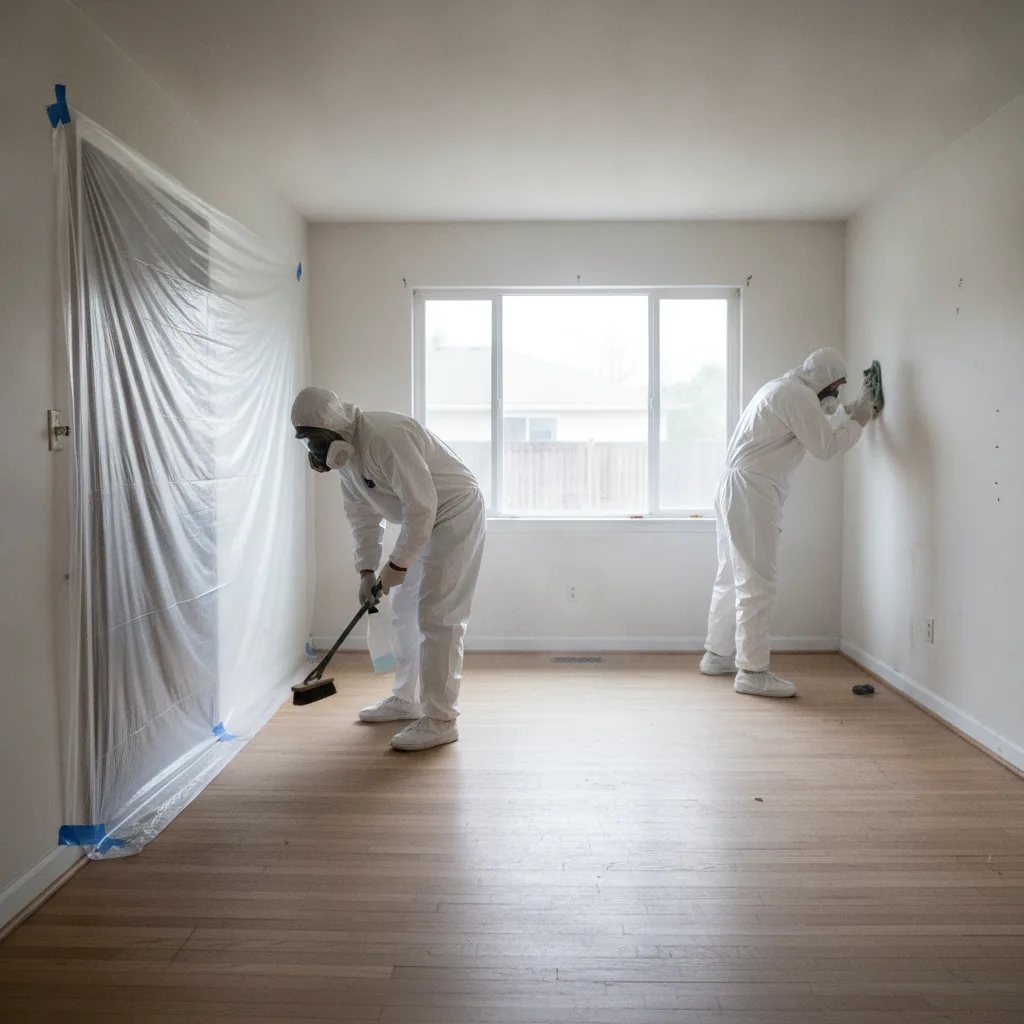
After police release the scene, we remove blood, tissue, and other biological material, plus fingerprint powder and chemical residue. We restore the space to a safe, sanitary condition so families and property owners don't have to see or handle any of it.
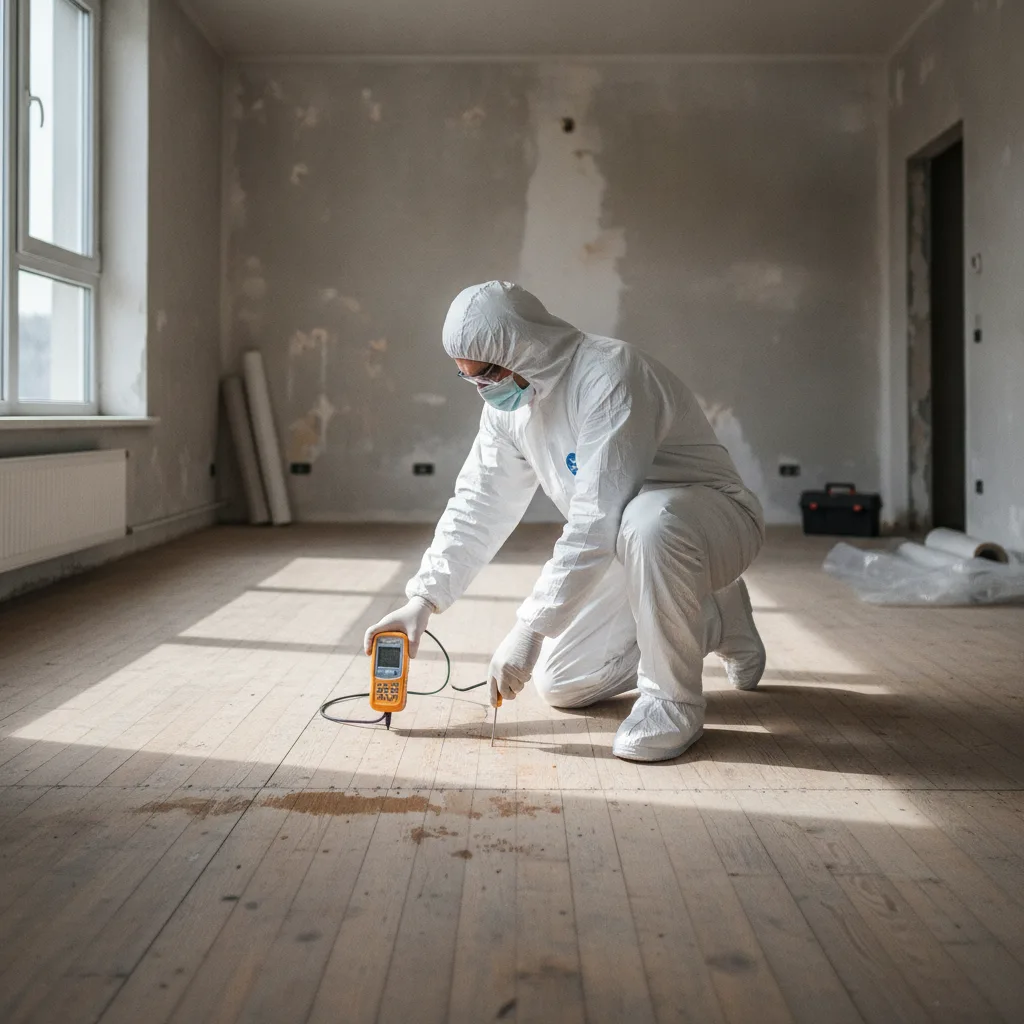
When someone passes away and isn't found for some time, we remove the affected materials, decontaminate the area, and get rid of the odor. We treat the home and the person's belongings with respect.
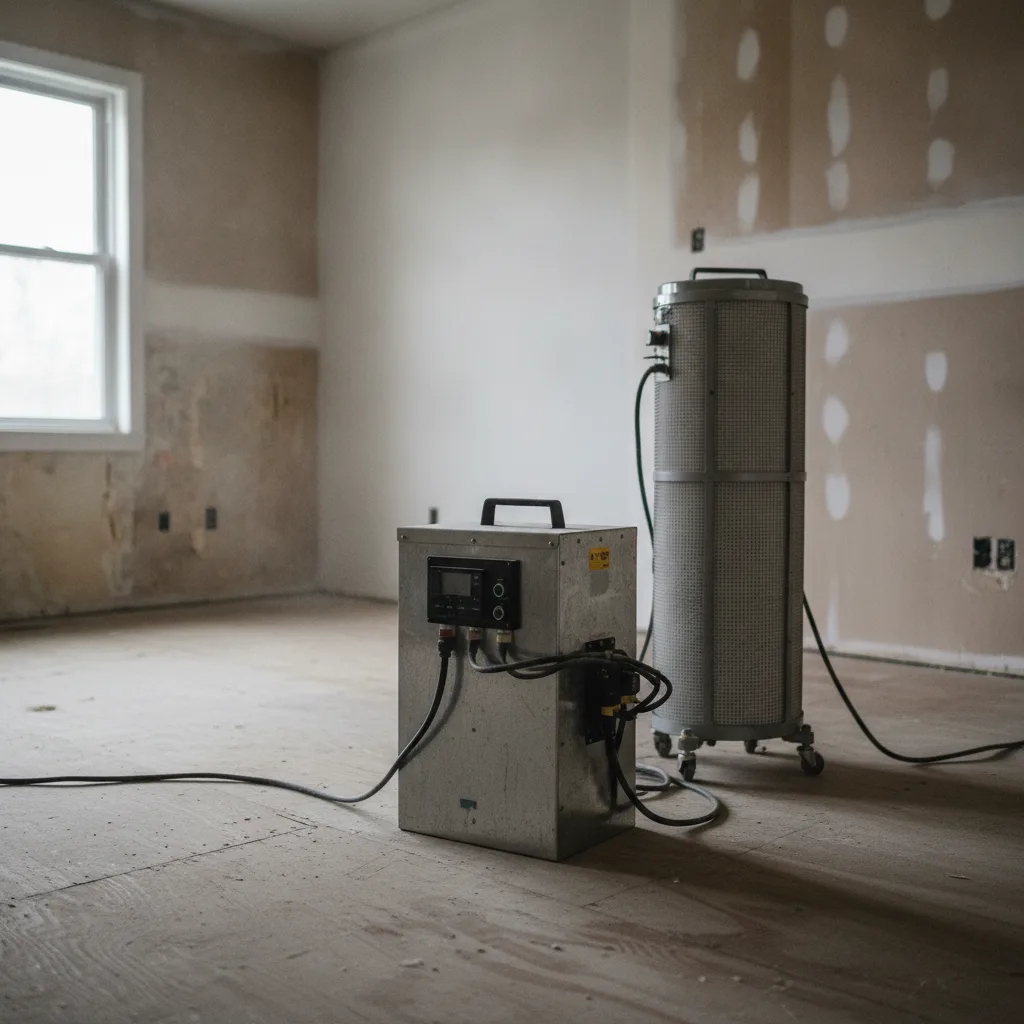
We clean up the advanced biological contamination that decomposition leaves behind, including fluids, insects, and deep structural odor. This often goes beyond the room where the person was found.
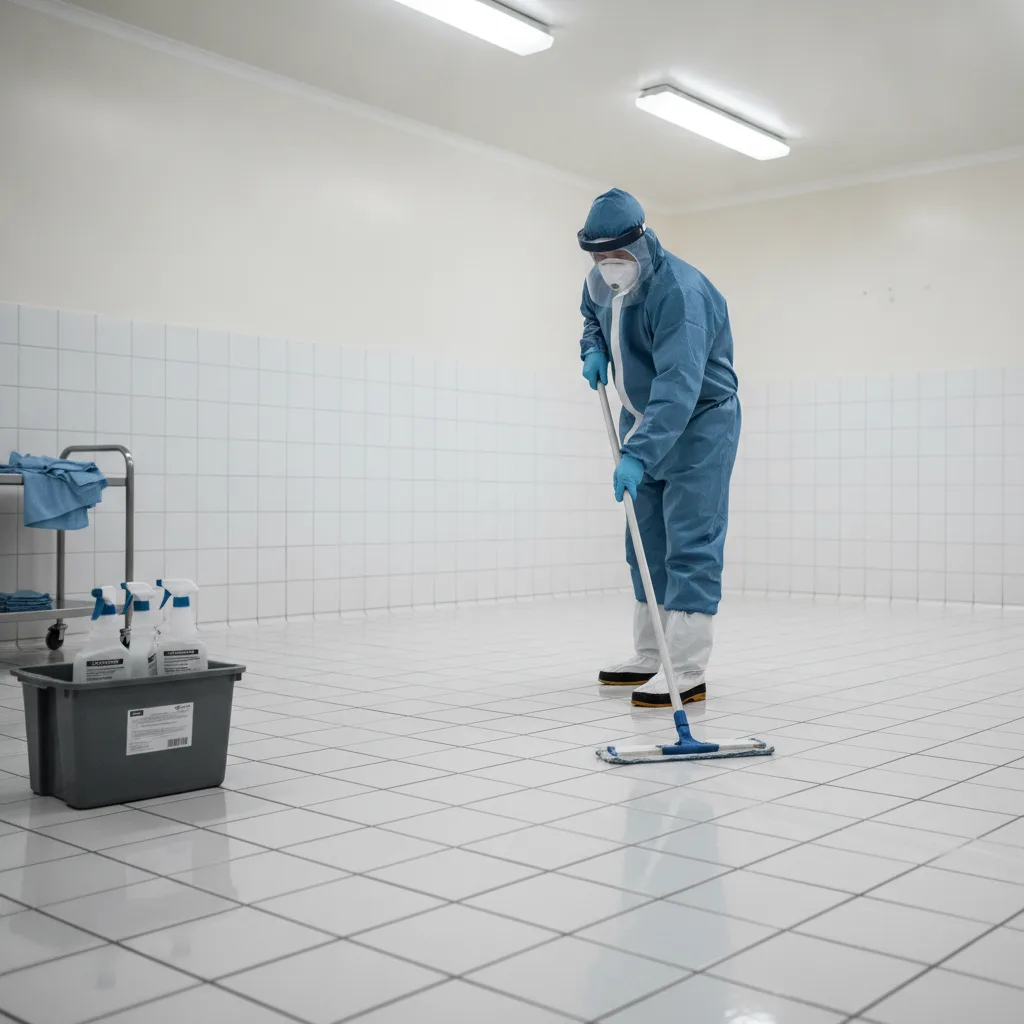
We clean up after serious accidents, self-harm, and other traumatic events at home, at work, or in vehicles. We remove every trace of the incident and keep in mind what the people involved are going through.
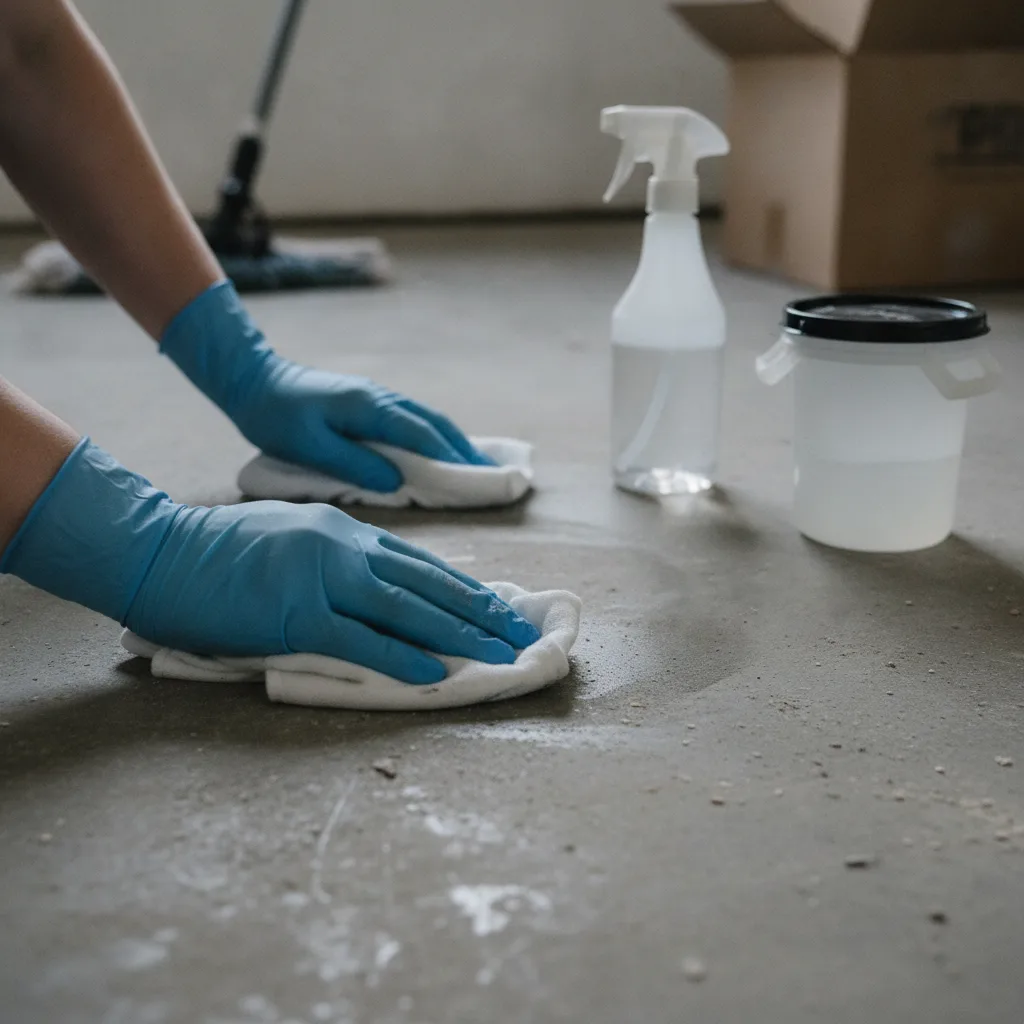
We clean up blood and bodily fluid spills of any size, from injuries, medical events, or pets, and dispose of them the way Massachusetts law requires.
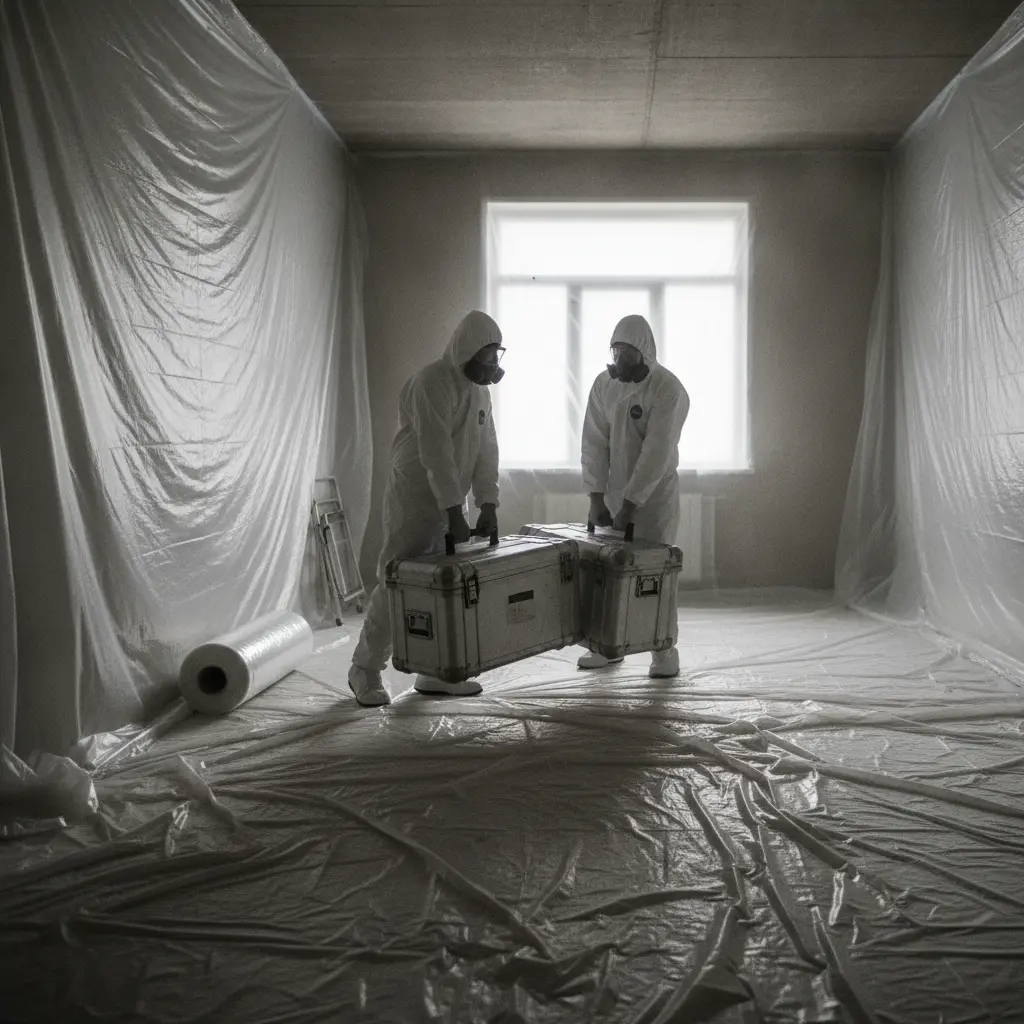
After a homicide, we clean and restore the property gently and thoroughly, and we document the work for insurance and victim compensation claims.
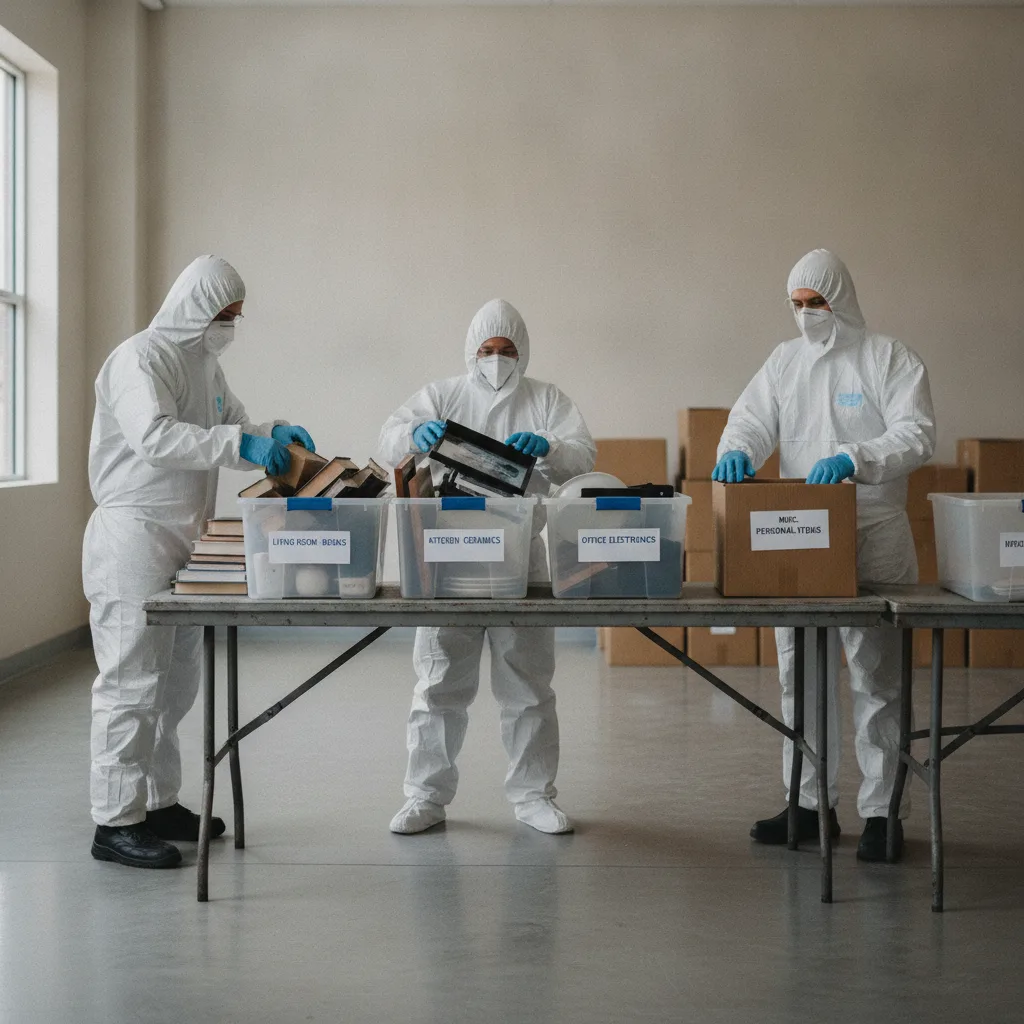
We clear hoarded homes without judgment, sort belongings with the family, remove debris and contamination, and leave the home safe to live in.
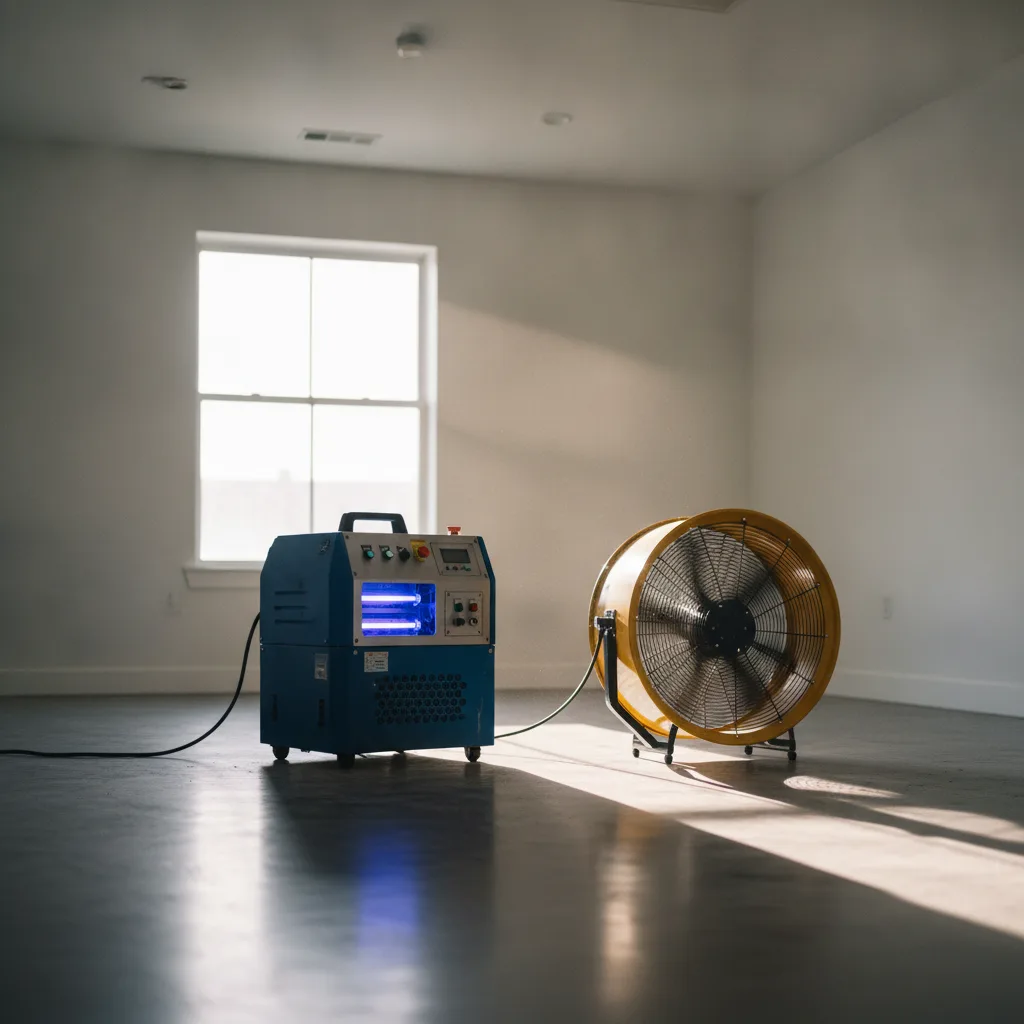
We permanently remove odors from decomposition, smoke, pets, and biohazards. We go after the source rather than covering it up.
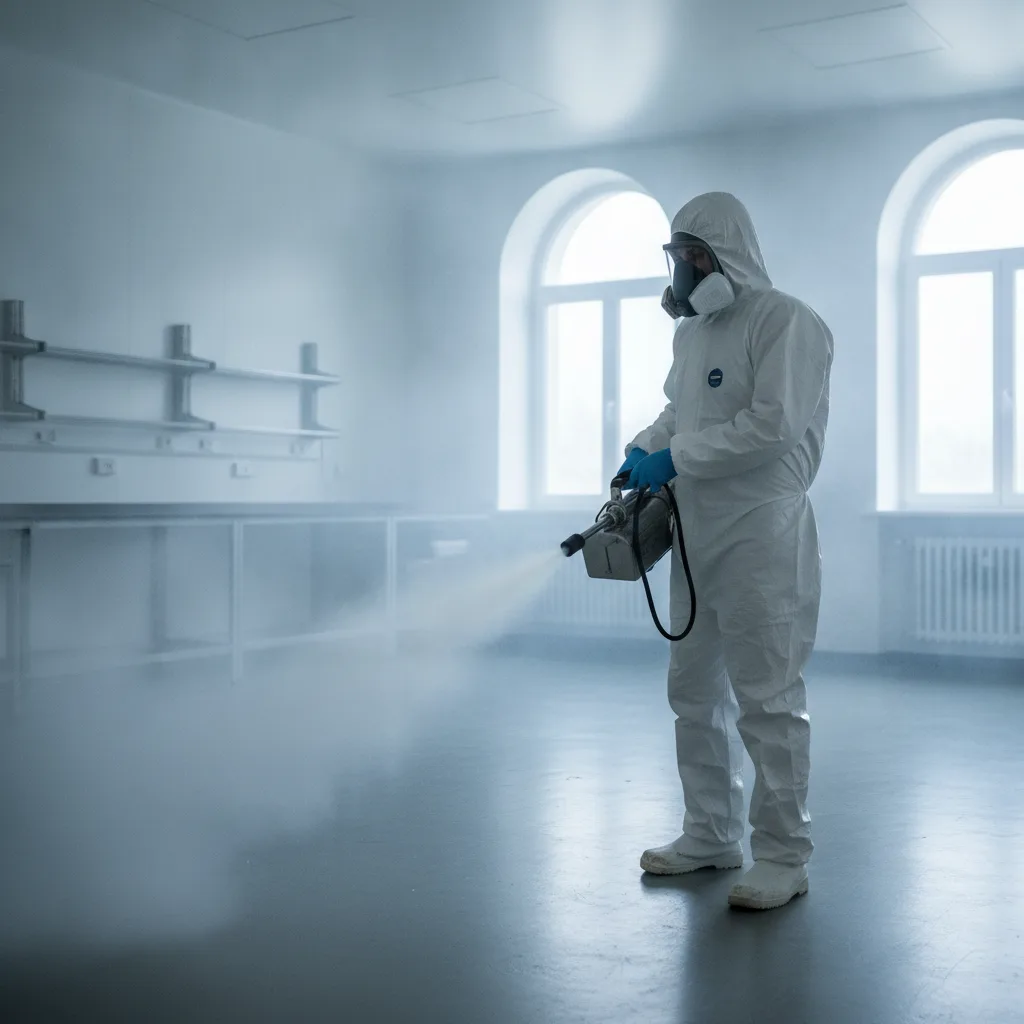
We decontaminate homes, businesses, and vehicles after infectious-disease exposure, sewage backups, drug residue, or animal waste.
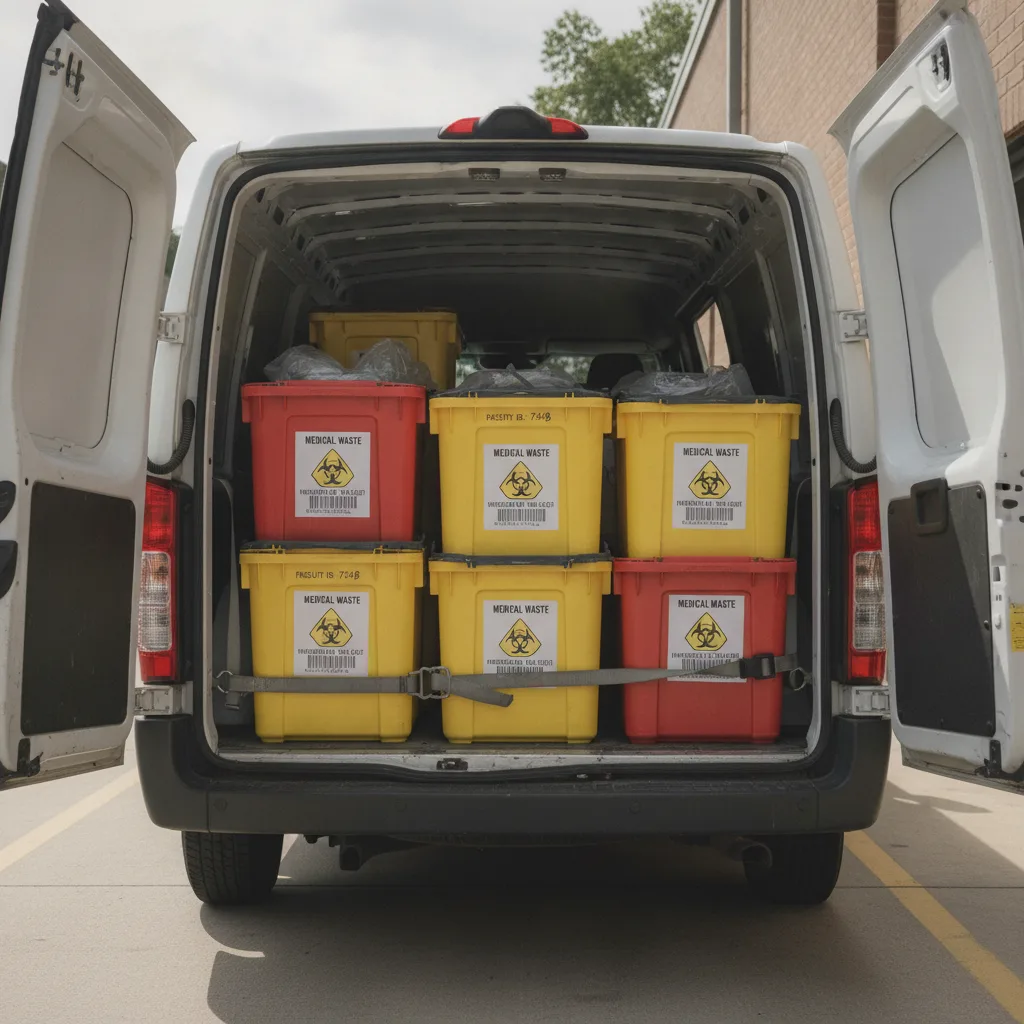
We safely collect, package, and arrange compliant disposal of sharps, blood-soaked materials, and other regulated medical waste.
These are the situations we're called for most often in Boston, Cambridge, Somerville, and Brookline. Some are urgent and dangerous. Others build up slowly. In old, porous, shared buildings, almost all of them get worse with time, so it helps to know the signs.
An unattended death is one that goes unnoticed for days or weeks. Decomposition releases fluids, gases, and bacteria that soak into flooring, subfloors, and walls, and they draw insects. This is one of the most hazardous and emotionally difficult scenes a family or landlord will ever face.
After a violent event, blood and tissue are often spread across several surfaces and rooms. Bloodborne pathogens such as hepatitis B, hepatitis C, and HIV make the scene a real health hazard as well as a traumatic one, and no family member should have to clean it.
These are smaller-scale incidents: injuries, nosebleeds from blood-thinning medication, childbirth emergencies, or medical events at home. Even a limited spill can carry bloodborne pathogens, and Massachusetts doesn't allow the waste to go in regular household trash.
Overdose scenes and needle-strewn areas can contain discarded syringes, drug residue such as fentanyl, and blood. A needlestick can spread disease, and residue on surfaces can be dangerous to touch.
Hoarding means belongings pile up until rooms become unsafe. These homes often have rotting food, animal waste, rodents, and insects. Gross-filth conditions can lead a health inspector to condemn or place an order on a unit.
Category 3 or "black water" is sewage-contaminated water from backups or storm flooding. It carries bacteria, viruses, and parasites, and anything porous it touches has to be removed or professionally disinfected.
Some odors stay long after a scene looks clean. Decomposition, smoking, pets, or old biohazards can leave smell embedded in plaster, wood, radiators, and ductwork, and it comes back on humid days.
You'll never have to guess what happens next. From your first call to the final walkthrough, here's how we work, with your insurance coverage confirmed before anything starts.
Immediately, any hour
Usually within hours of your call
Several hours to two days, depending on scope
One to three days
Final day
The last thing you need right now is a bill. Homeowners, condo master, and landlord policies often cover crime scene, unattended death, and biohazard cleanup, so before we start, we help you understand what your policy is likely to cover. We provide the photos, scope reports, and disposal records adjusters ask for. For homicide and violent-crime cases, we explain how the Massachusetts Victim Compensation program through the Attorney General's office may reimburse cleanup costs. That way you can focus on your family while the paperwork gets handled.
These situations don't happen during business hours, and a death found at 2 a.m. in a Dorchester triple-decker can't wait until Monday. We offer 24/7 emergency response every day of the year, holidays included. That's important in Boston, where summer heat and winter radiator heat both speed decomposition and odor can reach the neighbors within a day or two. When you call, we start planning the response right away.
In a city of shared hallways, packed streets, and nosy neighbors, privacy matters. Our vehicles are unmarked, and our technicians dress and carry equipment so nothing draws attention. We coordinate with condo boards and property managers on entry times and service elevators. Whether it's a Beacon Hill brownstone, a Coolidge Corner condo, or an apartment off Central Square, your neighbors won't find out from us what happened.
Most homes in our service area were built before 1940. We know how fluids move through plank floors with gaps, horsehair plaster, and balloon framing, and how odor hides in radiators and cast-iron pipes. So we trace contamination into subfloors and the ceilings below instead of stopping at the visible stain. We also flag lead paint and asbestos risks before demolition, so the work stays compliant and doesn't create new problems.
Massachusetts doesn't license crime scene cleaners, so compliance is the best credential there is. Our technicians follow OSHA's Bloodborne Pathogens Standard, respiratory protection, and hazard communication requirements. Biohazard waste is packaged, labeled, and sent through permitted transporters to licensed treatment facilities under 105 CMR 480. It never goes in household trash or a dumpster. We're also insured, which protects you, your property, and your neighbors while we work.
You shouldn't have to call three companies. We handle crime scene, homicide, trauma, unattended death, and decomposition cleanup, along with blood cleanup, hoarding, decontamination, odor removal, and medical waste disposal. If a hoarding job turns out to include an unattended death, or a sewage backup turns out to include medical waste, the same team keeps going without delay. That consistency makes things easier for families and property managers on a deadline.
Every scene has a person and a family behind it. We speak gently, explain each step clearly, and never rush decisions about belongings. Photos, documents, and keepsakes are set aside for you. Whether it's a suicide, an overdose, a hoarding situation, or a loved one who passed alone, we treat the home with respect and treat you with patience and dignity.
Most families never pay for trauma cleanup themselves. Homeowners, condo master, and landlord insurance policies frequently cover it, and Massachusetts Victim Compensation may reimburse violent-crime cleanup. Below are the factors that shape the claim and the typical claim values insurers see in the Boston area.
Your policy matters more than anything else. Many homeowners and condo policies cover sudden biohazard events such as unattended deaths, suicides, and violent crimes under dwelling or personal property coverage. In multi-unit buildings, the condo association's master policy may cover shared floors and ceilings. Landlord policies often cover rental units. We help you check coverage and send the adjuster detailed documentation, so many clients pay nothing beyond any deductible.
A contained blood spill is very different from a decomposition scene that sat through a July heat wave. The longer fluids have to spread, the more flooring, subfloor, and plaster has to come out. In triple-deckers and brownstones, contamination often reaches the ceiling below or a neighboring unit, which widens the scope. We document all of it so the claim reflects the real conditions.
Boston's pre-1940 buildings add complexity. Gapped plank floors, horsehair plaster, and balloon framing absorb fluids and carry them farther. If removal disturbs pre-1978 lead paint or asbestos, Massachusetts rules require special handling or licensed contractors, which adds steps and time. These factors are normally part of the insurance scope rather than a separate charge to you.
Walk-ups with no elevator, steep Beacon Hill and Somerville stairways, permit-only parking, and snow all affect how long load-out takes. Regulated medical waste has to be packaged and sent through permitted transporters to licensed facilities under 105 CMR 480. Hoarding jobs also involve large volumes of general debris. All of this is built into the documented scope.
Some scenes need multiple days of hydroxyl or ozone treatment, radiator and duct cleaning, and encapsulating sealers to fully remove odor from plaster and old mechanical systems. Landlords who need units ready for re-inspection or the September 1 turnover may also need faster scheduling. We explain what's needed and why before anything starts.
Families of homicide and violent-crime victims may qualify for cleanup reimbursement through the Massachusetts Victim Compensation program, administered by the Attorney General's office. For hoarding cases, funding often comes from landlords, estates, or agencies. We'll explain every option before work begins.
Often, yes, and many of our clients pay $0 out of pocket beyond any deductible. Homeowners policies frequently cover cleanup after sudden events like unattended deaths, suicides, and violent crimes. In condos, the association's master policy may cover shared structures, and landlord policies usually cover rental units. We help you review your coverage and give the adjuster thorough photos, scope reports, and disposal records. For homicide and violent-crime cases, families may also be eligible for reimbursement through the Massachusetts Victim Compensation program administered by the Attorney General's office. Call us before you pay anyone so we can help you understand your options.
No. That surprises a lot of people. Boston police, local departments in Cambridge, Somerville, and Brookline, and the Massachusetts Office of the Chief Medical Examiner investigate the scene and remove the deceased, but they don't clean. Once they release the scene, the family, estate, or property owner is responsible for cleanup. We recommend against cleaning it yourself, because blood and decomposition fluids can carry bloodborne pathogens, and Massachusetts doesn't allow biohazardous waste in household trash. We can usually begin as soon as the scene is released.
Most blood and trauma cleanups take one day. Unattended death and decomposition jobs usually take two to four days, depending on how long the person went undiscovered, the weather, and whether fluids reached the subfloor or the unit below. That's common in Boston's triple-deckers and brownstones. Deodorization can add time, since odor removal from old plaster and radiators sometimes needs several treatment cycles. Hoarding cleanups range from a couple of days to over a week. We'll give you a clear timeline after our assessment, and we can prioritize court, ISD, or September 1 deadlines.
Massachusetts has no single crime scene cleaner license, but several rules apply. DPH regulation 105 CMR 480.000 governs medical and biological waste, which has to be packaged, labeled, and taken by permitted transporters to licensed treatment facilities. OSHA's Bloodborne Pathogens Standard governs worker training, PPE, and exposure controls. If removing materials disturbs pre-1978 paint, the Massachusetts Lead Law and EPA RRP rules apply, and asbestos removal requires a licensed contractor and MassDEP notification. Structural repairs may need permits from Boston ISD or your local building department. We follow these protocols and coordinate with specialists when needed.
Call a professional for any blood beyond a minor household cut, any death that went undiscovered, any scene involving needles or drug residue, and any sewage backup. Call immediately if you notice a sweet, rotting odor, flies at a window, or a stain spreading on a ceiling. Those signs mean contamination is already moving through the building. In Boston's older homes, fluids soak through gapped floors and plaster quickly, and neighbors in shared buildings are affected within days. Acting fast limits the damage, reduces the scope of the insurance claim, and protects everyone's health. We answer 24/7.
Absolutely. Discretion is central to how we work. We arrive in unmarked vehicles, and our technicians don't advertise why they're there. In condos and apartment buildings, we coordinate with management on entry times, service elevator reservations, and hallway protection, which is common in Back Bay, Seaport, and Coolidge Corner buildings. In triple-deckers and walk-ups with shared entries, we keep the noise down and move waste out in sealed, unlabeled-looking containers wherever regulations allow. Your neighbors won't find out from us what happened.
You can't prevent every tragedy, but you can lower the risks. For older relatives living alone, especially in Brookline, West Roxbury, and Dorchester, set up daily check-in calls, consider a medical alert device, and ask neighbors or building staff to watch for mail piling up. During heat waves above 90°F, check on anyone without air conditioning. Landlords can keep emergency contacts on file and respond quickly to odor complaints. To prevent sewage backups, install backwater valves in basements in combined-sewer neighborhoods. If you're dealing with hoarding, reaching out to elder services early helps avoid sanitary code orders later.
Most homes can be fully restored. We remove only what's contaminated beyond safe cleaning. That usually means porous items like carpet, mattresses, and sections of subfloor or plaster, while hardwood framing, salvageable furniture, and personal belongings are cleaned and kept whenever possible. In older Boston homes, we often seal and keep original joists after enzyme treatment. Keepsakes, photos, and documents are set aside for you to decide on. After decontamination, the space is ready for a contractor to replace flooring or plaster, and those repairs are often part of the same insurance claim.
We come to you anywhere in Boston and the surrounding area, in unmarked vehicles, any hour of the day.
You don't have to face this alone or pay for it yourself. Call us any hour. We'll explain your insurance options, send a compassionate team in unmarked vehicles, and take care of everything from start to finish.
Call (857) 737-3909 Now