Discreet, certified crime scene and biohazard cleanup in Rochester — unmarked vehicles, compassionate technicians, and in most cases $0 out of pocket since we bill your insurance directly.
Biohazard cleanup isn't the same job everywhere. In Rochester, the lake-effect climate, some of the oldest housing stock in the country and a tangle of state and city rules all shape what a proper cleanup involves. They also affect how long it takes and what insurance should be paying for.
Rochester gets roughly 95–100 inches of snow a year, and Hamlin, Clarkson and Irondequoit take the worst of the lake-effect bands. From December into March, January lows sit around 17–18°F and furnaces barely shut off. Houses stay sealed, so odors from decomposition, smoke or hoarding get pulled through forced-air ducts and settle into every room. That's why our winter jobs often include duct cleaning and air treatment, not only surface work. Summers bring the opposite problem. July highs reach 80–82°F with dew points in the 60s, so an unattended death in an upstairs flat can advance quickly, with fluids reaching the subfloor and heavy insect activity. And with 33–35 inches of precipitation a year and no dry season, damp fieldstone basements stay a constant source of sewage and mold problems.
A large share of homes in the City of Rochester were built before 1940. Most are wood-frame and balloon-frame houses from about 1880 to 1930: Foursquares, Queen Annes, Colonial Revivals and two-family Rochester doubles. Horsehair plaster, plaster-and-lath walls and old-growth softwood plank subfloors absorb blood and body fluids, which wick between the boards. Cleaning the surface usually isn't enough. Contaminated sections have to be cut out and rebuilt. Irondequoit's 1940s–60s Capes and split-levels tend to have paneled, carpeted basements that hold onto sewage. In Clarkson and Hamlin, the particleboard subfloors in manufactured homes fail fast once they're soaked, and crawlspaces and septic systems add their own complications.
Biohazard work in New York falls under the OSHA Bloodborne Pathogens Standard (29 CFR 1910.1030), and regulated medical waste is overseen by the NYS Department of Health and the DEC, with permitted transport and manifest tracking. Older homes bring in more rules. Industrial Code Rule 56 requires an asbestos survey before anyone disturbs suspect materials, and the EPA's RRP Rule covers painted surfaces in pre-1978 homes. Rochester's Lead Paint Ordinance ties lead inspections to rental Certificates of Occupancy, so a landlord restoring a unit has to plan for re-inspection. Exterior repairs in the East Avenue, Corn Hill or Mount Hope-Highland preservation districts may need a Certificate of Appropriateness. None of this work can start until the Monroe County Medical Examiner releases the scene.
Rochester has about 210,000 residents and one of the highest renter shares among mid-sized cities. Small landlords who own a few doubles need to restore a unit quickly to keep it rentable. In Irondequoit and Brighton, many older adults have lived alone in the same home for decades, and when something happens, it's often adult children from out of town who make the call. Gun violence and the fentanyl crisis keep trauma and overdose cleanups steady across Monroe County. Most of these decisions get made within hours, often by people under real stress.
Every service below is handled by trained technicians following OSHA and New York disposal protocols, arriving in unmarked vehicles. We work directly with insurance adjusters, so for covered claims you're usually not paying out of pocket. Here's what each service involves in Rochester's homes and climate.
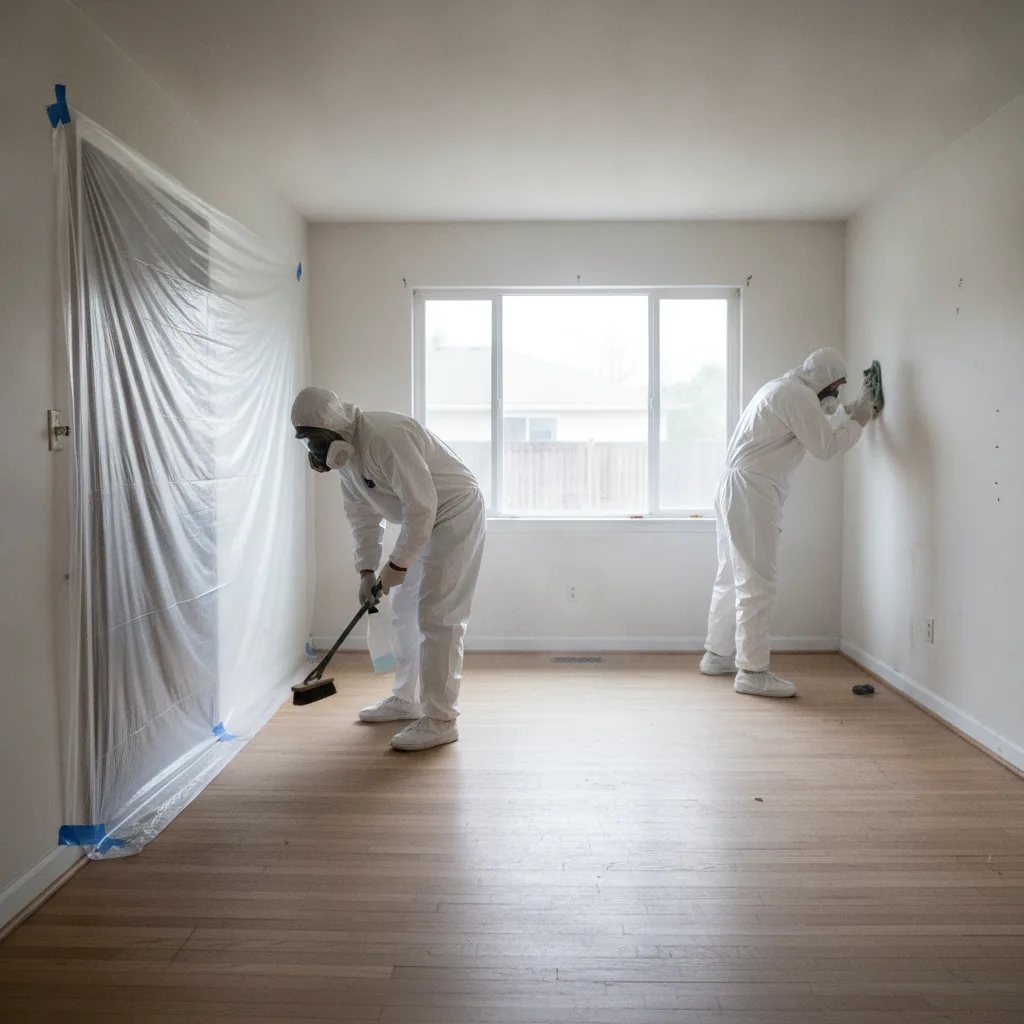
We restore homes, rentals and businesses after crimes once law enforcement releases the scene. We remove blood, tissue, fingerprint powder and contaminated materials so the space is safe and livable again.
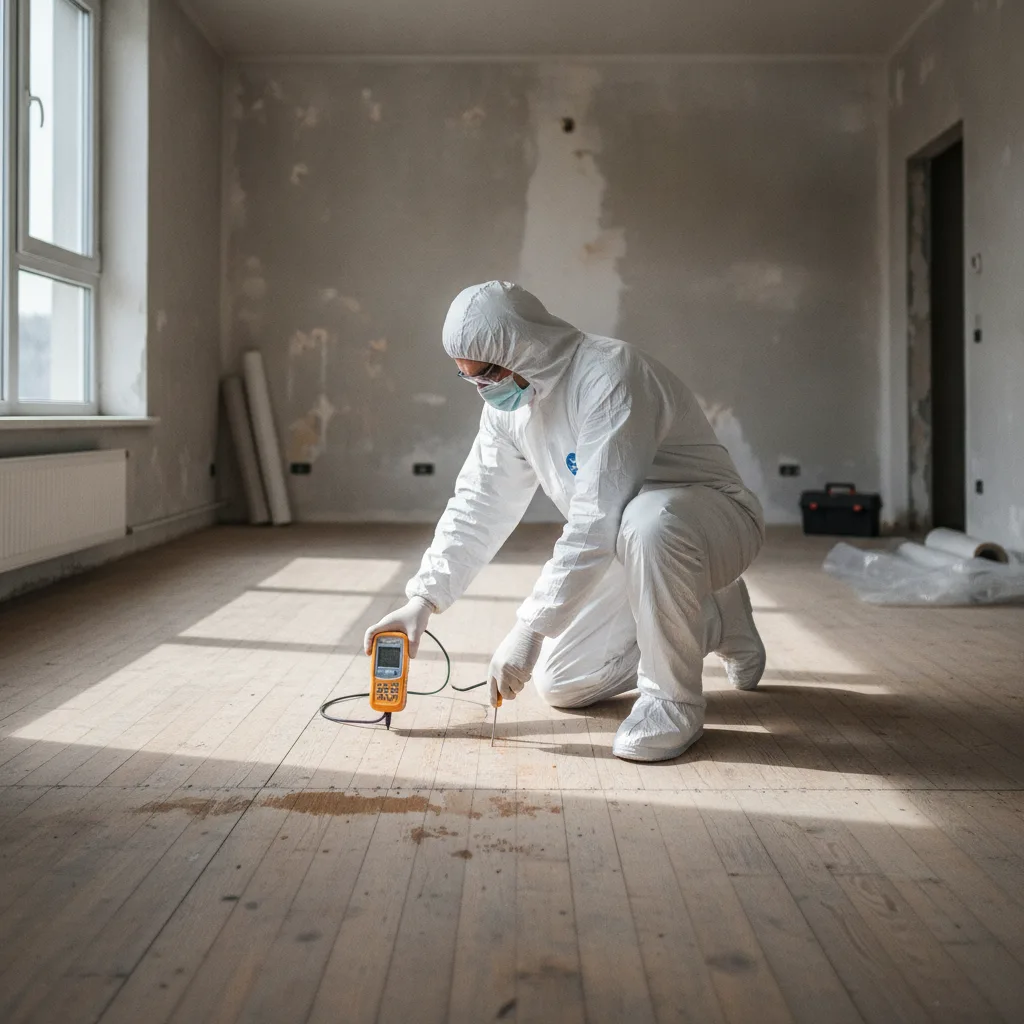
We clean and restore homes after someone has passed away alone, often discovered days or weeks later. We handle the biological contamination, the odor and the personal belongings with care.
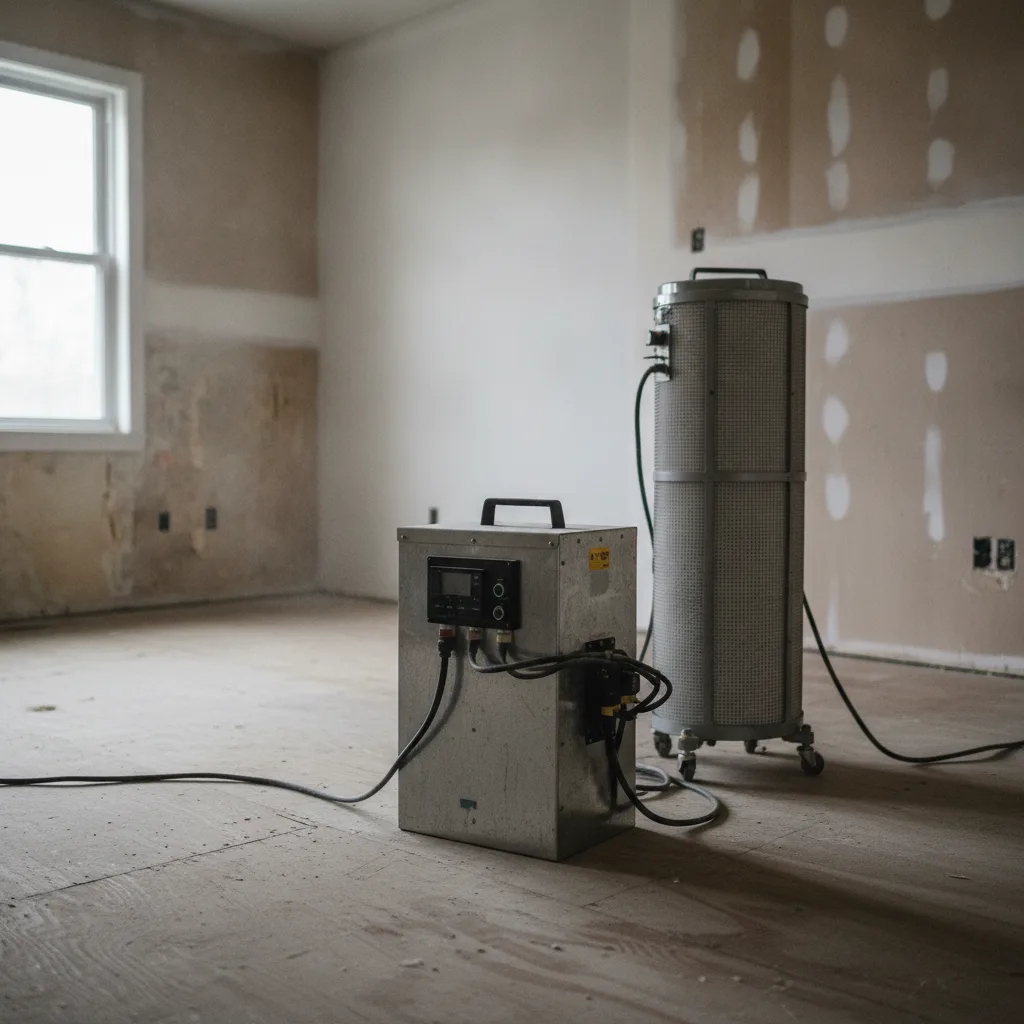
We remove decomposition fluids, insects and odor sources from homes, apartments and vehicles. We go down to the structure itself, not only the visible surfaces.
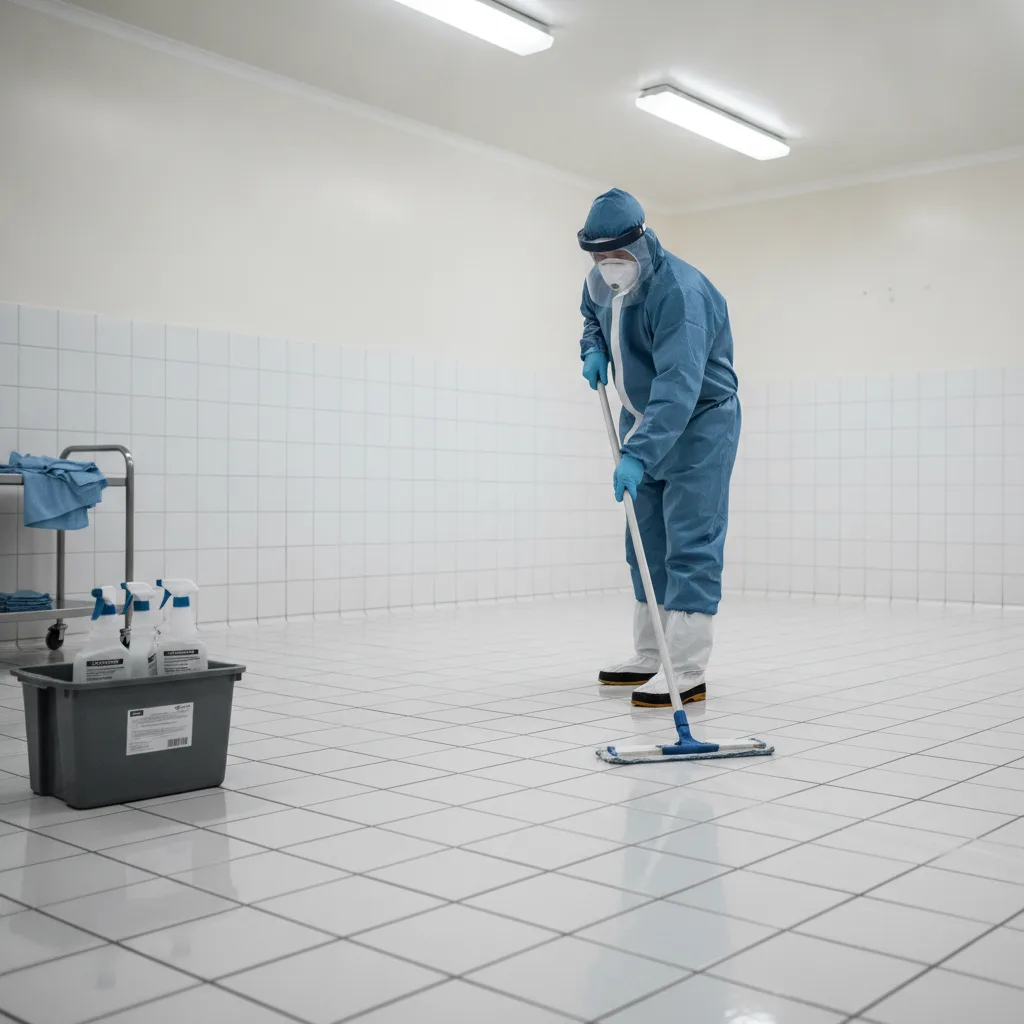
We clean up after accidents, serious injuries and medical events that leave blood or bodily fluids behind, whether at home, at work or in a vehicle.
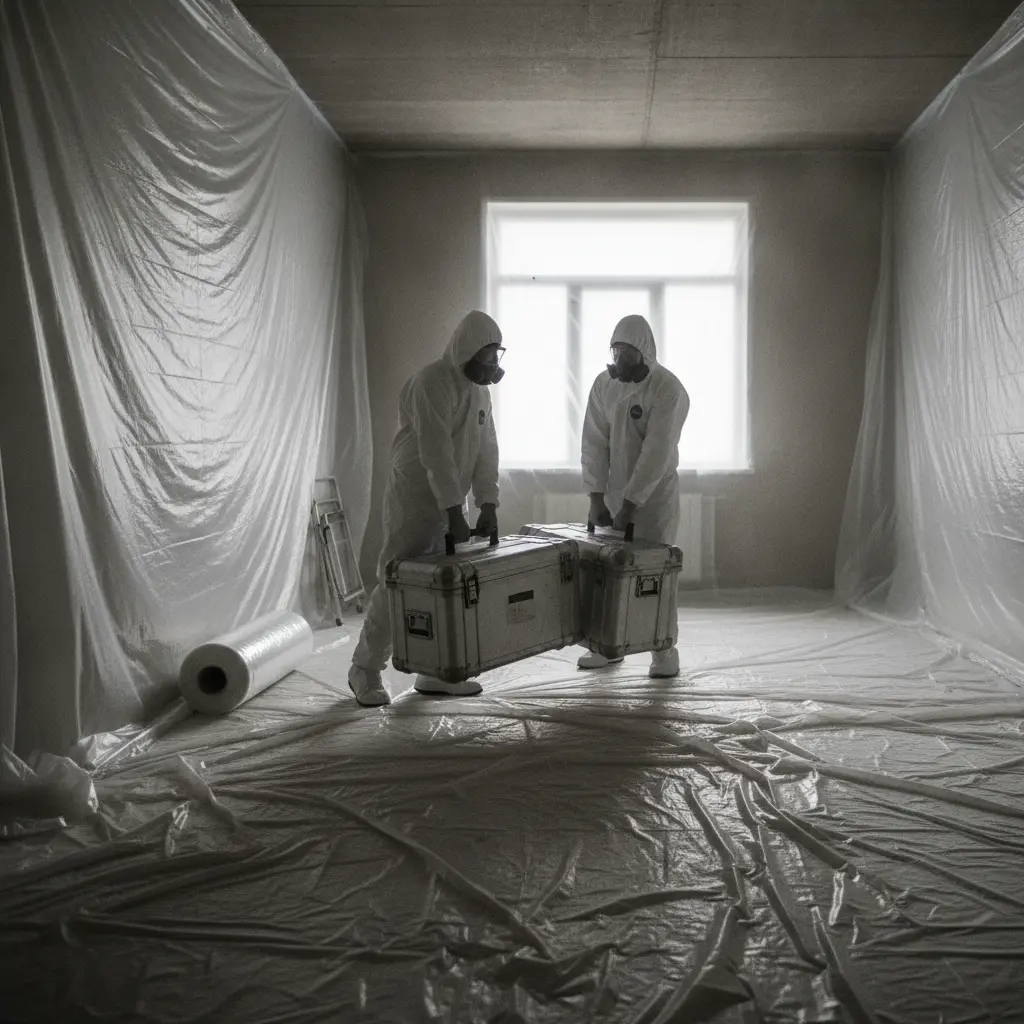
We restore homes after a homicide with deep compassion for the family, handling every trace of the event so loved ones don't have to see it again.
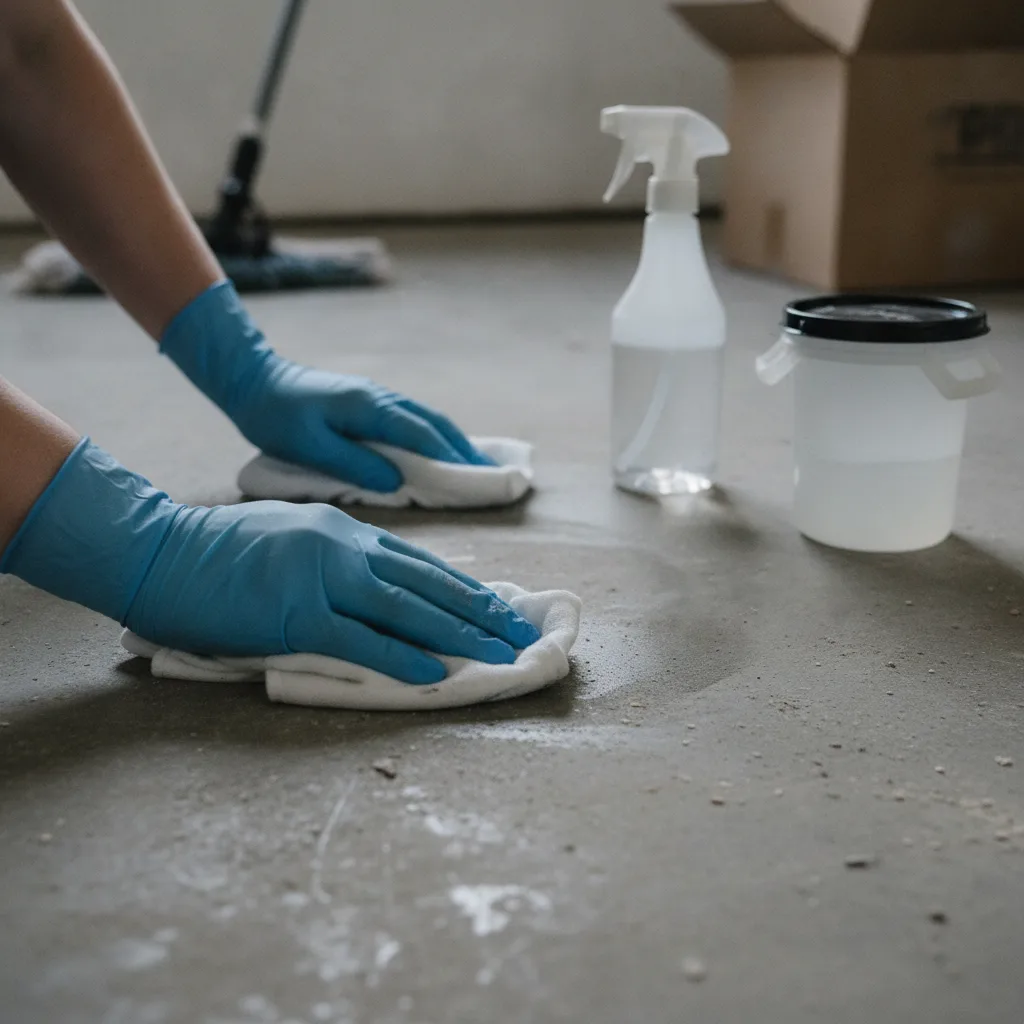
We clean up blood spills of any size, from a single stained room to a vehicle interior, and we disinfect to verified safe levels.
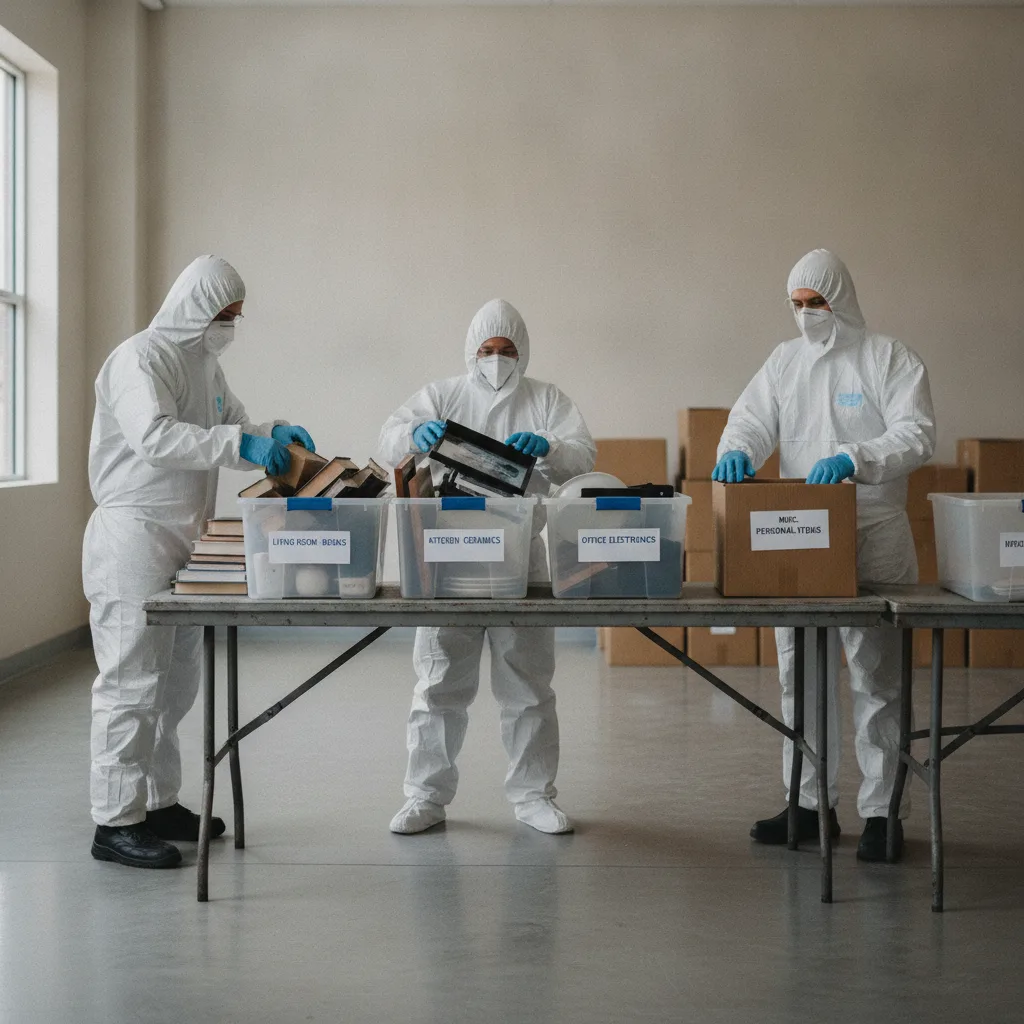
We clear and decontaminate hoarded or squalid homes without judgment, setting aside valuables, documents and keepsakes for the family.
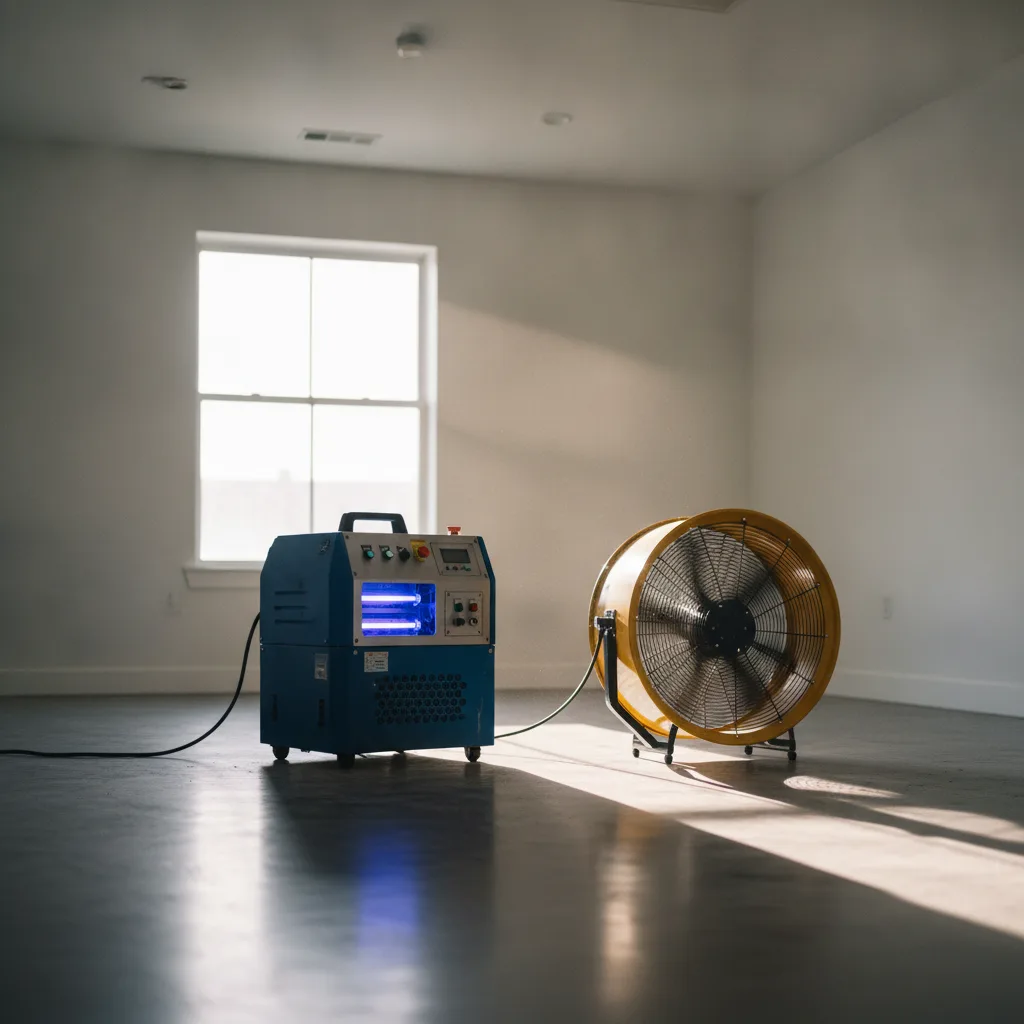
We eliminate persistent odors from decomposition, smoke, pets, hoarding and sewage at their source, so they don't return when the heat turns on.
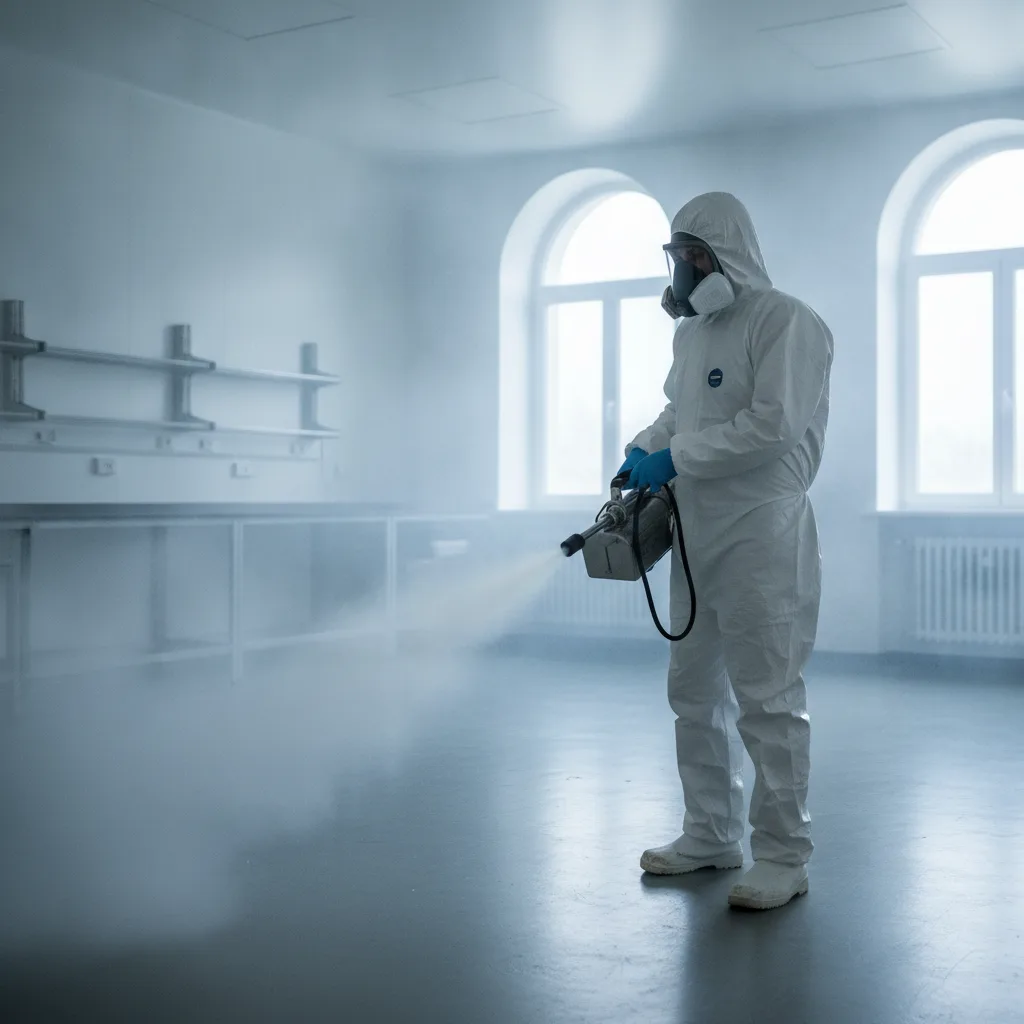
We disinfect homes, vehicles and commercial spaces exposed to pathogens, sewage, mold or infectious material, and bring them back to a safe condition.
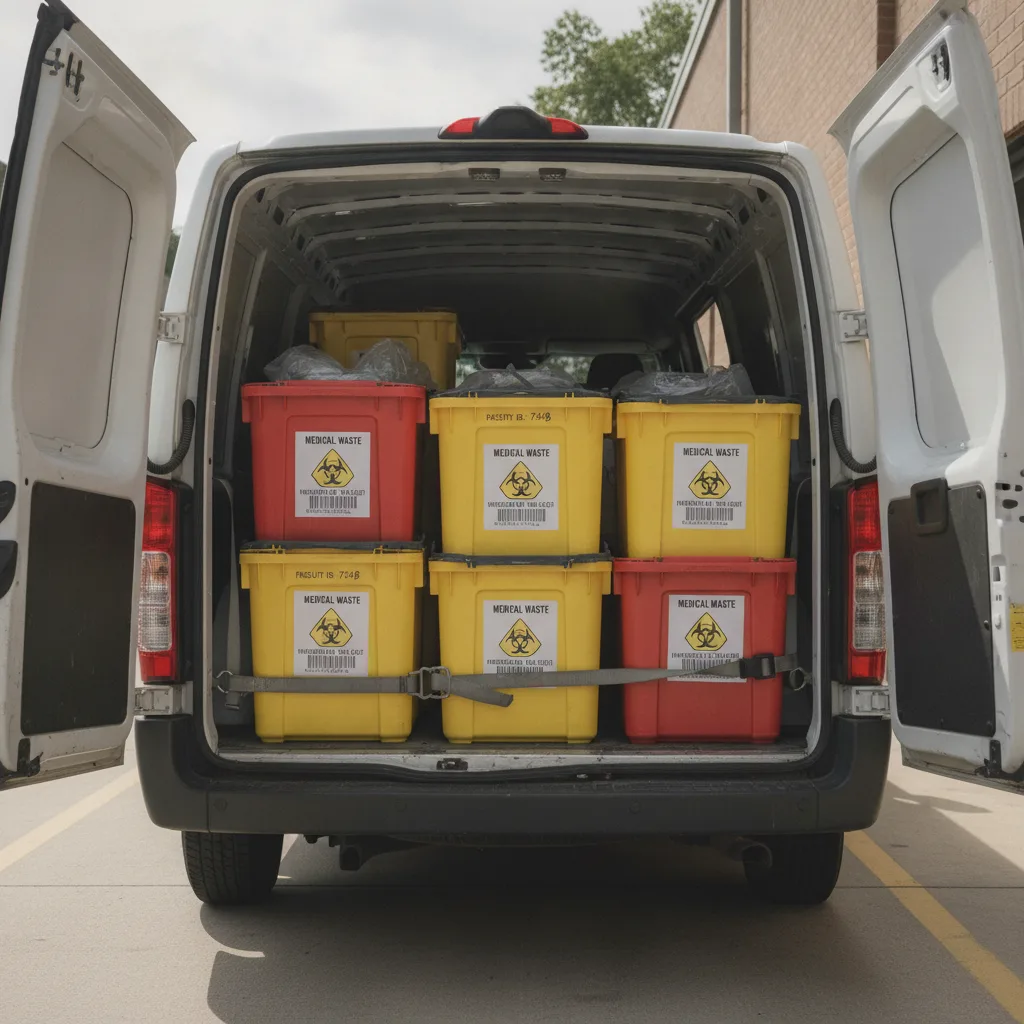
We recover and dispose of sharps, needles and biohazardous waste from homes, vacant properties and vehicles.
Every scene is different, but certain situations come up again and again in Rochester's housing and climate. Here's what each one involves, why it's common in our area, what to look for, and how it gets resolved properly so you're not dealing with it again months later.
This is when someone passes away alone and isn't found for days or weeks. Decomposition releases fluids, gases and odor that move into flooring, walls and HVAC systems. The scene is a serious biological hazard and should never be cleaned by family members.
These are scenes left behind by violent injury, gunshot wounds, stabbings or self-harm. Blood and tissue can spread across several surfaces and rooms, and they carry bloodborne pathogens like hepatitis B, hepatitis C and HIV.
Overdose scenes can include bodily fluids along with discarded needles, syringes and drug residue. Fentanyl residue and hidden sharps are a real danger to anyone who touches them without training and the right protective gear.
This means heavy accumulation of belongings, trash, spoiled food or animal waste that makes a home unsafe. It's often complicated by rodents, mold, structural strain and fire risk, and it's frequently tied to code enforcement or Adult Protective Services deadlines.
This is Category 3 water contaminated with sewage, carrying bacteria, viruses and parasites. It soaks into concrete, carpet, paneling and drywall, and anything porous it touches usually has to be removed.
Sometimes odor keeps coming back after the visible cleanup is done. Odor molecules from decomposition, smoke or pets get absorbed into plaster, wood framing and HVAC ducts, then release again when the heat turns on or humidity rises.
This covers smaller, contained blood spills from injuries, nosebleeds, falls or medical events. Even a small amount carries pathogen risk, and on porous materials it can penetrate deeper than it looks.
You won't need to manage anything. Here's how a typical cleanup goes, from your first call to the moment we hand the space back, with insurance handled along the way.
24/7, immediately
Usually within hours of the call
Same day, ongoing
Typically 1–5 days depending on scope
Final day
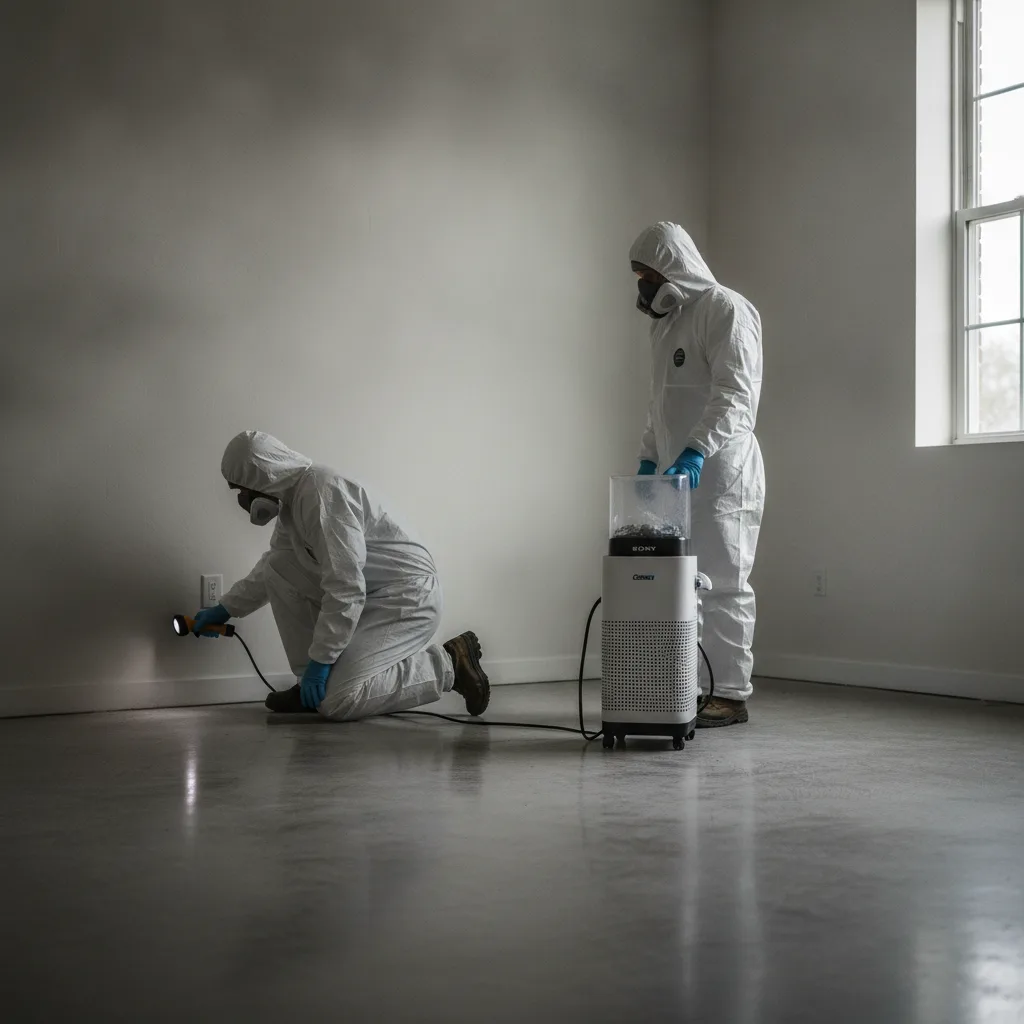
After a death or trauma, the last thing you need is a big bill. Homeowner's, landlord and auto policies often cover biohazard remediation, and we deal with your adjuster directly. We send the scope, the photos and the documentation they ask for. If the incident was a crime, we'll explain how NYS Office of Victim Services reimbursement works for eligible victims and family members. Our goal is that you never have to front money on a covered claim, and that you understand where things stand at every step.
Nobody plans for these calls, and they rarely come at a convenient hour. When you call us at 2 a.m. in January, you get a person, not a voicemail tree or an answering service reading from a script. We keep winter-ready vehicles so we can still respond when Hamlin and Irondequoit are buried under lake-effect snow. We'll talk you through what happens next and get technicians moving as soon as the scene is released.
Your neighbors don't need to know what happened. We arrive in unmarked vehicles and work quietly, and we don't talk about your situation with anyone who isn't authorized. That matters in a Rochester double where tenants share a porch, in a Brighton apartment complex with a watchful property manager, and in an HOA townhouse community with rules about access. Families on East Avenue and in Twelve Corners can expect the same respect for their privacy as landlords in the 19th Ward.
Most cleanup problems in Rochester are hidden ones. Fluids reach balloon-frame plank subfloors, soak into horsehair plaster and get into old forced-air ducts. We know where to look and how to remove the least material that will still make the home safe. We also flag likely asbestos and lead paint before anything gets disturbed, since Rule 56 and the EPA RRP rule can change how a job has to be done. Where it's possible, we preserve original millwork and hardwood.
We're fully insured, and our technicians follow the OSHA Bloodborne Pathogens Standard, respiratory protection and hazard communication rules, along with New York disposal protocols for regulated medical waste. That means proper PPE, containment, sealed and labeled waste, and documentation you can hand to an insurer, a landlord or an estate attorney. Cutting corners with biohazards puts the next occupant at risk, so we don't.
Small landlords need a unit back fast without putting the Certificate of Occupancy at risk. Adult children flying in from out of state need someone they can trust inside a parent's Irondequoit home. We provide video walkthroughs and photo updates, and we work directly with property managers, executors and funeral homes. Our final documentation is written with rental re-inspection and lead-safe requirements in mind.
We serve all of Rochester plus Brighton, Irondequoit, Clarkson and Hamlin. Rural western Monroe County residents shouldn't have to wait longer for help, so we plan for long driveways, septic systems, outbuildings and manufactured homes. Wherever you are in our service area, you get the same response, the same discretion and the same care.
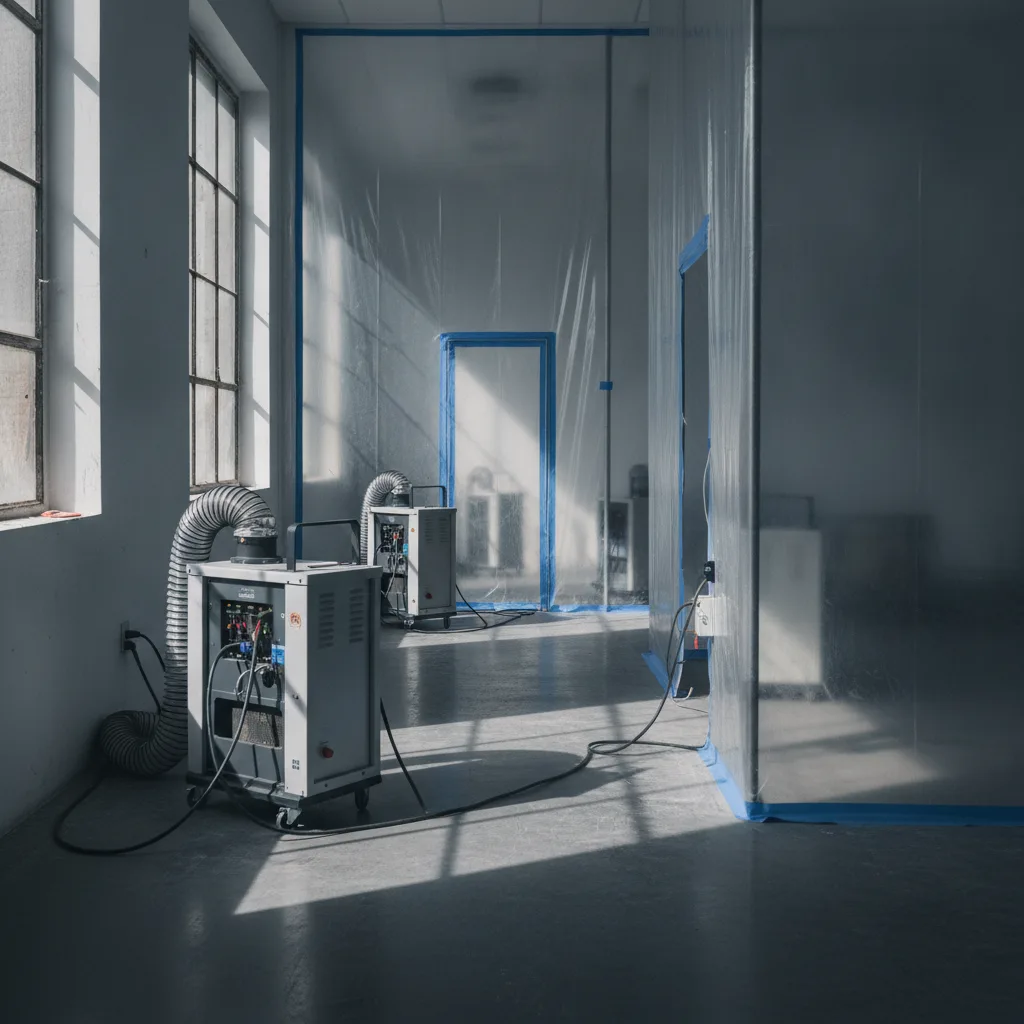
For most covered claims, our clients pay $0 out of pocket. Homeowner's, landlord and auto policies often cover biohazard remediation, and eligible crime victims can seek NYS Office of Victim Services reimbursement. We bill your insurer directly. The ranges below are typical claim values your insurer would see, not amounts we ask you to pay.
Your policy matters more than anything else. Homeowner's and landlord policies often treat a death or trauma event as a sudden, accidental loss, and auto comprehensive coverage often applies to vehicles. For crimes, the NYS Office of Victim Services can reimburse eligible victims and family members, subject to caps. We review your situation right away and talk directly with your adjuster, so you know what's covered before work starts.
A contained spill on tile is a very different claim from fluids that have spent days soaking through a pre-war plank subfloor into the joists below. Time to discovery, the season and the building materials all affect scope. Rochester's humid summers and sealed winters tend to widen the affected area, which is why we document everything carefully for your insurer.
Horsehair plaster, old-growth softwood subfloors and particleboard in manufactured homes often have to be removed rather than cleaned. In pre-1978 Rochester homes, lead-safe work practices apply, and suspected asbestos may require a Rule 56 survey and licensed abatement before demolition. These are legitimate parts of a claim, and we identify them up front so nothing surprises you later.
When a furnace has been running through a Rochester winter, odor and contaminants travel through the ducts. Duct cleaning, hydroxyl treatment and sealing the framing add to scope, but they keep you from paying for a second cleanup when the odor comes back in October.
Third-floor flats, steep basement stairs, icy porches and long rural driveways in Hamlin and Clarkson all affect labor and equipment staging. Multi-unit buildings may also need containment to protect neighboring units. We include these conditions in the documented scope we send to your adjuster.
We bill insurance directly and help eligible crime victims through the NYS Office of Victim Services process. For situations that are usually not covered, such as some hoarding cleanouts, we'll go over estate, landlord or other options with you honestly before any work begins.
In many cases, you'll pay nothing out of pocket. Homeowner's and landlord policies often cover biohazard remediation after a death, suicide, homicide or other trauma, and auto comprehensive policies often cover vehicles. We contact your adjuster directly and provide the scope, photos and documentation they need. If the incident was a crime, eligible victims and family members may be reimbursed through the NYS Office of Victim Services, subject to its caps and rules. Your deductible or a coverage gap can affect the final picture. If that's the case, we'll tell you plainly before any non-emergency work starts.
Call any time and a person answers. We usually have technicians on the way within hours, once police or the Monroe County Medical Examiner has released the scene. A small blood cleanup is often finished in one visit. A trauma scene typically takes one to three days. A delayed-discovery unattended death in an older Rochester home with subfloor removal and duct treatment can take three to five days. Lake-effect storms can slow access, but we keep winter-ready vehicles so we can still respond.
The cleanup itself doesn't need a permit, but the scene has to be released by police or the Medical Examiner first. Rebuilding is a different matter. Replacing subfloor, framing or plaster may need a building permit from the City of Rochester or your town. Pre-1978 homes fall under lead-safe rules. Suspected asbestos requires a survey under New York's Rule 56, and removal has to be done by licensed contractors. Exterior repairs in districts like East Avenue or Corn Hill may need a Certificate of Appropriateness. We'll flag what applies to your property.
We strongly advise against it. Blood and body fluids can carry hepatitis B, hepatitis C and HIV. Overdose scenes may hide needles and fentanyl residue. Regular cleaners don't have bloodborne pathogen training, the right PPE, or a legal way to dispose of regulated medical waste under New York rules. In Rochester's old homes, the real contamination is often under the floorboards and inside the plaster, where household cleaning can't reach. Insurers also expect professional documentation. And no family member should have to clean up after someone they love.
Yes, and we do it often. Many of our Irondequoit and Brighton calls come from adult children who live far away. We coordinate by phone, send photo and video updates, work with your insurer, executor or estate attorney, and set aside personal items, documents and keepsakes for you. When the work is done, we can walk you through the finished space over video. You'll get the documentation you need for insurance, the estate or a sale, without having to book a flight in the middle of everything else.
We know small landlords need speed. We contain the work to protect neighboring units in doubles and multi-unit buildings, keep tenants informed discreetly, and give you documentation suitable for insurance and code officials. Rochester ties lead inspections to its rental Certificate of Occupancy program, so if we remove painted materials in a pre-1978 unit, we'll tell you what lead-safe and re-inspection steps to expect. We focus on removing only what's necessary, so rebuilding goes faster and costs less.
The key is getting the source out, not covering it up. Odor returns when contaminated subfloor, plaster or ductwork stays in place, and it usually shows up the first time the furnace kicks on in a Rochester fall or on a humid July day. We remove the source material, seal the framing, clean the ducts and verify the results. For older relatives living alone, especially in rural Hamlin or Clarkson, regular check-ins or a wellness-check arrangement with a neighbor can shorten the time to discovery if something happens.
Call as soon as you know there's a biohazard, even if the Medical Examiner hasn't released the scene yet. We can explain what to expect and be ready to go. Contamination gets worse with time, especially in summer heat or when the furnace is running. Until we arrive, keep people and pets out, don't touch fluids or sharps, and don't run fans or the HVAC system if you can avoid it. Take a few photos for insurance if it's safe. You don't need to clean anything first.
We come to you anywhere in Rochester and the surrounding area, in unmarked vehicles, any hour of the day.
You don't have to face this alone or pay for it yourself. Call now and a real person will answer, explain your coverage, and send an unmarked team to your Rochester-area property.
Call (585) 206-6528 Now