Discreet, certified crime scene and biohazard cleanup in Wichita — unmarked vehicles, compassionate technicians, and in most cases $0 out of pocket since we bill your insurance directly.
Wichita's heat, its clay soils, and its mix of 1920s bungalows, wartime ranches, and new subdivisions all change how a biohazard scene behaves. If you understand those local factors, you can see why fast, professional cleanup matters so much here, and why surface wiping almost never does the job.
July highs in Wichita average in the low 90s °F, and many summers bring stretches of 100°F+ days. Humid Gulf air keeps nights in the low 70s. If a home's AC is off or broken, decomposition speeds up sharply, and fluids can move from carpet to pad to subfloor within days. Winter brings its own risk: furnaces or space heaters left running in a sealed home do the same thing. Wichita gets roughly 30–35 inches of rain a year, mostly in May and June storms. That moisture soaks basements and crawlspaces and feeds bacteria and mold after a fluid release. Hail and tornado damage also leave buildings open to animals, which can mean rodent droppings, bird waste, and animal decomposition. Expansive clay soils across Sedgwick County crack slabs and basement walls, so fluids and odor can get down into concrete.
Much of Wichita was built during the WWII and postwar boom at Boeing, Cessna, Beech, and Stearman. That left thousands of 1940s–1960s ranches, many with block basements, plus wartime housing like Planeview. In Riverside, College Hill, Delano, Midtown, and Fairmount, early-1900s homes often have original hardwood under carpet, lath-and-plaster walls, and balloon framing, which lets fluids and odor travel inside wall cavities. Homes built before 1978 may have lead paint, and some mid-century homes have asbestos in floor tile, mastic, or duct insulation. Manufactured homes in Haysville and Oaklawn have particleboard floors and tight crawlspaces. Derby and Andover subdivisions have wall-to-wall carpet over slab. In Old Town lofts and older apartment complexes, shared walls and HVAC can spread contamination between units.
Kansas has no state license for crime scene cleaners, so the work is governed by federal OSHA rules: the Bloodborne Pathogens Standard, respiratory protection, PPE, and HAZWOPER where it applies. Infectious waste can't go in regular trash. KDHE rules require proper packaging and disposal through a licensed medical-waste hauler. Cleanup can't begin until Wichita PD, the Sedgwick County Sheriff, or police in Derby, Andover, or Haysville release the scene, and until the Regional Forensic Science Center finishes its work. Andover is in Butler County, so some contacts are different there. Hoarding and unsafe-structure complaints go through MABCD. Kansas Crime Victims Compensation may reimburse eligible victims for some cleanup costs, and many homeowner's policies cover trauma cleanup.
About 650,000 people live in the Wichita metro, and a growing number of seniors are aging in place, often alone in older ranch homes. That's why so many unattended death calls come in during summer. Opioid, fentanyl, and meth use leave needle and residue contamination in rentals and in motels along Kellogg and I-135. Families with military ties to McConnell AFB, out-of-town relatives settling an estate, and landlords throughout central and south Wichita all need someone who can handle insurance, coordinate with property managers, and work discreetly.
We handle the whole job, from the first call to a home that's safe to live in again. Each service follows OSHA bloodborne pathogen standards and Kansas disposal rules, and we adjust it to the construction of your home. When insurance applies, we document everything and bill your carrier directly.
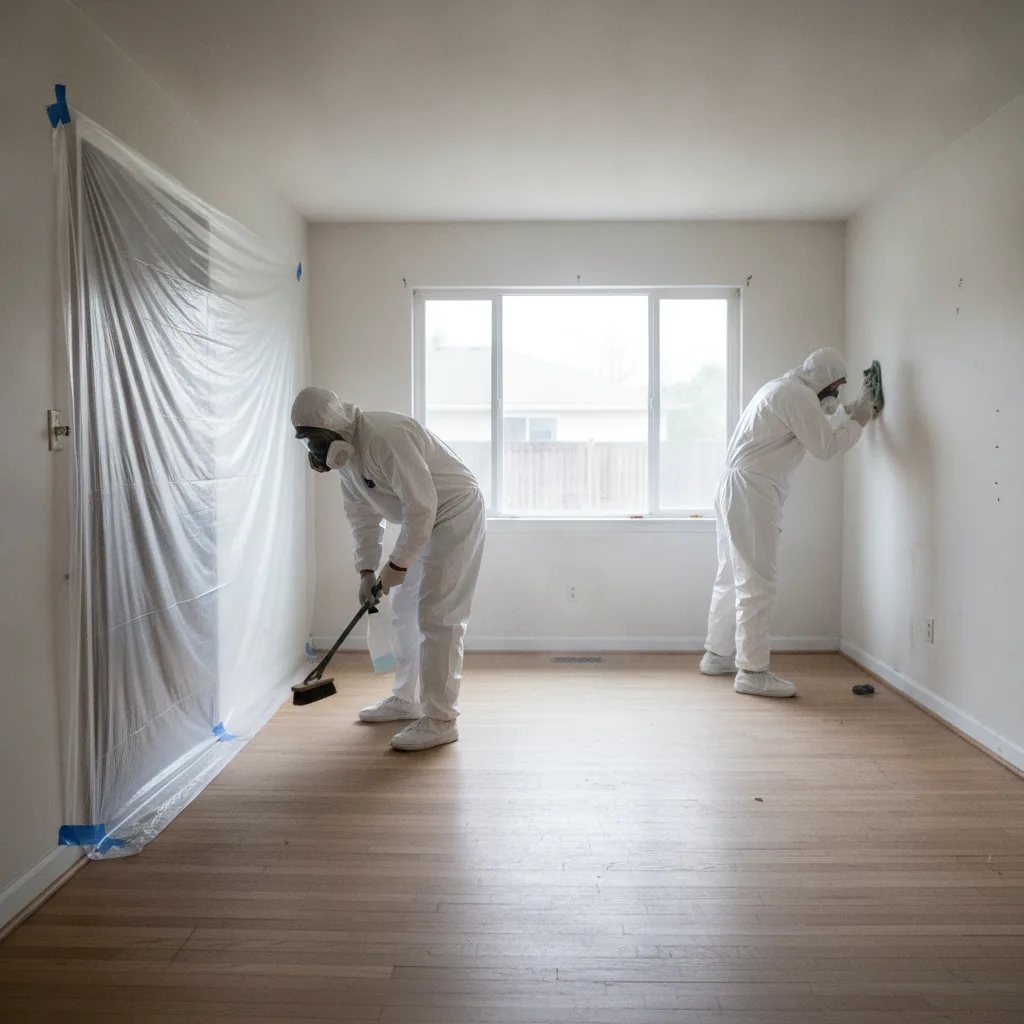
After police and the coroner release the scene, we clean, disinfect, and restore the affected areas. We remove all biological material and the materials it contaminated, so the space is safe and nothing is left as a reminder of what happened.
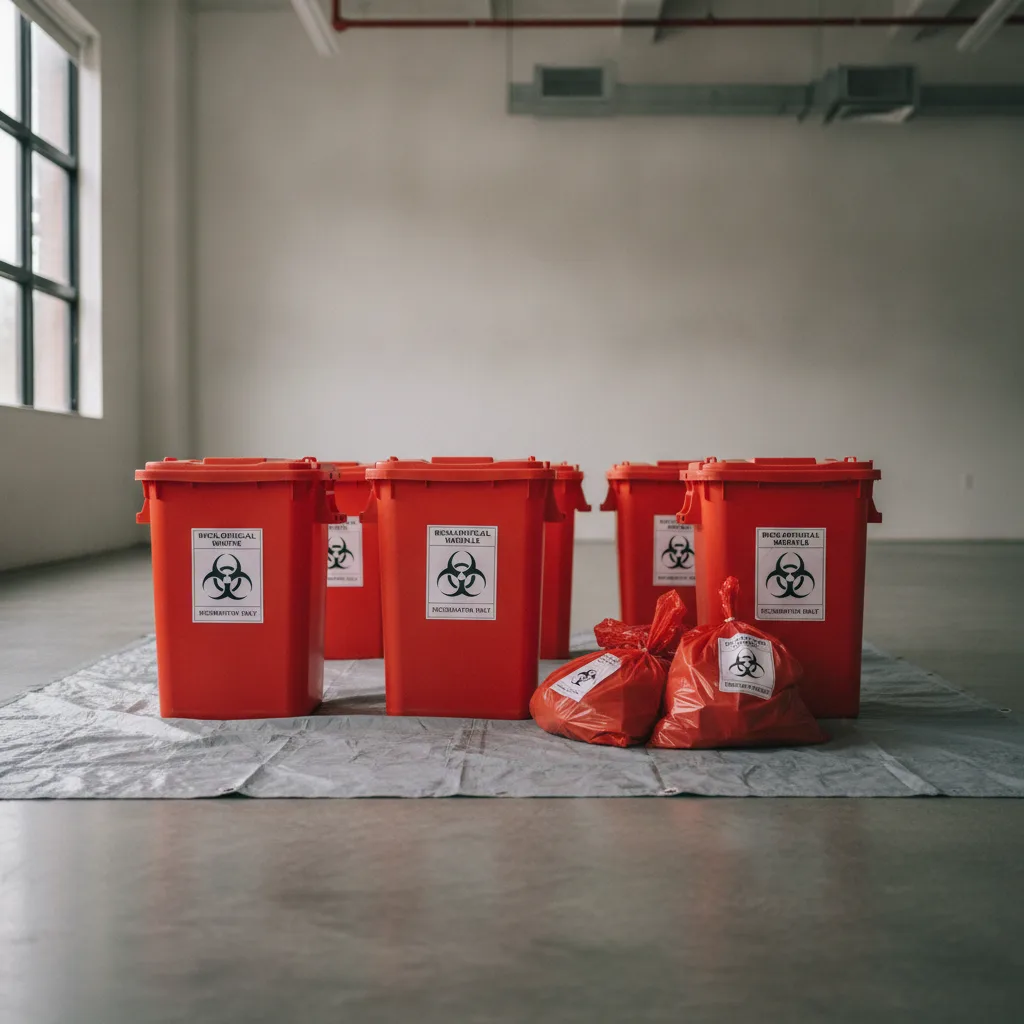
We safely remove and disinfect any biological hazard: blood, body fluids, feces, vomit, or other potentially infectious material in homes, vehicles, and commercial spaces.
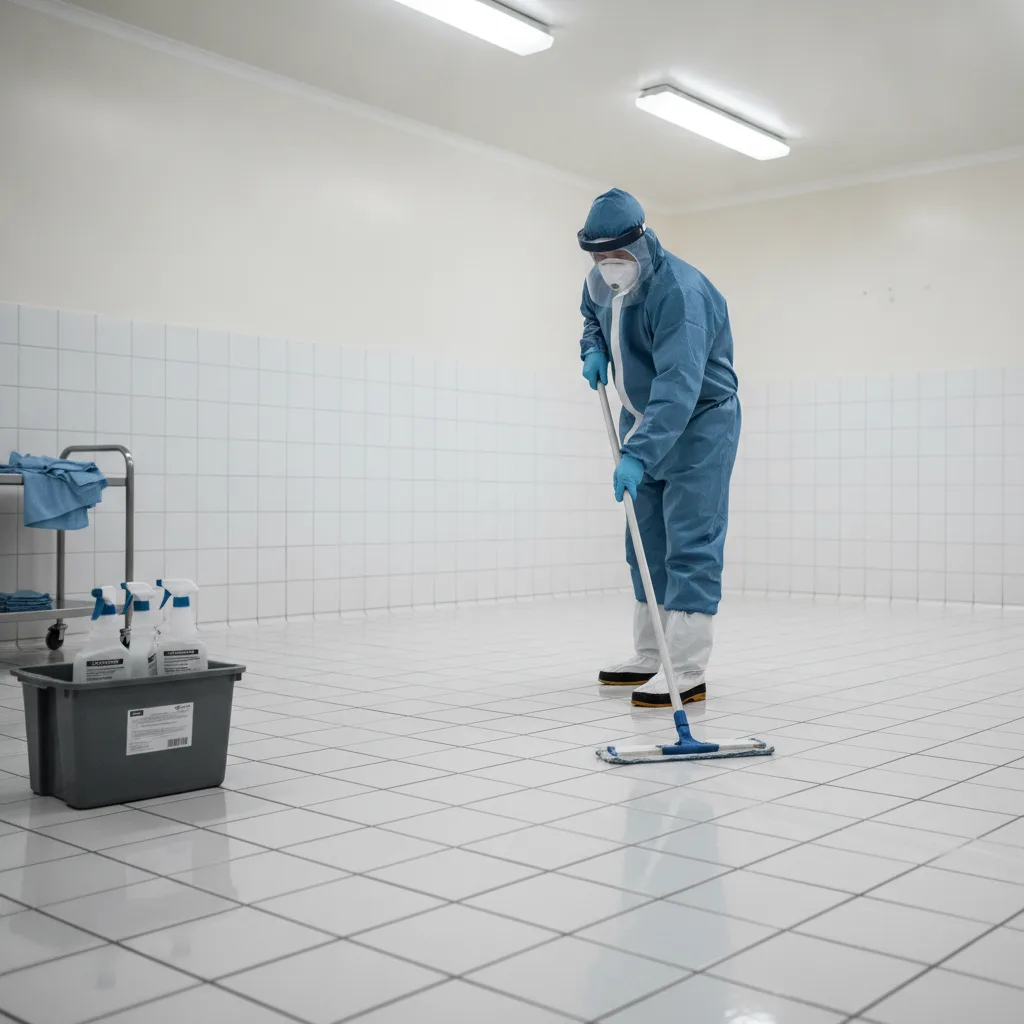
We clean up after suicides, accidents, and serious injuries with care and privacy, so loved ones never have to face the scene themselves.
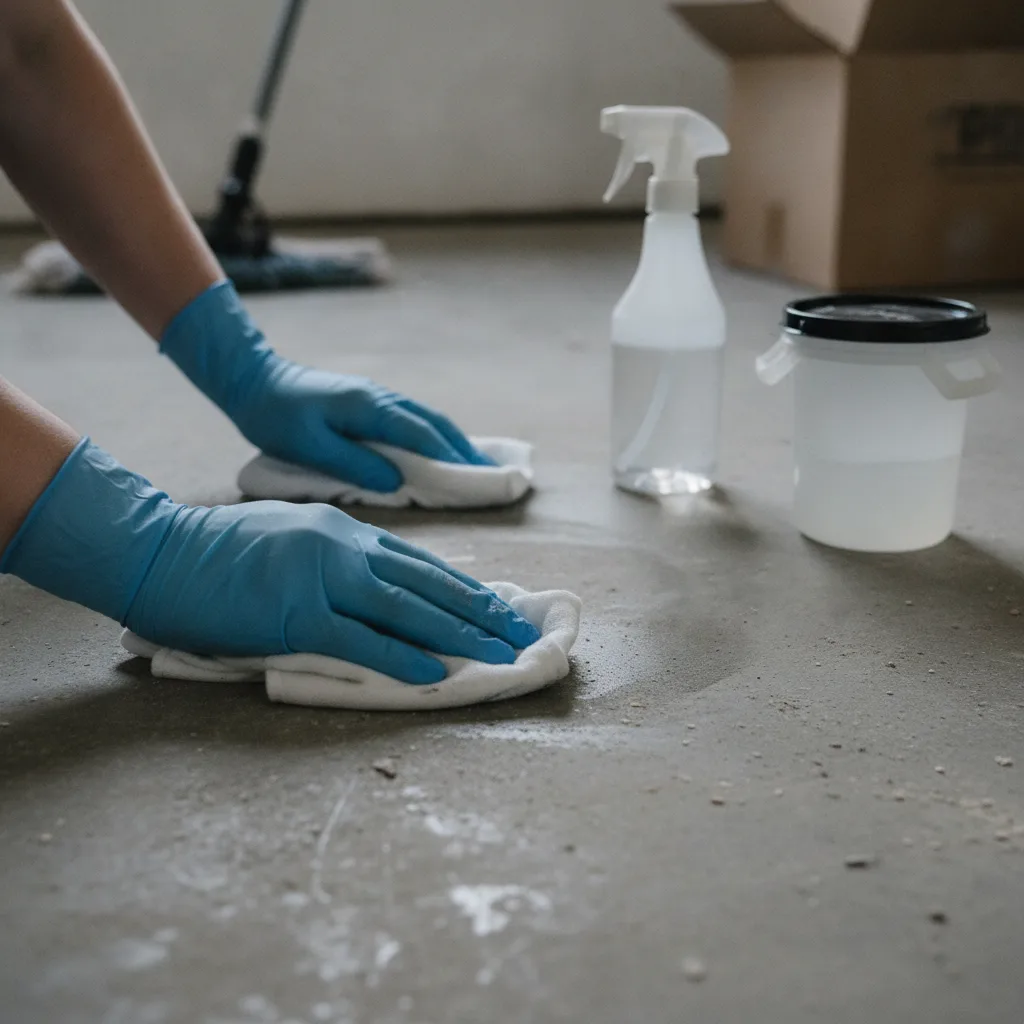
We remove blood from floors, walls, furniture, vehicles, and fixtures, including what has soaked into seams, grout, and padding.
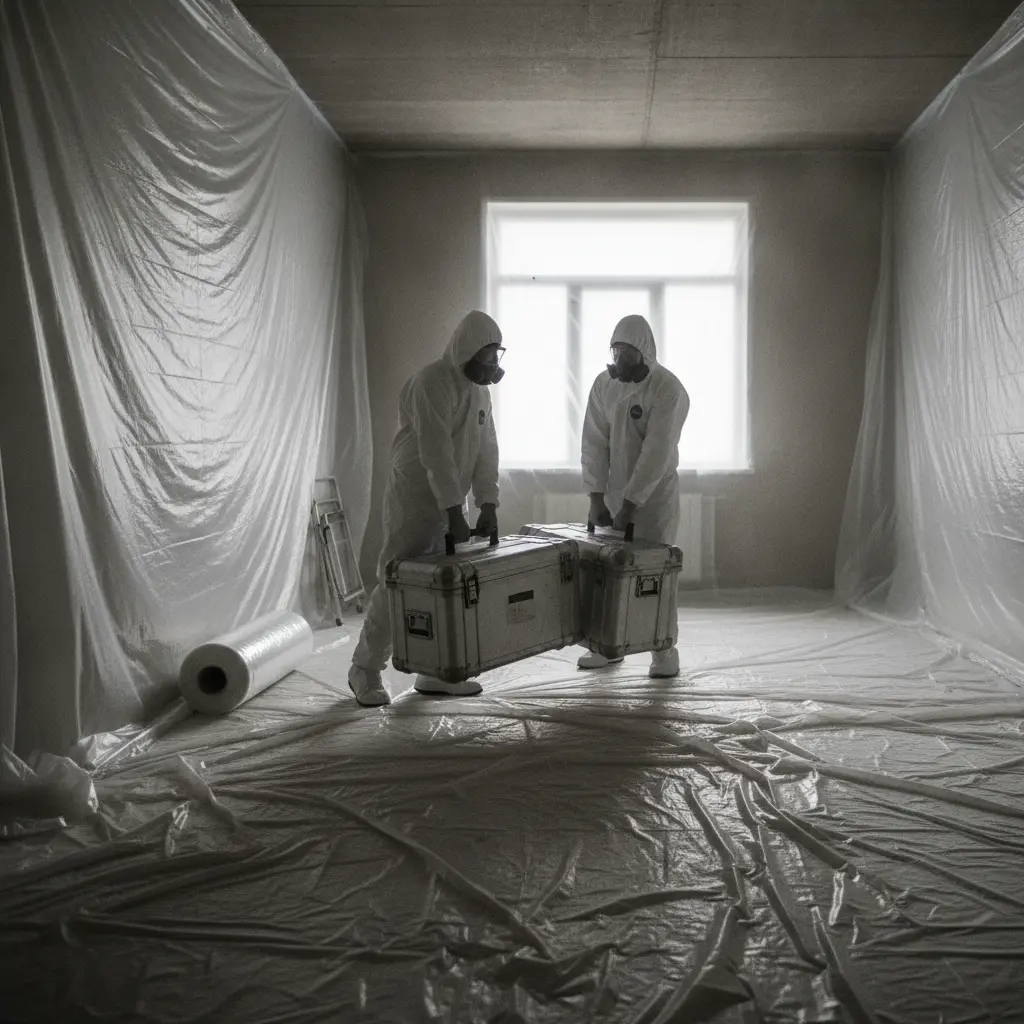
We fully remediate homicide scenes after law enforcement releases them. That includes biological material, fingerprint powder residue, and contaminated furnishings.
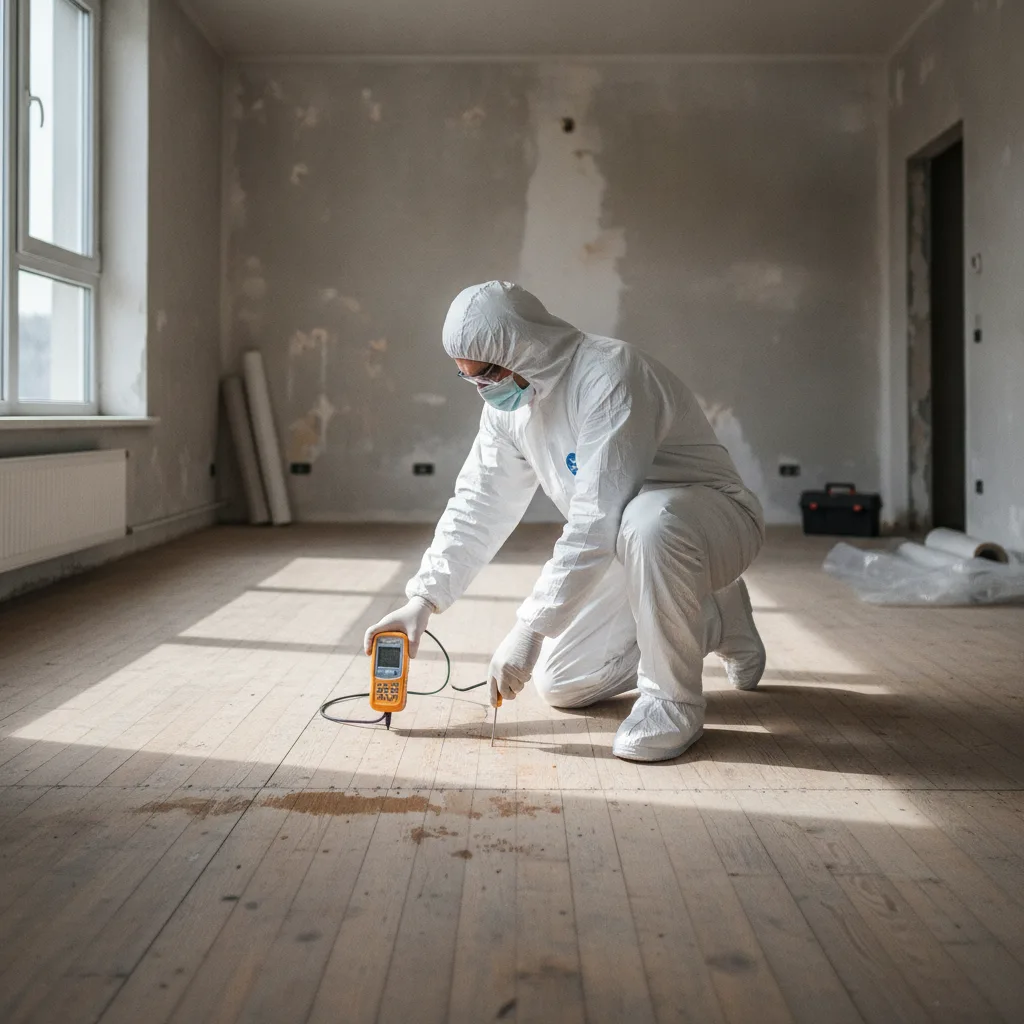
When someone has passed and wasn't found right away, we remove all affected materials, treat the structure, and eliminate odor so the home can be lived in, sold, or rented again.
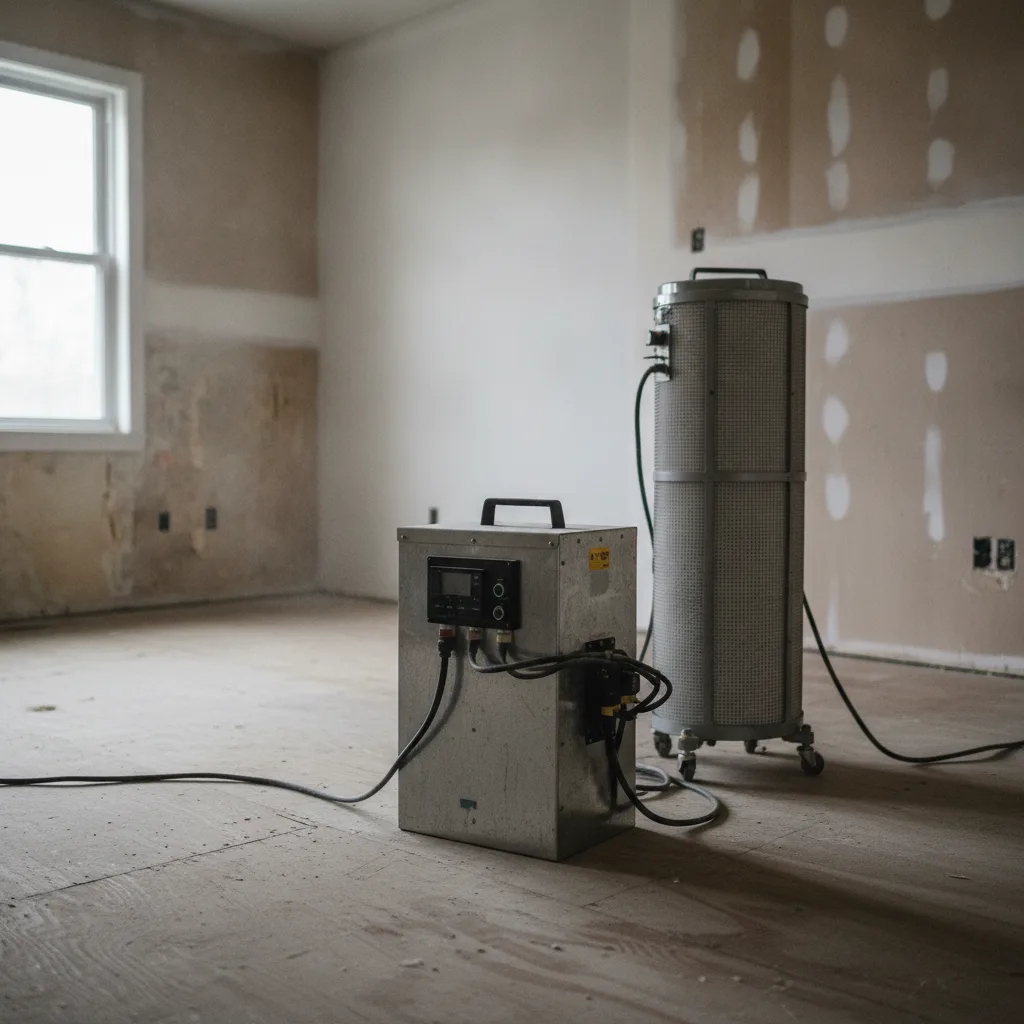
We remove decomposition fluids, tissue, and odor from every affected surface, including below-grade spaces and concrete.
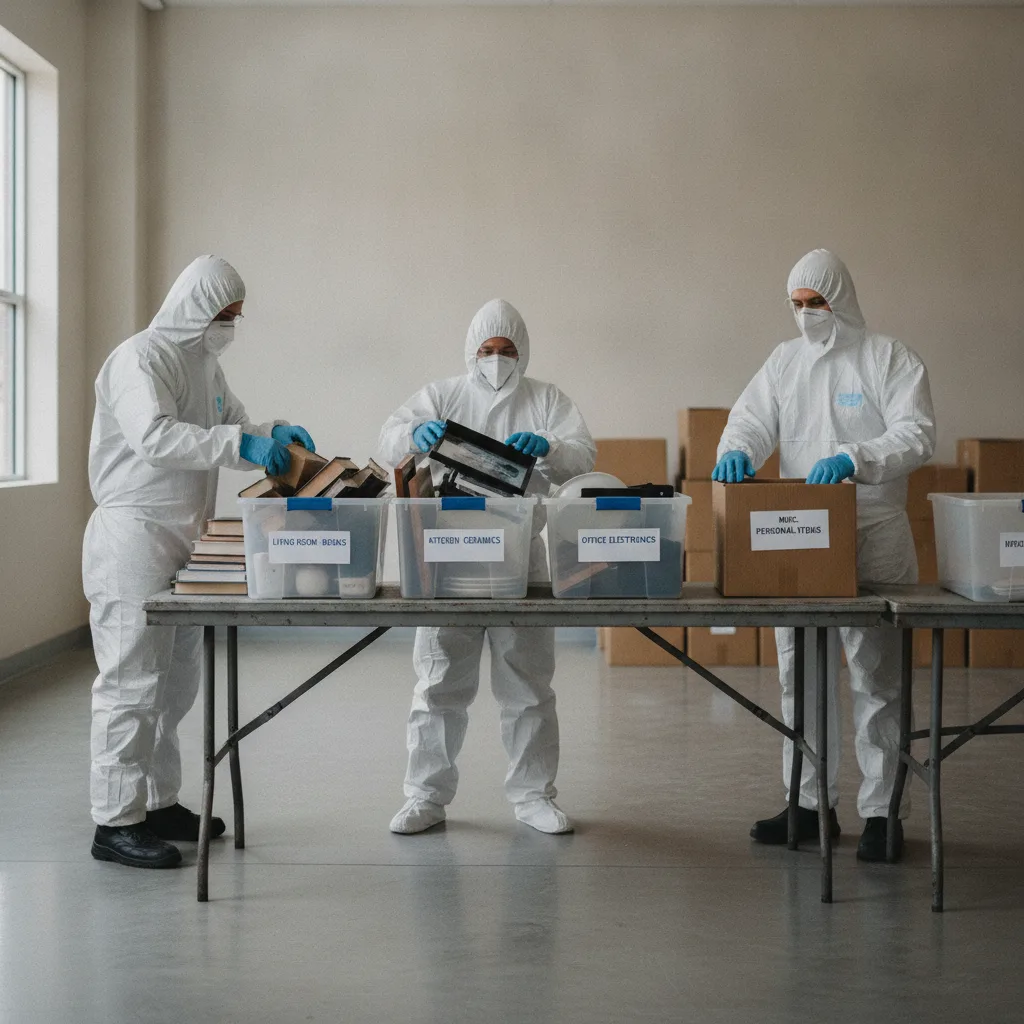
We clear hoarded homes with respect. We sort with the family, remove waste, and sanitize areas contaminated by animals, rodents, or spoiled material.
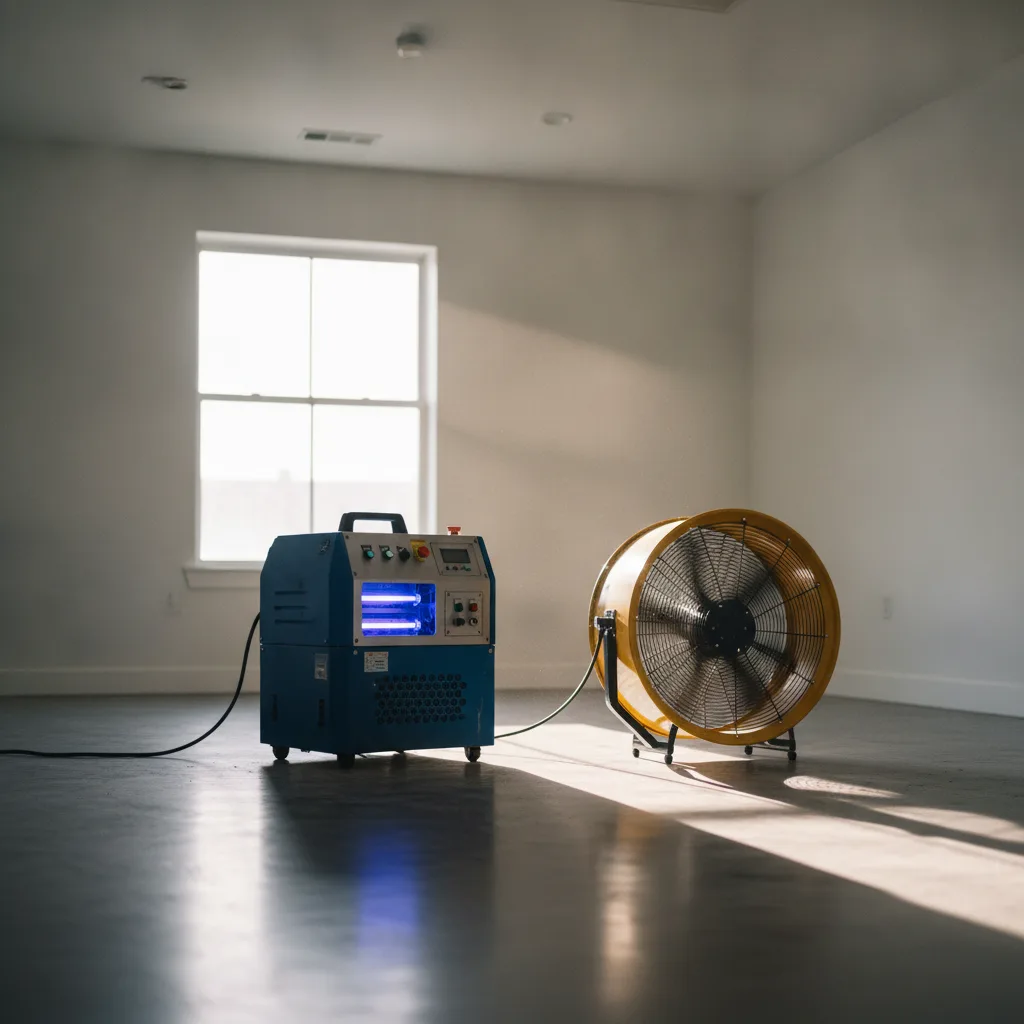
We find the source of biohazard odors and eliminate them instead of masking them.
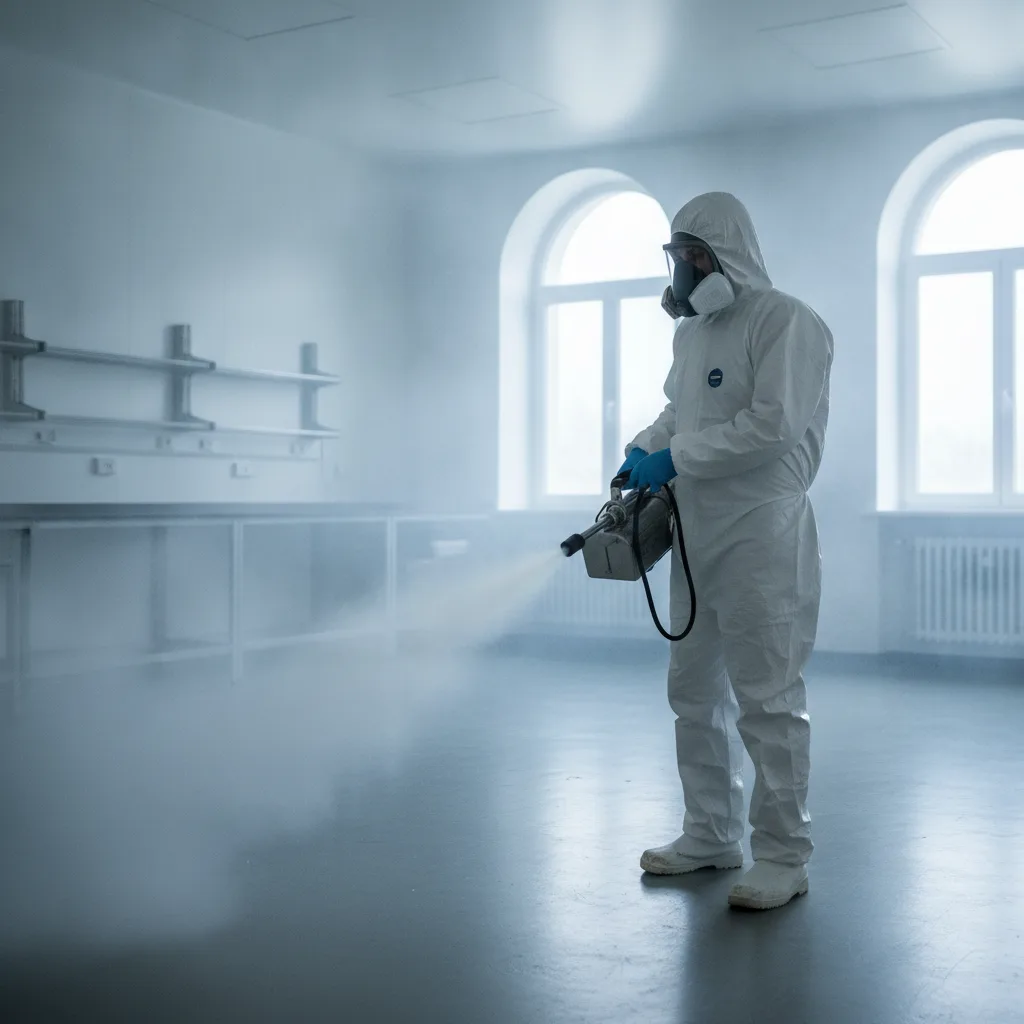
We decontaminate homes, rentals, motel rooms, and vehicles affected by drug residue, infectious disease, or chemical contamination.
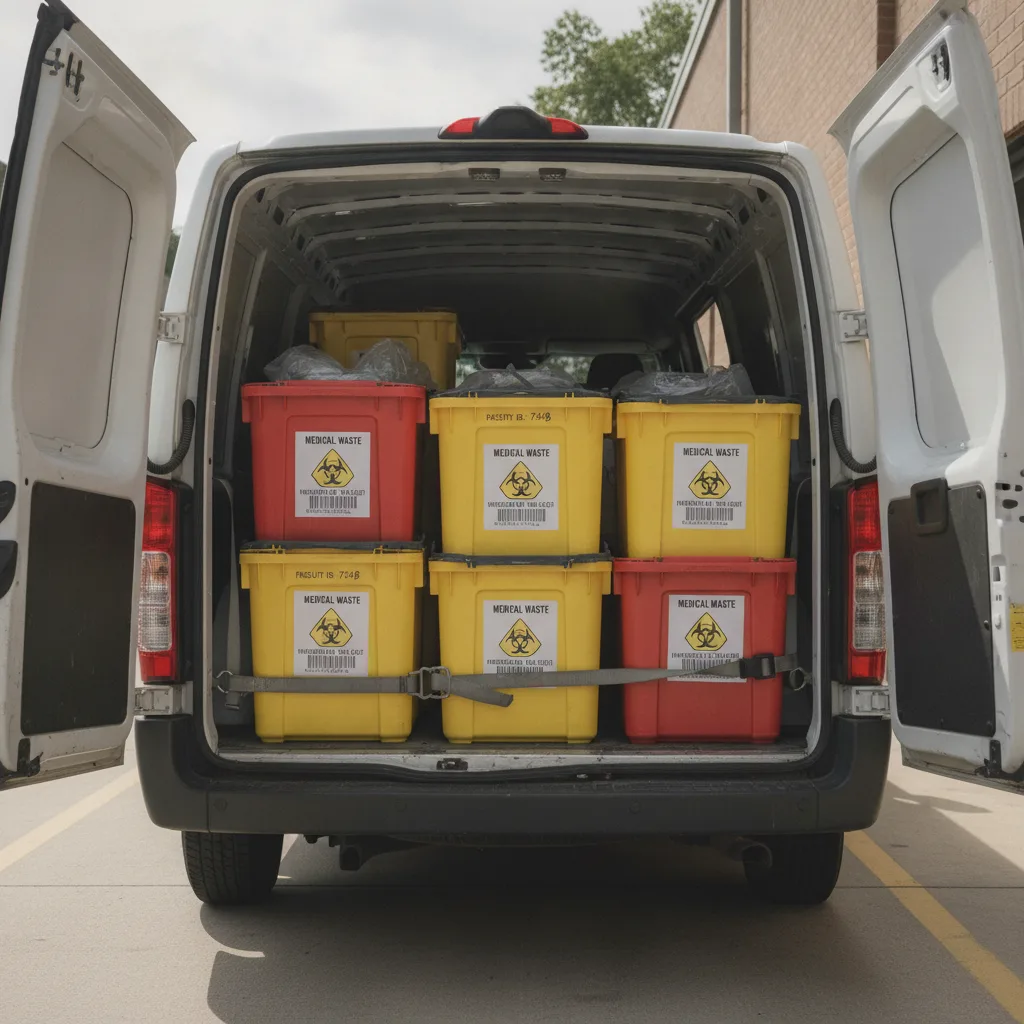
We collect, package, and dispose of sharps, needles, and infectious waste safely and legally.
Every scene is different, but the same patterns come up across Wichita's homes, rentals, and businesses. Knowing what you're dealing with, and how fast it can get worse in Kansas heat, helps you decide what to do next. Many of these situations are covered by insurance.
When someone dies alone and isn't found for days or weeks, the body releases fluids, gases, and bacteria. These soak into flooring and furnishings and leave odor in the structure. It is one of the most complex and emotionally difficult cleanups there is.
Blood and body fluids left after a shooting, assault, suicide, or serious accident can carry bloodborne pathogens such as hepatitis B, hepatitis C, and HIV. Cleaning them safely requires PPE, the right disinfectants, and regulated disposal.
Biological fluids don't stay on the surface. They soak through carpet, pad, hardwood, and particleboard, and they can get into concrete through cracks. Odor and bacteria come back if those layers aren't treated.
Hoarding cleanup goes beyond decluttering when the home has animal feces and urine, rodent infestations, spoiled food, or blocked exits. These conditions create biological hazards and can bring code-enforcement action.
Opioid, fentanyl, and meth use leave behind used sharps, chemical residue, and contaminated surfaces. Meth production or heavy smoking can leave residue in drywall, carpet, and HVAC that harms later occupants.
After a death, hoarding situation, or animal intrusion, odor molecules can embed in drywall, plaster, insulation, and HVAC systems. Air fresheners and normal cleaning only cover the smell for a while.
When hail, wind, or tornadoes open a building, or a property sits vacant, birds, raccoons, and rodents move in. They leave droppings, nesting material, and sometimes dead animals that carry disease and odor.
You've already been through enough. Our process is simple, quiet, and handled for you, from the first phone call to the final walkthrough, including the insurance paperwork.
24/7, immediate response
Arrival scheduled quickly after your call
Usually begins the same day
Often 1–3 days depending on scope
At completion
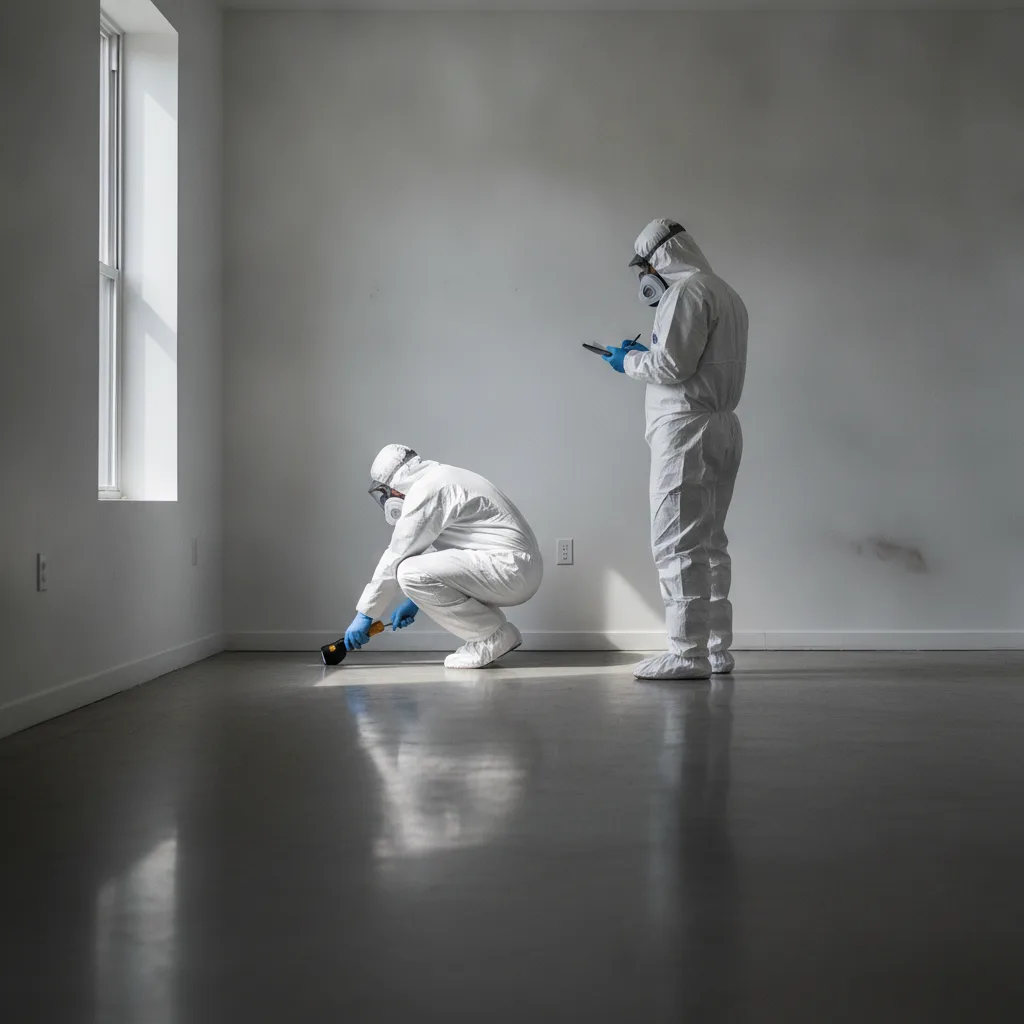
Paying for cleanup shouldn't be one more thing you have to deal with right now. Many homeowner's and landlord policies cover trauma, crime scene, and unattended death cleanup, so we start there. We document the scene, talk to your adjuster, and bill your carrier directly wherever coverage allows. If a crime was involved, we'll explain how the Kansas Crime Victims Compensation program may reimburse eligible victims. Our aim is simple: keep money worries away from your family while we handle the hard part.
Biohazard scenes don't wait for business hours, and Wichita's summer heat makes every hour count. A death found on a 100°F July afternoon can damage subfloor and ductwork much faster than one found in a cool home. We answer around the clock, including nights, weekends, and holidays. When you call, a real person helps you understand what to do next and gets a team moving. You won't sit on hold or wait until Monday.
What happened in your home is private. Our technicians arrive in unmarked vehicles and keep conversations low and the work area contained. That matters in close-knit Derby neighborhoods, Andover subdivisions with HOA expectations, and east Wichita streets where neighbors notice everything. For landlords and motel operators, discretion also protects your tenants, guests, and reputation. People nearby don't need to know what we're there for, and we make sure they don't.
A carpeted slab in Andover, a plaster-walled bungalow in College Hill, and a particleboard-floored manufactured home in Haysville each need a different approach. We know where fluids hide in old-growth hardwood, how balloon framing carries odor between floors, and why cracked basement slabs in Sedgwick County clay need concrete treatment. We also look for signs of lead paint and asbestos in older homes before any demolition. That local knowledge helps keep odors and contamination from coming back.
Kansas doesn't license crime scene cleaners, so it's up to you to choose a company that does the work correctly. Our technicians follow the OSHA Bloodborne Pathogens Standard, respiratory protection, and PPE requirements on every job. Infectious waste is packaged and disposed of under KDHE rules through proper medical-waste channels, never in a dumpster. We're fully insured, which protects you and your property while we work.
After a death or crime, families are often juggling police, the coroner, funeral homes, landlords, adjusters, and relatives across several states. We take on as much of that as you want us to. We confirm scene release, talk with property managers and insurance adjusters, and keep estate executors updated, even if they're in another state. Landlords get documentation that supports restoring the unit under the Kansas Residential Landlord and Tenant Act.
Whether it's a suicide in a family home, a hoarded house that's drawn a code notice, or a loved one who passed alone, we treat every person and property with dignity. We explain things plainly, go at your pace, and protect personal items and keepsakes during cleanup. Many of our clients are going through the worst week of their lives. We try to make it a little easier.
For many Wichita families, the answer is nothing out of pocket. Homeowner's and landlord policies often cover trauma and biohazard cleanup, and we bill the carrier directly. The figures below show typical claim values billed to insurance. They are not what families usually pay themselves.
Your policy is the biggest factor in what you pay, which is often nothing. Many homeowner's policies cover cleanup after a crime, suicide, or unattended death, usually with only your standard deductible applying. Landlord policies often cover tenant-death cleanups. When a crime is involved, Kansas Crime Victims Compensation may reimburse eligible victims for some costs, within program limits. We review your coverage before work begins, so you're not caught off guard by any cost.
A blood spill caught quickly on sealed tile is a much smaller job than fluids that sat for a week in July heat. Once contamination gets through carpet and pad into plywood subfloor, old-growth hardwood, or joists, those materials have to be removed and treated. In Wichita, summer timing and how long it took to find the scene often decide the scope more than anything else.
Older Wichita homes with plaster walls and balloon framing take more tracing and demolition than newer drywall-and-slab homes in Derby or Andover. Manufactured homes with particleboard floors and tight crawlspaces are harder to reach. If lead paint or asbestos-containing materials are found in pre-1978 homes, extra safety procedures may be required.
If odor has moved through forced-air ductwork or shared building HVAC, the job grows to include duct cleaning, air treatment, and sometimes sealing surfaces in other rooms. This is common in Wichita ranch homes and Old Town lofts, and it's often the difference between a one-day cleanup and a multi-day restoration.
KDHE rules require infectious waste to be packaged and disposed of through licensed medical-waste channels, not regular trash. Hoarding jobs and large decomposition scenes produce more regulated waste, and that affects the total claim. Insurance usually accounts for disposal as part of the covered cleanup.
We bill insurance directly and help eligible crime victims through the Kansas Crime Victims Compensation process. If a situation isn't covered, we'll talk through options with you openly before any work begins.
In many cases, yes, and that often means $0 out of pocket for you. Many homeowner's policies cover cleanup after crimes, suicides, and unattended deaths, usually with only your standard deductible. Landlord policies frequently cover cleanup after a tenant's death. If a crime was involved, the Kansas Crime Victims Compensation program may reimburse eligible victims for some cleanup costs, within program limits. We contact your carrier, provide the documentation, and bill them directly wherever coverage allows. Call us before you pay anyone anything. We'll help you understand your options first.
No, and this surprises a lot of people. Wichita PD, the Sedgwick County Sheriff, police in Derby, Andover, and Haysville, and the Regional Forensic Science Center investigate the scene and remove the deceased. They don't clean, disinfect, or remove contaminated materials. Once the scene is released, cleanup becomes the responsibility of the family or property owner. That's where we come in. We'll confirm the release with the right agency, then take care of the cleanup so your family doesn't have to.
As soon as the scene is released. In Wichita's summer heat, with highs in the 90s and warm, humid nights, decomposition fluids can move from carpet to subfloor to joists within days, and odor spreads through forced-air ducts to the whole house. Winter homes kept hot by furnaces or space heaters can deteriorate just as fast. Waiting usually means more demolition, a bigger claim, and a longer disruption. Don't try to clean it yourself. Bloodborne pathogens are a real risk. We answer 24/7.
Many blood and trauma cleanups are finished in a single day. Unattended death and decomposition cleanups often take 1–3 days, especially when subfloor, drywall, or ductwork has to be treated. Hoarding cleanups depend on volume and can take several days or longer. Older Wichita homes with plaster walls, hardwood, and basements can add time because fluids travel farther in those materials. We'll give you a realistic timeline after our on-site assessment and keep you updated as the work moves along.
Kansas doesn't issue a specific license for crime scene cleaners, so federal OSHA standards govern the work: the Bloodborne Pathogens Standard (29 CFR 1910.1030), respiratory protection, and PPE requirements. Infectious and medical waste has to be packaged and disposed of under KDHE rules through licensed medical-waste channels, never in regular trash. Pre-1978 homes may involve EPA lead-paint rules, and asbestos is regulated if it's disturbed. Major rebuilds may need MABCD permits. We follow these rules on every job.
Yes. We work with Wichita-area landlords and property managers regularly. Under the Kansas Residential Landlord and Tenant Act, units have to be restored to habitable condition, and our documentation supports that. We handle tenant deaths, drug-affected units, needles and sharps, and badly trashed rentals. Landlord insurance policies often cover the cleanup, and we coordinate directly with your adjuster. In multifamily buildings, we contain the work so shared walls and HVAC don't spread contamination to other units.
Not from us. We arrive in unmarked vehicles, keep the work area contained, and talk quietly on site. Discretion is part of every job, whether it's a family home in Derby, an HOA neighborhood in Andover, an Eastborough residence, or a busy apartment complex. We also keep your situation confidential when we communicate with insurers, landlords, and property managers. Your family's privacy matters to us as much as the cleanup itself.
Some steps help. Check in regularly on elderly relatives or tenants who live alone, especially during summer heat waves. Keep AC working in vacant or estate properties. Secure storm-damaged roofs and openings quickly to keep animals out. Watch for signs of hoarding or code issues before MABCD gets involved. If something does happen, don't run the HVAC if you notice a strong odor, because it spreads contamination. Then call a professional right away. Acting fast is the best way to limit damage and keep costs covered by insurance.
We come to you anywhere in Wichita and the surrounding area, in unmarked vehicles, any hour of the day.
You don't have to face this alone or clean it yourself. Call Integrity Crime Scene Services any hour. We'll answer, explain your insurance options, and quietly take care of the rest.
Call (316) 570-9933 Now