Discreet, certified crime scene and biohazard cleanup in Madison — unmarked vehicles, compassionate technicians, and in most cases $0 out of pocket since we bill your insurance directly.
Madison's long winters, humid summers, lake-ringed water table and century-old housing all change how a trauma scene behaves. Contamination here moves through ducts, plank floors and porous basement walls. Effective cleanup means knowing how these local buildings and seasons work.
January highs average in the mid-20s °F, lows hover near 10 °F, and the area gets about 45–55 inches of snow a year. From November to March, homes stay sealed and forced-air furnaces run almost nonstop. In an unattended death, that heat speeds decomposition, and the blower pushes odor and aerosols into every room. Sealed homes also tend to delay discovery. Summers bring the opposite problem. July highs reach the low 80s and dew points often sit in the 60s and 70s, so attics and un-air-conditioned duplexes break down fast and draw insects. Wet porous materials can grow mold within days. With 35–37 inches of rain a year and four lakes nearby, damp basements are common, and fluids wick into the concrete.
Homes on the Isthmus and near-east side, including Mansion Hill, Willy Street, Tenney-Lapham and Bassett, mostly date from about 1870–1930. They have balloon framing, plaster and lath walls, and old-growth floors laid over plank subfloors. Fluids slip through the gaps and into wall cavities, so selective demolition is common. Most of these pre-1978 homes may contain lead paint or asbestos materials. Post-war ranches in Westmorland, Midvale Heights and Hill Farms often have finished basements. Stacked apartment complexes from the 1960s to the 1980s share walls and ventilation between units. Suburban homes in Fitchburg, Verona, Middleton and Waunakee typically have carpet over OSB, and both the pad and the OSB have to be removed once fluids reach them.
Wisconsin doesn't license trauma cleanup, so standards come from elsewhere. OSHA's Bloodborne Pathogens Standard (29 CFR 1910.1030) sets the rules for training, protective equipment and exposure control. Under Wisconsin DNR rule NR 526, blood-soaked materials have to be packaged, labeled and hauled by a licensed infectious waste transporter. They can never go in the curbside trash. In pre-1978 homes, disturbing painted surfaces triggers EPA RRP lead-safe practices, and asbestos materials require DHS-certified handling. Removing subfloor or framing may need a City of Madison building permit. Exterior changes in districts like Mansion Hill and Third Lake Ridge need a Certificate of Appropriateness from the Landmarks Commission.
Madison is a majority-renter city with around 270,000–280,000 residents and about 50,000 UW-Madison students. Landlords and property managers make up a large share of our calls. They deal with tenant deaths, drug-use sites and turnover problems around the August 15 lease change. Older adults living alone in established neighborhoods and suburbs account for many unattended-death cases. Their adult children often live out of state and need one dependable contact who can work with the Medical Examiner, insurers and estate attorneys.
Every service is built around insurance-billed, discreet work done to OSHA and Wisconsin DNR standards. We adapt our methods to the building, whether it's a balloon-framed Victorian on Gorham Street or a new townhome in Verona. Tell us what happened and we'll explain which services apply and how coverage works.
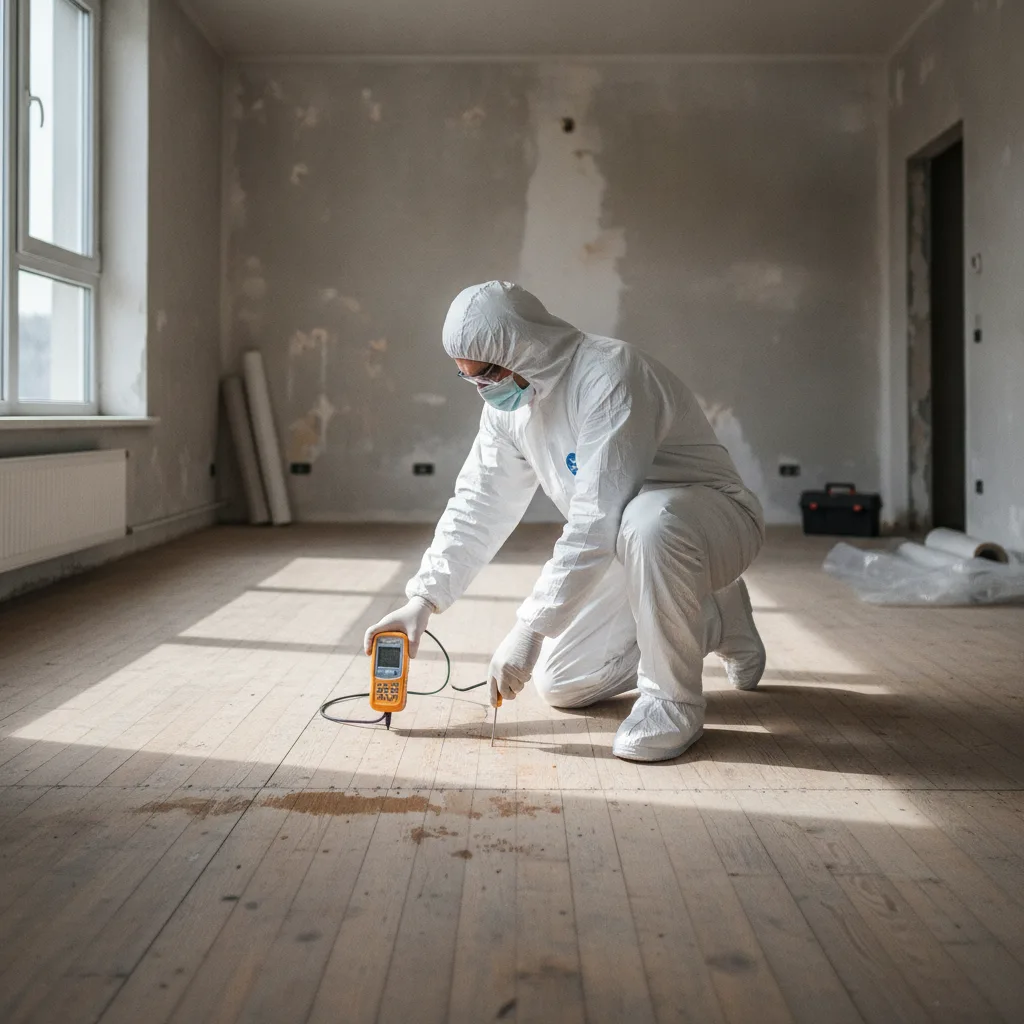
We remediate homes where someone passed away and wasn't found right away. That includes removing affected materials, sanitizing and fully restoring odor control, coordinated with the Medical Examiner's scene release.
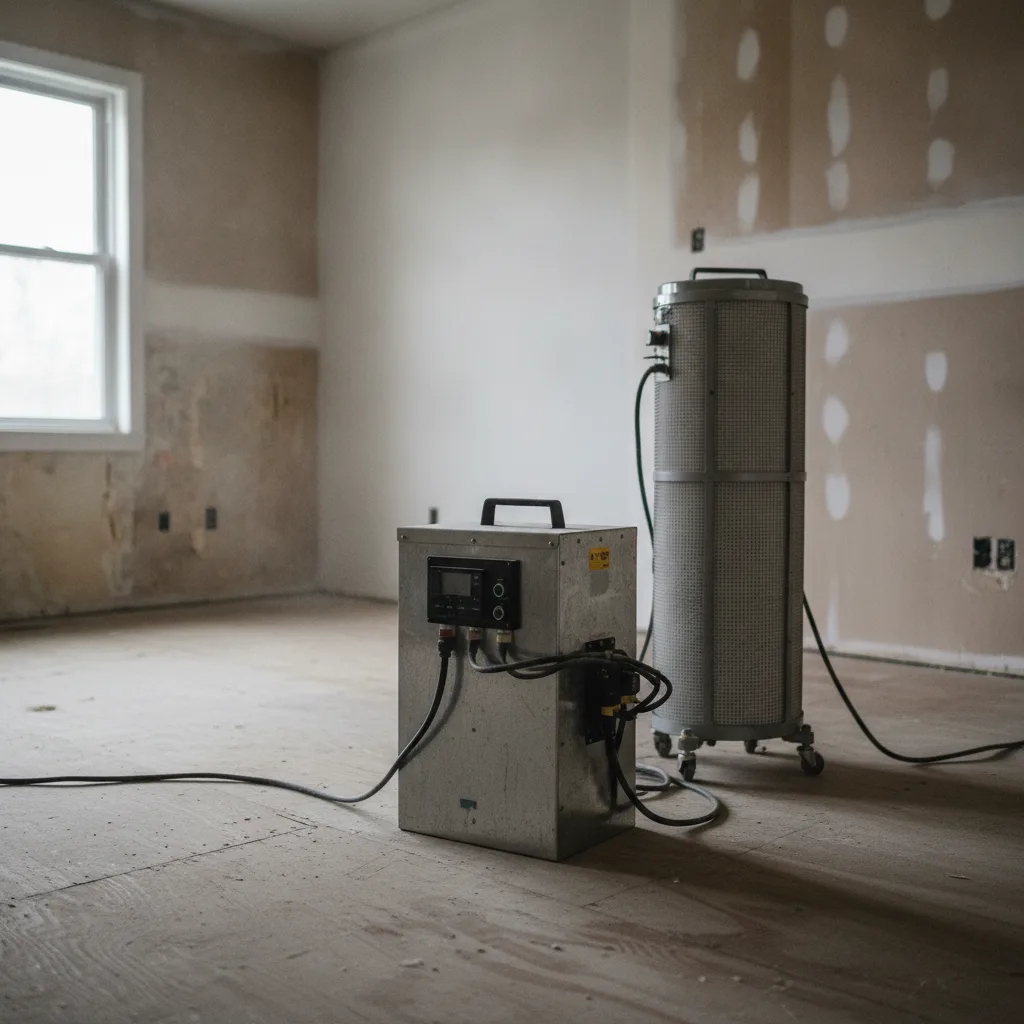
We remove and dispose of materials contaminated by decomposition fluids, including flooring, subfloor, drywall, and mattresses or furniture. Then we treat the structure underneath.
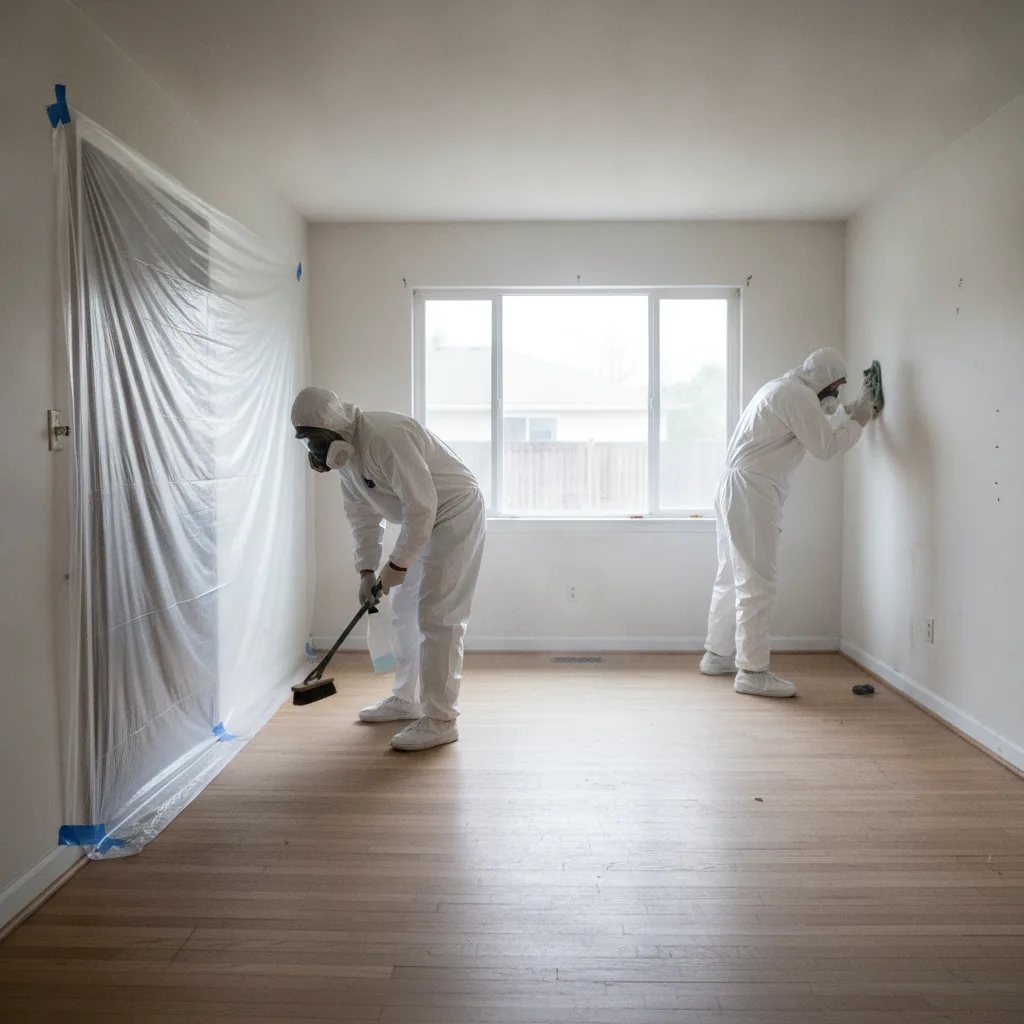
After law enforcement releases a scene, we restore it to a safe condition. That covers blood, tissue and fingerprint powder, plus damaged materials.
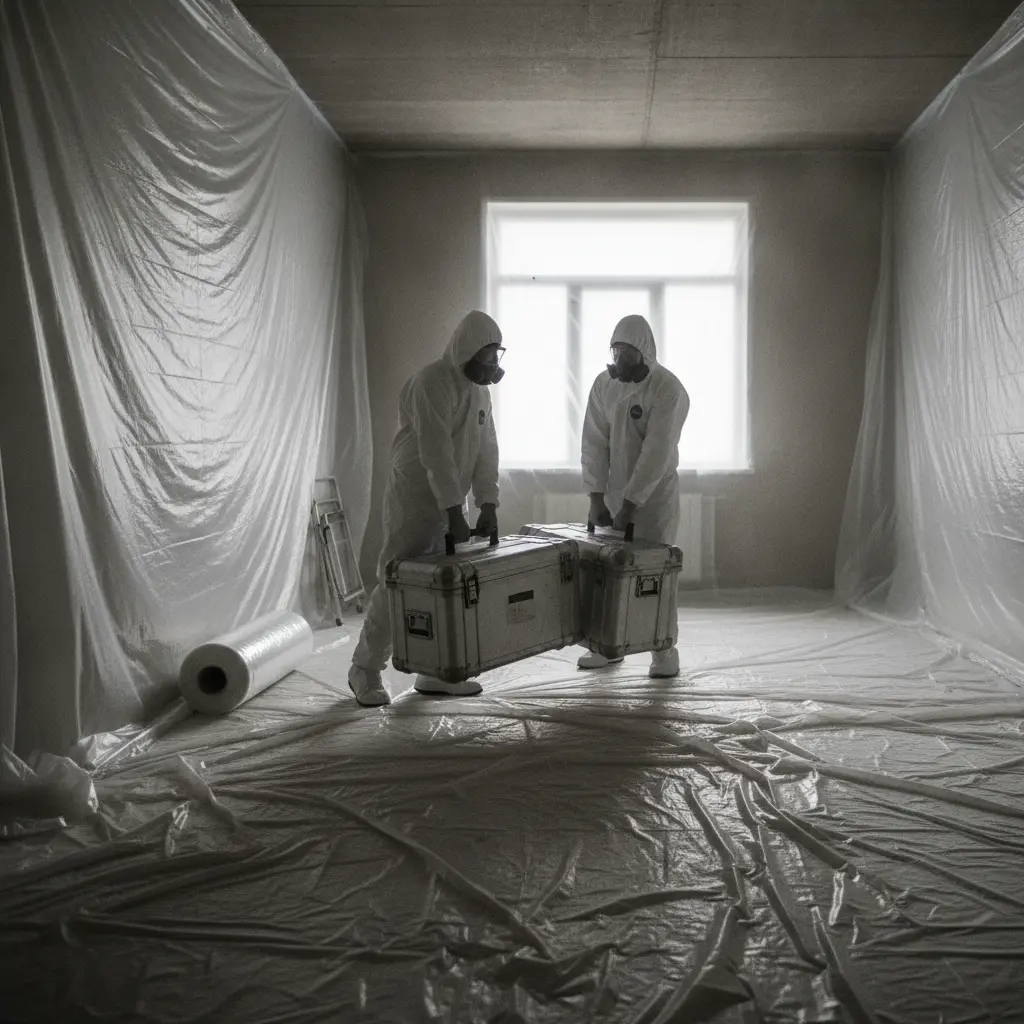
We provide thorough, compassionate remediation after a homicide, so the family never has to see or handle the scene.
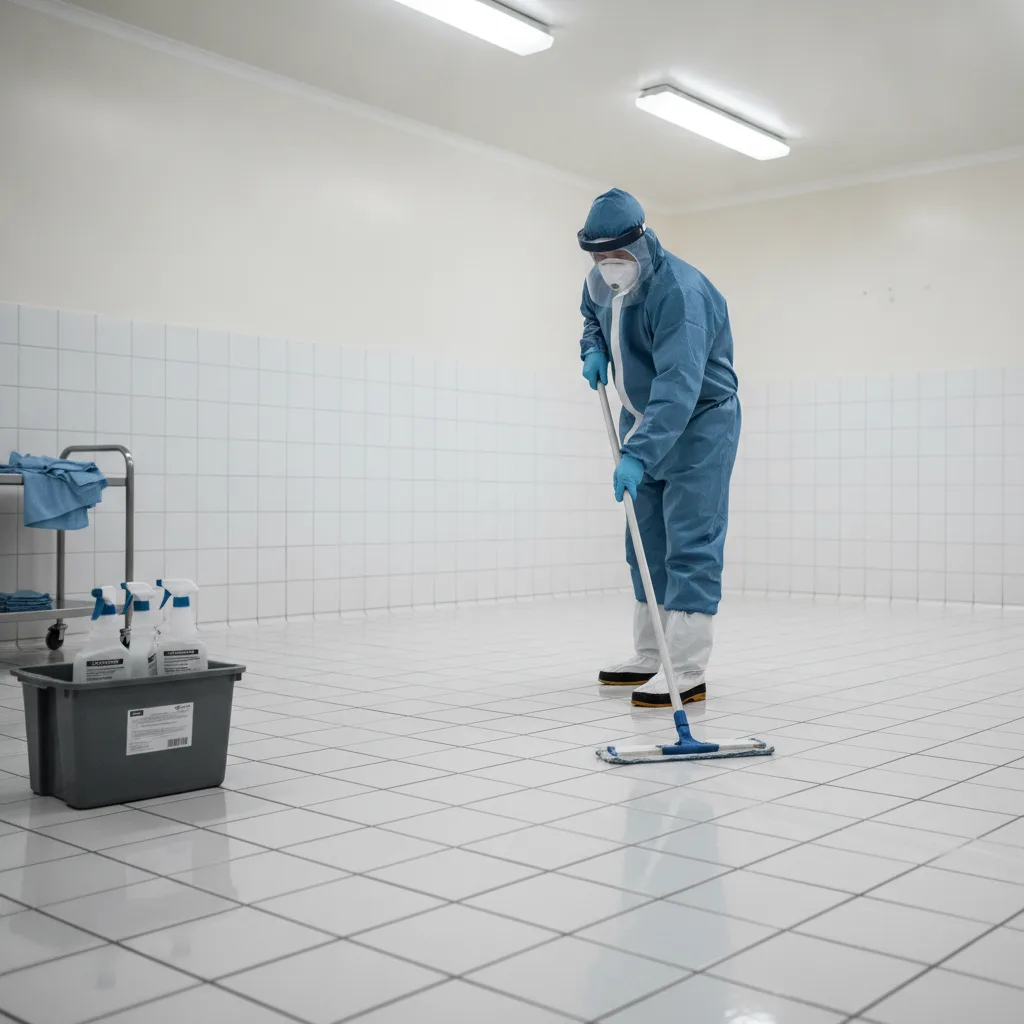
We clean up after suicides, accidents and serious injuries. We also help families document the scene for insurance.
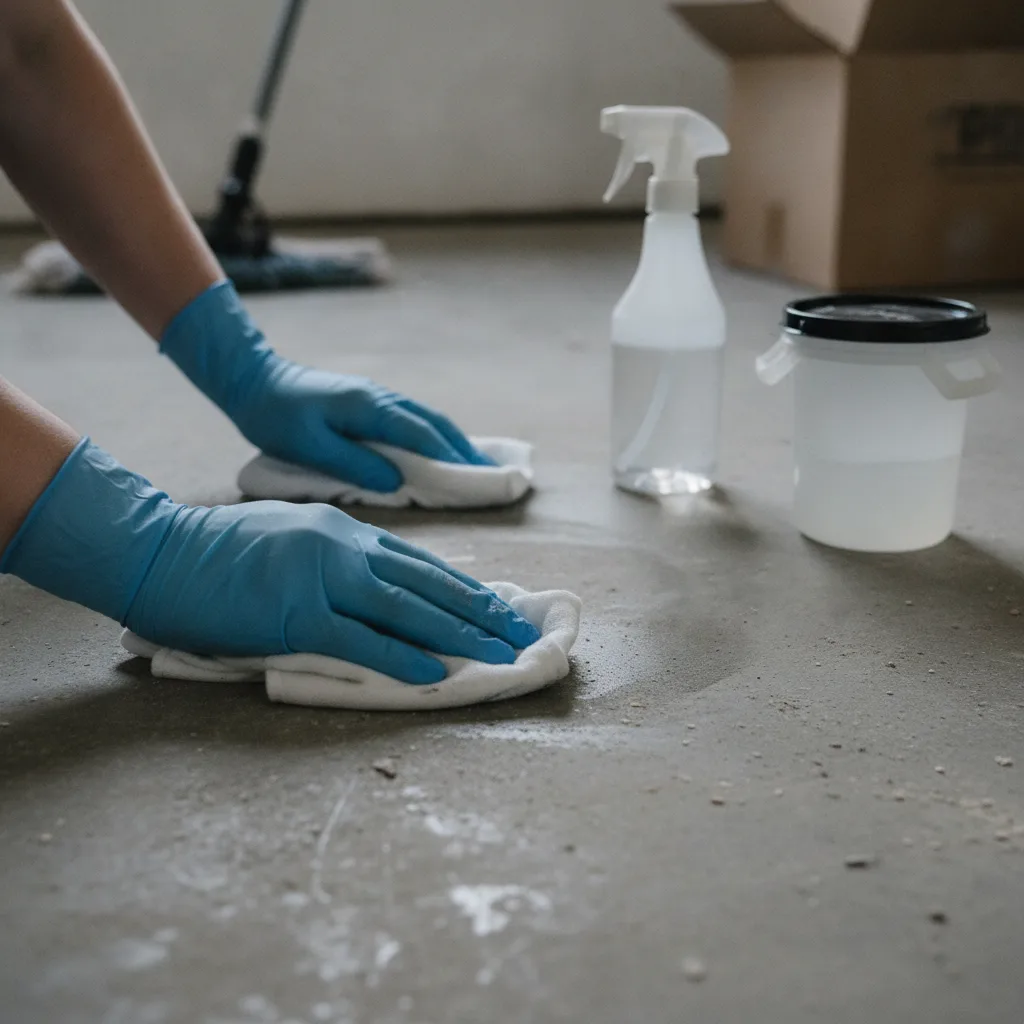
We handle blood spills of any size, from a small injury to a large loss, on any surface.
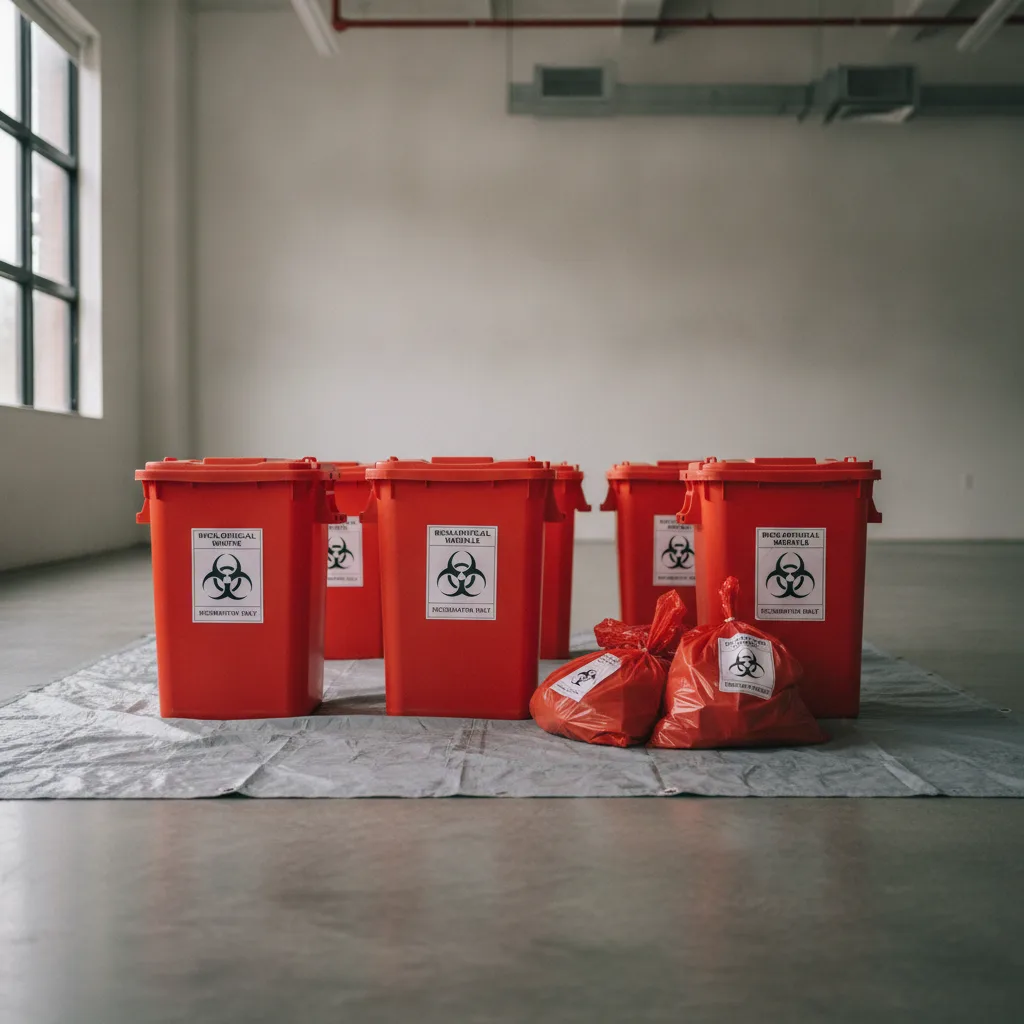
We clean up bodily fluids, human and animal waste, sharps and other infectious materials.
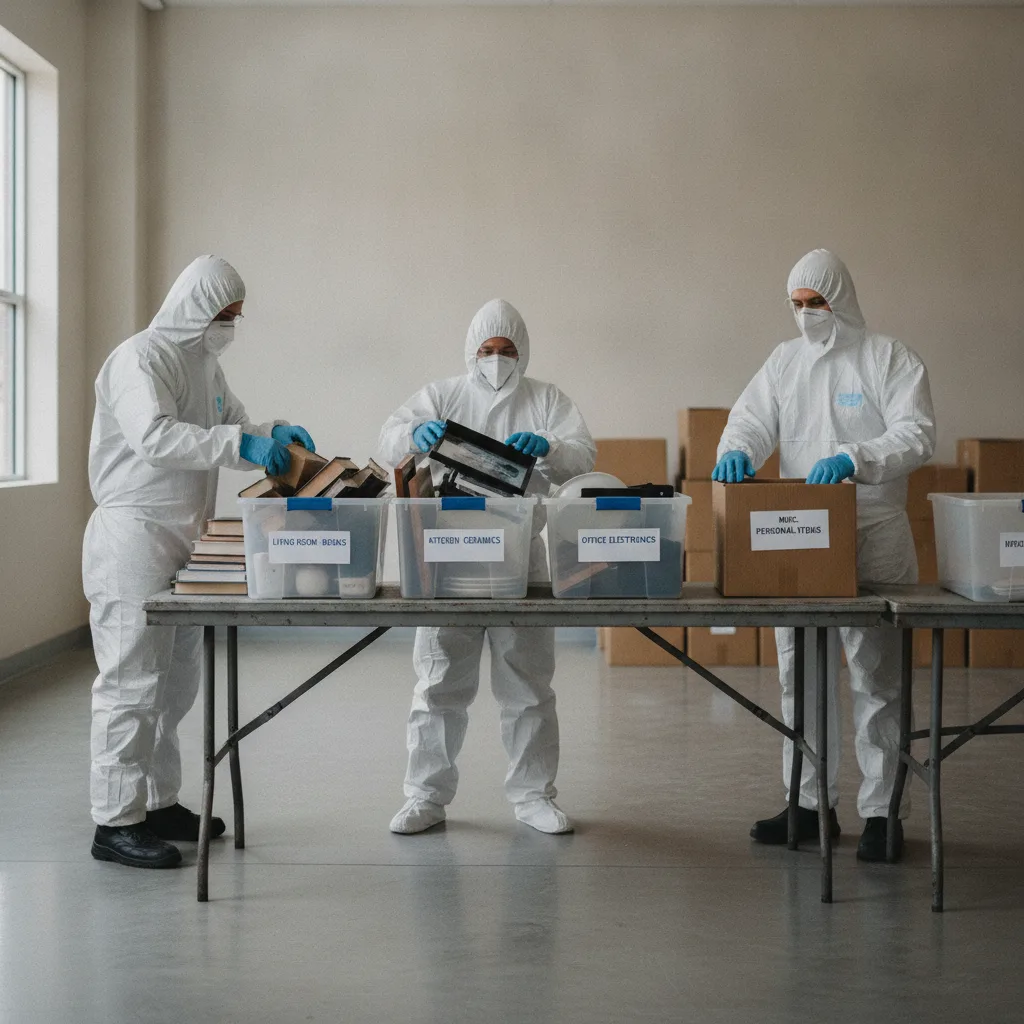
We sort, clean out and sanitize hoarded homes at a respectful pace and with your involvement.
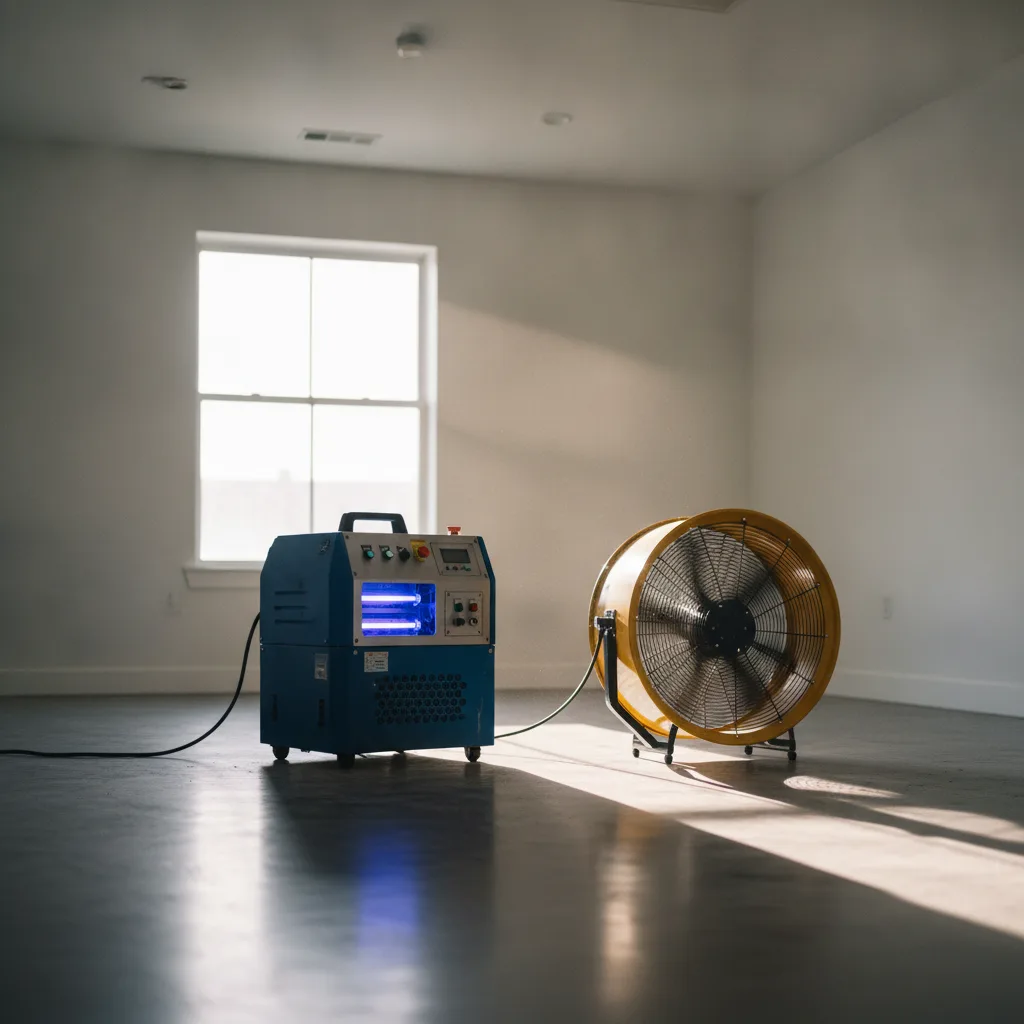
We permanently remove odors from decomposition, smoke, urine and long-term contamination.
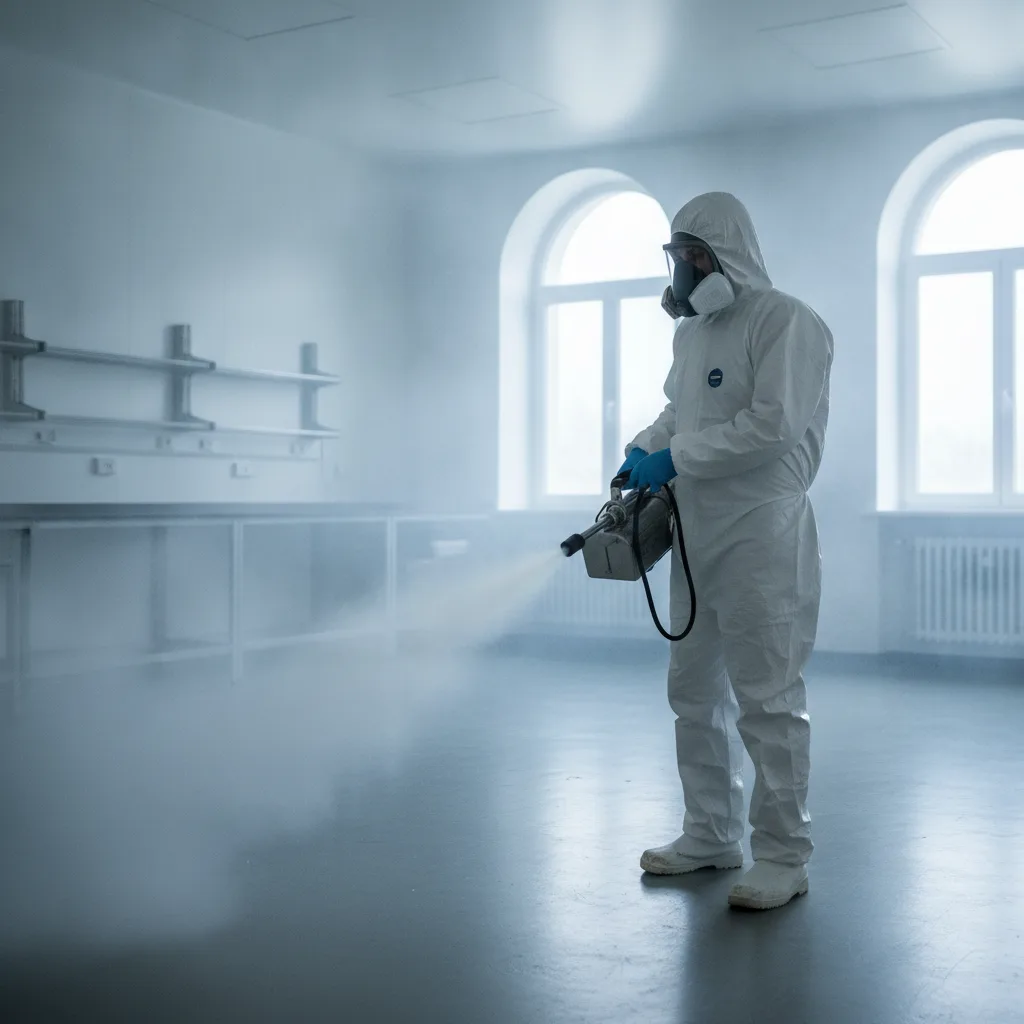
We decontaminate rooms, HVAC systems, vehicles and commercial spaces after biohazard exposure, including mold on wet porous materials.
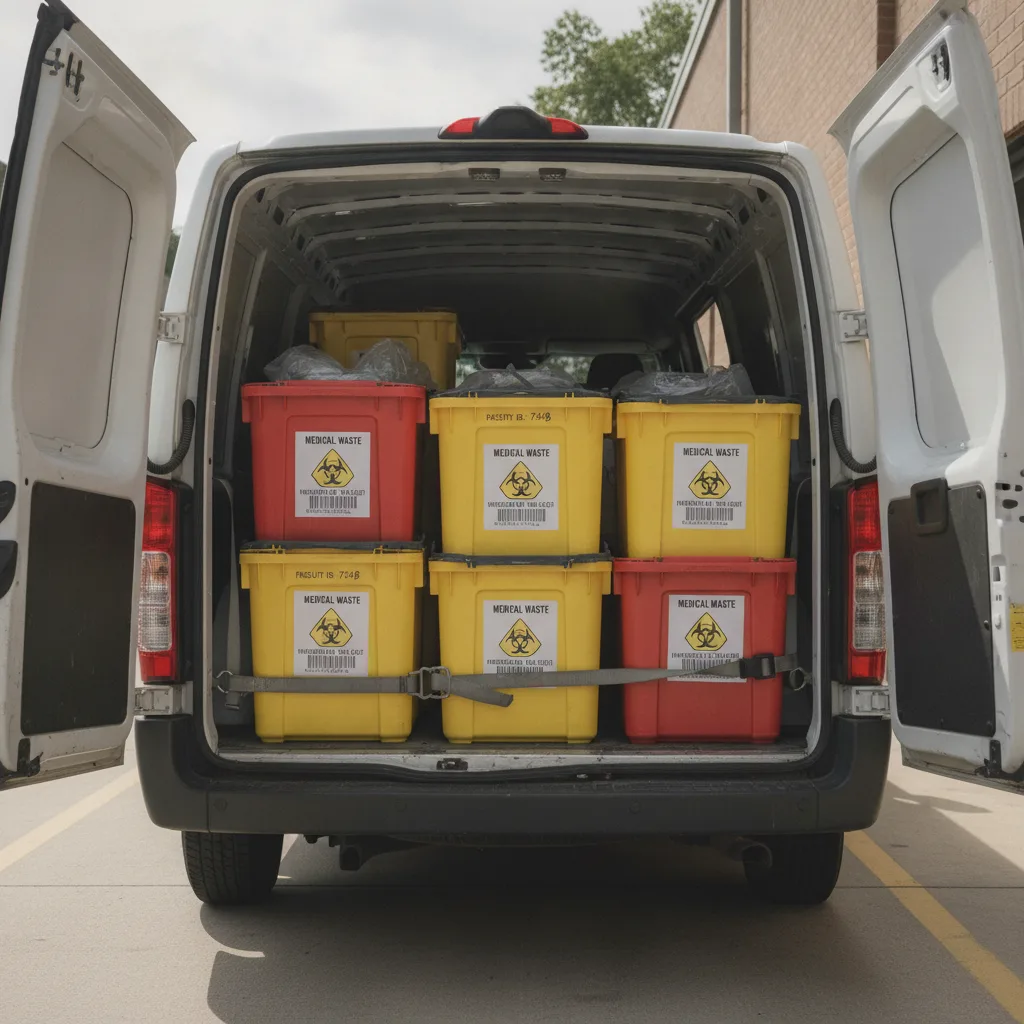
We collect, package and dispose of sharps and infectious waste through licensed channels.
No two scenes are the same, but Madison's housing and seasons create some predictable patterns. Knowing why contamination spreads the way it does here helps you act quickly, avoid health risks and keep repairs to a minimum. Most of these situations are covered by insurance.
This is a death discovered days or weeks later in a home sealed up for winter. Decomposition fluids soak into flooring, and the furnace spreads odor and airborne contaminants through the ductwork to rooms far from where the person was found.
Blood or decomposition fluid seeps past the finished floor, through the gaps in old board subfloors, and into joists, ceiling plaster below or wall cavities. Surface cleaning alone can't reach it.
Fluids that reach a concrete slab or block foundation wick into the porous masonry. If the concrete isn't treated, odor and bacteria stay put, and the moisture can lead to mold.
A trauma scene or death in one apartment affects neighbors through shared walls, ceilings, hallways and ventilation. That creates habitability and liability problems for the property owner.
Discarded syringes, paraphernalia and possible fentanyl residue left at overdose scenes, in vehicles or in public spaces. They carry risks of needlestick injury and toxic exposure.
Homes where accumulated belongings, waste, animal feces or spoiled food create biohazard, fire and structural risks. These cases often come to light through a health complaint.
A smell that comes back weeks after someone else cleaned the scene. It usually means contamination is still hidden in subfloors, ducts, wall cavities or concrete.
From your first call to the final walkthrough, you deal with one calm, responsive team. Here's what to expect, including how we handle insurance so you don't have to.
Any hour, 24/7
Usually same day
1–3 days for most scenes
1–3 days
Final day
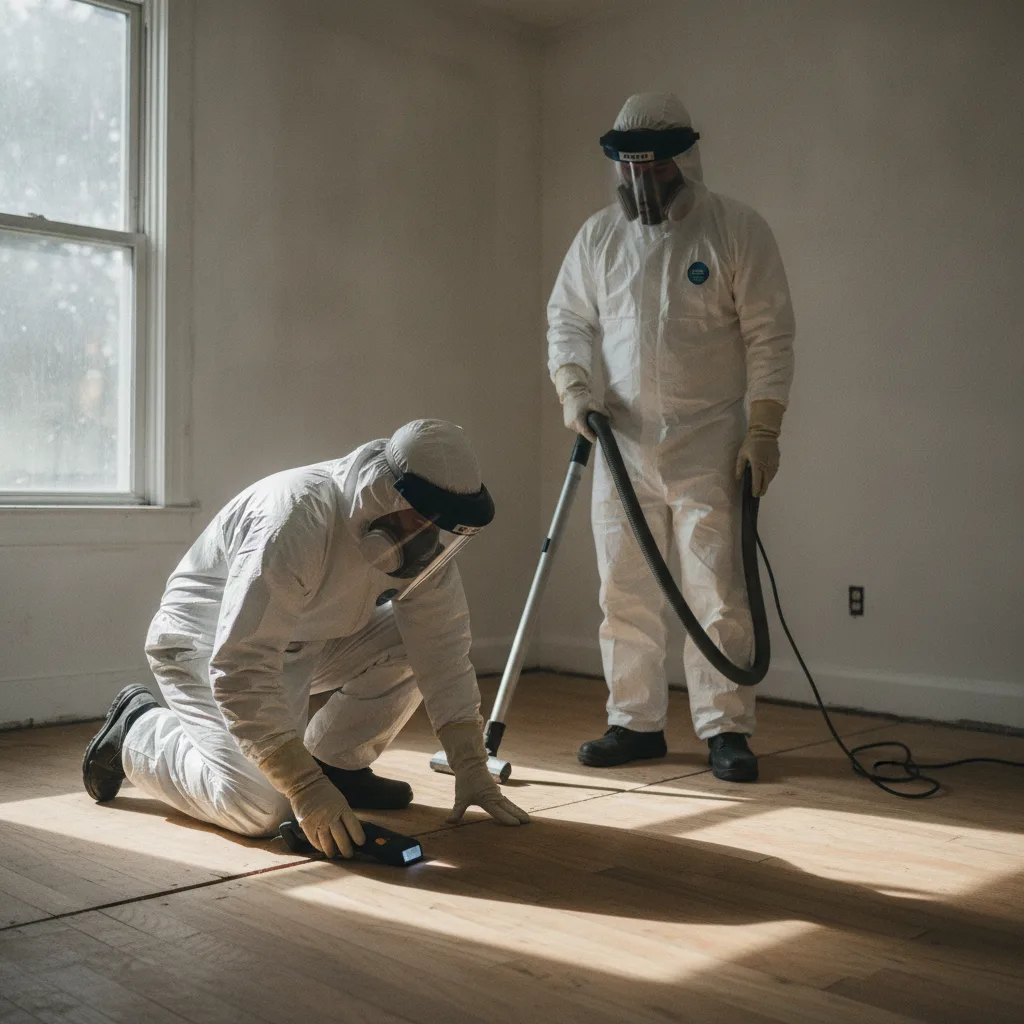
After a traumatic event, nobody should have to worry about a bill. Many homeowner's, renter's and commercial property policies cover biohazard remediation, and we work directly with your insurance company. We document the scene, send the adjuster photos and scope details, and bill the carrier. In many cases families pay nothing out of pocket beyond any deductible. If a crime was involved, we can also explain how the Wisconsin DOJ Crime Victim Compensation Program may reimburse eligible costs. We'll go over coverage with you before any work starts.
When you call at 3 a.m. after a police release or a difficult discovery, you won't get a voicemail menu. A real person answers day or night, listens without rushing you, and gets a crew moving. Fast response matters in Madison, where furnace heat in winter and humidity in summer both speed contamination. The sooner removal starts, the less material has to come out and the better the odds of a full recovery.
Our vehicles carry no biohazard logos, and our crews work quietly. That matters in a Waunakee cul-de-sac, a Verona HOA, a Mansion Hill block or an occupied apartment building where other tenants are watching. We keep equipment staging and container placement low-key and follow condo and HOA access rules. Neighbors don't need to know what happened, and they won't hear it from us.
A plank-subfloor two-flat in Tenney-Lapham, a Hill Farms ranch with a finished basement and a Fitchburg townhome with carpet over OSB each fail differently. We know where fluids travel in balloon framing, when lakeside concrete needs encapsulation, and when winter ductwork has to be decontaminated. That local knowledge means we remove what's necessary, leave what's sound, and avoid callbacks when the first humid week of summer arrives.
Our technicians follow OSHA's Bloodborne Pathogens, hazard communication and respiratory protection rules. Infectious waste goes through a licensed transporter under Wisconsin DNR NR 526 and never into municipal trash. We flag pre-1978 lead and possible asbestos before any demolition. We're fully insured, and you receive waste manifests and a full documentation packet. Insurers, landlords, estate attorneys and buyers can see that the work was done correctly.
Madison is majority-renter, so we know turnaround matters. Property managers get fast scheduling, insurer-ready reports and work that protects shared ventilation and neighboring tenants, including during the August 15 campus lease crunch. Adult children living out of state get one point of contact who works with the Dane County Medical Examiner, insurers and attorneys, with photo updates and remote walkthroughs.
From blood cleanup and decomposition remediation to hoarding cleanouts, odor removal, decontamination and medical waste disposal, one team handles the whole job. You don't have to juggle separate contractors for demolition, HVAC cleaning and waste hauling. That keeps the process simpler, faster and easier to document for your claim.
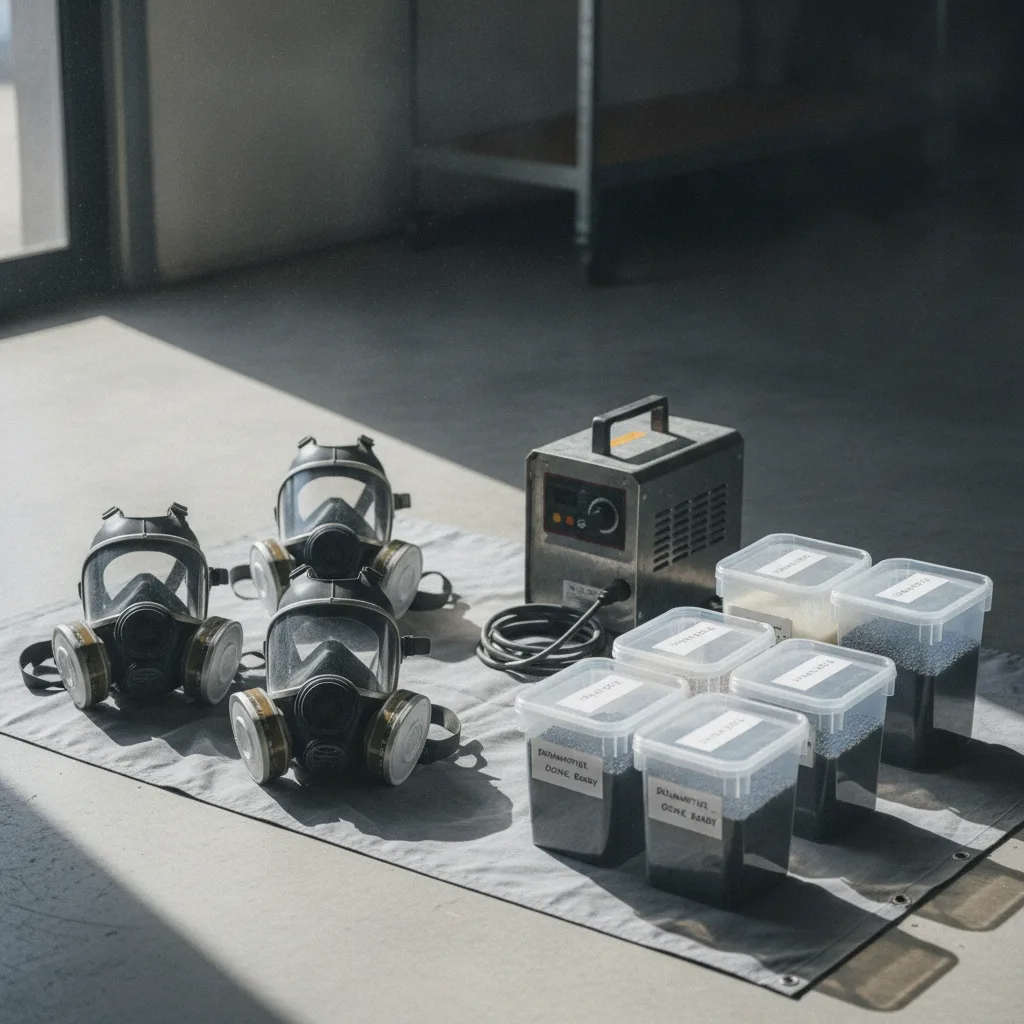
Most crime scene, trauma and unattended death cleanups in Madison are billed directly to homeowner's, landlord or commercial insurance. Families often pay nothing beyond their deductible. Below are the factors that shape a claim's scope, and typical claim values we document for adjusters.
Your policy matters more than anything else. Many homeowner's and landlord policies cover biohazard remediation as part of a sudden, accidental loss. We contact your adjuster, provide photos and a detailed scope, and bill the carrier directly. If a crime was involved, the Wisconsin DOJ Crime Victim Compensation Program may reimburse eligible costs that insurance doesn't cover. We review all of this with you before work begins.
An unattended death found in winter, with the furnace running for days, usually involves deeper contamination and HVAC decontamination. Summer humidity in an un-air-conditioned home also speeds decomposition and attracts insects. The longer the delay, the more flooring, subfloor and ductwork has to be removed or treated, which raises the scope of the claim.
Plank subfloors and plaster walls in Isthmus homes let fluids travel. Carpet over OSB in suburban homes has to come out completely. Pre-1978 homes may require lead-safe practices or asbestos testing before demolition. Damp lakeside basements may need concrete encapsulation or partial removal. Each of these adds documented line items to the claim.
A contained spill in one room is very different from contamination that has spread to a ceiling below, a shared wall or an apartment's ventilation system. Multi-unit buildings often need containment and protection for neighboring units, which expands the scope.
Under Wisconsin DNR NR 526, infectious waste has to be packaged, labeled and taken by a licensed transporter to a licensed treatment facility. Larger removals, mattresses, furniture and sharps add to disposal volume, and every load is documented with manifests for your insurer.
If coverage is limited or denied, we'll walk you through alternatives, including Crime Victim Compensation and estate or landlord policies, before any work is scheduled.
In many cases, yes. A lot of homeowner's, landlord and commercial property policies cover biohazard remediation, and families often pay nothing out of pocket beyond their deductible. We contact your adjuster, provide photos and a detailed scope, and bill the insurer directly, so you aren't stuck in the middle. If the incident was a crime, the Wisconsin DOJ Crime Victim Compensation Program may reimburse eligible cleanup costs. Coverage varies by policy, so we review it with you before anything begins.
We respond 24/7, and a live person answers every call. Once police or the Dane County Medical Examiner release the scene, we can usually be on site the same day. A contained blood cleanup may take a single day. Unattended death or decomposition cases with subfloor removal, duct decontamination and odor treatment usually take two to five days. Pre-1978 homes needing lead-safe work, or damp basements needing concrete encapsulation, can add time. We'll give you a realistic timeline at the assessment.
Wisconsin has no specific trauma-cleanup license, but the work is regulated. OSHA's Bloodborne Pathogens Standard governs worker safety, and Wisconsin DNR rule NR 526 requires licensed transport and treatment of infectious waste. Cleanup itself doesn't need a permit. Replacing subfloor, drywall or framing afterward may need a City of Madison or suburban building permit, depending on scope. Exterior changes in historic districts like Mansion Hill or Third Lake Ridge need Landmarks Commission approval. We tell you what applies.
We strongly advise against it. Blood and bodily fluids can carry bloodborne pathogens, and decomposition fluids often reach far deeper than what you can see, into plank subfloors, OSB, ductwork and basement concrete. Wisconsin DNR rules also prohibit putting infectious waste in municipal trash, and it has to go through a licensed transporter. Doing it yourself risks exposure and incomplete cleanup, and it can complicate an insurance claim that might otherwise have covered professional remediation at no cost to you.
Call as soon as you can, even before the scene is released. We can start the insurance conversation, answer questions and schedule a crew to arrive the moment Madison Police, the Dane County Sheriff or your local department gives the go-ahead. Acting fast matters here. Furnace heat in winter and humidity in summer both speed contamination and odor, so every day of delay can mean more material has to be removed.
Odors come back when the source isn't fully removed. Madison's humid summers are very good at revealing what a quick cleanup missed. We find contamination with testing, remove affected porous materials, treat the structure with enzymes, and seal it with encapsulants. Where needed, we decontaminate the ductwork and use hydroxyl or ozone treatment. We confirm the results before we leave, so the smell doesn't return the first time the air conditioning runs or the dew point climbs.
Yes. We often work with adult children coordinating from out of state. We act as your local point of contact with the Dane County Medical Examiner, the insurer and the estate attorney. You'll get photo updates throughout and a remote walkthrough at the end. We can also set aside personal items, documents and valuables we find during cleanup. Many of these calls involve older parents in Middleton, Fitchburg, Waunakee and Madison's west-side ranch neighborhoods.
Not from us. We arrive in unmarked vehicles, our crews dress and work discreetly, and we keep equipment and waste containers out of sight as much as possible. We follow HOA and condo rules in places like Verona and Waunakee. In apartment buildings, we protect shared hallways and ventilation so other tenants aren't affected, and we give property managers clear documentation without broadcasting anything.
We come to you anywhere in Madison and the surrounding area, in unmarked vehicles, any hour of the day.
You don't have to handle this alone or worry about the bill. Call any time, day or night, and a real person will answer, explain your coverage, and send a discreet crew.
Call (262) 401-5037 Now