Discreet, certified crime scene and biohazard cleanup in Lexington — unmarked vehicles, compassionate technicians, and in most cases $0 out of pocket since we bill your insurance directly.
Biohazard cleanup isn't the same job everywhere. In the Bluegrass, heat, humidity, limestone ground and a housing stock that runs from 1840s townhouses to 2020s tract homes all change how far contamination spreads and how it has to come out.
Lexington's July highs sit in the mid-to-upper 80s °F with regular stretches in the 90s, and dew points often reach the upper 60s and 70s. In a closed house without air conditioning, that combination speeds decomposition sharply. A death discovered after just three or four days in August can mean fluids through the carpet pad and into the subfloor, insect activity, and odor in drywall and ductwork. With 45–50 inches of rain a year, porous materials stay damp, which feeds bacteria and mold. The Inner Bluegrass also sits on karst limestone, so many basements and crawlspaces never fully dry. Fluids that reach block walls or dirt crawlspaces linger, and spring storms add sewage backups to the list. Winter brings its own risk: heated, closed-up homes where an older resident living alone may not be found for some time.
In the pre-1940 core (Gratz Park, South Hill, Kenwick, the Northside and the East End), balloon framing, old-growth hardwood and plaster walls let fluids slip between floorboards into joists. Plaster is porous and hard to patch invisibly, and pre-1978 homes likely contain lead paint, so removal has to follow lead-safe practices. Chevy Chase and Ashland Park homes often add finished basements. Postwar ranches in Tates Creek and Cardinal Valley usually have carpet over particleboard, which absorbs readily. Newer homes in Hamburg, Masterson Station, Beaumont and Hartland use OSB subfloors and drywall that wick fluids fast. And converted multi-unit houses near UK can share floors, walls and ducts, so containment has to protect neighbors too.
Biohazard work falls under OSHA's Bloodborne Pathogens Standard (29 CFR 1910.1030), which Kentucky enforces through its own state OSH Program. Medical and biohazard waste can't go in household trash. The Energy and Environment Cabinet requires that it be packaged, transported and manifested through permitted haulers. Meth-contaminated properties fall under 401 KAR Chapter 101 and need a state-certified contractor before anyone moves back in. Lexington's H-1 historic overlays, including Gratz Park, Bell Court, Aylesford and Elsmere Park, require Board of Architectural Review approval for exterior changes like windows or porch elements, though interior remediation generally doesn't. HOAs in Hamburg, Beaumont, Georgetown and Nicholasville tend to object to marked trucks and dumpsters left sitting out, which is one reason we use unmarked vehicles and remove waste quickly.
Lexington-Fayette has about 320,000 residents in a metro of roughly half a million. Kentucky has been among the states hit hardest by the opioid and fentanyl crisis, and the city recorded a record homicide year in 2021. Our calls come from grieving families, out-of-state executors, UK-area landlords dealing with tenant turnover, property managers facing same-day odor complaints, and estate owners in Woodford County who expect total discretion. Many of them have never dealt with anything like this before, so part of our job is walking them through it.
Every service below follows OSHA bloodborne pathogen standards and Kentucky medical-waste disposal rules. We plan each job around your home's construction, whether that's 1890s plaster in Gratz Park or OSB subfloors in Masterson Station, and we handle insurance billing whenever coverage applies.
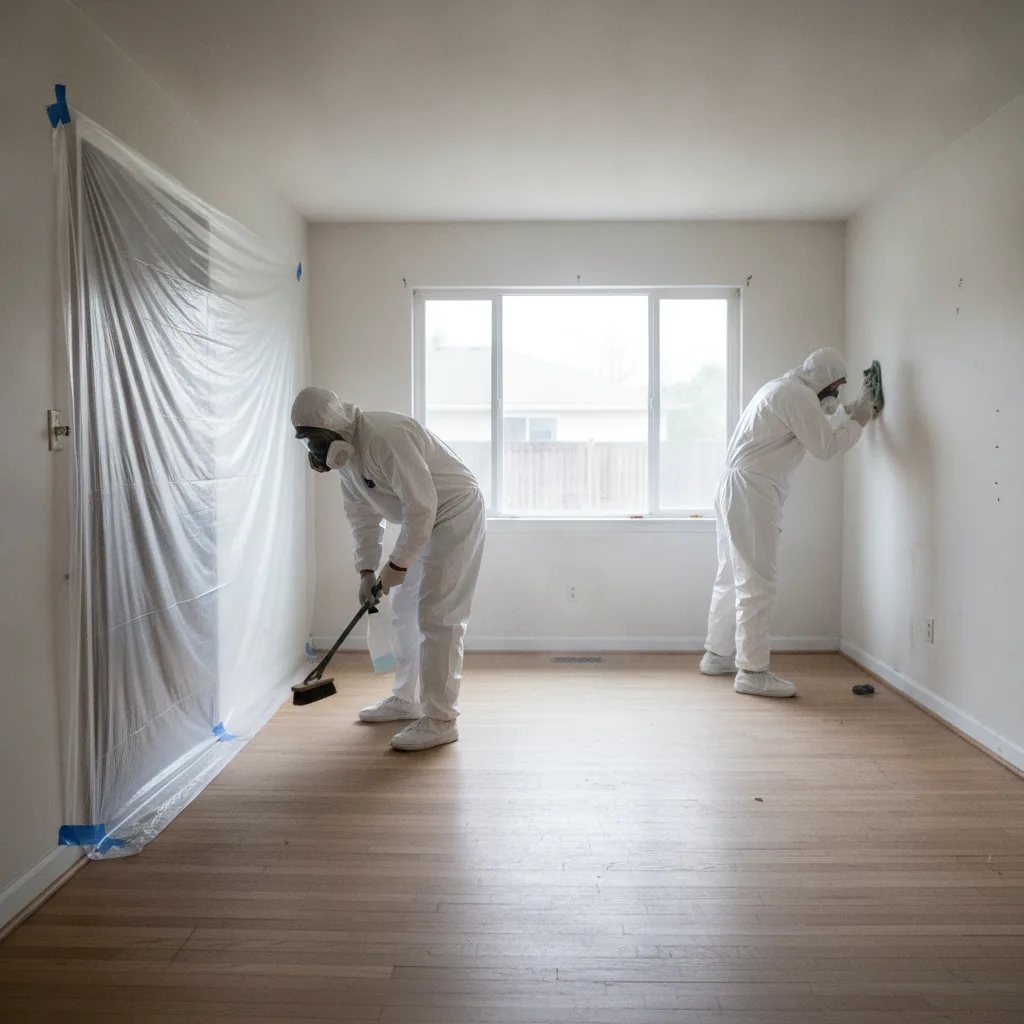
We restore homes, vehicles and businesses after violent crimes once law enforcement releases the scene. That covers blood, tissue, fingerprint powder and anything else left behind, so families don't have to see it or handle it.
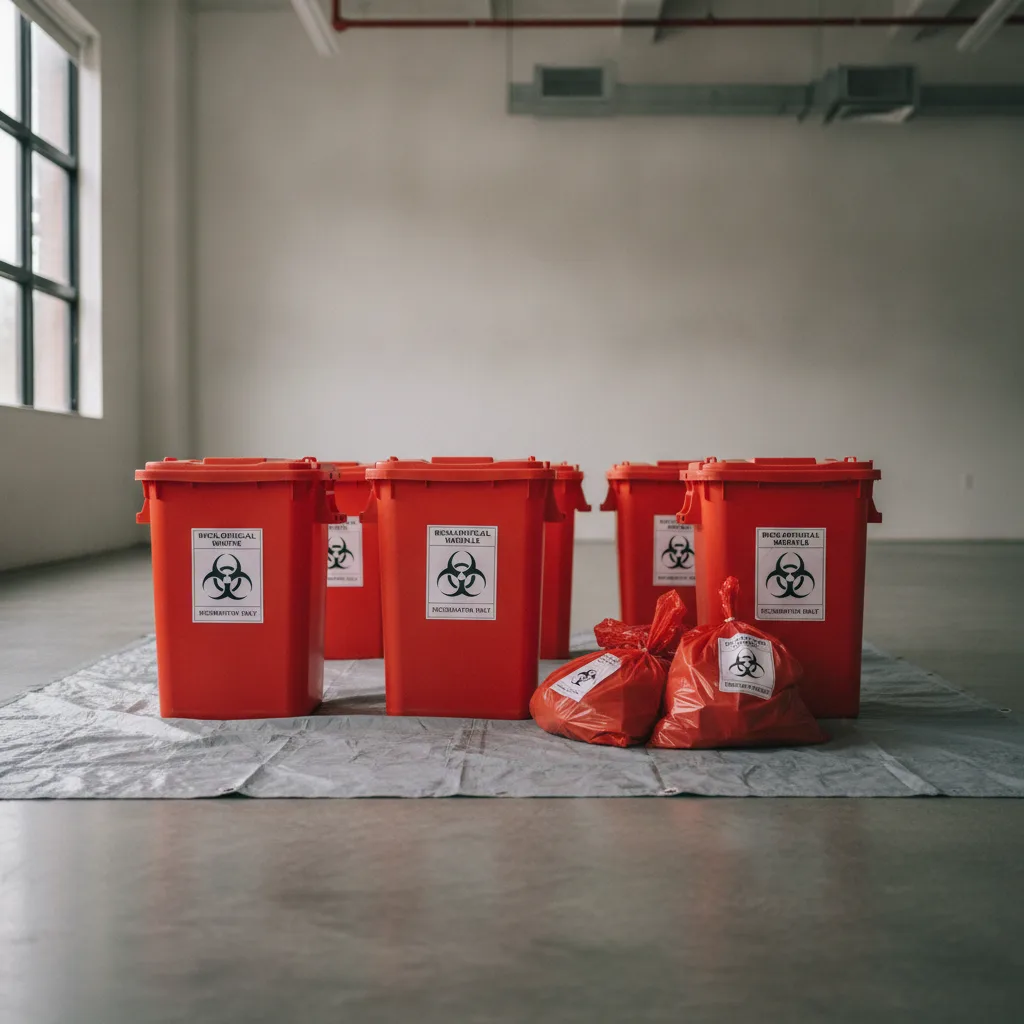
We remove and decontaminate any biological hazard, including blood, bodily fluids, animal waste, sewage and infectious materials, from homes, rentals, vehicles and commercial spaces.
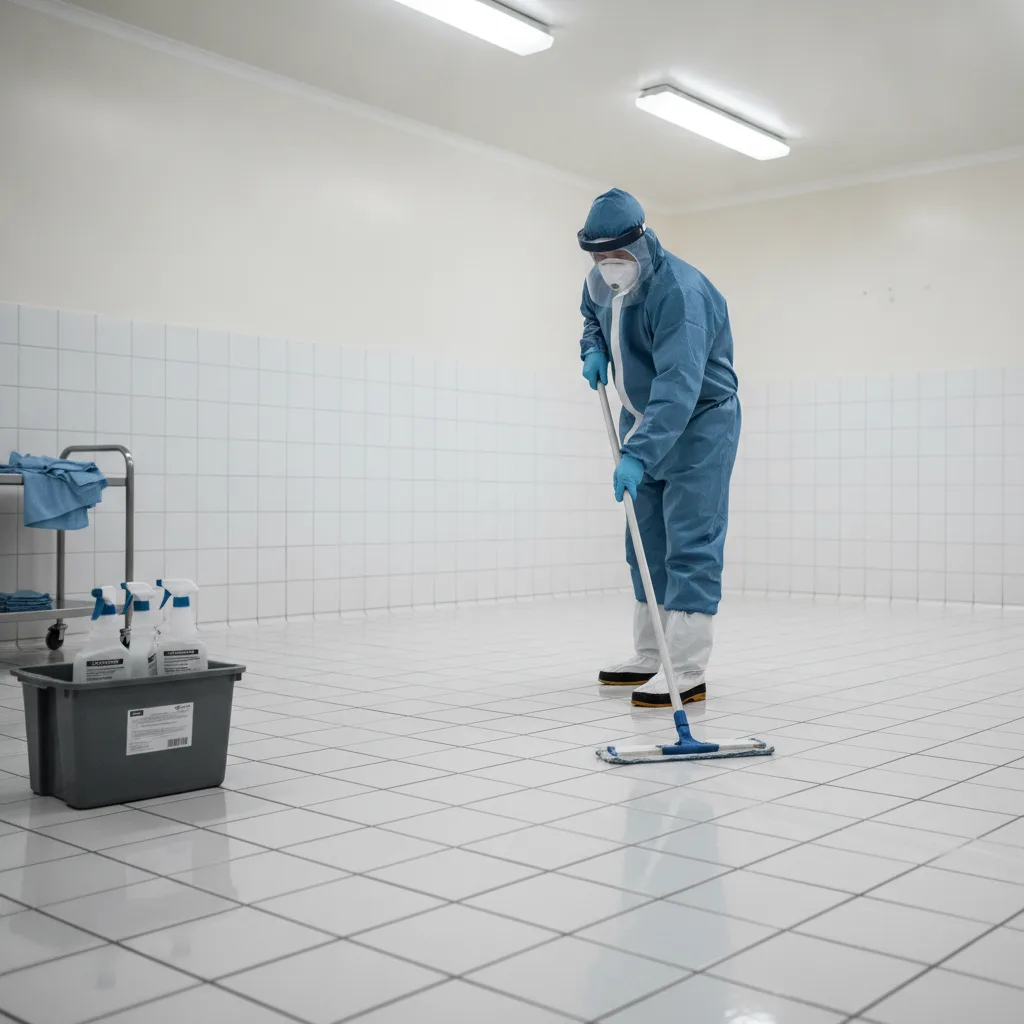
After suicides, accidents and serious injuries, we clean the scene with care, so loved ones don't have to face it themselves.
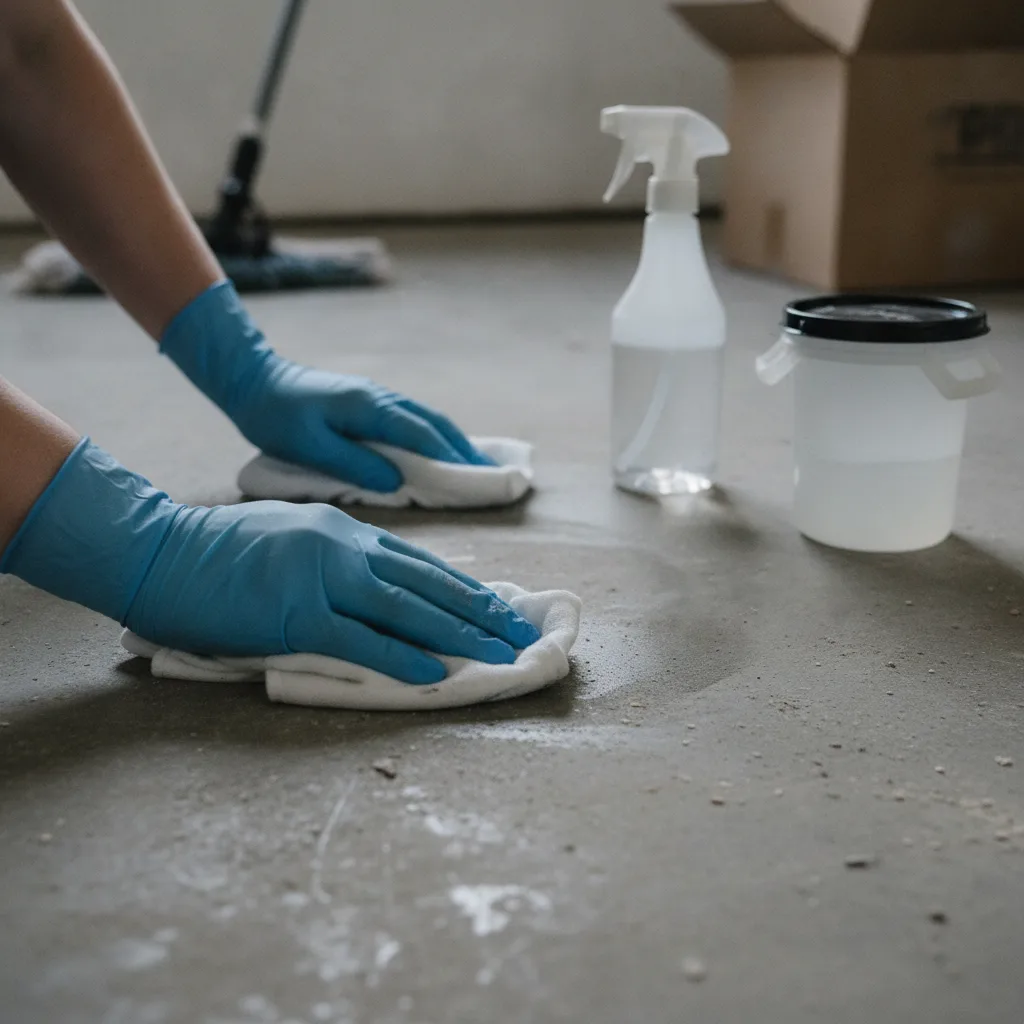
We remove blood from carpet, hardwood, tile, upholstery, mattresses and vehicles, whether it's a small accident or a large spill.
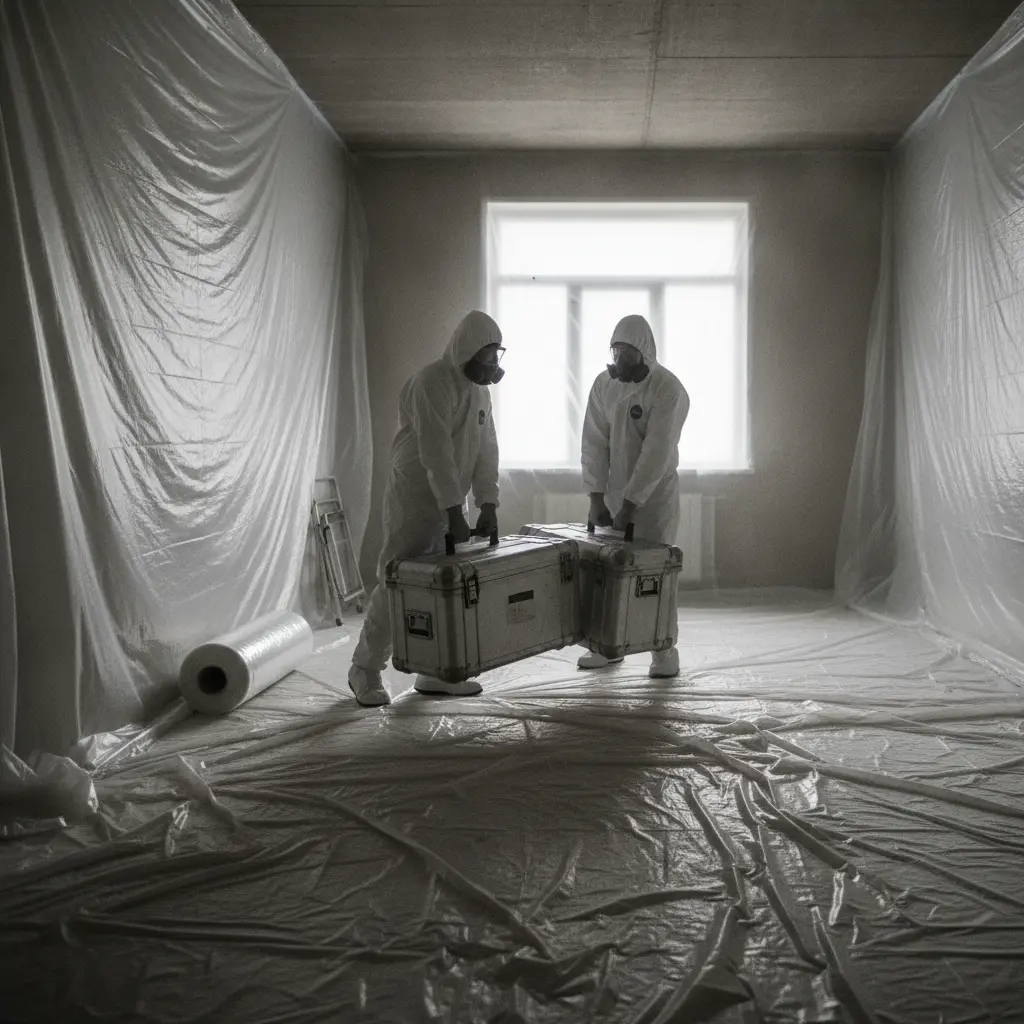
We restore homes after a homicide, removing every trace of the event while preserving the belongings that matter to the family.
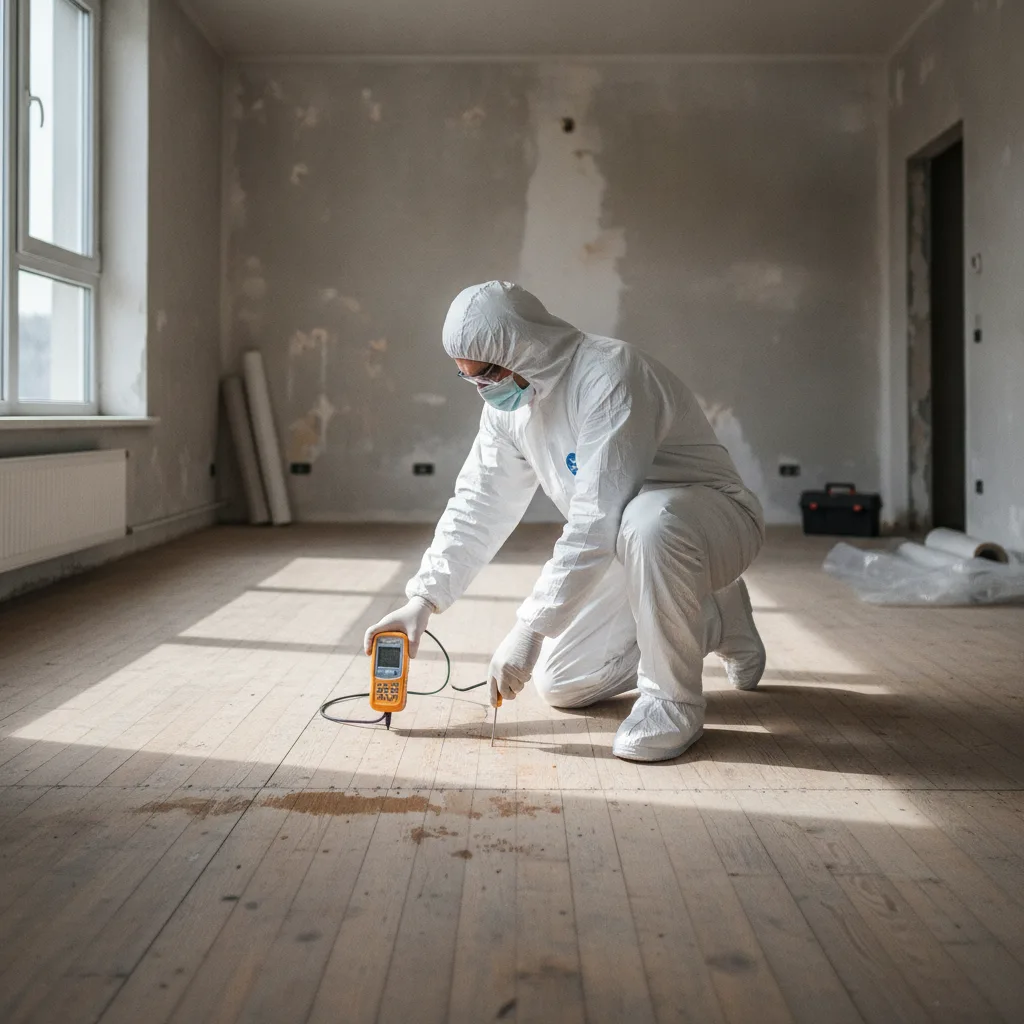
When someone passes alone and isn't found right away, we remove all contamination from the home, including flooring, subfloor, framing and ductwork, so it's safe again.
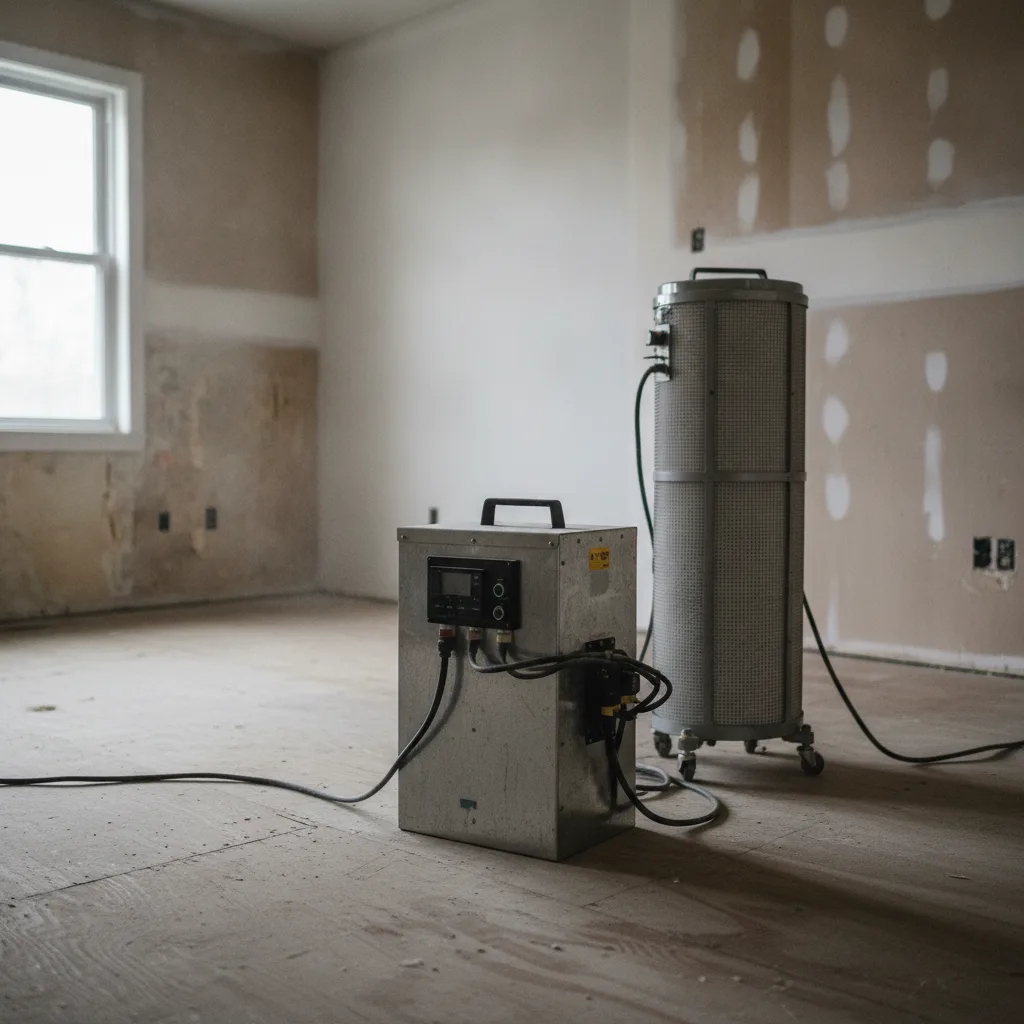
We remove decomposition fluids, tissue and insect activity, and treat the odor that soaks into the building.
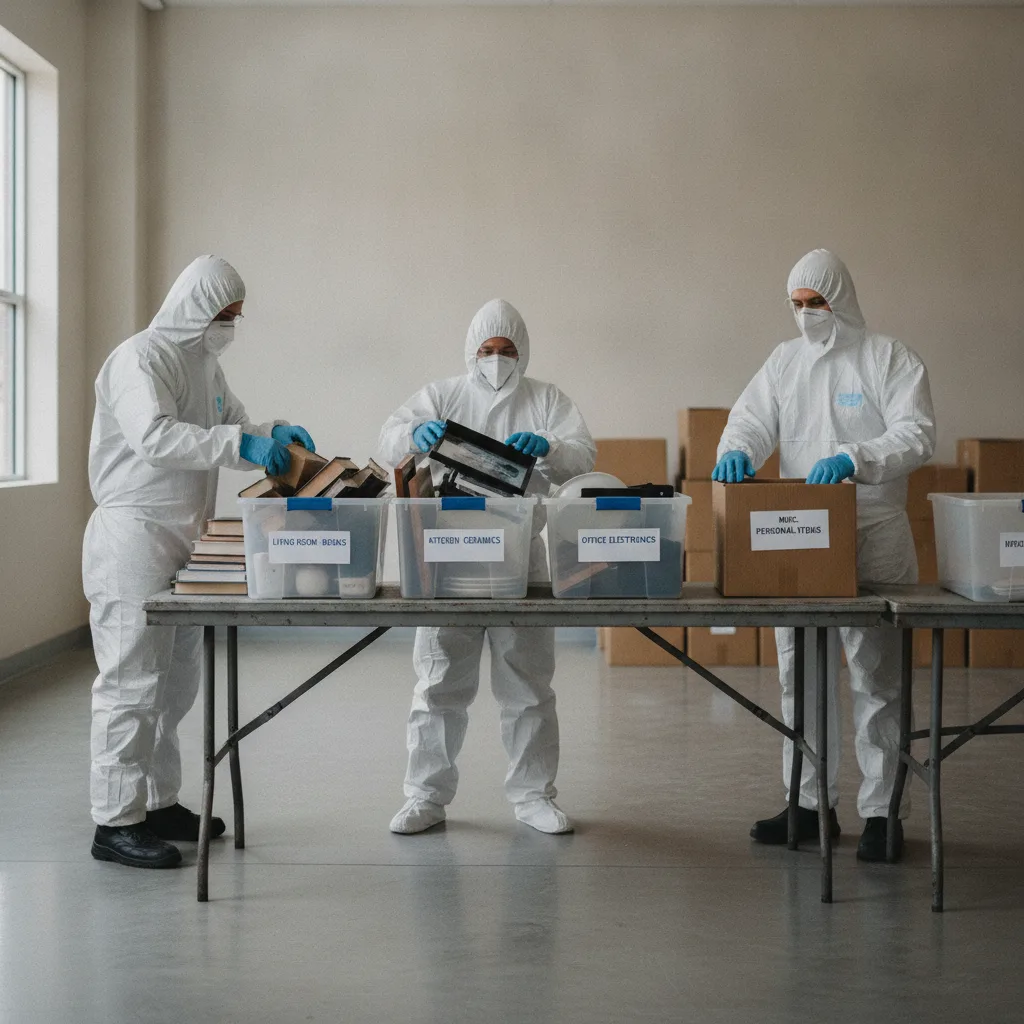
We clear severe hoarding without judgment, sanitize the home and help keep valuables, photos and documents.
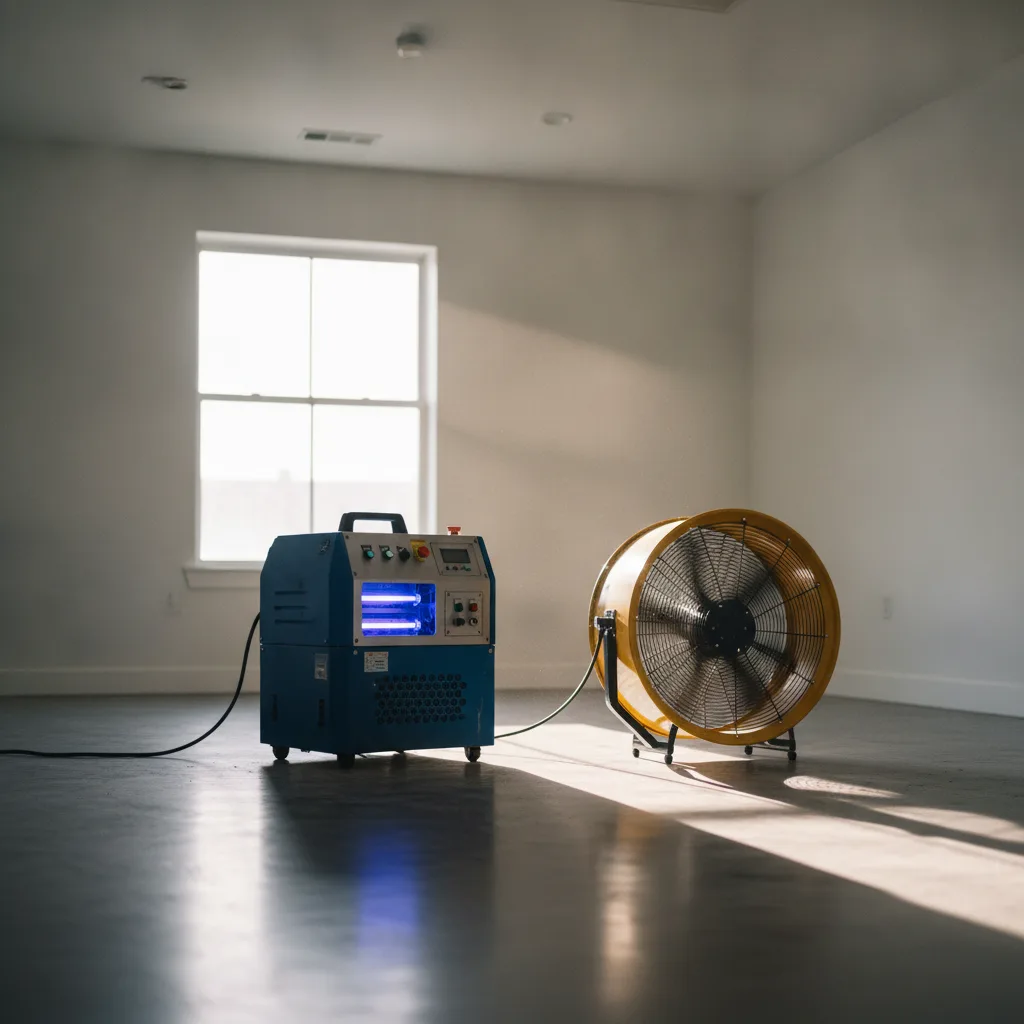
We get rid of decomposition, smoke, urine and hoarding odors at the source instead of covering them up.
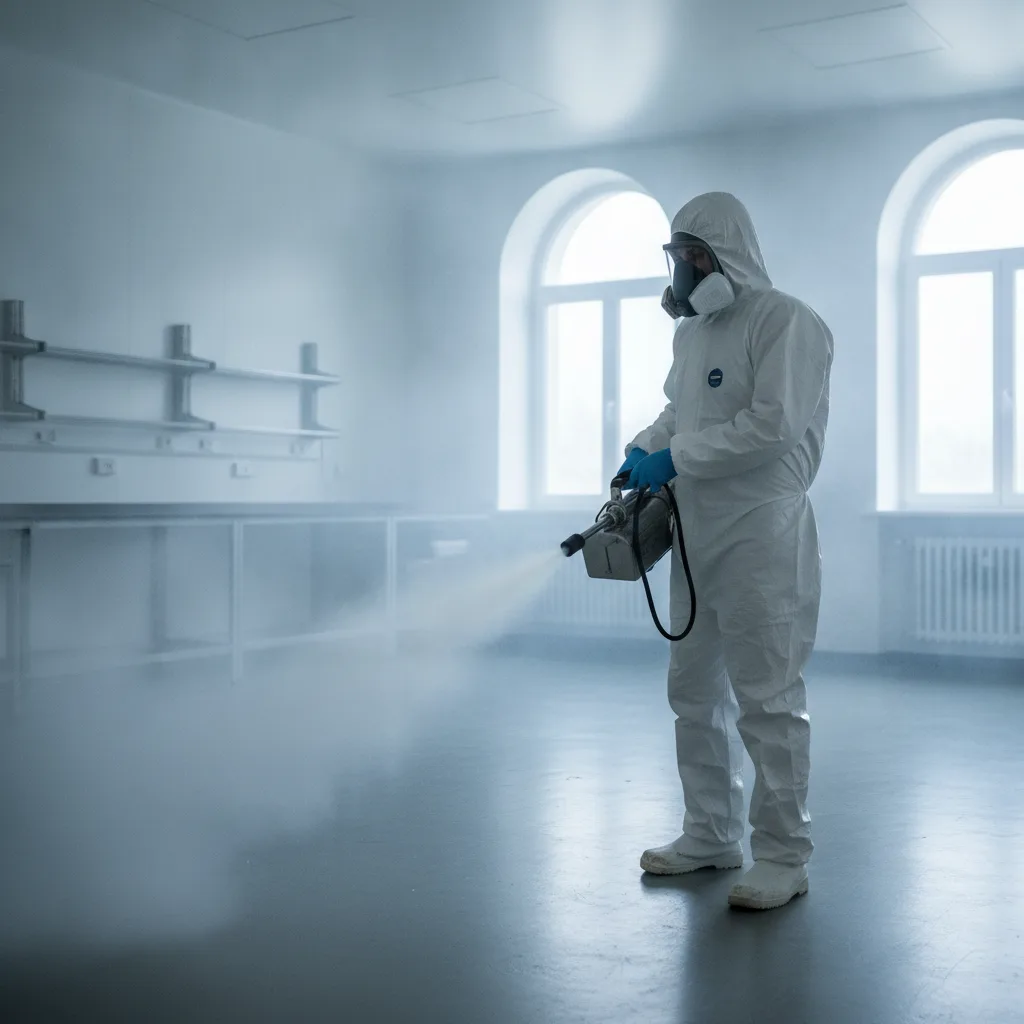
We decontaminate homes, vehicles, HVAC systems and commercial spaces after biological contamination, infectious disease exposure, or mold.
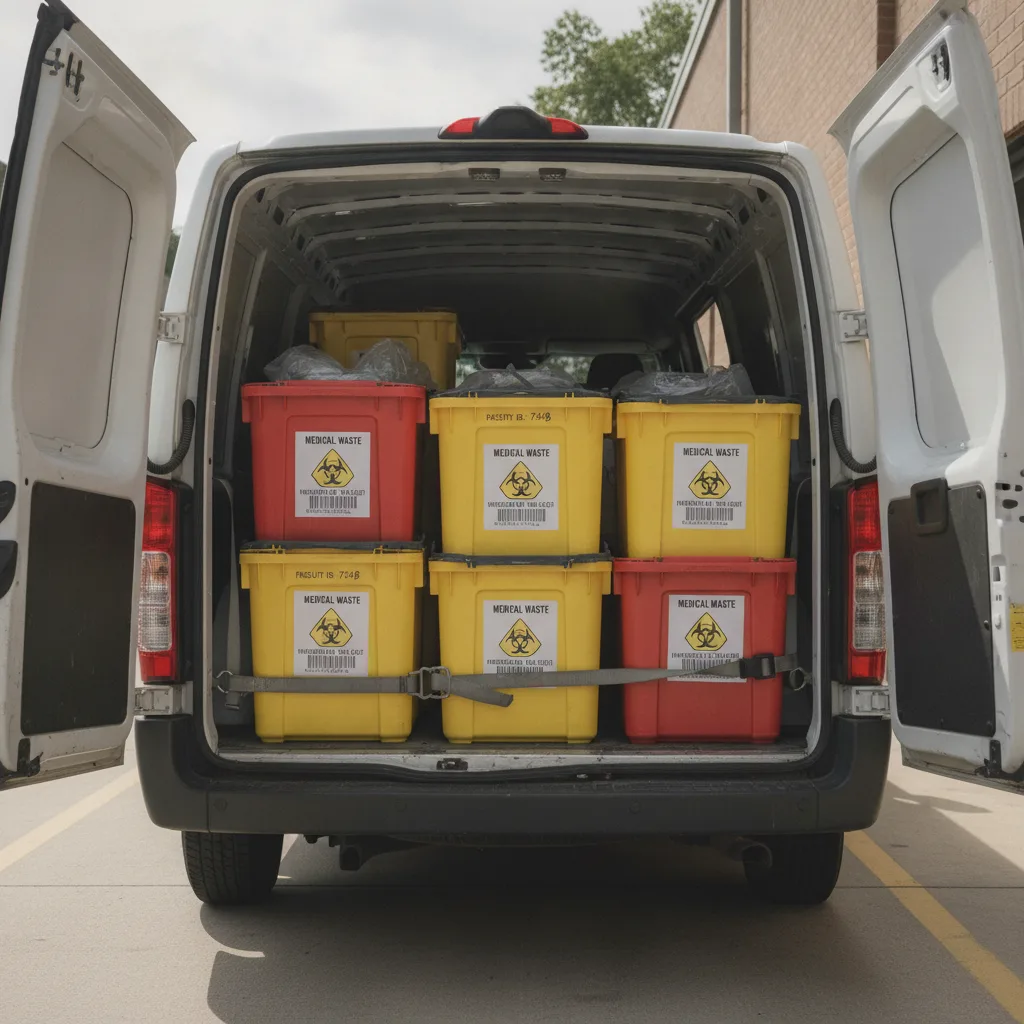
We package, transport and dispose of biohazard and sharps waste the way Kentucky law requires.
Families and property owners usually call us after something sudden and painful. Below are the situations we see most often around Lexington: what each one involves, why it's common here, and the warning signs that mean you shouldn't try to clean it yourself.
An unattended death happens when someone dies alone and isn't found for days or weeks. As the body breaks down, it releases fluids, gases and bacteria into flooring, walls and air systems. Cleanup means removing every affected material, not just cleaning what you can see.
Violent incidents leave blood and tissue spread across surfaces, often well past what you can see. Spatter reaches ceilings, gaps in trim, light switches, upholstery and the space under floorboards. Every trace carries bloodborne pathogen risk and needs OSHA-compliant removal.
Overdose scenes can involve bodily fluids, used needles, drug residue and paraphernalia. Fentanyl residue and loose sharps put anyone who handles them at real risk, so these properties need protective equipment, sharps containers and careful surface decontamination.
Severe hoarding can bury a home in clutter, spoiled food, animal waste, mold and sometimes human waste. The air quality can be hazardous, the structure may be damaged, and pests are common. Cleanup takes both sanitation and patience with the people involved.
Sewage carries bacteria, viruses and parasites. When it backs up into a basement or crawlspace, it soaks into drywall, carpet, block walls and framing. It's a Category 3 biohazard, and you can't safely handle it with a mop and bleach.
Sometimes the visible mess is gone but the smell isn't. Decomposition, smoke, pet and hoarding odors bind to drywall, framing, insulation and HVAC ductwork. Masking sprays wear off, and the odor comes back, especially in humid weather.
Not every call is a major scene. A fall, a serious injury at home, a nosebleed on a mattress or an illness can leave blood or bodily fluids that still carry pathogen risk, especially on carpet, upholstery and porous surfaces.
You'll know what's happening at every step. Here's how we take a scene from your first call to a safe, verified home, usually without you paying anything out of pocket.
24/7; dispatch begins right away
Usually within the first visit
Typically 1–3 days, depending on severity
1–3 days, sometimes overlapping removal
Final day
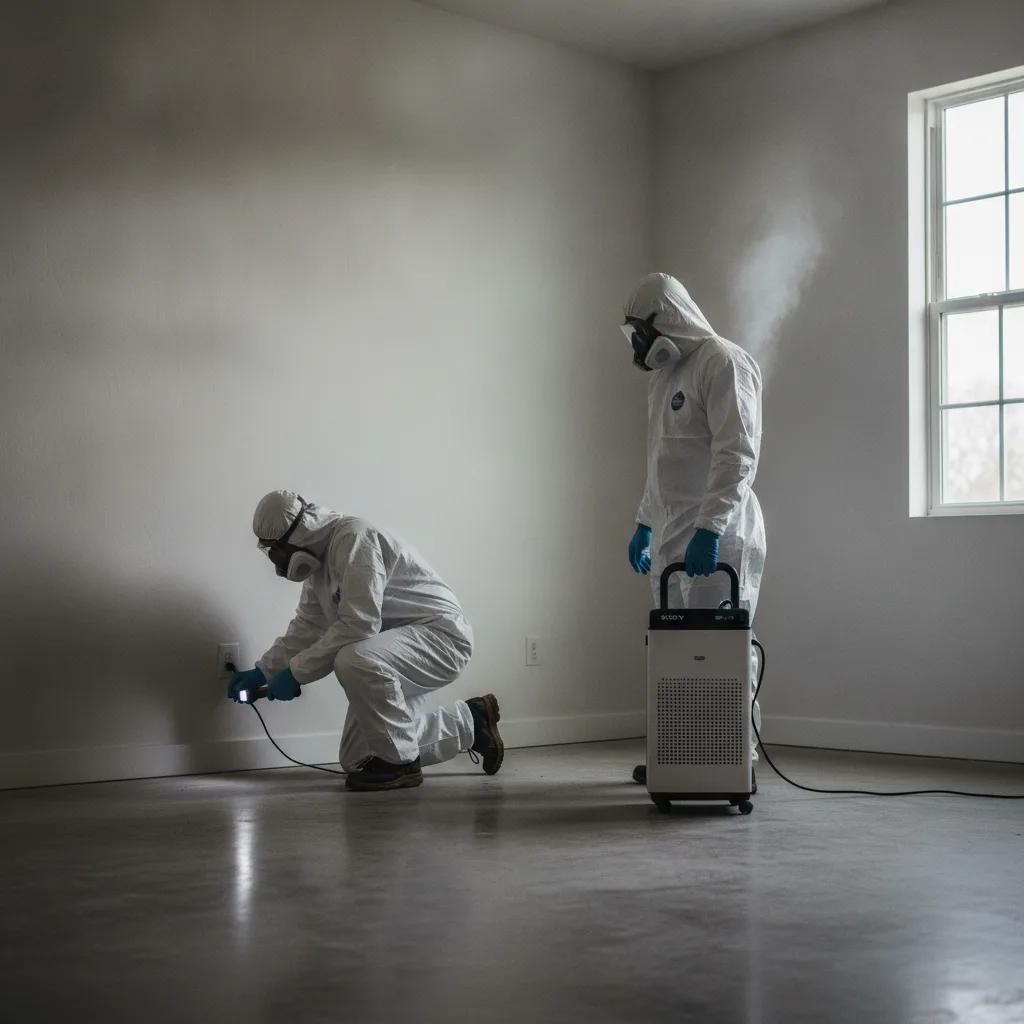
Homeowner's insurance often covers crime scene, trauma and unattended-death cleanup, and we bill your carrier directly. That means many families pay nothing out of pocket beyond any deductible. We document every step with photos and itemized scopes, which helps the claim go through. If a crime victim may qualify for help from the Kentucky Crime Victims Compensation Board, we'll explain how that process works and help you gather the documents. You shouldn't have to argue with an adjuster while you're grieving, and with us you won't have to.
A Gratz Park townhouse, a Tates Creek ranch and a Hamburg tract home all react differently to contamination. Old-growth hardwood lets fluids slip into joists, carpet over particleboard absorbs quickly, and OSB wicks fluids fast. Our technicians plan removal around each home's construction, keep original materials where they can be saved, and use lead-safe practices in pre-1978 homes. That precision protects the property's value and gives insurers the documentation they want.
Tragedies don't wait for business hours, and in a Kentucky summer every hour of delay lets contamination spread deeper. We answer around the clock, including nights, weekends and holidays. Whether it's a 2 a.m. call from a landlord near campus or a Sunday call from a family in Nicholasville, a real person answers and we start planning the response right away.
In close Bluegrass communities, neighbors notice everything. We arrive in unmarked vehicles, wear plain clothing until we're inside, and don't discuss your situation with anyone you haven't approved. In HOA neighborhoods like Beaumont, Masterson Station and Georgetown subdivisions, we keep waste containers out of sight and haul them away quickly. Clients in Versailles horse country and Chevy Chase count on that discretion.
Our technicians follow OSHA's Bloodborne Pathogens Standard and the Kentucky OSH Program's requirements for PPE, respiratory protection and hazard communication. All biohazard and sharps waste is packaged, manifested and sent through permitted medical-waste channels as the Kentucky Energy and Environment Cabinet requires, never in household trash. We're fully insured, so your property is protected while we work.
Biohazard remediation is all we do: crime scenes, unattended deaths, decomposition, overdoses, hoarding, odor and decontamination. Our technicians know how to find contamination hiding in subfloors, ductwork and wall cavities, and we verify results with ATP testing instead of guessing. That's why odor and stains don't come back after we leave, which is a common problem when a general cleaning or restoration company takes on a scene.
Many of the executors and adult children we work with live hours away. We can handle the whole job remotely: keys, insurance, photo and video updates, setting aside valuables and documents, and coordinating with funeral homes or property managers. You won't need to fly into Blue Grass Airport to make decisions. We keep you informed, and you stay in control.
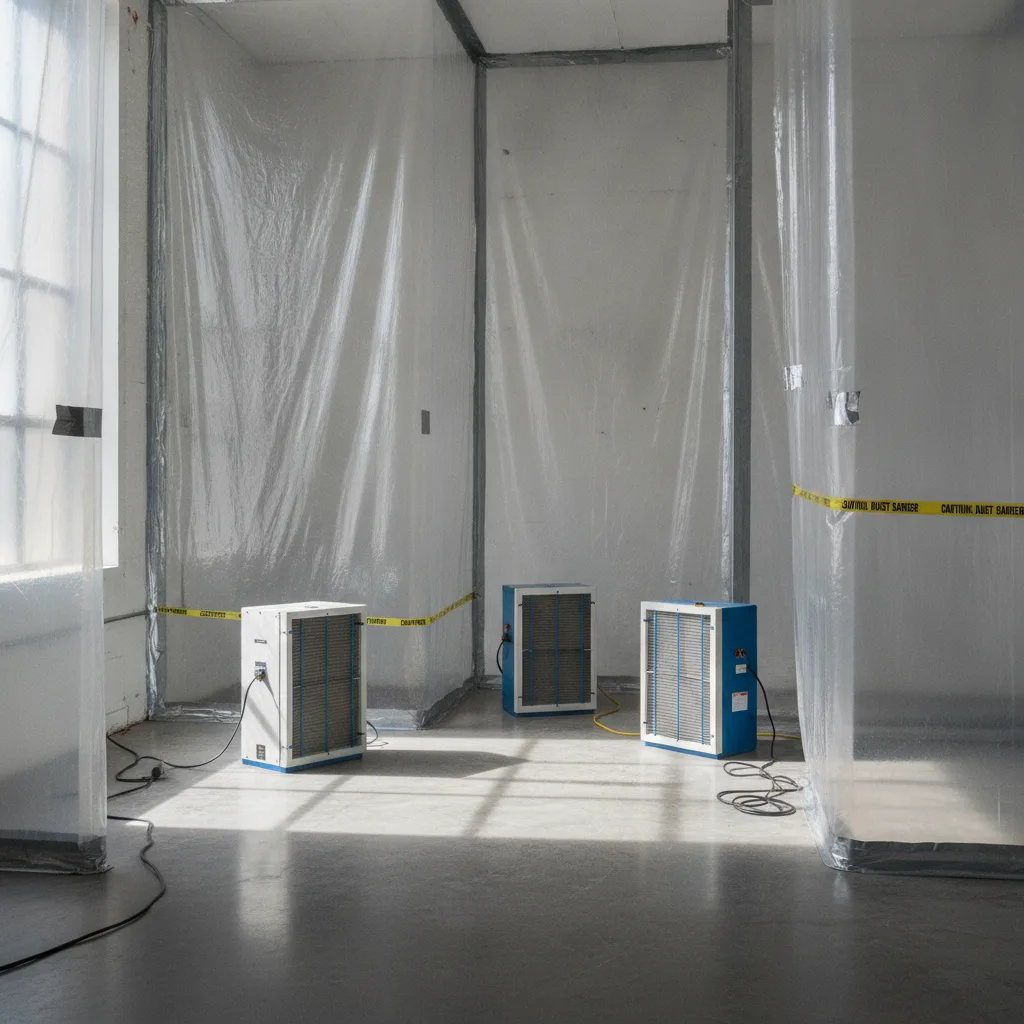
Most crime scene, trauma and unattended-death cleanups in Lexington are covered by homeowner's or landlord insurance. We bill the carrier directly, so most families pay little or nothing beyond their deductible. Here's what shapes the total claim your insurer sees.
Your policy matters more than anything else in determining what you pay. Homeowner's and landlord policies often cover crime scene, trauma and unattended-death cleanup, and we bill the insurer directly with photo documentation and itemized scopes. When eligible, crime victims may also get help from the Kentucky Crime Victims Compensation Board, and eligibility should be confirmed with the board. We'll review your coverage before any work starts, so you're never surprised.
How long contamination sat before anyone found it drives the scope of the claim. In Lexington's summer heat and humidity, a few extra days can push fluids from carpet into the subfloor, joists and basement. A quick discovery may need only surface cleaning and limited flooring removal. A late discovery may require structural sealing, ductwork decontamination and extended odor treatment, all of which is documented for your insurer.
Construction type changes how much has to be removed. Old-growth hardwood and plaster in Gratz Park or Kenwick call for careful, selective removal and lead-safe practices. Carpet over particleboard in Tates Creek ranches and OSB in Hamburg homes absorb fluids readily, so more subfloor often comes out. Converted multi-unit rentals near UK may need containment across shared walls and ducts.
A single room is very different from contamination that has spread to a basement, crawlspace or ductwork. Fluids that reach damp limestone-region basements, block walls or dirt crawlspaces need more removal and drying. If the HVAC system ran during decomposition, ducts need decontamination too. We map the full extent at the first visit, so the insurer gets an accurate scope from the start.
Biohazard waste has to be packaged and manifested through permitted Kentucky medical-waste haulers, so volume affects disposal costs on the claim. Hoarding cases may also need debris hauling. Rural farm properties in Woodford, Scott or Jessamine counties can add travel time, and outbuildings or vehicles may add separate scope items.
If insurance doesn't apply, for example in some hoarding cases, we'll explain the options clearly and in writing before any work begins. Nothing gets billed without your approval.
In most cases, insurance pays. Homeowner's and landlord policies often cover crime scene, trauma and unattended-death cleanup, and we bill your carrier directly, so many families pay nothing out of pocket beyond their deductible. We'll review your coverage before work starts and handle the adjuster communication, photos and itemized documentation. If the incident was a crime, the Kentucky Crime Victims Compensation Board may reimburse eligible victims for certain costs, though coverage and limits have to be confirmed with the board. Either way, you won't get a surprise bill. We explain everything up front.
We answer 24/7, and dispatch starts as soon as we confirm the scene has been released. In Lexington, Nicholasville, Georgetown and Versailles, we can usually be on-site quickly, and rural farm properties may take a little longer depending on the drive. Most blood or trauma cleanups take one to two days. A severe unattended death with subfloor, basement or HVAC involvement can take three to five days, plus air treatment time. Large hoarding jobs may take a week or more. We'll give you a realistic timeline after the assessment.
The property owner is responsible, which surprises many families. Neither Lexington Police, the Fayette County Sheriff nor the Fayette County Coroner cleans the scene, and the same goes for the Scott, Woodford and Jessamine county authorities. Once the scene is released, cleanup falls to the owner, landlord or estate. That's where we come in. You don't need to touch anything or try to clean it yourself, and you shouldn't, because blood and bodily fluids can carry bloodborne pathogens. Call us, and we'll take it from there.
Interior biohazard cleanup generally doesn't need a building permit. It does have to follow OSHA's Bloodborne Pathogens Standard, which Kentucky enforces through its state OSH Program, and biohazard waste must go through permitted medical-waste haulers under Energy and Environment Cabinet rules. If your home is in a Lexington H-1 historic district like Gratz Park or Bell Court, exterior changes such as replacing windows or porch elements may need Board of Architectural Review approval. Meth-contaminated properties fall under 401 KAR Chapter 101 and require a state-certified contractor. We'll tell you which rules apply to your property.
We strongly advise against it. Blood and bodily fluids can carry hepatitis B, hepatitis C and HIV, and the contamination you can't see is usually the bigger problem. In Lexington's humidity, fluids soak through carpet into particleboard or between old hardwood boards into joists. Regular cleaners don't have the PPE, training or permitted disposal channels, and household trash disposal of biohazard waste isn't allowed in Kentucky. DIY attempts also tend to leave odor behind and can complicate insurance claims. Let trained technicians handle it.
Right away, once authorities release the scene. Every day matters, especially from June through September, when Lexington temperatures reach the 90s and humidity speeds decomposition. Fluids keep spreading into the subfloor, joists, basement and ductwork, and odor soaks deeper into drywall and plaster. Waiting increases the scope of the job, the claim, and the risk of lasting structural damage. Close the doors, turn off the HVAC if possible to limit spread through the ducts, keep everyone out of the area, and call us 24/7.
Prevention starts with fast response and regular checks. Inspect units at turnover, especially student rentals near UK, for sharps, bodily fluids and early hoarding. Arrange wellness checks for older tenants living alone. Keep basements and crawlspaces dry with sump pumps and dehumidifiers, since karst ground and spring storms cause sewage backups. Act on odor complaints the same day, before they spread through shared ducts. And keep a 24/7 biohazard contact on file, so your team knows exactly who to call when something happens.
Not from us. We arrive in unmarked vehicles, our technicians wear plain clothing until they're inside, and we don't talk about your situation with neighbors, HOA boards or anyone else you haven't approved. Waste is packed out discreetly and removed quickly, which matters in HOA neighborhoods like Masterson Station, Beaumont and newer Georgetown and Nicholasville subdivisions. Families in Versailles horse country, Chevy Chase and close church communities across the Bluegrass count on that privacy, and we take it seriously.
We come to you anywhere in Lexington and the surrounding area, in unmarked vehicles, any hour of the day.
You've been through enough. Let us handle the cleanup, the insurance paperwork and the details, so you can focus on your family. We're available right now, day or night.
Call (859) 461-9509 Now