Discreet, certified crime scene and biohazard cleanup in San Antonio — unmarked vehicles, compassionate technicians, and in most cases $0 out of pocket since we bill your insurance directly.
Cleanup in San Antonio isn't the same job it would be in a cooler, drier city. The heat, the floods, more than a century of housing styles and a layered set of Texas regulations all affect what has to come out of a home, how fast it has to happen and who's allowed to do it.
From June through September, San Antonio highs sit in the mid-to-upper 90s°F, most summers bring triple-digit days, and overnight lows often stay in the mid-70s. Gulf humidity keeps the air heavy. In a home with the AC off, decomposition moves fast, and closed rooms, attics and garages get far hotter than it is outside. Within 24–48 hours you can have fluid migration, flies and maggots, and odor that soaks into drywall. Winters are mild, so insects and bacteria stay active almost all year. The Balcones Escarpment also makes Bexar County one of the most flash-flood-prone areas in the country. When 30–32 inches of yearly rain arrives in heavy bursts, sewage backs up and wet drywall can start growing mold within 48 hours.
Inside Loop 410, early-1900s homes in King William, Tobin Hill and Dignowity Hill sit on pier-and-beam foundations with plaster-and-lath walls. Blood and decomposition fluids can soak through floorboards into the crawlspace, and lead paint or asbestos may be hiding in plaster, floor tiles or pipe wrap. Mid-century ranch homes around Windcrest, Castle Hills and older parts of Converse usually have carpet laid over slab and popcorn ceilings that may contain asbestos. The newer suburbs, including Stone Oak, Alamo Ranch, Selma and Helotes, use builder-grade drywall, laminate and carpet pad, and those materials absorb fluids quickly. Expansive clay soils east and south of the city crack slabs, which opens paths for fluids to reach the subfloor. Each of these building types needs its own removal plan.
Texas doesn't issue a license specifically for crime scene cleanup, but several rules still apply. Under TCEQ rules, biohazardous and sharps waste is special waste. It has to be packaged, labeled, picked up by a registered medical waste transporter and treated by approved methods. OSHA's Bloodborne Pathogens Standard (29 CFR 1910.1030) sets requirements for PPE, training and exposure control. Mold remediation requires TDLR licensing, and asbestos work requires licensing from DSHS. Rebuilding may need City of San Antonio Development Services permits, and if exterior changes are planned in a historic district like King William or Monte Vista, the Office of Historic Preservation may need to review them. Cleanup can't start until the Bexar County Medical Examiner or law enforcement releases the scene.
San Antonio is home to about 1.4–1.5 million people, and the metro tops 2.5 million. It's a majority-Hispanic city, many families are multigenerational, and Catholic faith runs deep, so rosaries, santos and family keepsakes need careful handling. Joint Base San Antonio means many military families, some facing a loss while a spouse is deployed. The number of retirees is growing, and more of them live alone, which leads to more unattended deaths. Landlords, property managers and HOA communities all want the job done quietly.
Every service below comes with 24/7 response, unmarked vehicles and direct insurance billing whenever coverage applies. We adjust our methods to San Antonio's housing, from pier-and-beam Victorians to slab-built suburbs, and we follow OSHA and Texas disposal protocols on every job, large or small.
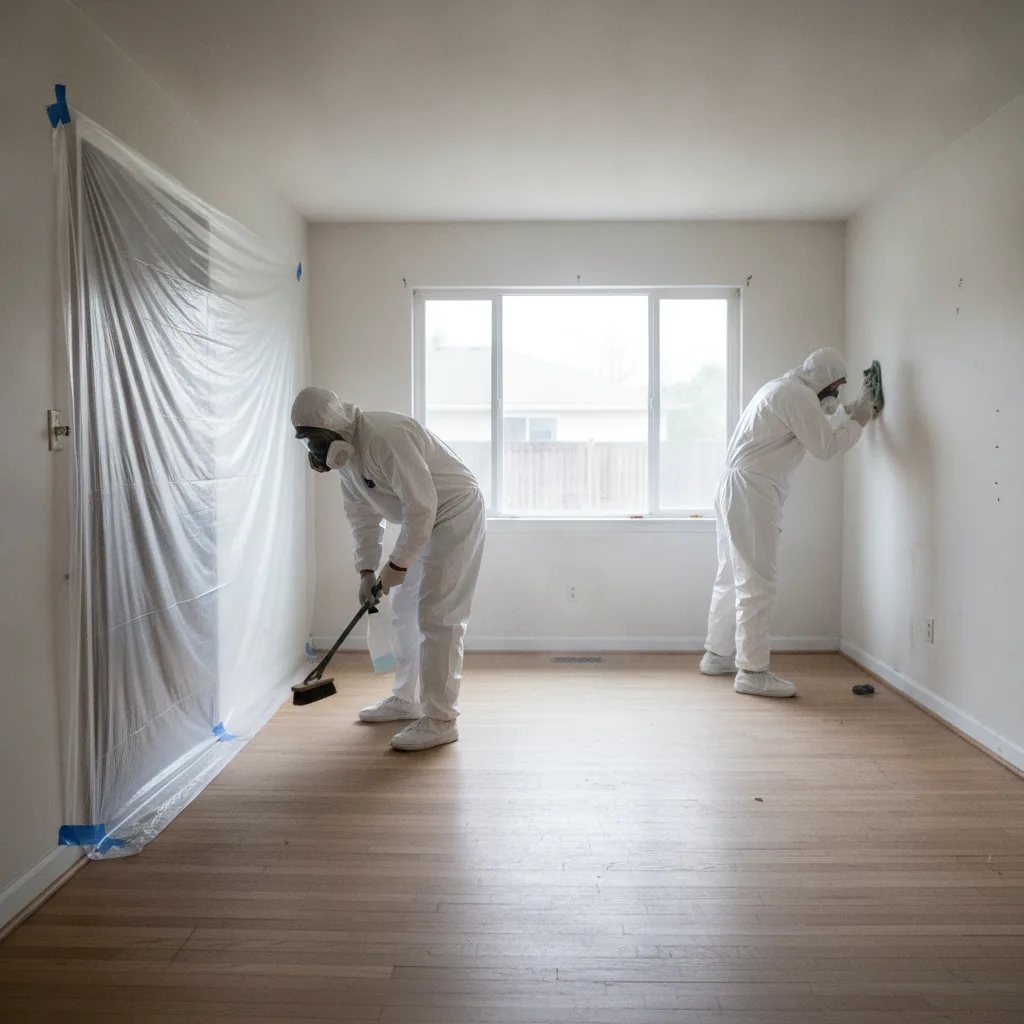
After law enforcement releases the property, we remove all blood, tissue and other biological material from homes, vehicles and businesses, then return the space to a safe, sanitized condition.
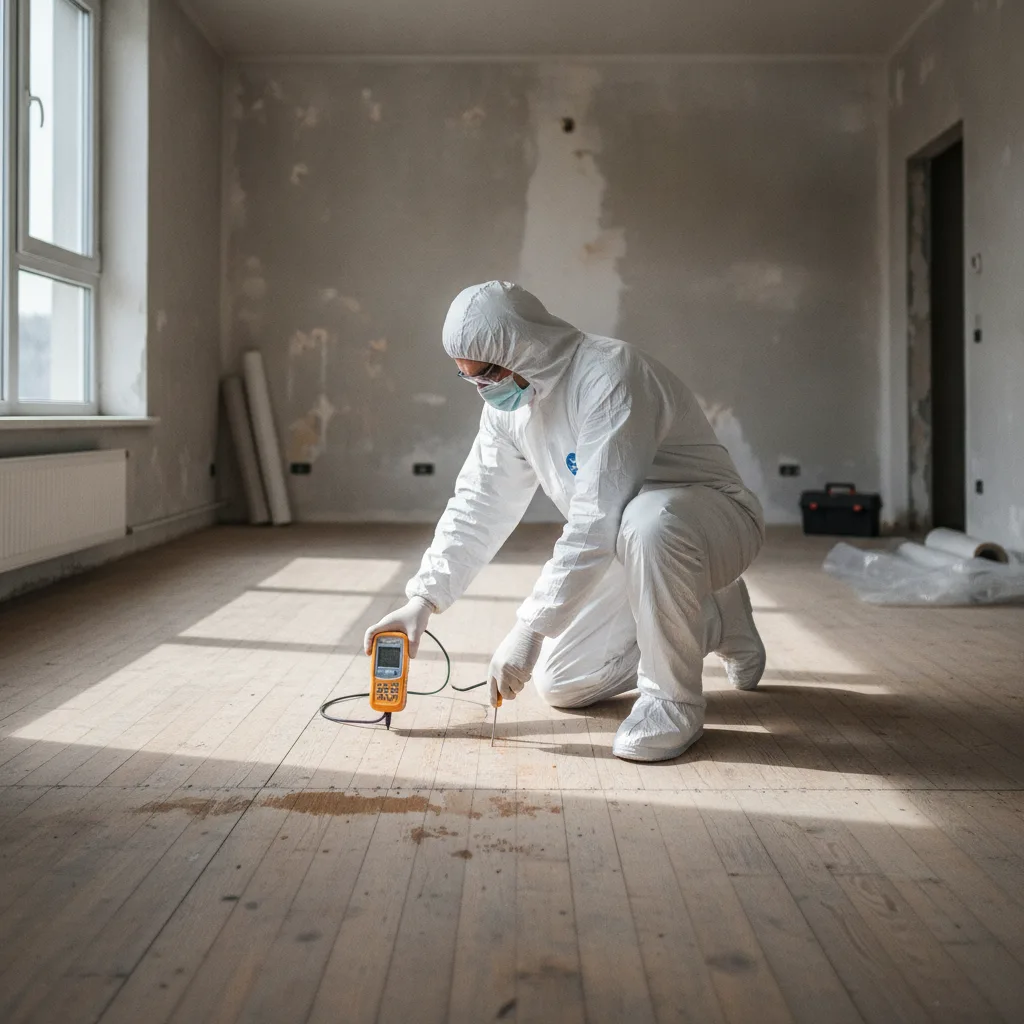
We clean up homes where a death went undiscovered, removing contaminated materials, eliminating insects and odor, and making the home safe again.
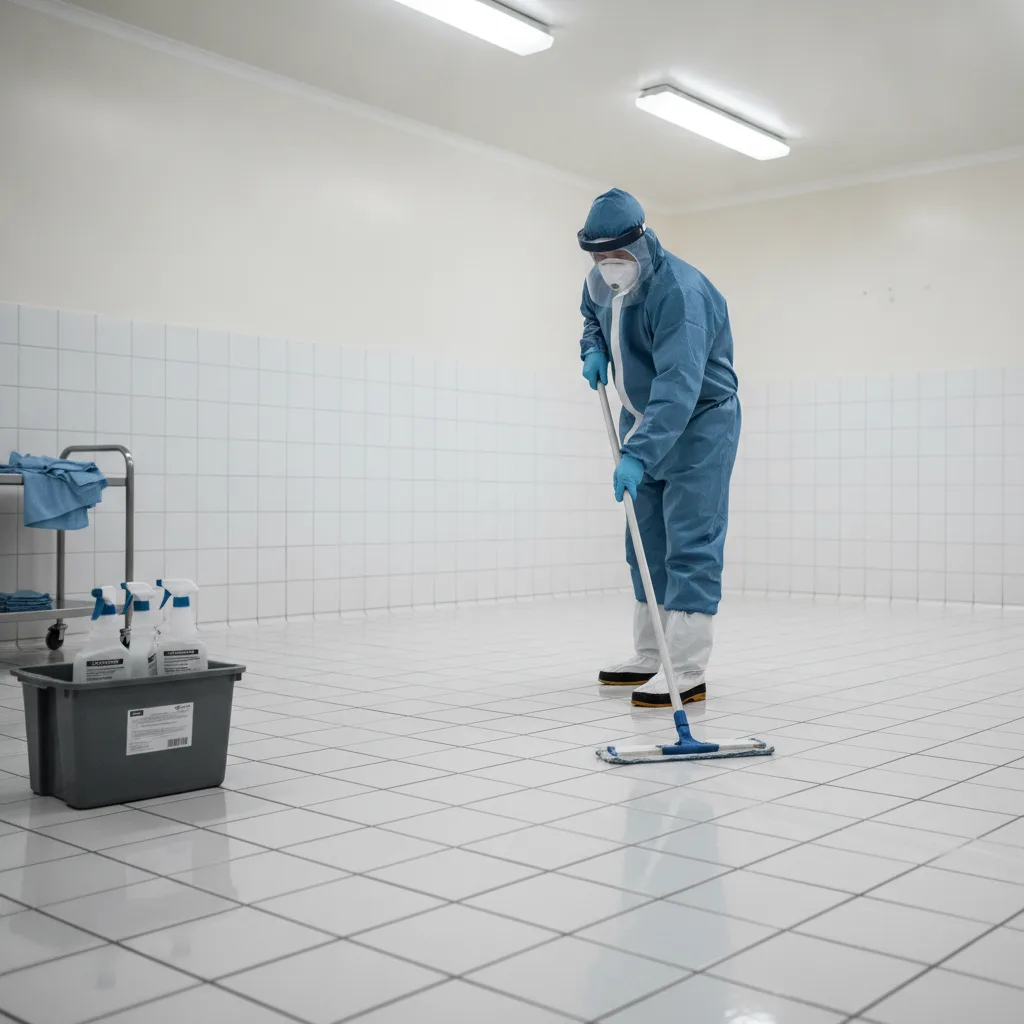
We clean up after suicides, accidents and serious injuries at home, approaching the work with compassion and making sure no visible or hidden contamination is left behind.
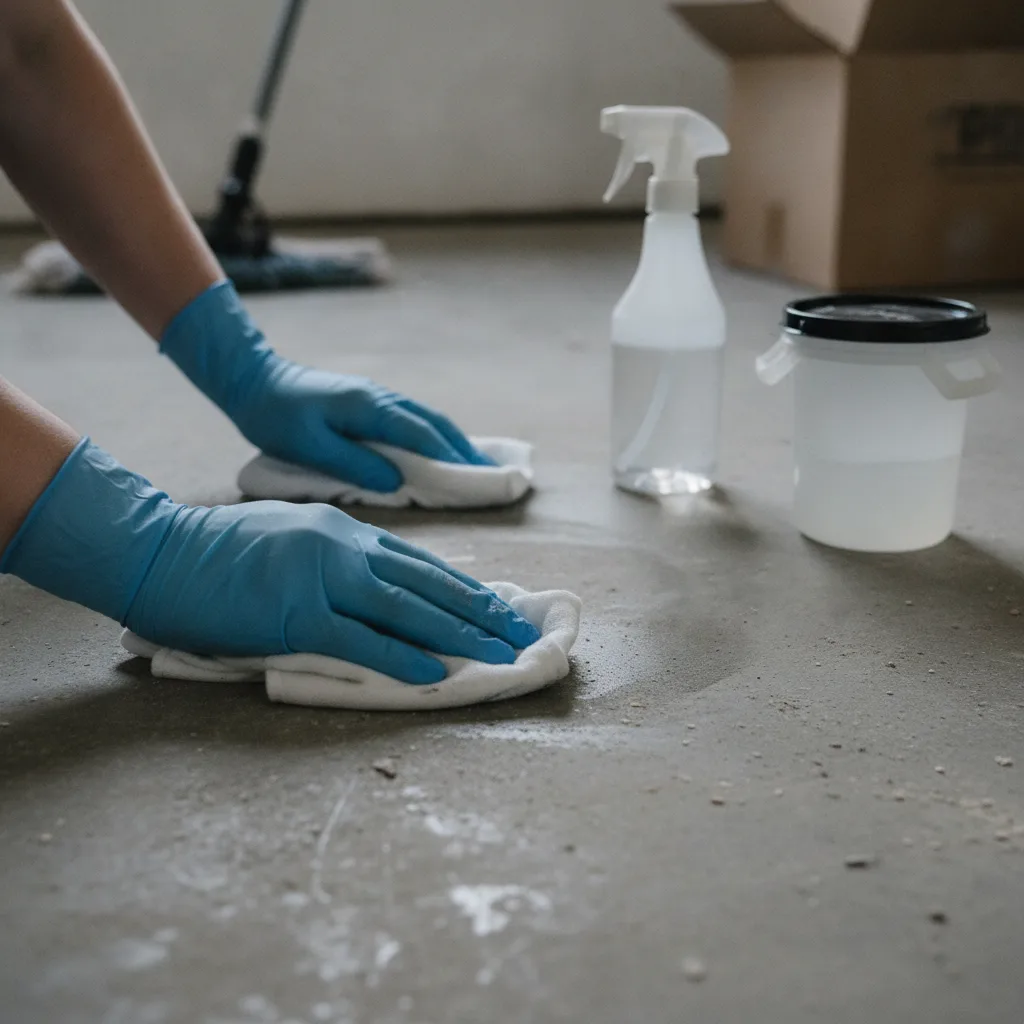
We safely clean and disinfect blood spills of any size from carpets, upholstery, hard surfaces, vehicles and commercial spaces.
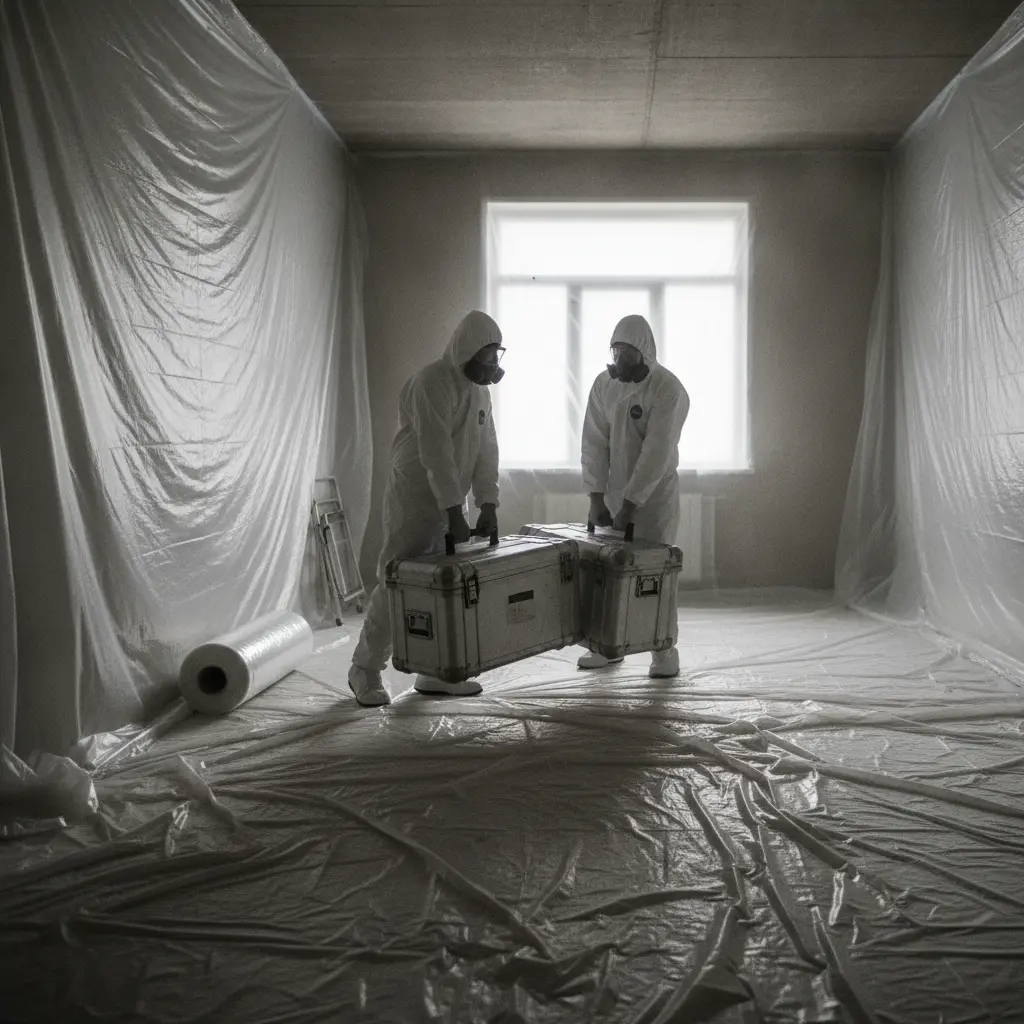
We restore homes and properties after a homicide, handling biohazards and damage from the investigation so the family doesn't have to see or deal with it.
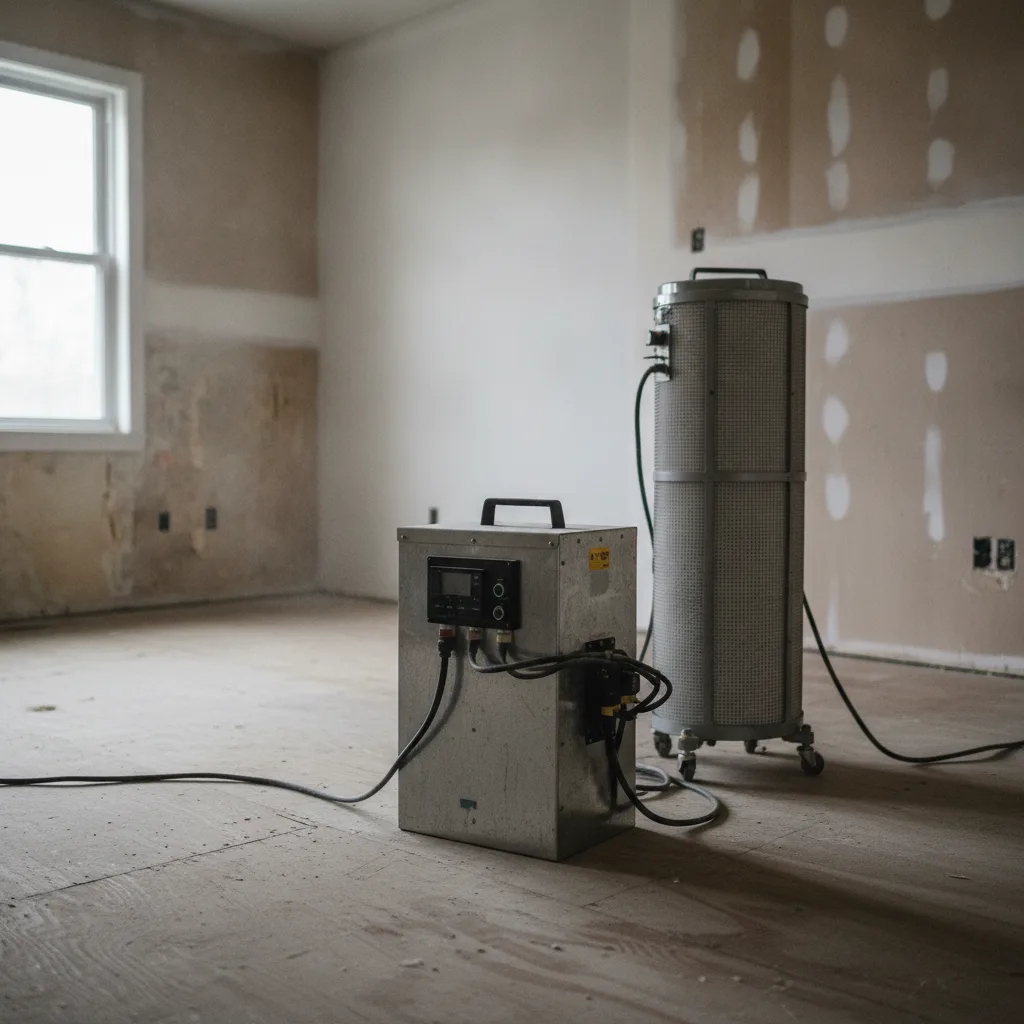
We remove decomposition fluids, insects and odor sources from structures, including advanced cases where fluids have reached the subfloor or crawlspace.
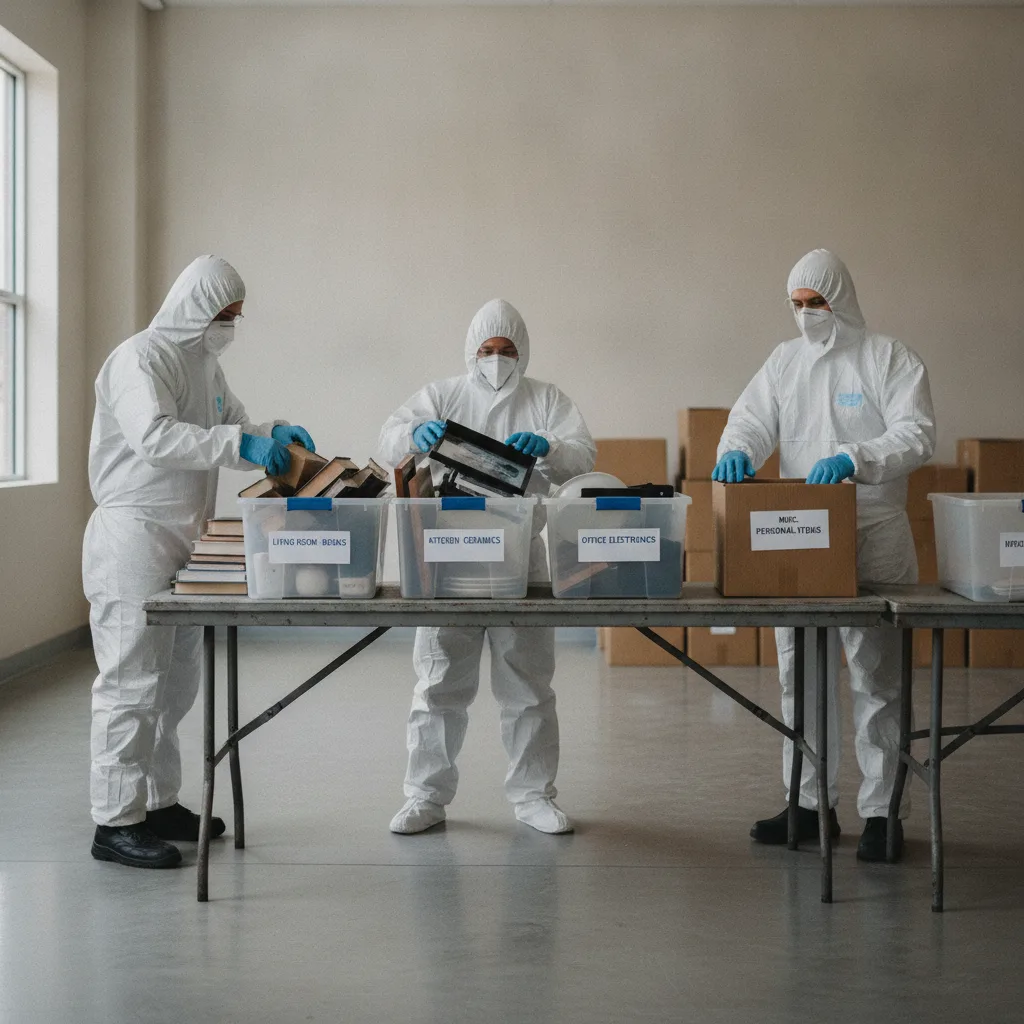
We clear hoarded homes compassionately, sorting with the family to save valuables, documents, photos and religious items, then sanitize the space.
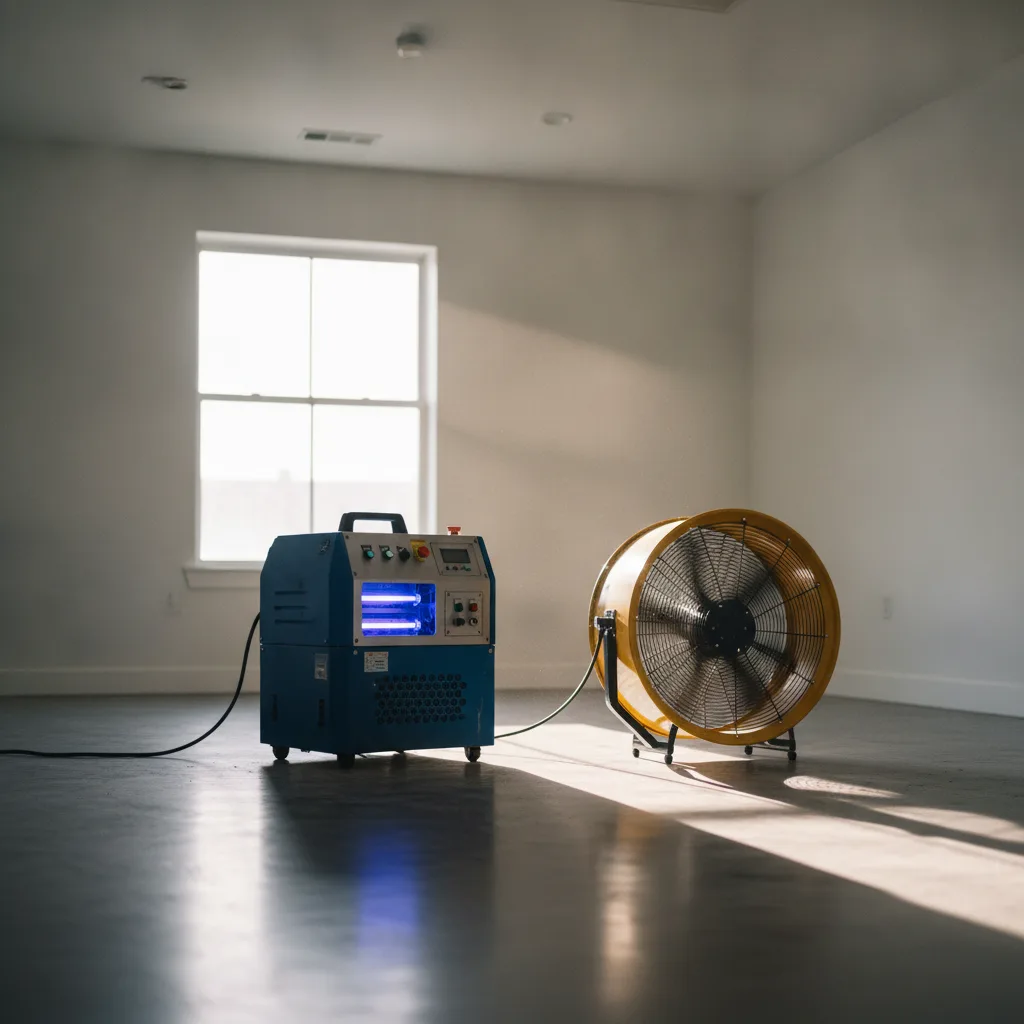
We permanently remove biohazard, decomposition, smoke and urine odors from homes, rentals and vehicles.
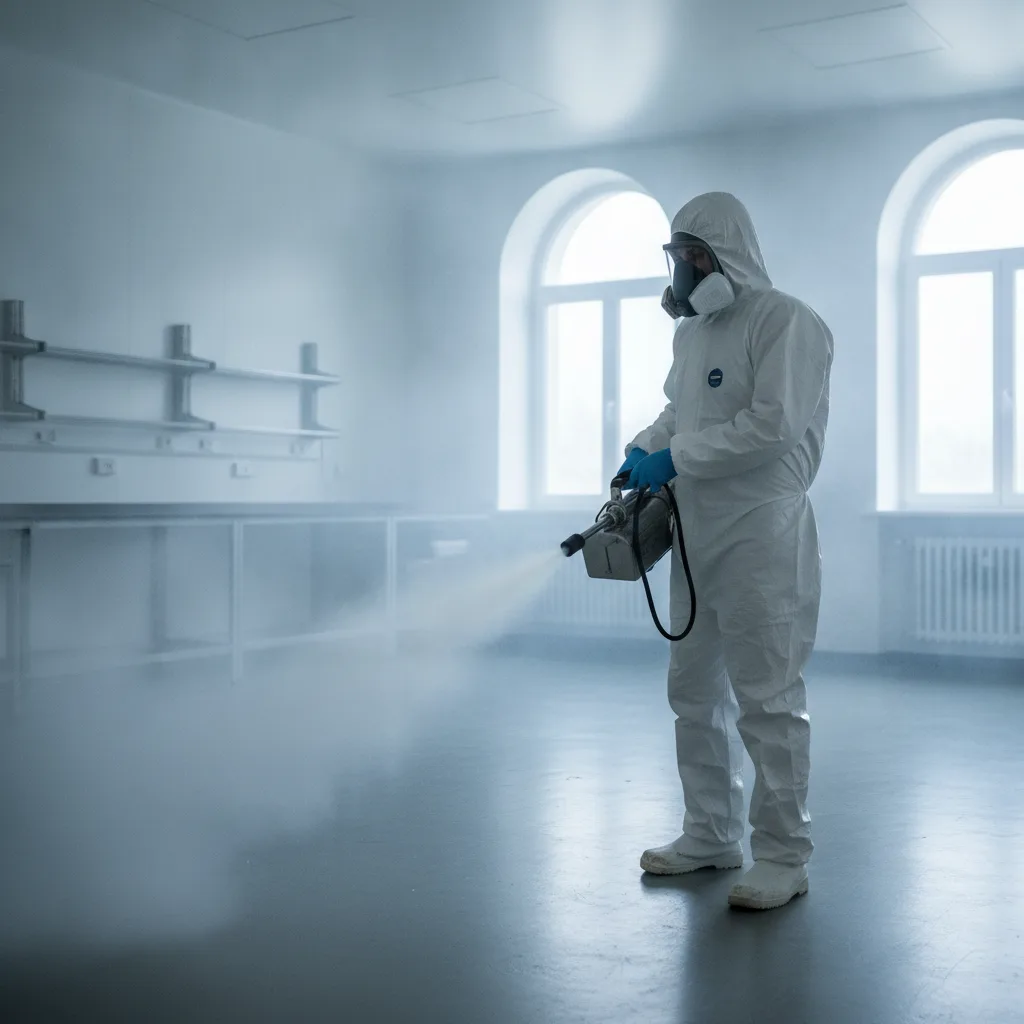
We decontaminate properties affected by sewage, drug residue, infectious materials or animal waste so they're safe to live in or work in again.
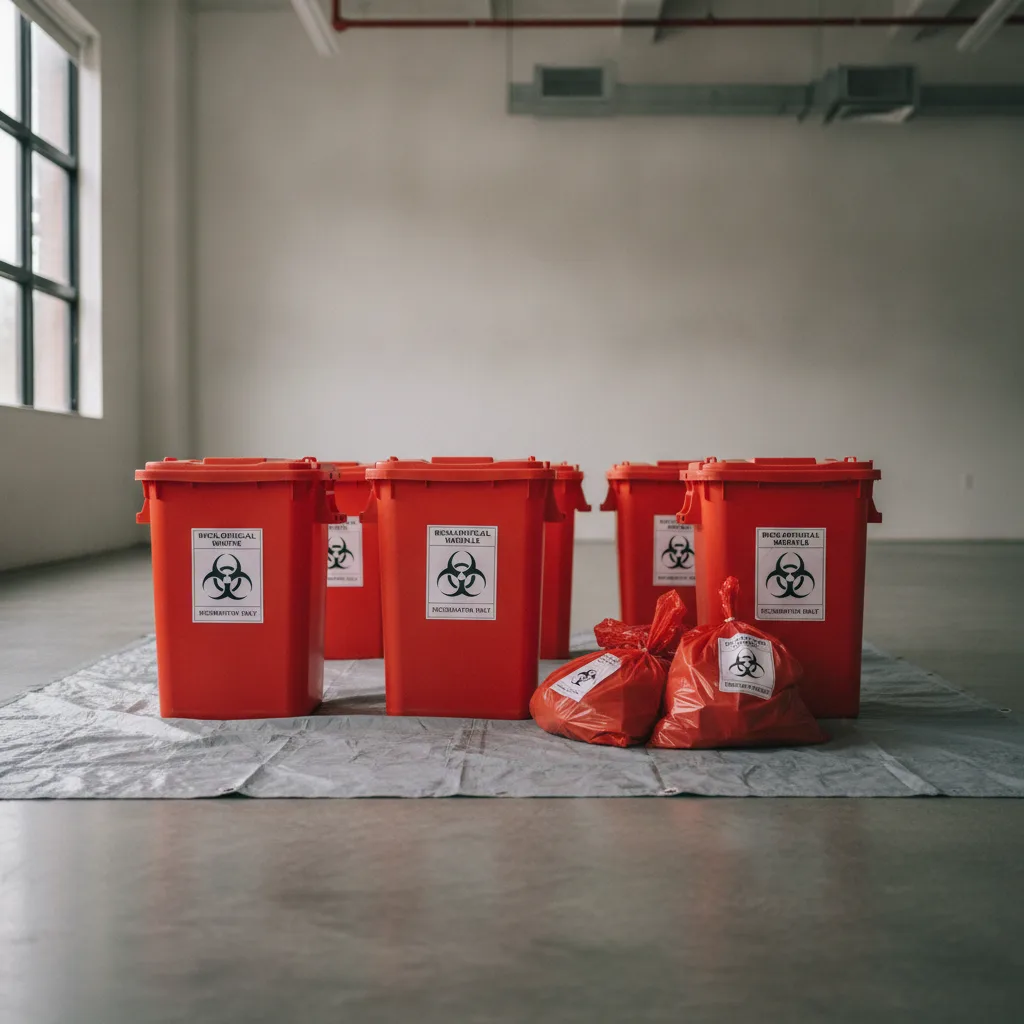
We handle general biohazard situations, including bodily fluids, animal remains, infectious waste and contaminated vehicles.
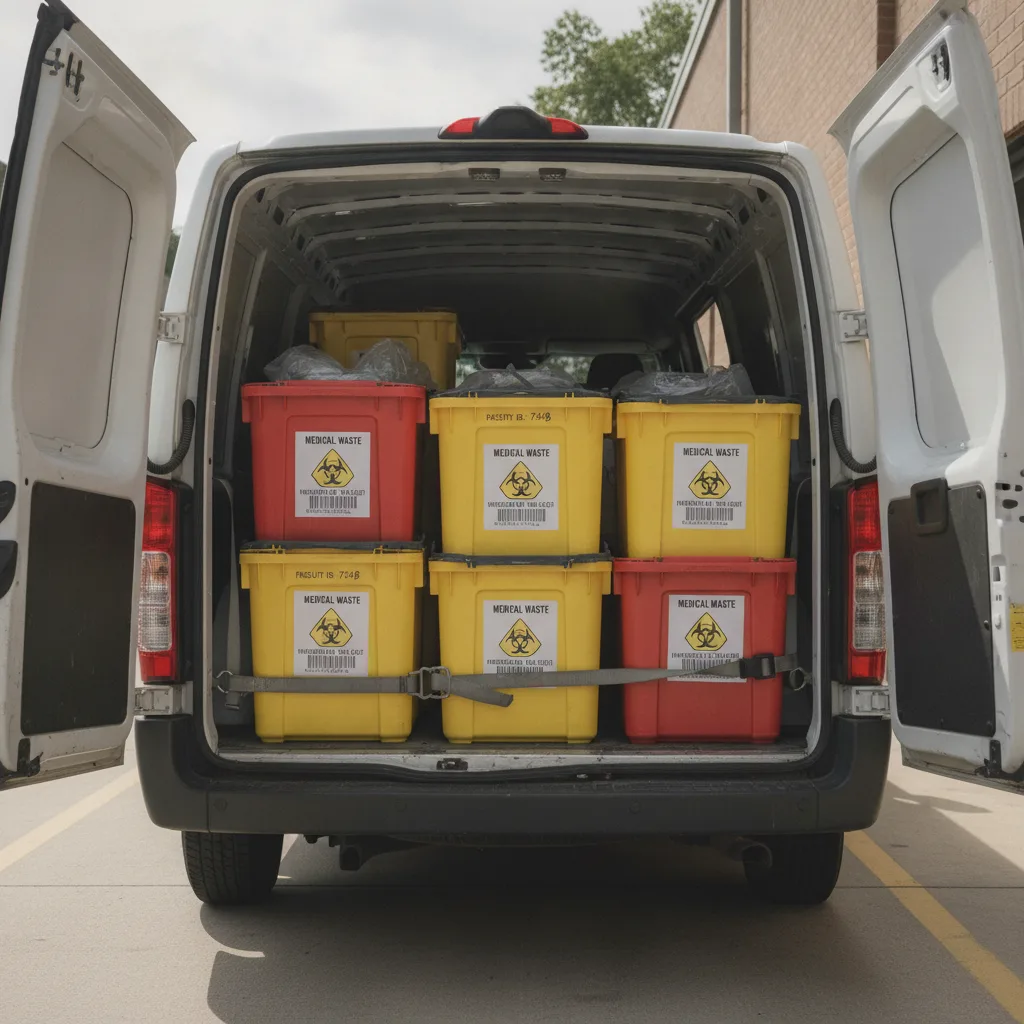
We collect, package and arrange proper disposal of sharps, needles and biohazardous waste from homes, rentals and businesses.
Each situation below comes with its own health risks and its own impact on the structure. Knowing why these problems happen here, and what the warning signs look like, helps families, landlords and property managers act quickly and avoid exposure or more expensive damage.
When someone passes away and isn't found for days, body fluids break down and spread into flooring, subfloor and walls. Bacteria, insect activity and strong odor follow. A surface wipe-down isn't enough. Contaminated materials have to be removed and the area decontaminated.
Violent events leave blood and tissue spread across many surfaces, sometimes well beyond what's visible. These are bloodborne pathogen hazards that call for OSHA-level PPE, careful material removal and disposal as regulated medical waste, along with a crew that understands what the family is going through.
Long-term hoarding builds up clutter, spoiled food, animal or rodent waste, and sometimes medical waste or needles. Rodent droppings can carry hantavirus, and the sheer volume of material adds fire load and hides structural rot.
Floodwater and sewage backups carry bacteria, viruses and parasites. This water is considered Category 3 'black water,' and porous materials it touches usually can't be saved. Mold can start growing within 24–48 hours of the water reaching drywall and carpet.
Properties left behind after drug use can contain used needles, fentanyl or other drug residue, and sometimes meth contamination soaked into surfaces. Sharps carry needlestick and bloodborne disease risk, and residue can harm the next occupants, especially children and pets.
Odor from decomposition, smoke, urine or spoiled material gets into drywall, insulation, HVAC ducts and wood. Air fresheners only cover it up. Getting rid of it for good means removing the source and neutralizing odor molecules in the structure.
From your first call to the final walkthrough, we keep things simple, private and as easy on you as we can. Here's what to expect when you call Integrity Crime Scene Services.
24/7, answered immediately
Rapid dispatch across the San Antonio metro
Often the same day
Typically hours to a few days, depending on scope
Final day of the job
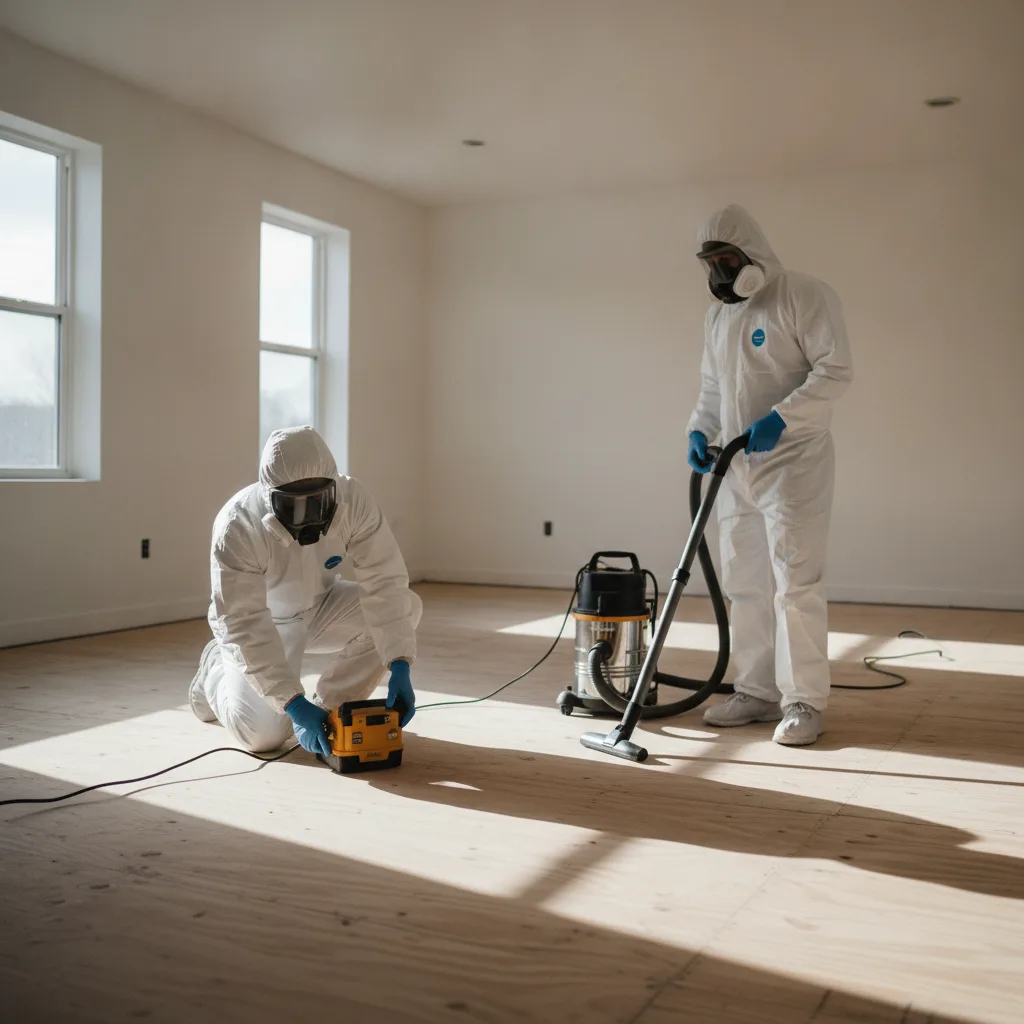
Homeowner's policies often cover trauma and biohazard cleanup, and many families end up paying $0 out of pocket aside from any deductible. We review your coverage, talk directly with your adjuster, document every step, and bill the insurer directly. If the loss came from a crime, we'll also explain how the Texas Crime Victims' Compensation Program may help. You won't be handed an invoice and left to figure out reimbursement while you're grieving. That's especially important for families on the South, West and East Sides, who rely more on insurance and victims' compensation.
San Antonio is the seventh-largest city in the country, and it's spread out. Getting from Converse or Selma in the northeast to Helotes in the far northwest means crossing Loop 410 and Loop 1604. In our heat, waiting until Monday can turn a manageable cleanup into removing subfloor. That's why we answer around the clock, every day of the year, and send crews whenever you need them. Nights, weekends and holidays are when many of these calls come in, so that's when we're ready.
Your neighbors don't need to know what happened. Our crews arrive in unmarked vehicles and work quietly, so there's no signage and no attention drawn to your home. That matters in close-knit historic neighborhoods like Dignowity Hill, in HOA communities in Stone Oak, Alamo Ranch, Helotes and Selma, and in apartment complexes where property managers want to protect residents. Privacy is part of how we treat every family, whatever the situation.
A Victorian in King William, a 1960s ranch in Windcrest and a new production home in Converse all handle contamination differently. In pier-and-beam homes, fluids reach the crawlspace. In slab homes, they hide under carpet pad. Older plaster, floor tiles and popcorn ceilings may contain asbestos or lead, which have to be addressed before demolition. We plan every job around the building itself, so contamination gets fully removed without creating new regulatory problems or tearing out more than necessary.
Integrity Crime Scene Services is fully insured, which protects your property and our crew. Our technicians follow OSHA's Bloodborne Pathogens Standard for PPE and exposure control, and they follow Texas disposal protocols for biohazardous and sharps waste. That waste is packaged, labeled and handed off to a registered medical waste transporter, never thrown in household trash. Doing it right protects your family, the next occupants and the community.
Many San Antonio families are multigenerational with deep Catholic roots. We handle rosaries, santos, photos and heirlooms carefully, set salvageable keepsakes aside, and ask before discarding anything personal. For military families near JBSA, including those coping with a loss during a deployment, we understand how hard the timing and logistics can be. We explain things plainly, never rush you, and treat your home the way we'd want our own family's home treated.
Biohazard cleanup is all we do, from crime and trauma scenes to decomposition, hoarding, needles and sewage. A janitorial company or carpet cleaner isn't equipped to trace fluid migration, verify disinfection or dispose of regulated medical waste legally. We are. Landlords and property managers across the Medical Center and I-35 corridors depend on us for tenant-death and eviction cleanups that are done right the first time.
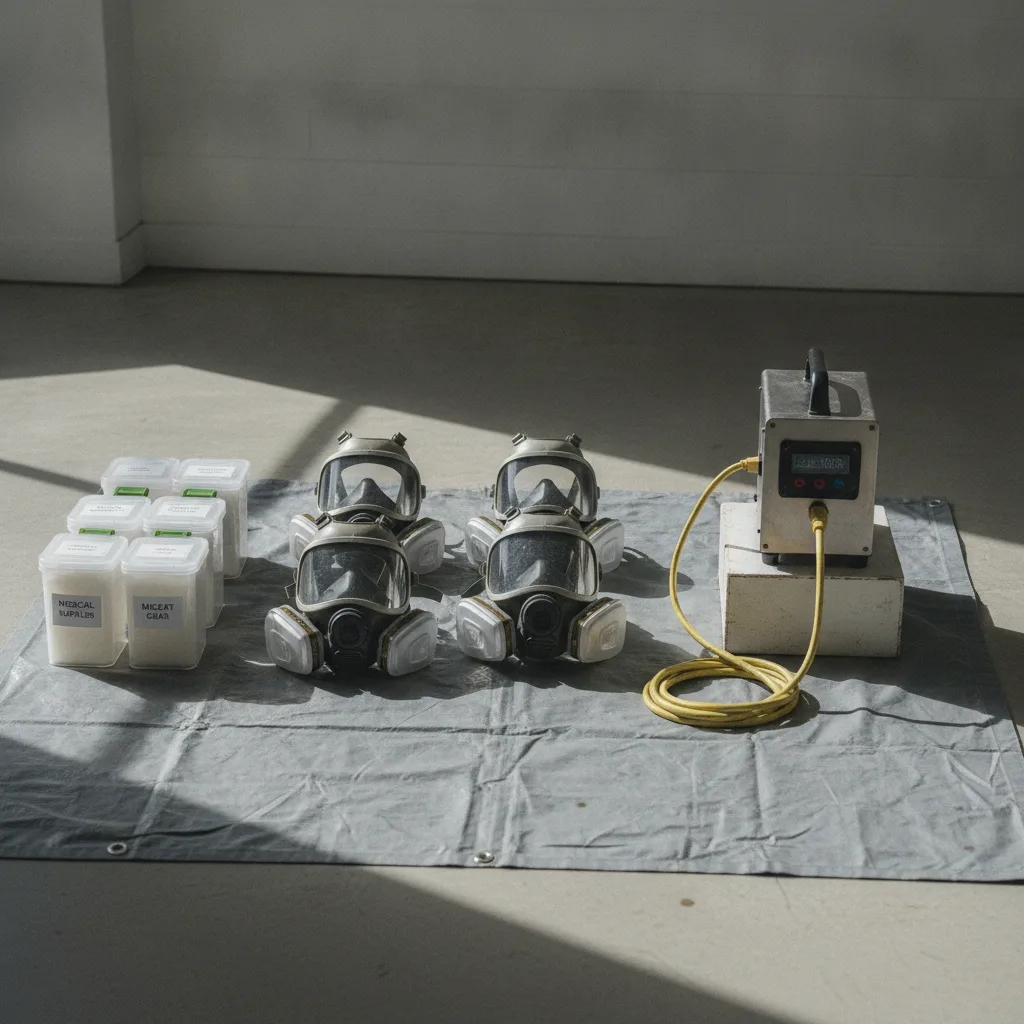
For most San Antonio families, the out-of-pocket cost is often $0 apart from any deductible, because homeowner's, renter's, auto and commercial policies frequently cover biohazard cleanup. We bill your insurer directly. The factors below explain how the size of a claim is determined.
The biggest factor is how far fluids have traveled. A contained spill on tile is a small job. Fluids that have soaked through carpet pad, laminate or old pine boards into the subfloor or a pier-and-beam crawlspace require removing materials and rebuilding the barrier. We document the spread with photos and measurements so your adjuster has a clear, justified scope and the claim can be approved without delays.
In San Antonio summers, a day or two can change everything. A home closed up with the AC off in July will have more fluid migration, insect activity and odor than the same scene found quickly in January. Delayed discovery usually means more demolition and more odor treatment. That's why we respond 24/7 and why acting fast keeps the claim and the disruption to your home smaller.
Pre-war homes in King William, Tobin Hill and the West Side may have asbestos in plaster, tile or pipe wrap, or lead paint, and those have to be addressed before demolition. Mid-century popcorn ceilings raise similar questions. Slab homes are often simpler but can hide contamination under the carpet pad. We identify these issues early so the insurance scope accounts for them.
Decomposition and hoarding jobs can produce a large amount of regulated waste. Under TCEQ rules, it has to be packaged and picked up by a registered medical waste transporter. Severe odor may need several rounds of hydroxyl or ozone treatment plus HVAC work. Both affect the size of the claim, and both are normally part of covered cleanup costs.
Which policy applies depends on the situation: homeowner's or renter's for residences, auto for vehicles, commercial for businesses and rentals. After a crime, the Texas Crime Victims' Compensation Program through the Attorney General's Office may help with costs your policy doesn't cover. We sort this out with you before any work begins.
When a policy doesn't fully cover a job, such as some hoarding cleanups, we'll talk through crime victims' compensation, estate funds or payment arrangements before any work starts. You'll never be surprised with a bill.
In many cases, yes, and that often means $0 out of pocket for you aside from a deductible. Homeowner's and renter's policies frequently cover cleanup after a death, suicide, homicide or trauma, because it's sudden, accidental damage to the property. Auto policies may cover vehicle cleanup, and commercial policies cover businesses and rentals. We review your policy, talk with your adjuster and bill the insurer directly. If a crime was involved, the Texas Crime Victims' Compensation Program, run by the Attorney General's Office, may cover costs your policy doesn't. We'll explain your options before any work begins.
We respond 24/7, including nights, weekends and holidays, and dispatch crews across the metro, from Downtown and Southtown to Converse, Universal City, Selma and Helotes. Exact arrival time depends on where you are and traffic on Loop 410 or 1604, and we'll give you a realistic estimate on the phone. Speed matters here. San Antonio's heat speeds up decomposition and bacterial growth, so a scene left for even a day in summer can spread into subfloor and drywall. Calling as soon as the scene is released keeps damage and disruption to a minimum.
Most blood and trauma cleanups take a few hours to one full day. Unattended death and decomposition jobs usually take one to three days because flooring, subfloor or drywall may need to come out, followed by odor treatment. Hoarding cleanups can run several days to more than a week, depending on how much material there is and how much sorting the family wants to do. Older pier-and-beam homes with crawlspace contamination, or homes where asbestos or lead has to be addressed first, can add time. We'll give you a timeline after the walkthrough.
Texas doesn't issue a license specifically for crime scene cleanup, but related rules do apply. Biohazard and sharps waste must be handled under TCEQ rules and removed by a registered medical waste transporter. OSHA's Bloodborne Pathogens Standard governs PPE and worker safety. Mold remediation requires TDLR licensing, and asbestos work requires DSHS licensing. Rebuilding may need City of San Antonio Development Services permits, and exterior changes in historic districts like King William or Monte Vista may need Office of Historic Preservation review. We follow OSHA and Texas disposal protocols and will tell you when other licensed trades are needed.
We strongly advise against it. Blood and body fluids can carry hepatitis B, hepatitis C and HIV, and visible stains are only part of the problem. Fluids soak into carpet pad, subfloor and wall cavities, where ordinary cleaning won't reach. Regular cleaners don't have the training, PPE or legal way to dispose of regulated medical waste. A DIY job can also leave odor that comes back in San Antonio's summer heat, and it may complicate an insurance claim. Since insurance often covers professional cleanup, doing it yourself usually saves nothing and puts you at real risk.
Call as soon as law enforcement or the Bexar County Medical Examiner releases the scene. Before that, cleanup legally can't begin. Until we arrive, keep children, pets and other family members out of the area, close the door, and don't try to clean, move soaked items or use household chemicals. If it's hot and safe to do so, keep the air conditioning running to slow decomposition and odor. Don't throw away anything you think might be contaminated. We'll handle and document it for your insurance claim.
We remove the source instead of covering it up. That means tracing fluids to wherever they've traveled, whether that's carpet pad, subfloor, a pier-and-beam crawlspace or a slab crack, and removing what can't be fully decontaminated. Then we apply enzyme treatments, use odor-blocking sealants where appropriate, address HVAC ducts that can recirculate smells, and run hydroxyl or ozone deodorization. We verify disinfection with ATP testing. In San Antonio's humidity, skipping any of these steps is why odor comes back on the first hot day, so we don't skip them.
Generally, Texas doesn't require sellers or landlords to disclose deaths from natural causes, suicide or accidents that weren't related to the property's condition. Disclosure law has nuances, though, so it's wise to talk with a Texas real estate attorney or your agent about your specific situation. What we can do is make sure the property itself is fully cleaned, decontaminated and odor-free, with documentation, so there are no physical signs left behind that a buyer, tenant or inspector could notice. Many property managers near the Medical Center and JBSA rely on us for this.
We come to you anywhere in San Antonio and the surrounding area, in unmarked vehicles, any hour of the day.
You don't have to face this alone or pay for it upfront. Call Integrity Crime Scene Services any hour. We'll handle the cleanup, the insurance and the details so you can take care of your family.
Call (726) 240-7402 Now