Discreet, certified crime scene and biohazard cleanup in Queens — unmarked vehicles, compassionate technicians, and in most cases $0 out of pocket since we bill your insurance directly.
A trauma scene in Queens isn't like one in a suburban ranch house. Humid summers, overheated prewar radiators, shared walls and strict co-op boards all affect how fast contamination spreads and how carefully it has to be removed. Here's what we deal with on almost every job.
July highs in Queens reach the mid-80s°F, and dew points often sit in the upper 60s to low 70s. In those conditions an unattended death decomposes quickly. Within days, fluids can reach subfloors and insects can move in, especially in top-floor units without air conditioning. Winter offers little relief. January highs are only around 39°F, but steam-heated prewar buildings often run hot behind sealed windows, which traps odor. Queens gets roughly 45–50 inches of precipitation a year, and cloudbursts like Ida in September 2021 flooded basement apartments with sewage-contaminated Category 3 water. Mold follows quickly in humid cellars. Heat waves also bring a known rise in heat-related deaths among older adults living alone.
Forest Hills Gardens, begun in 1909 to an Olmsted Brothers plan, has Atterbury-designed Tudor-revival homes with plaster walls, old-growth hardwood and original millwork. All of it is porous and expensive to replace. Along Queens Boulevard and Austin Street, 1920s–1960s co-ops rise 6 to 20+ stories. They have long hallways, small elevators, shared ventilation and oak parquet over wood subfloors, where blood seeps through the seams. Rego Park, Kew Gardens and Middle Village have brick row houses and two-family homes with finished basement apartments. In buildings from before 1978, lead paint and asbestos in floor tile, pipe wrap and plaster can be disturbed when contaminated materials are removed.
Nothing starts until the NYPD and the Office of Chief Medical Examiner release the scene. After that, regulated medical waste falls under 6 NYCRR Part 360/365 and NYS DOH rules. It has to be packaged, manifested and taken to a permitted treatment facility. DSNY rules prohibit putting it in curbside trash. OSHA's Bloodborne Pathogens Standard (29 CFR 1910.1030) governs worker protection. Disturbing asbestos can trigger NYC DEP filings. Local Law 55 makes landlords responsible for mold remediation, and NYS Labor Law Article 32 requires licensed professionals for jobs of 10+ sq ft. Co-op boards usually ask for certificates of insurance and scheduled elevator time. Jersey City jobs follow NJDEP rules (N.J.A.C. 7:26-3A), and Nassau jobs go through county police and the county Medical Examiner.
Forest Hills has 85,000+ residents. Many are older co-op owners living alone, which is why unattended deaths here often go unnoticed until neighbors smell something in the hallway. The area has a large Bukharian Jewish community and longtime Russian-speaking, Chinese, Korean and Latino families. Jewish households in Forest Hills and Kew Gardens may be sitting shiva, and many families have their own mourning timelines. Executors often handle things from out of state. Across our whole area, from Old Westbury estates to Jersey City high-rises, families tell us the same things matter most: discretion, speed, insurance coordination and compassion.
Every service below follows OSHA bloodborne pathogen rules and New York State disposal protocols, and most are billed directly to insurance. We size each job to the building: a co-op unit, a basement apartment, a Gardens Tudor or a waterfront high-rise. The goal is to remove contamination completely and keep as much of your home as possible.
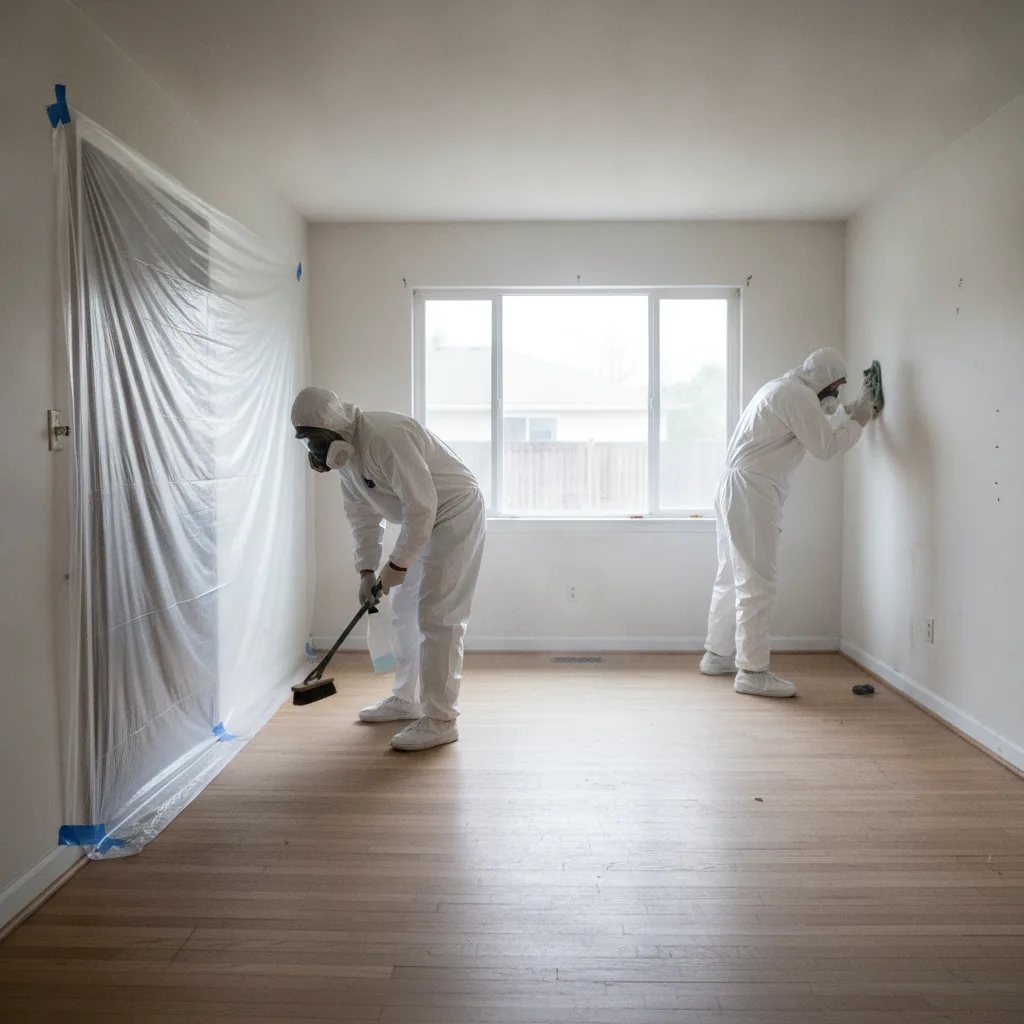
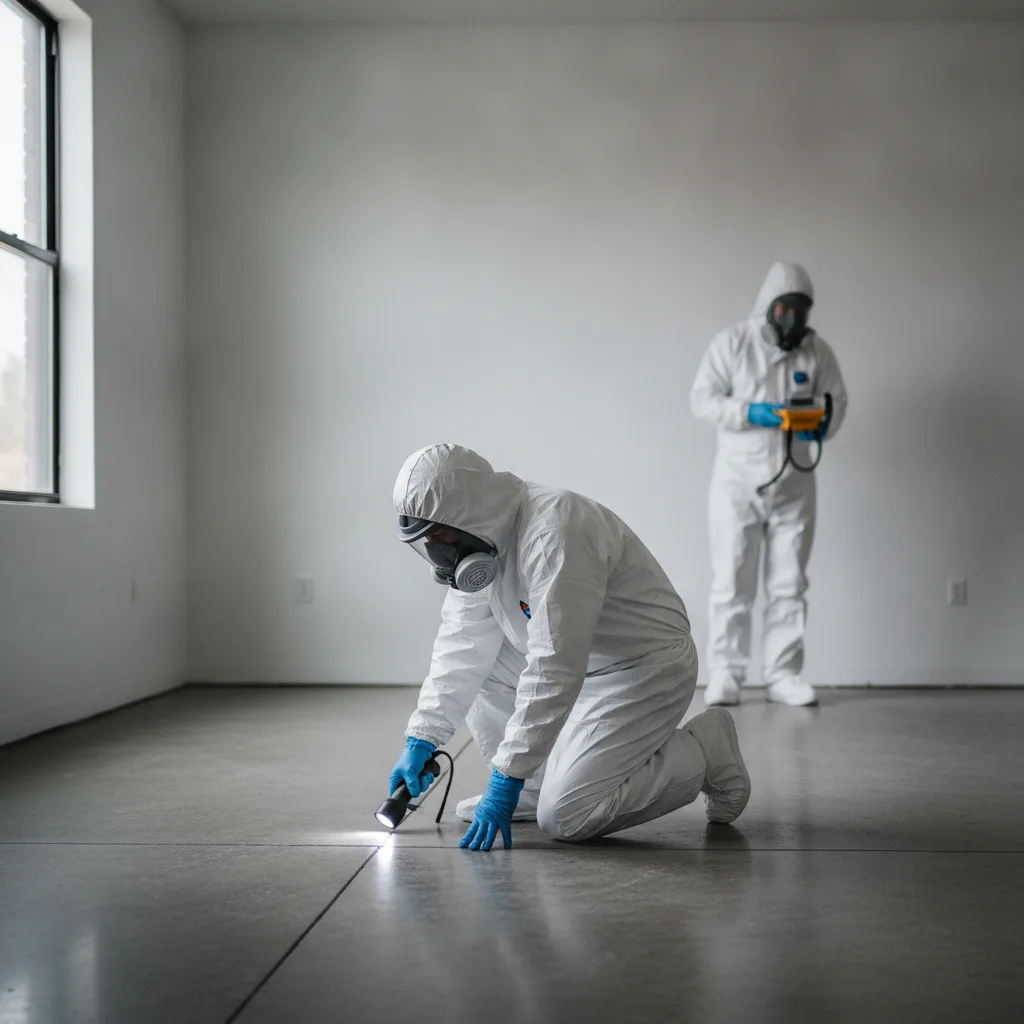
We clean and decontaminate homes and businesses after violent crimes once the NYPD, Nassau County PD or Jersey City police release the scene. That includes blood, tissue, fingerprint powder and tear gas residue.
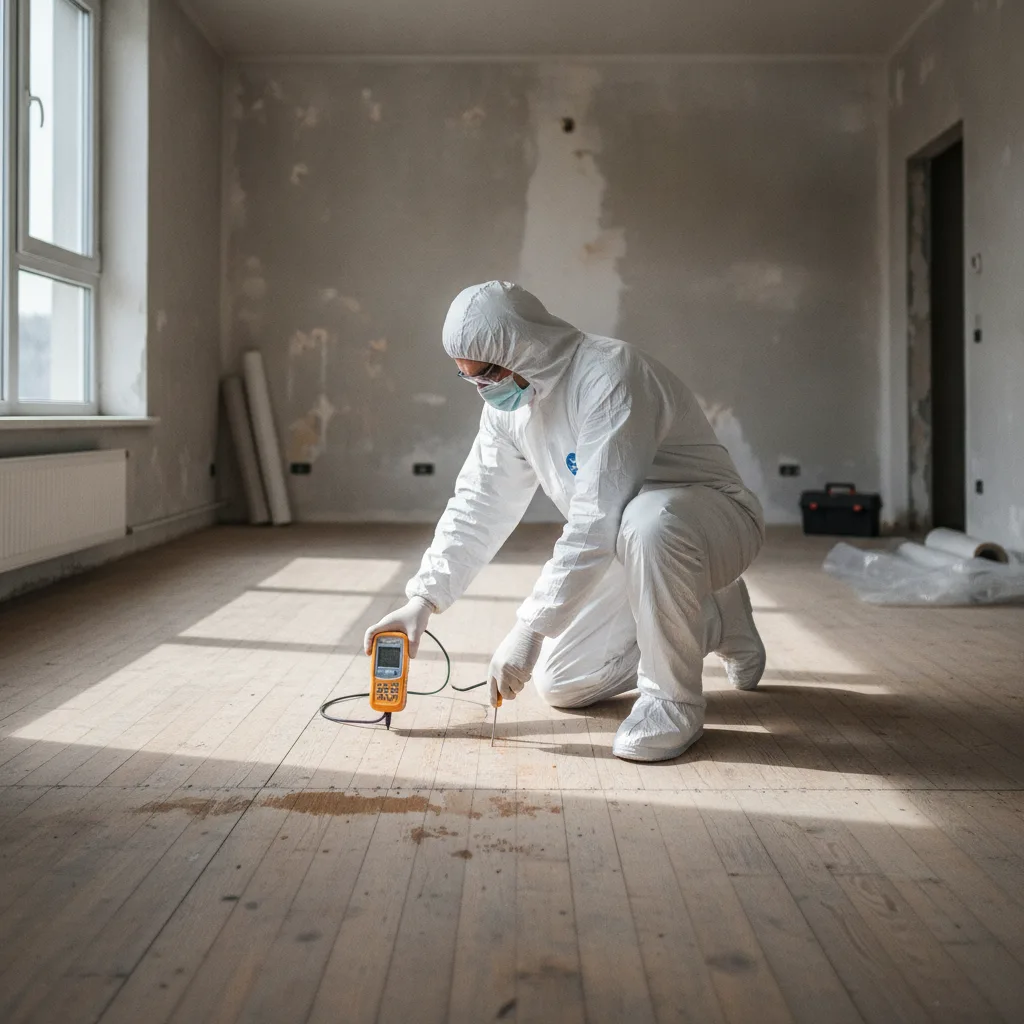
When someone has died alone and wasn't found right away, we remove the contaminated flooring, furnishings and subfloor. Then we disinfect, deodorize and check neighboring units for spread.
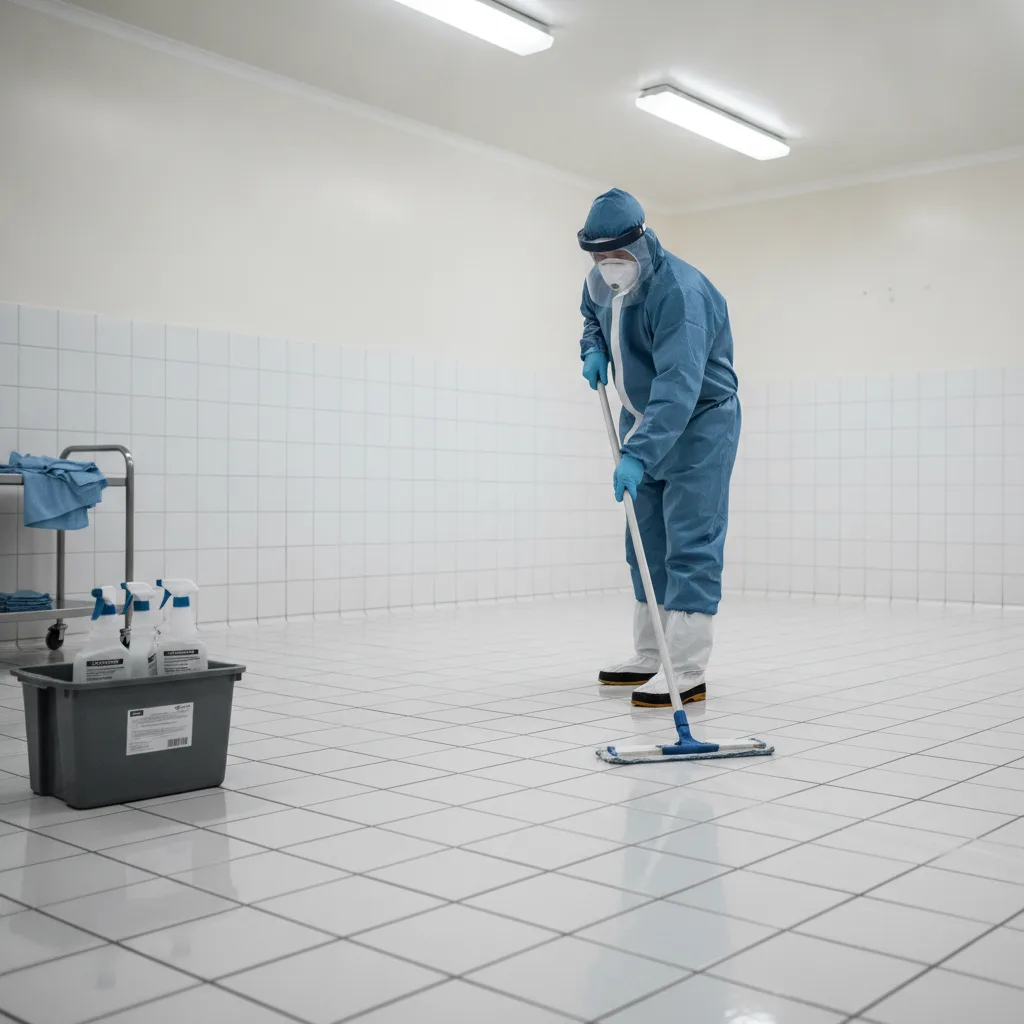
We clean up after suicides, serious accidents and injuries at home or work. Our crews are compassionate and discreet, and they protect the family's privacy throughout.
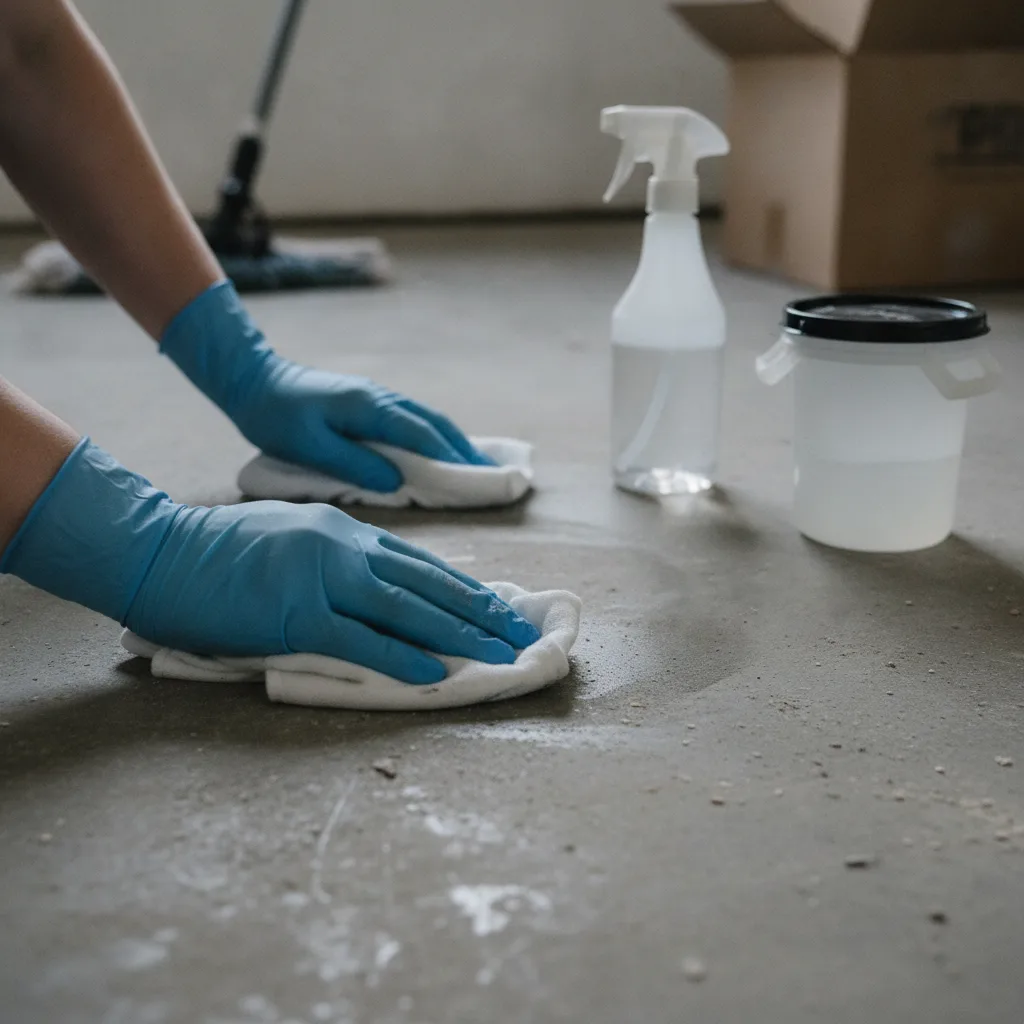
We remove and disinfect blood and bodily fluids of any amount, from a small spill to a large saturation, on floors, walls, upholstery and vehicles.
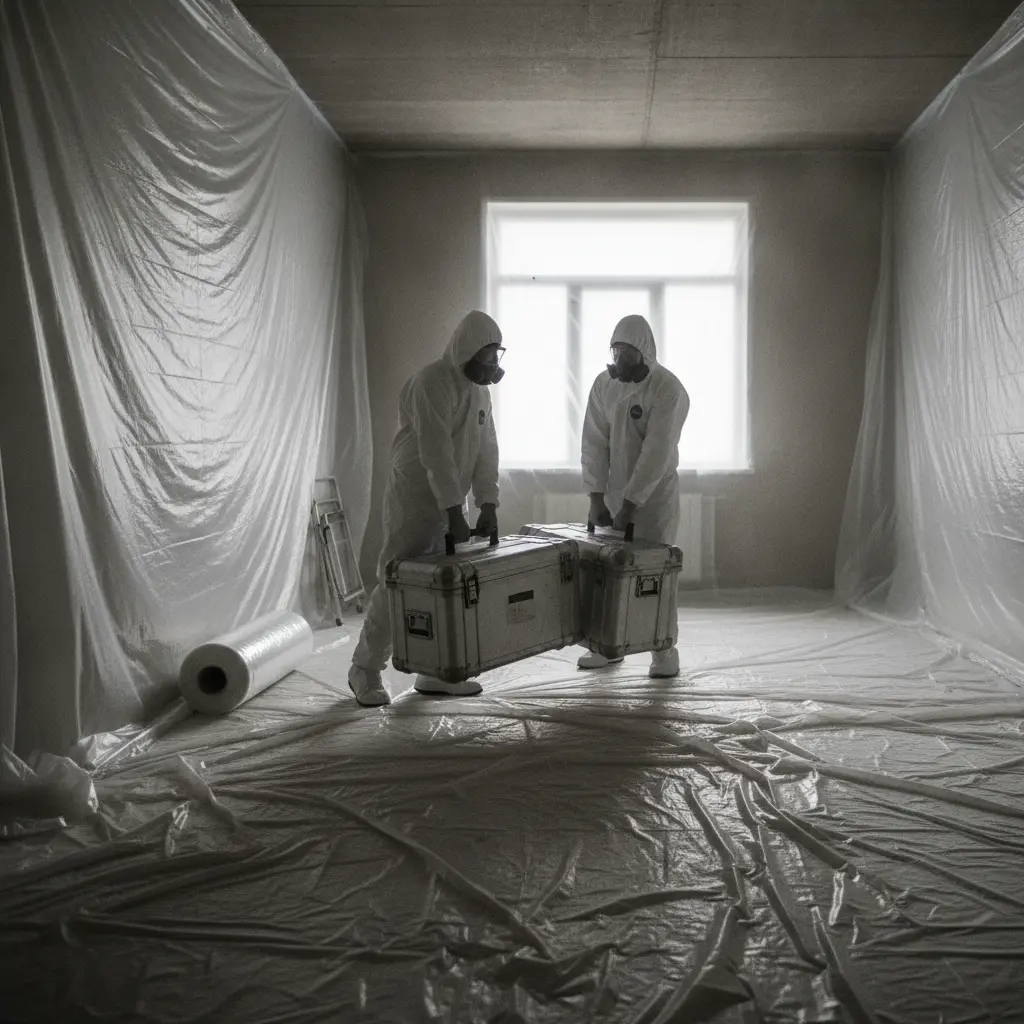
After a homicide investigation, we restore the property completely and coordinate with detectives, insurers and property owners at every step.
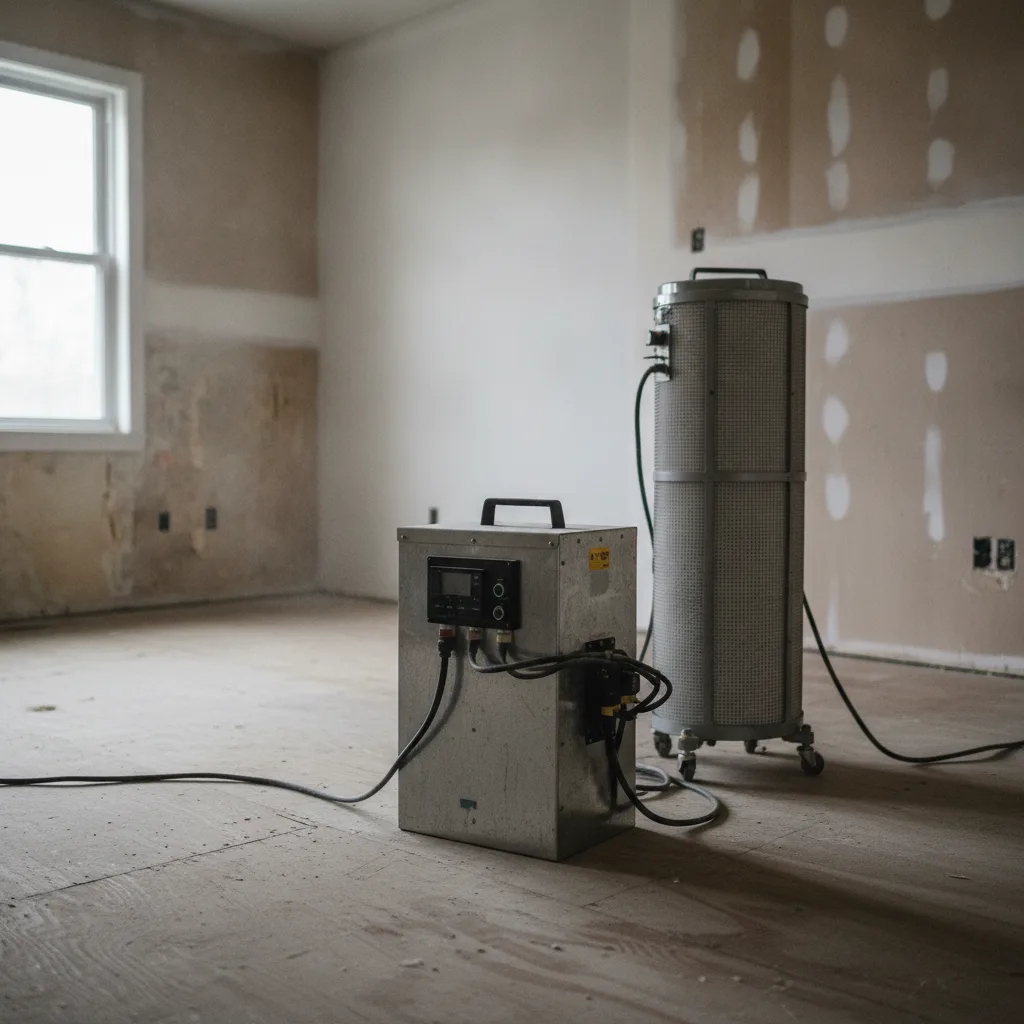
We handle advanced decomposition, including fluid saturation, insect infestation and severe odor, and restore the space so it's safe to live in.
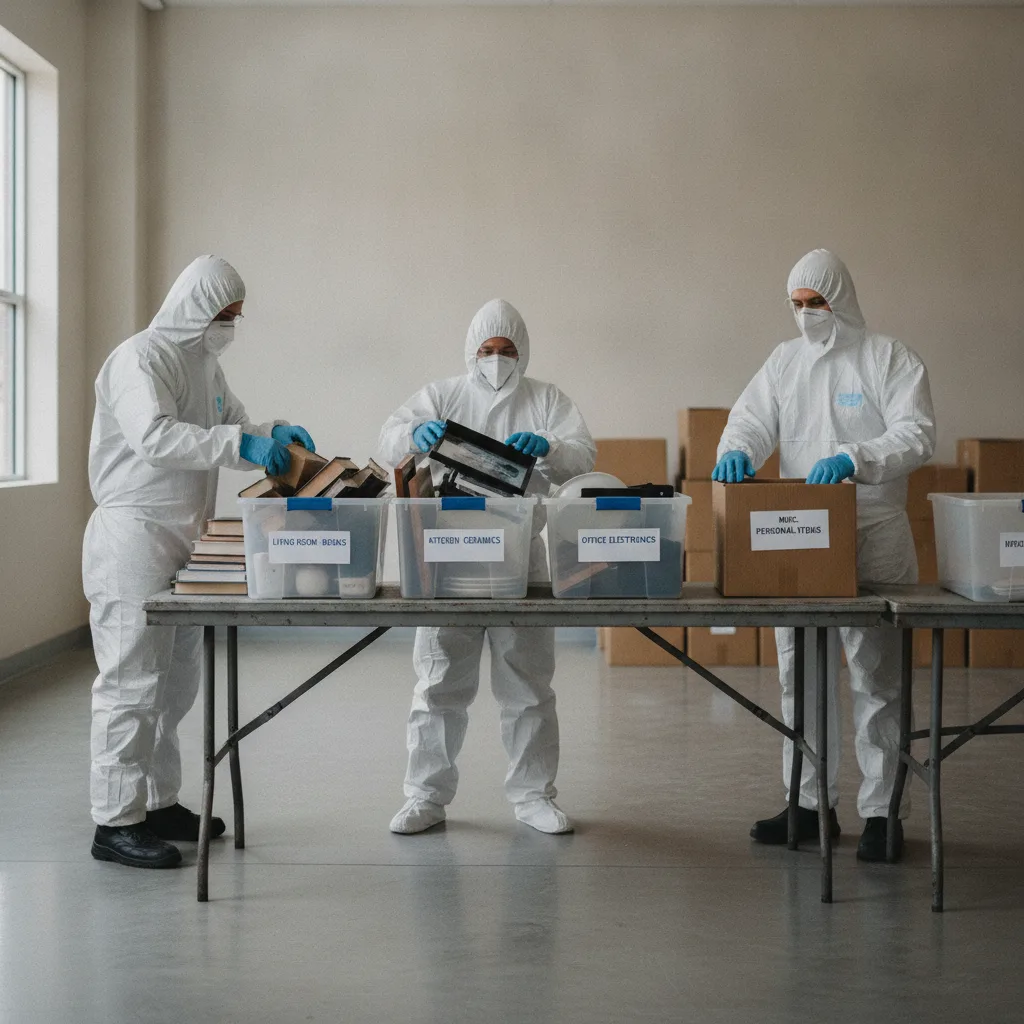
We clear hoarded homes compassionately, sorting belongings, saving what matters and removing biohazards like waste, pests and mold.
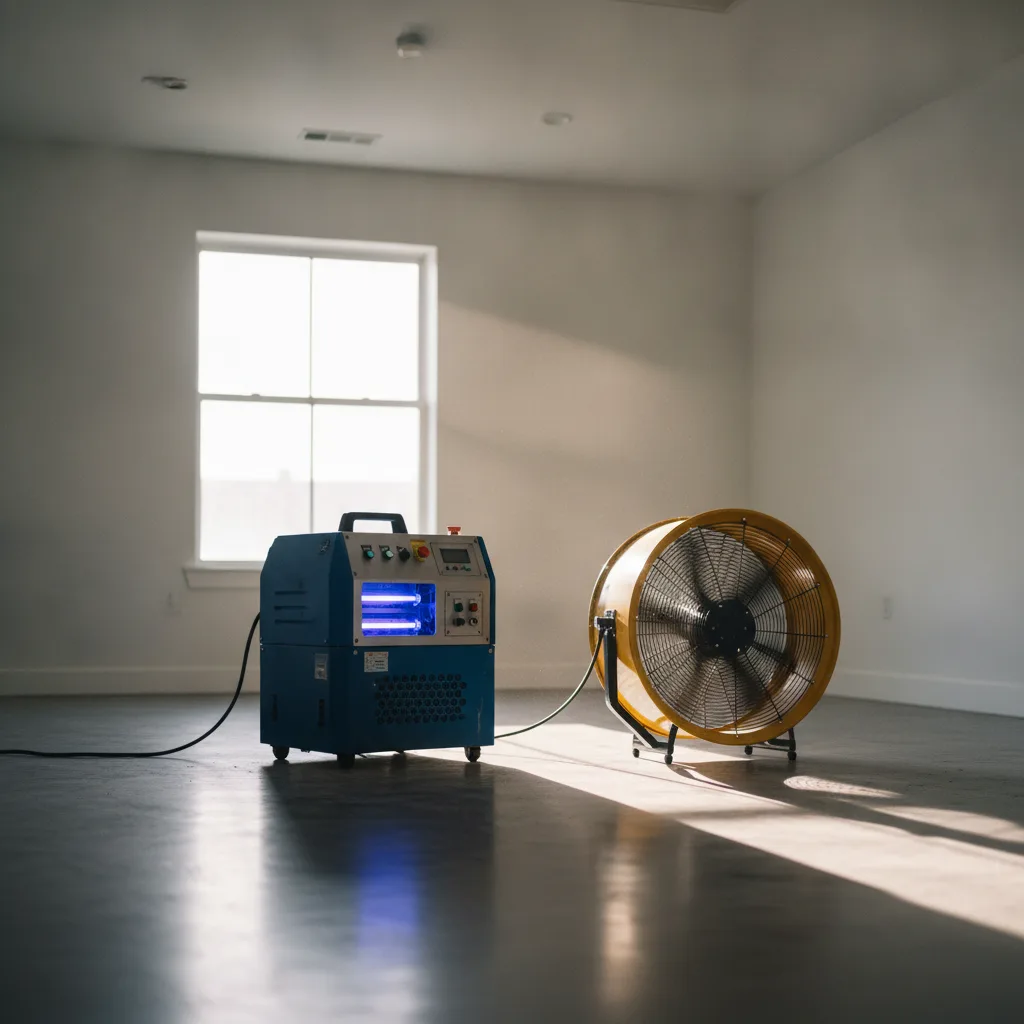
We permanently remove odors from death, decomposition, smoke, pets, sewage and hoarding. We destroy them instead of covering them up.
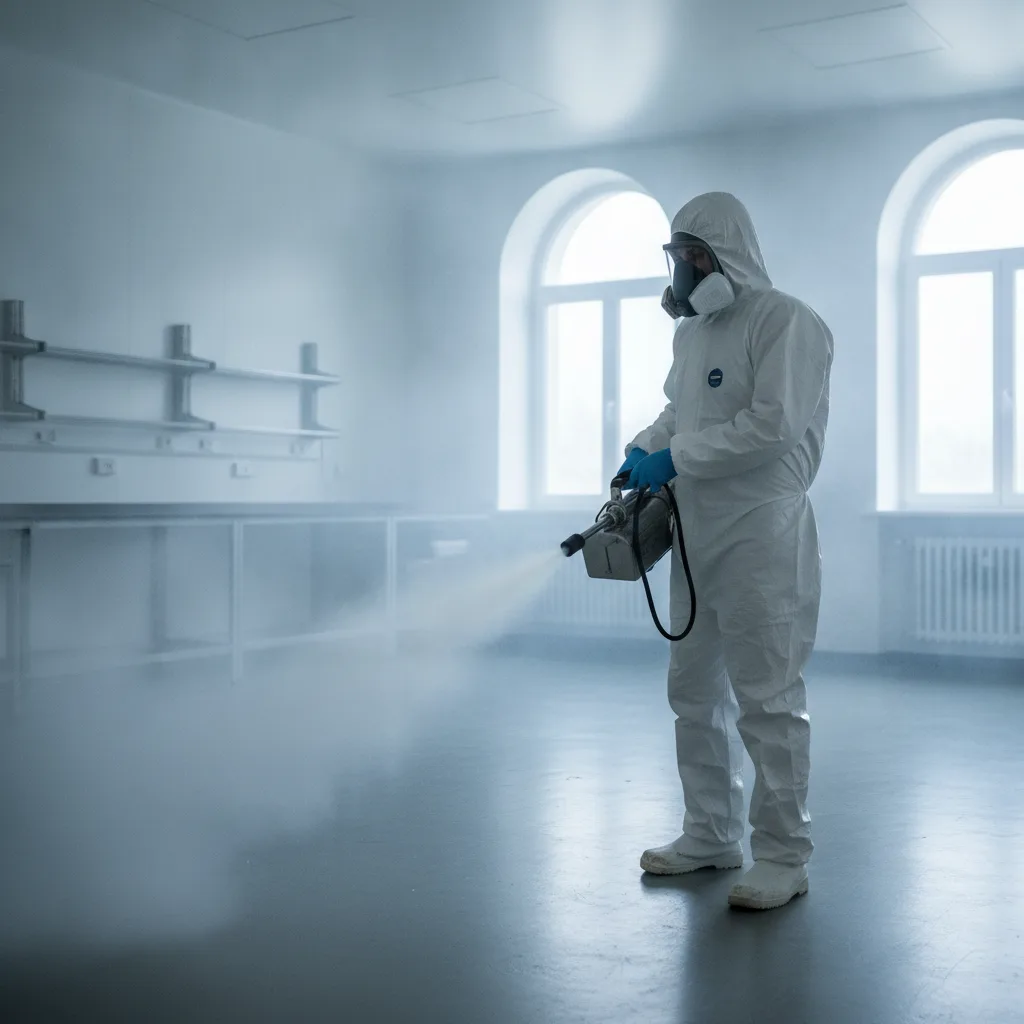
We disinfect homes, offices, vehicles and commercial spaces after infectious disease exposure, bodily fluid incidents or other biohazard events.
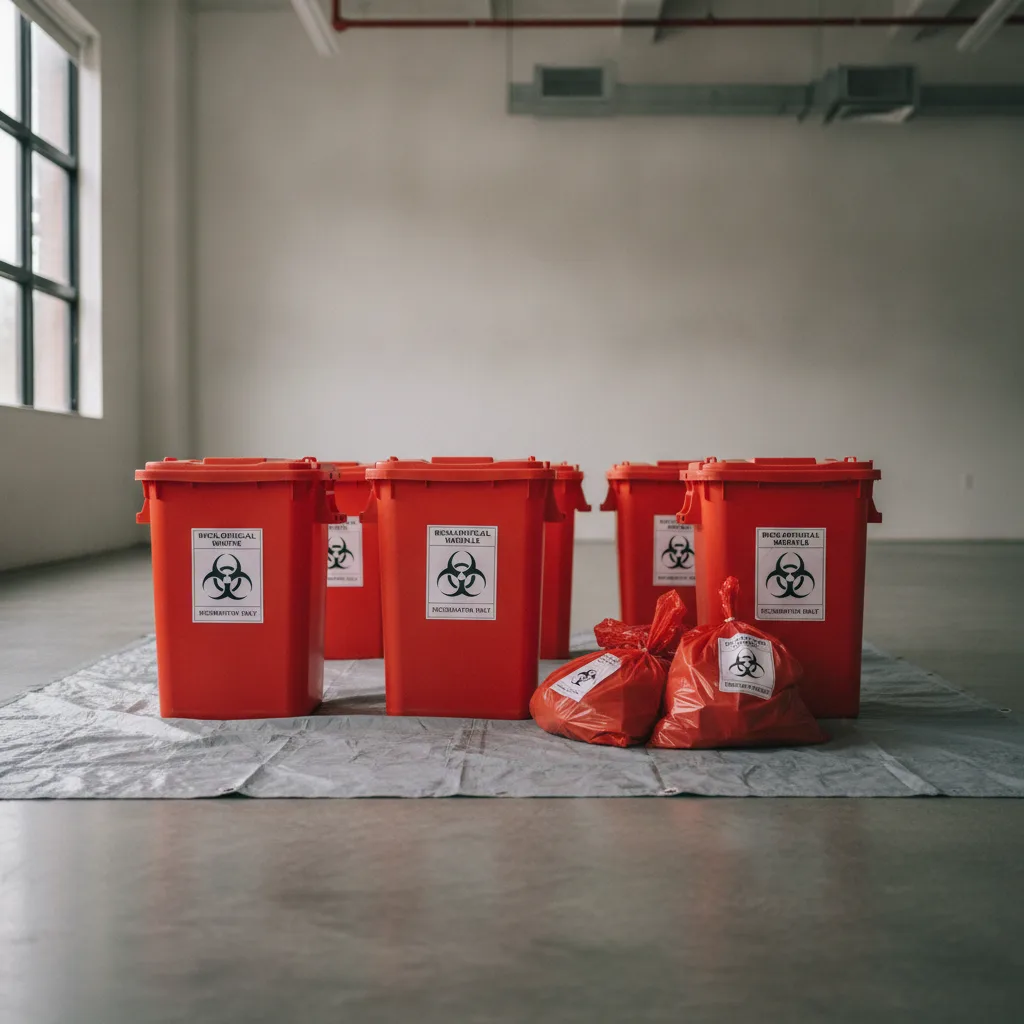
We clean up all biohazards, including bodily fluids, animal waste, sewage, sharps and contaminated debris, in homes and businesses.
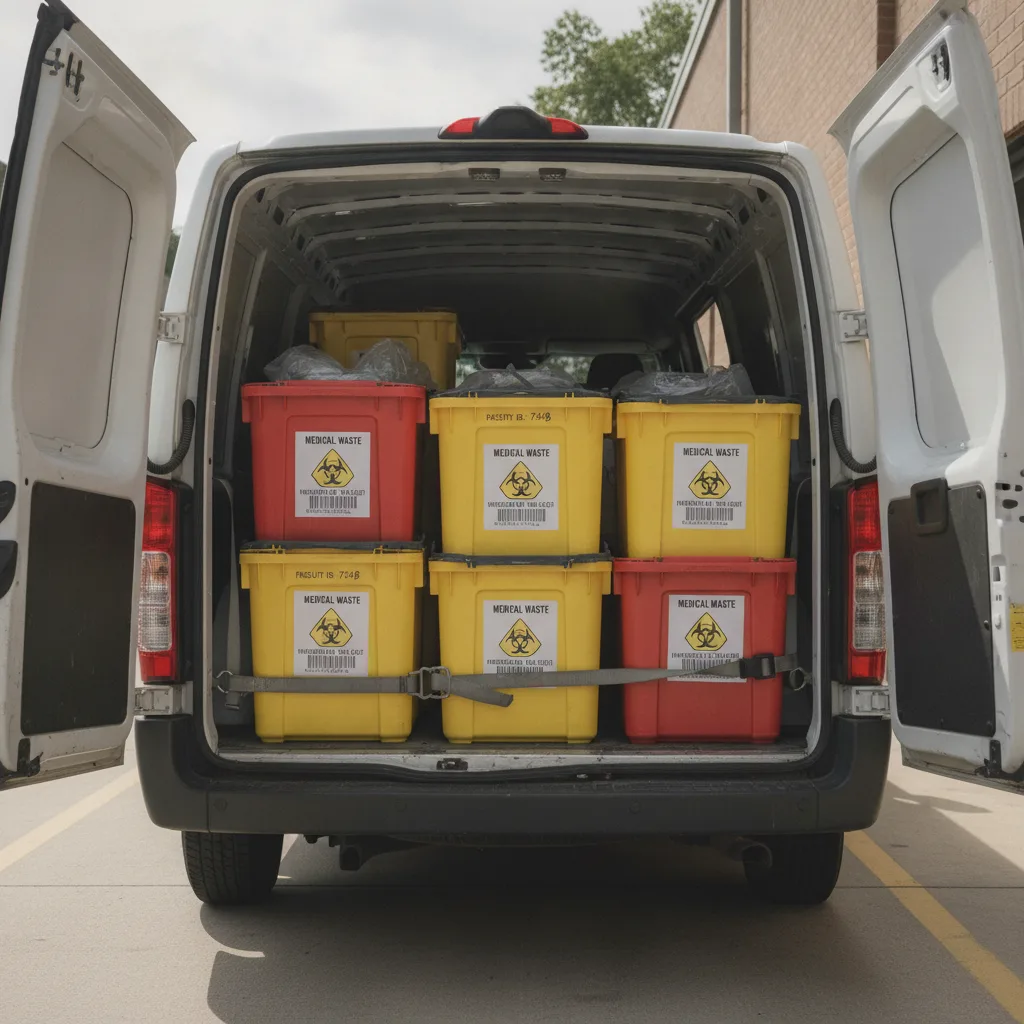
We collect and dispose of sharps, soiled supplies and other regulated medical waste left in homes, buildings and businesses.
These are the calls we get most often from families, co-op boards and landlords around Forest Hills. For each one, we explain why it happens so often here and what to watch for, so you can tell when it's time to call. Some are emergencies. Others can wait a day or two.
An unattended death happens when someone dies alone and isn't found for days or weeks. Decomposition releases fluids, gases and odor that soak into flooring, subfloors and walls. Pathogens and insects become a real health hazard for anyone nearby.
Blood from a violent incident, suicide or serious accident carries bloodborne pathogens like hepatitis B, hepatitis C and HIV. It looks smaller than it is. Blood wicks into grout, baseboards, mattresses and floor seams well beyond the visible stain.
Decomposition odor comes from volatile compounds that cling to drywall, plaster, fabric and ductwork. Air fresheners won't touch it. It has to be destroyed at the molecular level, or it keeps coming back on humid days.
Hoarding cleanup means removing years of accumulated belongings that may hide rodent droppings, spoiled food, human or animal waste, mold and fire hazards. It takes sorting, sanitizing and patience with the family.
Sewage backup creates Category 3 'black water', which carries bacteria, viruses and parasites. Anything porous it touches, like carpet, drywall and insulation, usually has to come out. Mold can start growing within 24–48 hours.
Used sharps, soiled dressings, IV supplies and other regulated medical waste left after home care, drug use or a death can't go in regular trash. They pose needlestick and infection risks to family, staff and sanitation workers.
Sometimes a scene was cleaned, but not fully. Faint odor, staining or small mold patches come back weeks later. It isn't urgent, but it lowers property value and quality of life.
Our process is calm and predictable, so you know what's happening at every step. You talk to a real person from the first call to the final walkthrough, and we handle the insurance details.
Immediately, 24/7
Typically within hours of scene release
Same day, ongoing
Usually 1–3 days; decomposition or hoarding may take longer
At completion
Trauma and biohazard cleanup is often covered by homeowner's or landlord insurance. We deal with the carrier directly. We send the adjuster photo documentation, scope and waste manifests, and we answer their questions so you don't have to make those calls while you're grieving. Many families end up paying little or nothing out of pocket. Before any work starts, we explain plainly what's typically covered in your situation, so there are no surprises. If an executor is managing things from another state, we keep them updated by phone and email.
Much of our work is in two-family homes, basement apartments and co-ops where older residents live alone, so Queens buildings don't surprise us. We know blood moves through oak parquet seams, decomposition odor travels through shared ventilation, and Forest Hills Gardens plaster can often be saved instead of torn out. We know parking on Austin Street and Yellowstone Boulevard is nearly impossible and plan staging around it. That experience means fewer surprises, smaller insurance claims and less disruption for neighbors.
We arrive in unmarked vehicles. Our crews wear plain clothes until they're inside, and contaminated materials leave in plain containers. In a 15-story co-op with neighbors in the hallway, that matters. We schedule elevator use with the managing agent and limit how much time we spend in common areas. Neighbors don't need to know what happened, and with us they usually won't. In Old Westbury and Garden City, we bring the same white-glove discretion to private estates.
Bad things don't happen on business hours, and you shouldn't have to leave a voicemail at 3 a.m. A real person answers our line day or night, every day of the year. We'll listen, explain what happens next, and dispatch a crew once the scene is released. In a summer heat wave, when every hour lets odor and fluids spread further into a building, a fast response protects the units around you and keeps the claim smaller.
We're fully insured. Co-op and condo boards, managing agents and commercial property owners get a certificate of insurance before we start, usually the same day they ask for it. Our technicians follow OSHA's Bloodborne Pathogens Standard and Hazard Communication requirements. Every regulated waste stream is packaged, manifested and taken to permitted facilities under New York State rules, or NJDEP rules for Jersey City jobs. You get records for your files.
Original plaster, old-growth hardwood and millwork in Forest Hills Gardens, Kew Gardens and Old Westbury homes can't be replaced cheaply. Sometimes they can't be replaced at all. We use targeted removal, lifting only the affected parquet slats or plaster sections, and then disinfect and seal what remains. When a full tear-out is truly needed, we'll explain why and document it for the adjuster.
Queens is one of the most diverse places in the world, and grief looks different from one family to the next. We schedule around shiva for Jewish and Bukharian Jewish families in Forest Hills, Kew Gardens and Rego Park, and we respect other mourning traditions too. Personal items, photos and religious objects are set aside for the family, never thrown out without permission. We take our time with the people and work quickly on the cleanup.
Most families never pay for trauma cleanup directly. Homeowner's, renter's and landlord policies often cover it, and we bill the carrier. The ranges below show typical claim values billed to insurers, not amounts you'd hand over at the door.
Your policy decides what you pay, which is often nothing beyond any deductible. Most homeowner's and landlord policies cover sudden, accidental biohazard events like trauma, death or sewage backup. We review the policy with you, send documentation to the adjuster and bill the carrier directly. If there's a gap in coverage, we tell you before any work begins and help you look for alternatives, such as victim compensation programs for crime scenes.
In an unattended death, time drives everything. In a humid Queens July, or an overheated prewar unit in January, a few extra days can mean fluids have gone from the surface into the subfloor and the ceiling below. A longer discovery time means more removal, more odor treatment and a larger claim. That's why calling as soon as the scene is released matters.
A detached house in Middle Village is simpler than a 15th-floor co-op on Queens Boulevard. In a co-op, fluids can reach the unit below, and odor can get into shared ducts and hallways. Multifamily jobs often involve treating more than one unit, booking service elevators and coordinating with the managing agent. All of that affects scope, and usually the claim covers it.
Porous materials like carpet, oak parquet, old-growth hardwood and original plaster absorb contamination. Saving historic finishes in Forest Hills Gardens or Old Westbury takes more labor than tearing them out, but it usually costs less than replacing them. Pre-1978 buildings may also need lead or asbestos precautions.
Hoarding cleanups and heavily contaminated scenes produce a lot of regulated waste. All of it has to be packaged, manifested and taken to permitted facilities. The more material, the more disposal. Sorting belongings with an executor also adds time, but it protects valuables and important documents.
If insurance doesn't cover your situation, we'll talk through options before any work starts, including payment arrangements and possible eligibility for New York crime victim compensation.
Usually, yes. Most homeowner's, renter's and landlord policies cover sudden, accidental biohazard events like trauma, suicide, homicide and unattended death, minus any deductible. We contact your carrier, send photos, scope and waste manifests directly to the adjuster, and bill them, so many families pay little or nothing out of pocket. For co-ops, the building's master policy may cover common areas or neighboring units. If coverage is unclear, we'll review it with you before starting. For violent crimes, New York's crime victim compensation program may also help with costs that aren't covered.
A person answers our phone 24/7. Once police or the medical examiner release the scene, we typically dispatch within hours. Most scenes take 1–3 days to clean, depending on size. Advanced decomposition or hoarding can take longer because odor treatment and sorting can't be rushed. In a co-op, the managing agent's elevator schedule may affect start times, so we coordinate with them right away. During summer heat waves, we move fast. In humid Queens weather, every extra day lets fluids and odor spread further into floors and neighboring units.
Yes. In NYC, the NYPD and the Office of Chief Medical Examiner must release the scene first. In Nassau County it's the county police and Medical Examiner, and in Jersey City it's local police. Co-op and condo boards usually also need a certificate of insurance and scheduled elevator access, and we handle both. Regulated medical waste must follow 6 NYCRR Part 360/365 in New York or N.J.A.C. 7:26-3A in New Jersey. Mold work over 10 sq ft in larger buildings must involve licensed NYS professionals, and we coordinate that when it's needed.
We strongly advise against it. Blood and bodily fluids can carry hepatitis B, hepatitis C and HIV. Waste can't legally go in DSNY curbside trash. Regular cleaners aren't trained under OSHA's Bloodborne Pathogens Standard and can't manifest regulated waste. Contamination also hides. In Queens parquet floors, fluids run between the slats and into the subfloor, so the surface looks clean while odor and bacteria stay underneath. And no family should have to clean up after losing someone they love.
We work hard to make sure they don't. We arrive in unmarked vehicles. Crews wear plain clothes until they're inside, and materials leave in plain containers. In co-ops, we schedule service elevators and entrances with the managing agent and keep our time in hallways short. We don't discuss the job with neighbors or doormen beyond what's necessary. Families in Forest Hills Gardens, Garden City and Old Westbury count on us for the same quiet, respectful approach.
Call as soon as the scene is released, or as soon as you notice warning signs. Those include an unusual sweet odor in a hallway, flies at a neighbor's window, mail piling up, or stains on the ceiling below. An unattended death, a trauma scene or a sewage backup should be treated as an emergency, because contamination spreads into subfloors, walls and shared ventilation within days. Lingering odor or minor mold can usually wait a day or two, but don't leave it for weeks.
Simple check-ins make a big difference, especially for older Queens residents living alone. Neighbors can watch for piled-up mail or packages. Families can set up daily calls or texts. Co-op staff and doormen can flag residents they haven't seen. During summer heat waves, check on anyone without air conditioning, since heat-related deaths rise among older adults living alone. Building managers should keep emergency contacts on file. If you notice an odor, call the building and 911 for a wellness check right away.
Yes. Many families in Forest Hills, Kew Gardens and Rego Park, including Bukharian Jewish households, observe shiva or other practices with specific timing. We'll schedule work, walkthroughs and the return of personal items around those needs. Religious objects, photos and keepsakes are always set aside for the family, never thrown out without permission. If the executor is out of state, we'll keep them updated and coordinate access through the building or a local family member.
We come to you anywhere in Queens and the surrounding area, in unmarked vehicles, any hour of the day.
You don't have to work this out on your own. Call us, and we'll handle the cleanup, the insurance company and the co-op board quietly and with care, so you can look after your family.
Call (929) 644-3545 Now