Discreet, certified crime scene and biohazard cleanup in Springfield — unmarked vehicles, compassionate technicians, and in most cases $0 out of pocket since we bill your insurance directly.
Trauma cleanup in the Ozarks isn't the same job it is in Phoenix or Denver. Springfield's humidity, karst geology, century-old housing, and wide rural radius all change how a scene develops and how it has to be cleaned. Here's what shapes every job we do.
Springfield sits about 1,300 feet up on the Springfield Plateau. July highs average around 89–90°F, and dew points regularly reach the upper 60s and low 70s from late May through September. In that heat, decomposition speeds up sharply. Within days, fluids reach carpet pad, subfloor and drywall, and odor spreads through ductwork. We get 45–47 inches of rain a year, mostly from April through June, so contaminated crawlspaces and basements can grow mold fast. Ice storms like the one in January 2007 cut power for days or weeks, and deaths among isolated residents can go undiscovered longer. On top of that, Greene and Christian Counties are karst country, full of sinkholes, losing streams, and the James River and Wilson's Creek watersheds. Contaminated rinse water can reach groundwater, so we contain every drop and send it out as regulated waste.
The building tells us how deep a cleanup will go. Victorian, Queen Anne, Craftsman and Foursquare homes from the late 1800s to the 1920s in Midtown, Walnut Street and Phelps Grove have old-growth hardwood, plaster-and-lath walls and stone or pier foundations. Fluids slip between floorboards and into the joists below. The 1940s–60s frame and brick ranches in Grant Beach, Woodland Heights, Doling and West Central often hide hardwood under wall-to-wall carpet and sit over crawlspaces. South-side split-levels along Battlefield and Seminole carry odor through forced-air ducts. Newer Nixa, Ozark and Republic homes have carpet over OSB subfloors, which wicks fluid quickly. Rural manufactured homes with particleboard floors often need sections cut out and replaced, because surface cleaning won't reach the contamination.
Missouri has no state license for crime scene cleaners, so it's up to you to check how a company actually works. Our technicians follow OSHA's Bloodborne Pathogens Standard, its respiratory protection rules and its hazard communication rules. Missouri DNR rules (10 CSR 80-7) require infectious waste to be packaged, manifested and sent to permitted treatment, so it can never go out with the curbside trash. For former meth labs, Missouri DHSS publishes cleanup and sampling guidelines, and RSMo 442.606 requires sellers and landlords to disclose known prior meth production, so documented remediation protects your property. A death in a home usually doesn't have to be disclosed under RSMo 442.600, but a thorough cleanup still protects resale value. Hoarding cases can bring City of Springfield code deadlines or Springfield-Greene County Health Department involvement.
Springfield has about 170,000 residents, and the metro holds roughly 475,000. Median household income here is below the national average, and many older residents live alone on fixed incomes. That's why we start with insurance and with Missouri's Crime Victims' Compensation Program, not with a bill. The city is majority renter-occupied because of Missouri State, Drury, Evangel and OTC, so landlords need fast, documented turnover. People in Nixa, Ozark, Republic and Willard know their neighbors, and they don't want a branded truck in the driveway. That's why our vehicles carry no markings.
Every service below follows OSHA bloodborne pathogen rules and Missouri infectious waste regulations. When insurance applies, which it often does, we bill your carrier directly. We fit the work to the building, whether that's a 1910 bungalow, a student fourplex or a new home on a slab in Nixa.
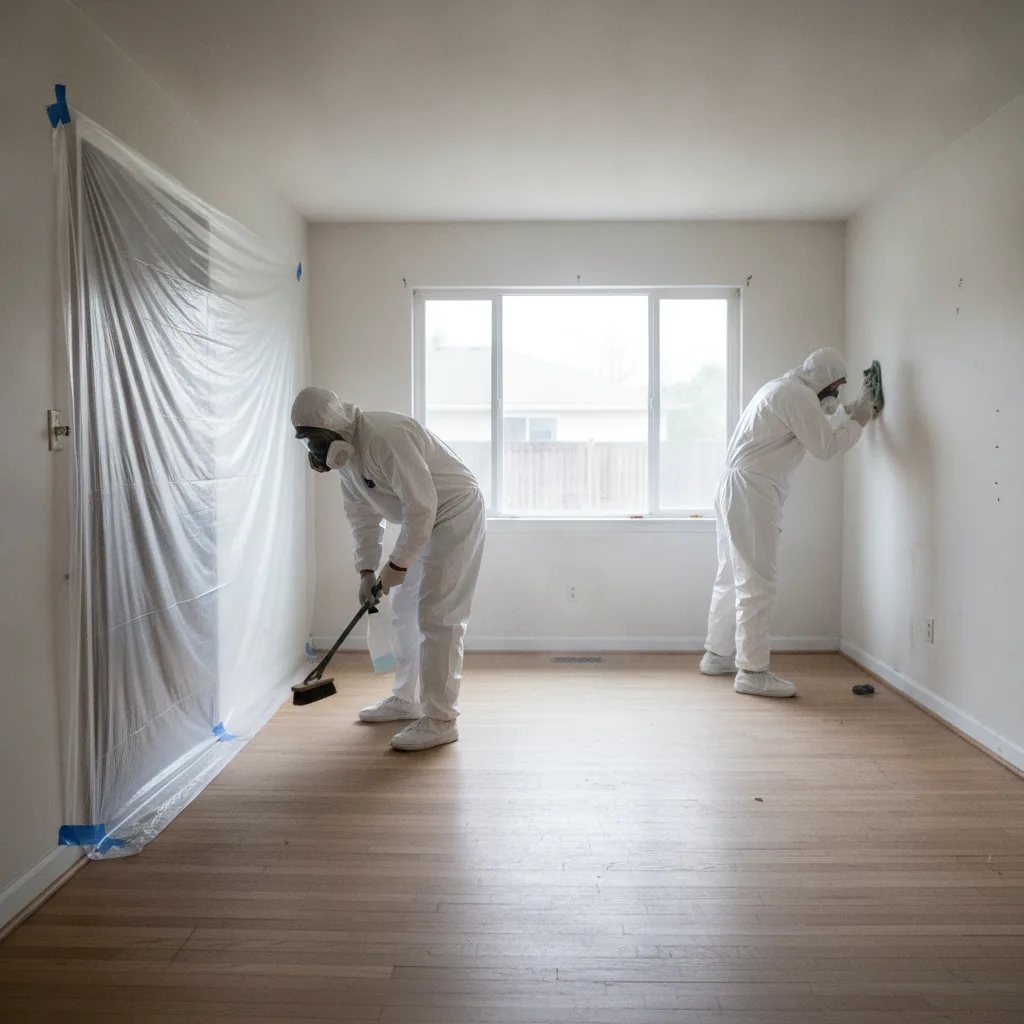
Once law enforcement releases the scene, we remove blood, tissue and contaminated materials, sanitize every affected surface and return the space to a safe, livable condition. We handle the insurance claim from start to finish.
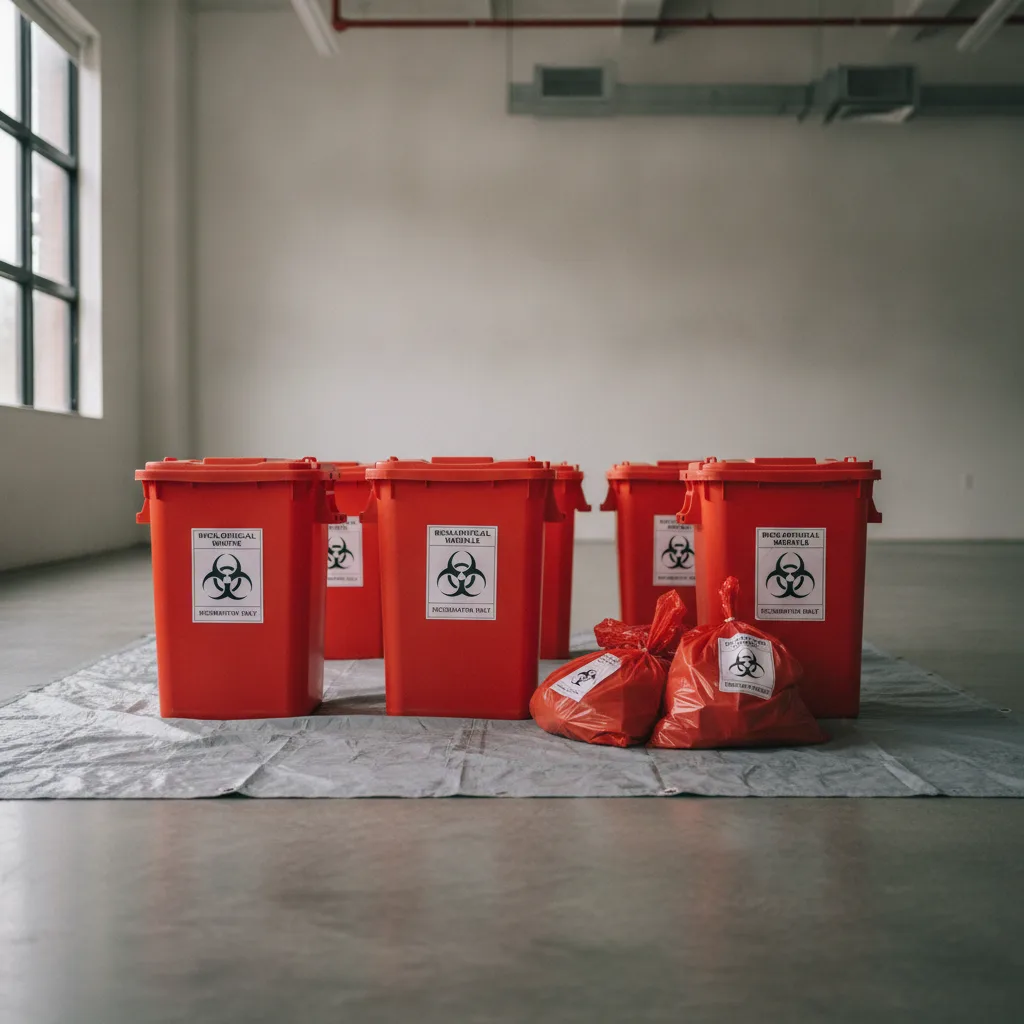
We clean up any bodily fluids, sewage or infectious material that poses a health risk, in homes, businesses, rentals and outbuildings across the Springfield area.
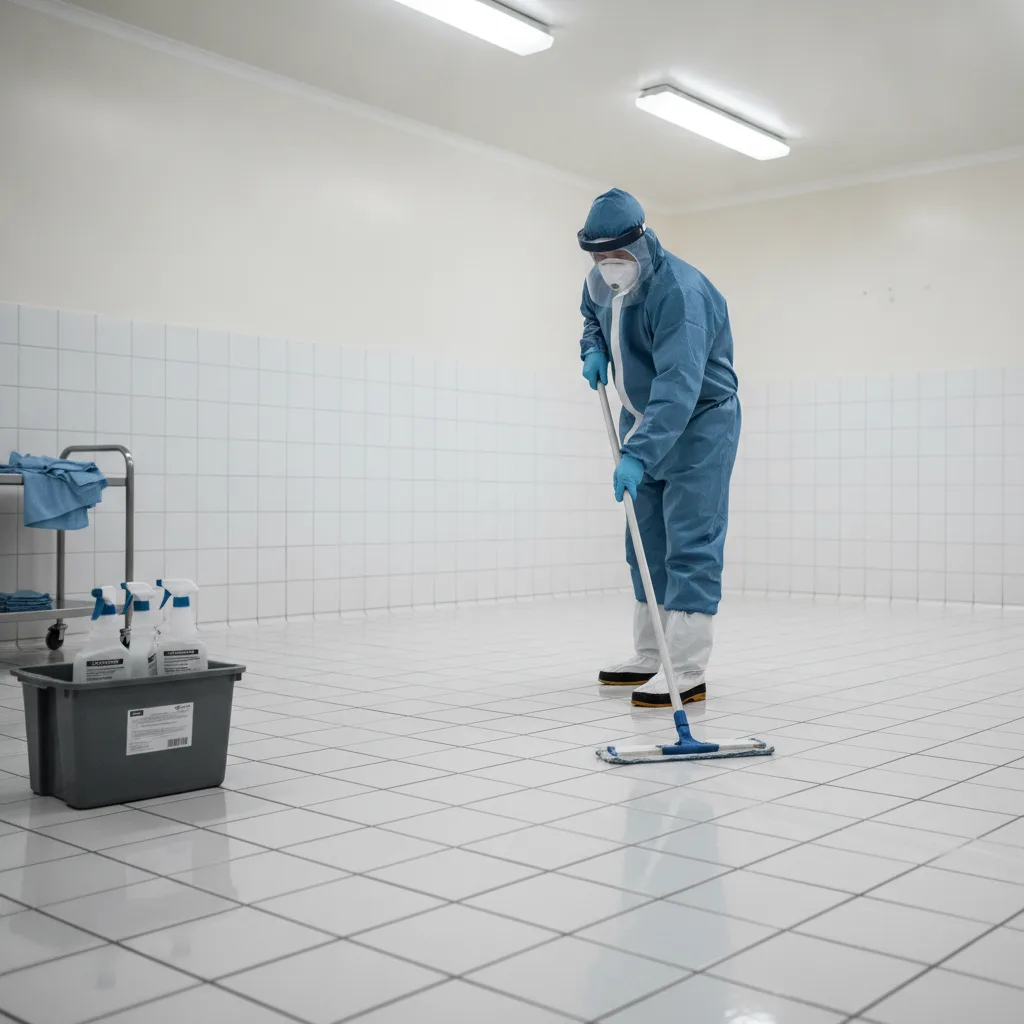
After suicides, accidents and serious injuries, we restore the home quietly so family members never have to face the scene themselves.
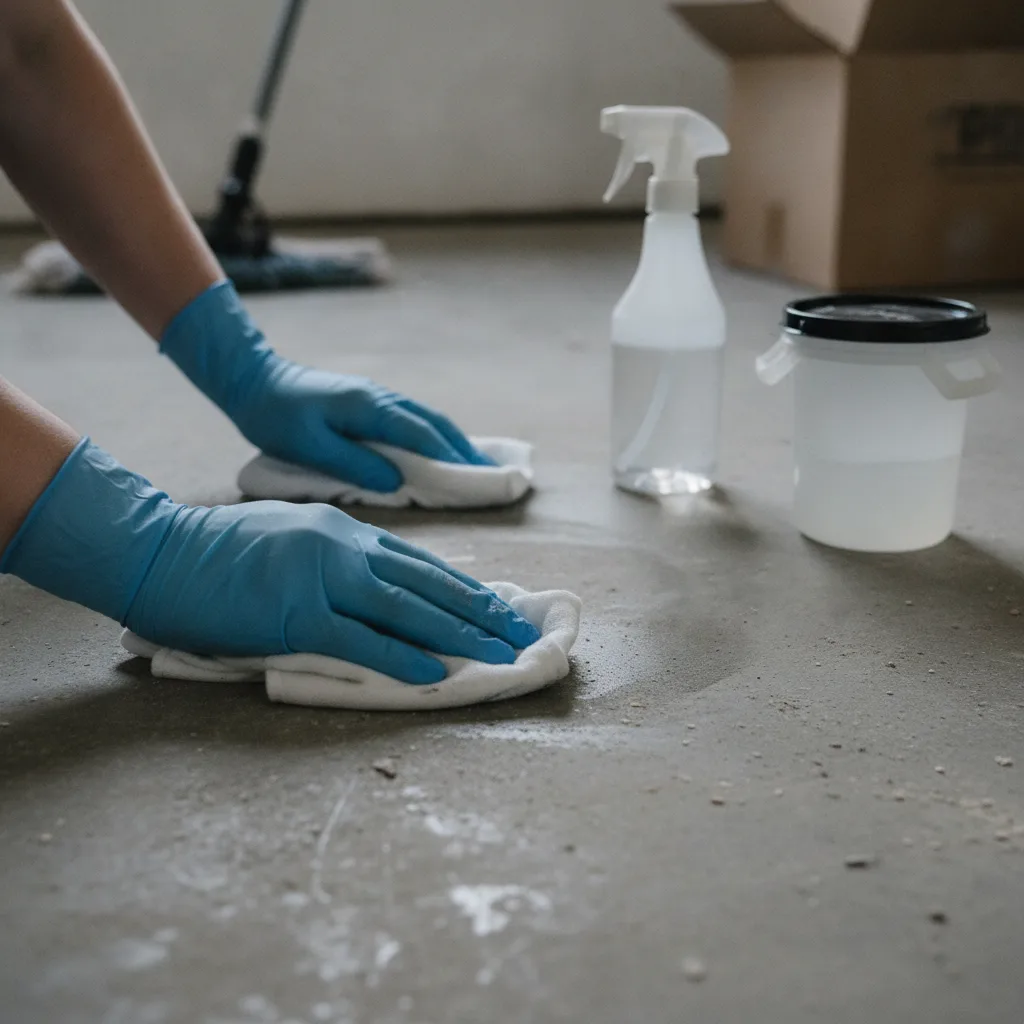
We remove blood from floors, walls, furniture, vehicles and fabrics, and we treat the hidden areas where it seeps.
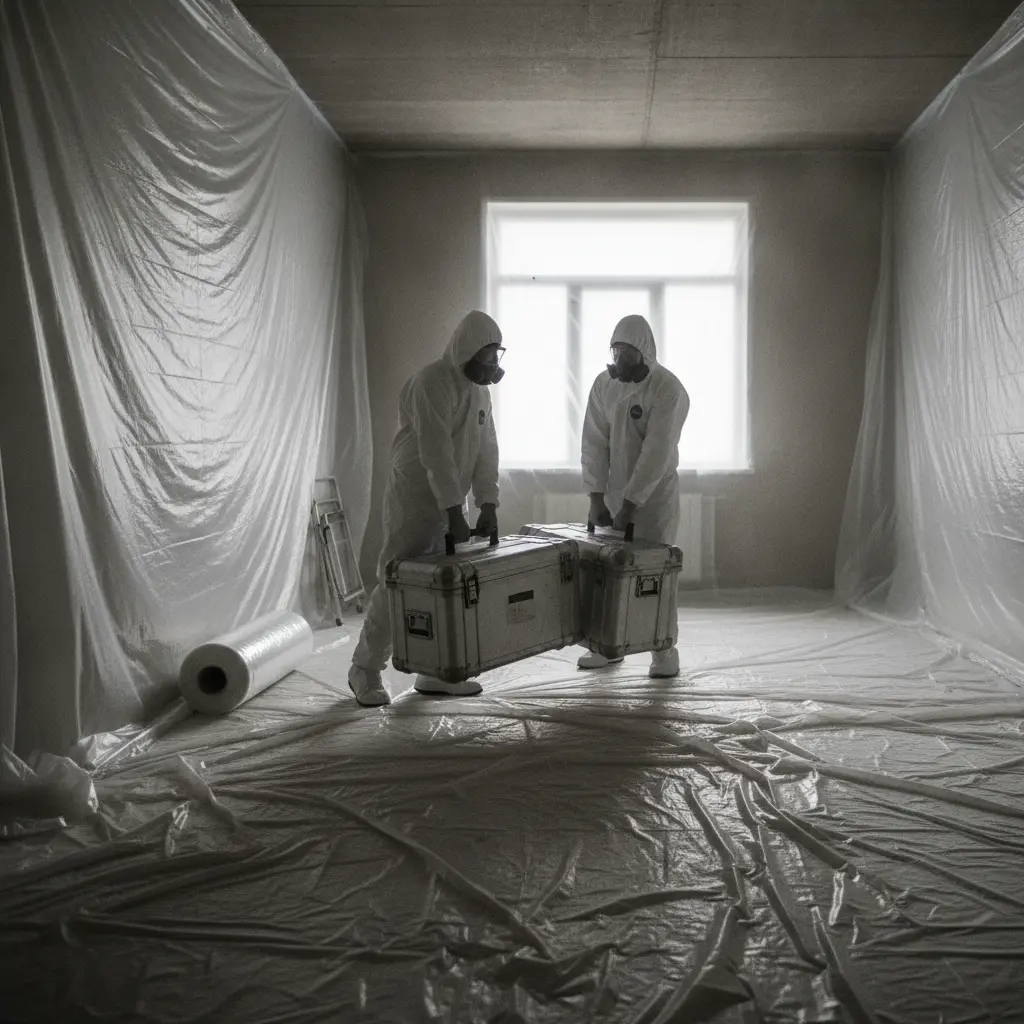
We fully remediate homicide scenes, coordinate with investigators on timing and help families document Crime Victims' Compensation claims.
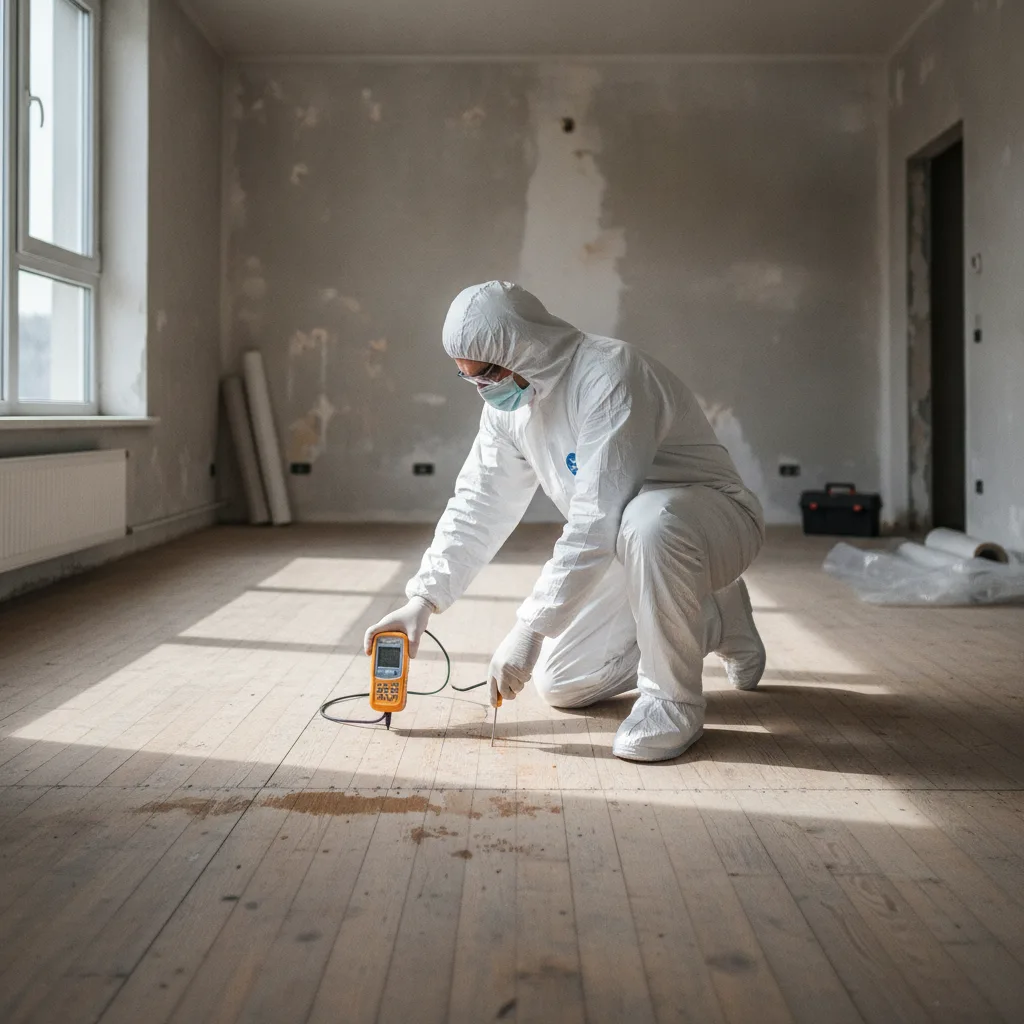
We remediate homes where a death went undiscovered, removing every trace of contamination down to the structure and eliminating odor for good.
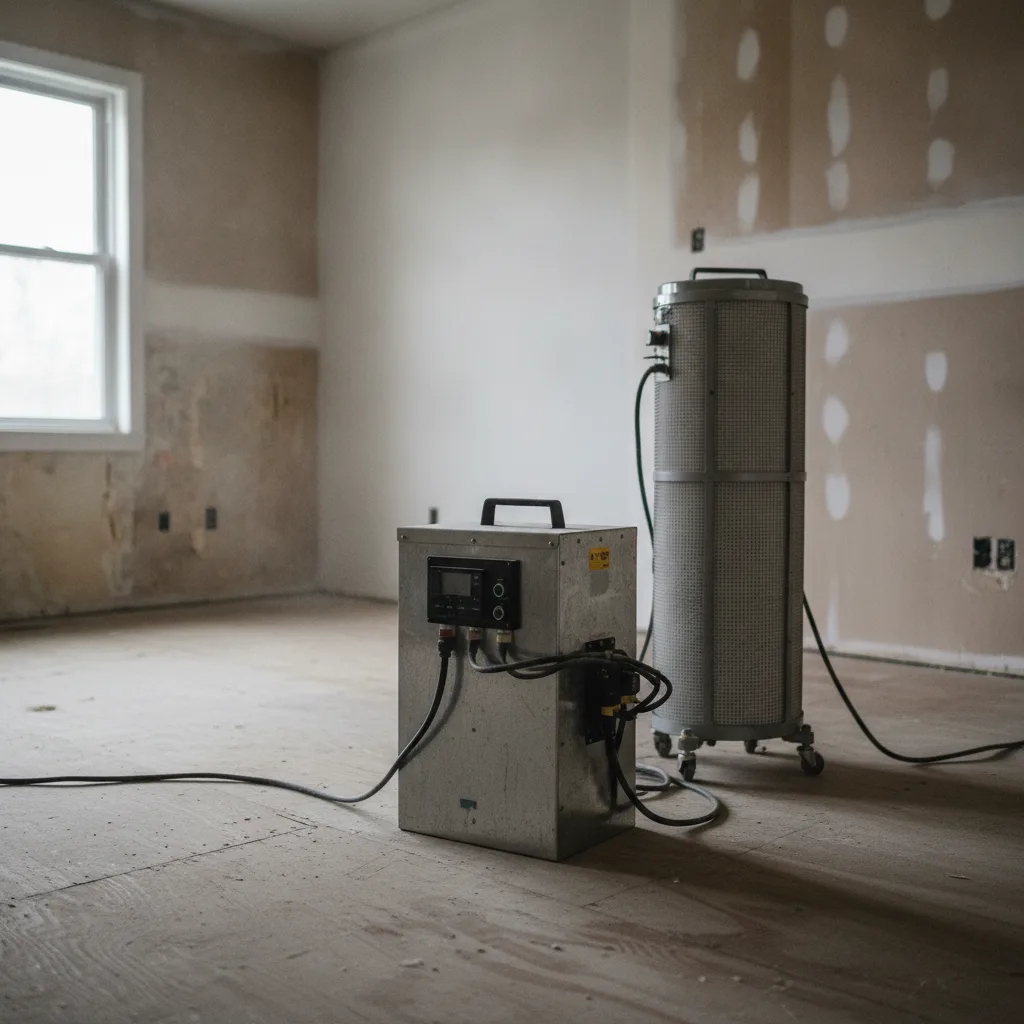
We remove decomposition fluids, insects and odor from homes, apartments and vehicles.
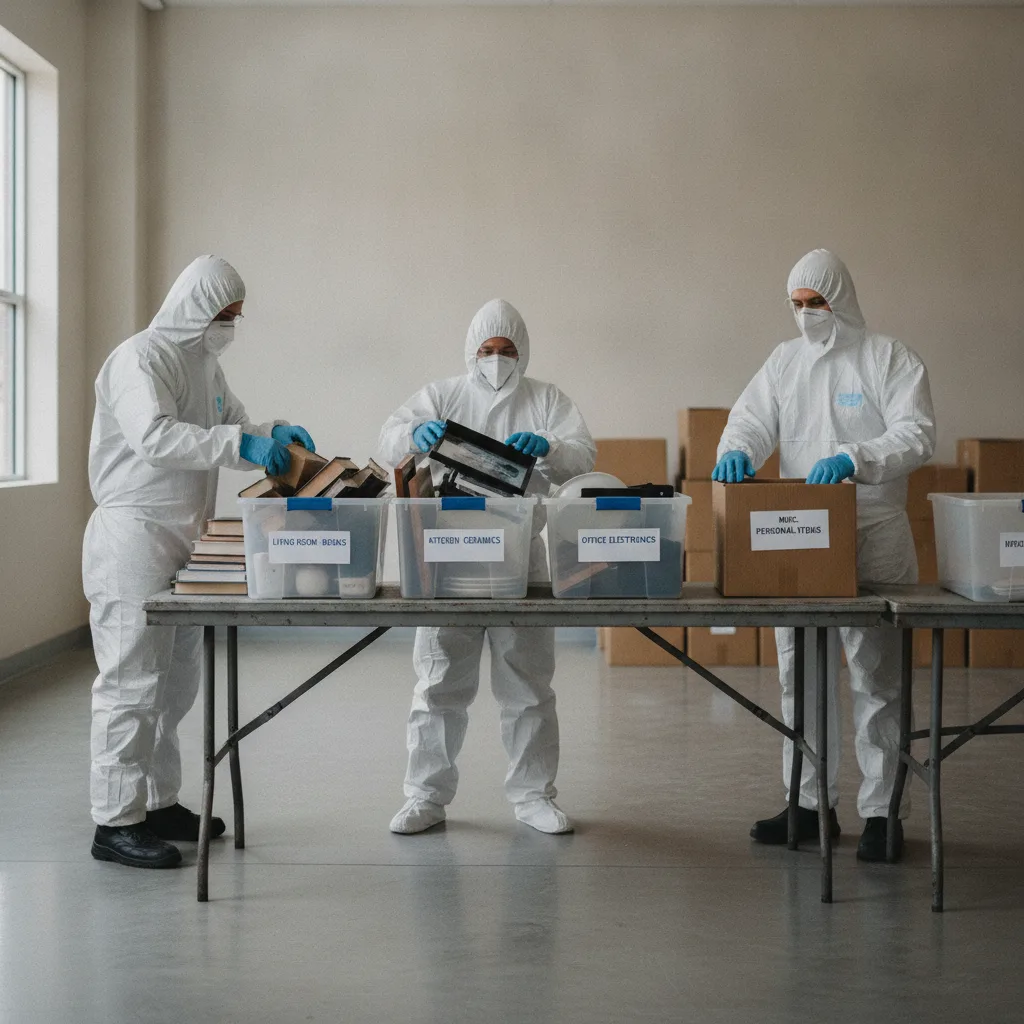
We clear hoarded and unsanitary homes respectfully, removing hazards and restoring safe living conditions.
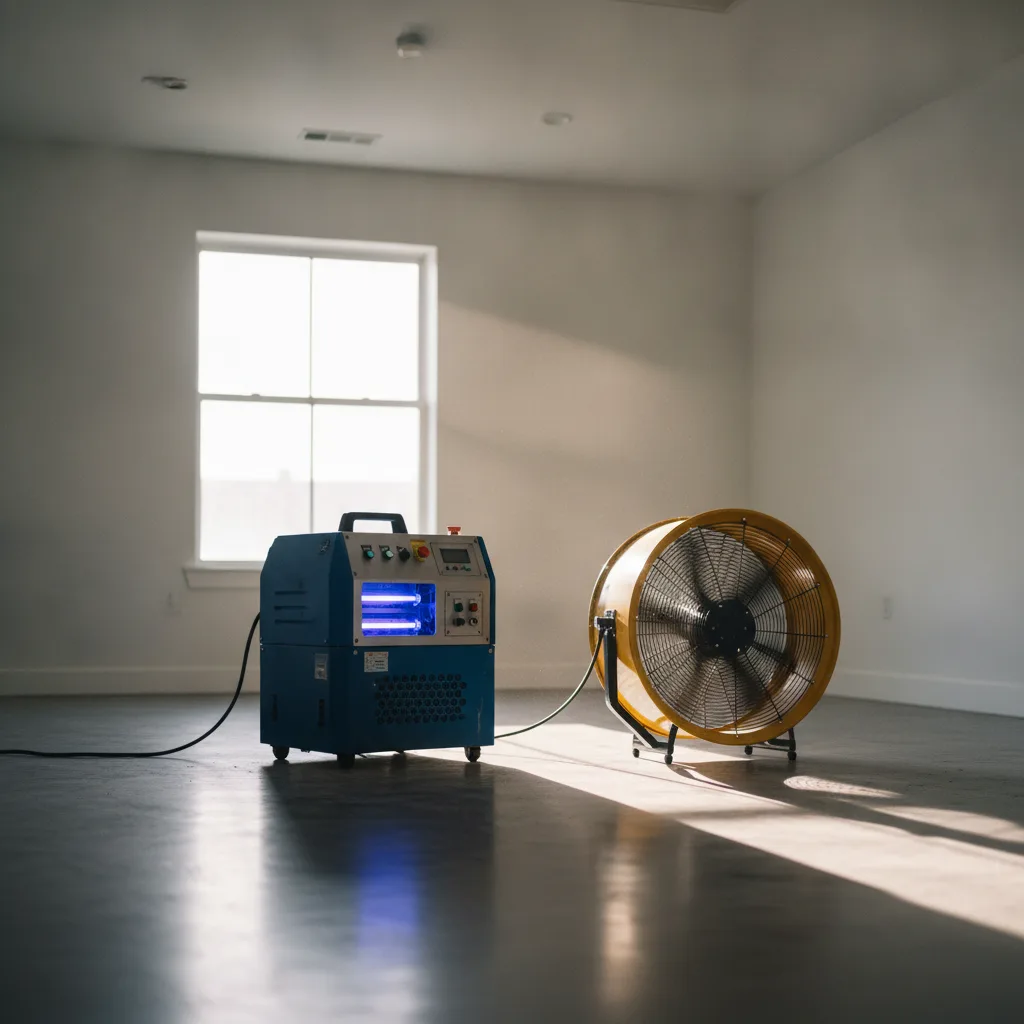
We eliminate odors from decomposition, smoke, pets and biohazards at the source, not just mask them.
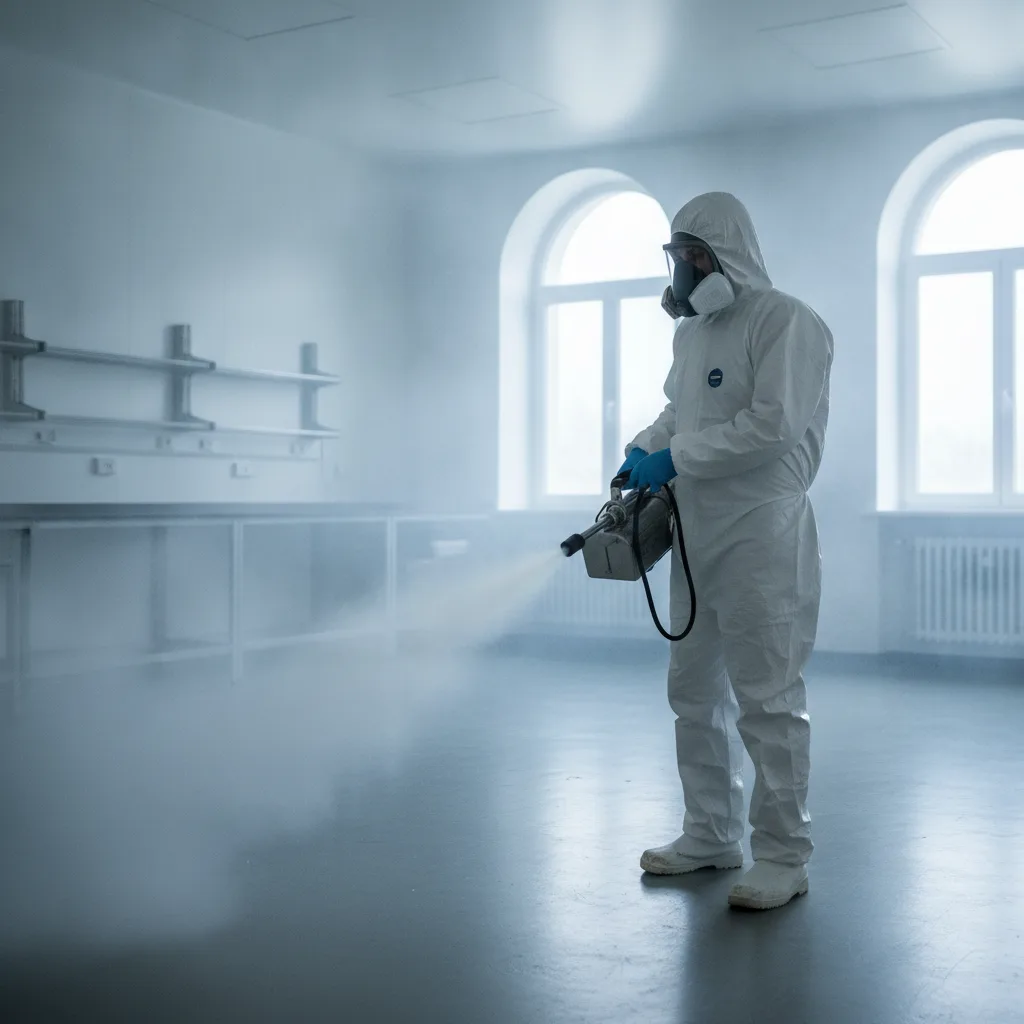
We decontaminate properties affected by meth residue, drug contamination, infectious disease or chemical exposure.
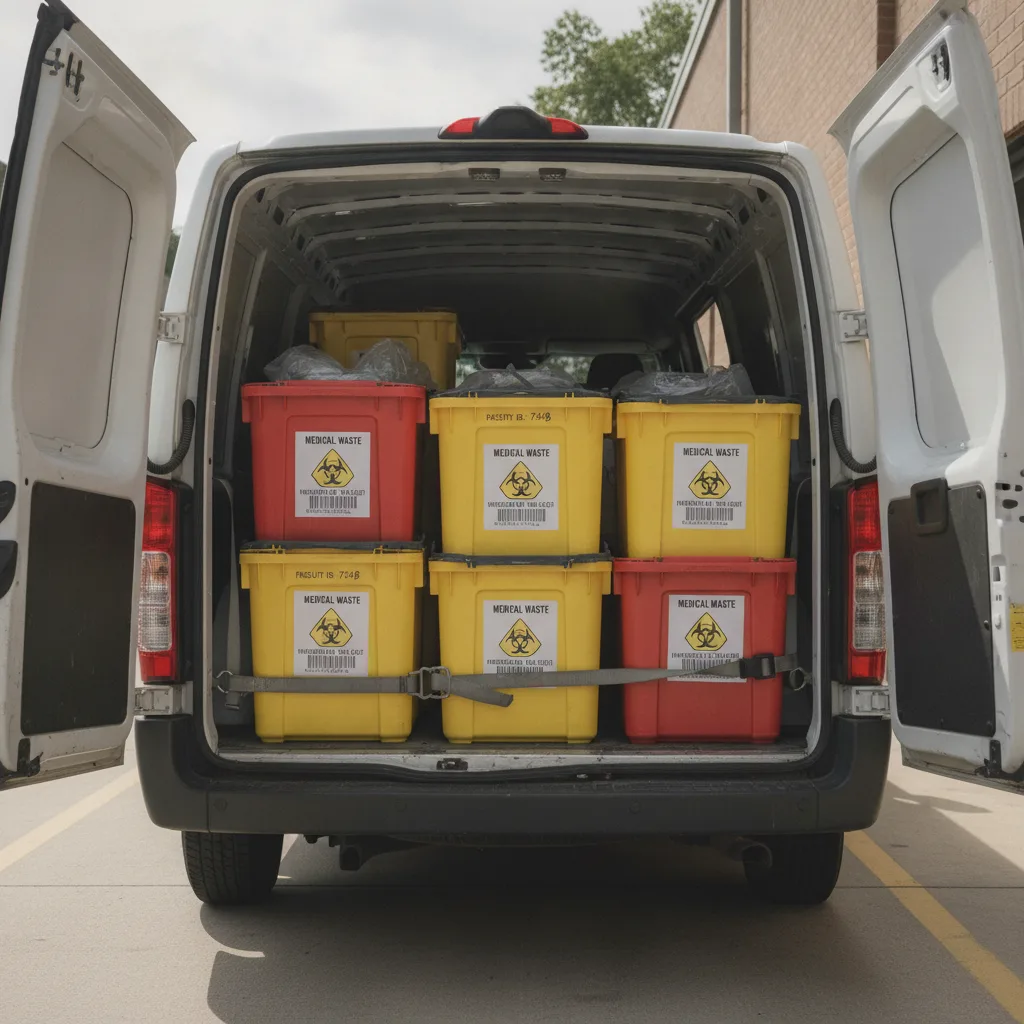
We collect, package and transport sharps and infectious waste for proper treatment.
Most families call us after something they never expected. Knowing why these situations happen here, and what the warning signs look like, helps you act before the damage spreads further into the home. Below are the scenes we see most often in Springfield and the surrounding Ozarks communities.
An unattended death is one that goes unnoticed for days or weeks. As the body breaks down, it releases fluids, gases and bacteria into flooring, walls and air systems. This creates serious health hazards and an odor that cleaning products alone can't remove.
After police release a scene, someone still has to deal with the blood, tissue and other bodily fluids left behind. These materials can carry bloodborne pathogens such as hepatitis B, hepatitis C and HIV. Families should never clean them up themselves.
Overdose scenes often combine bodily fluids with used needles, drug residue and paraphernalia. Fentanyl and methamphetamine residue on surfaces can put family members, tenants and the next occupants at risk if it isn't removed properly.
Homes once used to cook or smoke meth can hold toxic chemical residue in drywall, carpet, ductwork and porous surfaces for years. The residue can cause respiratory and skin problems, and it creates legal disclosure obligations for owners.
Hoarding cleanup goes well beyond decluttering. Severe cases can involve rotting food, animal waste, rodent droppings, mold and structural hazards, all hidden under layers of belongings that have built up over years.
Blood, bodily fluids or decomposition inside a car, truck or RV soak into the upholstery, carpet, foam and HVAC system. Without professional removal and decontamination, the vehicle stays unsafe and unusable.
Sometimes a scene looks clean but still smells, or mold shows up weeks later. Usually that means contamination is still in the subfloor, wall cavities, ductwork or crawlspace, and surface cleaning never reached it.
You won't have to figure anything out on your own. Here's how a typical cleanup goes, from the first phone call to the final walkthrough. A real person stays with you at every step.
Day or night, 24/7
Usually same day
Same day to 1–2 days
1–3 days for most scenes; longer for structural or hoarding work
At completion
The money question shouldn't be what keeps a family stuck. Homeowners policies often cover trauma, unattended death and biohazard cleanup, and comprehensive auto coverage often covers vehicle cleanup. We call your insurer, send the documentation and bill them directly. In many cases, the family's out-of-pocket cost is $0 or limited to the deductible. When a crime is involved, we also help you document a claim with Missouri's Crime Victims' Compensation Program. We tell you plainly where things stand before any work starts.
Tragedies don't wait for business hours, and neither do we. When you call, at 3 a.m. on a Sunday or on Christmas Eve, a person answers. You won't hear a phone tree or be told someone will call back Monday. We offer 24/7 emergency response because Springfield summers don't give you time to spare. In the heat and humidity, every day of delay pushes contamination deeper into floors and walls. We'll talk you through what to do right now and when we'll arrive.
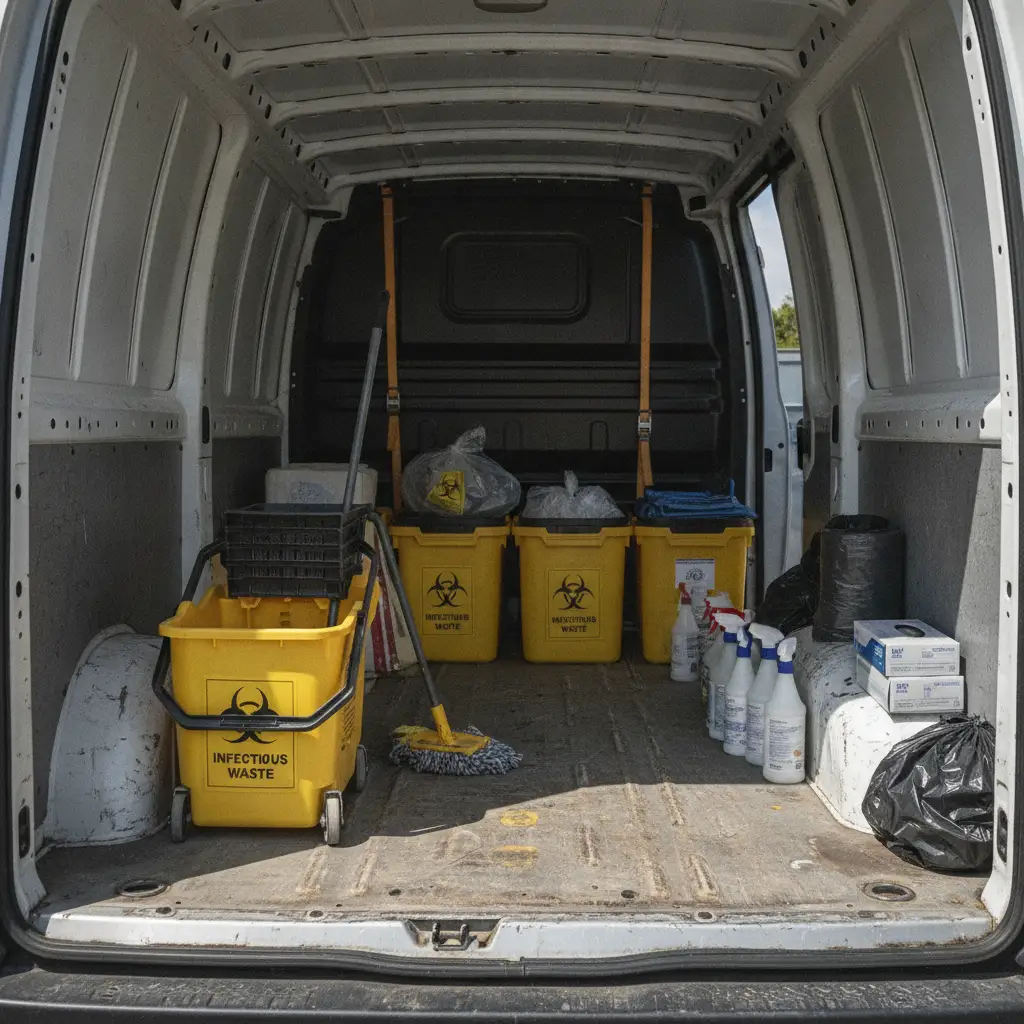
Ozarks communities are close-knit. Word travels fast in Nixa, Ozark, Republic, Willard, and on any Springfield block. Our vehicles have no logos and no biohazard markings. We set up quietly, keep our equipment out of sight when we can and respect HOA rules on staging. Neighbors shouldn't be able to tell what happened, and your family's privacy matters to us as much as the cleanup itself.
A plaster-walled Foursquare in Midtown, a carpeted 1950s ranch in Doling, a split-level off Battlefield and a manufactured home outside Willard each need a different approach. We know how fluids travel through old floorboard gaps, why crawlspaces trap odor, and when an OSB subfloor has to come out. That local knowledge means we find contamination other crews might miss, and we save historic materials wherever it's safe to do so.
Missouri doesn't license crime scene cleaners, so standards vary widely. Our technicians follow OSHA's Bloodborne Pathogens Standard, respiratory protection rules and hazard communication requirements. Infectious waste is packaged, manifested and sent to permitted treatment under Missouri DNR rules. It never goes in curbside trash, and it never goes down a drain or into the yard. That matters on karst ground, where the James River and Wilson's Creek watersheds feed local springs.
We carry insurance, so you and your property are protected while we work. That matters for homeowners, and it matters especially for landlords and property managers, who need to know a vendor won't leave them exposed. If you need a certificate of insurance for a claim, a property management file or a tow yard's records, just ask.
One call covers the whole job: trauma and blood cleanup, decomposition remediation, odor and mold treatment, hoarding cleanup, meth residue decontamination and medical waste disposal. You won't need to coordinate three different companies while you're grieving or racing a code enforcement deadline. One crew starts the job and finishes it, and one point of contact keeps you informed the whole way.
For most Springfield families, trauma and biohazard cleanup is covered by homeowners, landlord or auto insurance. We bill your carrier directly. The figures below show typical insurance claim values, which helps explain how your policy responds. They don't reflect what you'd pay.
Your policy decides who pays, and for most families the answer is the insurer. Standard homeowners policies frequently cover trauma, suicide, homicide and unattended death cleanup. Comprehensive auto coverage often covers vehicle cleanup, and landlord policies may cover rental units. We check your coverage, file the documentation and bill directly. Usually your only possible cost is the deductible. For crime-related scenes, Missouri's Crime Victims' Compensation Program may help with that too.
A scene found within hours is very different from one found after a week in July. Springfield's heat and dew points near 70°F push fluids into the pad, subfloor and joists quickly, and odor spreads through the ductwork. The longer it's been, the more material has to be removed. That affects the claim's scope, which we document carefully so your insurer approves everything that's needed.
Construction matters. Century-old hardwood and plaster in Midtown or Rountree take careful removal and sometimes subfloor work from the crawlspace. Carpet over OSB in a newer Nixa home wicks fluid fast. Manufactured homes in rural areas often need floor sections replaced. Ducted HVAC systems in south-side split-levels add duct cleaning to the scope.
Missouri requires infectious waste to be packaged, manifested and taken to permitted treatment. More contaminated material means more regulated waste containers. On karst ground, we also collect and haul away all contaminated rinse water rather than letting it reach groundwater. That's a required step, and it's included in the documented scope.
Most Springfield, Republic, Nixa, Ozark and Willard calls involve little travel. Rural jobs in Webster, Polk or Lawrence Counties add some drive time. Our 24/7 response is standard, and after-hours calls are handled the same way as any other. We include everything in the claim documentation, so there are no surprises.
We start with insurance and victim compensation every time. If anything isn't covered, such as some hoarding or landlord turnover jobs, we'll explain it in writing before any work begins and talk through flexible options with you.
In most cases, yes. Standard homeowners policies frequently cover trauma, suicide, homicide and unattended death cleanup as a sudden, accidental loss, and many families end up owing $0 or just their deductible. Comprehensive auto coverage often pays for vehicle cleanup, and landlord policies may cover rental units. We contact your insurer, provide photos and documentation and bill them directly, so you don't have to manage the claim. If a crime was involved, we'll also help you document a claim with Missouri's Crime Victims' Compensation Program, which may cover qualifying crime-related expenses.
A real person answers 24/7. For most calls in Springfield, Republic, Nixa, Ozark and Willard, we can usually be on site the same day, and we'll give you an honest arrival window. Most trauma and blood scenes take one to three days. Unattended deaths found late in summer, scenes that need subfloor removal, and hoarding jobs can take longer. Rural calls into Christian, Webster, Polk or Lawrence Counties add travel time, but we're set up to make those trips.
Missouri doesn't have a dedicated state license for crime scene cleaners, so it's worth asking any company how it works. Our technicians follow OSHA's Bloodborne Pathogens Standard (29 CFR 1910.1030) along with OSHA respiratory protection and hazard communication rules. Infectious waste must be handled under Missouri DNR rules (10 CSR 80-7), which means proper packaging, manifests and delivery to permitted treatment. Interior cleanup usually doesn't need a city permit, even in historic districts like Walnut Street, though any later rebuild work might.
We strongly advise against it. Blood and bodily fluids can carry hepatitis B, hepatitis C and HIV, and contamination usually reaches much further than you can see: under flooring, behind baseboards and into Springfield's many crawlspaces. Missouri law also prohibits putting infectious waste in curbside trash. Because Greene and Christian Counties sit on karst, contaminated water rinsed outdoors can reach groundwater. Beyond the health risk, families shouldn't have to carry that emotional weight. Insurance usually covers professional cleanup.
Call as soon as police or the medical examiner release the scene. In Springfield's summer heat and humidity, fluids move into the subfloor and drywall within days, odor spreads through the HVAC, and insects arrive quickly. Mold can follow in crawlspaces and basements, especially after spring rains. Waiting usually means more material has to be removed and a bigger claim. If you're not sure whether it's time, call us. A person answers day or night and can walk you through it.
Under RSMo 442.600, a death, homicide or suicide in a home generally isn't a material fact a Missouri seller must disclose. A thorough cleanup still protects your resale or rental value. Prior meth production is different. RSMo 442.606 requires sellers and landlords to disclose known prior meth production, so documented remediation that follows Missouri DHSS guidelines is important. We provide written documentation of the work for your records. For legal questions, talk with your real estate attorney.
We arrive in unmarked vehicles with no logos or biohazard signs, and our crews work quietly. We keep equipment out of sight when possible and follow HOA rules on staging and dumpsters in neighborhoods across Nixa, Ozark and Republic. We don't discuss your job with neighbors. Ozarks communities are close, and we know how much privacy matters to families here.
Odor and mold usually come back when contamination stays in the subfloor, wall cavities, ductwork or crawlspace. We prevent that by removing affected materials down to clean structure, treating with enzymes, sealing the remaining surfaces, cleaning the HVAC and verifying the results before we leave. After we're done, keep humidity in check. A dehumidifier in the crawlspace or basement helps a lot during Springfield's humid summers. If you notice any return of odor on a hot day, call us so we can check.
We come to you anywhere in Springfield and the surrounding area, in unmarked vehicles, any hour of the day.
You shouldn't have to face this alone or worry about the bill. Call any hour. A real person will answer, explain your insurance coverage and send an unmarked crew to take care of everything.
Call (417) 200-1357 Now