Discreet, certified crime scene and biohazard cleanup in Washington — unmarked vehicles, compassionate technicians, and in most cases $0 out of pocket since we bill your insurance directly.
Biohazard cleanup in the capital region is harder than it looks. The climate, the old building stock and three separate sets of regulations all affect how far contamination spreads and how it has to be removed. Here's what makes cleanup in DC, Northern Virginia and Montgomery County different.
Washington has a humid subtropical climate. July highs average around 89°F, and dew points often sit in the upper 60s to 70s°F from June through September. During heat waves the heat index regularly passes 100°F. In those conditions, an unattended death that goes unnoticed for even three or four days can mean fluids soaking through carpet into subfloors and strong odor working into drywall, upholstery and plaster. The area gets about 40–42 inches of rain a year, and summer thunderstorms push indoor humidity higher, which helps bacteria and mold grow on biological material. Winter brings a different problem. January lows reach the upper 20s°F, and many radiator-heated buildings are kept closed and overheated, which traps odor. Clay-heavy Piedmont and Coastal Plain soils also hold moisture under basement slabs, so contamination that reaches concrete needs sealing, not just scrubbing.
A large share of DC housing is late-1800s to early-1900s brick rowhouses in Capitol Hill, Shaw, Petworth, Columbia Heights, LeDroit Park and Bloomingdale. Neighbors share party walls, joist pockets and old plaster-and-lath, so fluids and odors can move from one home into the next. Original oak and heart-pine plank floors have gaps between boards that send blood straight down to the joists. Most of these homes were built before 1978, which means lead paint is likely, and asbestos may be present in pipe insulation, plaster or floor tiles. Removing contaminated materials has to account for both. The 1920s–1960s garden apartments and brick co-ops in Cleveland Park, along Columbia Pike, in Silver Spring and in Parkfairfax have shared HVAC and ventilation shafts that can spread odor across several floors.
A single metro-area job may fall under DC's Department of Energy & Environment, the Virginia DEQ Regulated Medical Waste Management Regulations or the Maryland Department of the Environment. All three require bloodborne waste to be packed in labeled red-bag containers and hauled by permitted transporters with manifests. OSHA's Bloodborne Pathogens Standard (29 CFR 1910.1030) covers worker training, PPE and exposure control. MPD, Arlington, Alexandria or Montgomery County police must release a scene before cleanup can start. Pre-1978 homes fall under EPA lead-safe (RRP) rules. Historic districts such as Georgetown, Capitol Hill, Dupont Circle and Old Town Alexandria restrict exterior changes. Condo boards usually require a certificate of insurance, set work hours and require elevator reservations.
The metro area has roughly 6.3 million people, including about 700,000 in DC, 235,000 in Arlington and 155,000 in Alexandria. Many of them are federal employees, contractors, attorneys and diplomats who care a great deal about confidentiality. Single-person households and renters are common, so deaths sometimes go undiscovered for a while. Aging residents living alone in Bethesda and Silver Spring raise the risk of hoarding and unattended deaths. Families often arrange services from out of state, and landlords in DC's tight rental market need units turned over quickly.
Every service below follows OSHA bloodborne pathogen protocols and the waste rules of whichever jurisdiction the job is in: DC, Virginia or Maryland. Where a policy applies, we bill your insurer directly, so you can deal with what matters while we handle the scene, the paperwork and the disposal.
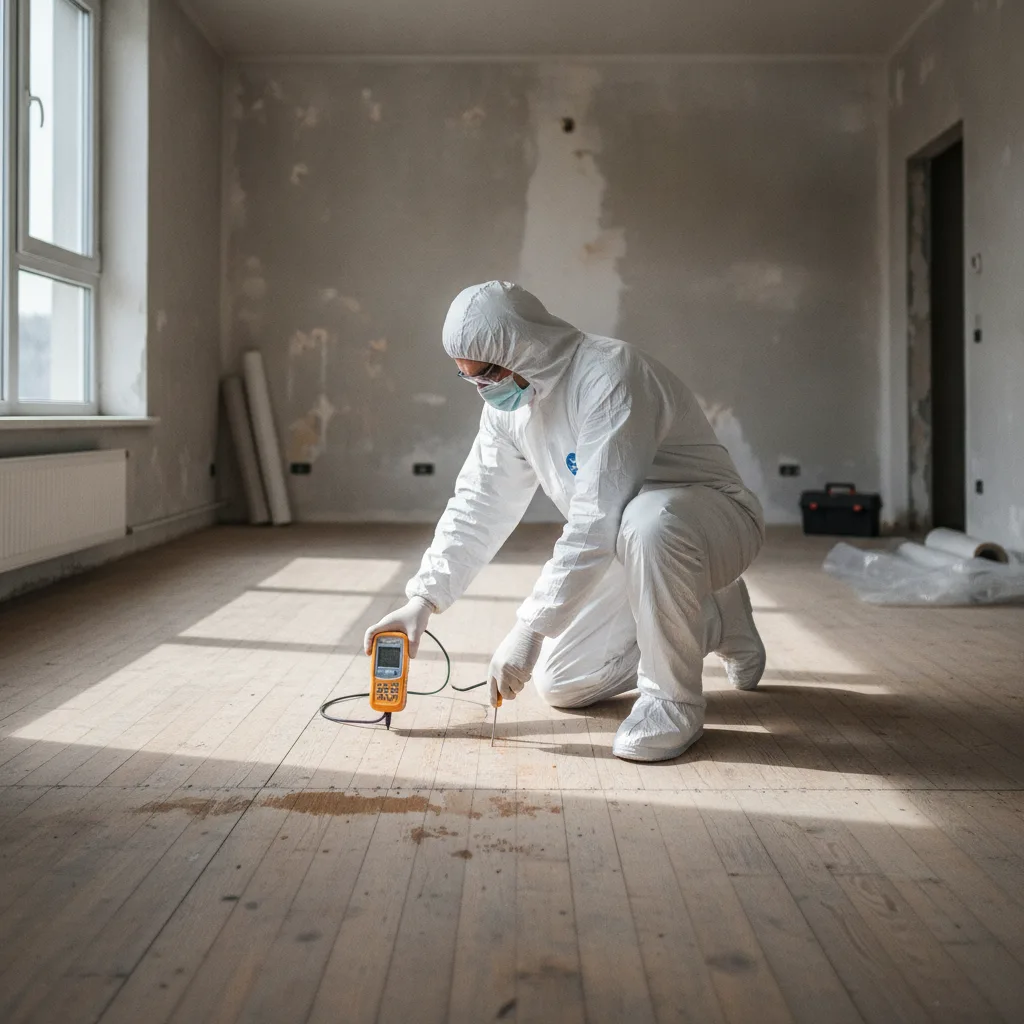
We clean up after deaths that went undiscovered for days or weeks. That means removing contaminated materials, neutralizing pathogens and eliminating odor so the home or unit is safe to enter, live in, sell or rent again.
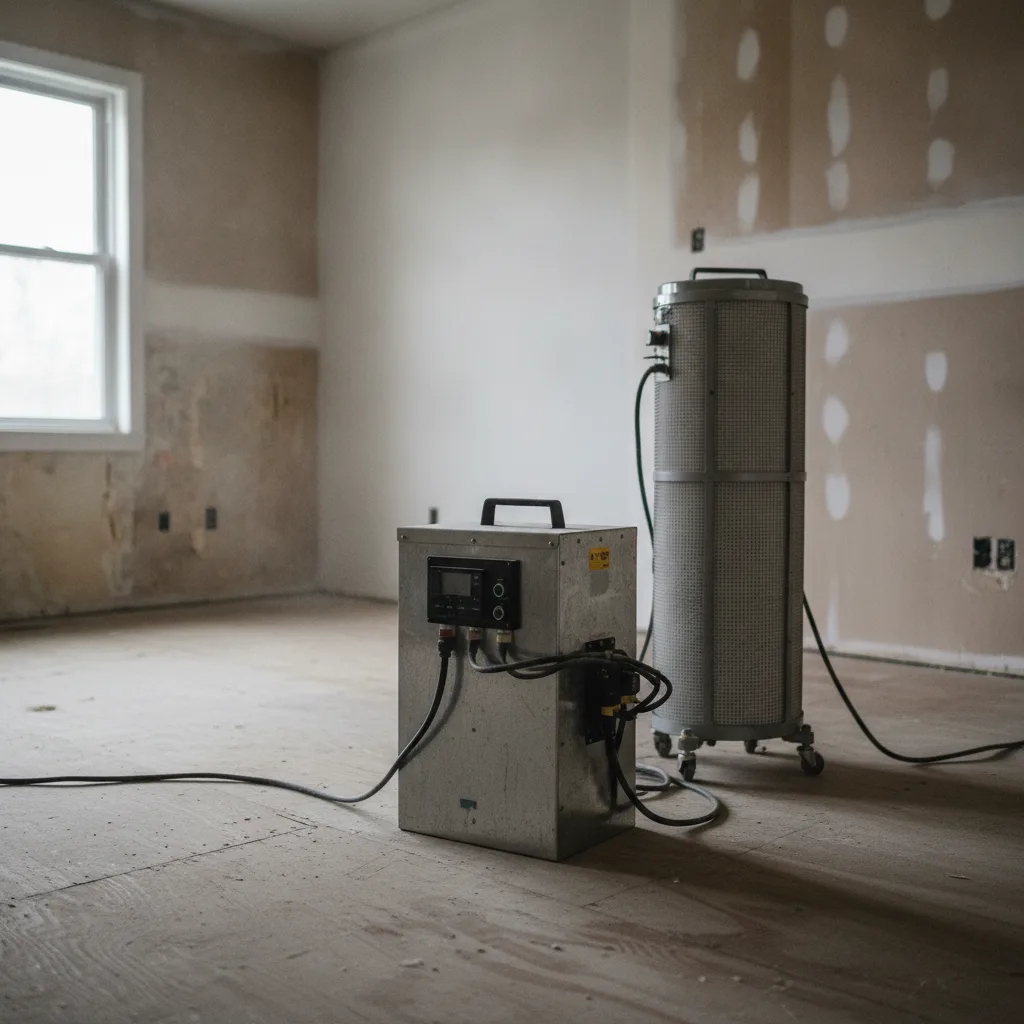
We remove decomposition fluids, tissue and insect activity, and treat everything those fluids reached: carpet, plank floors, subfloors, joists, plaster and concrete. Nothing contaminated gets left behind.
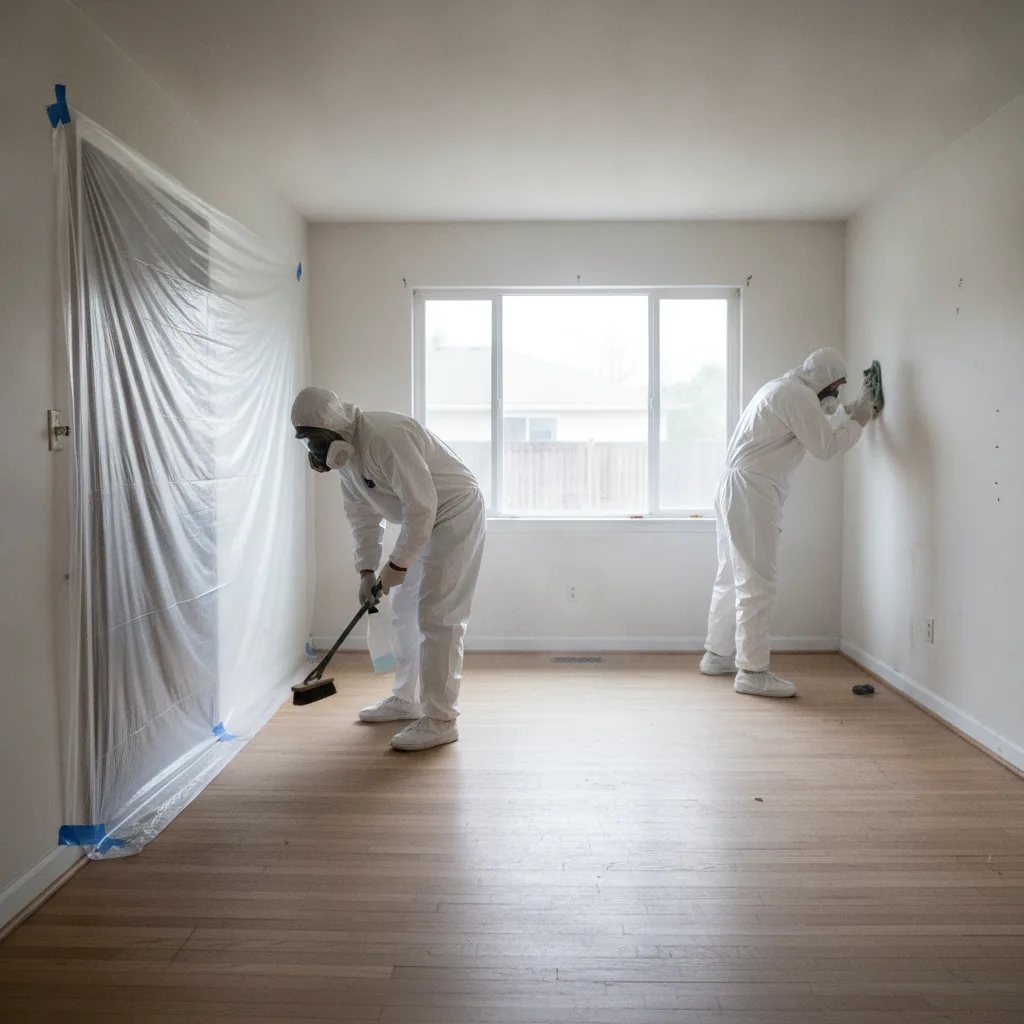
Once police release the scene, we remove blood, tissue, fingerprint powder and chemical residue, and repair the immediate damage so the property can be used again.
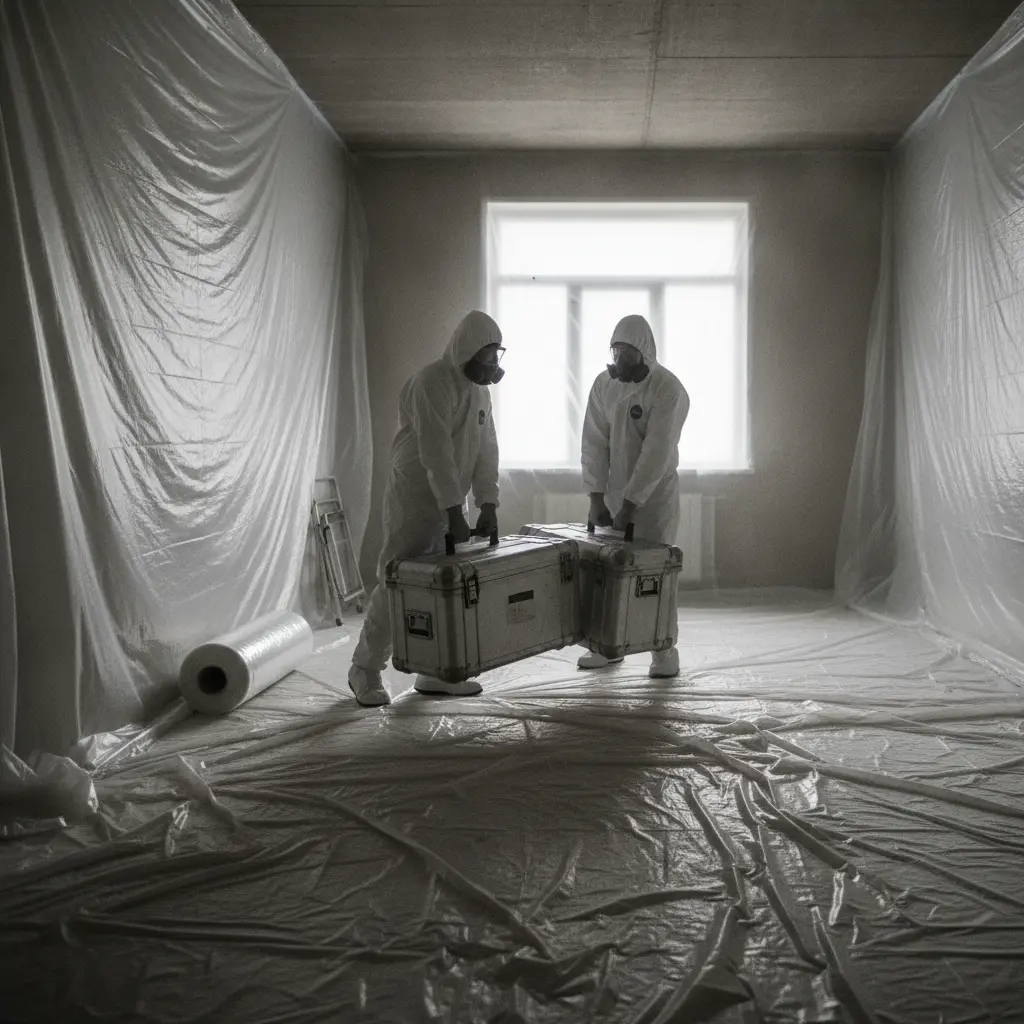
We restore homes after a homicide with care and complete discretion, removing every trace of contamination so the family doesn't have to see or handle anything.
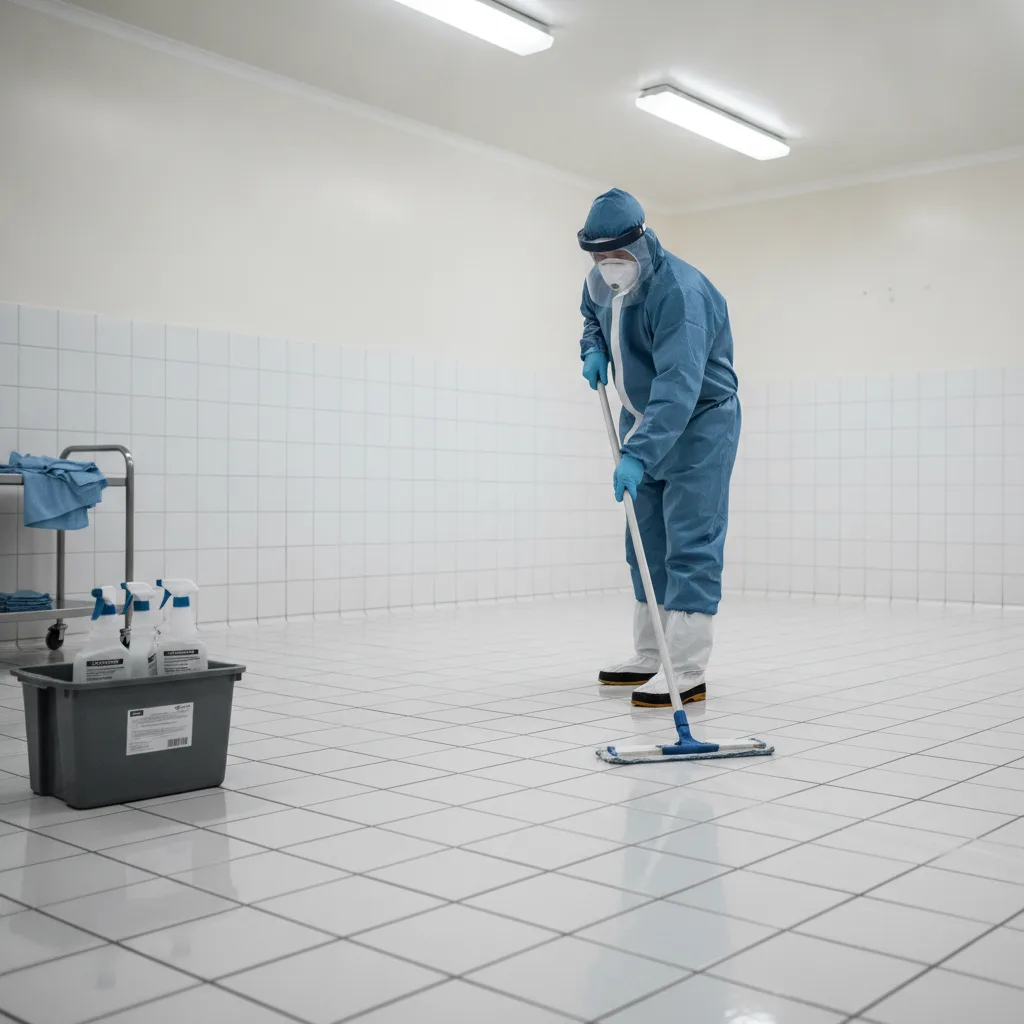
We clean up after suicides, serious accidents and traumatic injuries at homes, offices, vehicles and public spaces, treating everyone involved with compassion.
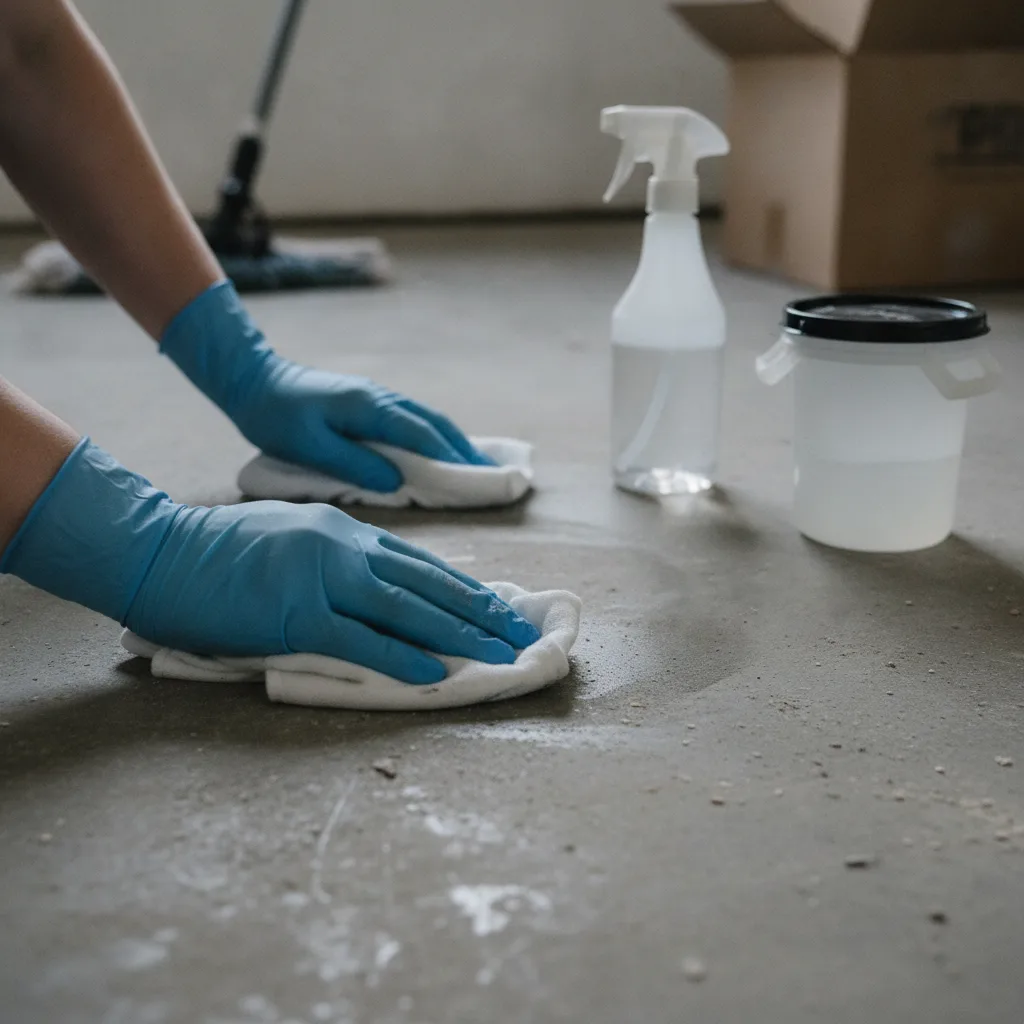
We remove and disinfect blood from any surface, large or small, and test afterward to confirm no pathogens remain.
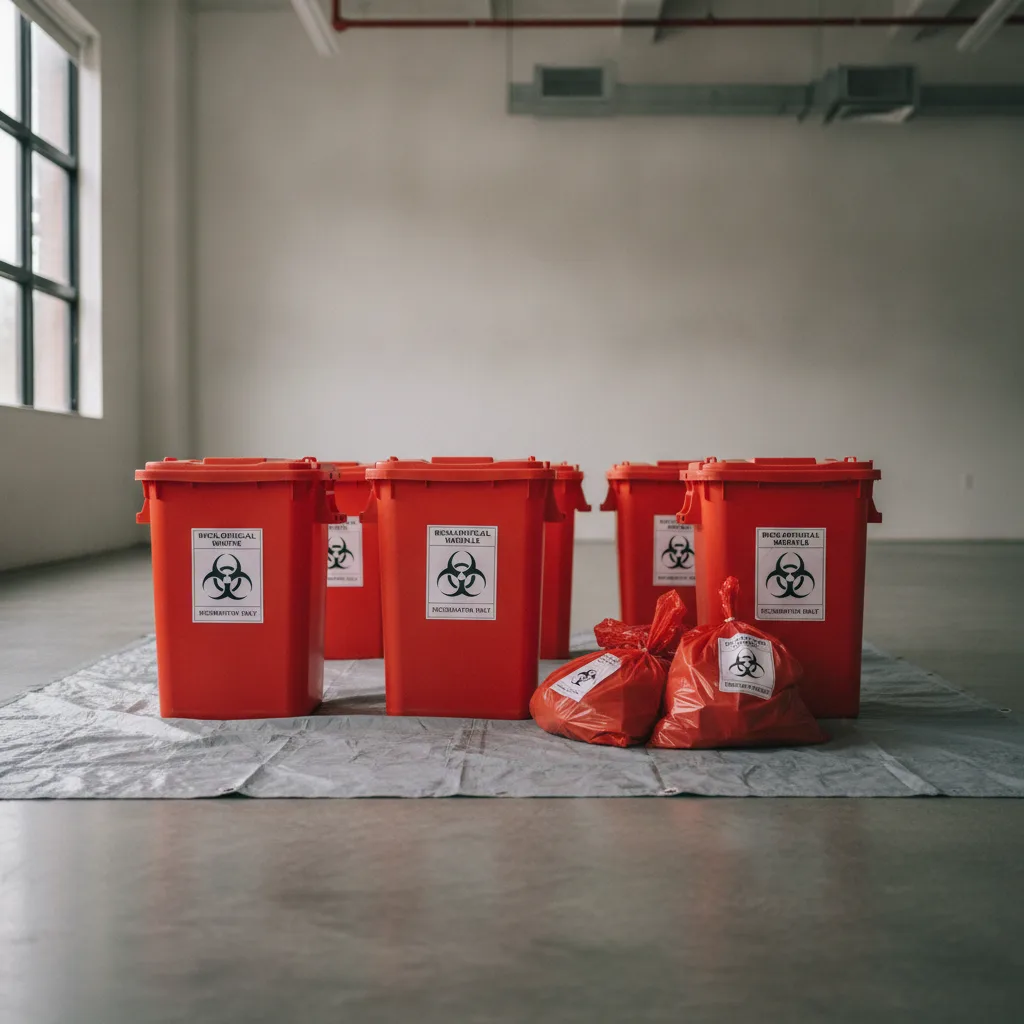
We clean up any biological contamination, including body fluids, vomit, feces, animal waste and pathogens, in homes and commercial spaces.
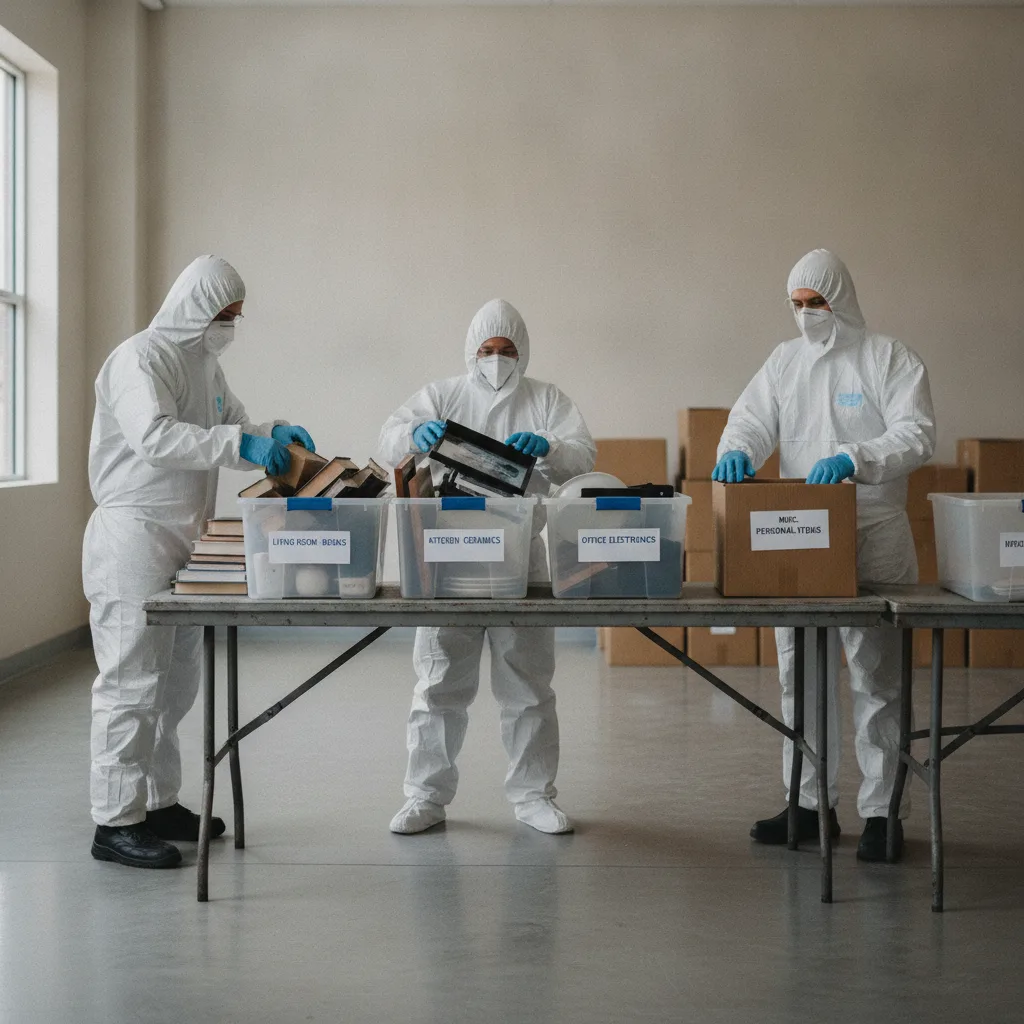
We clear hoarded homes respectfully, sorting keepsakes from debris and removing biohazards, rodent waste and spoiled materials.
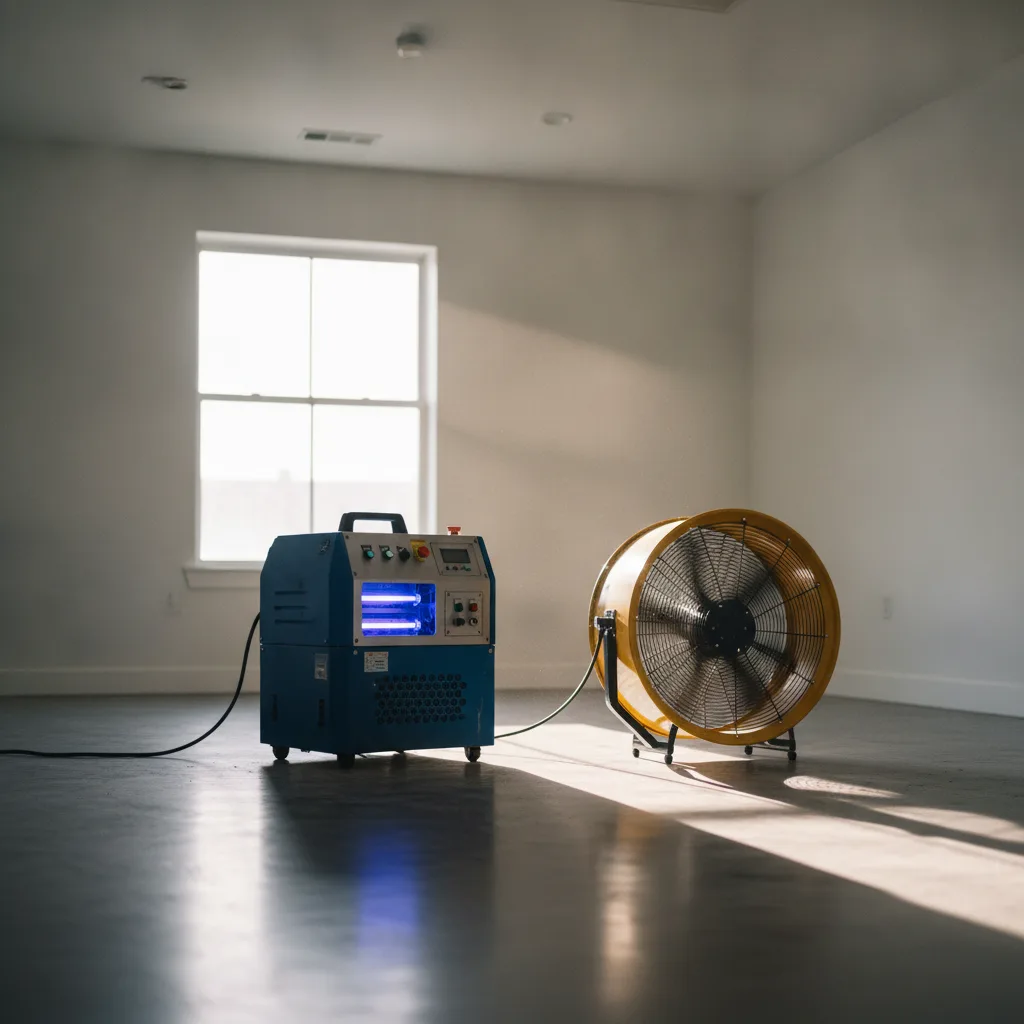
We get rid of odors from decomposition, smoke, urine and rot at the source, so they don't come back in humid weather.
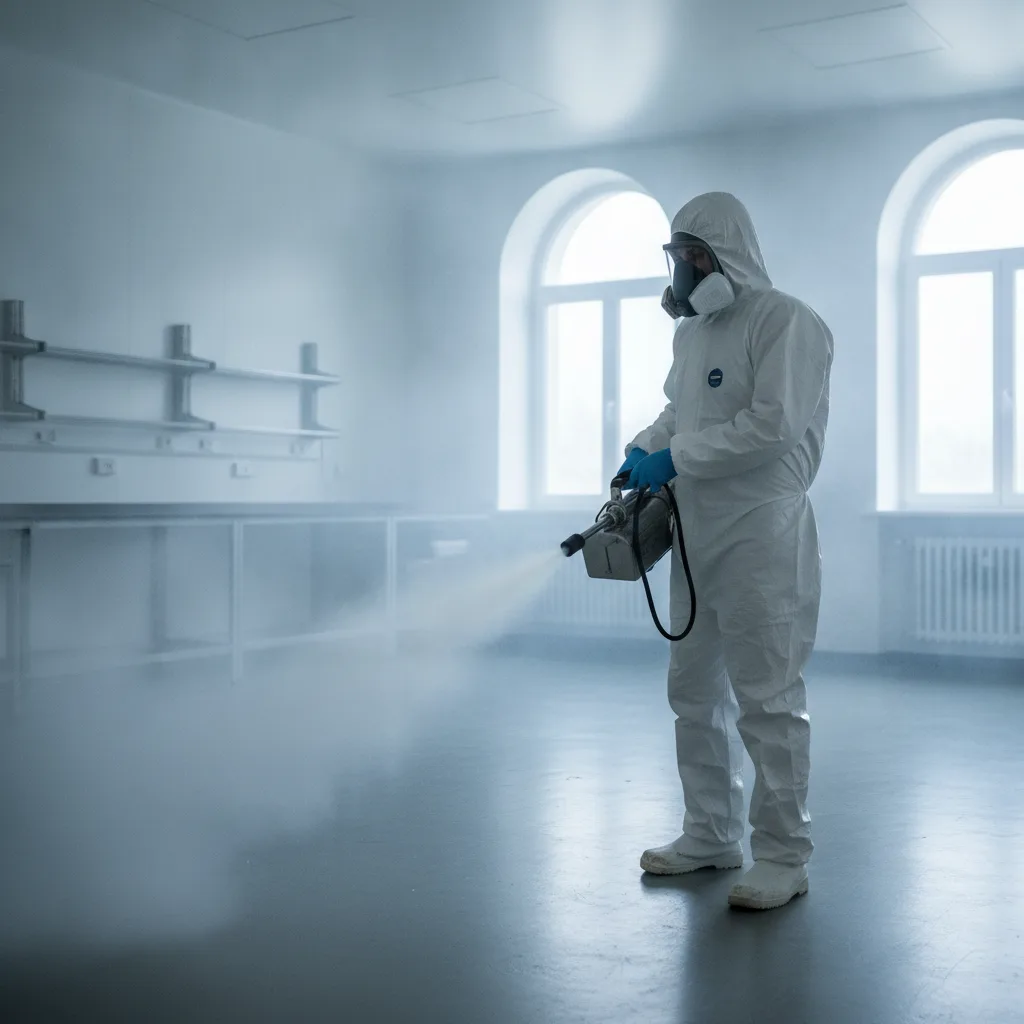
We fully decontaminate homes, vehicles and commercial spaces exposed to pathogens, sewage, drug residue or infectious material.
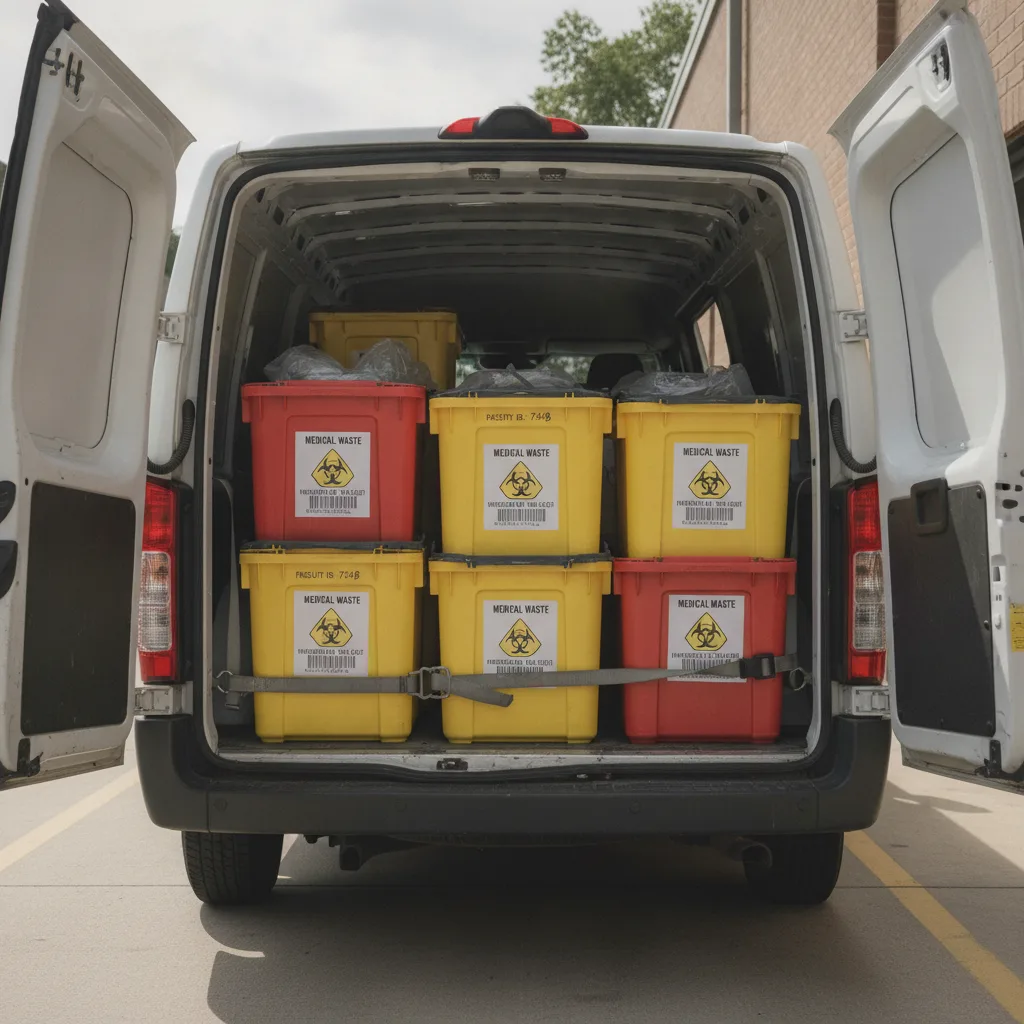
We package, transport and dispose of sharps and bloodborne waste following DC DOEE, Virginia DEQ and Maryland MDE rules.
Every scene is different, but the same situations come up again and again in Washington's rowhouses, condo towers and suburban homes. Knowing why they happen and what to watch for helps you act quickly, before contamination spreads into the structure or into a neighbor's unit.
An unattended death is one that goes undiscovered for days or weeks. As the body decomposes, fluids, gases and insects contaminate flooring, subfloors and the air. The odor is strong and lingers, and the materials involved carry serious pathogen risk until they're professionally removed.
Violent incidents can leave blood spatter, pooled fluids, tissue and fingerprint dust across several rooms. Police don't clean up after investigating. Once the scene is released, the family or property owner is responsible for removing contamination safely and legally.
Suicides, accidents, self-harm and serious injuries can leave significant amounts of blood behind. Blood can carry hepatitis B, hepatitis C and HIV, so it has to be cleaned up with proper PPE and disinfectants, and the waste disposed of as regulated medical waste.
Hoarding becomes a biohazard when large amounts of belongings hide rotting food, animal waste, rodent droppings, sharps or human waste. These homes can have structural, fire and air-quality problems that make them unsafe to live in until they're cleared out and decontaminated.
Overdose scenes often involve used needles, drug residue, body fluids and sometimes fentanyl contamination. Sharps can cause needlestick injuries and spread bloodborne disease. Everything has to be gathered in puncture-proof containers and disposed of as regulated medical waste.
Odor from decomposition, smoke, urine or rotting materials can stay in a building long after the visible mess is gone. Molecules settle into porous materials such as drywall, plaster, carpet and ductwork, and in multi-unit buildings they keep spreading through shared air paths.
Sewage backflow brings bacteria and viruses into basements. Rodent droppings and urine can carry hantavirus and other diseases. Both contaminate porous materials and need proper PPE, disinfection and removal of affected items. Regular household cleaning isn't enough.
From your first call to the final walkthrough, we make each step clear, discreet and as easy on you as possible, with insurance handled for you wherever a policy applies.
Immediate, any hour of the day or night
Usually within hours of your call
Same day in most cases
A few hours to several days, depending on severity
At the end of the job
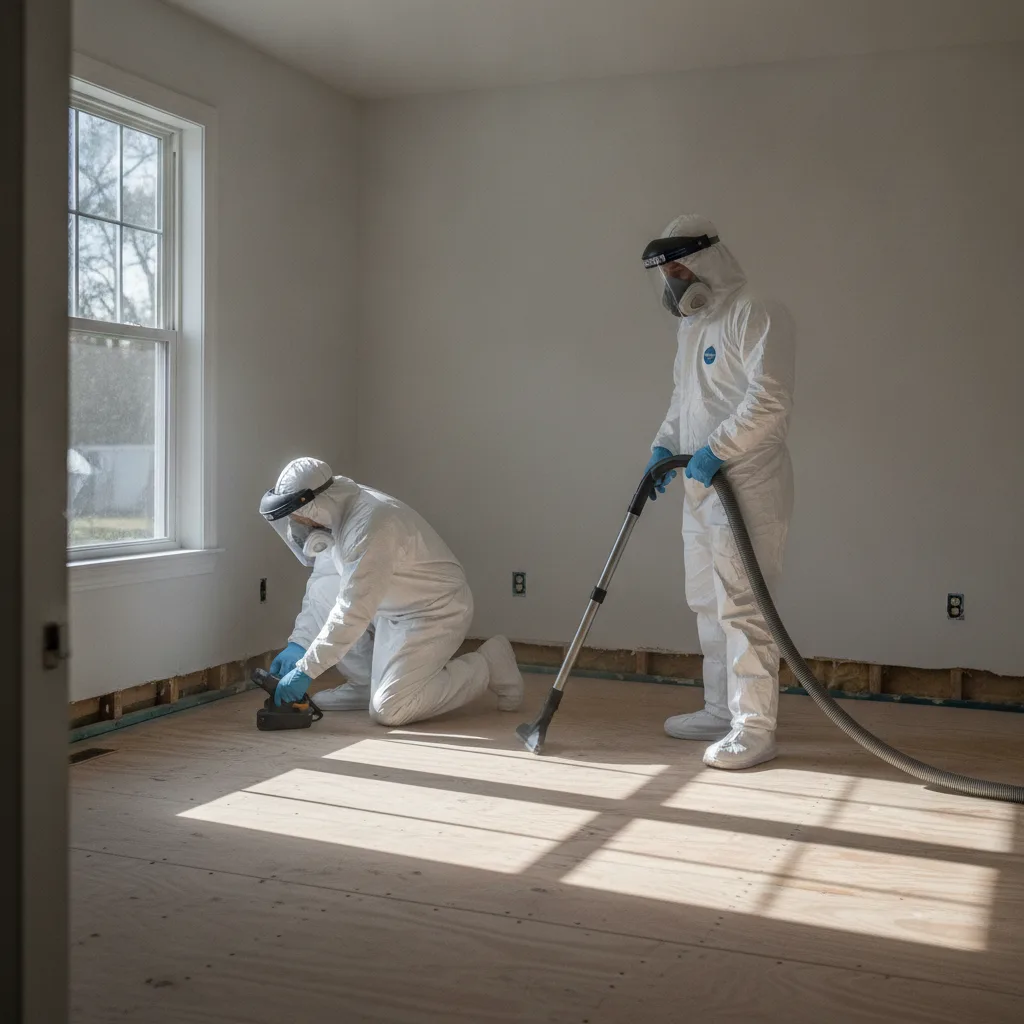
Many homeowners, renters and landlord policies cover crime scene, trauma and biohazard cleanup, and for covered claims that often means $0 out-of-pocket for you. We deal with the adjuster, submit photo documentation and itemized scopes, and answer the insurer's questions so you don't have to relive the event on the phone. If something isn't covered, we tell you up front before any work starts. For violent crime, we can also explain how the DC, Virginia or Maryland victim-compensation programs may help, depending on eligibility.
Tragedies don't keep office hours, and neither do we. Whether it's 3 a.m. on a holiday weekend or the middle of a July heat wave, a person answers and a crew is dispatched. Speed matters a lot in Washington. In summer humidity, decomposition and odor can spread through a subfloor or a shared ventilation shaft within days. Getting there quickly limits the damage, keeps neighbors from being affected and helps landlords get units back on the market sooner.
Our vehicles are unmarked, our technicians arrive in plain clothes, and we don't discuss your situation with neighbors, doormen or anyone else. That matters in a city full of federal employees, security-clearance holders, diplomats and high-profile residents. In condo towers we work with the concierge on quiet access and use service entrances and freight elevators whenever we can. Our goal is that the building barely knows we were there.
Cleanup rules change when you cross the Potomac or the District line. We handle waste under DC DOEE, Virginia DEQ and Maryland MDE rules, coordinate with MPD and the Arlington, Alexandria and Montgomery County police departments, and understand historic-district limits in Georgetown, Capitol Hill and Old Town Alexandria. We also know rowhouse construction, party walls and pre-1978 lead hazards well.
We're fully insured. Condo and co-op boards, HOAs and property managers across the region usually require a certificate of insurance before work begins, and we can provide one quickly so a board approval doesn't hold up an emergency cleanup. Our documentation also includes disposal manifests and photo records, which is what attorneys, executors, insurers and federal-sector clients expect.
Our technicians follow OSHA's Bloodborne Pathogens Standard on every job: proper PPE, exposure-control procedures and safe handling of regulated waste. We don't mask problems. We trace contamination under floorboards and behind plaster, remove what can't be saved, seal what remains and test before we leave. That's why our work holds up through the next humid summer.
Many of our clients are adult children or executors who live far from the property. We can handle access, insurer contact, building management and final documentation while you stay wherever you are, with photo and video updates throughout. On site, we handle personal belongings carefully, set aside keepsakes and photos, and never rush a family through hard decisions.
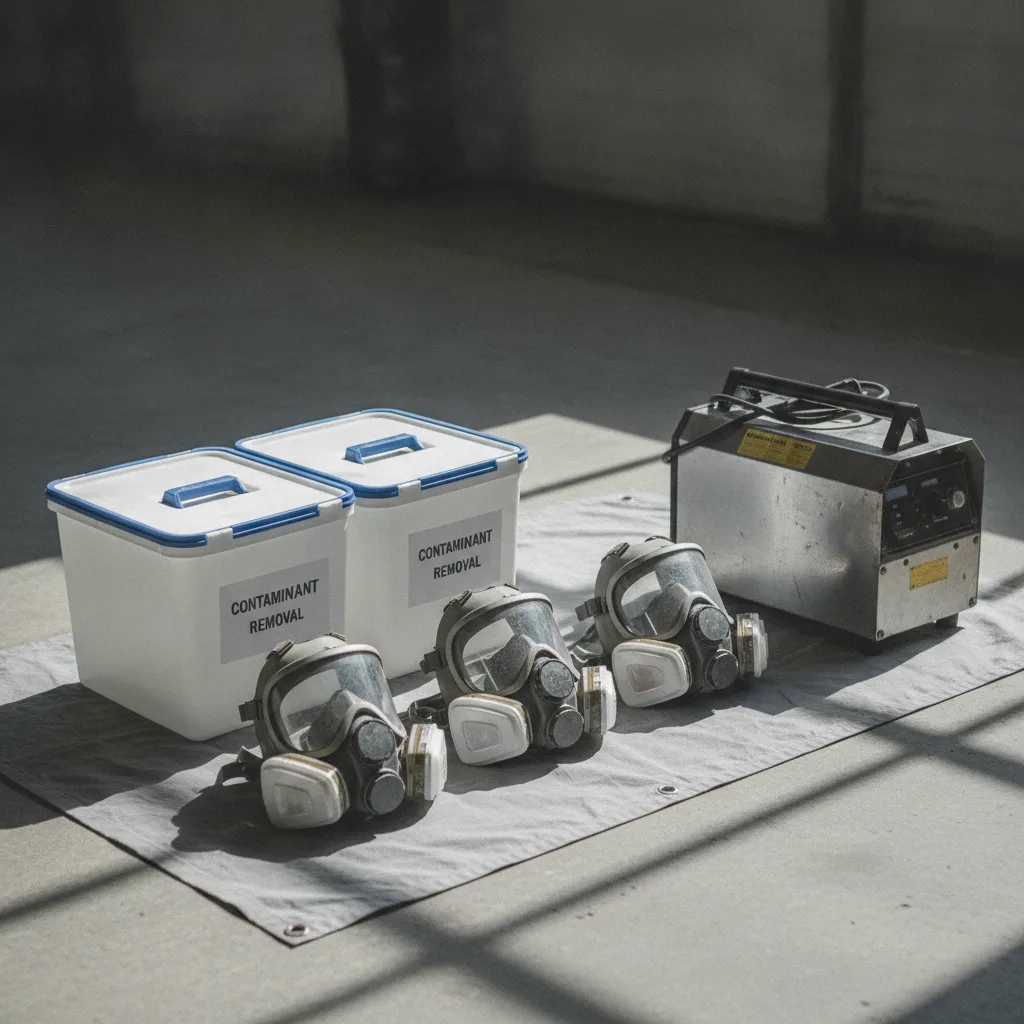
For most covered claims, you pay nothing out-of-pocket. Homeowners, renters and landlord policies frequently cover crime scene, trauma and biohazard cleanup, and we bill the insurer directly. Here's what affects the claim value and how coverage usually works in the DC area.
Your policy matters most. Many homeowners and renters policies cover sudden, accidental events such as trauma, crime and unattended deaths, often after the deductible. Landlord and commercial policies often cover rental units and businesses. We review your coverage with the adjuster, submit documentation and bill them directly. For covered claims, the family often pays $0 out-of-pocket. If anything isn't covered, we explain it clearly before work begins.
A contained blood spill on tile is a much smaller job than a decomposition case where fluids reached joists. In DC's rowhouses, gapped plank floors and plaster-and-lath walls let contamination travel farther than it seems, which raises the scope and the claim value. Time matters too. A death found after four summer days usually involves far more material removal than one found within hours.
High-rise condos may require elevator protection, freight reservations, work-hour limits and certificates of insurance. Rowhouses with narrow alleys and permit-only parking affect staging. Mid-century buildings with shared HVAC may need duct cleaning across several units. All of this goes into the documented scope we submit to your insurer.
Most DC housing was built before 1978, so removing contaminated drywall, plaster or flooring may require EPA lead-safe practices. Asbestos in old pipe insulation or floor tiles can add steps. Clay-damp slabs often need encapsulation. We spot these issues early so they're included in the claim from the start.
For violent crime, the DC Crime Victims Compensation Program, the Virginia Victims Fund or the Maryland Criminal Injuries Compensation Board may reimburse some cleanup costs, depending on each program's eligibility rules and limits. These programs can help cover deductibles or uninsured situations. We'll point you to the right program and provide the documentation it requires.
If your coverage is limited or a claim is denied, we'll go over victim-compensation programs, estate funds and other options with you. You'll get a written scope before work begins, so there are no surprises.
In many cases, yes. Homeowners, renters and landlord policies often cover cleanup after sudden events like violent crime, suicide, trauma or an unattended death, and for covered claims families often pay $0 out-of-pocket, sometimes aside from a deductible. We bill the insurer directly, provide photos and itemized scopes, and work with the adjuster for you. If you're a victim of violent crime, the DC Crime Victims Compensation Program, the Virginia Victims Fund or the Maryland Criminal Injuries Compensation Board may cover some costs, depending on eligibility. We'll explain your options before any work begins.
We're available 24/7, and in most cases we can arrive within hours of your call, any time of day or night. Traffic on the Beltway, I-395, I-66 and Rock Creek Parkway can affect exact timing, so we'll give you a realistic arrival window when you call. Speed matters, especially in summer, when heat and humidity make decomposition and odor spread faster. If police haven't released the scene yet, we'll be ready to start the moment they do.
Most blood or trauma cleanups take a few hours to one day. Unattended death and decomposition cases usually take one to three days, depending on how far fluids have spread and whether flooring, subfloor or plaster has to be removed. Large hoarding cleanups can take several days to a couple of weeks. In condos, building work-hour limits and elevator reservations can affect scheduling. We'll give you a timeline after the assessment and keep you updated throughout.
Police or the medical examiner must release the scene first. In our area that means MPD, Arlington County PD, Alexandria PD or Montgomery County PD. DC doesn't license crime scene cleaners specifically, but regulated waste has to be packaged and hauled under DC DOEE, Virginia DEQ or Maryland MDE rules, and we handle that. Most cleanups don't need a building permit. Larger demolition may, and historic districts like Georgetown or Old Town Alexandria restrict exterior changes. Condo boards usually require a certificate of insurance, which we provide.
We strongly recommend against it. Blood and body fluids can carry hepatitis B, hepatitis C and HIV, and regulated waste has to be disposed of legally. In DC's older homes, fluids often seep between floorboards and into plaster where you can't see them, so surface cleaning leaves contamination and odor behind. Sanding or cutting pre-1978 materials can also release lead dust. And since insurance often covers professional cleanup, doing it yourself usually doesn't save money.
Call as soon as the scene is released. Waiting even a day or two in summer can let fluids reach subfloors, spread odor through shared ventilation and affect neighboring units. It's never too late, though. We regularly handle cases discovered weeks later and odor problems left over from earlier cleanups that didn't work. If you notice a strong, persistent odor, flies at windows or stains spreading through a ceiling, call right away.
We use unmarked vehicles, arrive in plain clothes and never discuss your situation with neighbors or staff beyond what building management needs to know. We coordinate with concierges for service-entrance access, protect elevators and hallways, and schedule work to keep it as unnoticed as possible. Clients in Navy Yard, Clarendon, Bethesda Row and Downtown Silver Spring towers, including government employees and other privacy-conscious residents, count on us to keep things confidential.
We remove the source instead of covering it up. That means removing contaminated porous materials, applying enzymatic biocides, sealing joists, subfloors and concrete slabs with encapsulants, and cleaning ducts when contamination has reached shared ventilation. We then treat the air with hydroxyl or ozone and confirm results with odor checks and ATP testing. Washington's humid summers bring back any odor left in porous materials, so we check thoroughly before we leave.
We come to you anywhere in Washington and the surrounding area, in unmarked vehicles, any hour of the day.
You don't have to face this alone or pay for it yourself. Call any hour. We'll answer, explain your coverage, send a discreet crew and take care of everything from here.
Call (229) 675-6916 Now