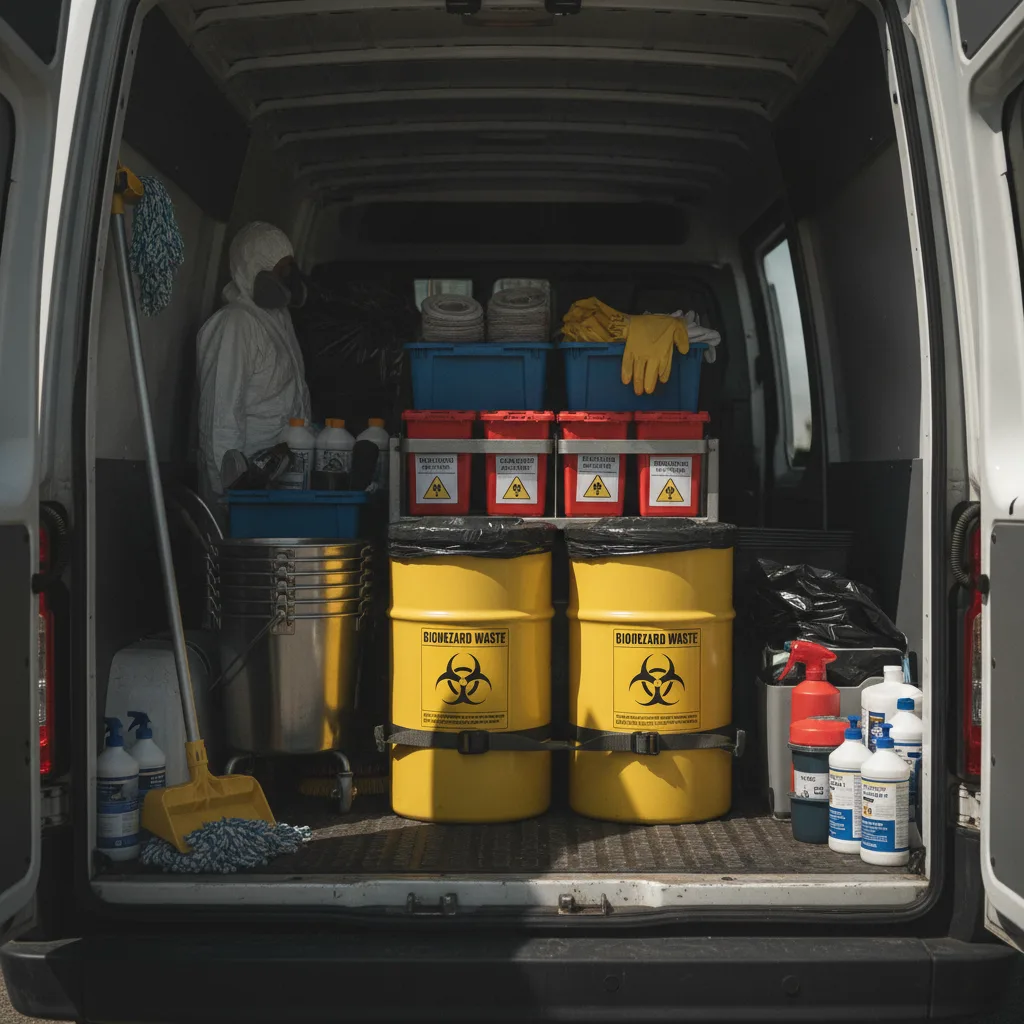
Discreet, certified crime scene and biohazard cleanup in Lubbock — unmarked vehicles, compassionate technicians, and in most cases $0 out of pocket since we bill your insurance directly.
Lubbock's heat, dry wind, older housing and remote location all make biohazard scenes harder to handle. Cleanup here isn't simply a matter of wiping surfaces down. Climate, building type, regulations and distance all change what a scene needs and how quickly someone has to get there.
Lubbock sits at about 3,200 feet on the Llano Estacado. Summers regularly hit the mid-to-upper 90s, and most years bring 100°F+ days. Inside a closed house, mobile home or vehicle without air conditioning, decomposition speeds up a lot. Fluids can reach subfloors and flies can show up within a couple of days. Our dry air (about 18–19 inches of rain a year) can partly mummify remains in winter or in air-conditioned homes, and that calls for a different method. Fluids that do soak in dry into hard, deep stains in wood and concrete. Spring dust storms blow grit into open structures. Winter freezes burst pipes, and short, heavy summer storms flood flat ground and playa basins. Both can cause Category 3 sewage contamination.
After the May 1970 F5 tornado, much of Lubbock was rebuilt and expanded. Tech Terrace, Overton, North Overton and the north and east sides still have 1920s–1960s bungalows and ranch homes, many on pier-and-beam foundations with original hardwood. Fluids there soak through to joists, so we often have to remove part of the structure. Mid-century and 1970s–80s slab homes in central and southwest Lubbock let fluids wick into porous concrete under the carpet pad, and that concrete has to be encapsulated. Newer tract homes past Loop 289 have carpet or engineered flooring over slab. Manufactured homes on the city's edges, with thin particleboard floors and poor ventilation, are some of the hardest scenes we handle.
Texas doesn't license crime scene cleaners, so the standard of care comes from other regulations. OSHA's Bloodborne Pathogens Standard (29 CFR 1910.1030) covers PPE, training and exposure control. TCEQ and DSHS rules (30 TAC Chapter 326) cover how medical waste is packaged, labeled, transported and disposed of, with a documented chain of custody. In older homes, asbestos rules and EPA lead-paint (RRP) rules apply before any demolition, and rebuilding may need City of Lubbock building permits. We can't start until Lubbock PD, the Sheriff's Office, Texas Tech Police or the Lubbock County Medical Examiner releases the scene. After that, the lease, the insurance policy or Crime Victims' Compensation usually decides who covers the cost.
Lubbock has about 265,000 residents and serves as the medical and economic center for 20+ counties. The next big cities are 2–5 hours away, so out-of-town cleanup crews show up late, and in July a delay of hours does real damage. Texas Tech's 40,000+ students keep the rental market busy, and many seniors live alone in established neighborhoods. Heirs often live out of state. Families here want to know if insurance will pay, and they expect discretion that respects their faith and privacy.
Each service below follows OSHA bloodborne pathogen protocols and Texas disposal rules, and each one is set up so insurance can cover as much of the cost as possible. Whether it's a near-campus apartment, a 1950s Overton bungalow or a ranch outside Levelland, we fit the method to the building and the situation.
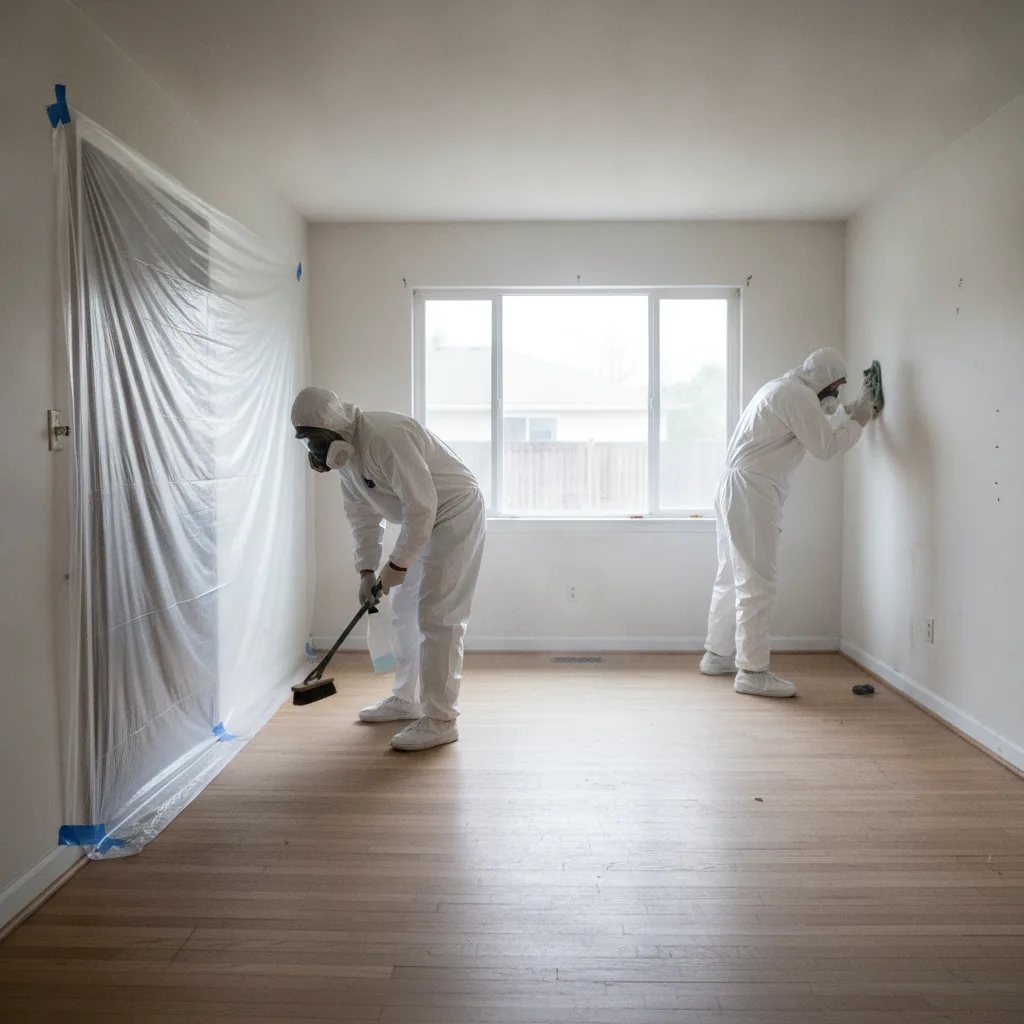
Once law enforcement releases the scene, we remove blood, tissue, fingerprint powder and other residue. We bring the property back to a safe, livable condition and leave no visible trace of what happened.
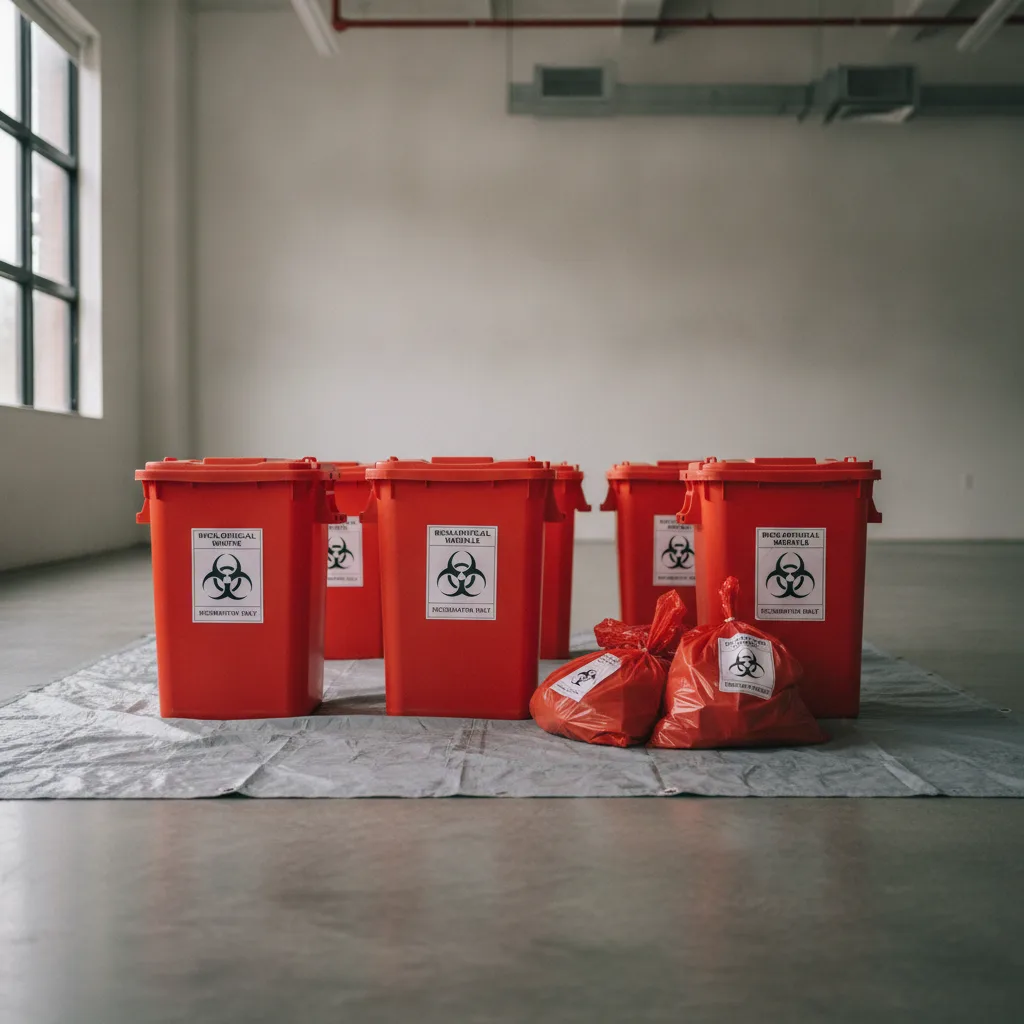
We identify and remove biological hazards like blood, body fluids, human and animal waste, and pathogens from homes, businesses and vehicles. The goal is to protect everyone who uses the space afterward.
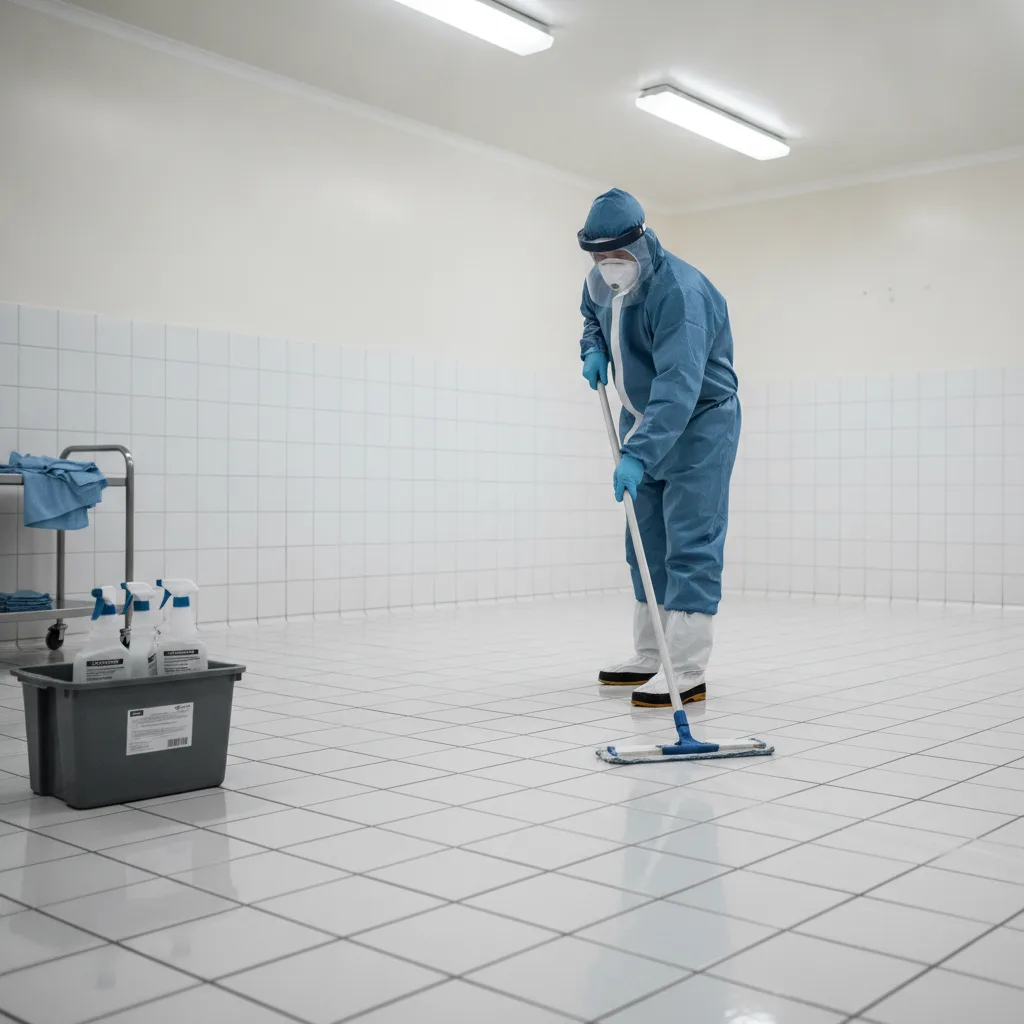
After suicides, serious injuries and accidents, we restore the space so families aren't left to clean up something they should never have to see.
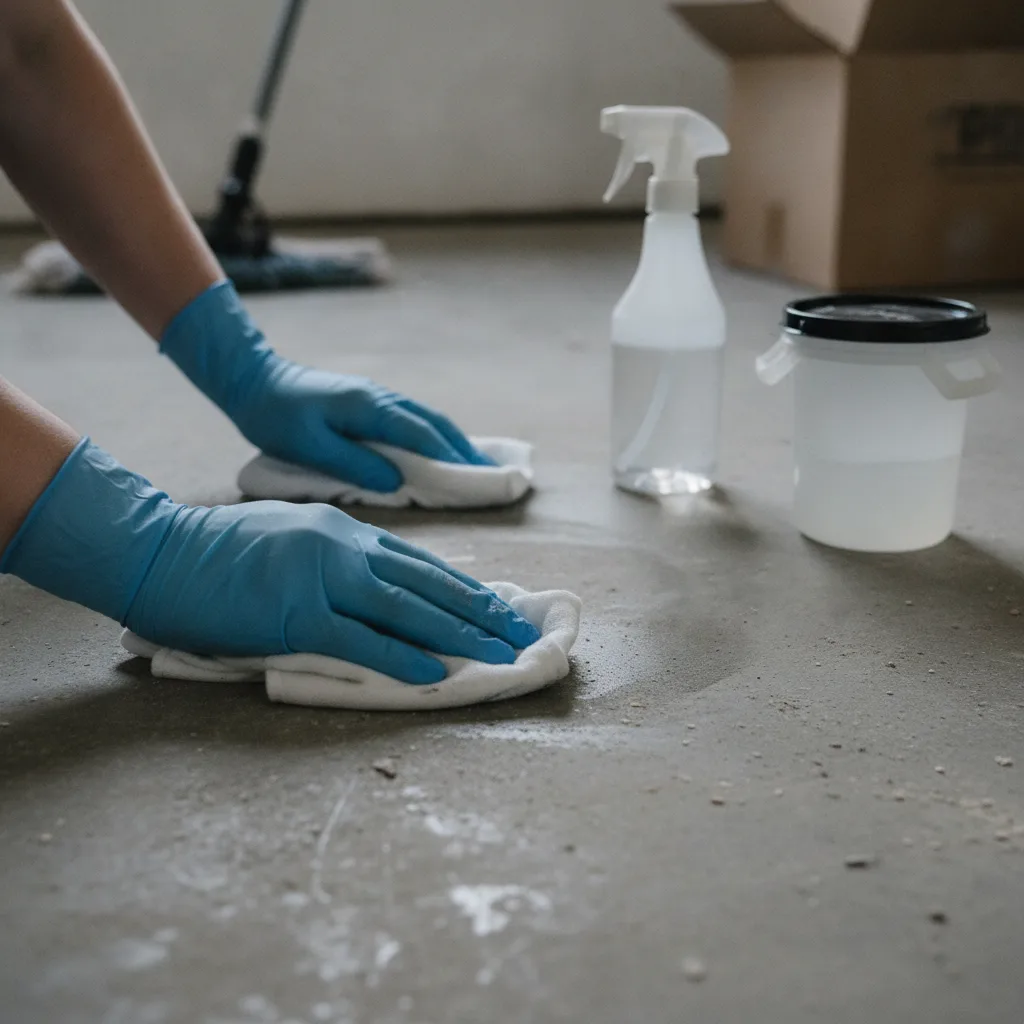
We take care of blood spills of every size, from a household accident to large losses. That includes carpet, padding, subfloor, upholstery and vehicle interiors.
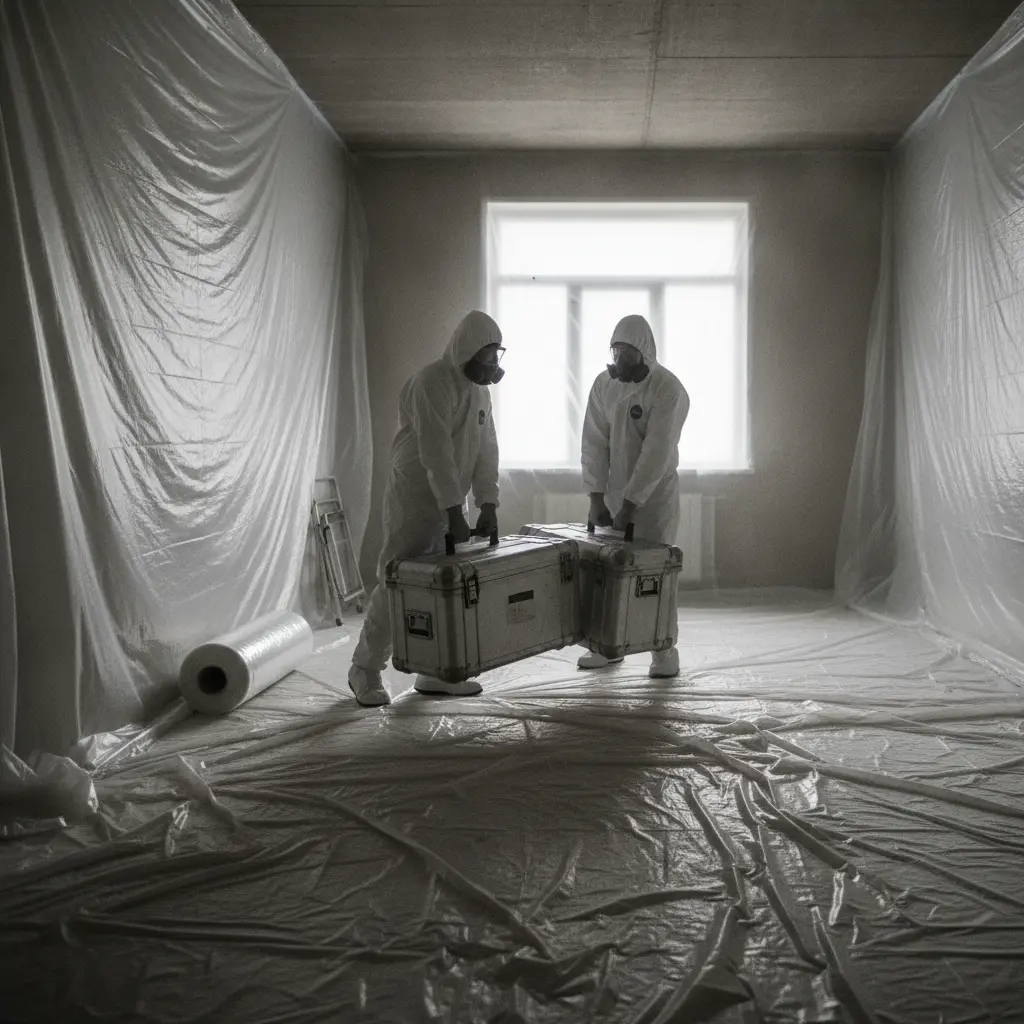
We fully remediate homicide scenes with care for grieving families. That includes cleanup of hidden contamination and help with the paperwork that compensation and insurance claims need.
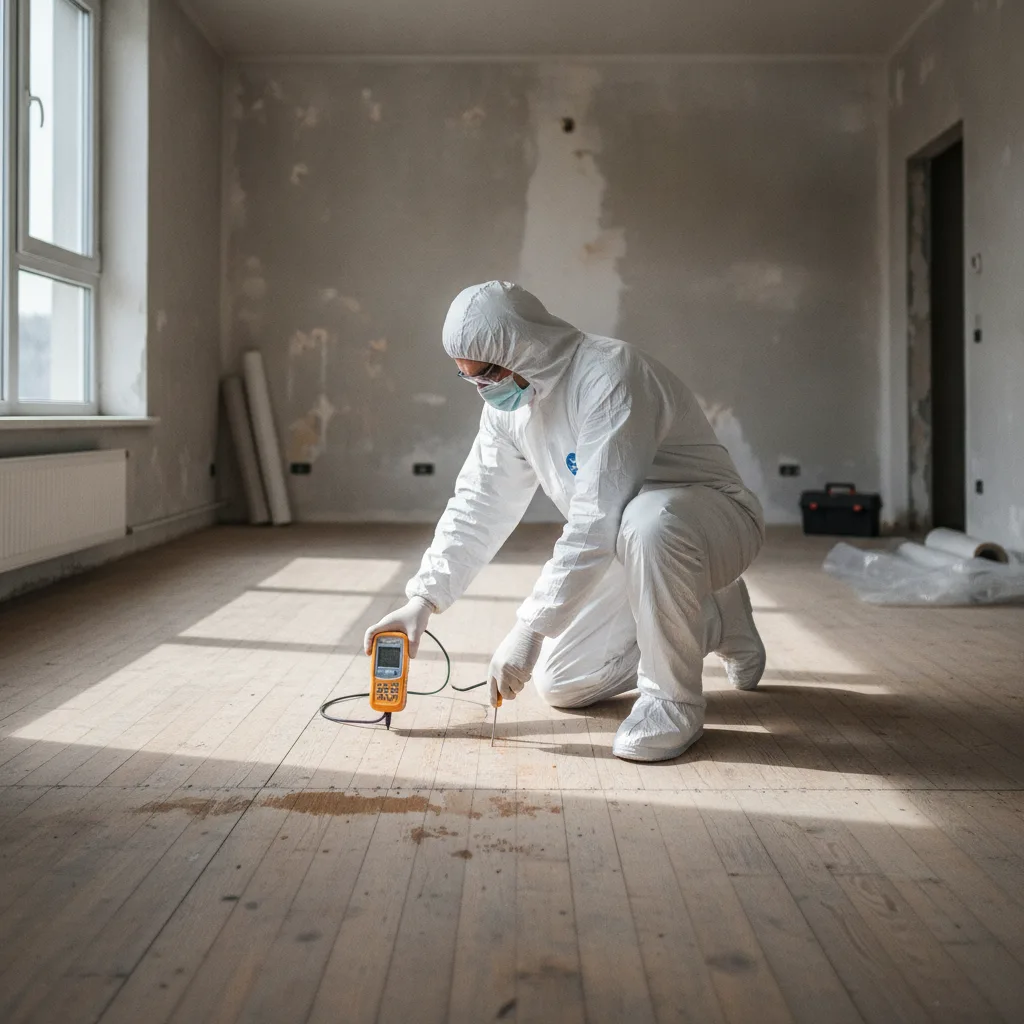
When someone has passed away alone and isn't found for some time, we remove contamination, odor and damaged materials, and we treat the family's home and memories with dignity.
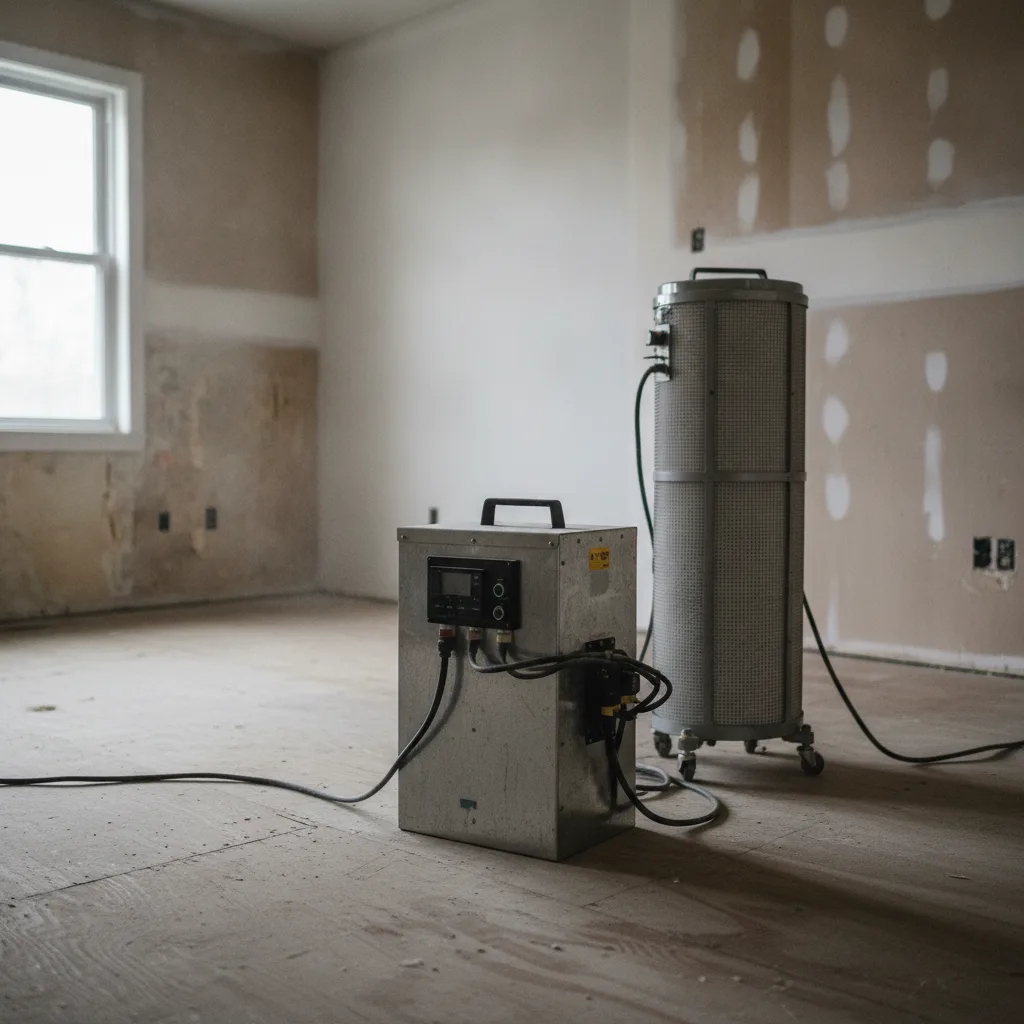
We deal with the specific damage decomposition causes: fluid migration, staining, insect activity and odor that gets deep into the structure.
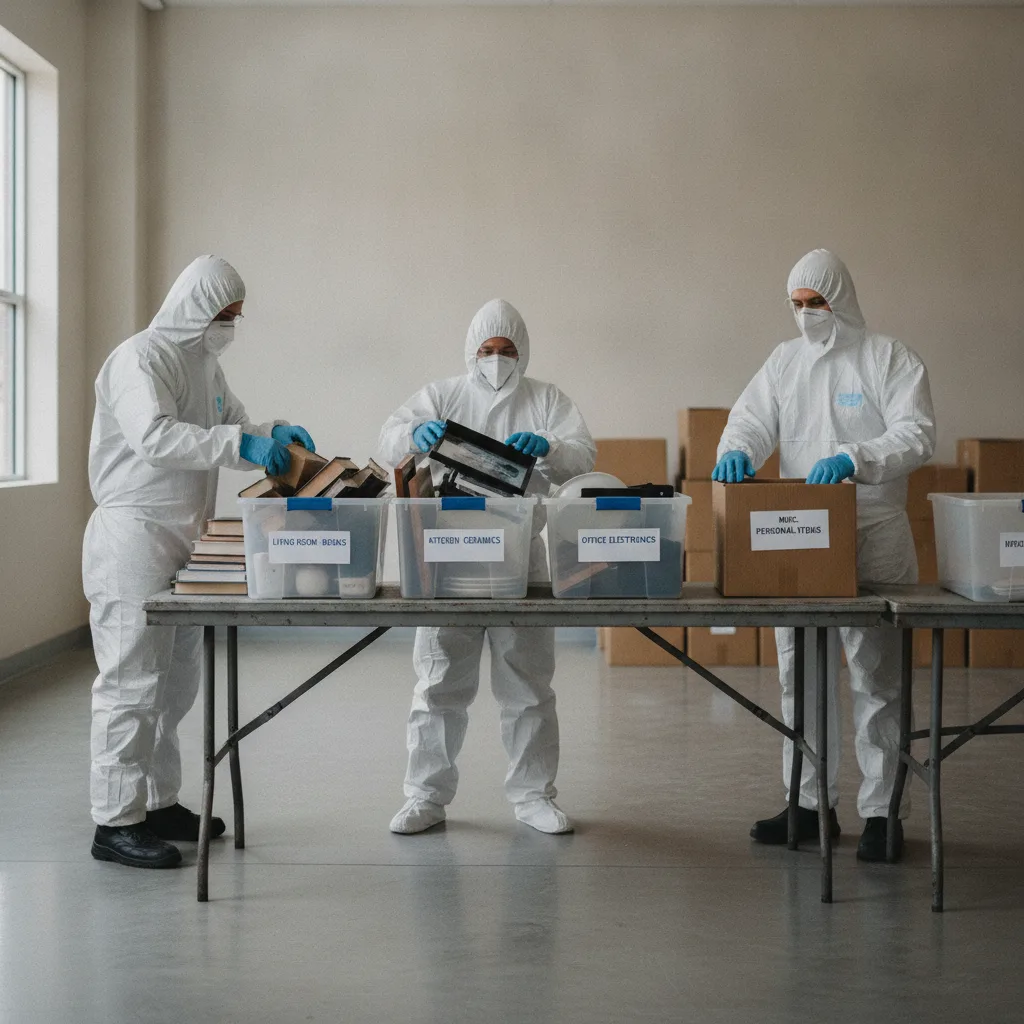
We clear hoarded and squalid homes without judgment, saving valuables and documents and removing hazardous waste so the home is safe again.
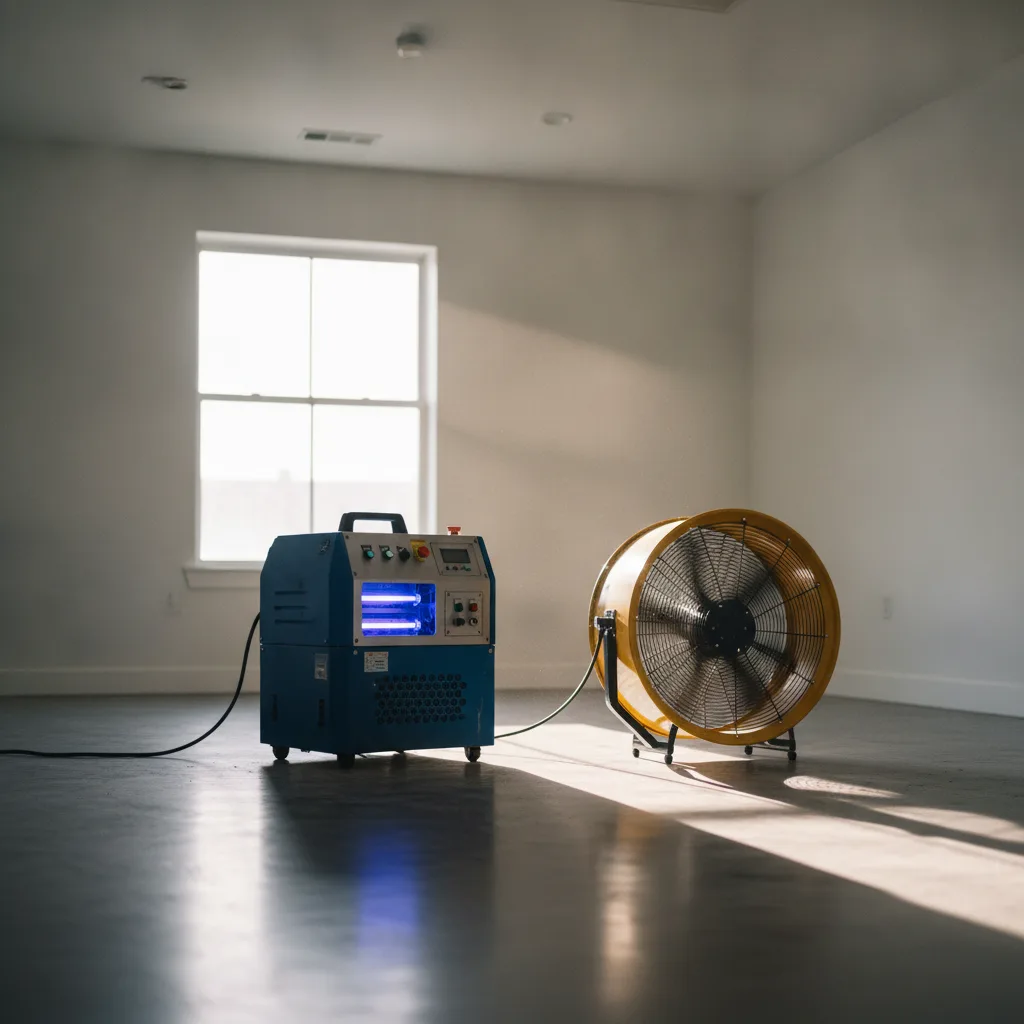
We get rid of odors from decomposition, smoke, waste and chemicals at the source instead of covering them up.
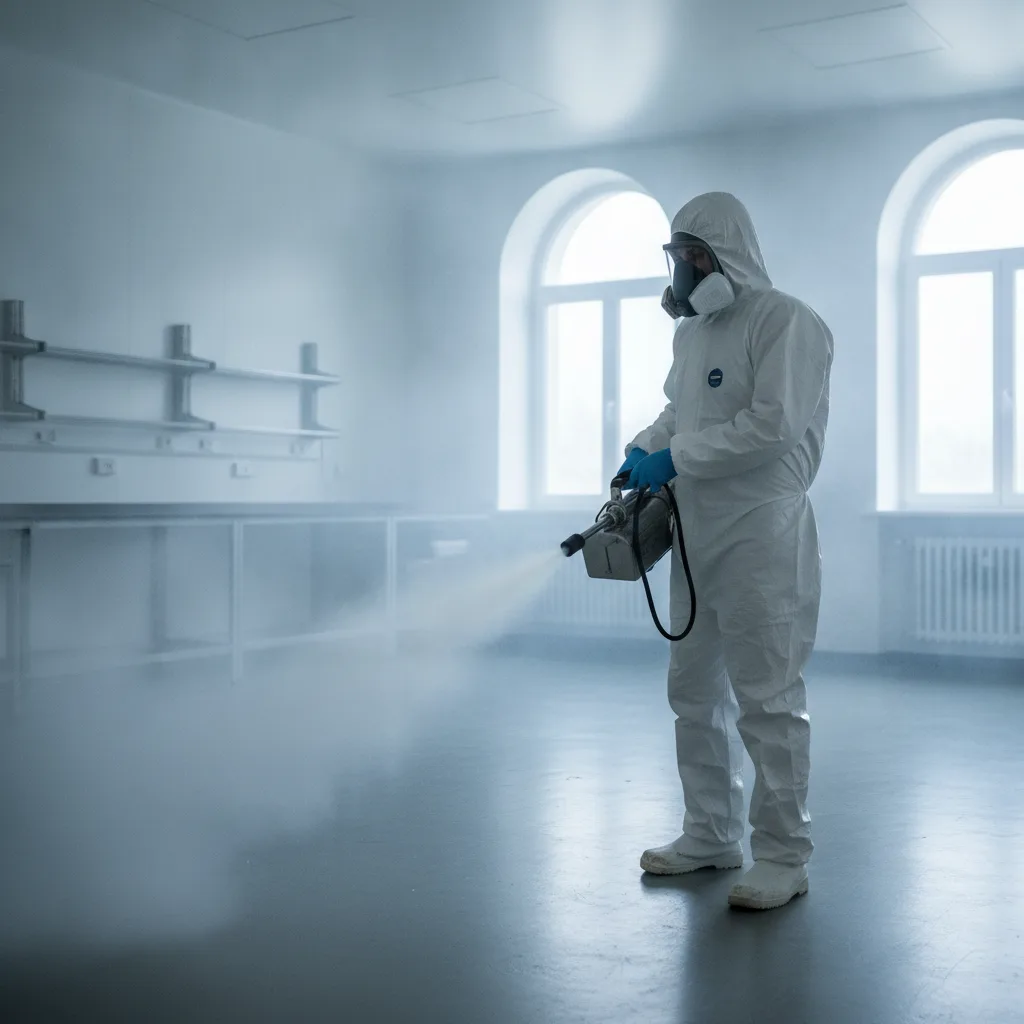
We decontaminate whole structures, rooms and vehicles after biological, sewage or drug-related contamination so they can safely be used again.
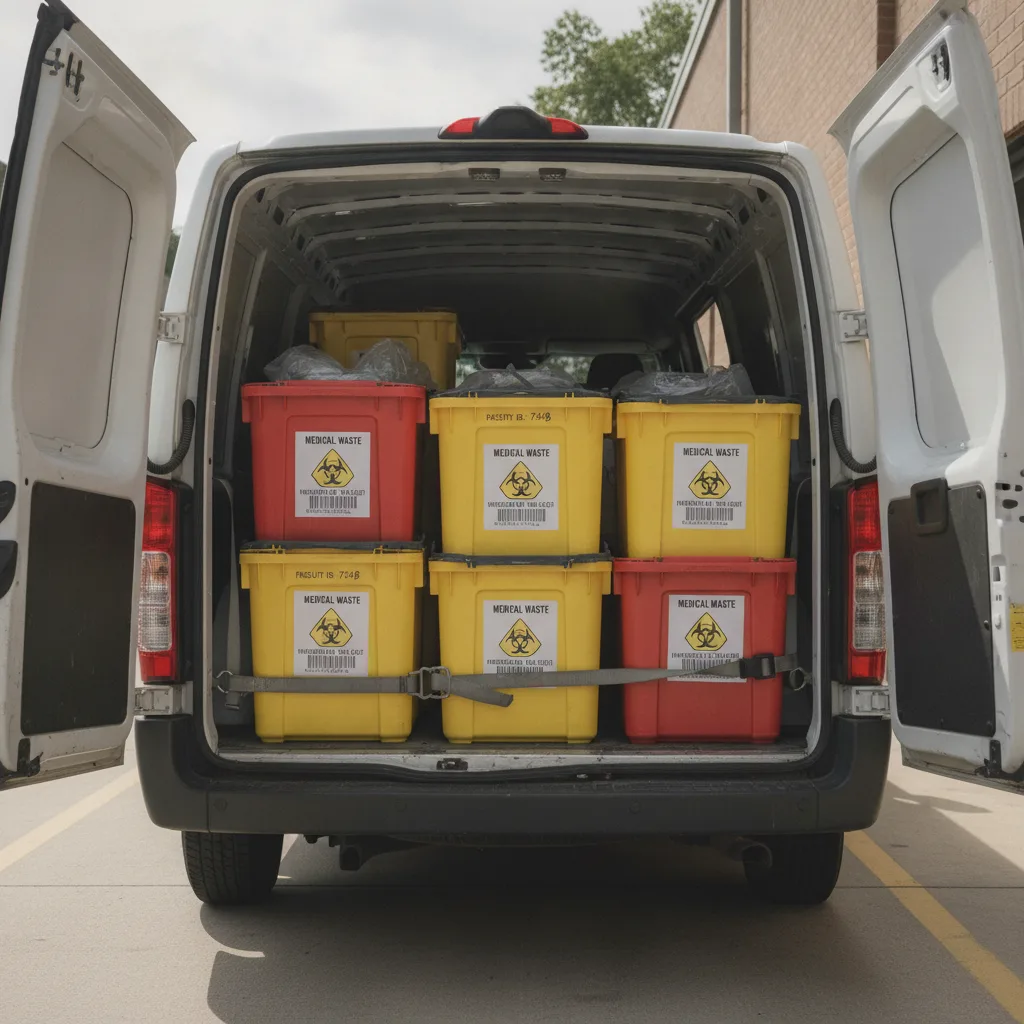
We package, label and transfer biohazardous and regulated medical waste, including sharps, for permitted disposal under Texas rules.
Each scene is different, but the same situations come up again and again in Lubbock, Slaton and Levelland. Here's what they look like, why they're common here, and when you should call. Knowing the warning signs helps protect your health, your property and your insurance claim.
This is when someone passes away and isn't found for days or weeks. Body fluids, tissue and odor spread into flooring, subfloors, walls and HVAC systems. Insects move in, and bacteria and gases make the home unsafe to live in until it's professionally remediated.
These are trauma scenes in apartments, duplexes and rental houses after an overdose, suicide or other tragedy. They often involve blood, other body fluids and sometimes needles, and the space has to be fully decontaminated before anyone can live there again.
After an assault, shooting or homicide, blood and tissue can travel far past what you can see. Spatter reaches ceilings, gets into outlets and furniture, and fluid seeps between floorboards and under baseboards. Fingerprint powder and investigative residue usually get left behind too.
This means a home buried in belongings, trash, food waste, animal or human waste, and sometimes needles. Hoarded homes can hide structural damage, pests, mold and fire hazards, and they often turn up during an estate cleanout or a health and safety intervention.
This is contaminated water from sewage backups, overflowing toilets or floodwater that has touched waste. It carries bacteria, viruses and parasites, and anything porous it soaks into, like drywall, carpet and insulation, usually has to be removed.
This covers properties contaminated by drug use or manufacturing. That means chemical residue on surfaces and in HVAC, plus discarded syringes hidden in carpet, furniture and walls. They're dangerous for the next tenants, buyers and maintenance crews.
These are smaller-scale blood events from household injuries, self-harm, pet incidents or medical emergencies at home. They also include vehicles after accidents or deaths. Even a small amount of blood can carry bloodborne pathogens like hepatitis B and HIV.
Every step is designed to take the burden off you, from talking with insurance to the final odor check. Here's what you can expect and roughly how long each step takes.
Any hour; usually a 10–15 minute call
Dispatched promptly after the call; assessment takes 30–90 minutes
Often the same day; it depends on the carrier
Hours for small scenes, 1–5 days for decomposition or hoarding
Final day of the project
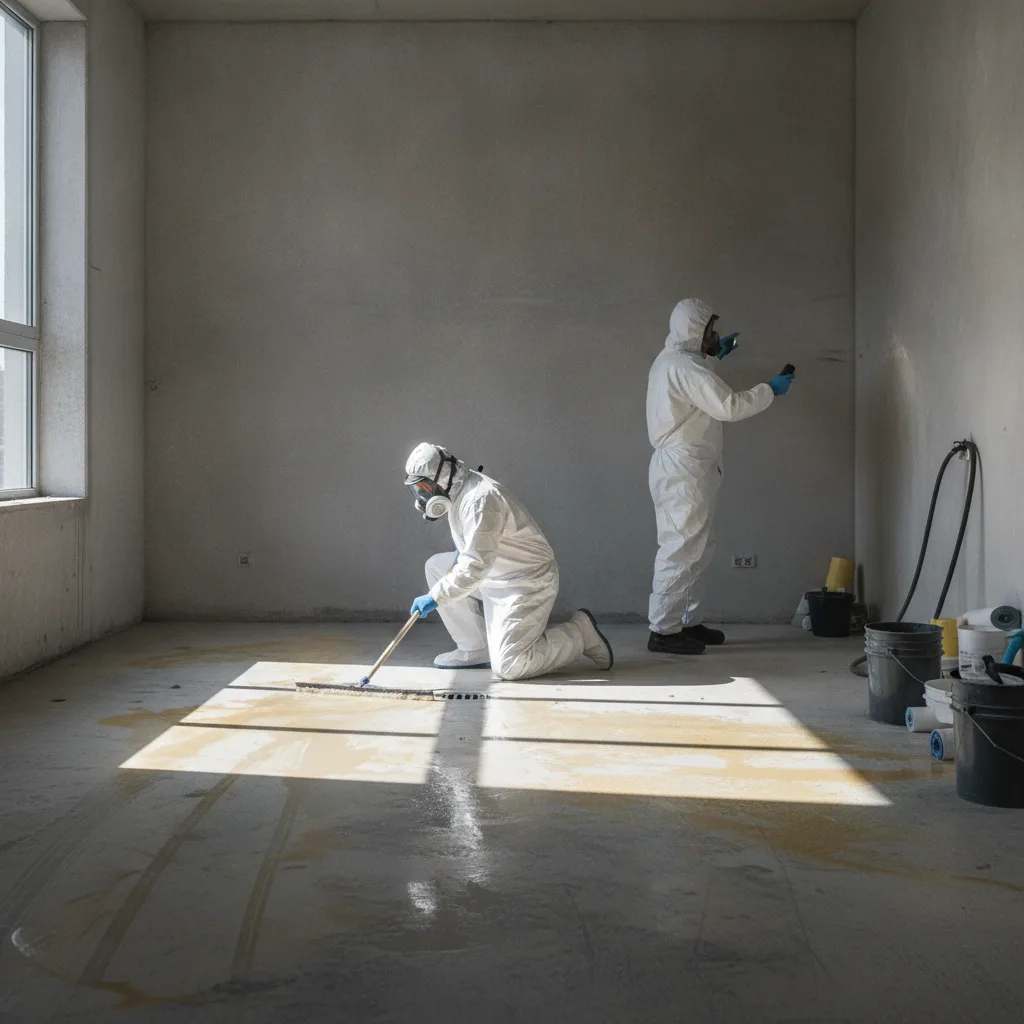
Most families never expect to need this kind of help, and the first question is usually who pays. Homeowner's, landlord and auto policies often cover sudden biohazard events. Eligible crime victims may qualify for reimbursement through the Texas Crime Victims' Compensation Program. We put together the photos, scope, inventory and disposal records that adjusters and the Attorney General's office look for, and we handle the back-and-forth so you don't have to. For many insured families, the result is little or no out-of-pocket cost.
In a South Plains summer, waiting even a few hours makes decomposition, odor and subfloor damage worse. Our team answers any hour, every day, including holidays. That way you aren't waiting for a crew to drive in from Amarillo, Midland or Dallas. When the scene is released at 2 a.m., you can call us at 2 a.m., and we'll start making a plan.
We arrive in unmarked vehicles and our technicians keep a low profile. In close-knit places like Slaton and Levelland, and in south Lubbock HOAs or apartment complexes with strict rules, that matters a lot. We work during approved hours, keep your situation private, and never post photos or details of your property. Neighbors don't need to know anything, and they won't hear it from us.
A 1940s Tech Terrace bungalow on pier-and-beam needs a very different approach than a 2015 slab home near 114th Street or a manufactured home outside the city. We know fluids go through hardwood into joists, wick into slabs under carpet pad, and ruin particleboard subfloors. We know dry winters can leave stains mummified instead of liquefied. Because we understand the structure, we remove what's needed and save what can be saved.
Texas doesn't license crime scene cleaners, so it's up to you to ask how a company actually works. We're insured, and our technicians follow OSHA's Bloodborne Pathogens Standard and respiratory protection rules. Biohazard and medical waste is packaged, labeled and sent for disposal under TCEQ and DSHS rules, with chain-of-custody records. We also check for possible asbestos and lead paint before disturbing materials in older homes.
Biohazard remediation is the work we focus on: crime scenes, trauma, unattended deaths, decomposition, hoarding, odor and decontamination. Our methods include ATP testing, encapsulants and hydroxyl deodorization. A regular cleaning or restoration company might treat what it can see. We look for what's hidden in wall cavities, under baseboards and in HVAC systems, so the problem doesn't come back weeks later.
We know you're dealing with grief, shock or stress, and we treat people and belongings with dignity. When it's safe, we help recover photos, documents and keepsakes. Many families who've lost a loved one in Lubbock live hours away or out of state. Photo updates, remote approvals and key coordination let them handle everything without having to travel.
For many Lubbock families, crime scene and biohazard cleanup is billed to insurance, and the out-of-pocket cost can be as low as $0. Homeowner's, landlord and auto policies often cover sudden events, and Texas Crime Victims' Compensation may reimburse eligible victims. Here's what affects the size of a claim.
Your coverage matters more than anything else. Many homeowner's and landlord policies cover sudden biohazard events like trauma, unattended death and crime scenes. Auto comprehensive policies often cover vehicle cleanup. Eligible victims of violent crime may get reimbursed through the Texas Crime Victims' Compensation Program, up to its statutory cap. We review your situation, document everything, and work with the adjuster so the full scope gets submitted correctly.
The longer remains go undiscovered, especially in summer when Lubbock hits the upper 90s and above, the farther fluids and odor spread into subfloors, walls and HVAC. A scene found within a day may only need surface work and some flooring removed. Two weeks in a closed house in July can mean replacing the subfloor, treating joists and running a full deodorization.
Pier-and-beam homes with hardwood in Tech Terrace and Overton often need subfloor and joist work from the crawlspace. Slab homes need carpet and pad removed and concrete sealed with encapsulants. Manufactured homes with particleboard floors usually need whole sections replaced. In pre-1980 homes, possible asbestos or lead paint can add testing steps before anything is demolished.
A contained blood spill in one room is a very different job from contamination across several rooms, shared walls in a fourplex, or a home's ductwork. Hoarding volume, the number of outbuildings on rural acreage, and how many sharps are present all change the labor, containment and amount of waste that has to be disposed of.
Regulated medical waste needs proper packaging, a registered transporter and a permitted disposal facility, so larger waste volumes increase the claim. Remote properties outside Slaton or Levelland may involve added travel and logistics. We talk about these openly at the start, and they're often included in what gets submitted to insurance.
We'll help you figure out whether your homeowner's, landlord, auto policy or Texas Crime Victims' Compensation applies before work starts. If a situation isn't covered, like some hoarding cases, we'll talk through options with you openly before you commit to anything.
In many cases, yes. Homeowner's and landlord property policies often cover sudden, accidental events like trauma, suicide, homicide and unattended death. Auto comprehensive policies often cover vehicle biohazard cleanup. Victims of violent crime may also qualify for the Texas Crime Victims' Compensation Program, run by the Attorney General, which can reimburse cleanup costs up to a statutory cap. Coverage depends on your policy, so we review the details with you, document the scene with photos and a written scope, and work directly with your adjuster. For many insured Lubbock families, the out-of-pocket cost is little or nothing.
We're available 24/7, including nights, weekends and holidays, and we send a crew as soon as the scene is released. Because we work locally, you won't wait the 2–5 hours it can take for crews from Amarillo, Midland-Odessa or DFW. Speed really matters here. In a Lubbock summer, decomposition odor and fluid damage get worse by the hour, especially in closed or non-air-conditioned homes. For Slaton (about 15 miles out) and Levelland (about 30 miles out), we'll give you a realistic arrival estimate when you call.
It depends on the scene. A contained blood cleanup is often done in a few hours. Most trauma or crime scenes take one to two days. Unattended deaths with decomposition, especially in pier-and-beam homes where subfloor and joists need treatment, can take two to five days, including deodorization. Large hoarding cleanouts may take a week or longer, particularly on rural properties with outbuildings. We'll give you a timeline after the assessment and keep you updated, including photo updates for family who live out of town.
We can't start until law enforcement (Lubbock PD, Lubbock County Sheriff, Texas Tech Police, Slaton PD, Levelland PD or Hockley County Sheriff) or the Lubbock County Medical Examiner releases the scene. The cleanup itself doesn't need a city permit. If subfloor, drywall or framing has to be removed and rebuilt, the reconstruction may need City of Lubbock Building Inspection permits. In older homes, asbestos and lead-paint rules may apply before demolition. We follow OSHA bloodborne pathogen standards and Texas medical waste rules throughout.
We strongly advise against it. Blood and body fluids can carry hepatitis B, hepatitis C and HIV, and safe handling takes PPE, training and an exposure control plan under OSHA. Regulated medical waste and sharps have to be packaged and disposed of under Texas rules, so they can't go in household trash. Fluids also travel under flooring and into wall cavities you can't see, especially in Lubbock's pier-and-beam homes. Doing it yourself can leave hidden contamination and may make an insurance claim harder to get paid.
Yes, and we do it often. Many families who lose a parent or relative in Lubbock, Slaton or Levelland live hours away or in another state. We can coordinate key access with a neighbor, property manager or executor, send photo documentation before, during and after, get your approval remotely, and work with the homeowner's insurer for you. When it's safe, we'll set aside personal items, photos and important documents and arrange to get them back to you.
You can't prevent every tragedy, but you can limit the damage. Welfare checks for tenants who suddenly stop answering, especially seniors and isolated residents, help catch problems early. Check your property policy now to confirm biohazard coverage. Keep crawlspaces accessible and inspect plumbing before winter freezes to reduce the risk of sewage events. For student rentals near Texas Tech, include clear biohazard and abandonment clauses in leases. And keep a 24/7 cleanup number on file so that if something happens, the response starts right away, before Lubbock heat makes it worse.
Call right away if there's been a death, a violent crime, a suicide or a significant blood loss, or if you notice a strong sweet odor, flies at windows, dark stains coming through flooring, needles, or sewage backing up. Waiting rarely helps. Summer temperatures speed decomposition, and dried fluids sink deeper into hardwood and concrete. Call us any hour even if you're not sure what you need. We'll talk it through, explain your insurance options, and give you honest advice with no pressure.
We come to you anywhere in Lubbock and the surrounding area, in unmarked vehicles, any hour of the day.
You don't have to face this alone or worry about the bill first. Call any hour, and we'll answer, explain your coverage, and start restoring your home with compassion and complete discretion.
Call (806) 491-6866 Now