Discreet, certified crime scene and biohazard cleanup in Omaha — unmarked vehicles, compassionate technicians, and in most cases $0 out of pocket since we bill your insurance directly.
Biohazard cleanup in Omaha has its own challenges. The weather swings hard between seasons, the housing ranges from 1880s Victorians to new Sarpy County subdivisions, and the metro spans two states with different rules. Each of these affects how far contamination spreads and what it takes to remove it safely.
July highs in Omaha average in the upper 80s, heat waves often pass 95°F, and dew points regularly reach the upper 60s and 70s. In those conditions an unattended death can soak through carpet, pad and subfloor within days, and odor can travel through HVAC returns into other rooms or neighboring units. Winter brings its own problems. January lows sit in the teens, windows stay shut, and forced-air furnaces circulate contaminants through the ductwork, so duct deodorization is often part of the job. Isolation in winter also means discoveries take longer. About 30 inches of precipitation falls each year, mostly from April through August as severe storms, so basement sewage backups and humidity-driven mold are real risks if fluids aren't fully dried.
Homes from the 1880s to 1930s in Dundee, Field Club, Benson, Florence and Midtown were built with old-growth hardwood that has open gaps, plaster-and-lath walls, balloon framing and unsealed subfloors. Fluids in these homes run down into joists and sideways into wall cavities, so cleanup often means selective demolition instead of surface cleaning. In pre-1978 homes, lead paint and asbestos may need to be dealt with before any tear-out. The 1960s–80s split-levels in Millard have wall-to-wall carpet over particleboard that soaks up fluid. Newer Papillion and Elkhorn homes use floating LVP floors, which trap fluid underneath. Nearly every home in the metro has a basement, and basements are where sewage backups, hoarding and many unattended deaths happen.
Nebraska doesn't license trauma cleanup companies, so federal OSHA rules are the real standard. That includes the Bloodborne Pathogens Standard (29 CFR 1910.1030), respiratory protection and hazard communication. Regulated medical waste must be packaged, labeled and taken to permitted facilities under US DOT rules. It can never go in household trash. NDEE oversees waste and asbestos in Nebraska, while Iowa DNR rules apply in Council Bluffs. Omaha's post-Yale Park rental inspection ordinance and the city's nuisance code enforcement often require landlords to show documented professional cleanup. Before any work starts, Omaha PD, the county sheriff or the medical examiner must release the scene.
About 1 million people live in the Omaha–Council Bluffs metro, and more of them are 65 or older and aging in place. The person who calls us is often an out-of-state adult child, an executor or an estate attorney rather than someone who lives in the home. Landlords with rentals in Midtown, Benson and Bellevue, and around Offutt AFB, need fast turnovers with paperwork that holds up to code inspection. Hospitals, campuses, hotels and South Omaha food processors need OSHA-compliant cleanup of bodily fluids and sharps.
Every service below is done by insured technicians following OSHA and Nebraska disposal protocols. We arrive in unmarked vehicles and keep detailed documentation for your insurer. Most of this work can be billed to homeowners or landlord insurance, so families and property owners often pay little or nothing out of pocket.
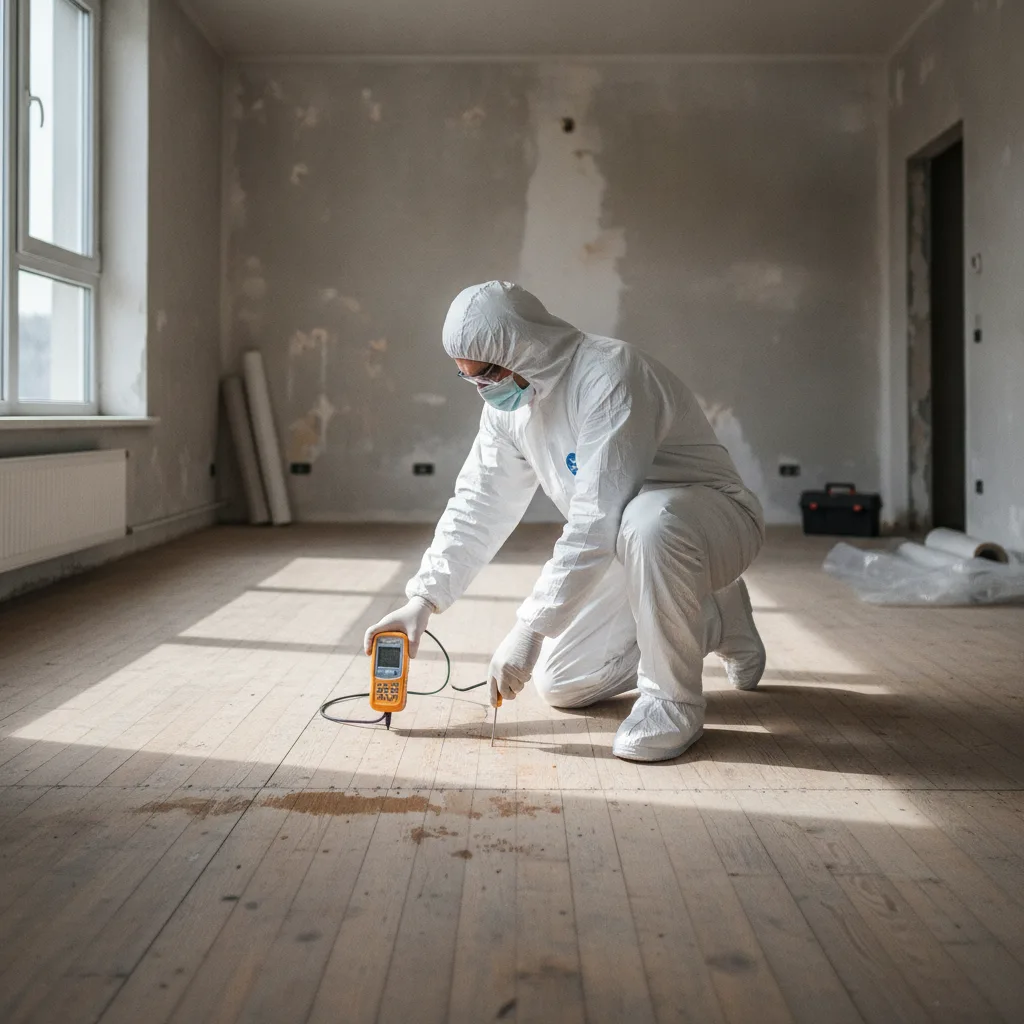
We fully remediate the home after a death that wasn't discovered right away, including fluids, tissue, contaminated belongings and odor. We work carefully around the personal items you want to keep.
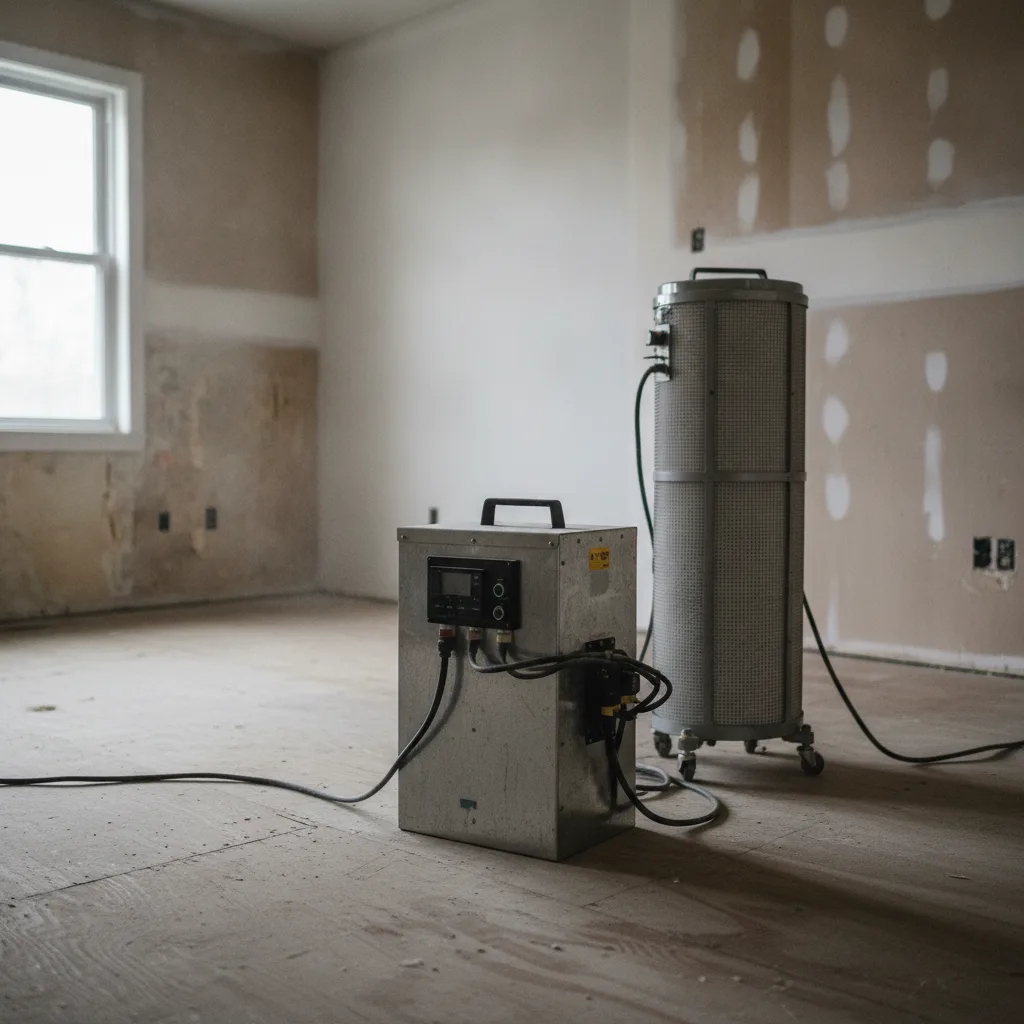
We remove decomposition fluids and odor from flooring, framing, wall cavities, mattresses and vehicles until the space is safe to use again.
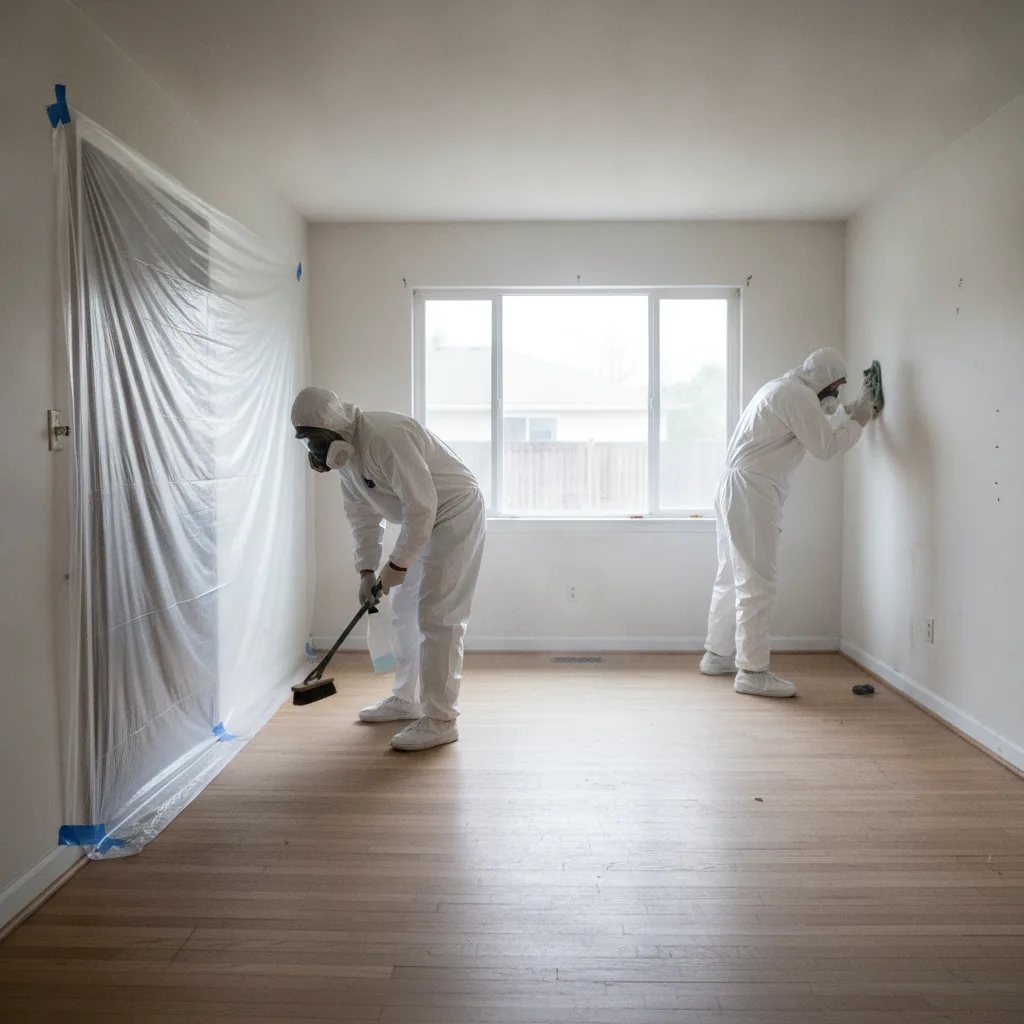
After police release the scene, we clean blood, tissue and investigation residue so families and property owners can move forward.
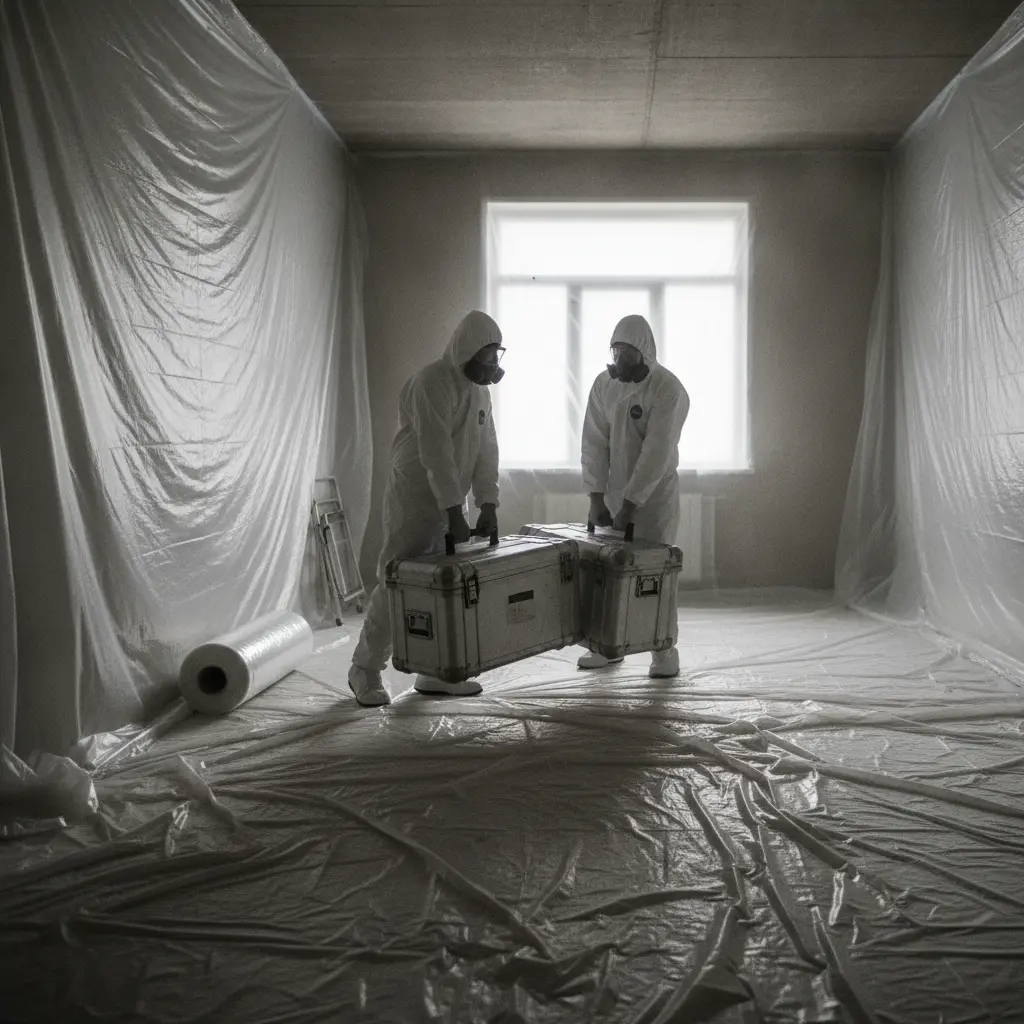
We restore homes after a homicide with compassion and full discretion, so the family never has to see or clean the scene.
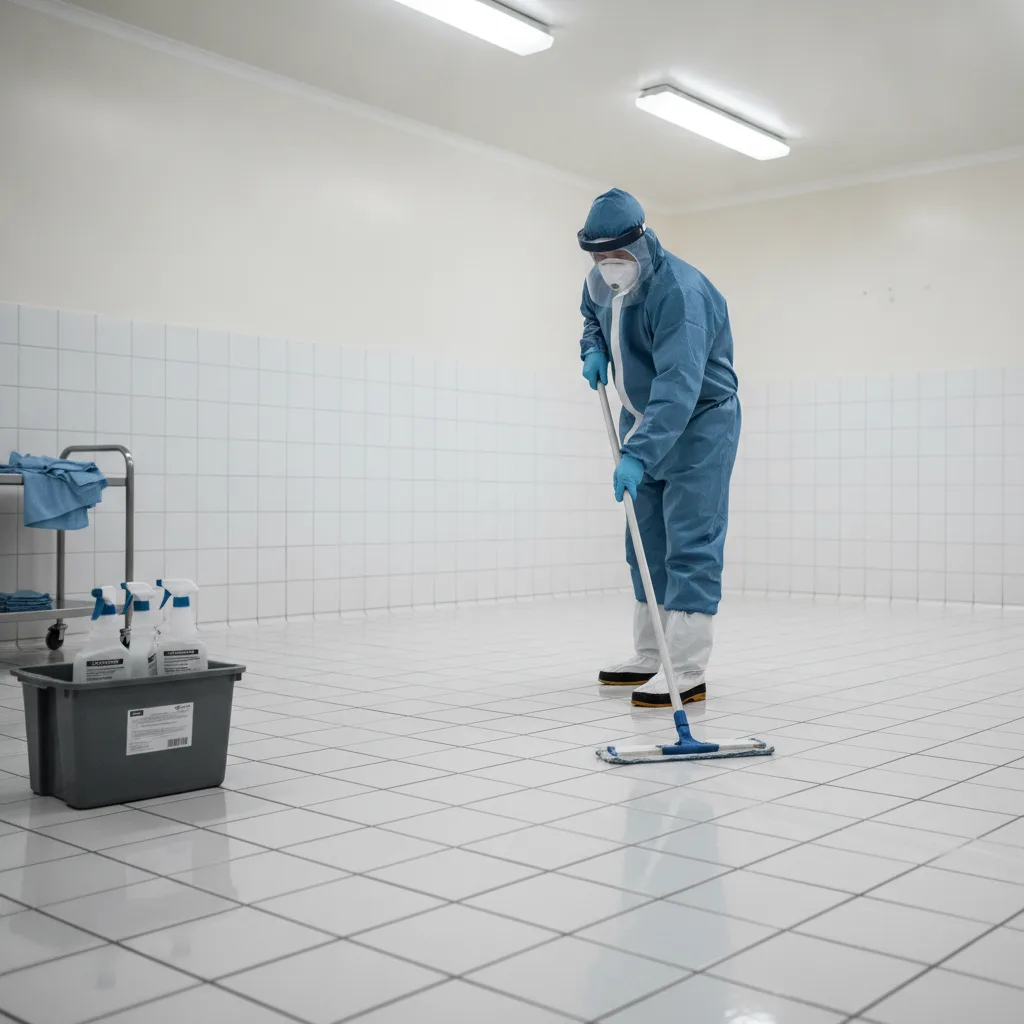
We clean up after suicides, assaults, accidents and serious injuries in homes, workplaces and public spaces.
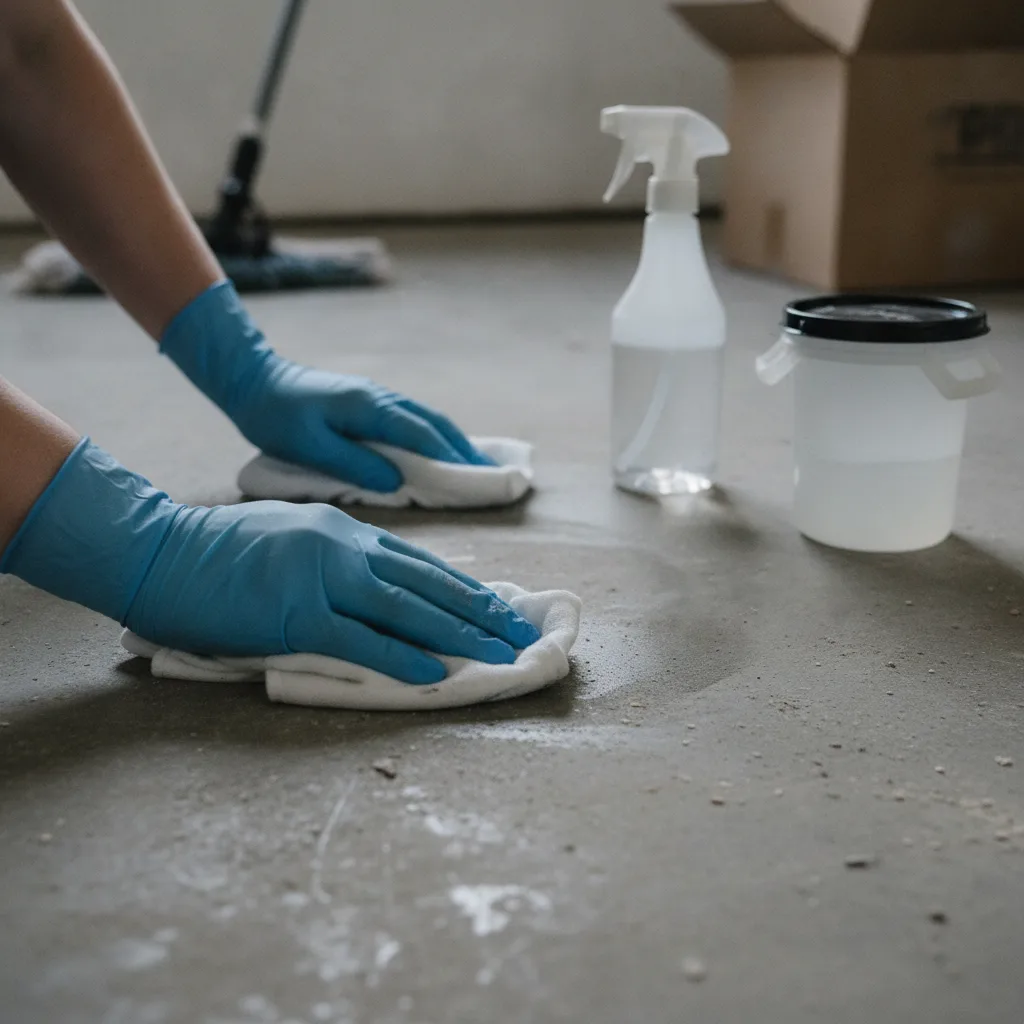
We remove and disinfect blood from carpet, upholstery, hard surfaces and vehicles.
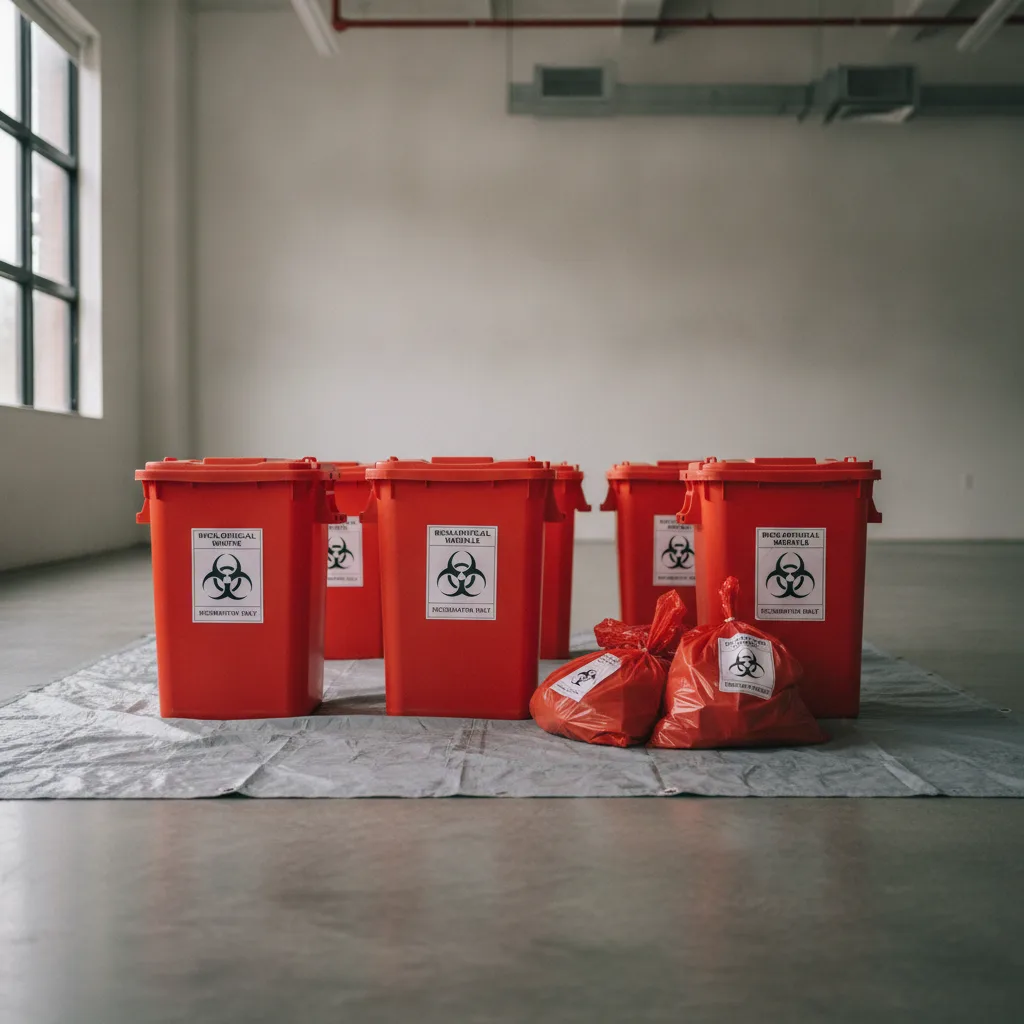
We clean up any biological contamination, including bodily fluids, animal waste and Category 3 sewage.
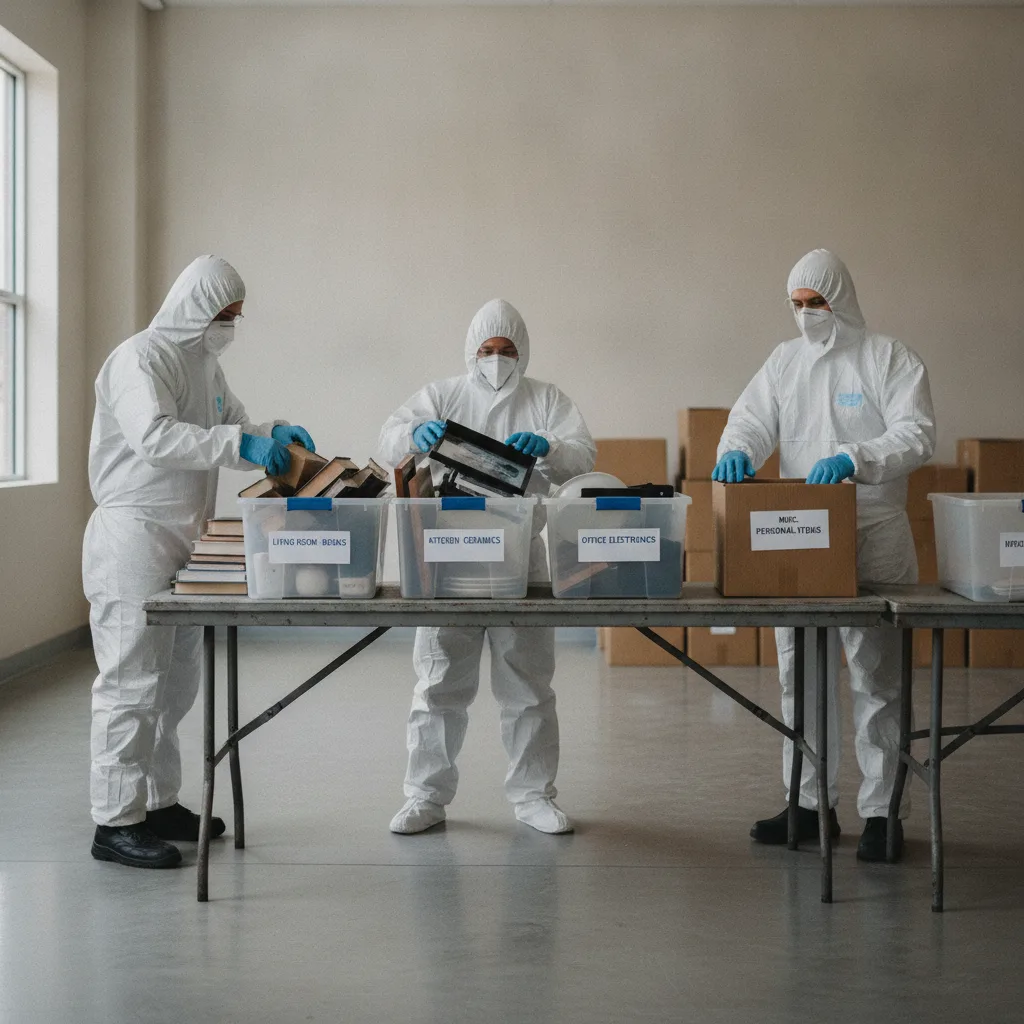
We clear and sanitize hoarded homes without judgment, setting aside documents, photos and valuables along the way.
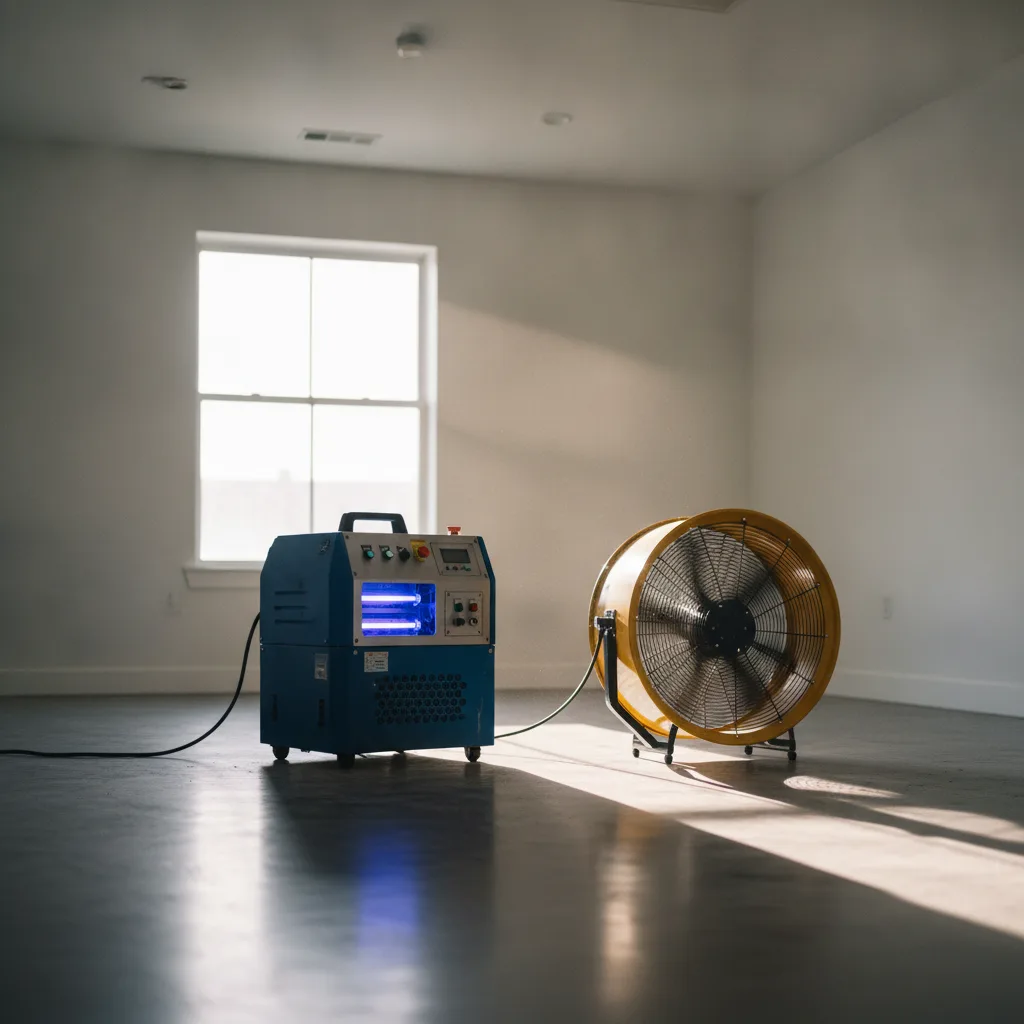
We permanently remove odors from death, smoke, urine and sewage, not just cover them up.
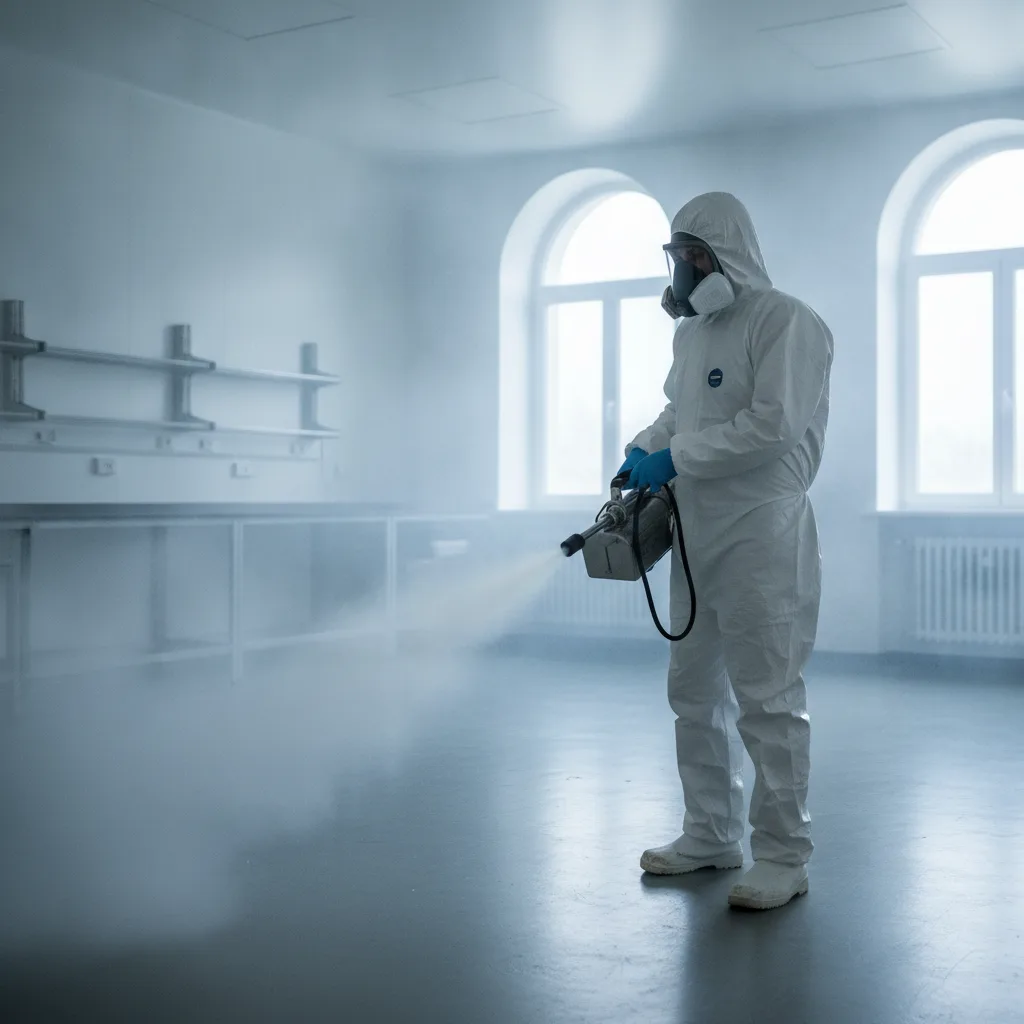
We decontaminate homes, rentals, vehicles and commercial spaces after overdoses, infectious disease events or drug use.
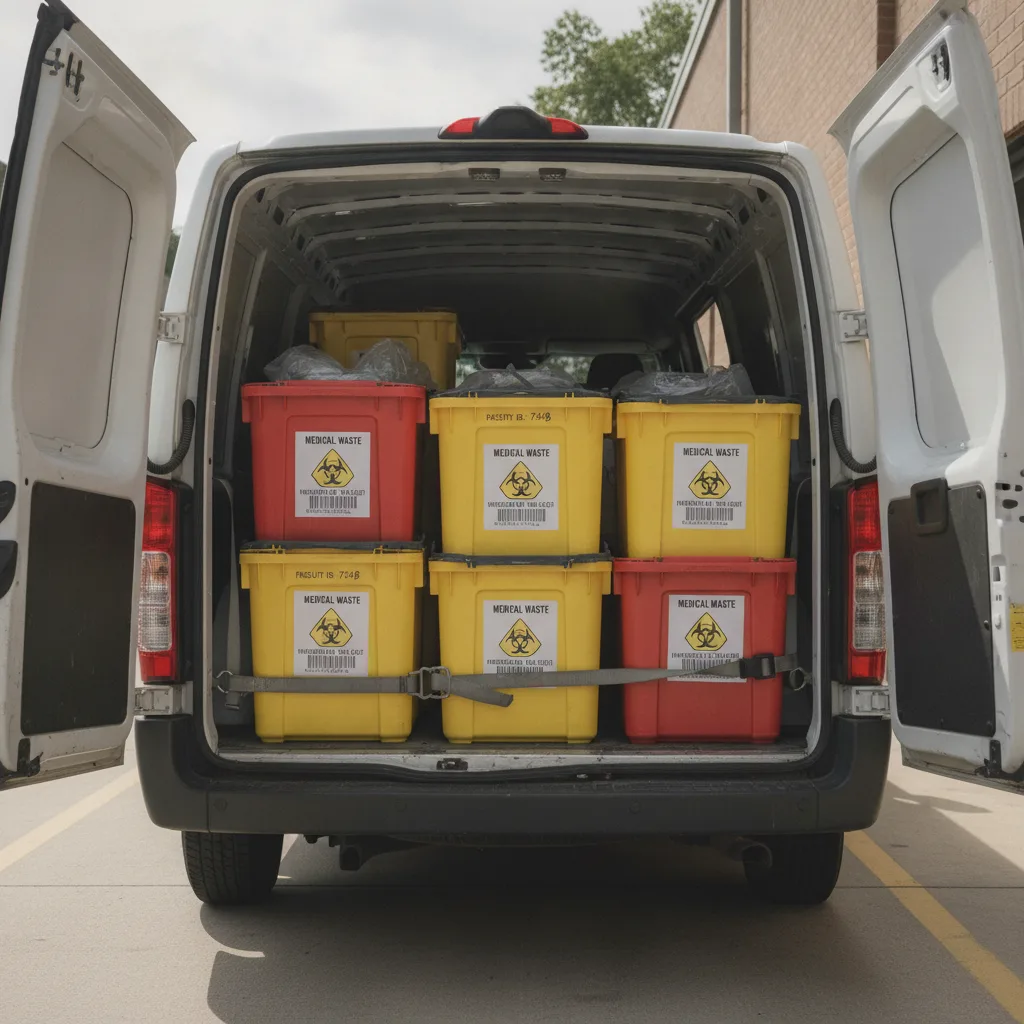
We collect, package and dispose of sharps and regulated medical waste.
Every scene is different, but some situations come up again and again in Omaha because of our weather, our older homes and how the metro lives. Here's what each one involves, the warning signs, and why acting quickly limits both health risks and structural damage.
This is when someone dies at home and isn't found for days or weeks. As the body decomposes, fluids, tissue and strong odor-causing compounds spread into flooring, subfloors, walls and HVAC systems. It creates serious pathogen exposure and odor that household cleaning can't remove.
These are violent events that leave blood, tissue and bone fragments on floors, walls, ceilings and furniture, sometimes along with fingerprint powder and other investigation residue. Blood often spreads much farther than it looks, and every surface it touches has to be treated as potentially infectious.
These are overdose deaths or medical events in homes, vehicles or motel rooms. They may leave bodily fluids, needles and drug residue that put the next people who use the space at risk.
These are severe accumulations of belongings, trash, animal waste or spoiled food that make a home unsanitary. They often hide mold, pests, sharps and structural damage, and they can put the occupant at risk of falls, fire or eviction.
This is 'black water' from sanitary or combined sewers that backs up into basements. It carries bacteria, viruses and parasites, and anything porous it touches has to be removed and the area disinfected.
This is when odor from decomposition, smoke, urine or bodily fluids keeps coming back after an earlier cleaning. It usually means contamination is still in the subfloor, wall cavities, ductwork or other porous materials.
These are limited incidents such as an injury, nosebleed or medical event that leave blood or fluids on a few surfaces in a home, vehicle or workplace.
From your first call to the final walkthrough, we take care of the details, including insurance paperwork. Here's what to expect at each step.
Immediate, any hour
Usually same day
Starts during the assessment
Hours for small spills; 1–5 days for structural jobs
Final day
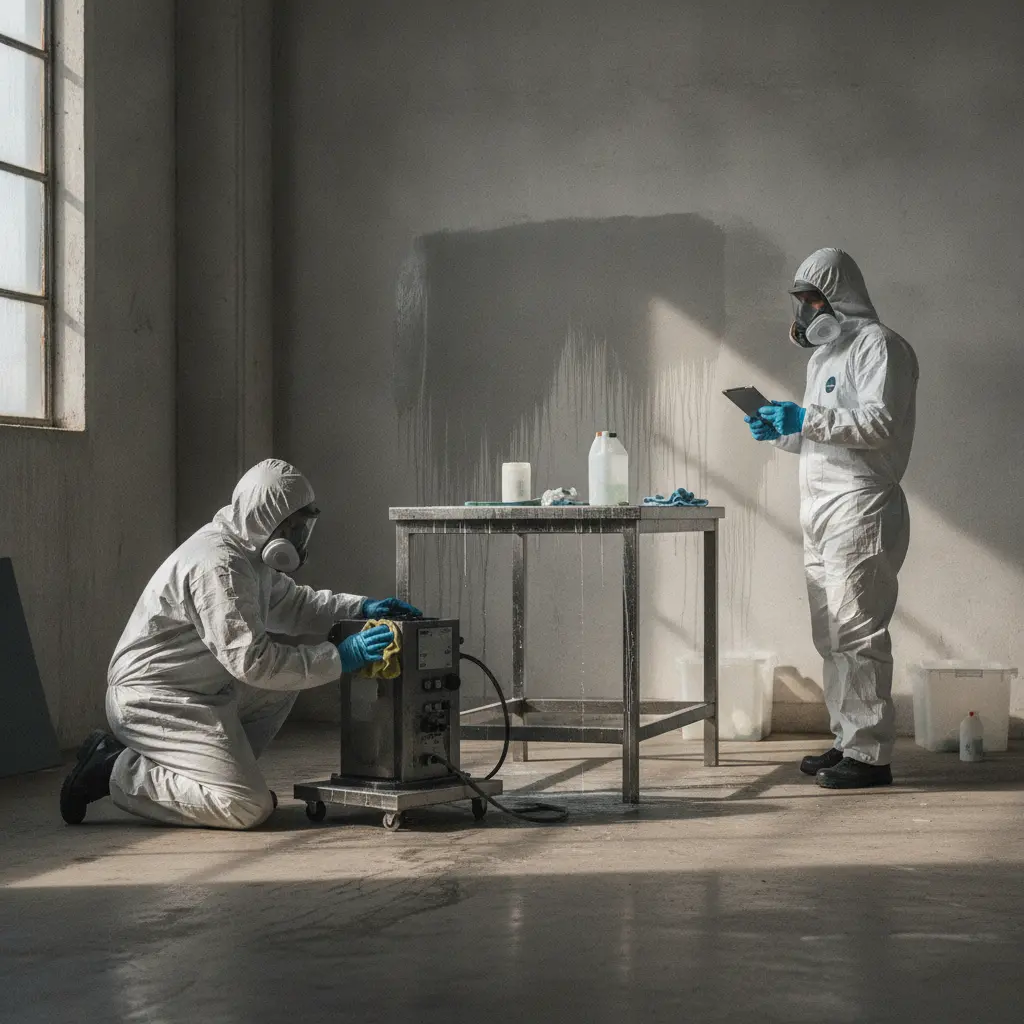
Paying for cleanup shouldn't be one more burden on a grieving family. Homeowners and landlord policies often cover trauma, crime scene and unattended death cleanup, and we work with your adjuster directly. We handle the photos, written scope and itemized documentation insurers expect, and we'll explain your deductible plainly before any work begins. If insurance doesn't apply, we'll help you look into the Nebraska Crime Victim's Reparations program or Iowa's Crime Victim Assistance Program so you understand every option.
Omaha's summer heat means a decomposition scene can get much worse in a few days, and a sewage backup turns into mold within 48 to 72 hours. That's why we answer around the clock, including nights, weekends and holidays. A real person picks up, walks you through the next steps and sends a crew out. Responding quickly protects your health and limits structural damage, and that often keeps the scope, and your claim, smaller.
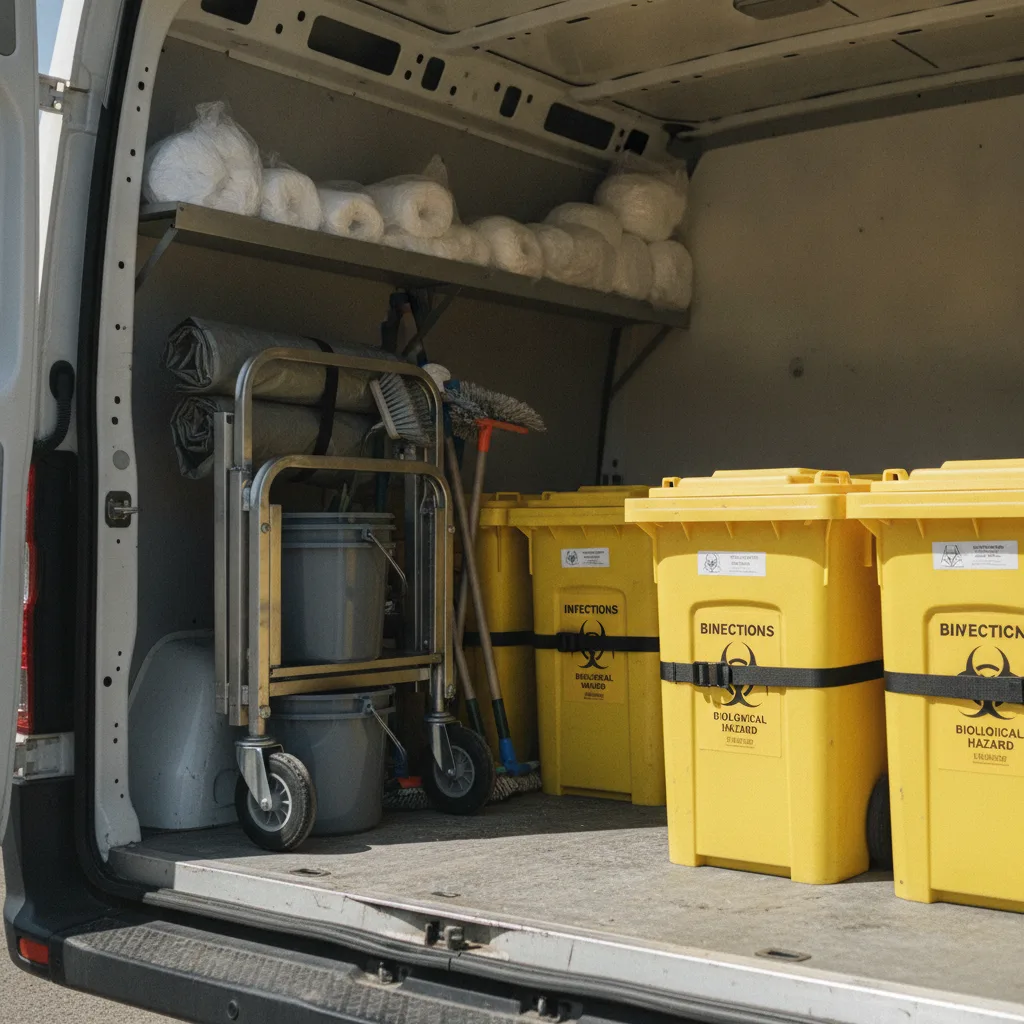
Omaha neighborhoods are close-knit, and nobody needs a biohazard logo parked in their driveway. Our technicians arrive in unmarked vehicles, work quietly and keep your situation private. In HOA communities like Papillion, Elkhorn and West Omaha, we keep equipment and waste containers low-profile. In shared buildings in Midtown or Aksarben Village, we coordinate with property managers so neighbors aren't disturbed.
Cleaning a 1905 Field Club foursquare is very different from cleaning a 2018 Gretna build. Gapped old-growth hardwood, plaster-and-lath and balloon framing let fluids travel into joists and wall cavities, and floating LVP traps them underneath. Because we know how each era of Omaha construction behaves, we remove only what's necessary and we check for lead and asbestos in pre-1978 homes before any demolition.
Council Bluffs follows Iowa DNR waste rules, Pottawattamie County Public Health and Iowa's victim-assistance process. Omaha, Bellevue, Papillion and La Vista follow Nebraska's. Most families don't know there's a difference, and they shouldn't have to. We work in both states and handle the right disposal, documentation and agency coordination wherever the job is.
Nebraska doesn't license trauma cleanup, so how a company follows federal standards is what separates professionals from amateurs. Our technicians follow the OSHA Bloodborne Pathogens Standard, respiratory protection and hazard communication rules. Waste is packaged, labeled and sent to permitted facilities, never to household trash. We're also fully insured, which protects you and your property.
Omaha folks value honesty, and so do we. We'll tell you what's affected, what has to be removed and why, with no pressure and no jargon. Whether you're an adult child handling a parent's estate from out of state, a landlord facing a code deadline or a family after a violent loss, we treat you and your home with respect.
Most families never pay us directly. Homeowners and landlord insurance frequently covers trauma and unattended death cleanup, and we bill your insurer with complete documentation. Below are the factors that determine the size of a claim, so you know what to expect.
Your policy decides what you'll owe, and for many Omaha homeowners and landlords, that's only the deductible or nothing at all. We confirm coverage with your adjuster before major work begins and handle the billing directly. If insurance doesn't apply, we'll walk you through the Nebraska Crime Victim's Reparations program or Iowa's Crime Victim Assistance Program, which can help eligible victims and families with cleanup costs.
The longer a scene sits, especially in Omaha's humid summers, the deeper fluids and odor spread. A scene found within a day may only need surface and carpet work. One found after a week in July often needs subfloor removal, joist sealing and HVAC treatment, which makes the claim larger. Calling right after the scene is released keeps the scope as small as possible.
Gapped hardwood, plaster-and-lath and unsealed subfloors in older Dundee, Benson and Council Bluffs homes absorb fluids deeply. Pre-1978 homes may need lead or asbestos testing before demolition. Newer homes with floating LVP can hide fluid underneath. Each of these changes the scope of work, and we document all of it so your insurer sees why it's needed.
One room is very different from contamination that has spread through ductwork into an entire house or neighboring apartments. Omaha homes run the furnace or AC most of the year, so HVAC deodorization is common. Shared-wall apartments may need containment in more than one unit.
Regulated medical waste has to be packaged, transported under DOT rules and taken to permitted facilities. Hoarding jobs and large removals generate more waste. Nebraska and Iowa disposal rules differ, and we handle both.
We bill insurance directly and can help with documentation for Nebraska or Iowa victim-compensation programs. If something isn't covered, we'll explain it plainly before any work starts. There are no surprises.
Often, yes. Many homeowners and landlord policies in Nebraska and Iowa cover trauma, crime scene and unattended death cleanup as sudden, accidental damage, so many families pay nothing out of pocket beyond their deductible. We contact your adjuster, provide photos and an itemized scope, and bill the insurer directly. If coverage is denied or you don't have insurance, we'll help you look into the Nebraska Crime Victim's Reparations program or Iowa's Crime Victim Assistance Program. We'll always explain your deductible and anything that isn't covered before work begins.
We answer 24/7 and usually send an unmarked crew the same day anywhere in Omaha, Bellevue, Papillion, La Vista or Council Bluffs. Speed matters here. In Omaha's summer heat, decomposition fluids can reach the subfloor within days, and in winter a running furnace spreads odor through the ductwork. The only thing that has to happen before we start is the official scene release from police or the medical examiner, and we can help confirm that for you.
Small blood cleanups often take a few hours. Most trauma and homicide scenes take one to two days. Unattended deaths with subfloor removal, HVAC treatment and odor verification usually take two to five days. Hoarding jobs vary depending on volume. Older Omaha homes with plaster and gapped hardwood sometimes take longer, especially if lead or asbestos testing is needed before demolition. We'll give you a realistic timeline after the assessment and keep you updated, including remote updates if you live out of state.
Nebraska doesn't license trauma cleanup companies, and most interior remediation doesn't need a building permit. The police department, county sheriff or medical examiner has to release the scene first. If demolition is involved in an older home, Nebraska NDEE or Iowa DNR asbestos rules and the EPA lead RRP rule may apply, and we handle those requirements. Biohazard waste must go to permitted facilities. In historic districts like Dundee or Field Club, interior work rarely needs review, but exterior changes might.
Blood and bodily fluids can carry hepatitis B, hepatitis C, HIV and other pathogens. OSHA treats them as hazardous for a reason. Most of the contamination is also hidden, soaked into carpet pad, subfloors, plaster cracks and ductwork, so a scene that looks clean can still smell and still pose a risk. Disposing of regulated waste in household trash isn't allowed. On top of all that, cleaning up after a loved one is emotionally devastating. Let us take that burden from you.
We use unmarked vehicles, plain work clothes when arriving and leaving, and quiet crews. We don't discuss your situation with neighbors. In HOA neighborhoods in Papillion, Elkhorn and West Omaha, we keep waste containers discreet. In apartment buildings, we coordinate with management to limit disruption.
If you live in older eastern Omaha neighborhoods on the combined sewer system, a backwater valve can reduce backups during spring and summer storms. Keep floor drains clear, make sure downspouts carry water away from the foundation, and don't let basement clutter build up where it can hide leaks or pests. For aging relatives living alone, regular check-ins, especially during winter cold snaps and summer heat waves, help prevent delayed discovery.
Call right away if there's any blood or bodily fluid you can't clean in a few minutes, an unattended death, a recurring odor, a sewage backup or a hoarding situation with a code notice. Waiting makes everything worse. Heat spreads contamination, mold can appear within 48 to 72 hours, and larger damage means a bigger claim. We're available 24/7, and an assessment call costs you nothing.
We come to you anywhere in Omaha and the surrounding area, in unmarked vehicles, any hour of the day.
You don't have to deal with this alone or pay for it alone. Call Integrity Crime Scene Services any hour. We'll explain what happens next, work with your insurance, and take care of the rest.
Call (402) 784-8030 Now