Discreet, certified crime scene and biohazard cleanup in Tulsa — unmarked vehicles, compassionate technicians, and in most cases $0 out of pocket since we bill your insurance directly.
Tulsa's climate, its century-old housing and its overlapping jurisdictions all change how a cleanup goes. A method that works in a new slab home in Jenks can fail in a 1920s bungalow in Brady Heights. Here's what shapes biohazard work in Green Country.
In July, Tulsa highs average in the low 90s°F, heat indexes often pass 100°F, and humidity stays high from late May through September. All of that speeds up decomposition. In an unattended death during summer, fluids can reach drywall, subfloor and joists within days, not weeks. When storms knock out power or an older resident keeps the AC off to save money, indoor temperatures climb fast, and flies and odor follow. Tulsa gets 40–42 inches of rain a year, with the most from April through June. Flash flooding along Mingo, Joe, Haikey and Fred Creeks, plus Arkansas River floods like 1986 and May 2019, cause Category 3 black-water and sewage backups. Our expansive red clay soil also traps moisture under crawlspaces, which feeds mold and bacteria on soaked materials.
Many homes in Maple Ridge, Swan Lake, Owen Park, Riverview and Brady Heights date to the 1910s–1930s oil boom. They sit on pier-and-beam foundations, with old-growth oak or pine floors and plaster-and-lath walls. Fluids run through the gaps between floorboards into the subfloor, so we often have to cut out flooring section by section. Brick ranches from the 1950s–70s in Midtown and East Tulsa hide contamination under carpet pad, and their porous concrete has to be sealed. In the 1970s–80s apartments along Memorial and Garnett, contamination can cross shared walls. Mobile homes around Oakhurst, Sand Springs and Catoosa have particleboard subfloors that soak up fluids and usually have to be removed. Before we tear anything out of a pre-1978 home, we check for possible asbestos or lead.
Oklahoma has no state license for trauma cleanup, so you have to look at how a company actually works. Federal OSHA rules apply: the Bloodborne Pathogens Standard, respiratory protection and hazard communication. The Oklahoma DEQ requires biohazardous waste and sharps to be packaged and handled by authorized handlers. They can't go in household trash. Cleanup can start only after Tulsa Police, the Sheriff or the Medical Examiner's Eastern Division office releases the scene. Since the 2020 McGirt ruling, tribal and federal jurisdiction can overlap and affect timing. Simple cleaning needs no permit. Structural repairs after a tear-out need a City of Tulsa building permit. In Historic Preservation districts, exterior changes need approval from the Tulsa Preservation Commission.
About 410,000 people live in the city and roughly 1 million in the metro. Tulsa is close-knit and faith-centered, and people here expect privacy and respect. More older adults now live alone, which leads to more late discoveries. Many of our calls come from an adult child handling a parent's estate in shock. Investor landlords in East and North Tulsa need units turned around fast. HOAs in Jenks and South Tulsa expect quiet, unmarked crews. Families across the metro need plain-language help with insurance.
Every service below is done by insured technicians who follow OSHA and Oklahoma DEQ protocols. Many are covered by homeowners, landlord or commercial insurance, and we bill your insurer directly. We adapt each method to the building, whether it's a 1920s bungalow, a mid-century ranch, a mobile home or a new slab home.
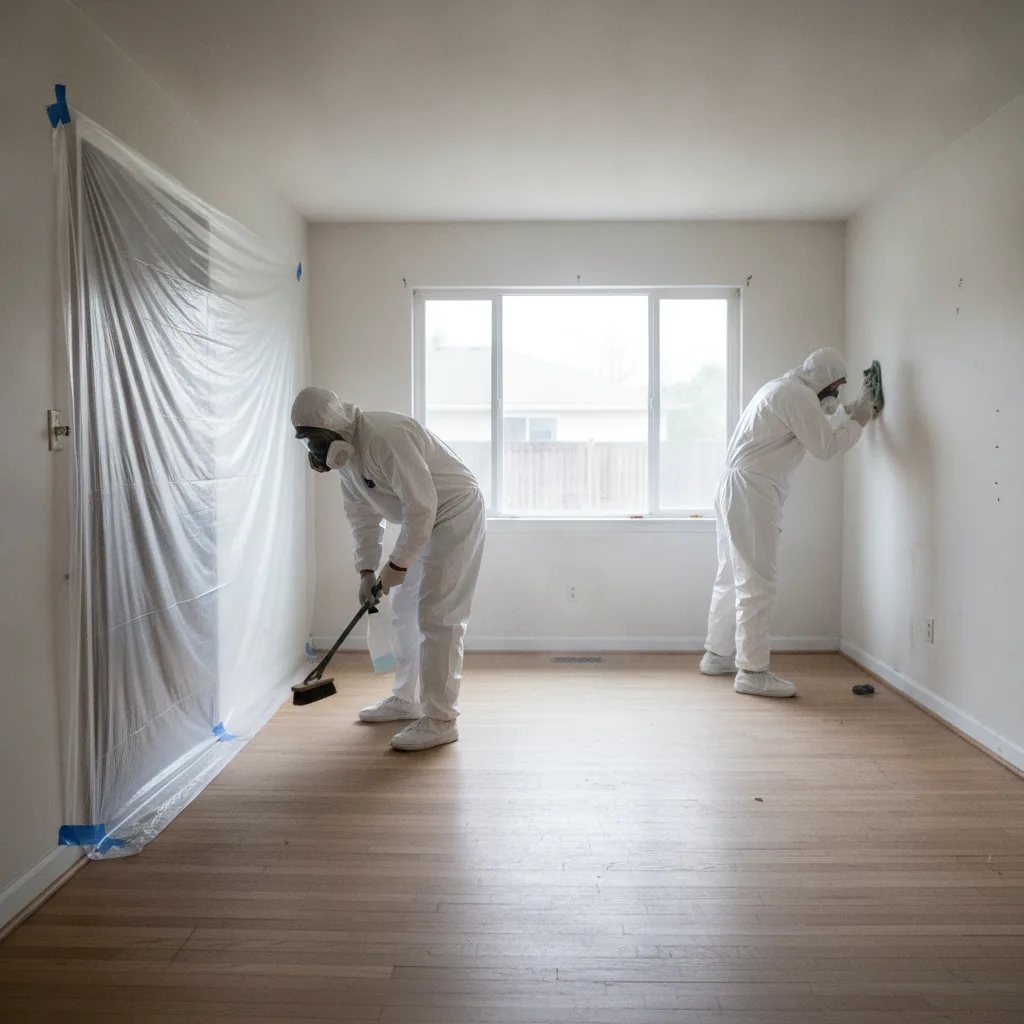
After police release the scene, we clean, disinfect and restore homes, vehicles and businesses affected by violent crime, removing blood, tissue and investigative residue such as fingerprint powder.
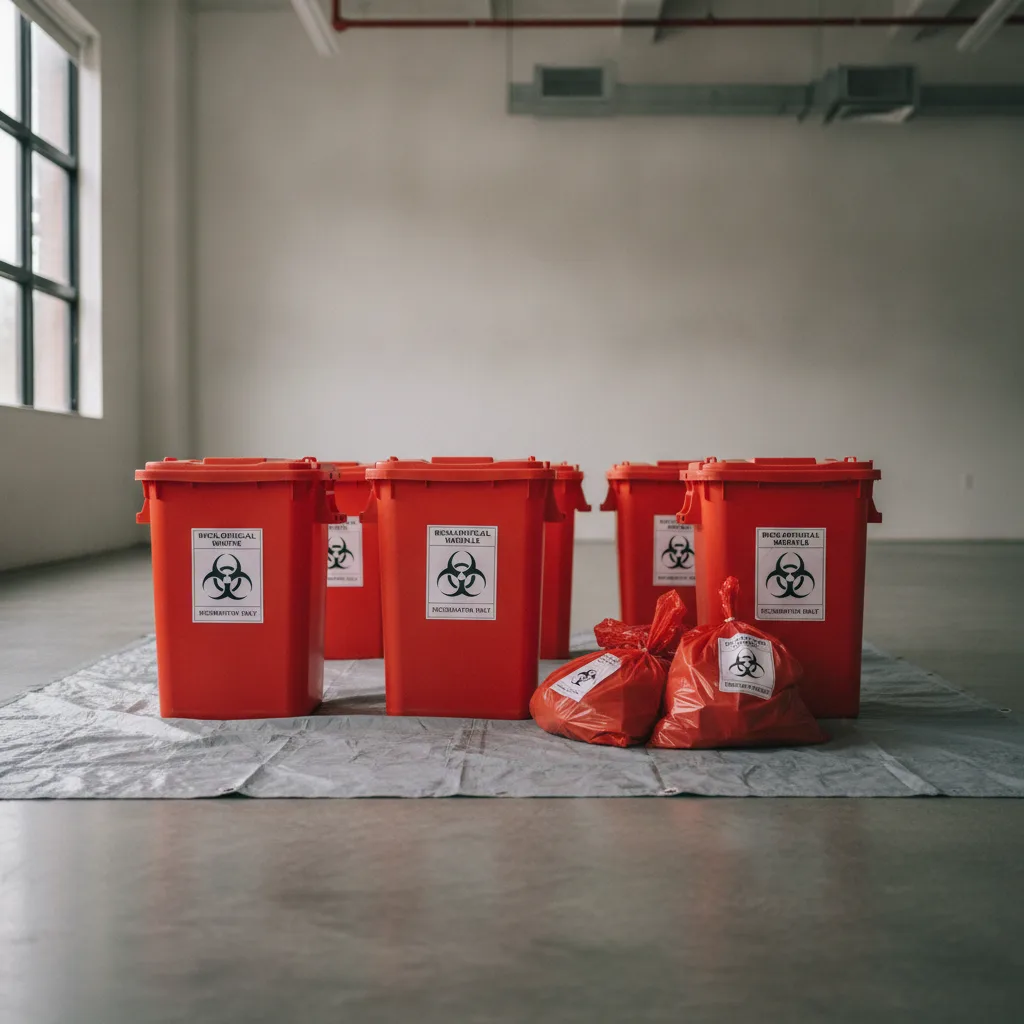
We remove and decontaminate any bodily fluid, sewage or infectious material from residential, commercial and public spaces.
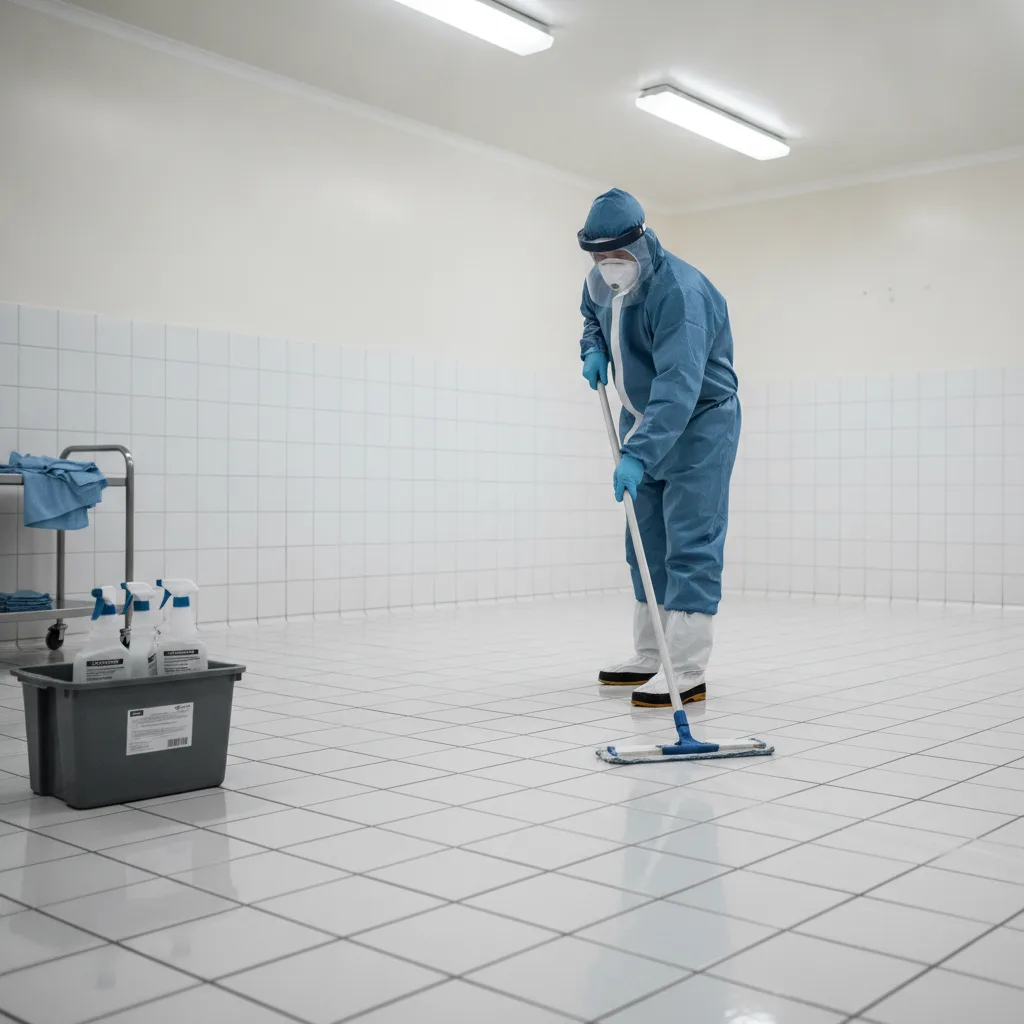
We clean after suicides, accidents and serious injuries with compassion for the family and attention to every hidden surface.
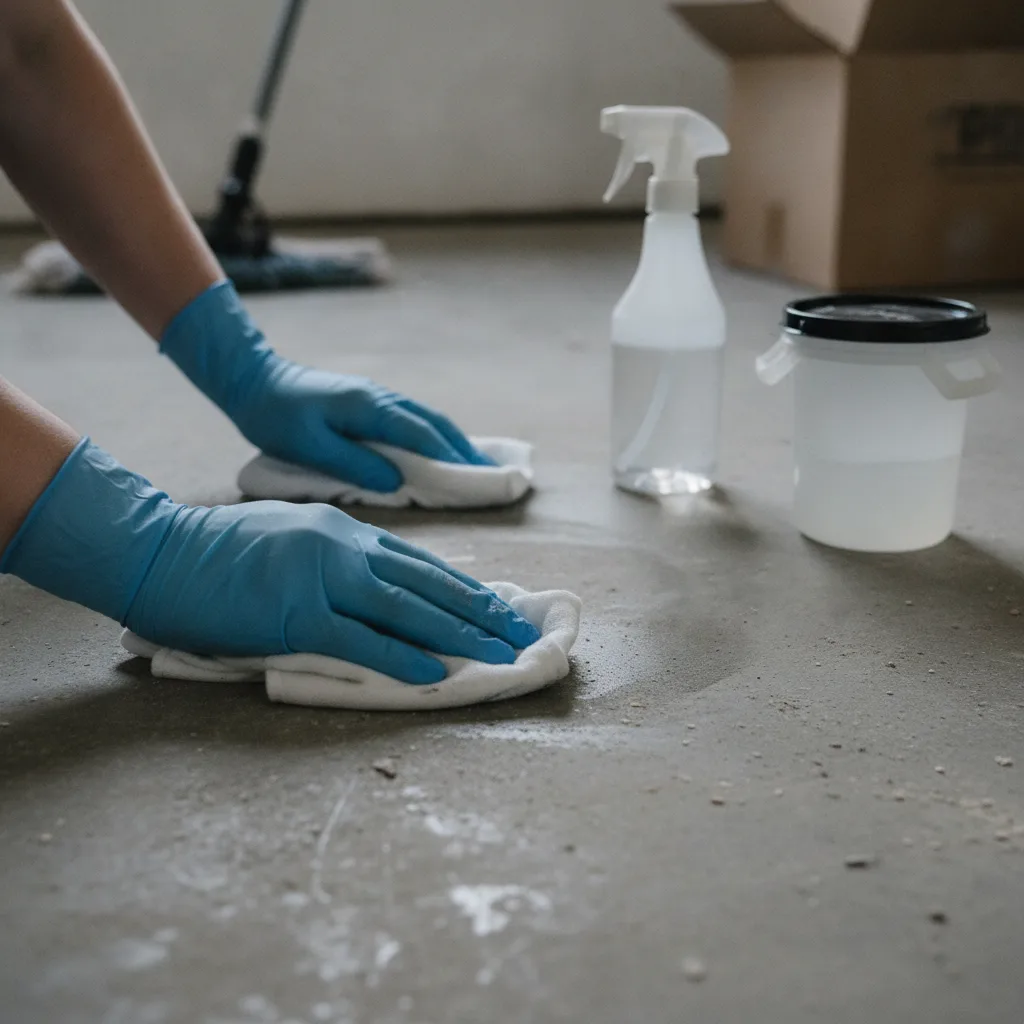
We remove blood of any amount from floors, walls, furniture, vehicles and workplaces, from small spills to large losses.
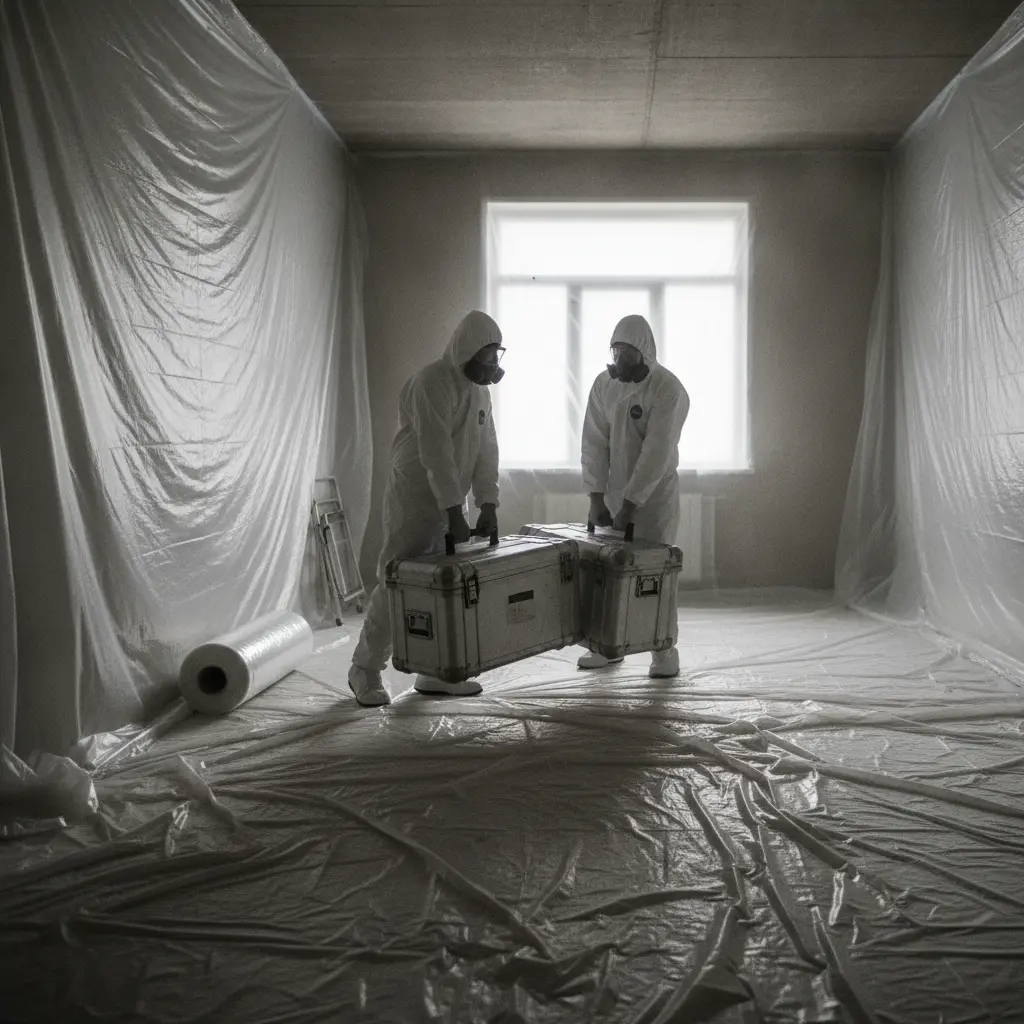
We do complete remediation after a homicide, working quietly and respectfully while the family copes with loss and the investigation.
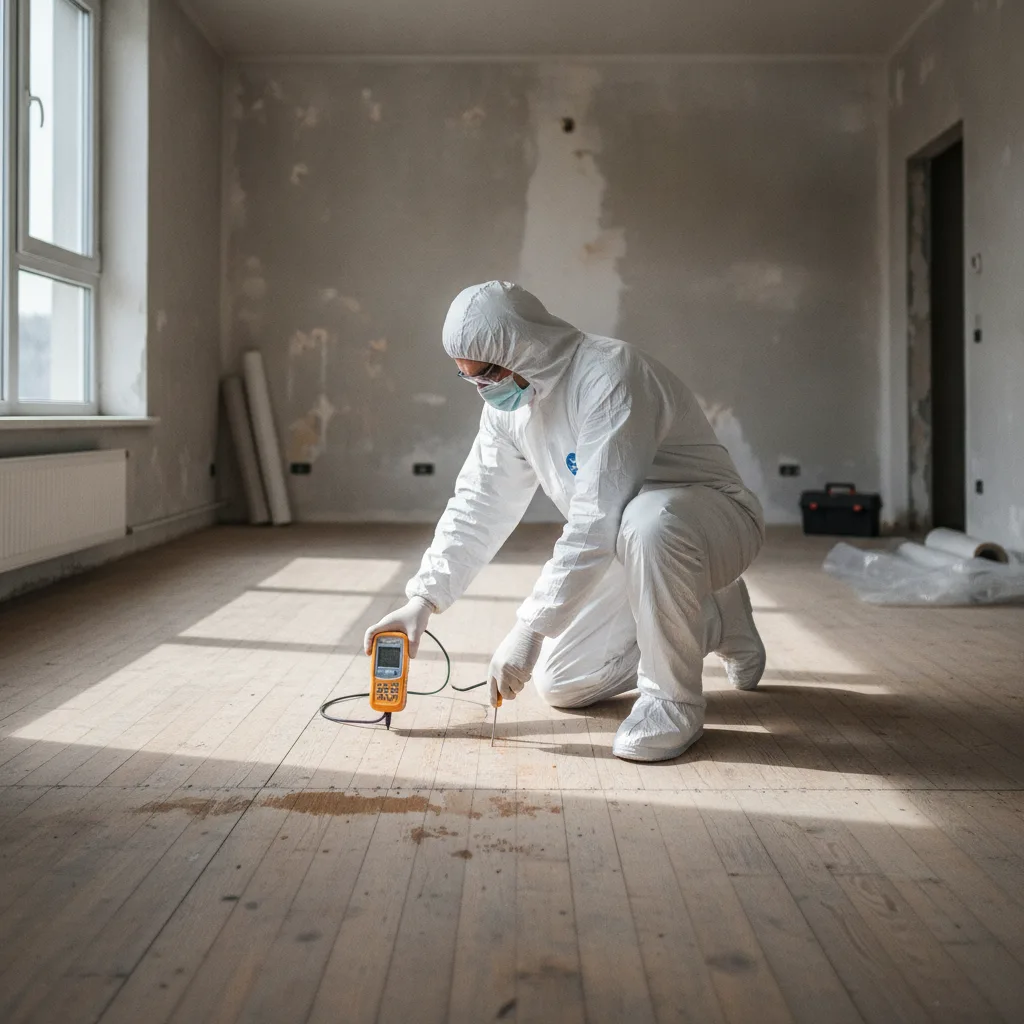
We restore homes where someone passed away alone, removing fluids, contaminated materials and odor so the family can safely return or settle the estate.
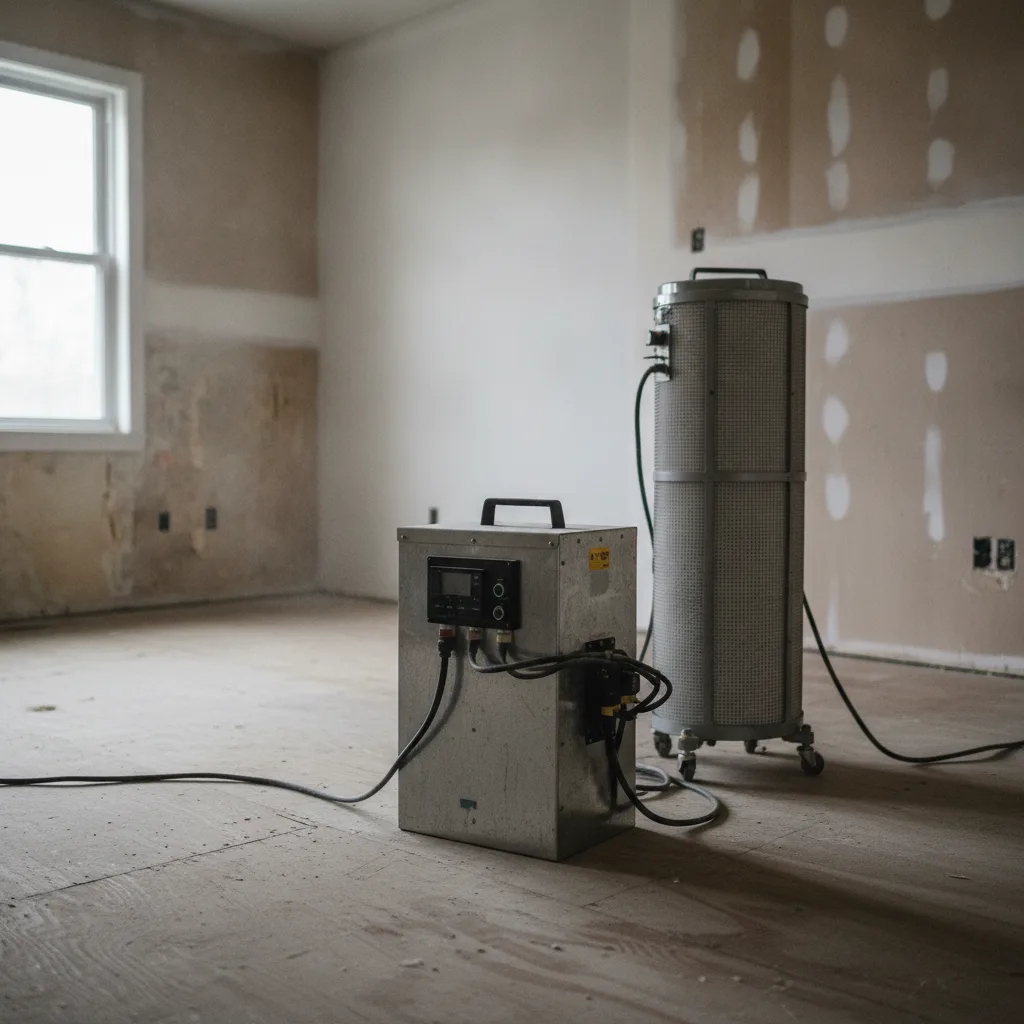
We handle advanced decomposition cases, including insects, saturated materials and odor that has spread through the structure.
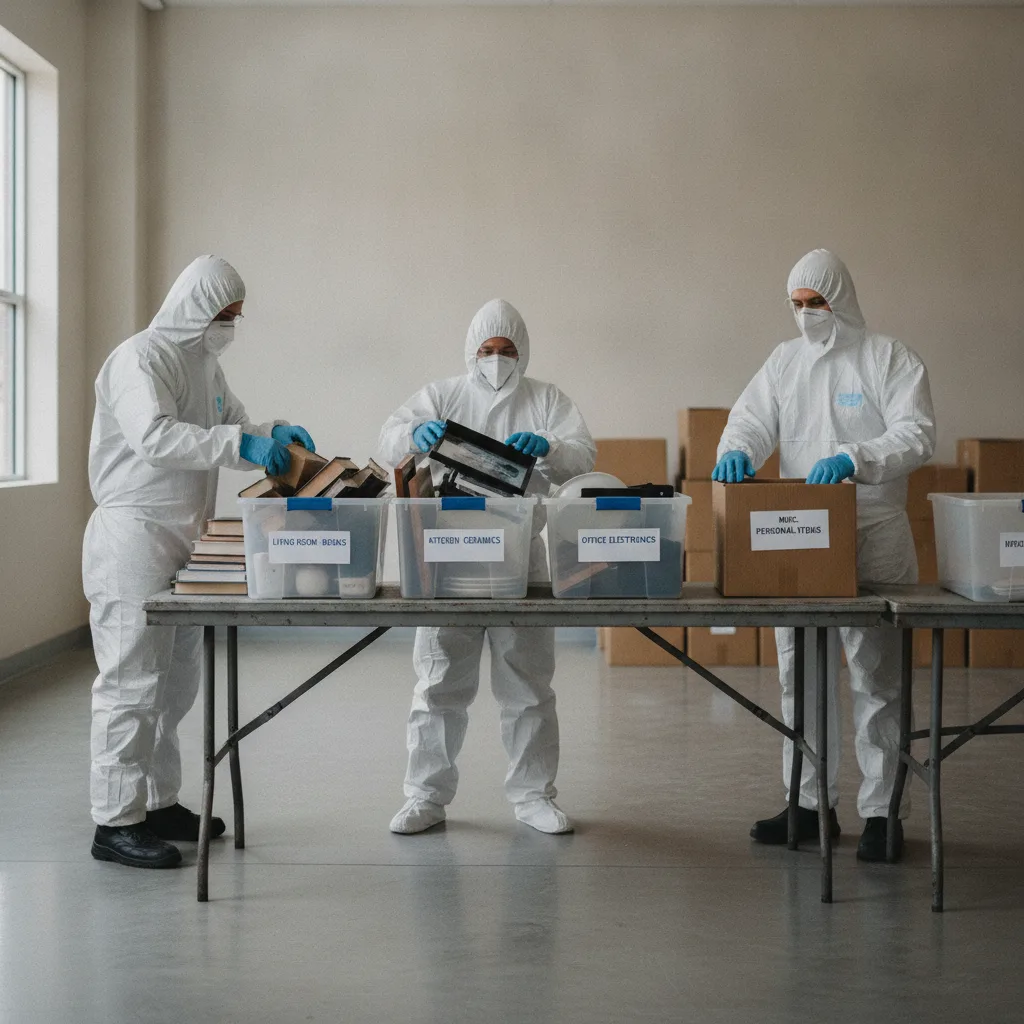
We do a respectful, judgment-free cleanout of hoarded homes, including animal waste and rodent contamination.
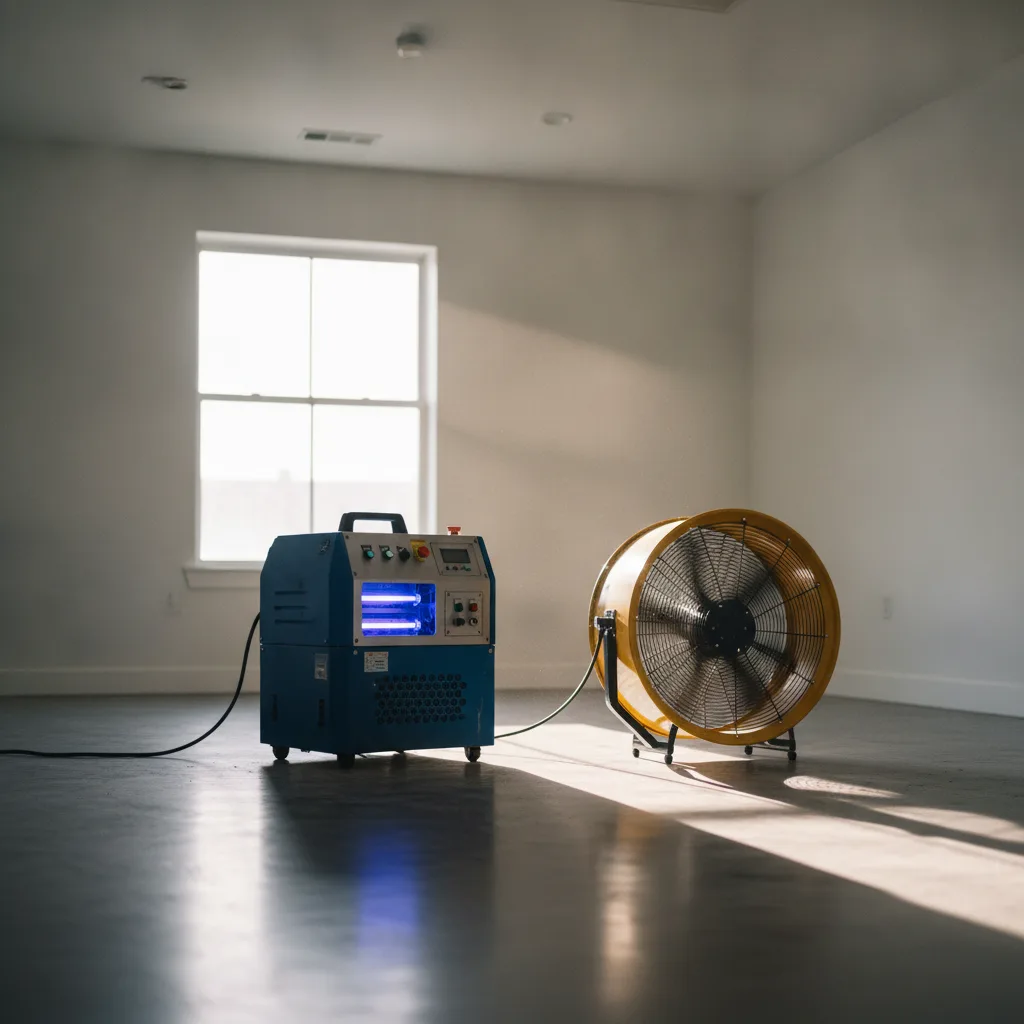
We remove the source of death, decomposition, smoke, urine and sewage odors permanently instead of masking them.
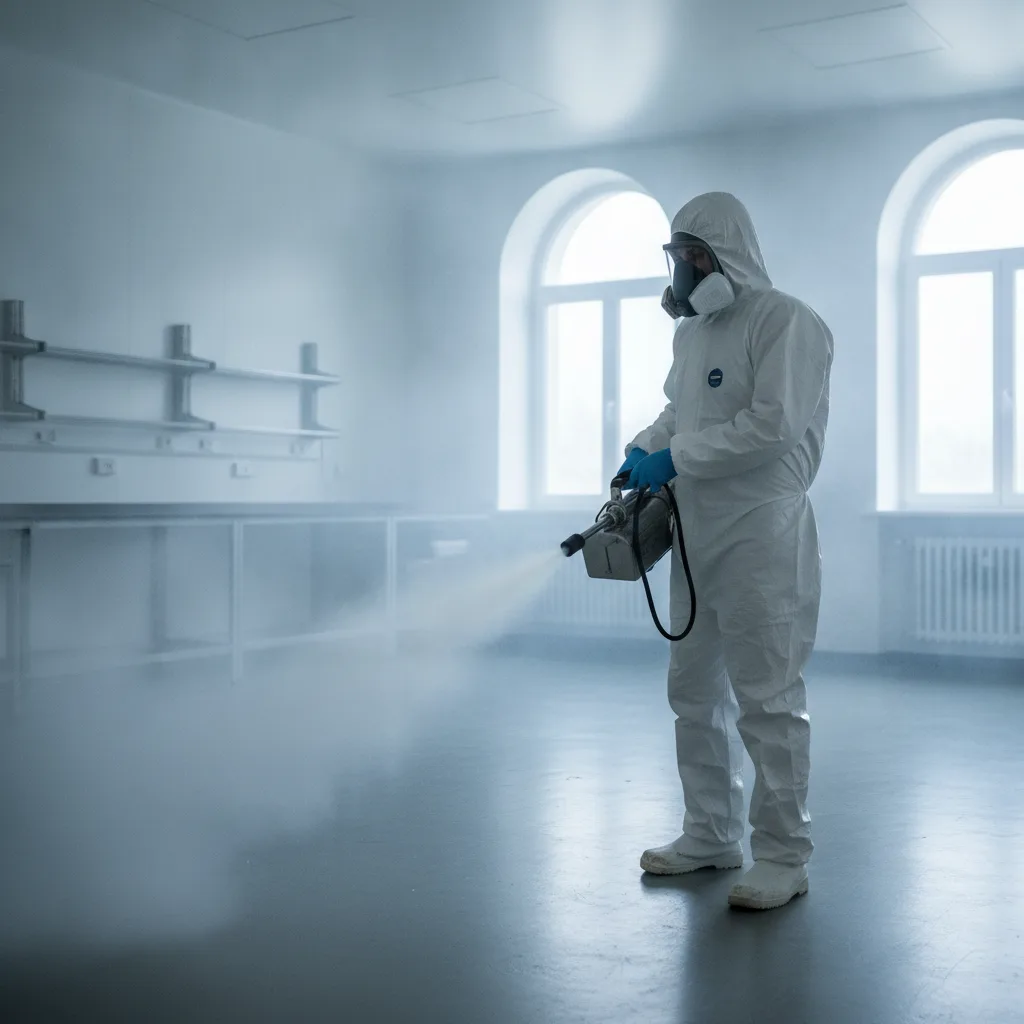
We decontaminate homes, rentals, vehicles and commercial spaces affected by meth residue, infectious disease or chemical exposure.
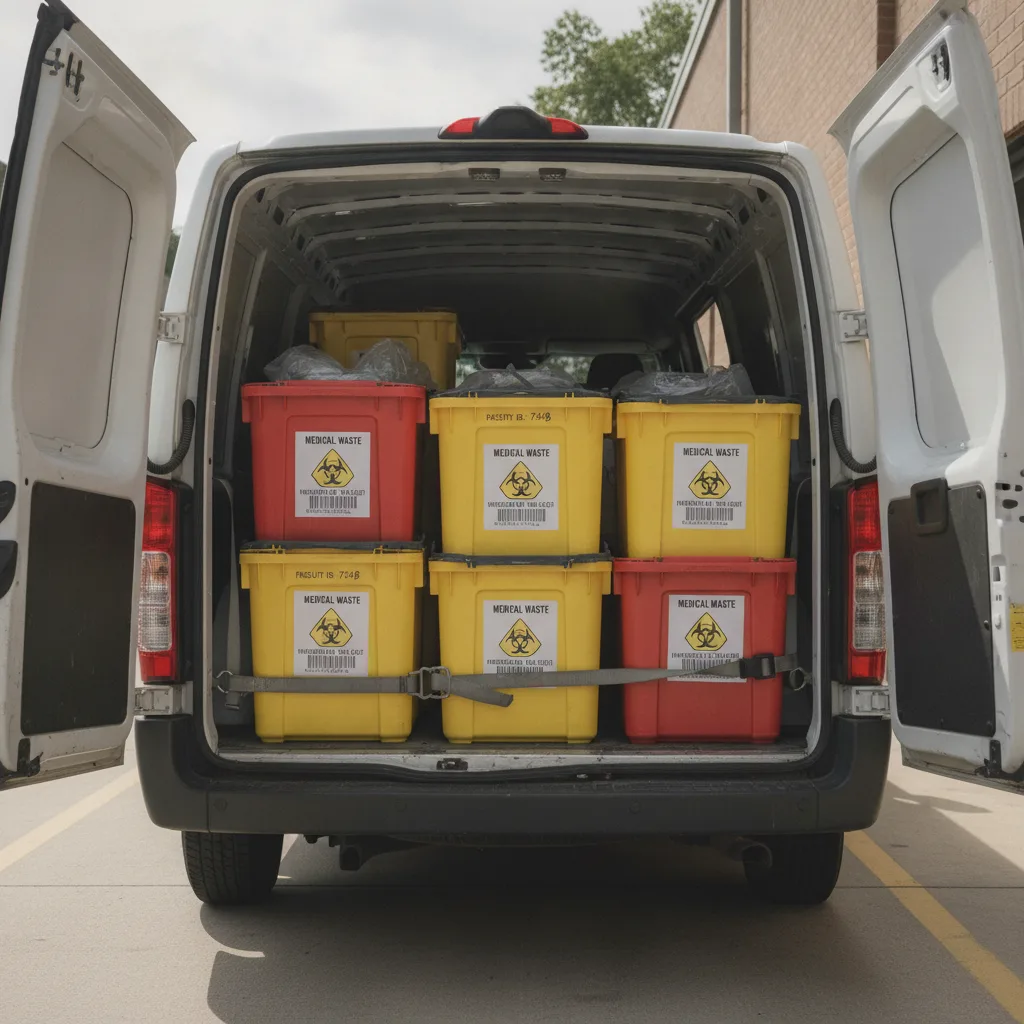
We collect, package and arrange compliant disposal of sharps, needles and biohazardous waste.
Every scene is different, but some situations come up again and again in Tulsa because of our weather, our housing and our local challenges. Knowing the warning signs helps you act quickly. Many of these situations are covered by homeowners or landlord insurance.
This is when someone passes away alone and isn't found for days or weeks. As the body breaks down, it releases fluids, gases and bacteria into flooring, walls and the air. If it's left alone, the damage spreads deeper into the structure and the odor carries to every room.
Violent trauma leaves blood and tissue on surfaces and soaked into porous materials. Blood can carry bloodborne pathogens like hepatitis B, hepatitis C and HIV. What you can see on the surface is usually only part of the contamination.
Overdose deaths and drug use leave behind needles, bodily fluids and drug residue. A single loose needle can transmit disease. These scenes need careful searching, sharps-safe handling and proper disposal, never household trash.
Black water is floodwater or sewage backflow that carries bacteria, viruses and chemicals. Anything porous it touches, like drywall, carpet, insulation and particleboard, is considered contaminated and usually has to be removed.
Making or smoking meth leaves chemical residue on walls, ceilings, carpet and HVAC systems. You often can't see it, but it can cause headaches, breathing problems and skin irritation for the next people who live there, especially children.
Severe hoarding packs a home with belongings, trash and often animal waste, urine-soaked floors and rodent nests. It creates fire risks, blocked exits and airborne ammonia and bacteria, and it usually needs a careful, respectful cleanout.
This means blood or bodily fluids from a fall, a cut, a nosebleed or a medical event at home or at work. The spill may be small, but it still carries pathogen risk on porous surfaces like carpet, upholstery and grout.
When you call, you shouldn't have to figure anything out. Here's what happens from your first call to the final walkthrough, with the insurance paperwork handled along the way.
Any hour, day or night
On arrival, usually 30–60 minutes
Same day, ongoing
1–3 days for most scenes; longer for decomposition or hoarding
Final day of service
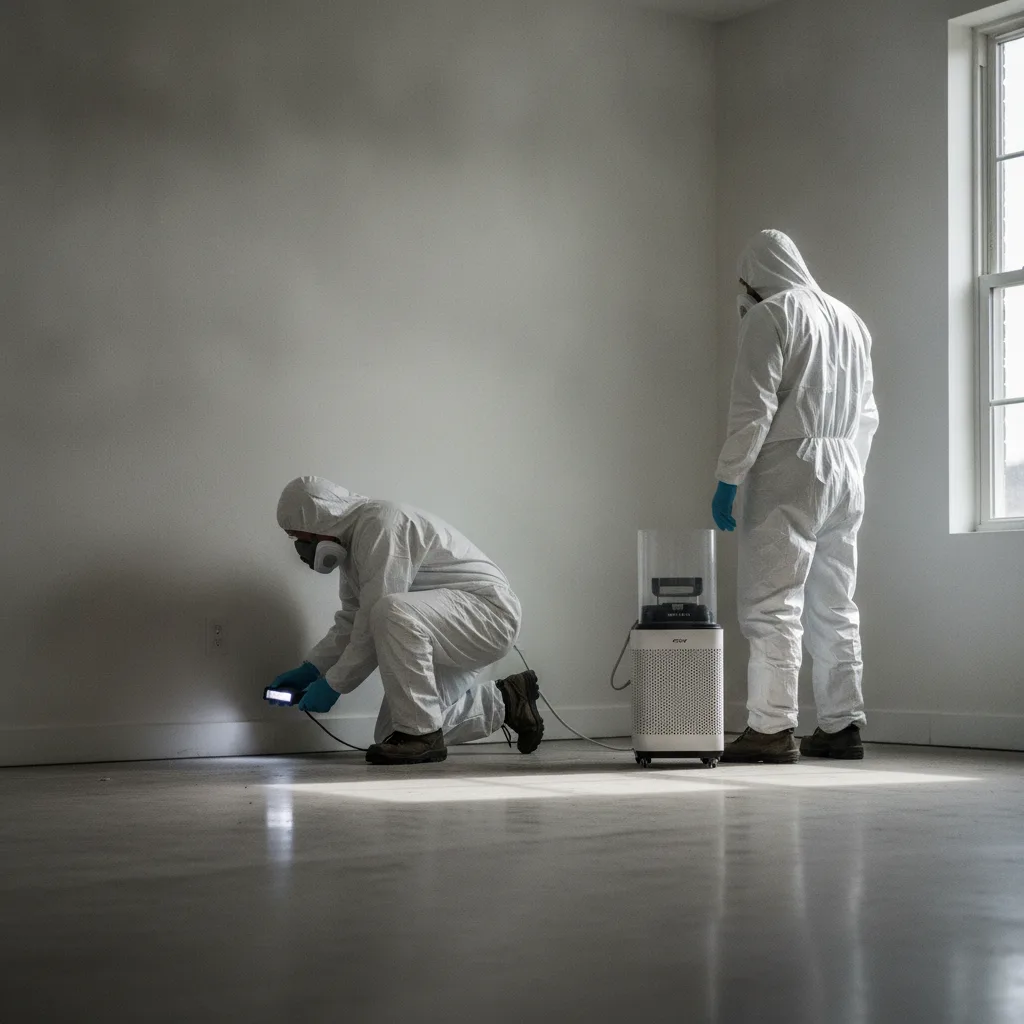
Most homeowners and landlord policies cover sudden trauma cleanup, and we bill your insurer directly. We document the scene, submit the scope and talk to your adjuster. In most covered cases, you're responsible for your deductible at most. Many of the people who call us are adult children settling a parent's estate or families in shock, and they shouldn't have to learn claims language on the worst day of their lives. We explain your coverage in plain terms before any work starts, so nothing on the bill surprises you.
Much of our work is in oil-boom homes in Maple Ridge, Swan Lake and Brady Heights, Art Deco buildings downtown, and mid-century ranches in Midtown and East Tulsa. We know fluids slip between old hardwood boards into pier-and-beam crawlspaces. We know red clay holds moisture under the floor, and that porous concrete keeps odor unless it's sealed. That knowledge means we find contamination other crews miss, and we don't tear out more historic material than we need to.
Your neighbors don't need to know what happened. We arrive in unmarked vehicles, keep a low profile on site, and don't share details with anyone you haven't authorized. That matters on a quiet street in Jenks with an HOA, in an apartment complex along Memorial, or at a business near the Port of Catoosa that needs work done after hours. Tulsa is a close-knit place, and we respect your family's privacy, your faith and your grief.
Trauma doesn't keep business hours, and in a Tulsa summer, waiting even a day can let contamination spread into subfloors and ductwork. We answer any hour, including nights, weekends and holidays, and we dispatch to Tulsa, Jenks, Sand Springs, Oakhurst and Catoosa. Quick action limits structural damage, keeps odor from spreading through central HVAC, and helps landlords and businesses get spaces back in use sooner.
Oklahoma has no state license for trauma cleanup, so how a company works is what counts. Our technicians follow the OSHA Bloodborne Pathogens Standard, respiratory protection and PPE requirements. Biohazardous waste and sharps are packaged and handed off for proper treatment under Oklahoma DEQ rules, never put in household trash. We're fully insured, which protects you and your property while we work.
We aren't a carpet cleaner or a general restoration company that takes the occasional trauma job. Crime scene, unattended death, decomposition, hoarding, meth decontamination and medical waste are our entire business. We use ATP testing to verify, structural tear-out and odor elimination methods built for these situations, and every job ends with documented proof the space is safe.
Whether it's a suicide, an overdose, a hoarded home or a loved one who passed alone, we treat the people involved with dignity. We set aside photos, documents, heirlooms and items of faith for the family, and we never rush anyone's decisions. Our job is to take the weight off you, quietly and kindly.
For most sudden trauma events, homeowners, landlord or commercial insurance covers cleanup, and many Tulsa families pay $0 out of pocket beyond their deductible. We bill your insurer directly. The figures below are typical claim values billed to insurance, not amounts we ask you to pay.
Your policy decides who pays. Most homeowners and landlord policies treat sudden trauma, like a death, suicide or assault, as a covered loss, and we bill the carrier directly. Commercial policies usually cover workplace incidents. Flood contamination generally falls under flood coverage. We review your coverage with you at no cost before work begins, so you know your deductible and whether anything falls outside the policy.
A contained blood spill on tile is a very different job from fluids that reached subfloor, joists and ductwork. In Tulsa summers, contamination goes deeper faster, which raises the size of the insurance claim. Getting a team out early limits structural damage, and the sooner we start, the smaller the scope your insurer has to cover.
Pier-and-beam homes with old hardwoods and plaster in Maple Ridge or Brady Heights often need floors cut out section by section and crawlspace treatment. Mobile homes in Oakhurst or Sand Springs usually need the particleboard subfloor removed. Slab homes in Jenks may only need carpet and pad removal plus concrete sealing. Each one changes the labor and materials in the claim.
Most Tulsa homes have central air with attic or crawlspace ducts that spread odor and airborne contaminants. Decontaminating the ducts and running multi-day hydroxyl or ozone treatment add to the scope, but they're often essential to fully restore the home. We document why each step is needed so your adjuster approves it.
Pre-1978 homes may have asbestos or lead that has to be addressed before tear-out, which adds coordination with licensed specialists. The amount of biohazardous waste and sharps that has to go through DEQ-compliant disposal also affects the overall claim value.
We bill insurers directly and wait on the claim, so there's no upfront payment for covered losses. If something isn't covered, such as some hoarding cleanouts, we'll explain the options openly before any work starts.
In most cases, yes. Homeowners and landlord insurance policies usually cover sudden trauma cleanup, including homicide, suicide, assault and unattended death. Many Tulsa families pay $0 out of pocket beyond their deductible. We bill your insurer directly, send the documentation and talk with your adjuster, so you don't have to pay upfront for a covered loss. Workplace incidents usually fall under commercial policies. Before we start, we'll review your coverage with you for free and explain exactly what to expect, so there are no surprises later.
We answer 24/7 and dispatch an unmarked team as soon as the scene has been released, any time of day or night. In Tulsa's summer heat, speed matters a lot. Fluids can reach subfloors and joists within days, and central HVAC spreads odor through the whole house. A quick response limits structural damage and the size of the claim. We cover Tulsa, Jenks, Sand Springs, Oakhurst and Catoosa, and we'll give you a realistic arrival time when you call.
Most trauma and blood cleanups take one to three days. A summer unattended death in a pier-and-beam home, where we remove subfloor, treat joists and decontaminate ductwork, can take three to five days or more, including odor treatment. Hoarding cleanouts take anywhere from a few days to two weeks depending on volume. If structural repairs are needed afterward, like replacing joists or subfloor, your contractor handles those under a City of Tulsa building permit, and that work adds time.
Cleanup can start only after law enforcement or the Medical Examiner releases the scene. In Tulsa, that could be the Tulsa Police Department, the Tulsa County Sheriff, or the Oklahoma Office of the Chief Medical Examiner's Eastern Division. Since the 2020 McGirt ruling, much of Tulsa is within the Muscogee (Creek) and Cherokee reservations, so tribal or federal authorities may be involved, and that can affect timing. If you're unsure where things stand, call us. We'll help you sort out who to contact.
Cleaning and biohazard removal don't need a permit in Tulsa. If a tear-out leads to structural repairs, like new joists, subfloor or electrical work, those repairs need a City of Tulsa building permit. In Historic Preservation districts such as Maple Ridge, Swan Lake, Brady Heights, Owen Park and Riverview, interior work generally doesn't need approval. Exterior changes like replacing windows, doors or siding need Tulsa Preservation Commission review. Our work is almost always interior, and we document everything for your contractor.
We strongly advise against it. Blood and bodily fluids can carry hepatitis B, hepatitis C and HIV, and what you see on the surface usually isn't all of it. In older Tulsa homes, fluids soak between hardwood boards, into plaster and down into crawlspaces. Oklahoma DEQ rules also prohibit putting biohazardous waste and sharps in household trash. On top of the health risk, cleaning a scene where you lost someone takes a heavy emotional toll. Let trained, insured technicians handle it, often at no out-of-pocket cost to you.
Call right away after any death, serious injury, overdose or trauma once the scene is released, and whenever you notice an unexplained strong odor, flies at the windows, sewage backup after a storm, or loose needles. Don't wait for the smell to fade. In Tulsa's humidity, contamination spreads and mold can start within 48–72 hours. Landlords facing contaminated units under the Oklahoma Residential Landlord and Tenant Act, or homeowners with a code enforcement notice about hoarding, should call before deadlines get close.
Unattended deaths are rising in Tulsa as more seniors live alone. Set up daily check-ins or a medical alert device, and make sure a neighbor has a key. In summer, make sure older relatives keep the AC running. Heat is dangerous for them, and it speeds up decomposition if the worst happens. Plan ahead for storm power outages. For rentals, screen tenants and inspect regularly to catch meth or hoarding early. Keep your homeowners policy current, and know your deductible.
We come to you anywhere in Tulsa and the surrounding area, in unmarked vehicles, any hour of the day.
You don't have to handle this alone or pay upfront. One call brings a compassionate, unmarked team that handles the cleanup and the insurance, so you can focus on your family.
Call (539) 245-7416 Now