Discreet, certified crime scene and biohazard cleanup in Worcester — unmarked vehicles, compassionate technicians, and in most cases $0 out of pocket since we bill your insurance directly.
Worcester's hills, its weather, and more than a century of wood-frame housing make cleanup here harder than in most places. A scene that a crew could finish in an afternoon in a newer concrete building can take days here, and reach into three apartments instead of one. Here's why.
Worcester sits between roughly 470 and 1,000 feet above sea level, so it gets colder and snowier than Boston: about 60–70 inches of snow a year, and January lows in the mid-teens. July highs are around 80°F with dew points often in the 60s, and that humidity speeds up decomposition in third-floor apartments and attics without air conditioning. Winter causes the opposite problem. Radiators run hot and windows stay sealed, so a home can be warmer inside than out, and there's very little ventilation for odor control. Snow and parking bans on steep streets in Vernon Hill, Union Hill, and Grafton Hill make it slower to carry out contaminated materials and stage waste drums. And with 45–48 inches of rain and snowmelt a year, damp fieldstone basements often bring mold and sewage into a job that started as something else.
Worcester has one of the largest concentrations of triple-deckers in New England. Thousands were built for factory workers between about 1880 and 1930. Their balloon framing runs wall cavities from basement to attic with nothing blocking them, so odor travels straight up. Fluids soak through linoleum and carpet into softwood plank subfloors, then into joists and the plaster ceiling below. Uneven old floors let fluids pool in corners. Shared stairwells, porches, and basements mean neighbors are affected too. Most of these buildings were built before 1978, so we treat lead paint as a given. Asbestos can be in pipe insulation, old floor tiles, and plaster, and both need extra precautions before we remove any contaminated material. Mill lofts in Green Island, college dorms, and suburban capes each come with their own challenges.
Massachusetts doesn't license crime scene cleaners, so it's up to you to ask the right questions. Real compliance means following OSHA's Bloodborne Pathogens Standard (29 CFR 1910.1030), which covers PPE, training, and hepatitis B vaccination. It means disposing of medical waste under 105 CMR 480.000 through a registered medical waste transporter. It also means following MassDEP and 453 CMR 6.00 for asbestos, and lead rules for pre-1978 homes. We can't start until Worcester Police or State Police and the Office of the Chief Medical Examiner release the scene. For landlords, Worcester Inspectional Services and the Board of Health enforce the State Sanitary Code (105 CMR 410.000) and can placard a unit, which puts a hard deadline on the cleanup. If a truck has to block the street, we'll also need a right-of-way permit.
Worcester has about 205,000 residents and is mostly renters. Many older people live alone, and many landlords don't live in the area, so an unattended death can go unnoticed for days. Worcester County has been hit hard by the opioid crisis, which is why we regularly clean up needles and drug residue in apartments, cars, and restrooms. Heavy traffic on I-290, I-190, Route 146, and the Mass Pike interchange at Sturbridge leads to vehicle cleanups. Our clients include grieving families, adult children settling a parent's estate, property managers, condo associations, hotel managers, and colleges. They all want the same things: a fast response, privacy, and someone to handle the insurance.
Every service below is built around Worcester's buildings and Massachusetts disposal rules. We handle the regulated work, the insurance paperwork, and the coordination with property owners, so families and managers have one less thing to worry about. Most residential trauma services are billed directly to your insurer.
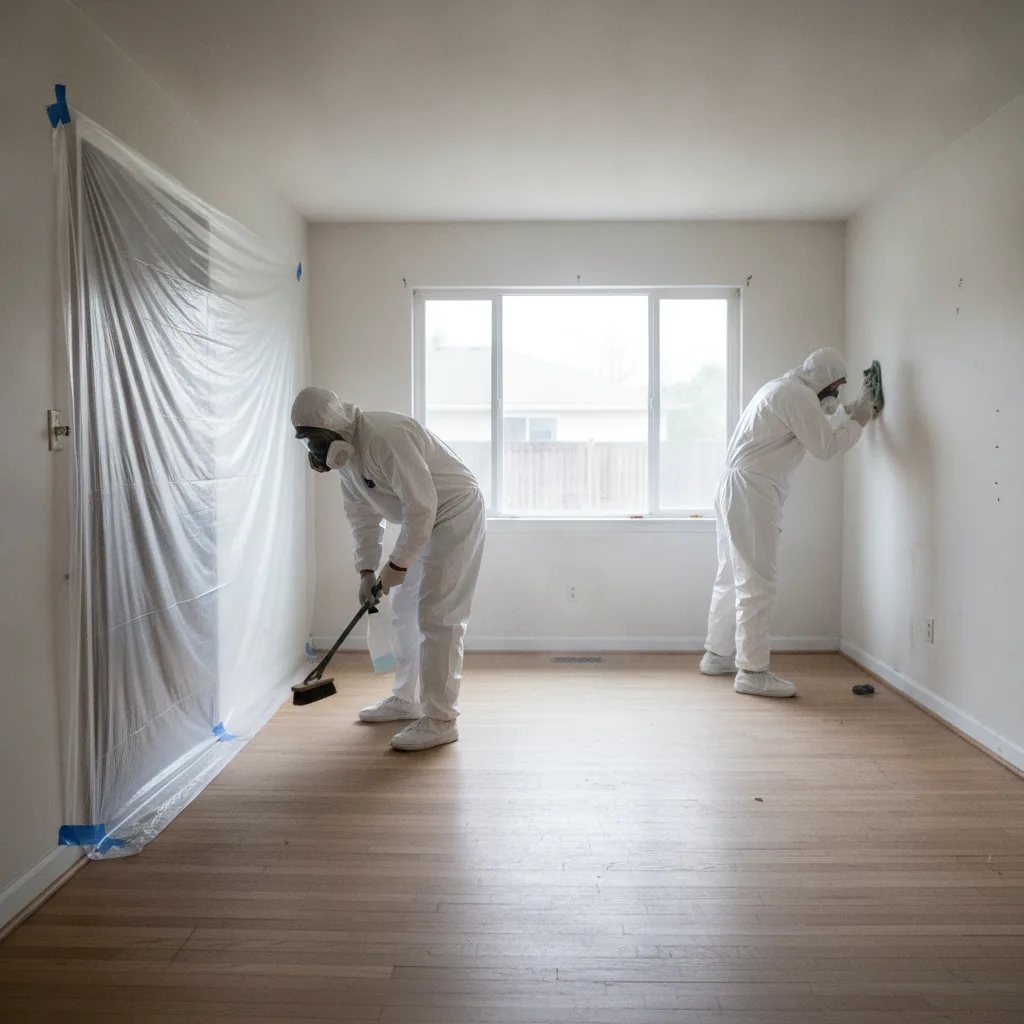
After police release the scene, we clean up blood, tissue, fingerprint powder, and other contamination left behind by a crime. We also handle the paperwork your insurer needs.
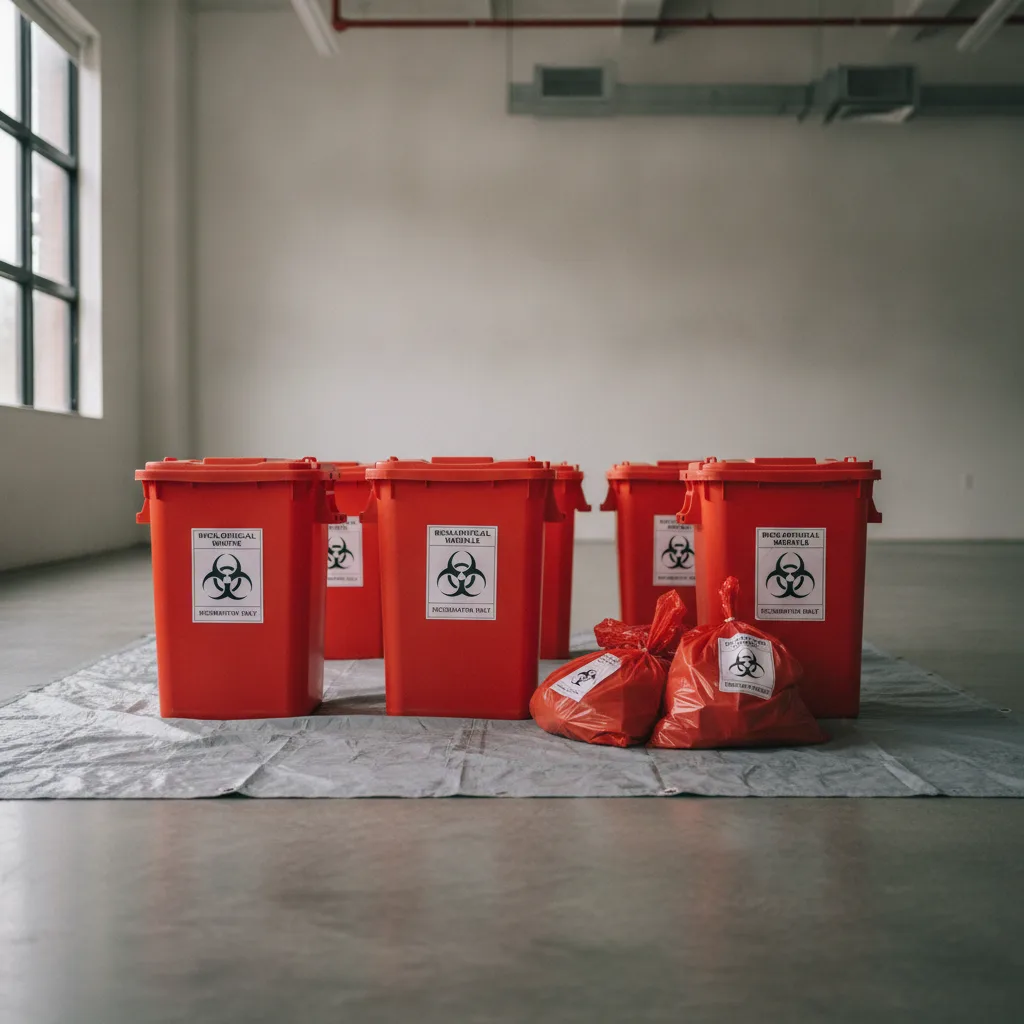
We remove and decontaminate anything that can spread disease, including blood, body fluids, human waste, animal waste, and infectious material, in homes, businesses, and public spaces.
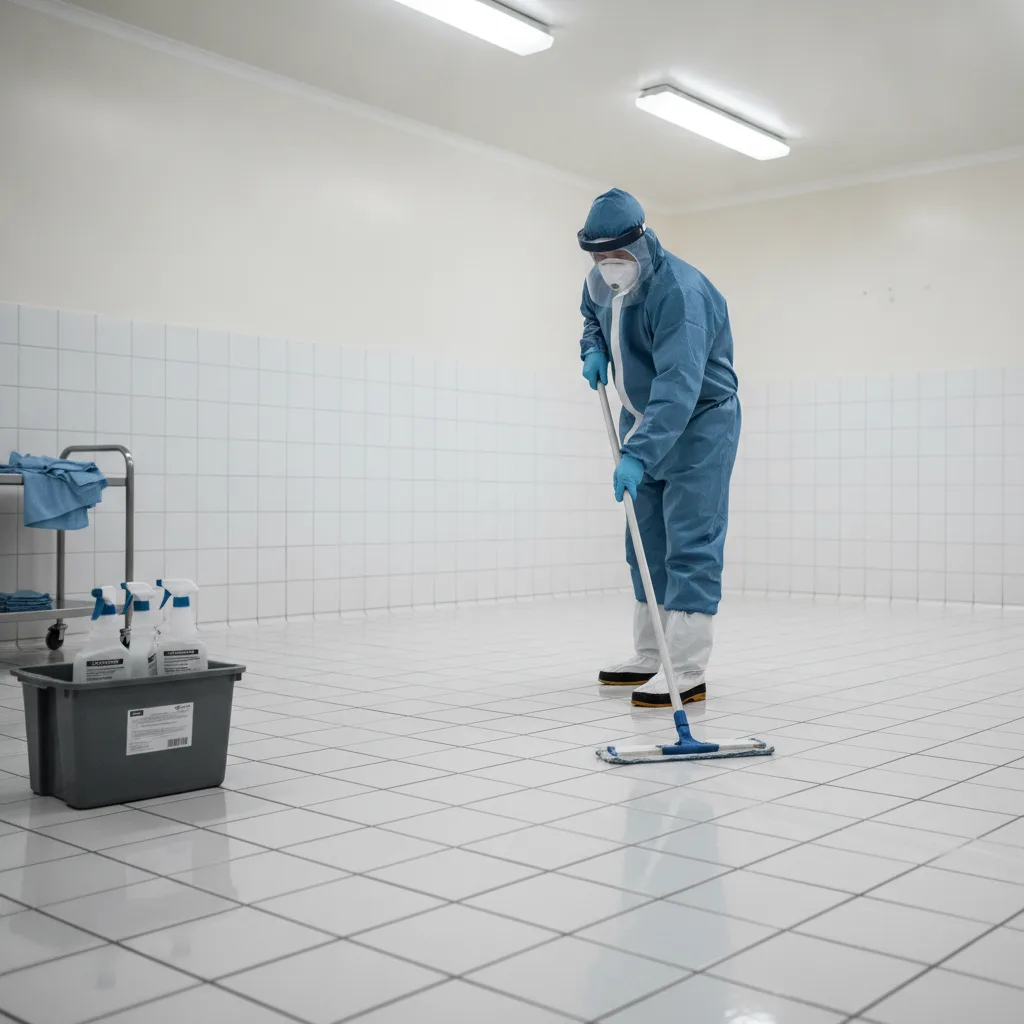
We clean up after suicides, accidents, and serious injuries with care, so families never have to see the scene again or clean it themselves.
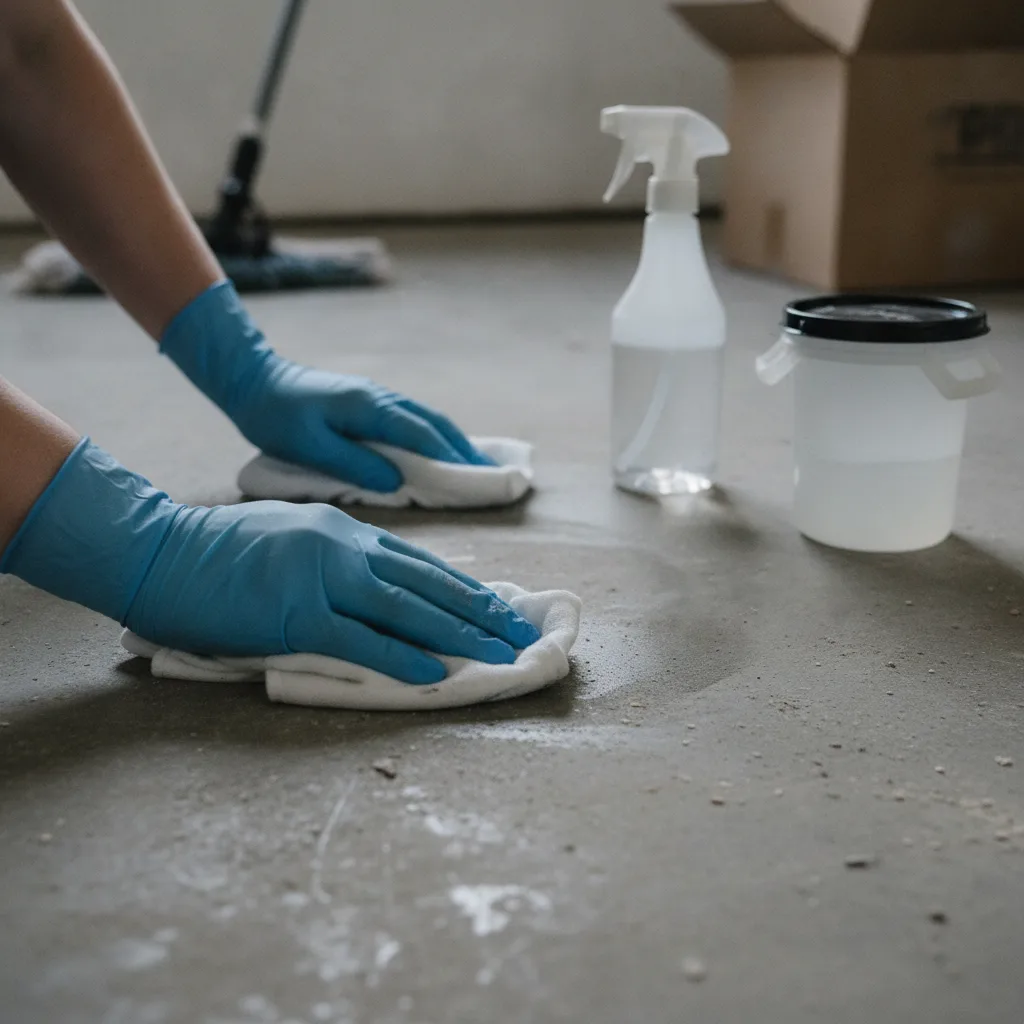
We clean and disinfect blood from floors, walls, upholstery, mattresses, concrete, and vehicles, whether it's a small spill or a large scene.
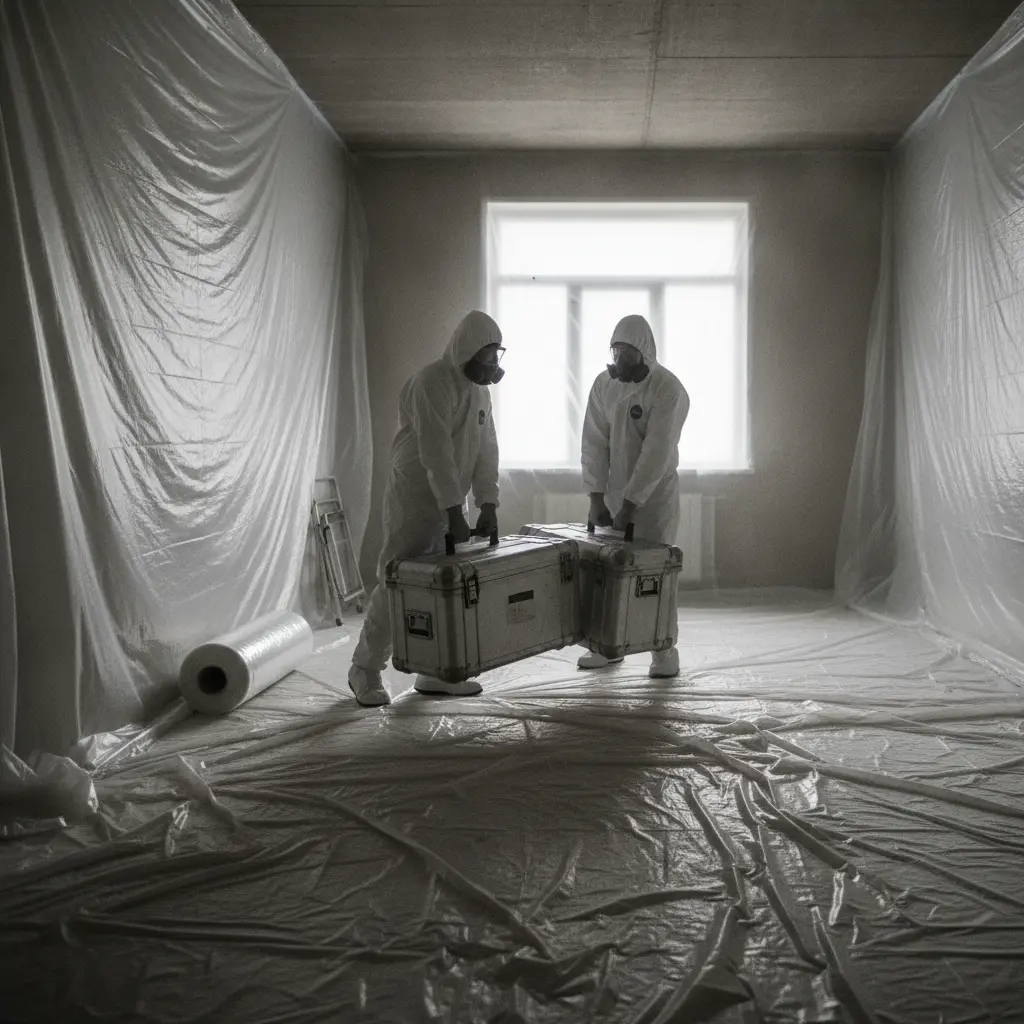
We restore homes and businesses after a homicide, working around investigators' timelines and treating the family with compassion.
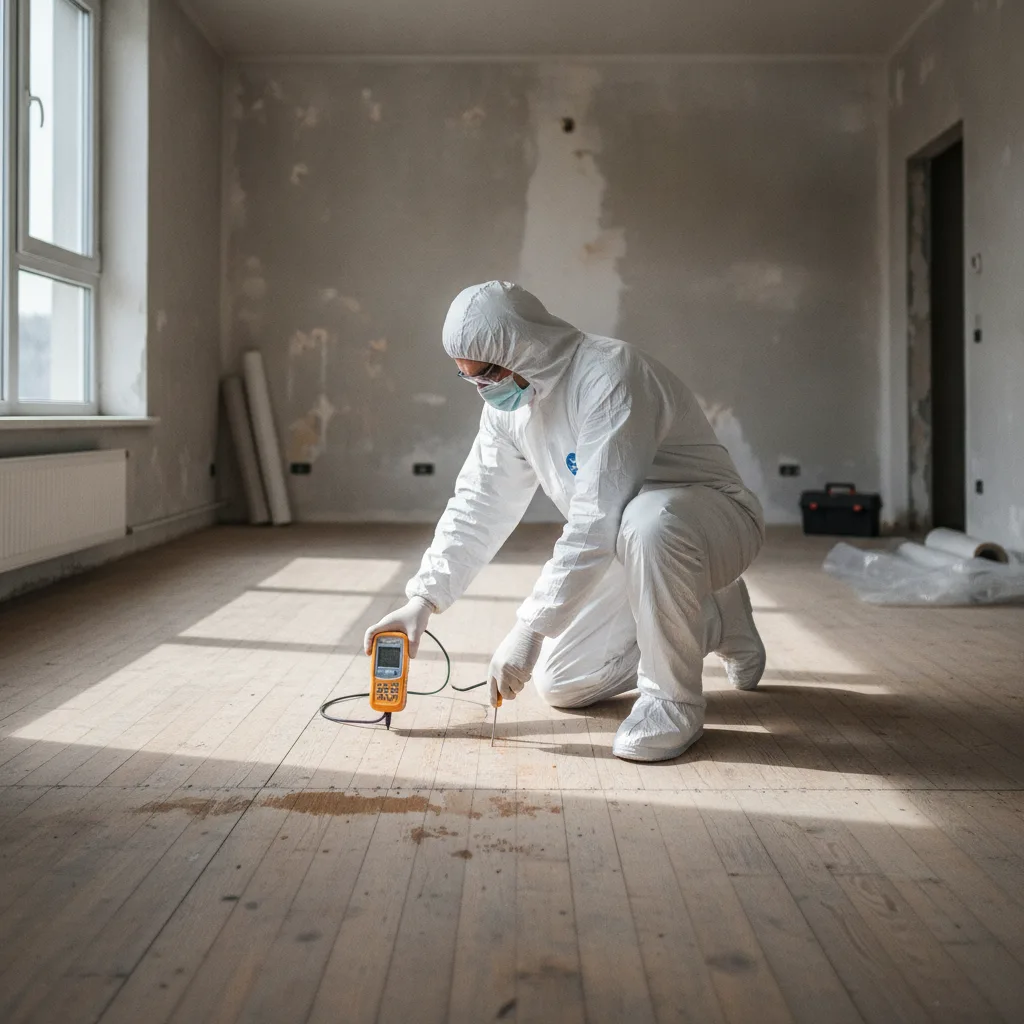
This is our most common call in Worcester. We clean up after someone has died alone and wasn't found right away, including fluids, odor, pests, and contamination in the structure itself.
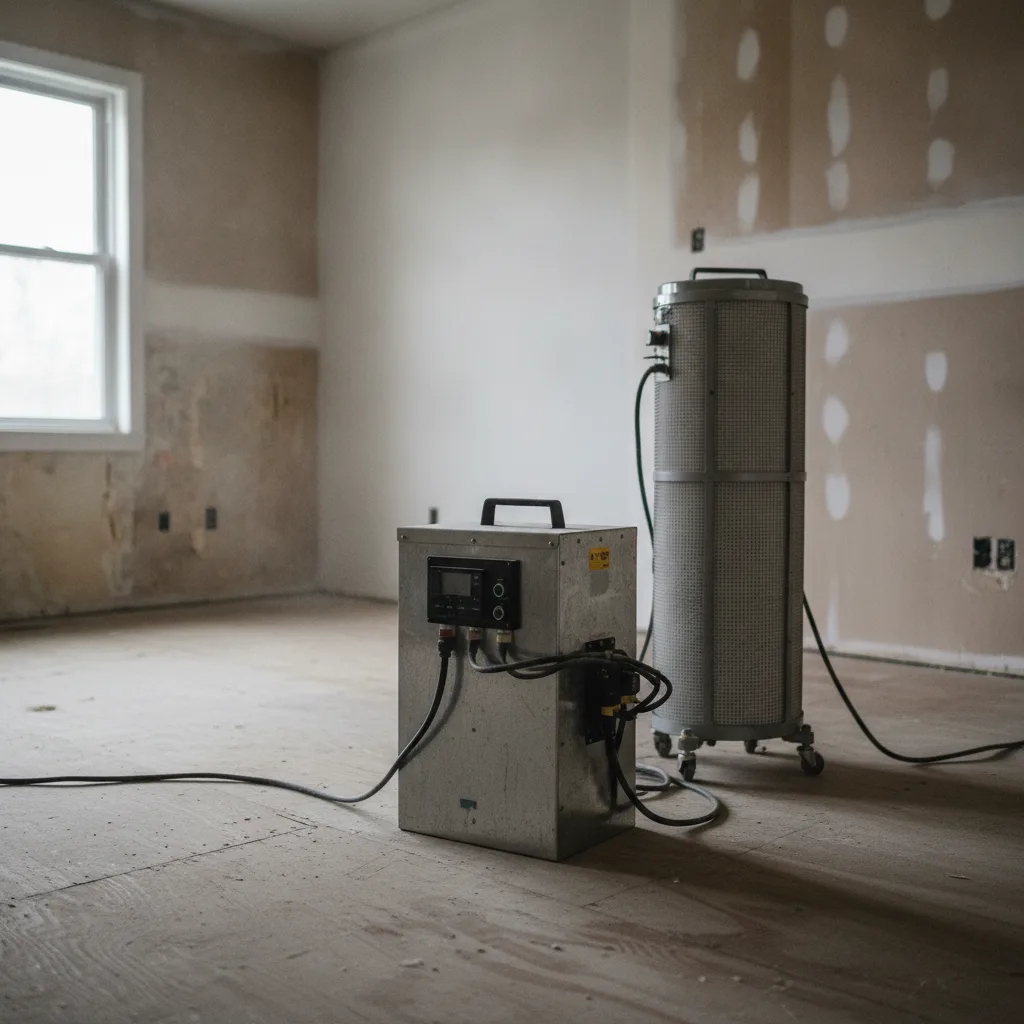
We remove decomposition fluids and tissue from flooring, subfloors, joists, and ceilings, so the odor and bacteria don't come back weeks later.
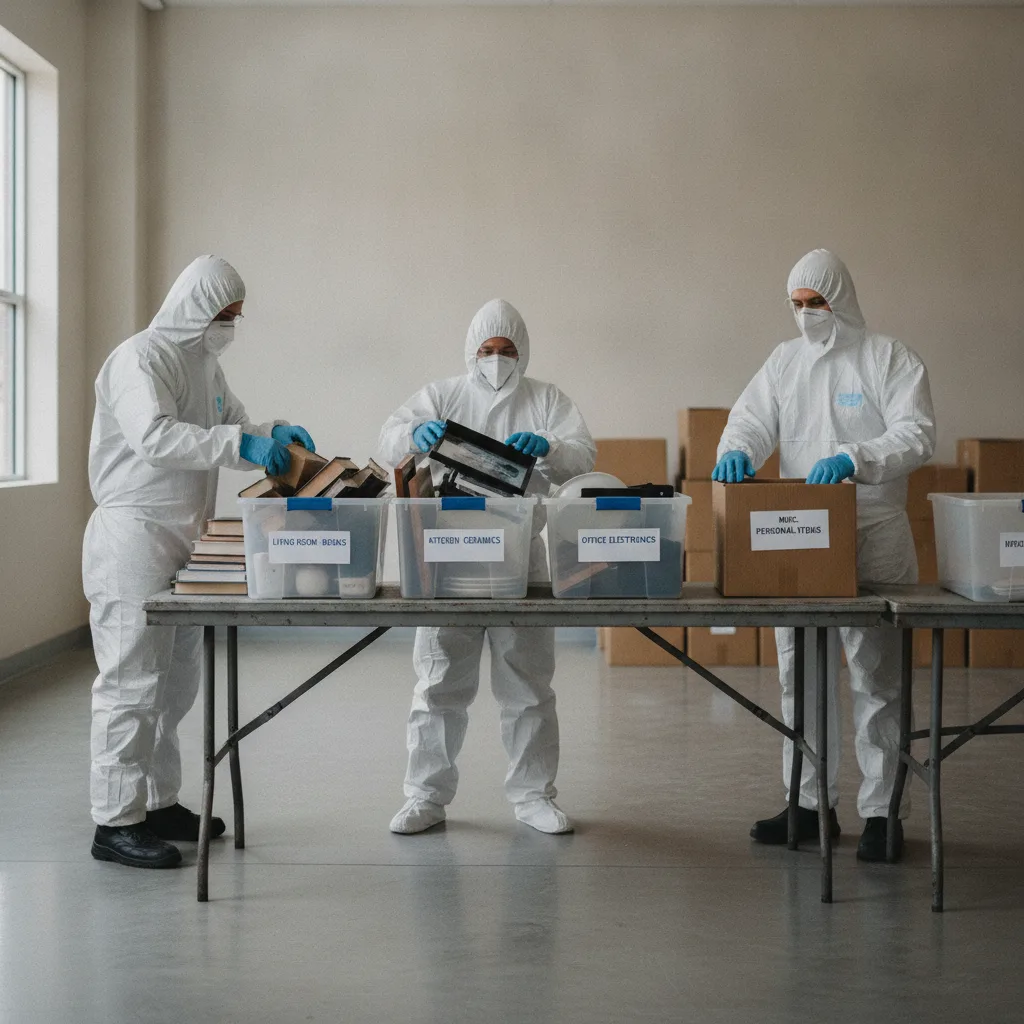
We clean out hoarded homes with patience and respect, preserving important items and removing biohazards, pests, and waste.
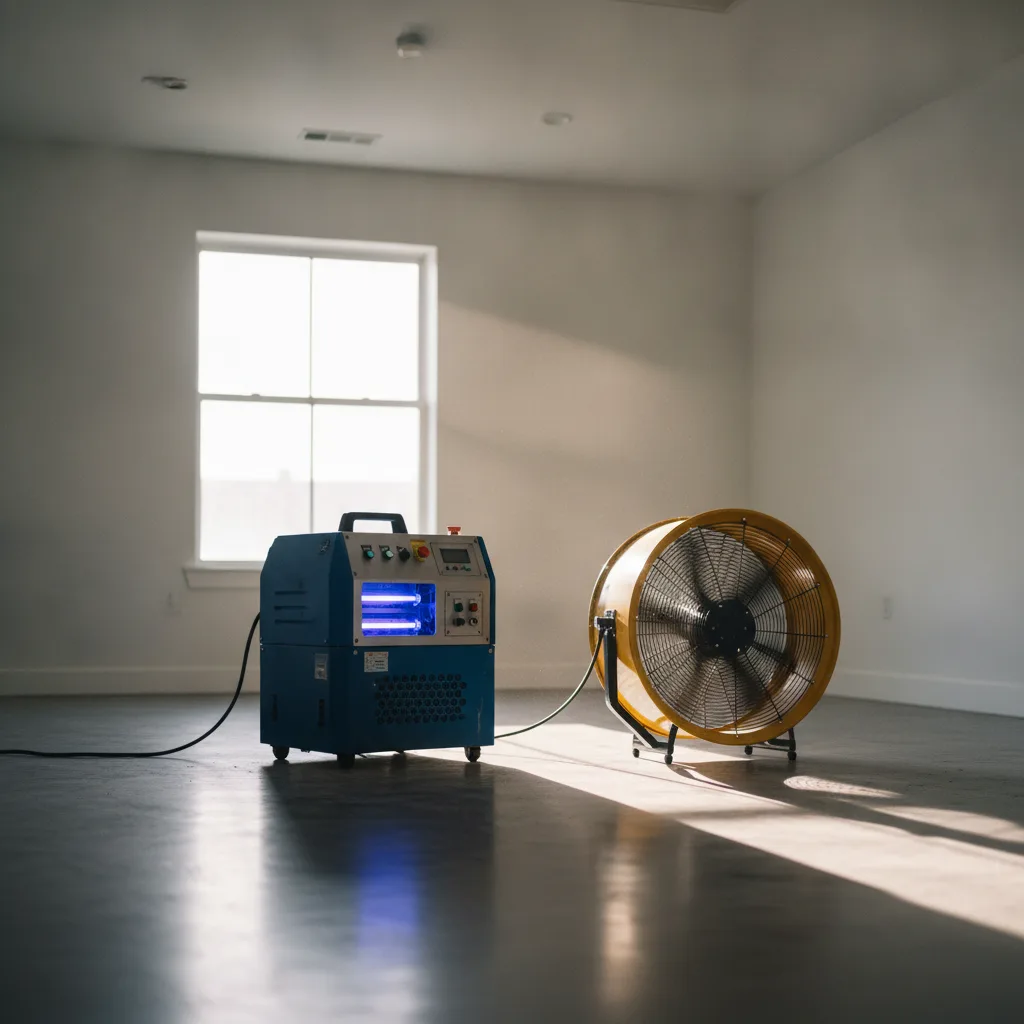
We remove odors caused by death, decomposition, smoke, urine, and waste, finding the source instead of covering it up.
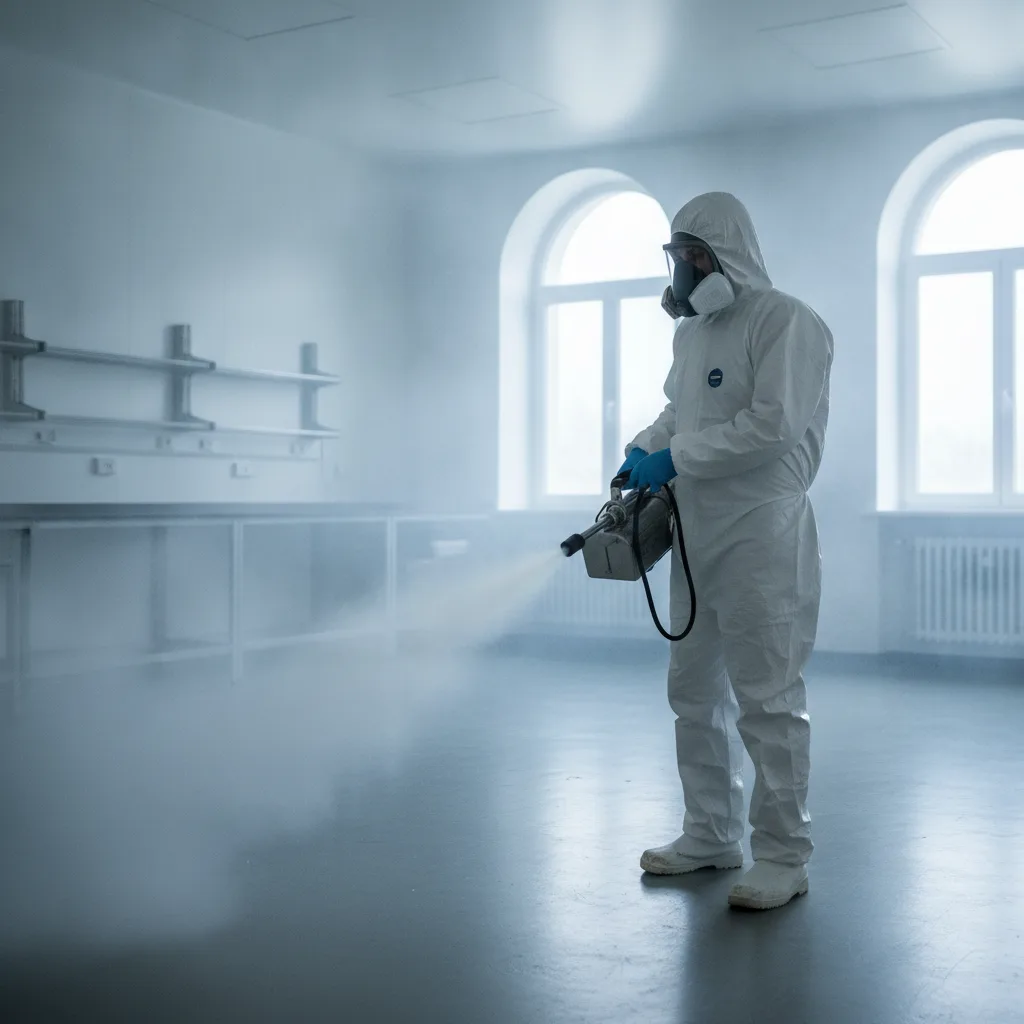
We disinfect spaces after exposure to infectious disease, bodily waste, or drug residue, including fentanyl and needles.
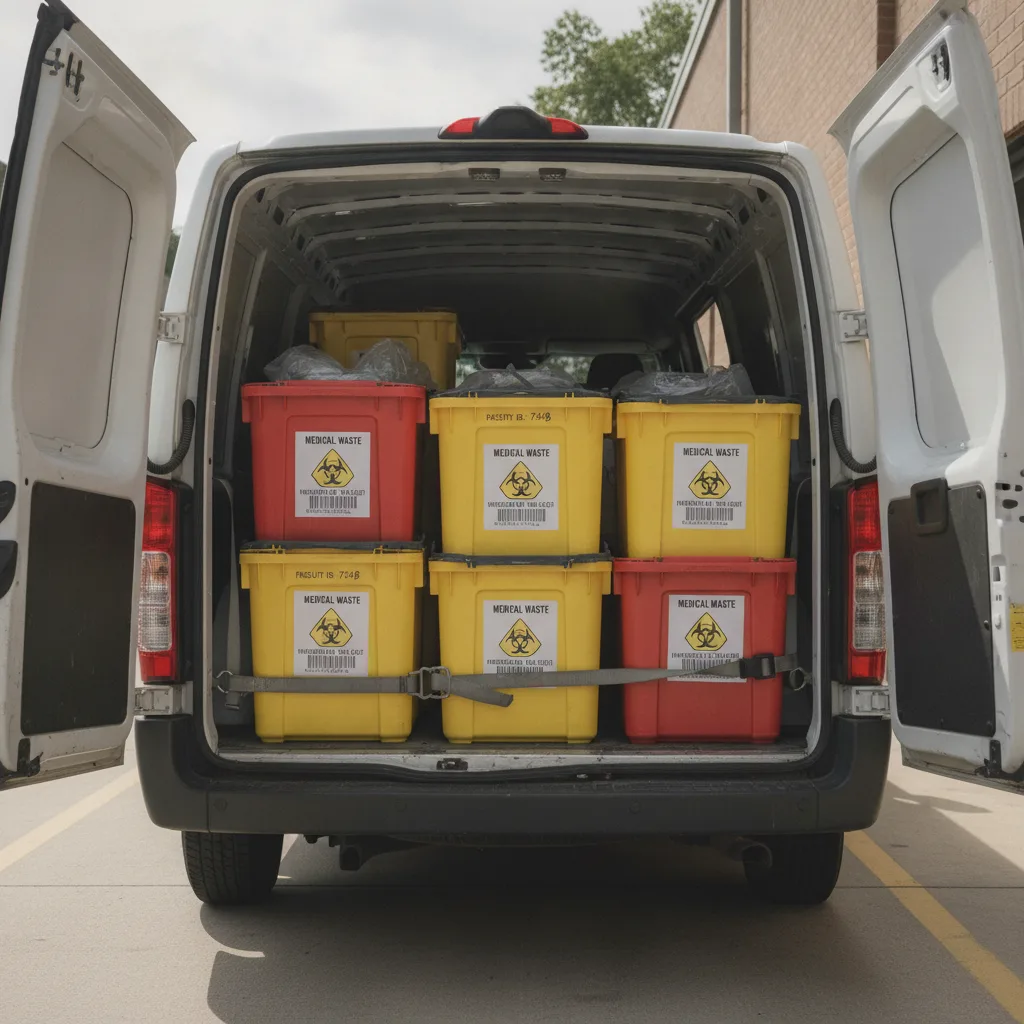
We package, label, and remove biohazardous waste and sharps generated by our cleanup work, and we keep records of every step.
Every scene is different, but the same situations come up again and again in Worcester's housing. Below is what each one involves, why it happens so often here, the warning signs, and how serious it is, so you know what you're facing before anyone gives you a scope of work.
An unattended death is when someone dies at home and isn't found for days or weeks. Body fluids break down and soak into the materials around them. Bacteria spread, and a strong, persistent odor builds. In multi-family buildings, that contamination can reach the units next door.
This is when decomposition fluids get past the surface flooring into wood planks, joists, and the plaster-and-lath ceiling of the unit underneath. Cleaning the surface won't fix it. If any contaminated wood stays in place, the odor comes back and bacteria remain.
After a violent or traumatic event, blood and tissue can end up on floors, walls, furniture, and fixtures. Blood can carry bloodborne pathogens such as hepatitis B, hepatitis C, and HIV. Cleaning it up requires PPE, specialized disinfectants, and regulated disposal under Massachusetts law.
After an overdose or long-term drug use, there are often hidden needles, contaminated bedding, drug residue, and body fluids. Sharps are a needlestick hazard, and some residues can be dangerous to touch or breathe.
Hoarding cleanup goes beyond decluttering when the home contains animal waste, spoiled food, pests, mold, or human waste. In older homes, moving years of stored material can also disturb lead dust and asbestos.
Blood, body fluids, or decomposition inside a car, truck, or van after a crash, an injury, a death, or drug use. Fabric seats, carpet, and the HVAC system soak up contamination and odor.
This is when sewage or contaminated water backs up into a basement, often along with mold. Usually it's a smaller job on its own, but it frequently turns up alongside a larger biohazard cleanup.
You'll always know what's happening next. From your first call until we hand back the keys, here's how a typical Worcester job goes and how long each step usually takes.
Immediately, 24/7
Usually within hours of release
Same day to 48 hours
1 day to 1 week, depending on scope
Final day
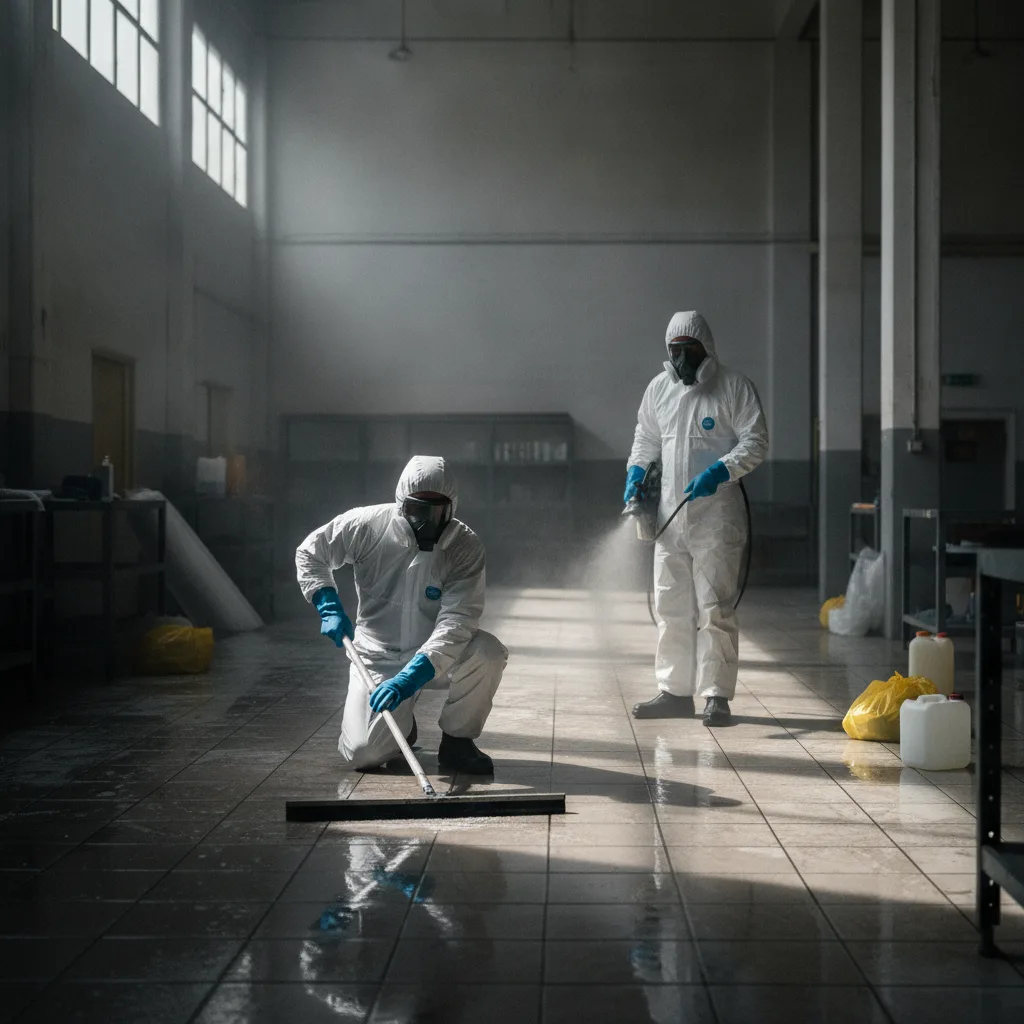
Homeowner, landlord, commercial, and auto policies often cover trauma and biohazard cleanup. We work directly with your adjuster. We document the scene, submit the scope, and bill the insurer, so you don't have to front the cost while you're grieving. If your policy has a deductible or doesn't cover something, we'll tell you plainly before any work begins. There are no surprise invoices afterward. If you're not sure what your policy covers, call us. We'll help you find out, and you won't owe anything just for asking.
Much of our Worcester work happens in triple-deckers, and they're nothing like newer buildings. Balloon framing, plank subfloors, shared basements, and pipe chases let contamination move from one unit into another. We trace fluids and odor all the way to the end. That often means checking the ceiling below and the stairwell above, and talking to neighboring tenants. Crews that only clean what they can see leave the source behind, and the smell comes back in August. We take care of the hidden contamination too.
Death, trauma, and overdoses don't happen on a schedule. Our phone is answered by a person around the clock, including holidays, nor'easters, and the middle of the night. You won't get an answering service or wait for a callback the next morning. We'll talk you through what to do right now, confirm the scene has been released, and get a crew moving. When you've just had the worst day of your life, hearing a calm, knowledgeable voice right away makes a difference.
Worcester and the surrounding towns are close-knit, and nobody wants their neighbors seeing a biohazard van parked outside. We arrive in unmarked vehicles, wear plain clothing when we're coming and going, and keep our work as private as possible. We don't share details with neighbors, and we treat your family's belongings and privacy with respect. Condo associations and hotel managers like this too, because guests and residents won't know anything happened.
Massachusetts doesn't license crime scene cleaners, so standards vary from company to company. Our technicians follow OSHA's Bloodborne Pathogens Standard for PPE and safe work practices. All biohazardous waste is handled according to Massachusetts medical waste regulations and leaves through registered transporters, with paperwork to prove it. We take lead and asbestos precautions in pre-1978 buildings and treat them as a normal part of the job. And we're fully insured, so your property is protected while we work.
Our technicians know that the room they're working in may be where someone's parent, child, or friend died. We work quietly and respectfully, set aside photographs, documents, and keepsakes, and never rush a family through decisions. If you'd rather not be there at all, we'll handle everything and keep you updated by phone. Adult children settling an estate from out of state often rely on us to coordinate with landlords and executors.
A Worcester Board of Health placard or a State Sanitary Code order puts real pressure on a landlord. We understand those deadlines and can schedule around them. Once the work is done, we provide documentation you can show inspectors. In Marlborough, Hudson, Milford, and Sturbridge, we work with local boards of health the same way, so you can get the unit back in livable condition and rented again.
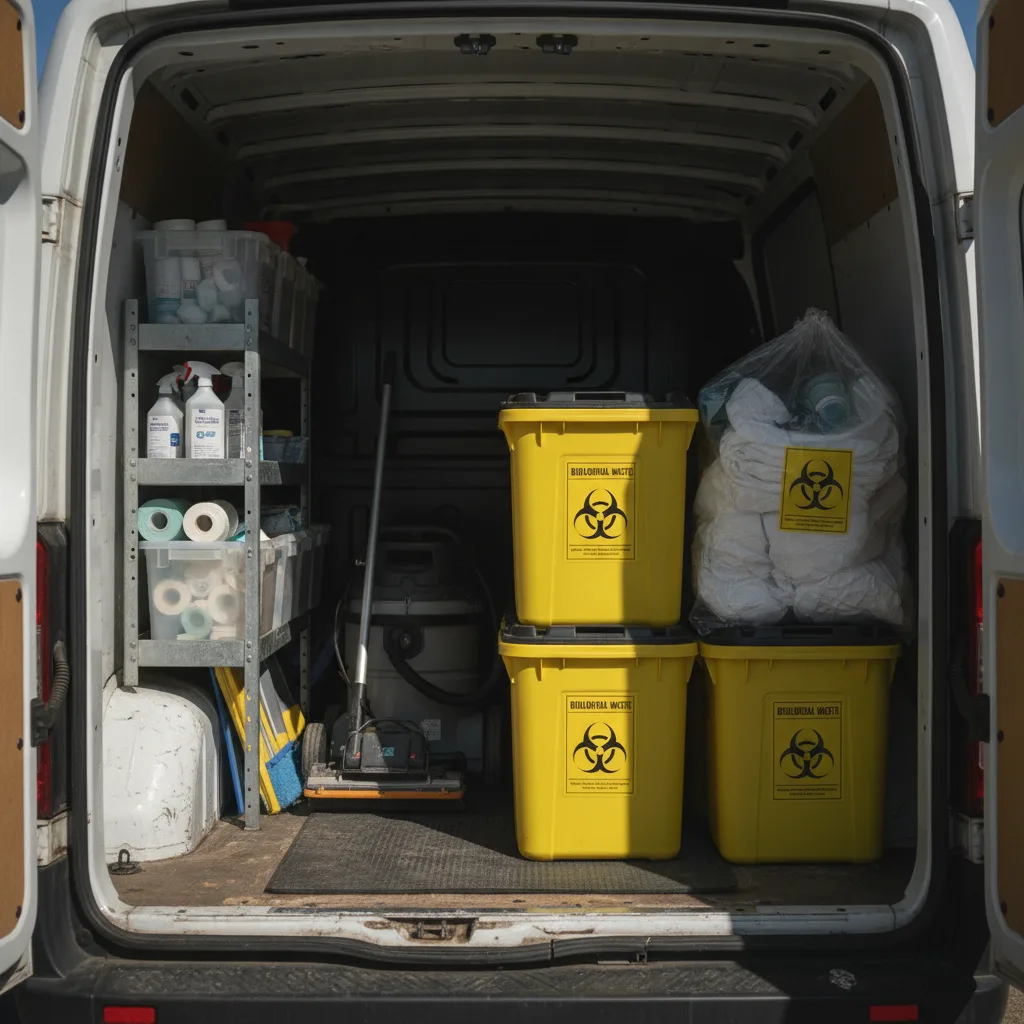
For most Worcester families, the most important number is $0. Homeowner, landlord, commercial, and auto policies often cover trauma, unattended-death, and biohazard cleanup, and we bill the insurer directly. Here's what determines the size of a claim, so you know what your adjuster will be looking at.
Your policy has the biggest effect on what you pay. Many homeowner and landlord policies treat trauma cleanup as covered property damage. Commercial policies usually cover hotels, retail, and offices, and comprehensive auto coverage often handles vehicle cleanups. We review the coverage with your adjuster before any work starts. If there's a deductible or something isn't covered, we tell you upfront. Crime-victim compensation resources may also help in homicide or assault cases.
A surface spill on sealed flooring is a small job. Fluids that have soaked through carpet, linoleum, and plank subfloors into joists and the ceiling below are much larger. In Worcester triple-deckers, contamination often reaches two units, so the scope includes demolition and restoration prep on both floors. How long it took to discover the scene makes a big difference here.
Pre-1978 housing calls for lead-safe work practices, and suspected asbestos in floor tiles, pipe insulation, or plaster may need testing or licensed abatement before contaminated material can be removed. These steps add time and documentation, but insurers generally recognize them as necessary in older Worcester homes.
Summer humidity and winter radiator heat both speed up decomposition. Severe odor needs source removal, encapsulation, and several rounds of hydroxyl or ozone treatment, and shared framing can carry odor into the unit next door, which adds treatment there too.
Third-floor walk-ups, narrow stairwells, steep icy streets, winter parking bans, and right-of-way permits all affect labor. So does the number of medical waste containers needed. Hoarding volume can increase the scope significantly.
We bill insurers directly and handle the paperwork. If any portion isn't covered, we'll explain it clearly and talk through options before work begins, never after.
Often, yes. Many homeowner and landlord policies cover trauma, blood, and unattended-death cleanup as property damage. Commercial policies usually cover businesses and hotels, and comprehensive auto policies often cover vehicles. We bill your insurer directly, which is why many Worcester families pay $0 out of pocket. We document the scene, send the scope to your adjuster, and keep you updated. If your policy has a deductible or excludes something, we'll tell you before any work begins. In homicide or assault cases, crime-victim compensation resources may also help. Call us and we'll help you check your coverage at no obligation.
Someone answers our phone 24/7, and we send a crew as soon as the scene is released. We can't start until Worcester Police (or local or State Police) and the Office of the Chief Medical Examiner have released the property. Once that happens, we usually arrive within hours across Worcester, Marlborough, Hudson, Milford, and Sturbridge. Snowstorms and parking bans on steep streets like those in Vernon Hill or Grafton Hill can slow access in winter, but we plan for that and keep you informed about timing the whole way.
Small blood cleanups often take a single day. Unattended deaths and decomposition cases in Worcester triple-deckers usually take two to five days, because we often have to remove subfloor, treat joists, and open the ceiling in the unit below. Severe odor treatment, asbestos testing, or large hoarding cleanouts can stretch to a week or more. During the assessment we'll give you a realistic timeline. For landlords facing a Board of Health deadline, we'll schedule the job to meet it whenever we can.
Massachusetts doesn't issue a dedicated crime scene cleaner license. That's why it matters to choose a company that follows OSHA's Bloodborne Pathogens Standard (29 CFR 1910.1030) and the state's medical waste rules (105 CMR 480.000), which require registered transporters for disposal. Asbestos and lead have their own state and federal rules for older homes. You usually don't need a permit for the cleanup itself. However, Worcester requires a right-of-way permit if a truck or dumpster blocks the street, and condo associations may need to approve work in common areas. We handle all of that for you.
Yes, and in Worcester it happens all the time. Triple-deckers are balloon-framed, so the wall cavities run from basement to attic with nothing blocking them. Pipe chases and shared stairwells connect the units too. Odor and sometimes fluids move into neighboring apartments, especially in summer humidity or when radiators heat sealed rooms in winter. We trace the contamination through the structure, protect the neighboring units, and treat every affected space, not just the room where it happened. Air fresheners and surface cleaning won't fix it. The source has to come out.
We strongly advise against it. Blood and body fluids can carry hepatitis B, hepatitis C, and HIV. Hidden needles are a real risk in Worcester County, and in older homes, pulling up flooring can release lead dust or asbestos. Regular cleaning crews and family members don't have the PPE, training, or legal way to dispose of medical waste. There's also the emotional toll. No one should have to clean up after a loved one. Since insurance often covers professional cleanup, doing it yourself usually doesn't even save money.
You can't prevent every death, but you can shorten the time before it's discovered. Encourage tenants who live alone, especially older tenants, to share an emergency contact. Ask neighbors or your property manager to report piled-up mail, unusual odors, or flies at windows. Set up regular check-ins or wellness visits, and make sure your leases allow emergency entry. In multi-family buildings, act quickly when a tenant mentions a smell in the stairwell. Discovering a death days earlier can mean the difference between a surface cleanup and removing subfloors and ceilings in two units.
Call as soon as you know there's blood, body fluids, decomposition, needles, or a hoarding situation with biohazards. Every day you wait, fluids soak deeper into plank floors and plaster, odor spreads through shared framing, and bacteria multiply. That's especially true in Worcester's humid summers. If police are still on scene, call anyway. We can start your insurance paperwork and be ready the moment the scene is released. Landlords with a Board of Health notice should call right away so we can plan around the deadline.
We come to you anywhere in Worcester and the surrounding area, in unmarked vehicles, any hour of the day.
You don't have to face this alone or pay for it up front. Call any hour. We'll explain the next steps, check your insurance coverage, and arrive quietly once the scene is released.
Call (774) 533-7717 Now