Discreet, certified crime scene and biohazard cleanup in Austin — unmarked vehicles, compassionate technicians, and in most cases $0 out of pocket since we bill your insurance directly.
Austin's climate, housing, and fast growth affect every scene we handle. The heat speeds up decomposition. Shared-wall apartments let odor and fluids spread to neighboring units. A city full of transplants means many deaths go undiscovered for days. Knowing these local conditions means less damage and a smaller insurance claim.
From June through September, Austin highs usually run in the upper 90s to 100°F and above. In 2023 the city logged more than 70 triple-digit days. Overnight lows often stay in the mid-70s, so a home with the power off or the AC down never cools off. In those conditions, decomposition fluids can soak through carpet pad, subfloor, and drywall in a matter of days, and blow flies show up quickly. The heat also bakes odor molecules into porous materials. Rainfall averages 32–36 inches a year and tends to arrive in bursts. When Onion Creek, Shoal Creek, Walnut Creek, or Brushy Creek floods, sewage and Category 3 black water can end up inside homes. Winters are mild, so rodents and insects stay active nearly all year.
Pre-1940 bungalows in Hyde Park, Clarksville, Bouldin, and Travis Heights sit on pier-and-beam foundations. Fluids can pass through old pine plank floors into the crawlspace, and lead paint or asbestos may be present. Mid-century slab ranches in Allandale, Crestview, and Brentwood often have original hardwood hidden under carpet. The 1980s–2000s tract homes in Round Rock, Pflugerville, and Cedar Park have carpet over pad and laminate, and both wick fluids. Since 2010, four- and five-story wood-frame apartment complexes have gone up along I-35, US-183, MoPac, and the Domain. Their shared walls and HVAC chases carry odor between units. The clay soils east of I-35 also cause slab cracks that let fluids and pests travel.
Texas doesn't issue a license specifically for crime scene cleaners, so the standards a company follows matter a great deal. Our work follows OSHA 29 CFR 1910.1030 (bloodborne pathogens) and 1910.134 (respiratory protection). Regulated waste falls under TCEQ rules in 30 TAC Chapter 326, which require registered transport and manifesting. Before cleanup can begin, the Travis County or Williamson County Medical Examiner has to release the scene. Demolition in homes built before 1981 may trigger an asbestos survey, and homes built before 1978 raise lead-safety concerns under EPA RRP rules. Replacing structural subfloor needs a City of Austin permit. HOAs in Teravista, Falcon Pointe, and Twin Creeks restrict work vehicles, which is one reason our unmarked trucks matter.
The Austin–Round Rock–Georgetown metro has more than 2.4 million people, and over half of Austin households rent. UT Austin brings more than 50,000 students into dense West Campus and Riverside housing. Many residents moved here from somewhere else and have aging parents in other states. Many longtime central Austin homeowners are also retirees living alone. Unattended deaths can go unnoticed for a while, and relatives often coordinate everything by phone. Fentanyl overdose deaths in Travis County have also risen sharply, which means more drug-related scenes and more sharps contamination.
Each service below follows the same core standard: OSHA-compliant protective equipment, careful documentation for your insurance carrier, waste disposal under Texas regulations, and quiet, unmarked arrival. We adapt each method to Austin's materials, from 1920s pine floors to modern apartment carpet over pad.
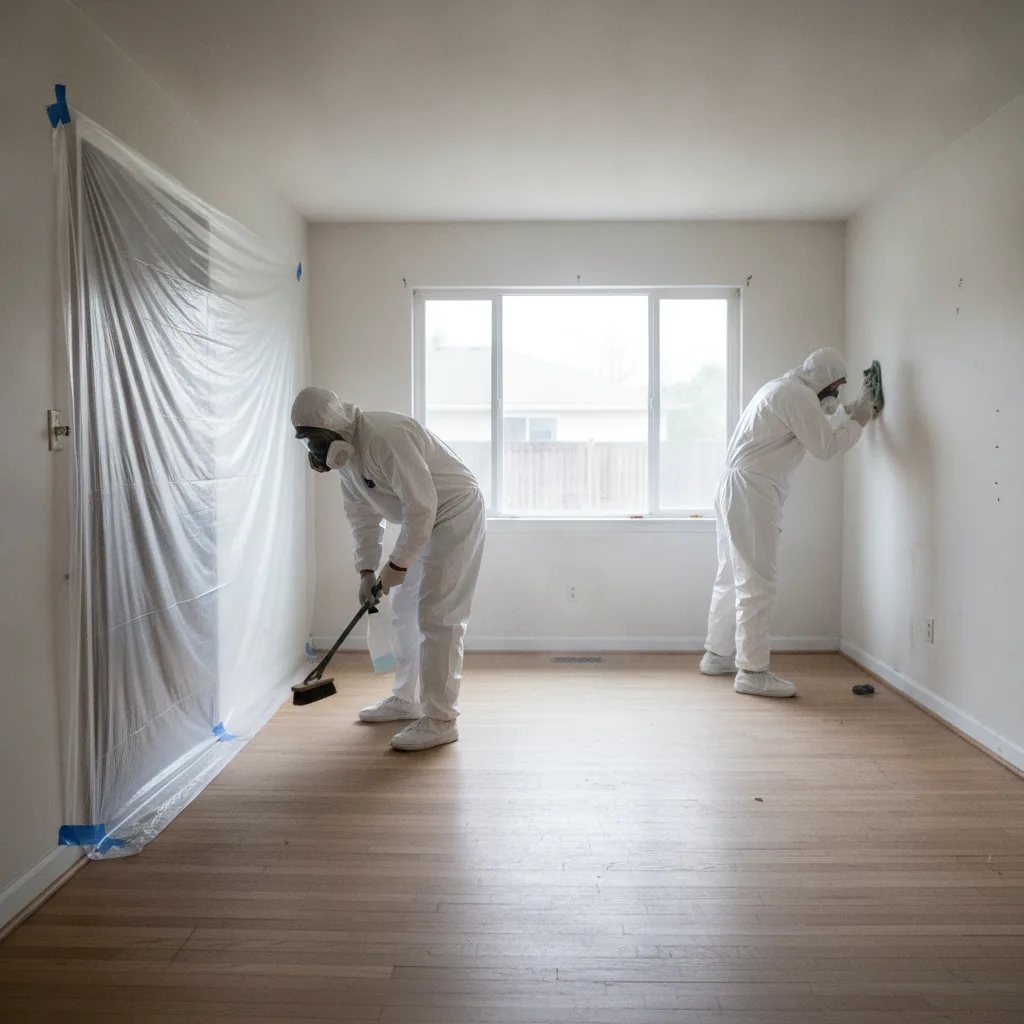
We restore homes, apartments, vehicles, and businesses after violent crimes, once law enforcement and the Medical Examiner release the scene. We handle the blood, fluids, and investigation residue, so families never have to see it again.
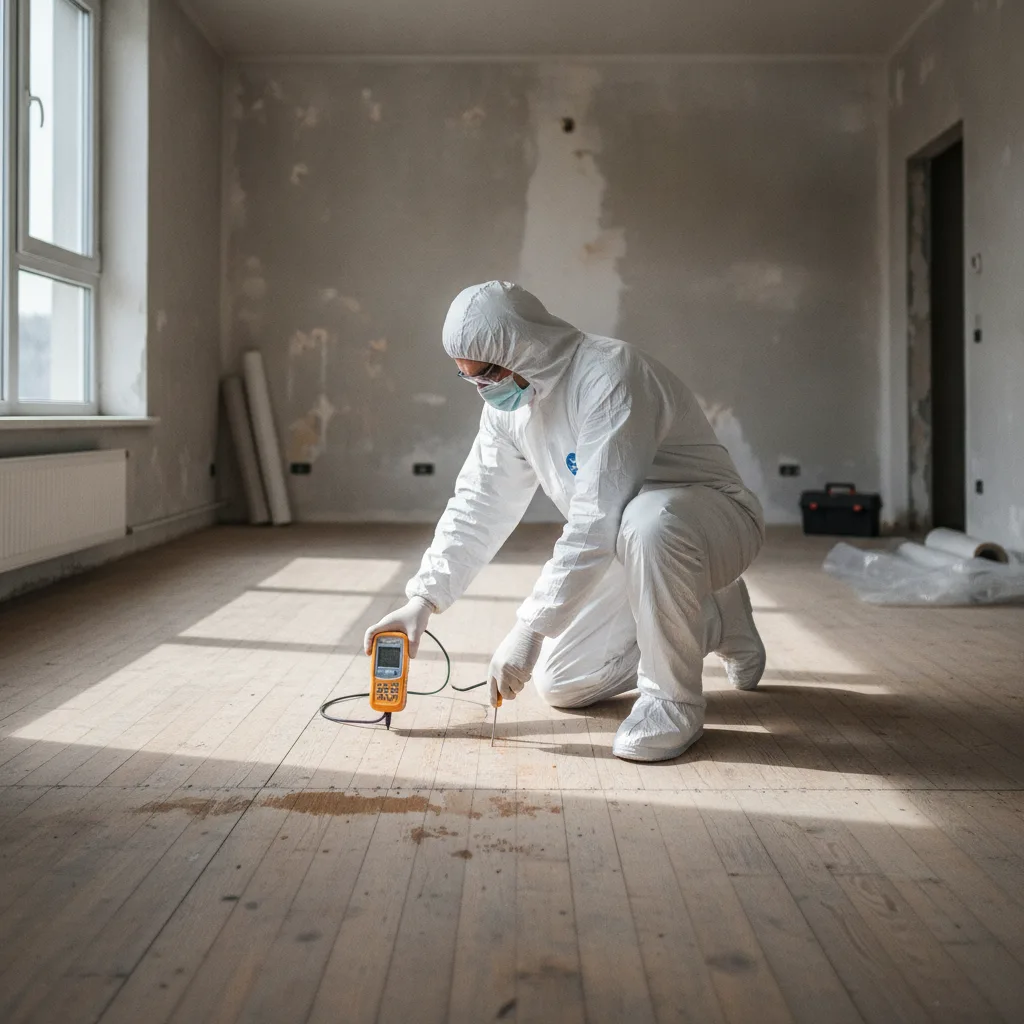
We fully remediate scenes where a death went undiscovered. That includes fluid-soaked materials, insect activity, and pervasive odor, and we coordinate with family members who may be managing everything from another state.
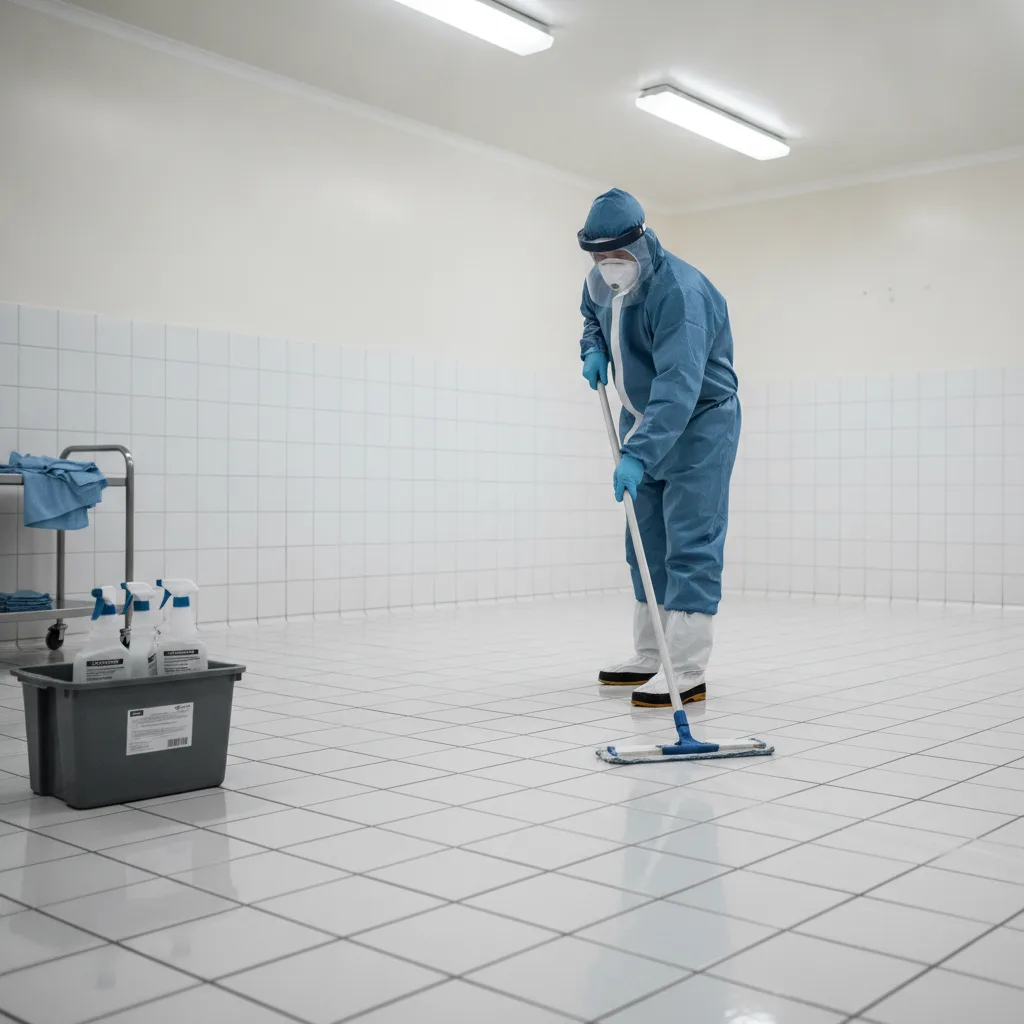
We clean up after suicides, serious accidents, and injuries, handling the scene with discretion and compassion so loved ones can focus on grieving.
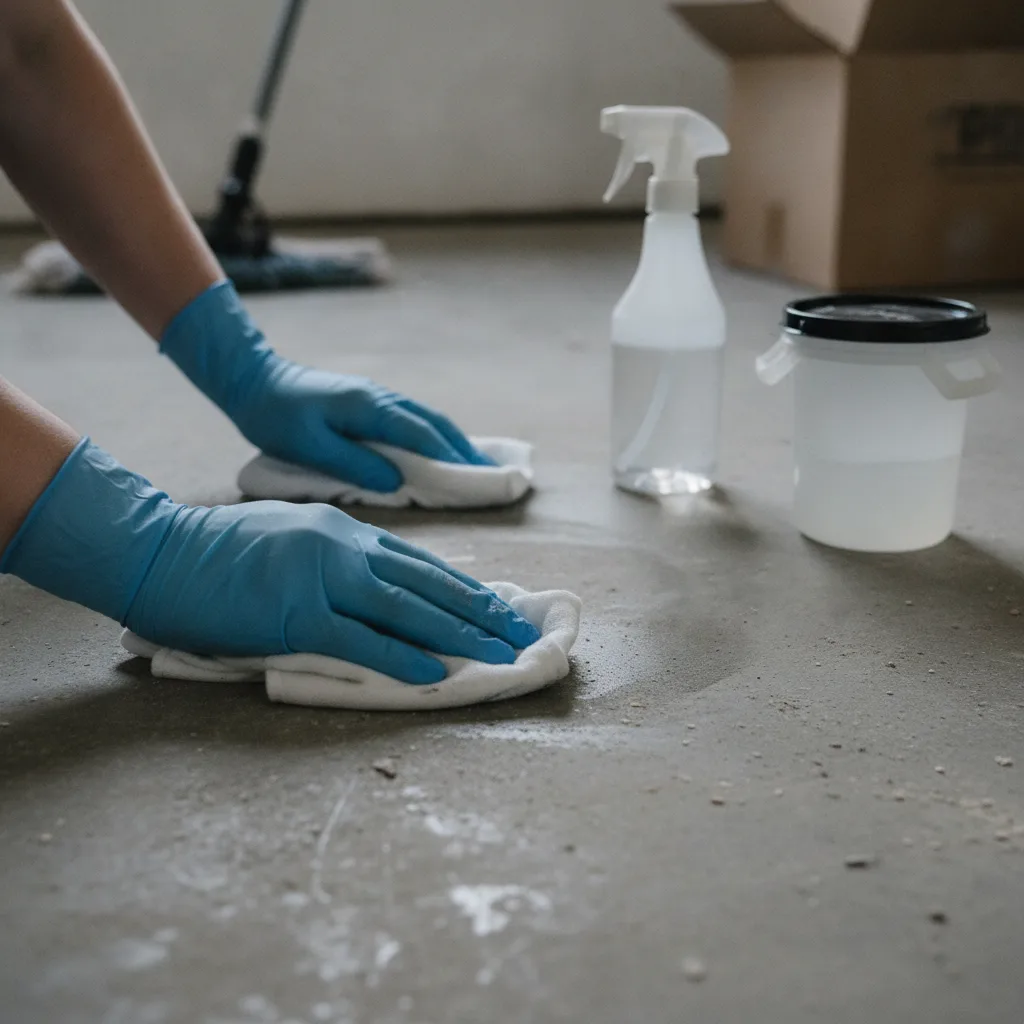
We safely remove blood and bodily fluids of any size, from a single room to an entire home, vehicle, or workplace.
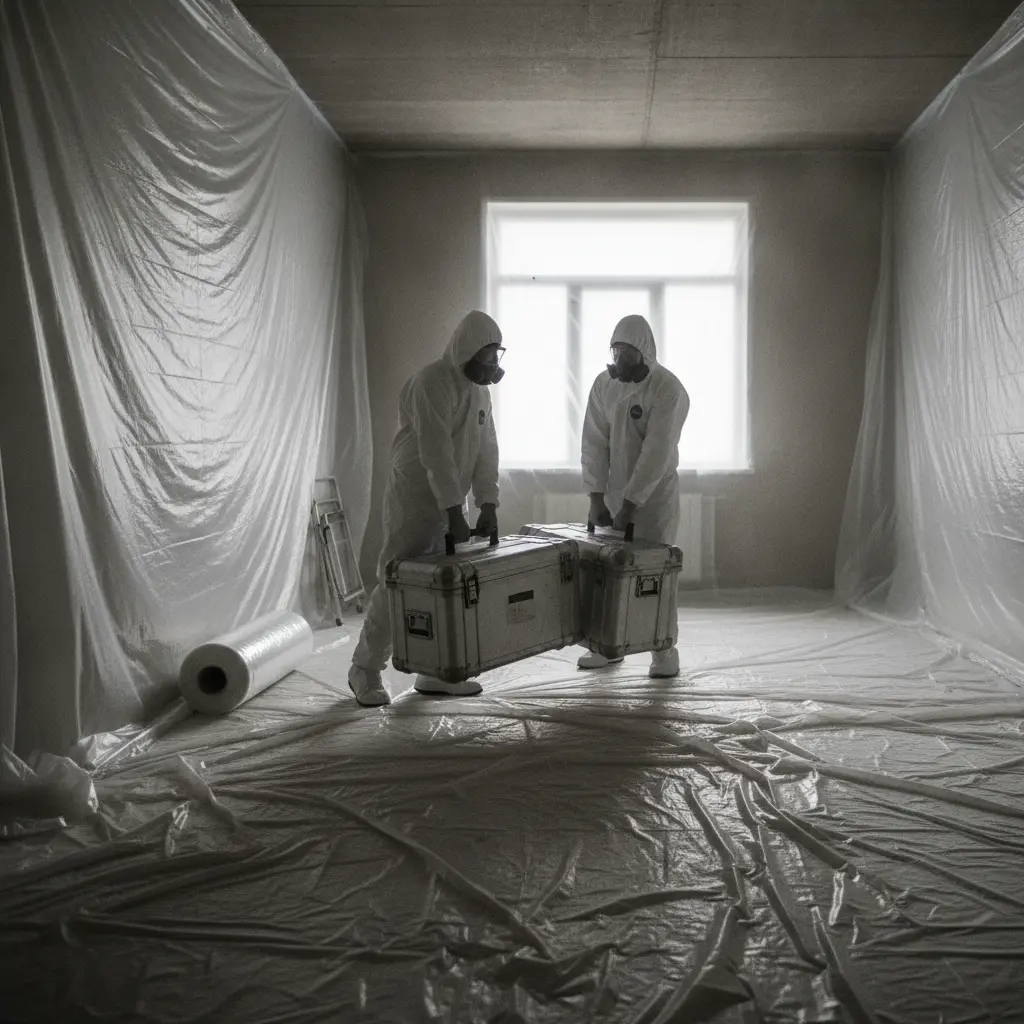
We fully remediate homicide scenes after official release, handling every surface and material affected by blood, tissue, or investigation residue.
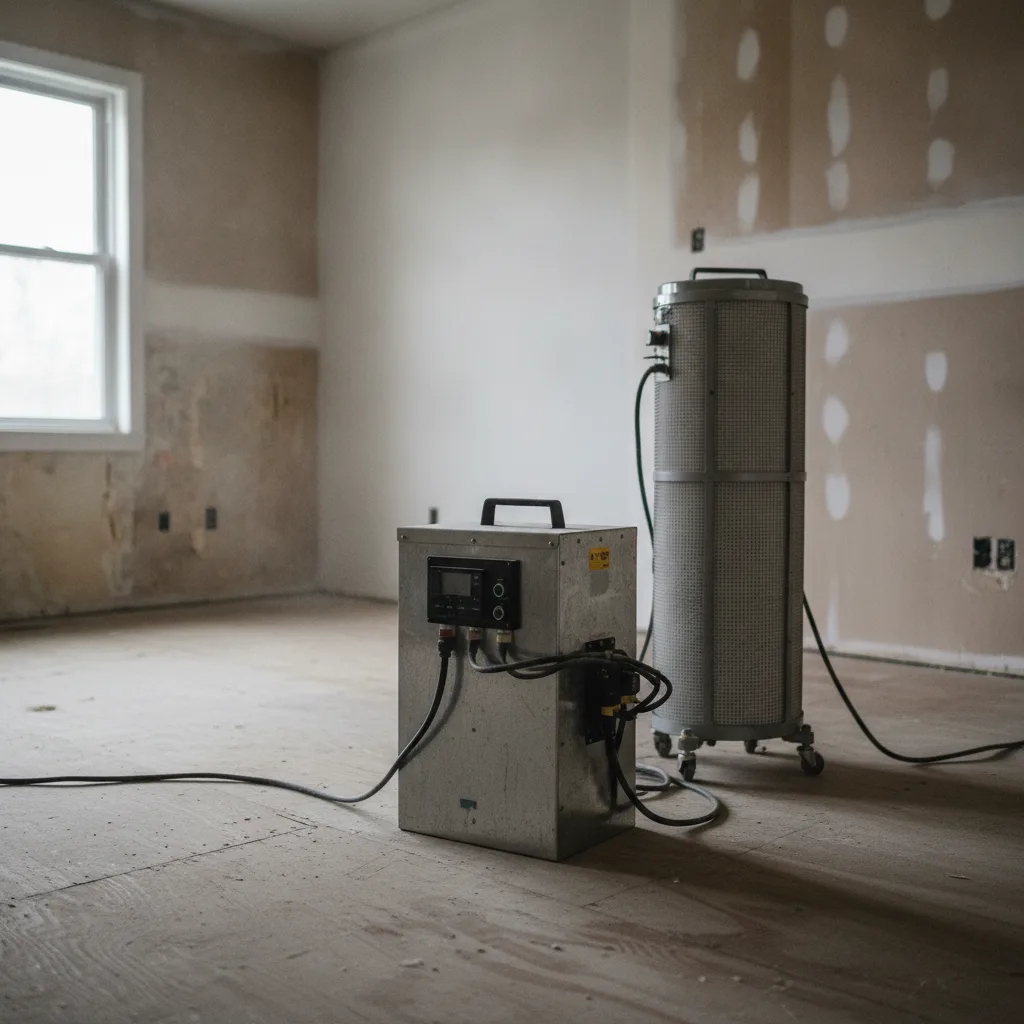
We handle the advanced biological contamination that comes with prolonged decomposition, including structural damage that goes beyond the surface.
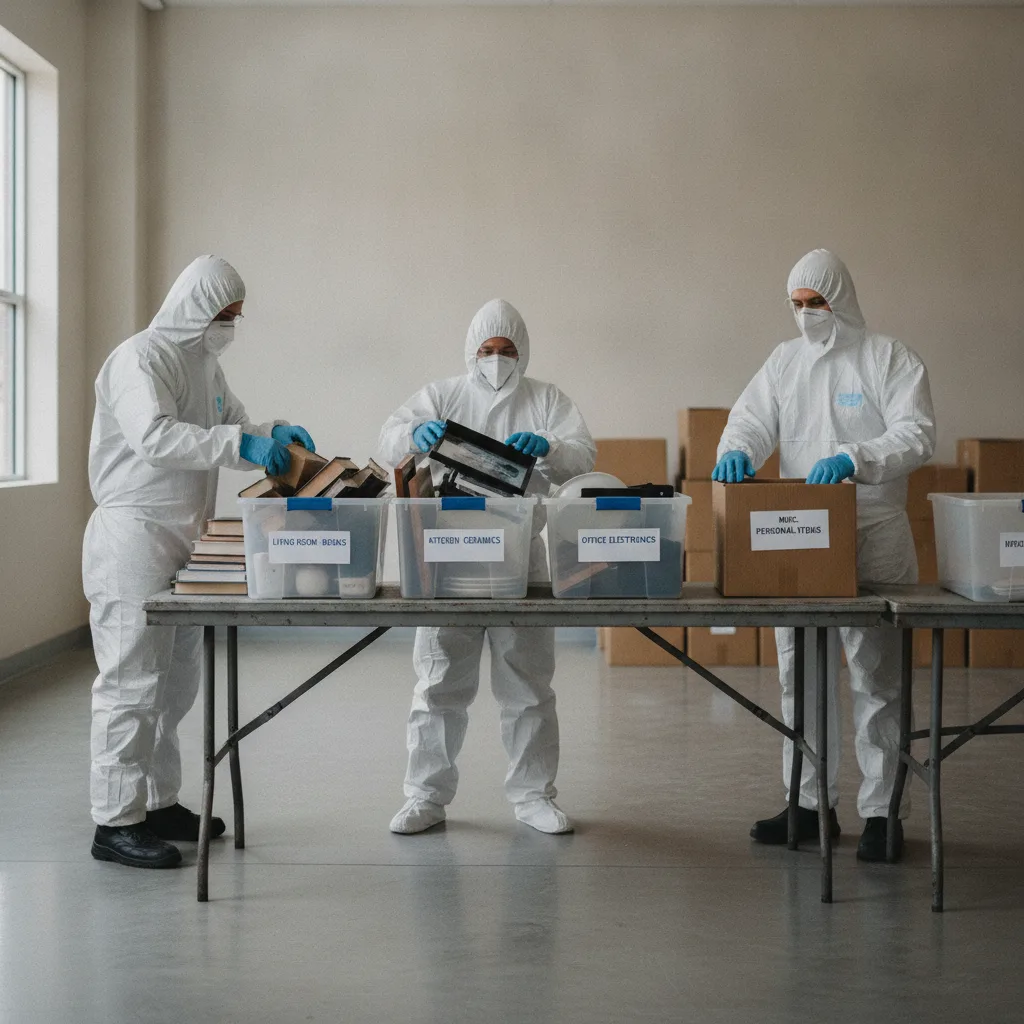
We clear severe hoarding situations with patience and respect, sorting belongings, removing waste, and making the home safe again.
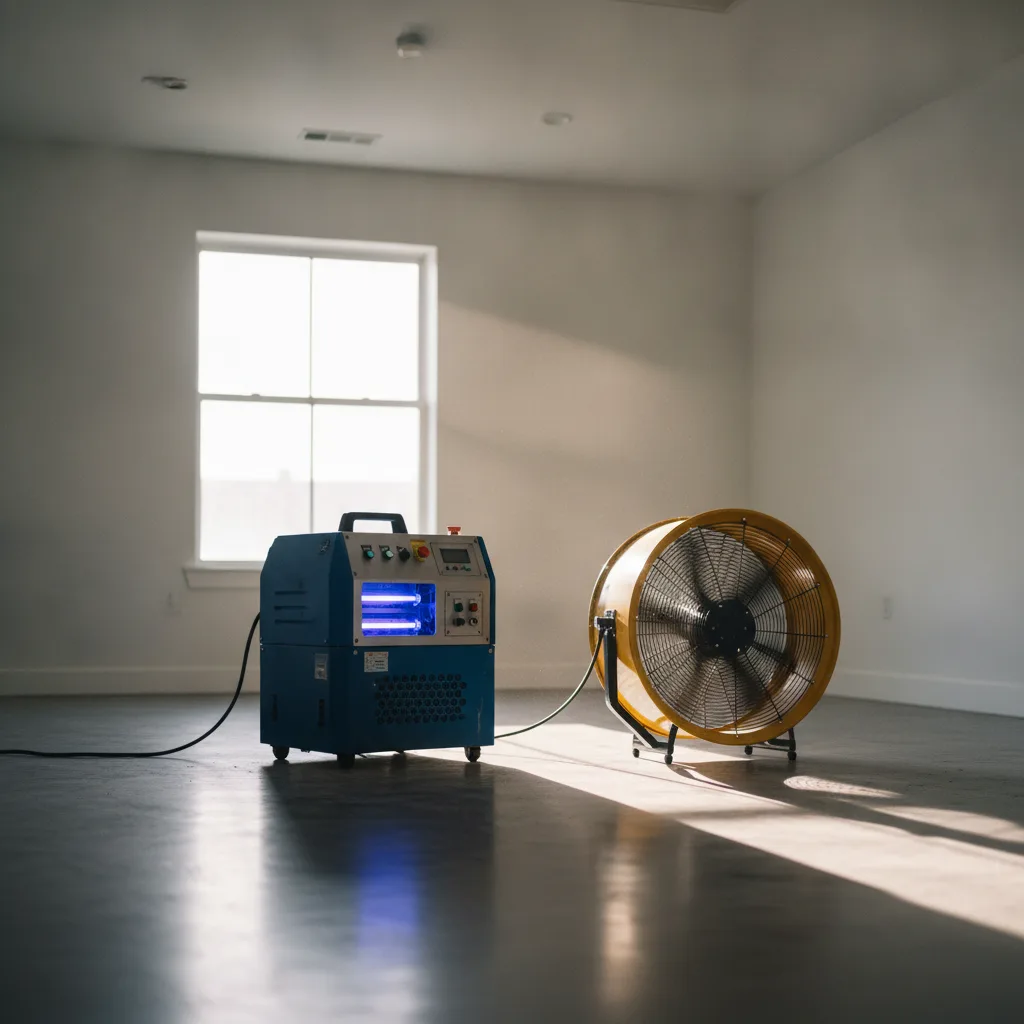
We eliminate lingering death, biohazard, smoke, and waste odors at the source instead of masking them.
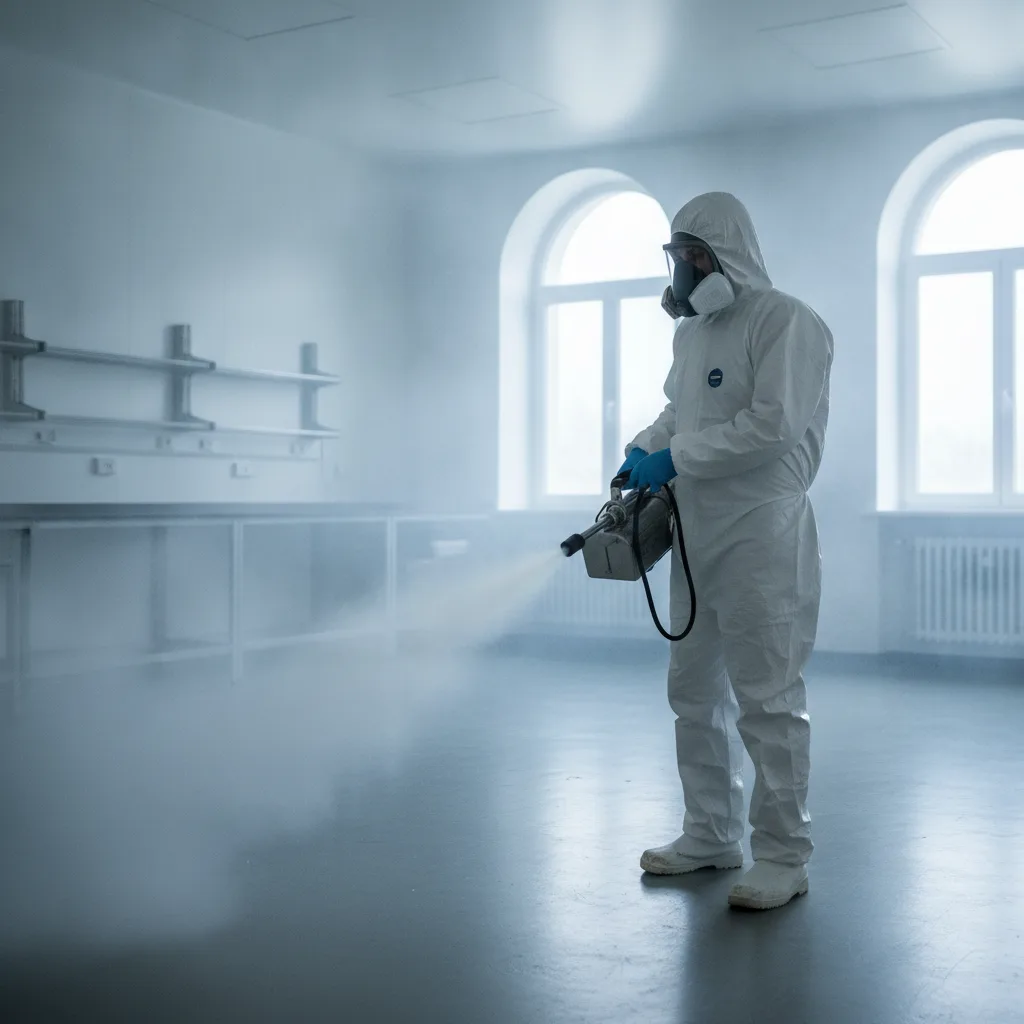
We disinfect homes, businesses, and vehicles exposed to pathogens, sewage, rodent waste, or drug residue.
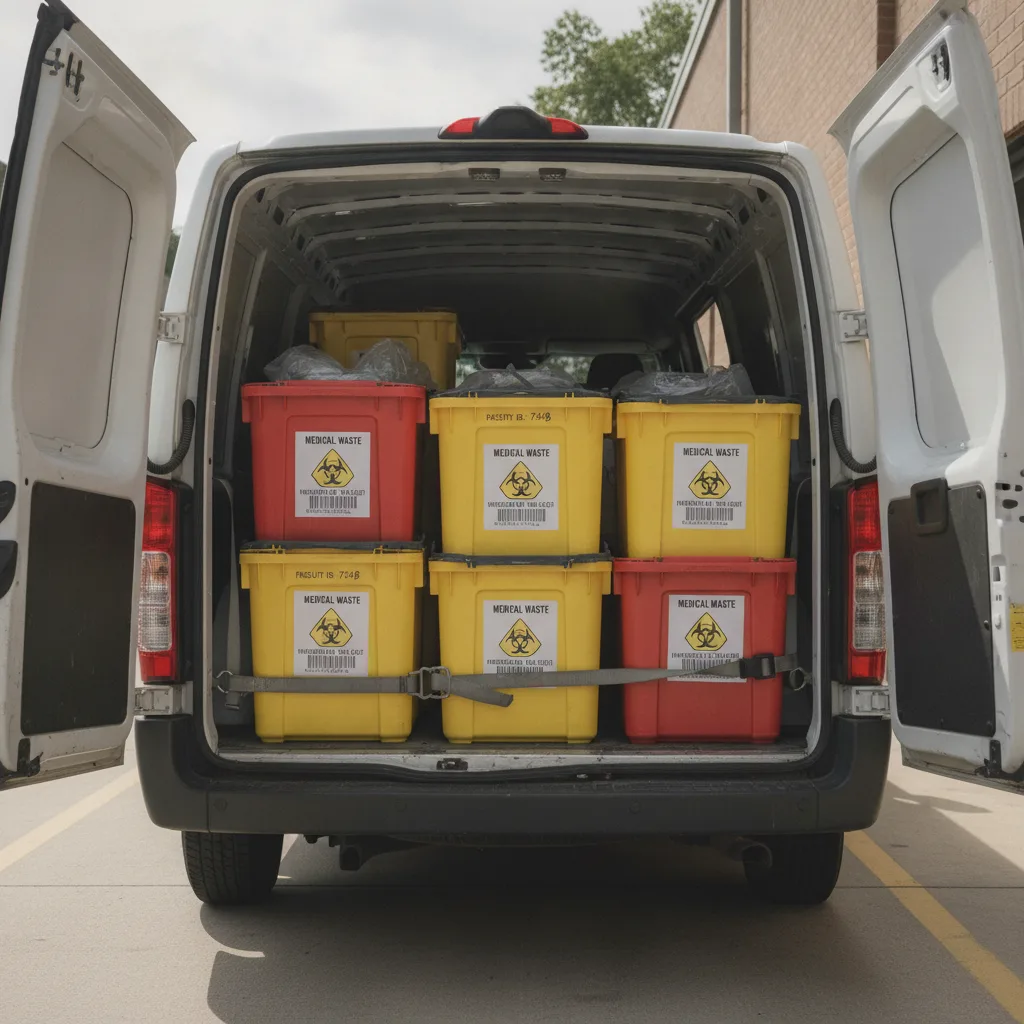
We collect and dispose of sharps, contaminated materials, and medical waste from homes, businesses, and outdoor areas.
Every scene is different, but some situations come up again and again in Central Texas because of our heat, our housing, and our population. Here's what they look like, why they happen here, and how proper remediation protects your family, your tenants, and your insurance claim.
This is a death that goes undiscovered for days or weeks. As the body breaks down, it releases fluids, gases, and bacteria into flooring, subfloor, and walls. It also brings heavy insect activity and an odor that spreads well beyond the room.
These scenes involve blood and bodily fluids spread across surfaces, often with spatter, pooling, and contamination that soaks into soft materials. Blood can carry bloodborne pathogens such as HBV, HCV, and HIV, so it needs professional cleanup and proper disposal.
These are overdose death scenes that may also involve used needles, drug residue, and paraphernalia. Fentanyl contamination is a real hazard and has to be assessed carefully before cleanup.
This is a severe accumulation of belongings, trash, food waste, and sometimes animal or human waste. It brings rodents, insects, mold, and ammonia. In many cases it also creates fire hazards and blocked exits that make the home unsafe to live in.
This is odor left behind after a death, hoarding, or bodily fluid incident. Odor molecules settle into drywall, framing, subfloor, and HVAC systems, so it lingers or comes back even after visible cleaning.
This means discarded sharps, human feces and urine, and contaminated debris on commercial property, under overpasses, in greenbelts, and around building entrances. All of it poses infection and injury risks to employees and the public.
These are limited blood or bodily fluid incidents, such as injuries at home, nosebleeds, accidents in cars, or fluids in a workplace restroom. They're smaller jobs, but they still carry bloodborne pathogen risk.
We know you're likely calling on one of the hardest days you've had. Here's exactly what to expect, from the first phone call to the final walkthrough, so there are no surprises.
Immediate, any hour
Usually the first visit
Hours to several days, depending on scope
Typically 1–3 days
Final day
Most people don't know that homeowners, renters, and commercial policies often cover biohazard cleanup. We do the paperwork. We bill your carrier directly, provide detailed photos and documentation for adjusters, and explain your options before any work begins. In many cases families pay $0 out of pocket. For victims of violent crime, we'll also explain how the Texas Crime Victims' Compensation Program through the Attorney General's office may help cover cleanup. You shouldn't have to argue with an insurance company while you're grieving, and with us, you won't have to.
When summer lows stay in the mid-70s, decomposition and contamination keep getting worse overnight. Waiting until Monday can mean more flooring cut out, a bigger claim, and odor reaching the neighbors. Our crews respond any hour, on weekends and holidays included. If you're a property manager on North Lamar or a family member calling from another state, you'll reach a real person who can arrange help right away.
Your neighbors don't need to know what happened. We arrive in unmarked vehicles, dress professionally, and keep our work low-profile. That's especially important in HOA communities like Teravista, Twin Creeks, and Falcon Pointe, where work vehicles draw attention. It also matters in downtown high-rises with strict building rules and in short-term rentals where the owner needs to protect future bookings.
Texas doesn't license crime scene cleaners, so the standards a company follows make a real difference. We're insured, and our technicians follow OSHA's Bloodborne Pathogens Standard and respiratory protection rules. Regulated waste is handled under Texas disposal protocols. That protects your family, your tenants, and you as the property owner from liability, and it gives your adjuster documentation they can rely on.
A pier-and-beam bungalow in Travis Heights needs a different approach than a slab tract home in Round Rock or a five-story apartment complex near the Domain. We know where fluids travel in each one: into crawlspaces, through carpet pad, across shared walls and HVAC chases. Because we look in the right places the first time, odors don't come back and you don't need a second visit.
Biohazard cleanup is our main work, not something added to a carpet-cleaning or restoration company. Our services include homicide, unattended death, decomposition, hoarding, odor removal, decontamination, and medical waste disposal. Because we specialize, we can handle fentanyl-related scenes, sharps, hoarding with rodent contamination, and flood black water correctly.
Many of our calls involve several people: a grieving family, an out-of-state executor, a property manager, and an insurance adjuster. We keep everyone informed with straightforward updates, explain every step without jargon, and never pressure anyone. Property managers get the documentation they need to turn units over, and families get respect and patience.
For most Austin families, the cost of crime scene and biohazard cleanup is handled through insurance, often with $0 out of pocket. We bill homeowners, renters, and commercial carriers directly. Here's what affects the size of a claim, so you know what to expect.
Most homeowners and many renters and commercial policies cover biohazard remediation as part of property damage. We document the scene and bill your carrier directly, so in most covered cases the family pays nothing up front. If a deductible applies, we'll tell you before work begins. Violent crime victims may also qualify for help through the Texas Crime Victims' Compensation Program.
In Austin's heat, this is often the biggest driver of claim size. A scene found within a day may need only surface cleaning and a little carpet removal. One found after a week in July can require removing subfloor, drywall, and framing, plus extensive odor treatment. Calling us quickly keeps the claim smaller and limits damage to neighboring units.
Carpet over pad in suburban tract homes absorbs fluids quickly. Pier-and-beam homes in Hyde Park or Travis Heights can let contamination reach the crawlspace. In wood-frame apartments, we may need to check adjacent units. Pre-1981 and pre-1978 homes can also need asbestos surveys or lead-safe practices before demolition.
A small blood spill in one room is very different from contamination that has traveled through HVAC ducts, across rooms, or into a vehicle. The more square footage and the more layers of material affected, the larger the claim. We document everything so your adjuster sees the full scope.
Hoarding, sharps, drug residue, and flood black water all add disposal and labor. Regulated waste has to be packaged and disposed of under TCEQ rules, which affects the claim value. Your adjuster gets an itemized record of these costs.
We handle insurance billing directly and can help families apply to the Texas Crime Victims' Compensation Program. If coverage questions come up, we'll walk you through every option before any work starts. There's no pressure and no surprise bills.
In most cases, yes. Homeowners insurance usually covers biohazard cleanup as property damage, and many renters and commercial policies do too. We bill your carrier directly and give the adjuster detailed photos and documentation, so many families pay $0 out of pocket. If there's a deductible, we'll tell you before work starts. If the scene involved a violent crime, you may also qualify for the Texas Crime Victims' Compensation Program through the Office of the Attorney General, which can cover crime-scene cleanup costs. We'll help you understand both options.
We answer and dispatch 24 hours a day, every day of the year, including holidays. Arrival time depends on where you are and the time of day. Traffic between South Austin and Cedar Park or Round Rock can take more than 45 minutes at rush hour, so we plan routes with that in mind. In summer, speed matters more than usual. Austin's heat speeds up decomposition, and getting there quickly means less material has to be removed and less odor reaches neighbors.
Small blood cleanups are often finished in a single day. Homicide and trauma scenes usually take one to three days. Unattended deaths with decomposition can take several days, especially when subfloor, drywall, or HVAC components have to be removed and the odor fully treated. Hoarding projects range from a few days to more than a week depending on volume. We'll give you a realistic timeline after the assessment and keep you updated, which helps property managers plan unit turnover.
Yes, in one important way. Police and the Travis County or Williamson County Medical Examiner must release the scene before any cleanup starts. Removing contaminated materials usually doesn't need a permit, but replacing structural subfloor, framing, electrical, or plumbing in Austin requires a City of Austin Development Services permit. Older homes may need an asbestos survey before demolition, and homes built before 1978 call for lead-safe practices. In historic districts like Hyde Park, exterior changes may need review. We'll explain what applies to your property.
We strongly advise against it. Blood and bodily fluids can carry bloodborne pathogens like hepatitis B, hepatitis C, and HIV. OSHA requires specific protective equipment for this work. Fluids often soak far deeper than they appear, into carpet pad, subfloor, and pier-and-beam crawlspaces, so a surface cleaning leaves contamination and odor behind. Regulated waste also has to be disposed of under Texas rules. And emotionally, no family should have to do this. Since insurance often covers it, there's usually no reason to try.
Not from us. We use unmarked vehicles, our crews dress professionally, and we keep the work as quiet as possible. That matters in HOA communities like Teravista, Twin Creeks, Brushy Creek, and Falcon Pointe, where work vehicles in driveways draw attention, and in downtown high-rises where we coordinate quietly with building management. Short-term rental owners near SoCo and Rainey also count on our discretion to protect their reviews and bookings. Your privacy is part of the service.
Call as soon as the scene is released, or even before, so we can be ready to go. Waiting makes things worse, especially from May through September, when Austin's heat speeds up contamination and odor. If you live out of state, as many Austin families do, we can coordinate entirely by phone and email with you, the property manager, the estate attorney, and the insurance adjuster. We'll send photos and updates so you know exactly what's happening.
Regular contact is the best prevention. If an aging parent lives alone in central Austin, set up daily check-ins, a neighbor contact, or a medical alert device. This matters most during heat waves and winter storms like Uri, when power outages delay discovery. Landlords can schedule periodic unit inspections allowed under Texas Property Code Chapter 92 and act on odor or pest complaints quickly. For hoarding, early, compassionate intervention keeps a situation from turning into a biohazard. If something seems off, call us and we'll talk it through.
We come to you anywhere in Austin and the surrounding area, in unmarked vehicles, any hour of the day.
You don't have to handle this alone or pay for it out of pocket. Call any hour, and a compassionate crew in an unmarked vehicle will start restoring your home while we handle the insurance claim.
Call (730) 205-2815 Now