Discreet, certified crime scene and biohazard cleanup in Greenville — unmarked vehicles, compassionate technicians, and in most cases $0 out of pocket since we bill your insurance directly.
Climate, old building materials and long rural drives all make trauma cleanup harder here than in most places. A crew that knows the inner Coastal Plain understands that hours really do matter, that porous old materials hide contamination, and that North Carolina leaves families to judge qualifications for themselves.
Greenville's July highs run around 90°F, and dew points often stay in the 70s from May through September. Those are close to ideal conditions for decomposition. An unattended death in a closed house without working air conditioning can reach severe odor, fly and larvae activity, and fluid migration in a few days, not weeks. Biological material left in that humid air can grow mold within 24–72 hours. The region gets 48–50 inches of rain a year, and hurricanes add flooding on top of that. Floyd sent the Tar River into Greenville, Tarboro and Princeville, and Matthew and Florence flooded Kinston along the Neuse. That floodwater carried sewage and hog and poultry runoff, which makes it Category 3 black water. Mild winters mean flies, roaches and rodents never really let up.
The housing here holds onto contamination. College View and the neighborhoods near Uptown have bungalows and Foursquares from the early 1900s to the 1940s. Washington and Tarboro have 19th-century historic districts with heart pine floors, plaster-and-lath walls and balloon framing, and blood can wick deep into wood seams and run along framing cavities. Most homes in the region sit on raised crawl-space foundations over sandy soil with a high water table. Once fluid gets through the subfloor, it reaches joists, insulation and the ground underneath. Manufactured homes across rural Pitt, Beaufort, Lenoir and Edgecombe counties have particleboard floors and enclosed underbellies, and those usually need sections cut out, not just cleaned. On top of that, aging window units and ductwork can spread odor through an entire house.
North Carolina doesn't license crime scene or trauma cleanup, which means anyone can call themselves a biohazard cleaner. Reputable providers follow federal OSHA rules, including the Bloodborne Pathogens Standard (29 CFR 1910.1030), respiratory protection and hazard communication. Regulated medical waste falls under NC Department of Environmental Quality solid waste rules. It has to be packaged, labeled, transported and treated at a permitted facility. It can't go in the household trash. Former meth labs have to be decontaminated to NC DHHS guidelines before anyone can live there again. Historic commissions in Greenville, Washington, Tarboro and Kinston require a Certificate of Appropriateness for exterior changes, though interior remediation usually doesn't. Landlords also have duties under the NC Residential Rental Agreements Act to keep units fit to live in.
Greenville is home to about 87,000–89,000 people and anchors Pitt County, which has roughly 170,000. ECU's 25,000-plus students create a large rental market and a steady stream of tenant-turnover jobs. ECU Health Medical Center is the region's Level I trauma center, which tells you how much traumatic injury the surrounding counties see. Kinston, Tarboro and Washington are each 20–35 miles away. Their populations are smaller and older, and many residents live alone, so unattended deaths and hoarding cases are more common. Edgecombe and Lenoir counties have poverty rates well above the state average. That's why helping families use their insurance coverage is often the most important part of what we do.
Every service starts the same way. We answer the call, explain your insurance options, and send a discreet, protected crew. Here's what each service involves and how we adapt it to eastern North Carolina's climate, building materials and regulations. Many of these services are covered under homeowners or property insurance.
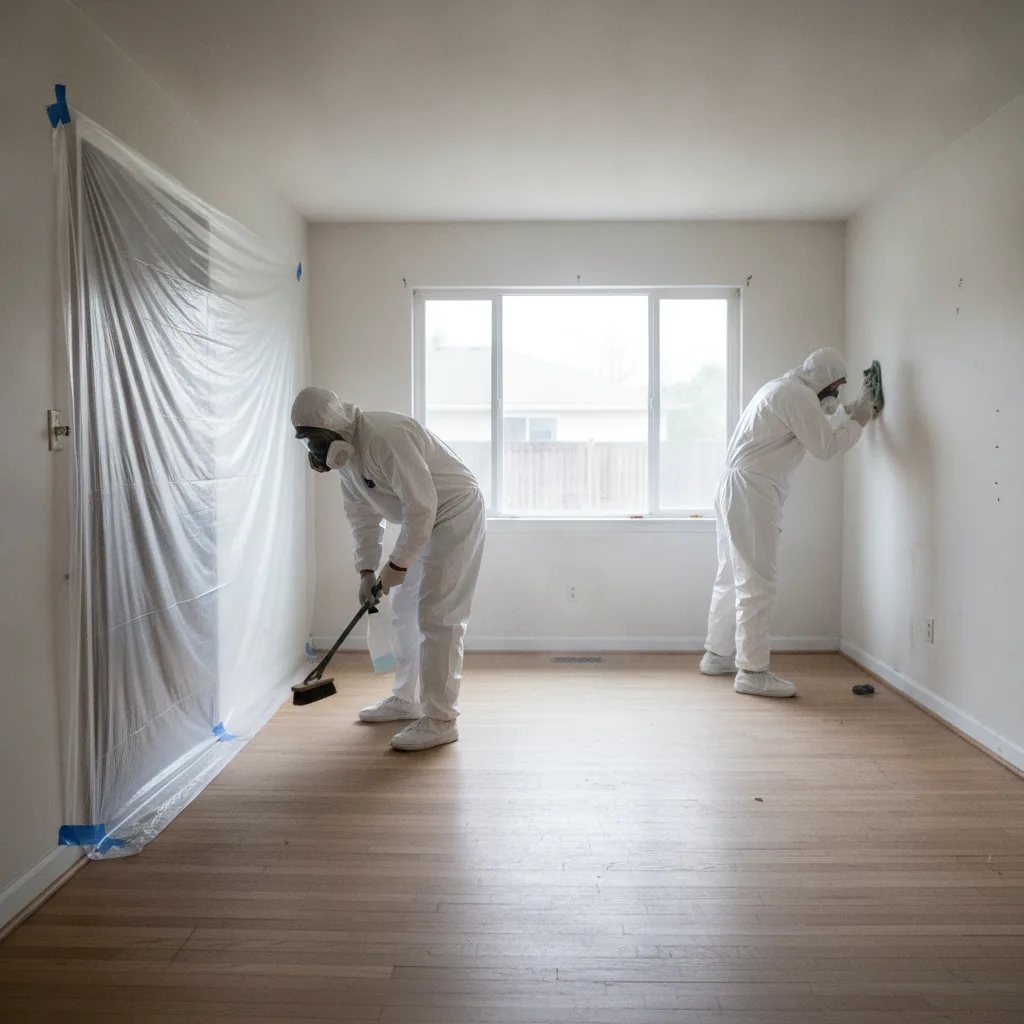
We restore homes, businesses and vehicles after violent crimes once law enforcement releases them. That includes removing blood, tissue and other contamination and making the space safe to use again.
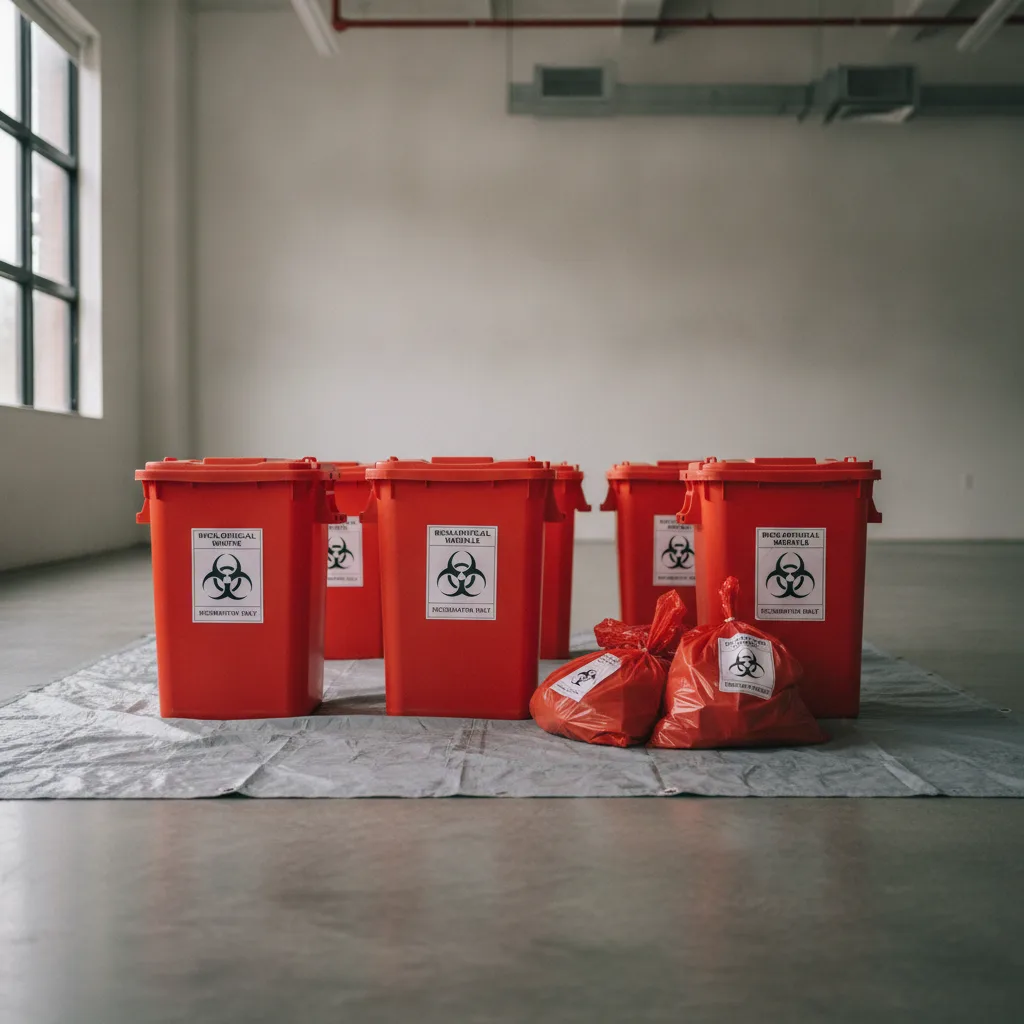
We clean up any biological hazard, including bodily fluids, sewage, animal waste and infectious material, in homes, businesses, vehicles and crawl spaces.
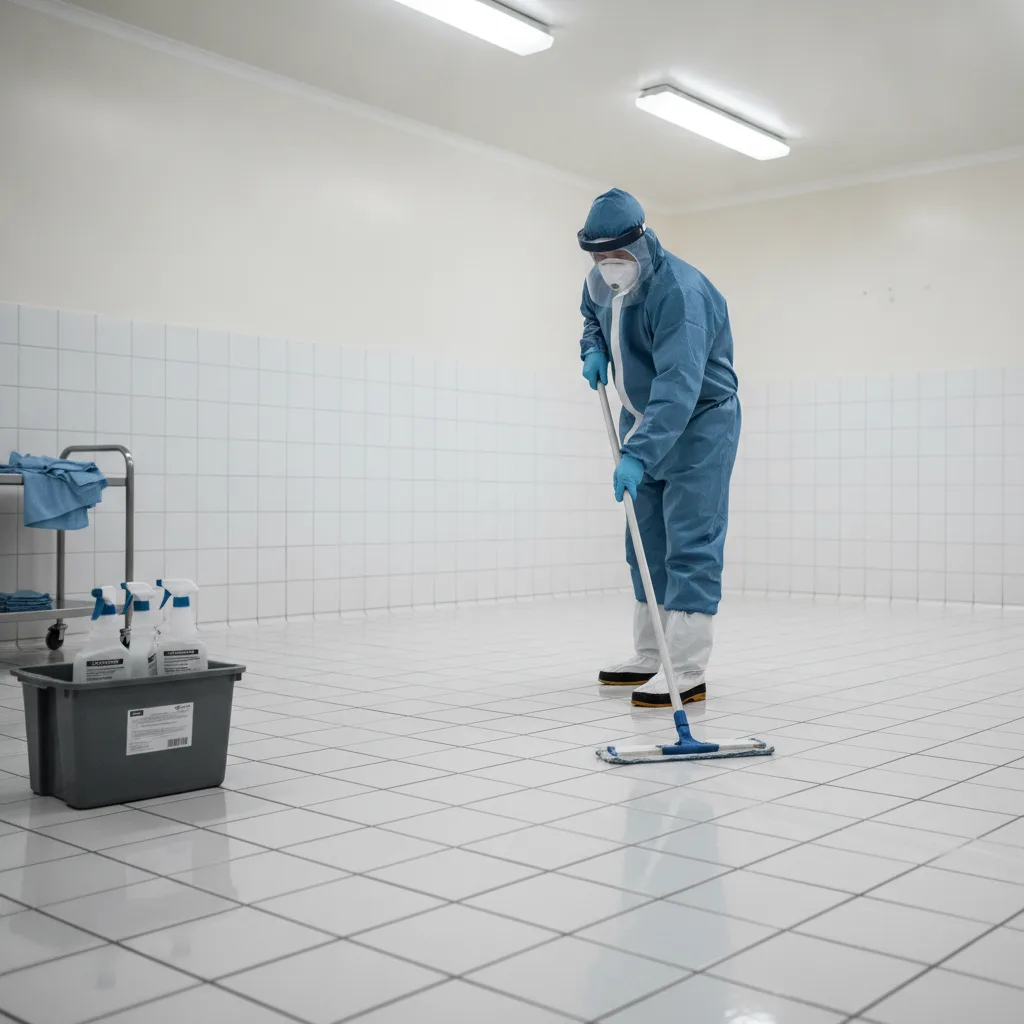
We clean up after suicides, accidents and serious injuries with compassion, so loved ones never have to see or clean the scene.
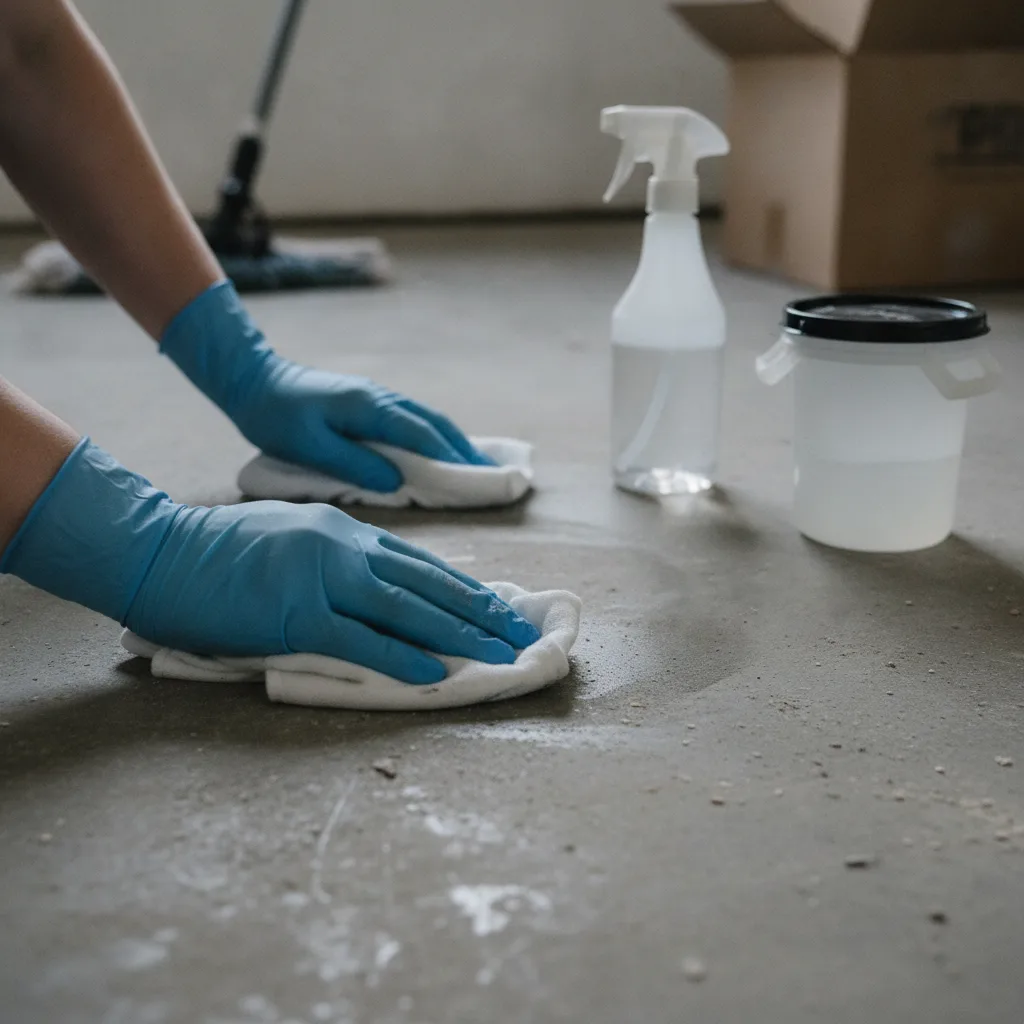
We remove blood of any amount from floors, walls, upholstery, mattresses and vehicles, along with the bloodborne pathogen risk it carries.
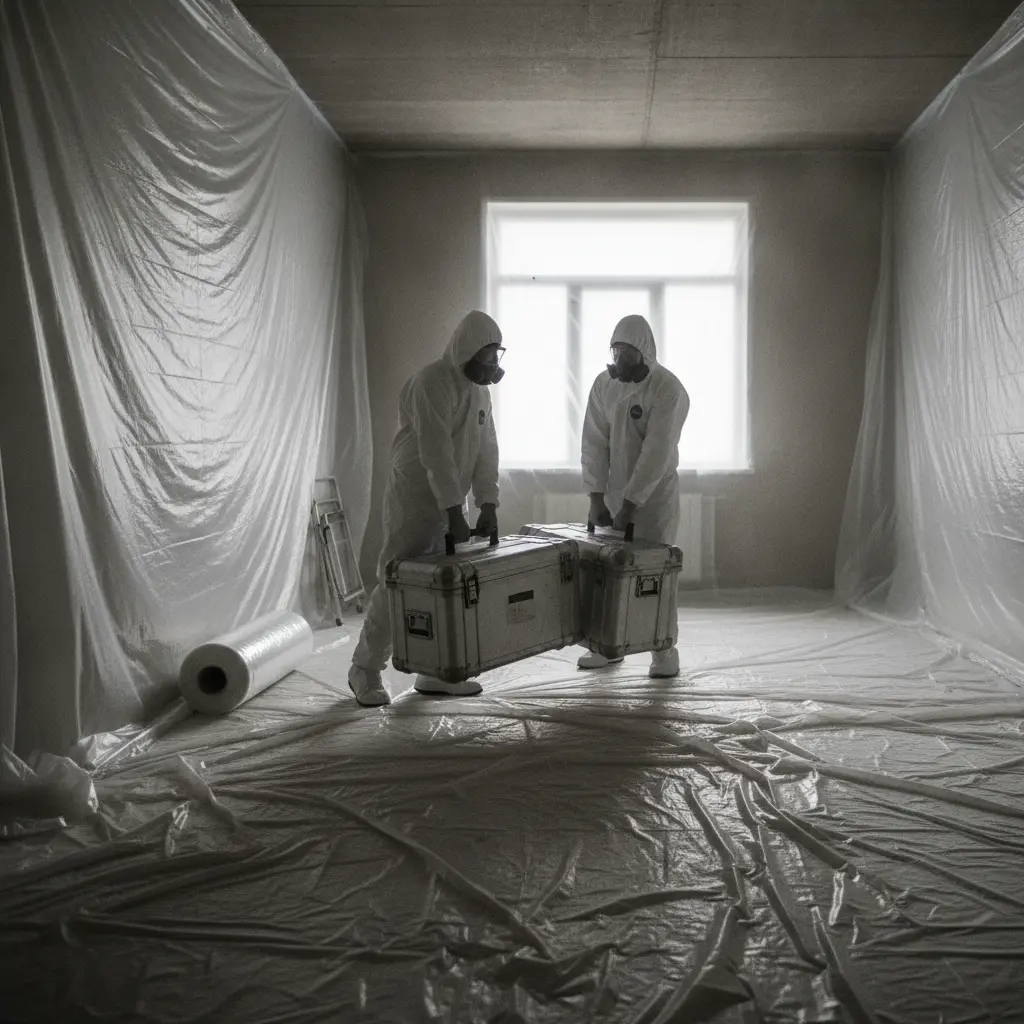
We fully remediate homicide scenes after police release, so families and owners are spared the cleanup.
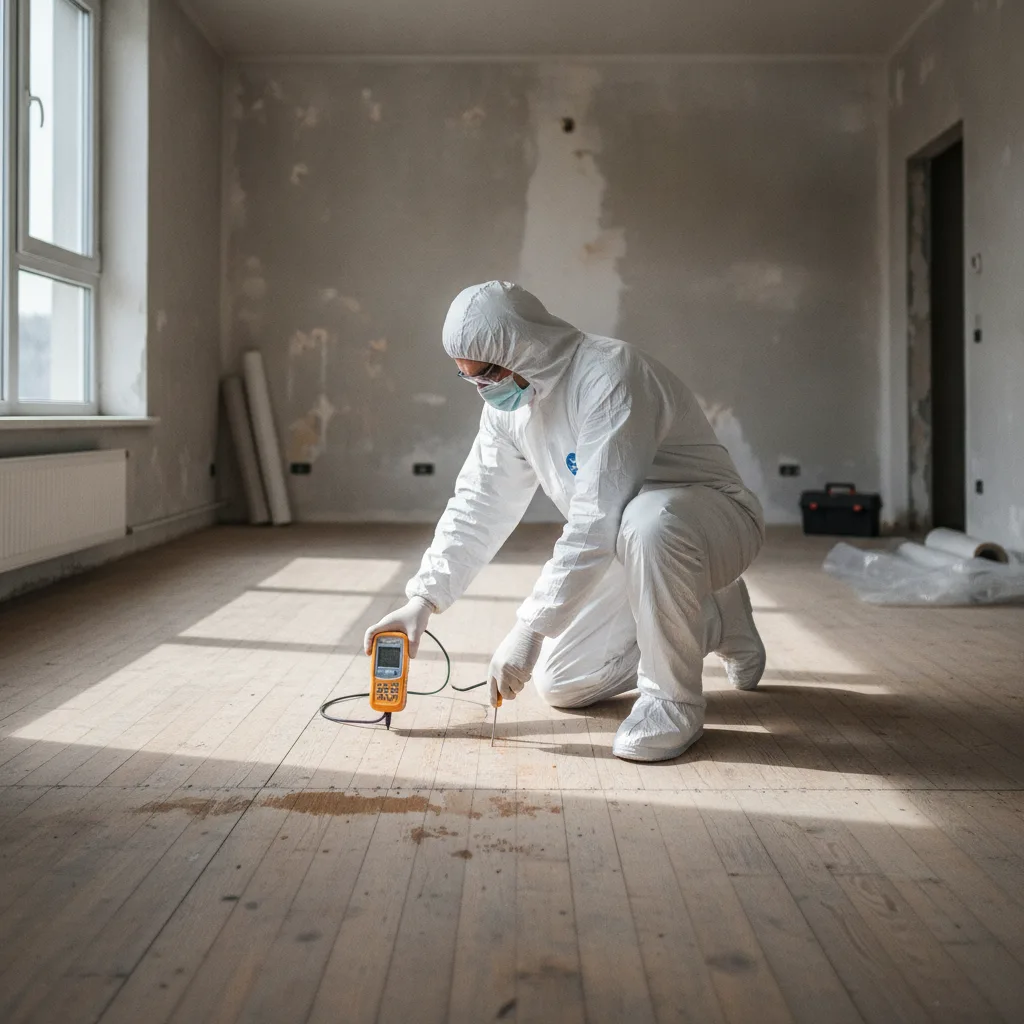
We restore homes after a death that went undiscovered, removing fluids, odors, insects and contaminated materials so the home is safe again.
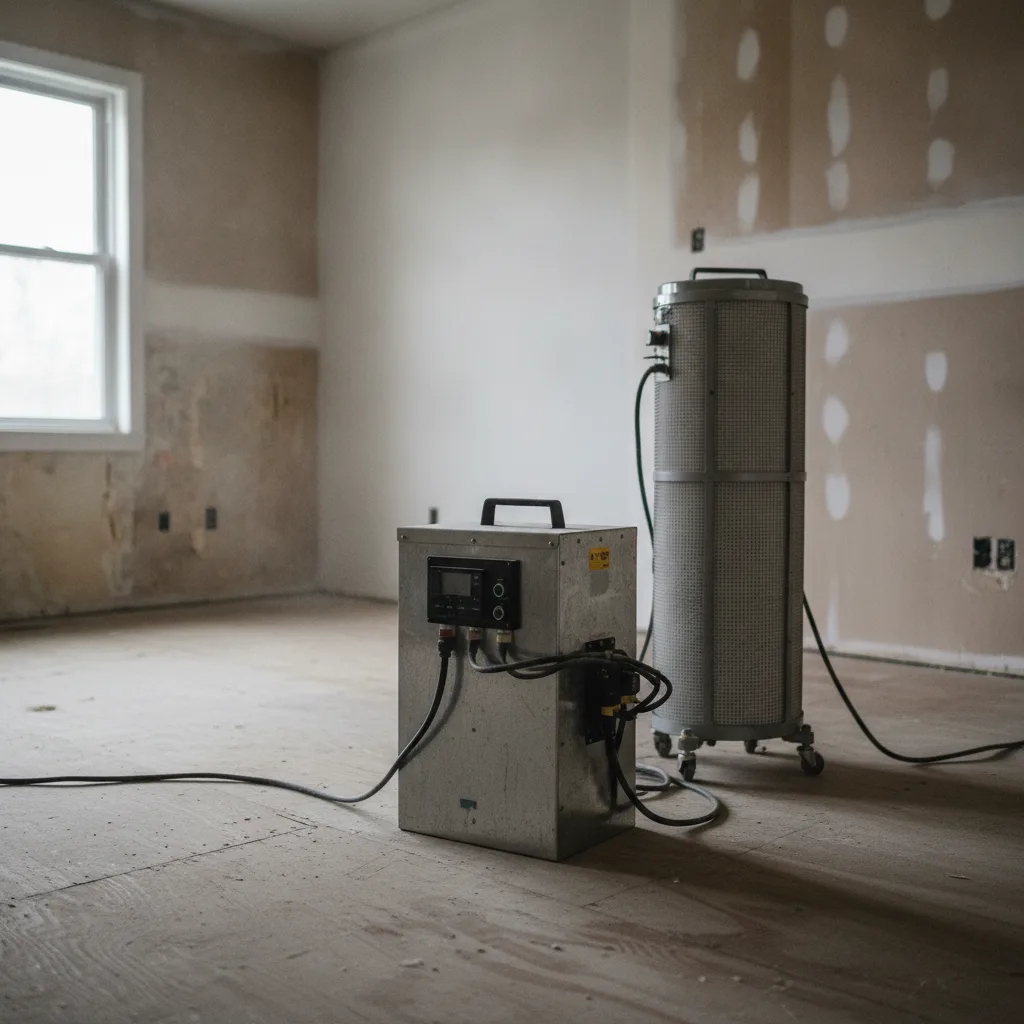
We remove decomposition fluids and odor sources from structures, furniture and crawl spaces after a delayed discovery.
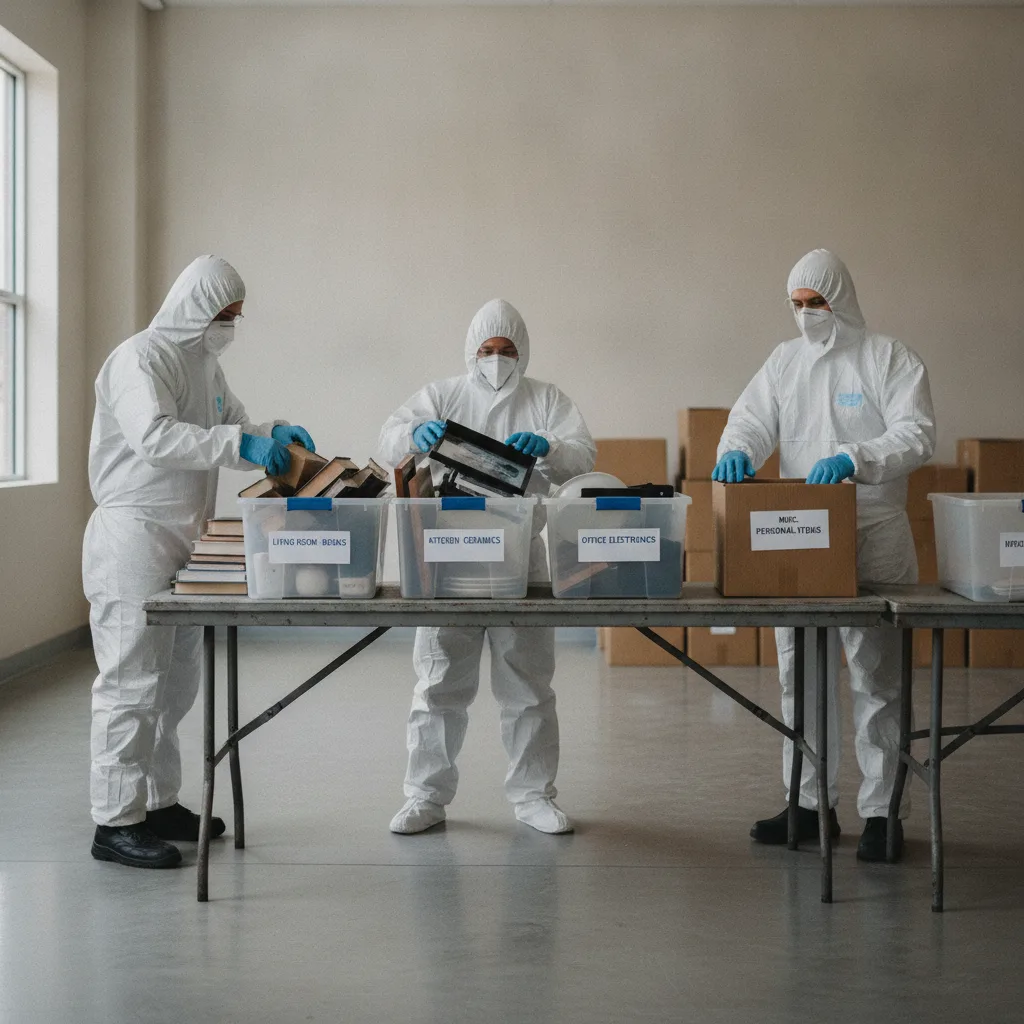
We clear hoarded homes safely and without judgment, removing waste, animal contamination and pests while keeping valuables and keepsakes.
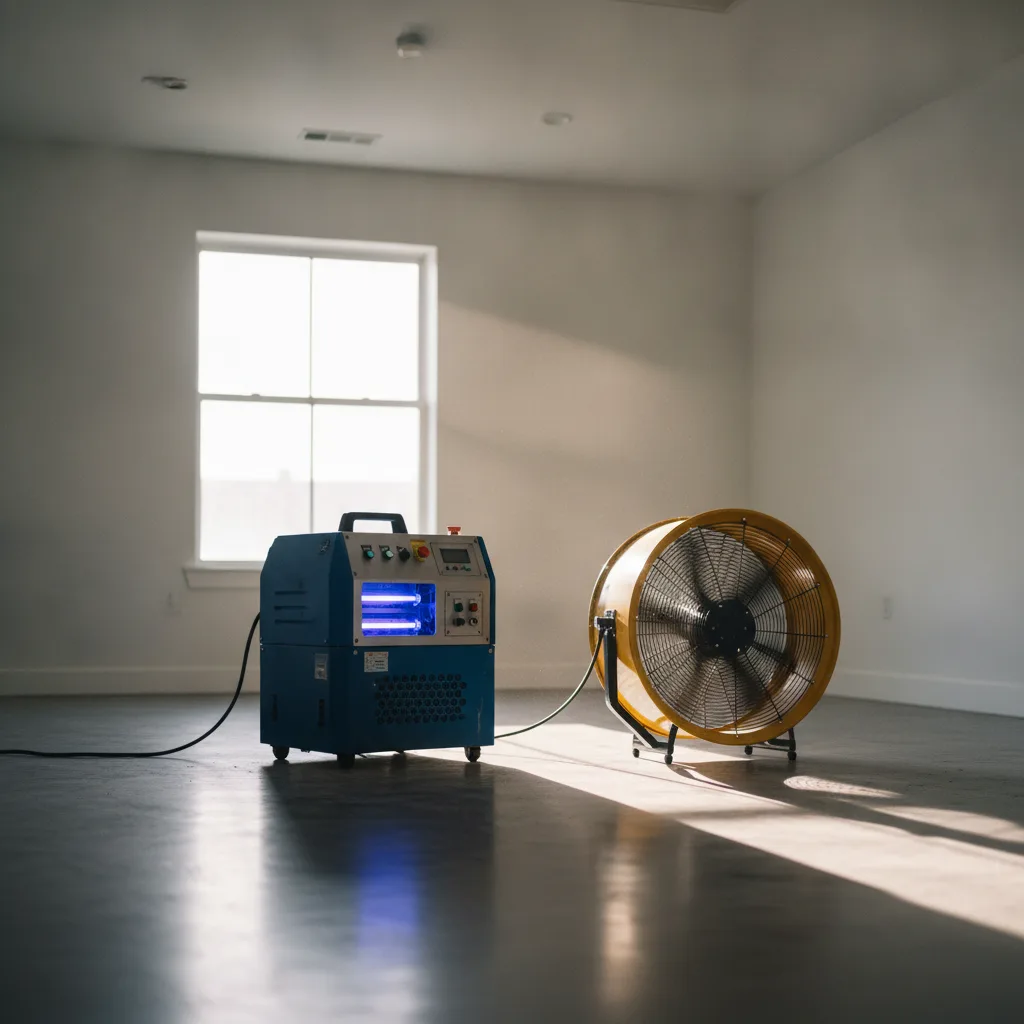
We permanently eliminate odors from decomposition, smoke, urine, hoarding and biohazard events. We don't just mask them.
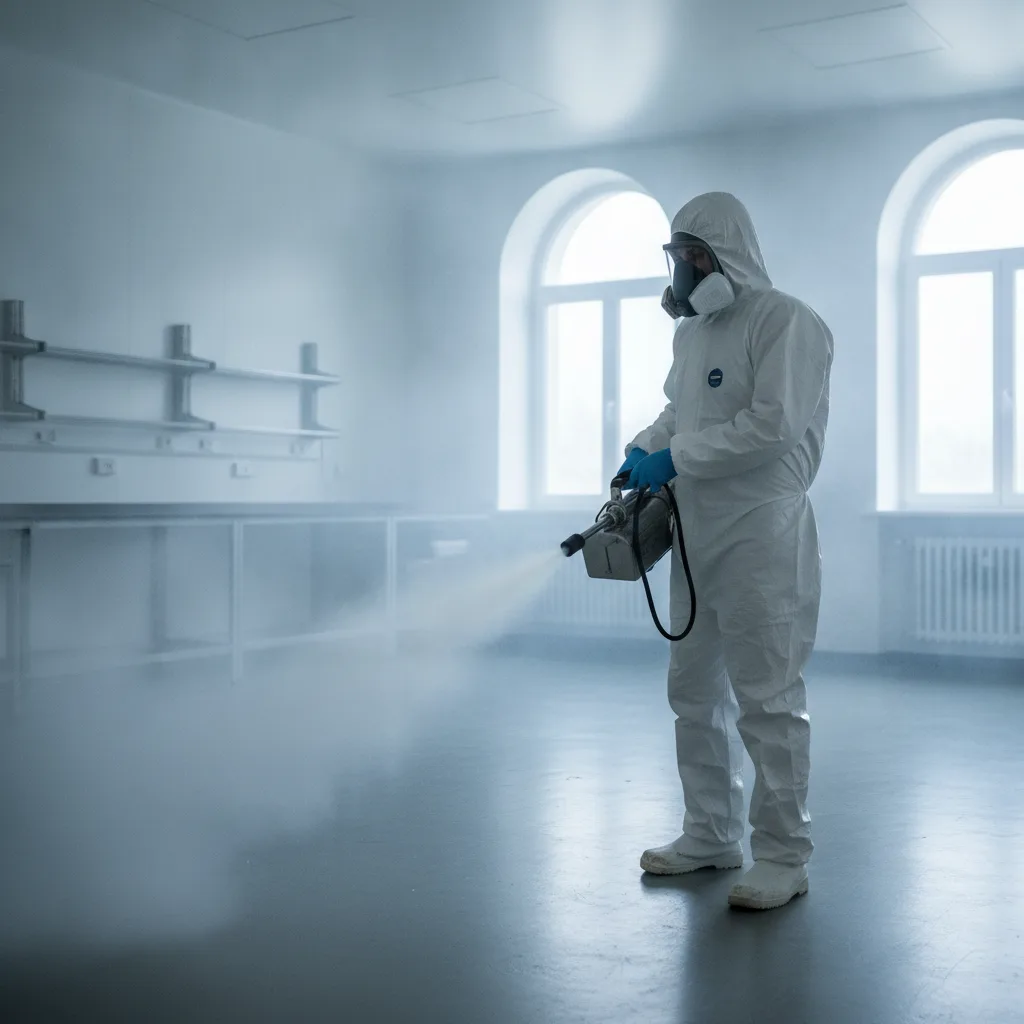
We decontaminate properties affected by infectious disease, drug residue, chemical exposure or former meth activity.
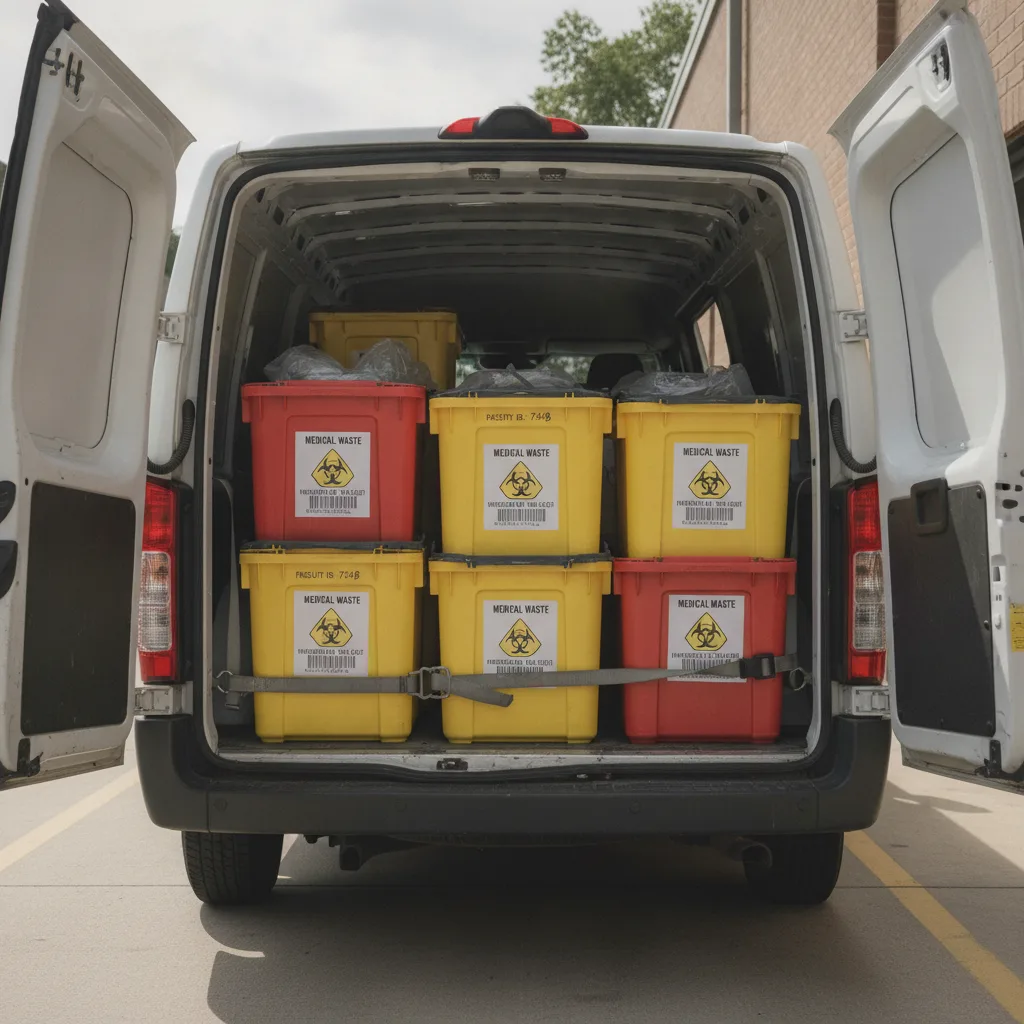
We collect, package and properly dispose of sharps, syringes and regulated medical waste from homes and businesses.
Every scene is different, but the same situations come up again and again across Pitt, Beaufort, Lenoir and Edgecombe counties. Knowing why they happen here, and how quickly they get worse in our climate, helps you decide what to do next. Please don't try to clean any of them yourself.
This is when someone dies alone and isn't found for days or weeks. Body fluids break down and soak through flooring, and odor-causing compounds get into walls, furniture and HVAC systems. Insects move in quickly, and the contamination keeps spreading until professionals remove the affected materials.
These are scenes where blood and tissue have spread across a room, sometimes onto ceilings, walls, furniture and into flooring seams. Once law enforcement releases the scene, the family or owner has to deal with the cleanup, and the material is legally treated as bloodborne pathogen contamination.
This is black-water flooding: water that carries sewage, animal waste, chemicals or agricultural runoff. It isn't ordinary water damage. Saturated drywall, insulation, flooring and belongings become biohazards that have to be removed, and the remaining structure needs to be disinfected before it's dried out.
This is a severe accumulation of belongings, trash or animals that creates fire, structural and health hazards. Rodent droppings, animal urine, spoiled food and roach infestations make it a biohazard situation, not just clutter. Many cases also involve a family member who needs to be treated with patience and respect.
Used syringes, fentanyl and opioid residue, and chemical contamination from meth production put anyone entering the property at risk. Former meth labs can leave toxic residue in drywall, carpet and HVAC systems that you often can't see but can still absorb.
This covers a death, overdose, injury or biohazard event in a leased apartment or duplex. Landlords need fast, discreet remediation to protect neighboring tenants, keep the unit habitable, and get it back on the market without a lot of attention.
These are smaller incidents like a nosebleed, a household injury, or pet or medical fluids, plus odors that hang on after a past event. They look manageable, but blood can carry pathogens, and in our humidity residue left in carpet or wood seams can grow bacteria and mold.
From the first call to the final walkthrough, we handle the details so you don't have to. Here's what to expect, including how we deal with insurance so you can focus on your family.
Immediately, 24/7/365
Scheduled based on distance; 20–35 mile trips to Kinston, Tarboro and Washington are routine for us
Starts the same day as the assessment
Usually 1–3 days; decomposition, flood or hoarding jobs can take longer
At the end of the job
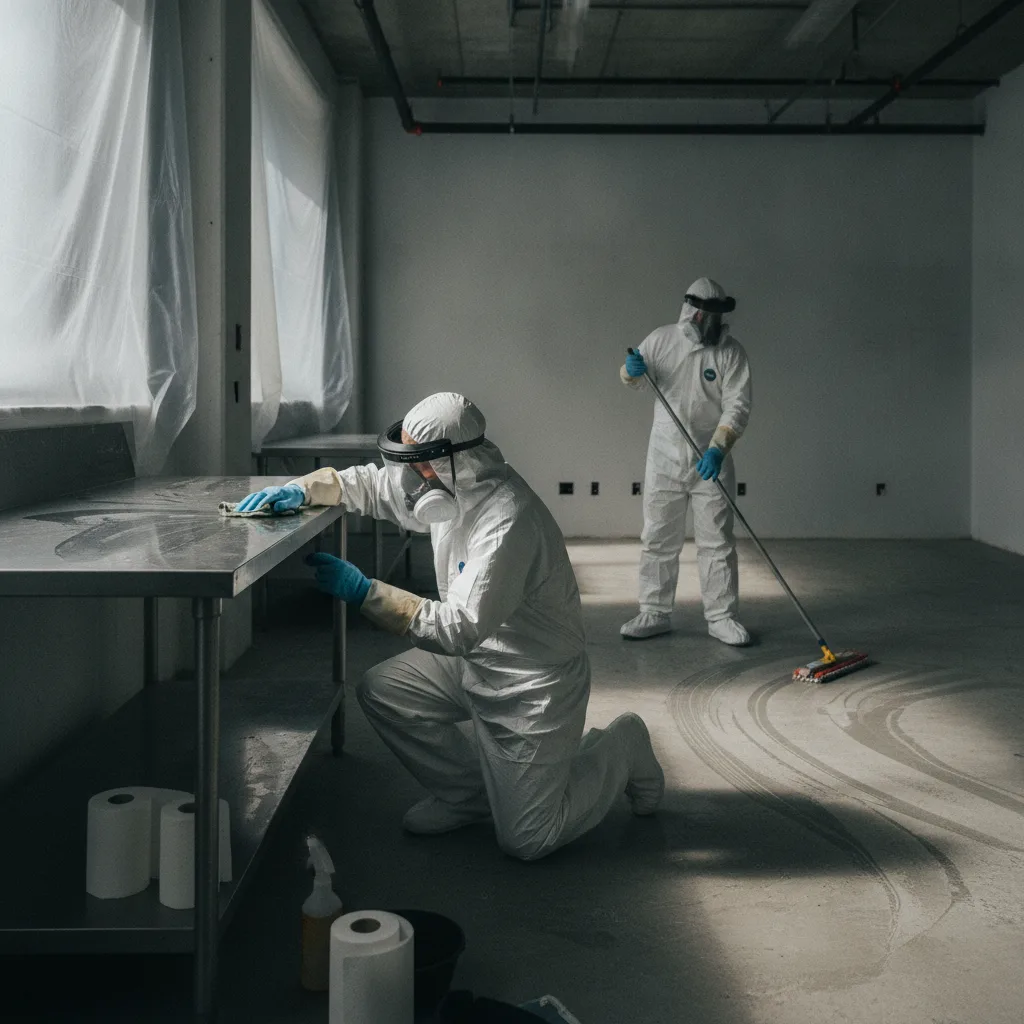
Most people don't know that homeowners and property insurance often covers trauma, unattended death and biohazard cleanup. We start every call by talking about coverage, not price. We document the scene the way adjusters need it, handle communication with your insurer, and tell you about any deductible before work begins. For many families that means nothing out of pocket beyond the deductible. In counties where money is already tight, this is often the most important thing we do. You shouldn't have to make financial decisions on the worst day of your life.
There's no answering service and no voicemail maze. A real person answers at 3 a.m. on a Sunday the same as at noon on a Tuesday. In Greenville's summer heat, a few hours can be the difference between surface cleaning and subfloor removal, so we respond around the clock. When law enforcement or the medical examiner releases a home late at night and nobody tells you what to do next, you can call us and get answers right away.
In Ayden, Bethel, Tarboro or a student apartment complex near ECU, people notice who pulls up outside. Our vehicles are unmarked, and our technicians are trained to arrive quietly, keep to themselves and protect your family's privacy. Landlords appreciate that the rest of the complex isn't left speculating. Families appreciate not having their loss announced to the neighborhood. For us, discretion is part of treating people with respect.
North Carolina doesn't license trauma cleanup, so the standards a company follows are what set it apart. Our technicians work under the OSHA Bloodborne Pathogens Standard, respiratory protection and hazard communication rules. Biohazard waste is packaged, labeled and transported for treatment at permitted facilities under NC DEQ requirements. It never goes in a dumpster. When you hire us, you're getting a crew that knows the rules and follows them.
Heart pine floors, plaster-and-lath walls, balloon framing, raised crawl spaces over sandy soil, particleboard subfloors in manufactured homes: each one holds contamination differently. We know where blood and fluids end up in a College View bungalow, a Washington historic home or a River Road single-wide. That means we find hidden contamination the first time, remove only what's necessary, and don't leave odor behind to come back on the next humid day.
Our service area covers long rural distances. Kinston, Tarboro and Washington are each 20 to 35 miles from Greenville, and plenty of addresses sit down county roads in Edgecombe, Lenoir and Beaufort. We cover all of it. Out-of-town heirs, rural families and property managers with scattered rentals get the same response and the same standards as a call from Uptown Greenville.
Integrity Crime Scene Services is insured, which protects you, your property and our crew while we work. With no state license to check, insurance is one of the clearest signs that a company is a legitimate operation and not a side business. Ask any cleanup company for proof of insurance before they start. We're happy to provide ours.
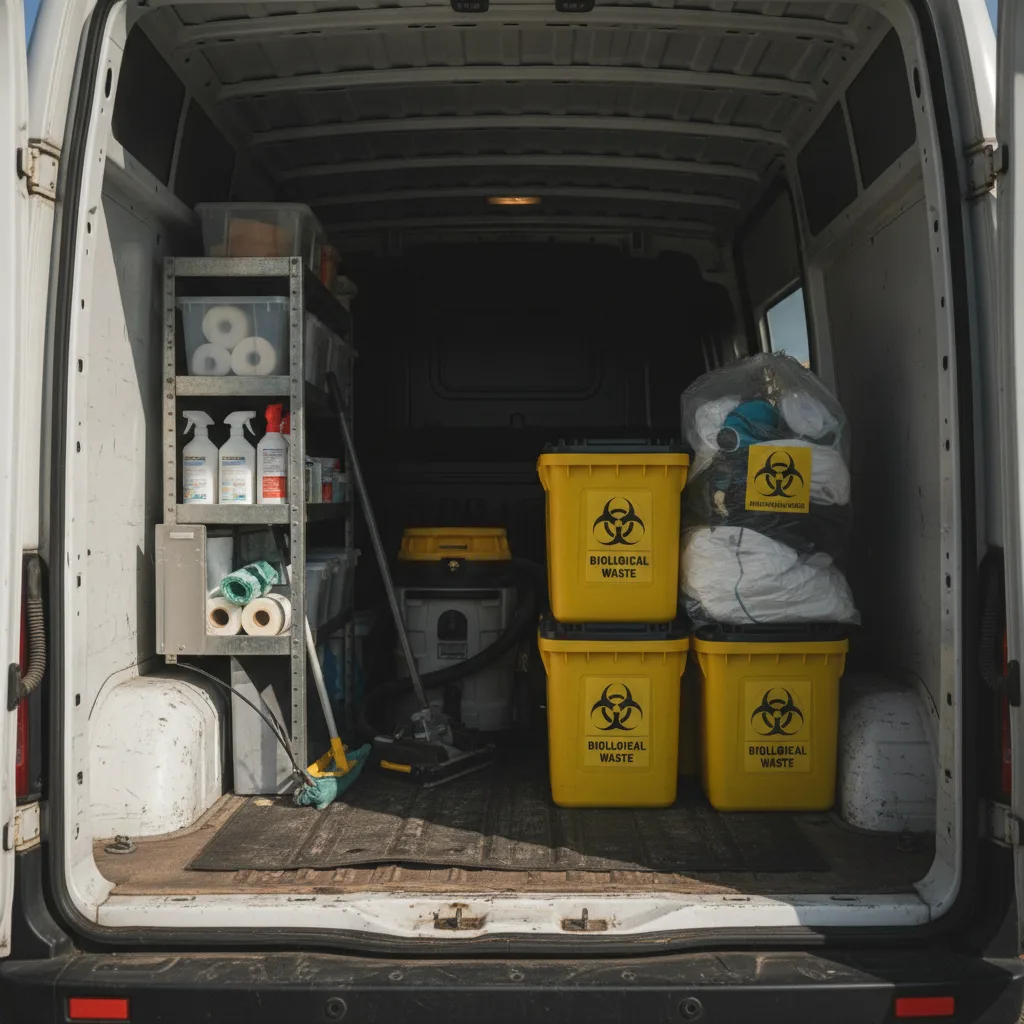
For most covered losses, the cost to you is $0 out-of-pocket beyond your deductible, because homeowners, landlord or business insurance pays. Here's what affects the size of a claim, so you know what to expect when we work with your insurer.
Homeowners policies commonly cover trauma, crime scene and unattended death cleanup as sudden, accidental losses. Landlord and commercial policies often cover rental and business incidents. We review your policy with you, document the loss to adjuster standards, and communicate directly with your insurer. Your only expense is usually the deductible. If coverage is limited, we'll explain other options before any work starts, including help from state victim compensation programs where it applies.
A blood spill confined to one room makes a far smaller claim than fluids that have soaked through flooring into the crawl space. In Greenville's heat, delayed discovery quickly increases the scope, and subfloor, joist and soil treatment add materially to the claim. Calling quickly is the best way to keep the job smaller and get your home back sooner.
Heart pine floors, plaster-and-lath walls and balloon framing in Washington and Tarboro historic homes absorb fluids deeply and often need selective removal. Particleboard subfloors in manufactured homes usually have to be cut out. Modern sealed surfaces in newer Winterville homes are easier to clean. Material type affects labor time, disposal volume and rebuild documentation.
If odor has gotten into ductwork, insulation or a whole floor, the job needs HVAC cleaning and extended deodorization. Older eastern NC homes with aging central air often spread odor throughout. Proper treatment adds equipment time but prevents odors that come back on humid days, which is a common reason claims get reopened.
Regulated waste has to be packaged and treated at permitted facilities under NC DEQ rules, so a larger volume means higher disposal cost on the claim. Hoarding and flood jobs produce the most waste. Rural travel to outlying Edgecombe or Lenoir County addresses can also be part of the claim. It doesn't change our response.
When insurance doesn't cover the full scope, such as some hoarding cases, we'll explain every option openly before we start, including flexible payment arrangements. You'll never be surprised.
In many cases, yes. Most homeowners policies treat trauma, crime scene and unattended death cleanup as sudden, accidental losses, so the only cost to you is your deductible, and sometimes there's no out-of-pocket cost at all. Landlord and commercial policies often cover incidents in rental units and businesses. We review your policy with you, photograph and document the scene the way adjusters need it, and communicate directly with your insurer so you don't have to keep retelling what happened. If coverage turns out to be limited, we'll tell you right away and walk through other options before any work begins. You'll never get a surprise bill.
We answer 24/7 and dispatch quickly after your call, including the 20–35 mile trips to Kinston, Tarboro, Washington and rural addresses in between. Most trauma and blood cleanups take one to three days. Unattended deaths with subfloor removal, flood jobs and hoarding cleanouts can take several days to a couple of weeks, depending on scope. In our summer heat, how fast we start really matters. Fluids keep moving into subfloors and crawl spaces, and mold can begin in 24–72 hours, so the sooner we start, the smaller the job usually is.
North Carolina doesn't issue a specific license for crime scene or trauma cleanup, so it's up to you to check qualifications. Ask whether the company follows the OSHA Bloodborne Pathogens Standard (29 CFR 1910.1030), whether it's insured, and how it disposes of waste. Regulated medical waste has to be handled under NC DEQ rules and treated at a permitted facility. Former meth labs fall under NC DHHS decontamination guidelines. Interior cleanup doesn't usually need a permit, but structural repairs afterward may need city or county permits, and exterior changes in historic districts in Greenville, Washington, Tarboro and Kinston need a Certificate of Appropriateness.
We strongly recommend against it. Blood and body fluids can carry hepatitis B, hepatitis C, HIV and other pathogens. In older eastern NC homes, contamination usually goes well past what you can see: into heart pine seams, behind plaster, and through the subfloor into the crawl space. Household cleaners don't kill everything, and biohazard waste can't legally go in your trash. There's also the emotional side. Cleaning up after someone you love can be deeply traumatic. If insurance covers professional cleanup, there's usually no financial reason to put yourself through it.
Call us as soon as law enforcement or the medical examiner releases the property. You don't need to reach your insurer first, because we help with that part. Waiting days to sort out paperwork lets fluids spread, odor settle into the structure and insects multiply, especially from May through September, when humidity stays high. Early action keeps the scope smaller, protects neighboring rental units, and gives your claim stronger documentation. If it's 2 a.m. and the home was just released, that's the right time to call.
Our vehicles are unmarked, with no company name or biohazard signage outside your home. Technicians arrive in plain clothing when possible and put on protective gear inside. We keep our conversations private, and we don't discuss your situation with neighbors. In small communities like Ayden, Bethel, Princeville or Chocowinity, where word travels fast, that matters a great deal. For landlords, it means other tenants in the complex aren't left wondering what happened. Your family's privacy is part of the job.
Floodwater in eastern North Carolina is usually Category 3 black water. That means it can carry sewage, plus hog and poultry runoff from the region's many livestock operations. That makes it a biohazard job, not ordinary water damage. Soaked drywall, insulation, carpet and many belongings have to be removed, and the structure and crawl space need disinfecting before they're dried, or mold and bacteria will spread. After storms like Floyd, Matthew and Florence, demand spikes all at once, so call early. We document all damage for your flood or property insurance claim.
For older relatives living alone in rural Pitt, Edgecombe, Lenoir or Beaufort County, set up daily check-ins by phone, with a neighbor or through a medical alert device. Make sure air conditioning works in summer, because heat is dangerous for seniors and speeds decomposition if the worst happens. Watch for hoarding warning signs like blocked exits, pests and strong odors, and get help early before the home becomes unsafe. Landlords should keep emergency contacts for tenants and act quickly on odor complaints. Keep a copy of your homeowners policy where you can find it, so the insurance process moves faster if you ever need it.
We come to you anywhere in Greenville and the surrounding area, in unmarked vehicles, any hour of the day.
You shouldn't have to face this alone or clean it yourself. One call gets you a compassionate person, a discreet crew, and help with insurance that often leaves you paying $0 out of pocket.
Call (252) 278-2779 Now