Discreet, certified crime scene and biohazard cleanup in St. Louis — unmarked vehicles, compassionate technicians, and in most cases $0 out of pocket since we bill your insurance directly.
Heat, humidity, old brick housing, floodplain sewage and two states' worth of rules make trauma and biohazard cleanup in St. Louis harder than in most cities. Here's what's actually going on behind the walls, and why surface cleaning almost never works here.
July highs in St. Louis average around 89–90°F, and dew points in the low-to-mid 70s push heat indexes past 105°F during most heat waves. Brick and plaster hold that heat, so a closed-up rowhouse or upstairs flat often runs hotter than the street outside. An unattended death found after just two to four days in summer can mean strong odor, flies, maggots and fluids already through the flooring. Winter cuts the other way. January lows sit in the low 20s, and when the heat's off, discovery can be delayed and frozen pipes can burst and spread contamination. Then there's water. Roughly 41–42 inches of rain fall each year, the July 2022 storm dumped about 9 inches in a single day, and the Metro East sits in the American Bottom floodplain behind levees. Sewage backups there are routine, and mold follows fast in our humidity.
Much of the city was built between 1870 and 1930: two- and four-family flats, row houses, shotgun homes and the Second Empire townhouses of Soulard, Lafayette Square and Benton Park. Floors are old-growth tongue-and-groove hardwood over plank subfloors with wide gaps. Walls are plaster over wood lath or plaster applied right onto brick. Blood and bodily fluids travel through those gaps into joists and the ceiling of the unit below, so one incident in a two-family flat can affect two households. Porous plaster and unsealed brick hold odor for months. Nearly all of these homes predate 1978, so we assume lead paint, and we watch for asbestos in pipe wrap, 9x9 floor tile and boiler insulation. Across the river, small frame homes on crawlspaces, post-war ranches and aging apartment complexes come with their own problems, especially standing water and sewage underneath.
Neither Missouri nor Illinois issues a specific crime scene cleanup license, so doing it right means following the federal and state rules that do apply. That includes OSHA's Bloodborne Pathogens Standard (29 CFR 1910.1030), respiratory protection and PPE rules, and DOT rules for transporting medical waste. Infectious waste in Missouri falls under Missouri DNR. In Illinois, Potentially Infectious Medical Waste is regulated by Illinois EPA, which has its own hauling, packaging, labeling and manifest requirements. Death investigations run through the City of St. Louis Medical Examiner, the St. Clair County Coroner or the Madison County Coroner, and cleanup starts only after the scene is released. Removing subfloors or plaster may need a City Building Division permit, historic districts like Soulard and the Central West End require Cultural Resources Office review for exterior changes, and rental units may need to pass occupancy inspection before they're re-leased.
St. Louis city has about 280,000 residents, a majority of them renters, and the median household income sits well below the national figure. East St. Louis and Cahokia Heights face even higher poverty. Families hit by a homicide, overdose or unattended death usually have no idea who to call, and many can't pay thousands out of pocket. That's why we lead with insurance billing and help families look into the Missouri Crime Victims' Compensation Program and the Illinois Crime Victims Compensation Program, which may reimburse eligible victims for some cleanup costs. Landlords, investors buying Land Reutilization Authority parcels, motels along I-55, I-64 and I-70, and churches and businesses round out the people we help.
Every service below is handled by our own trained technicians following OSHA bloodborne pathogen protocols and the proper waste rules for Missouri or Illinois. For trauma, death and crime-related work we bill insurance directly, so most families never see an invoice beyond their deductible.
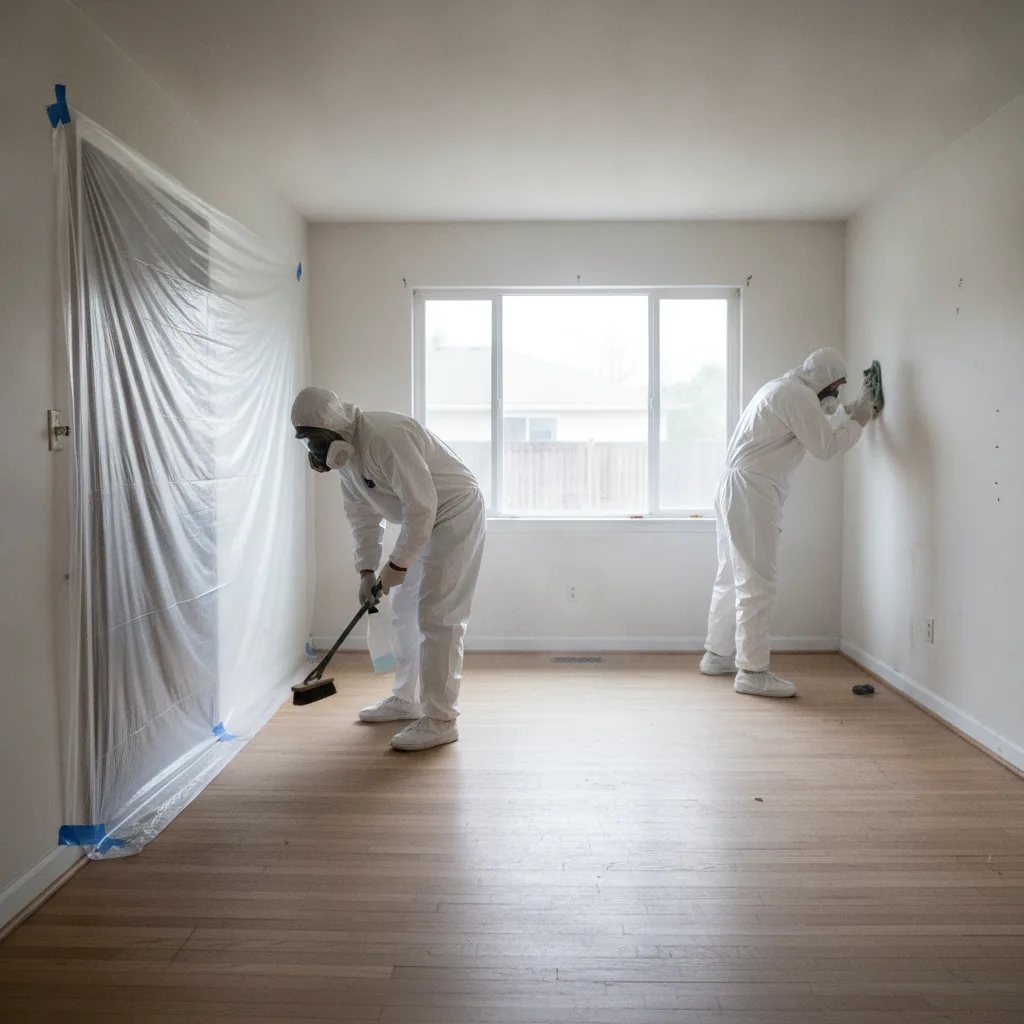
We clean, disinfect and restore homes, businesses and vehicles after violent crimes, once police release the scene. That covers blood, tissue, fingerprint powder and chemical residue, plus removing any porous material that can't be saved.
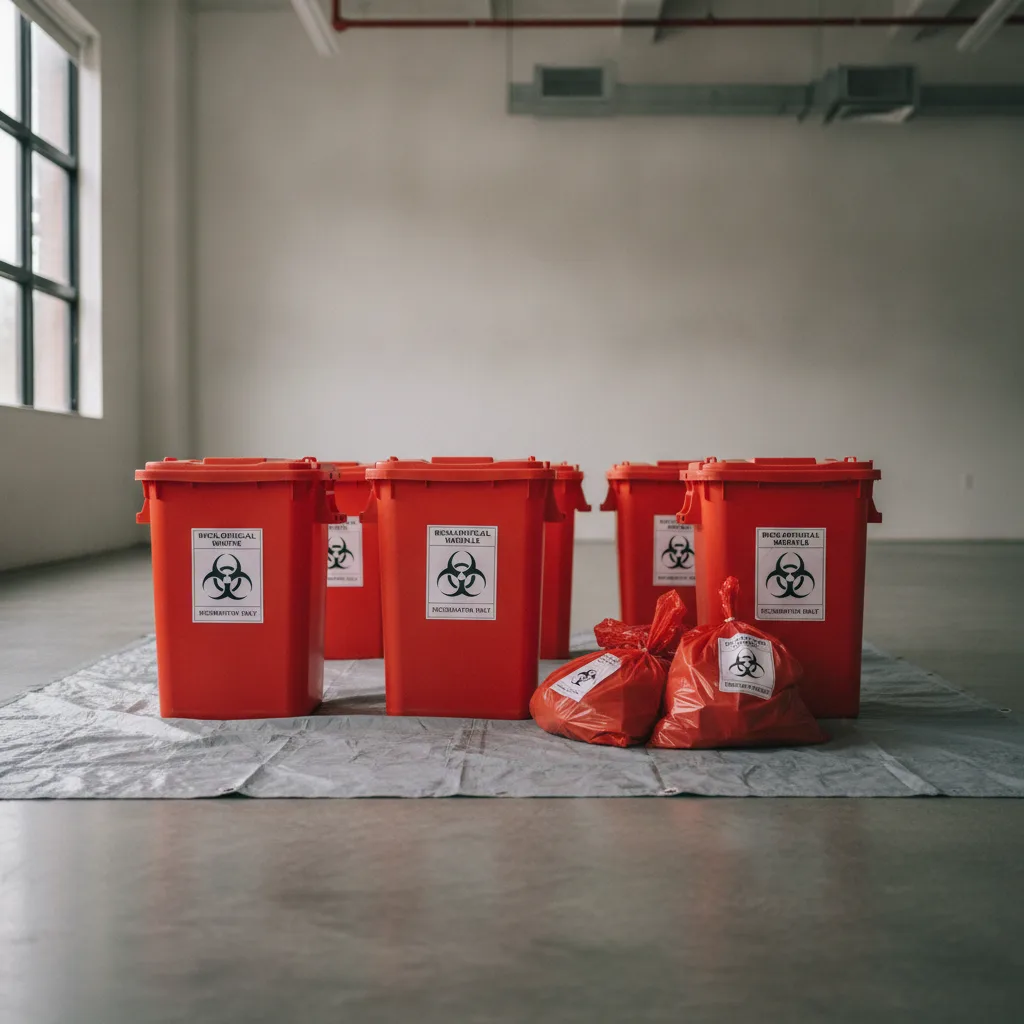
We remove and disinfect any material contaminated by blood, bodily fluids, human or animal waste, or other infectious agents, in homes, rentals, commercial buildings and public spaces.
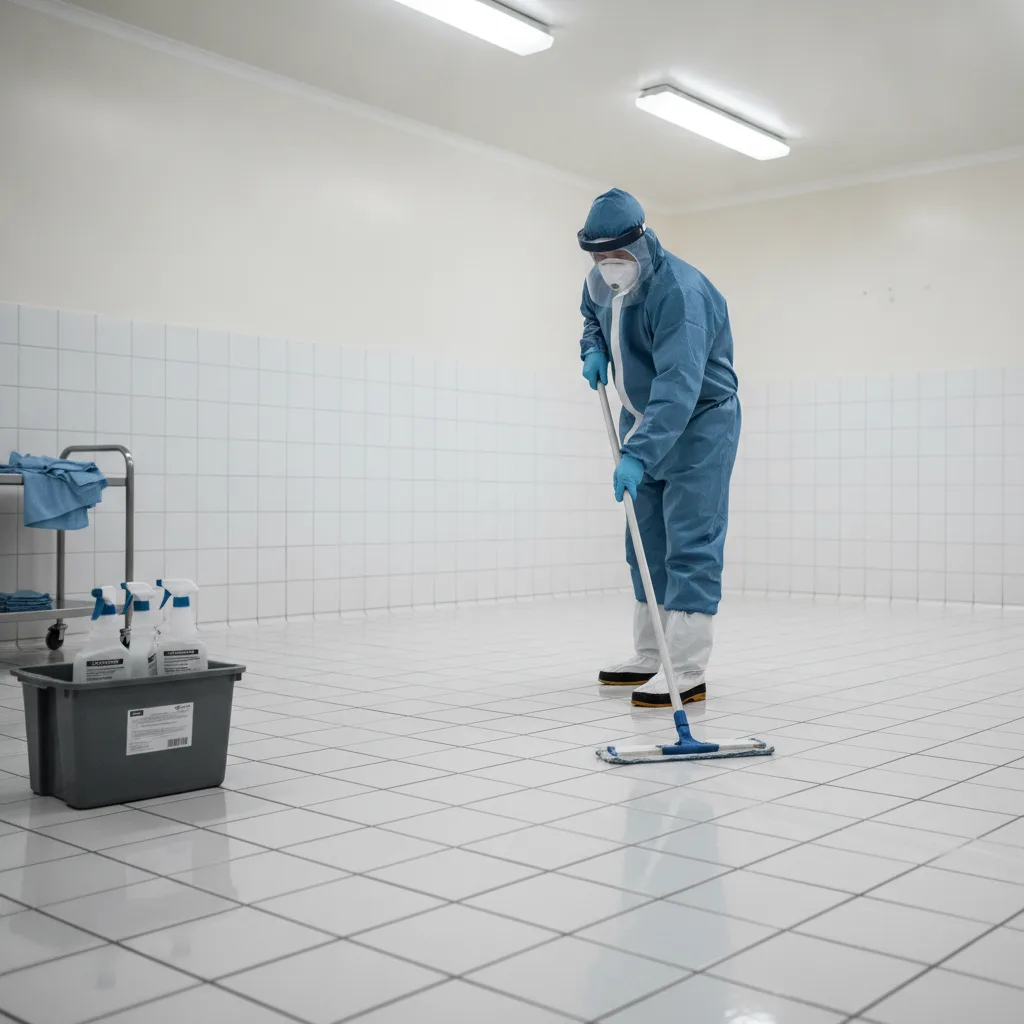
After suicides, accidents or serious injuries, we clean and restore the space so families don't have to see it. We work quietly and treat personal belongings with care.
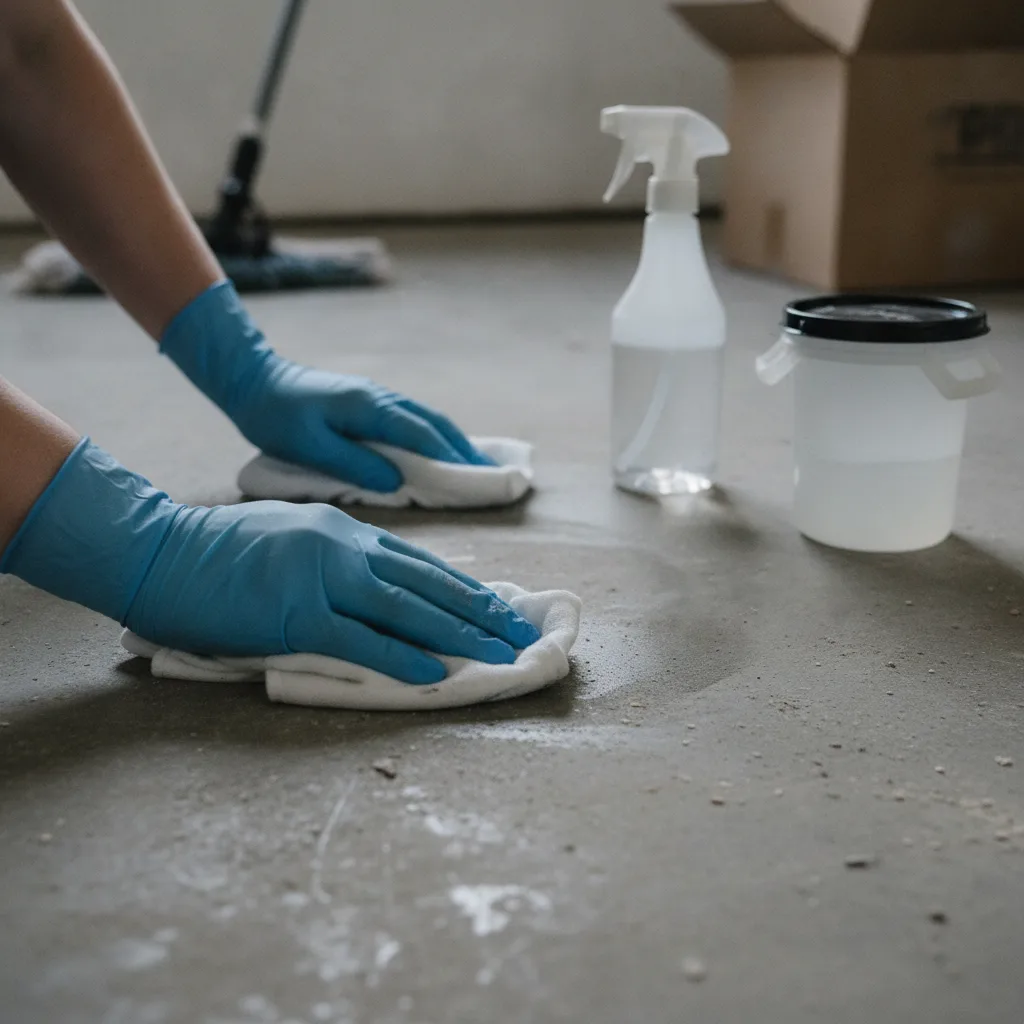
We remove blood and bodily fluids from any surface, whether it's a small spill or major contamination, and make sure no pathogens are left behind in hidden layers.
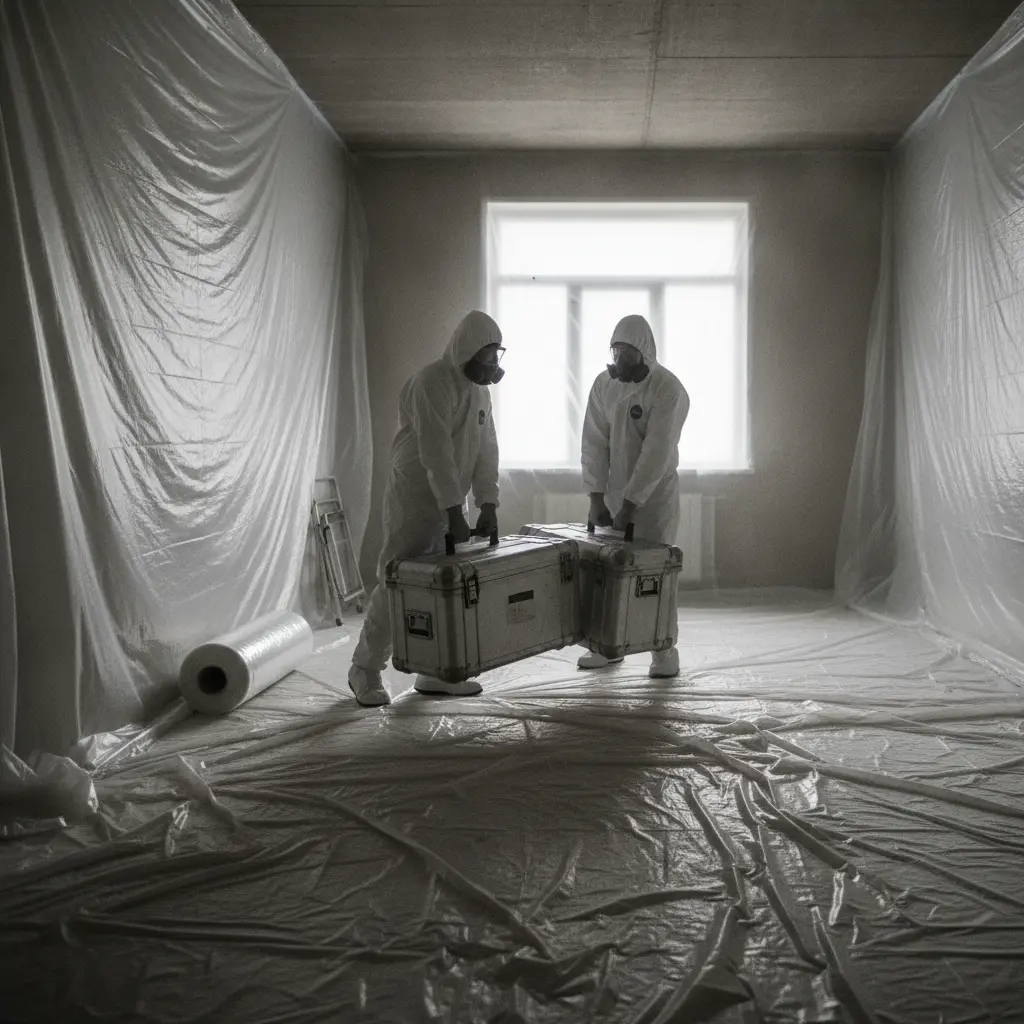
We restore homes and properties after a homicide, handling the heavy work so grieving families don't have to, and we help with Missouri or Illinois crime victim compensation paperwork.
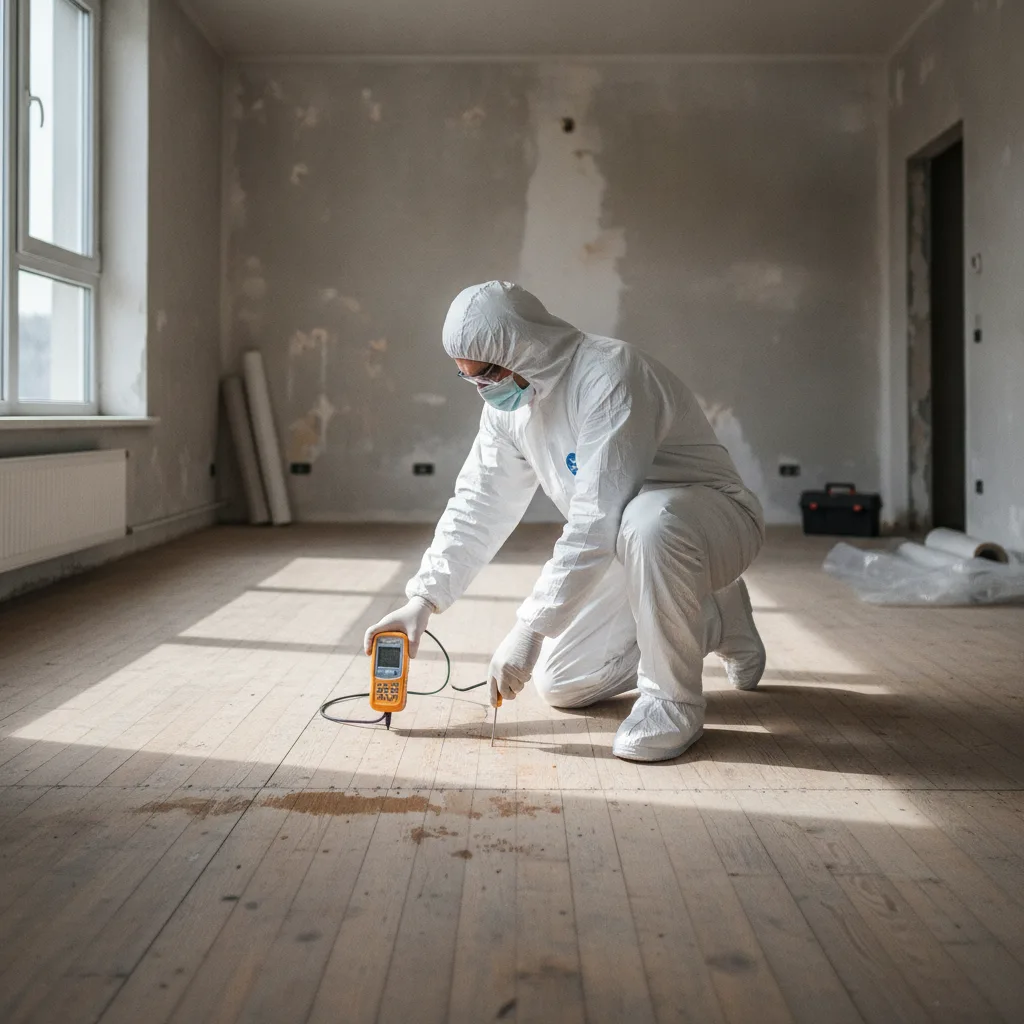
When someone passes alone and isn't found for days, we remove all affected materials, disinfect the structure and eliminate odor so the home is safe again.
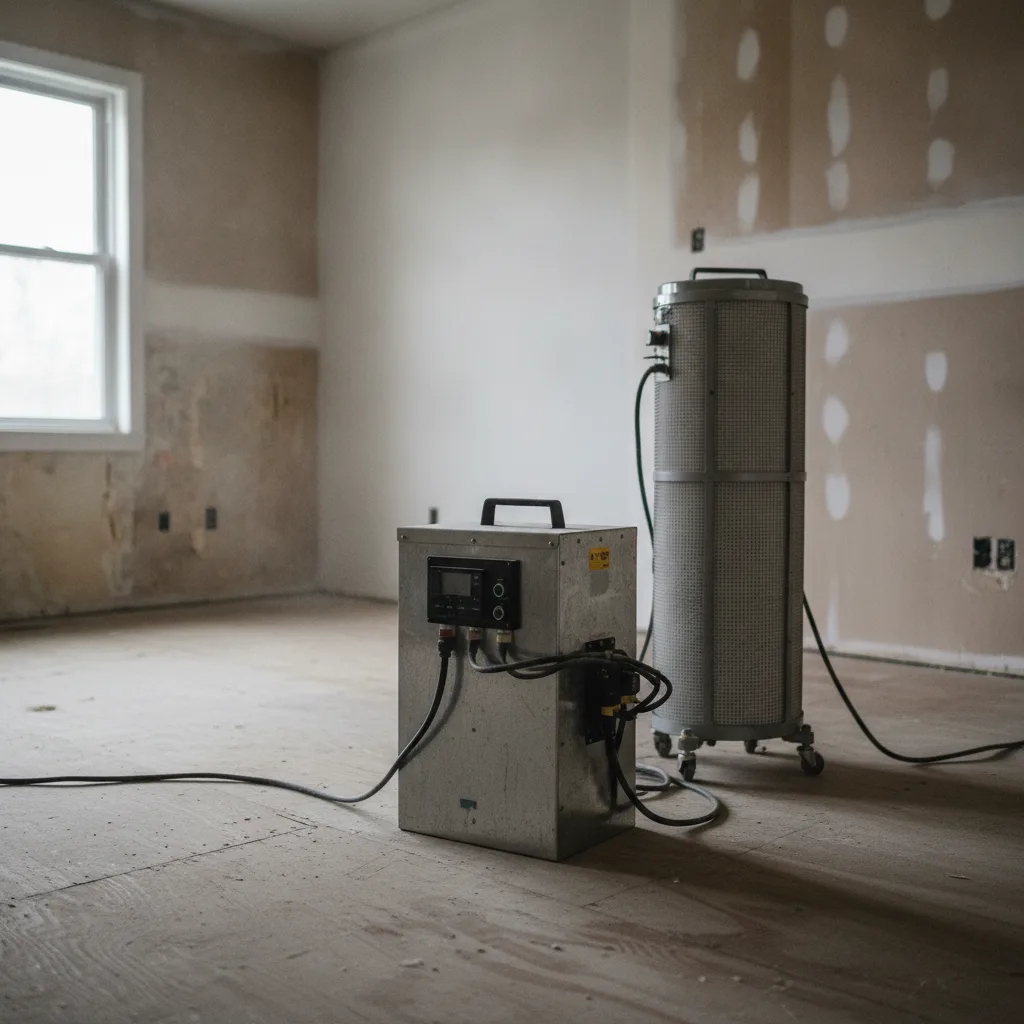
We handle advanced decomposition, including insect infestation, saturated materials and heavy odor, and restore the structure to a safe, odor-free condition.
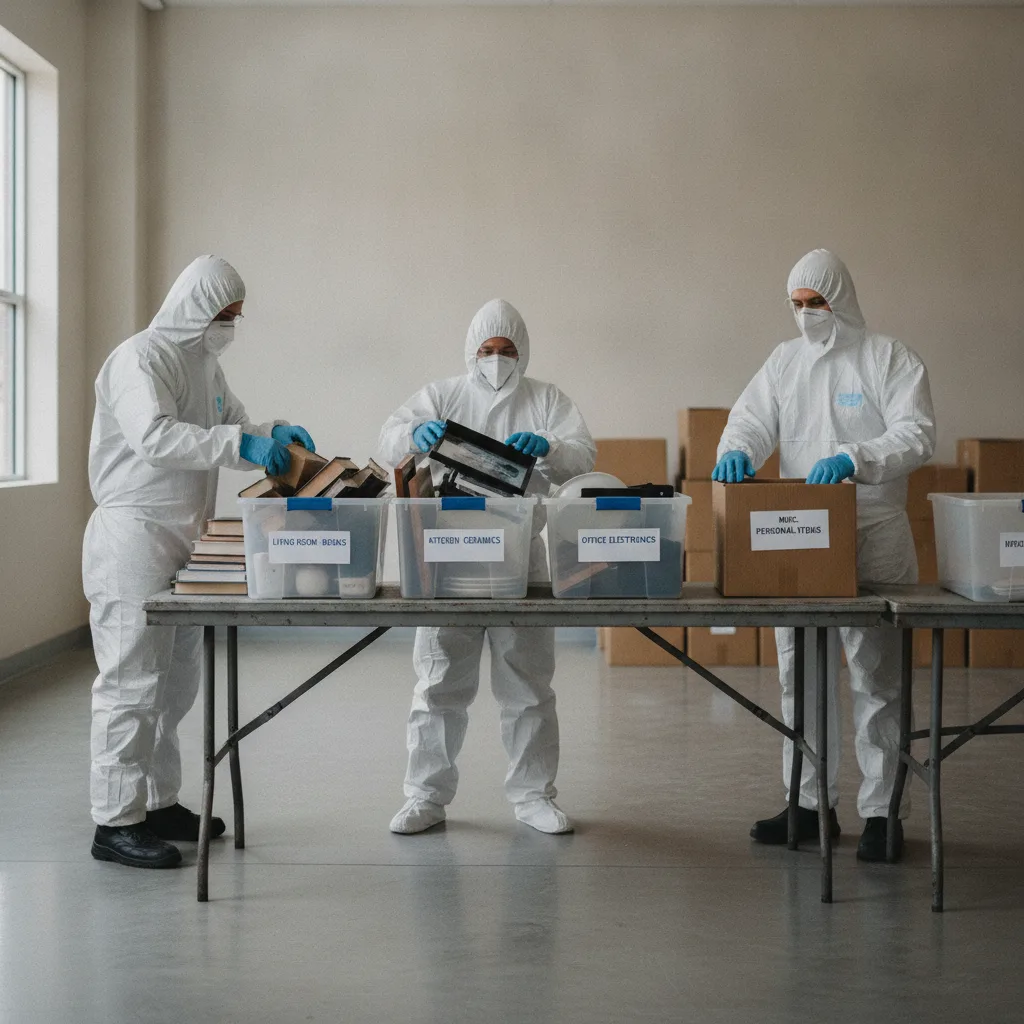
We clear hoarded homes respectfully, sort belongings with the family, remove waste and contaminated items, and sanitize the space so it's livable or ready for sale.
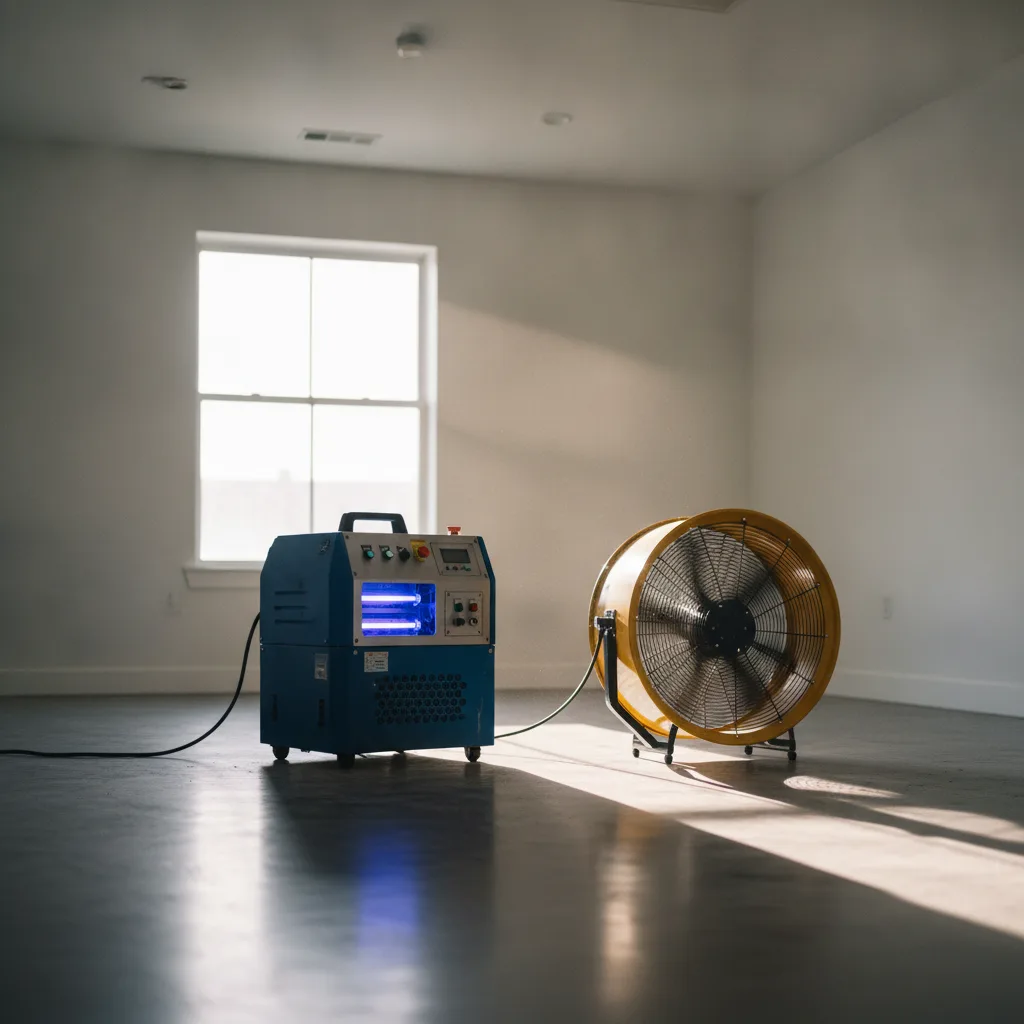
We find and remove the source of biohazard odors, then neutralize what's left in the air, walls and HVAC so the smell doesn't return on the next humid day.
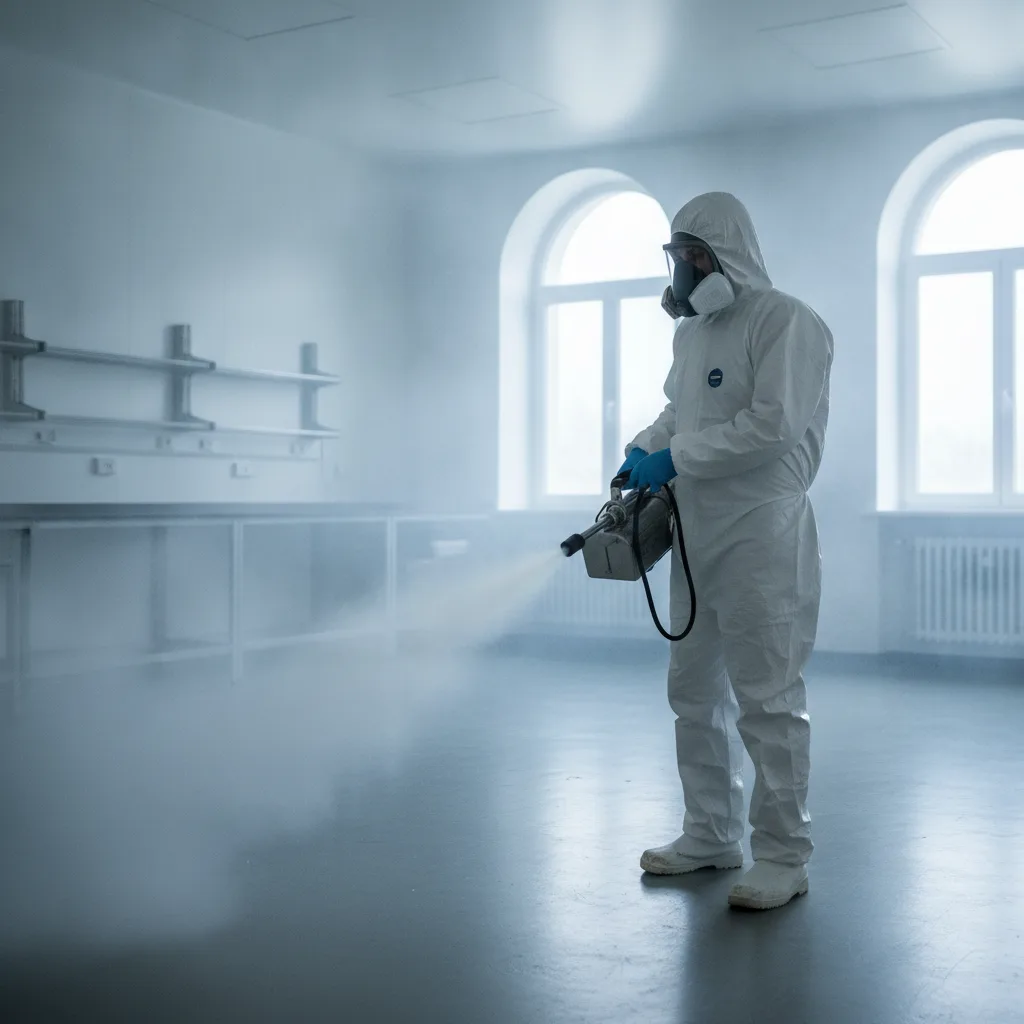
We decontaminate spaces affected by sewage, drug residue, infectious disease or other hazards, including Category 3 black water in basements and crawlspaces.
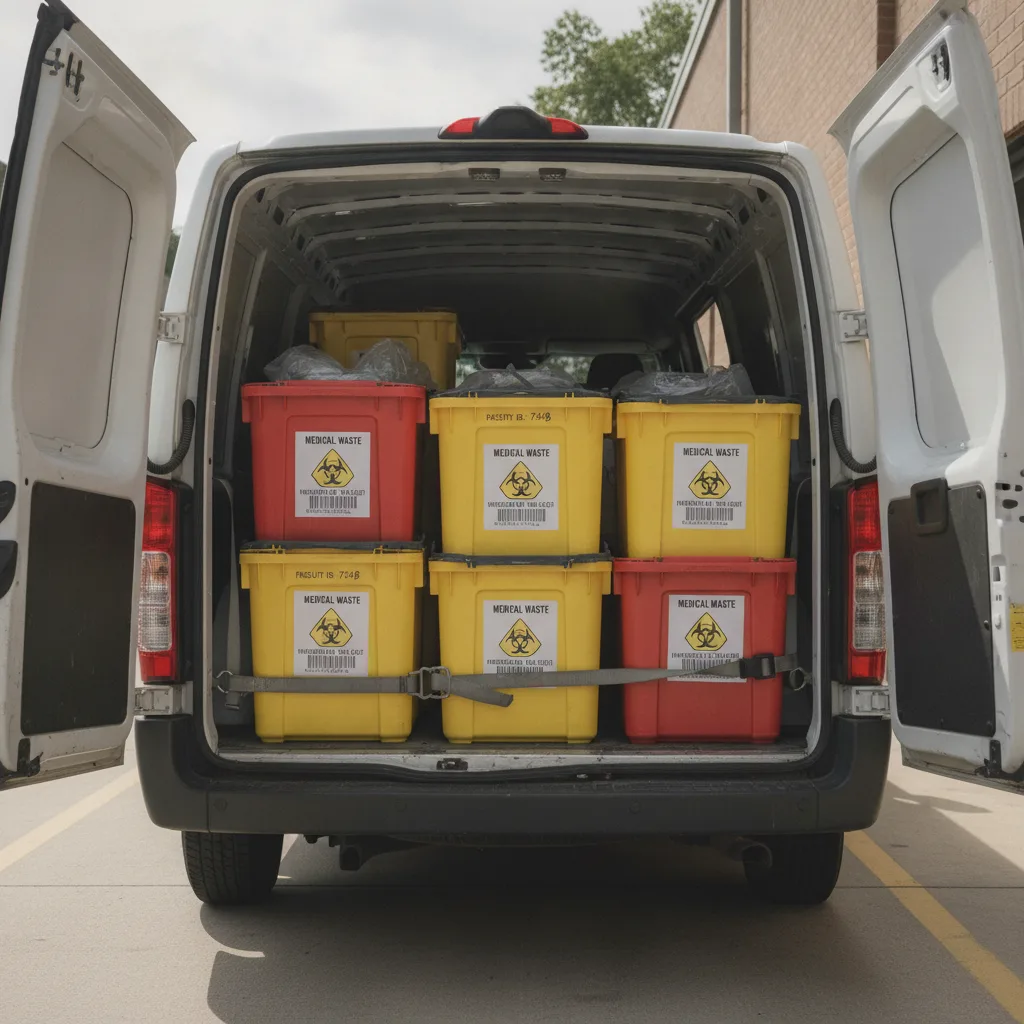
We collect, package and dispose of sharps, blood-soaked materials and other regulated medical waste from homes, businesses and cleanup sites.
Every scene is different, but certain situations come up again and again in St. Louis and the Metro East. Knowing why they happen here, and what the warning signs look like, helps you act before contamination spreads into subfloors, shared walls and the unit next door.
An unattended death happens when someone passes away alone and isn't found for days or weeks. As the body breaks down, fluids, gases and odor spread into flooring, walls and air ducts. Insects arrive quickly. It's a serious health hazard and needs professional removal of affected materials.
Violent incidents leave blood, tissue and bodily fluids that can splatter across walls, ceilings, furniture and vehicles. These materials can carry bloodborne pathogens like hepatitis B, hepatitis C and HIV. Cleanup requires PPE, regulated waste handling and careful removal of anything porous that's been contaminated.
Category 3 or 'black water' is water contaminated with raw sewage, bacteria and viruses. It soaks into drywall, plaster, insulation, carpet and crawlspace soil. Anything porous it touches usually has to go, and the area needs disinfection and drying before mold sets in.
Fentanyl and meth use leave behind used needles, drug residue on surfaces and sometimes an unattended death. Residue can be absorbed through skin or inhaled, and needlesticks risk bloodborne disease. Former meth sites can need decontamination before anyone should live there again.
Abandoned buildings collect human waste, squatter debris, needles and heavy animal droppings from pigeons, raccoons and rodents. Bird droppings can carry histoplasmosis spores, a recognized Mississippi Valley concern. Disturbing this material without protection puts workers and buyers at real risk.
Hoarding means a home packed with belongings, trash, spoiled food and sometimes animal or human waste. It creates fire risk, blocked exits, pests, mold and structural strain. These cleanouts need patience, sorting and respect for the person involved.
After any biohazard event, odor molecules soak into porous materials. In older homes, plaster, lath cavities, unsealed brick and old hardwood can hold smell long after the visible mess is gone. Air fresheners just cover it up for a while.
From your first call to the final walkthrough, here's what happens. We keep things simple, quiet and respectful, and we deal with the insurance company so you don't have to.
Any hour, 24/7; usually a few minutes
Same day or next morning in most cases
Started during the first visit
Typically 1–3 days; larger structural or hoarding jobs can take longer
At job completion
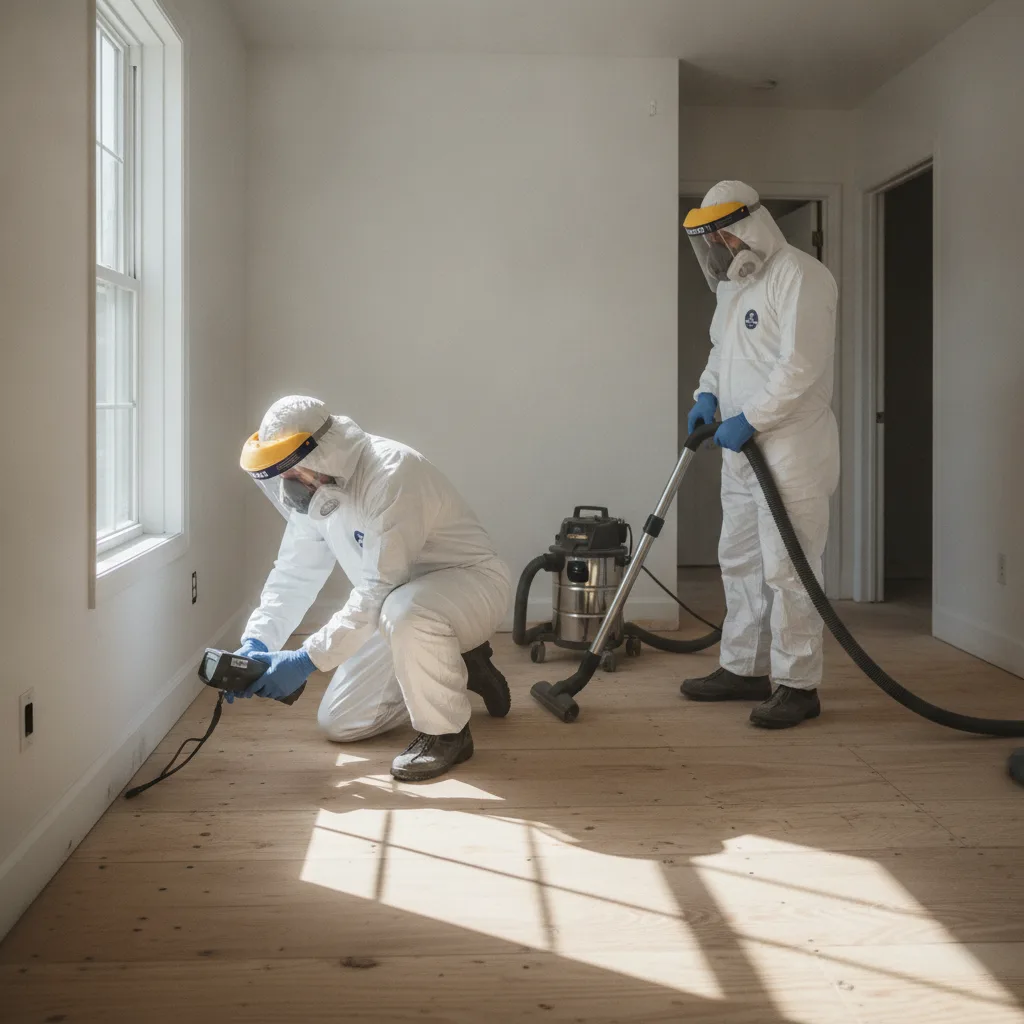
Most trauma, crime scene and unattended death cleanups are covered by homeowner's, renter's or commercial insurance. We handle the claim from start to finish, billing your carrier directly so you aren't asked to pay up front and wait for reimbursement. If there's a deductible, we'll tell you before we start. For crime victims, we help with the Missouri Crime Victims' Compensation Program or the Illinois Crime Victims Compensation Program, which may cover eligible costs. With money already tight for many families here, that's often what matters most to them.
We're not a national franchise sending a crew in from another state. We know how blood moves through tongue-and-groove floors in a Benton Park flat, why odor travels through shared walls in Soulard row houses, and what's waiting in a stripped brick shell in Old North. We also know the Metro East, from Lansdowne to Centreville, and how crawlspace sewage problems there differ from city basements. That local knowledge means accurate assessments, fewer surprises and a cleanup that really solves the problem.
Neighbors talk, especially in close-knit St. Louis blocks and parishes. Our vehicles carry no company logos or biohazard markings, and our technicians keep a low profile coming and going. We don't post photos and we don't discuss your situation with anyone outside your family, your insurer or the people you authorize. Whether it's a home in Lafayette Square, a rental in Dutchtown or a business on a busy corridor, we protect your privacy throughout the job.
Tragedy doesn't keep business hours. When you call us at 2 a.m. after police leave, a real person answers. You won't get a voicemail tree or an overnight answering service that calls you back in the morning. We'll calmly explain what happens next, confirm the scene has been released and get a crew moving. Emergency response is available every day of the year, including holidays and the worst July heat waves, when fast action keeps damage from spreading.
There's no state crime scene cleanup license in Missouri or Illinois, so standards are up to each company. Ours follow OSHA's Bloodborne Pathogens Standard, respiratory protection and PPE rules, and Missouri disposal protocols, plus Illinois EPA PIMW requirements for jobs across the river. We plan for lead paint and asbestos in older housing before removing anything. We're fully insured, which protects you and your property while we work.
Lots of families and property owners have ties on both sides of the Mississippi. We work in St. Louis and in East St. Louis, Cahokia Heights, Fairmont City and Madison, and we understand the different coroners, waste rules and permitting offices in each place. Landlords and investors with properties in both states get one point of contact and consistent documentation, so they don't have to manage separate vendors working under different rules.
We know you're likely dealing with grief, shock or a situation you never imagined facing. We'll explain things clearly, answer the same question twice without hesitation and never push you into decisions. We treat belongings and keepsakes with care, setting aside photos, documents and valuables for you. For landlords and property managers, that same care shows up as clear communication and dependable timelines.
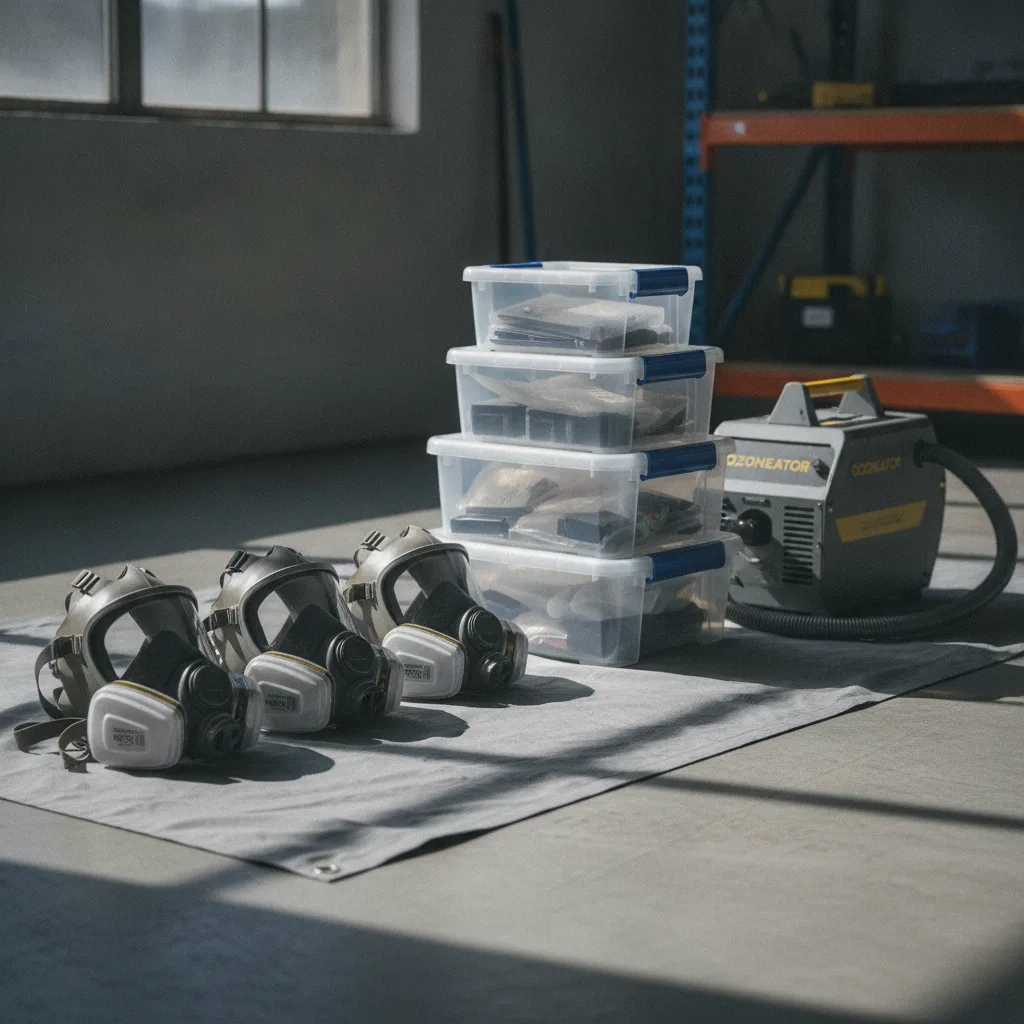
For most families, crime scene and trauma cleanup costs nothing out-of-pocket beyond the deductible. Homeowner's, renter's and commercial policies commonly cover it, and we bill your insurer directly. Here's what drives the claim value, so you know what to expect.
Your policy matters more than anything else. Most homeowner's and renter's policies cover trauma, crime scene and unattended death cleanup as sudden, accidental loss, and we bill the carrier directly. Your share is usually limited to your deductible, and sometimes it's $0. We review the policy with you before work begins so there aren't surprises. Sewage and flood coverage varies more, so we'll check your specific endorsements before we start.
If the cleanup follows a crime, the Missouri Crime Victims' Compensation Program or the Illinois Crime Victims Compensation Program, run through the Illinois Attorney General, may reimburse eligible victims for some cleanup costs, subject to program limits. That can cover deductibles or uninsured situations. We help families gather documentation and complete applications, which matters a lot in north city, East St. Louis and Cahokia Heights, where many families can't absorb unexpected expenses.
A contained surface spill is a very different job from fluids that have run through plank subfloors into joists and a downstairs ceiling. In St. Louis two-family flats, one incident can mean work in two units. Summer heat and time before discovery make spread worse. The more building material that has to come out, the higher the claim value, which is exactly why insurance coverage is so important.
Almost every pre-1978 home in St. Louis is assumed to have lead paint, and asbestos may show up in floor tile, pipe wrap or plaster. Disturbing those materials can trigger lead-safe practices, asbestos testing and, in some cases, licensed abatement. Permits may be needed for subfloor or joist replacement. These steps add time and cost, but they protect your family and are typically part of the insured claim.
Regulated medical waste is billed by volume and must be handled under Missouri DNR rules or Illinois EPA PIMW requirements, depending on which side of the river the job is on. Hoarding cleanouts and vacant-property jobs generate much more waste than a single-room trauma scene. We document waste for your insurer so it's billed properly.
We start with your insurance and any victim compensation you're eligible for. For landlords, investors and situations where coverage doesn't apply, ask about flexible payment arrangements. We'll give you a clear written scope before any work begins.
In most cases, yes, insurance pays. Homeowner's, renter's and commercial policies commonly cover crime scene, trauma and unattended death cleanup as a sudden loss, and we bill your carrier directly. Many families pay nothing beyond their deductible, and sometimes there's nothing at all to pay out-of-pocket. Before we start, we'll review your policy with you and explain any deductible. If the cleanup follows a crime, the Missouri or Illinois crime victim compensation programs may reimburse eligible costs that insurance doesn't, and we'll help you apply. You won't be handed a surprise bill.
A real person answers 24/7, and we typically dispatch a crew the same day once the scene is released. Most single-room trauma or blood cleanups take one day. Unattended deaths and decomposition cases in older brick homes often take two to three days, because flooring, subfloor and plaster may need to come out, and in two-family flats we may be working in the unit below too. Large hoarding cleanouts or vacant-property jobs can take longer. We'll give you a realistic timeline after the assessment.
Cleanup can't begin until police and the death investigator release the scene. That's the City of St. Louis Medical Examiner in the city, the St. Clair County Coroner for East St. Louis, Cahokia Heights and Fairmont City, and the Madison County Coroner for Madison. If subfloors, joists or plaster need replacing, a permit may be required from the City Building Division or your Metro East municipality. In historic districts like Soulard or Lafayette Square, exterior repairs such as replacing a forced-entry door may need Cultural Resources Office review. We'll tell you what applies.
We strongly advise against it. Blood and bodily fluids can carry hepatitis B, hepatitis C and HIV, and regulated medical waste has to be disposed of under Missouri DNR or Illinois EPA rules. In St. Louis homes, the bigger problem is what you can't see. Fluids run between old hardwood boards into subfloors and the ceiling below, and plaster soaks up odor. A surface cleaning leaves contamination behind that comes back as smell, mold or a health risk. Since insurance usually covers professional cleanup, there's little reason to take on that risk.
Call as soon as the scene is released, especially in warm weather. In a St. Louis summer, with heat indexes over 105°F and brick homes trapping heat, fluids and odor spread into subfloors and walls within hours to days. Sewage in a crawlspace or basement needs fast action too, because mold can start within a few days in our humidity. Waiting usually means more material has to be removed. Even if it's 3 a.m., a real person will answer and talk you through next steps.
We use unmarked vehicles with no company names or biohazard symbols, and our technicians stay low-key while working. We don't share details with neighbors, and we only speak with your family, your insurer and anyone you authorize. Equipment and waste containers are handled as discreetly as possible. We know how close-knit St. Louis neighborhoods and parishes are, and how fast word travels. Protecting your privacy is part of the job.
Prevention starts with regular wellness checks on elderly tenants living alone, especially during heat waves, and quick action on reports of odor or unusual quiet. Keep sump pumps and backflow valves working in floodplain properties, and inspect crawlspaces after heavy rain. When something does happen, call immediately. Fast, complete remediation keeps contamination from reaching lower units and neighboring walls. We provide documentation of the work, which helps when you're facing City of St. Louis occupancy inspections and getting the unit back on the market.
Yes. Category 3 black water from sewage backups is one of the most common biohazards we deal with, especially in Cahokia Heights, East St. Louis and Madison, where the American Bottom floodplain, a high water table and aging sewers send sewage into crawlspaces after ordinary rain. We also clean St. Louis basements after flash floods like July 2022. We extract contaminated water, remove soaked materials, disinfect, dry and work to prevent mold. Insurance coverage for sewage varies by policy, so we'll review yours before starting.
We come to you anywhere in St. Louis and the surrounding area, in unmarked vehicles, any hour of the day.
You don't have to face this alone or figure out how to pay for it. Call now. A real person will answer, explain your insurance coverage and get a discreet local crew on the way.
Call (314) 438-5309 Now