Discreet, certified crime scene and biohazard cleanup in El Paso — unmarked vehicles, compassionate technicians, and in most cases $0 out of pocket since we bill your insurance directly.
El Paso's heat, dry air, wind and building materials all change how a trauma scene behaves. A scene here acts differently than the same scene in Houston or Dallas. Here's what we account for on every job, and why cleaning only the surface usually doesn't solve the problem.
El Paso sits at about 3,700 to 4,000 feet. Summer highs reach the upper 90s and 100s°F from late May through August, and the record is above 110°F. Inside a closed apartment or a car parked in the sun, decomposition moves fast. Within a few days, fluids can get past the carpet and into the subfloor and drywall. Humidity often falls into the single digits in spring, so blood dries into hard crusts that are hard to see and hard to remove completely. From February to May, wind events carry heavy dust that can spread contamination through an open door. The July–September monsoon brings most of the area's 8–9 inches of yearly rain. It can cause sewage backups and mold in low-lying, arroyo-adjacent neighborhoods.
Central El Paso, Sunset Heights, Kern Place, Manhattan Heights, Segundo Barrio and Five Points have early-1900s adobe, brick and plaster homes with hardwood floors. These porous materials hold onto odor. Post-war ranch homes in the Northeast and Lower Valley are mostly CMU block with carpet over a concrete slab, and once fluids reach the slab it has to be cleaned and sealed. Newer stucco tract homes on the East Side, in Horizon City and in Socorro have drywall, carpet and vinyl plank, which absorb fluids quickly. Manufactured homes with particle-board subfloors need special care. Swamp coolers are common across the city and can pull odor and particulates through every room.
Cleanup can't start until El Paso PD, the County Sheriff's Office, Socorro PD, Horizon City PD or the County Medical Examiner releases the scene. In Texas, medical and biohazardous waste falls under TCEQ and DSHS rules, and only registered transporters can haul it. Texas doesn't license crime scene cleaners, so insurance coverage and documented OSHA protocols are the best way to judge a company. If subfloor, drywall or slab work is needed, it may require City of El Paso Planning & Inspections permits. Exterior changes in Sunset Heights, Manhattan Heights, Austin Terrace or Magoffin go through Historic Landmark Commission review.
About 870,000 people live in El Paso County. Many older residents live alone, and their families may be in Juárez, in another state or deployed from Fort Bliss. Because of that, a death sometimes isn't discovered for days. We regularly arrange key handoffs, send photo updates to relatives who are out of town and handle the insurance paperwork. We're also used to working with military families during PCS moves, when discretion matters a great deal.
Every service below follows OSHA bloodborne pathogen rules and Texas biohazard disposal protocols, and we document each job for your insurance claim. We adjust our methods to El Paso's building materials, from 1920s adobe to new drywall tract homes, so the cleanup actually lasts.
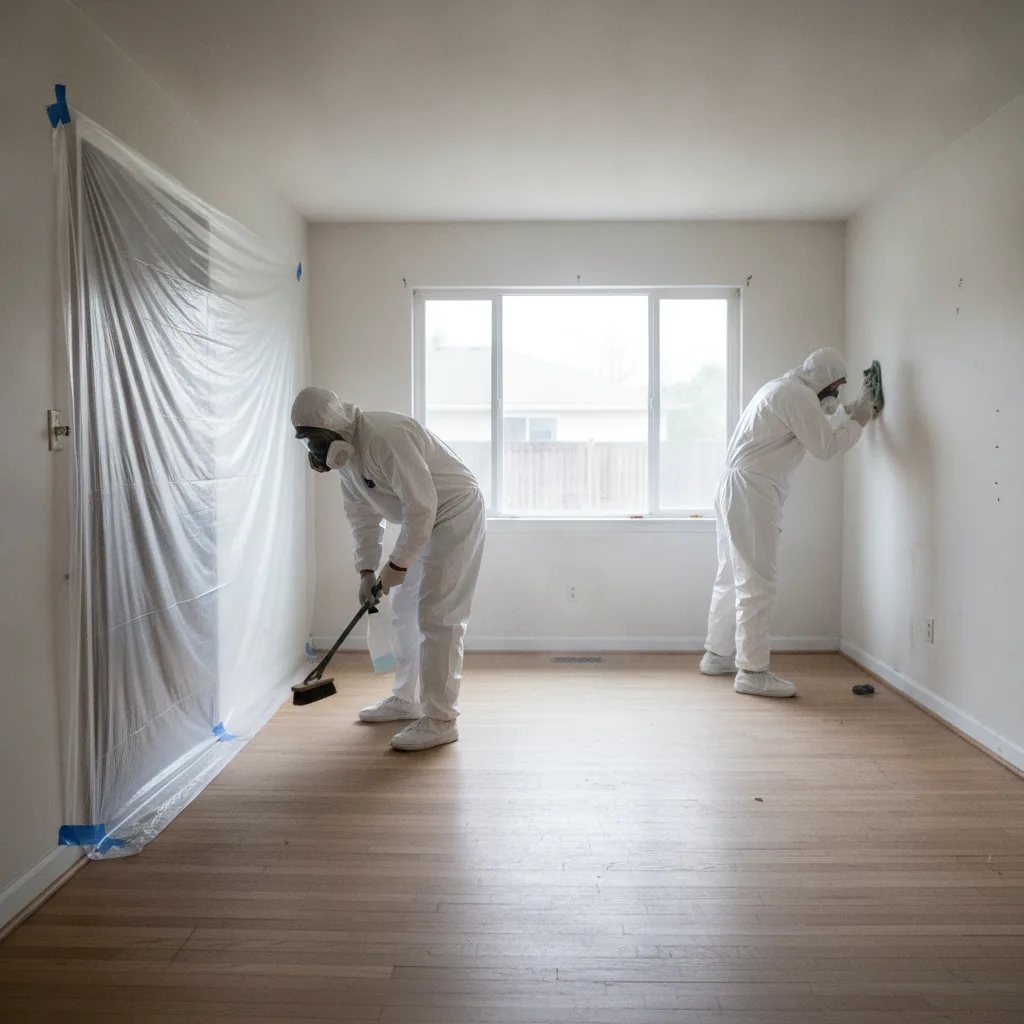
Once law enforcement releases the scene, we remove blood, bodily fluids, fingerprint powder and investigative residue, and we bring the space back to a safe, livable condition with as little disruption as possible.
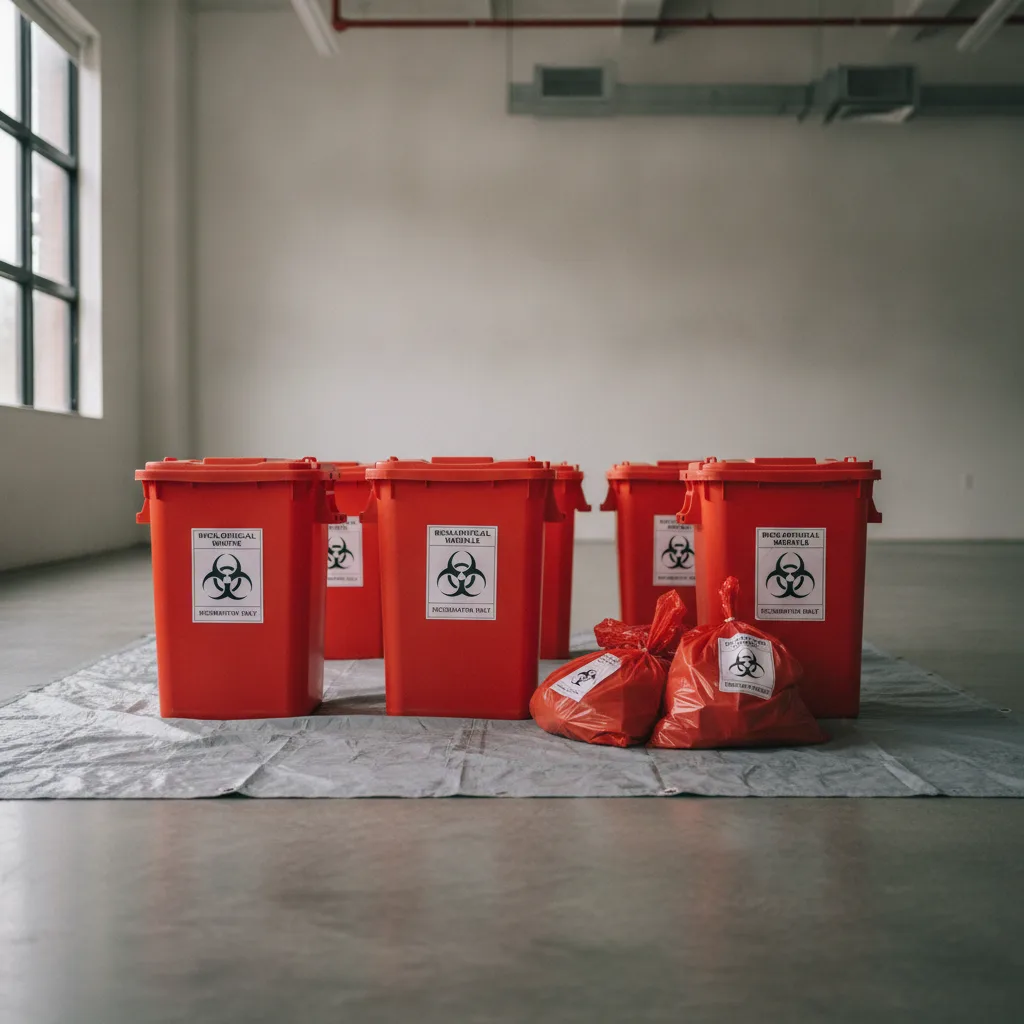
We clean up any bodily fluid, sewage, animal waste or infectious material that puts people at risk, in homes, businesses, vehicles and common areas.
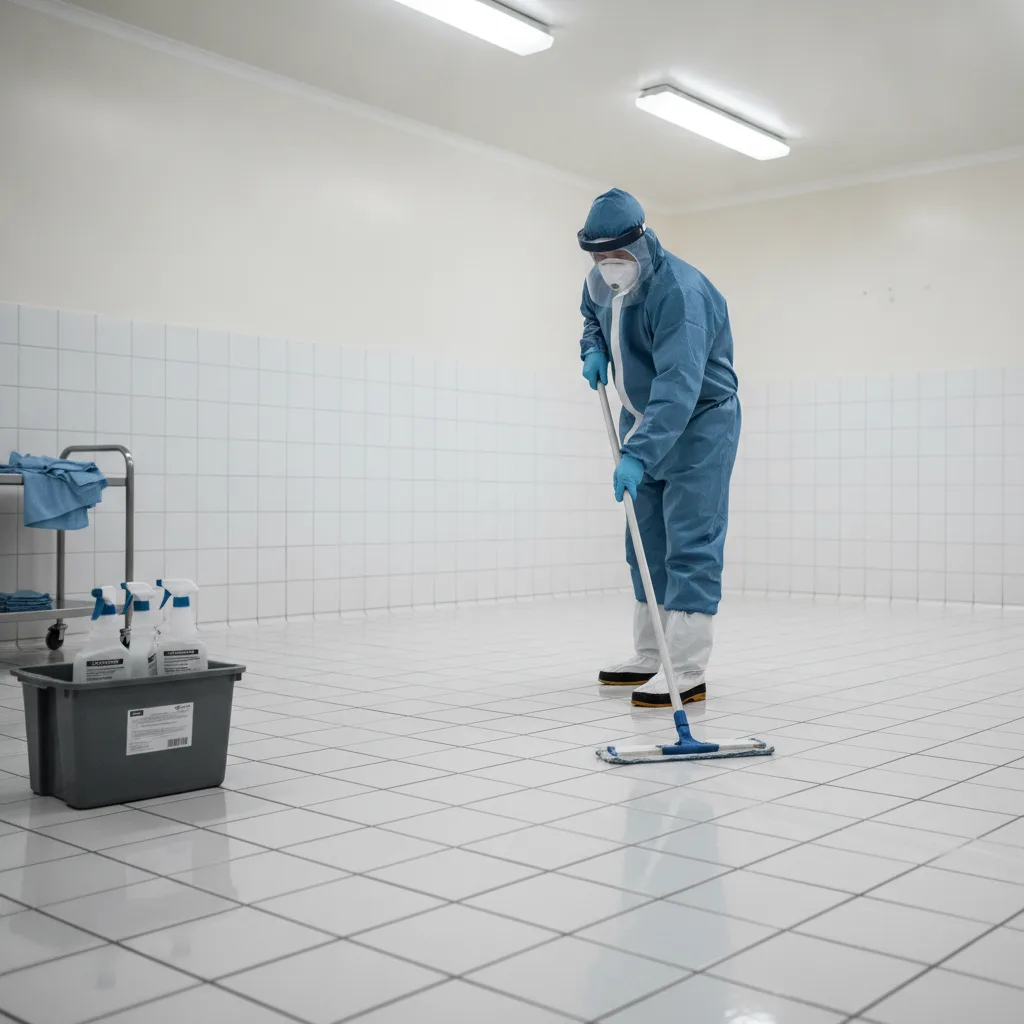
We clean up after suicides, accidents and serious injuries, and we treat the family and the home with care.
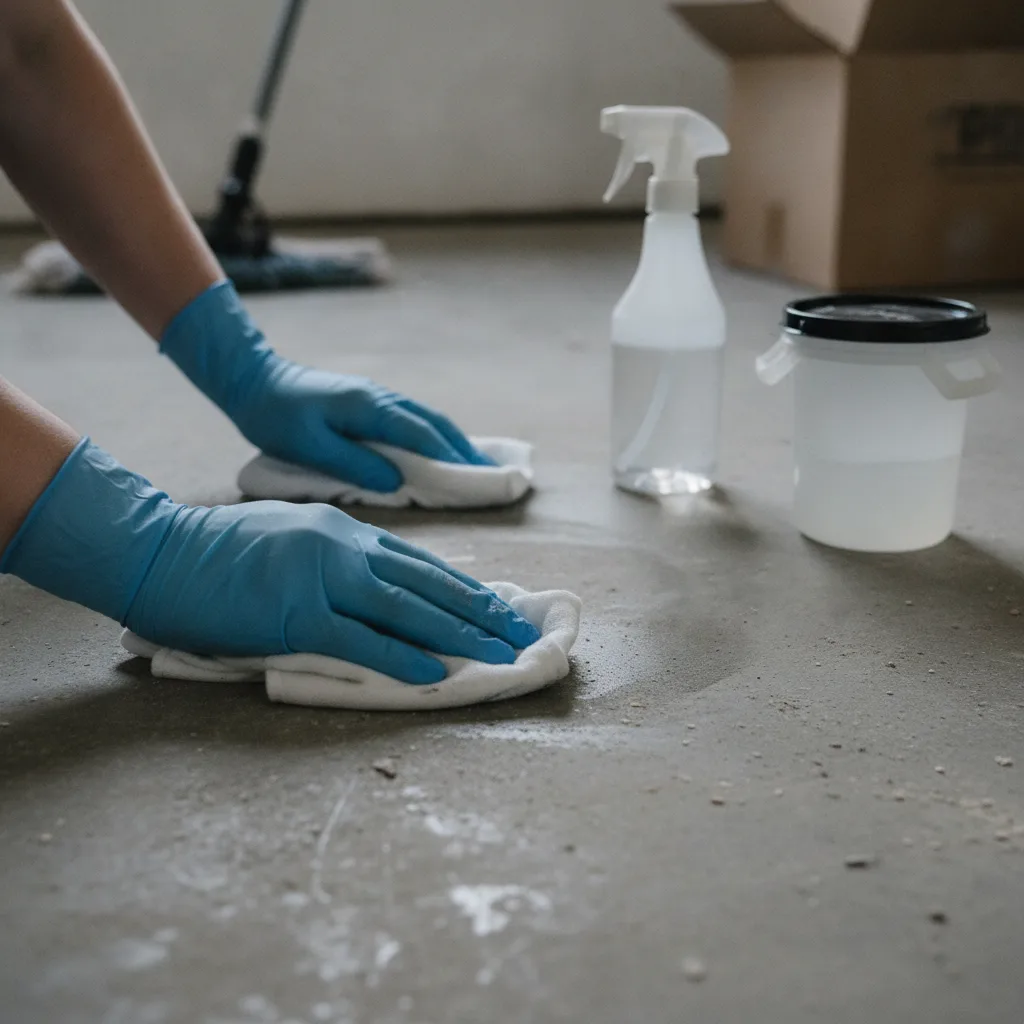
We fully remove blood from floors, walls, fabrics, furniture and hidden areas such as subfloors and drywall cavities, including spots that look clean but aren't.
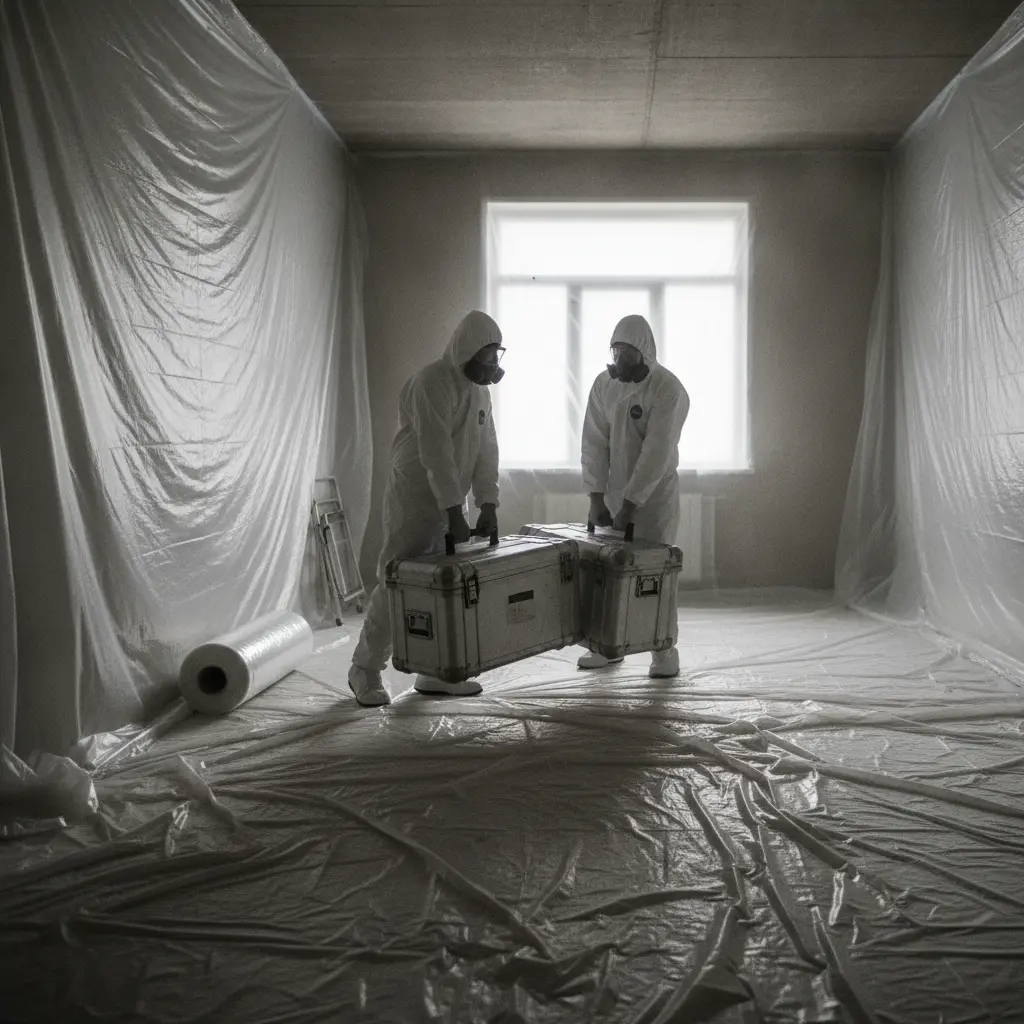
We clean violent crime scenes completely, including the heavy contamination, residue and property damage investigations often leave behind.
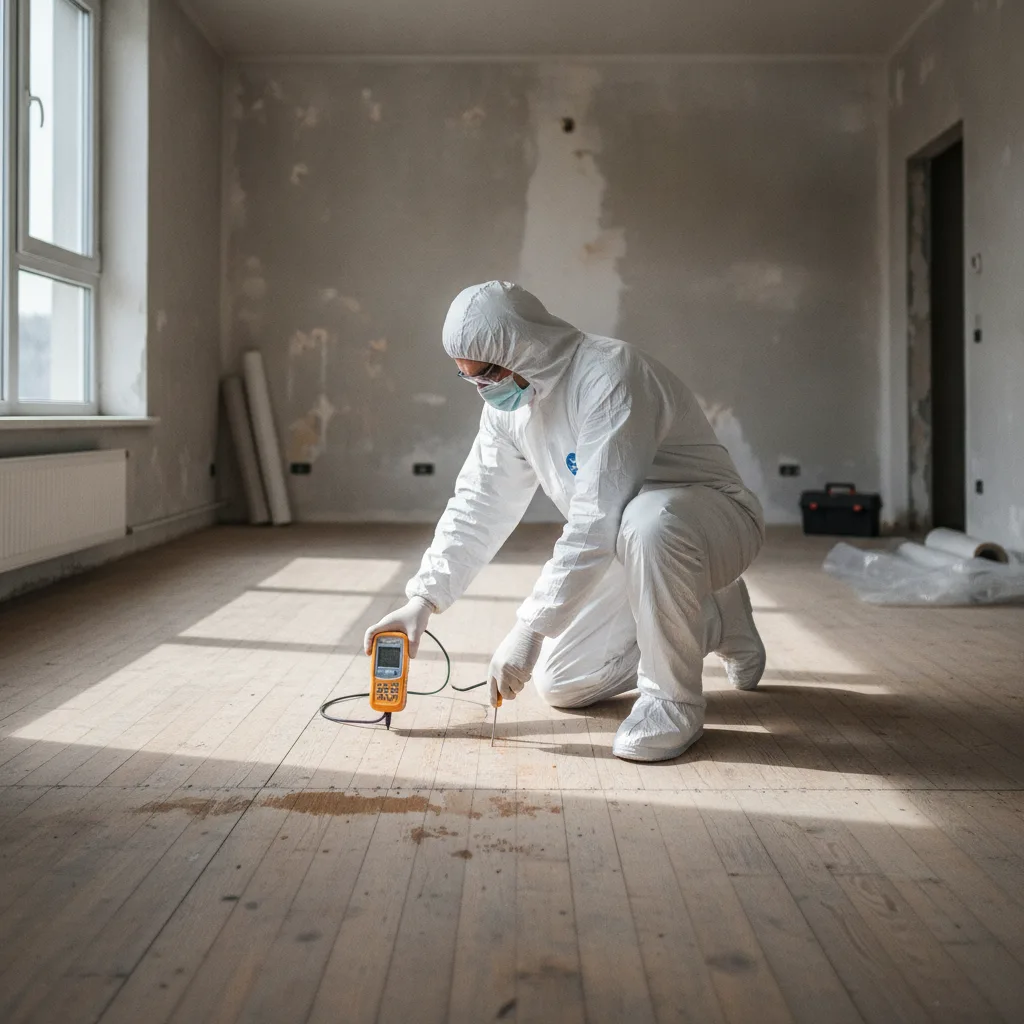
We restore homes after a death that went undiscovered, removing every trace of fluids and odor so the family can grieve, settle the estate or sell.
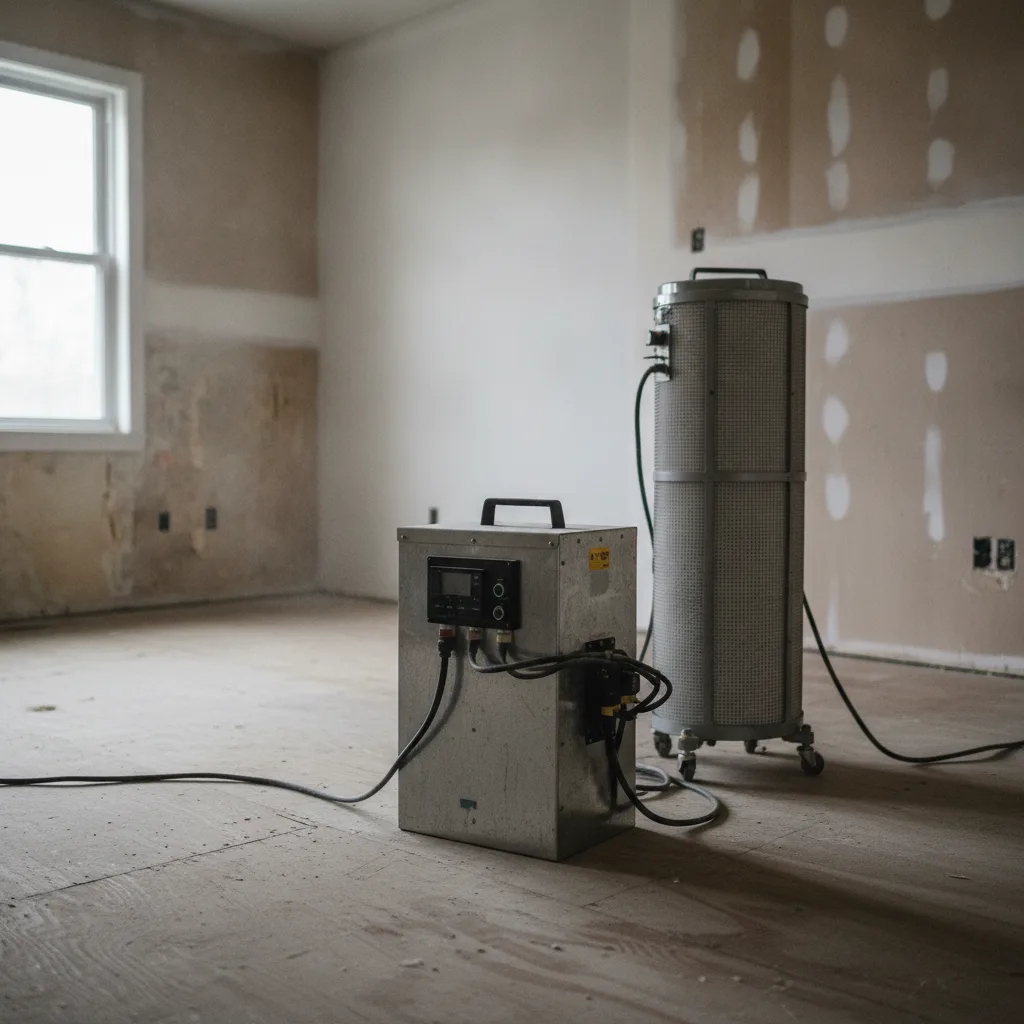
We specialize in advanced decomposition, where fluids and odor have gone deep into building materials, HVAC systems and evaporative coolers.
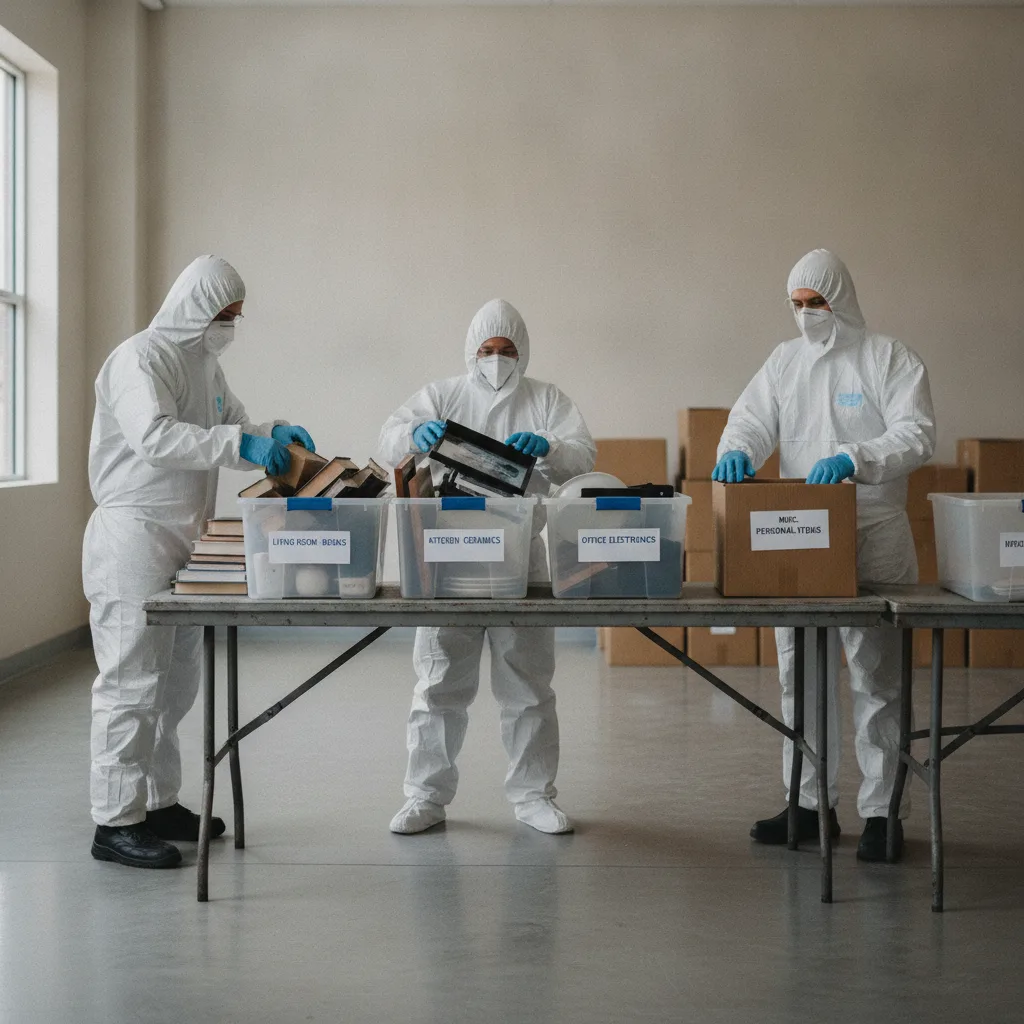
We clear hoarded homes safely and respectfully, sorting out what should be kept and removing hazards, waste and contamination.
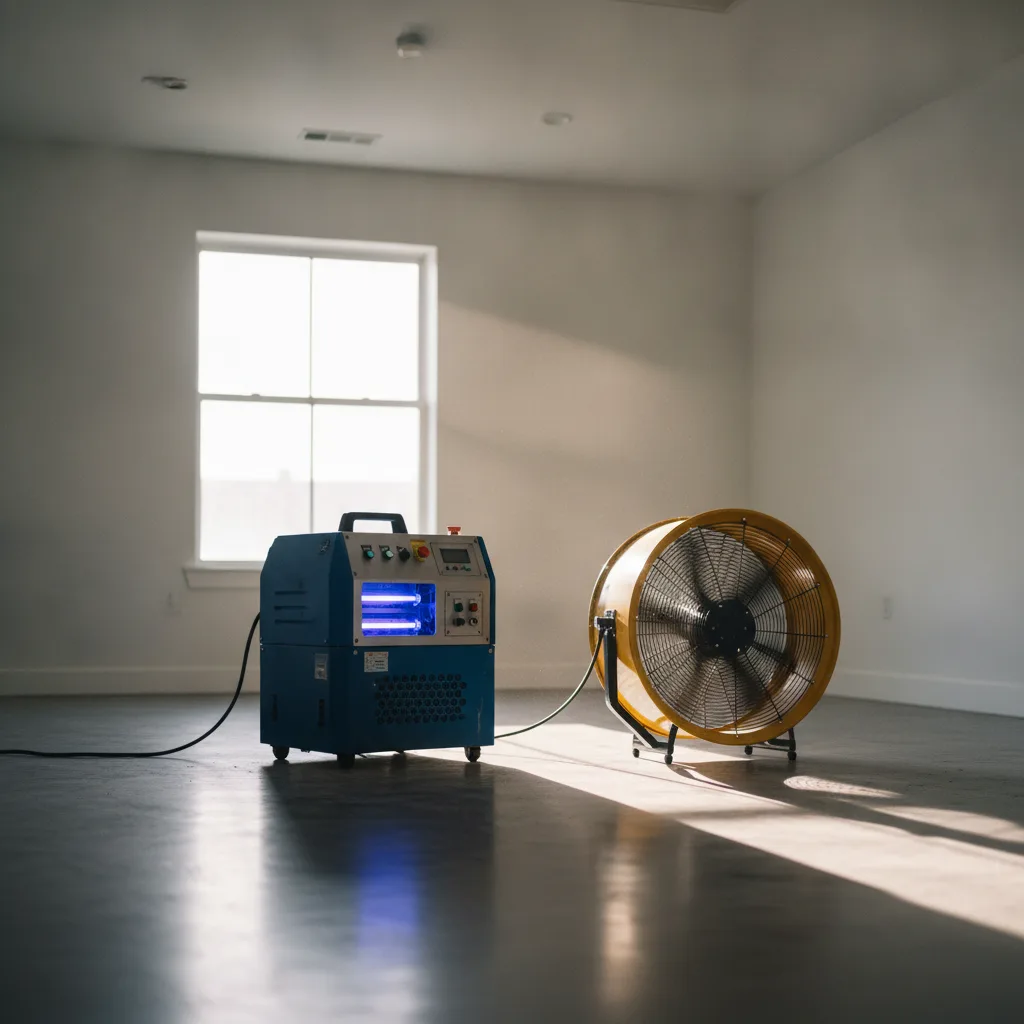
We remove odor from decomposition, smoke, pets and hoarding at the source so it doesn't come back with the summer heat.
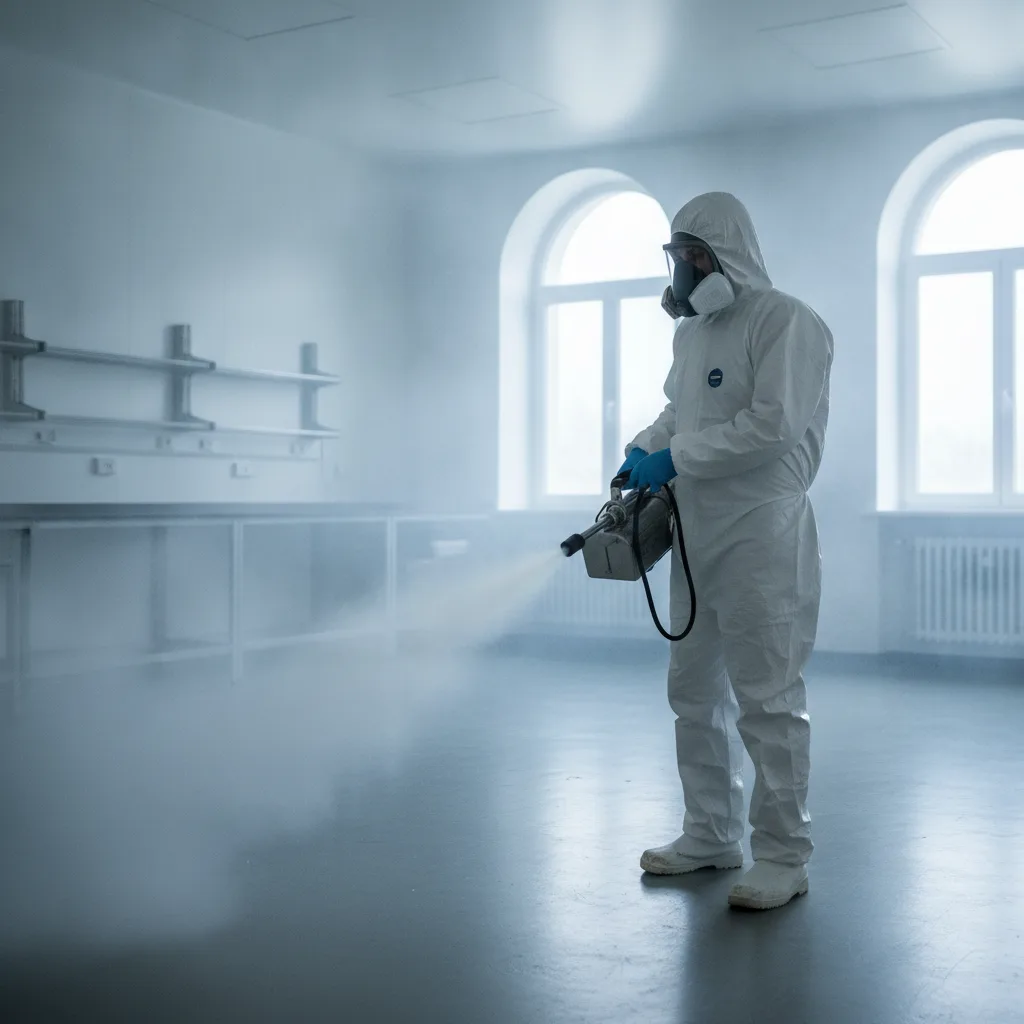
We decontaminate spaces affected by drug residue, fentanyl, infectious disease or other hazards so they're safe to live in or rent again.
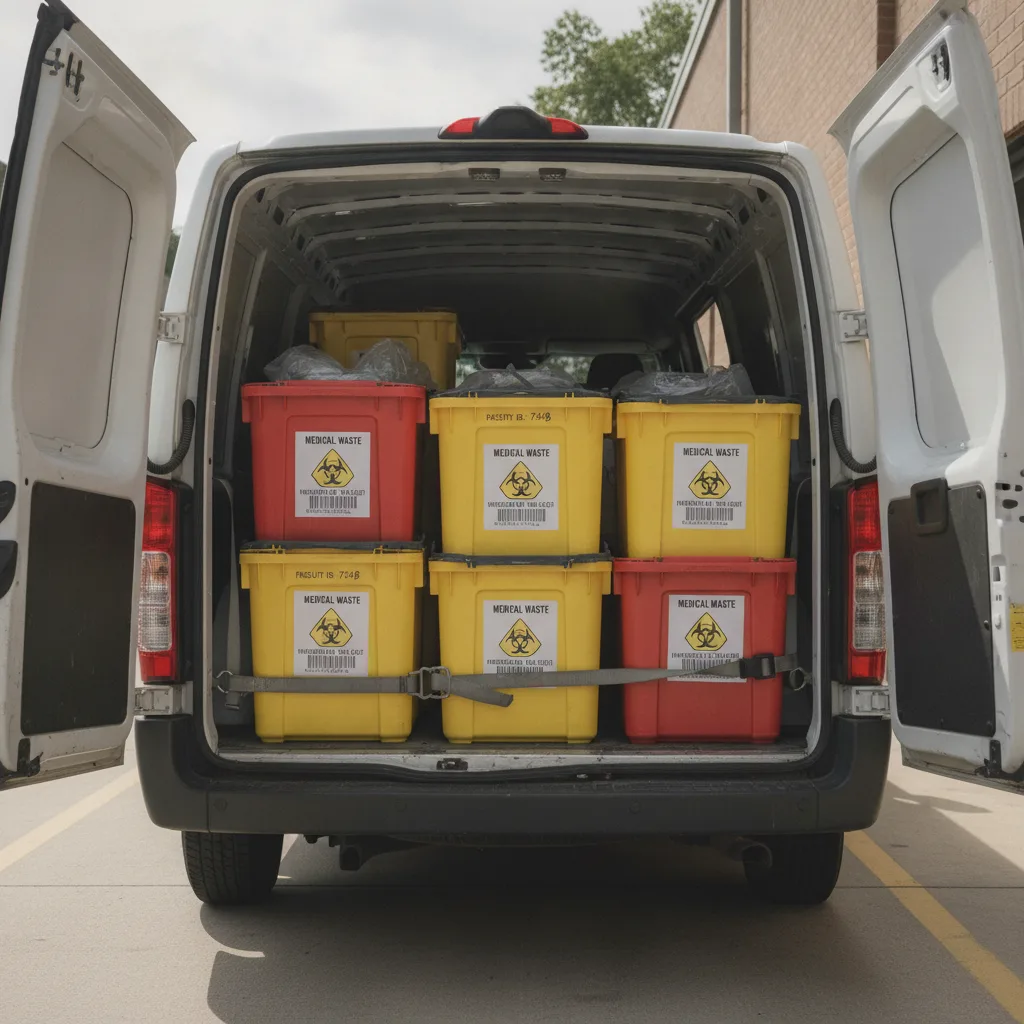
We package, transport and dispose of sharps, bodily-fluid waste and other medical waste generated at a scene or residence.
Most of our calls come from people dealing with something they never expected. Below are the situations we see most in El Paso and why local conditions make them worse. Each one also explains what to look for and when to call. Severity ratings reflect how quickly the problem gets worse if it's left alone.
An unattended death is one that isn't discovered for hours, days or sometimes weeks. As the body breaks down, it releases fluids, gases and strong odor that spread past the immediate area into flooring, walls, furniture and air-handling systems.
After an injury, assault, suicide or homicide, blood and other bodily fluids can carry hepatitis B, hepatitis C and HIV. Cleaning them up requires bloodborne-pathogen protocols, not household cleaners.
After investigators finish, a violent crime scene often has blood across several rooms, fingerprint powder, chemical residue and damaged belongings. All of it has to be cleaned before the family can use the home again.
Cars, trucks and RVs where a death, injury, overdose or long-term occupancy took place. Upholstery, carpet and foam absorb fluids, and the HVAC system spreads odor through the cabin.
Homes where belongings have built up to the point that sanitation breaks down. These homes often have rodent droppings, spoiled food, animal waste and blocked exits that put occupants and family members at risk.
Residue left behind by drug use, overdoses or drug manufacturing. Fentanyl and other substances can stay on surfaces, fabrics and ventilation systems and pose a risk to whoever cleans or moves in next.
Odor that stays after the visible cleanup is done, from decomposition, smoke, pets or hoarding. It soaks into porous building materials and air systems and comes back on hot days.
From your first call to the final walkthrough, we keep things simple and quiet and take care of the insurance for you. Here's what to expect at each step.
Answered 24/7, including holidays
Typically same day as your call
Begins during assessment
Usually 1–3 days depending on severity
1–2 days, plus final walkthrough
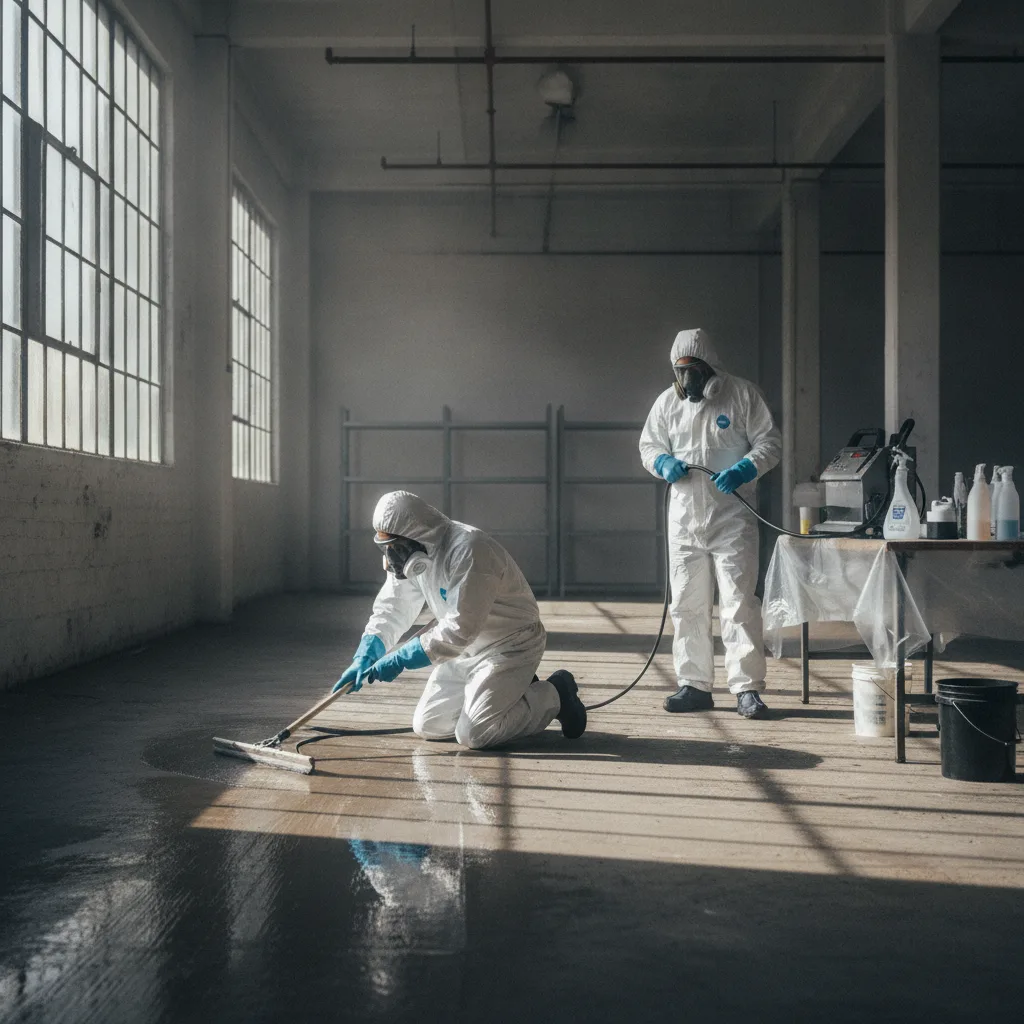
The last thing a grieving family should deal with is a bill. Homeowners policies often cover biohazard remediation after a trauma, and Texas Crime Victims' Compensation may reimburse eligible victims for crime-scene cleanup. We contact your carrier, document every step for the adjuster and help with the paperwork. Many families pay $0 out of pocket. If coverage is unclear, we'll explain it in plain terms before any work starts, so you're never caught off guard.
Scenes get released at 2 a.m., on Sundays and on holidays. In El Paso's summer heat, waiting until Monday can make a small problem a structural one. A person answers every call, and we send a team whenever you need us. Because we cover a wide area from Canutillo to Horizon City, we route crews to get there as quickly as possible.
Adobe, plaster, cinder block, stucco and particle-board subfloors each absorb fluids and odor in different ways. A quick clean that might work elsewhere often fails here once summer heat pulls odor back out of the walls. We plan each job around the materials in your home, whether that's a Sunset Heights bungalow or a Montana Vista tract house. We also check swamp coolers on every job, since they so often spread contamination.
Our vehicles carry no logos or biohazard markings. Neighbors, HOA boards and passersby won't know why we're there. That matters in Westside and Northeast master-planned communities, in close-knit Lower Valley neighborhoods and for military families near Fort Bliss. Our technicians work quietly, treat personal belongings with respect and give families the time and privacy they need.
Texas doesn't license crime scene cleaners, so the way a company works is what tells you whether to trust it. Our technicians follow OSHA's Bloodborne Pathogens Standard, respiratory protection and hazard communication rules. Biohazardous waste is handled and disposed of according to Texas TCEQ and DSHS requirements, with documentation you can give your insurer, landlord or attorney.
Biohazard remediation sometimes means pulling up flooring, opening walls or working in shared buildings. We carry insurance, so you and your property are protected while we work. Ask for proof of insurance when you call. Any company you let into your home during a crisis should be able to provide it right away.
Many El Paso families are spread out, with relatives in Juárez, in other states or on military assignment. We can arrange a key handoff, send photo progress updates, speak with the executor or property manager and close out the job without anyone flying in. You'll have one point of contact from start to finish.
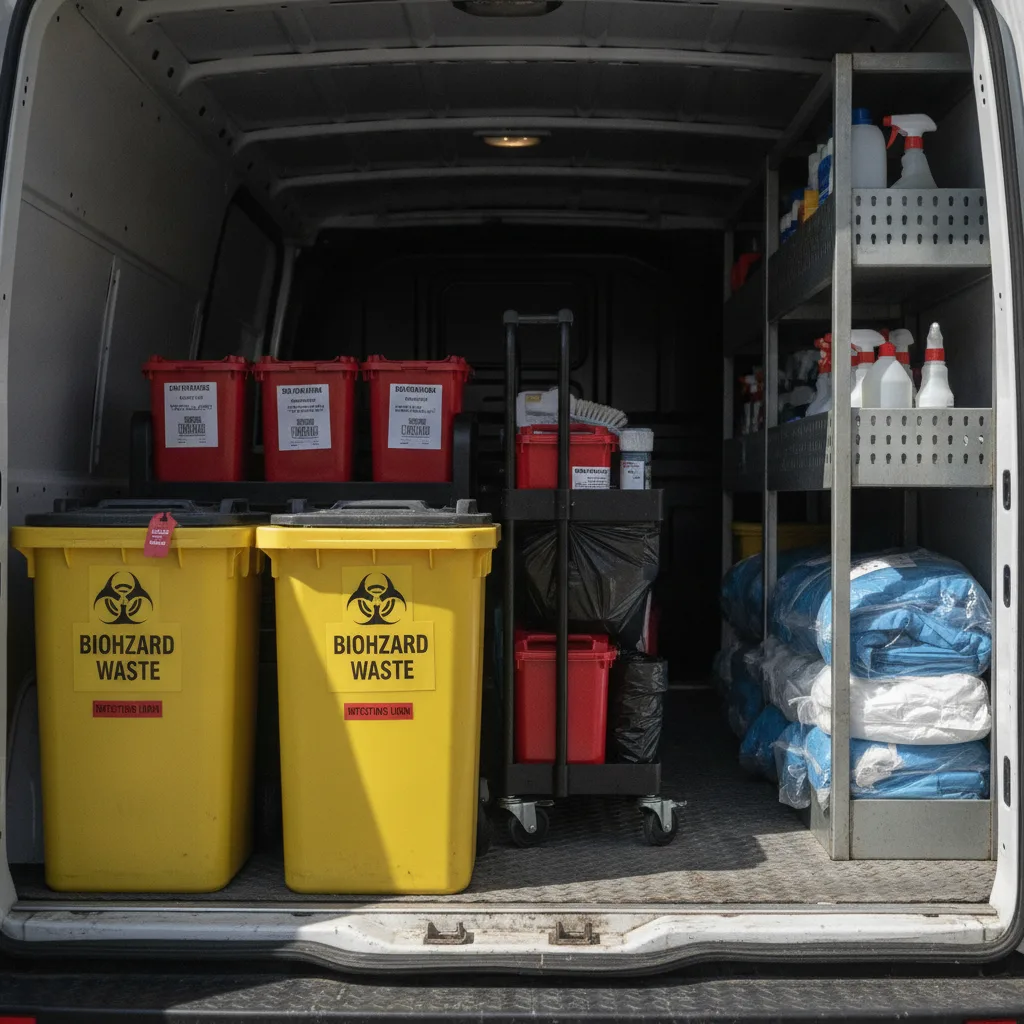
For most families, the real cost of crime scene or biohazard cleanup is $0 out of pocket. Homeowners, renters and auto policies often cover trauma remediation, and Texas Crime Victims' Compensation may reimburse eligible victims. We bill your carrier directly and handle the claim from start to finish.
Your policy matters more than anything else. Most homeowners policies treat trauma and biohazard remediation as covered sudden damage, and auto comprehensive often covers vehicles. Before work starts, we confirm coverage with your carrier, document the scope for the adjuster and bill them directly. If a deductible applies, we'll tell you up front. For crime victims, Texas Crime Victims' Compensation through the Attorney General's office can help with remaining costs.
In El Paso's heat, every day before discovery increases the scope. A scene found within hours may need only surface decontamination. One found after several summer days usually means removing carpet, pad, subfloor and drywall, cleaning and sealing the slab and replacing cooler components. The longer it takes to find, the bigger the insurance claim, which is why we document the progression carefully.
Porous adobe, plaster and hardwood in older Central homes often need careful removal and sealing. Slab-on-grade ranch homes need concrete cleaning and encapsulation. Particle-board subfloors in manufactured homes usually have to be replaced. Your home's construction shapes the scope we submit to your insurer.
If a swamp cooler or HVAC system ran during or after the incident, odor and particulates may have spread through the ductwork. Replacing pads, cleaning ducts and treating the whole house adds to the scope, but it's often what separates a lasting fix from odor that comes back in July.
Texas requires biohazardous waste to be packaged correctly and hauled by registered transporters. More contaminated material means more disposal. Hoarding jobs may also involve large amounts of non-hazardous debris. We list all of it clearly for your claim.
We never ask a grieving family for payment at the door. We work directly with insurers and help with Texas Crime Victims' Compensation applications. If coverage is limited, we'll go over every option with you before any work begins.
In most cases, no. Homeowners and renters insurance often covers biohazard remediation after a trauma, suicide, homicide or unattended death, and auto comprehensive often covers vehicles. We contact your carrier, document the scene and bill them directly, so many El Paso families pay $0 out of pocket. If you were the victim of a crime, Texas Crime Victims' Compensation through the Attorney General's office may reimburse cleanup costs, and we'll help with the application. If a deductible or coverage gap applies, we'll explain it before any work begins.
We answer 24/7, including nights, weekends and holidays, and we usually dispatch a team the same day. Our service area runs more than 30 miles along I-10 and Loop 375, from Canutillo to Horizon City and Socorro, so we route crews to get to you as fast as possible. In summer, speed matters a lot. El Paso's heat can push fluids and odor into subfloors and drywall within days, so calling right after the scene is released helps limit the damage.
Most blood and trauma cleanups take one day. Unattended death and decomposition jobs usually take one to three days of active work, plus time for odor treatment and verification. Larger homicide scenes, hoarding jobs or homes where fluids reached the slab, subfloor or swamp cooler can take longer. We'll give you a realistic timeline after the on-site assessment and keep you updated, including by phone and photos if you're coordinating from out of town.
Cleanup can't begin until law enforcement and the County Medical Examiner release the scene. That could be El Paso PD, the Sheriff's Office, Socorro PD or Horizon City PD. The cleanup itself doesn't usually need a permit. If remediation requires structural repair, like replacing subfloor or rebuilding walls, that work may need City of El Paso Planning & Inspections permits. Exterior changes in historic districts like Sunset Heights or Manhattan Heights go through Historic Landmark Commission review. We'll let you know if any of this applies.
We strongly advise against it. Blood and bodily fluids can carry hepatitis B, hepatitis C and HIV, and OSHA treats them as hazards that require training and protective equipment. In El Paso's dry climate, fluids harden quickly and soak into grout, plaster and adobe, so areas that look clean often aren't. Household cleaning usually spreads contamination further. Texas also has specific rules for disposing of biohazardous waste. Since insurance often covers professional cleanup, there's rarely a financial reason to take on the risk yourself.
Usually because the source wasn't fully removed or porous materials weren't sealed. Adobe, plaster and older stucco absorb odor compounds and release them as they heat up, so a home that smells fine in winter can smell bad again in summer. Swamp coolers hold odor in their pads and ducts. We remove contaminated materials, seal what stays, treat or replace cooler components and verify the odor is gone, so the smell doesn't return when temperatures climb.
Set up regular check-ins with loved ones who live alone, especially older relatives during El Paso's hot summers. Daily calls, a neighbor who watches for piled-up mail, or a trusted friend with a spare key can all help. If family lives in Juárez, another state or on military assignment, set up a local contact. For vacant estates, have someone check the property regularly, shut off water before winter freezes and seal rodent entry points to lower hantavirus risk.
Not from us. We arrive in unmarked vehicles with no logos or biohazard markings, and our technicians work quietly and keep details confidential. That's important in Westside, Northeast and Horizon City HOA communities, in tight-knit neighborhoods and for military families near Fort Bliss. We can also arrange key handoffs and remote updates, so out-of-town family doesn't have to be there in person.
We come to you anywhere in El Paso and the surrounding area, in unmarked vehicles, any hour of the day.
You don't have to handle this alone or pay for it yourself. Call us any hour. We'll come discreetly, deal with your insurance and restore your home with care and respect.
Call (915) 350-4537 Now