Discreet, certified crime scene and biohazard cleanup in Columbia — unmarked vehicles, compassionate technicians, and in most cases $0 out of pocket since we bill your insurance directly.
Columbia's nickname, "Famously Hot," isn't only a slogan. The climate, the century-old housing, the apartment corridors and the split between Richland and Lexington counties all affect how fast a scene gets worse and how it has to be handled safely, legally and quietly.
Columbia sits in a humid subtropical zone where summer highs regularly reach the mid-to-upper 90s and afternoon heat indices often pass 100°F. From June through September, dew points in the 70s are normal. For an unattended death, that means decomposition, fluid migration and odor move in days rather than weeks, and it happens even faster if the air conditioning failed or the house was closed up. Humidity drives bacterial growth and mold on blood-soaked drywall, carpet and wood. Winters are mild, so blowflies stay active most of the year and larvae are a common complication. The area gets roughly 45–48 inches of rain a year, plus thunderstorms and tropical remnants. Storms like the October 2015 flood along Gills Creek and Rocky Branch can also create sewage backflow and contaminated-water biohazards.
Much of Columbia's housing works against surface cleaning. Mill villages like Olympia and Granby have 1900s–1920s wood-frame homes with heart-pine plank floors on pier foundations. The bungalows and Craftsman homes in Shandon, Elmwood Park, Cottontown, Earlewood and Melrose Heights have similar porous floors, plaster walls and vented crawl spaces. Fluids run through floorboard gaps into joists and subfloors, which usually means removing materials and sealing what's left. The 1950s–1970s ranches and split-levels in Dentsville, St. Andrews, Cayce and West Columbia tend to have carpet over plywood or slab, and some have older HVAC systems. The 1970s–1990s garden apartments along Broad River, Bush River, Two Notch and Decker share ceiling cavities, so odor and contamination can reach neighboring units. Manufactured homes in outlying Richland and Lexington counties have thin subfloors that soak up fluids fast.
South Carolina has no state license specific to crime scene cleanup, so it pays to ask how a company actually works. We follow OSHA's Bloodborne Pathogens Standard (29 CFR 1910.1030), which covers training, PPE and a written exposure control plan. Infectious waste falls under the SC Infectious Waste Management Act. That law requires proper packaging, labeling, registered transporters and manifests to permitted treatment facilities. Disinfectants must be EPA-registered and used as labeled. Cleanup can't start until the scene is released by the agency in charge, which could be Columbia PD, the Richland or Lexington County Sheriff, Cayce Public Safety, West Columbia PD or SLED. Structural repairs may need city or county permits. Historic-district guidelines in Elmwood Park, Cottontown, Earlewood and Waverly mostly affect exterior work, not interior remediation.
The metro area has about 850,000 people. It includes a large renter population tied to USC's 35,000-plus students, Fort Jackson and the apartment corridors. Many of the people who call us are landlords, property managers, small business owners and out-of-state heirs settling an estate from a distance. Columbia also has many retirees and veterans who live alone, often in older homes, which is why unattended deaths make up so much of our work. In close-knit, church-centered neighborhoods, families want privacy and respect for their faith. We send unmarked vehicles and keep our work quiet.
Each service below follows OSHA bloodborne pathogen protocols and South Carolina infectious waste rules. Each one is also adapted to Columbia's housing, from heart-pine mill houses to slab-built apartments. In most cases, we bill insurance directly, so your focus can stay on your family, your tenants or your business.
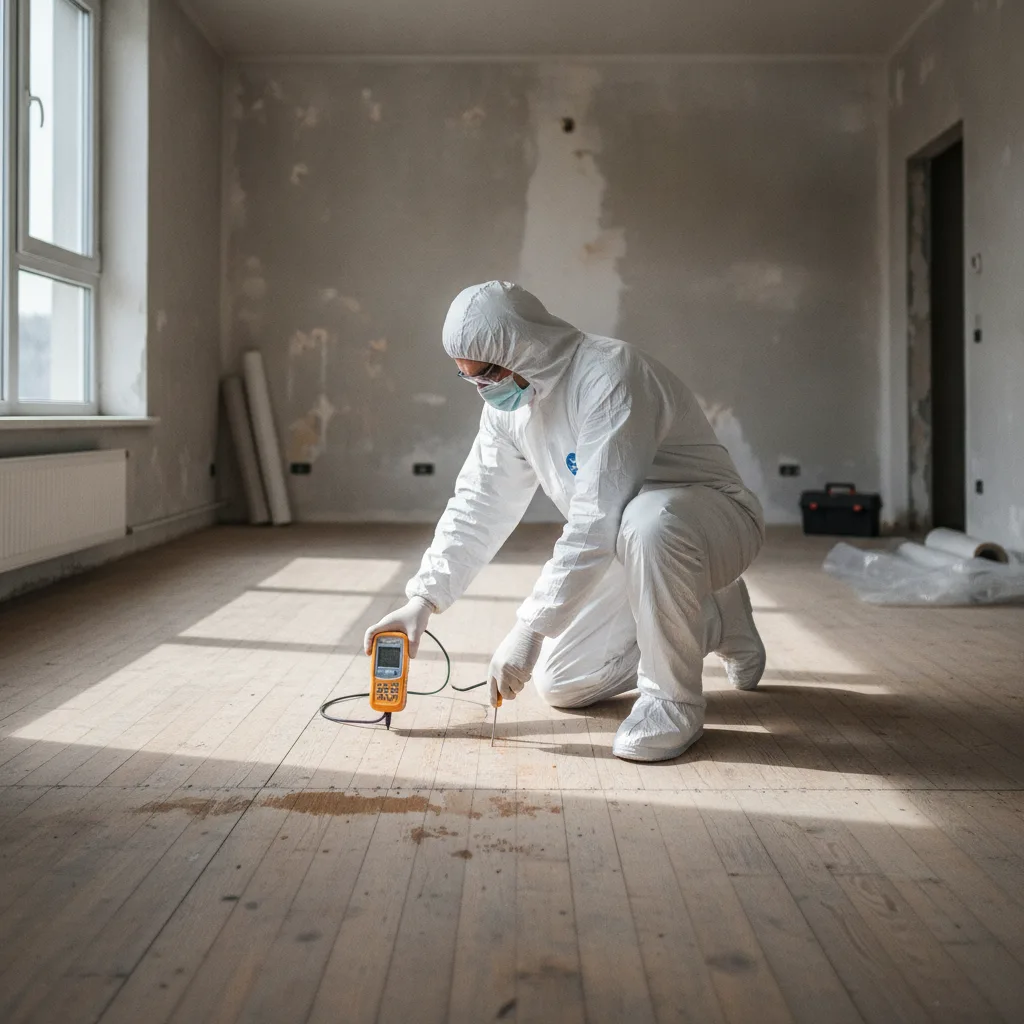
We restore a home after someone has passed away alone. That includes removing biological material, contaminated belongings and odor sources while protecting items the family wants to keep.
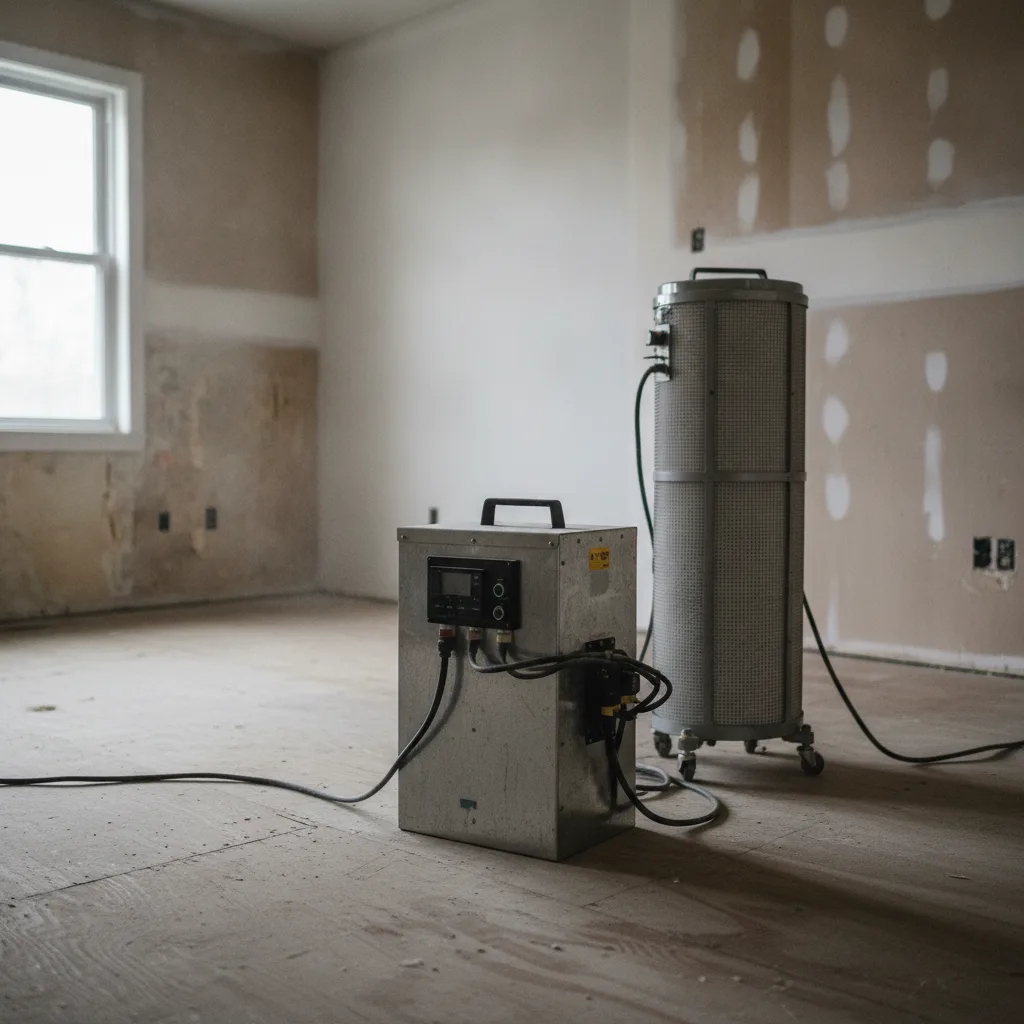
We handle advanced-stage scenes where fluids, insects and odor have spread into structure, ductwork and neighboring spaces.
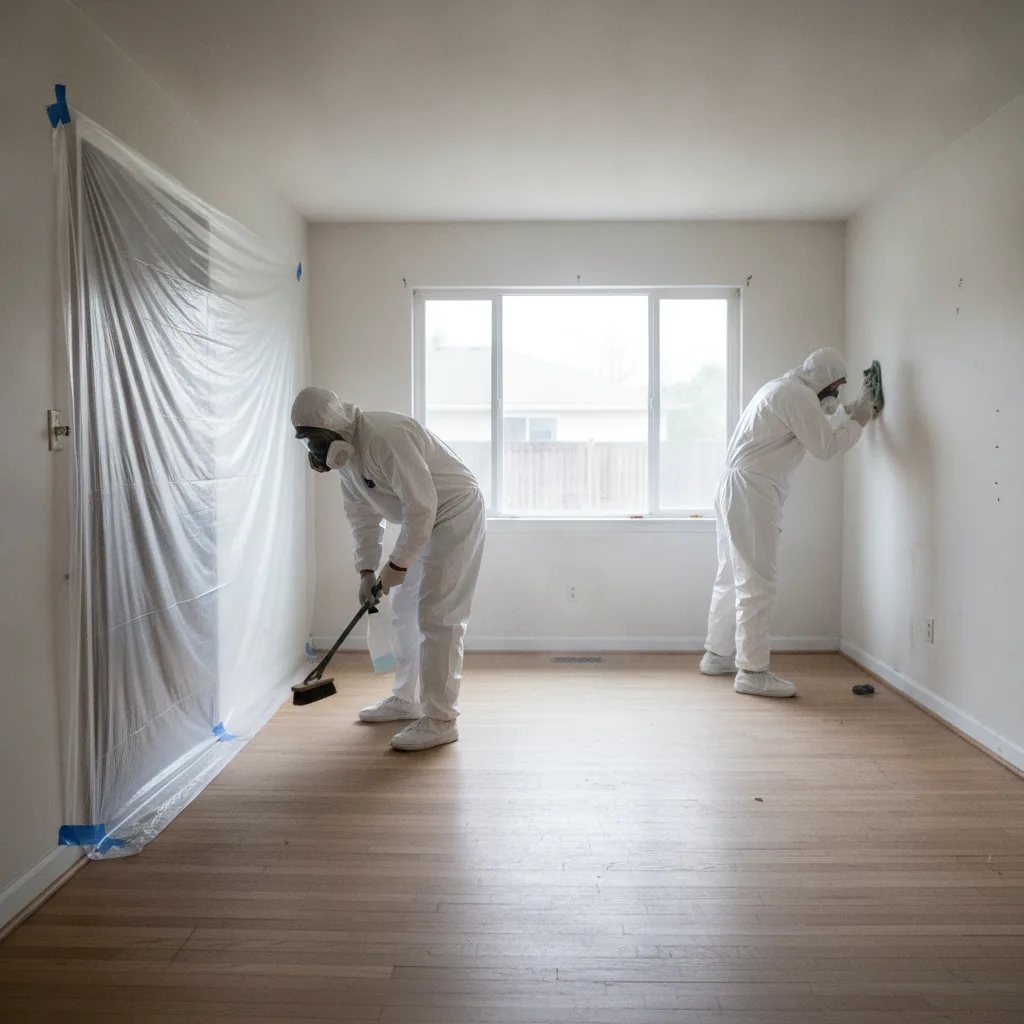
We clean and restore homes, vehicles and businesses after law enforcement releases the scene. That includes biological material and investigative residue such as fingerprint powder.
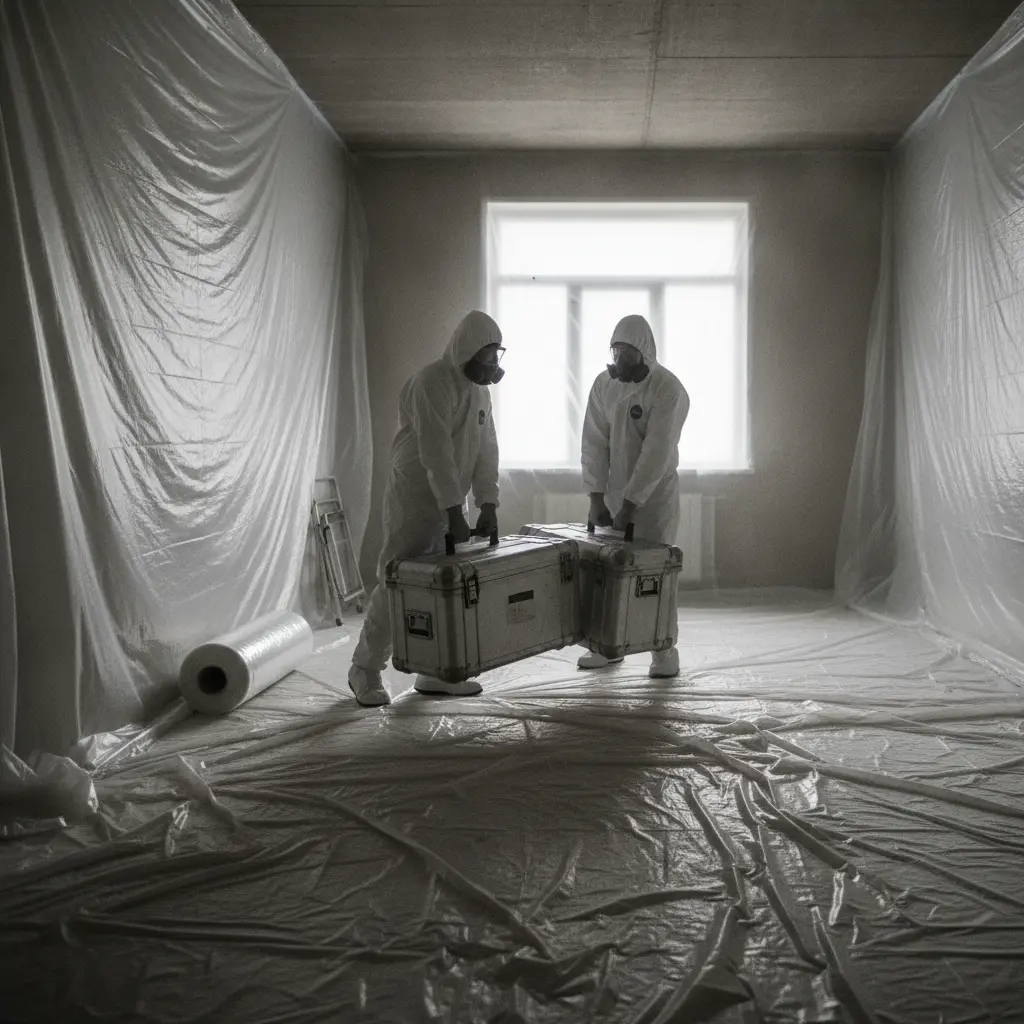
We restore a home or business after a homicide with compassion and complete privacy. We also help families recover keepsakes and important documents.
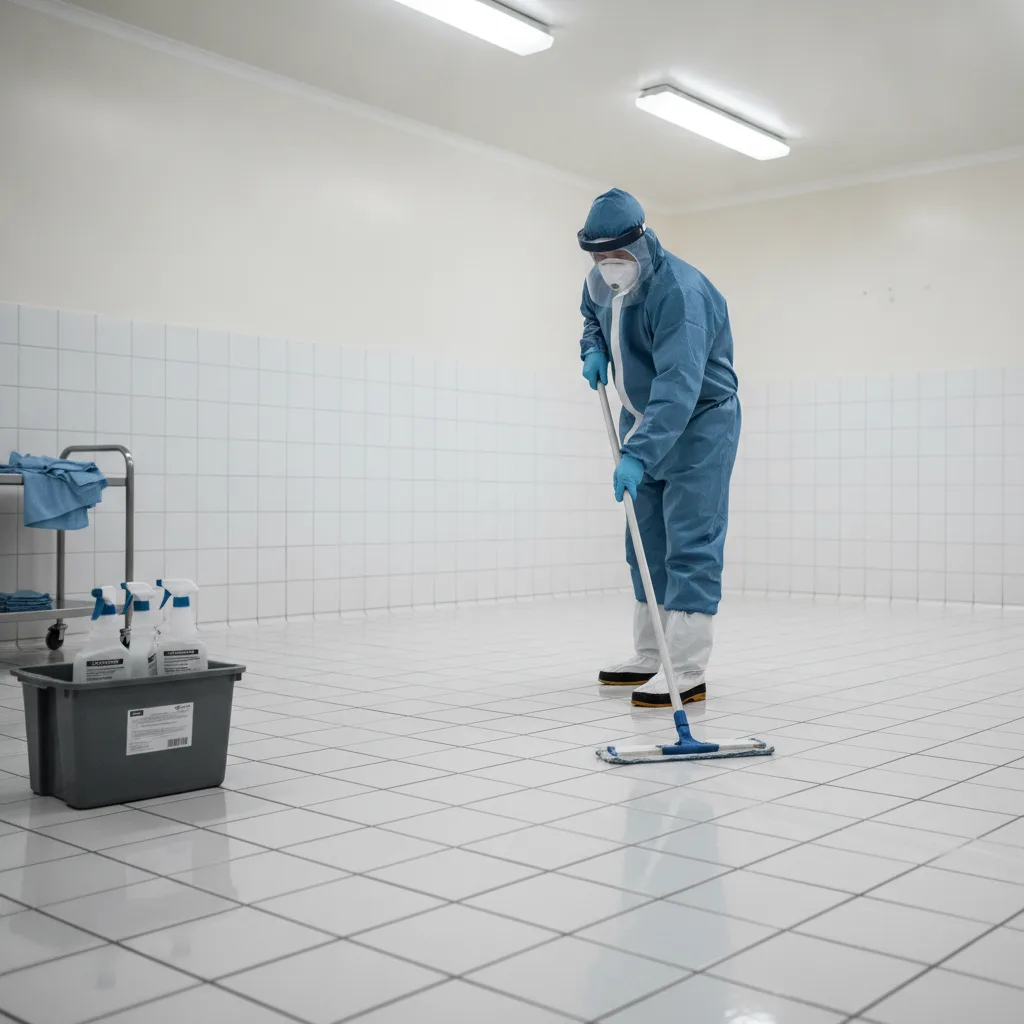
We clean up after suicides, accidents, serious injuries and medical emergencies, no matter how much blood was involved.
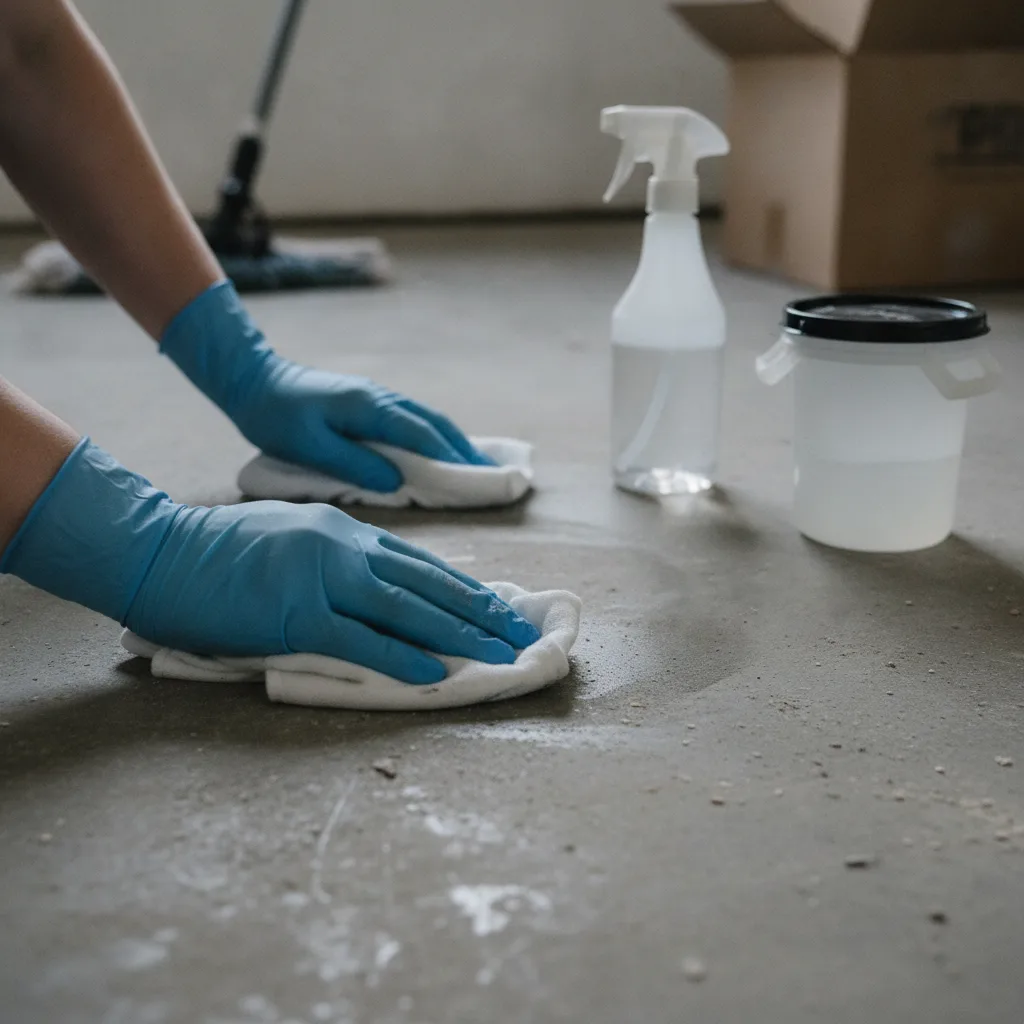
We remove blood and bodily fluids from carpet, hardwood, upholstery, mattresses, vehicles and hard surfaces.
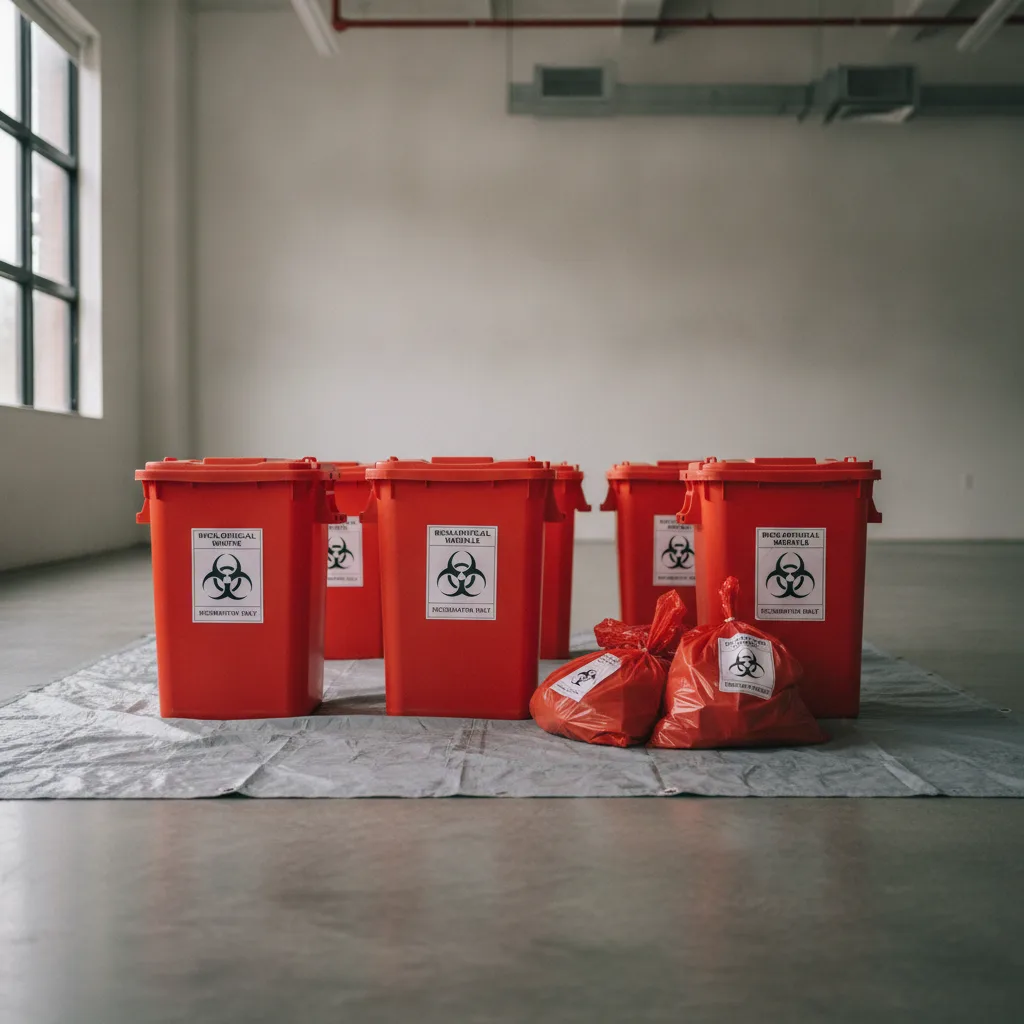
We handle general biohazards, including sewage, animal waste, bodily fluids and contaminated materials, in homes and businesses.
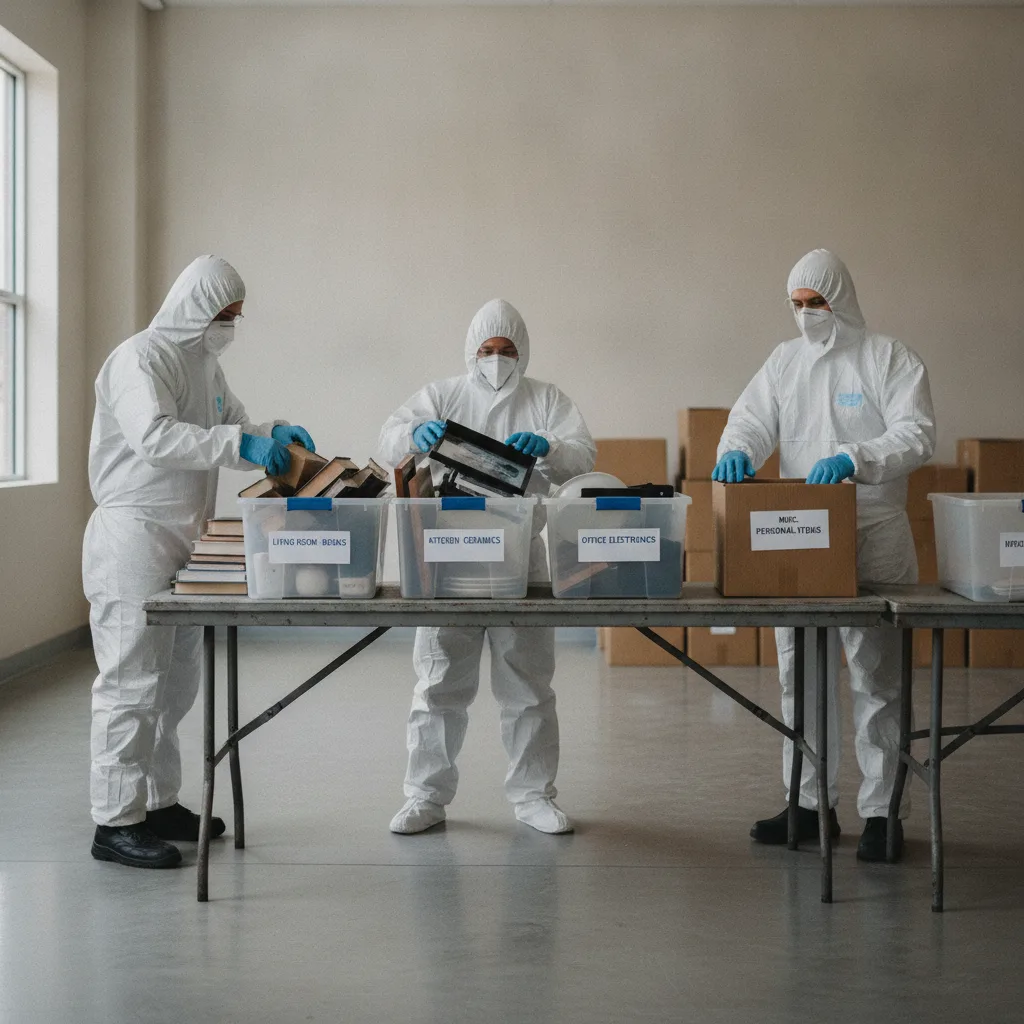
We clear and sanitize hoarded homes while respecting the person and their belongings, and we recover valuables and documents along the way.
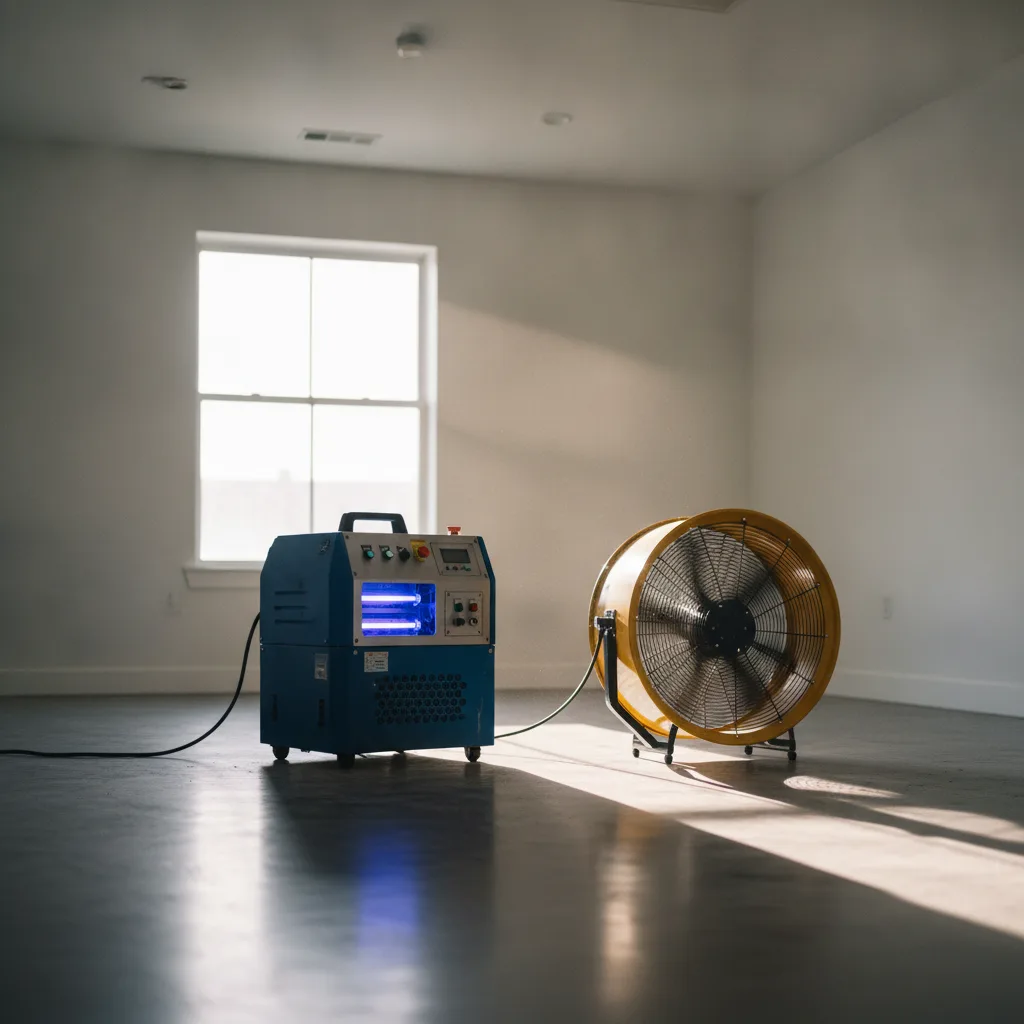
We find and remove odor at its source, whether that's decomposition, smoke, urine or spoiled material, instead of covering it up.
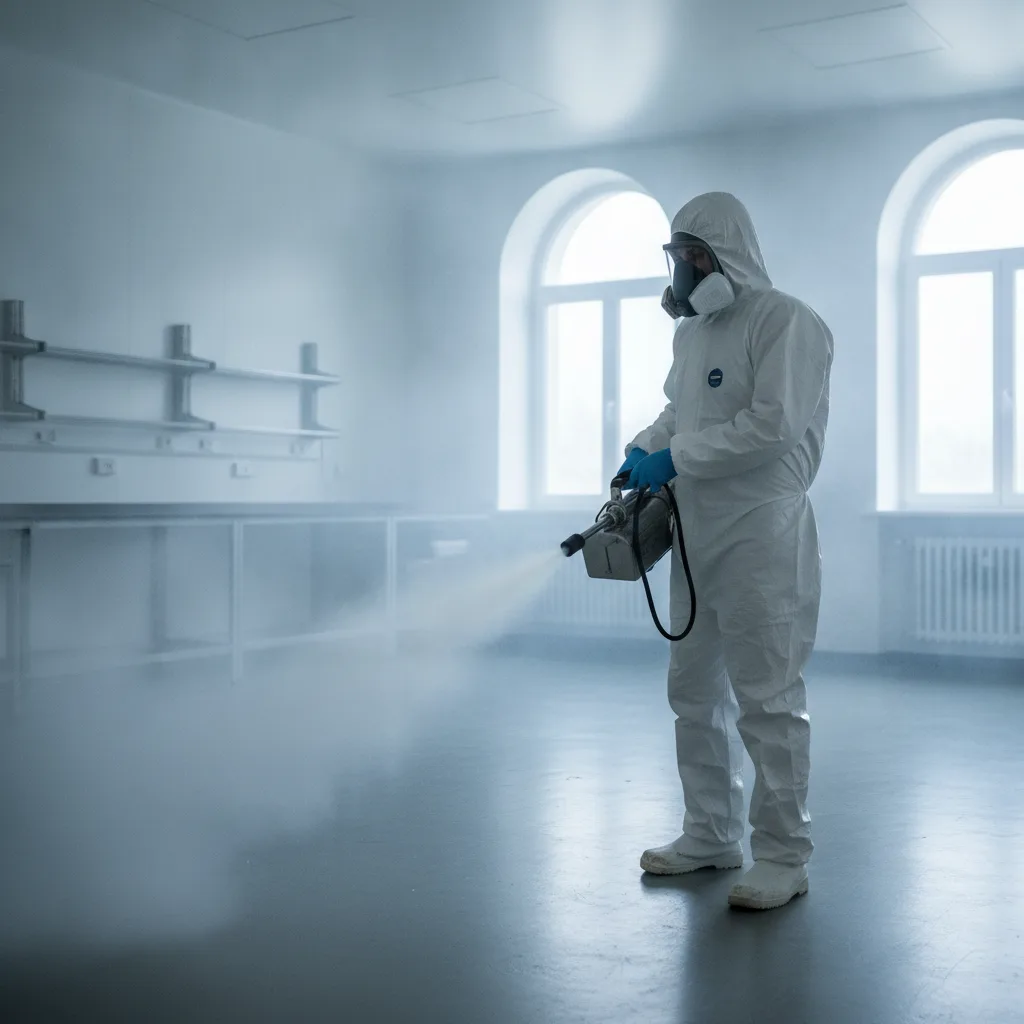
We disinfect spaces exposed to pathogens, drug residue or infectious material so they're safe to reoccupy.
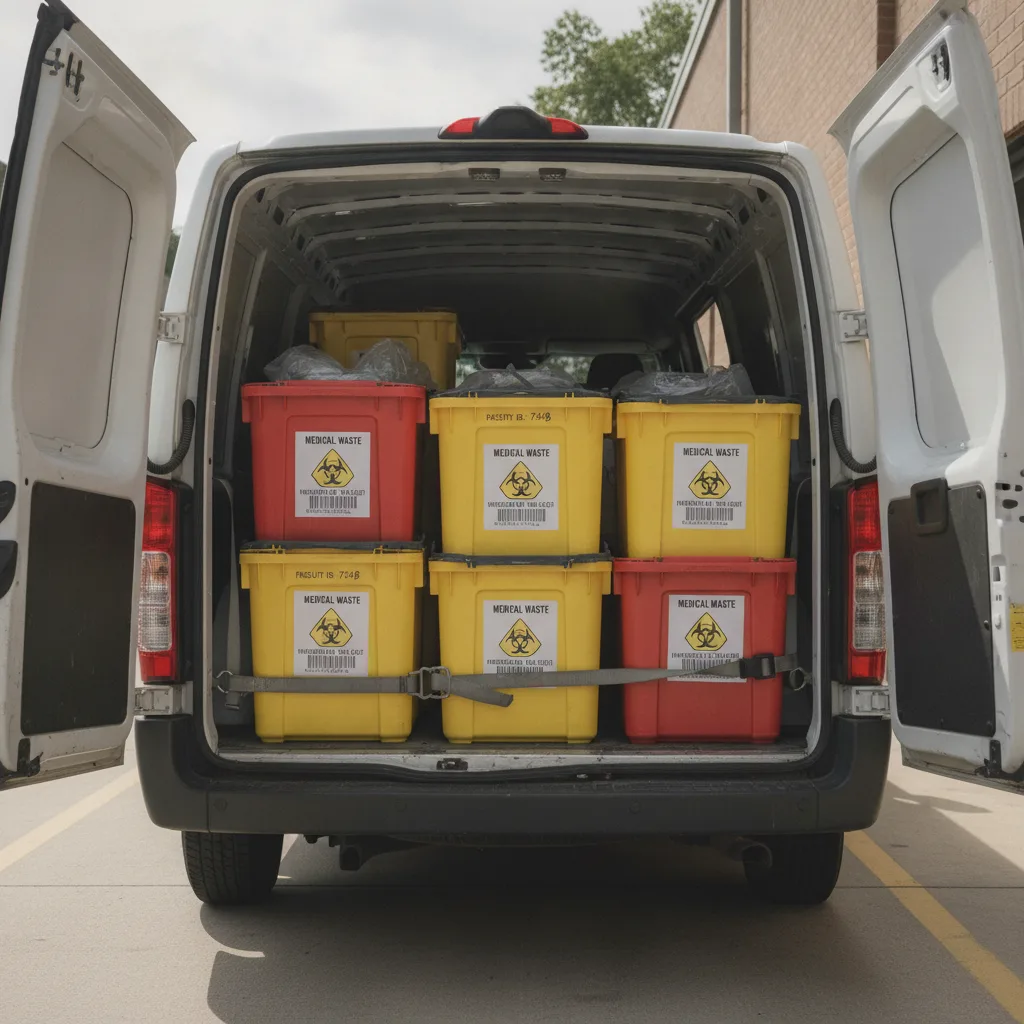
We package, transport and properly dispose of sharps and infectious waste generated at scenes or left in homes.
Every scene is different, but some situations come up again and again in the Midlands. Here's what they look like, why Columbia's climate and housing make them worse, and how fast each one needs attention. Some can wait a day. Others can't wait at all.
An unattended death happens when someone dies alone and isn't found for days or weeks. Decomposition releases fluids, gases and a very persistent odor. These soak into flooring, subfloors and walls and attract insects, and they become a serious biological hazard to anyone who enters.
After a violent death or serious injury, blood and tissue may be spread across several rooms. Some of it is visible, and some is hidden under furniture, in outlets or inside wall cavities. Bloodborne pathogens like hepatitis B, hepatitis C and HIV make this a regulated cleanup, not a household chore.
These are smaller-scale contamination events: an injury at home, a medical emergency, a fall, or a workplace accident. The area may look small, but blood that soaks through carpet padding or wood grain carries the same pathogen risk as a large scene.
Hoarding cleanup becomes a biohazard job when the home contains animal or human waste, spoiled food, rodent activity, mold or sharps. It also involves the emotional weight of a person's belongings, so it takes patience and a careful sorting plan.
These sites can contain used syringes, fentanyl or methamphetamine residue, drug paraphernalia and bodily fluids. Sharps carry a needlestick infection risk. Drug residues can be dangerous to touch or breathe, especially for children and pets.
This happens when contamination or odor in one unit moves into others through shared walls, ceiling cavities, plumbing chases or HVAC returns. Neighbors complain, units sit vacant, and surface deodorizers don't fix it.
Category 3 or "black water" from sewer backups or floodwater carries bacteria, viruses and chemicals. It contaminates flooring, drywall and crawl spaces and needs proper disinfection and drying to prevent mold.
You won't get a phone menu or a waiting list. The process below works the same at 3 a.m. on a holiday as it does on a Tuesday afternoon, and we'll walk you through each step.
Immediately, 24/7
Dispatched as soon as the scene is released
Same day, while work begins
Most scenes take 1–3 days; decomposition and hoarding can take longer
Final day of service
Our first step is always to find out who pays, and in many cases it isn't you. Homeowner's policies often cover trauma and unattended death cleanup, and eligible crime victims can be reimbursed through the SC Department of Crime Victim Assistance Grants in the Attorney General's office. We bill insurers directly, prepare the documentation adjusters ask for, and help families with victim compensation paperwork. If there's a gap in coverage, we tell you before the work starts. Many Columbia families end up paying nothing out of pocket.
Tragedies don't happen during business hours, and nobody should have to leave a voicemail after finding a loved one. We provide 24/7 emergency response, and a person answers every call, at 2 a.m., on Sundays and on holidays. That person can explain what happens next, check whether your scene has been released and get a crew moving. In Columbia's summer heat, a fast response can be the difference between cleaning one room and replacing a subfloor.
Columbia's neighborhoods are close-knit, whether that's a church community in North Columbia, a quiet street in Forest Acres or an HOA subdivision off the lake. Our vehicles are unmarked, our technicians are calm and respectful, and we don't discuss your situation with neighbors. For apartment complexes and student housing near Five Points and the Vista, we coordinate entry with management to keep disruption low. Privacy is part of how we do every job, not an add-on.
A heart-pine floor in an Olympia mill house, plaster walls in a Shandon bungalow, carpet over slab in a Dentsville ranch and shared ceiling cavities in a Two Notch apartment each need a different plan. Because we know how Columbia's housing was built, we find contamination where it actually went, including joists, ducts, crawl spaces and the unit next door. That means the odor doesn't come back in August and the clean holds up when an adjuster or new tenant walks in.
We're insured, and we'll be straight with you: South Carolina has no state license specific to crime scene cleanup. So what matters is how the work is done. Our technicians follow the OSHA Bloodborne Pathogens Standard, use EPA-registered disinfectants according to their labels, and dispose of infectious waste under South Carolina rules, with proper packaging, labeling, registered transport and manifests. If a job involves suspect asbestos materials in an older home, we'll tell you which additional SC requirements may apply.
Columbia's metro crosses Richland and Lexington counties and several municipalities. Depending on where a death or crime occurred, the scene may be released by Columbia PD, a county sheriff, Cayce Public Safety, West Columbia PD or SLED, and the case is handled by the Richland or Lexington County Coroner. We know how these handoffs work and coordinate them for you. That's especially helpful for out-of-state heirs who are managing everything by phone.
Many of our clients aren't on site. Property managers need turnover-ready units and records for residents and owners. Landlords need condition reports that align with the SC Residential Landlord and Tenant Act. Heirs living in another state need to see what's happening without flying in. We provide photo documentation, itemized scope, waste manifests and clearance verification, so every stakeholder, from the adjuster to the estate attorney, has what they need.
For most Columbia families, the honest answer to "what does this cost?" is little or nothing. Homeowner's insurance often covers trauma and unattended death cleanup, and SC victim compensation can reimburse eligible crime victims. We bill insurers directly. The figures below show typical claim values, not amounts you'd be expected to pay.
This matters more than anything else in determining your share. Many homeowner's and landlord policies cover biohazard and trauma cleanup as a sudden, accidental loss. For crime victims, the SC Department of Crime Victim Assistance Grants can reimburse eligible cleanup costs. We review your policy, contact the adjuster, bill directly and prepare victim compensation documentation. In many cases, the family's out-of-pocket cost is $0 or limited to a deductible.
How long a scene sat matters, and in Columbia's summer heat, every day counts. A scene found within hours may need only surface remediation. A scene found after several days in July, especially with the AC off, often involves fluids in the subfloor, insect activity and odor in the ductwork. That increases the scope of removal and the size of the claim, but not necessarily your share of it.
Porous heart-pine floors over vented crawl spaces in Olympia or Shandon usually need joist treatment and encapsulation. Carpet over slab in a Dentsville ranch is often simpler. Apartments with shared ceiling cavities may need work in more than one unit, and thin manufactured-home subfloors almost always need to be replaced. We document everything so the insurer understands why the scope is what it is.
Square footage, the number of affected rooms, whether fluids reached HVAC returns, and how many belongings are contaminated all change the scope. A blood spill confined to one room is very different from contamination tracked through a whole home or into a vehicle.
South Carolina requires infectious waste to be packaged, labeled, moved by registered transporters and manifested to permitted facilities. Larger volumes, such as from hoarding, flooring removal or sharps recovery, increase disposal costs. These are standard line items that insurers expect to see.
We never ask a grieving family to pay upfront while we sort out coverage. If a policy denies or limits a claim, we'll go over every option with you, including victim compensation, estate funds and landlord coverage, before any work goes beyond what's covered.
In many cases, you won't pay anything out of pocket. Most homeowner's and landlord policies treat trauma, crime scene and unattended death cleanup as a covered sudden loss, sometimes subject to your deductible. For crime victims, the SC Department of Crime Victim Assistance Grants in the Attorney General's office can reimburse eligible cleanup costs. We contact your insurer, bill them directly and prepare the documentation they need. If coverage is limited, we explain it before work goes any further. We don't ask families to pay upfront while coverage is being confirmed.
We offer 24/7 emergency response, and a person answers every call. We dispatch as soon as law enforcement releases the scene. Most crime scene and trauma cleanups in Columbia take one to three days. Unattended deaths with decomposition, especially summer cases in older homes where fluids reached the subfloor or crawl space, can take longer because structural materials have to be removed and treated. Hoarding jobs vary with the size of the home and how much needs sorting. We'll give you a realistic timeline after the assessment.
South Carolina doesn't issue a license specifically for crime scene cleanup. Companies are instead held to OSHA's Bloodborne Pathogens Standard, EPA disinfectant labeling and the SC Infectious Waste Management Act's packaging, transport and manifest rules. We follow all of them. The cleanup itself usually doesn't need a permit, but structural repairs afterward may need City of Columbia or county building permits. In historic districts like Elmwood Park or Cottontown, visible exterior changes may need design review. Interior remediation is generally exempt.
We strongly advise against it. Blood and bodily fluids can carry hepatitis B, hepatitis C and HIV. Decomposition fluids also carry bacteria and attract insects, and in Columbia's humidity, mold can follow quickly. What you can see is usually only part of the contamination. Fluids run through floorboard gaps in older homes and into crawl spaces, carpet padding and HVAC returns. Infectious waste also has to be disposed of under South Carolina rules. Beyond the health risk, nobody should have to clean up after a loved one.
Call as soon as you can, even before the scene is released. We'll explain the process, start checking coverage and have a crew ready. We can't begin work until the responsible agency releases the property. That might be Columbia PD, the Richland or Lexington County Sheriff, Cayce Public Safety, West Columbia PD or SLED, with the county coroner handling death investigations. In summer heat, waiting even a day or two after release can allow odor and fluids to spread into subfloors and ductwork.
Not from us. We arrive in unmarked vehicles, our technicians wear plain clothing until they're inside, and we keep our equipment staging low-key. We don't discuss your situation with neighbors, apartment residents or anyone who isn't authorized. For student housing near USC and apartment complexes, we coordinate quiet entry with management. Many Columbia families tell us privacy matters as much as the cleaning itself, especially in close-knit church communities, so we treat it as part of every job.
We remove the source instead of masking it. Odor comes from fluids that have soaked into flooring, subfloor, drywall and sometimes ductwork. We take out contaminated materials, treat the framing with enzymes and oxidizers, seal it with an encapsulant, clean the HVAC system and use hydroxyl or ozone treatment where appropriate. In Columbia, humidity and vented crawl spaces can bring odor back on the first hot day if the source was missed, so we verify before we leave.
Yes, and this is a large part of our work. Many of the people who call us are heirs or executors who live hours away. We can coordinate with the Richland or Lexington County Coroner, meet a property manager or attorney for access, walk you through the home on a video call, set aside valuables and important documents, and send photo documentation throughout. We also work directly with the homeowner's insurance on the property, so you can manage everything without traveling to Columbia.
We come to you anywhere in Columbia and the surrounding area, in unmarked vehicles, any hour of the day.
You don't have to handle this alone or figure out who pays. Call any hour and a real person will answer. We'll check your insurance, coordinate with the authorities and quietly take care of the rest.
Call (803) 887-7709 Now