Discreet, certified crime scene and biohazard cleanup in St Paul — unmarked vehicles, compassionate technicians, and in most cases $0 out of pocket since we bill your insurance directly.
Standard cleaning companies aren't equipped for biohazard scenes, and St. Paul makes the work harder. The climate is extreme, a lot of the housing is more than 100 years old, and the permit and public health rules are strict. Here's what that means when a crime scene, unattended death, or hoarding situation needs to be cleaned.
July highs reach the low-to-mid 80s, and dew points often sit in the 60s and 70s. In that heat, decomposition speeds up a lot. When a death goes undiscovered for even three or four days in an older apartment without air conditioning, fluids usually reach the subfloor, and insects arrive quickly. Winter brings different problems. January lows average 4–8°F, and the heating season runs six months or more, so homes stay sealed with furnaces or radiators running. Forced-air systems push odor and airborne contamination through ductwork, which is why HVAC decontamination comes up often here. The area also gets 50+ inches of snow a year, and spring thaw and summer storms cause sewage backups in old basements. Those backups are Category 3 black-water contamination that requires full biohazard handling.
A large share of St. Paul's homes were built before 1940. That includes Queen Annes on Summit Avenue, foursquares in Hamline-Midway and Como Park, and side-by-side and up-down duplexes across Frogtown, the East Side, and the West Side. Original hardwood laid over plank subfloors, plaster-and-lath walls, and fieldstone basements are all porous. They absorb blood and decomposition fluids, so we often have to cut out affected sections instead of just cleaning the surface. Any home built before 1978 may have lead paint or asbestos in plaster, pipe wrap, or floor tile, so tear-outs need careful material handling. The suburbs are different. Roseville, Maplewood, and South St. Paul have mostly 1950s–1970s ramblers and split-levels with wall-to-wall carpet over plywood, along with many 1960s–1980s garden apartments and senior buildings where units share walls, floors, and ventilation.
Cleanup can't begin until St. Paul Police, the Ramsey County Sheriff, or a suburban department releases the scene, along with the Ramsey County or Dakota County medical examiner. Infectious waste has to be packaged, transported, and treated under Minnesota Department of Health and MPCA rules. Meth lab properties must be remediated to MDH clandestine lab guidelines before anyone can live there again. In hoarding and sanitation cases, St. Paul's Department of Safety and Inspections (DSI) or county public health can condemn a unit and set tight deadlines. Removing subfloor or drywall may require a permit. Exterior work in Historic Hill, Irvine Park, or Dayton's Bluff may need Heritage Preservation Commission review.
St. Paul has about 300,000 residents and a large rental market. That means landlords and property managers need units restored to code and back on the rental market quickly. Roseville and Maplewood have large senior populations, and many St. Paul residents live alone, so more deaths are discovered late. We also work with adult children settling estates, HOAs that want documentation, and families from the city's Hmong, Somali, Karen, and Latino communities. Many of those families have specific mourning customs, and we plan our work around them.
Every service below is usually billable to insurance, and we handle the paperwork. Each one is adapted to St. Paul's old porous materials, shared-wall buildings, and Minnesota's disposal rules. We start by understanding what you're dealing with, and only then decide what's needed.
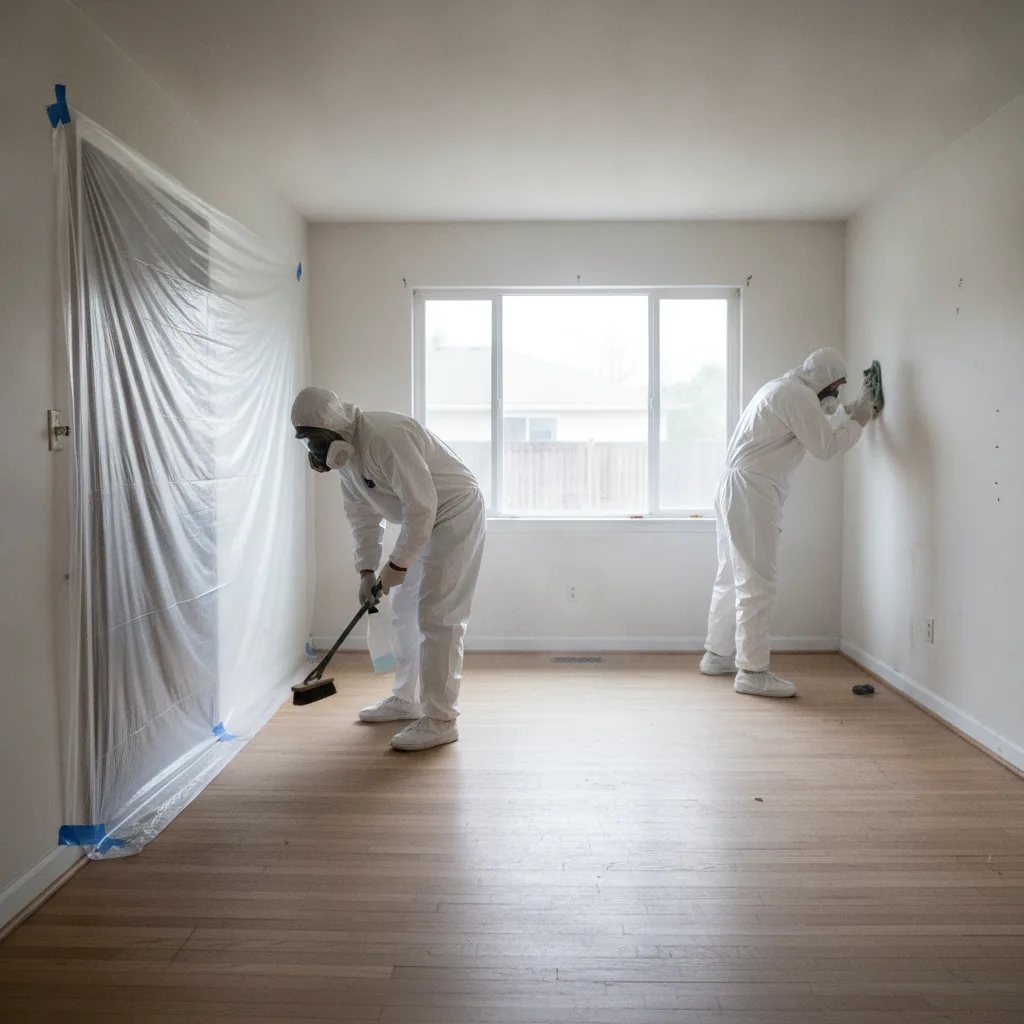
Full remediation after police and medical examiner release, covering blood, tissue, fingerprint powder, tear gas residue, and damaged materials.
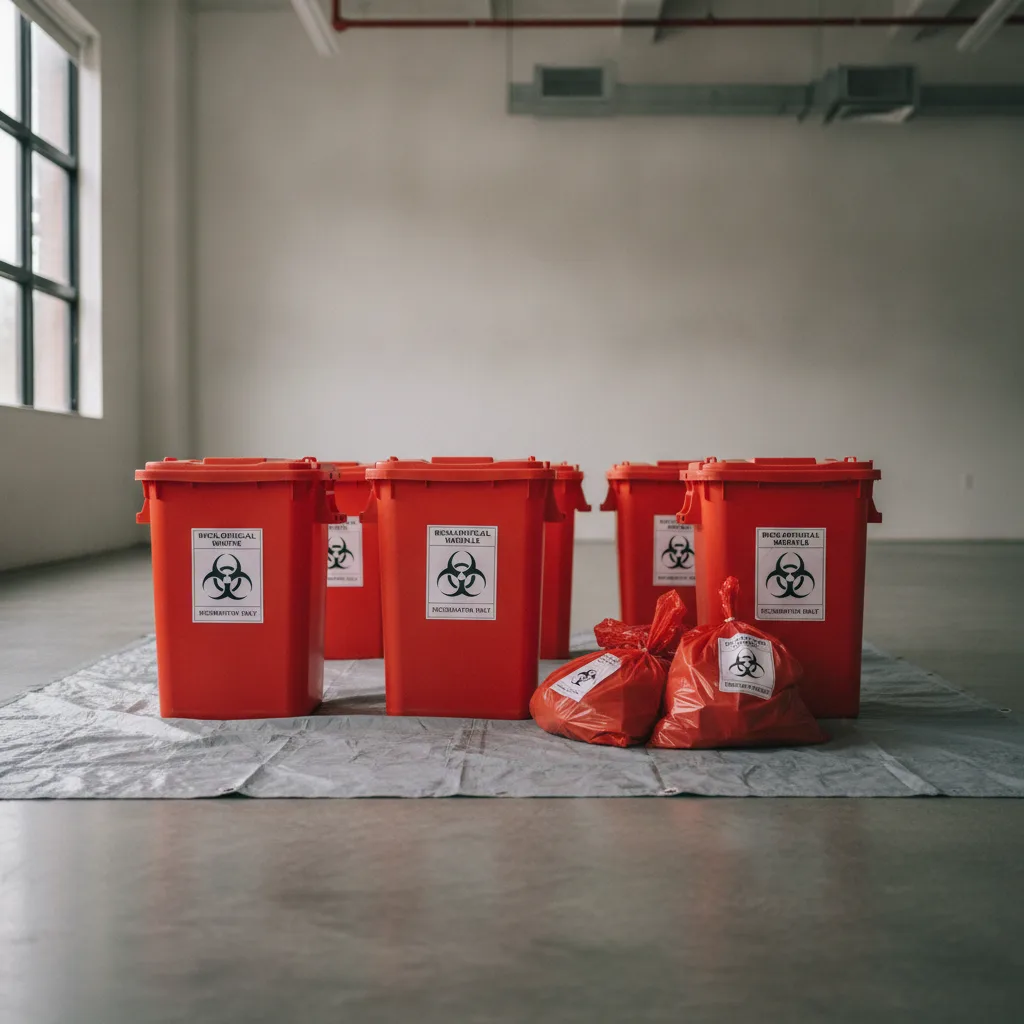
Safe removal of blood, bodily fluids, sewage, and other infectious materials from homes, businesses, and vehicles.
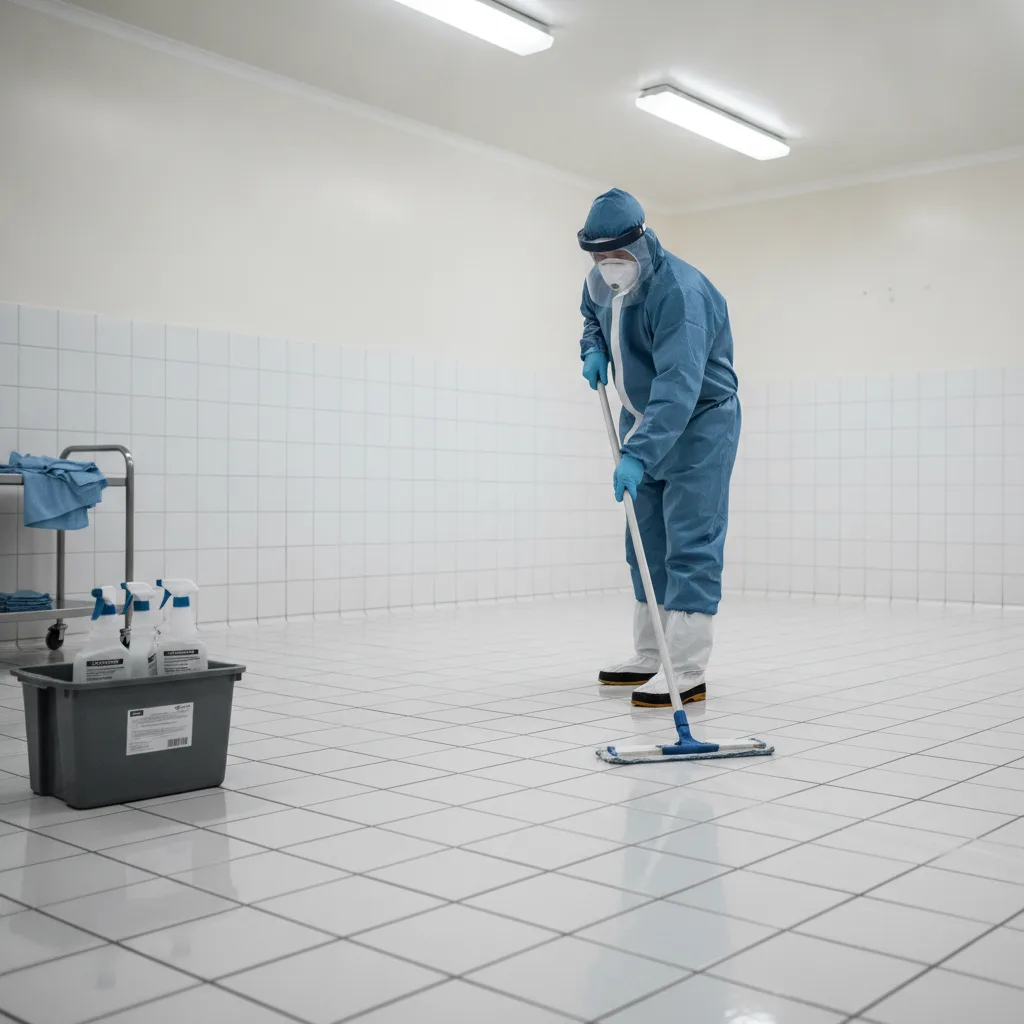
Cleanup after accidents, industrial injuries, and medical emergencies, handled with the same discretion we bring to every call.
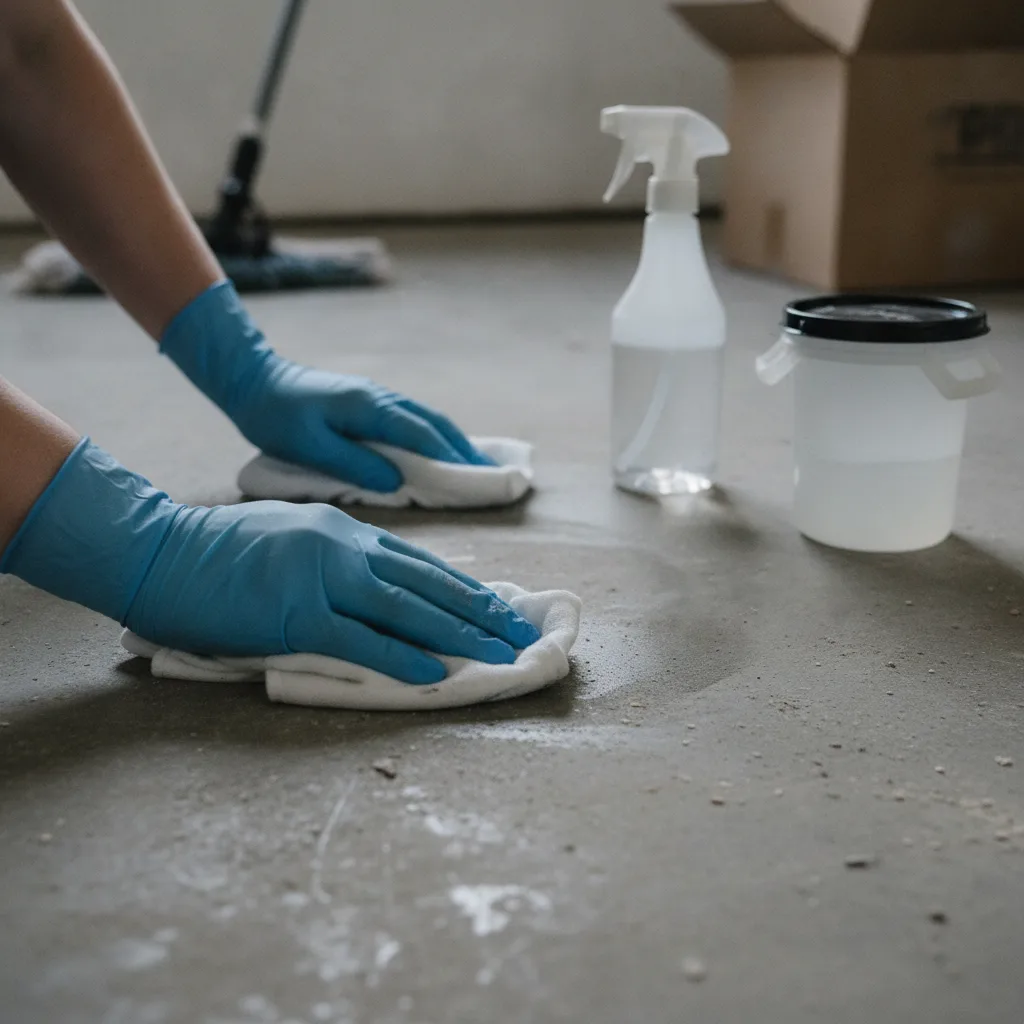
Targeted removal of blood from carpet, hardwood, tile, upholstery, and vehicles.
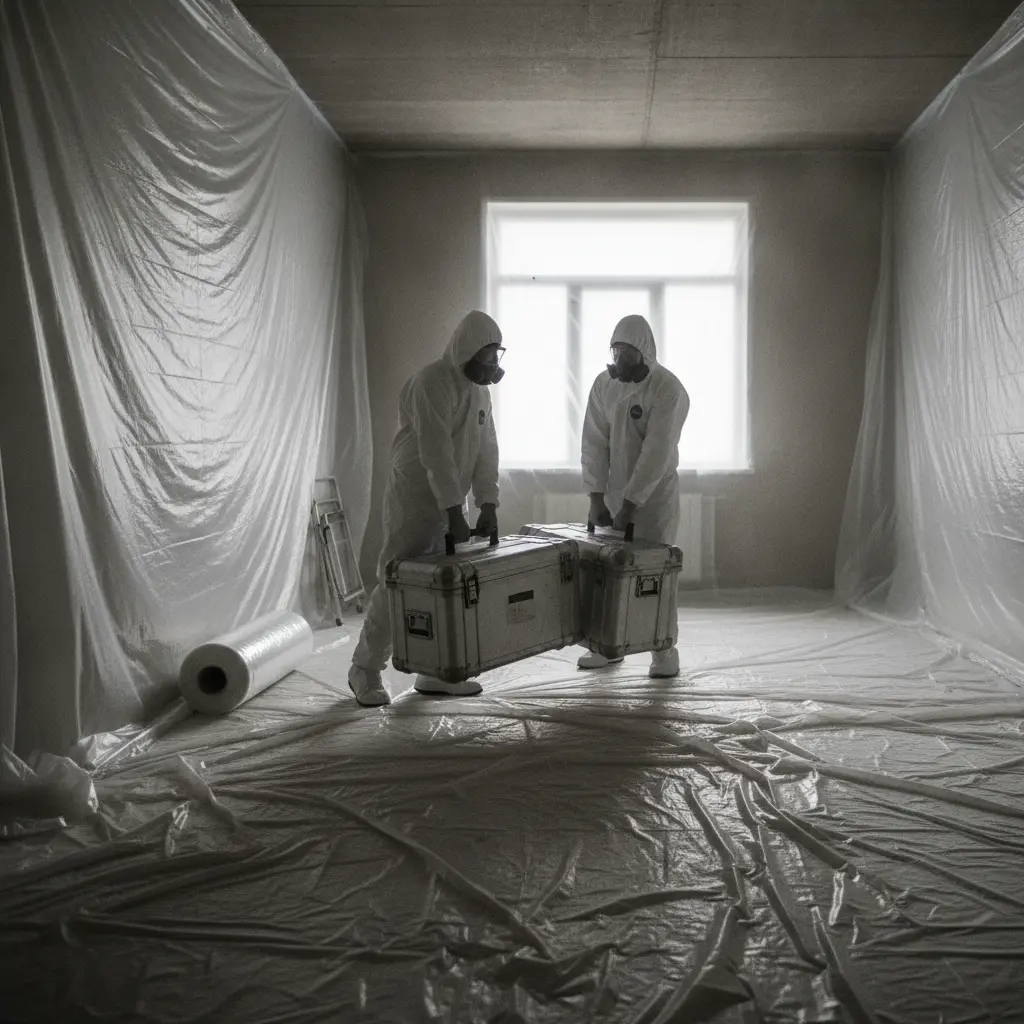
Complete, compassionate remediation of homicide scenes once investigators release the property.
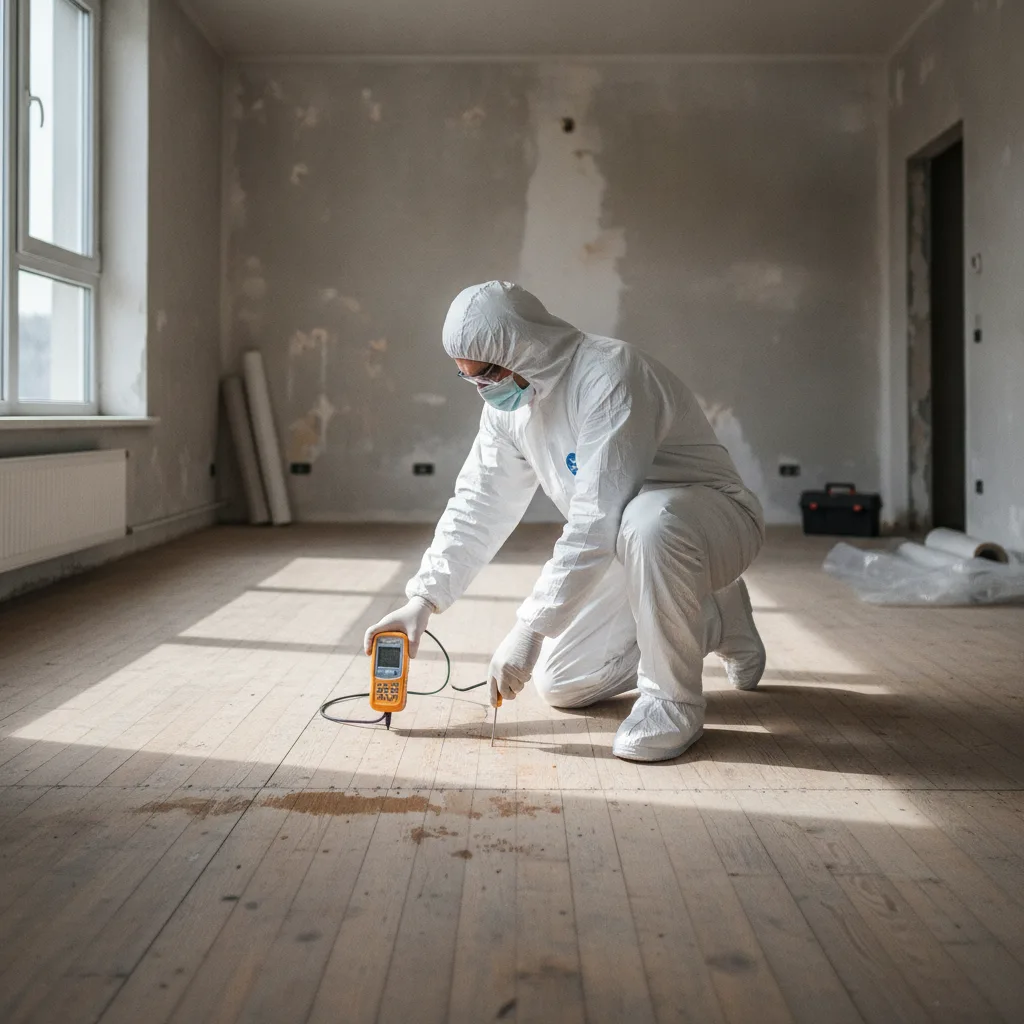
Remediation after a death that went undiscovered, including fluid-soaked flooring, insects, and severe odor.
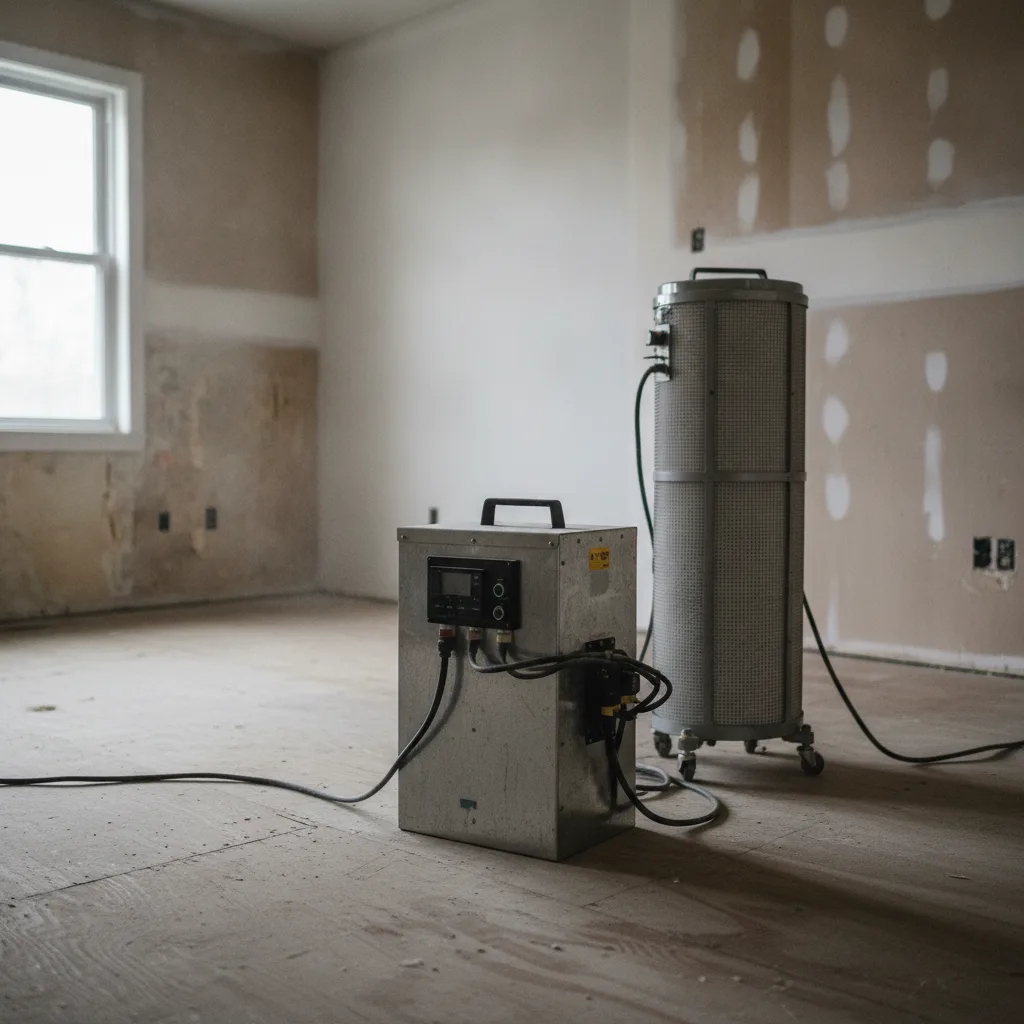
Advanced remediation when decomposition has spread into structural materials.
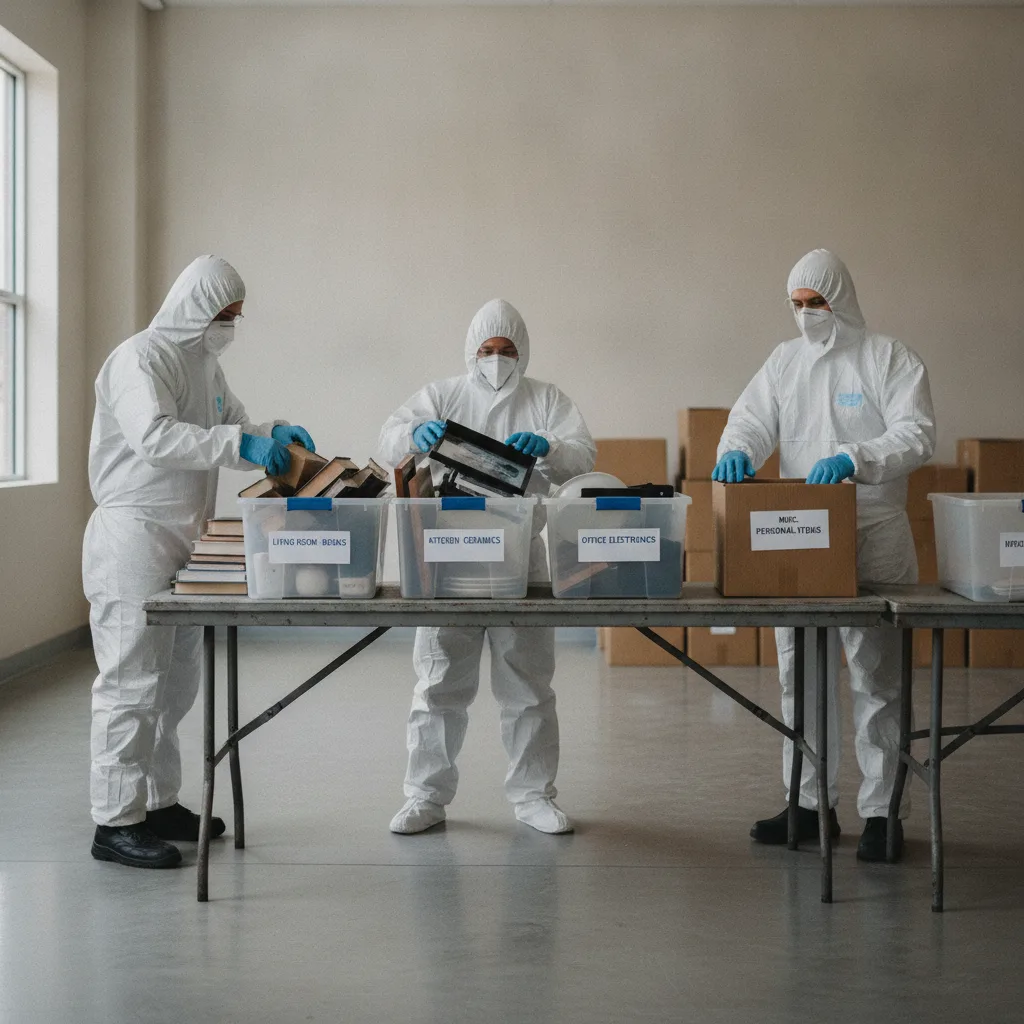
Respectful, step-by-step clearing and sanitizing of hoarded homes, with a focus on making them safe and livable again.
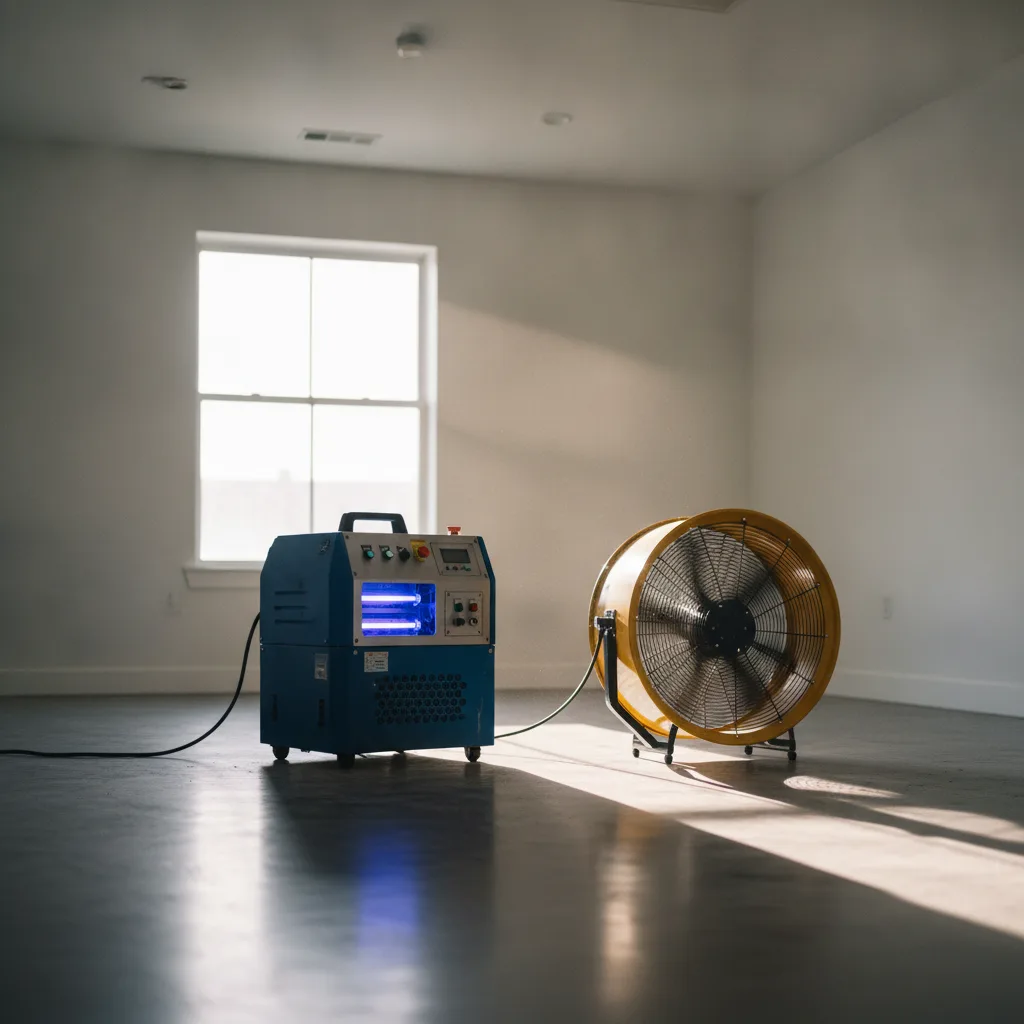
Permanent removal of decomposition, smoke, urine, and chemical odors, not just masking them.
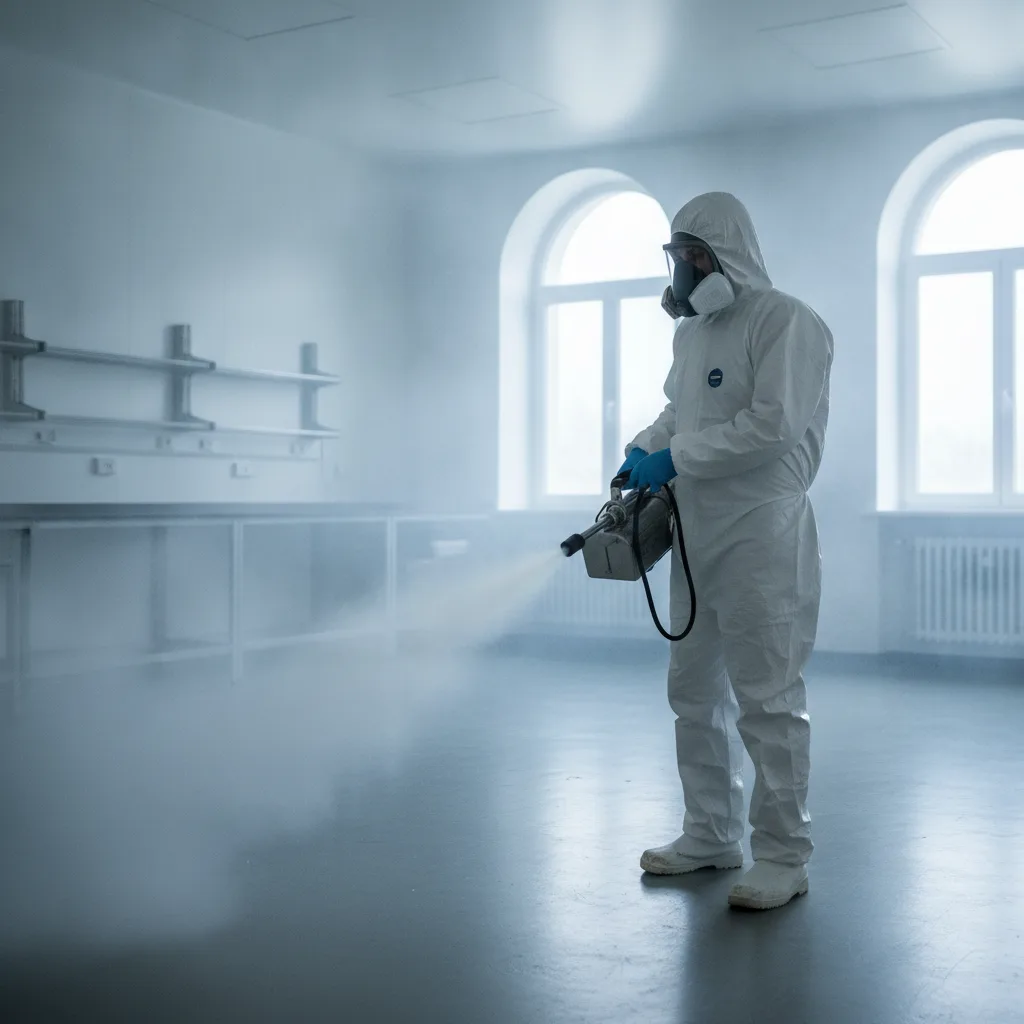
Whole-structure decontamination for drug residue, infectious disease exposure, and contaminated HVAC systems.
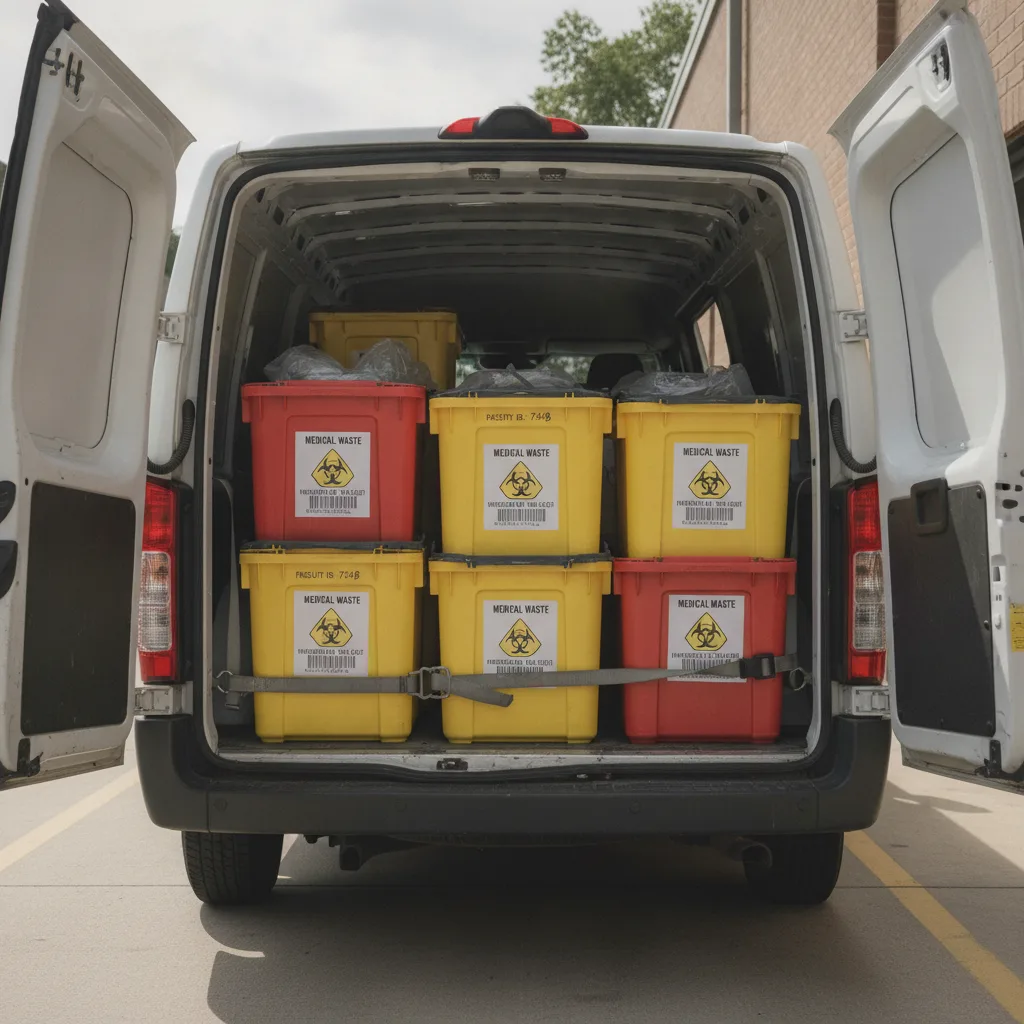
Proper packaging and disposal of sharps, soiled dressings, and other infectious waste.
Every scene is different. Still, the same situations come up again and again across St. Paul and the inner-ring suburbs, and older buildings and the climate usually make each one harder. Below we explain what each situation involves, why it's common here, and the warning signs that mean it's time to call a professional.
An unattended death is one that isn't discovered for days or weeks. As the body decomposes, fluids move through flooring, padding, and subfloor, sometimes into the ceiling below. The odor and pathogens remain even after the body has been removed.
After a shooting, stabbing, assault, or suicide, blood and tissue spread farther than most people realize. They get onto walls, into outlets and furniture, and under baseboards. The scene has to be fully decontaminated before family members, tenants, or owners go back in.
Severe hoarding means accumulated belongings block exits and hide rotting food, animal waste, pests, and sometimes human waste. Once a unit reaches that point, it's a public health hazard as well as a clutter problem.
Sewage backing up through floor drains brings bacteria, viruses, and parasites into the basement. Drywall, carpet, and insulation it touches usually has to be removed.
Smoking or making methamphetamine leaves chemical residue on walls, ducts, and furnishings. Fentanyl residue is a serious exposure risk. Either one can make a property unfit to occupy.
A fall, a serious nosebleed, a self-injury, or a medical emergency can leave a smaller amount of blood. Even a modest spill carries bloodborne pathogen risk, especially on carpet or porous wood.
Sometimes a family or landlord has already tried to clean, but the odor keeps coming back on warm or humid days. That usually means contamination is still in the subfloor, the plaster, or the ductwork.
From your first call to final clearance, we keep the process simple, discreet, and documented. Here's what to expect at each step, including how we handle insurance.
Answered 24/7; dispatch as soon as the scene is released
Usually the same visit
Hours to several days depending on scope
Typically 1–3 days
At project completion
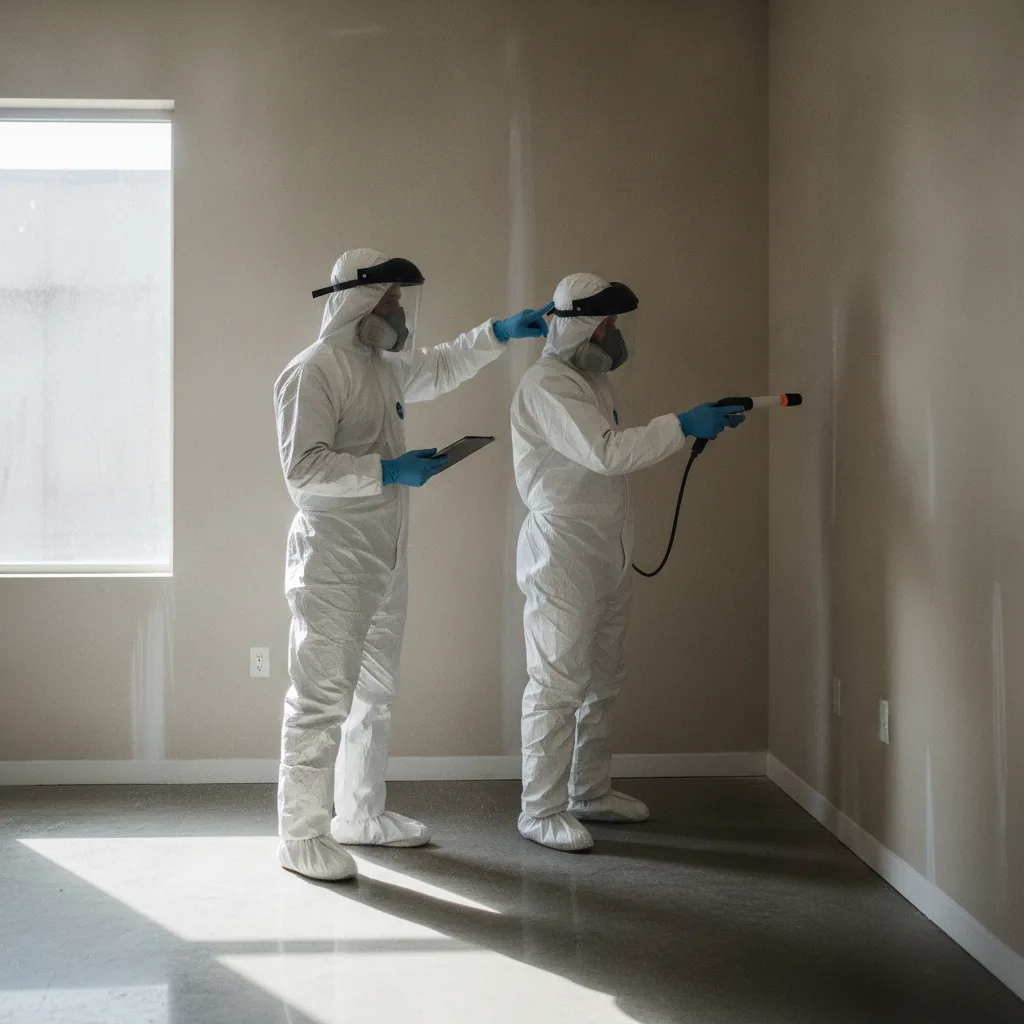
Many homeowner's, renter's, and commercial policies cover biohazard cleanup after a crime, suicide, or death. We start every job by checking your coverage, then send the scope, photos, and invoice directly to your adjuster. For covered losses, families often pay nothing beyond their deductible, and sometimes not even that. If coverage is unclear, we'll explain your options honestly before any work begins, including crime victim compensation resources. You shouldn't have to argue with an insurance company while you're grieving. That's our job.
Police and medical examiners release scenes at all hours, and families shouldn't have to wait until Monday. Our 24/7 emergency line is answered by people who understand what you're going through. We dispatch once the scene is released, whether it's 2 a.m. in January or a holiday weekend in July. That matters most in summer heat, because every hour of delay lets contamination spread further into plank subfloors and plaster.
Century-old duplexes and fieldstone basements need a different approach than new construction. Odor sinks into plaster and old hardwood. Steam radiators and forced-air ducts spread it, and shared walls carry it into the next unit. We know when a section of subfloor has to come out, how to seal what stays, and how to work safely around lead paint and asbestos in pre-1978 homes. That's how we keep odor from coming back months later.
Integrity Crime Scene Services is fully insured, which protects you, your property, and your HOA or landlord. Our technicians follow OSHA's Bloodborne Pathogens Standard for PPE and safe handling, and biohazard waste is packaged and disposed of under Minnesota's infectious waste rules. We can provide proof of insurance for condo boards and property managers before we arrive.
We arrive in unmarked vehicles, keep conversations private, and never discuss a job with neighbors. St. Paul is home to Hmong, Somali, Karen, Latino, and many other communities, and we take mourning customs seriously. If a family needs time for rituals, has religious requirements for handling belongings, or prefers to have a relative or interpreter they trust present, we plan our work around that.
Rental turnover, DSI orders, county public health deadlines, and HOA shared-element rules all depend on paperwork. We provide before-and-after photos, scope details, waste disposal records, and clearance notes, so property managers, public housing operators, and estate executors can show the work was done right and get the unit back on the market or closed out.
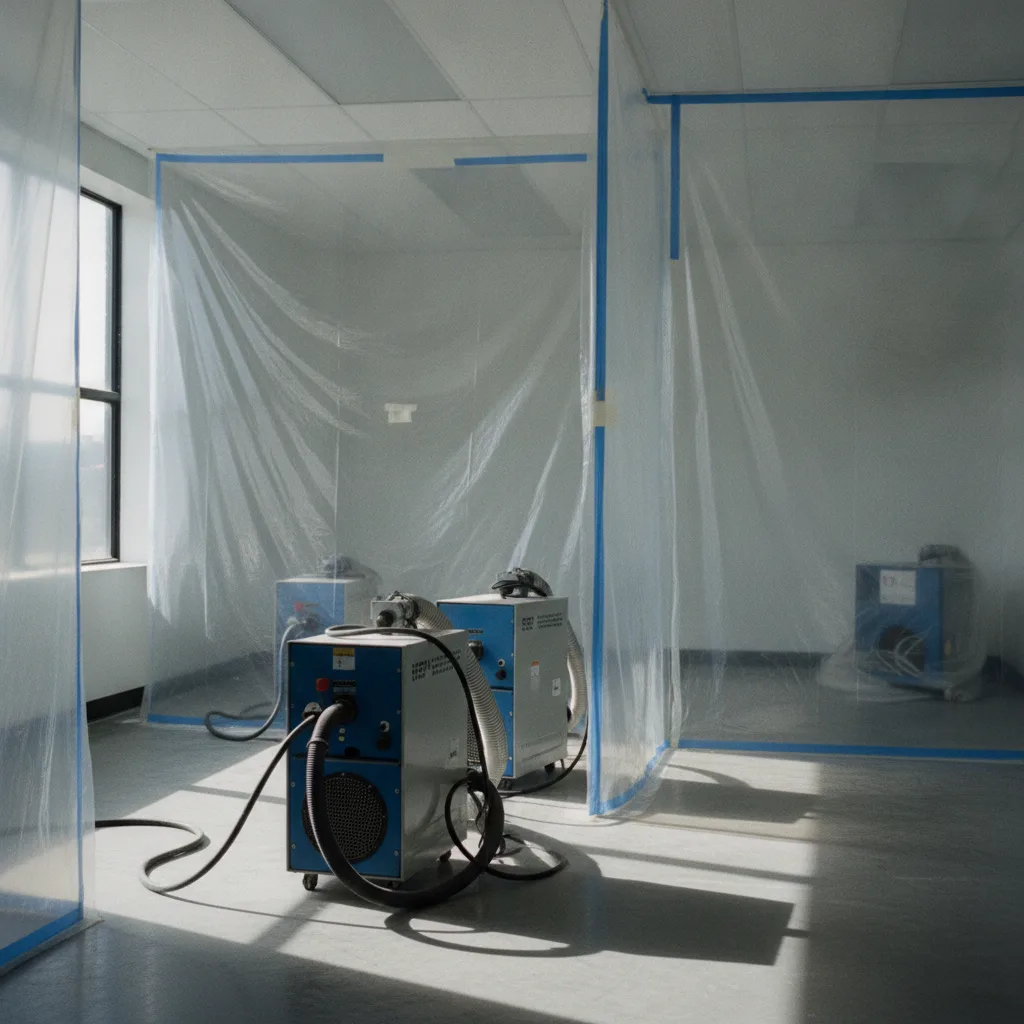
Most crime scene, trauma, and unattended death cleanups are covered by homeowner's, landlord, or commercial insurance, and many families pay $0 out of pocket beyond their deductible. We bill your insurer directly. The ranges below are typical claim amounts we submit, not prices you'd pay at the door.
Your policy usually determines what you'll pay personally, and for covered losses that's often nothing. Many homeowner's policies treat cleanup after a crime, suicide, or unattended death as a covered loss. We review your coverage, send documentation directly to your adjuster, and point you toward crime victim compensation programs when needed. Your deductible is the main out-of-pocket item. When it applies, we'll tell you upfront, before work starts.
A contained blood spill on tile is a very different claim from a summer unattended death where fluids reached the plank subfloor and the ceiling below. The longer a scene goes undiscovered, especially in St. Paul's humid July and August heat, the more material has to be removed and replaced. Contamination crossing into a neighboring duplex unit also increases the scope.
Pre-1940 homes with plaster, old hardwood, and fieldstone basements usually need more demolition than carpet over plywood in a 1970s rambler. Pre-1978 properties may need lead or asbestos precautions during tear-out. All of this goes into the scope we send your insurer, so the claim reflects what the job actually requires.
Forced-air systems running in sealed winter homes can spread odor and particles throughout the house. Duct cleaning, filter replacement, and extended deodorization add to the scope but are often needed to keep the odor from returning. Steam-heated buildings bring their own challenges with shared walls.
Regulated infectious waste has to go through licensed transport and treatment. Hoarding jobs can mean several dumpster loads. In winter, snow emergency parking rules, narrow alleys, and icy hillside access can add labor time.
If insurance doesn't apply, such as many hoarding cases, we'll go over the scope and payment options with you before any work begins. There are no surprise bills.
In many cases, yes. Families often pay $0 out of pocket beyond their deductible. Most homeowner's and landlord policies cover biohazard cleanup after a crime, suicide, or unattended death as a sudden, accidental loss. We check your coverage at the start, send detailed photos, scope, and invoices directly to your adjuster, and handle follow-up questions. Renters may have coverage through their own policy or the landlord's. If a claim is denied or doesn't apply, we'll explain other options, including Minnesota crime victim reimbursement, before any work begins.
Most cleanups take one to three days. Smaller blood spills are often finished in a few hours. An unattended death in a St. Paul duplex that requires subfloor removal, HVAC decontamination, and full deodorization can take three to five days. Severe hoarding cases may take a week or more depending on volume. We'll give you a realistic timeline after the assessment and keep you updated if anything changes, such as finding contamination in a neighboring unit or needing lead-safe practices in an older home.
Cleanup can only start after law enforcement and the medical examiner release the scene. In St. Paul, that's usually the St. Paul Police Department or the Ramsey County Sheriff, plus the Ramsey County Medical Examiner. In South St. Paul and Mendota Heights, Dakota County jurisdiction may apply. Once you have the release, call us. We're available 24/7 and will dispatch promptly. If you're not sure whether a scene has been released, we can help you find out who to contact.
Sometimes. Removing structural materials like subfloor or larger drywall sections may require a building permit through St. Paul's Department of Safety and Inspections or your suburban city. Exterior changes in historic districts such as Historic Hill, Irvine Park, or Dayton's Bluff can trigger Heritage Preservation Commission review. Meth-contaminated properties must follow MDH clandestine lab guidelines before anyone can move back in. We'll tell you what applies to your property and coordinate the documentation.
Usually because the source is still there. In St. Paul's older homes, decomposition fluids and odor molecules soak into plank subfloors, plaster, and fieldstone. Forced-air furnaces then recirculate the odor through the ducts. Surface cleaning and air fresheners don't reach it, so the smell returns on warm or humid days. We find the source, remove or seal the affected materials, clean the HVAC system, and treat the space until the odor is gone.
Regular contact makes the biggest difference. Set up daily check-in calls or texts, ask a neighbor to watch for piled-up mail, and consider a medical alert device or a smart home sensor that flags inactivity. Large senior populations in Roseville and Maplewood, plus long, isolating Minnesota winters, mean more deaths are found days later. Many senior buildings offer wellness-check programs. Ask the building manager. These steps protect your loved one first, and they also prevent the kind of contamination that comes with late discovery.
Call a professional any time blood, bodily fluids, decomposition, sewage, or drug residue is involved, even if the area looks small. Bloodborne pathogens like hepatitis B and C and HIV can survive on surfaces, and Minnesota requires regulated disposal of infectious waste. Contamination is usually much larger than what you can see, especially in porous old flooring. Doing it yourself also risks emotional trauma and can weaken an insurance claim. If you aren't sure, call us. We'll talk it through with you confidentially.
Not from us. We arrive in unmarked vehicles, wear standard work clothes when we come and go, and keep containment and waste handling as low-key as possible. That matters in close-set neighborhoods like Frogtown and Summit-University, and in condo buildings in Mendota Heights and Roseville where neighbors notice activity. We don't discuss the job with anyone you haven't authorized, and we can schedule work at times that draw less attention.
We come to you anywhere in St Paul and the surrounding area, in unmarked vehicles, any hour of the day.
You don't have to deal with this alone. Call Integrity Crime Scene Services any hour of the day. We'll handle the cleanup and the insurance claim, quietly and with respect.
Call (727) 649-8014 Now