Discreet, certified crime scene and biohazard cleanup in Las Vegas — unmarked vehicles, compassionate technicians, and in most cases $0 out of pocket since we bill your insurance directly.
Las Vegas has desert heat, air conditioning that runs most of the year, fast-built housing and a 24-hour economy. Together, these turn a delayed biohazard cleanup into a bigger, more expensive restoration. Here's what drives that, and why getting a crew there quickly protects your property and your insurance claim.
Average July highs in Las Vegas are about 105–106°F, and the airport hit an all-time high of 120°F in July 2024. From late May through September, temperatures stay above 100°F, and overnight lows often stay in the high 80s. That heat speeds up decomposition. A death that goes undiscovered for three or four days in a closed summer apartment can cause damage that would take weeks in a milder climate. With about 4 inches of rain a year and humidity often in the single digits, blood dries and bonds to grout, drywall and upholstery within hours. Porous materials usually have to be removed because they can't be cleaned. Parked cars heat up far past the outdoor temperature. During monsoon season, roughly July to September, sudden storms can back up sewage into older neighborhoods. Those are Category 3 contamination calls.
Most homes in the metro were built during the 1990s–2000s boom. They're wood-frame, stucco-clad, slab-on-grade tract homes in places like Summerlin, Mountain's Edge, Southern Highlands and Aliante. On a slab, fluid passes through carpet and pad into tack strip and porous concrete, which often then has to be ground down or sealed. In two-story homes, it can soak through the wood subfloor into the ceiling below. Older homes from the 1940s–1970s in Huntridge, Paradise Palms and East Las Vegas may have popcorn ceilings, mastics or flooring from the asbestos era, which need extra handling if disturbed. Apartments, Strip-area high-rises and weekly motels along Boulder Highway share walls and plumbing chases. Manufactured homes have particleboard subfloors that absorb fluid quickly. Through all of it, the AC pulls odor through the ducts into every room.
Nevada runs its own OSHA program. It enforces bloodborne pathogen rules equivalent to federal 29 CFR 1910.1030, along with respiratory protection rules. The Southern Nevada Health District oversees biohazardous waste. That waste has to go through permitted medical-waste channels, never curbside trash. Once Las Vegas Metro, Henderson PD, North Las Vegas PD or the Clark County Coroner releases a scene, cleanup becomes the responsibility of the owner, landlord or family. Properties used to make meth require a certified decontamination contractor and clearance sampling before anyone can reoccupy, sell or rent them. Rebuilding work generally requires a Nevada State Contractors Board license. Many homeowner policies cover biohazard remediation. Nevada's crime victim compensation program may also help eligible victims with some costs.
Clark County has more than 2.3 million residents, and many are transplants without family nearby. There are also large retiree communities such as Sun City Summerlin, Sun City Anthem and Solera. As a result, more unattended deaths are found late, and heirs often have to coordinate from another state. The tourism economy brings steady calls from hotels, short-term rentals and weekly motels, where discretion protects both occupancy and reputation. Fentanyl overdoses, visible homelessness around the Corridor of Hope and in the washes, and a suicide rate historically above the national average all add to the need for trauma cleanup that's quick and compassionate.
Every service below is built around how the valley's buildings and climate behave. When a covered loss applies, we work with your insurer directly so you can focus on your family or your property, not the paperwork. Each job follows OSHA bloodborne pathogen practices and Nevada disposal protocols.
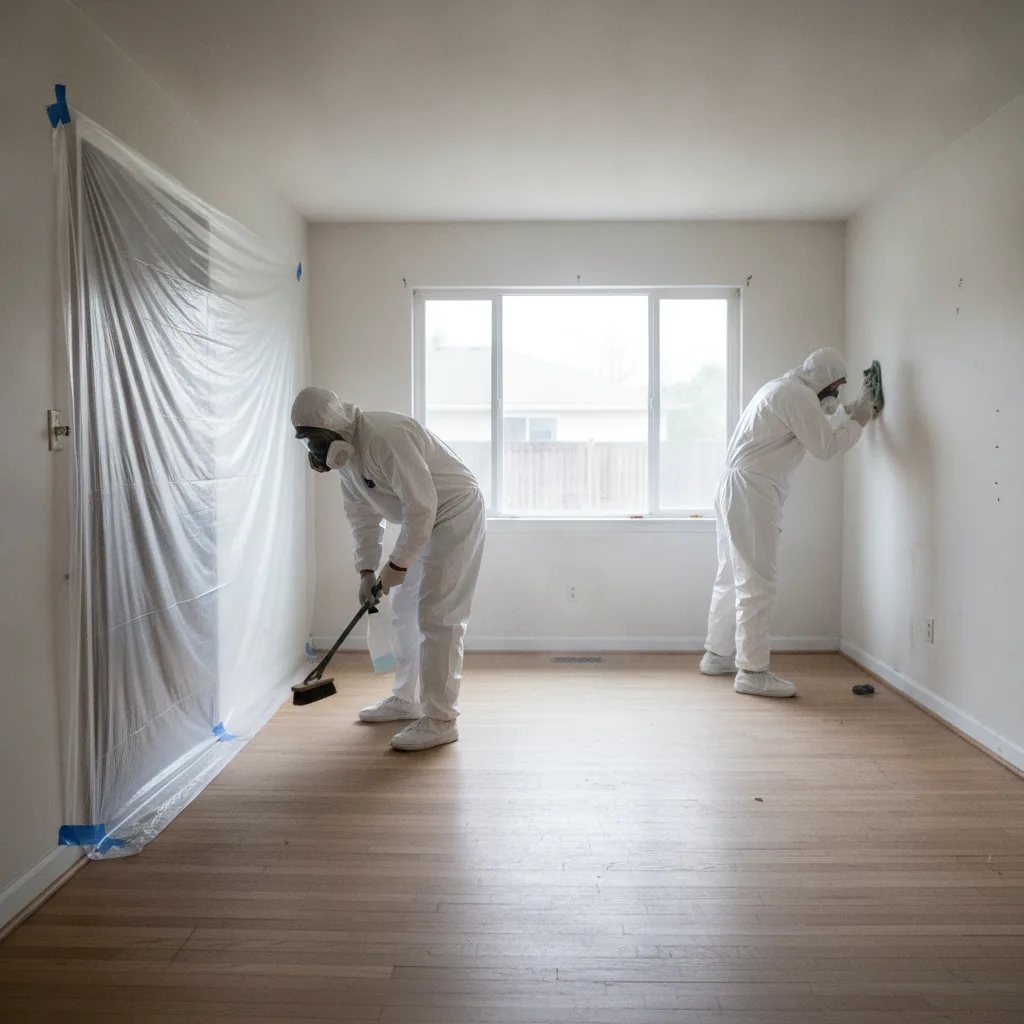
We restore homes, vehicles and businesses after violent crimes once police release them. That includes removing blood, tissue and fingerprint powder so the space is safe and nothing visible remains.
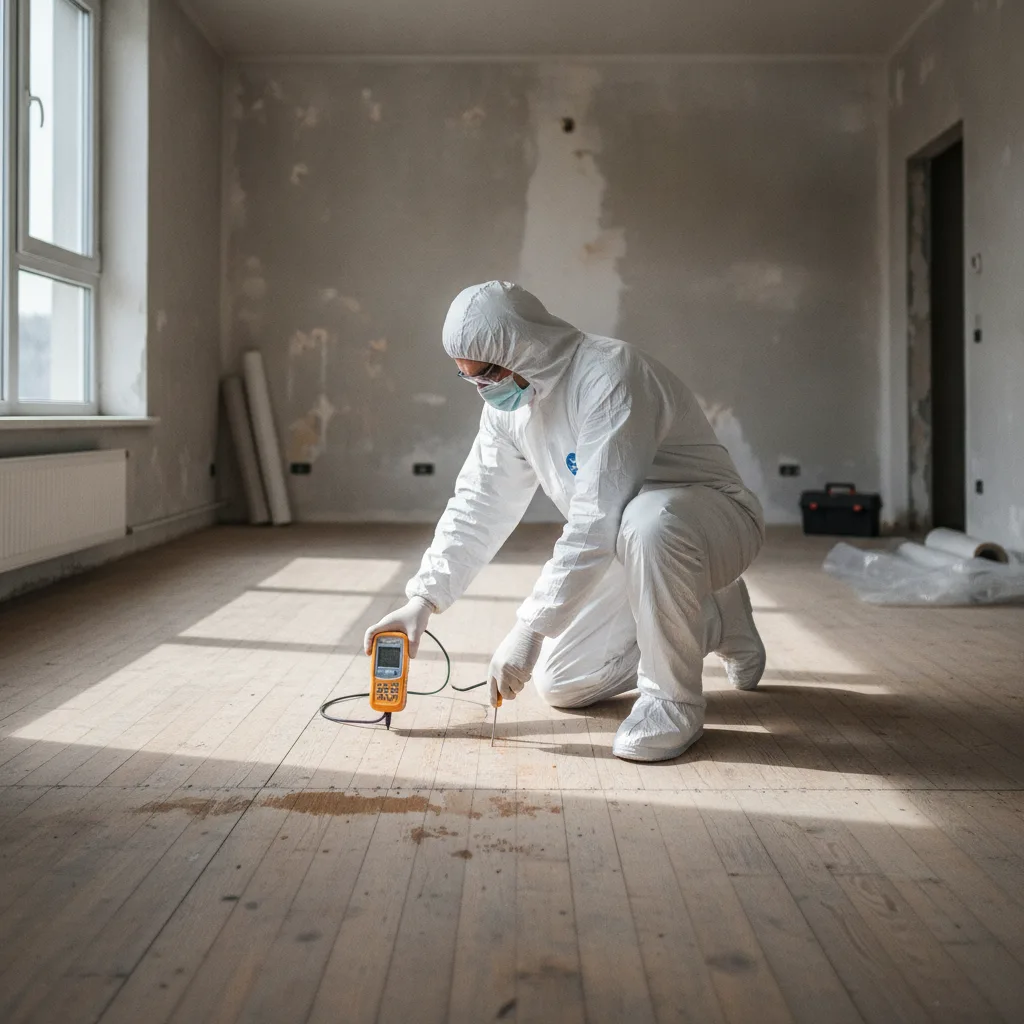
We remediate homes after a death that went undiscovered. That covers removing contaminated flooring and drywall, treating the slab or subfloor, and fully deodorizing the property, including the HVAC system.
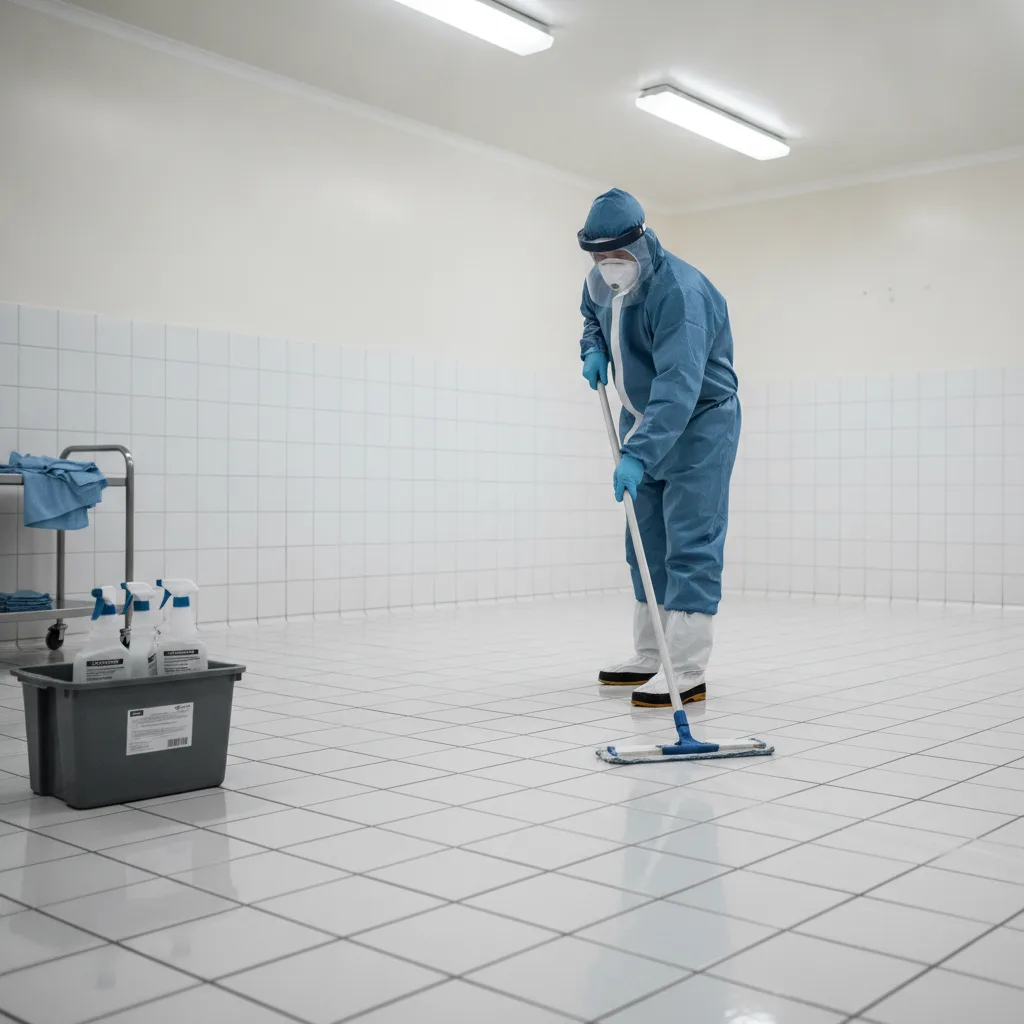
We clean after suicides, accidents and serious injuries, with complete fluid and tissue removal and sanitization of every affected surface. That includes ceilings and vehicle interiors.
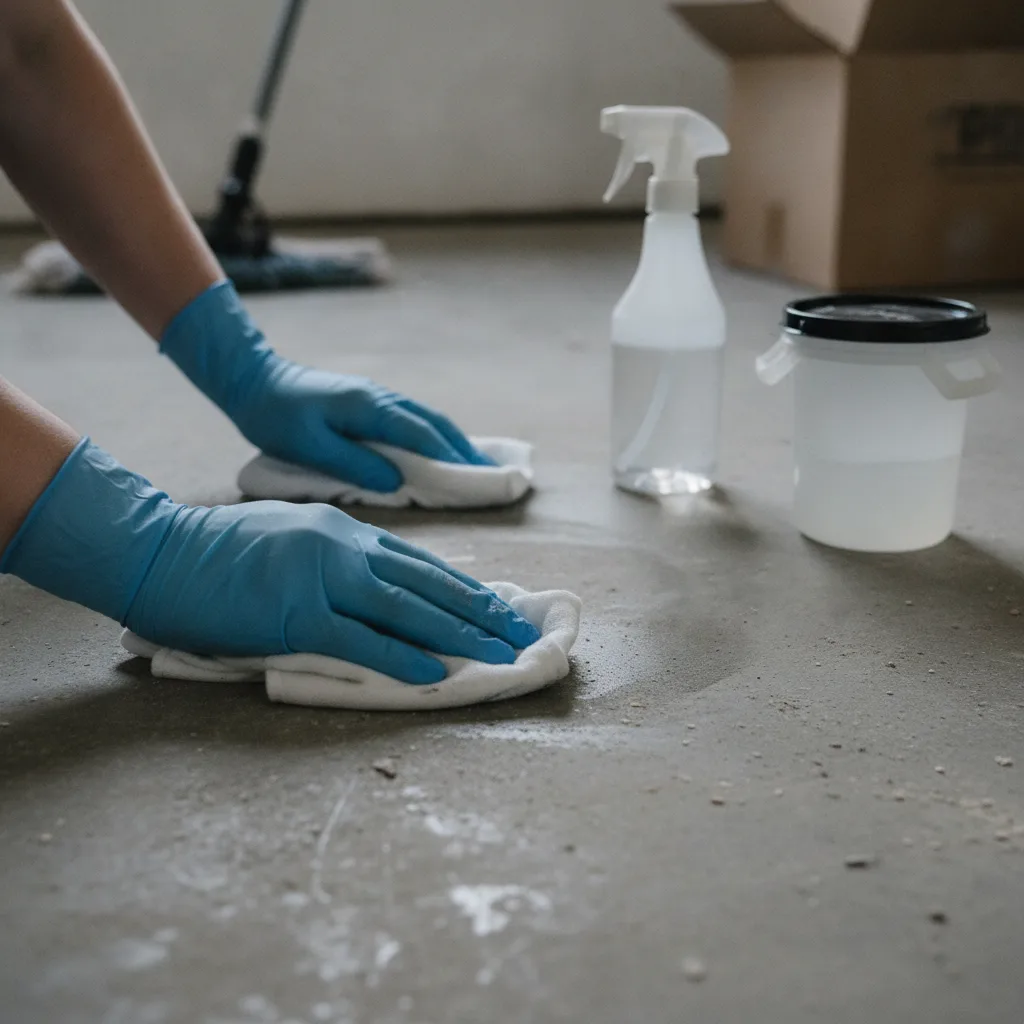
We remove and disinfect blood and bodily fluids from injuries, assaults or medical events on floors, walls, furniture, mattresses and cars.
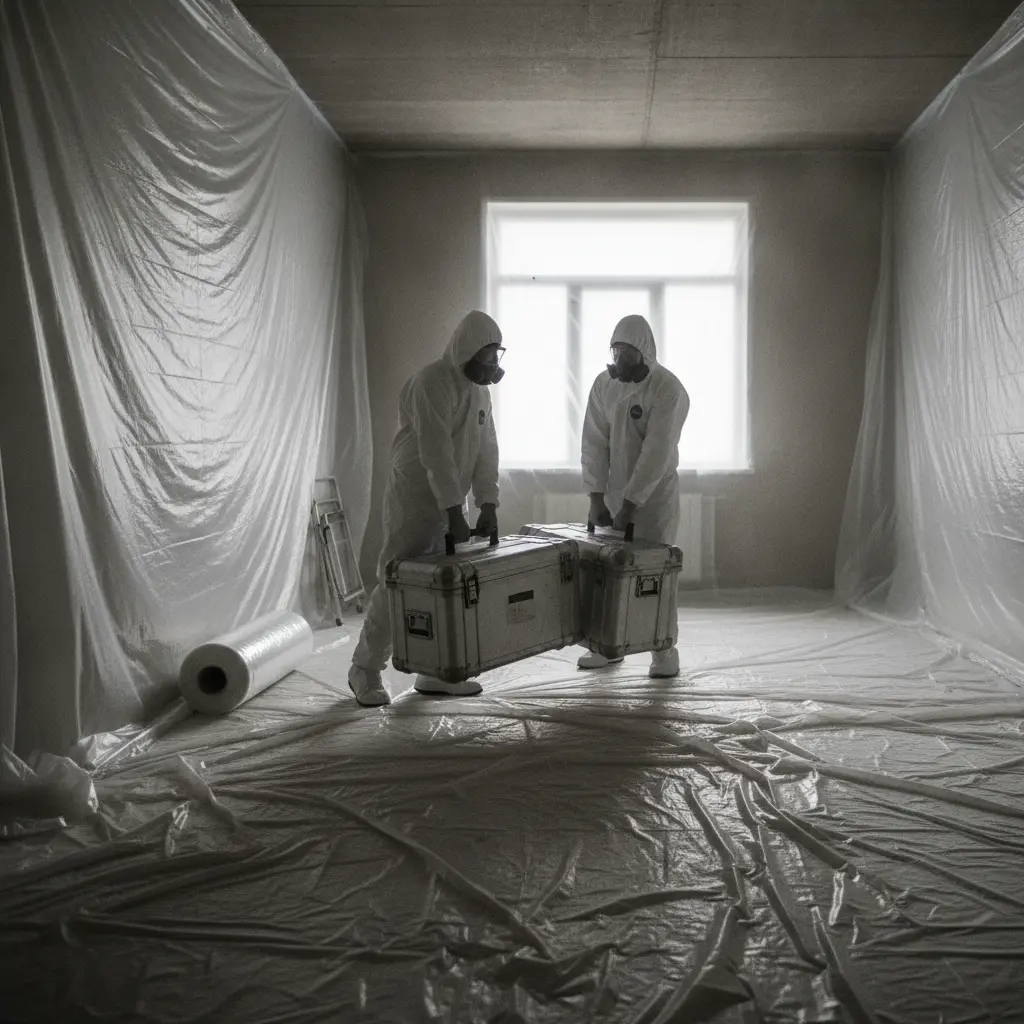
After a homicide, we fully restore the property. That covers biohazard removal, odor control and help documenting the loss for insurance or victim-compensation claims.
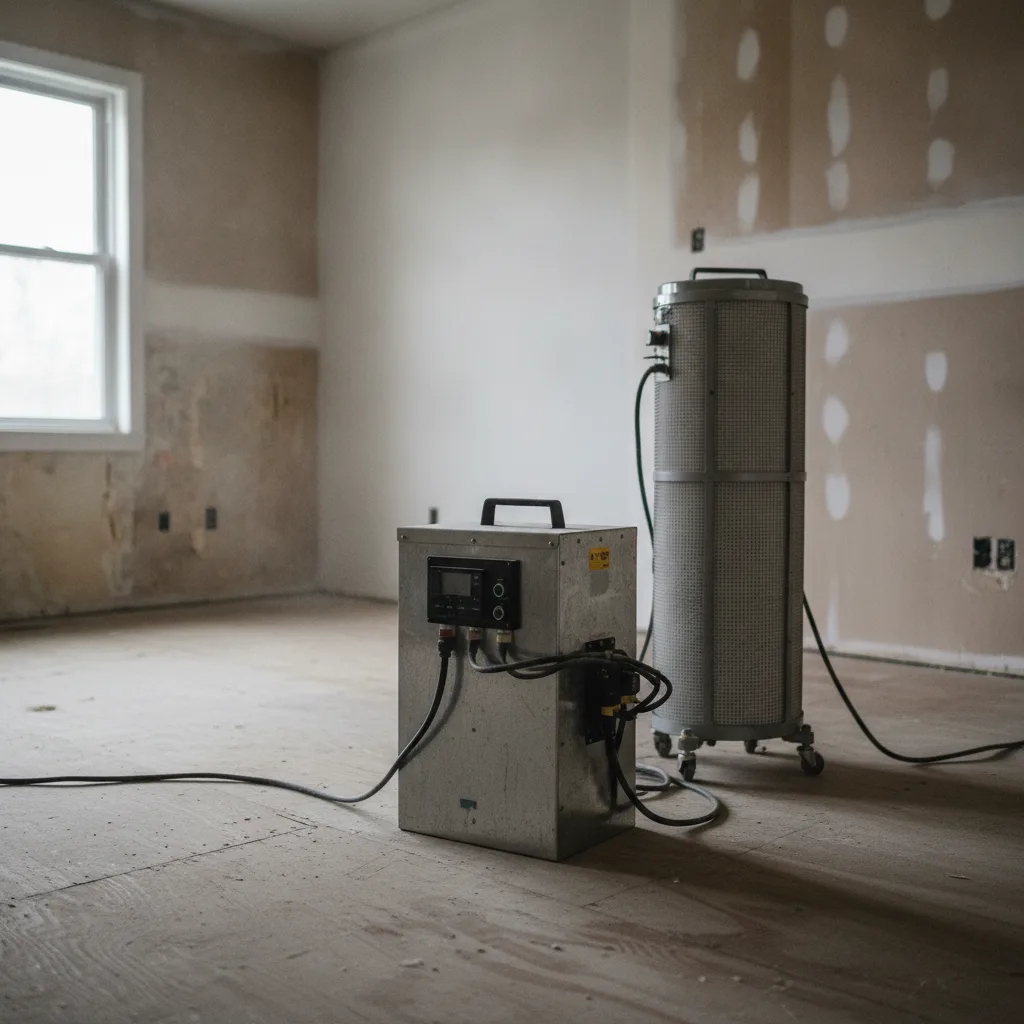
When decomposition has reached flooring, subfloor or the structure itself, we handle advanced remediation, including fluids that have moved between floors or units.
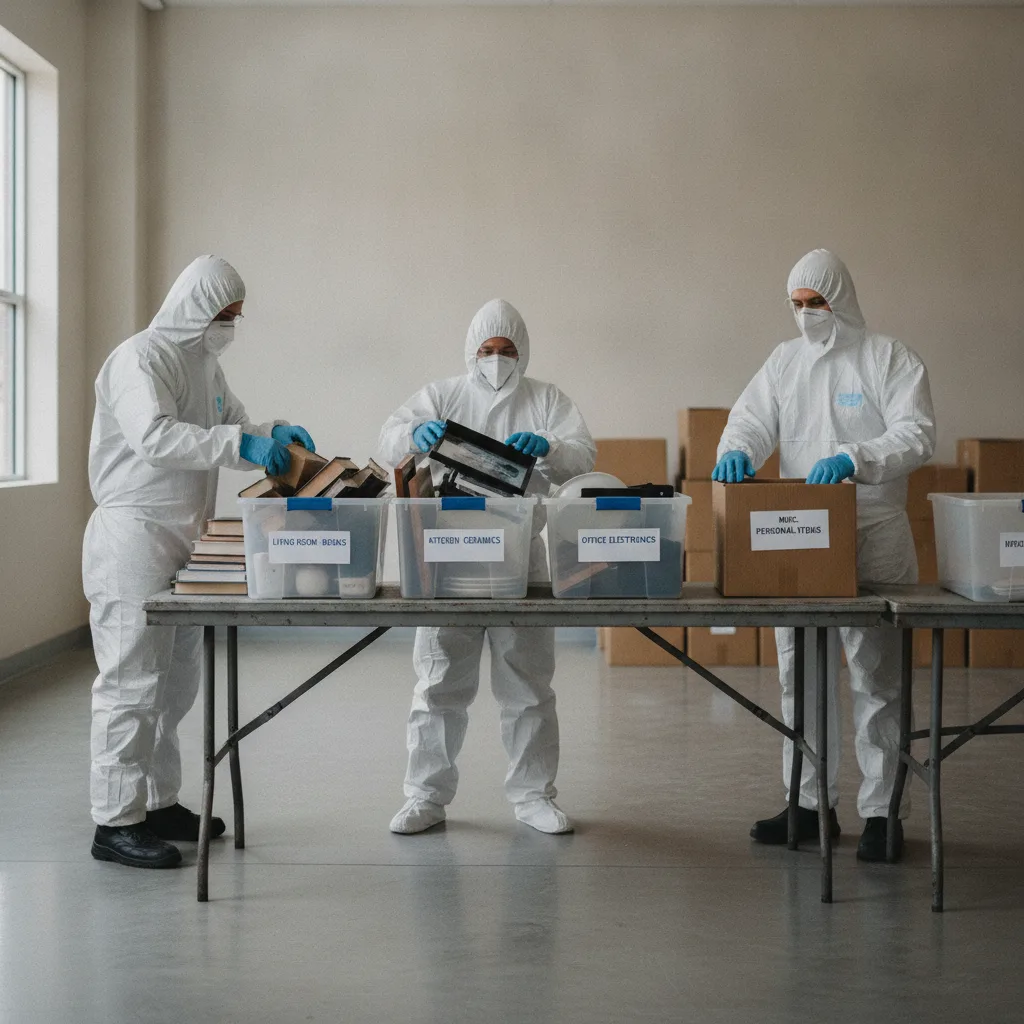
We do respectful, judgment-free cleanouts of hoarded homes, garages and storage units, sorting out valuables and important documents along the way.
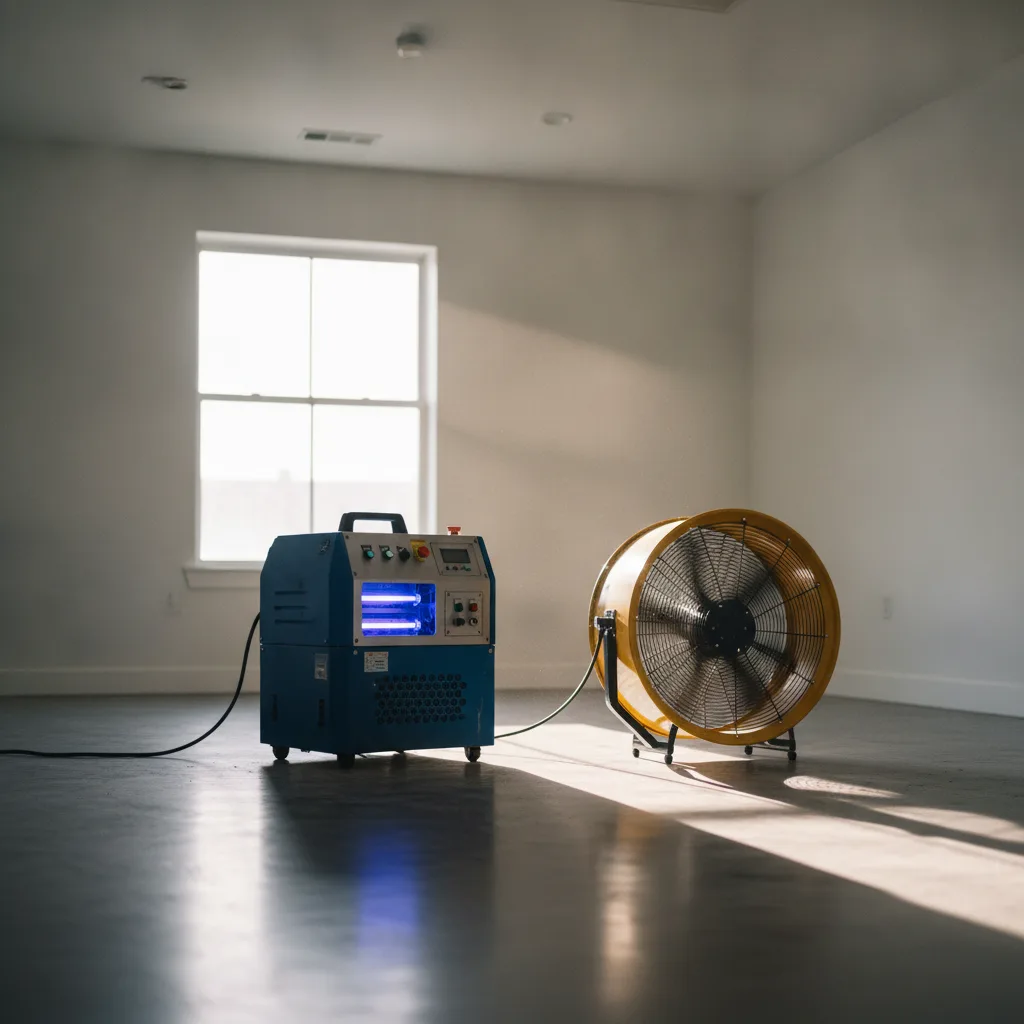
We find and remove the source of odors from death, decomposition, smoke, waste or hoarding, including odor carried through the ductwork.
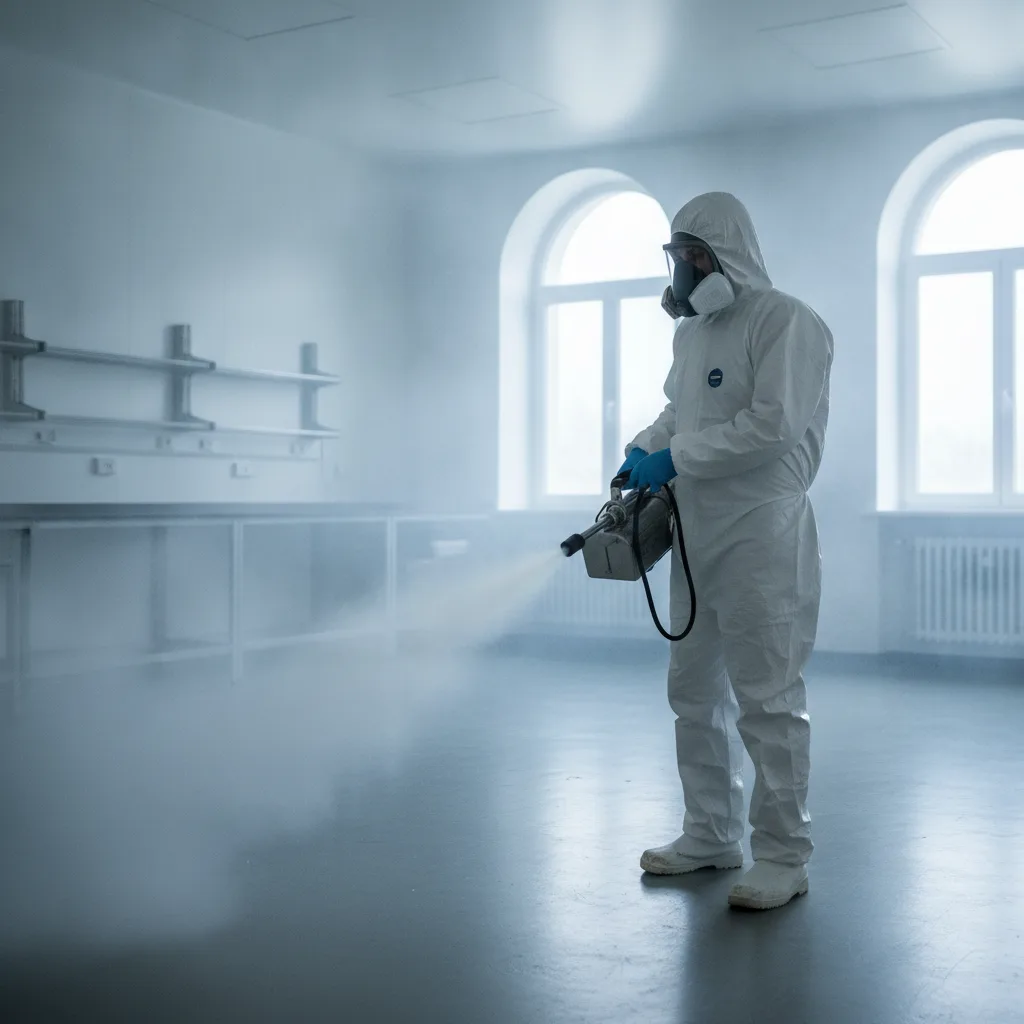
We decontaminate surfaces and spaces from pathogens, drug residue, sewage and Category 3 water, and we sweep for sharps at properties and encampment sites.
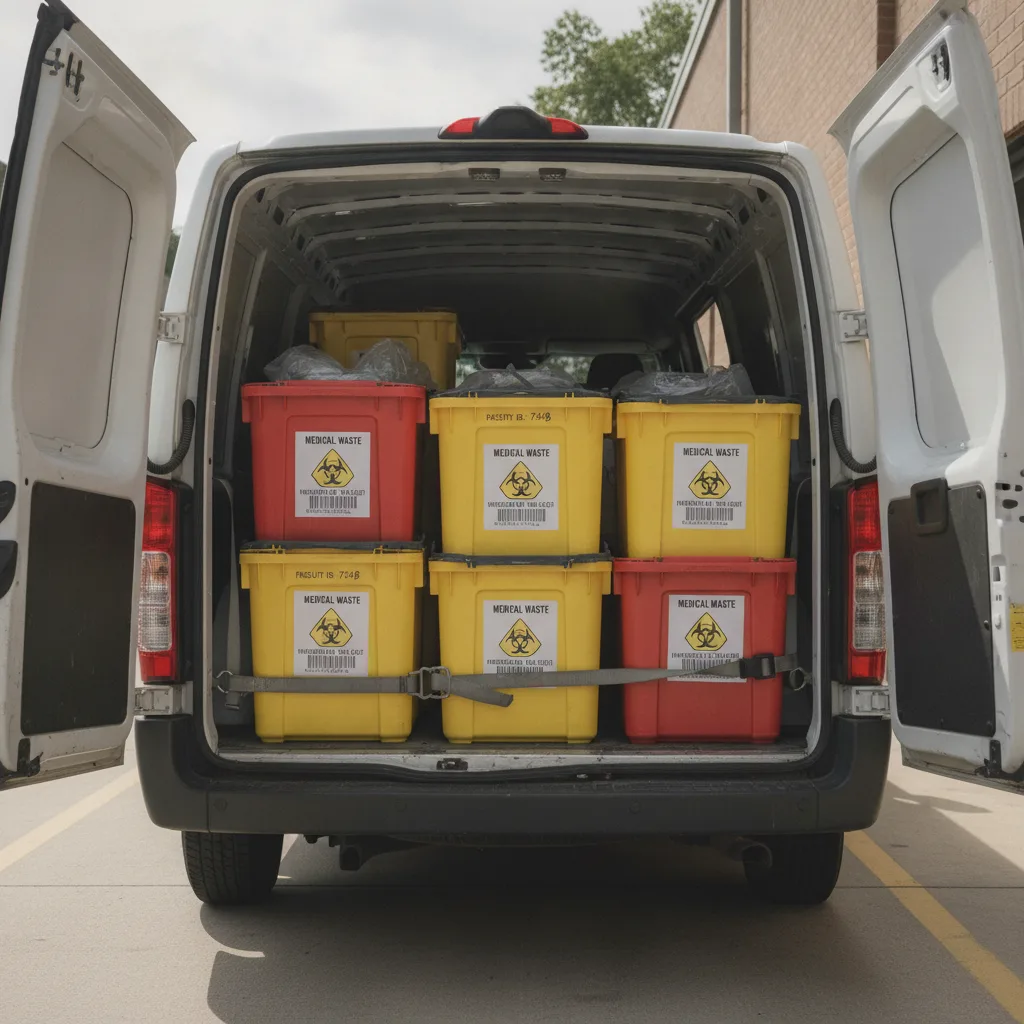
We package, transport and dispose of sharps, blood-soaked materials and other regulated biohazardous waste through permitted channels.
The scenes we see in Las Vegas follow clear patterns, shaped by heat, building type and how the city lives. Knowing the warning signs and what's at stake helps you act before contamination spreads into subfloors, ducts or the unit next door.
An unattended death is one where the person isn't discovered for hours, days or longer. During decomposition, the body releases fluids, gases and bacteria that soak into flooring and structural materials. The odor is extremely persistent, and the fluids carry real pathogen risk.
After a violent crime, blood and bodily fluids can end up on floors, walls, furniture and fixtures. Fingerprint powder and investigative residue are often left behind too. Once police release the scene, the property owner or family is responsible for cleaning it.
Trauma scenes include suicides, serious accidents and violent injuries. They often involve concentrated blood, tissue and bone fragments. Families are usually the ones who find them, which makes compassionate, private and fast service essential.
Overdose scenes and drug-use properties can contain bodily fluids, discarded needles, drug residue and paraphernalia. Suspected meth-lab properties carry chemical contamination, and Nevada regulates how those are decontaminated and when they can be reoccupied.
Hoarding cleanup means removing large accumulations of belongings, trash, spoiled food and sometimes animal or human waste. Then the home has to be sanitized so it's safe to live in, sell or rent again.
Sometimes the smell comes back after a surface cleaning. Odor molecules and aerosols have settled into air handlers, return plenums, duct liners and filters, and the AC keeps spreading them through the home.
Category 3 water is sewage or floodwater carrying bacteria, viruses and debris. It contaminates flooring, drywall and belongings, and it needs remediation by trained crews in proper protective equipment.
From your first call to the final walkthrough, here's how the process goes. We aim to keep things predictable and private, and when you have coverage, we handle the insurance side for you.
Immediate, day or night
Same visit, usually within an hour of arrival
Most homes take 1–3 days; extensive decomposition or hoarding can take longer
Usually the final day of remediation
Final walkthrough at completion
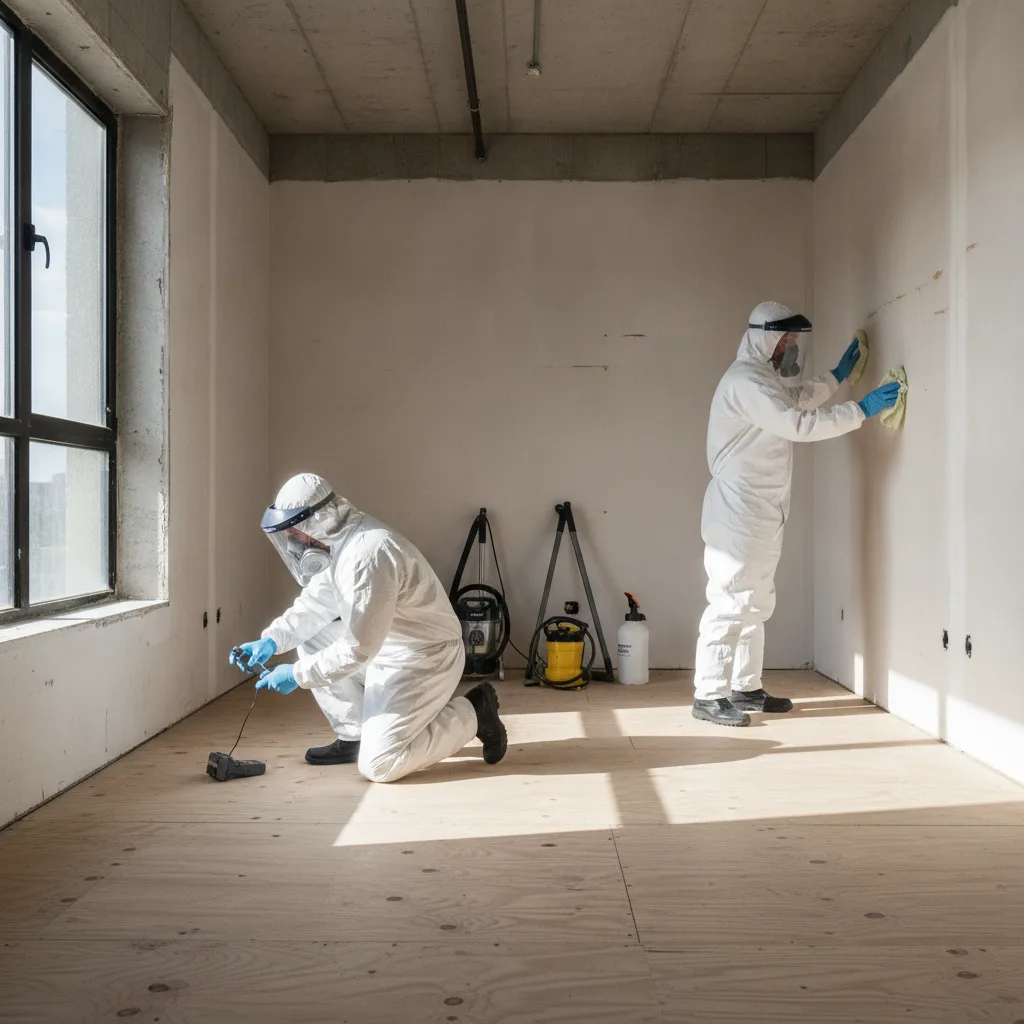
The first thing we ask about is coverage, not a credit card. Many homeowner and landlord policies cover biohazard remediation. We verify your coverage, document the scene the way adjusters need it, and bill the insurer directly. If your carrier won't cover something, you'll hear it from us before work starts, not after. For crime victims, we can also help gather documentation for Nevada's crime victim compensation program, which may cover eligible expenses. You're dealing with enough already, and the paperwork shouldn't add to it.
Las Vegas doesn't close, and emergencies don't wait for business hours. Our 24/7 emergency response means someone answers at 2 a.m. on a holiday weekend and a crew gets rolling. Speed matters more here than almost anywhere else. In 105°F summer heat, every extra day lets decomposition and fluid spread into subfloor, slab and ductwork. That turns a cleanup into a structural removal. Responding quickly keeps the damage, the disruption and the claim smaller.
We arrive in unmarked vehicles, without logos, signs or anything that tells neighbors what happened. That matters in HOA communities like Summerlin, Anthem and Southern Highlands, where houses sit close together and everyone notices a work truck. It matters just as much for hotels and casinos that need rooms back in service without guests finding out. Our crews work quietly, contain the area fast and remove waste without dumpsters or signs.
Fluid acts differently on a slab-on-grade floor in Mountain's Edge than on a second-story subfloor in Aliante, a particleboard floor in a Boulder Highway manufactured home or a terrazzo floor in Huntridge. We know where contamination hides in local construction, including tack strip, porous concrete, shared plumbing chases and return-air plenums. That's why our cleanups pass the smell test after the AC cycles on, instead of failing it a week later.
Integrity Crime Scene Services is insured, and our technicians follow OSHA bloodborne pathogen standards and Nevada disposal protocols on every job. In practice, that means full PPE, respiratory protection, proper hazard communication and biohazardous waste sent through permitted medical-waste channels, never household trash. The result is a property that's actually safe to live in, rent or sell, and records that will hold up for insurers, landlords and regulators.
Many Las Vegas residents moved here from somewhere else, so the family handling a loss is often in California, Arizona or farther away. We make remote coordination workable. That includes key handoffs with property managers or HOAs, detailed photo documentation at every stage, direct communication with insurers and a closeout you can review by video. You don't have to fly in to manage the cleanup of a loved one's home.
Biohazard work is all we do. We don't do general cleaning or carpet steaming on the side. We handle crime scene, trauma, unattended death, decomposition, hoarding, decontamination, odor removal and medical waste disposal. Because of that focus, our crews bring both technical skill and the right bedside manner, whether they're talking with a grieving parent or a hotel risk manager.
For most covered losses, your insurance pays and we bill the carrier directly, so many Las Vegas families pay nothing out of pocket. Your deductible may still apply, depending on your policy. The factors below affect the size of the claim, not your wallet.
In Las Vegas heat, the biggest factor in claim size is how long it took for someone to find the scene. When a scene is found within a day, the work is usually surface remediation. After several days in a closed summer home, fluid reaches carpet pad, tack strip and porous slab, and odor moves into the ducts. That turns into material removal, slab sealing and HVAC treatment. Calling quickly keeps the scope smaller and the claim simpler.
Slab-on-grade homes may need concrete grinding or encapsulation. Second-story wood subfloors can carry fluid into the ceiling below, which adds drywall removal. Manufactured homes with particleboard subfloors usually need sections replaced. Hard surfaces like tile and terrazzo clean up more easily than carpet. We document every layer so the adjuster understands exactly why each material had to come out.
Because Las Vegas AC systems run most of the year, odor and aerosols often reach the air handler, ducts and other rooms. Decontaminating the ducts and treating the house with hydroxyl or ozone adds scope, but skipping it is the main reason odors come back. It's a legitimate, documentable part of most claims here.
How big the affected area is matters, and so does whether contamination crossed into other spaces. In apartments, condos and weekly motels, fluid can move through shared walls, plumbing chases and floor assemblies into neighboring units. Each affected space adds containment, testing and remediation work.
Biohazardous waste has to go through permitted medical-waste channels, so the amount of waste affects the cost. Hoarding jobs, sharps, suspected meth residue that triggers Nevada's certified decontamination and sampling rules, and asbestos-era materials in older homes can all add steps.
We contact your carrier, explain what's covered and bill the insurer directly. If a claim isn't covered, we'll talk through options with you before any work begins. For crime victims, Nevada's victim compensation program may help with eligible costs, and we'll help you gather the paperwork.
Often, yes. Many homeowner, renter's and landlord policies cover biohazard remediation as part of a sudden, accidental loss, and many Las Vegas families end up paying $0 out of pocket apart from any deductible. We verify your coverage, document the scene with the photos and scope notes adjusters need, and bill the insurer directly. Auto policies may cover vehicle cleanup. If you're a crime victim, Nevada's crime victim compensation program may help with some eligible expenses, and we can help you put the documentation together. If something isn't covered, we'll tell you before any work starts.
The property owner, landlord or family is. Las Vegas Metro, Henderson PD, North Las Vegas PD and the Clark County Coroner's Office investigate and release scenes, but they don't clean them. Once you have the release, you can call us at any hour. For rentals, Nevada landlord-tenant law (NRS 118A) affects how landlords handle a tenant death and abandoned property. We give property managers the documentation they need to turn the unit over legally and quickly.
Call as soon as the scene is released, ideally the same day. In Las Vegas, delay is expensive. With summer highs around 105°F and AC systems moving air through the whole house, fluid and odor spread into carpet pad, slab, subfloor and ductwork within days. A scene that could have been a surface cleanup can turn into a structural removal. Until we arrive, keep doors closed, avoid touching anything and don't try to clean it yourself. Bloodborne pathogens are a real risk without proper PPE.
Most residential blood or trauma cleanups take one to three days. An unattended death with advanced decomposition, multiple affected rooms or HVAC contamination can take longer. So can large hoarding jobs, which may run several days to a week or more. We give you a realistic timeline at the on-site assessment. In summer, we may schedule PPE-heavy work in garages or outdoor areas for early morning to keep crews safe, but that won't push back your finish date. Rebuilding work like new drywall or flooring is done afterward by a licensed contractor.
Yes. Nevada OSHA enforces bloodborne pathogen standards equivalent to federal 29 CFR 1910.1030, along with respiratory protection and hazard communication rules for cleanup workers. The Southern Nevada Health District oversees biohazardous waste, which must go through permitted medical-waste channels and never household trash. Properties used to make methamphetamine fall under specific Nevada rules. They need a certified decontamination contractor and clearance sampling before anyone can legally reoccupy, sell or rent them. We'll tell you upfront if those rules apply.
Usually it's because the HVAC system was never treated. In Las Vegas, the AC runs almost nonstop for months, and the return air pulls odor molecules and aerosols into the air handler, ducts and filters. A surface cleaning removes what you can see, and then the AC switches on and spreads the smell through the house again. We decontaminate filters and return plenums, fog the ducts and use hydroxyl or ozone treatment. We check for odor before we leave, so you aren't hit with the smell again the next day.
Not from us. We come in unmarked vehicles, with no logos or signs, and our crews work quietly. Waste is packaged and removed discreetly, without dumpsters left in the driveway, which also keeps you within the parking and container rules most HOAs set in places like Summerlin, Green Valley and Southern Highlands. Hotels and casinos get the same discretion. Rooms go back into service without guests noticing.
Have a plan before you need one. Do regular wellness and occupancy checks, especially for tenants living alone and seniors. Set up procedures for when mail piles up or a tenant can't be reached. Inspect vacant units and secure them against squatters, which helps prevent sharps and drug-residue problems. Keep our number in your emergency vendor list so a tenant death or overdose gets handled the same day. In summer, the speed of that response decides whether you're paying for a surface cleanup or replacing subfloor and ductwork.
We come to you anywhere in Las Vegas and the surrounding area, in unmarked vehicles, any hour of the day.
You don't have to handle this alone, and in most cases you won't have to pay for it either. Call any time, day or night, and a calm, trained team will take it from here.
Call (725) 337-5410 Now