Discreet, certified crime scene and biohazard cleanup in Virginia Beach — unmarked vehicles, compassionate technicians, and in most cases $0 out of pocket since we bill your insurance directly.
Coastal Virginia's climate, housing, and population shape every cleanup we do. Humidity speeds up decomposition and mold, older homes absorb contamination, and a large military community means families are often handling a loss from hundreds of miles away. Here's what makes this market different.
Virginia Beach sits in a humid subtropical zone between the Atlantic and the Chesapeake Bay. From June through September, dew points regularly sit in the 70s and nighttime temperatures rarely drop below 70°F. In those conditions, an unattended death found three or four days late produces far more fluid release, odor, and insect activity than the same situation in a cooler, drier climate. Damp indoor air also carries odor molecules deeper into drywall and wood, and once fluids soak in, mold can follow within days, adding a second hazard. Then there's the water: 45–48 inches of rain a year, hurricane season from June 1 to November 30, nor'easters, and regular tidal flooding in Back Bay, Sandbridge, and the Lynnhaven watershed. Each storm pushes Category 3 black water into crawlspaces and ground floors.
Most of Virginia Beach was built from the 1960s through the 1990s, after the 1963 merger with Princess Anne County. Neighborhoods like Kempsville, Green Run, Bayside, and Lynnhaven are full of ranches, split-levels, and colonials on crawlspaces or slabs, usually with wall-to-wall carpet over plywood or OSB. Fluids that pass the carpet reach the subfloor and joists, so surface cleaning isn't enough. The Oceanfront adds high-rise condos, hotels, and short-term rentals that can sit closed up and hot between guests. Across the water, Norfolk's Ghent and Portsmouth's Olde Towne have 19th-century plaster-and-lath walls and old-growth hardwood, porous and costly to replace. Older multifamily buildings share walls and HVAC, letting odor travel between units. Pre-1978 homes may also contain lead paint, and pre-1980s homes may contain asbestos, which complicates demolition.
Virginia doesn't issue a specific license for crime scene or trauma cleanup, so you have to judge a company by its compliance. The real rules are OSHA's Bloodborne Pathogens Standard (29 CFR 1910.1030), enforced in Virginia by VOSH, and the Virginia DEQ Regulated Medical Waste Management Regulations, which require biohazard waste to be packaged, labeled, and hauled by authorized transporters to permitted facilities, never tossed in household trash. Many homeowners policies cover biohazard remediation, and crime victims may qualify for help through the Virginia Victims Fund. Condo associations at the Oceanfront and Town Center often restrict hours and elevator use. Historic district boards in Norfolk, Portsmouth, and Hampton review exterior changes, and rebuilding after demolition needs a city building permit.
Virginia Beach is Virginia's largest city at roughly 450,000 residents, and the five cities we serve top 1.2 million. The region hosts Naval Station Norfolk, NAS Oceana, Dam Neck, JEB Little Creek–Fort Story, Norfolk Naval Shipyard, and Joint Base Langley–Eustis. That means frequent moves, deployments, and many service members living far from relatives. A death can go unnoticed while a spouse is deployed, and next of kin often manage everything remotely. Military retirees add to an aging population, which brings more unattended deaths and hoarding situations. Families here need a team that sends photo updates, works with privatized base housing contractors, and shows up without drawing attention.
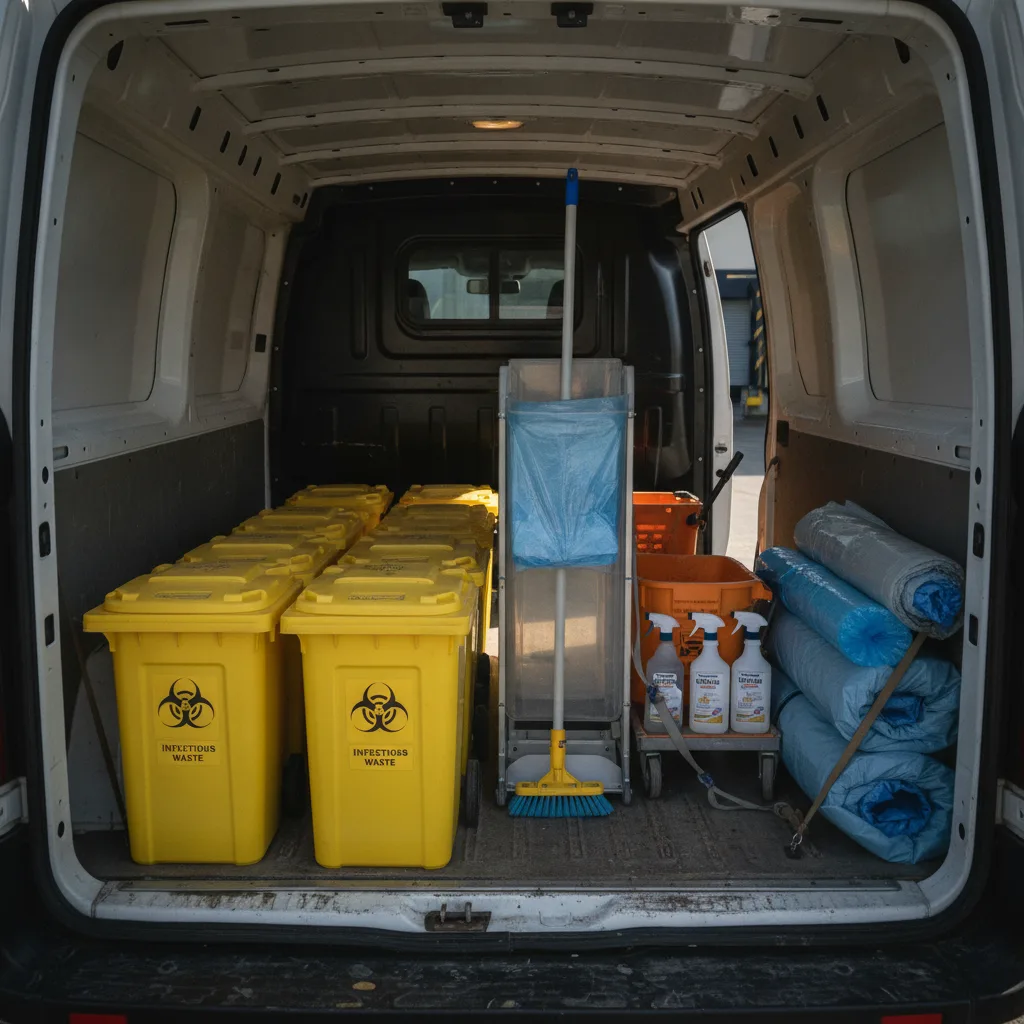
Every service below follows OSHA bloodborne pathogen protocols and Virginia medical waste disposal rules. We arrive in unmarked vehicles, work around your family or tenants, and handle insurance billing directly so you can focus on what matters. Here's what each service involves in Hampton Roads.
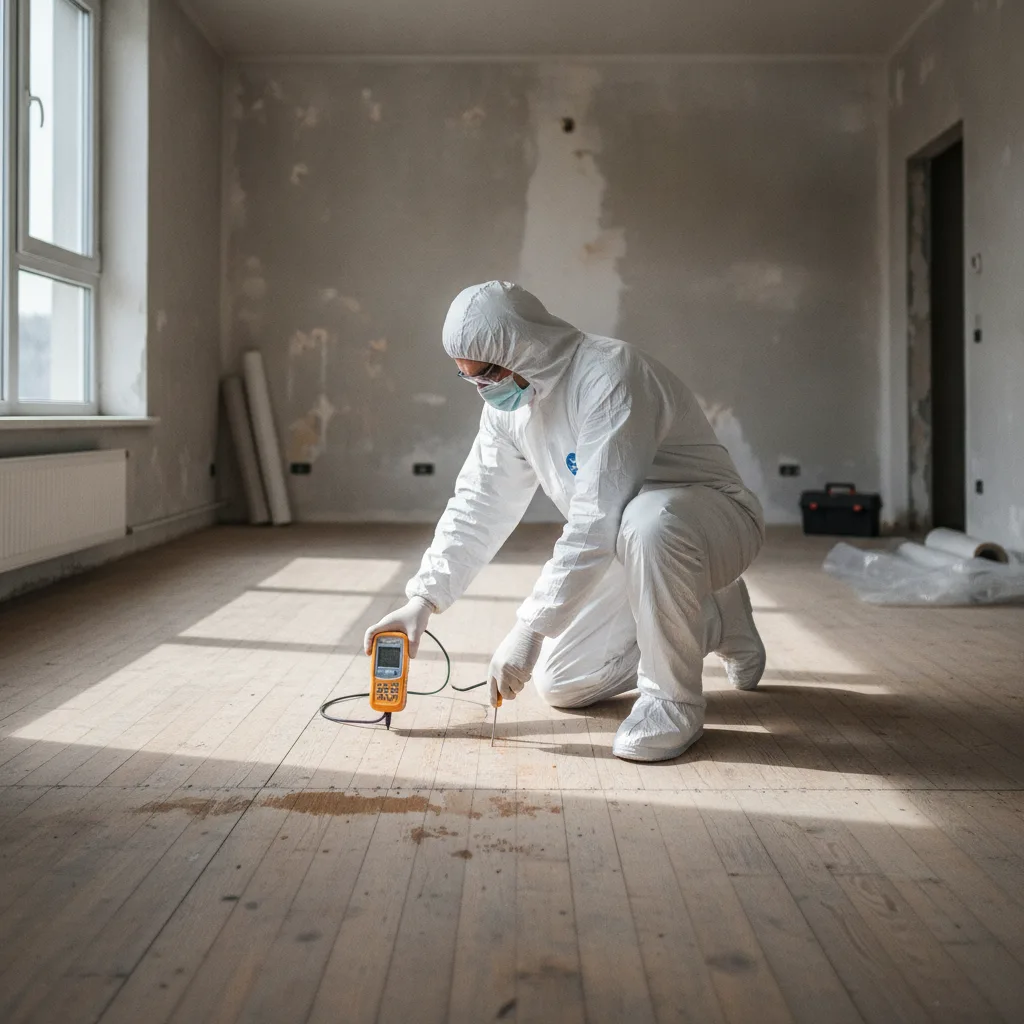
We restore homes and units after a death that went undiscovered, removing every trace of contamination and odor so the space is safe, livable, and ready for family, sale, or the next tenant.
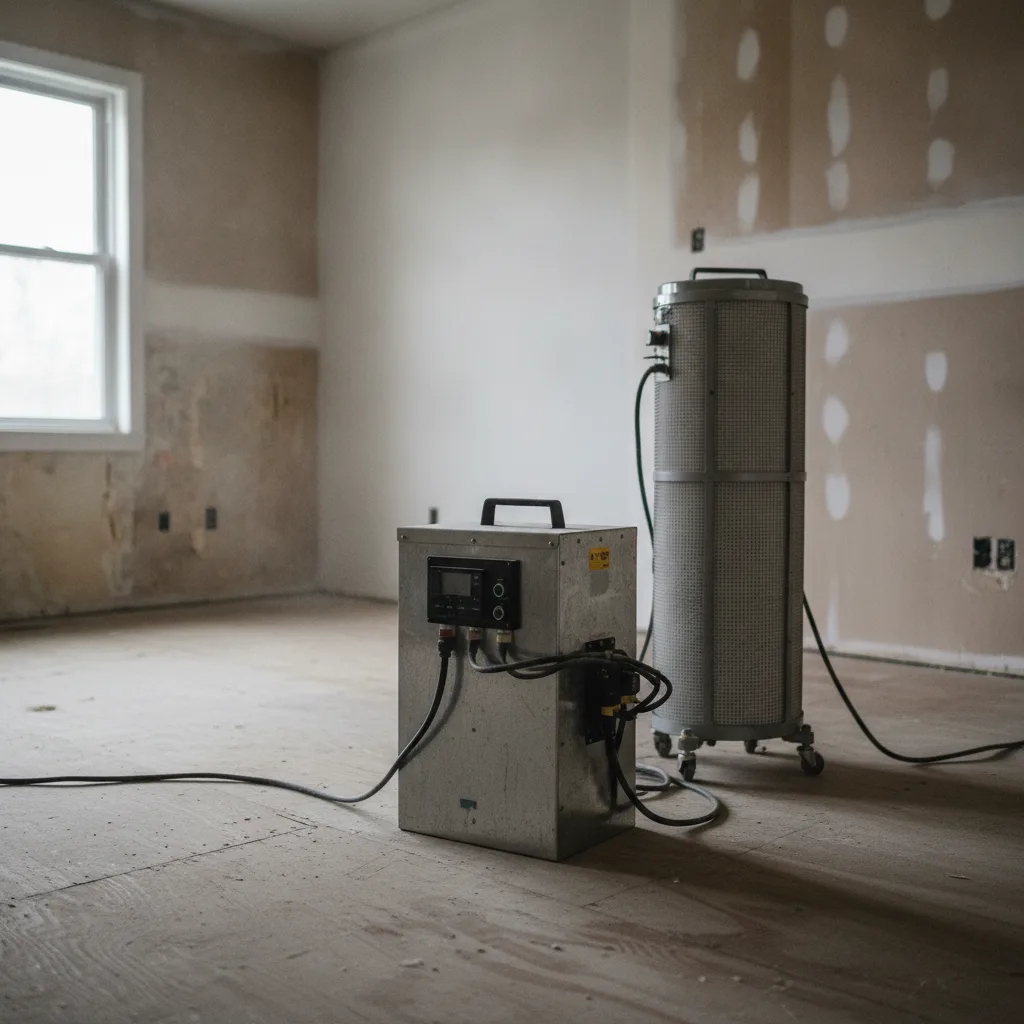
We handle advanced decomposition, including fluid migration into subfloors, joists, and crawlspaces, insect infestation, and heavy odor that standard cleaners can't touch.
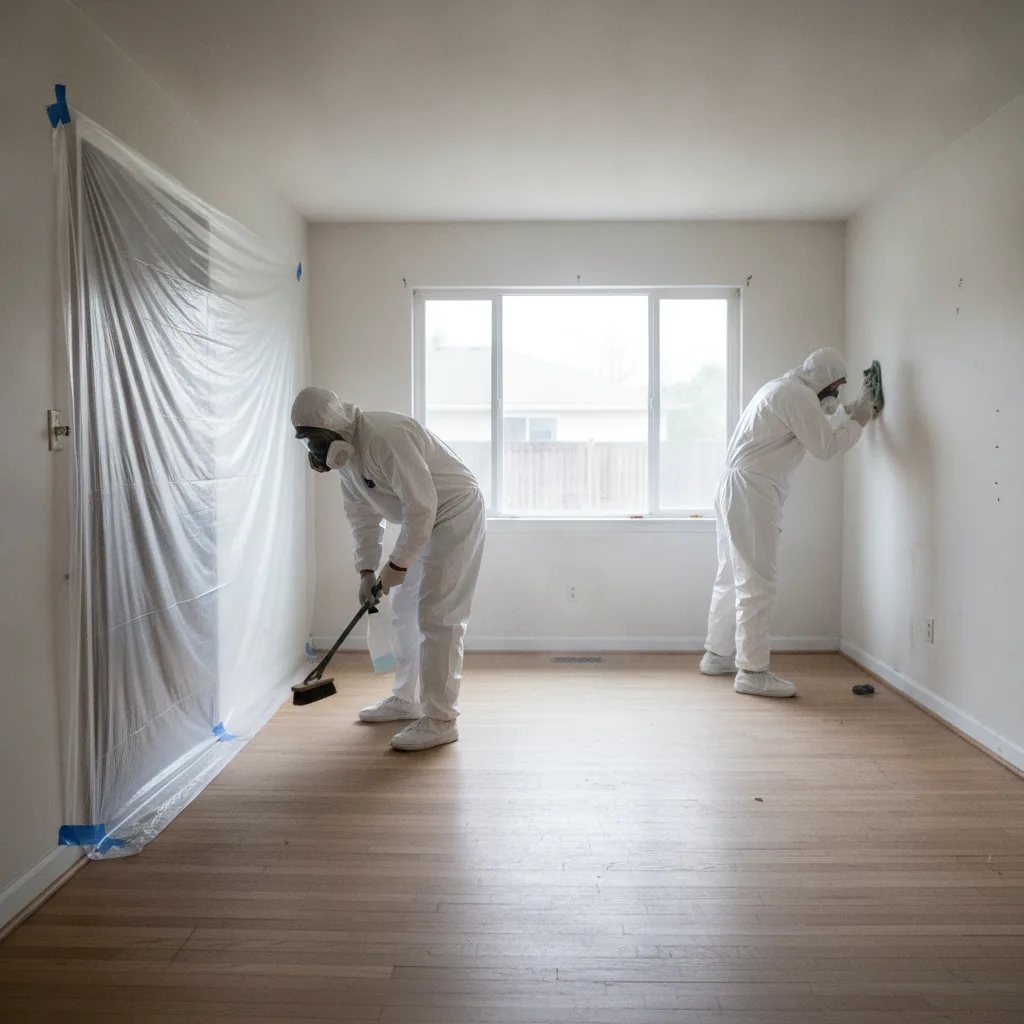
After police release the scene, we remove blood, tissue, fingerprint powder, and other contamination, returning the property to a safe, normal condition.
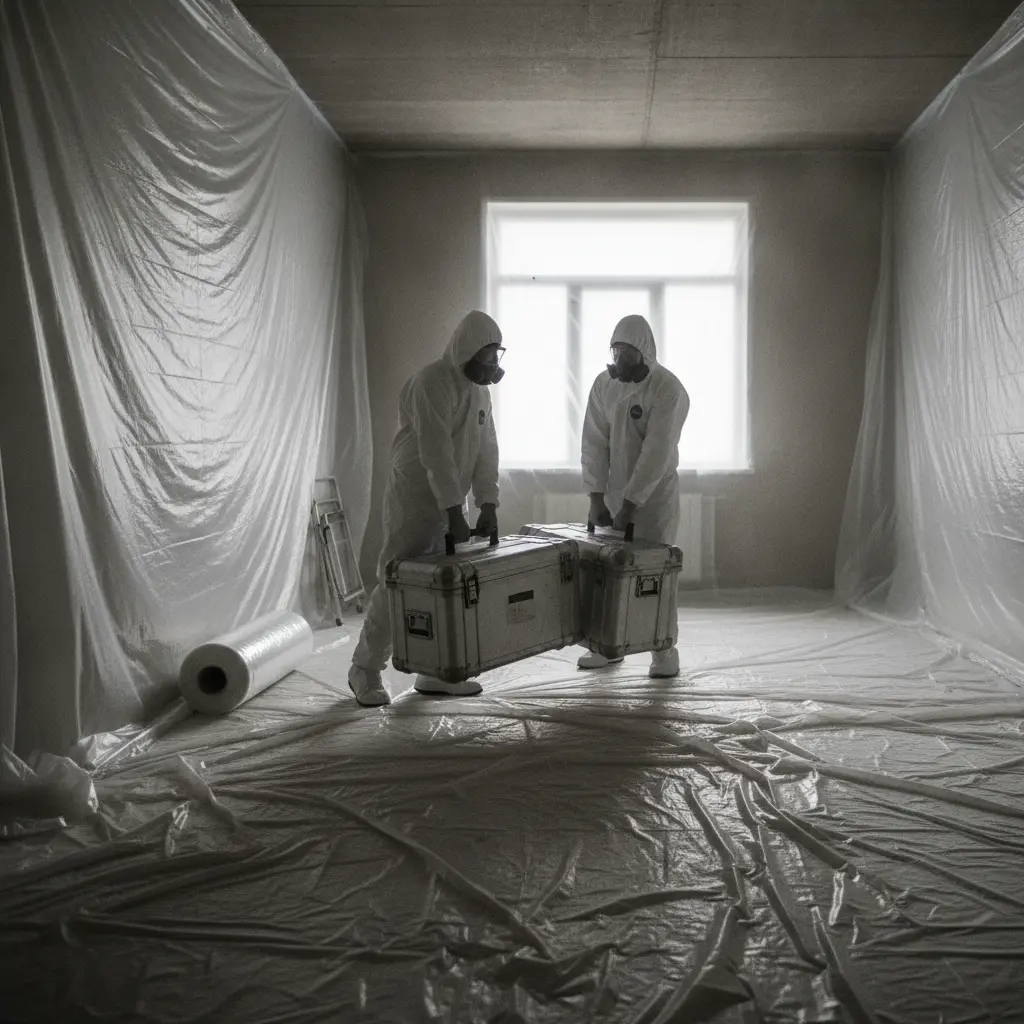
We restore homes and businesses after a homicide with compassion and care, removing all biological material and helping families get back into their space.
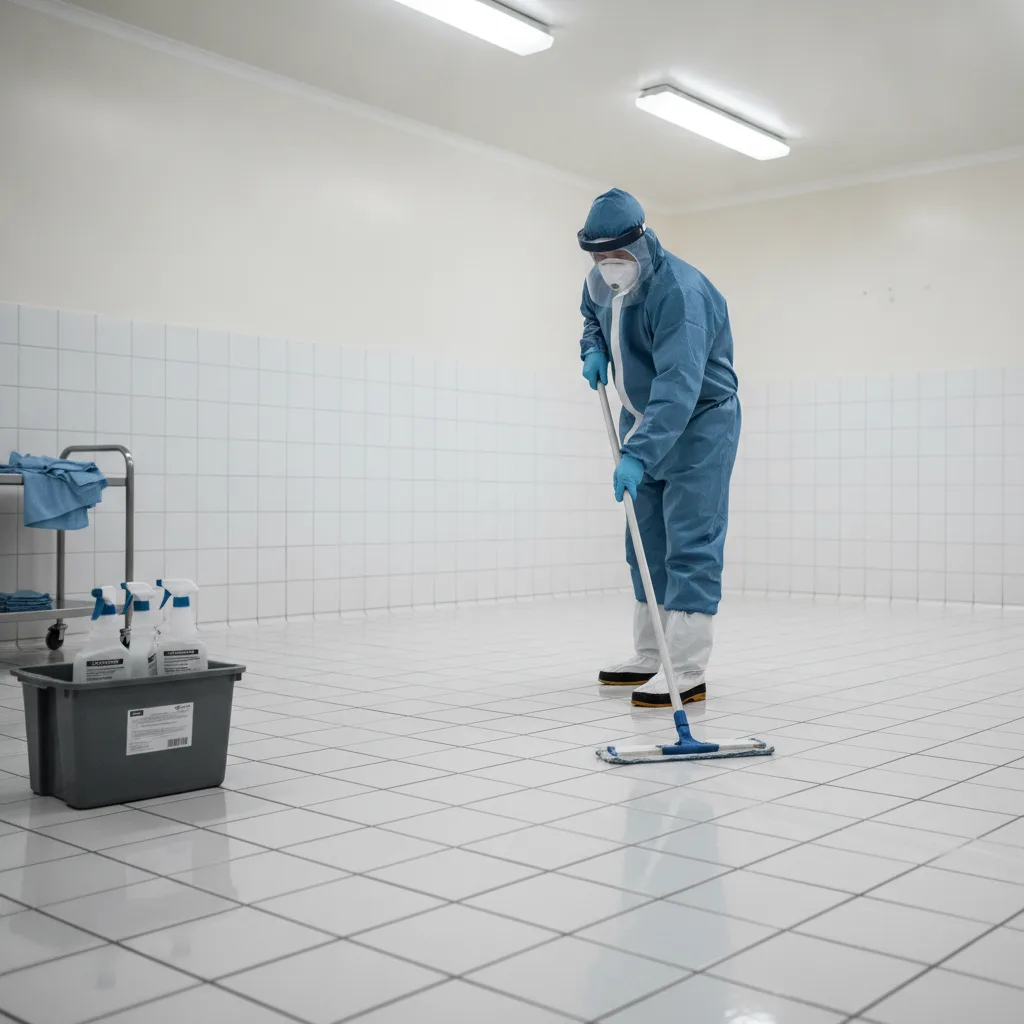
We clean up after suicides, serious accidents, and violent injuries, treating the space and the people involved with dignity.
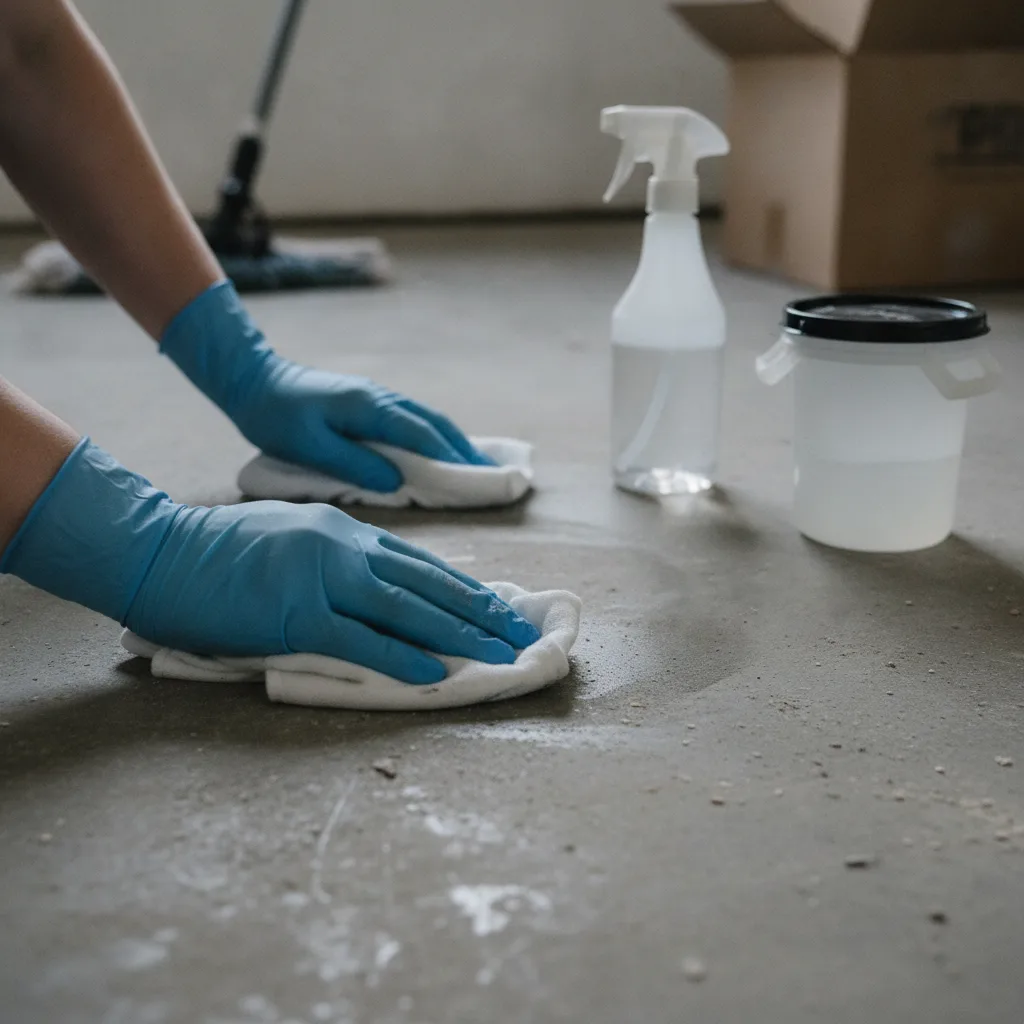
We remove blood and bodily fluids from homes, vehicles, and businesses, including what's soaked into carpet pad, seams, and grout.
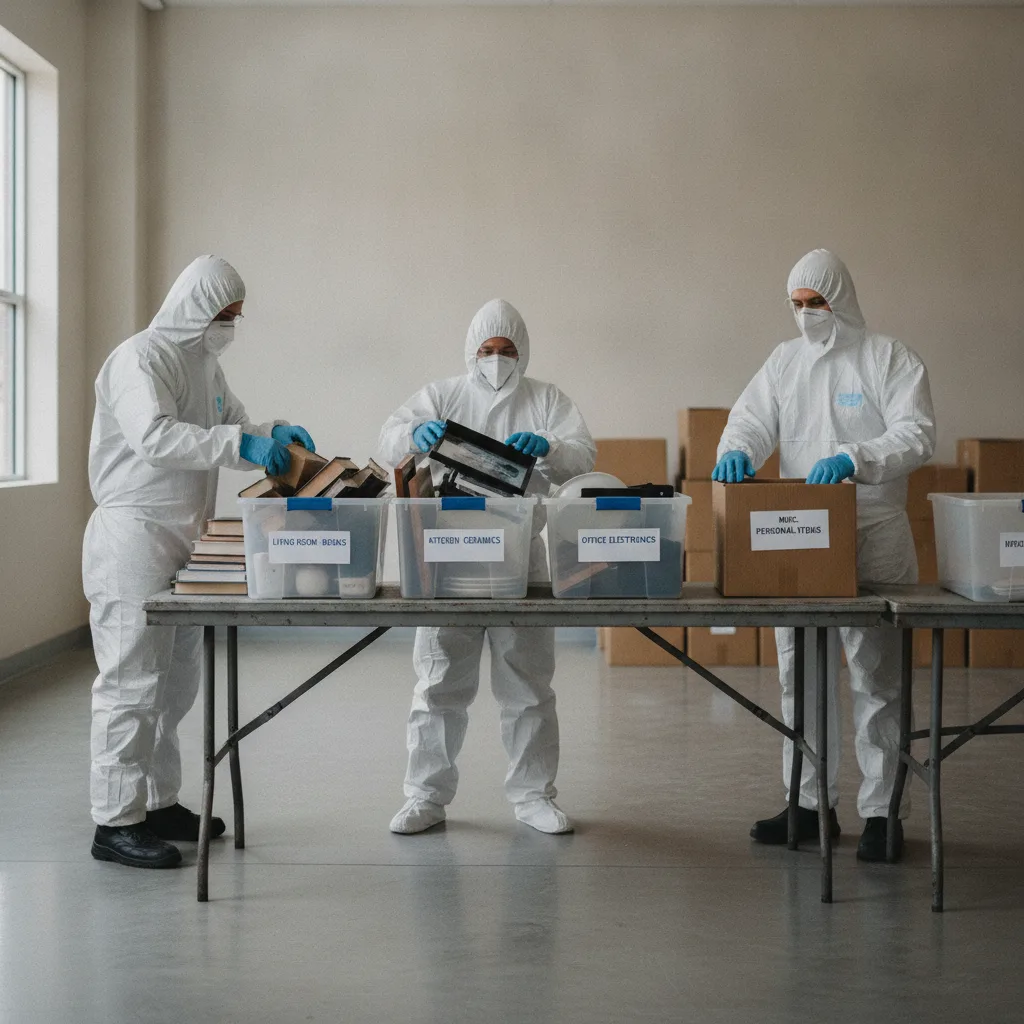
We clear and sanitize hoarded homes with patience and respect, preserving valuables and important papers while removing waste and hazards.
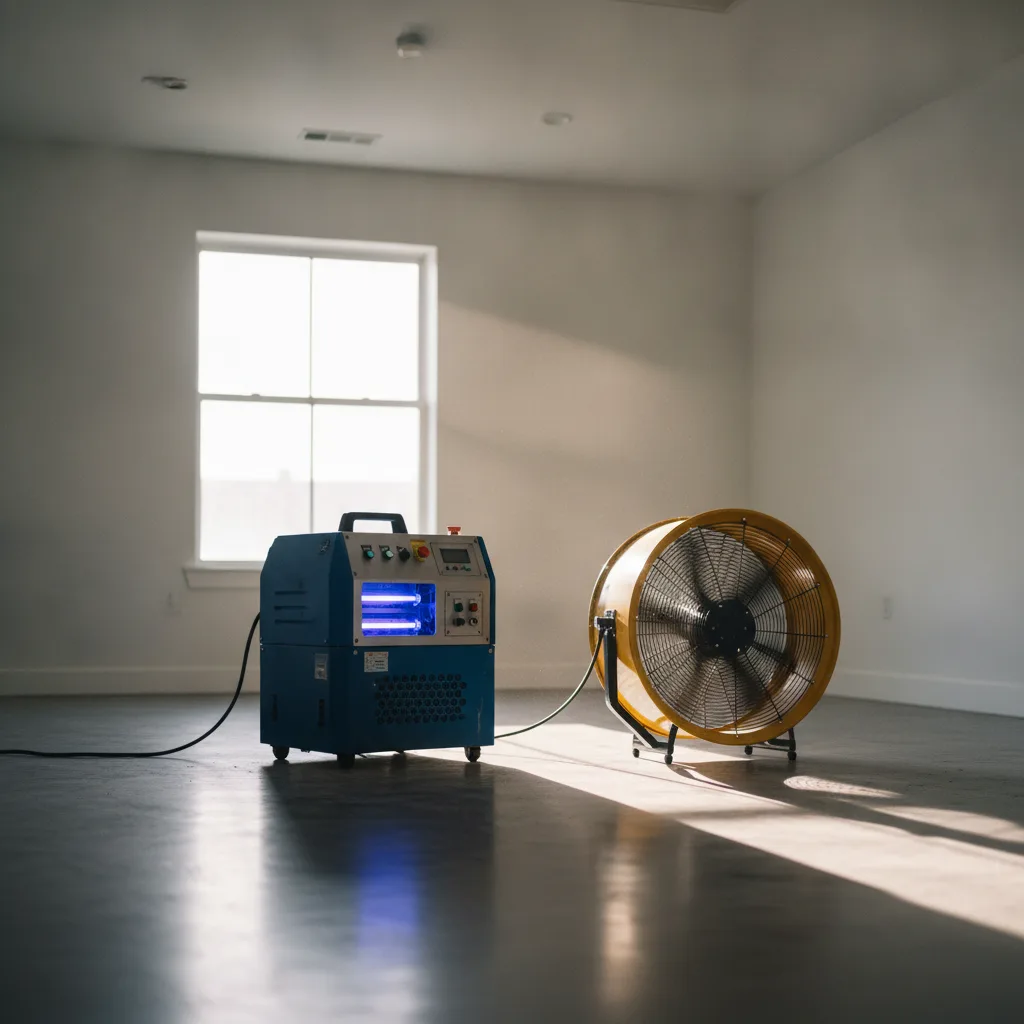
We eliminate odors from death, decomposition, smoke, pets, and sewage, not just cover them up.
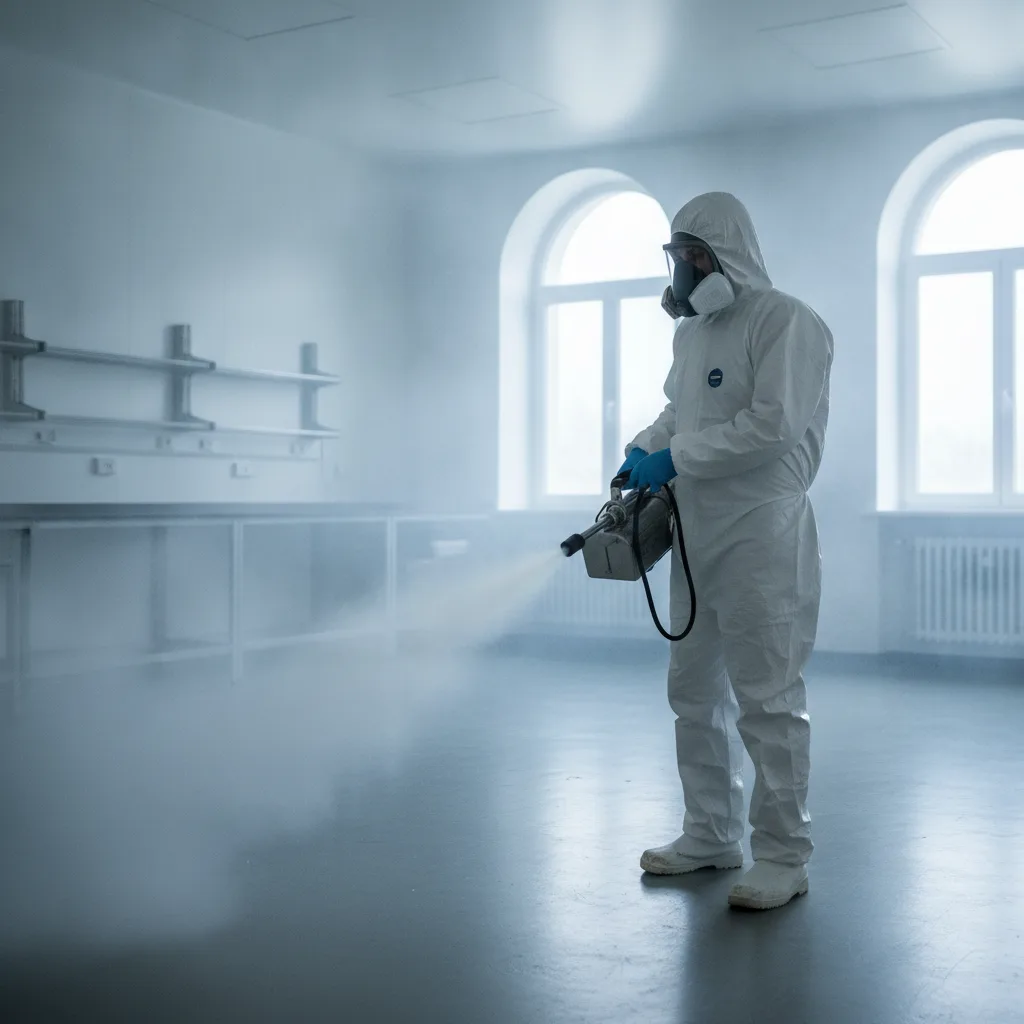
We disinfect homes, vehicles, and commercial spaces after biological contamination, black water, drug use, or infectious disease exposure.
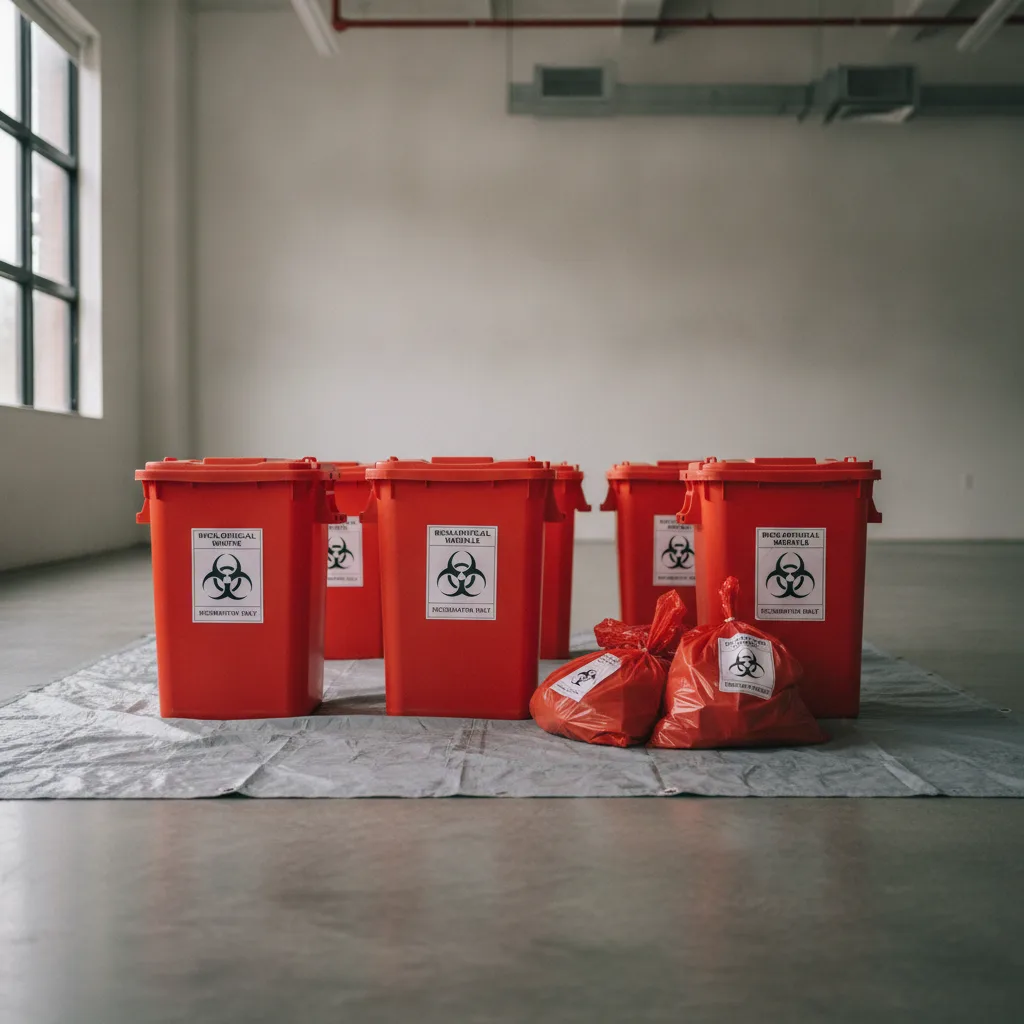
We handle any situation involving blood, bodily fluids, human or animal waste, or other biological hazards that shouldn't be cleaned by untrained hands.
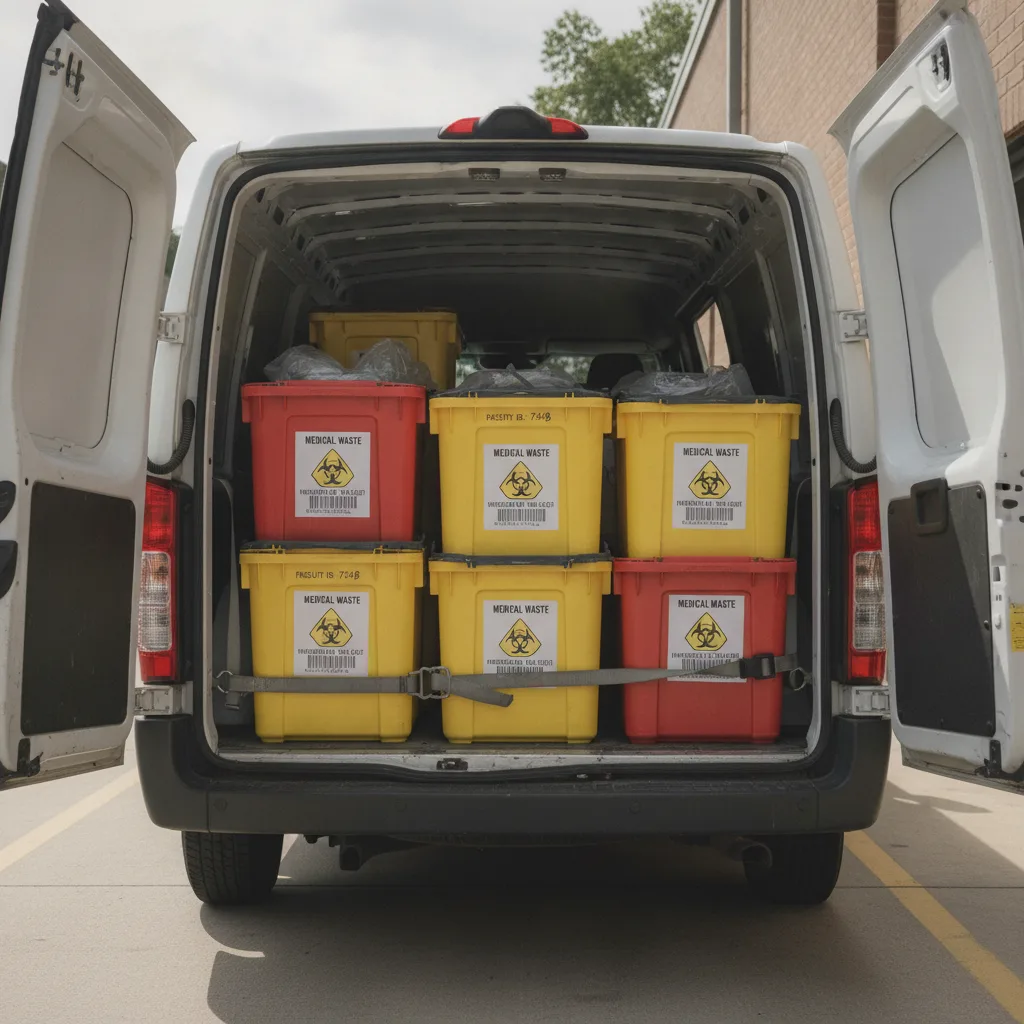
We collect, package, and dispose of regulated medical waste and sharps from homes, rentals, and businesses so it never ends up in household trash.
Every call is different, but certain situations come up again and again in Virginia Beach and the surrounding cities. Understanding why they happen, and how quickly they get worse in our climate, helps you decide what to do next. Here's what we see most often.
When someone passes away alone and isn't found for days or weeks, the body releases fluids, gases, and odor that saturate flooring, walls, and furniture. Insects arrive quickly. It's both a health hazard and an emotionally overwhelming scene for whoever discovers it.
Self-inflicted injuries, accidents, and violent events leave blood and tissue that can travel well beyond what's visible: into baseboards, outlets, ceiling texture, and under flooring. These scenes carry bloodborne pathogen risks and a profound emotional weight for families.
Category 3 black water is sewage-laden or floodwater carrying bacteria, viruses, and parasites. It soaks into insulation, subfloors, and drywall and can't be safely handled like clean water damage. It often settles in crawlspaces, where it stays hidden.
Severe hoarding can hide spoiled food, animal waste, rodent droppings, mold, and sometimes human waste or sharps. It blocks exits, overloads floors, and creates fire and health hazards. Cleanup takes sorting, safe removal, and sanitation, not just hauling.
Opioid and fentanyl overdoses can leave bodily fluids and drug residue. Discarded needles pose puncture and infection risks. Suspected meth use may leave chemical residue on surfaces and in HVAC systems that ordinary cleaning won't remove.
After a death, pet waste, smoke, or past contamination, odor can linger long after visible cleanup. It lives in porous materials, ductwork, and wall cavities, and it returns on humid days when moisture reactivates odor compounds.
A serious fall, workplace injury, or nosebleed can leave blood on carpet, upholstery, tile, or a car seat. Even small amounts can carry bloodborne pathogens and seep into padding or seams where you can't see it.
From your first call to the final walkthrough, we keep things simple, quiet, and transparent. Here's what to expect when you call Integrity Crime Scene Services, any hour of the day.
Immediately, day or night
Upon arrival, typically under an hour on site
Same day, ongoing as needed
Hours for small jobs; one to several days for decomposition or hoarding
At completion
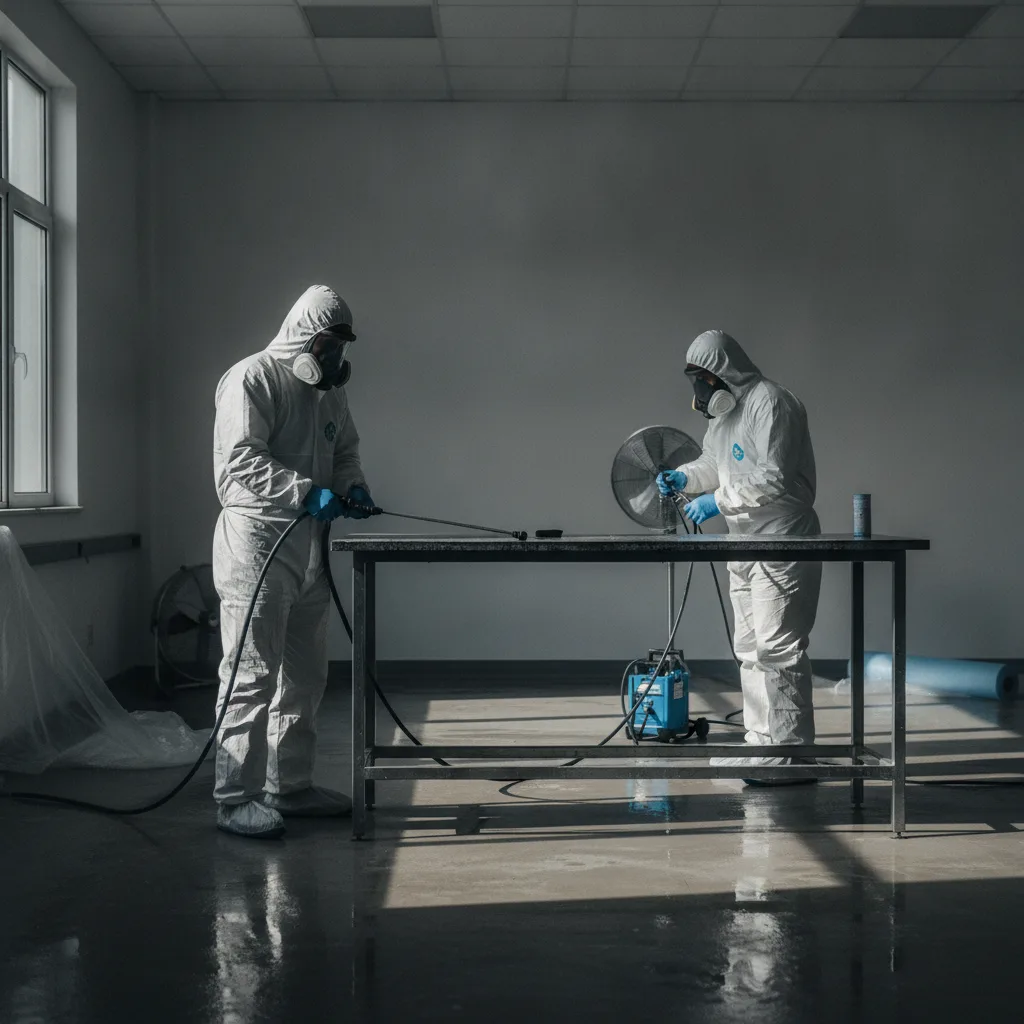
Most homeowners and renters policies cover biohazard remediation after a death, crime, or trauma. We work directly with your insurance company, submit the photos and documentation they need, and explain your deductible before we start, so there are no surprises. For crime victims, we can help you explore the Virginia Victims Fund. Many of the families we serve never write a check beyond their deductible. You've got enough on your plate. Letting us manage the claim is one less thing to worry about during an already painful time.
In a Virginia Beach summer, waiting until Monday isn't an option. Heat and humidity drive fluids into subfloors and odor into ductwork fast, and every hour adds damage. That's why we answer around the clock, every day of the year, including holidays and the days after hurricanes and nor'easters when other contractors are booked solid. When you call, you'll reach someone who can actually help and dispatch a crew. We know the region's bridges and tunnels and plan routes to get to you as quickly as conditions allow.
Your neighbors don't need to know what happened. We arrive in unmarked vehicles, wear plain clothing until we're inside, and keep equipment staging out of sight whenever possible. That matters in close-knit neighborhoods like Great Neck and Greenbrier, in military housing near Oceana and Little Creek, and in Oceanfront condos and vacation rentals where reputation and bookings are on the line. For hotels and property managers, we schedule around guests and tenants so the work is invisible and the space is back in service fast.
We know how homes here are built and where contamination hides. Kempsville and Green Run ranches with OSB subfloors over damp crawlspaces. Plaster-and-lath walls in Ghent and Olde Towne that soak up fluids and fall under historic review boards. Shared-HVAC garden apartments in Norfolk and Hampton where odor spreads unit to unit. Oceanfront high-rises with strict HOA rules on elevators and hours. That knowledge means we find the hidden contamination the first time, rather than leaving odor that returns on the next humid day.
Virginia doesn't license crime scene cleanup companies, so anyone with a van can claim to do this work. We don't cut corners. Our technicians follow OSHA's Bloodborne Pathogens Standard, enforced in Virginia by VOSH, including proper PPE and exposure controls. Biohazard waste is packaged, labeled, and transported according to Virginia DEQ medical waste regulations, never dumped in household trash. We're fully insured, and we'll provide proof of insurance to your condo association, HOA, landlord, or base housing office whenever they ask.
So many families in Hampton Roads have loved ones far away. A spouse may be deployed, or the next of kin might live across the country. We can manage the whole process remotely: gaining access, coordinating with privatized military housing operators like Lincoln Military Housing, working with property managers, sending photo updates, and handling insurance. You won't have to book a last-minute flight just to manage a cleanup. We'll keep you informed at every step and treat your loved one's home with the same care we'd want for our own.
Biohazard cleanup isn't carpet cleaning or general restoration. It takes training, the right equipment, and an understanding of how blood and bodily fluids move through building materials. We focus on trauma, unattended death, decomposition, hoarding, odor removal, and decontamination, so we know what's needed and what's not. We remove contaminated materials down to clean structure, disinfect, seal, and verify. When a regular cleaner leaves behind odor or hidden contamination, families often end up paying twice. We aim to get it right the first time.
For most Virginia Beach families, biohazard and trauma cleanup is covered by homeowners or renters insurance, and many pay $0 out-of-pocket beyond their deductible. We bill insurers directly. Here's what drives the size of a claim and how coverage typically works.
Your policy usually matters more than anything else. Most homeowners and renters policies cover sudden, accidental biohazard events like a death, trauma, or crime, and we bill the insurer directly. Your only cost is typically your deductible. Crime victims may also qualify for help through the Virginia Victims Fund, subject to eligibility and limits. We review your coverage at the start and explain exactly what to expect before any work begins.
In Hampton Roads heat and humidity, time is the biggest driver of scope. A scene found within hours may need only surface cleanup. One found several days later in summer often means fluids in the subfloor and joists, insects, and odor in the HVAC system. That increases the size of the claim, which is why fast response and immediate calls matter so much here.
What contamination touches changes the work. Carpet over OSB in a Kempsville ranch may need subfloor removal. Plaster-and-lath walls and old-growth hardwood in Ghent or Olde Towne are porous and harder to treat, and historic rules may limit removal. Pre-1978 homes may require lead-safe practices and pre-1980s homes asbestos precautions, which add steps to demolition.
A contained spill in one room is very different from contamination that's traveled through a hallway, into a crawlspace, or through shared HVAC to neighboring units. Multifamily buildings and Oceanfront condos with shared ventilation often need more extensive odor and duct work. We document the full extent with photos so your insurer sees exactly why each step is necessary.
Regulated medical waste must be packaged, labeled, and transported to permitted facilities under Virginia DEQ and DOT rules. Hoarding jobs and large decomposition scenes produce more waste containers, which adds to the claim. Proper disposal isn't optional, and it's one reason a licensed-looking general cleaner can't legally do this work cheaply.
We never ask grieving families for payment up front. We bill insurance directly, help with Virginia Victims Fund claims, and work with estates and landlords on any remaining balance.
In most cases, yes. Many homeowners and renters policies in Virginia cover biohazard remediation after sudden events like a death, suicide, homicide, or other trauma. We bill your insurance company directly, so many families pay $0 out-of-pocket beyond their deductible. Before we start, we'll review your coverage with you and explain anything that might not be covered. If you're a crime victim, you may also be eligible for assistance through the Virginia Victims Fund. Landlords and property owners can often file under their commercial or rental property policies. We handle the documentation and photos insurers need.
Yes. We answer and respond 24/7, including nights, weekends, holidays, and during storm recovery periods. When you call, we'll dispatch a crew in an unmarked vehicle as quickly as possible. Arrival time depends on where you are and current traffic, especially at the HRBT, MMMBT, and Downtown and Midtown Tunnels, so we'll give you a realistic estimate and keep you updated. In Virginia Beach's summer heat, getting started quickly makes a real difference in how much material has to be removed and how well odor can be eliminated.
It depends on the situation. A small blood cleanup is often finished in a few hours. A suicide or trauma scene usually takes one day. Unattended death and decomposition cleanups typically take one to three days, longer if fluids have reached the subfloor, joists, or crawlspace, which is common in Virginia Beach's crawlspace homes during summer. Hoarding cleanups can take several days to more than a week depending on volume. We'll give you a clear timeline after our assessment and let you know right away if anything changes.
Virginia doesn't issue a specific license for crime scene or trauma cleanup, which is exactly why it's important to choose carefully. The rules that matter are OSHA's Bloodborne Pathogens Standard, enforced in Virginia by VOSH, and the Virginia DEQ Regulated Medical Waste Management Regulations, which control how biohazard waste is packaged, transported, and treated. Our technicians follow both, and we're fully insured. If walls or floors have to be removed, rebuilding requires a city building permit, and homes in historic districts like Ghent, Olde Towne, or Phoebus may need review board approval for exterior changes.
We strongly recommend against it. Blood and bodily fluids can carry hepatitis B, hepatitis C, HIV, and other pathogens, and contamination usually goes far deeper than what's visible, into carpet pad, subfloors, baseboards, and HVAC. Regular cleaners and restoration companies typically aren't equipped or trained for bloodborne pathogens, and they can't legally dispose of regulated medical waste in household trash. In our humidity, missed contamination often leads to returning odor and mold. Beyond safety, no family member should have to clean up after a loved one. And since insurance often covers professional cleanup, there's usually no financial reason to try.
Call right away if there's any visible blood or bodily fluid, a death that went undiscovered, a persistent sweet or sour odor, flies or larvae, sewage in your crawlspace, or discarded needles. Don't wait for an insurance adjuster before calling us; we'll document everything for the claim. In Virginia Beach from June through September, decomposition and mold progress quickly, and a few extra days can mean removing subfloors that might otherwise have been saved. If police are involved, wait until they release the scene, then call us. We're available 24/7.
Regular check-ins are the best prevention. If you have an older relative living alone, or a service member's family member alone while a spouse is deployed, set up daily calls or texts, share a spare key with a trusted neighbor, and consider medical alert devices or smart home sensors. Ask neighbors to notice piled-up mail or packages. For vacation rental owners at the Oceanfront or Sandbridge, schedule inspections between long gaps in bookings and keep the AC on a reasonable setting. For storm-related contamination, keep crawlspace vents and sump pumps maintained and consider a sewer backflow valve.
Absolutely. A large share of our work involves landlords, property managers, privatized military housing operators, hotels, and families who live out of state. We can handle access, coordinate with Lincoln Military Housing or other housing providers, follow condo and HOA rules on work hours and elevators, and provide proof of insurance whenever it's requested. Out-of-state relatives receive photo updates and documentation so they can manage everything by phone and email. For landlords, we help restore units to habitable condition under the Virginia Residential Landlord and Tenant Act so you can re-rent quickly.
We come to you anywhere in Virginia Beach and the surrounding area, in unmarked vehicles, any hour of the day.
You don't have to handle this alone or figure out how to pay for it. Call any hour, and we'll take care of the cleanup, the insurance, and the details, quietly and respectfully.
Call (804) 488-3473 Now