Discreet, certified crime scene and biohazard cleanup in Honolulu — unmarked vehicles, compassionate technicians, and in most cases $0 out of pocket since we bill your insurance directly.
Oahu's climate, buildings and rules make a trauma scene here different from one on the mainland. Heat speeds up damage, dense buildings spread it, and the island's limited disposal options make compliant cleanup harder. Here's why it's important to call a company that knows Honolulu.
Honolulu's daytime highs range from the low 80s°F in winter to about 88–90°F in late summer, and nights rarely drop below the mid-60s. No season slows decomposition. After an unattended death, fluids and odor can reach subflooring within days. Relative humidity usually runs 60–75% and higher on the windward side, so mold grows quickly on contaminated drywall, carpet and wood. Rainfall changes a lot across short distances. Coastal Pearl City and Ewa get roughly 20–25 inches a year, while Koolau-facing parts of Kaneohe get far more. Northeast trade winds carry odor through jalousie windows into neighboring units. During kona weather, when the trades stop, stagnant heat makes odor much worse. Formosan termites and roaches stay active all year and are drawn to organic contamination.
Much of Honolulu's housing was built between the 1950s and the 1980s. In 1960s–80s condo towers in Waikiki, Makiki, McCully-Moiliili and Kakaako, fluids can move through slab penetrations, shared plumbing and ductwork into the unit below. CMU walk-ups in Kalihi and Palolo often have no central AC, so heat builds fast when a unit sits closed. In single-wall wood homes there's no drywall cavity, so fluids reach the structural framing directly. Post-and-pier floors let fluids drip into the crawlspace. Pre-1980 buildings often contain asbestos in popcorn ceilings, floor tile and mastic, and they may have lead paint. That means testing may be needed before any contaminated material can be removed.
Hawaii has no state license specific to trauma cleanup. The work falls under HIOSH, which enforces the bloodborne pathogens standard, and under the Department of Health's Solid and Hazardous Waste Branch, which controls medical waste hauling and treatment. Because this is an island, some waste streams must be shipped off-island. Cleanup can't start until the Honolulu Police Department or the Medical Examiner releases the scene. Condo associations operate under HRS Chapter 514B and often require a certificate of insurance before a crew can enter. They also set work hours and elevator rules. Rebuild work may need a DPP permit and a licensed contractor.
Oahu has about 1 million residents and a fast-growing senior population. Many kupuna live alone in condos while their adult children live on the mainland. When that happens, deaths can go undiscovered longer, and someone has to coordinate the cleanup from thousands of miles away. We can handle keys, photos and insurance remotely. Families here also expect discretion and respect for Native Hawaiian, Japanese, Filipino and other Pacific Islander traditions.
We offer eleven specialized services, all handled by insured technicians who follow OSHA and HIOSH bloodborne pathogen protocols and Hawaii disposal rules. In many cases, insurance covers the work. Whether it's a single room in Kaneohe or a whole floor in a Waikiki tower, we plan around Oahu's climate, buildings and rules.
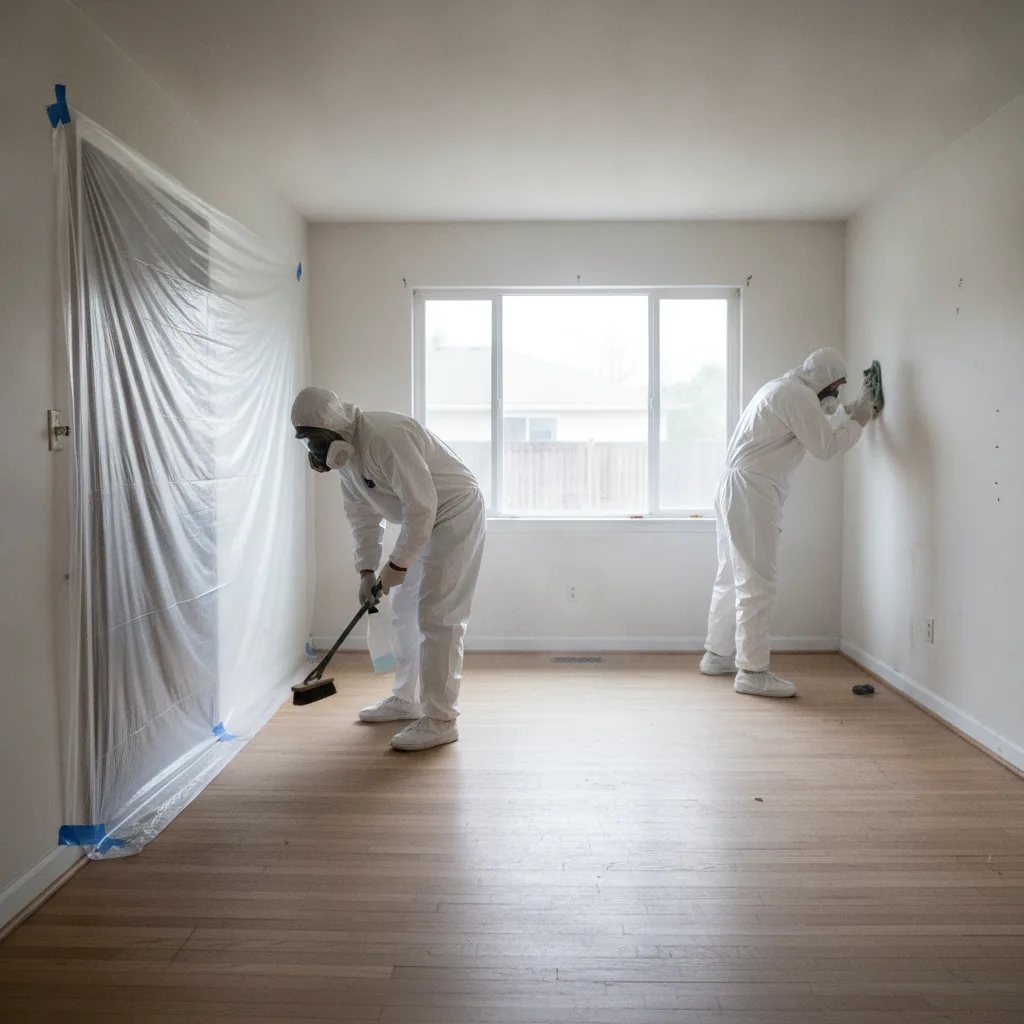
After HPD releases the scene, we clean, disinfect and restore it. That includes blood, tissue, fingerprint powder and investigative residue. Our goal is to get the space safe again and spare your family from having to see or handle any of it.
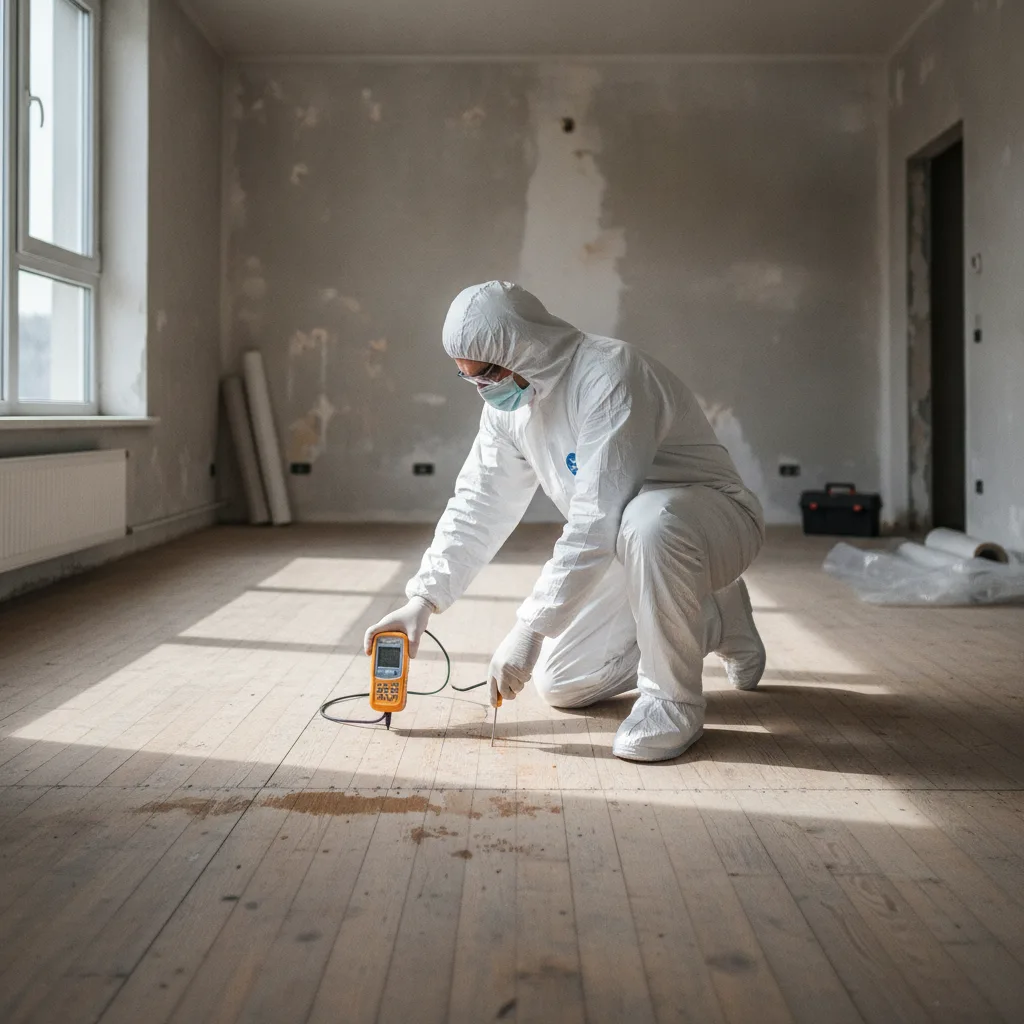
When someone passes alone and isn't found right away, we remove contaminated materials, decontaminate the structure and eliminate odor. We also help families decide which belongings can be safely cleaned and returned.
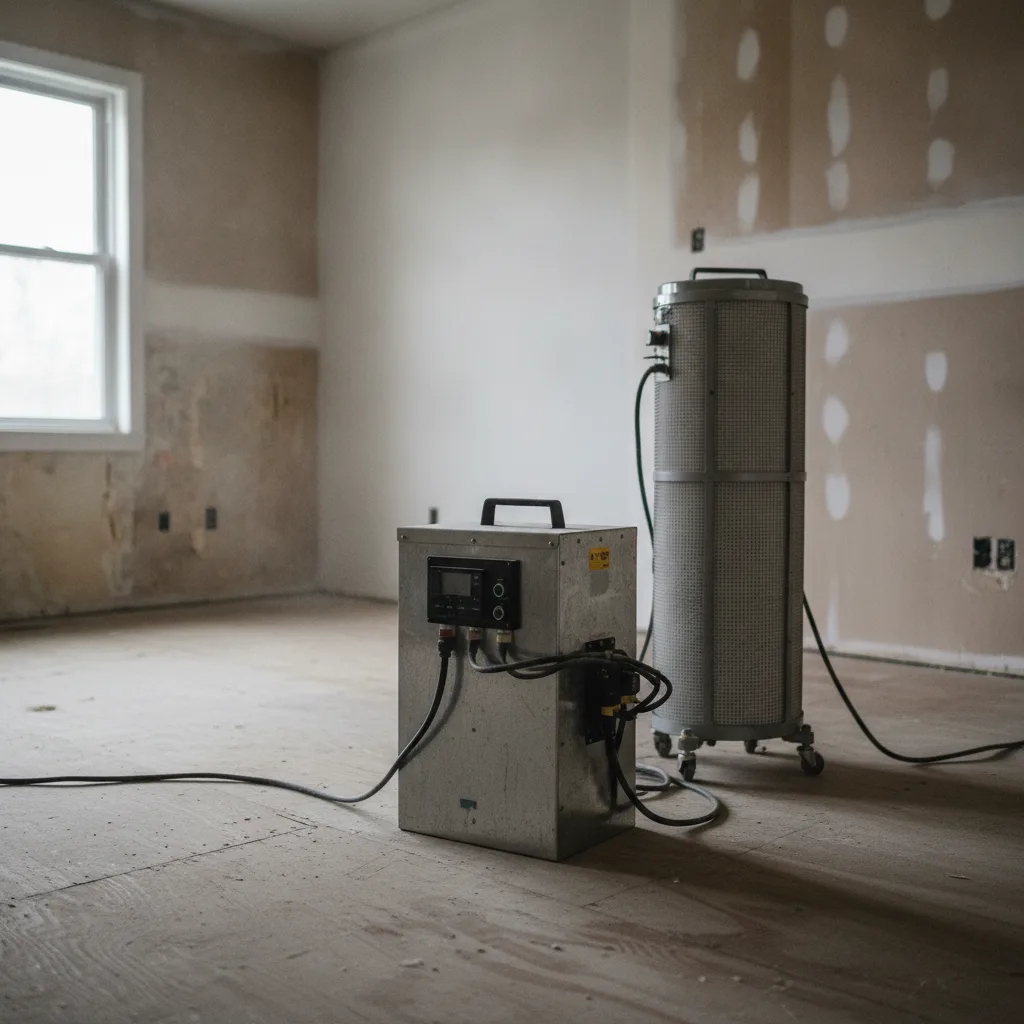
We handle the advanced cleanup that decomposition requires: saturated subfloors, mattresses, insect activity and odor that has gotten into the building itself.
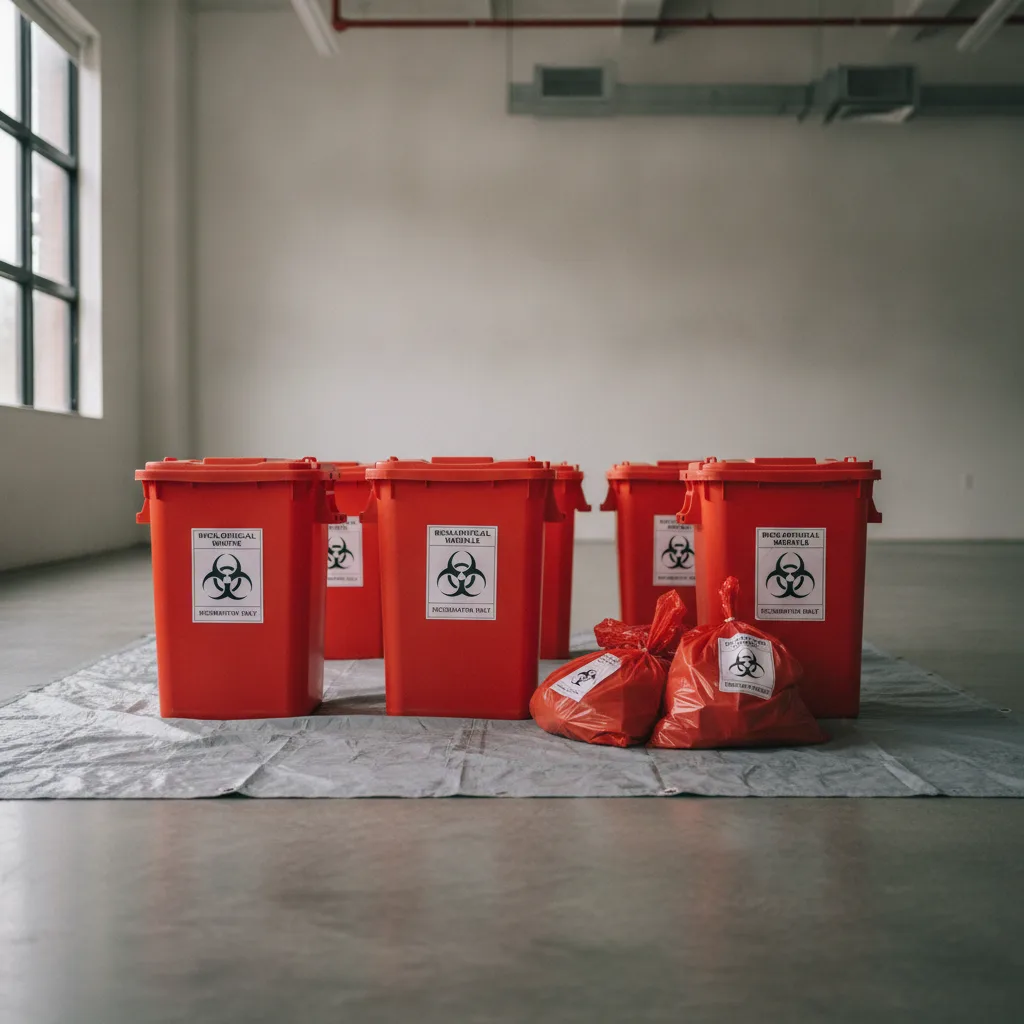
We remove and decontaminate blood, bodily fluids, human waste and other potentially infectious materials from homes, vehicles and commercial properties.
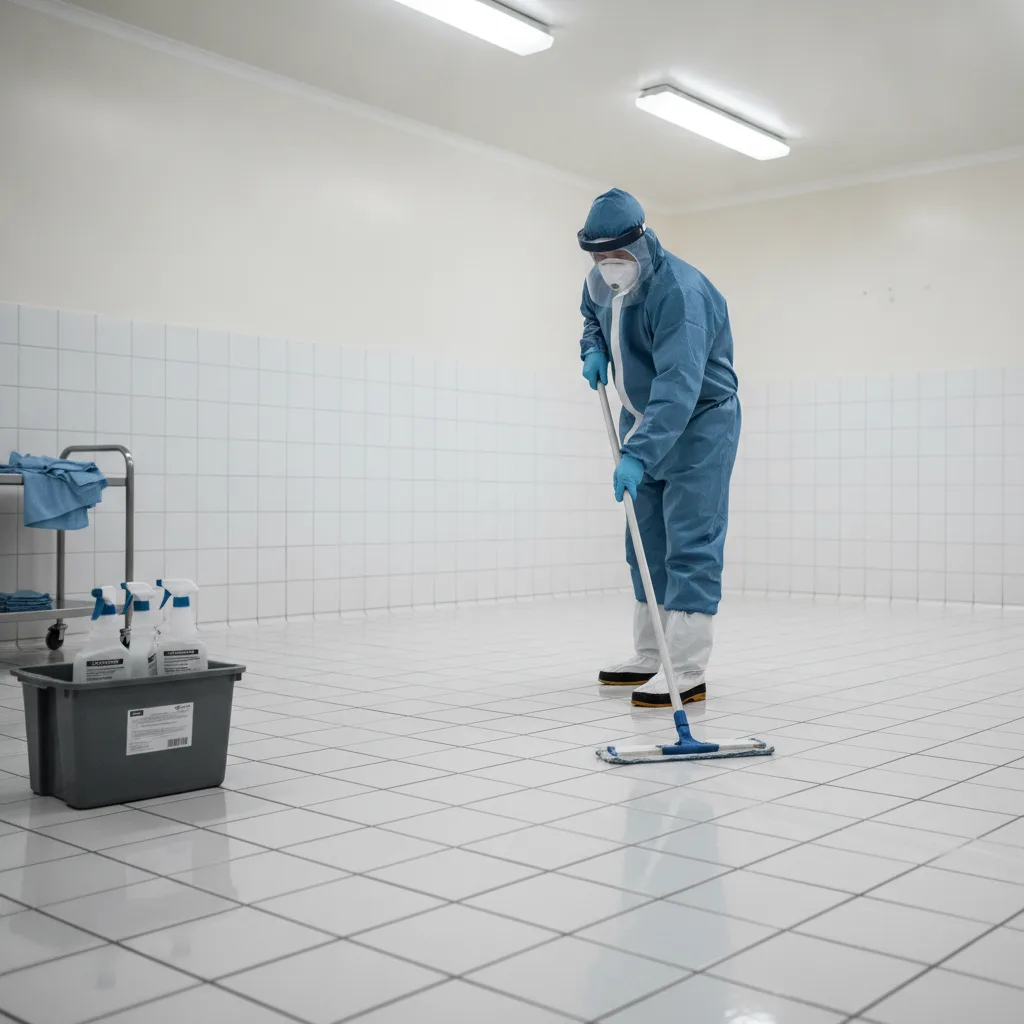
We clean up after suicides, accidents and serious injuries with care and complete discretion, so the family doesn't have to face the scene.
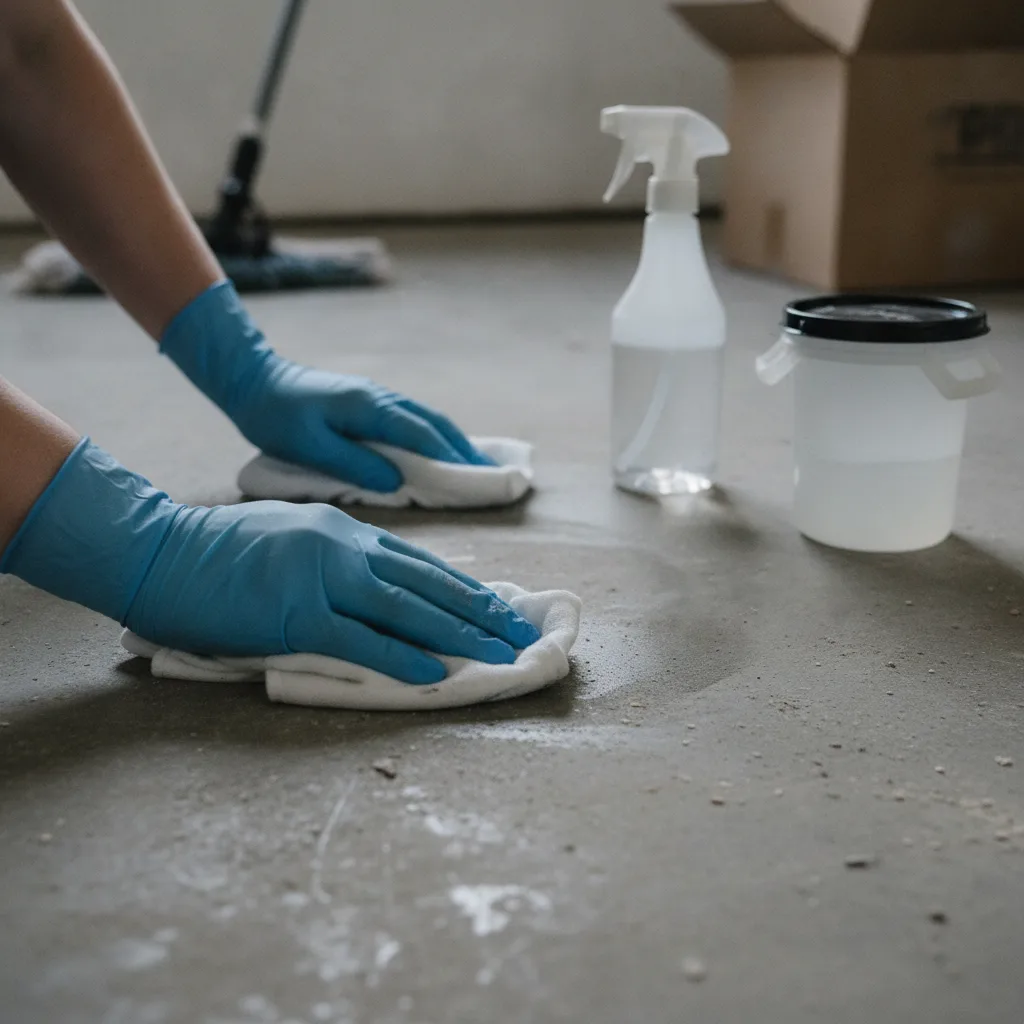
We clean and disinfect blood from floors, furniture, vehicles and fixtures, whether the spill is small or large.
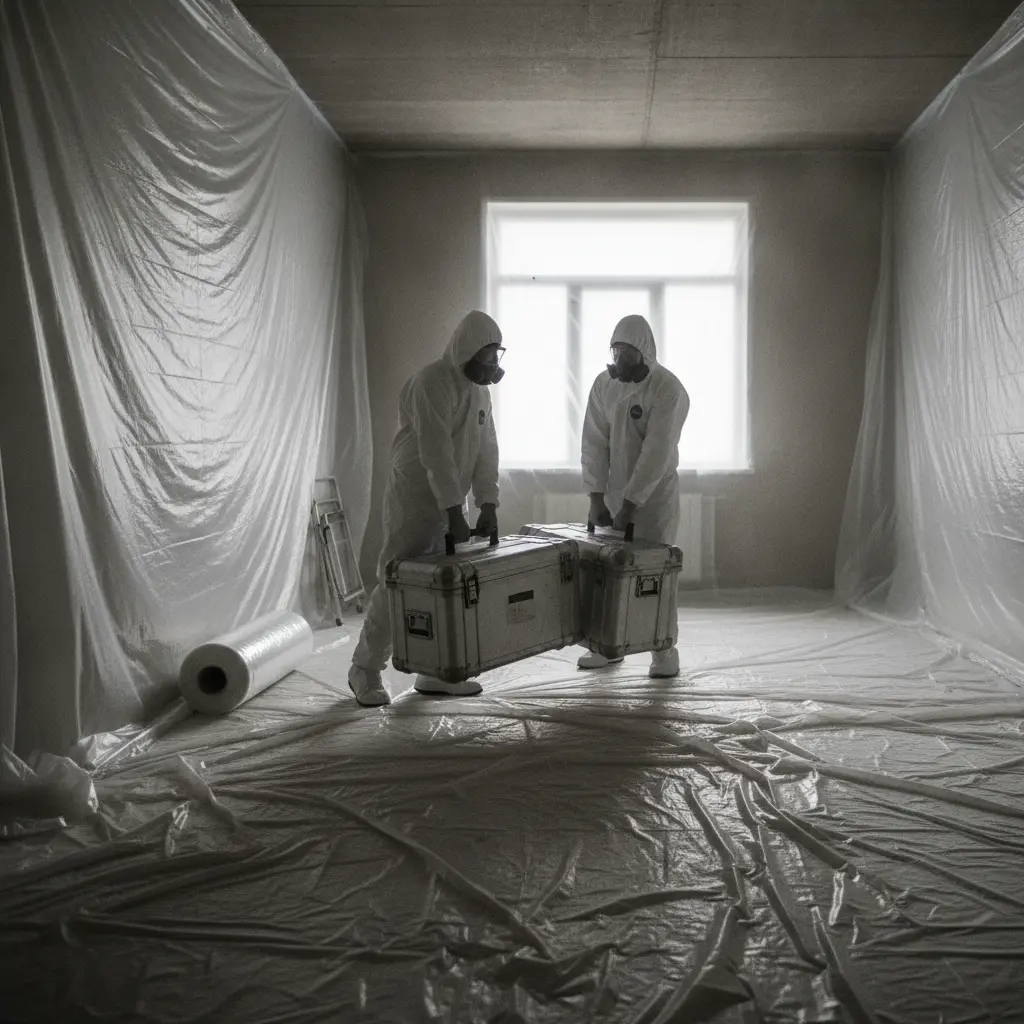
We handle the complete cleanup and restoration of a homicide scene with discretion and compassion for the family.
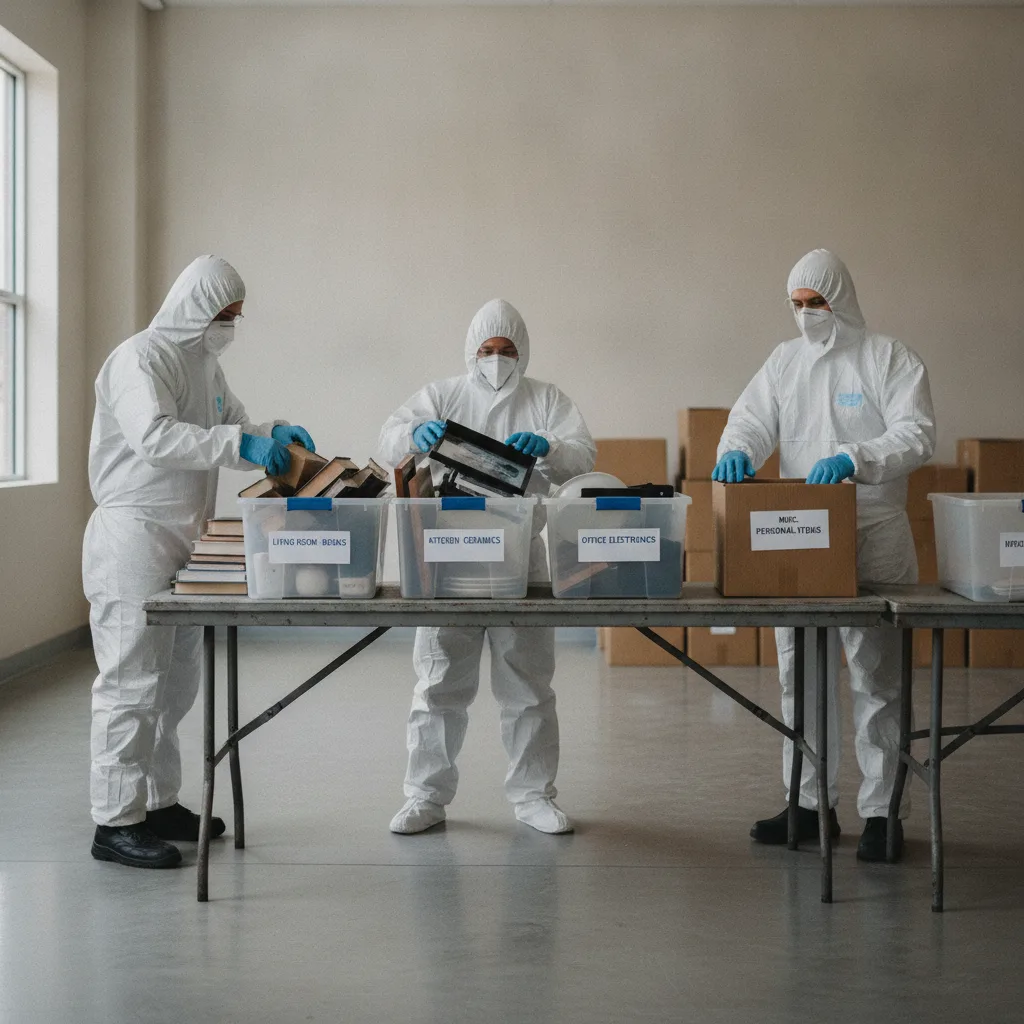
We work through hoarded homes without judgment, removing debris, biohazards and pests and saving belongings that matter to your family.
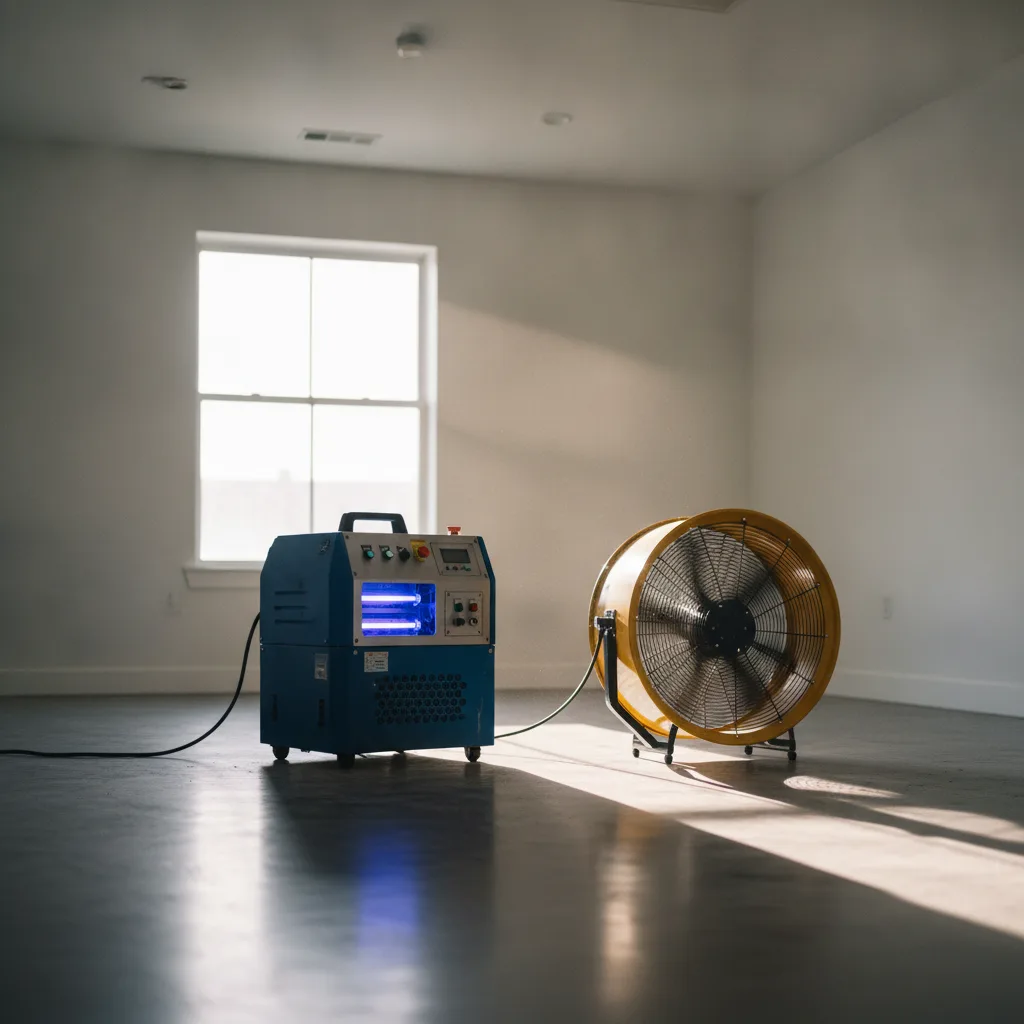
We get rid of odors from decomposition, smoke, waste and chemicals at the source instead of covering them up.
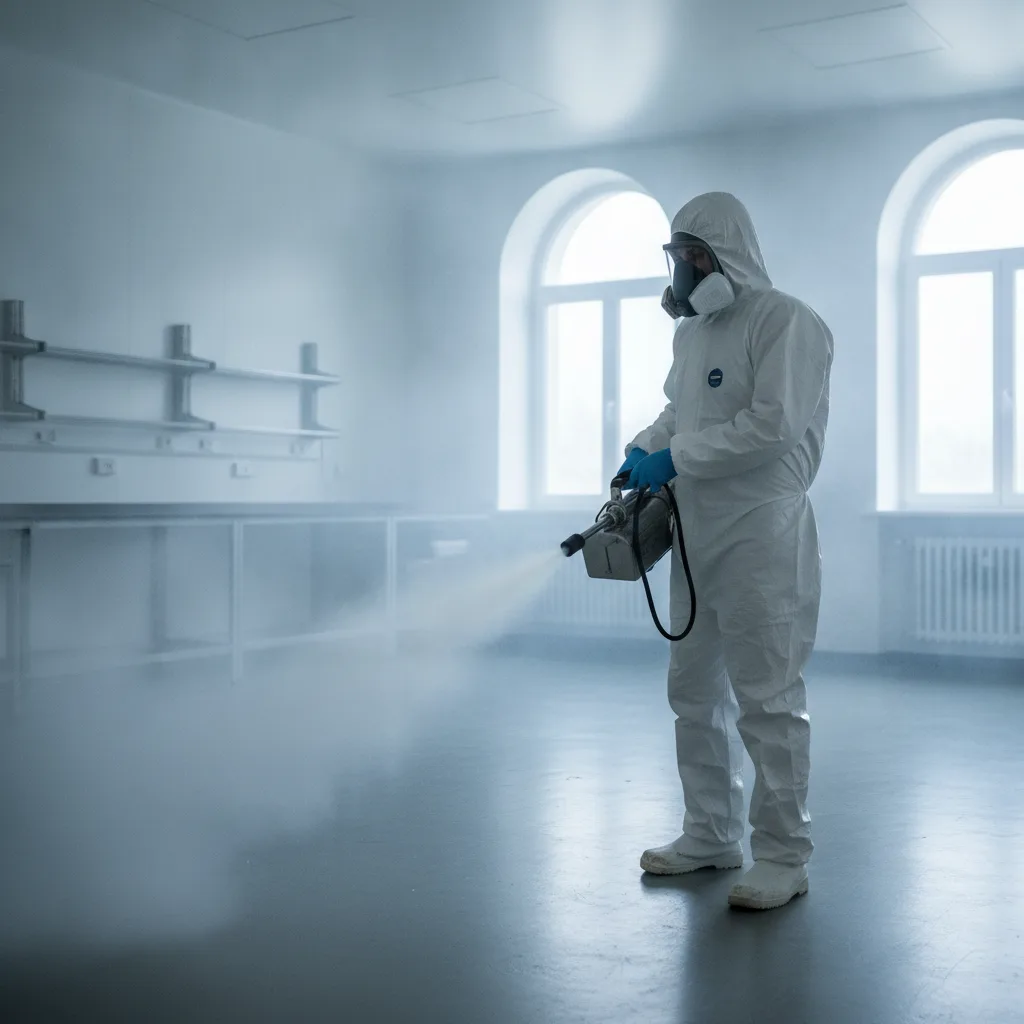
We do top-to-bottom disinfection of homes, hotel rooms, vehicles and commercial spaces exposed to pathogens or drug residue.
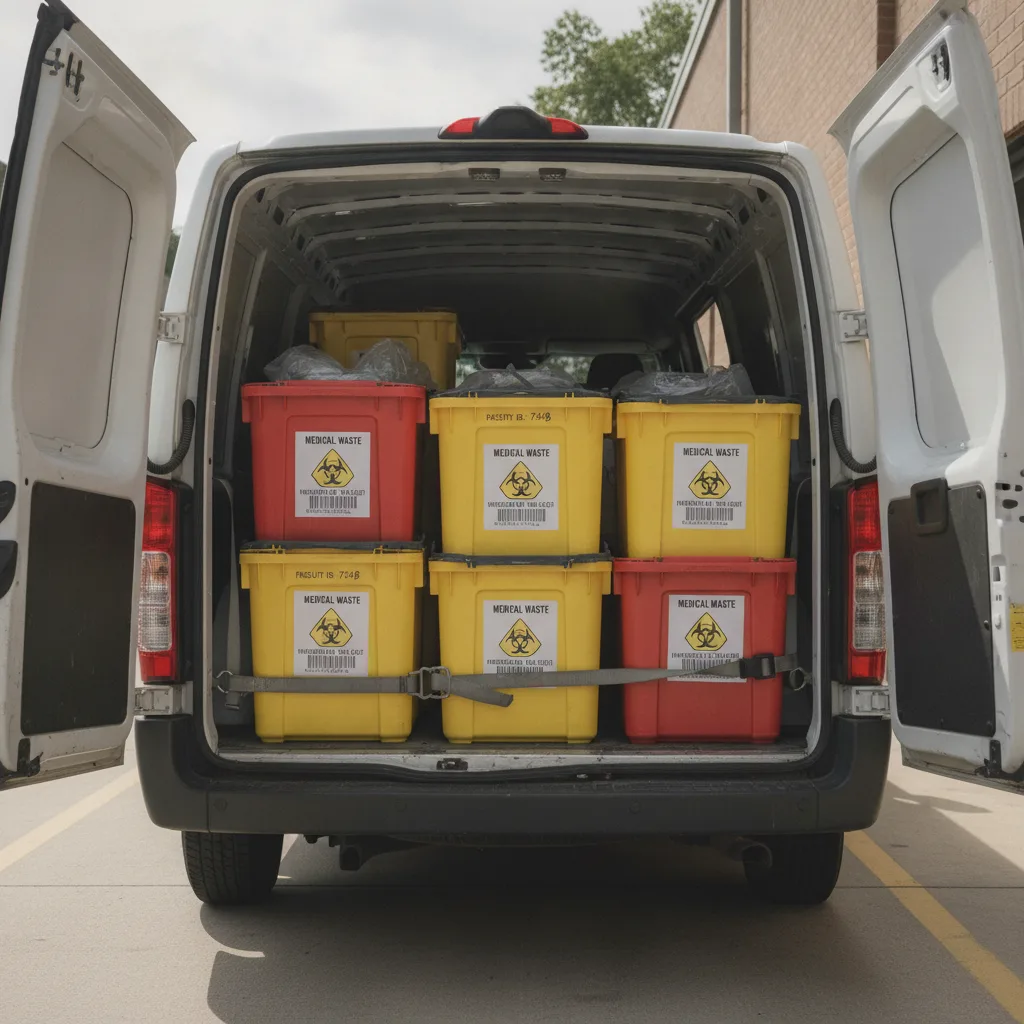
We safely collect, package and dispose of sharps, needles and regulated medical waste.
Every scene is different, but certain situations come up again and again on Oahu because of the island's heat, dense housing and aging population. Knowing the warning signs can help you act before the damage spreads into the structure, into neighboring units or into your health.
An unattended death is one where someone passes away alone and isn't found for days or weeks. As the body decomposes, it releases fluids, gases and bacteria that soak into mattresses, flooring and subfloors and leave a strong, persistent odor.
After a violent crime, blood and tissue can be spread across walls, ceilings, furniture and floors. Splatter often goes farther than it looks. It gets into grout, baseboard gaps, outlets and soft furnishings, and each spot carries bloodborne pathogen risk.
Fluid migration happens when biological fluids travel past the original unit. They can move through slab penetrations, plumbing chases, under walls or into ductwork and contaminate ceilings and walls in the unit below or next door.
Hoarding cleanup means removing large accumulations of possessions, trash and often animal or human waste. These homes can hold hidden biohazards, mold, sharps and heavy rodent or roach infestations that make the space unsafe.
Overdose scenes often involve bodily fluids, used syringes and residue from fentanyl or methamphetamine on surfaces, HVAC components and soft furnishings. That residue can be dangerous to the next tenant or guest.
These are smaller blood incidents from household accidents, self-harm, pet injuries or medical events at home. The affected area is limited, but the bloodborne pathogen risk is still real.
From your first call to the final walkthrough, we keep things simple, discreet and well documented. You'll always know what's happening, who's on-site and how the insurance side is being handled.
Answered 24/7. Dispatch timing depends on your location and traffic.
Usually 1–2 hours on-site
Several hours to several days, depending on severity
1–3 days in most cases
Same day the work is completed
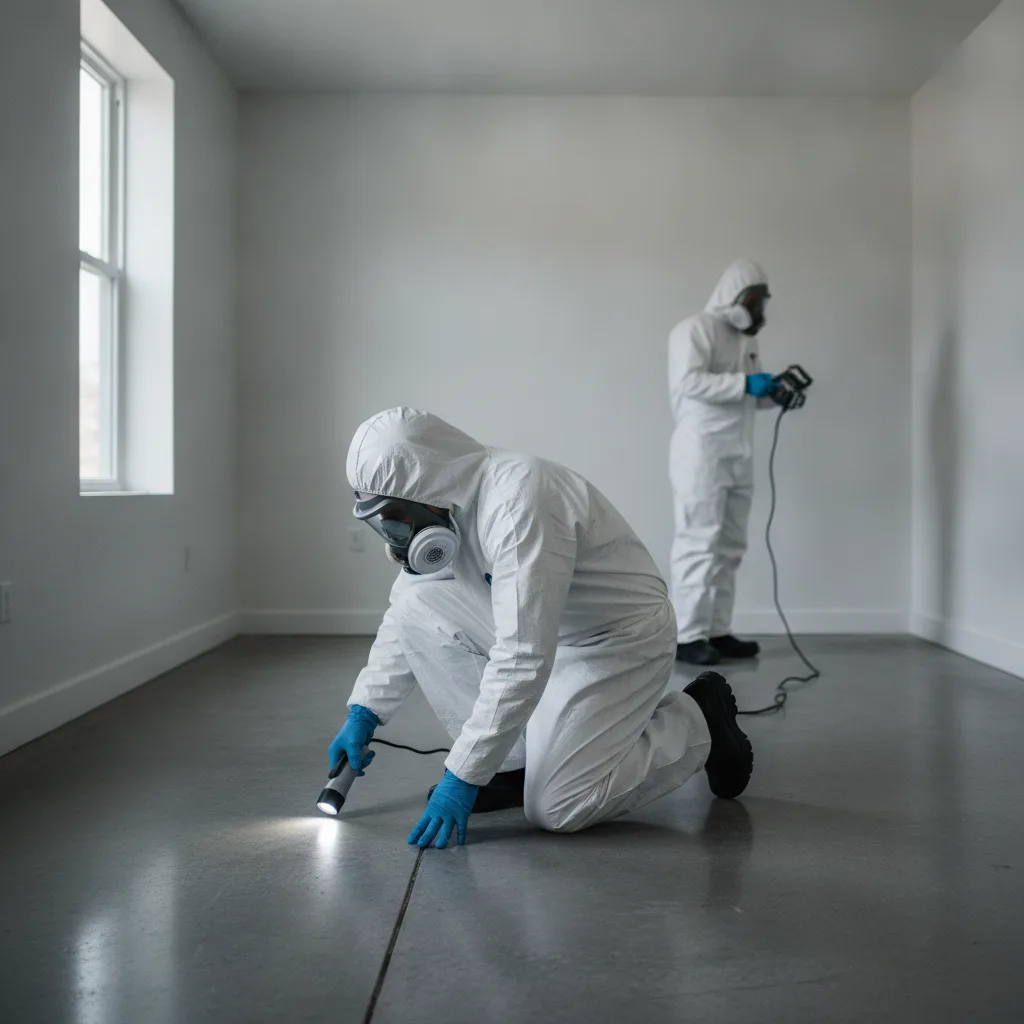
Most families don't know that homeowner's and many commercial policies often cover biohazard and trauma cleanup. We start by reviewing your coverage, then we document the scene thoroughly and work directly with your adjuster. Many families pay nothing out-of-pocket. If a deductible or exclusion applies, we tell you before any work starts, not after. For crime-related losses, we can also give you the documentation you'll need for a Hawaii Crime Victim Compensation Commission application. Our goal is to keep the money side from adding to what you're already going through.
Cleanup on Oahu isn't like cleanup on the mainland. We know how fast decomposition moves when nights stay in the 70s, how trade winds carry odor through jalousie windows and how fluids travel through slab penetrations in 1970s Waikiki towers. We know raised post-and-pier floors in Pearl City need a crawlspace inspection and that windward humidity in Kaneohe can turn a biohazard into a mold problem within days. That local knowledge helps us catch hidden contamination that a less experienced crew might miss.
On Oahu, everyone knows everyone. We arrive in unmarked vehicles, keep our equipment out of sight and talk with building staff only about what they need to know. In condo towers we use loading docks and freight elevators instead of the main lobby whenever we can. Your neighbors don't need to know what happened, and your family deserves privacy while they grieve. Discretion is built into how we do every job.
Tragedies don't happen on a schedule, and in Honolulu's heat, waiting makes everything worse. A real person answers our phones 24/7, any day of the year, including holidays. We dispatch as soon as the scene is released and plan routes around H-1 and windward highway traffic. Hotels and vacation rentals get the fast turnaround they need to protect bookings, and families get help the same night.
Every technician follows OSHA bloodborne pathogen protocols, which HIOSH enforces here in Hawaii. That includes exposure control plans, proper PPE and training. Regulated waste is packaged and handed off only to approved Hawaii disposal channels, and we give you records showing where it went. We're fully insured and provide certificates of insurance to AOAO managers and commercial property owners on request, so your building's requirements are met before we arrive.
Honolulu families come from many traditions, including Native Hawaiian, Japanese, Filipino, Chinese, Korean, Samoan and more. We'll pause for a kahu blessing, work around a family's religious observances and handle personal items with care. Photos, letters, heirlooms and keepsakes are set aside for cleaning or for your review, never thrown out without asking. We're trained in biohazard cleanup, but we know we're working in someone's home.
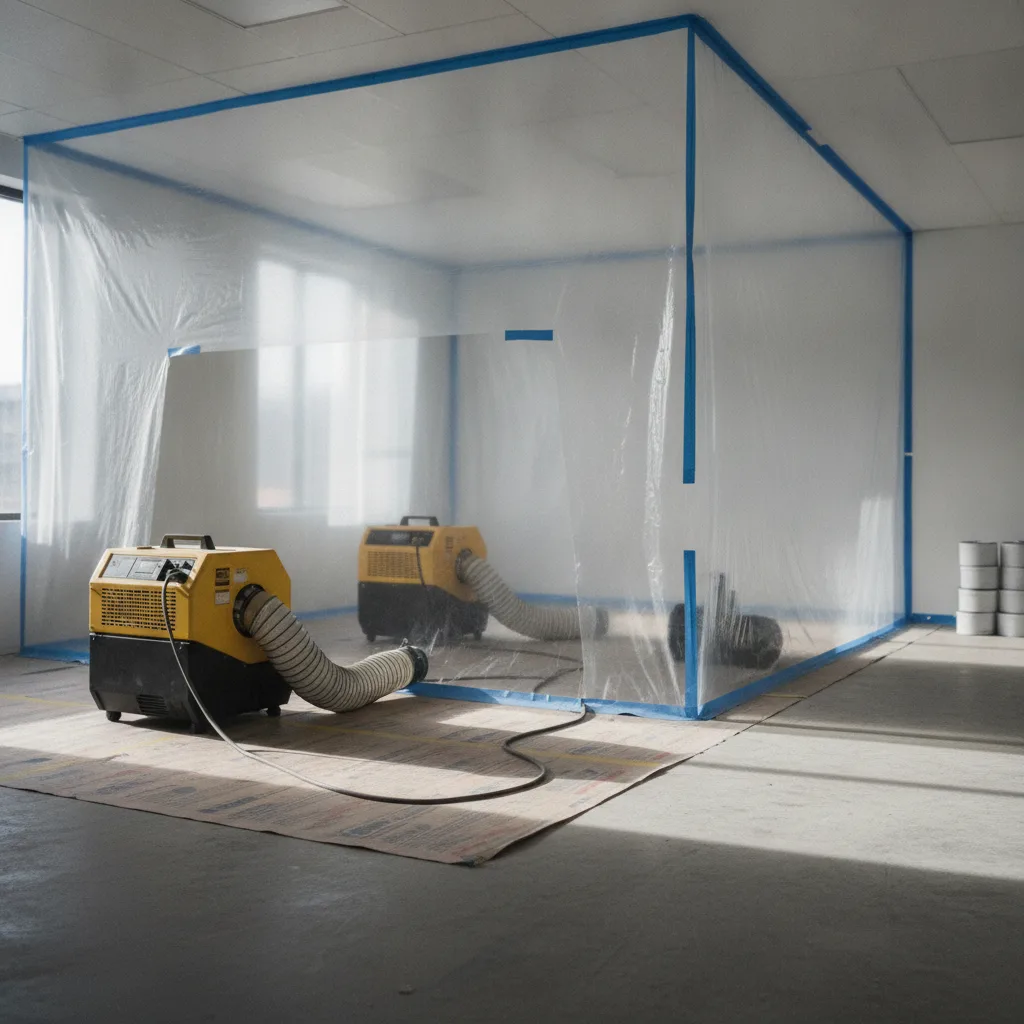
For many Oahu families, insurance-covered cleanup means paying $0 out-of-pocket. Homeowner's, renter's and commercial policies often cover biohazard remediation, and we bill your carrier directly. Here's what affects the total claim value and what usually gets covered.
Your coverage matters more than anything else in what you'll personally pay. Many homeowner's policies cover biohazard cleanup as a sudden, accidental loss, and commercial policies often cover hotels and rentals. We review your policy, document the scene and work directly with your adjuster. If there's a deductible or exclusion, we tell you upfront. For crime-related losses, the Hawaii Crime Victim Compensation Commission may help with certain expenses.
In Honolulu's year-round heat, every day an unattended death goes undiscovered makes the scope bigger. A scene found within a day may only need surface cleaning and a mattress removed. One found after a week often means removing the subfloor and drywall and running extended deodorization. This is the biggest reason claim values vary so much, and it's why we answer 24/7.
In a high-rise condo, the cleanup may have to include the units below and beside, along with freight elevator reservations and AOAO requirements. In post-and-pier homes, we may need to clean the crawlspace. In single-wall wood homes, the framing itself may need treatment. Pre-1980 buildings may need asbestos testing before contaminated materials can come out. All of these affect the scope we document for your insurer.
Regulated medical waste on Oahu can only go through approved Hawaii DOH haulers and treatment facilities. Some waste streams need special handling or off-island shipping. Disposal is a bigger part of a Hawaii claim than it would be on the mainland, and we document it in detail so your insurer can see why.
Windward humidity, kona weather and year-round pests can add work. Mold may need to be addressed, odor may need extended deodorization and hoarding or decomposition scenes often need pest control. When these conditions come from a covered loss, we include them in the claim.
We don't ask for payment upfront on covered claims. If something isn't covered, we'll talk through your options before any work starts. You'll never be surprised by a bill.
In many cases, yes. Homeowner's and renter's policies often cover biohazard and trauma cleanup as a sudden, accidental loss, and commercial policies usually cover hotels, rentals and businesses. Many Honolulu families pay $0 out-of-pocket. We review your policy, photograph and document the scene and bill your carrier directly. If a deductible or exclusion applies, we explain it before work starts. For crime-related losses, the Hawaii Crime Victim Compensation Commission may cover certain expenses, and we give you the documentation you need to apply.
We answer the phone 24/7 and dispatch as soon as the scene has been released. Arrival times depend on where you are and on traffic. Urban Honolulu calls are usually fastest. Trips to Kailua or Kaneohe depend on conditions on the Pali, the Likelike or H-3. When you call, we'll give you a realistic arrival estimate. In Oahu's heat, calling quickly helps limit how far contamination spreads.
Small blood cleanups are often done in a few hours. Most unattended death or crime scene cleanups take 1–3 days. Advanced decomposition, fluid migration into neighboring condo units and large hoarding jobs can take a week or longer. Condo jobs may also depend on freight elevator availability and AOAO work-hour rules. We'll give you a timeline after the on-site assessment and keep you updated. If you're off-island, we'll update you remotely.
The cleanup itself usually doesn't need a building permit. If structural repairs follow, such as replacing subfloor or drywall, that work may need a licensed Hawaii contractor and a City and County of Honolulu DPP permit. We can refer you to licensed contractors. Most condo AOAOs require a certificate of insurance naming the association, plus elevator reservations and set work hours, and we take care of that coordination. In pre-1980 buildings, suspected asbestos may need testing before materials are removed.
Call a professional whenever there's more than a small amount of blood, any bodily fluid that's soaked into carpet or furniture, any unattended death, needles or drug residue, or an odor that won't go away. Bloodborne pathogens are a real health risk, and household cleaners don't reach contamination in subfloors, grout or framing. On Oahu, heat and humidity make delays costly. If you aren't sure, call us. We'll tell you honestly whether you need us.
Yes, as long as the source is removed and not just covered up. Odor in Honolulu homes often moves through jalousie windows, lanais, shared walls and ductwork, and it gets worse during kona weather when the trades stop. We remove contaminated materials, seal subfloors and framing, then use thermal fogging and hydroxyl or ozone treatment as appropriate. We don't call a job done until the space is odor-free to us and to you.
Prevention mostly comes down to regular contact. Many Oahu kupuna live alone and their children live on the mainland. Daily check-in calls, a trusted neighbor with a key, medical alert devices and a good relationship with the building manager all help. In condos, ask the AOAO whether they run wellness checks. If someone you love lives alone, share their emergency contacts with a neighbor and building staff.
We do everything we can to make sure they don't. We arrive in unmarked vehicles, our technicians don't discuss the job with anyone outside the family or building management, and in condo towers we use loading docks and freight elevators instead of the main lobby when possible. Contaminated materials go out in sealed, unmarked containers. Privacy matters in Oahu's tight-knit communities, and we treat it as part of the job.
We come to you anywhere in Honolulu and the surrounding area, in unmarked vehicles, any hour of the day.
You don't have to handle this by yourself. A caring, real person answers our phones day or night. We'll walk you through the next steps, check your insurance coverage and send a discreet crew.
Call (808) 309-7995 Now