Discreet, certified crime scene and biohazard cleanup in Plano — unmarked vehicles, compassionate technicians, and in most cases $0 out of pocket since we bill your insurance directly.
A biohazard scene in Plano isn't like one in a cooler, newer, or more compact city. Our summer heat, clay soils, 30–50-year-old slab homes, apartment density, and HOA-governed neighborhoods all change how contamination spreads and how cleanup has to be done. Here's what makes this area different.
Plano's July and August highs sit in the mid-90s, triple-digit stretches are common, and nights often stay in the mid-70s. Humidity runs moderate to high from May through September. That combination speeds decomposition dramatically. An unattended death unnoticed for just two or three summer days, especially with the AC off or set high, can mean heavy fluid migration, strong odor, and fly and larvae activity. Garages, attics, and vehicles parked in the sun get far hotter than outdoor air. We also see roughly 40 inches of rain a year, peaking April through June, with hail and flash flooding that cause sewage backups and Category 3 black-water jobs. Hard freezes like Winter Storm Uri in 2021 burst pipes across Collin and Denton counties. And because HVAC runs nearly year-round here, odor and airborne contaminants travel through ductwork fast.
Most of Plano was built between the 1970s and 1990s: slab-on-grade, wood framing, brick veneer, attached rear-entry garages. Many of these homes still have older wall-to-wall carpet over pad on concrete. When blood or decomposition fluid soaks through, it often stains and penetrates the slab itself, which then needs scrubbing, enzyme treatment, and sometimes an encapsulant sealer. Expansive Blackland Prairie clay shifts foundations and cracks slabs and grout lines, opening paths for fluid to seep below finished floors. Laminate and hardwood from later remodels let fluid run into seams and subfloor. The Colony and Carrollton have similar 1970s–80s Fox & Jacobs-era tract homes. Frisco's newer two-story homes add open layouts and multi-zone HVAC that make containment harder, while garden-style and mid-rise apartments near Legacy West, The Star, and Grandscape share walls and ventilation.
Texas doesn't issue a state license for crime scene cleanup, so it's on you to judge a provider's training and compliance. The standards that matter are OSHA's Bloodborne Pathogens Standard (29 CFR 1910.1030), OSHA respiratory protection and hazard communication rules, and TCEQ and Texas DSHS requirements for packaging, labeling, transporting, and disposing of biohazardous waste with chain-of-custody records. Mold remediation after water or sewage damage is separately licensed through TDLR for larger areas. No scene can be cleaned until police or the medical examiner releases it, and Collin, Denton, and Dallas counties each handle death investigations; Carrollton and Frisco cross county lines. HOAs are nearly universal in Plano, Frisco, and Allen, with rules on commercial vehicles, signage, and dumpsters. Downtown Plano and Haggard Park carry heritage designations, and replacing drywall or flooring afterward may need a city building permit.
Plano has roughly 290,000 residents, Frisco more than 200,000, Carrollton about 130,000, Allen about 110,000, and The Colony about 45,000. Many longtime owners in established Plano and Carrollton neighborhoods are aging in place, often alone, which is why unattended deaths and hoarding cleanups are common here. At the same time, the corporate campuses along the Dallas North Tollway and SH-121 have drawn thousands of professionals whose parents or siblings live in other states, so remote coordination and digital paperwork really matter. Our communities are wonderfully diverse, including large South Asian, Chinese, Korean, and Hispanic populations, and families hold a wide range of cultural and religious practices around death. Respecting them is part of the job.
Every service below follows the same core approach: compassionate communication, OSHA-aligned safety, complete removal of hidden contamination, and Texas-compliant waste disposal. We bill insurance directly whenever coverage applies, so you can focus on your family instead of paperwork or prices.
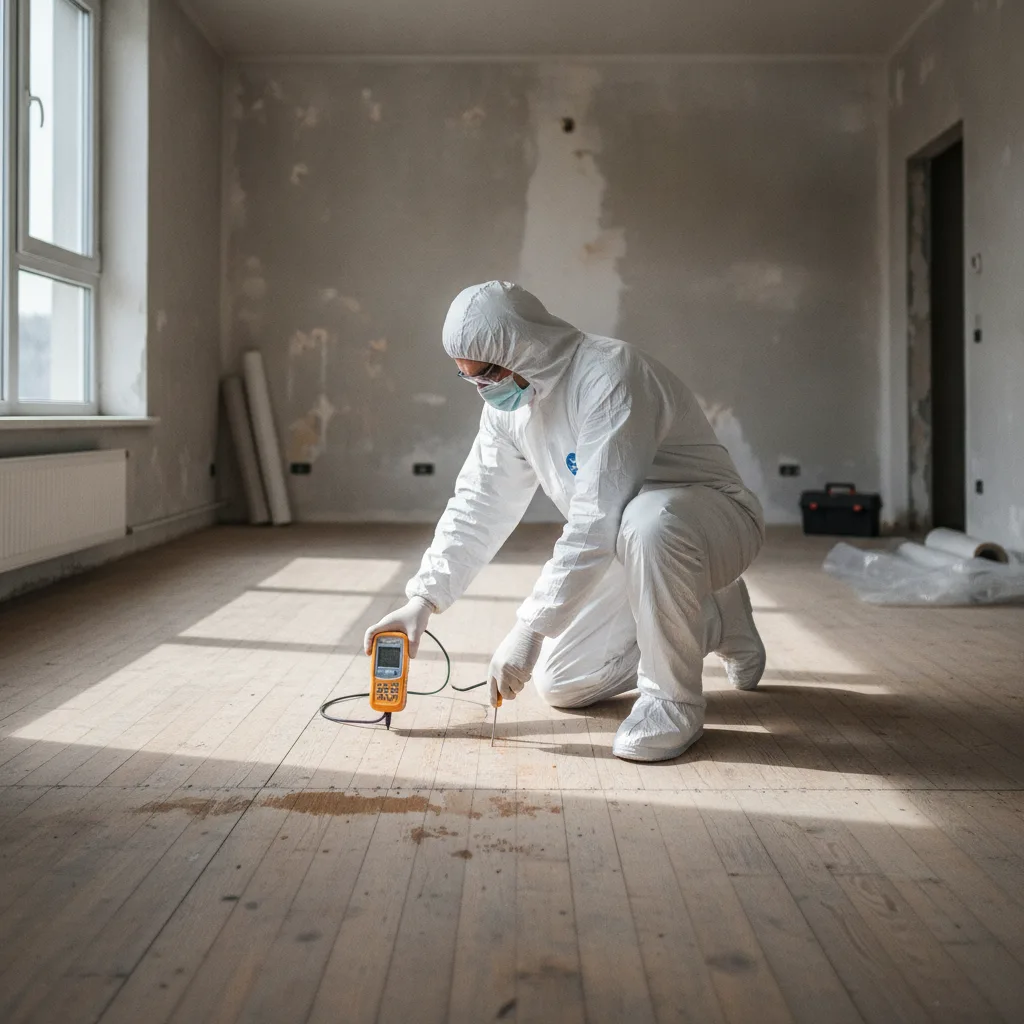
We remove all traces of decomposition, from visible fluids to contamination hidden under flooring, in walls, and inside ductwork, then eliminate odor and return the home to a safe, livable state.
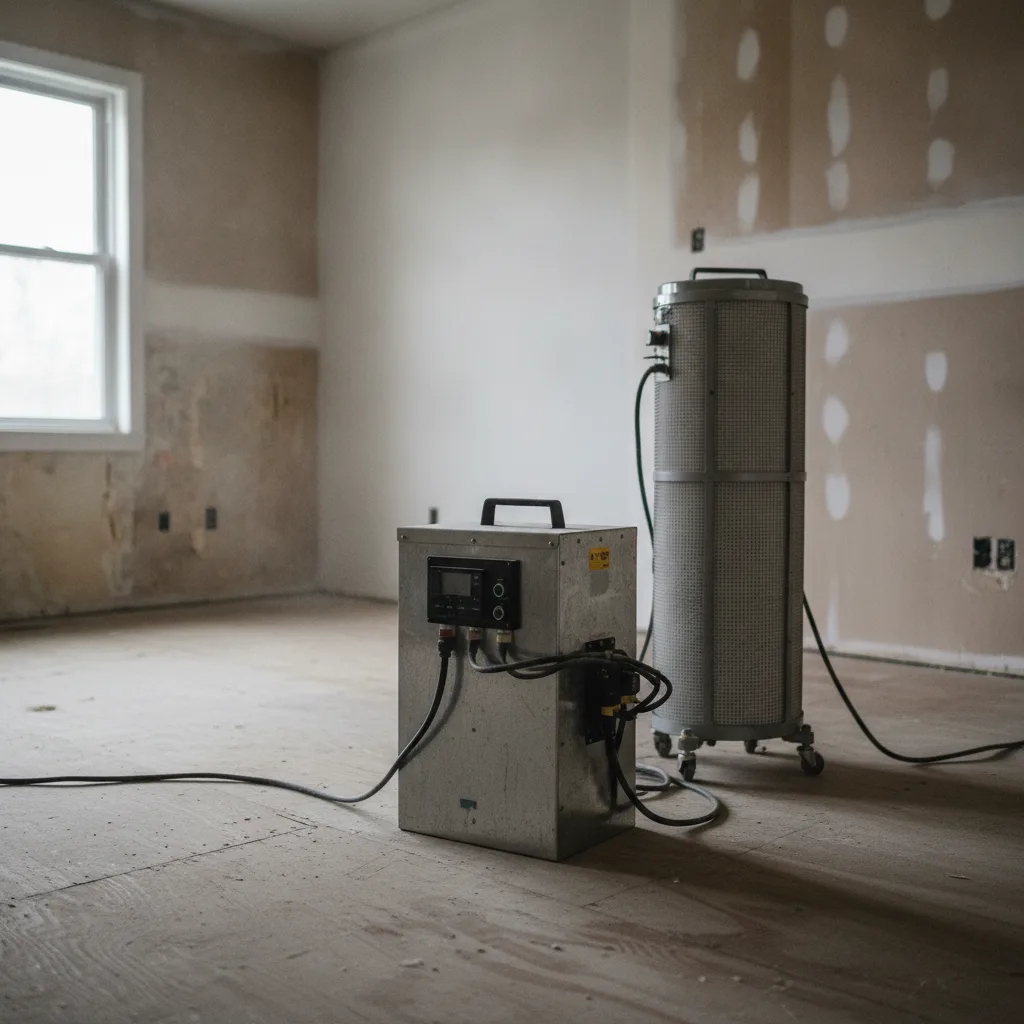
We handle advanced decomposition scenes involving insect activity, deep fluid migration, and severe odor, including removal of structural materials when contamination reaches subfloor or framing.
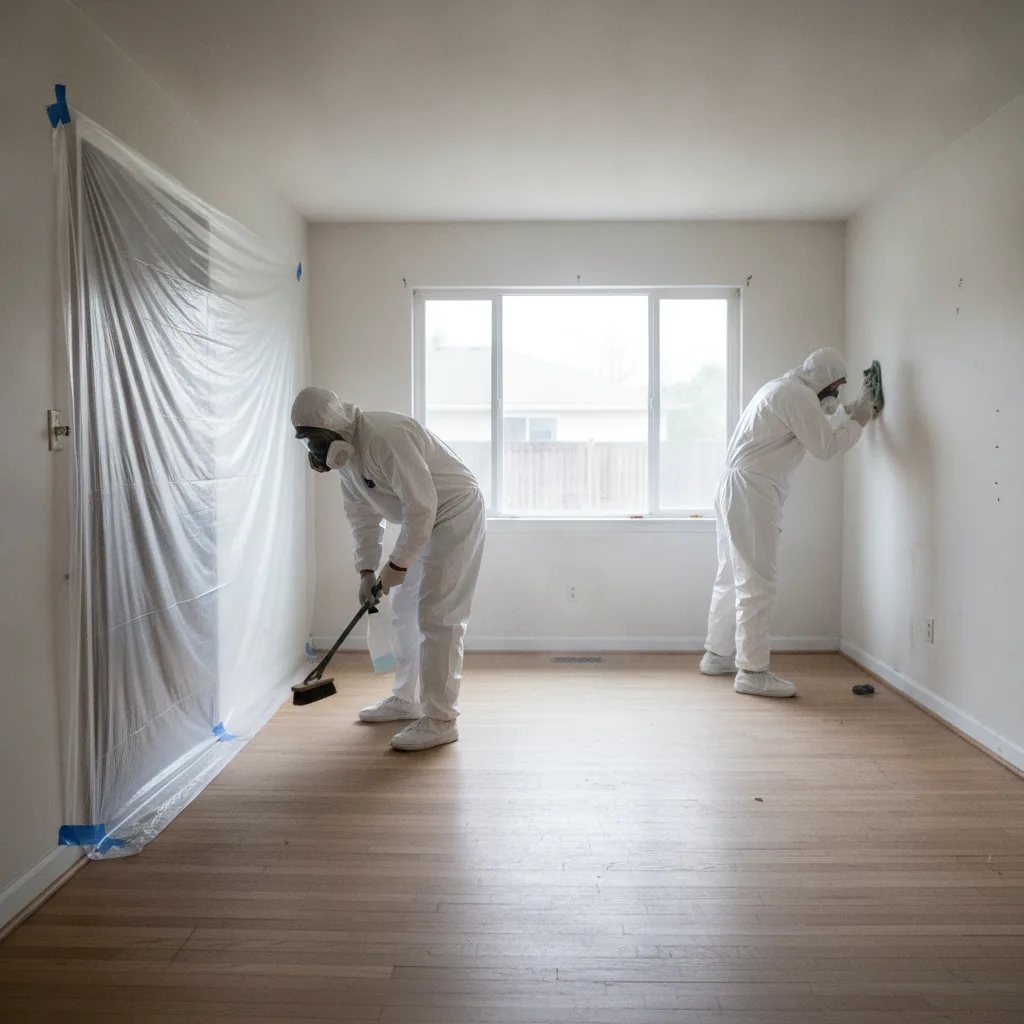
Once police or the medical examiner release the scene, we clean and decontaminate every affected surface, remove fingerprint powder, and restore the space quietly and respectfully.
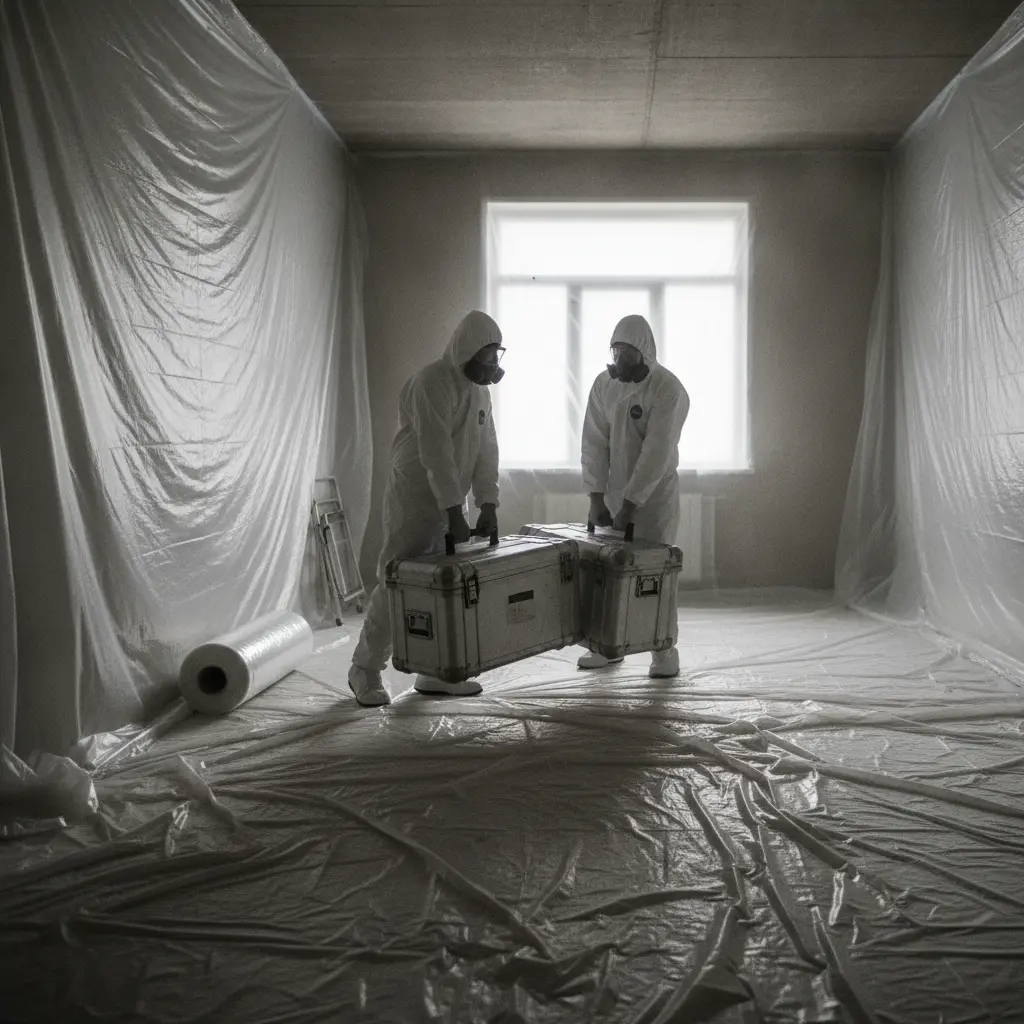
We take on the hardest scenes with care, removing all biological material and residue so that family members never have to see or touch it.
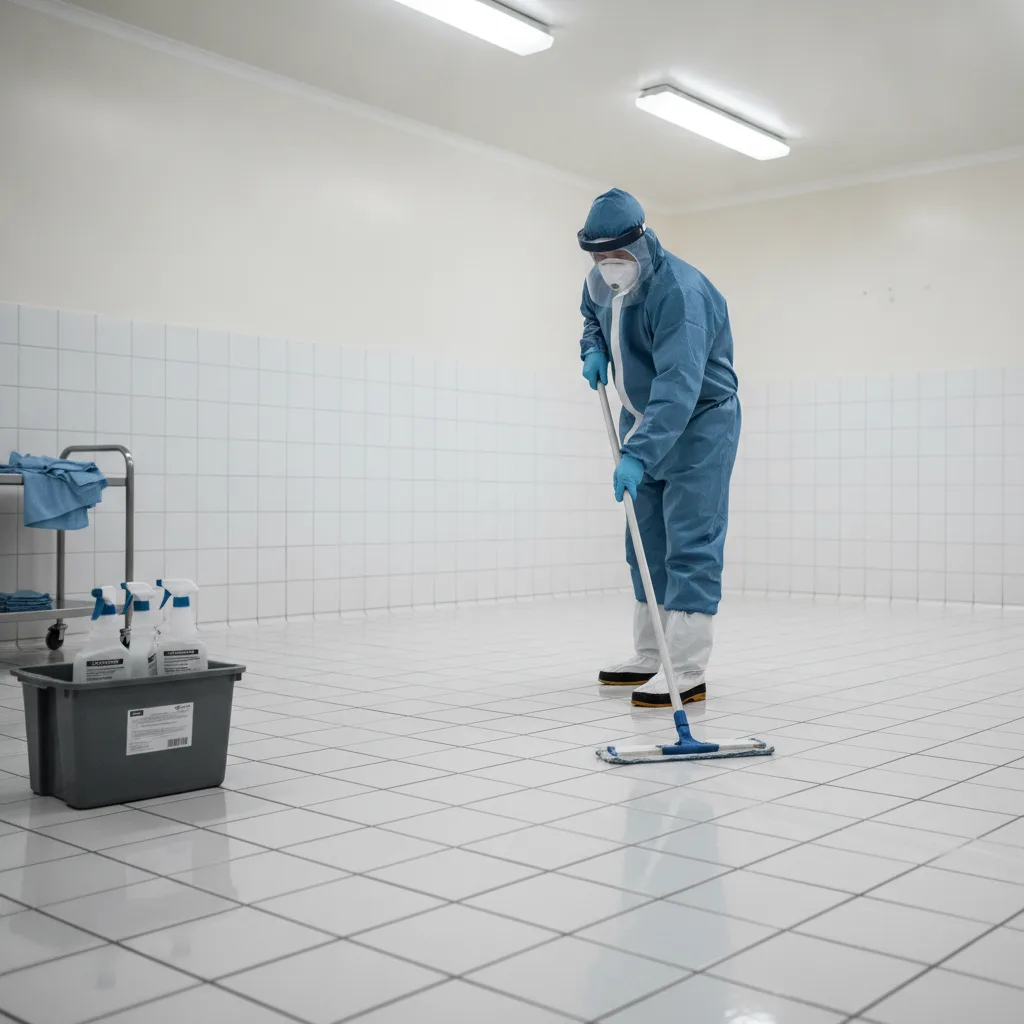
We clean scenes from suicides, accidents, assaults, and serious injuries with discretion and compassion.
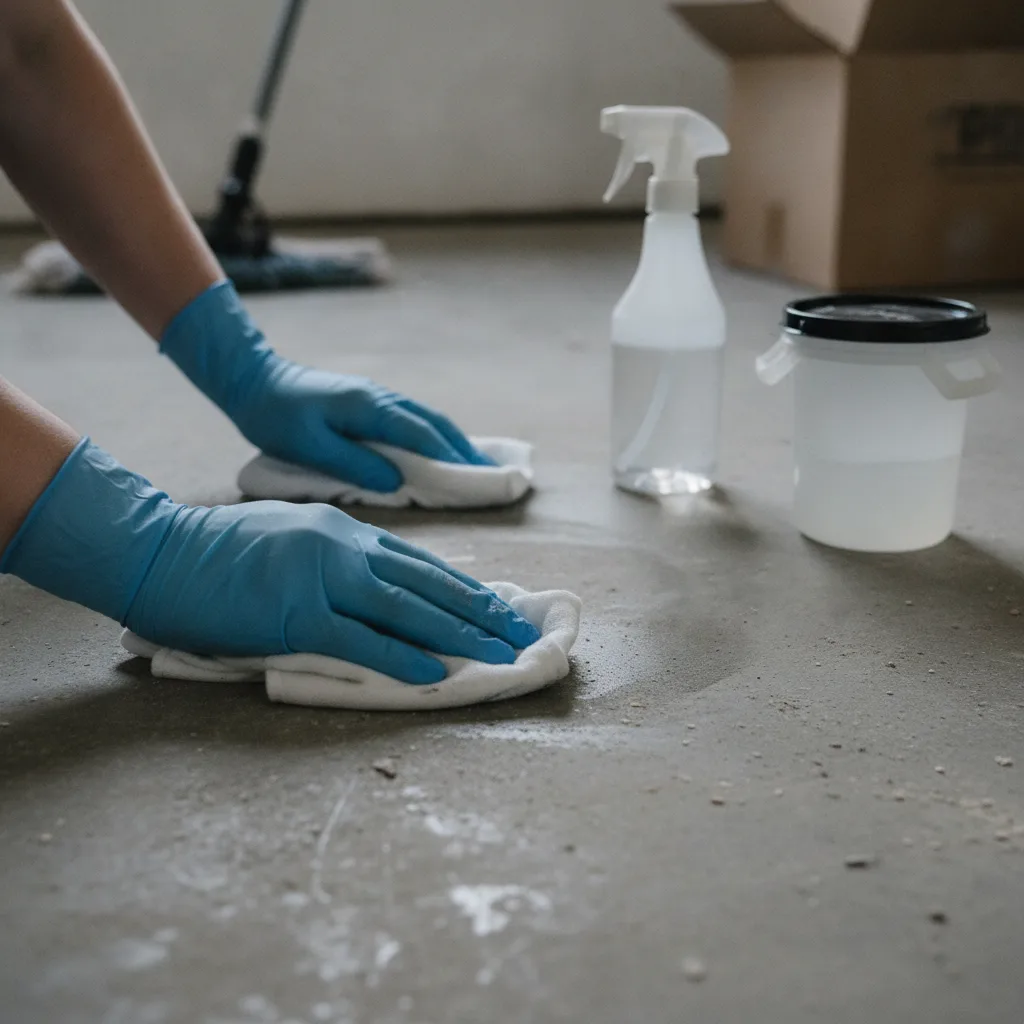
We remove and disinfect blood from floors, walls, fabrics, and fixtures, including what's soaked beneath the surface.
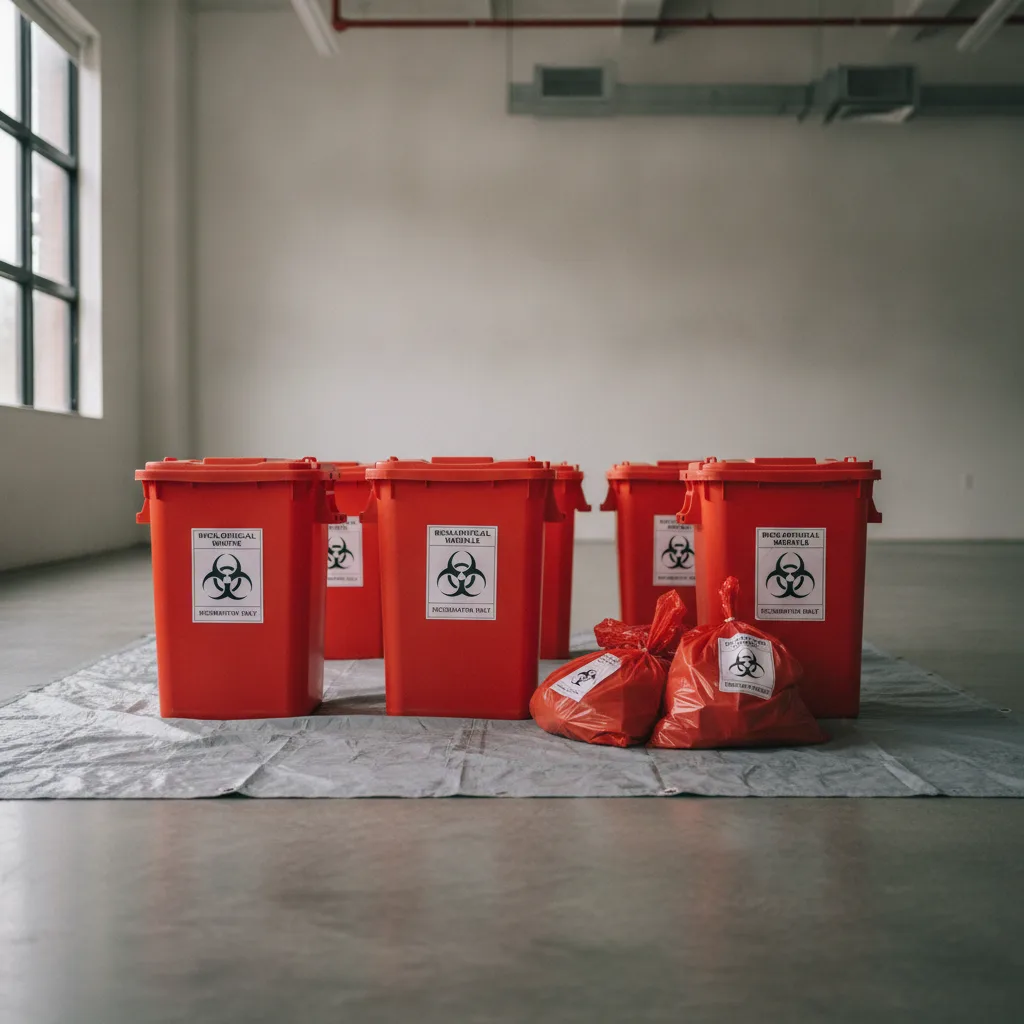
We remediate any biological hazard, including bodily fluids, animal waste, black water, and infectious contamination.
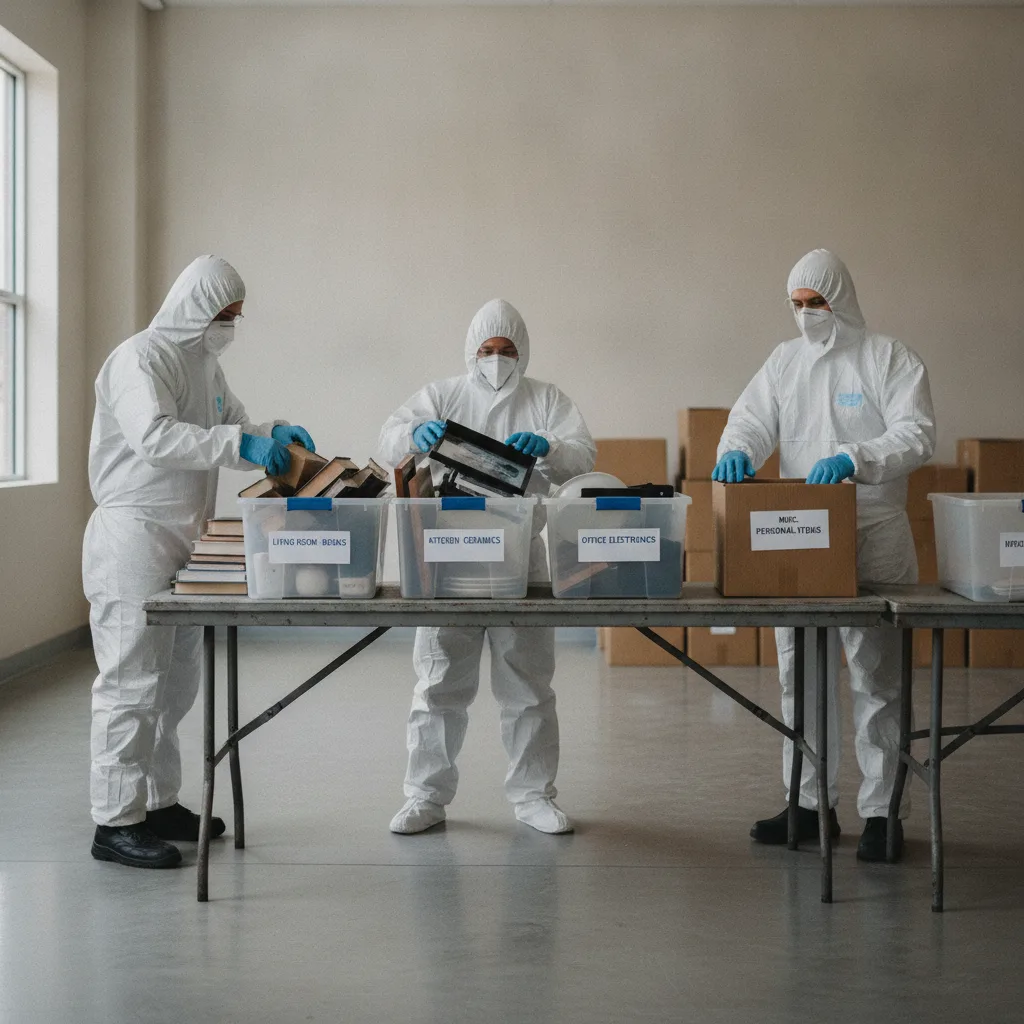
We clear hoarded homes safely while respecting the person and preserving what matters to the family.
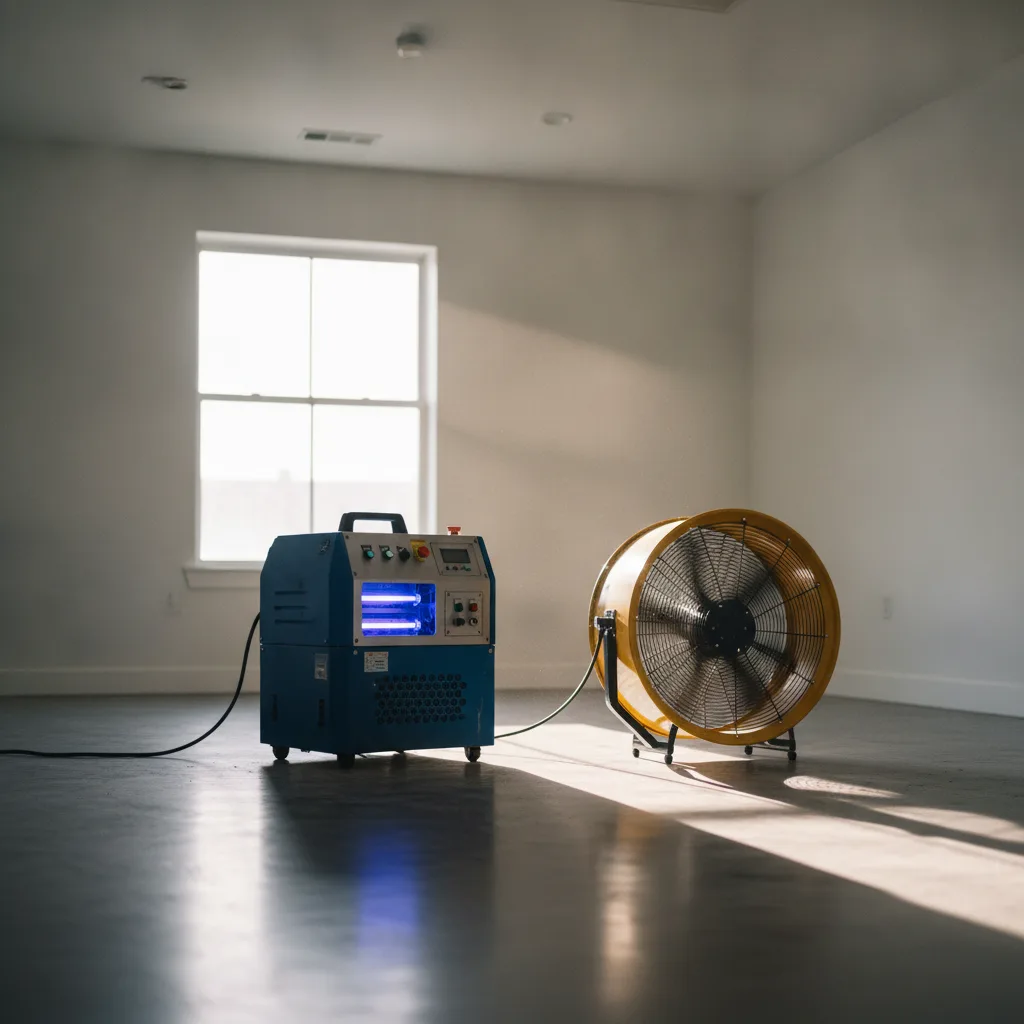
We eliminate odors at the source rather than masking them.
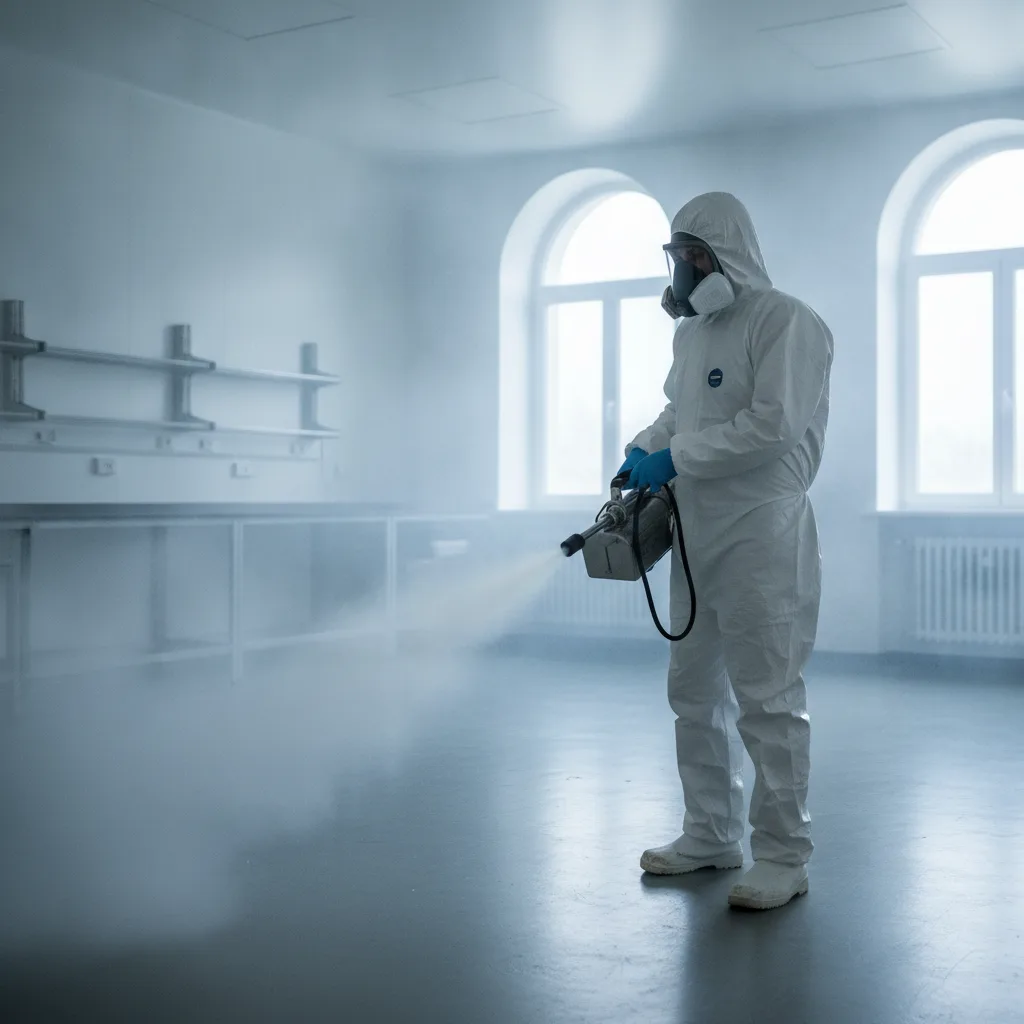
We decontaminate homes, vehicles, and commercial spaces affected by infectious material or drug residue.
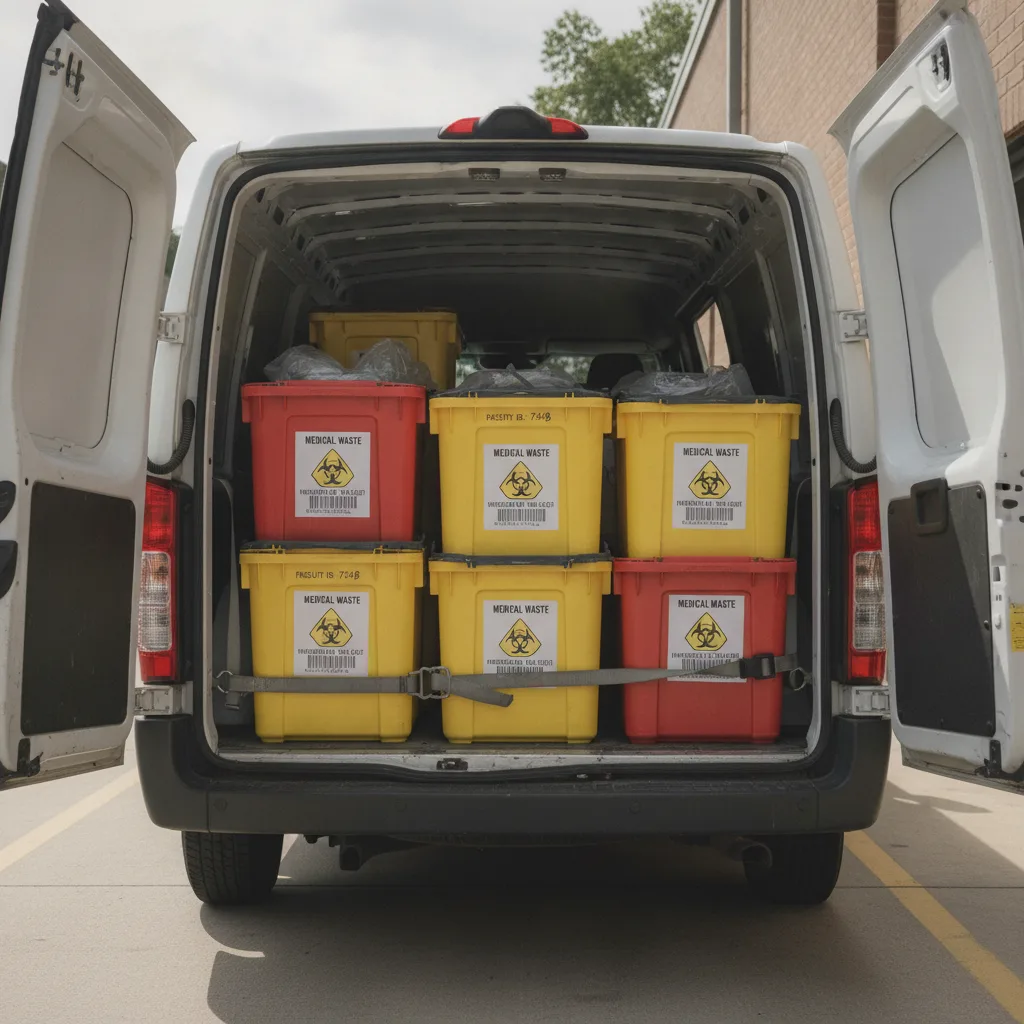
We collect, package, and arrange compliant disposal of sharps and medical waste.
Every scene is different, but the same situations come up again and again across Plano and its neighboring cities. Knowing why they happen here, and what the warning signs look like, helps you act quickly and avoid the hidden contamination that a surface wipe-down leaves behind.
When someone passes away and isn't found for days, natural decomposition releases fluids, gases, and odor that soak into flooring, subfloor, walls, and air. It's a serious biohazard that needs removal of porous materials, slab treatment, and professional odor elimination.
Blood from assaults, accidents, self-harm, or medical emergencies carries bloodborne pathogens like hepatitis B, hepatitis C, and HIV. Blood travels much farther than it looks, settling into grout, carpet backing, drywall paper, and furniture.
After police or the medical examiner release a scene, families or property owners are left with blood, tissue, fingerprint powder, and damage. Cleanup is physically and emotionally demanding and requires full PPE, careful material removal, and complete decontamination.
Severe hoarding can bury a home in clutter, spoiled food, animal waste, rodent droppings, and sometimes medical sharps. Blocked exits and structural loading create safety hazards, and hidden biohazards make it unsafe for family members to clean alone.
Category 3 'black water' is sewage or floodwater carrying bacteria, viruses, and parasites. It contaminates flooring, drywall, and contents, and in humid conditions it can lead to mold within days if not removed and disinfected properly.
Blood, body fluids, or decomposition inside a car, truck, or SUV soak into seat foam, carpet, and headliners and can enter the HVAC system. Vehicles need specialized disassembly and treatment, not detailing.
Persistent odors from past deaths, smoke, pets, or spoiled materials, plus residue from drug use such as fentanyl or methamphetamine. These contaminants linger in drywall, ducts, and porous surfaces and can affect health and property value.
You don't need to know anything about this process before you call. We'll guide you through every step, handle the insurance side, and keep you updated however you prefer: phone, text, or email.
24/7, answered immediately
Typically within hours of your call
Same day in most cases
Often 1–3 days, longer for decomposition or hoarding
At job completion
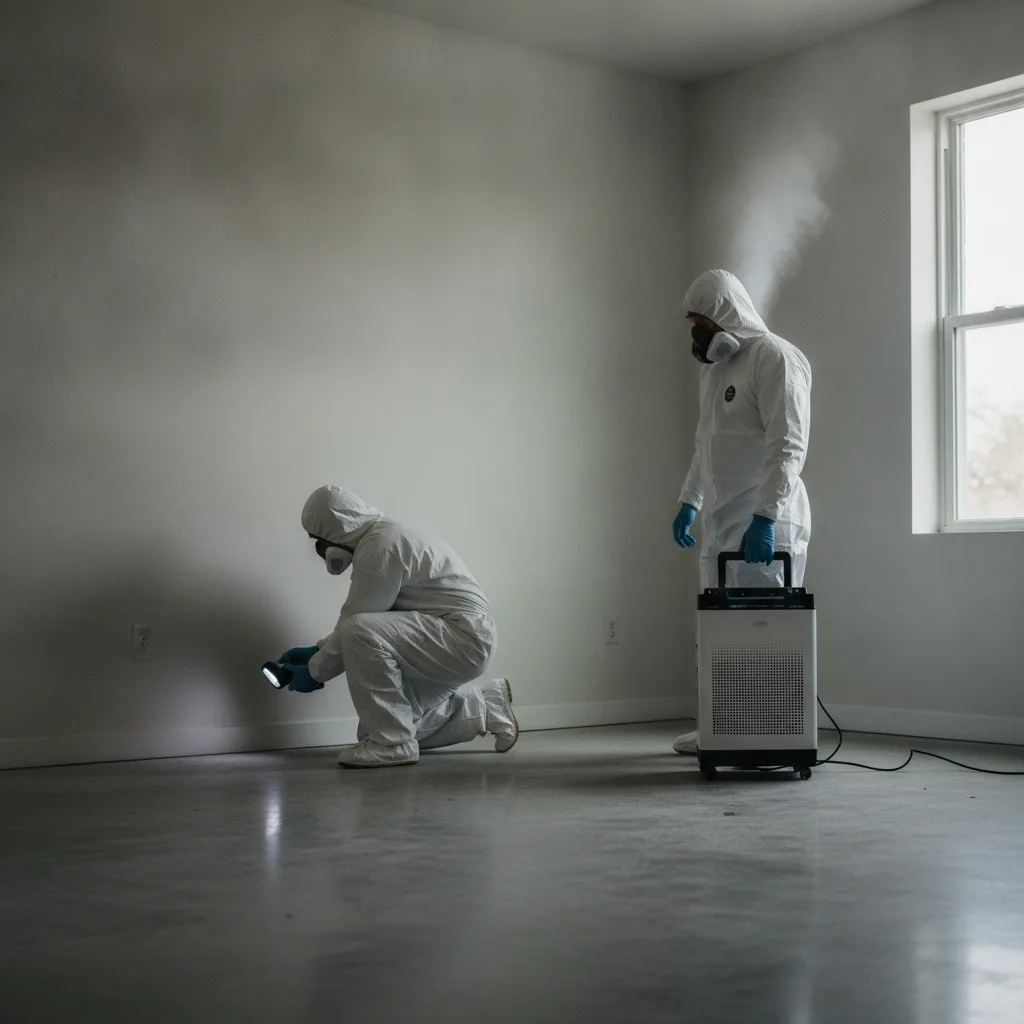
Most families don't know homeowners, renters, auto, or business insurance frequently covers biohazard and trauma cleanup. We do. We review your policy with you, document the scene, submit the claim, and communicate with the adjuster directly. In many cases you'll pay nothing out-of-pocket beyond any deductible, and we'll tell you about that upfront, before any work begins. That's especially helpful for the many Plano and Frisco residents managing a loved one's affairs from another state, who need straightforward billing and digital paperwork they can sign from anywhere.
Privacy is the biggest worry we hear in Plano, Frisco, and Allen, where HOAs are nearly everywhere and neighbors notice everything. Our vehicles carry no biohazard markings. Crews keep protective gear out of view as much as safety allows, stage equipment carefully, and remove waste in low-profile containers rather than large dumpsters. In apartments with shared walls and corridors, we work to contain odor and avoid alarming the people next door. Your situation stays your family's business.
Texas doesn't license crime scene cleanup companies, so you have every right to ask how a provider works. Integrity Crime Scene Services is insured, and our technicians follow OSHA's Bloodborne Pathogens Standard, respiratory protection, and hazard communication rules. Biohazardous waste is packaged and labeled to TCEQ and Texas DSHS requirements and goes through registered transporters to authorized facilities, with chain-of-custody documentation. If a job involves mold beyond TDLR thresholds, we'll explain the separate licensing rules honestly.
We know what Plano's housing stock does with contamination. In 1970s–90s homes, fluid goes through old carpet and pad straight into the slab. Shifting clay soil cracks grout and concrete, creating hidden pathways. Frisco's two-story open floor plans and multi-zone HVAC let odor move between floors. Heat and humidity speed everything up from May through September. Because we plan for these conditions from the first walkthrough, we fix the problem completely rather than leaving odor that comes back the first hot week.
Tragedy doesn't keep business hours, and in a North Texas summer, waiting makes things worse. We answer around the clock, including nights, weekends, and holidays, and we mobilize quickly once a scene is released. For businesses such as hotels, medical offices, gyms, corporate campuses along the Dallas North Tollway, churches, and schools, we offer overnight and after-hours service so you can reopen fast with documentation in hand.
The people who call us are usually in shock, grieving, or overwhelmed, and they've often never hired a service like this. We slow down, explain things plainly, and never pressure. Our communities include large South Asian, Chinese, Korean, Hispanic, and many other families, each with their own practices around death. We ask about religious or cultural wishes, handle personal belongings and keepsakes with care, and work around family needs whenever we can.
This is all we do: crime scene, trauma, unattended death, decomposition, hoarding, odor, decontamination, and medical waste. It's not a side service tacked onto carpet cleaning or general restoration. That focus means proper containment, the right PPE for risks like fentanyl residue, ATP verification, and the experience to find contamination others miss under baseboards, inside wall plates, and deep in ductwork.
Here's the most important thing: homeowners, renters, auto, and business insurance often covers biohazard and trauma cleanup, and many families pay $0 out-of-pocket beyond a deductible. We bill your insurer directly. The figures below reflect typical claim values, not amounts you'd be asked to pay.
Your policy is the single biggest factor in what you'll personally pay. Most homeowners and renters policies cover sudden, accidental biohazard events like unattended deaths, trauma, and crime scenes, and comprehensive auto coverage often handles vehicle cleanup. We review your coverage with you before work starts, explain any deductible plainly, and submit documentation directly to your adjuster. For property managers and businesses, commercial policies frequently respond the same way.
In Plano's summer heat, a few extra days can change a job from surface cleaning to removing carpet, pad, drywall, and baseboards, then treating and sealing the slab. The longer fluids sit, the deeper they travel through slab cracks, laminate seams, and subfloor. This mostly affects the scope your insurer approves, which is why calling soon after a scene is released keeps things simpler for everyone.
Older carpet-on-slab homes common across Plano, Carrollton, and The Colony usually need slab enzyme treatment and sometimes encapsulation. Hardwood and laminate require seam and subfloor inspection. Upholstered furniture, mattresses, and vehicle seats typically have to be removed. Each material adds documented line items to the claim, which we photograph and itemize for your insurer.
Large two-story Frisco and Allen homes with open floor plans and multi-zone HVAC let odor and airborne contaminants travel between floors. When systems have been running, duct cleaning and whole-house odor treatment are often needed. Apartments with shared ventilation can require extra containment to protect neighboring units.
Biohazardous waste must be packaged, labeled, and transported to authorized facilities under Texas rules, with chain-of-custody records. Larger scenes, decomposition with heavy material removal, and hoarding situations generate more containers and disposal costs. These are documented and included in the claim rather than billed as surprises.
If coverage is limited or unavailable, such as with some hoarding cleanups, we'll talk through options honestly and privately before any work begins. You'll never be surprised by a bill.
Very often, yes. Homeowners and renters policies commonly cover sudden, accidental biohazard events like unattended deaths, trauma, and crime scenes, and comprehensive auto coverage often covers vehicle cleanup. Many Plano families pay $0 out-of-pocket beyond their deductible. We review your policy with you, document the scene with photos and itemized scope, submit the claim, and deal with the adjuster directly. If you're a property manager or business owner, commercial policies frequently respond the same way. We'll tell you what to expect before any work begins, so there are no surprises.
We answer 24/7 and typically arrive within hours once the scene has been released. A small blood cleanup can be done in a single day. Summer unattended deaths in Plano's slab-on-grade homes often take one to three days because carpet, pad, drywall, and baseboards have to be removed and the slab treated, plus duct cleaning and odor treatment. Hoarding cleanups can take several days to a couple of weeks depending on volume. We'll give you a realistic timeline at the assessment and keep you updated by phone, text, or email.
No. Texas doesn't issue a state license specifically for crime scene cleanup, which is why it's important to ask how a company works. The rules that do apply include OSHA's Bloodborne Pathogens Standard (29 CFR 1910.1030), OSHA respiratory protection and hazard communication standards, and TCEQ and Texas DSHS requirements for packaging, transporting, and disposing of biohazardous waste. Mold remediation over certain sizes is separately licensed through TDLR. Integrity Crime Scene Services is insured, and our technicians follow OSHA and Texas disposal protocols on every job.
Cleanup can only begin after police or the medical examiner officially release the scene. In our area, Collin, Denton, and Dallas counties each handle death investigations, and Frisco and Carrollton span more than one county, so it's not always obvious who to ask. Call us anyway. We'll help you confirm release status. Once it's released, act quickly, especially between May and September. In North Texas heat, fluids move deeper into flooring and slab each day, and odor spreads through HVAC systems that run nearly year-round.
We strongly recommend against it. Blood and body fluids can carry hepatitis B, hepatitis C, and HIV, and household cleaners don't disinfect to bloodborne-pathogen standards. Contamination also travels far beyond what you can see: through carpet pad into the slab, along laminate seams, under baseboards, and into ductwork. Waste has to be disposed of under Texas rules. And emotionally, no family member should have to do this. Since insurance often covers professional cleanup, doing it yourself usually doesn't save anything.
Not from us. We arrive in unmarked vehicles, keep protective gear out of sight as much as safety allows, and remove waste in low-profile containers instead of large dumpsters. We plan parking and work around HOA rules common in Plano, Frisco, and Allen. In apartments, we contain odor to protect adjoining units and coordinate quietly with management. Our crews never discuss your situation with anyone other than the people you authorize.
If an older parent or relative lives alone, as many longtime Plano and Carrollton residents do, set up a daily check-in routine by phone or text. Consider a medical alert device, ask a trusted neighbor to watch for piled-up mail or packages, and keep a spare key with someone nearby. During summer, make sure the AC stays on at a safe setting, since heat is both a health risk and a factor in how quickly a situation escalates. For family members living out of state, these simple steps matter a lot.
Yes. Apartment communities across Plano, Frisco, and Carrollton call us for unattended deaths, suicides, overdoses, and trauma where fast turnover and documentation matter. Commercial clients such as hotels, gyms, medical offices, churches, schools, retail centers, and corporate campuses along the Tollway and SH-121 rely on our overnight and after-hours service. We provide proof of insurance on request, a certificate of completion, and disposal records, and we take extra precautions for fentanyl or drug-related scenes.
We come to you anywhere in Plano and the surrounding area, in unmarked vehicles, any hour of the day.
You don't have to handle this alone, and you shouldn't have to worry about cost. Call any hour. We'll take it from here, quietly and respectfully, and work directly with your insurance.
Call (945) 302-6814 Now