Discreet, certified crime scene and biohazard cleanup in Buffalo — unmarked vehicles, compassionate technicians, and in most cases $0 out of pocket since we bill your insurance directly.
In Buffalo, a biohazard scene is shaped by three things: lake-effect winters, one of the oldest housing stocks of any big US city, and a set of overlapping state rules. Each one affects how contamination spreads, how long it stays and what's needed to make a home safe again.
Buffalo gets about 90–95 inches of snow a season, and January highs are around 31°F. That adds up to roughly five months of closed windows and running furnaces. A sealed, heated house speeds up decomposition and traps odor, so an unattended death found days or weeks later needs full contamination and odor work, not a surface wipe-down. Storms like the December 2022 blizzard also lead to delayed discoveries and cut-off roads. Summers bring highs near 80°F and dew points in the 60s, which mean more insects and faster odor migration. About 40 inches of yearly precipitation and spring snowmelt overload the city's combined sewer system and push Category 3 water into full basements. Cold weather also makes it harder to air out a scene and protect water lines on our equipment.
A large majority of Buffalo homes were built before 1940. Buffalo doubles, Queen Annes and workers' cottages usually have old-growth strip floors laid over plank subfloors, plaster and lath, and balloon framing. All of it is porous. Blood and decomposition fluids work between floorboards, into the joists and down to the ceiling of the unit below. Odor can rise through open wall cavities to the second floor. Nearly every pre-1978 home has lead paint, and asbestos often turns up in plaster, boiler wrap and old floor tile. Cheektowaga, West Seneca and the Town of Tonawanda have their own problems: 1920s–1970s homes with finished basements, wall-to-wall carpet and drop ceilings that hold fluids and odor. Narrow stairs and small rooms make it harder to get contaminated mattresses and furniture out.
New York has no single crime scene cleanup license. The work falls under several sets of rules instead. OSHA's Bloodborne Pathogens Standard (29 CFR 1910.1030) requires training, PPE and an exposure control plan. Blood-soaked materials and sharps are regulated medical waste under NYS DEC 6 NYCRR Part 365. That waste has to be packaged, labeled, manifested and hauled by a Part 364-permitted transporter. Mold over 10 square feet requires a licensed assessor and a separate licensed remediator under Labor Law Article 32. Suspect asbestos materials need a survey under Industrial Code Rule 56 before anyone disturbs them. Before cleanup can begin, the Erie County Medical Examiner and Buffalo Police or the local town police have to release the scene. In historic districts like Allentown, interior remediation generally isn't reviewed by the Preservation Board.
Buffalo has about 278,000 residents within an Erie County population of roughly 950,000. Median household income here is well below state and national levels, so insurance coverage and NYS Office of Victim Services reimbursement really matter. Many long-time owners aged 65 and older live alone in Kenmore, Cheektowaga and West Seneca. Many two-family houses are rentals, so landlords need units back in rentable condition fast. Relatives often live out of state and need photo updates and help with insurance coordination from a distance.
Every service below follows OSHA bloodborne pathogen protocols and New York waste disposal rules. Most of it is billed through homeowners insurance, and we help with claims and Office of Victim Services paperwork. We tailor each job to Buffalo's older homes and long, closed-up winters.
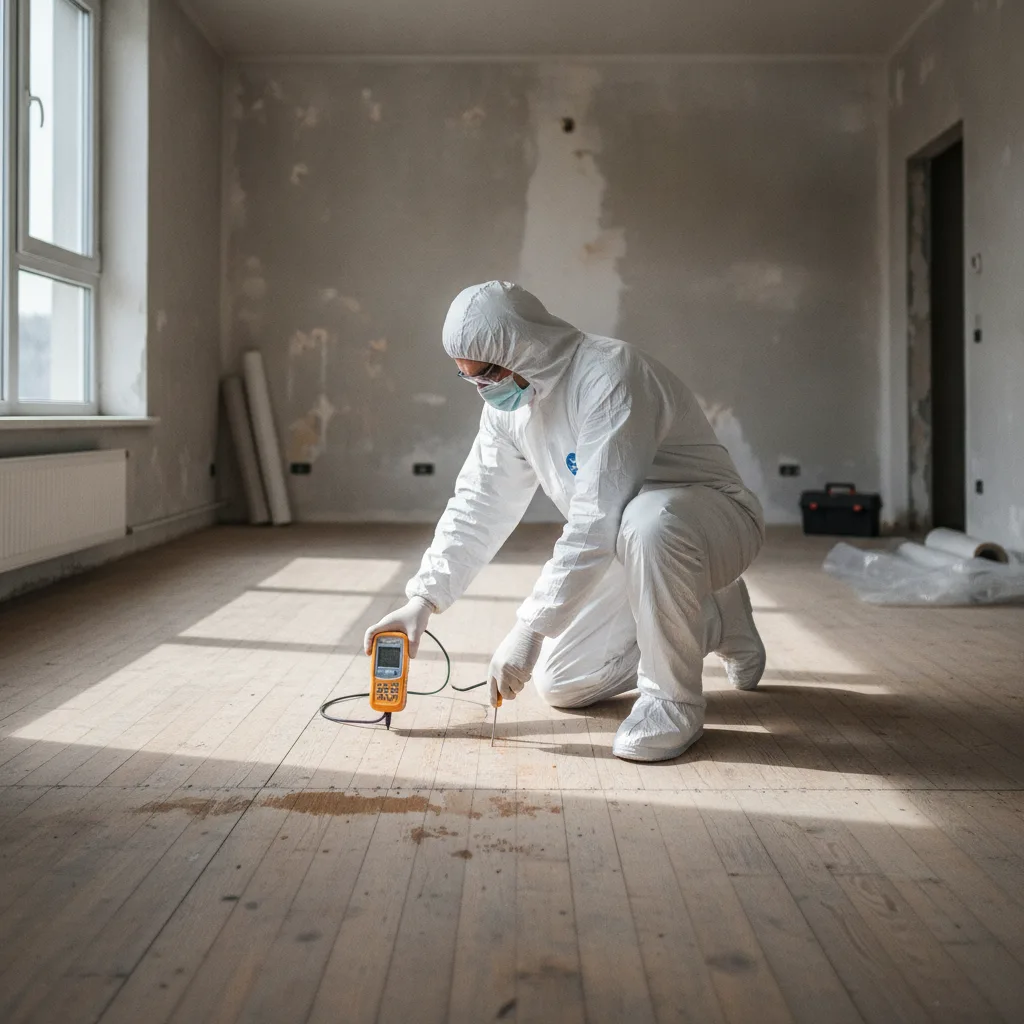
We restore homes where a loved one passed alone and wasn't found right away. That means removing contaminated materials, disinfecting, getting rid of insects and eliminating odor completely.
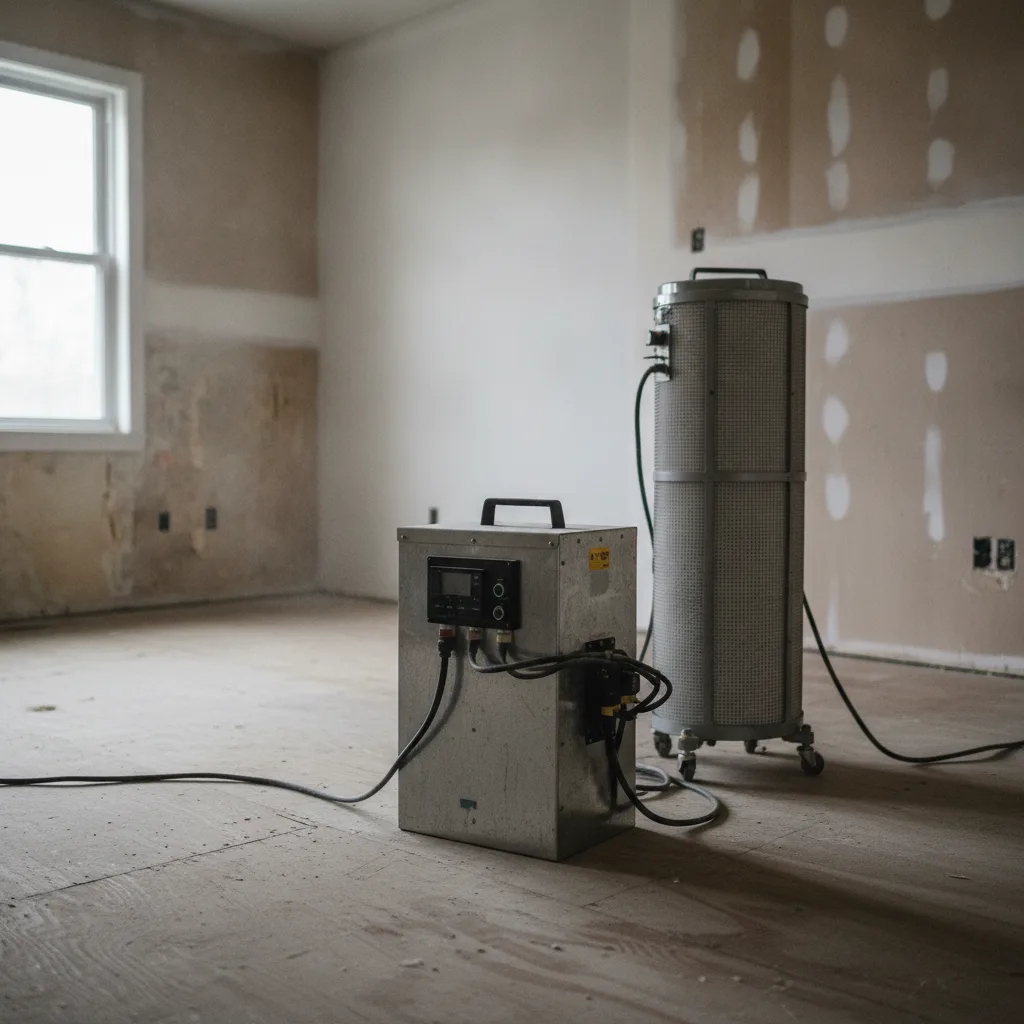
We handle advanced decomposition scenes involving fluids, gases, insects and deep odor in the structure. These are the cases where surface cleaning alone will never work.
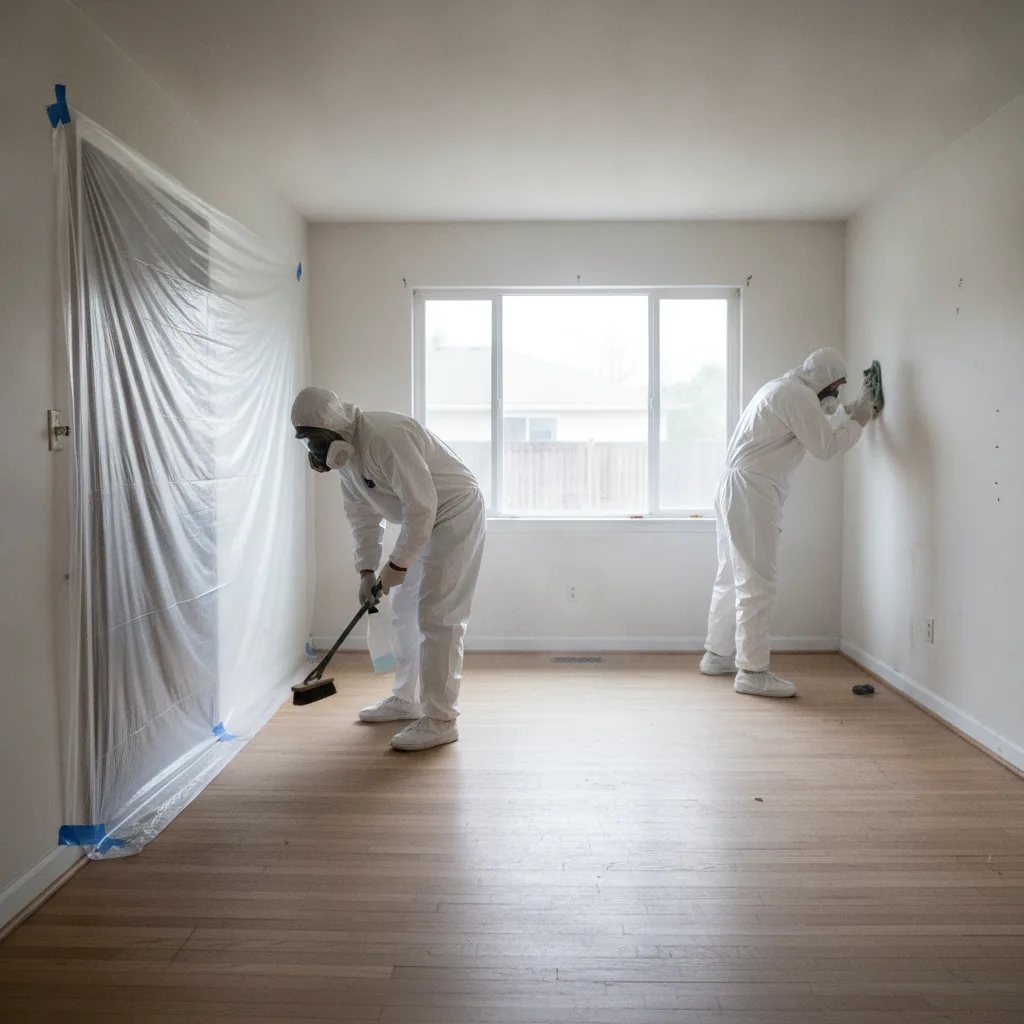
Once police release the scene, we restore it to a safe, livable condition. That includes removing fingerprint powder, blood and other biological materials.
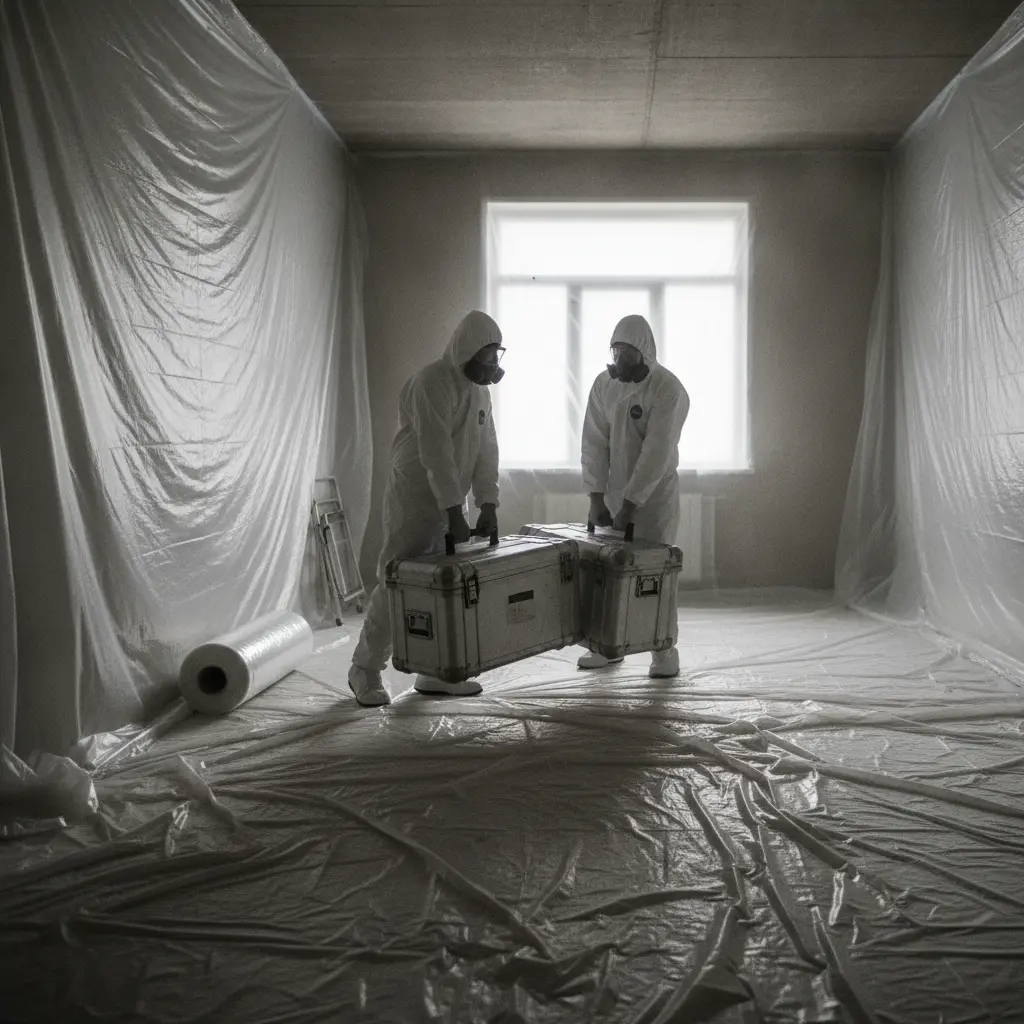
We clean up after a violent death with compassion and complete discretion, so families don't have to see or handle the scene themselves.
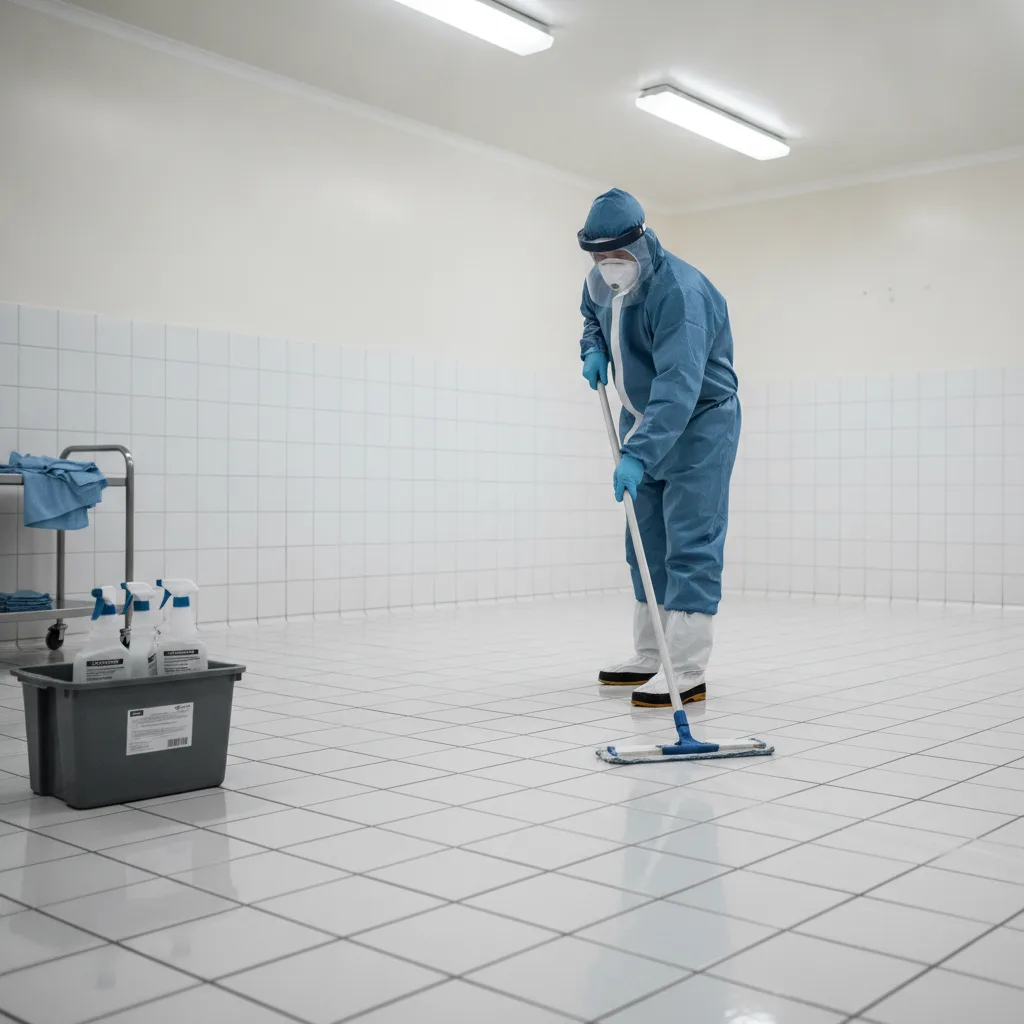
We clean up after suicides, accidents and serious injuries at home, at work or in vehicles. The job includes all blood and tissue remediation.
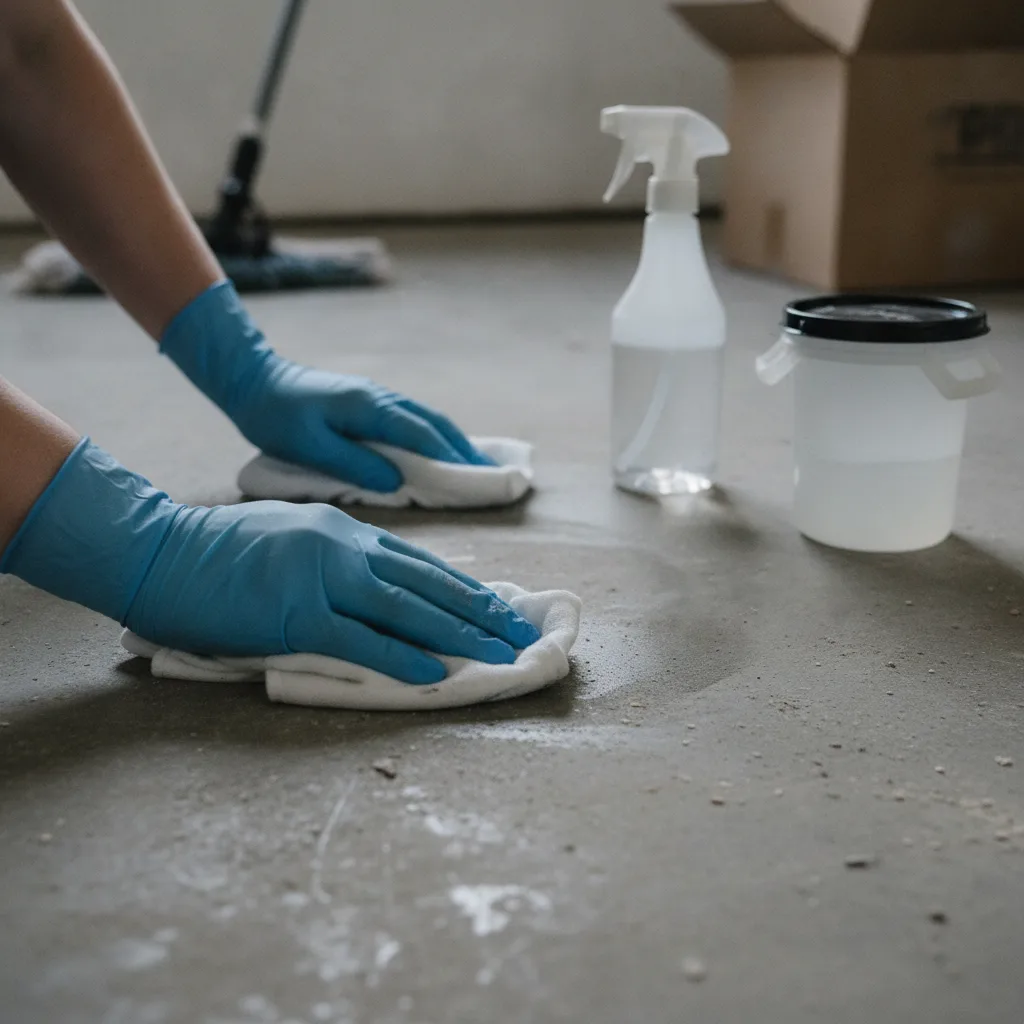
We clean up blood from smaller incidents like injuries, nosebleeds, falls and pet trauma, wherever bloodborne pathogen risk is involved.
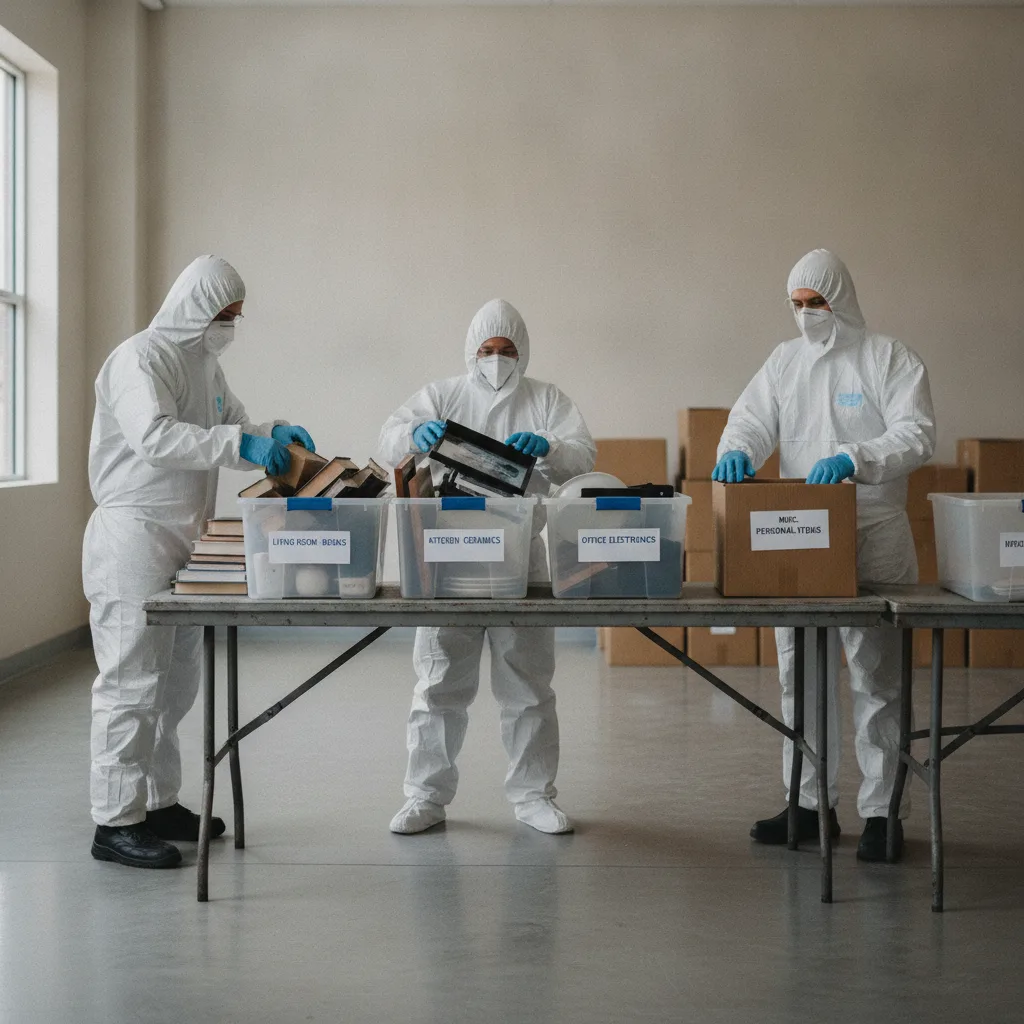
We clean out and sanitize hoarded or neglected homes with patience and respect, and we save valuables and important papers along the way.
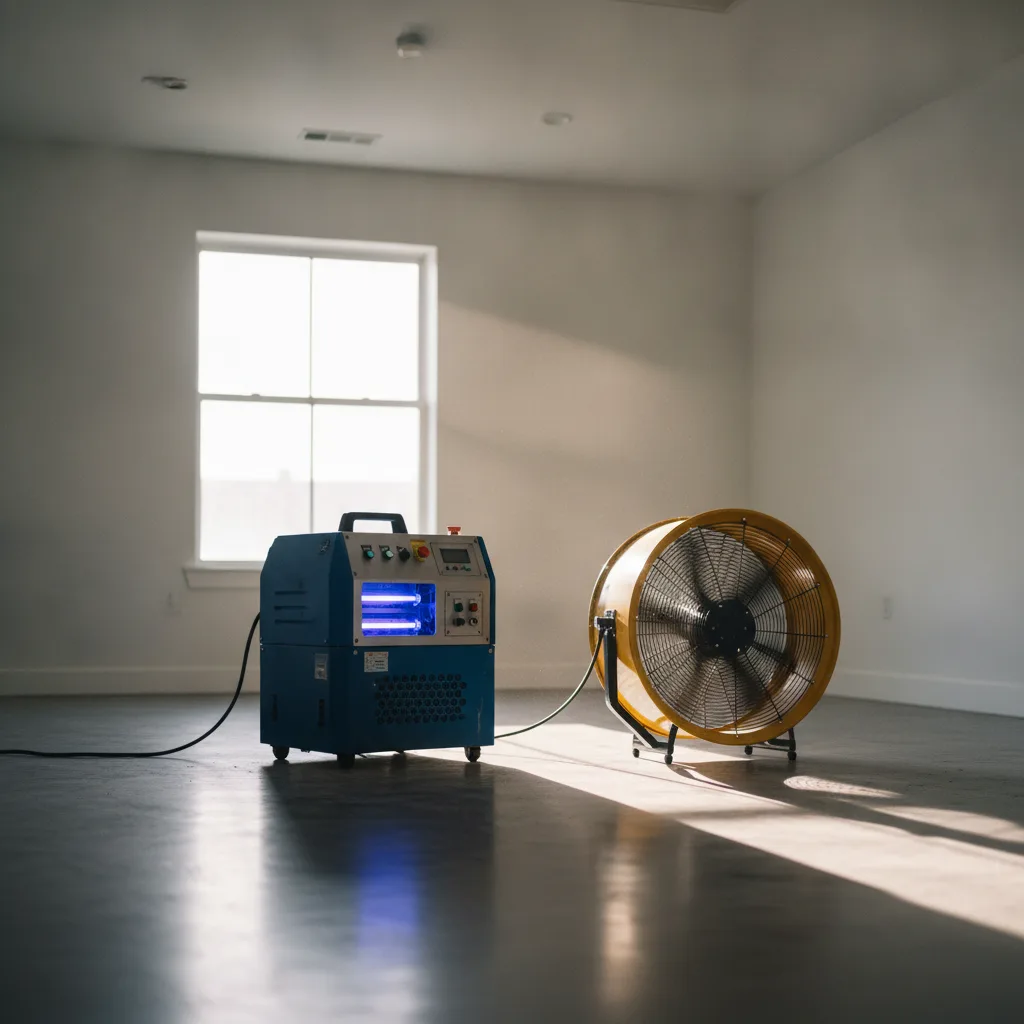
We get rid of odor from decomposition, smoke, sewage, urine and hoarding at the source. We don't cover it up.
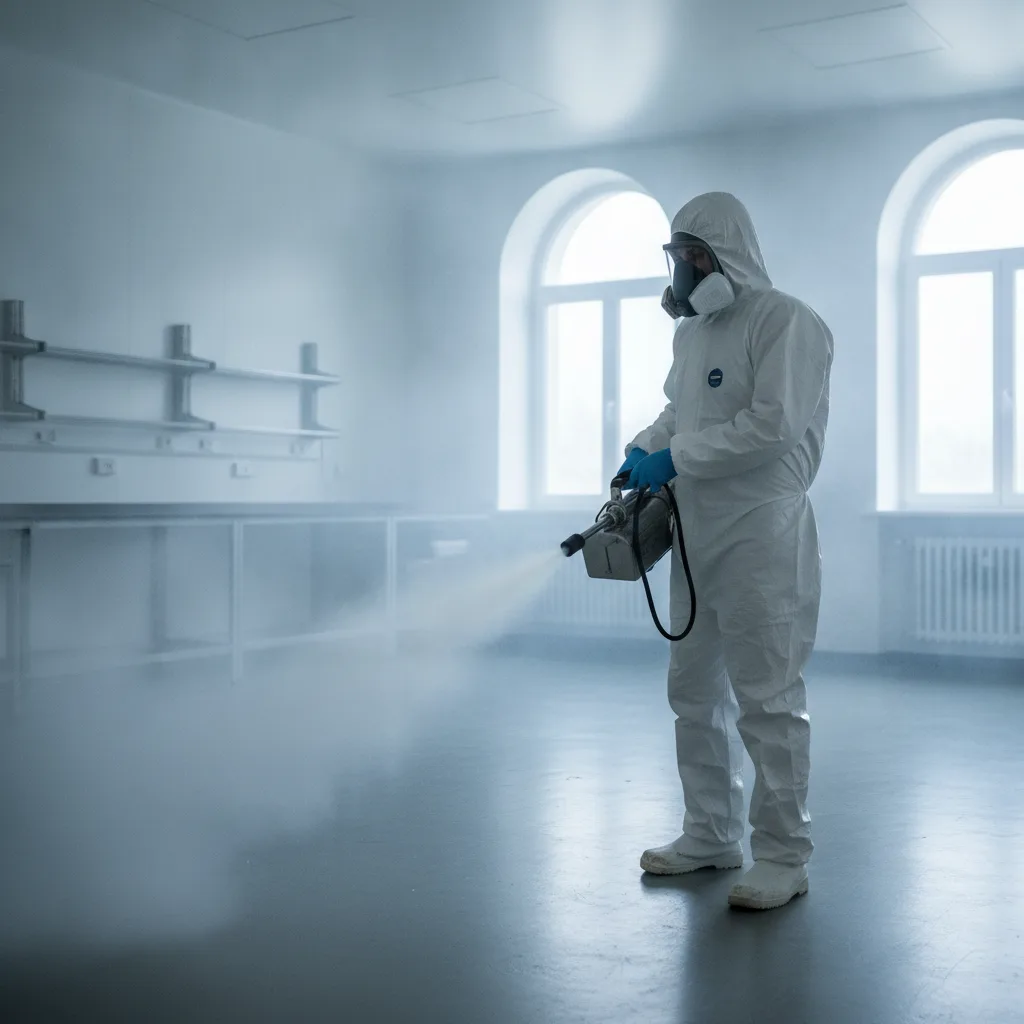
We disinfect whole homes, businesses and vehicles after exposure to infectious materials, sewage or pathogens.
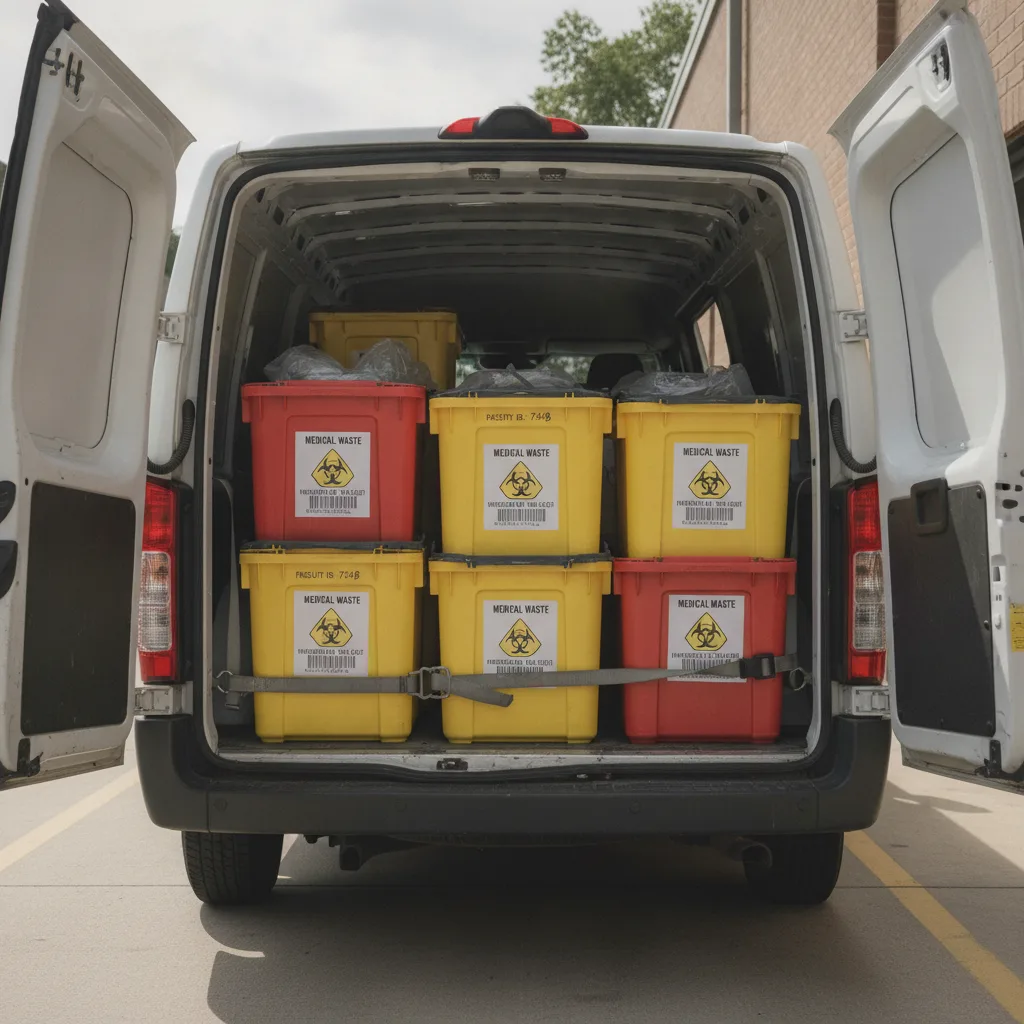
We package, label and dispose of sharps and items soaked in blood or other infectious materials, as New York law requires.
No two scenes are alike, but we see the same patterns again and again in Western New York. Here's what each situation involves, why it happens so often here and the signs that mean professional cleanup is needed. Most of it isn't safe to handle yourself.
This is when someone passes away alone and isn't found for days or weeks. Decomposition releases fluids, gases and bacteria that soak into flooring, subfloors and walls. Insects follow quickly, and the odor can take hold in the whole structure.
This covers injuries, suicides, homicides and accidents that leave blood and other potentially infectious materials (OPIM) behind. Blood that looks dry can still carry bloodborne pathogens such as hepatitis B, hepatitis C and HIV, and it often reaches much farther than what's visible.
These scenes come after an overdose, fatal or not, and often include used syringes, drug residue and bodily fluids. Fentanyl residue is a real concern, and sharps carry a high risk of needlestick injury.
This is a large build-up of belongings, trash, spoiled food or animal waste that makes a home unsafe. It often hides rodent infestations, mold, sharps and structural damage.
Category 3, or black water, is raw sewage carrying bacteria, viruses and parasites. Anything porous it touches, like drywall, carpet, insulation and paneling, is considered contaminated and usually has to be removed.
This covers blood, bodily fluids or decomposition inside a car, truck or van after an injury, death or long stranding. Seats, carpet and headliners absorb fluids quickly.
This is odor that keeps coming back after an earlier cleanup, a DIY attempt or a deodorizing spray. It usually means contamination is still in the subfloor, joists, wall cavities or HVAC ducts.
Here's what to expect, from your first call to the day your home is safe again. We keep you informed at every step and handle the insurance paperwork so you don't have to.
Any hour, day or night
Usually within hours, once the scene is released
Same day in most cases
1–5 days depending on severity
Final day
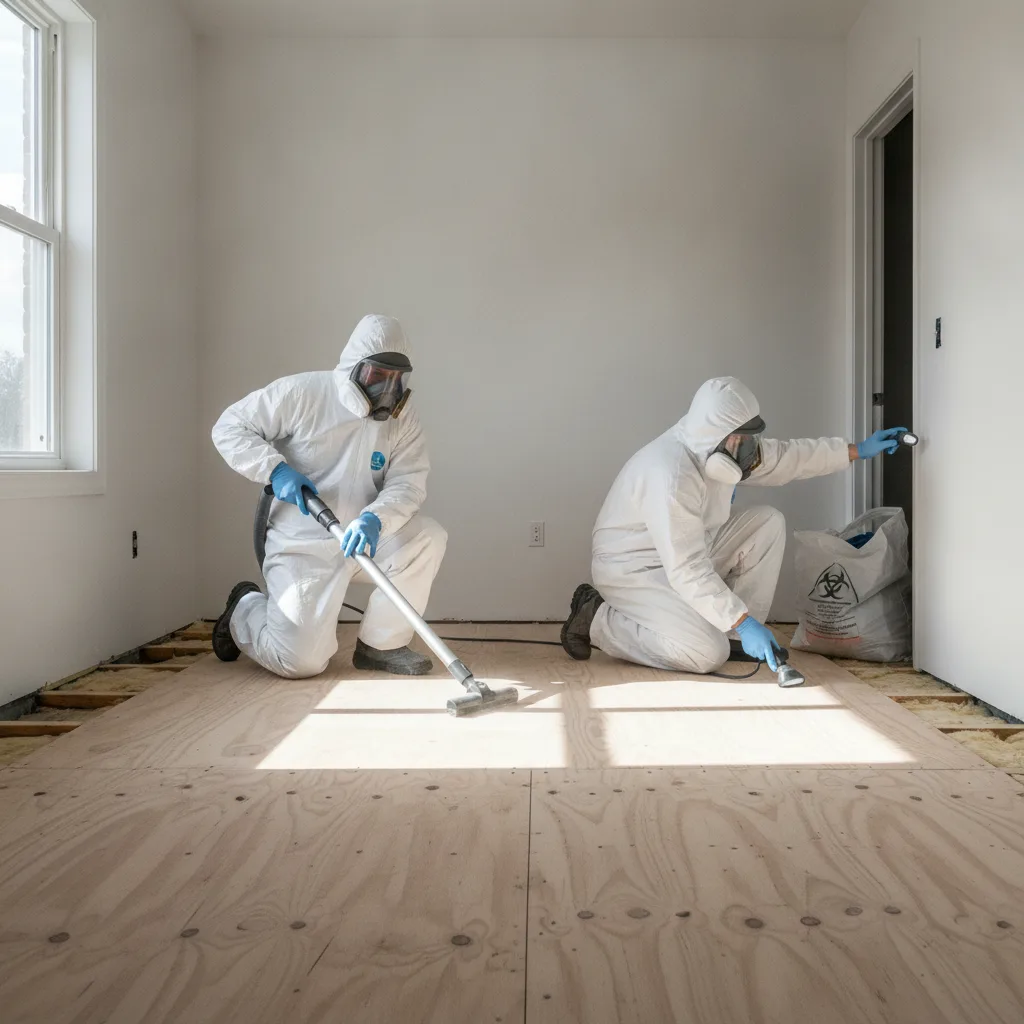
When you call, we start by figuring out who should be paying for this. In most cases it shouldn't be you. Homeowners insurance often covers trauma, unattended death and biohazard cleanup. We document the scene with photos, testing results and a detailed scope that adjusters can follow, and we help with the claim from start to finish. For crime victims and their families, we explain how NYS Office of Victim Services reimbursement works. You'll know where you stand before any work begins, with no surprise bills later.
Cleaning a 1910 Buffalo double isn't like cleaning a new build in the suburbs. Fluids run along old-growth floorboards into plank subfloors and down to the flat below. Odor climbs balloon-framed walls, and lead paint and asbestos can hide in the plaster and boiler wrap. We plan every job with those things in mind. We remove only what has to go and save original woodwork when it's safe. We also make sure nothing contaminated is left hidden under a floor or behind a wall.
In the City of Good Neighbors, everybody notices a van in the driveway. We arrive in unmarked vehicles, keep our equipment out of sight when we can, and work quietly. Nothing about your situation gets shared with neighbors, tenants or anyone else you haven't approved. Whether it's a corner lot in South Buffalo or a ranch in Sheridan Parkside, we respect your privacy and your family's dignity from the first call through the final walkthrough.
These situations don't wait for business hours, and you shouldn't get a recording when you're already overwhelmed. A real person answers our phone day or night, including holidays and in the middle of a lake-effect storm. We'll talk you through what to do next, confirm whether the scene has been released and get a team on the way. If roads are closed, we'll tell you honestly and help keep the property secure until we can get there.
Integrity Crime Scene Services is insured. Our technicians follow OSHA's Bloodborne Pathogens Standard, respiratory protection and hazard communication rules. Regulated medical waste is packaged, labeled and manifested under New York DEC and DOH rules, and it goes through permitted transporters to permitted treatment facilities. If a job involves mold over 10 square feet or suspected asbestos, we coordinate with properly licensed New York professionals instead of cutting corners.
We aren't a carpet cleaner or a general restoration company that takes the occasional trauma job. Crime scene, trauma, unattended death, decomposition, hoarding and biohazard cleanup are our focus. That focus shows in how we test, how far we remove materials and how we get rid of odor at the source. It's also why our jobs don't come back as a lingering smell three weeks later when the furnace kicks on.
Many Buffalo families have relatives in other states, and estate attorneys and property managers often handle these properties from a distance. We provide photo documentation, clear written scopes and a single point of contact, so you can make decisions without flying in. Landlords get the paperwork they need to bring a unit back to rentable condition under Buffalo's rental registry and housing code.
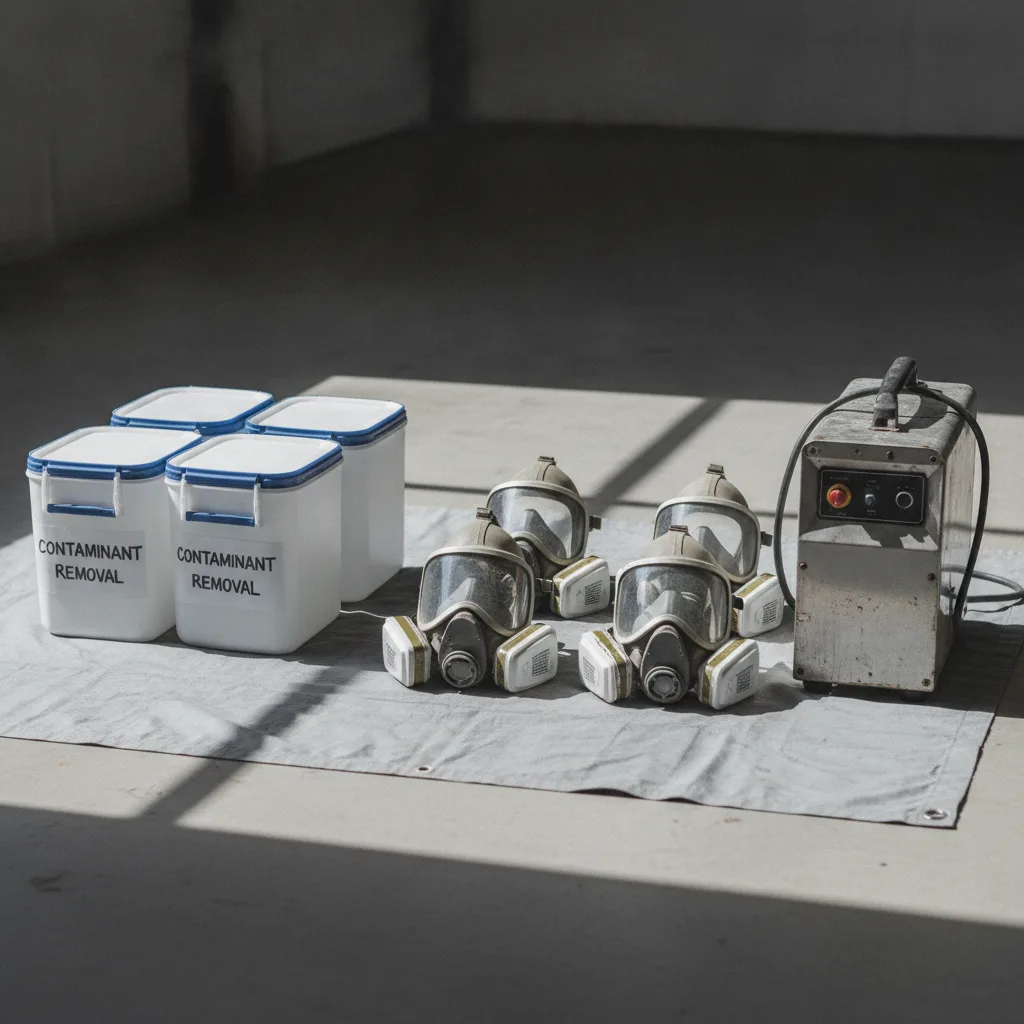
Most families pay little or nothing out of pocket. Homeowners insurance often covers trauma, unattended death and biohazard cleanup, and the NYS Office of Victim Services can reimburse eligible crime victims. We bill your insurer directly and give the adjuster the documentation they need.
Your policy decides what you'll actually pay, which is often $0 or just your deductible. Most homeowners policies cover sudden biohazard events like trauma or an unattended death. Some cover sewage backup only with an added endorsement. We review your coverage with you on day one and handle the documentation insurers need. For eligible crime victims, OVS reimbursement may help with costs insurance doesn't cover, within program limits.
Time matters more than anything else in how big the job gets. A death found within a day may only need localized cleanup. Found two weeks later in a sealed, heated Buffalo house, the same scene can reach the subfloor, the joists, the ductwork and the flat below. Summer humidity speeds up insect activity and odor spread. The longer the delay, the more material has to come out.
Pre-1940 Buffalo homes with strip hardwood, plank subfloors and plaster absorb fluids deeply, so materials often have to be removed instead of just cleaned. Suburban homes with carpet, pad and finished basements have their own removal needs. If lead paint or asbestos could be disturbed, testing and licensed abatement get added to the claim scope. That's common in pre-1978 housing.
In Buffalo doubles and small apartment buildings, contamination can cross into the unit below or into shared stairwells. Cleaning two units, protecting tenants and coordinating with the landlord's insurer adds to the scope. Fast action limits how far it spreads.
Regulated medical waste has to be packaged, manifested and treated at permitted facilities, and more waste means a larger claim. Hoarding jobs can mean hauling several dumpsters of debris. Deep odor sometimes needs several days of hydroxyl treatment plus duct cleaning.
Ranges show typical claim values submitted to insurers, not bills sent to families. If something isn't covered, we explain it in writing before work begins, so you're never surprised.
Often, yes. Many Buffalo families pay little or nothing out of pocket. Most homeowners policies cover sudden events like trauma, suicide, homicide and unattended death, usually minus your deductible. We review your policy with you, document the scene in the detail adjusters expect and bill the insurer directly. If the incident was a crime, the NYS Office of Victim Services may reimburse eligible victims or families for some cleanup costs, within program limits. We'll explain how to apply. If anything isn't covered, we tell you in writing before work starts, so there are no surprise bills.
A real person answers 24/7, and we usually arrive within hours once the scene has been released. The Erie County Medical Examiner and Buffalo Police, or your town or village police, have to release the property before we can start. We can help you confirm that. During lake-effect storms or driving bans, we'll give you an honest arrival time and talk you through steps you can safely take to secure the home. Getting started quickly matters, especially in summer or in a heated house, because contamination and odor spread fast.
Most jobs take one to five days. A small blood cleanup is often finished in a single day. An unattended death or decomposition scene in an older Buffalo home can take three to five days because we may need to remove flooring, subfloor or plaster and then run odor treatment. Two-family houses, hoarding jobs and scenes involving lead or asbestos testing can take longer. We'll give you a realistic timeline after the assessment and keep you updated each day, including relatives who are out of town.
New York doesn't have a dedicated crime scene cleanup license. The work falls under several sets of rules. OSHA's Bloodborne Pathogens Standard covers training, PPE and exposure control. NYS DEC and DOH rules govern regulated medical waste, which has to be packaged, labeled and manifested through a Part 364-permitted transporter. Mold jobs over 10 square feet need licensed mold professionals under Labor Law Article 32, and suspect asbestos needs a survey before anyone disturbs it. We follow these protocols and coordinate licensed specialists when a job calls for them. Ask any company you're considering how they handle each of these.
We strongly advise against it. Blood and bodily fluids can carry hepatitis B, hepatitis C and HIV, and overdose scenes may have hidden needles or fentanyl residue. In Buffalo's older homes, fluids soak between floorboards and into plank subfloors where household cleaners can't reach. DIY cleanup often pushes contamination deeper, and the odor comes back once the furnace runs. It can also complicate an insurance claim. Since insurance often covers professional cleanup, there's usually no financial reason to put yourself through it.
Not from us. We arrive in unmarked vehicles, keep equipment and waste containers as low-profile as we can, and work quietly. Our team doesn't discuss your situation with neighbors, tenants or anyone you haven't approved. Buffalo's neighborhoods are close-knit, so we treat discretion as part of the job. We're also happy to accommodate religious and cultural practices, and to coordinate with clergy or family members during the cleanup.
In two-family houses, fluids from the upper flat can soak through the floor and plank subfloor into the ceiling of the unit below. Odor can spread through shared stairwells and wall cavities. We inspect both units right away, set up containment to protect the other tenants and handle the lower ceiling as part of the same job. Landlords get documentation for their insurer and for returning the unit to rentable condition under Buffalo's housing code. If repairs need permits, we'll refer you to qualified rebuild trades.
Regular contact is the best prevention, especially for older relatives living alone in Kenmore, Cheektowaga, West Seneca or anywhere in the city during winter. Set up daily check-in calls, give a trusted neighbor a key, or consider a medical alert device. Watch for warning signs like mail piling up, unshoveled walks after a storm or lights that never change. Before major lake-effect storms, check in ahead of time. If you notice an unusual odor or flies at a window, call for a welfare check right away. Acting quickly protects your loved one's dignity.
We come to you anywhere in Buffalo and the surrounding area, in unmarked vehicles, any hour of the day.
You don't have to face this alone or deal with it yourself. One call gets you a real person, a clear plan and help with your insurance claim, any hour of the day or night.
Call (716) 205-6154 Now