Discreet, certified crime scene and biohazard cleanup in Albany — unmarked vehicles, compassionate technicians, and in most cases $0 out of pocket since we bill your insurance directly.
Every region has its own cleanup challenges, and the Capital Region has a lot of them. Albany's hot summers, long heated winters, damp basements, and 150-year-old rowhouses decide how far contamination spreads and how much has to be removed. They also shape how the job gets done safely and legally.
Albany's July highs average in the low 80s°F, and heat waves near 90°F with high dew points are common. In that heat, an unattended death can soak through subflooring and fill a building with odor within days. Attic apartments without central air get even hotter. Winters swing the other way. January averages in the low 20s°F and the region gets 55–65 inches of snow, so homes stay sealed up with the heat running. A death can go unnoticed for weeks, and forced-air ducts or steam radiators carry odor between rooms and units. The area gets about 38–40 inches of precipitation a year, which keeps basements damp. When fluids reach fieldstone foundations or old framing, mold can follow. Hudson River, Normans Kill, and Poestenkill flooding also pushes Category 3 sewage into the South End, South Troy, and riverside properties.
Center Square, Arbor Hill, Hudson/Park, and the South End are full of 19th-century brick rowhouses with plaster-and-lath walls, shared party walls, and plank floors with gaps between the boards. Many have been split into two- or three-unit apartments, so a scene upstairs often means joists and ceilings to remove downstairs. In Lansingburgh and North Central Troy, balloon-framed wood tenements have open wall cavities that let fluids and odor travel between floors. Latham and Niskayuna are mostly 1950s–1970s ranches and colonials with carpet over plywood, finished basements, and ductwork. Out in Poestenkill there are farmhouses, manufactured homes, wells, and septic systems. Most homes built before 1978 have lead paint, and many older ones have asbestos in plaster, floor tile, or pipe wrap. Those materials change how contaminated sections can be cut out.
New York has no dedicated license for crime scene cleanup, so a company's training and compliance are what protect you. Work with blood falls under OSHA's Bloodborne Pathogens Standard (29 CFR 1910.1030). Regulated medical waste has to be moved by a NYSDEC-permitted transporter (6 NYCRR Part 364) to a permitted facility. Putting it out with the household trash is illegal. If removal disturbs asbestos, Industrial Code Rule 56 applies. Disturbing lead paint triggers EPA RRP rules. Albany's residential occupancy permit program and Troy's rental regulations mean a landlord needs a documented cleanup before a unit can pass inspection. Exterior work in historic districts, like where a dumpster goes, may need review by Albany's Historic Resources Commission.
Albany has about 100,000 residents and Troy about 50,000, and both are majority-renter cities. Much of the housing is two- and three-family buildings owned by small landlords, plus student housing near UAlbany, RPI, and Russell Sage. In Colonie and Niskayuna, many older homeowners live alone. Grown children often live out of state, so these decisions usually fall to grieving relatives, executors, or property managers working from a distance. They need someone local who can deal with insurers, the NYS Office of Victim Services, and the police release of the scene for them.
Every service below is available 24/7 anywhere from Albany to Poestenkill. We bill insurance directly whenever there's coverage, and we help eligible families apply to the NYS Office of Victim Services. Our crews arrive in unmarked vehicles, follow OSHA and New York disposal protocols, and treat your home and your family with respect.
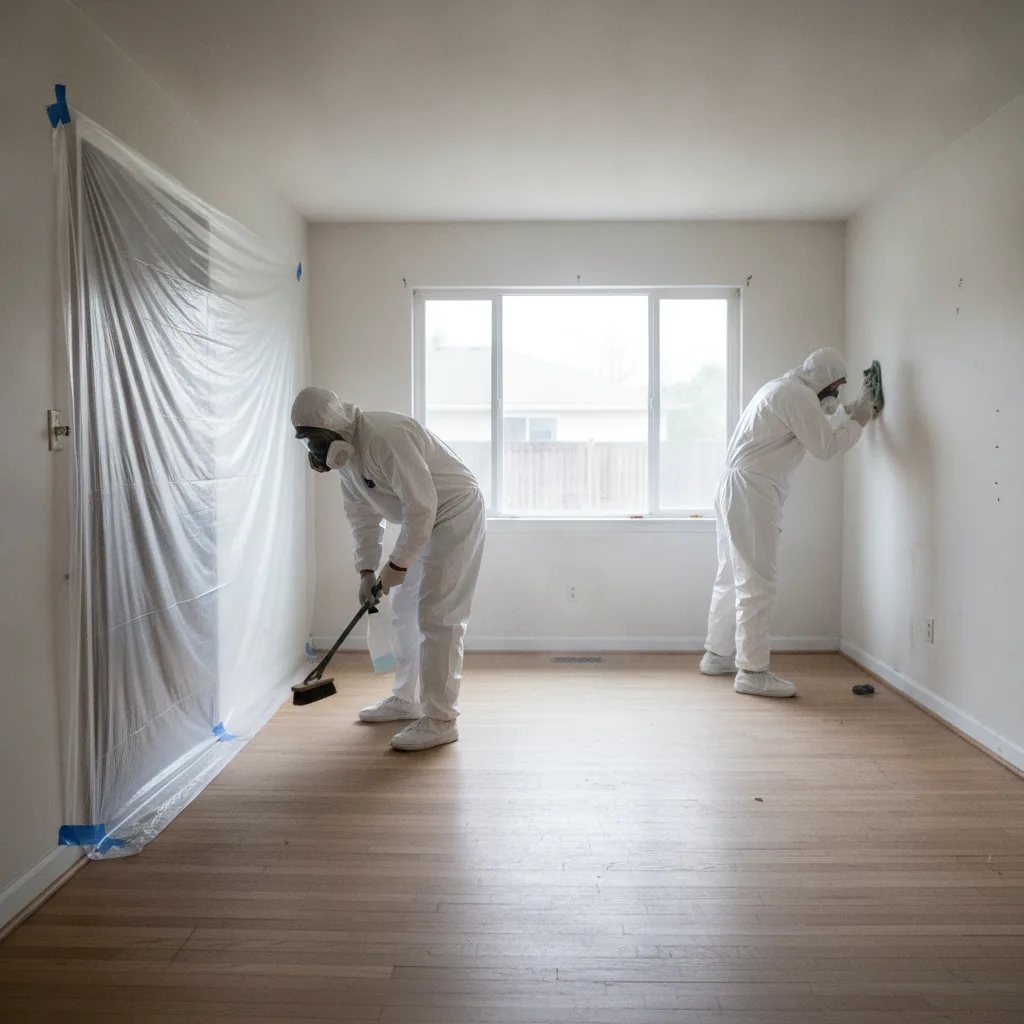
We restore homes, businesses, and vehicles after violent crimes, once law enforcement releases the scene. That includes blood, tissue, fingerprint powder, and contaminated belongings, cleaned so the space is safe to use again.
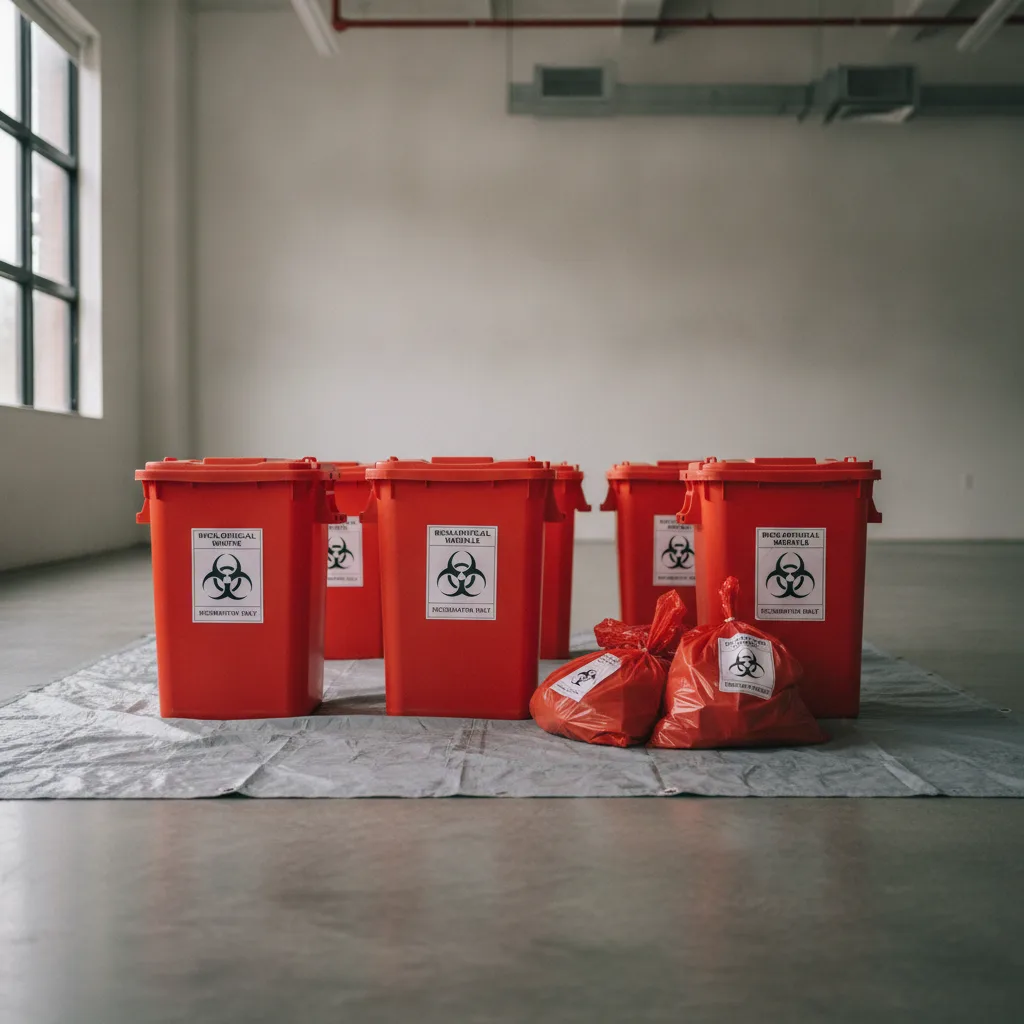
We clean up any biological hazard, including blood, bodily fluids, feces, sewage, and infectious materials, in homes, commercial buildings, and institutional facilities.
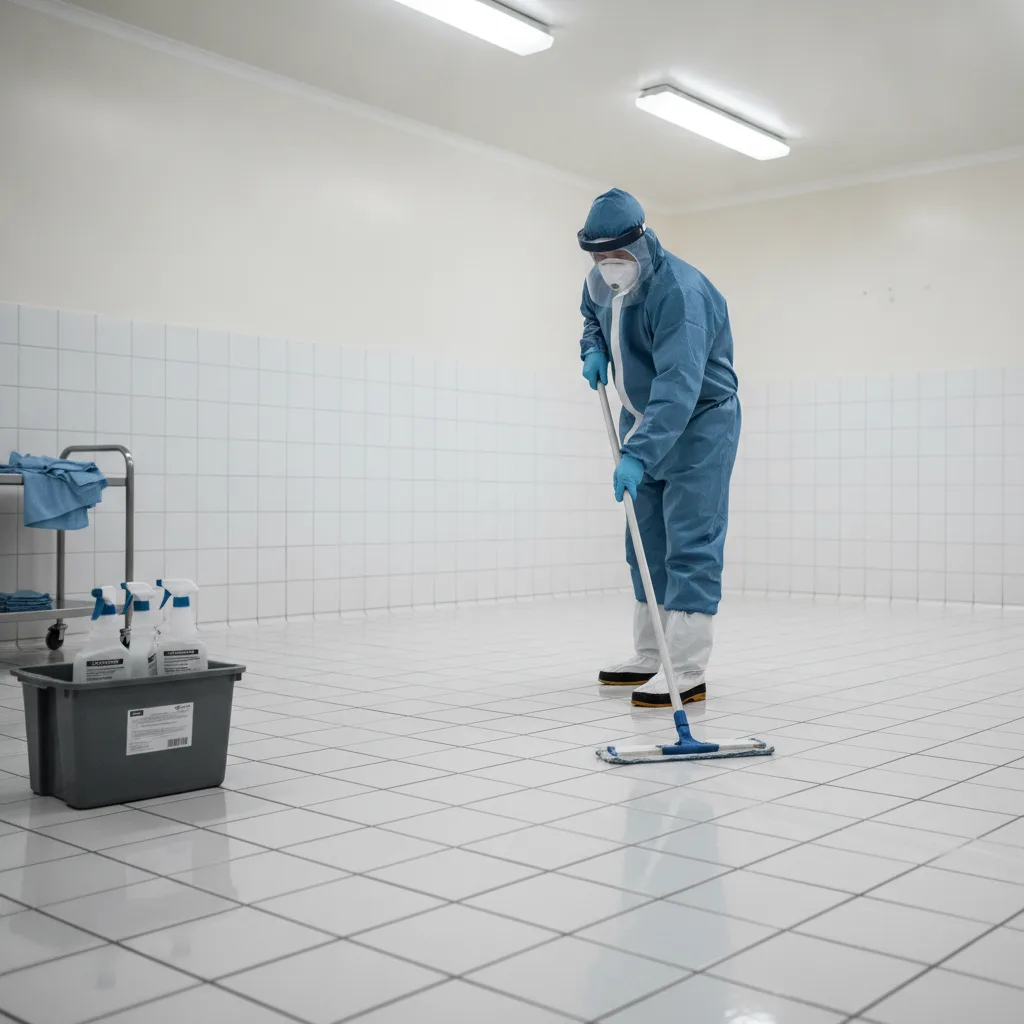
We clean up after suicides, serious accidents, and self-harm incidents with care and complete discretion, so families never have to see the scene again.
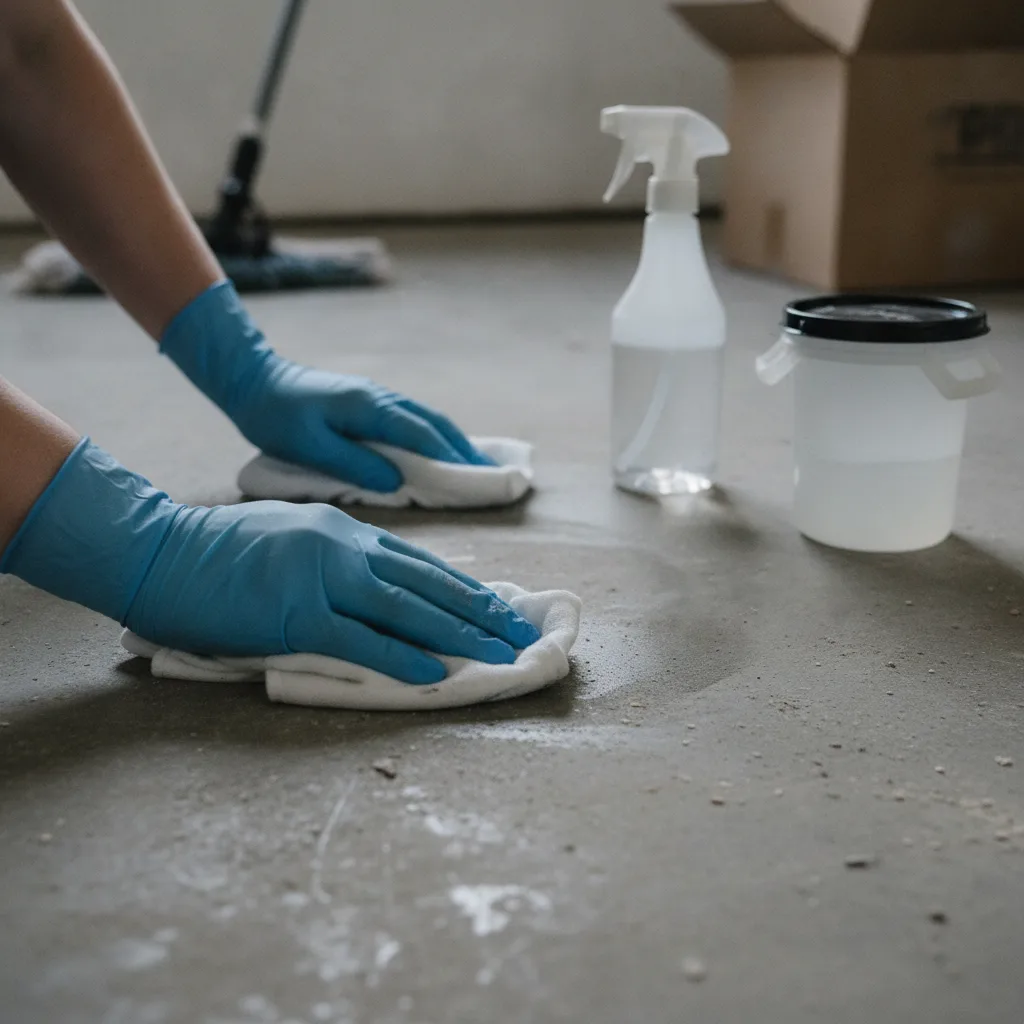
We remove blood from floors, walls, furniture, mattresses, and vehicles, large or small, and confirm the area is truly decontaminated.
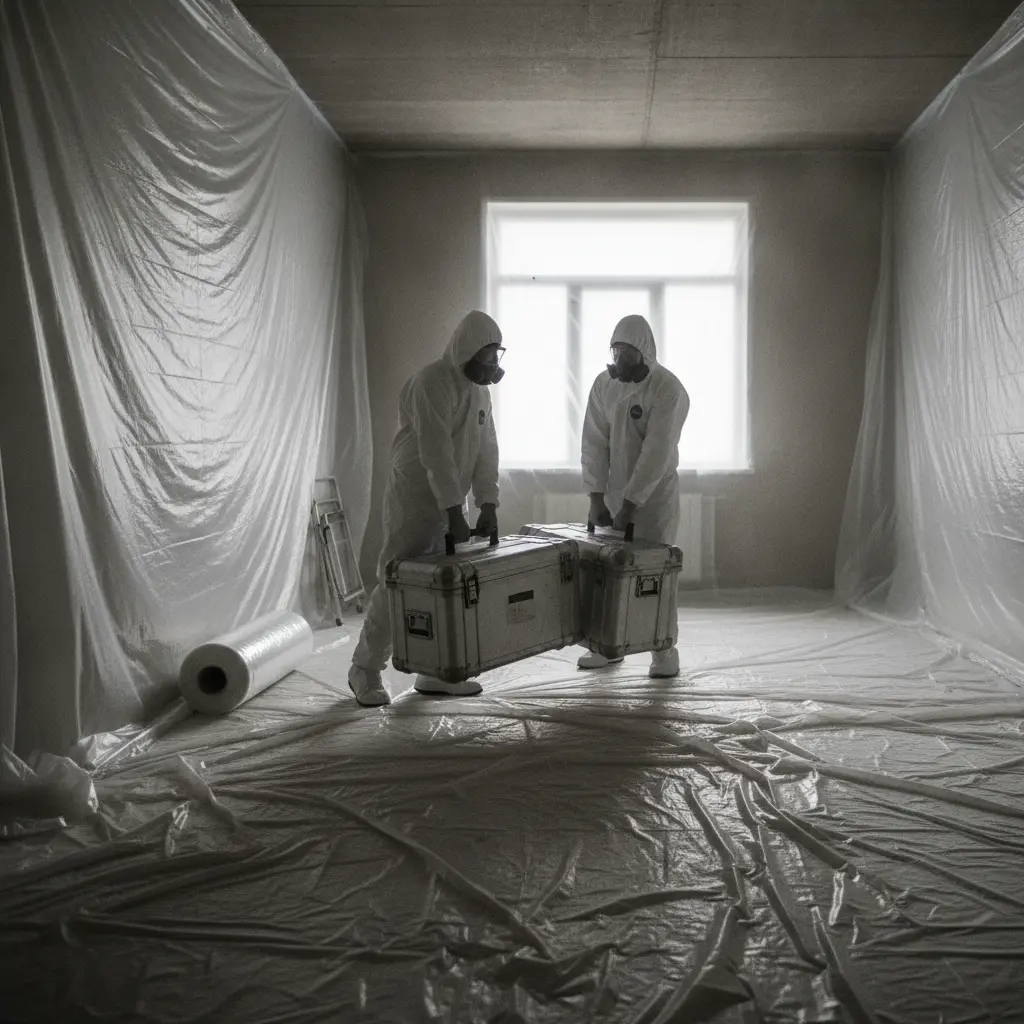
We fully restore a home or business after a homicide and work alongside investigators' release timelines.
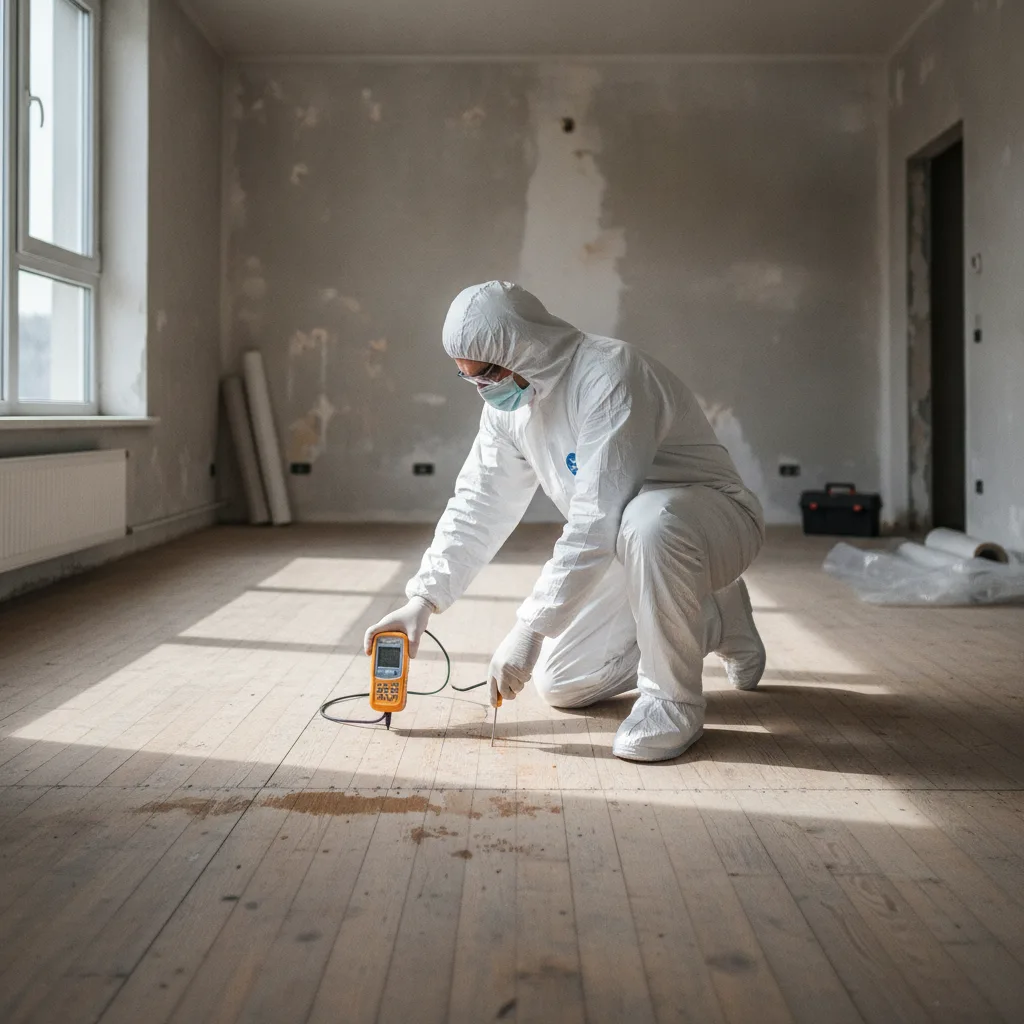
We restore homes where someone died and wasn't found right away. That means removing fluids, contaminated materials, odor, and insects so the home can be used again.
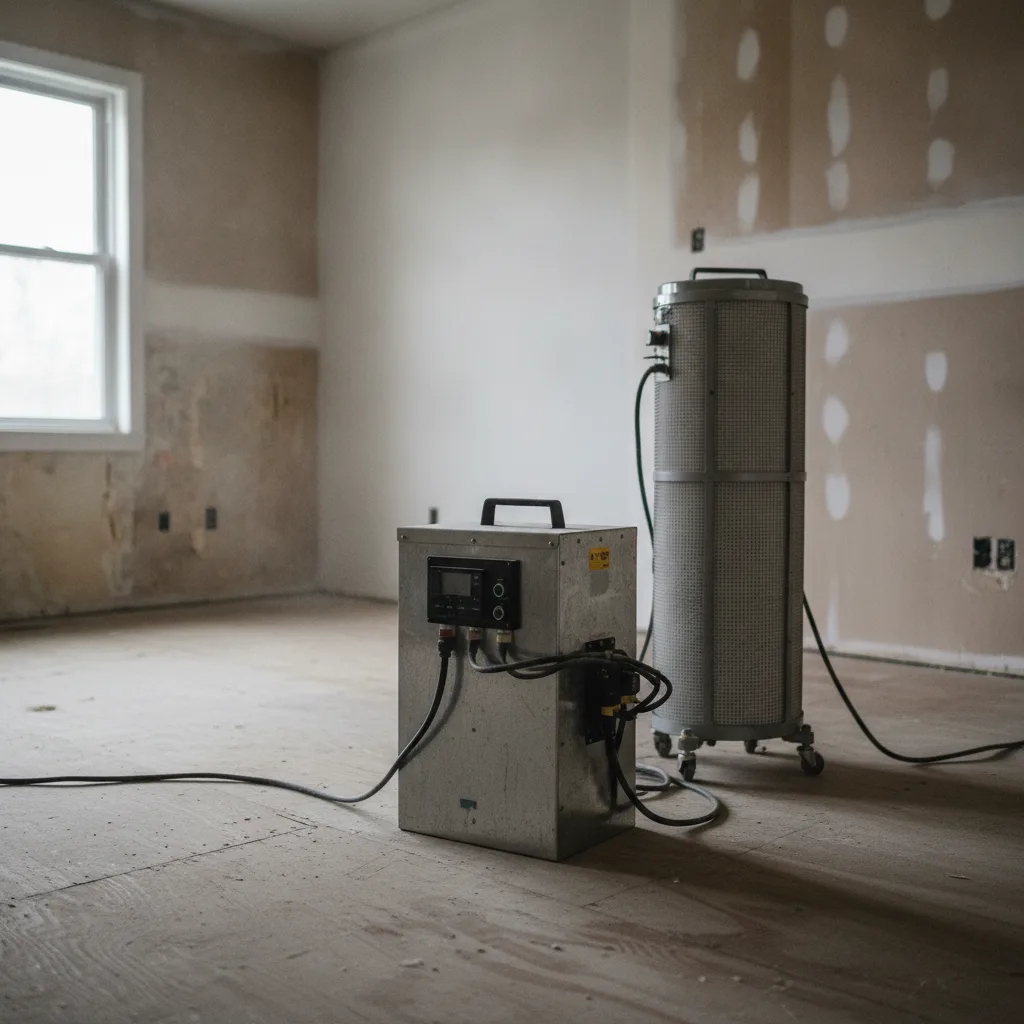
We handle advanced decomposition, where fluids have reached the subfloor, framing, or the ceiling below.
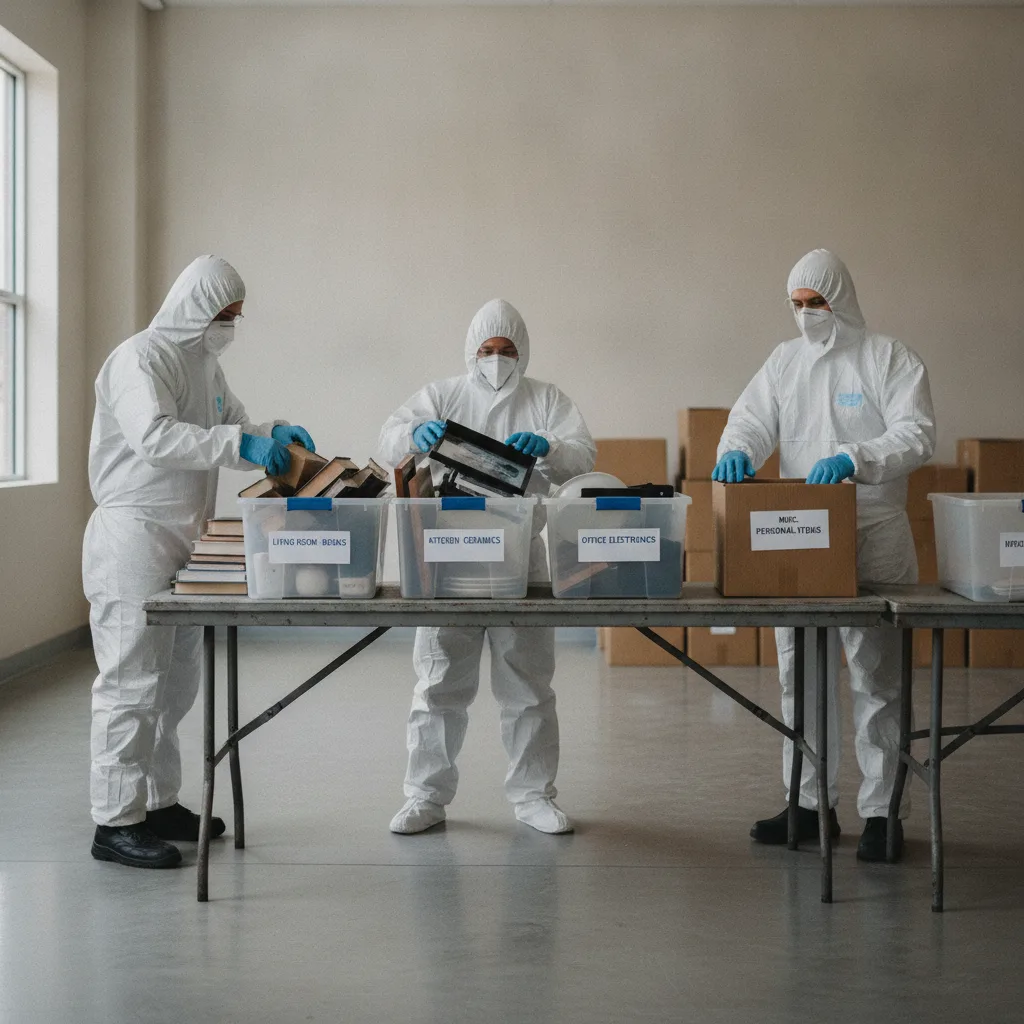
We clear hoarded homes respectfully, removing debris, animal waste, and biohazards while keeping valuables, photographs, and documents safe.
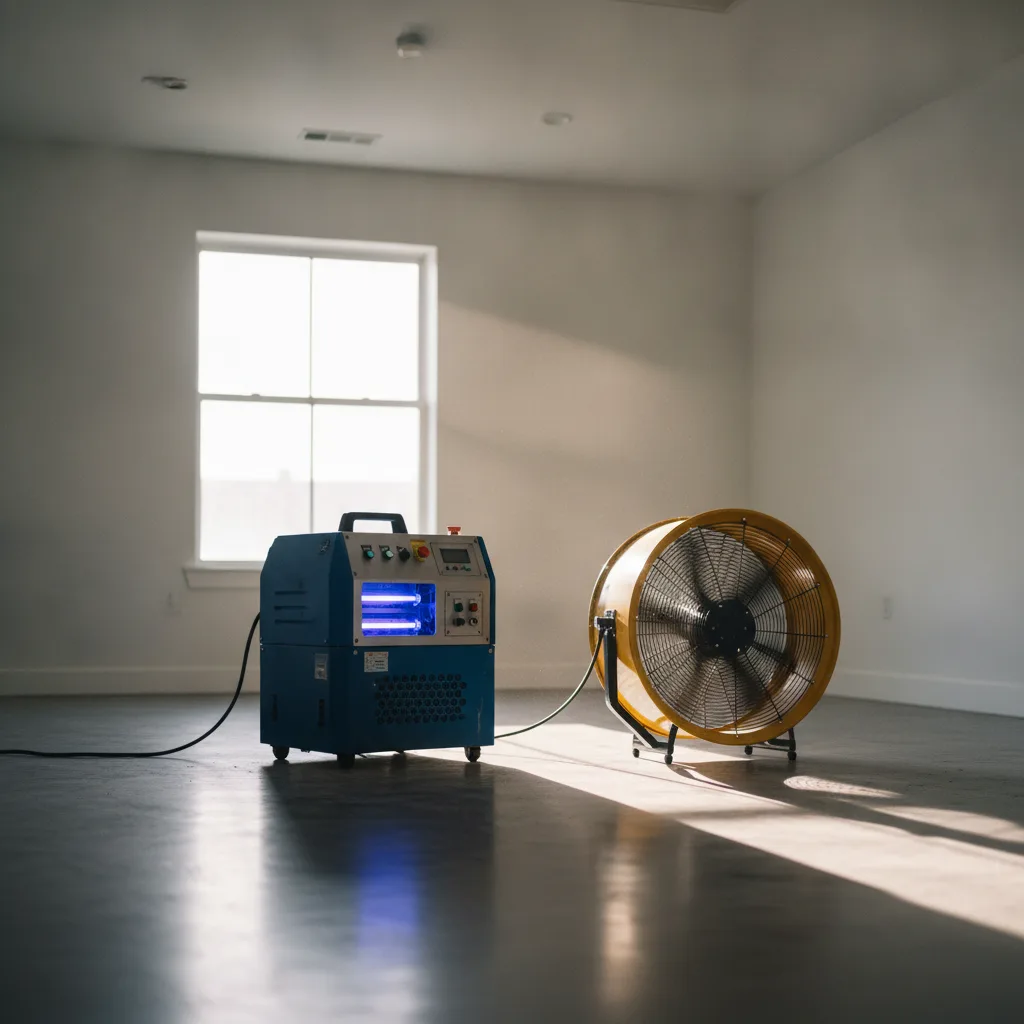
We permanently remove odors from death, decomposition, smoke, and biohazards. We remove the source instead of masking it.
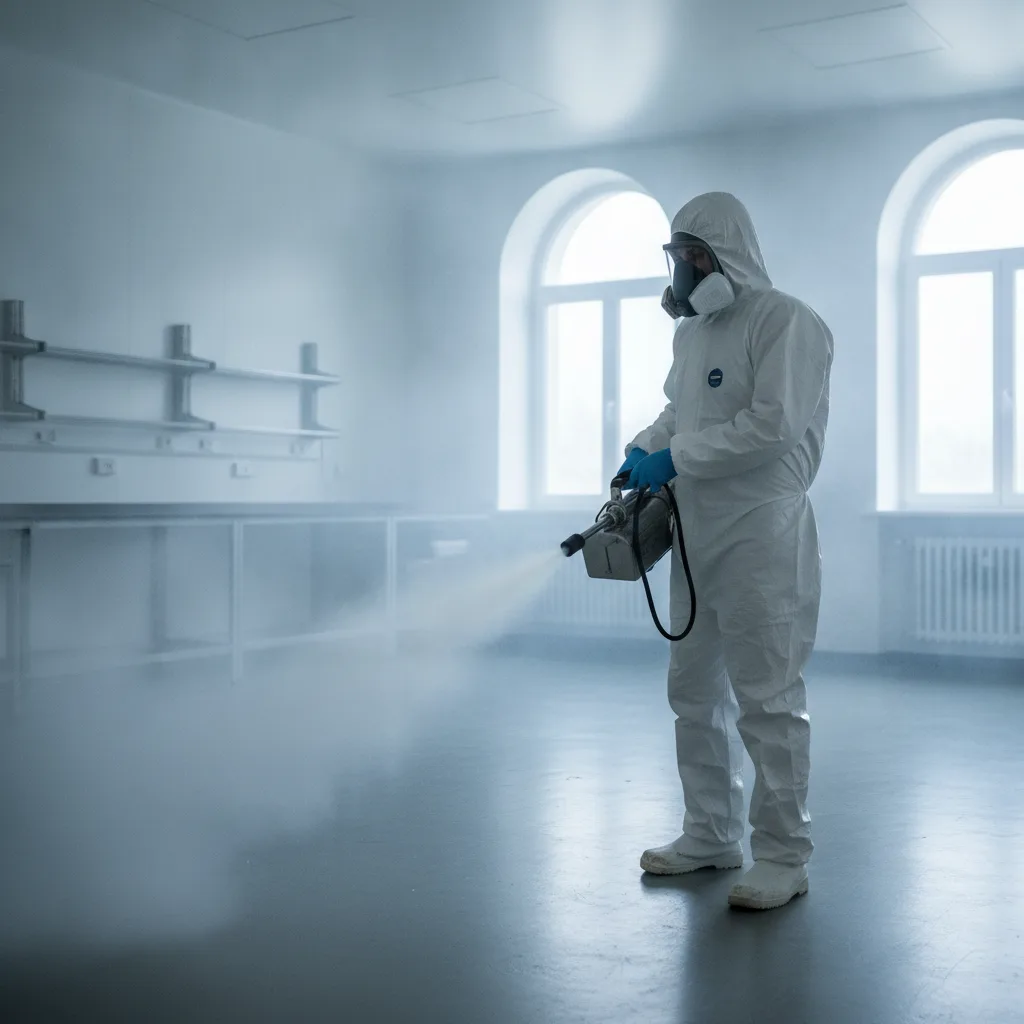
We disinfect homes, vehicles, offices, and facilities after infectious disease exposure, drug contamination, or biohazard incidents.
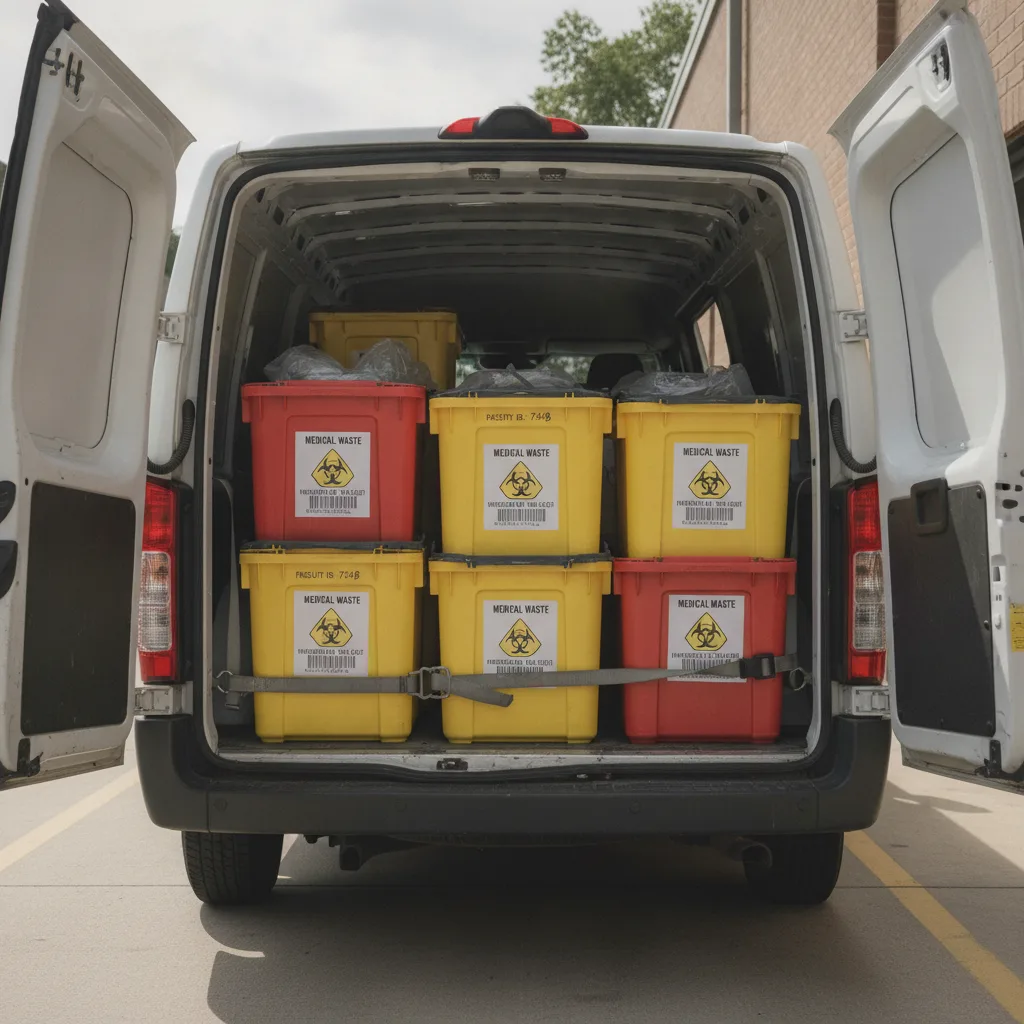
We remove and dispose of sharps, syringes, and regulated medical waste safely and legally.
Every scene is different, but the region's weather and older buildings create the same problems again and again. Knowing why they happen helps you understand what has to be removed and why it's urgent. It also explains why surface cleaning almost never fixes these situations.
This is when someone dies at home and isn't found for days or weeks. As the body decomposes, fluids soak into flooring, subfloor, and framing. It also creates strong odor compounds and a real risk from pathogens and insects.
Blood and other potentially infectious materials from a crime, suicide, or accident can carry bloodborne pathogens such as hepatitis B, hepatitis C, and HIV. Any porous material they reach needs professional removal, not just a surface wipe-down.
These are deaths or incidents involving opioids. They can leave syringes, sharps, drug residue, and bodily fluids behind, all of which need safe removal and decontamination.
These are homes with severe clutter plus biohazards such as animal waste, rotting food, pests, mold, or human waste. The home can be unsafe to live in and can be condemned.
This is Category 3 contamination from sewage or floodwater. It carries bacteria, viruses, and parasites into basements and living spaces.
This is odor that keeps coming back after an earlier cleaning. It usually means contamination is still in the subfloor, framing, ductwork, or wall cavities.
These are smaller injuries, falls, or medical events that leave limited blood or bodily fluids on a floor, mattress, or vehicle seat.
From your first call to the final walkthrough, we keep things simple, private, and paid by insurance wherever coverage applies. Here's what to expect.
Immediately, 24/7
Usually within hours of your call
Same day to a few days
Several hours for minor scenes; 1–5 days for complex cases
At completion
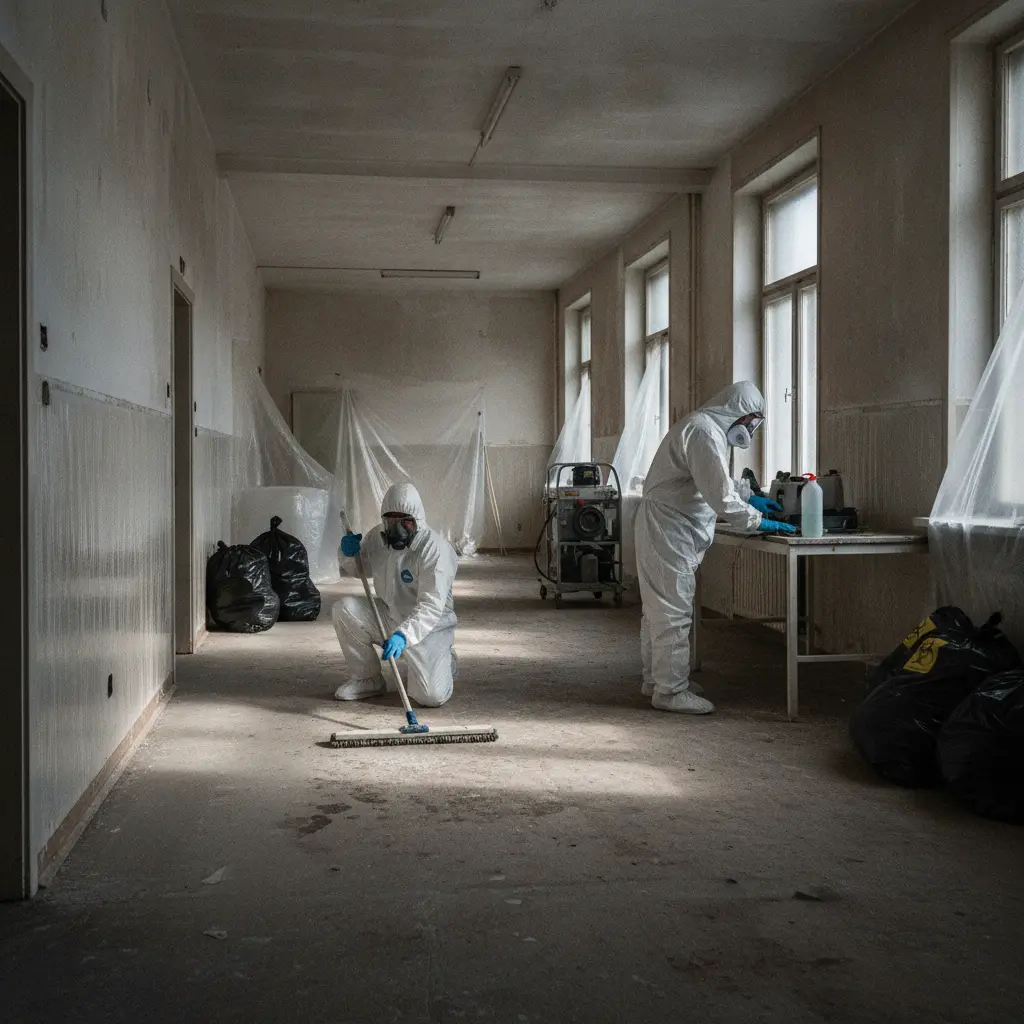
Paying for the cleanup shouldn't be your problem in the middle of a loss. Most homeowner's policies cover cleanup after a death or trauma, so we bill your insurer directly and handle the claim documentation. When insurance doesn't fully apply, we help eligible crime victims and families apply to the NYS Office of Victim Services, which can reimburse some cleanup costs up to its statutory limit. Before any work begins, we explain exactly what's covered, so there are no surprises.
Tragedies don't happen on a schedule. Our 24/7 emergency response means a person picks up whether it's 3 a.m. on a January night in Latham or a holiday weekend in Troy. You'll talk to someone who can explain the next steps, confirm the scene release, and send a crew out. You won't be stuck in a phone tree or waiting for a callback while you're trying to cope.
Most of our Albany work is in brownstones and converted multi-family buildings. We know how blood moves through gapped plank floors in a Center Square rowhouse, how odor travels through balloon-framed walls in Lansingburgh, and how steam radiators carry contamination between units. That's why we look beneath the surface, in the joists, the ceiling below, and the wall cavities, so the problem doesn't come back after we leave.
Your neighbors don't need to know what happened. We arrive in unmarked vehicles, keep equipment staging low-profile, and our crews don't discuss the job with anyone outside the family or property owner. In shared rowhouses and two-family homes, we coordinate with the other tenants without giving out details. HOAs and condo boards in Colonie and Niskayuna appreciate how quietly we work.
New York doesn't license crime scene cleanup companies, so how a company handles compliance matters. Our technicians follow OSHA's Bloodborne Pathogens Standard and New York's regulated medical waste requirements. Contaminated materials go to permitted facilities, never in the household trash. In pre-1978 homes we use lead-safe practices, and we bring in licensed asbestos professionals when a survey calls for it.
We carry insurance, so your property and your family are protected while we work. That matters when the job means cutting out subfloor in a 150-year-old rowhouse or working in a tenant's unit downstairs. Property managers, landlords, and executors can hire us knowing liability is covered.
Many of the people who call us live in another state, or are dealing with a parent's estate while grieving. We work directly with insurers, the Office of Victim Services, police, property managers, and executors, and we keep you updated with photos and plain-language reports. You can make decisions by phone while we handle everything on site.
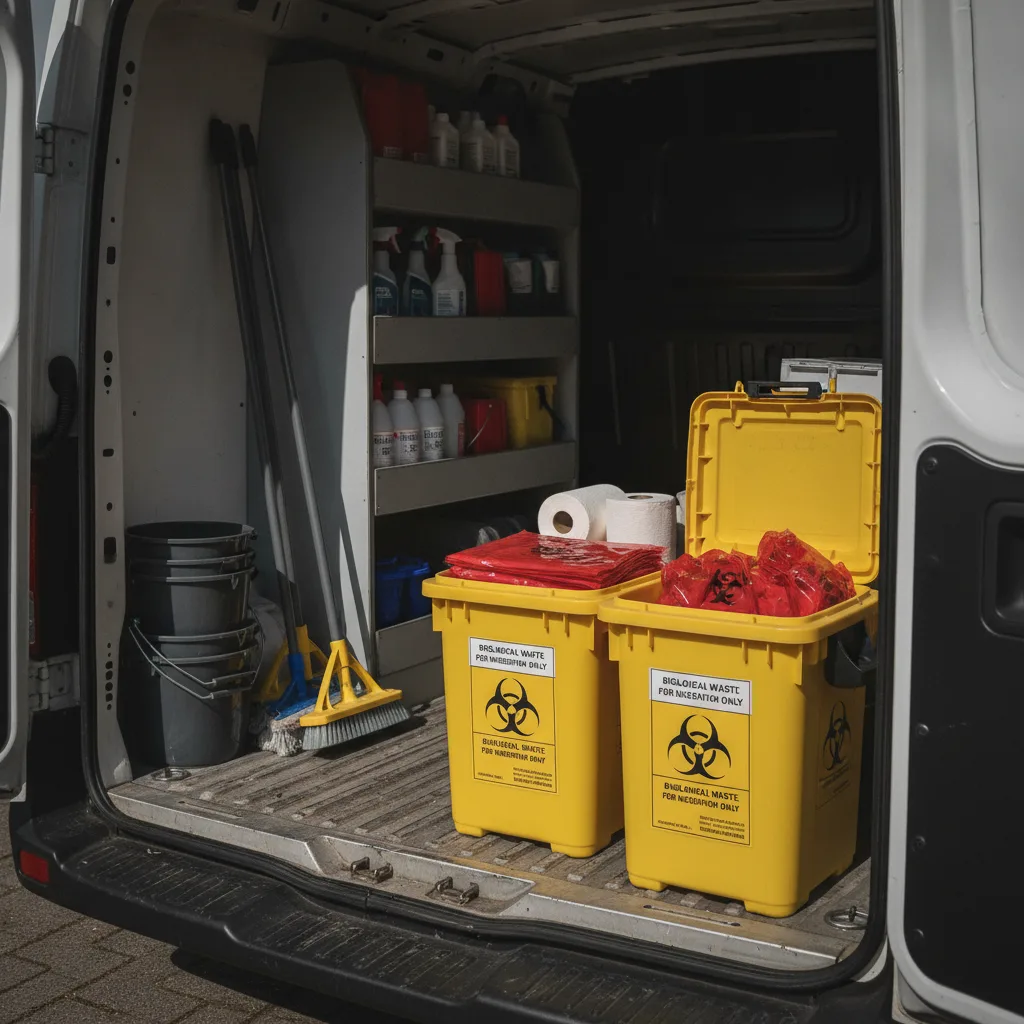
Most families never pay us directly. Homeowner's insurance usually covers crime scene, trauma, and unattended death cleanup, and we bill the insurer ourselves. Below are the factors insurers look at, along with typical claim ranges, so you know what to expect.
Your policy matters most. Most homeowner's and landlord policies cover biohazard cleanup after a death or trauma as sudden, accidental damage. We bill the insurer directly, so in many cases the family's only cost is the deductible, and sometimes there's nothing to pay at all. For eligible crime victims, the NYS Office of Victim Services can reimburse some cleanup costs up to its statutory cap. We check your coverage before any work starts.
How far fluids traveled decides the scope. On sealed tile, it's a surface cleanup. In an Albany rowhouse with gapped plank floors, blood can reach the joists and the ceiling below, which means structural removal across two units. Decomposition that went unnoticed through a summer heat wave usually affects much more material than a death found within a day or two.
Summer heat and humidity speed up decomposition. Winter heating spreads odor through ducts and radiators. The longer a scene goes undiscovered, the more subfloor, framing, and HVAC components need work. That's why calling quickly reduces the overall claim.
In pre-1978 homes, cutting out contaminated plaster or flooring requires lead-safe practices. If a survey finds asbestos, a licensed abatement contractor has to be involved. These steps add to the scope but are usually included in the insurance claim.
Narrow Albany and Troy streets, snow emergencies, walk-up apartments, and large rural Poestenkill properties all affect staging. The amount of regulated medical waste, especially in hoarding cases, also affects transport and disposal at permitted facilities.
When insurance or OVS doesn't fully apply, for example in some hoarding cases, we'll go over the options with you before any work begins. You'll never get a surprise bill.
In most cases, yes. Most homeowner's and landlord insurance policies cover biohazard cleanup after a death, suicide, or violent crime, and many families pay $0 out-of-pocket beyond their deductible. We bill your insurer directly and provide the photos and documentation the adjuster needs. If the cleanup came after a crime, the NYS Office of Victim Services may reimburse eligible victims or family members for some costs, subject to its statutory cap. We'll check your coverage before any work begins and explain it in plain language.
We answer 24/7, and a person picks up every time. In most cases we can have a crew on site within hours anywhere in Albany, Troy, Latham, Niskayuna, or Poestenkill. Winter snow emergencies and parking restrictions can affect logistics, but we plan around them. Most minor scenes are finished in a few hours. Complex decomposition or multi-unit rowhouse jobs usually take one to five days, depending on how much structural material has to be removed.
Police and the coroner don't clean scenes. Once they release the property, the cleanup is the family's or owner's responsibility. We strongly advise against doing it yourself. Blood and bodily fluids can carry hepatitis and HIV, and in older Albany homes they often soak into floorboards, joists, and the ceiling below where you can't see them. Regulated medical waste also can't legally go out with household trash in New York. Beyond the health risks, many families find that seeing the scene adds to their trauma.
New York doesn't issue a specific crime scene cleanup license, so compliance matters. Workers fall under OSHA's Bloodborne Pathogens Standard (29 CFR 1910.1030). Regulated medical waste has to go through a NYSDEC-permitted transporter to a permitted facility. If cutting out contaminated plaster or floor tile disturbs asbestos, NYS Industrial Code Rule 56 applies, and lead-safe rules cover pre-1978 paint. Landlords in Albany and Troy also need a documented cleanup before a unit can pass rental inspection. We follow these protocols on every job.
Not from us. We arrive in unmarked vehicles, our technicians wear plain clothing until they're inside, and we stage equipment as quietly as possible. That's often a challenge on tight Center Square or Downtown Troy streets, and we plan for it. In shared rowhouses or two-family homes, we coordinate access with the other tenants without sharing details. We follow HOA and condo rules in Colonie and Niskayuna about work hours and vehicles.
Call as soon as police or the coroner releases the scene. Waiting makes things worse, especially in Albany's summer heat, when decomposition fluids can reach subfloor and framing within days. In winter, heating systems spread odor through ductwork and radiators into other rooms and units. Acting quickly limits damage, keeps the insurance claim smaller, and protects anyone else living in the building. You can call us before the release, too. We'll help you understand the timing.
We remove the source. Air fresheners and ozone alone can't fix odor while contaminated subfloor, joists, or wall cavities are still there. After removing those materials, we apply enzymatic treatments, seal the framing, clean the HVAC ductwork, and use thermal fogging or hydroxyl treatment where it's needed. In balloon-framed Troy homes and steam-heated Albany rowhouses, we check the wall cavities and pathways between floors, because that's where odor usually comes back from.
Yes, and many of our clients do. We coordinate with the police on scene release, with your insurer, with the Office of Victim Services, and with property managers or building owners. We send photos and plain-language updates, set aside personal belongings and important documents for you, and provide final documentation for the estate or the landlord. You can approve decisions by phone or email while we handle everything on site.
We come to you anywhere in Albany and the surrounding area, in unmarked vehicles, any hour of the day.
You don't have to handle this alone, and you probably don't have to pay for it out of pocket. Call any time and a real person will walk you through the next steps calmly and privately.
Call (518) 201-6590 Now