Discreet, certified crime scene and biohazard cleanup in Chesapeake — unmarked vehicles, compassionate technicians, and in most cases $0 out of pocket since we bill your insurance directly.
Trauma cleanup follows the same science everywhere, but Hampton Roads changes the details. Our heat, humidity, low ground and housing stock decide how fast contamination spreads and how far it goes. They also decide what has to come out of a home before it's truly safe again.
Chesapeake sits on the low coastal plain at the south end of the Chesapeake Bay. July highs run in the upper 80s °F, heat-index days over 100 °F happen most summers, and dew points often stay in the 70s. Nights don't cool off much either. When someone passes away alone in a home where the AC failed or was turned off, decomposition speeds up sharply, and odor, fluids and insects can become severe within days. Humid air keeps blood and body fluids wet longer, so they soak deeper into padding, drywall and subfloors and feed bacteria and secondary mold. Add 46–50 inches of rain a year, hurricane season from June through November, and poorly drained clay soils near the Great Dismal Swamp, and you get repeated sewage backups and wet crawl spaces that need professional decontamination.
Chesapeake formed in 1963, and most of its housing went up after 1970: subdivisions, townhomes and garden apartments in Greenbrier, Great Bridge, Western Branch, Grassfield and Hickory. Many of those homes have carpet over plywood or particleboard subfloors, or vinyl plank that lets fluid run underneath without showing on top. In a crawl-space house, contamination can reach the joists, vapor barrier and even the soil. South Norfolk and Portlock have early-1900s frame houses. Nearby, Olde Towne Portsmouth, Cradock, Ghent and Phoebus have plaster-and-lath walls, heart-pine floors and original trim, which absorb contaminants and are hard to match. HVAC returns can carry odor through an entire house, so we inspect the ductwork on every odor job.
Virginia doesn't issue a specific license for trauma cleanup. That makes the federal standards the real benchmark: OSHA's Bloodborne Pathogens Standard (29 CFR 1910.1030), hazard communication and respiratory protection rules. Biohazardous waste falls under Virginia's Regulated Medical Waste Management Regulations, administered by DEQ. It has to be packaged, labeled and transported to permitted treatment facilities. Police must release a scene before we start, and the Tidewater District Office of the Chief Medical Examiner and funeral homes handle the decedent. If joists, subfloor or wiring need replacing, city building permits may apply. Historic district review in Olde Towne or Ghent usually covers exterior changes only. HOAs in Chesapeake and Virginia Beach often expect unmarked vehicles and minimal staging, and that's how we already work.
Hampton Roads is home to about 1.8 million people and one of the largest military concentrations in the country, including Naval Station Norfolk, Norfolk Naval Shipyard, NAS Oceana and Joint Base Langley-Eustis. PCS moves mean many families have no relatives nearby when a crisis hits, and adult children often arrange cleanup for a parent from out of state. A growing number of older residents live alone, which leads to more unattended deaths and hoarding situations. Landlords and property managers in this rental-heavy market need units turned over quickly and correctly. We handle the work remotely when we need to, with photo documentation, and we coordinate with privatized base housing managers.
Every service below follows the same standards: OSHA bloodborne pathogen protocols, Virginia regulated medical waste disposal, unmarked vehicles and clear documentation for your insurer. Most of this work is covered by homeowner's or landlord insurance, and we'll help you find out what your policy includes.
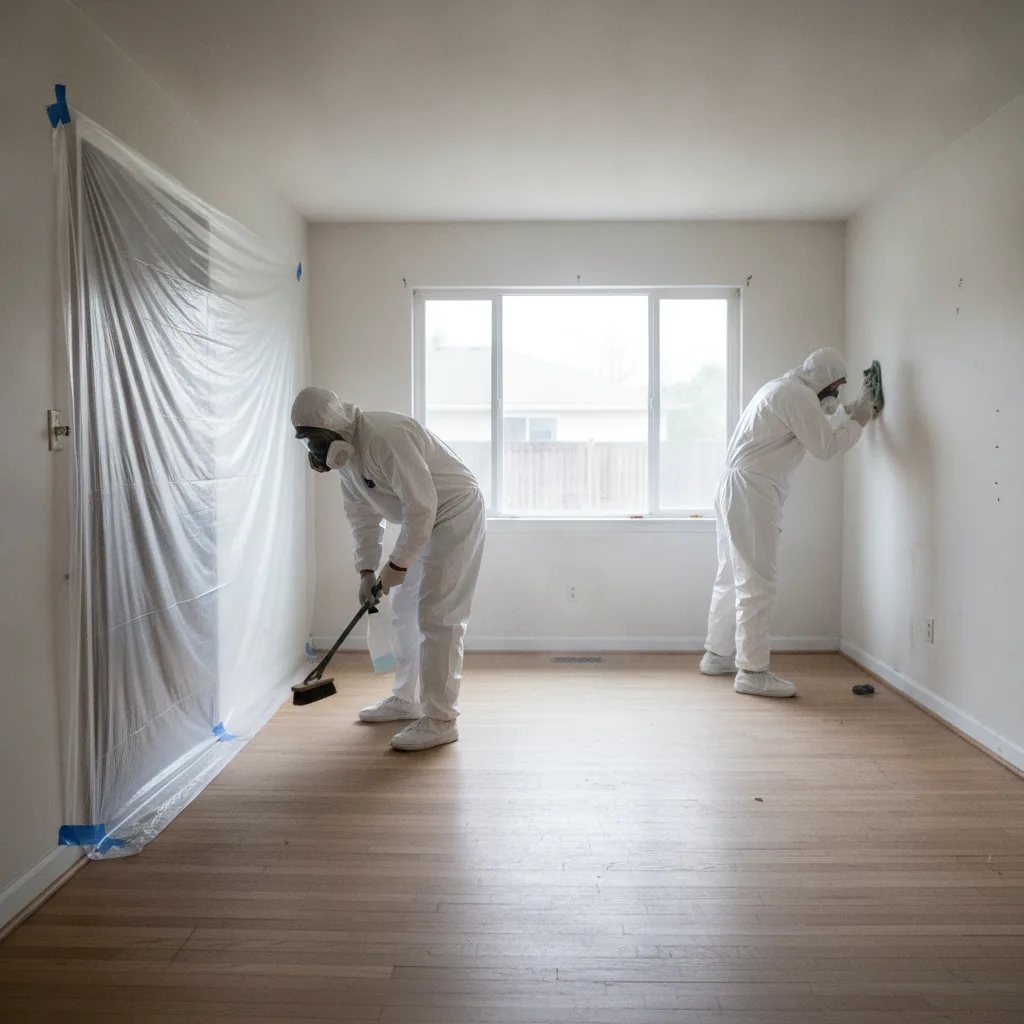
We remove blood, tissue and contamination after police release a scene and return the space to a safe condition.
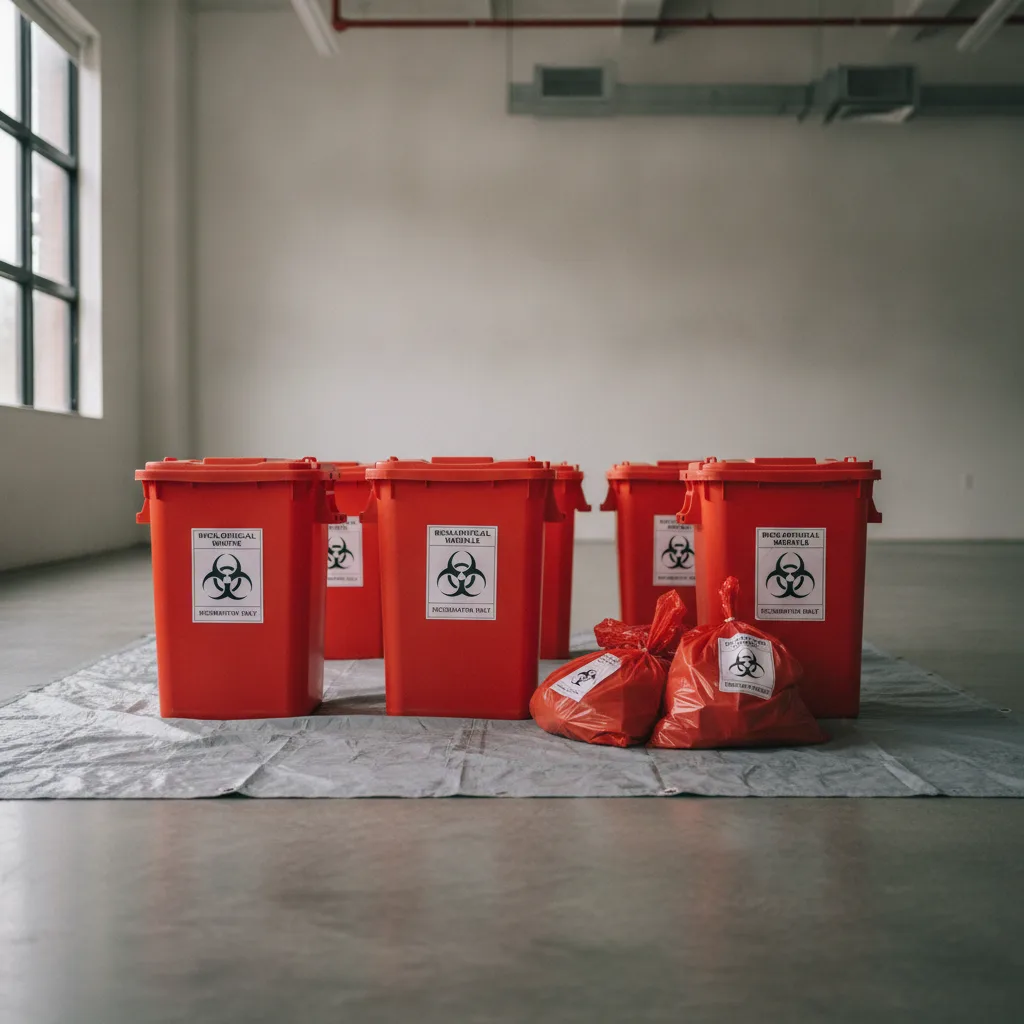
We clean up any situation involving blood, body fluids, sewage or infectious material.
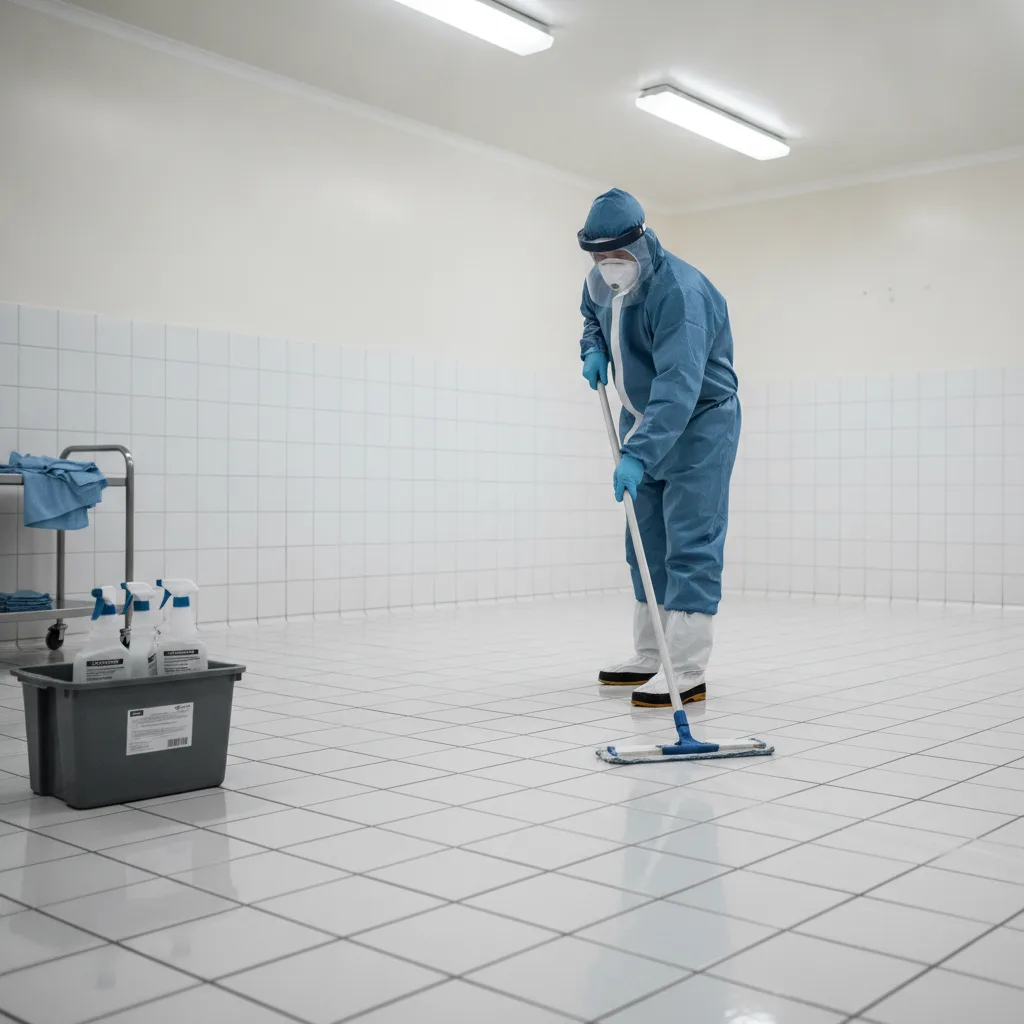
We clean up after suicides, accidents and serious injuries with compassion and complete discretion.
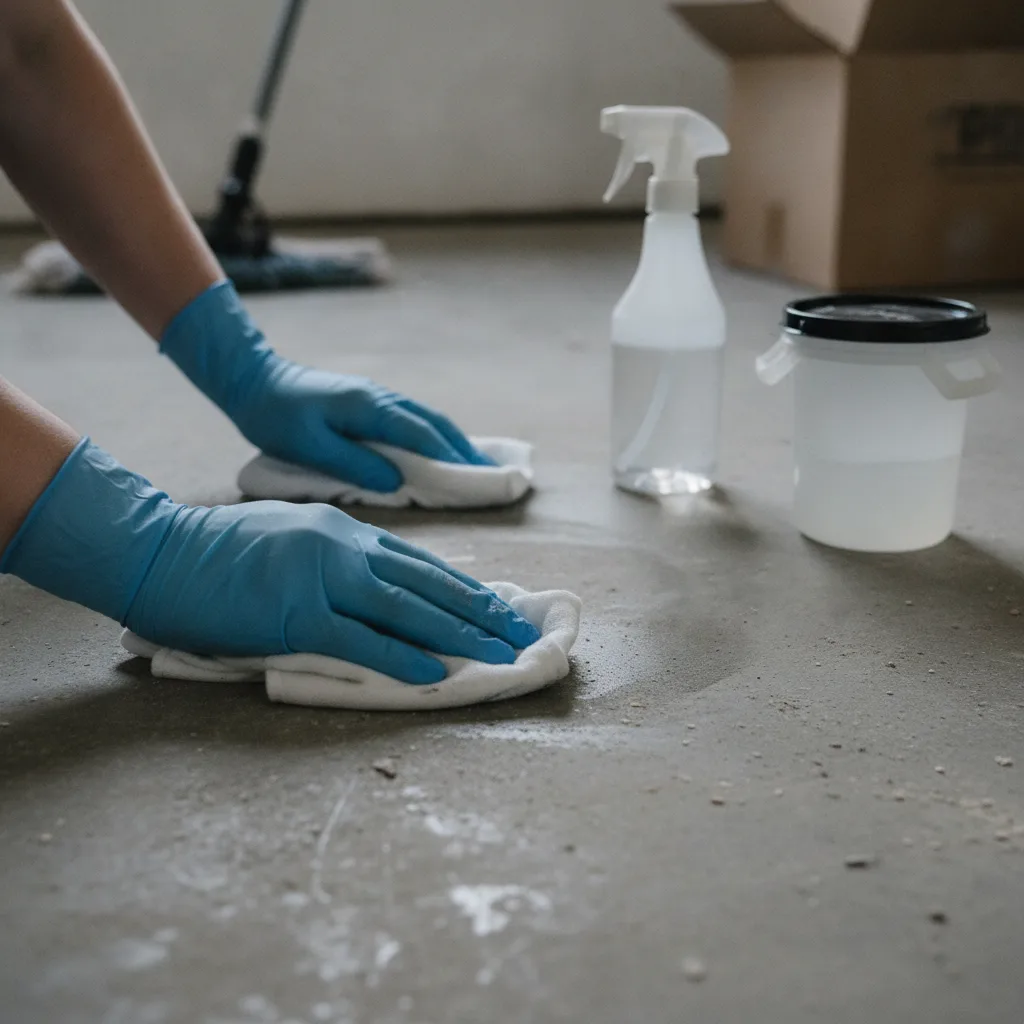
We remove blood from floors, walls, furniture and vehicles, whatever the size of the spill.
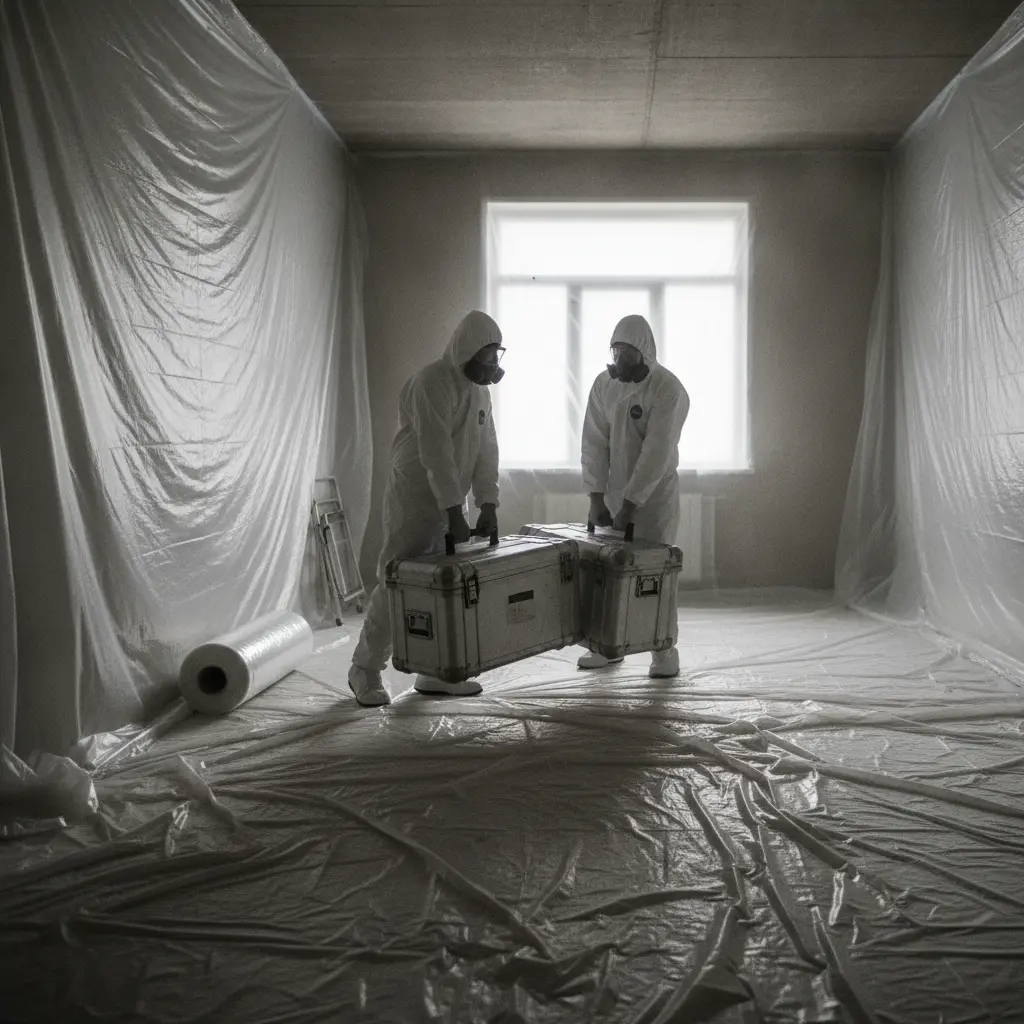
We restore homes and businesses after a homicide, quietly and thoroughly.
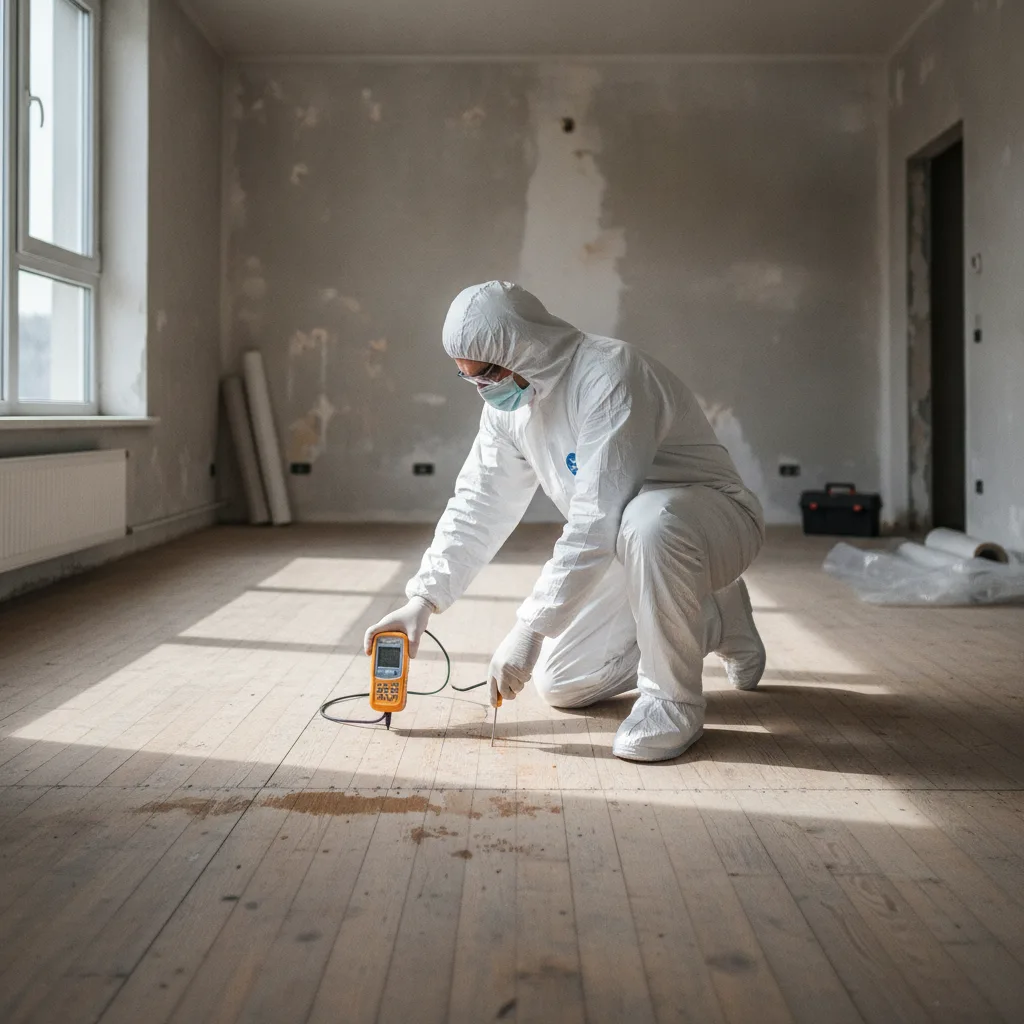
We clean and decontaminate homes where someone passed away alone and wasn't found right away.
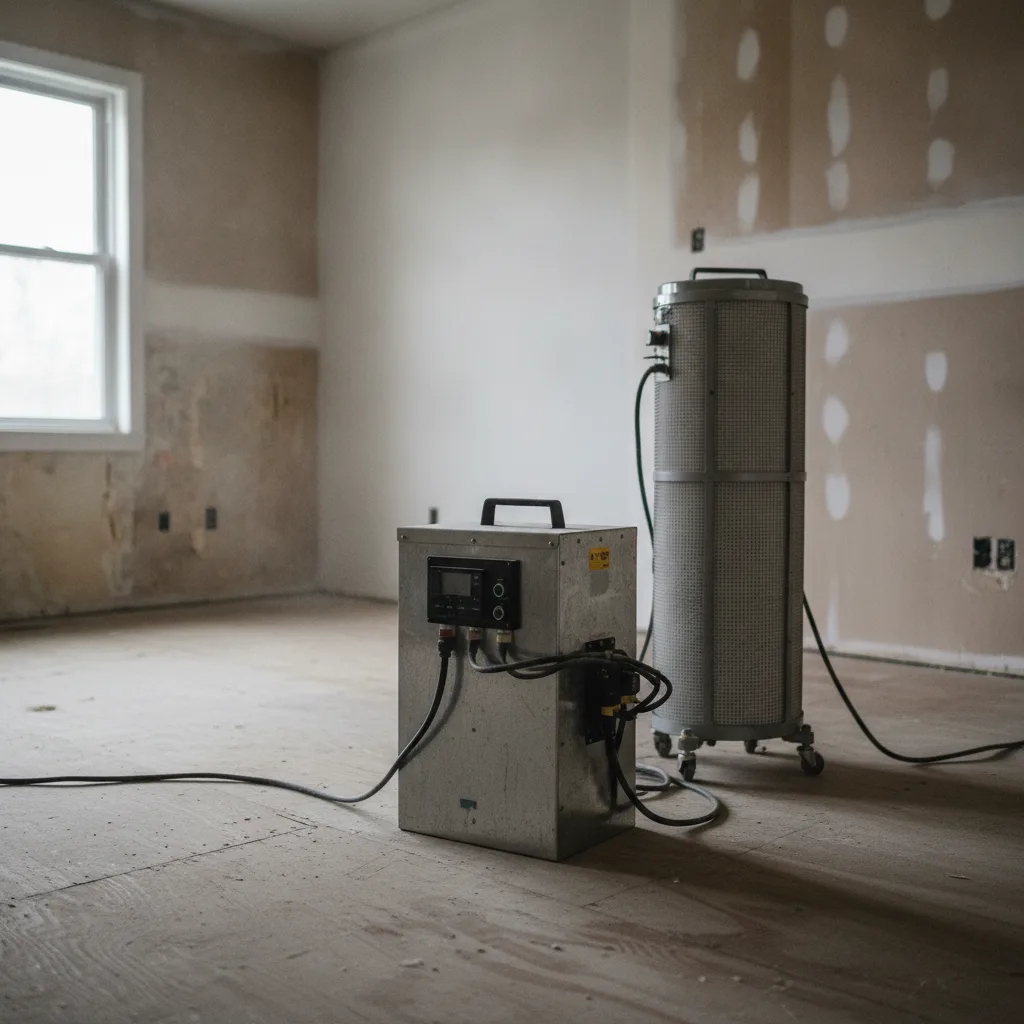
We remove decomposition fluids, tissue and odor from every affected material.
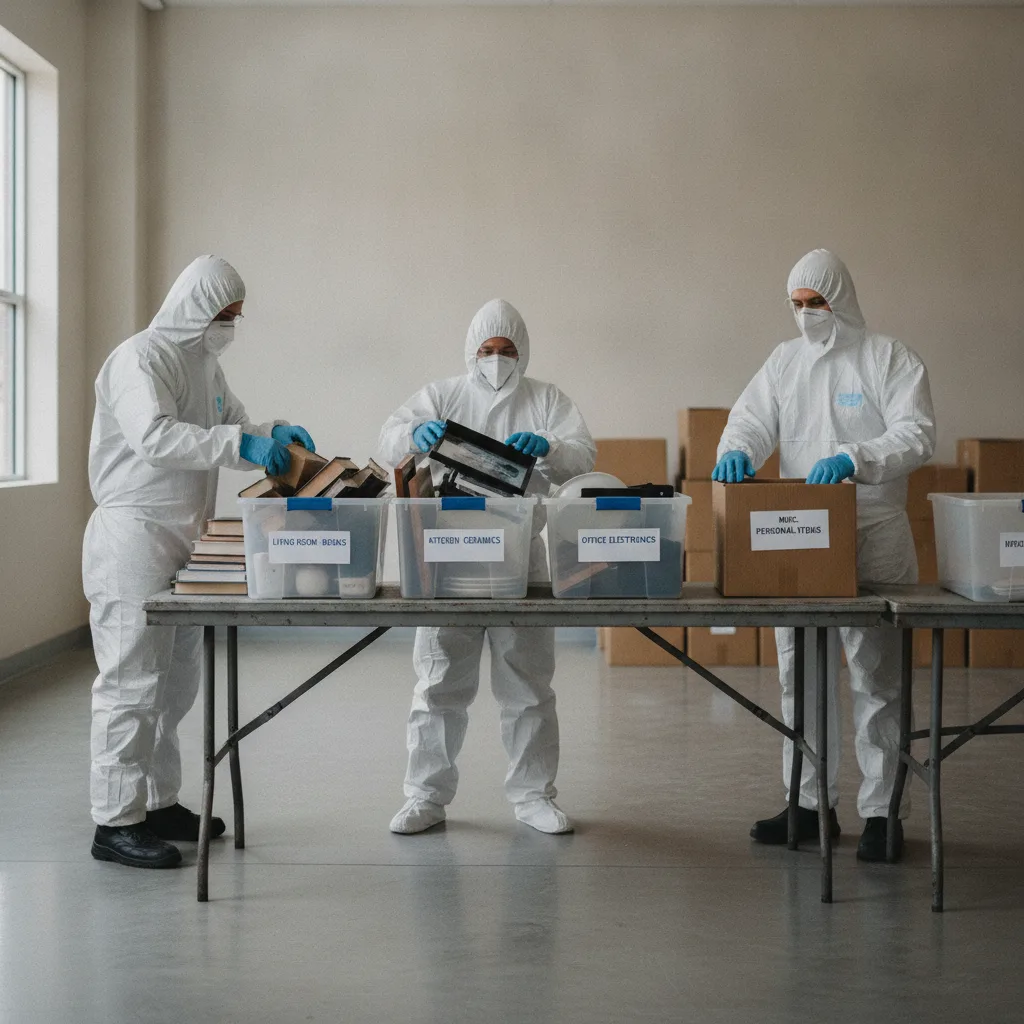
We clear and sanitize hoarded homes without judgment, and we protect keepsakes and documents.
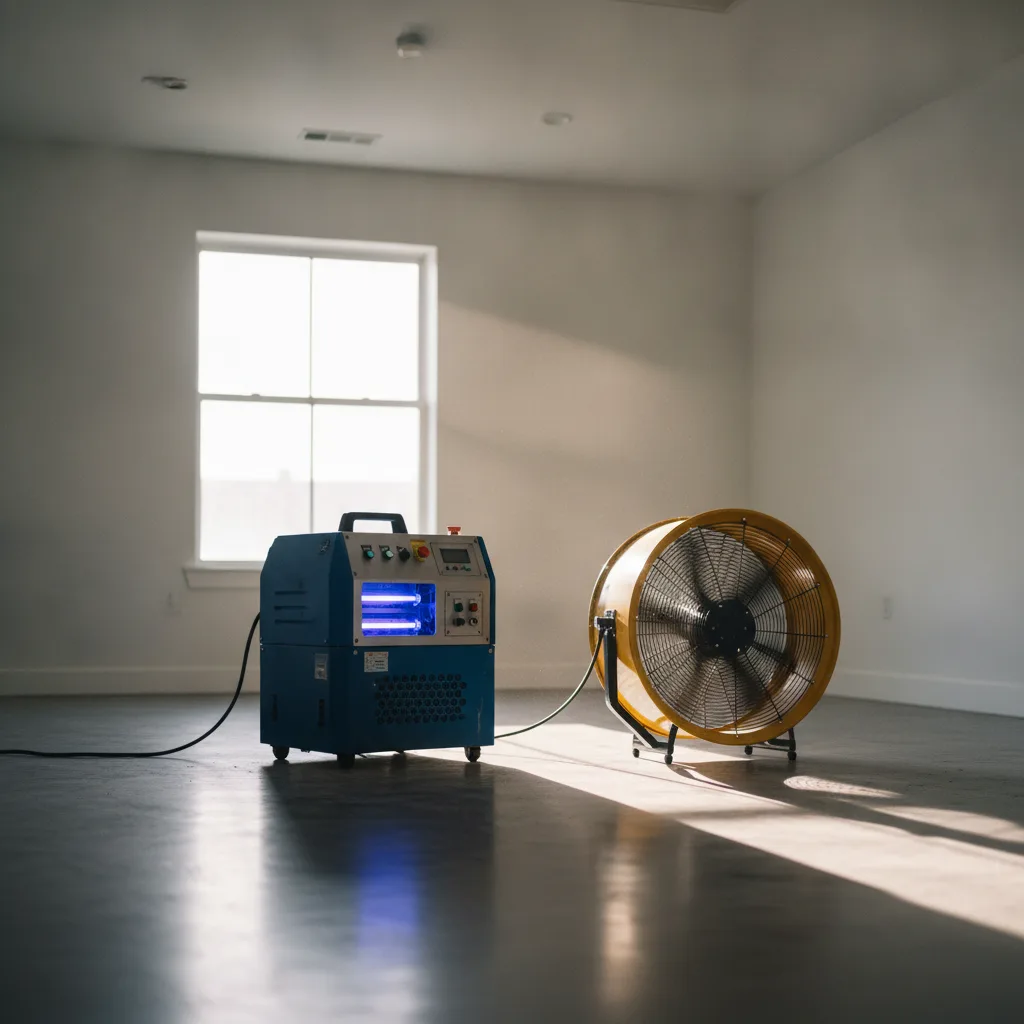
We eliminate odor at its source, not with masking sprays.
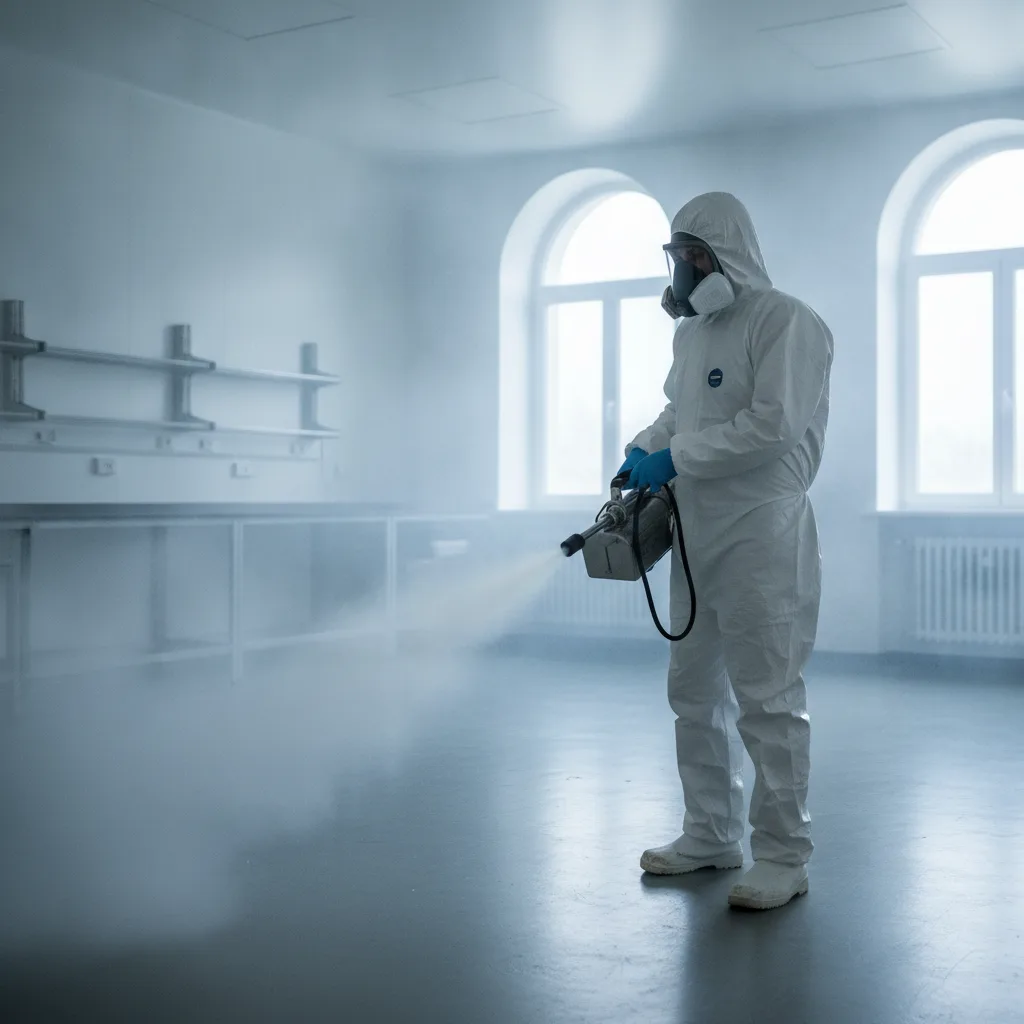
We disinfect spaces exposed to pathogens, sewage or hazardous residue.
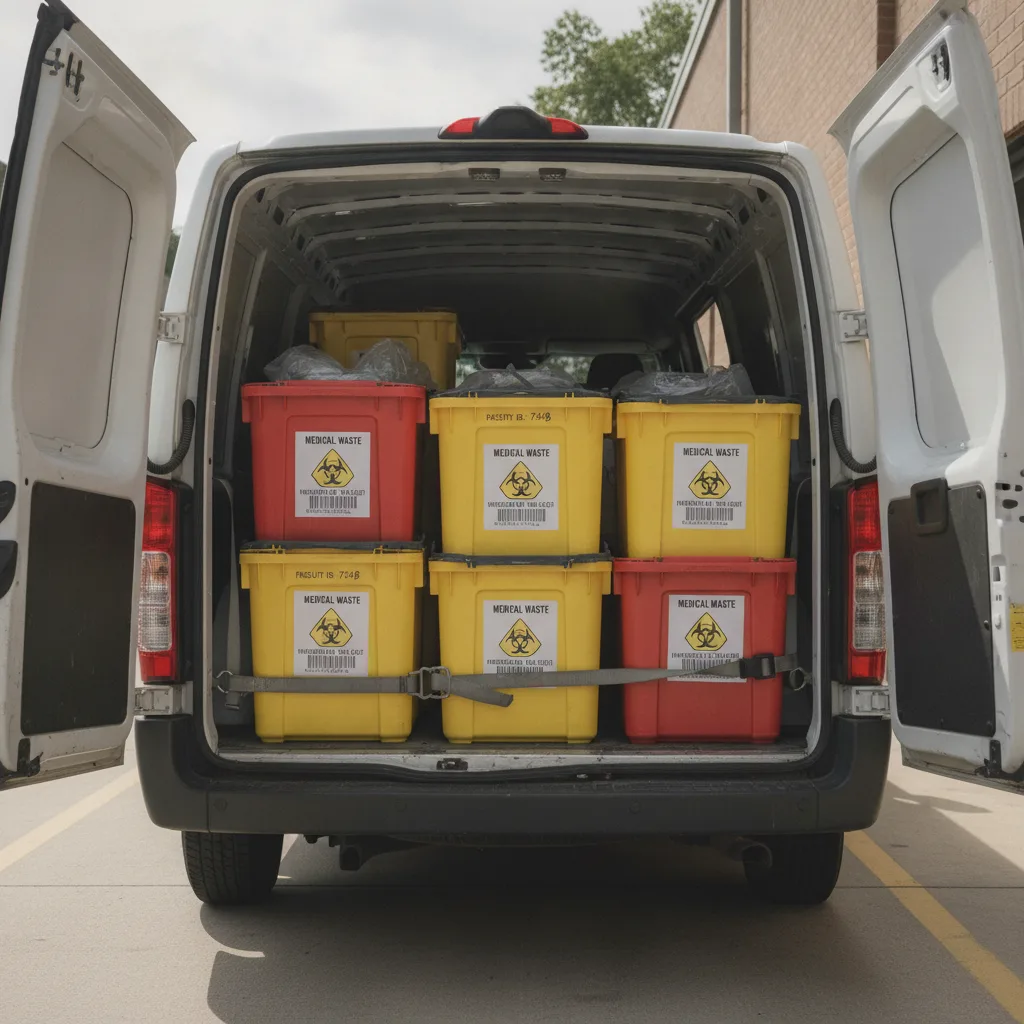
We package and remove sharps and regulated medical waste safely.
Every call is different, but local conditions make some situations come up again and again. Here's what tends to happen, why it happens here, and how to recognize it. That way you'll know when a professional is needed and when it can wait until morning.
An unattended death is when someone passes away alone and isn't found for days or weeks. Decomposition releases fluids, gases and strong odor, and it draws insects. All of it moves into flooring, walls and the air throughout the home.
Blood, body fluids or sewage seep through the visible floor and travel into plywood, particleboard, joists, insulation and the crawl-space vapor barrier. The surface can look clean while serious contamination stays hidden below.
These are violent incidents that leave blood, tissue and bone fragments in a home, vehicle or business. Contamination spreads farther than people expect and often reaches ceilings, fabrics, HVAC and porous trim.
Black water is sewage or floodwater carrying bacteria, viruses and chemicals. When it backs up into living areas or crawl spaces, everything it touches is considered contaminated.
Overdose sites often leave behind syringes, drug residue, blood and body fluids. Used sharps carry a real risk of bloodborne disease for anyone who handles them.
Hoarding is a long buildup of belongings, trash and sometimes animal waste that creates fire hazards, blocked exits, pests and ammonia-heavy air. It's a health issue, not a character flaw.
Long power outages leave refrigerators and freezers full of rotting food, and fluids leak into flooring. Separately, odor from any incident can settle into HVAC ducts and soft furnishings.
You don't need to know what to ask. Here's how we take it from your first call to a safe, odor-free home, step by step, with no surprises and nothing for you to coordinate alone.
Immediately, 24/7
Typically same day
Starts on day one
Usually 1–3 days, longer for advanced decomposition or hoarding
Final day
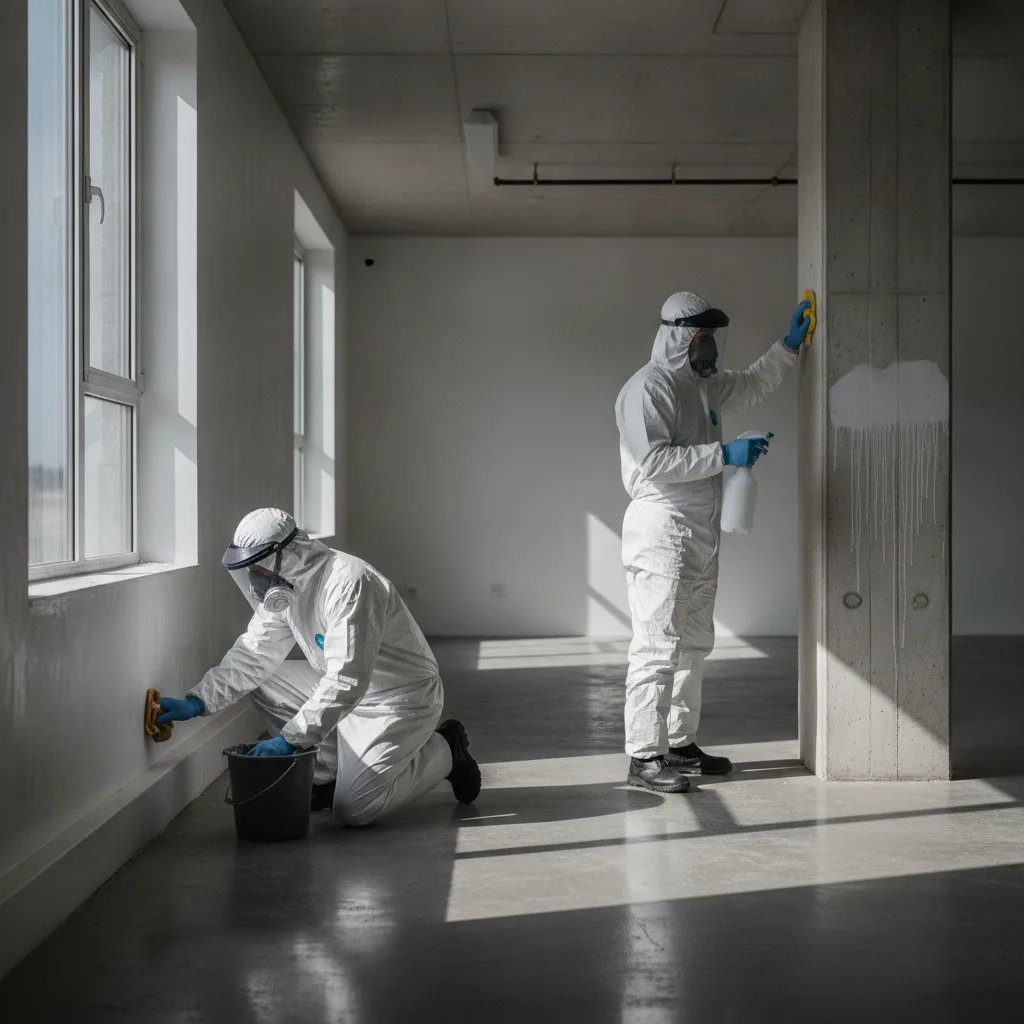
The last thing you need right now is a surprise bill. Homeowner's and landlord policies often cover trauma and biohazard cleanup, and crime victims may qualify for reimbursement through the Virginia Victims Fund, subject to eligibility and caps. We work with your insurance company, provide the itemized photo documentation adjusters ask for, and walk you through the Victims Fund application. We'll be honest about what's likely covered before major work begins, so you're never left guessing. Many of the families we help pay nothing out of pocket.
No phone trees and no call-you-back-in-the-morning. Whether it's 3 a.m. after a police release or a Sunday afternoon after a wellness check, a real person picks up, listens and gets help moving. Our 24/7 emergency response matters in a region where heat can turn a hard situation into a much harder one within hours, and where getting across Hampton Roads means planning around tunnels and bridges. We keep things moving so you don't have to.
Most cleaning companies stop at the carpet. We don't. Chesapeake's high water table means crawl spaces and slabs, and a lot of homes have particleboard subfloors or vinyl plank that hide fluid underneath. We open floors when it's needed, treat joists, replace vapor barriers and check HVAC returns, because if contamination stays behind, the odor comes back. That local construction knowledge is the difference between a home that looks clean and one that actually is.
Your neighbors, coworkers and HOA don't need to know what happened. Every job is done with unmarked vehicles, plain clothing on arrival and minimal staging on streets or common areas. We're used to the expectations of gated and HOA communities in Great Bridge, Grassfield and Virginia Beach, and to the privacy hotels and property managers need between guests or tenants. We'll never post photos or talk about your situation.
Virginia doesn't license trauma cleanup, so standards vary a lot between companies. Our technicians follow OSHA's Bloodborne Pathogens Standard, hazard communication and respiratory protection rules. Biohazardous waste is packaged, labeled and sent to permitted facilities under Virginia's Regulated Medical Waste Management Regulations. Doing it this way protects your family, our crew and your liability as a property owner.
Trauma cleanup sometimes means removing flooring, drywall and fixtures. We carry insurance so you and your property are protected while we work. Landlords, property managers and hotel operators can request proof of coverage before we start, and we're glad to provide it.
Many Hampton Roads families are military, scattered by PCS moves, or coordinating care for a parent from another state. We can handle everything remotely with video walkthroughs, photo updates and secure document sharing, and we can coordinate with privatized base housing managers, landlords and funeral homes. We'll also save keepsakes, photos and important papers whenever we can. You're grieving, and we never forget that.
For most families, the honest answer is that insurance pays. Homeowner's and landlord policies often cover trauma and biohazard cleanup, and the Virginia Victims Fund may reimburse eligible crime victims. Many clients owe $0 out of pocket. Here's what affects the total amount billed to your insurer.
Whether you'll pay anything depends mostly on your coverage. Homeowner's and landlord policies frequently include biohazard and trauma cleanup, sometimes subject to a deductible. Crime victims may qualify for the Virginia Victims Fund, which has eligibility rules and caps. Sewage backup usually requires a specific endorsement, and flood damage falls under flood insurance. We review your situation, contact your carrier with your permission and confirm what's covered before major work starts.
A spill caught early on tile is a very different job from fluid that soaked through carpet, particleboard and into a Chesapeake crawl space. When contamination reaches joists, insulation, vapor barriers or soil, the scope grows to include selective demolition and encapsulation. Our moisture and contamination mapping documents exactly how far things went, which is the detail adjusters need to approve the full scope.
Hampton Roads heat changes everything. An unattended death found within a day or two in a cooled home is far less involved than one discovered after a week in July with the AC off. Longer timelines mean more odor saturation, insect activity and material removal. Summer work in full PPE also takes more crew rotation to do safely.
Plaster-and-lath walls, heart-pine floors and original trim in Ghent, Olde Towne or South Norfolk absorb contaminants and take careful handling. Newer homes with vinyl plank or particleboard often hide damage underneath. HVAC involvement adds duct treatment to the scope.
Regulated medical waste has to be packaged, labeled and transported to permitted Virginia facilities. Larger jobs, like hoarding cleanouts or extensive demolition, generate more regulated and general waste, which adds to the claim total.
If a policy doesn't cover everything, or a deductible applies, ask us about flexible arrangements. We'll always explain your options before any work begins, and you won't get surprise invoices.
In many cases, yes. Homeowner's and landlord policies often cover trauma, blood and unattended death cleanup, and a lot of families end up paying $0 out of pocket, sometimes with only a deductible. If the incident was a crime, you may also qualify for the Virginia Victims Fund (Criminal Injuries Compensation Fund), which can reimburse cleanup costs subject to eligibility and caps. With your permission, we'll contact your carrier, provide the itemized photo documentation they need and help with Victims Fund paperwork. We'll tell you what's likely covered before any major work starts, so there are no surprises.
A real person answers 24/7, and we dispatch as soon as the scene is released. Same-day arrival is typical in Chesapeake, and we route around tunnel and bridge delays for Norfolk, Portsmouth, Virginia Beach and Hampton. Most blood or trauma cleanups take one to two days. Unattended deaths with crawl-space involvement, advanced decomposition or large hoarding projects can take three days to a week or more, depending on how much material has to come out and how long verification takes. We'll give you a realistic timeline after the assessment.
The cleanup itself doesn't need a permit, but police must release the scene first, and the medical examiner or funeral home handles the decedent. If we remove subfloor or joists, structural or electrical repairs afterward may need a building permit from the Chesapeake, Norfolk, Portsmouth, Virginia Beach or Hampton permitting office. Historic districts like Olde Towne and Ghent usually only review exterior changes. In military housing, we coordinate with the privatized housing manager. Waste disposal follows Virginia DEQ regulated medical waste rules.
We strongly advise against it. Blood and body fluids can carry hepatitis B, hepatitis C, HIV and other pathogens, and OSHA requires specific PPE, training and disposal for anyone handling them professionally. Beyond the health risk, it's emotionally devastating to clean up after someone you love. In Chesapeake homes, fluids often travel beneath vinyl plank or into particleboard and crawl spaces, so surface cleaning leaves contamination and odor behind. Regulated waste also has to go to permitted facilities, not the household trash.
Call right away if there's any blood or body fluid beyond a small household cut, if someone passed away and wasn't found immediately, if sewage backed up into your home or crawl space, or if you find needles. In Hampton Roads heat and humidity, every day of waiting lets contamination soak deeper and odor spread through HVAC. A strange smell that won't go away, flies at windows, or soft, stained flooring are all signs it's time to call. We'll tell you honestly if it's something you can handle yourself.
Discretion is built into every job. We arrive in unmarked vehicles, keep street and common-area staging to a minimum, and don't post anything about your property. Our team is familiar with HOA expectations in Great Bridge, Grassfield, Kempsville and gated communities, and with the needs of hotels and property managers who have guests or tenants nearby. If someone asks, our crew simply says they're doing restoration work.
The key is removing the source completely. That means checking under flooring, in subfloors, along tack strips, in crawl spaces and in HVAC returns, not just cleaning what you can see. We verify with ATP testing and odor checks before we leave. After storms, have crawl spaces inspected and dried quickly, because Chesapeake's clay soils and high humidity keep them wet. For aging relatives living alone, regular check-ins and working AC during summer can prevent tragic delays in discovery.
Yes, and we do it often. Many Hampton Roads families are military or have moved away, so we handle everything remotely with video walkthroughs, photo progress updates and electronic paperwork. We can coordinate access with landlords, property managers, base housing offices and funeral homes, deal directly with your insurer, and set aside personal items, photos and documents for you. You won't need to travel here to get your loved one's home cleaned and safe.
We come to you anywhere in Chesapeake and the surrounding area, in unmarked vehicles, any hour of the day.
You don't have to handle this alone or figure out the cost right now. Call us any time, day or night. We'll listen, explain your insurance options and take care of the rest.
Call (571) 741-3127 Now