Discreet, certified crime scene and biohazard cleanup in Fort Worth — unmarked vehicles, compassionate technicians, and in most cases $0 out of pocket since we bill your insurance directly.
Fort Worth scenes need professional cleanup because local conditions change how a scene must be cleaned. Long stretches of heat, old pier-and-beam homes, a large rental market, and clear rules for medical waste all play a part. Here's what makes local cleanup different, and why doing it yourself rarely works.
Fort Worth's heat, humidity, and storms all speed up contamination. Average July and August highs sit in the mid-to-upper 90s°F. Summers like 2011, 2022, and 2023 brought weeks of 100°F-plus days. Nights often stay in the upper 70s, so a closed house with no working AC never cools down. In those conditions, decomposition that would take weeks in cooler weather happens in days. Fluids soak through carpet, pad, and subfloor, and insects show up fast. Humid Gulf air makes odor linger and helps bacteria and mold grow. The city gets about 35–38 inches of rain a year, most of it in May and fall. Flash floods along the Trinity forks and Sycamore Creek can back up sewage into homes as Category 3 black water. Hard freezes like Winter Storm Uri in 2021 burst pipes across Tarrant County. The Blackland Prairie clay soil also shifts foundations and opens gaps that let odors move around.
Fort Worth's housing spans about a century, and each era brings its own cleanup challenges. Fairmount, Ryan Place, Arlington Heights, and Mistletoe Heights are full of homes built between 1905 and 1940. Most sit on pier-and-beam foundations with tongue-and-groove hardwood floors, shiplap walls, and plaster. In these homes, blood or decomposition fluid can run between the floorboards into the crawlspace. Cleaning it properly often means pulling up flooring and treating the joists. Homes built before 1978 may have lead paint. Ranch houses from the 1950s–70s in Wedgwood, Ridglea, and Riverside may have asbestos in popcorn ceilings or floor tile mastic. Newer slab homes near Alliance, Heritage, and Presidio have their own issues, like fluid trapped under carpet on concrete. In garden-style apartments and extended-stay motels along I-35W, I-20, and East Lancaster, odor spreads through shared walls and HVAC systems.
Fort Worth cleanups must follow federal OSHA rules, state TCEQ disposal rules, and sometimes city permit rules. Texas doesn't issue a separate license for crime scene cleanup. That makes it more important that a company follows OSHA's Bloodborne Pathogens Standard (29 CFR 1910.1030) and the TCEQ rules for biohazard waste under 30 TAC Chapter 326. Contaminated materials have to be packaged, labeled, and taken to authorized facilities. They can never go in a city trash cart. If we have to remove structural materials, the City of Fort Worth Development Services may require a permit. In historic districts like Fairmount/Southside, Ryan Place, and Elizabeth Boulevard, exterior changes need a Certificate of Appropriateness. For hoarding and unsanitary homes, Fort Worth Code Compliance may set a deadline for the cleanup. Texas Property Code §5.008 generally doesn't require sellers to disclose natural or accidental deaths, so many families prefer the cleanup to be discreet.
Fort Worth's size and large renter population shape much of our work. The city has about 950,000 residents and covers more than 340 square miles. A large share of households rent, which makes landlords and property managers some of our most frequent clients. In established neighborhoods, many older residents live alone. That's one reason unattended deaths sometimes go undiscovered for days. Many families are also handling a rent house or an estate from out of town. They need someone who can coordinate remotely, work with insurance adjusters, and treat the home with respect from start to finish.
Integrity Crime Scene Services offers the services below, each done discreetly and with care. Homeowner's, landlord, or commercial insurance often covers them, and we bill the insurer directly, so in many cases Fort Worth families pay $0 out of pocket. Our technicians follow OSHA and Texas disposal rules on every job, whether it's a small blood spill or a full decomposition recovery.
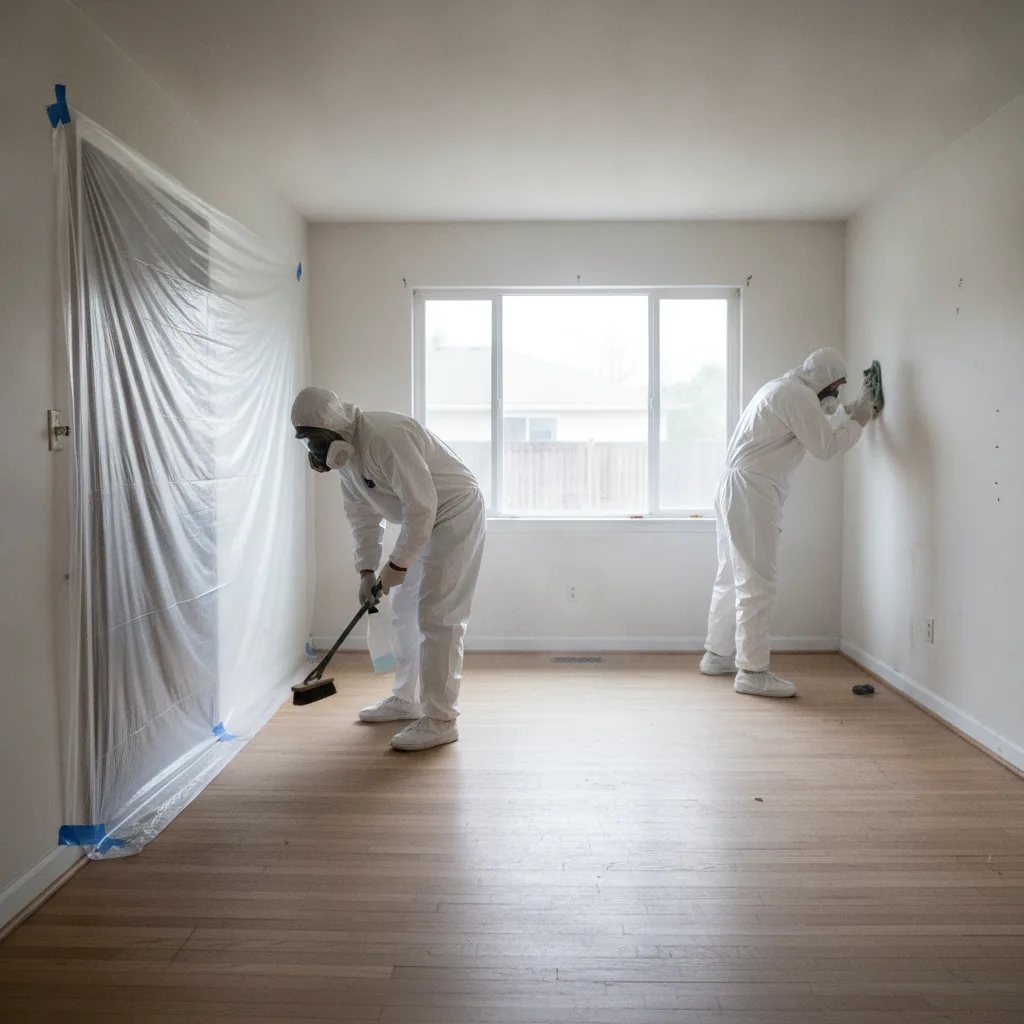
We restore a released crime scene to a safe, livable condition. That includes cleaning blood and tissue, removing fingerprint powder and investigation chemicals, and decontaminating every affected surface.
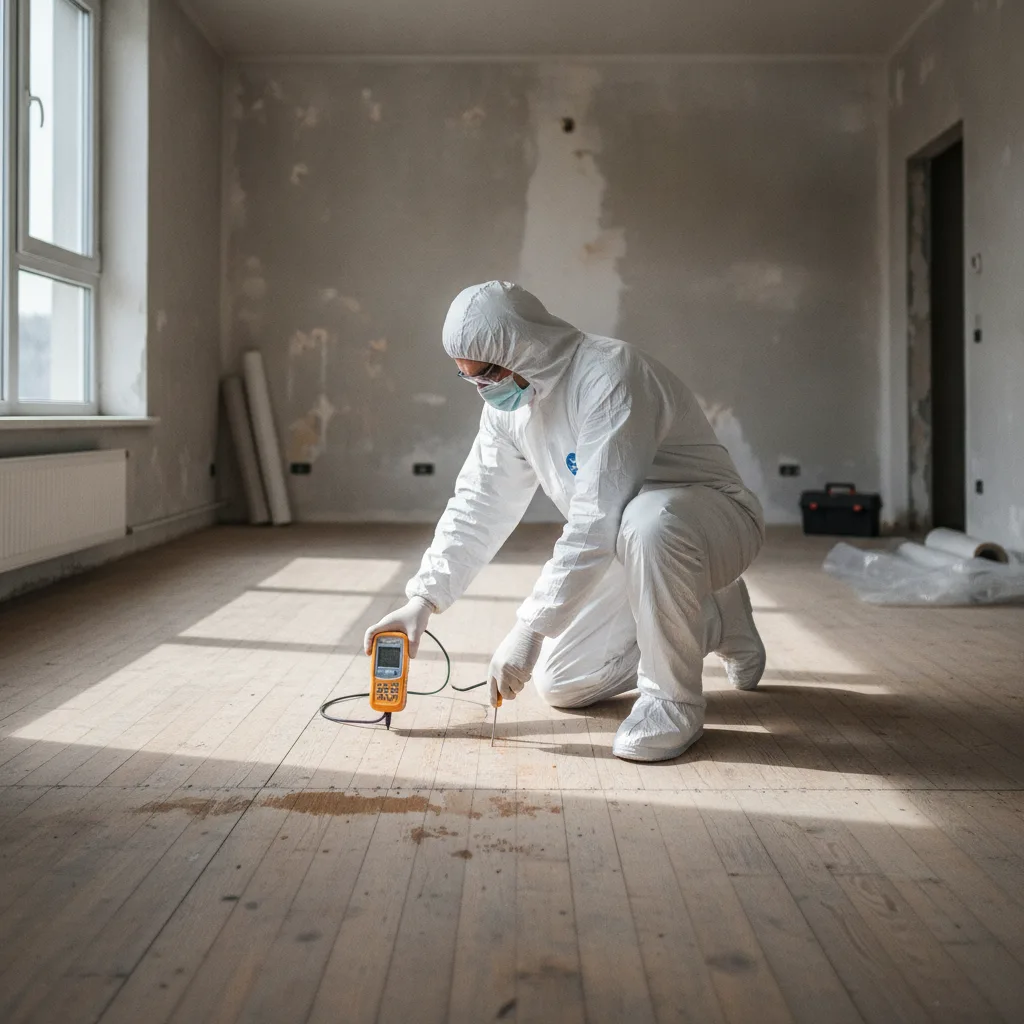
We clean and restore homes where someone passed away and wasn't found for some time. That includes removing contaminated materials, cleaning the structure underneath, and fully removing the odor.
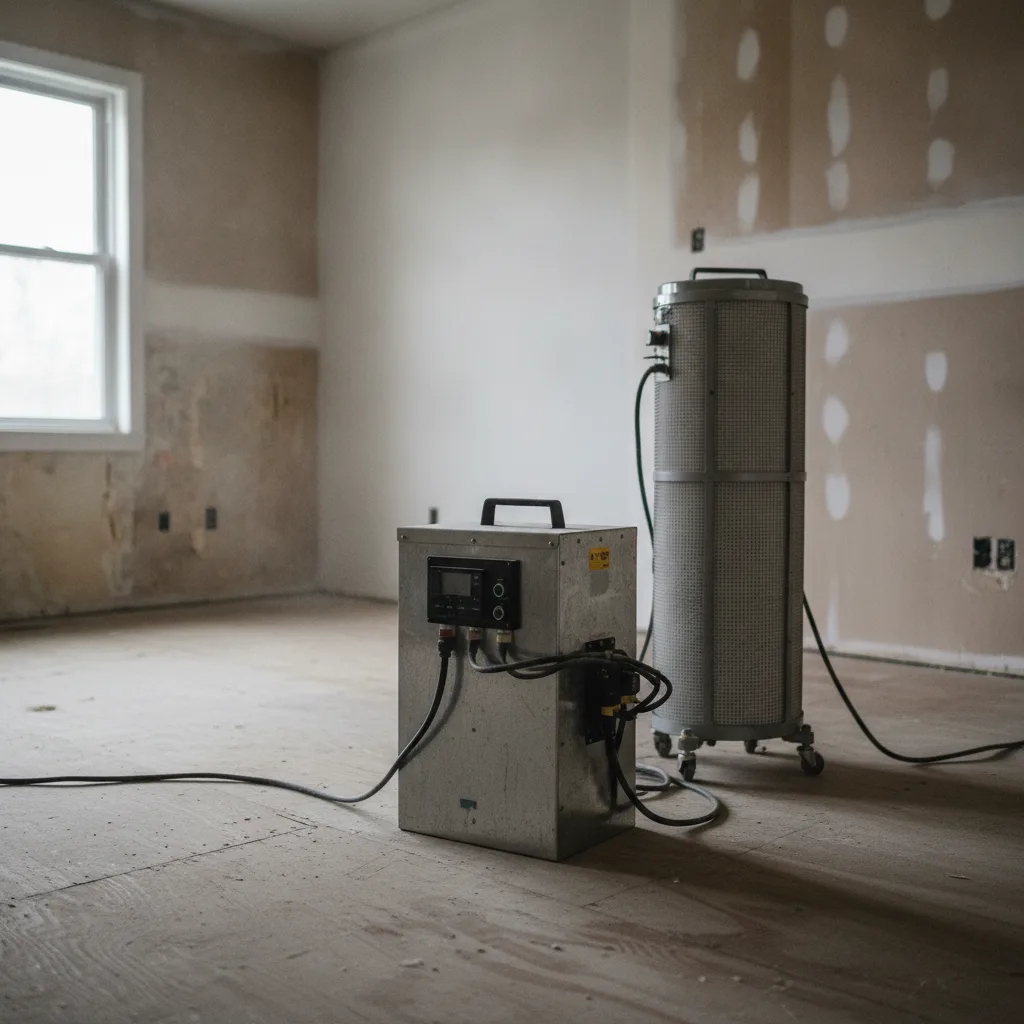
We handle advanced decomposition, where fluids, insects, and odor have spread into the structure itself. We remove everything affected so the room can be safely restored.
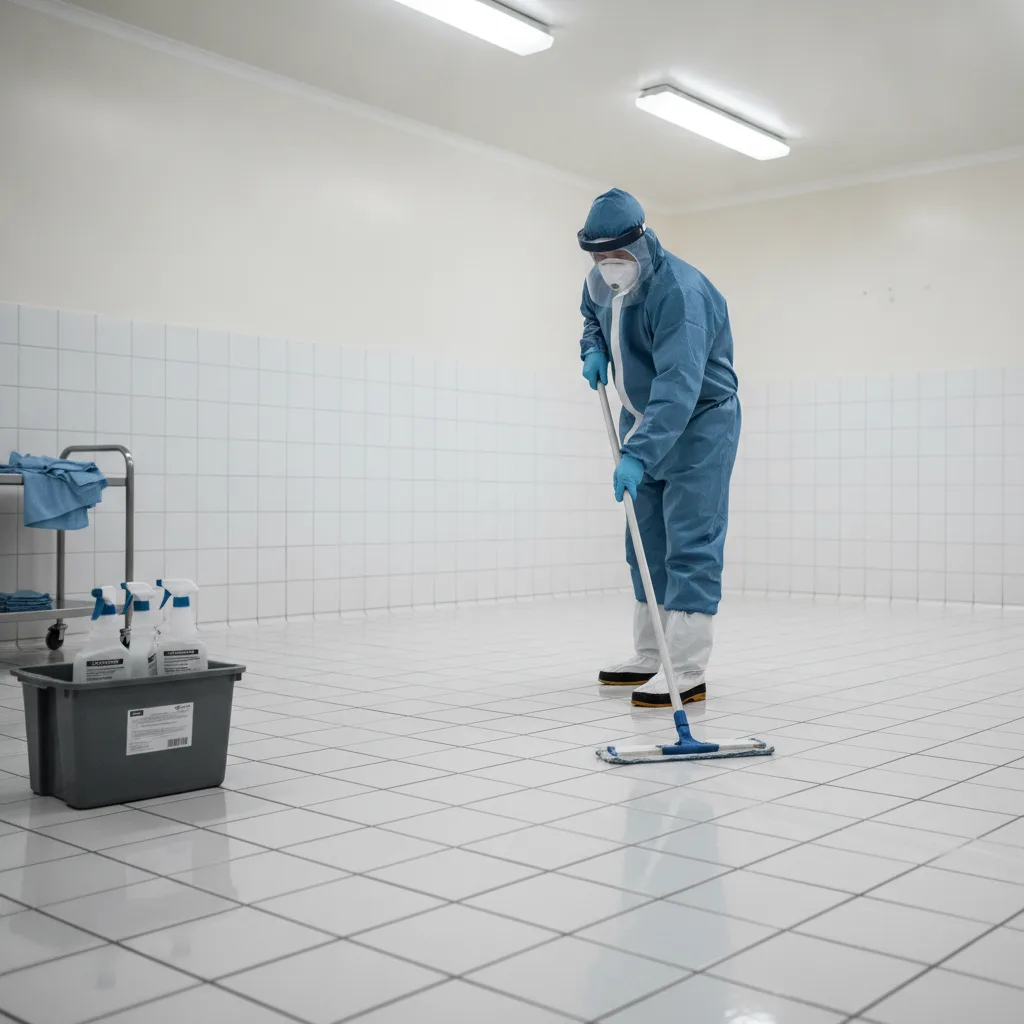
We clean up after suicides, accidents, and serious injuries. We work with compassion and protect your privacy the whole time.
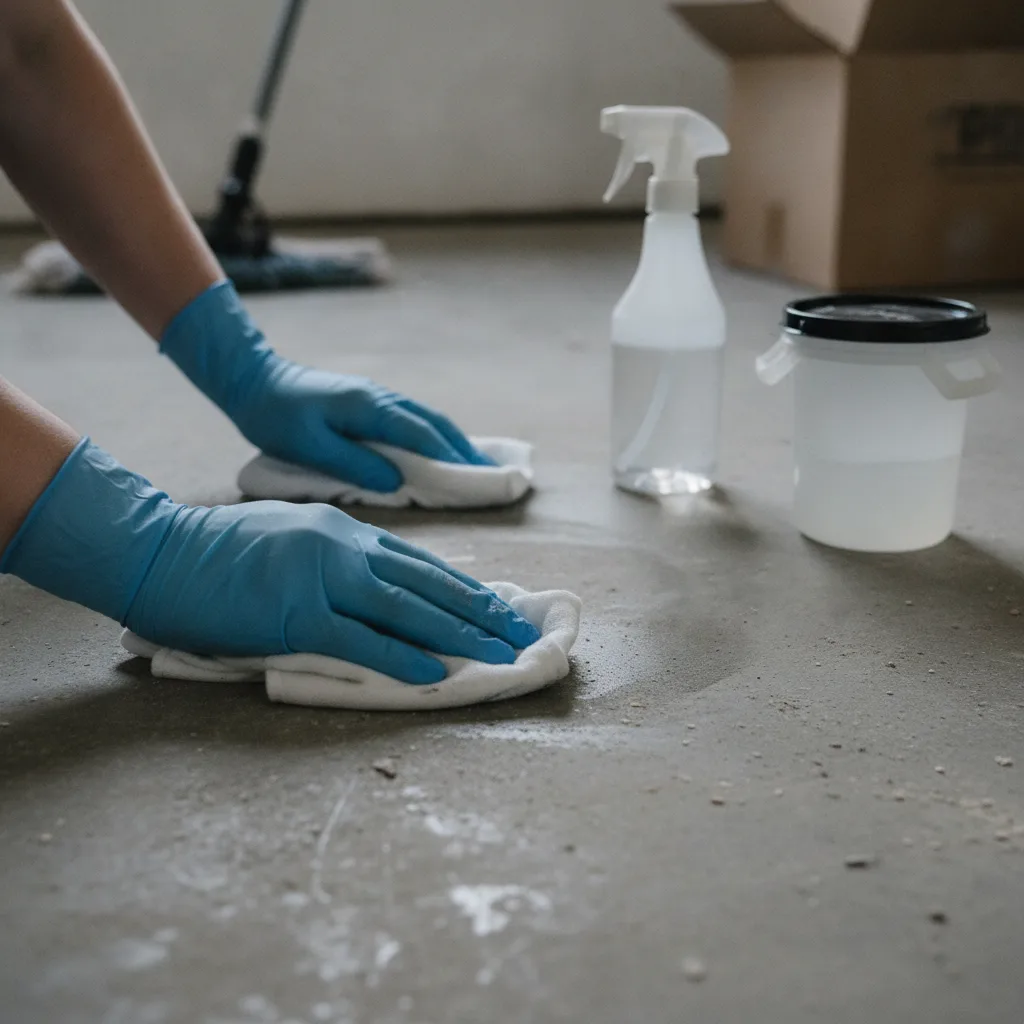
We clean up blood and bodily fluids, from small spills to large ones, in homes, businesses, and vehicles. Once we're finished, the area is safe again.
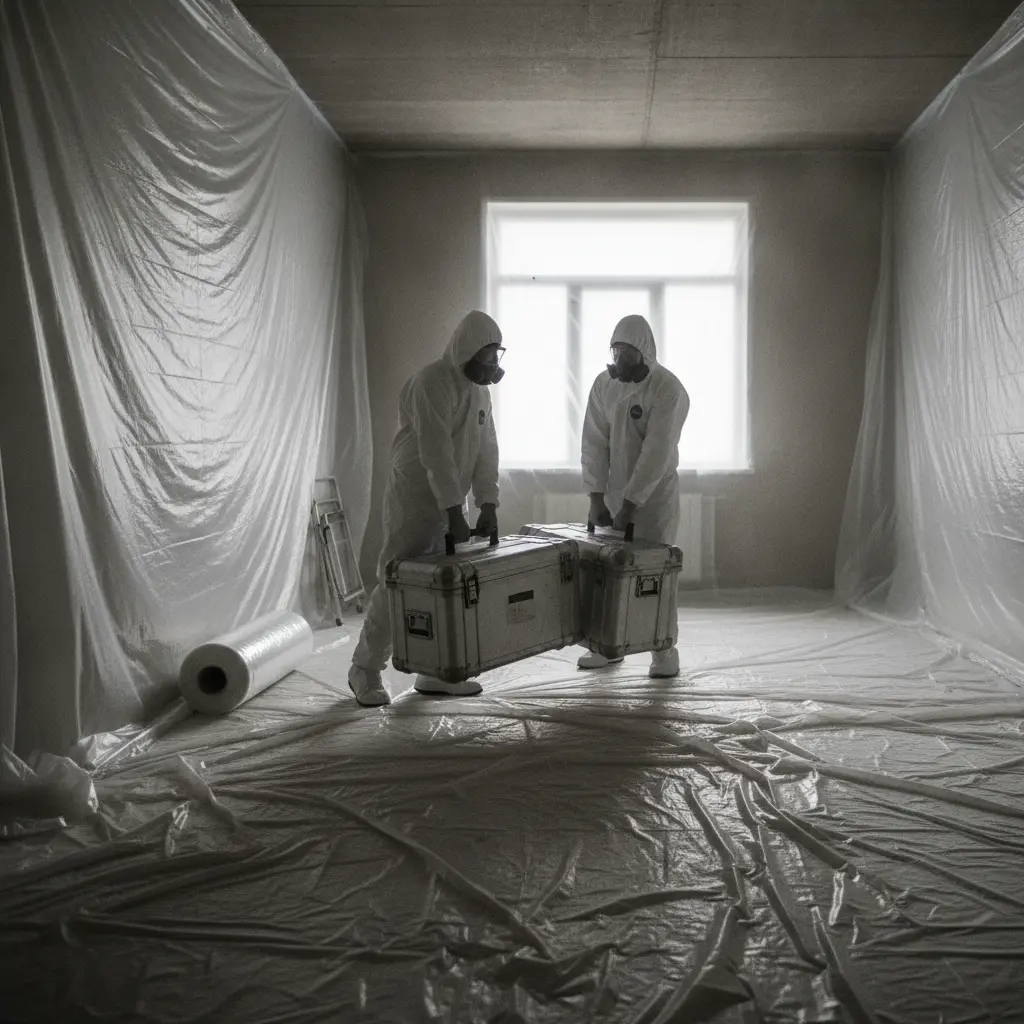
We handle the full cleanup after a homicide quietly and respectfully, so your family can focus on grieving and dealing with what comes next.
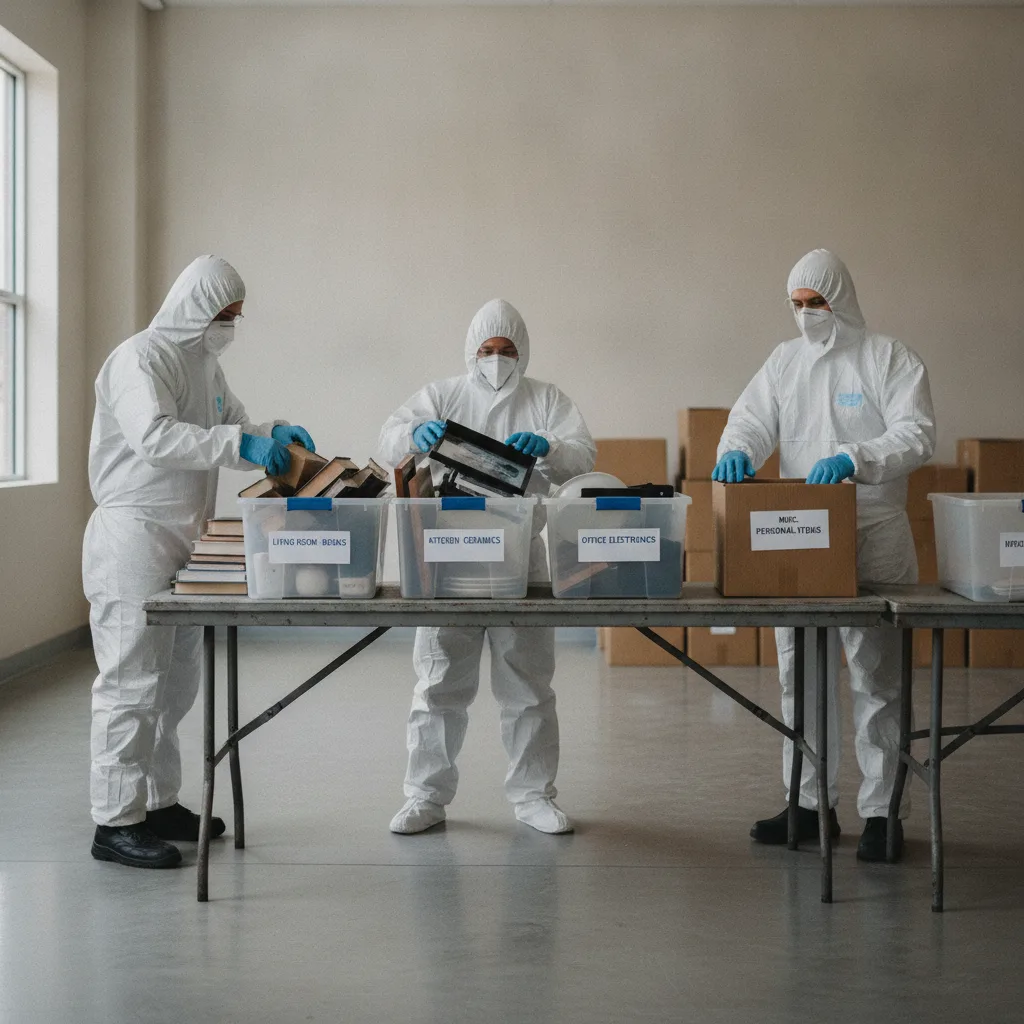
We clean hoarded and unsanitary homes without judgment. We remove trash and biohazards and set aside personal items worth keeping.
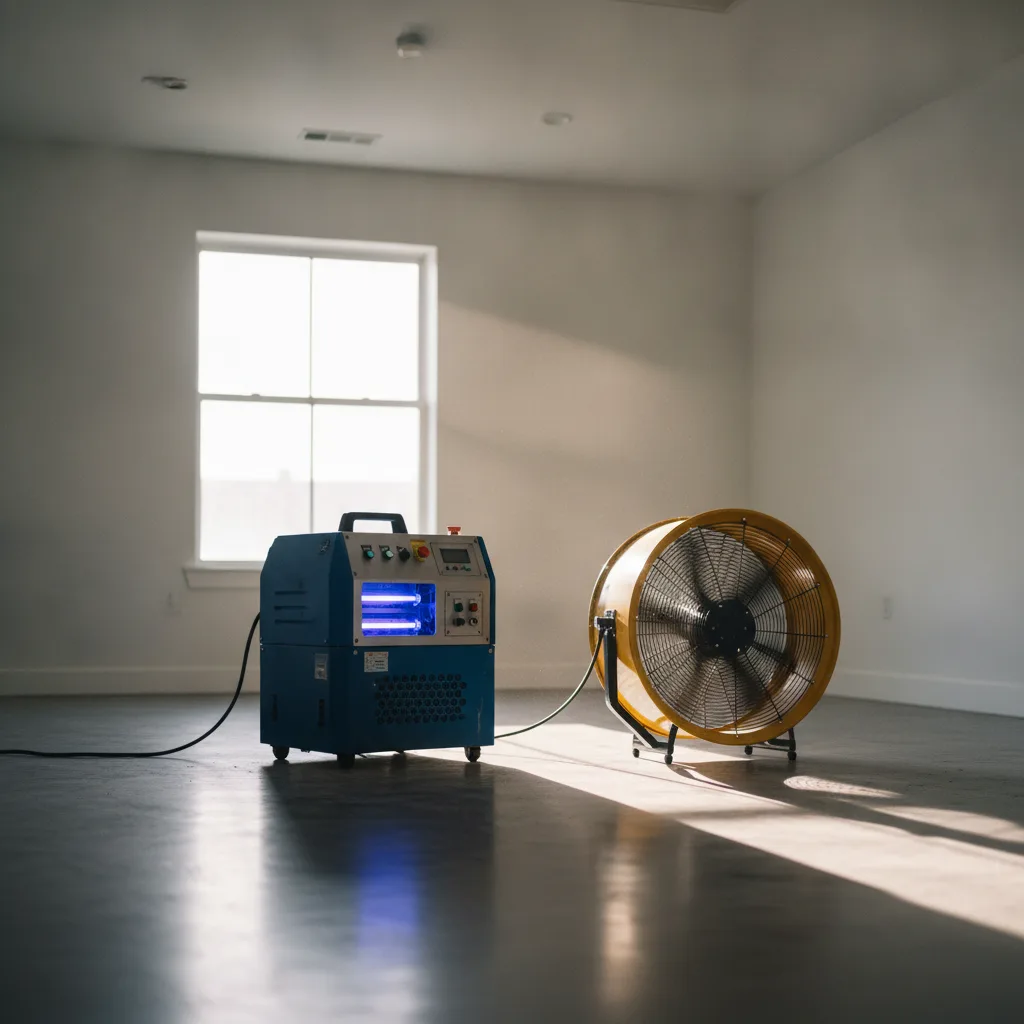
We remove odor at its source, not just cover it up. That includes smells from decomposition, smoke, urine, and other biohazards.
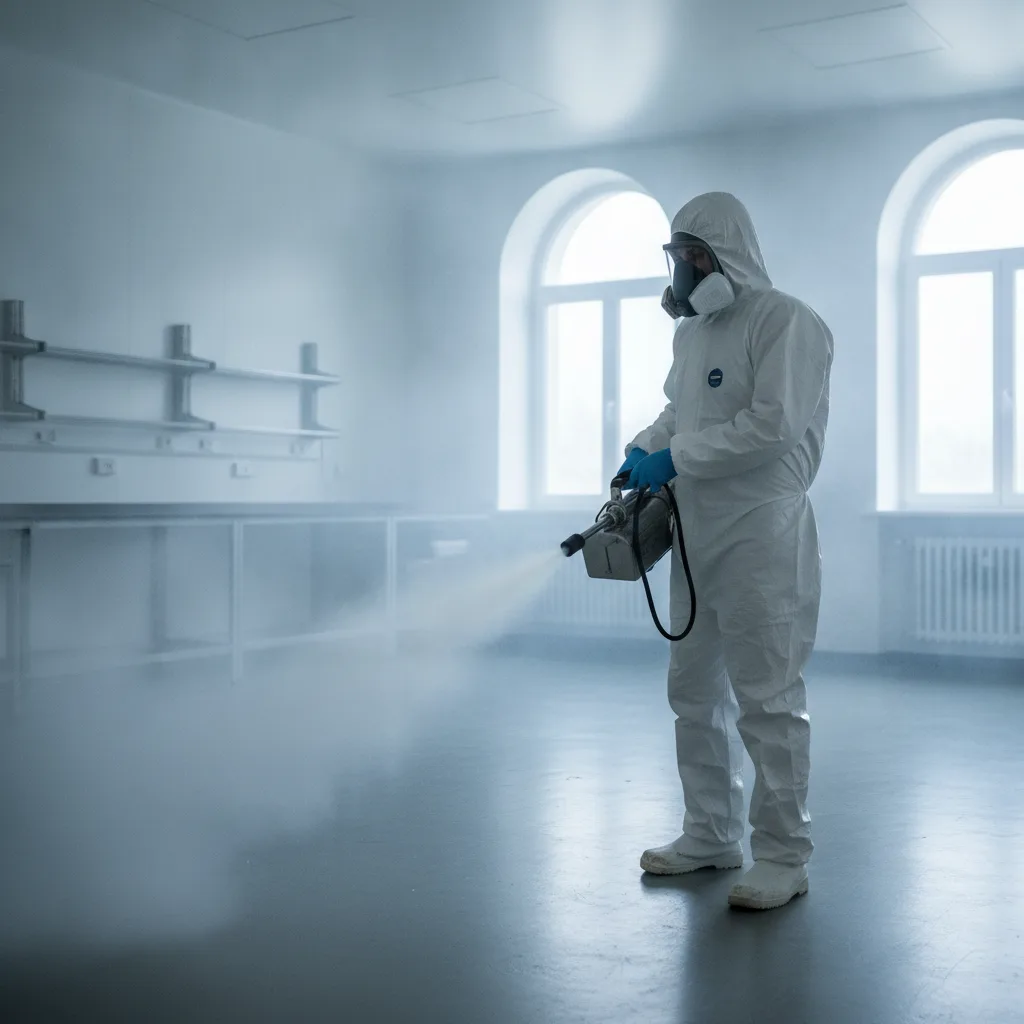
We fully disinfect spaces exposed to biohazards, sewage, infectious materials, or drug residue, so people can safely use them again.
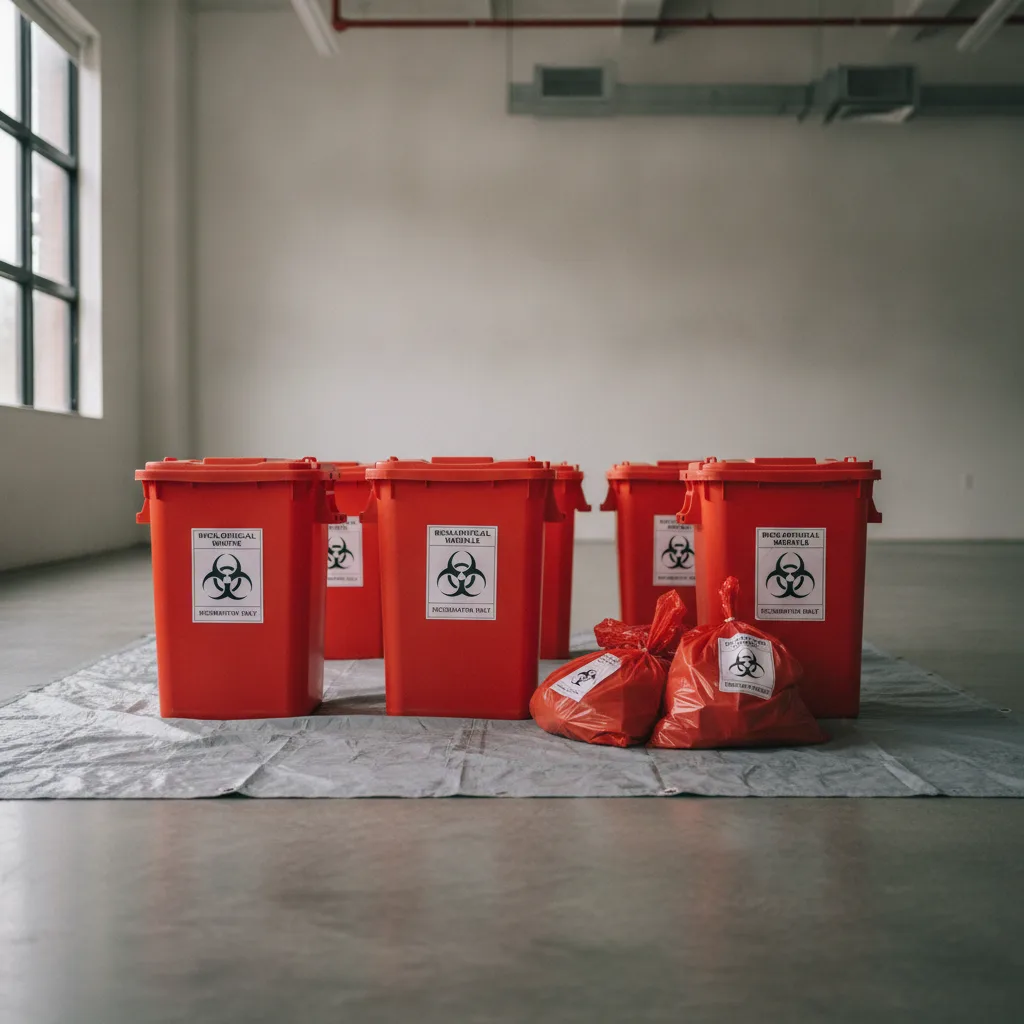
We clean up all kinds of biological hazards, including bodily fluids, human and animal waste, and contaminated debris, in homes and businesses.
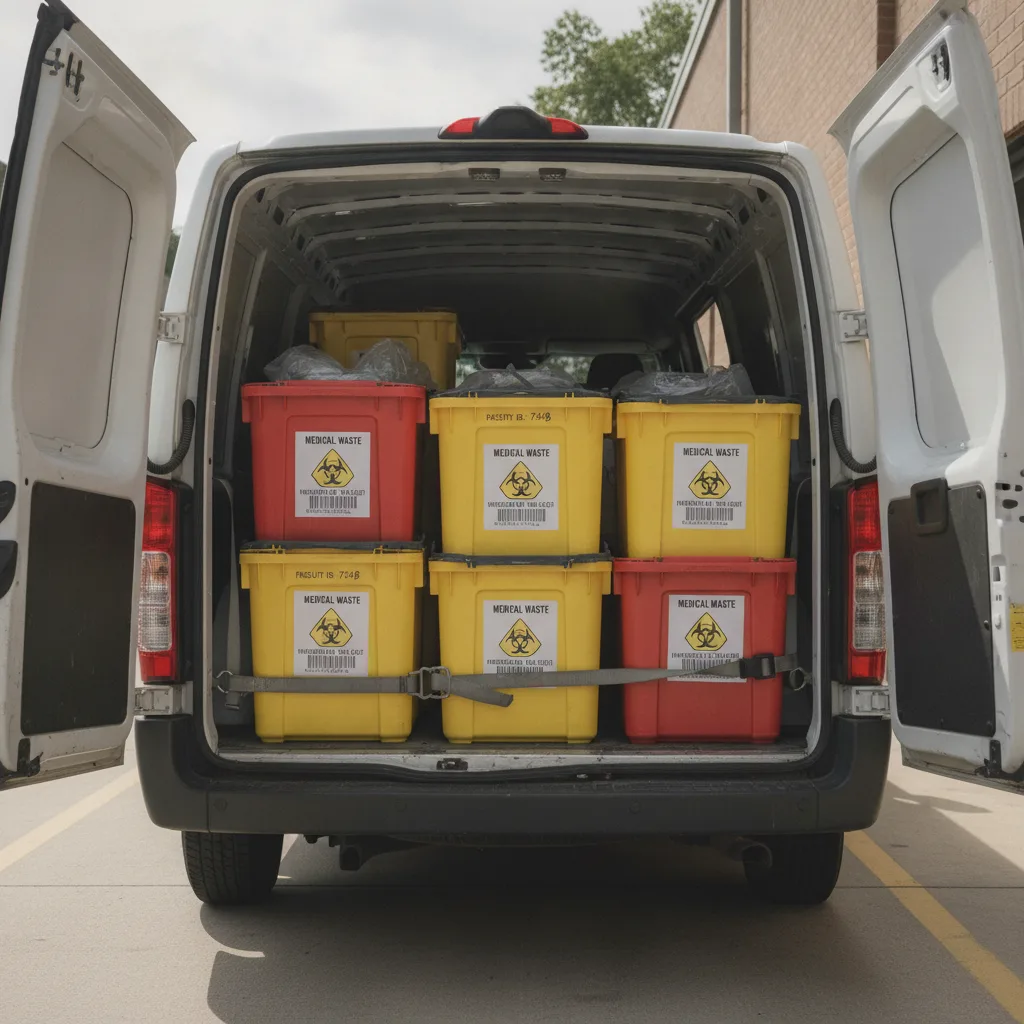
We safely collect and dispose of sharps, needles, and regulated medical or biohazard waste. None of it ever ends up in household trash or city carts.
Integrity Crime Scene Services handles the situations below in Fort Worth homes, apartments, vehicles, and businesses. Of 53 cleanup requests our partner network received between April–November 2026, 16 (30%) were for unattended death cleanup and 16 (30%) for biohazard cleanup. Each entry explains why the situation happens here, the warning signs, and how professional cleanup fixes it safely.
An unattended death is one where someone passes away and isn't found for days or even weeks. The body breaks down and releases fluids, gases, and strong odors. It also attracts insects. Fluids soak into flooring, walls, and the building itself, which creates serious biohazard and odor problems.
Trauma scenes come from accidents, suicides, assaults, or serious injuries where blood or other bodily fluids were spilled. Blood can carry hepatitis B, hepatitis C, and HIV. Even small amounts that seep into porous materials need professional handling under OSHA's Bloodborne Pathogens Standard.
After a violent crime, the scene may have blood, tissue, and fingerprint powder. It may also have chemical residue from the investigation. Once the Fort Worth Police Department or the Tarrant County Sheriff's Office releases the scene, the family or property owner is responsible for cleaning it.
Hoarding happens when belongings, trash, or animal waste build up to the point that a home becomes unsafe. These homes often hide mold, rodent droppings, spoiled food, human waste, and structural damage. Cleanup needs both careful handling and biohazard safety.
Odors from decomposition, smoke, or biohazards can spread beyond the original room. They travel through shared walls, ductwork, and building cavities. They also soak into drywall, insulation, and HVAC parts, so surface cleaning won't get rid of them.
Used needles, drug paraphernalia, and residue from fentanyl or methamphetamine create serious exposure risks. Sharps can carry bloodborne diseases. Meth residue and other drugs can contaminate surfaces in ways you can't see.
Category 3 'black water' is sewage or floodwater that carries bacteria, viruses, and parasites. It soaks into drywall, insulation, and flooring, and it needs biohazard-level decontamination. Drying it out isn't enough.
Our cleanup process runs from your first call to the final walkthrough, and we keep it simple, private, and calm. Here's what to expect when you call Integrity Crime Scene Services, any hour of the day.
Answered any hour, day or night
Usually within hours of your call
Started the same day
Often 1–3 days; longer for severe or structural cases
When the work is finished
Integrity Crime Scene Services handles the insurance work, so in many cases families pay $0 out of pocket. Many homeowner's, landlord, and commercial policies cover trauma and biohazard cleanup. We contact your insurer, write up the scope of work, document everything, and bill them directly. If a crime was involved, we can also help you gather the cost records needed for a Texas Crime Victims' Compensation Program claim through the Office of the Attorney General. You shouldn't have to fight with an adjuster while you're grieving. We take that on so you can focus on your family.
We respond around the clock, every day of the year, across all of Fort Worth. Biohazards don't wait for business hours, and in Fort Worth's summer heat, waiting makes the damage worse. Fort Worth covers more than 340 square miles, and we plan our response to reach you whether you're in Alliance, on the far west side near Chapel Creek, or in Stop Six and Como. When a few hours can decide whether we save a subfloor or have to replace it, fast response protects your property and your budget.
Our vehicles are unmarked, with no logos and no lettering. Our technicians work quietly and respectfully. That matters to families who want privacy, landlords protecting their occupancy, and homeowners in HOA communities with rules about vehicles and work hours. Texas law generally doesn't require sellers to disclose natural or accidental deaths, and many of our clients want the cleanup to be just as private. Neighbors won't know why we're there unless you choose to tell them.
We know Fort Worth's homes, from near south side Craftsman houses to the fast-growing subdivisions on the edges of the city. We know how fluids move through tongue-and-groove hardwood in a Ryan Place bungalow, under carpet on a slab in Heritage, and through shared ductwork in an East Lancaster apartment. We also account for possible lead paint in pre-1978 homes and asbestos in mid-century ranches. In historic districts, we work to keep as much original material as we safely can.
Our technicians are biohazard specialists, not general cleaners. Biohazard cleanup isn't janitorial work. We follow OSHA's Bloodborne Pathogens Standard, respiratory protection rules, and PPE requirements on every job. We look for contamination you can't see, not just the stains you can. Texas doesn't license this industry, so experience matters more than ever. Odor that comes back weeks later or fluid left in a crawlspace usually means the job was done by someone who didn't know what to look for.
Integrity Crime Scene Services is insured and follows Texas disposal rules. Our insurance protects you and your property while we work. Regulated biohazard waste is packaged, labeled, and sent to authorized facilities as required, with documentation kept. None of it goes into household trash or city carts. That protects your family and your neighbors, and gives you the records your insurer or property manager may ask for.
We offer compassionate help, including full remote coordination for families out of town. Of 38 callers to our partner network who said who they were, 16 (42%) were family members and 7 (18%) were landlords or property managers. Many are in shock, grieving, or managing a loved one's home from another state. We explain each step in plain language, never rush you, and set aside photos, documents, and keepsakes whenever we safely can. Out-of-town families can handle everything by phone, email, and video. We also work with funeral homes, property managers, and adjusters across Fort Worth.
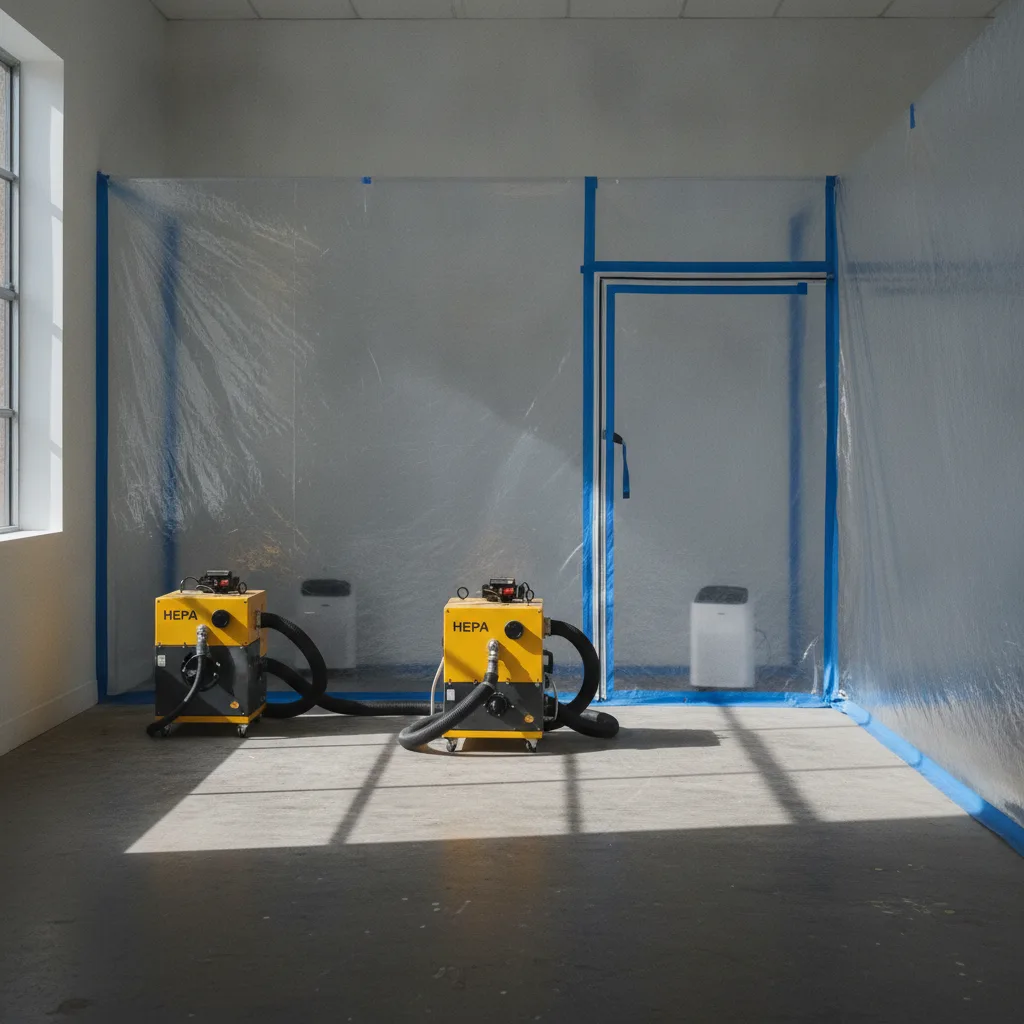
In many cases, Fort Worth families pay $0 out of pocket because insurance covers the cleanup, and we bill the insurer directly. Only 5 of 53 people who contacted our partner network brought up insurance themselves, so we raise it early. These factors shape the size of a claim.
Your policy is the biggest factor in what you pay. Many homeowner's and landlord policies cover sudden, accidental biohazard events like trauma or an unattended death, usually minus the deductible. We check your coverage before any work starts and bill the insurer directly. For crime-related scenes, the Texas Crime Victims' Compensation Program can reimburse eligible victims, and we'll help you gather the documentation. Either way, you'll know where things stand before we begin.
The extent of contamination decides how big the job is. A small blood spill on tile is a very different job from fluids that have soaked through carpet, pad, and subfloor. In Fort Worth's summer heat, an unattended death can go from a surface cleanup to a structural one in a few days. Calling quickly often means we can remove fewer materials, which keeps the claim smaller and the job faster.
Building type and age change the scope of work. Pier-and-beam homes in Fairmount, Ryan Place, and Polytechnic Heights may need flooring removed and joists treated in the crawlspace. Homes built before 1978 may need lead or asbestos precautions before materials can be removed. Slab homes and newer drywall are usually simpler. We note these conditions in the scope of work so your adjuster can see why each step is needed.
Odor in ductwork, insulation, or neighboring units adds time and equipment. Cleaning those areas comes up a lot in garden-style apartments and motels with shared systems. Humidity can also make odor treatment take longer.
The amount of waste affects the cost, because biohazard waste must be packaged, transported, and disposed of according to Texas rules. Hoarding cleanups and large debris removals involve much more volume than a single-room trauma scene.
We bill your insurance directly and help with Crime Victims' Compensation paperwork. If coverage is limited, we'll talk through every option with you openly before any work begins. There are no surprises.
In many cases, yes, and often that means you pay nothing out of pocket. Many homeowner's, renter's, landlord, and commercial policies cover sudden biohazard events like trauma, suicide, homicide, and unattended deaths, usually minus your deductible. We check your coverage, send the insurer a detailed scope of work with photos, and bill them directly. If the scene involves a crime, the Texas Crime Victims' Compensation Program, run by the Office of the Attorney General, may reimburse eligible victims for cleanup costs, and we'll help you gather the documents. We'll explain clearly what's covered before any work begins.
No, the police and the Medical Examiner do not clean the scene. That surprises a lot of families. The Fort Worth Police Department, the Tarrant County Sheriff's Office, and the Tarrant County Medical Examiner's Office investigate and then release the scene. After release, cleanup is the responsibility of the family, the property owner, or the landlord. You're welcome to call us before the scene is released. We'll answer your questions, start working on insurance, and be ready to begin as soon as authorities give the go-ahead.
Call as soon as the scene is released, and right away in warm weather. Fort Worth summers regularly bring highs in the upper 90s and above, and a closed home without AC stays hot day and night. Under those conditions, fluids can go from carpet to pad to subfloor in a few days. Odor can soak into drywall and ductwork. Waiting usually means more materials have to be removed and the claim gets bigger. We answer 24/7. Until we arrive, keep the doors closed, turn off the HVAC if it's spreading odor, and keep everyone, especially kids and pets, out of the area.
Most single-room trauma or blood cleanups take one day. Unattended deaths and decomposition scenes usually take one to three days. Cases with crawlspace or subfloor work, HVAC cleaning, or several rooms can take longer. Odor treatment sometimes needs extra time at the end so we can confirm the smell is truly gone. Hoarding cleanups depend on volume and can take several days to a couple of weeks. After our assessment, we'll give you a realistic timeline. For property managers who need a unit turned over quickly, we'll tell you when it can be repaired and leased again.
Texas doesn't issue a separate license for crime scene cleanup, and the cleanup itself usually doesn't need a permit. That's why it matters that a company follows OSHA's Bloodborne Pathogens Standard and the Texas rules for biohazard waste disposal. We follow both. If structural materials like subfloor, joists, or slab sections have to be removed and rebuilt, the City of Fort Worth Development Services Department may require a permit. In historic districts like Fairmount, Ryan Place, or Mistletoe Heights, exterior changes need a Certificate of Appropriateness. We'll tell you up front if your project needs either.
We strongly advise against cleaning it yourself. Blood and bodily fluids can carry hepatitis B, hepatitis C, and HIV. Decomposition fluids soak into places you can't see, such as subfloors, crawlspaces in pier-and-beam homes, and HVAC ducts. Store-bought cleaners won't fully disinfect them, and in Texas, biohazard waste shouldn't go in household trash or city carts. There's also the emotional cost. Many families later regret cleaning a loved one's scene themselves. Because insurance often covers professional cleanup, a DIY job may save you very little and put your family at real risk.
Not from us. We arrive in unmarked vehicles with no company logos, our technicians dress discreetly, and we can schedule work at times that draw less attention. That matters in master-planned communities near Alliance and Heritage, where HOAs often have rules about vehicles, dumpsters, and work hours, and in neighborhoods where everyone knows each other. For landlords and apartment managers, we work quietly so other tenants aren't alarmed. Your privacy is part of the job.
We remove the source of the odor, because lingering odor almost always means something contaminated was left behind. We find and remove the source first, whether that's carpet pad, subfloor, drywall, insulation, or ductwork. Then we clean and seal the structural surfaces, clean the HVAC system, and run hydroxyl or ozone treatment. Fort Worth's humidity can make odors last longer, so we confirm the area is odor-free before the final walkthrough. In apartments with shared walls, we also check neighboring units so the problem doesn't show up next door.
We come to you anywhere in Fort Worth and the surrounding area, in unmarked vehicles, any hour of the day.
Integrity Crime Scene Services is rated 5.0 stars on Google. Families, property managers, and business owners across Fort Worth call us when they need a scene handled quickly, quietly, and with care. We answer any hour, our vehicles are unmarked, and we work with insurers directly, so you can focus on what matters.
Integrity Crime Scene Services, a 24/7 crime scene and biohazard cleanup company serving Fort Worth, TX, can take the cleanup off your hands, often at $0 out of pocket. You don't have to face this alone or clean it yourself. Call any hour. We'll handle the cleanup quietly and work with your insurer so you can take care of your family.
Call (817) 859-9020 Now