Discreet, certified crime scene and biohazard cleanup in Charleston — unmarked vehicles, compassionate technicians, and in most cases $0 out of pocket since we bill your insurance directly.
A scene in Charleston isn't the same as a scene in Phoenix or Denver. Coastal humidity, centuries-old building materials, recurring tidal flooding and layers of historic-district and HOA rules all change how contamination spreads and how it has to be removed. Here's what we deal with on almost every job.
From June through August, Charleston highs sit around 88–92°F and dew points stay in the 70s. Mornings often reach 85–90% relative humidity, and that's true for much of the year. In those conditions decomposition moves fast. An unattended death found three or four days late in July can leave fluid seepage through the subfloor and odor that has spread to every room. Bacteria and mold can start growing on biological material within 24–48 hours. Summer storms and hurricanes like Matthew, Irma, Ian and Debby knock out power and air conditioning, which makes it worse. Add 48–52 inches of rain a year and dozens of tidal flood days at the Charleston Harbor gauge, and sewage backflow into crawlspaces, garages and ground floors becomes a regular Category 3 hazard downtown and on the barrier islands.
The peninsula has one of the densest collections of 18th- and 19th-century buildings in the country: single houses, double houses, freedman's cottages, and Federal, Greek Revival and Italianate homes. Old-growth heart pine, lime plaster on lath, cypress trim and Charleston gray brick are all porous. They soak up blood and decomposition fluids, and most of them can't be replaced like for like. Gaps between floorboards let fluids run down to joists and crawlspaces. North Charleston and Hanahan have a different challenge: 1940s–1970s housing built around the former Navy Base, much of it on crawlspaces or slabs, plus aging apartments and manufactured homes. Folly Beach cottages sit on pilings exposed to salt air. Every type needs its own removal plan. We don't treat them all the same.
South Carolina has no state license specifically for crime scene cleaning, so it's up to you to ask how a company actually works. Cleanup can't begin until Charleston Police, North Charleston Police, Mount Pleasant Police, the Charleston County Sheriff's Office or the Coroner's Office releases the scene. Infectious waste falls under state rules (now administered by the SC Department of Environmental Services) covering packaging, manifesting and disposal, and DOT hazmat rules apply in transport. Technicians work under OSHA's Bloodborne Pathogens Standard through SC's state plan. Structural or subfloor replacement may need city permits. Exterior changes in the Old and Historic District can require BAR approval, and the Old Village has its own historic review. I'On, Daniel Island, Kiawah and Seabrook often limit contractor hours, access and vehicle signage.
The Charleston–North Charleston metro now has more than 850,000 residents, and many are retirees who've moved here from the Northeast and Midwest. Their adult children often live out of state and handle a parent's estate by phone, so they need photo documentation, insurance coordination and one point of contact. Second homes and short-term rentals on Folly Beach and in Mount Pleasant mean deaths sometimes go unnoticed for longer. Charleston and Berkeley counties report significant overdose deaths, which brings drug residue and sharps to our scenes. Landlords in North Charleston need units turned over quickly. In close-knit neighborhoods and a city full of tourists, everyone wants the same thing: unmarked vans, quiet entry and respect.
Every service below is built around the same goals: protect your health, preserve what can be saved, document everything for your insurer, and get you back into your home or business. We adjust each plan to the building, whether it's a 1790s single house, a Park Circle bungalow or a Folly Beach rental.
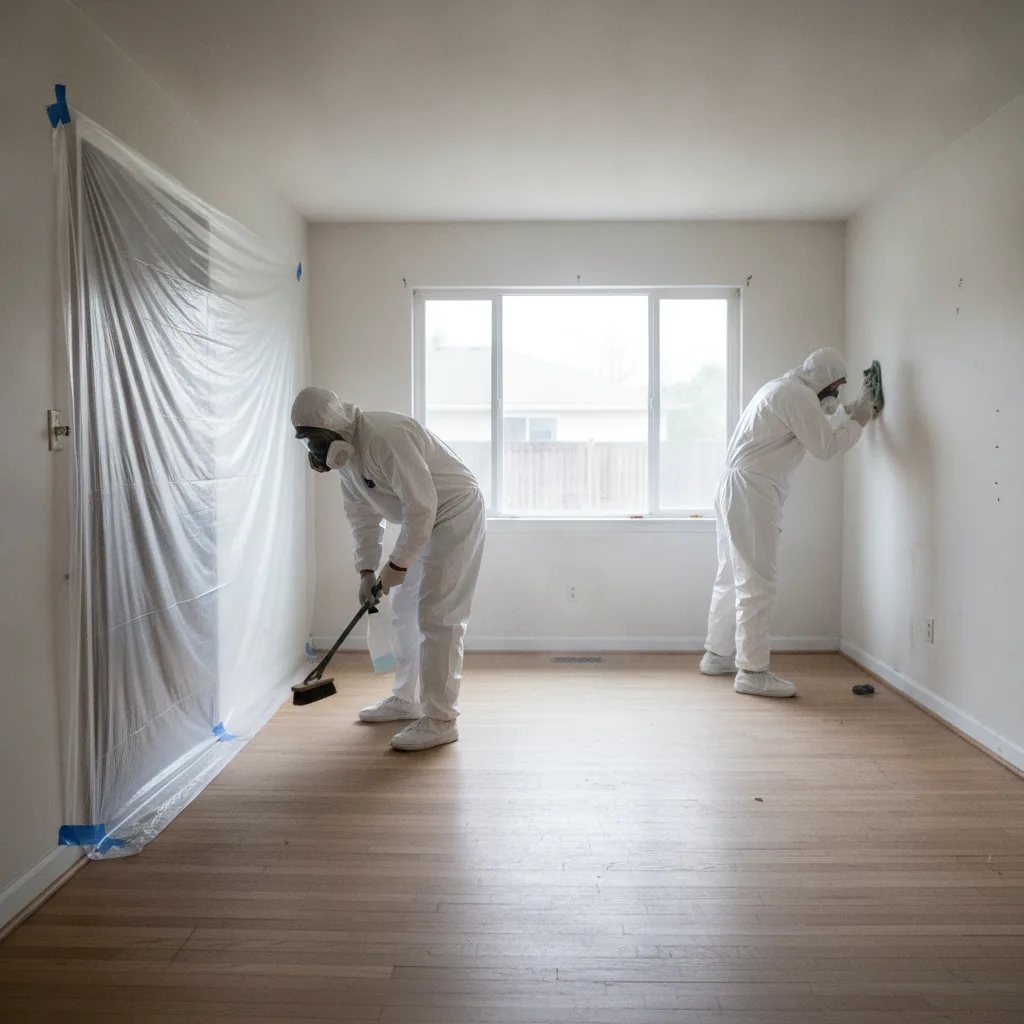
We clean, sanitize and restore properties after violent crimes once law enforcement releases the scene. That includes blood, tissue, fingerprint powder and anything else left behind, so you don't have to see it.
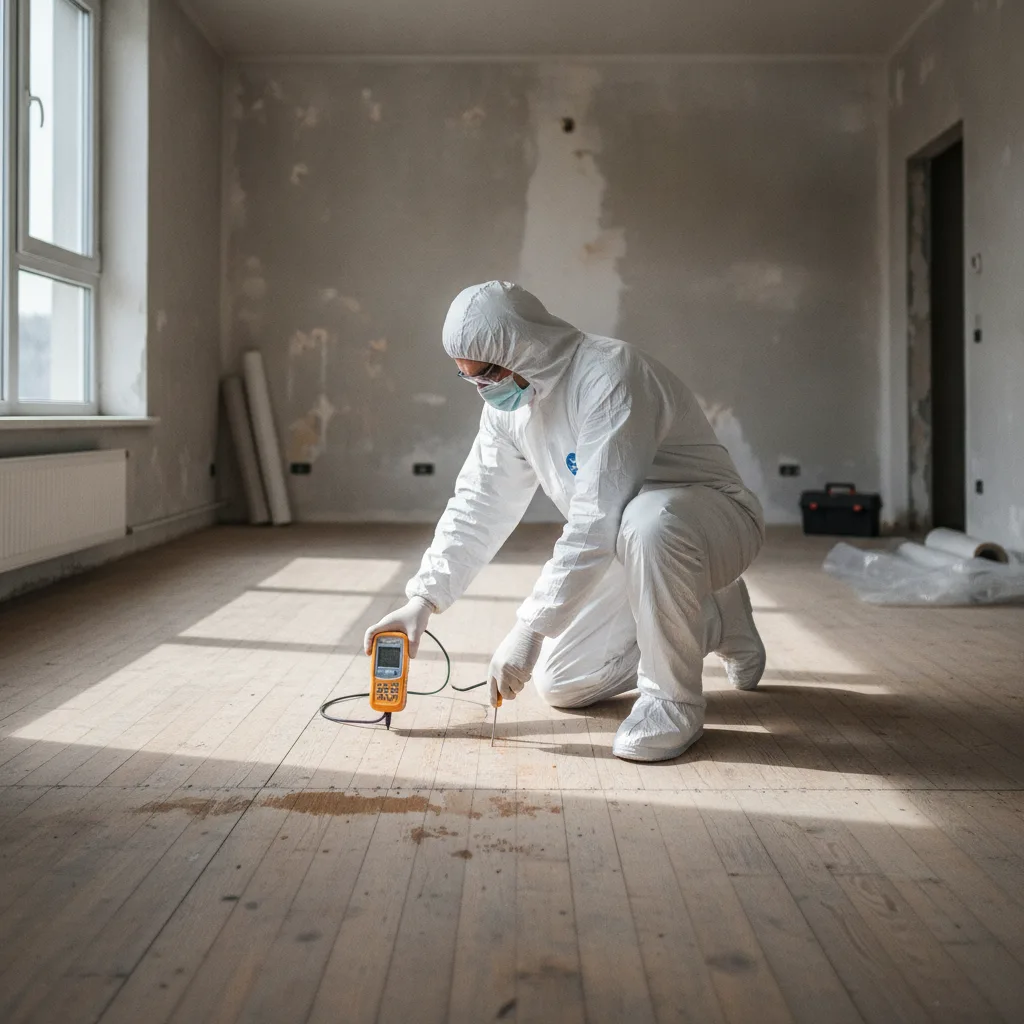
When a loved one passes alone and isn't found right away, we handle the remediation: removing affected materials, cleaning and disinfecting, and restoring the space with compassion and complete discretion.
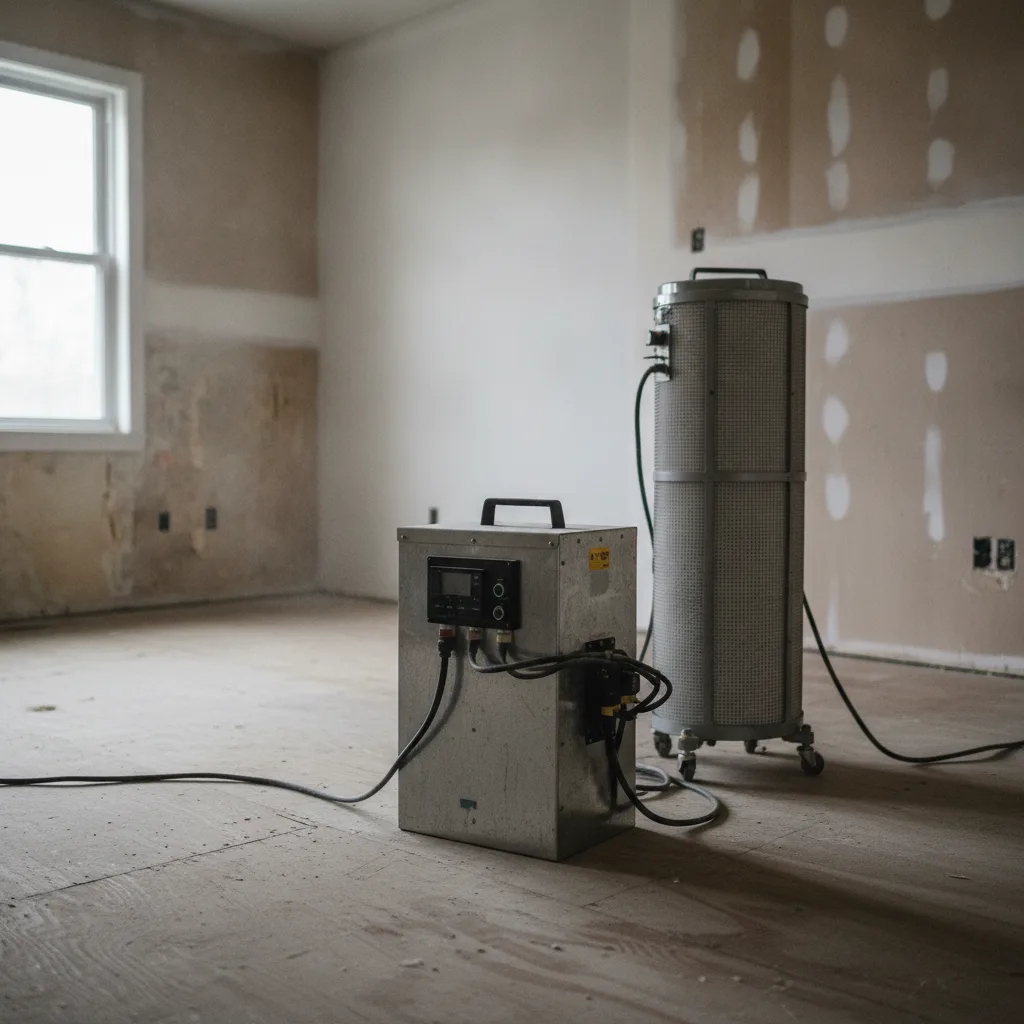
We remove decomposition fluids, tissue and the contamination they cause in flooring, framing, furniture and HVAC systems, then eliminate the odor at the source.
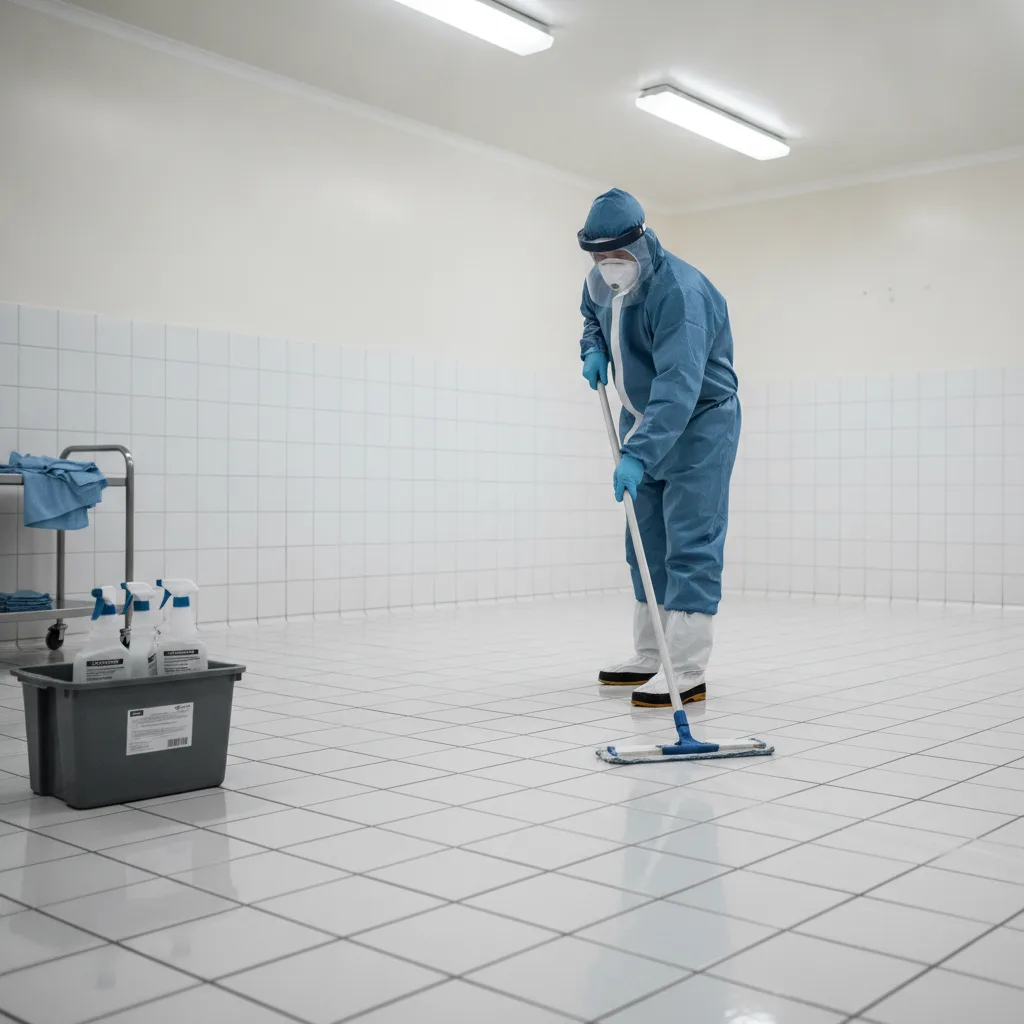
We clean up after suicides, serious accidents and injuries, quietly and with respect for the people affected.
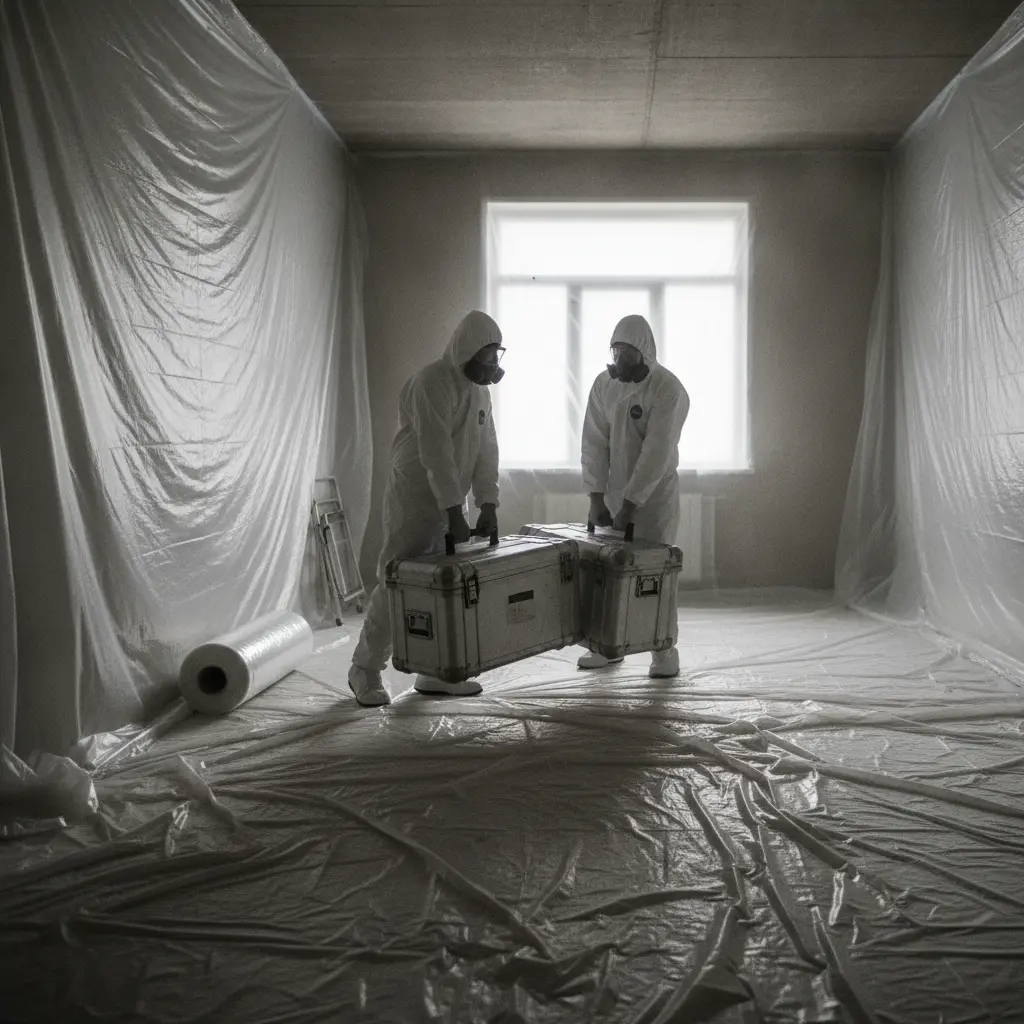
After a homicide investigation, we restore the property so family members, landlords or business owners never have to clean it themselves.
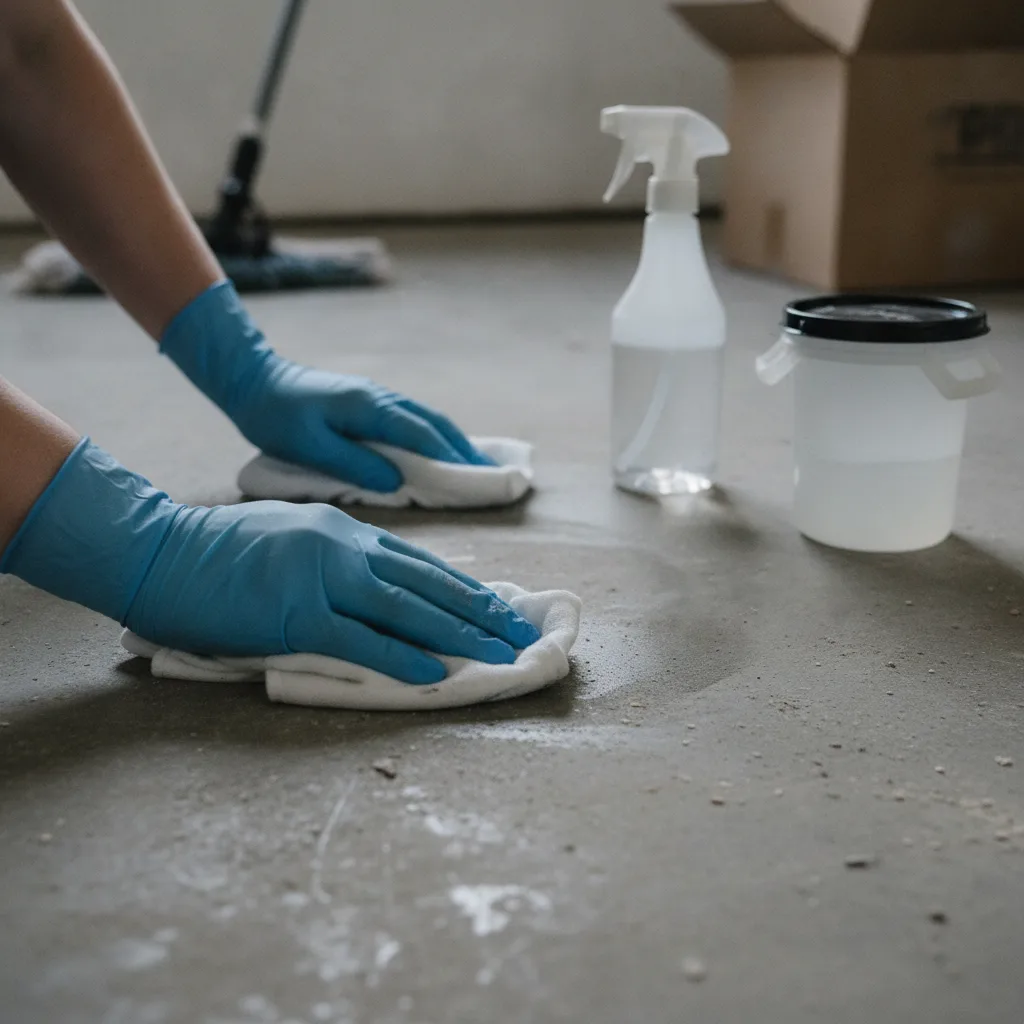
We clean blood and bodily fluids from homes, vehicles and businesses, including spills that soaked into carpet pads, upholstery or wood seams.
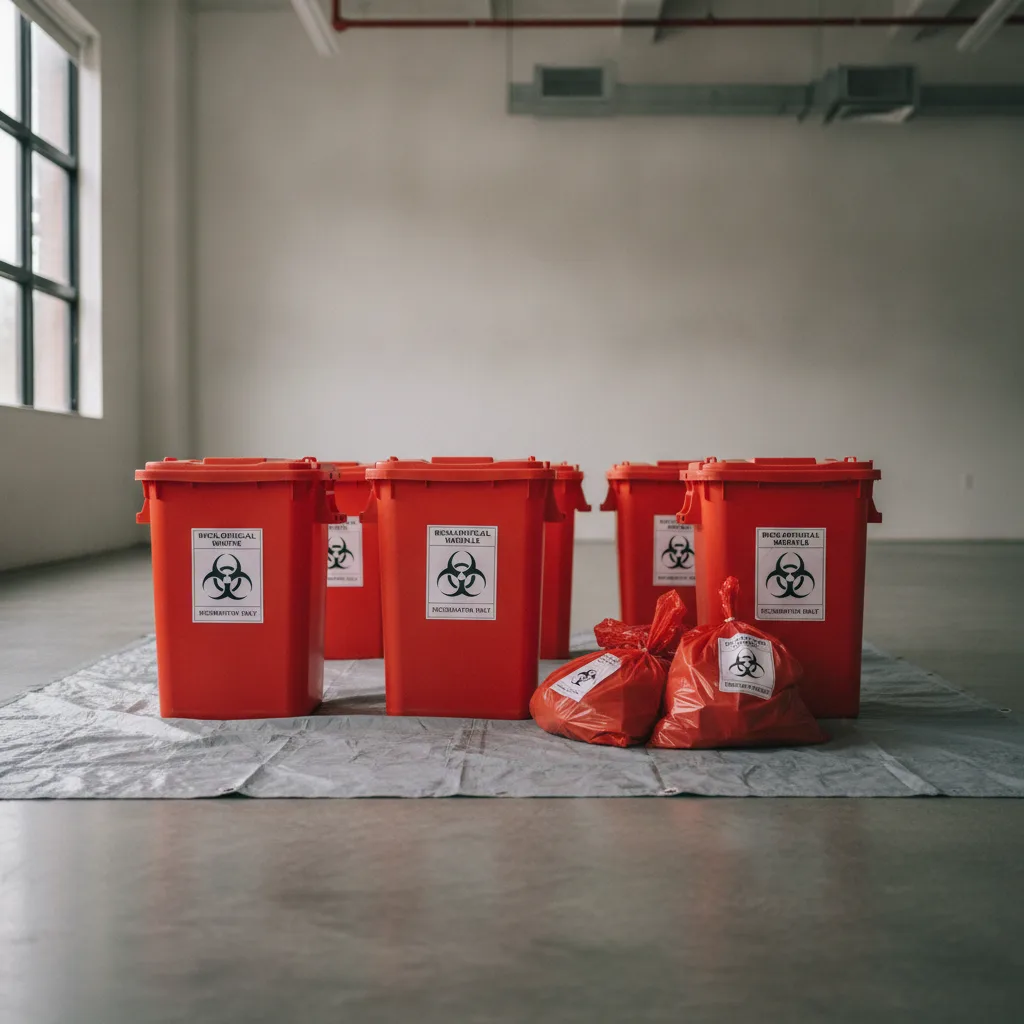
We remediate any biological hazard, from bodily fluids and animal waste to flood and sewage contamination, in residential and commercial spaces.
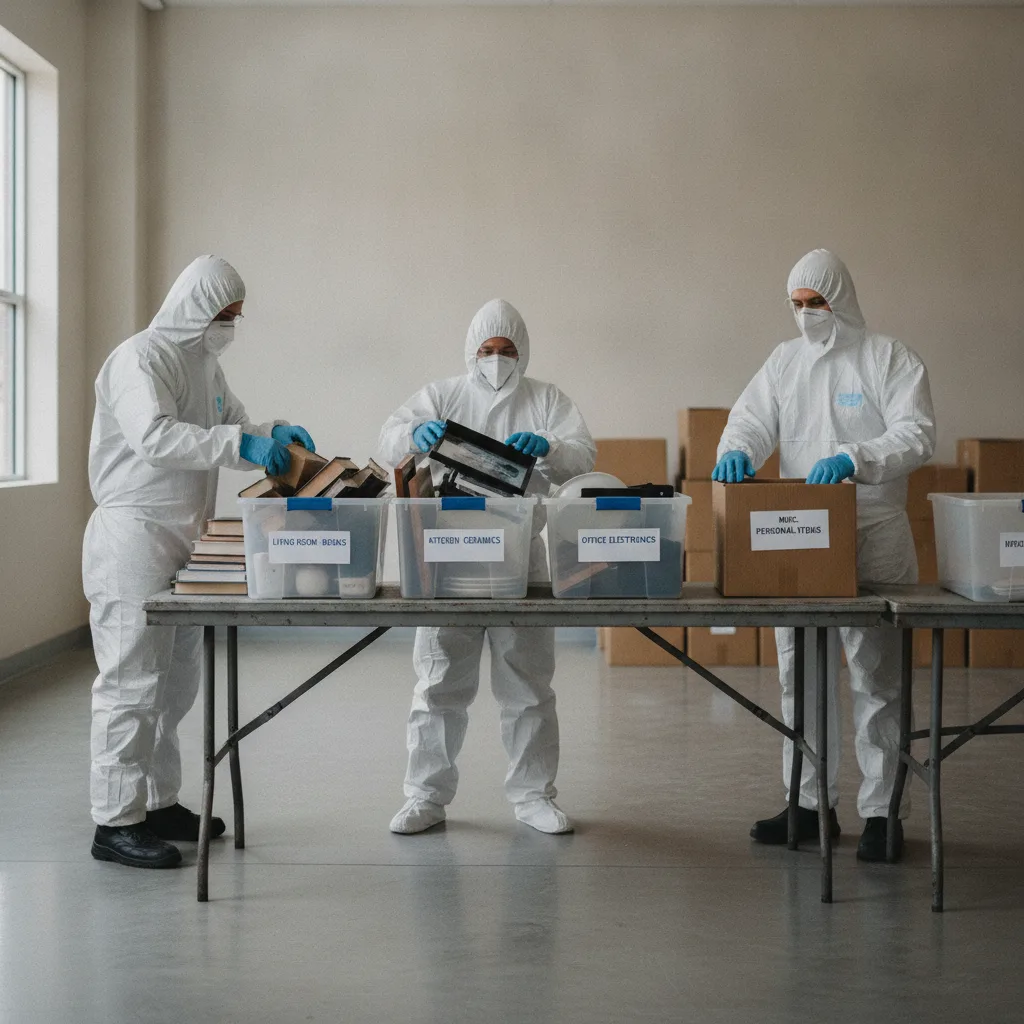
We clear hoarded homes safely and without judgment, recovering valuables and making the home livable again.
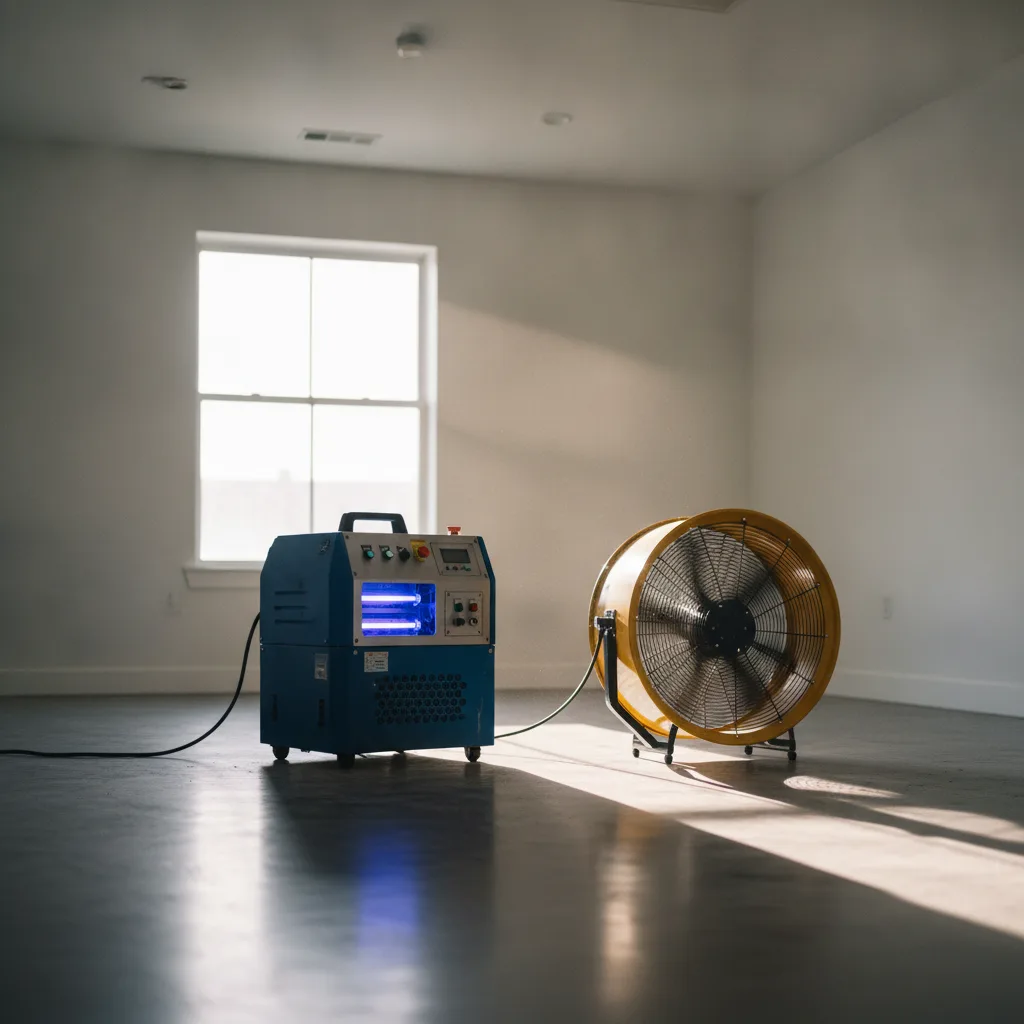
We eliminate odors from decomposition, smoke, waste and mold at the source instead of masking them.
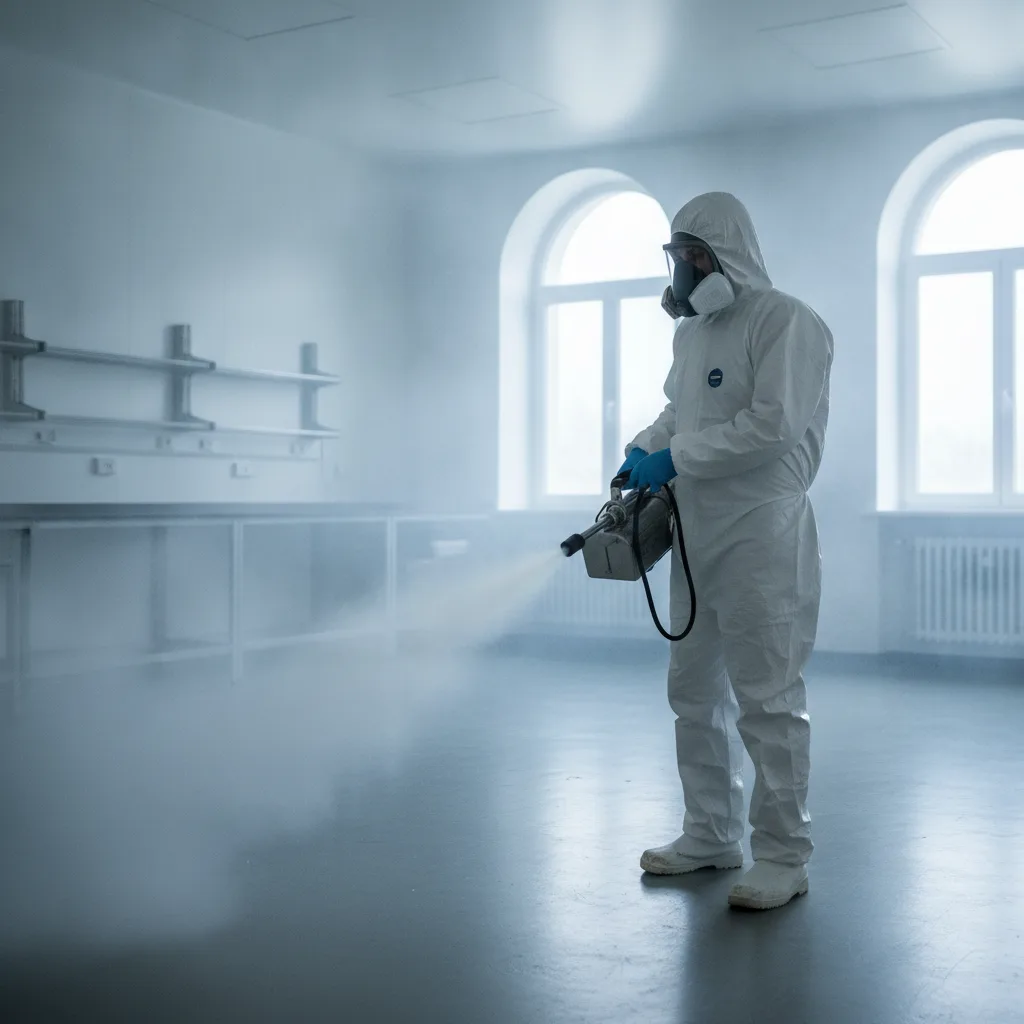
We disinfect and decontaminate spaces exposed to infectious disease, drug residue or other contaminants.
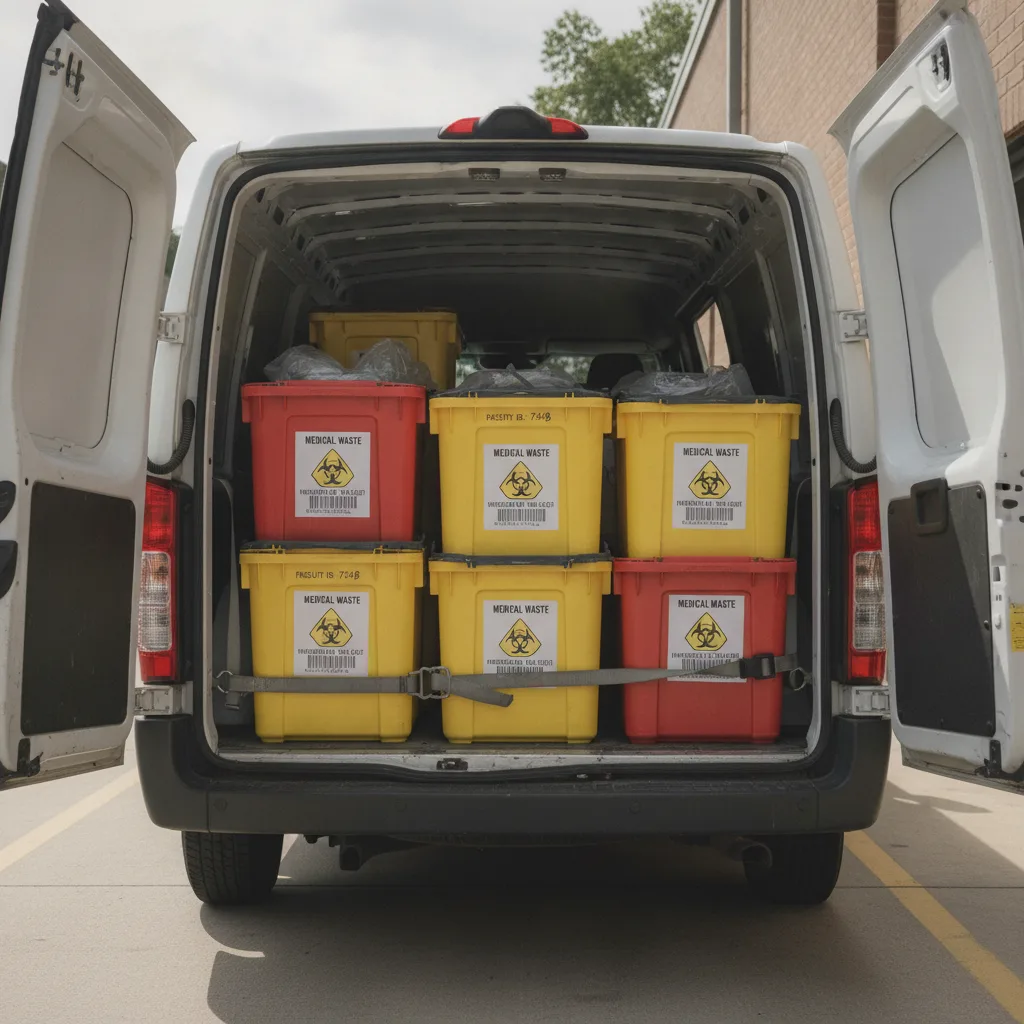
We collect, package and dispose of biohazard waste and sharps from scenes, homes and small facilities.
No two scenes are alike, but certain problems come up again and again in Charleston because of the climate, the housing stock and the region's population. Knowing what you're dealing with, and how urgent it is, helps you make clear decisions during a very hard time.
When someone passes away alone and isn't found for days or weeks, the body releases fluids, gases and bacteria into flooring, mattresses and air. It's one of the most hazardous and emotionally difficult scenes we see, and it gets worse every hour.
Violent deaths and serious injuries leave blood and tissue spread across walls, floors, ceilings and furnishings. It's often more than you can see. These scenes carry bloodborne pathogen risk and shouldn't be cleaned by family members or regular janitorial crews.
Injuries, medical events, childbirth emergencies or pet incidents can leave blood or bodily fluids on floors, upholstery and vehicles. Smaller spills are still a bloodborne pathogen hazard, and they're more likely to be overlooked or cleaned badly.
Storm surge, king tides and heavy rain can push sewage and contaminated floodwater (Category 3 "black water") into crawlspaces, garages and ground floors. It carries bacteria, viruses and chemicals that make building materials and the air unsafe.
Hoarding is excessive accumulation that makes a home unsafe. It's often combined with rodent or insect activity, spoiled food, animal waste and hidden biohazards. Cleanup takes sensitivity as much as labor, because the situation is often tied to grief, illness or mental health.
Overdose scenes and properties used for drug activity can contain needles, fentanyl or methamphetamine residue, and bodily fluids. Discarded sharps carry a serious needlestick risk to cleaners, tenants and children.
Even after visible contamination is gone, odor from decomposition, smoke, pets or mold can stay trapped in wood, plaster, drywall and fabric. It's not always a health emergency, but it makes a property unlivable and unrentable.
From the first call to the final walkthrough, you'll know what's happening and who to call. Here's how we handle a scene in Charleston, step by step.
Immediately, 24/7
Usually same day, depending on scene release and traffic
Starts at assessment and continues through completion
Typically a few hours to several days, depending on scope
At completion
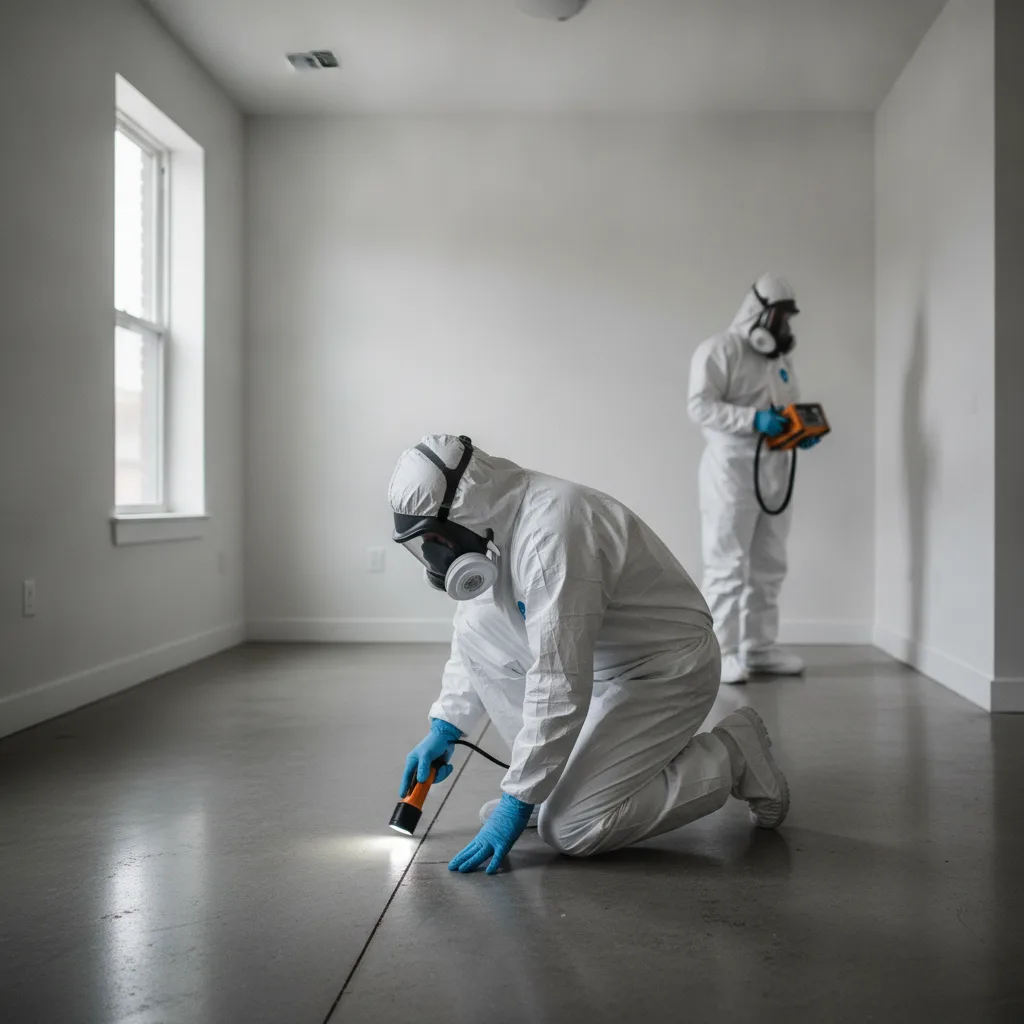
The last thing a grieving family needs is a bill. Homeowner's and commercial insurance often covers biohazard remediation, and we build every job around that. We photograph the scene, write a detailed scope, and prepare the documentation adjusters ask for. With your permission, we'll talk to your insurer directly so you don't have to repeat painful details. We'll explain any deductible before work begins, so there are no surprises. Many Charleston families pay nothing out of pocket, and we'll tell you honestly what your situation looks like.
Call at 3 a.m. on a holiday and a real person will pick up. Not an answering service and not a voicemail box. That matters, because these calls rarely come at convenient times, and Charleston's heat means waiting until Monday can make things worse. We offer 24/7 emergency response across Charleston, Mount Pleasant, Folly Beach, Hanahan and North Charleston. We'll talk you through what to do right now, what not to touch, and when we can be there.
Charleston neighborhoods are close-knit, and word travels fast on a South of Broad street or an I'On lane. We arrive in unmarked vehicles, keep equipment out of sight when possible, and work quietly. We respect HOA rules on contractor signage, access and work hours in planned communities and condo buildings. Hotels and short-term rental owners count on us to handle incidents without disturbing guests. Your family's privacy is part of the job, not an extra.
Much of our Charleston work happens in historic single houses with original heart-pine floors, lime plaster and cypress trim. These materials are porous and often impossible to replace, so blanket demolition isn't the answer. We remove only what's truly contaminated, treat and preserve what's safe to keep, and check under floorboards for fluids that reached joists and crawlspaces. When repairs might touch BAR-reviewed exterior features or need city permits, we'll flag it early so your restoration contractor can plan.
Lowcountry humidity holds odor in a structure and lets microbes grow within a day or two. We plan for that: deeper material checks in summer, odor treatment that targets the structure rather than the air, and attention to drying in raised and crawlspace homes where the water table pushes moisture up. After hurricanes and king tides, we handle sewage and floodwater contamination in ground floors and crawlspaces downtown and on the islands.
South Carolina has no specific license for crime scene cleaning, so how a company works matters. Our technicians follow OSHA's Bloodborne Pathogens Standard, with proper PPE and exposure controls. Biohazard waste is packaged, labeled and disposed of following South Carolina disposal protocols, so contaminated material doesn't end up in a dumpster behind your home. We're insured, which protects you and your property while we work.
We know you didn't choose to be in this situation. We speak plainly, never rush you, and treat your loved one's home with respect. Personal items, photos and documents we find are set aside for the family. For adult children coordinating from Ohio or New Jersey, we send photo updates and keep one consistent contact. Whether you need someone to listen or just to get it done, we'll follow your lead.
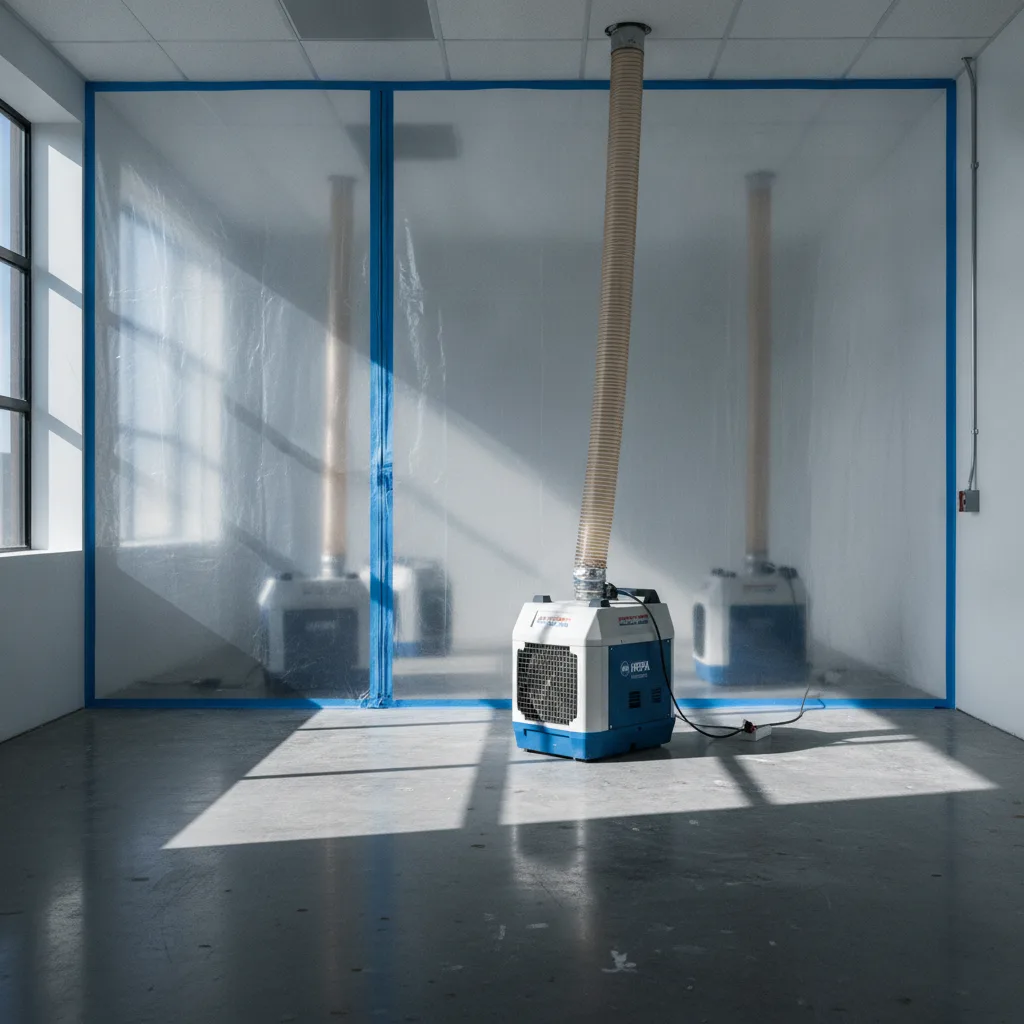
For many Charleston families, biohazard cleanup costs $0 out-of-pocket, because homeowner's, renter's and commercial policies often cover it. Below is what drives the total claim, plus typical claim ranges. Our goal is for insurance to carry the cost, not you.
The biggest factor is how far blood or fluids traveled. A contained spill on tile is very different from a scene where fluids moved through carpet, into the subfloor and down to the joists. In older Charleston homes, gaps between floorboards often carry contamination into crawlspaces, which adds removal and treatment work. We map everything during assessment and document it with photos so your insurer can see exactly why each step is needed.
In Charleston's summer heat and humidity, every day matters. An unattended death found within hours may need limited cleanup, while one found after several days in July can involve saturated flooring, framing and strong odor throughout the home. Power outages during storms make this worse. Longer discovery times usually increase material removal, odor treatment and disinfection, all of which we document for your claim.
Heart pine, lime plaster, cypress trim and upholstered furnishings absorb fluids and odor. Modern sealed surfaces are faster to clean. Historic homes often call for careful, targeted removal to protect irreplaceable materials, which takes more time but avoids unnecessary demolition. Raised and crawlspace homes need extra access and drying work. We note all of this so your adjuster understands the scope.
Humid air drives odor deep into a structure. Thorough odor removal can include hydroxyl or ozone treatment, sealing of affected framing, and HVAC cleaning. Verification testing confirms the area is truly clean before you return. These steps prevent the odor from returning on the next humid day, and they're typically part of a covered remediation claim.
Biohazard waste has to be packaged, labeled, transported and disposed of under South Carolina and DOT rules, not dropped in regular trash. Larger scenes, hoarding situations and sharps-heavy overdose scenes produce more regulated waste. Volume affects the claim total, and we document disposal for your records.
We start with coverage. We review your policy with you, prepare the documentation adjusters need, and with your permission communicate with them directly. We'll explain any deductible before work begins. Commercial clients, landlords and hotels can usually file under their property or liability policies.
In many cases, yes. Most homeowner's policies, and many renter's and commercial policies, cover biohazard remediation after a crime, trauma or unattended death, so many Charleston families pay $0 out-of-pocket. Coverage depends on your specific policy, and a deductible may apply. We'll review your coverage with you at the start, document the scene with photos and a detailed scope, and, with your permission, work with your adjuster directly. If something isn't covered, we'll tell you plainly before any work begins, so you're never surprised.
We offer 24/7 emergency response, and a real person answers every call. In most cases we can arrive the same day, though timing depends on when police or the Charleston County Coroner release the scene, and on traffic across I-26, I-526, the Ravenel Bridge or Folly Road. After storms, flooded streets can slow things down. When you call, we'll give you an honest arrival estimate and tell you what to do, and what not to touch, until we get there.
Smaller blood cleanups often take a few hours. Trauma and homicide scenes usually take one to two days. Unattended deaths with decomposition, especially in summer, can take several days, because subfloors, joists and crawlspaces may need treatment and odor removal takes time in humid conditions. Hoarding cleanups vary widely with the size of the home. We'll give you a realistic timeline after our assessment and keep you updated as the work moves forward.
The cleanup itself doesn't usually need a permit, but it can't start until law enforcement or the coroner releases the scene. If structural or subfloor replacement is needed afterward, City of Charleston or other municipal permits may apply. Exterior changes in the Old and Historic District may need Board of Architectural Review approval, and Mount Pleasant's Old Village has its own review. Planned communities like I'On and Daniel Island often set contractor hours and access rules. We'll flag these early so your repairs go smoothly.
We strongly advise against it. Blood and bodily fluids can carry bloodborne pathogens, and contamination often goes much deeper than it looks, especially into Charleston's porous heart-pine floors and plaster. Regular cleaners usually lack the PPE, training and waste disposal methods OSHA and South Carolina require. There's also an emotional cost to cleaning up after someone you love. Since insurance often covers professional cleanup, there's usually no financial reason to take that on yourself.
Odor has to be removed at the source, not covered up. We remove saturated materials, clean and treat the structure underneath, and seal framing where needed. Then we use hydroxyl generators, ozone where appropriate, thermal fogging and HVAC cleaning to neutralize odor molecules trapped in wood, plaster and fabric. Charleston's humidity is why odor comes back on damp days when a job is done poorly, so we verify the space before we leave.
Call as soon as the scene is discovered. Even before release, we can advise you and plan timing. In Charleston's heat, bacteria and mold can start growing within 24–48 hours, and odor spreads quickly. For prevention, arrange regular check-ins for older relatives living alone, keep power backup or a neighbor plan for second homes during storm season, and have someone check vacation rentals and seasonal homes often. If you find needles or sewage after flooding, don't touch them. Call us.
Not from us. We arrive in unmarked vehicles, can come in plain clothes, and keep equipment and waste containers out of sight whenever possible. We follow HOA and condo rules on signage and access, and we don't discuss jobs with neighbors or anyone you haven't authorized. Hotels, short-term rental owners and businesses rely on us to handle incidents without alarming guests or customers. Your privacy is part of how we work.
We come to you anywhere in Charleston and the surrounding area, in unmarked vehicles, any hour of the day.
You don't have to handle this alone or pay for it yourself. Call any time, day or night. A real person will answer, explain your insurance options, and send a discreet team.
Call (854) 201-9141 Now