Discreet, certified crime scene and biohazard cleanup in Brooklyn — unmarked vehicles, compassionate technicians, and in most cases $0 out of pocket since we bill your insurance directly.
Brooklyn's climate, its century-old buildings and its regulations all make biohazard cleanup harder here than in most places. Contamination spreads faster and sinks deeper, and more people end up involved, from landlords and co-op boards to neighbors and insurers. Here's what we deal with on almost every job, and why it decides how a scene has to be handled.
Brooklyn summers average highs in the mid-80s°F, and humidity often sits at 60–75%. Several heat waves above 90°F come through every year. Top-floor units in tightly packed brick buildings trap that heat, so decomposition in an unattended death moves fast. Fluids and odor can get into subfloors, plaster and shared walls within days. Winter doesn't slow things down much either: radiator steam heat keeps apartments warm and dry through January. The area gets 45–50 inches of rain a year, and when nor'easters or storms like Ida hit, combined sewers overflow into basement and garden apartments. That's Category 3 black-water contamination. Mold can follow within 24–48 hours if nobody deals with the water.
Most Brooklyn housing went up before World War II. That includes 19th-century brownstones in Park Slope, Bed-Stuy and Crown Heights, wood-frame rowhouses in Bushwick and Sunset Park, and six-story walk-ups built between 1900 and 1940 along Eastern and Ocean Parkways. Plaster-and-lath walls, old-growth plank floors with gaps, and tongue-and-groove subfloors soak fluids up like a sponge, and those fluids often drip into the ceiling of the unit below. Proper remediation usually means taking out flooring, subfloor and sometimes the ceiling downstairs. Lead paint is common in buildings from before 1960, and so are asbestos tiles and pipe insulation. Narrow stairs with no elevator make every bag of waste a careful carry.
Biohazard waste in New York falls under NYS DEC Part 365 and Department of Health rules. It has to leave in red-bag and sharps packaging with manifests, carried by licensed regulated medical waste transporters. Technicians work under OSHA's Bloodborne Pathogens Standard (29 CFR 1910.1030) and respiratory protection rules. NYC DEP won't allow suspect asbestos materials to be disturbed without an asbestos survey, and Local Law 1 lead-safe practices apply in pre-1960 multiple dwellings where children live. Before any cleanup starts, the NYPD and the Office of Chief Medical Examiner have to release the scene. In Hudson County, the NJ DEP Regulated Medical Waste program applies, and so do Uniform Construction Code permits for structural removal.
Brooklyn has about 2.6 million people, and many older adults live alone in Brighton Beach, Coney Island, Sheepshead Bay, Bay Ridge and the Ocean Parkway co-ops. That's a big reason unattended deaths can go undiscovered for days. The person making decisions is often a grieving relative in another state, an executor, a property manager or a co-op board. Communities across the borough have their own traditions around death. Orthodox Jewish families, for example, may ask that blood and remains be handled respectfully for burial. Whoever is calling, they need discretion, speed, photo documentation and someone who will deal with the insurance.
Every service below follows OSHA bloodborne pathogen rules, with waste leaving through licensed regulated medical waste transporters. We adapt each one to the building in front of us, whether that's a fifth-floor walk-up, a co-op with board rules, or a flooded basement apartment. Wherever possible, we bill your insurer or the state victim compensation program directly.
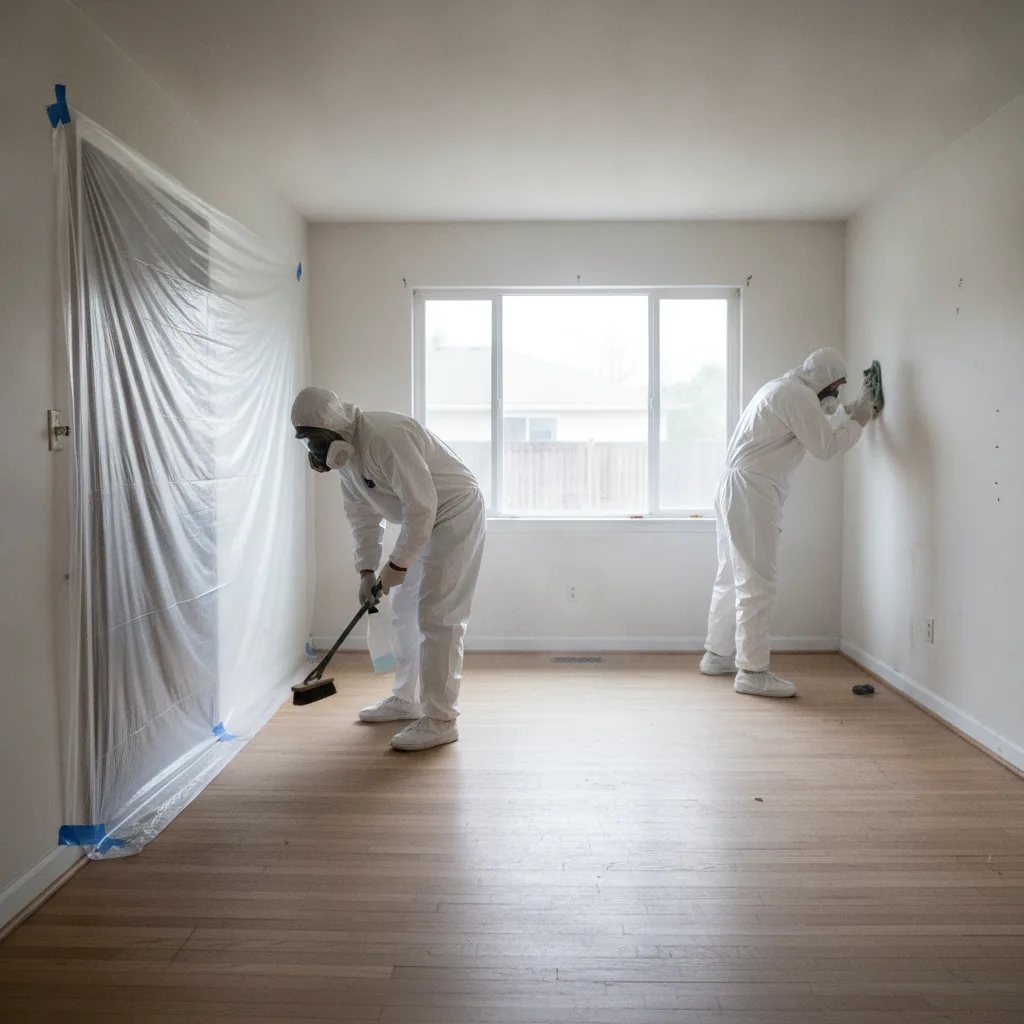
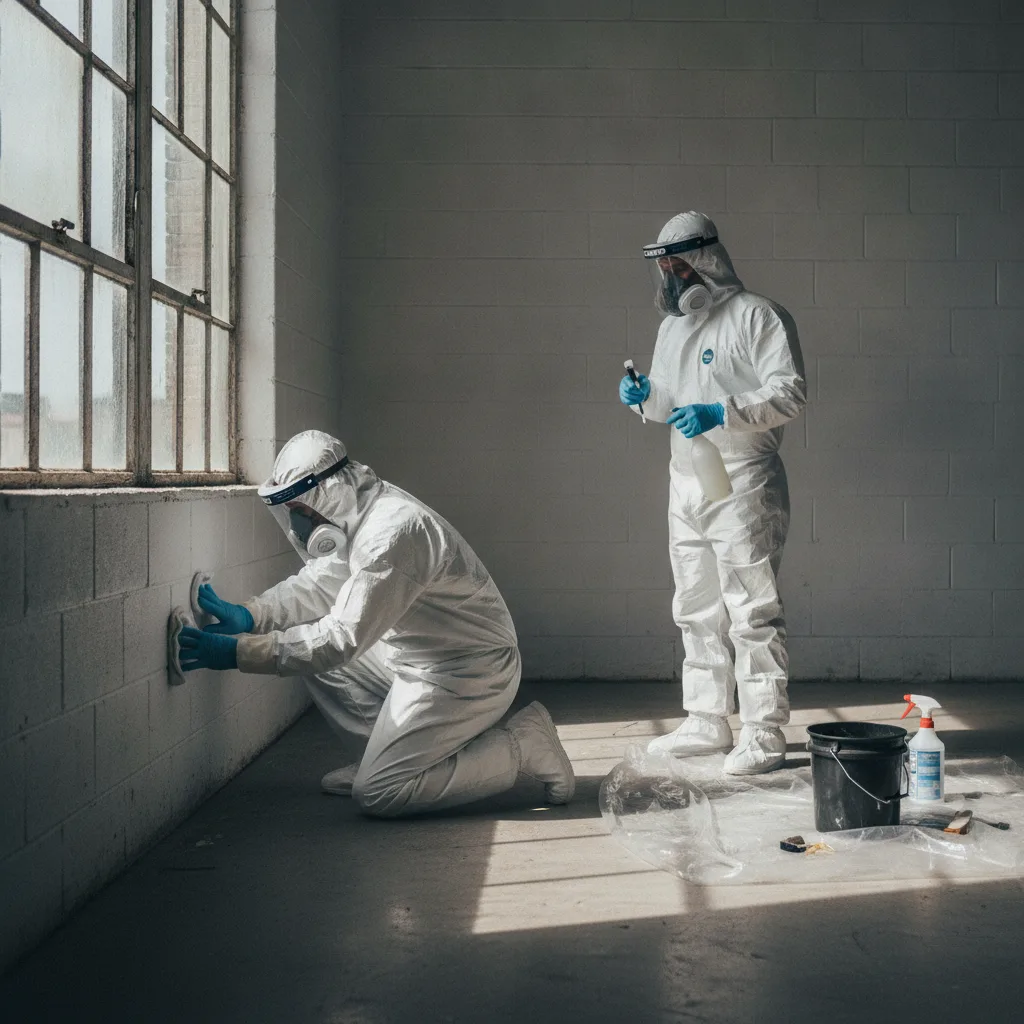
We clean and restore homes, vehicles and businesses once police release them. That means removing blood, tissue and fingerprint powder, along with any contaminated materials, until the space is safe and looks like home again.
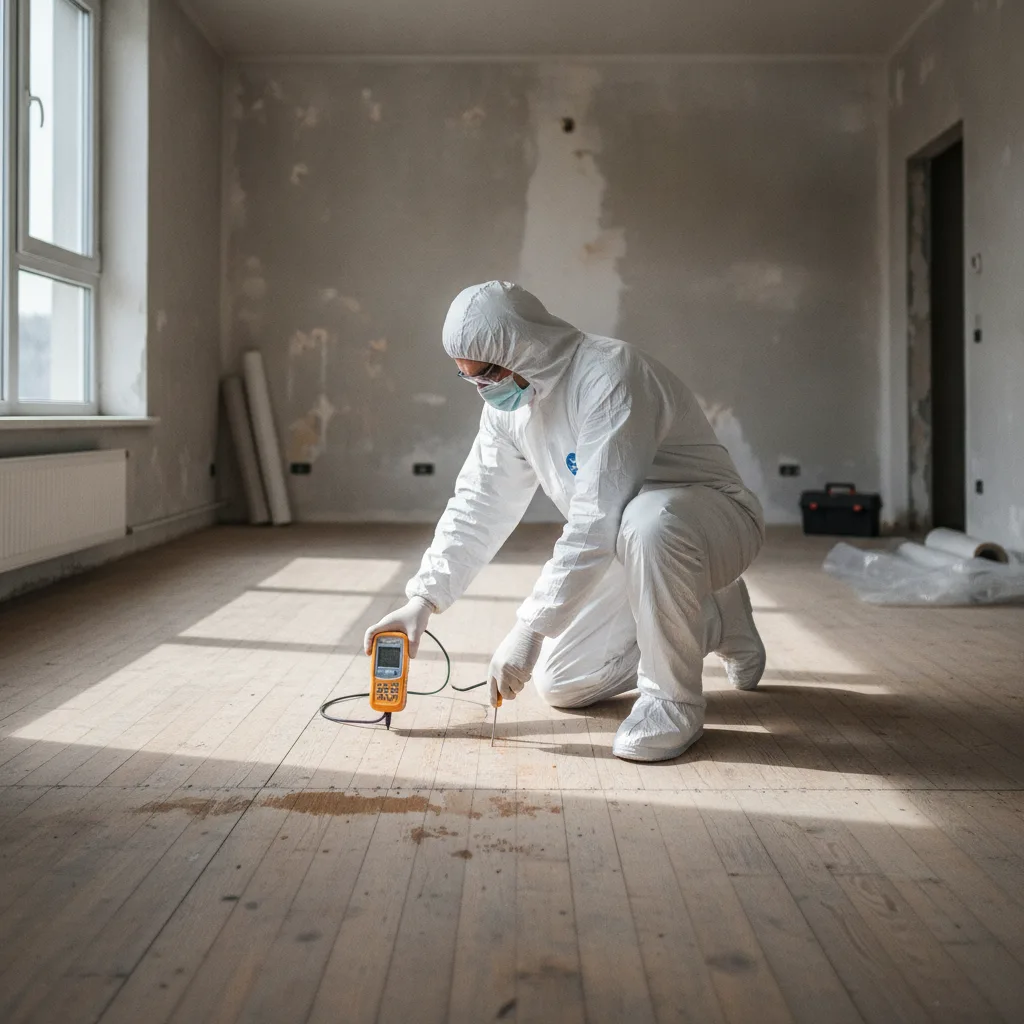
When someone has passed alone and wasn't found right away, we handle the whole space: fluids, odor, insects and affected belongings. We also save personal items for the family.
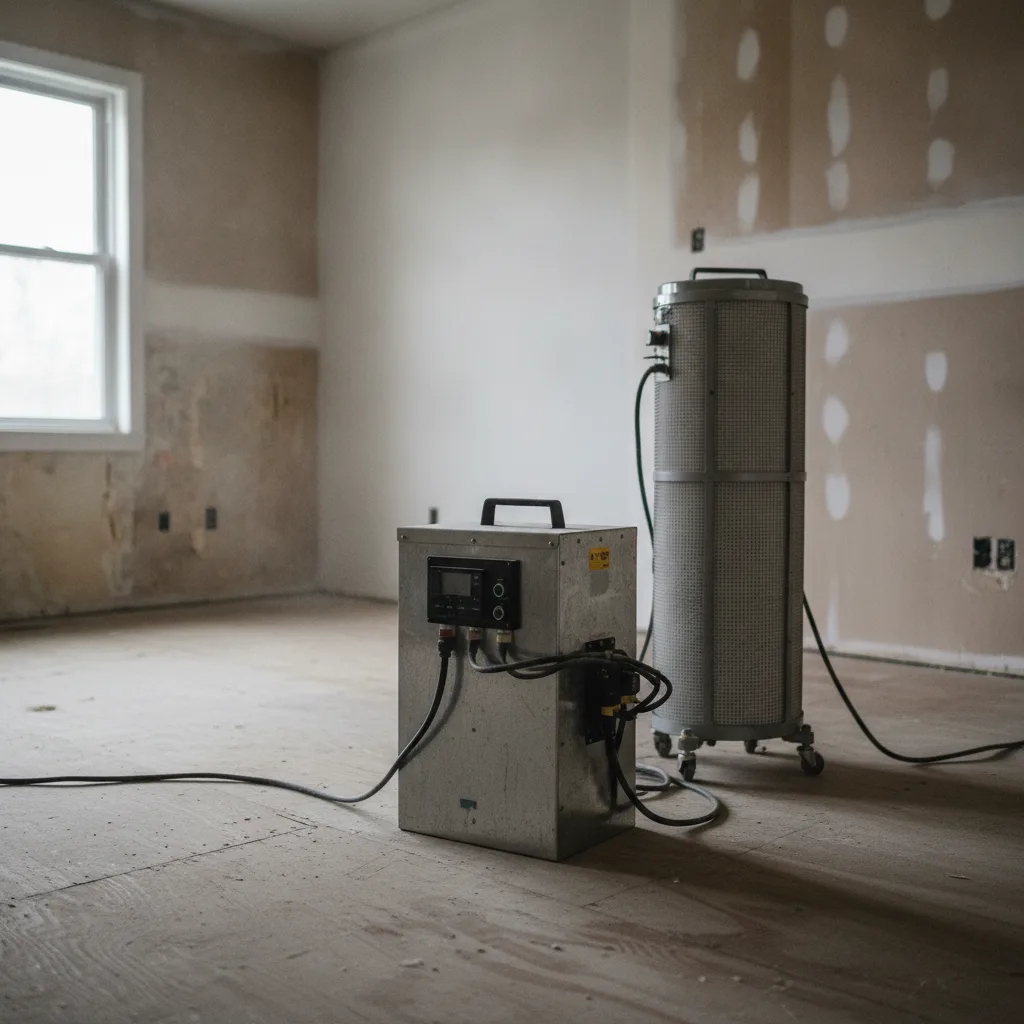
This is advanced remediation when decomposition has been going on for days or weeks. We remove soaked structural materials, take care of insects and destroy the odor at its source.
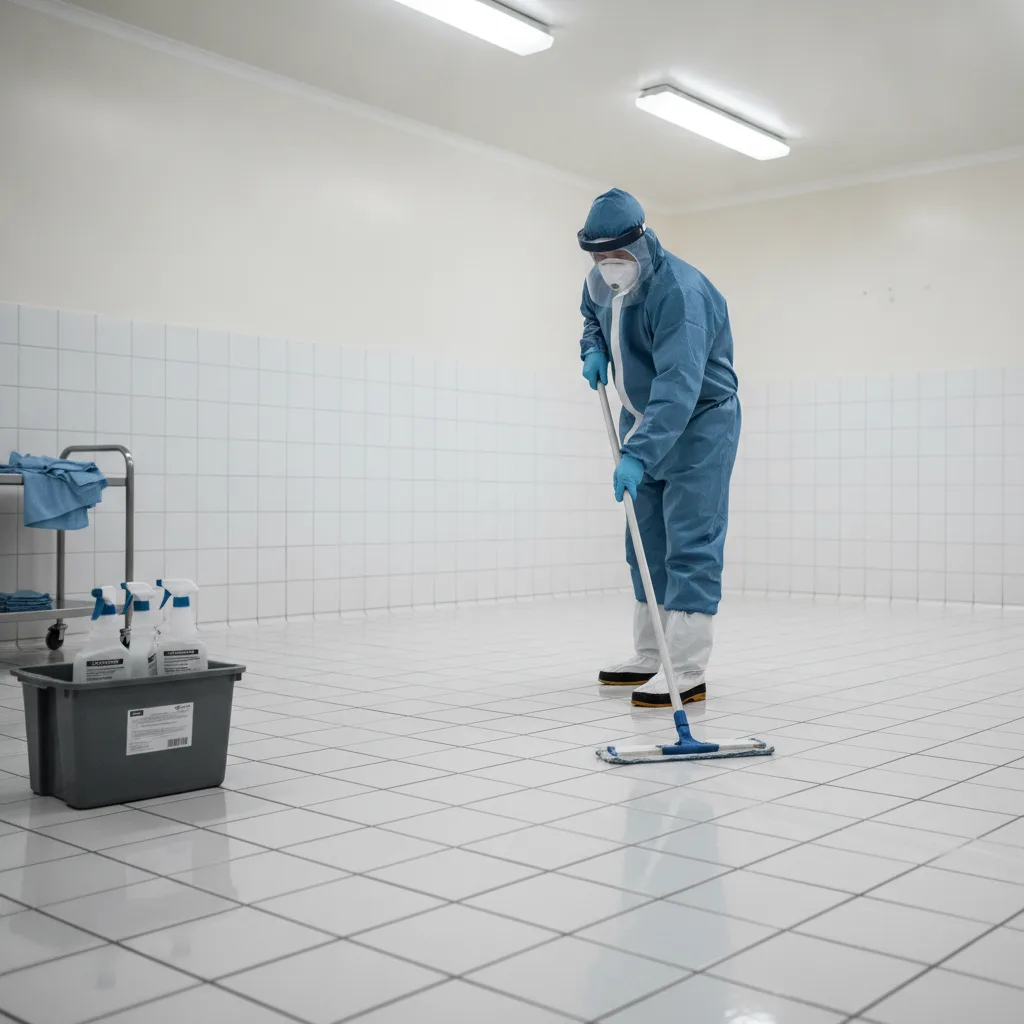
We clean up after suicides, serious injuries and other traumatic events. The space is restored quietly, and family members never have to see or handle what happened.
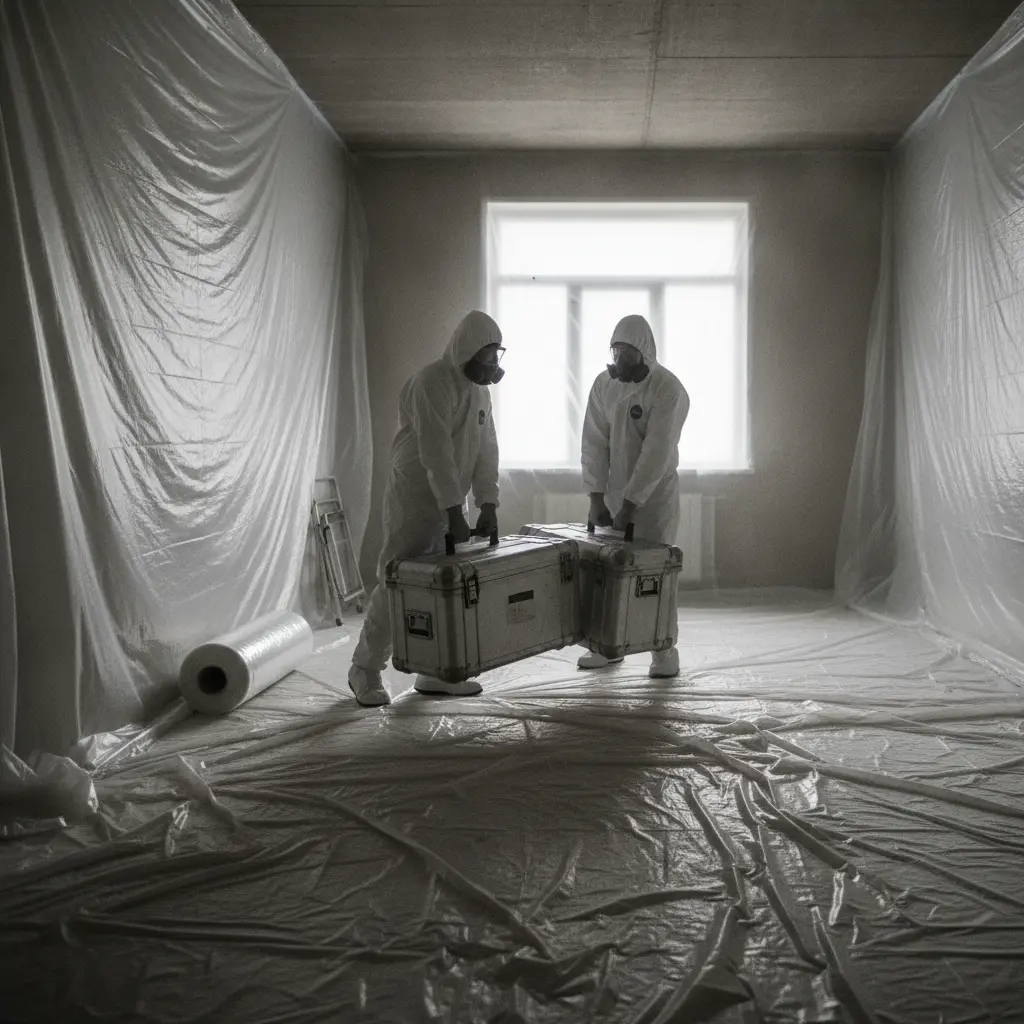
We restore a home or business after a homicide, working with care around the family and the investigation.
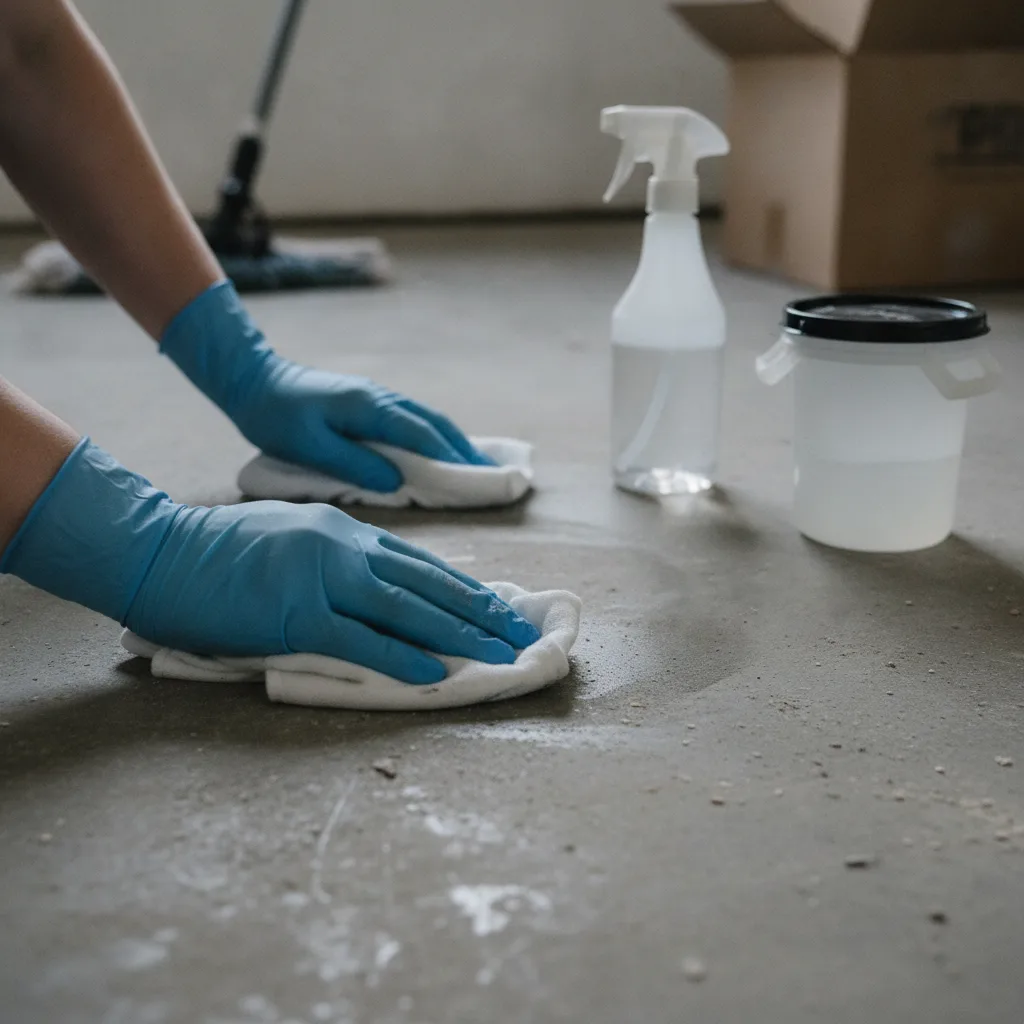
Professional cleanup of blood from injuries, medical emergencies, nosebleeds, childbirth or accidents. We cover homes, cars, offices and public spaces.
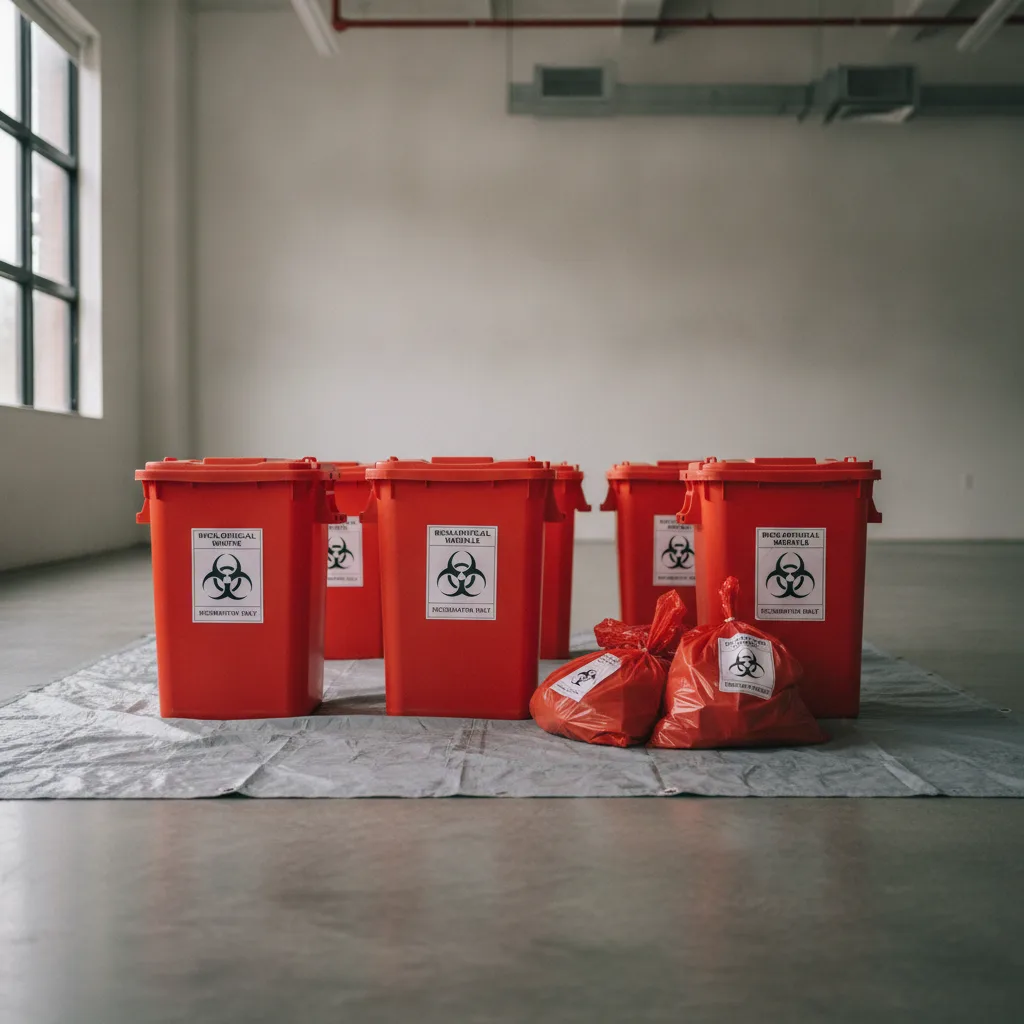
General biohazard remediation for bodily fluids, sewage, animal waste and other infectious materials in homes, buildings and vehicles.
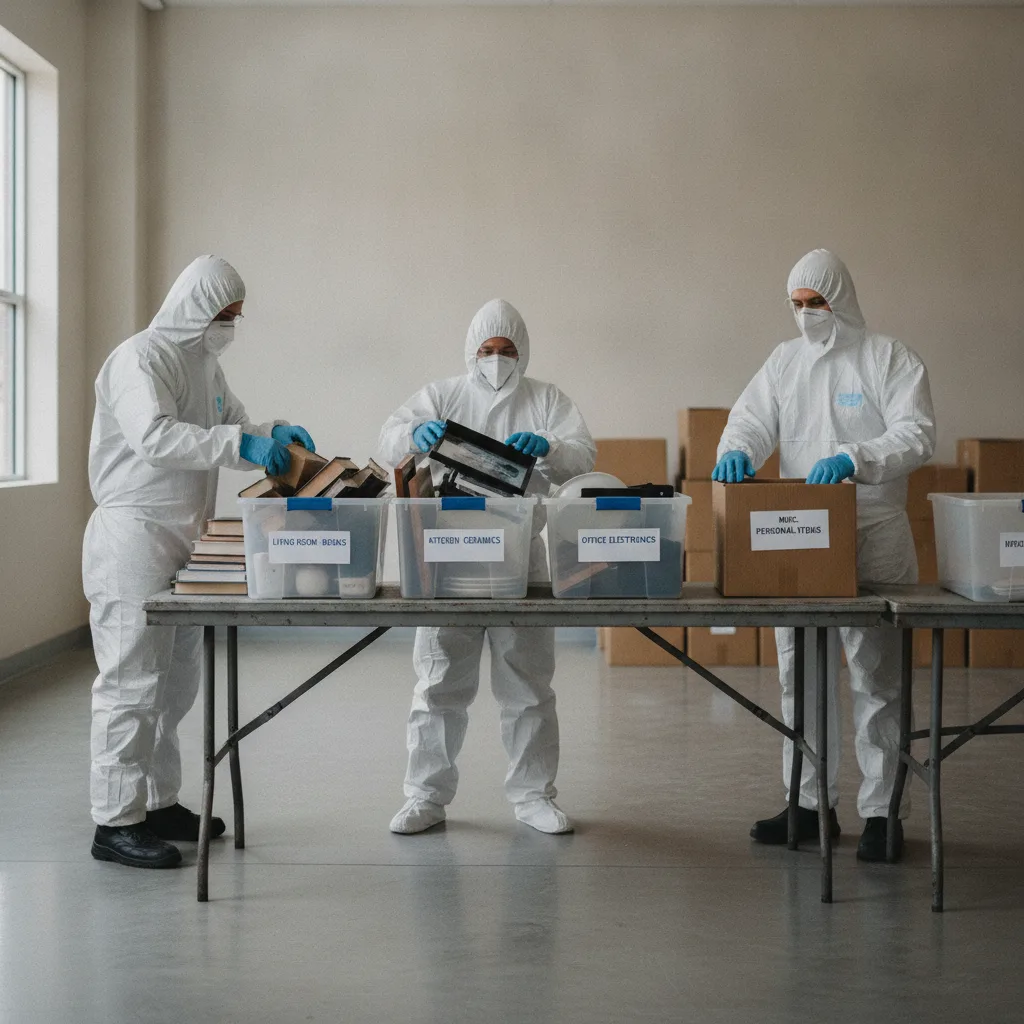
We clear heavily cluttered homes and remove the hazards hidden inside, such as waste, sharps, pests and spoiled food. Valuables and keepsakes are protected throughout.
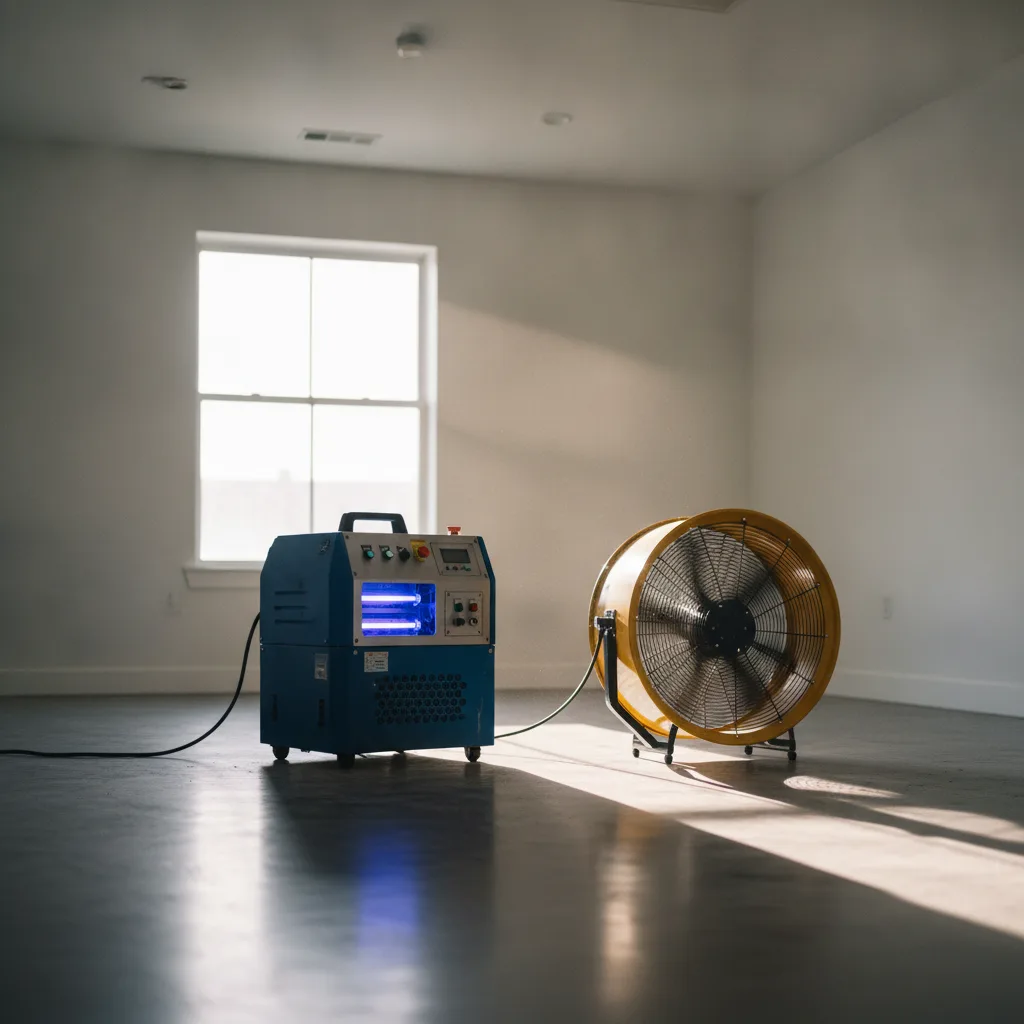
We permanently remove odors from decomposition, smoke, urine and biohazards. We don't mask them.
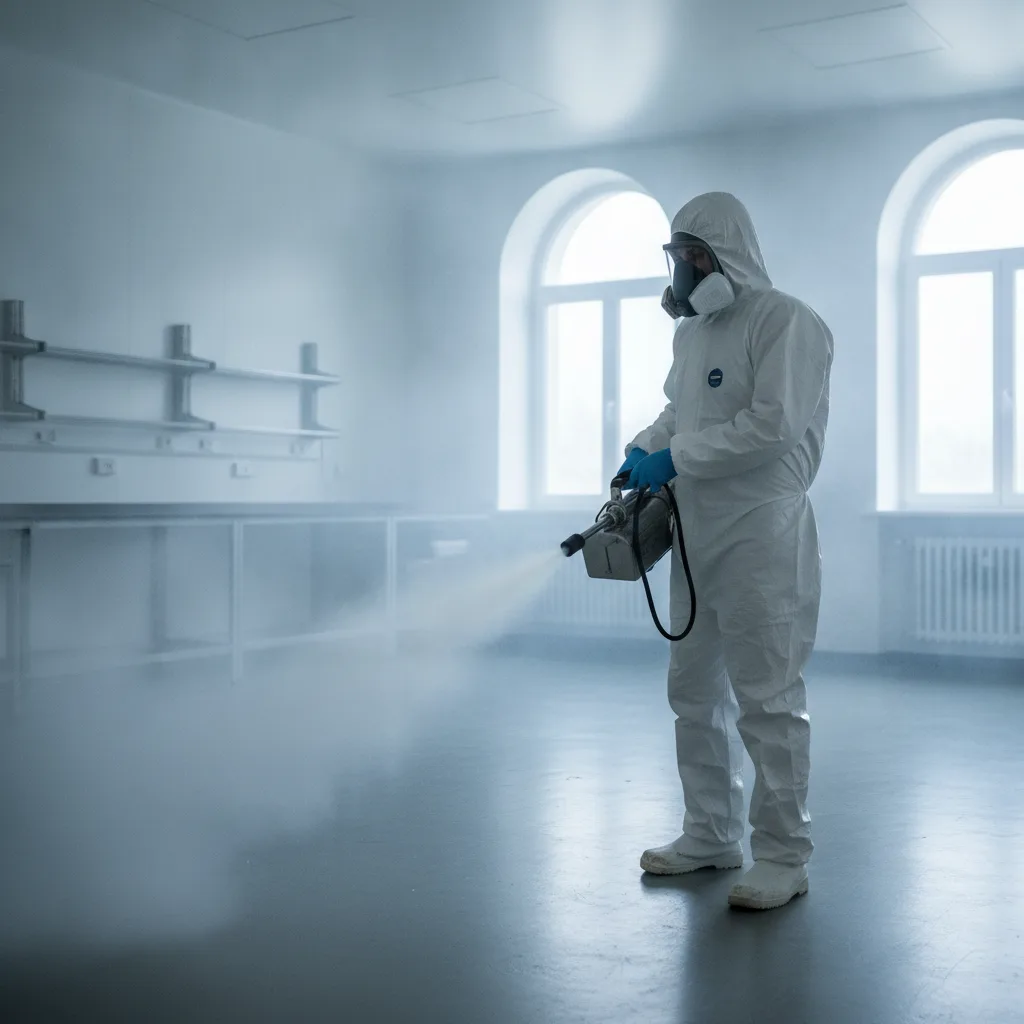
Full disinfection of homes, vehicles, commercial spaces and equipment after an infectious or biohazard exposure.
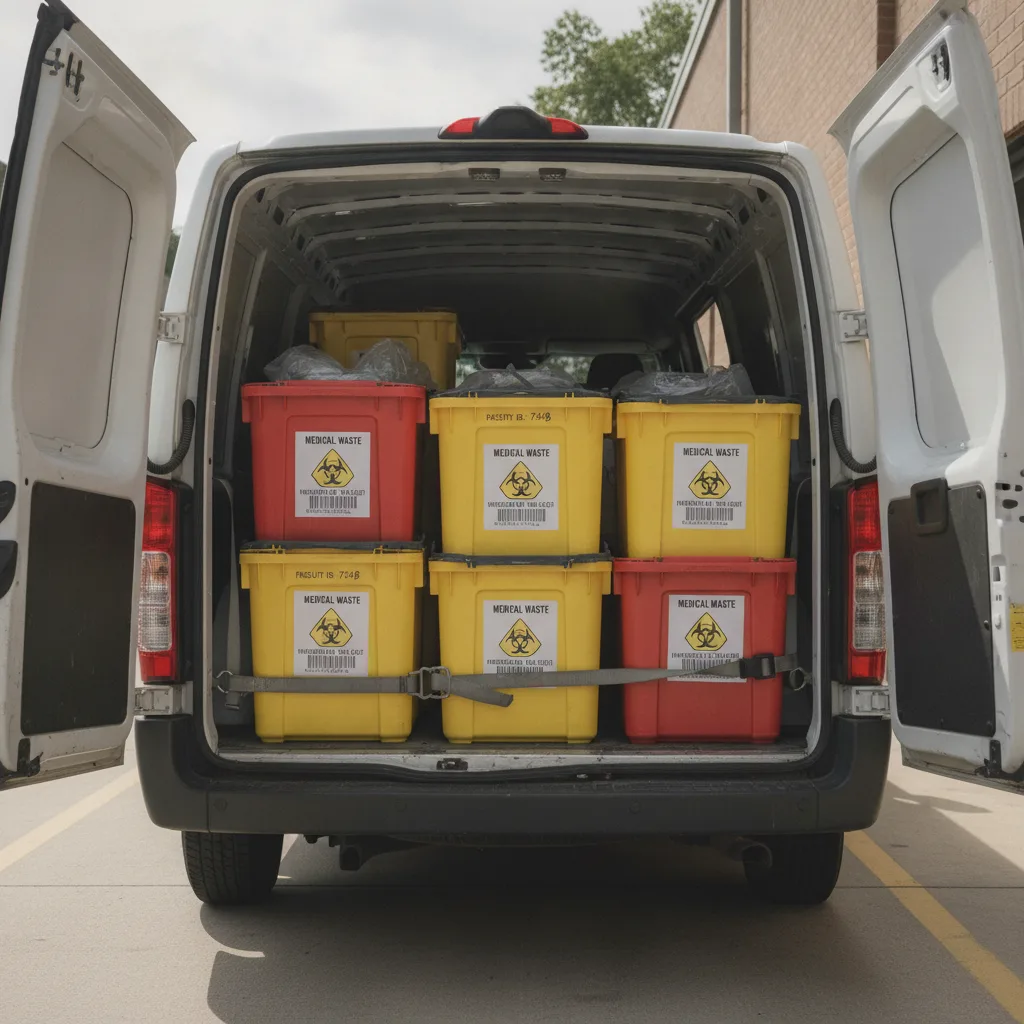
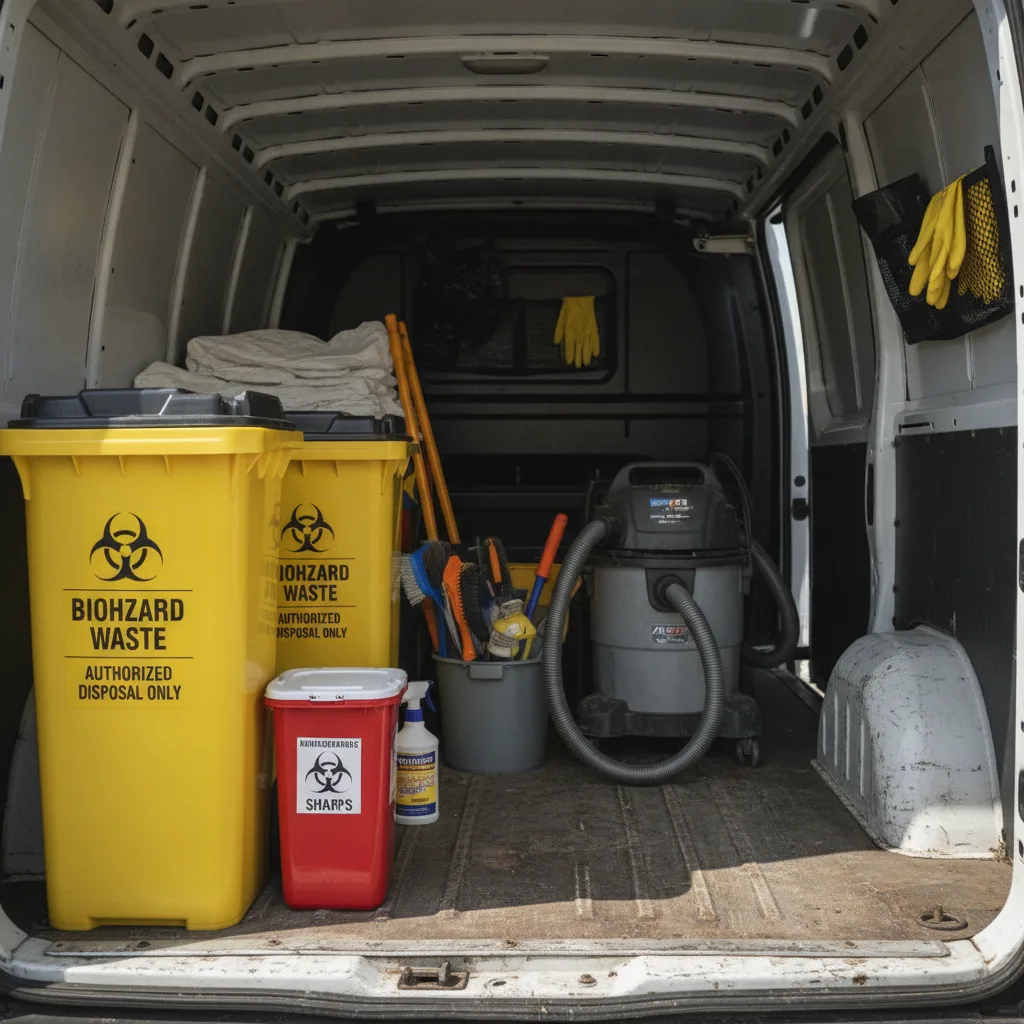
We collect, package and dispose of sharps, red-bag waste and other regulated medical waste from homes and facilities.
Every scene is different, but some situations come up again and again in Brooklyn's dense, older housing and in Hudson County's flood-prone neighborhoods. Below, we explain why each one happens here, what warning signs to watch for, and how serious it is, so you know when it can't wait.
This is when a person dies alone and isn't found for days or weeks. As the body breaks down, it releases fluids, gases and bacteria that soak into flooring, walls and furniture. Severe odor and insects follow, along with real health risks to anyone who goes inside.
Scenes where violence or self-harm has left blood, tissue and bone fragments behind. They carry bloodborne pathogen risks such as hepatitis B, hepatitis C and HIV, and they're devastating for families. No relative should have to clean one.
This is when blood, decomposition fluid or sewage moves beyond the original room, through floor gaps, wall cavities or ceiling joists, into an apartment, hallway or commercial space next door. Several properties and insurers can end up involved.
Floodwater mixed with sewage is classified as Category 3, or black water. It carries bacteria, viruses and parasites. Porous materials it touches usually have to be removed, not dried, and the space has to be decontaminated before anyone lives there again.
Heavy accumulation of belongings that hides animal waste, rodent droppings, bedbugs, spoiled food, sharps and sometimes dead pets. It creates fire, structural and health hazards, and it often comes with legal or eviction deadlines.
Blood from a fall, an injury or a medical emergency such as a hemorrhage. The amount may look small, but blood seeps under tile, into grout and through floor gaps where ordinary cleaning can't reach.
Trauma or body fluid releases at warehouses, loading docks, factories, vehicles or commercial properties. Businesses need to reopen quickly, stay OSHA compliant and keep employees from being exposed.
From your first call to the final walkthrough, you deal with one team. We take care of the insurer, the building and the waste paperwork, so all you need to do is make the call.
Immediately, 24/7
Often within hours, depending on traffic and bridge or tunnel conditions
Same day, in most cases
One day for blood cleanup; several days for decomposition or hoarding
Final day
The last thing a grieving family should be doing is writing a check. Homeowner's, renter's and commercial property policies often cover trauma and unattended death cleanup. In many cases, we bill your insurer directly, and many of our clients pay nothing out of pocket. If the cleanup follows a crime, we'll help you apply to New York's Office of Victim Services or New Jersey's Victims of Crime Compensation Office. We tell you up front about any deductible or coverage limit, so there are no surprises when the job is done.
Scenes don't happen during business hours, and there's no good time to wait for a callback. When you call Integrity Crime Scene Services, at 3 a.m. on a holiday or in the middle of a heat wave, a real person picks up. We'll walk you through what happens next, check whether the scene has been released, and get a crew moving. In Brooklyn's heat and humidity, every hour of delay lets fluids and odor travel further into the building, so a fast response matters.
Much of our Brooklyn work is in brownstones and walk-up conversions in Park Slope, Bed-Stuy and Crown Heights. Access is through a shared stairwell and neighbors live just a few feet away. We know that fluids move through gapped plank floors into the ceiling below. We know plaster and lath can't simply be wiped clean, and that five flights of stairs need a plan for carrying sealed waste. Experience with this kind of building is the difference between a scene that's really fixed and an odor that comes back next summer.
Nobody on your block needs to know. We arrive in unmarked vehicles, enter in plain clothes, and schedule waste removal so it doesn't draw attention from other residents. That matters to families, and it matters to co-op boards and managing agents trying to keep a building calm. Discretion also means respecting how your family grieves, including religious practices around death and requests to handle blood and remains with dignity for burial.
We're fully insured, and we can provide a certificate of insurance naming your building and managing agent, which most Brooklyn co-ops and condos require before any contractor walks in. We'll follow your alteration agreement, scheduled work hours and elevator-padding rules. For property managers and landlords, our photo documentation and waste manifests give you a clean record for owners, insurers and regulators.
Our technicians follow OSHA's Bloodborne Pathogens Standard and New York State disposal protocols. Biohazard waste leaves in proper red-bag and sharps packaging with manifests, handled by licensed regulated medical waste transporters. In Hudson County, we follow the NJ DEP Regulated Medical Waste program. When removal runs into pre-war lead paint or suspect asbestos, we follow NYC DEP and Local Law 1 rules and don't cut corners.
Many of the people who call us live in another state. They might be adult children, executors or estate attorneys handling a loved one's apartment from a distance. We can be your local team. We'll coordinate with the super, the landlord and the insurer, send photo updates, recover and ship personal items, and arrange for the rest of the contents to be disposed of. You can make decisions by phone without booking a flight.
Most families never pay for our cleanup directly. Homeowner's, renter's and commercial policies frequently cover trauma and unattended death remediation, and crime victims may qualify for NY OVS or NJ VCCO compensation. We bill those sources directly and walk you through the process.
Whether you'll pay anything comes down mostly to coverage. Property policies often treat trauma and unattended death cleanup as covered damage. Crime victims and their families may qualify for New York's Office of Victim Services or New Jersey's VCCO. We verify your coverage, submit documentation and bill the insurer directly. If a deductible applies, we tell you before any work starts.
Time and temperature drive the scope. A death discovered within a day may only need surface and furniture remediation. One discovered a week or two later in a Brooklyn summer usually means taking out flooring, subfloor, plaster and sometimes the ceiling below, then running multi-day ozone or hydroxyl deodorization. A larger scope means a larger insurance claim, not necessarily a larger bill for you.
A fifth-floor walk-up with narrow stairs, no elevator and alternate-side parking takes more labor than a ground-floor unit with a driveway. Co-op rules on work hours, elevator padding and COI requirements also affect scheduling. We document these access conditions so the insurer understands what the job involved.
In Brooklyn's pre-war buildings, fluids and odor often reach the unit below, the hallway or a shared wall. Each affected space is added to the scope, and it may fall under a different policy, such as the building's master policy or a neighbor's renter's insurance. We document each unit separately so every claim stays clean.
Pre-1960 buildings may contain lead paint or asbestos. Those materials need testing or licensed abatement under NYC DEP and Local Law 1 rules before they're removed. The amount of regulated medical waste, which is manifested and transported by licensed haulers, also affects the total claim value.
We bill insurers, NY OVS and NJ VCCO directly. If coverage is limited, as with some hoarding cases, we'll talk through your options, including estate, landlord or agency arrangements, before any work begins.
In many cases, yes. Homeowner's, renter's, co-op and commercial property policies often cover trauma and unattended death cleanup as sudden, accidental damage. We work with your insurer directly, so many families pay $0 out of pocket beyond any deductible. If the cleanup follows a crime, New York's Office of Victim Services may reimburse costs for eligible victims and families. In Hudson County, New Jersey's Victims of Crime Compensation Office may do the same. We'll check your coverage on the first call and handle the documentation insurers and agencies need.
We respond 24/7, and a real person answers every call. Exact arrival time depends on where you are and on traffic, including bridges and tunnels for Hudson County calls, but we dispatch as soon as the scene has been released. Speed matters here. In Brooklyn's summer heat, with highs in the 80s and humidity often at 60–75%, fluids and odor can reach subfloors and shared walls within days. Steam-heated apartments keep that process going in winter as well. Calling early usually keeps the damage, and the disruption to the building, smaller.
No. The NYPD and the Office of Chief Medical Examiner have to release the scene before any cleanup begins, and New Jersey has the same rule. Touching the area early can interfere with an investigation. It can also expose you to bloodborne pathogens like hepatitis B and C. Call us right away anyway. We can get your insurance claim started, explain the process and schedule a crew for the moment the scene is released. Until then, keep the door closed, keep pets and children out, and don't try to clean blood or fluids yourself.
It depends on the scene. A small blood cleanup is often finished in a single day. Crime scenes usually take one to two days. An unattended death discovered after a week or more, especially in a top-floor unit in summer, can take several days because flooring, subfloor and plaster may need to come out and ozone or hydroxyl deodorization runs over multiple days. Walk-up stairs, co-op work-hour rules and lead or asbestos testing in pre-war buildings can add time. We'll give you a realistic timeline after our assessment.
Most cleanup doesn't need a building permit, but larger structural removal may require NYC DOB permits in Brooklyn, or construction permits under New Jersey's Uniform Construction Code in Jersey City, Bayonne, Kearny or Secaucus. Disturbing suspect asbestos in NYC requires a survey under DEP rules, and pre-1960 multiple dwellings with children fall under Local Law 1 lead-safe practices. Co-op and condo boards usually want a certificate of insurance naming the building and agent, plus scheduled hours. We're insured and supply that paperwork ourselves.
We do everything we can to keep it private. Our technicians arrive in unmarked vehicles and plain clothes, and we schedule equipment and waste removal to keep attention to a minimum in shared stairwells and lobbies. That said, in Brooklyn's brownstones and walk-ups, contamination sometimes reaches the unit below or a shared hallway. When it does, we work quietly with the super or managing agent and keep the details confidential. Our goal is that your neighbors notice as little as possible and that your family's privacy stays protected.
Call us any time blood, body fluids, decomposition, sewage or a hoarding situation is involved. Even small amounts of blood can carry pathogens. In older Brooklyn homes, fluids seep into grout, plaster and gaps in plank floors where household cleaners don't reach. Signs that you need help right away include a persistent sweet or metallic odor, flies, ceiling stains in the unit below, or stains that come back after cleaning. Bleach and air fresheners can mask a problem while it gets worse. And emotionally, no family member should have to clean up after a loved one.
The best prevention is regular contact. Building staff, neighbors and family can set up daily or weekly check-ins with older residents who live alone. That's especially important in Brighton Beach, Bay Ridge, Ocean Parkway co-ops and Bayonne, and during summer heat waves. Supers should follow up when mail or packages pile up or a resident hasn't been seen. Good air conditioning and wellness checks during 90°F stretches also help. When a death does go undiscovered, calling quickly limits how far fluids and odor spread through shared floors and walls, and that keeps remediation smaller for everyone in the building.
We come to you anywhere in Brooklyn and the surrounding area, in unmarked vehicles, any hour of the day.
You don't have to deal with this alone, and in most cases you won't pay out of pocket. Call any hour. A real person will answer, explain what happens next and get help on the way.
Call (929) 644-3515 Now