Discreet, certified crime scene and biohazard cleanup in Norfolk — unmarked vehicles, compassionate technicians, and in most cases $0 out of pocket since we bill your insurance directly.
Norfolk's climate, aging homes, low elevation, and large military population all change how a biohazard scene behaves and how quickly it gets worse. Knowing these local conditions helps you understand why calling quickly matters here.
Norfolk sits where the Chesapeake Bay meets the Atlantic. In summer, highs run in the upper 80s °F, dewpoints often reach the 70s, and relative humidity regularly tops 70%. Winters are mild, with January highs around 50 °F, so bacteria grow and insects stay active from roughly March through November. In an unattended death, that heat speeds up decomposition, and odor and fluid migration get much worse within days, especially in a closed home with the AC off. The region gets about 46–48 inches of rain a year and has some of the fastest relative sea-level rise on the East Coast. Tidal flooding, nor'easters, and hurricane surge can push sewage and contaminated floodwater into crawlspaces, which counts as Category 3 black-water contamination.
Housing here spans more than a century. The Victorians, Foursquares, and bungalows in Ghent, Colonial Place, and Park Place have old heart-pine or oak floors, plaster-and-lath walls, and raised crawlspaces, and fluids can soak through all of them into the joists. Homes built before 1978 may also contain lead paint or asbestos in pipe insulation, floor tile, or plaster. Brick ranches, Cape Cods, and garden apartments from the 1940s–60s naval buildup are common across Norfolk, Portsmouth, and Hampton. Chesapeake is mostly 1970s–2000s slab and crawlspace subdivisions. In apartments, condos, and motels, contamination can travel through shared walls, floors, and HVAC systems.
Cleanup can't start until law enforcement releases the scene, whether that's Norfolk PD, Portsmouth PD, Chesapeake PD, Hampton PD, or the Isle of Wight Sheriff. Biohazard waste falls under Virginia DEQ's Regulated Medical Waste rules (9VAC20-121), and worker safety falls under OSHA's Bloodborne Pathogens Standard (29 CFR 1910.1030). Asbestos removal requires a DPOR-licensed contractor, and EPA lead-safe rules apply in pre-1978 homes. Interior cleanup in historic districts like Ghent, Freemason, and Olde Towne usually doesn't need Architectural Review Board approval, but rebuilding may need local permits. Homeowner's insurance often covers biohazard cleanup after a death or crime, and the Virginia Victims of Crime Fund may help eligible victims.
Norfolk has about 230,000–240,000 residents and sits at the center of a metro of roughly 1.7–1.8 million. It's home to Naval Station Norfolk, Norfolk Naval Shipyard, and Joint Base Langley-Eustis, so many residents move often, rent, or are young service members living alone. The area also has many aging veterans and retirees who live by themselves, which raises the risk that a death goes undiscovered. Landlords, property managers, and privatized military housing operators need fast turnover and solid documentation. Often the person making decisions is a relative in another state, so we handle a lot of the coordination by phone, text, and photo updates.
Every service below is handled by trained technicians following OSHA bloodborne pathogen practices and Virginia's regulated medical waste rules. In most cases we bill insurance, the property owner, or the victims' fund directly, so you're not left figuring out payment while you're dealing with a crisis.
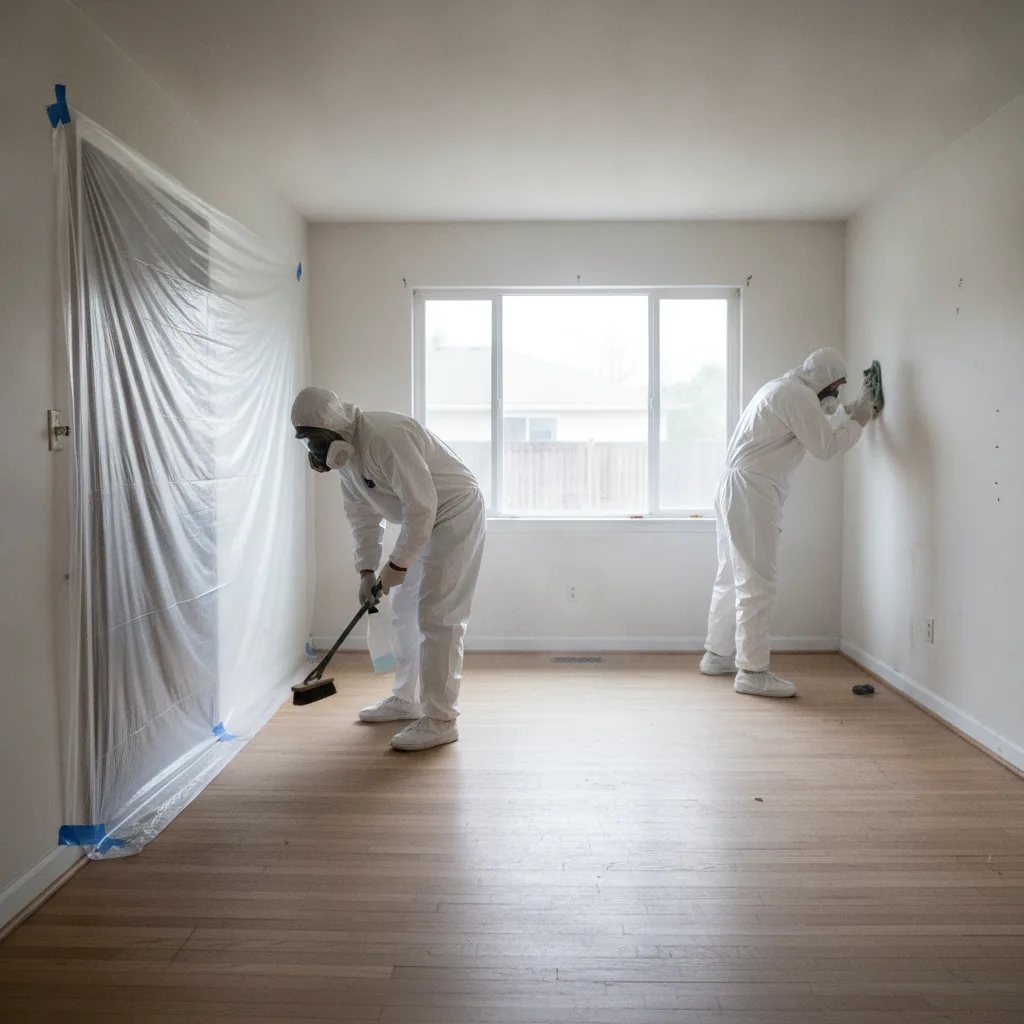
After police release the scene, we clean and restore homes, businesses, and vehicles, removing blood, tissue, fingerprint powder, and contaminated materials so the space is safe to use again.
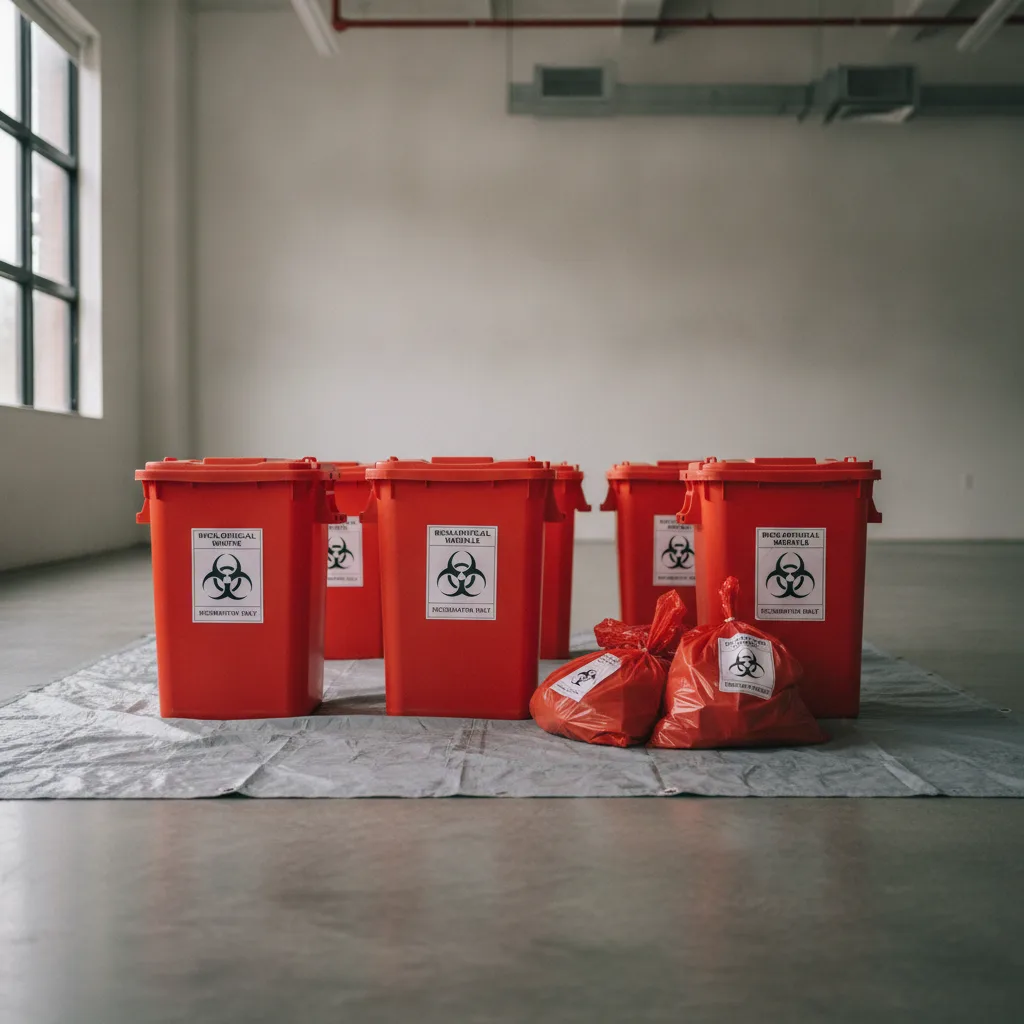
We safely clean up blood, bodily fluids, feces, and other potentially infectious material in homes, vehicles, and commercial spaces.
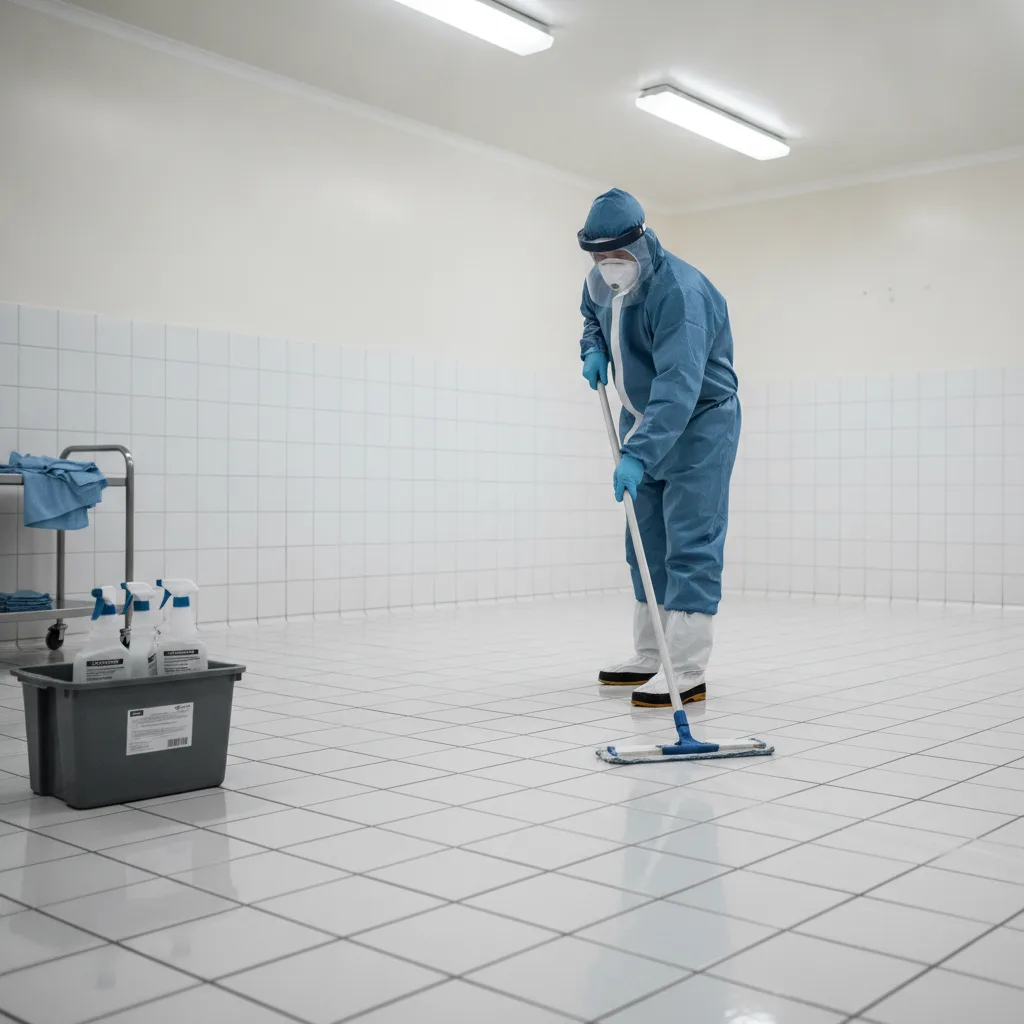
We clean and restore after suicides, accidents, and serious injuries, with careful attention to the family's privacy and emotional needs.
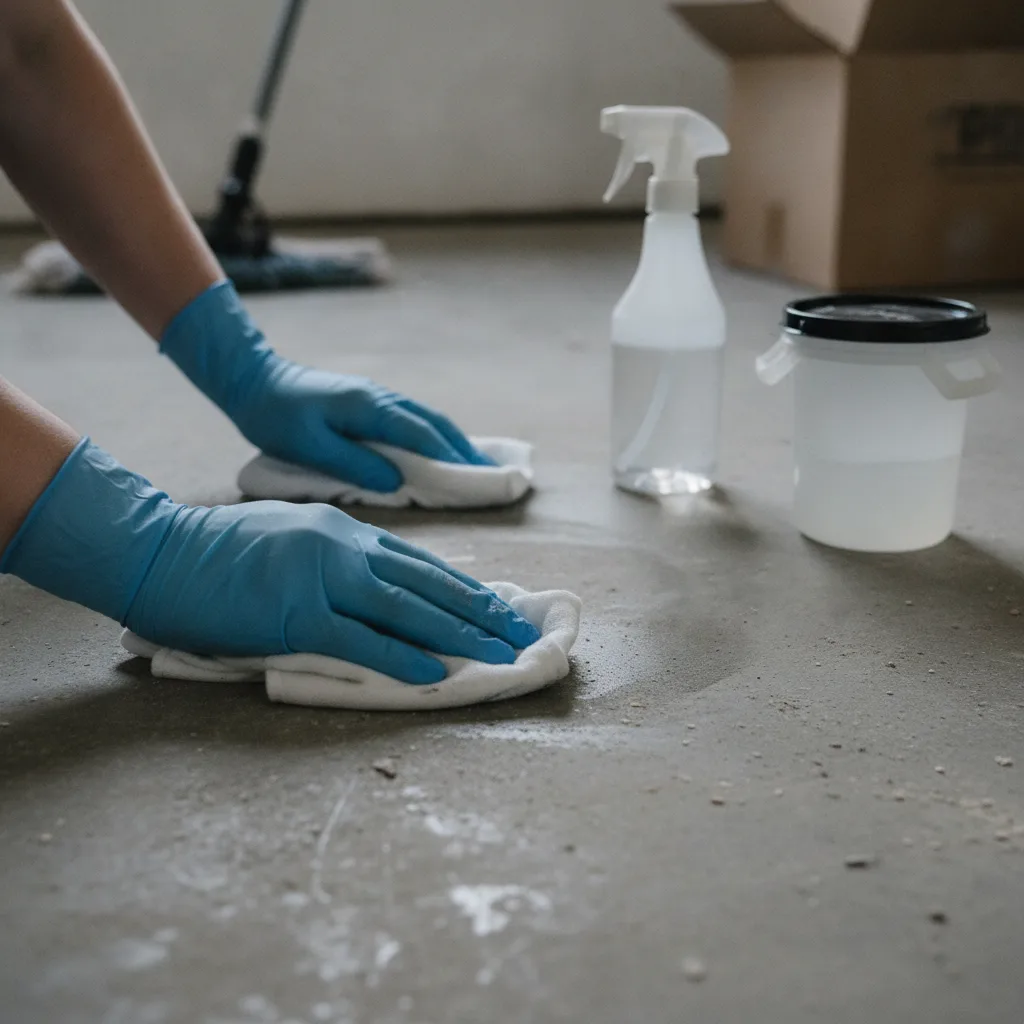
We take care of blood spills of any size, from a fall at home to an injury at a business or blood in a vehicle.
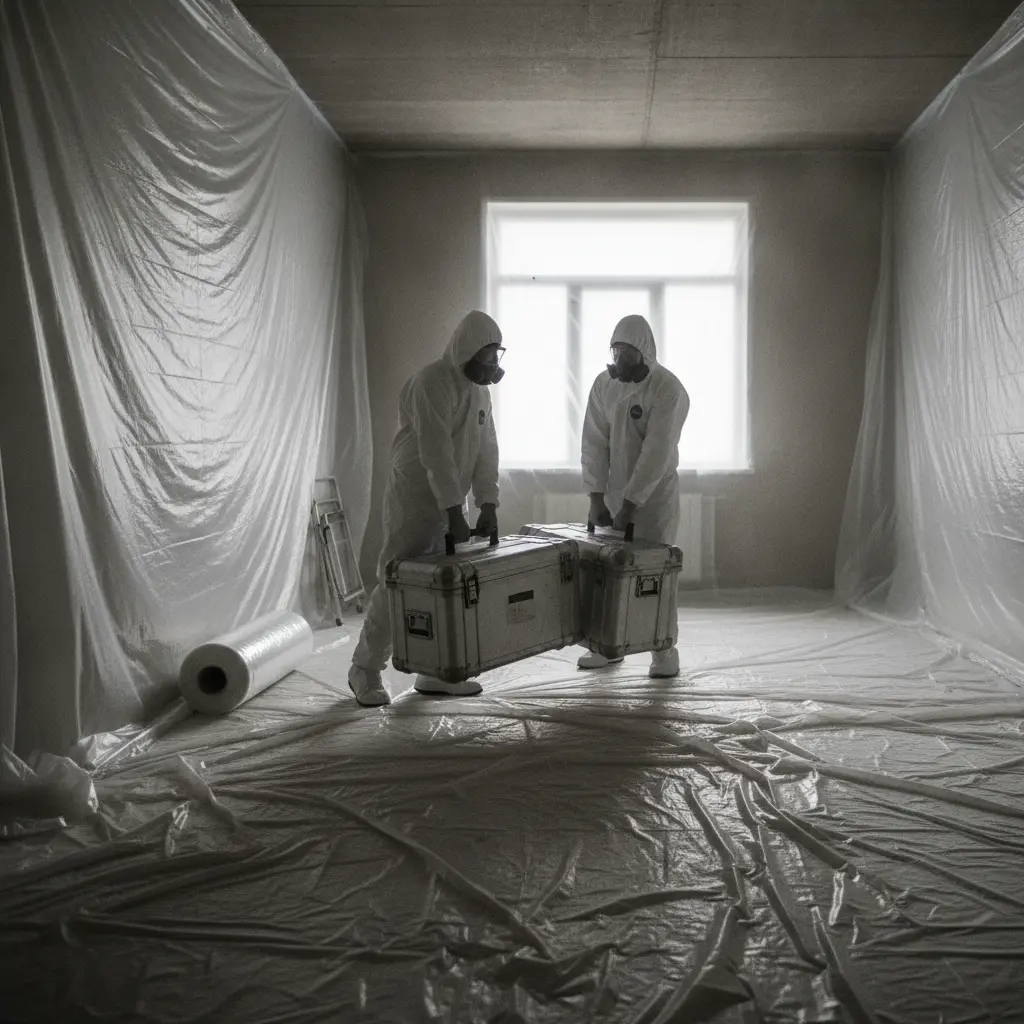
We restore homes and properties after a homicide, treating the family and the space with care and respect.
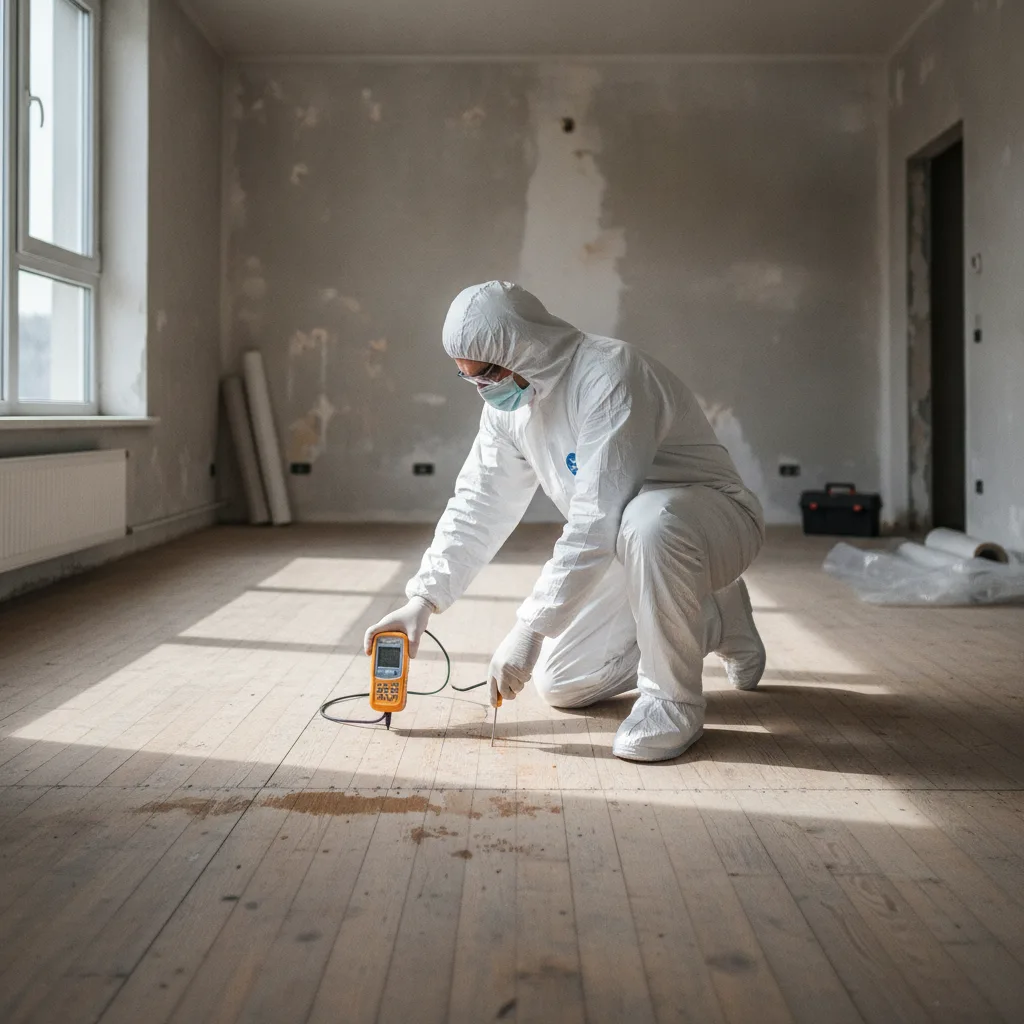
When a death goes undiscovered, we remove contaminated materials, treat the structure, and clear the odor so the home can be lived in, sold, or re-rented.
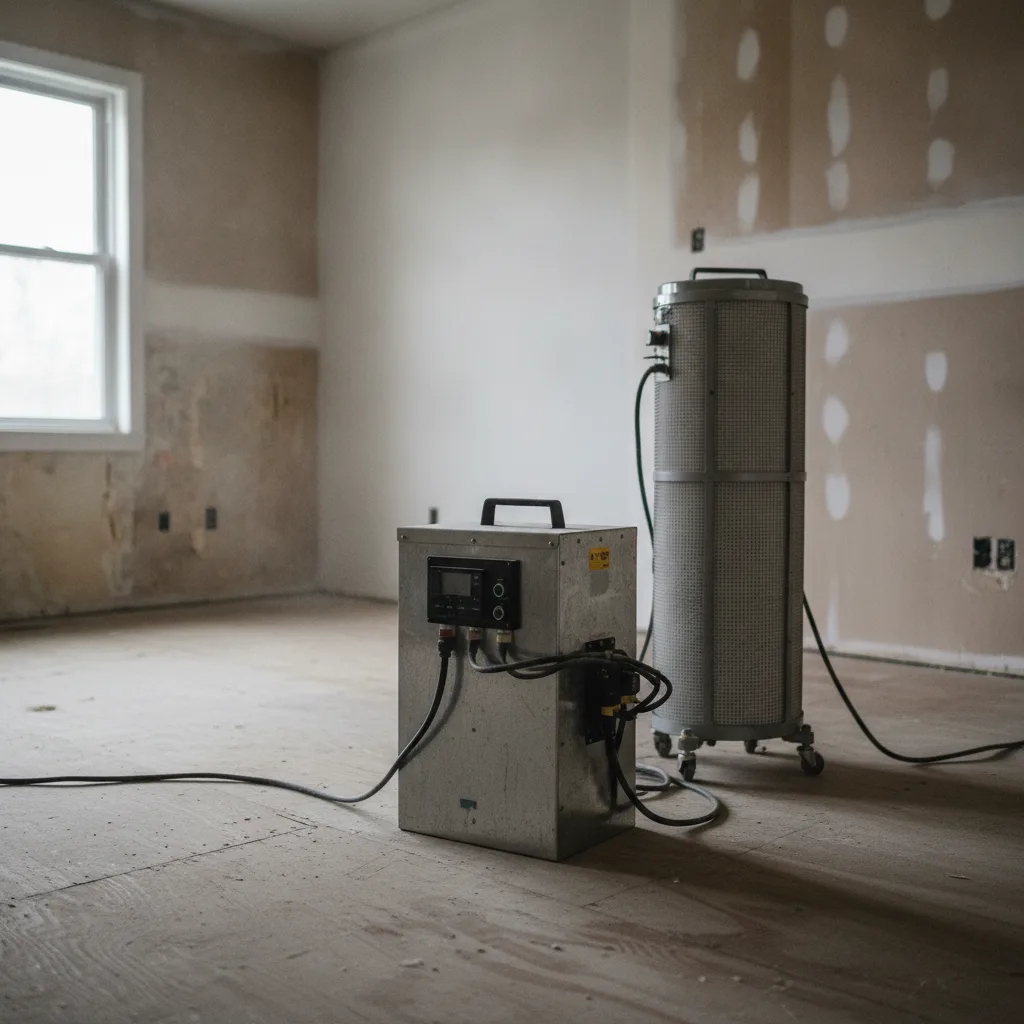
We take care of the structural damage and odor left by advanced decomposition, including fluid that has spread into floors, walls, and framing.
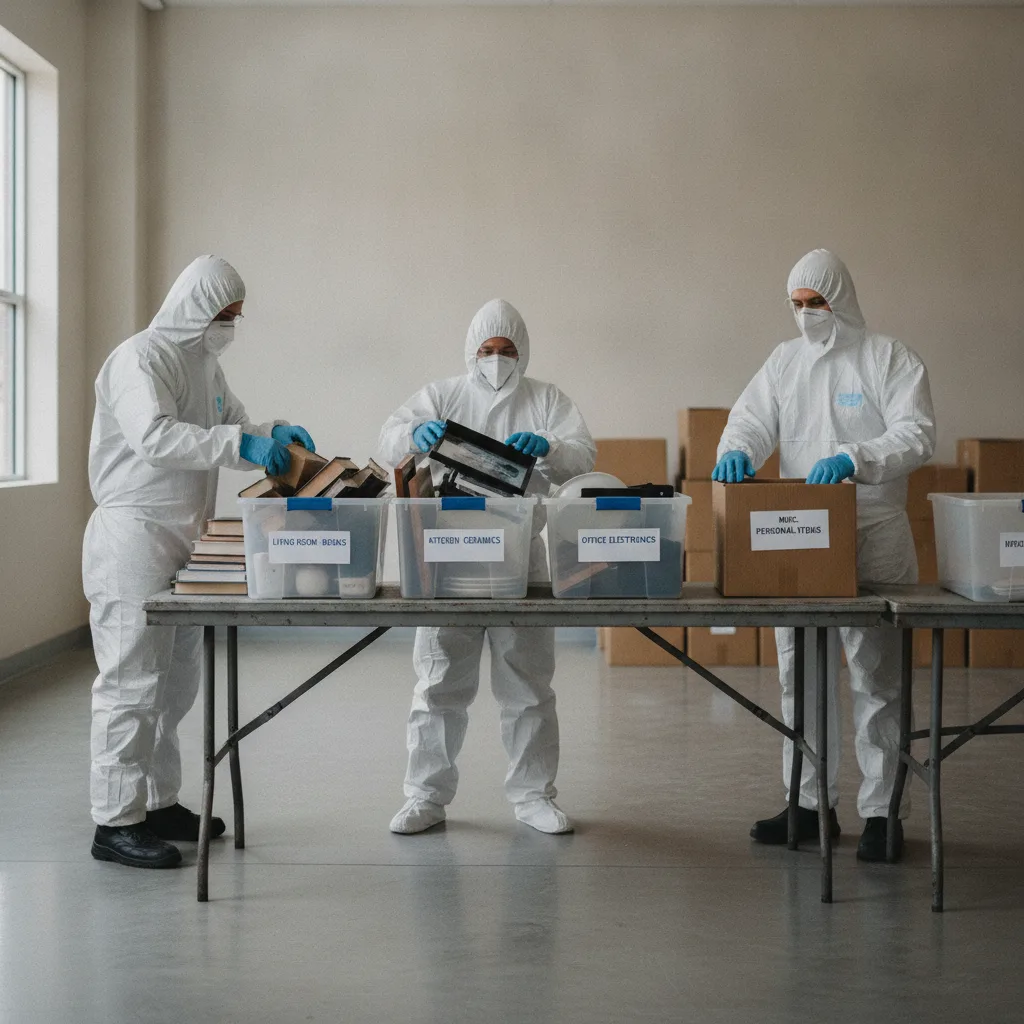
We clear and sanitize homes with heavy hoarding, setting aside valuables, photos, and documents for the family.
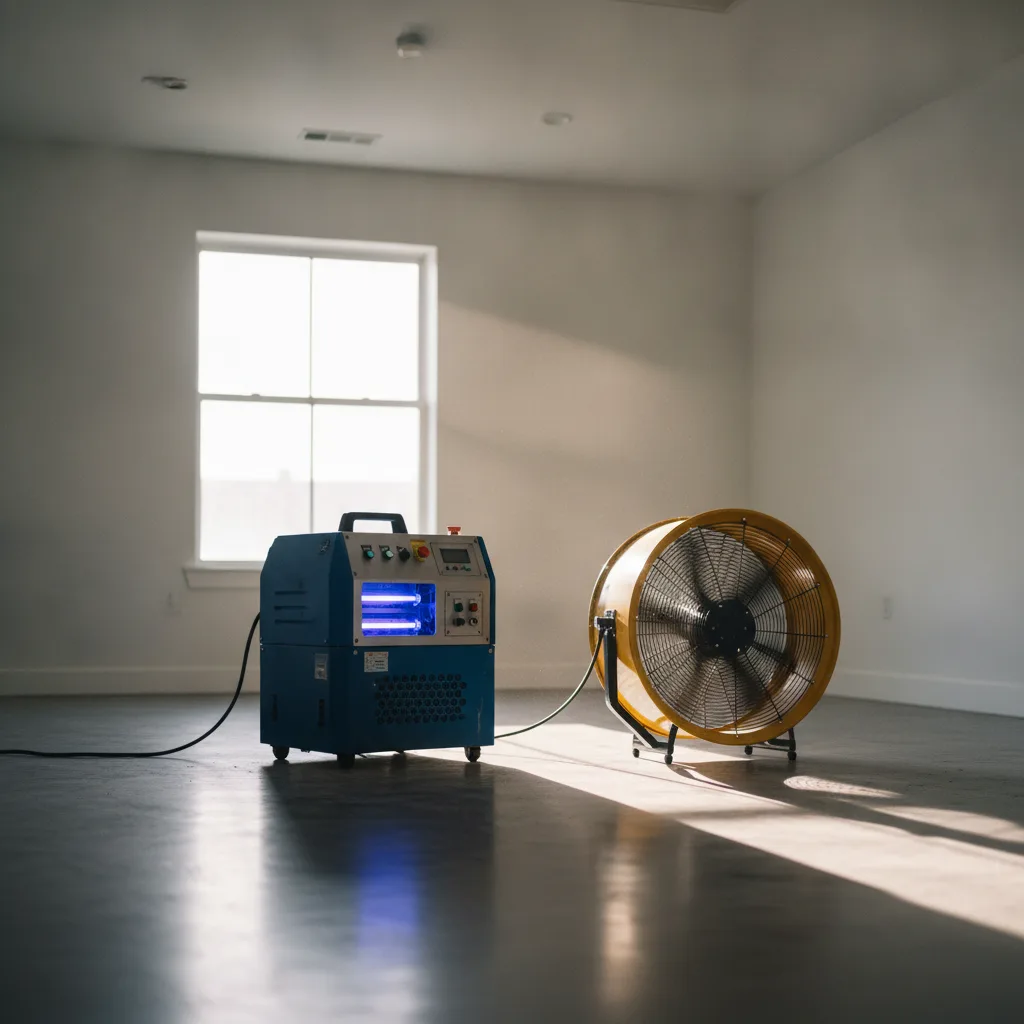
We eliminate the source of death, decomposition, smoke, sewage, and pet odors instead of just covering them up.
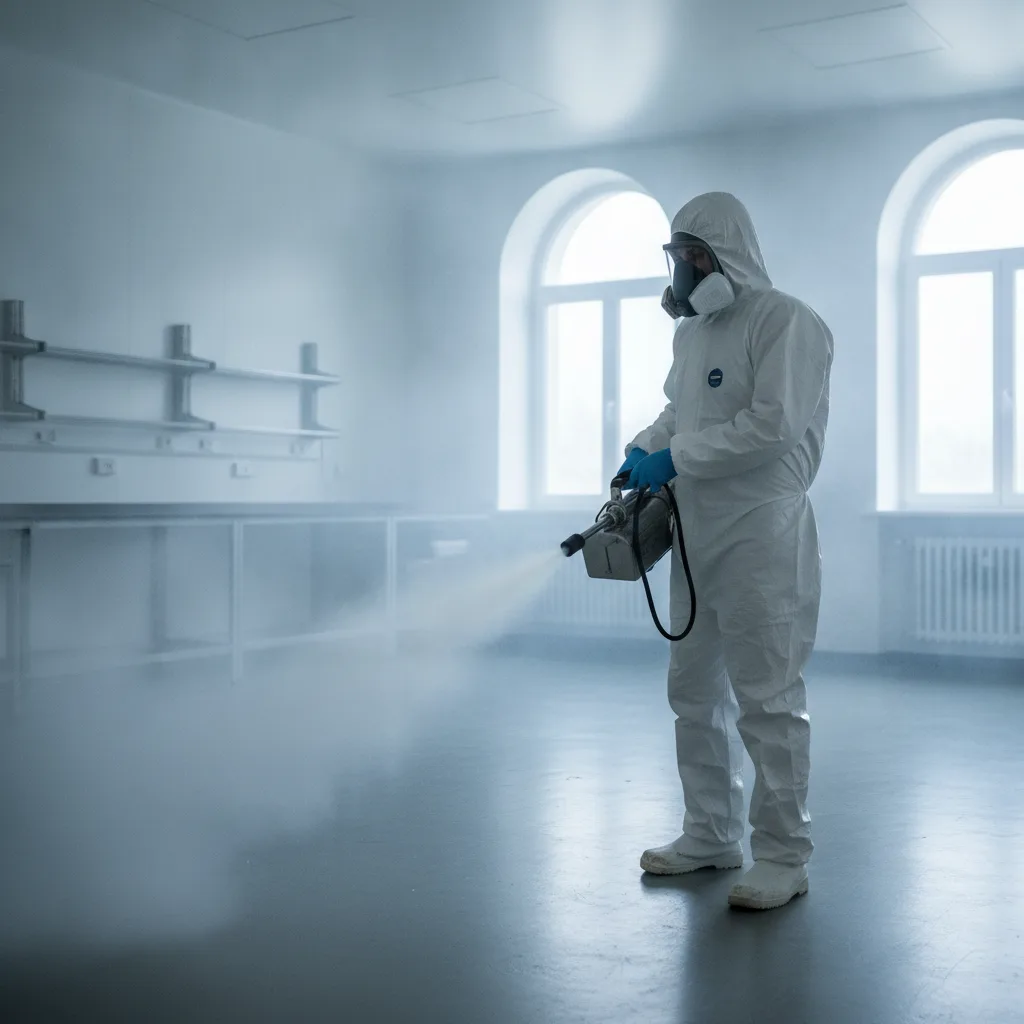
We decontaminate spaces affected by sewage, floodwater, drug residue, or infectious contamination, including follow-up mold remediation.
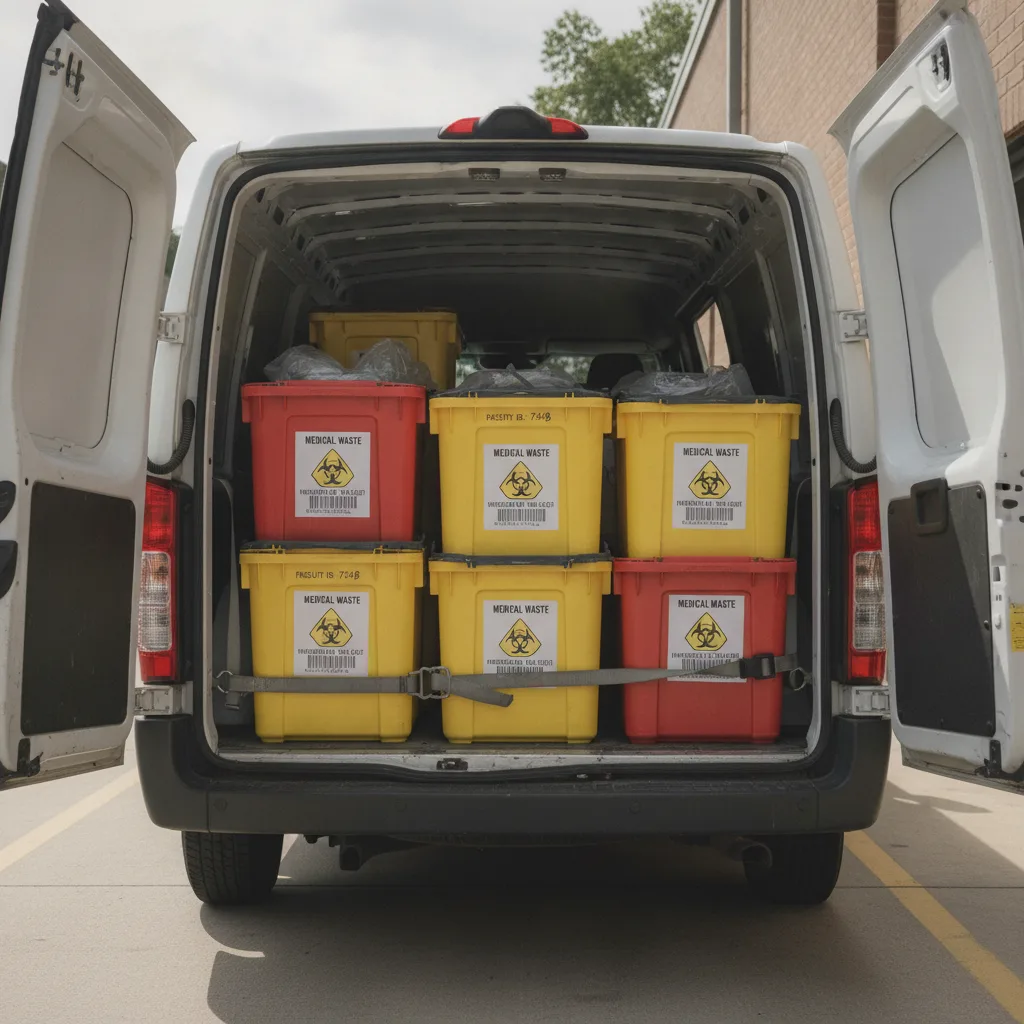
We collect, package, and dispose of sharps, needles, and other regulated medical waste.
Every scene is different, but local conditions shape most of what we see. Here are the situations Norfolk-area families, landlords, and businesses call us about most often, how to recognize them, and what the cleanup usually involves.
When someone dies and isn't found for days or weeks, the body breaks down and releases fluids, gases, and strong odor. These soak into flooring, subfloors, and walls and draw insects. Surface cleaning won't fix it. The contaminated materials have to be removed and the area disinfected.
Violent events can spread blood and tissue over large areas, including furniture, walls, ceilings, and vehicles. That material can carry bloodborne pathogens like hepatitis B, hepatitis C, and HIV. The scene needs trained technicians in protective equipment, not family members with household cleaners.
Old wood floors and plaster walls are highly porous. Blood or decomposition fluid can move through floorboard seams into the subfloor and joists, where you can't see it, and keep causing odor and bacterial growth long after the surface looks clean.
Sewage backups and storm floodwater are Category 3, or black water. They carry bacteria, viruses, and chemicals. Anything porous that touches them, including drywall, insulation, carpet, and crawlspace vapor barriers, usually has to be removed, and the area has to be disinfected.
Severe hoarding can hide rotting food, animal waste, pests, mold, and sometimes human waste or needles. Clearing the home safely takes protective equipment, careful sorting of what to keep, and respect for the person living there.
Discarded syringes, fentanyl or other drug residue, and odors left behind by smoking, pets, or past contamination can make a unit unsafe or impossible to rent. The scene may be small, but it still needs proper handling and disposal.
We know you may be hearing about this kind of work for the first time. Here's exactly what to expect, from your first call to the final walkthrough, with no surprises and no bills sent to you up front.
Immediately, 24/7
Usually the same day, depending on location and police release
Starts at assessment and continues through the job
Usually 1–3 days; larger decomposition or hoarding jobs take longer
Final day of service
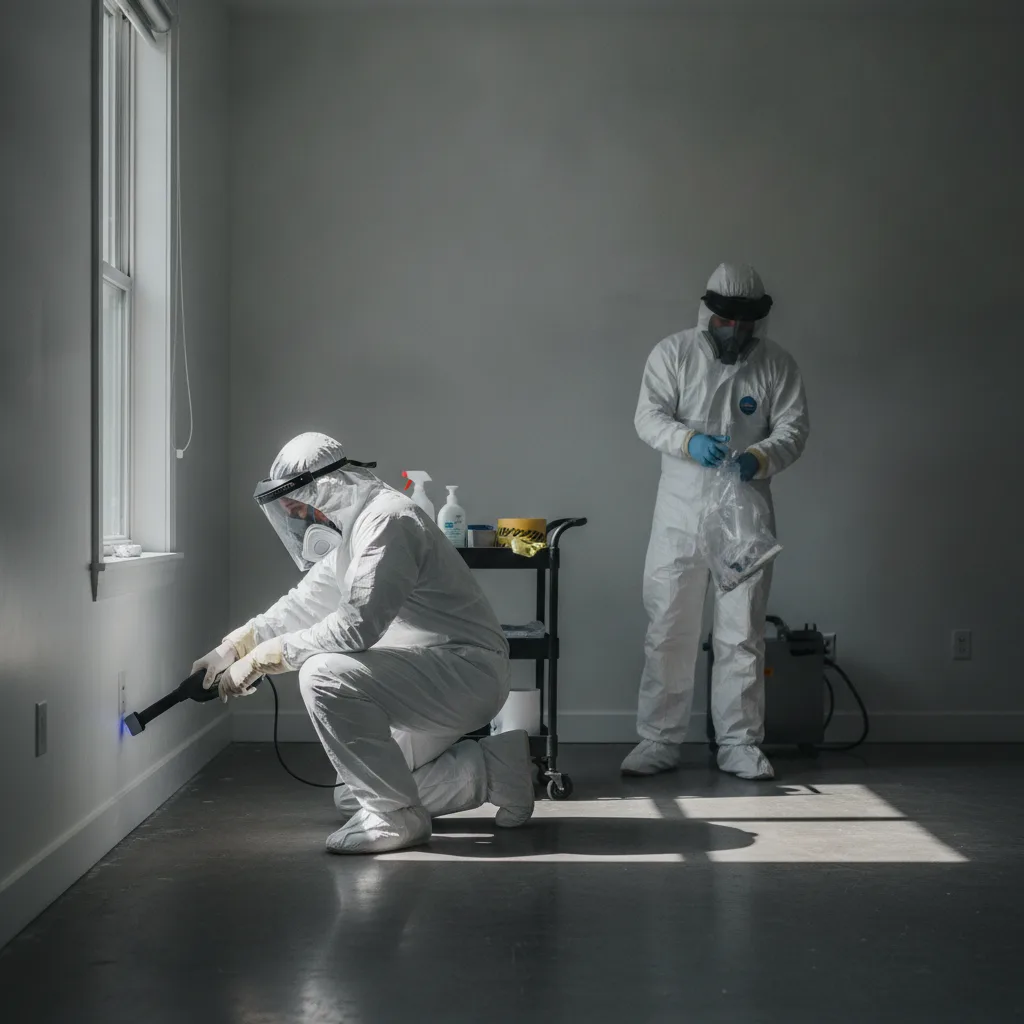
Payment is the last thing you should be thinking about right now. Most homeowner's policies cover biohazard cleanup after a death or crime, and we bill your insurer directly whenever we can. That means many families pay $0 out-of-pocket beyond any deductible. If the cleanup is the property owner's responsibility, we work with the landlord or property manager. If you were the victim of a crime, we'll help you apply to the Virginia Victims of Crime Fund. We'll explain your options clearly before any work starts.
You won't get a phone tree or a voicemail at 2 a.m. A real person answers every call, day or night, including weekends and holidays. That matters most in Norfolk's heat, where a delay of even a day can let fluids and odor spread deeper into a home. We'll listen, explain what happens next, and get a crew moving. If you're a relative calling from out of state, we can start the process entirely by phone.
Our vehicles are unmarked. Our crews work quietly and don't discuss your situation with neighbors. That matters in close-packed neighborhoods like Colonial Place and Park Place, in Olde Towne row houses, and in downtown condo buildings where boards expect quiet, low-profile service. We also keep odor and contaminated materials contained during removal, so the people around you never need to know what happened. Your family's privacy is part of the job.
A heart-pine floor in a 1910 Ghent Foursquare, a slab townhome in Greenbrier, and a garden apartment near the naval station all react differently to contamination. We know how humid crawlspaces spread fluid and mold, how tidal flooding brings black water into Ocean View and Fox Hill homes, and how shared HVAC moves odor between condo units. That local knowledge helps us find contamination other crews might miss, and it lets us remove only what really needs to go.
Our technicians follow OSHA's Bloodborne Pathogens Standard, which covers training, protective equipment, and exposure controls. We package and dispose of biohazard waste under Virginia DEQ's Regulated Medical Waste rules through authorized channels. We're fully insured. In older homes where asbestos or lead paint might be disturbed, we coordinate with properly licensed professionals instead of cutting corners. When we leave, you get documentation showing the work was done correctly.
Hampton Roads has one of the largest military populations in the country, along with a lot of rental housing. We understand what landlords, property managers, and privatized military housing operators need: fast turnover, clear scopes of work, and documentation that satisfies owners and insurers. We work within base access rules and housing contractor requirements, and we keep tenants and next-door neighbors in mind throughout the job.
We serve Norfolk, Portsmouth, Chesapeake, Hampton, and Carrollton in Isle of Wight County. We plan routes around tunnel and bridge traffic and give honest arrival estimates. Wherever you are in our service area, you get the same discreet crew, the same compassion, and the same help with insurance.
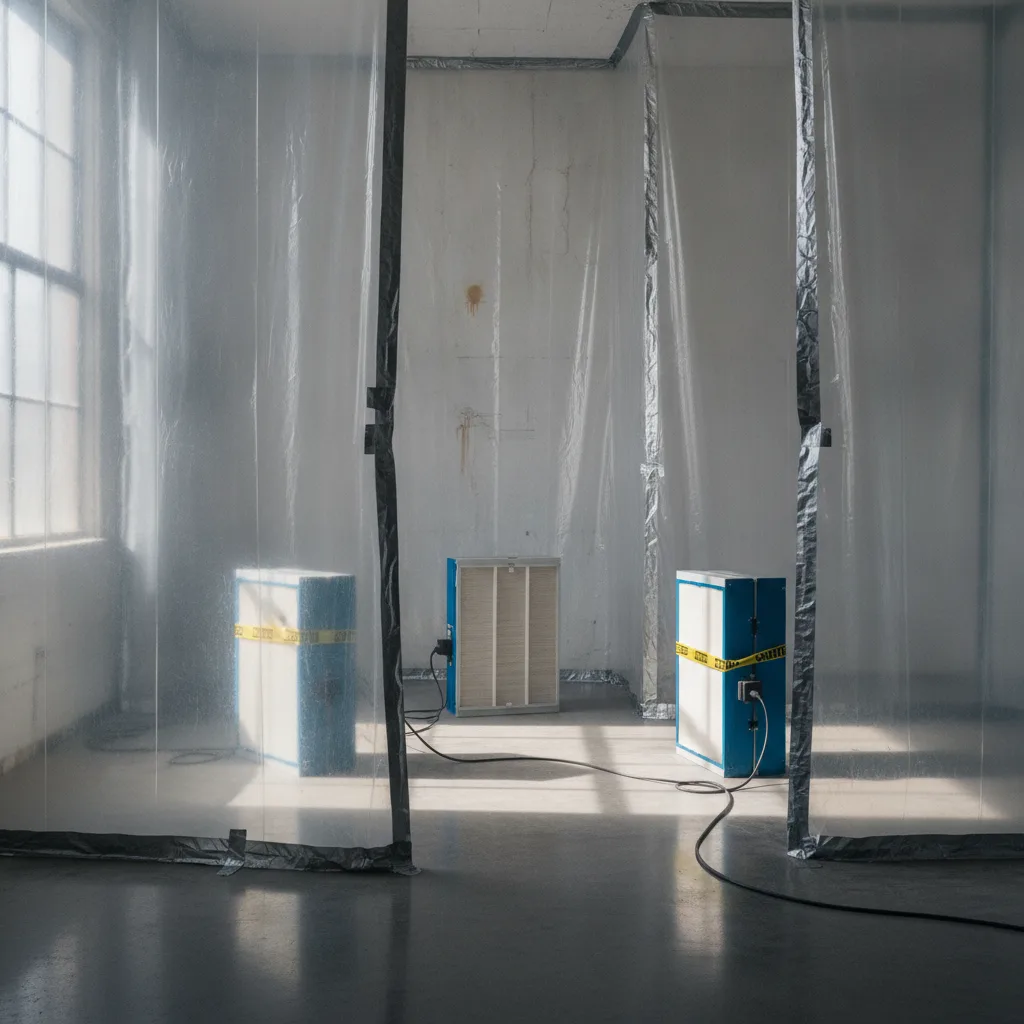
Most biohazard and crime scene cleanup in Hampton Roads is paid by homeowner's insurance, a landlord's policy, or the Virginia Victims of Crime Fund. We bill those sources directly, so many families pay nothing out-of-pocket beyond any deductible. Here's what affects the size of a claim.
Who pays matters more than any other factor. Many homeowner's policies cover biohazard cleanup after a death or crime, often with only the deductible owed. In rentals, the property owner's policy usually covers it. Victims of violent crime may qualify for the Virginia Victims of Crime Fund. We review your coverage at no cost, bill the payer directly, and tell you up front if anything falls outside coverage.
In Norfolk's heat and humidity, every day matters. An unattended death found within a day or two may need only surface treatment and carpet removal. After a week in summer, fluids often reach the subfloor, joists, and the unit below. More time means more material to remove, more treatment, and a larger claim, which is why we answer 24/7 and act quickly.
Porous heart-pine floors and plaster walls in Ghent or Colonial Place absorb more than sealed tile on a Chesapeake slab. Pre-1978 homes may need licensed asbestos or lead professionals before demolition. Shared walls and HVAC in apartments and condos can widen the scope. We document all of this carefully so your insurer can see why each step is needed.
A contained blood spill in one room is very different from a scene that spread through several rooms, a crawlspace, or ductwork. Flood-related Category 3 contamination can affect a whole lower level. We measure the area, take photos, and give the insurer a written scope so the claim reflects the real work involved.
Advanced decomposition, hoarding, and sewage jobs produce more regulated waste and need more deodorization, sometimes including HVAC cleaning. Biohazard waste has to be packaged, labeled, and moved by authorized transporters under Virginia DEQ rules. All of this is included in the documented claim, not billed to you separately.
If part of a job isn't covered, we'll tell you before any work begins. We never surprise families with a bill after the fact.
Usually not, beyond your deductible. Many homeowner's policies in Virginia cover biohazard cleanup after a death, suicide, or crime, and we bill the insurance company directly. If the death or incident happened in a rental, the landlord's policy is often responsible. Victims of violent crime may also qualify for the Virginia Victims of Crime Fund, which can cover cleanup costs, and we'll help you with that paperwork. We review your coverage before any work starts, at no charge. If any part of the job isn't covered, we tell you up front, so you won't get a surprise bill later.
A real person answers 24/7, and we can often arrive the same day once police have released the scene. Across the region, we'll give you an honest arrival estimate that accounts for tunnel and bridge traffic to Hampton or Carrollton. Most cleanups take one to three days. Unattended deaths found after several days in warm weather, Category 3 flooding, and heavy hoarding can take longer because more material has to be removed and treated. We'll give you a timeline after our assessment and keep you updated, including by phone or text if you're out of town.
Yes, you need police release, but cleaning itself usually doesn't require a permit. We can't start until Norfolk, Portsmouth, Chesapeake, or Hampton police, or the Isle of Wight Sheriff, release the scene. Cleaning and removing contaminated materials typically doesn't need a building permit. If subfloors, drywall, or framing have to be rebuilt afterward, that may need a city permit and a licensed contractor. Interior work in historic districts like Ghent or Olde Towne rarely needs Architectural Review Board approval. Biohazard waste disposal follows Virginia DEQ rules, and we take care of that.
Blood and bodily fluids can carry hepatitis B, hepatitis C, HIV, and other pathogens. In Norfolk's humidity, fluids quickly soak through flooring into the subfloor and framing, where household cleaners can't reach. Virginia also has rules for how biohazard waste is packaged and disposed of. DIY cleanup often leaves hidden contamination that causes odor to come back, and some insurers won't pay if the work isn't done professionally. There's also the emotional toll. No one should have to clean up after the death of someone they love. Let us take that burden.
Call right away, as soon as police release the scene. Here, waiting makes things worse. With summer dewpoints in the 70s and insects active from about March through November, fluids and odor can spread into subfloors, walls, and neighboring units within days. Earlier cleanup usually means less material has to be removed, less disruption, and an easier insurance claim. You don't have to make every decision right away. Calling just starts the process, and we can handle much of it while you focus on arrangements and family.
We arrive in unmarked vehicles, and our crews don't wear anything that announces the type of work we do. We keep contaminated materials contained and odor under control during removal, and we don't discuss your situation with anyone you haven't authorized. For downtown Norfolk condos and HOA communities in Chesapeake and Carrollton, we coordinate quiet scheduling with management when needed. In tight neighborhoods like Colonial Place or Olde Towne, most neighbors never know what happened.
Yes. Much of our work in Hampton Roads involves rentals, and we know what owners need: a fast turnaround, a clear written scope, photos, and documentation for insurers and tenants. In apartments, we check shared walls, floors, and HVAC to make sure contamination and odor haven't spread to neighboring units. Cleanup on military installations goes through the base and its privatized housing contractor, under separate access rules. We'll coordinate with them as required. Off-base rentals that military families live in can be handled directly with the landlord.
We remove the source, not just what you can see. That means tracing fluid into subfloors, joists, and crawlspaces, removing what can't be saved, and treating and sealing the framing that stays. We use professional deodorization and clean the HVAC when odor has gotten into the ductwork. Because Norfolk's damp crawlspaces and high humidity can encourage mold after contamination, we dry affected areas and treat for mold as part of decontamination. Before we leave, we do a final walkthrough with you or your representative to confirm the space is clean and the odor is gone.
We come to you anywhere in Norfolk and the surrounding area, in unmarked vehicles, any hour of the day.
You don't have to handle this alone or pay up front. One call starts a discreet, insurance-covered cleanup, and a real person is ready to help right now.
Call (757) 514-5573 Now