Discreet, certified crime scene and biohazard cleanup in Richmond — unmarked vehicles, compassionate technicians, and in most cases $0 out of pocket since we bill your insurance directly.
Richmond's climate, its housing (some of the oldest on the East Coast), and Virginia's compliance rules all make this work harder than it looks. A cleanup that might take one day in a newer suburban home can take several here. These are the reasons.
In July, highs average around 89–90°F, and most summers bring days of 95°F or hotter. Dew points often sit in the upper 60s to low 70s. In a closed rowhouse or ranch home without air conditioning, decomposition moves fast. Within a few days, fluids can soak through carpet and pad into the subfloor, and odor gets into plaster, drywall, and framing. Summer is also peak fly season, which adds to the job. Richmond gets about 43–44 inches of rain a year, and the air stays humid, so mold can start within 24–48 hours wherever fluids or cleaning moisture are left behind. That risk is highest in basements and crawlspaces near the James and in low areas like Shockoe Bottom. Winters are mild, but homes stay sealed with forced-air heat, so the HVAC system can carry odor through every room.
Church Hill and Union Hill have houses from the late 1700s and 1800s. The Fan, Museum District, and Oregon Hill are lined with brick rowhouses from the late 1800s and early 1900s. Jackson Ward's Italianate rowhouses still have their cast-iron porches. In these homes, plaster-and-lath walls absorb fluids, gaps between heart pine boards channel them downward, balloon framing lets odor travel between floors, and shared party walls let it reach the neighbors. In Manchester, converted tobacco warehouses can share ventilation between units. In eastern Henrico, bungalows and brick ranches from the 1920s to 1960s often sit on crawlspaces, so fluids can drip from the floor above onto joists and damp clay soil. Any home built before 1978 may have lead paint, which calls for lead-safe removal.
Virginia doesn't issue a license specifically for trauma cleanup, so compliance is what tells a good company from a bad one. Workers fall under the OSHA Bloodborne Pathogens Standard (29 CFR 1910.1030), which the state enforces through VOSH. Waste falls under Virginia DEQ's Regulated Medical Waste rules (9VAC20-121), which cover packaging, labeling, and transport to permitted treatment facilities. Cleanup usually starts after police and the medical examiner's Central District office in Richmond release the scene. Replacing joists, subfloors, or HVAC requires a permit from Richmond's Planning and Development Review or from Henrico Building Construction & Inspections. In historic districts like Jackson Ward or St. John's Church, exterior repairs may also need a Certificate of Appropriateness from the Commission of Architectural Review (CAR).
About 230,000 people live in the city of Richmond, and the metro area is close to 1.3 million. Gun violence spiked in 2020–2022, and the region has some of Virginia's highest fentanyl overdose death rates, so trauma, blood, and unattended-death scenes come up regularly. Many longtime homeowners in Highland Springs, East Highland Park, and Sandston are older and live alone. Out-of-town heirs, VCU-area landlords, and property managers need fast, documented turnovers. Almost everyone who calls cares more about compassion, discretion, and insurance billing than about price.
Each service below follows the same standards: OSHA bloodborne pathogen practices, Virginia-compliant disposal, discreet unmarked vehicles, and direct insurance billing wherever coverage applies. We adjust each job to fit Richmond's buildings, from Fan rowhouses with plaster walls to brick ranches in Sandston built over crawlspaces.
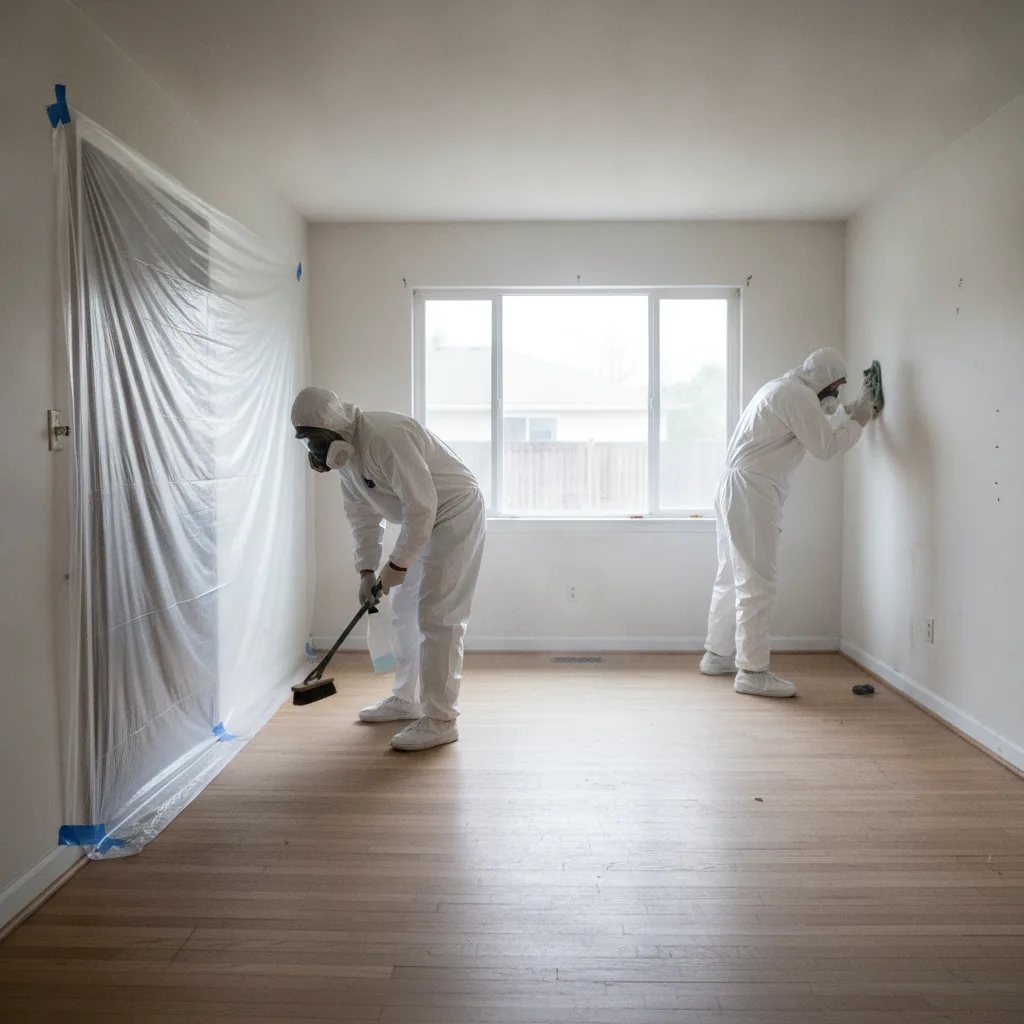
After police release the scene, we restore it to a safe, clean condition. That includes removing blood, tissue, and investigation residue such as fingerprint powder and tear gas.
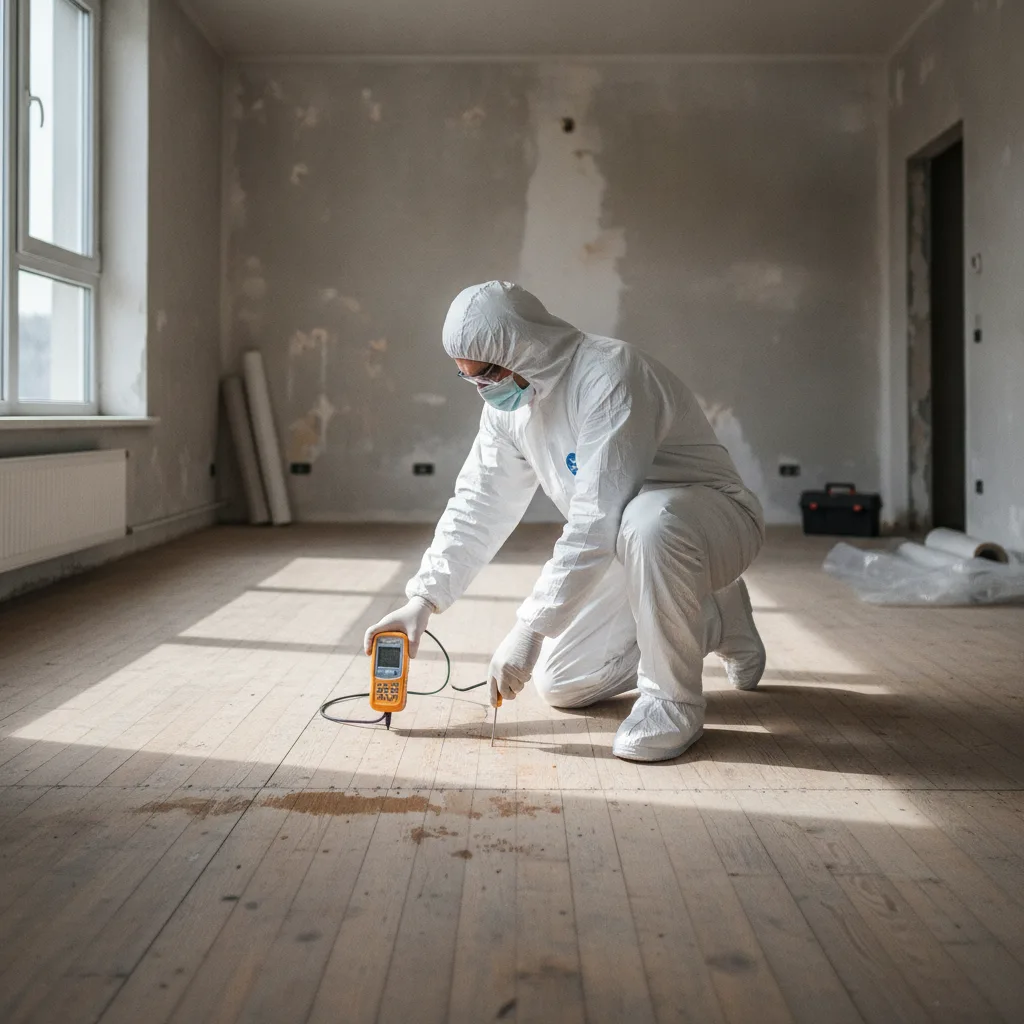
When someone passes alone and isn't found right away, we clean up and restore the home. We protect personal belongings and treat the family with care at every step.
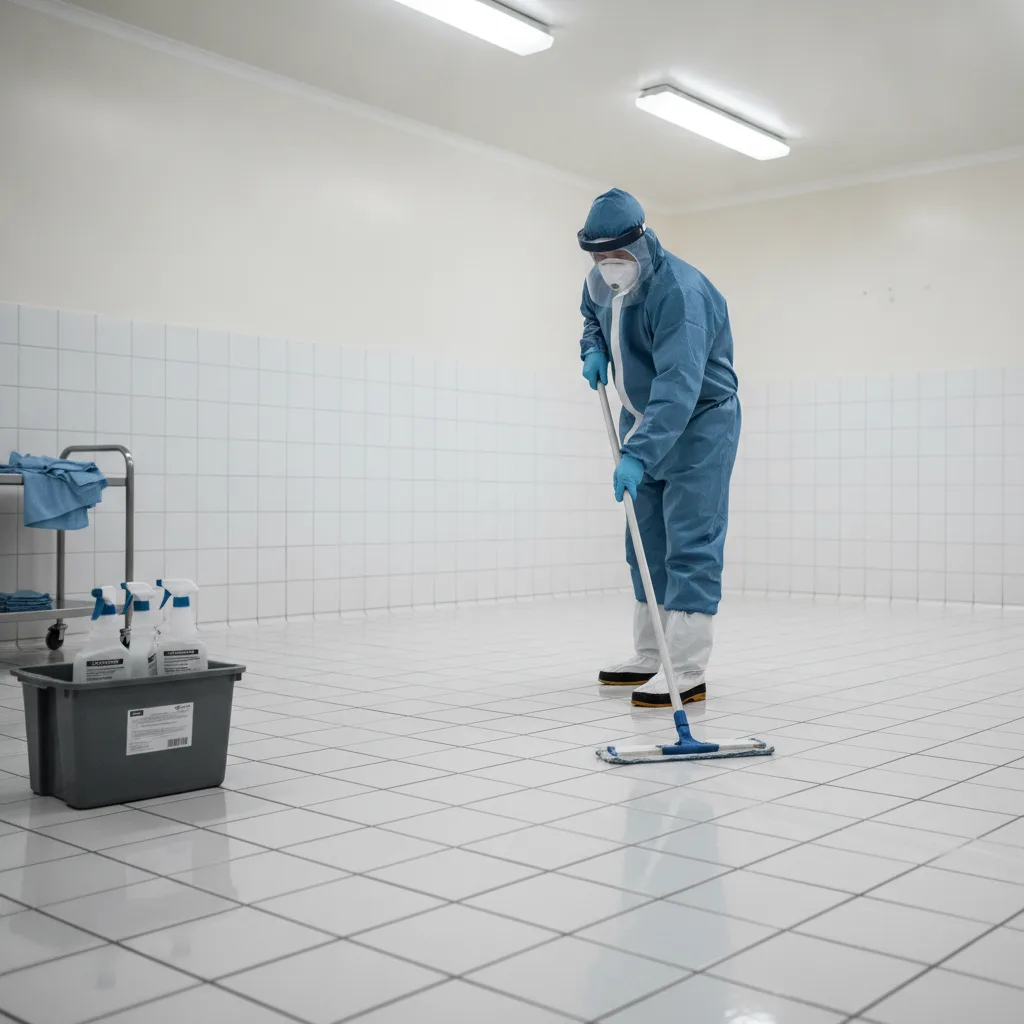
We clean up after suicides, serious accidents, and other traumatic events. We work with compassion and take care with belongings the family may want to keep.
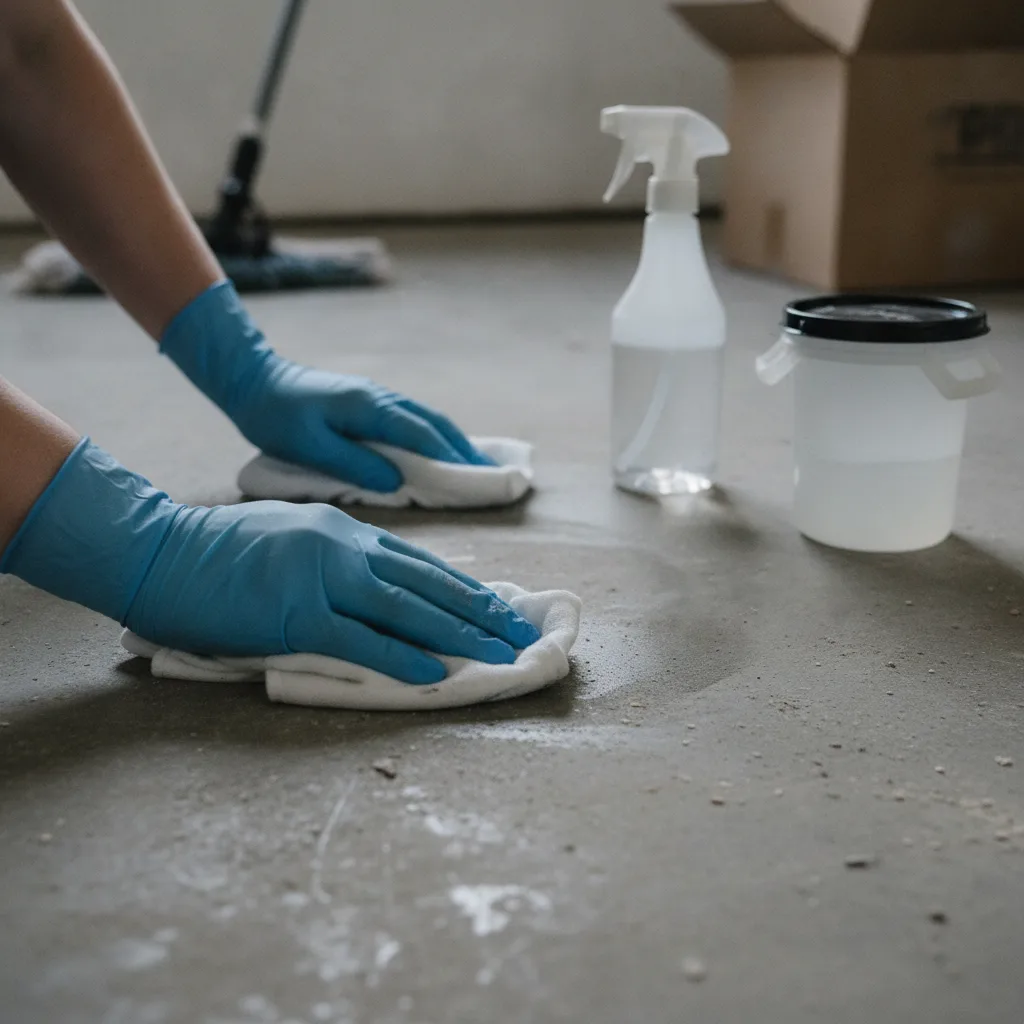
We clean up blood from injuries, falls, medical events, and violent incidents, whether it's a few spots or a whole room.
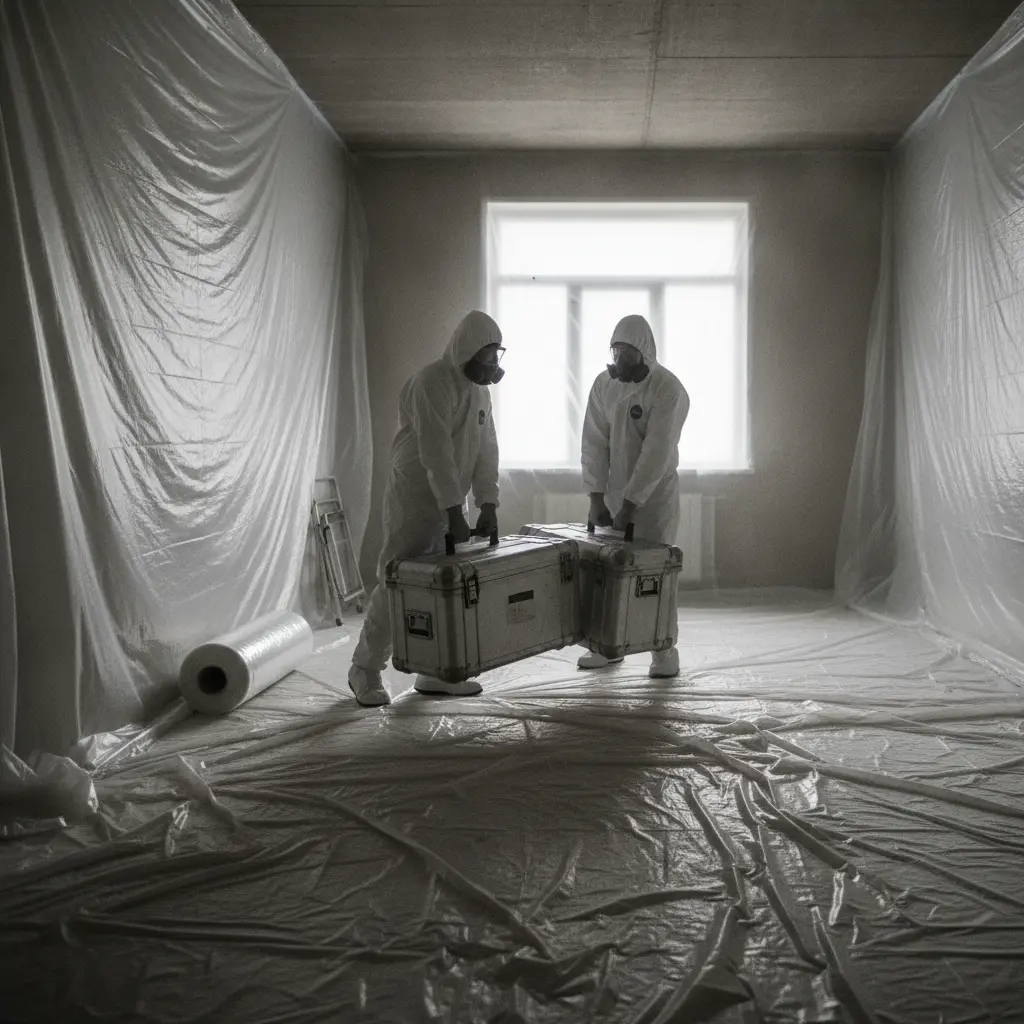
We handle complete homicide scene remediation with discretion, from first contact to final verification, and we coordinate with families, landlords, and insurers.
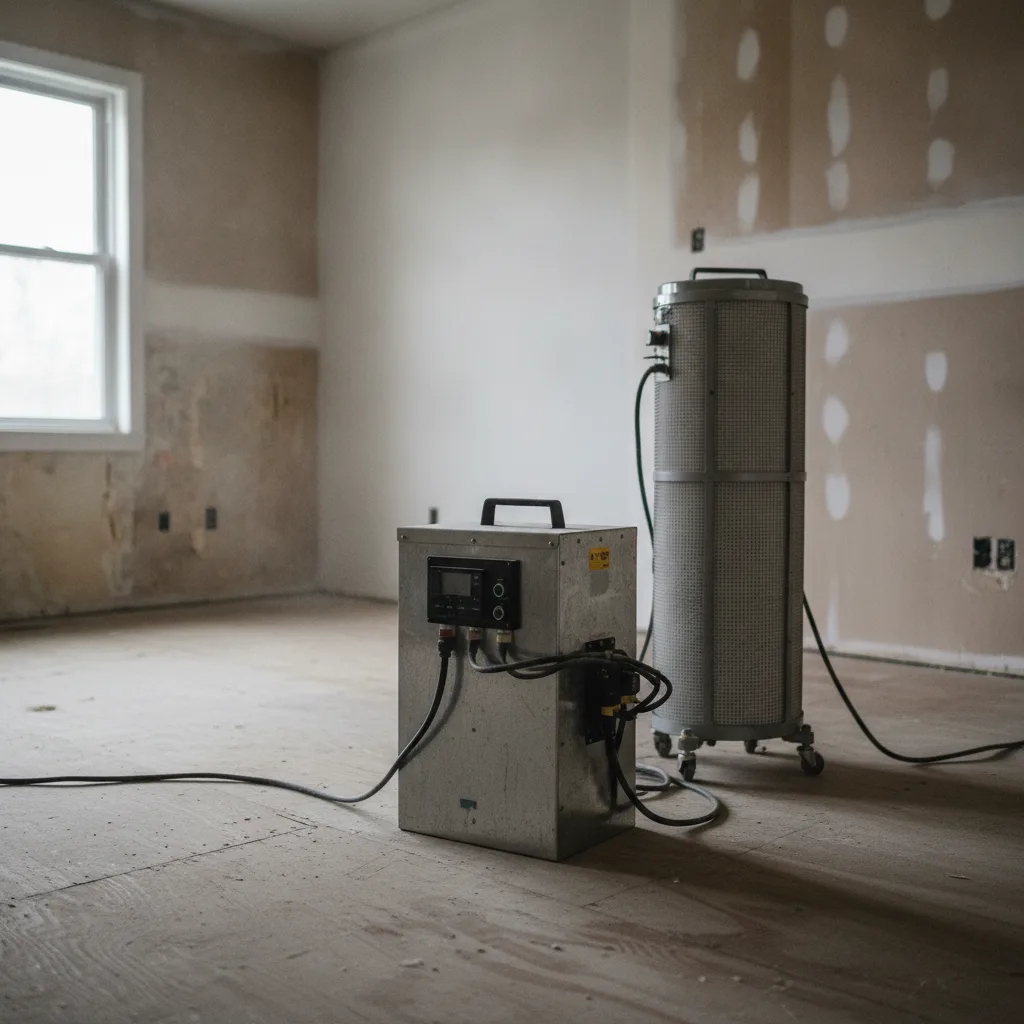
We remove all traces of decomposition, including fluids, tissue, insects, and the deep odor that follows, from both structure and contents.
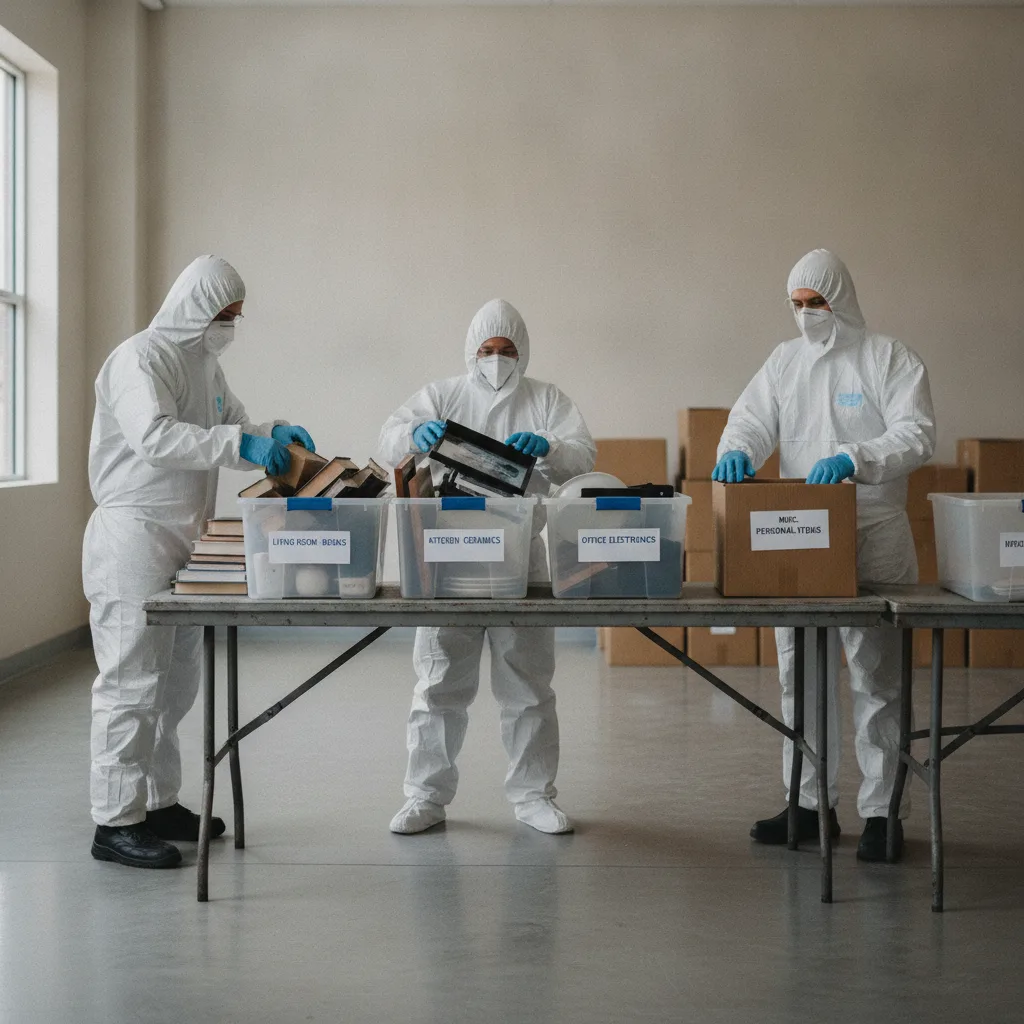
We clean out hoarded and squalid homes respectfully and without judgment. We save valuables and keepsakes and get the home back to a safe, livable condition.
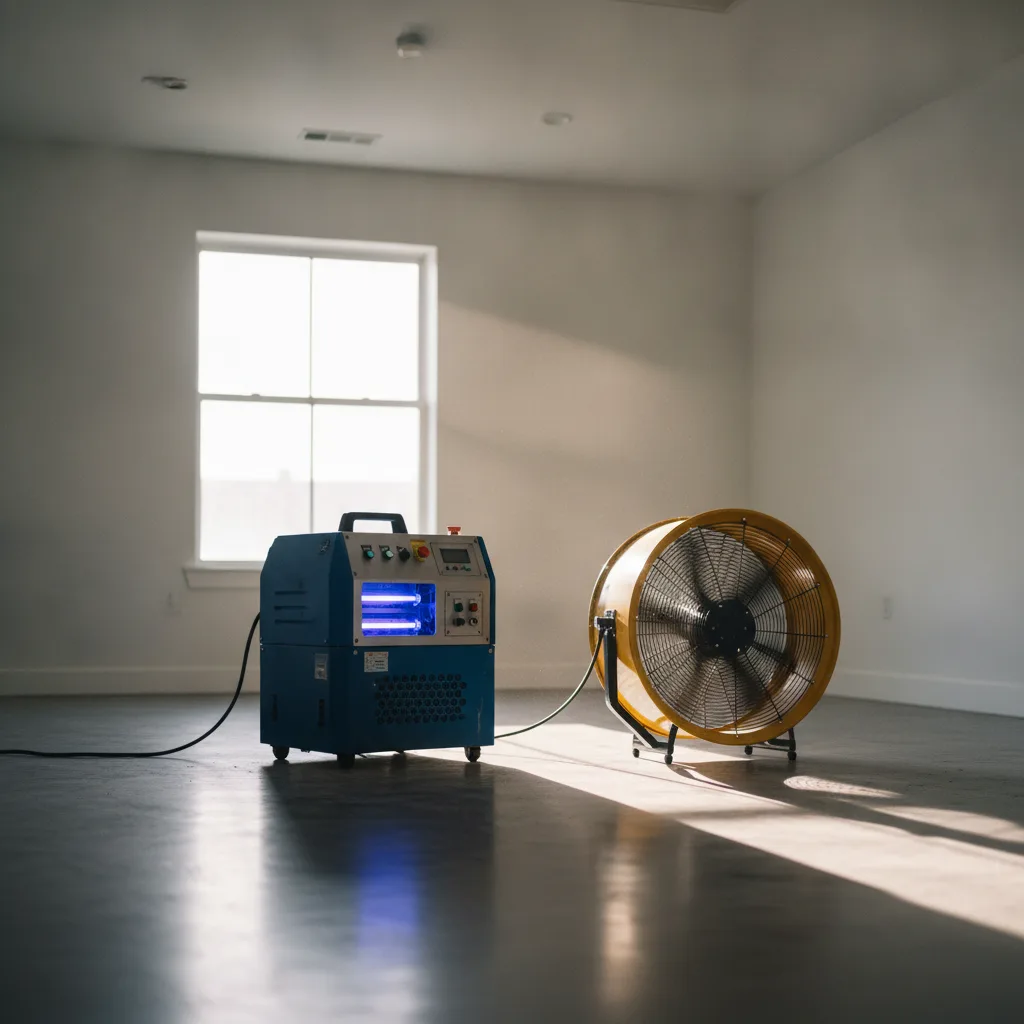
We get rid of odors from decomposition, smoke, urine, and biohazards by removing the source, not covering it up.
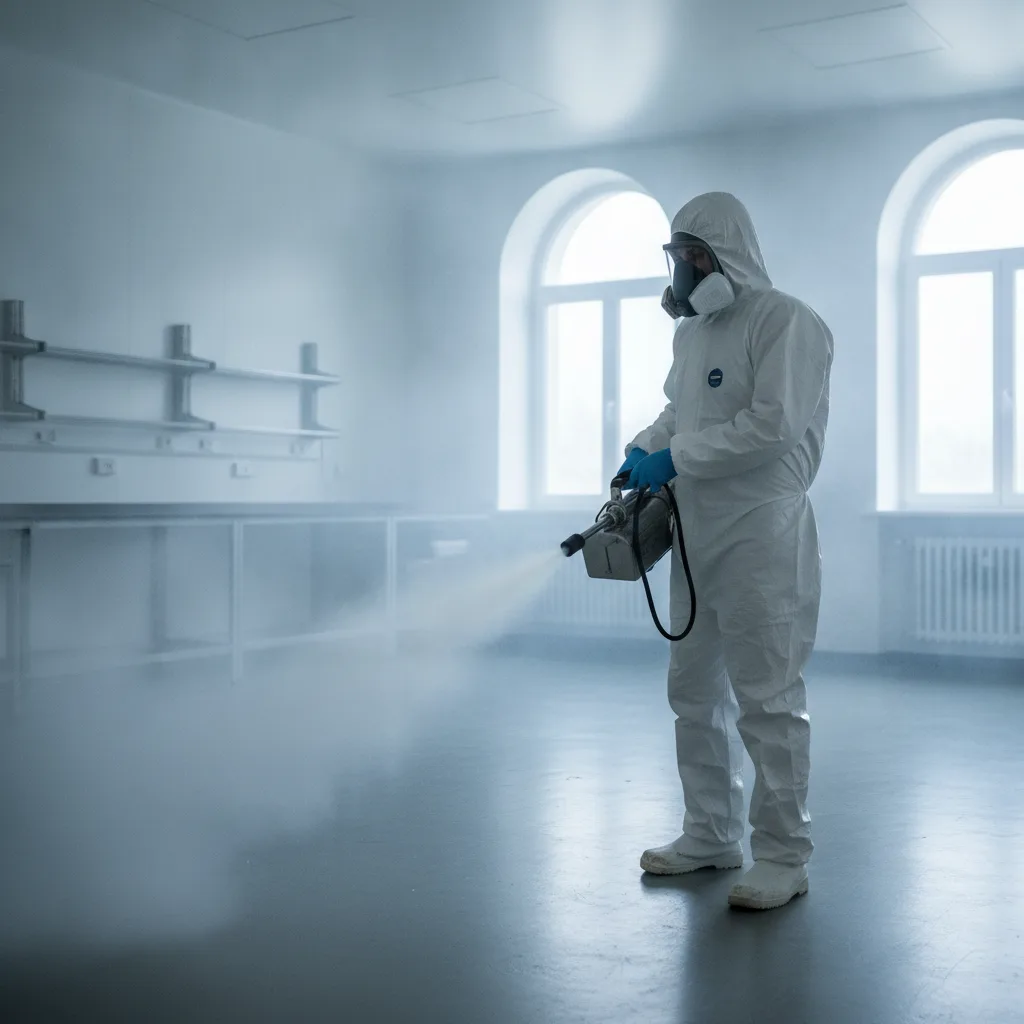
We disinfect spaces and vehicles exposed to biohazards, contaminated floodwater or sewage, mold, or chemical residue like tear gas.
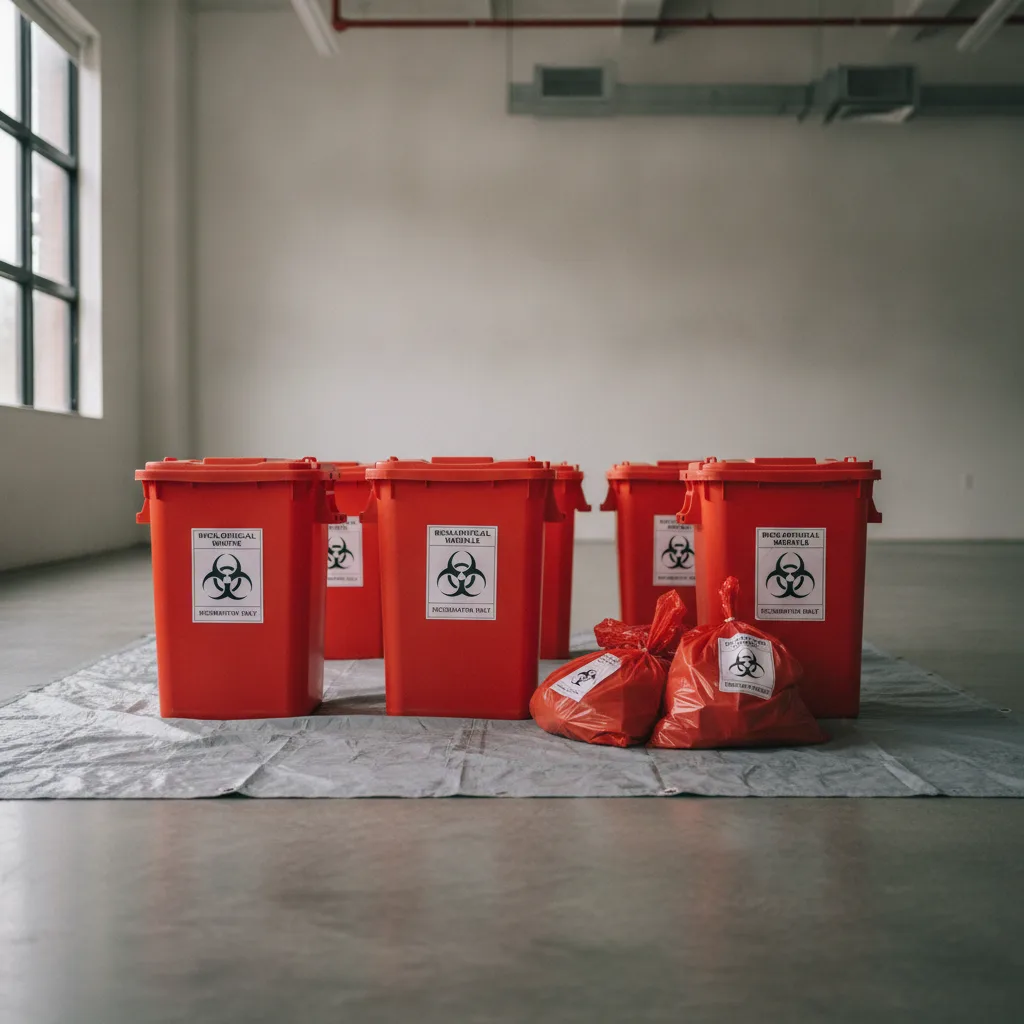
We clean up any situation involving blood, bodily fluids, animal waste, or other infectious material in homes, businesses, and vehicles.
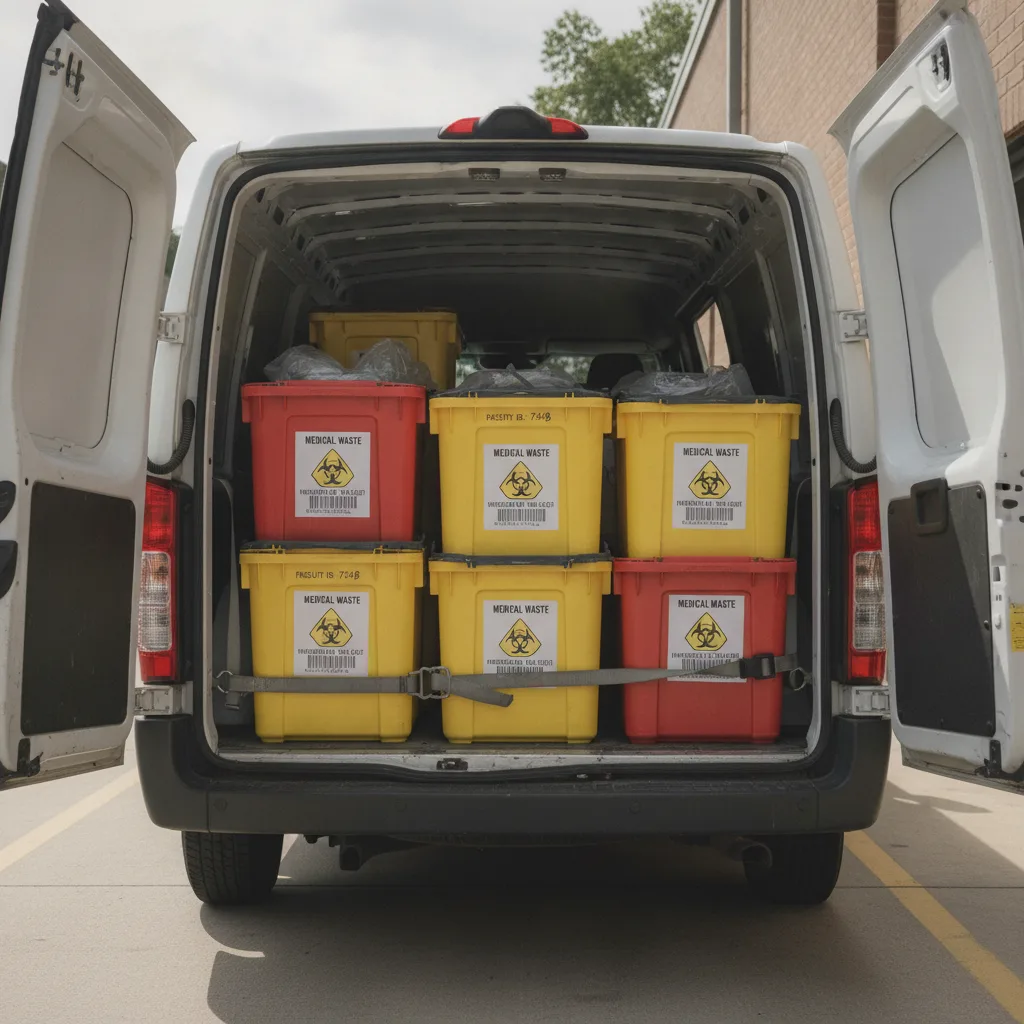
We package, label, and transport biohazard and sharps waste from scenes for proper treatment, so nothing ends up in household trash.
No two scenes are the same. Some are emergencies that get worse by the hour, and others are slow-building problems that end with a code-enforcement notice. Below are the situations we see most often in Richmond and eastern Henrico, why they happen here, and the signs to watch for.
This is when someone passes away alone and isn't found for days or weeks. As the body breaks down, it releases fluids, gases, and bacteria that soak into flooring, subfloor, walls, and sometimes the framing and crawlspace below. The odor is persistent, and it doesn't fade without professional treatment.
This is a scene left after a shooting, stabbing, assault, or homicide. Blood and tissue can spread across floors, walls, ceilings, furniture, and fixtures, often well beyond what's visible. Police may also leave fingerprint powder and other investigation residue.
These scenes involve drug use or a fatal overdose. Used syringes, needles, and residue can carry bloodborne pathogens. They're often combined with bodily fluids and sometimes with decomposition if the person wasn't found right away.
Decomposition or biohazard odor can move beyond the room where it started. It travels through party walls, balloon-frame cavities, and forced-air ductwork, and it can settle into the house next door or neighboring units.
Hoarding means heavy accumulation of belongings, trash, food waste, or animal waste that makes a home unsafe. It often hides mold, pests, human or animal waste, and structural damage underneath.
Mold grows when moisture from bodily fluids, flood water, sewage backups, or even cleaning is left in materials. It can damage the structure and cause health problems on its own.
These are smaller incidents like a fall, a self-injury, a nosebleed that wouldn't stop, or a medical event at home. The area is limited, but bloodborne pathogen risks still apply.
You're dealing with enough already. Here's how a typical job works, from your first call to handing the property back. At every step we try to take decisions and paperwork off your plate.
Immediately, any hour
Usually the same day, or as soon as the scene is released
Starts on day one
A few hours to several days, depending on the scene
Final day of the project
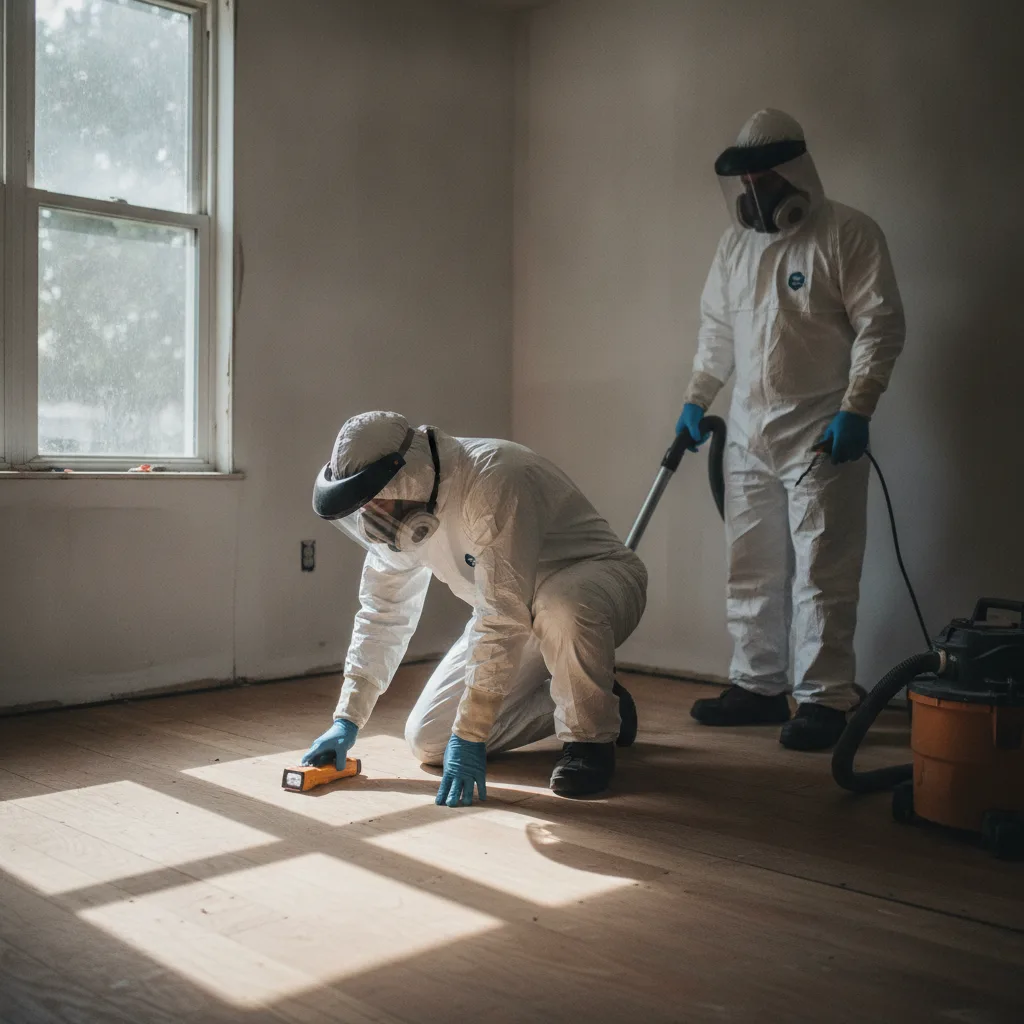
Homeowners insurance often covers cleanup after a death or crime. For many families we serve, that means $0 out-of-pocket. We review your policy with you, contact the insurer, document the scene the way adjusters expect, and bill them directly. If you or a family member was a crime victim, we'll also explain the Virginia Criminal Injuries Compensation Fund (the Virginia Victims Fund), which can pay some cleanup costs up to set limits. You'll know where you stand before any work begins.
Many of these calls come at 2 a.m., often right after the police leave or when an heir arrives from out of town. You won't get a recording or a call center reading a script. A person from our team answers, listens, and tells you what happens next. We provide 24/7 emergency response, including weekends and holidays. In Richmond's summer heat, getting started a few hours sooner can mean less material to remove and less odor to fight.
Our vehicles are unmarked. Nothing on them tells your neighbors why we're there. In rowhouse blocks in the Fan or Church Hill, and in apartment buildings where everyone notices who comes and goes, that privacy matters. Our crews work quietly, keep curious neighbors away from the scene, and coordinate with property managers so tenants aren't alarmed. We know you're dealing with something very personal, and we treat it that way.
Much of our work is in pre-war rowhouses in the Fan and in older rental buildings along the river. We know that gapped heart pine floors carry fluids down, that plaster-and-lath absorbs odor, that balloon framing lets odor move between floors, and that crawlspace homes in Highland Springs and Sandston often hide damage under the floor. We also follow lead-safe practices in pre-1978 homes. That experience keeps odor from coming back months later.
Virginia doesn't license trauma cleanup companies, so ask how a company does its work. Our technicians follow the OSHA Bloodborne Pathogens Standard, and regulated medical waste, including sharps, is packaged and disposed of under Virginia DEQ protocols. We're insured, and we document every step with photos and logs. You and your insurer get a clear record of what we removed and how it was handled.
Crime scene, trauma, blood, homicide, unattended death, decomposition, hoarding, odor removal, mold, decontamination, and medical waste disposal are all handled by one team. That means you don't need separate contractors for cleanup, odor treatment, and disposal. It also means one point of contact and one set of paperwork for your insurance company.
Many of the people who call us are grieving. Some are adult children far from home, and some are landlords who knew the tenant for years. We go at your pace, ask before we throw anything away, and save photos, documents, and keepsakes whenever we can. We'll explain each step in plain language, without pressure.
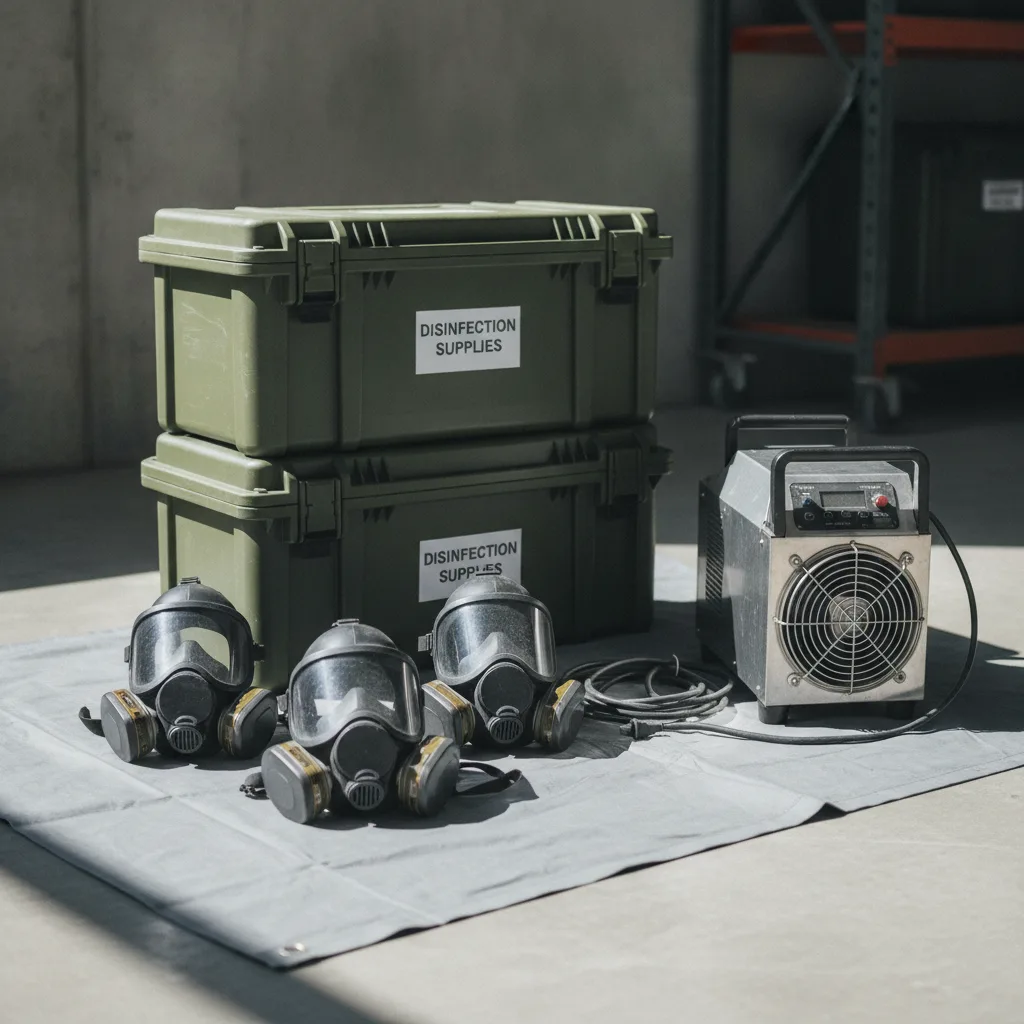
For most Richmond families, the answer is that insurance pays. Homeowners and landlord policies often cover cleanup after a death or crime, and many clients pay $0 out-of-pocket. We bill the insurer directly. These are the factors that determine the size of a claim.
Your policy matters more than anything else. Most homeowners policies cover sudden, accidental events like a death or crime, and we bill the carrier directly. Crime victims may also qualify for the Virginia Victims Fund, which can pay some cleanup costs up to set limits. Deductibles and exclusions vary, so we review your coverage with you before work starts. If there's a gap, you'll hear about it upfront.
In Richmond's summers, with highs near 90°F and humid nights, decomposition can reach carpet, pad, subfloor, and joists within days. A scene found the same day may mean surface cleaning only. One found after a week in July can mean taking out flooring, treating the crawlspace, and cleaning ductwork, which makes the insurance claim much larger.
Fan and Church Hill rowhouses with plaster-and-lath walls, gapped heart pine floors, and balloon framing take more work than newer drywall construction. Lead-safe practices in pre-1978 homes add containment steps. Party walls may mean checking the home next door. We document these conditions so adjusters understand why the work is needed.
A contained blood spill in one room is a much smaller job than fluids that have spread across rooms, into the subfloor, or down to the crawlspace. The amount of drywall, flooring, and framing that has to be removed, sealed, or encapsulated drives labor and disposal volume.
Sealed homes running forced-air heat or AC can spread odor everywhere, which can add ductwork cleaning and hydroxyl or ozone treatment. Sharps and regulated medical waste must be packaged and disposed of under Virginia DEQ rules, and more waste means higher disposal costs on the claim.
We bill insurance directly and wait for the carrier to pay. If part of a job isn't covered, we'll tell you before we start and talk through options with you. Unexpected bills don't show up later.
In most cases, yes. Homeowners and landlord insurance policies often cover biohazard cleanup after a death, suicide, or crime because these are sudden, accidental losses. Many of our clients pay $0 out-of-pocket. We review the policy with you, contact the carrier, document the scene, and bill them directly. If you or a family member was the victim of a crime, the Virginia Criminal Injuries Compensation Fund (Virginia Victims Fund) may also pay some cleanup costs for eligible victims, up to set limits. Deductibles and exclusions vary, so we'll go over your coverage before any work begins.
We're available 24/7, and a real person answers your call. We usually start the same day once police and the medical examiner have released the scene. A small blood cleanup is often done in a few hours. A trauma or homicide scene typically takes one to two days. Unattended deaths found days later, especially in Richmond's summer heat, can take several days because flooring, subfloor, and sometimes joists need to come out and odor has to be treated throughout the structure. We'll give you a realistic timeline after the assessment.
Cleanup and interior remediation usually don't need a permit. Structural repairs like replacing joists or subfloors, along with electrical or HVAC work, do require permits from Richmond's Department of Planning and Development Review or Henrico County Building Construction & Inspections. If your home is in a City Old and Historic District such as Jackson Ward, St. John's Church, or parts of the Fan and Church Hill, exterior repairs to windows, doors, or siding may need a Certificate of Appropriateness from the Commission of Architectural Review. We'll tell you when that applies.
We strongly recommend against it. Blood and bodily fluids can carry bloodborne pathogens like hepatitis B and C and HIV. Professional technicians work under the OSHA Bloodborne Pathogens Standard, with training, PPE, and vaccination. Biohazard waste, including syringes, also has to be packaged and disposed of under Virginia DEQ medical waste rules. And in Richmond's older homes, fluids often travel under heart pine boards or into plaster, so surface cleaning leaves contamination and odor behind. It can be emotionally overwhelming, too. Let us handle it.
Decomposition odor comes from fluids and compounds that soak into porous materials like carpet pad, subfloor, plaster, and wood framing. In Richmond rowhouses, odor can move through balloon-frame cavities and party walls. In sealed homes, the HVAC system spreads it through the ductwork. Air fresheners and ozone alone won't fix it while the source is still there. We remove contaminated materials, apply enzymes, seal remaining wood, and clean ductwork, then confirm the odor is gone even with the heat or air running.
Call 911 first, then call us as soon as authorities release the home. Every hour counts, especially from June through September. With Richmond highs near 90°F and humid air, fluids can reach the subfloor and crawlspace within days, and flies multiply quickly. Mold can also start within 24–48 hours wherever moisture is left behind. Keep doors closed, turn off the HVAC if you can safely do so to keep odor from spreading, and don't try to clean anything yourself. Faster action usually means less damage and a smaller restoration.
Discretion is part of every job. We arrive in unmarked vehicles, so nothing tells neighbors why we're there. Our crews work quietly, keep the area secured, and don't discuss your situation with anyone you haven't approved. In apartment buildings and public housing, we coordinate with property managers to keep disruption low. For rowhouses, we contain the work so nothing reaches the attached home. Your documentation goes only to you and the insurance carrier or agencies you authorize.
Prevention starts with removing the cause, not just the visible mess. After hoarding cleanups, we can point families toward support resources and recommend regular check-ins, especially for older relatives living alone. For mold, we dry materials thoroughly, treat with antimicrobials, and encapsulate wood that stays in place. That matters in Richmond, where clay soils keep crawlspaces damp and basements near the James take on water during storms. We'll also point out moisture issues, like poor drainage or crawlspace venting, that are worth fixing.
We come to you anywhere in Richmond and the surrounding area, in unmarked vehicles, any hour of the day.
You shouldn't have to clean this up yourself or worry about how to pay for it. One call gets a compassionate team on the way, and in most cases we bill your insurance directly.
Call (804) 488-3472 Now