Discreet, certified crime scene and biohazard cleanup in Newark — unmarked vehicles, compassionate technicians, and in most cases $0 out of pocket since we bill your insurance directly.
Newark's climate, its century-old housing and its layered rules make trauma cleanup harder here than in most places. Humid summers, shared walls and buildings full of renters mean a single incident can affect several households. Here's what that means for your property and your family.
Newark sits near sea level on the Passaic River and Newark Bay. July highs run in the mid-80s°F, 90°F days are common and dew points often top 65–70°F. In an un-air-conditioned top-floor unit or attic, indoor temperatures can climb well past the outdoor high, and decomposition speeds up sharply. Fluids can soak into subfloors, plaster and joists within days. Humid air also spreads odor and helps mold grow on damp porous surfaces, so we treat drying and dehumidification as part of every job. Winter brings its own problems. January lows sit in the mid-20s, windows stay shut and forced-air heat can push odor through shared ductwork. With 45–50 inches of rain a year, plus nor'easters and storms like Ida and Sandy, combined-sewer neighborhoods such as the Ironbound are prone to Category 3 sewage backups.
From a single bloodstain to a severe decomposition in a three-family house, we handle the work families shouldn't have to face. Every service follows OSHA bloodborne pathogen rules and New Jersey disposal requirements, and we document it carefully so your insurer or the VCCO has everything it needs.
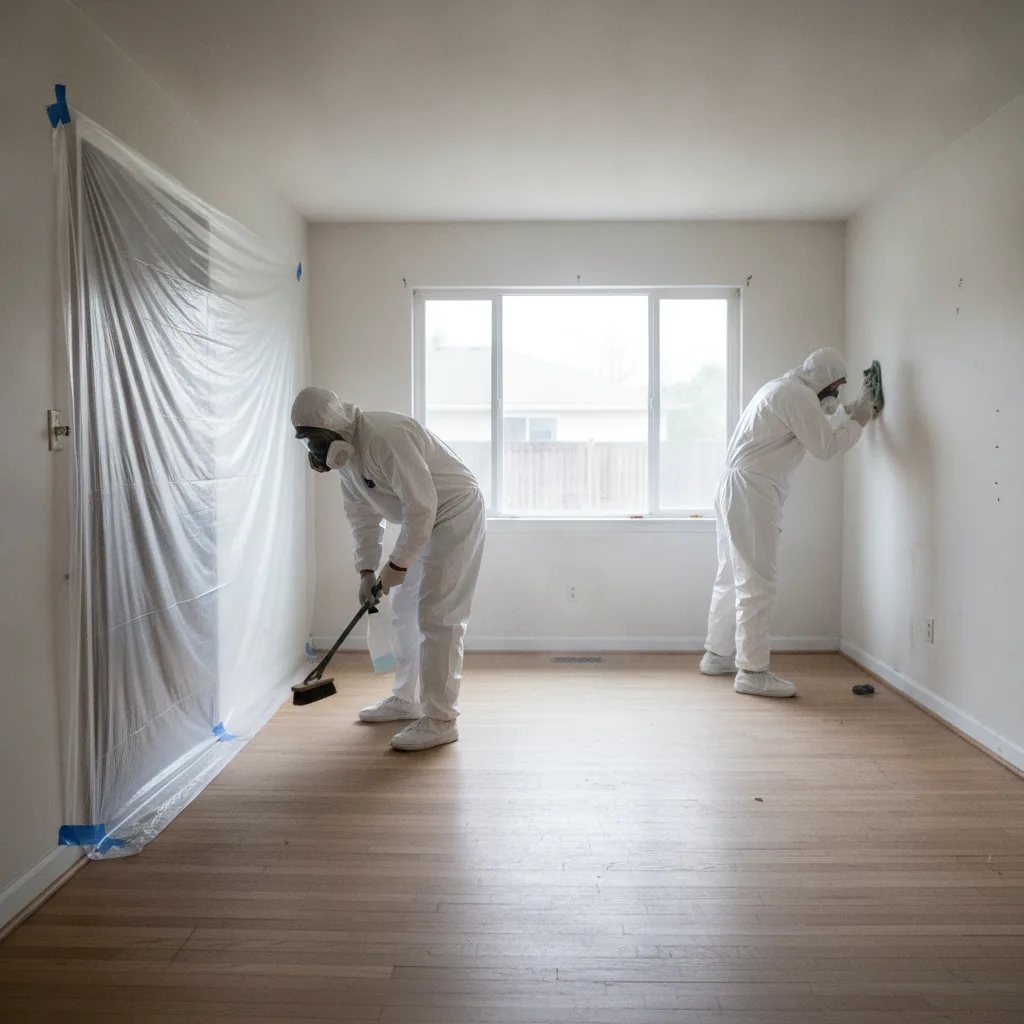
Once police release the property, we fully clean it. We remove blood, tissue, fingerprint powder and other contamination so the home is safe to live in again.
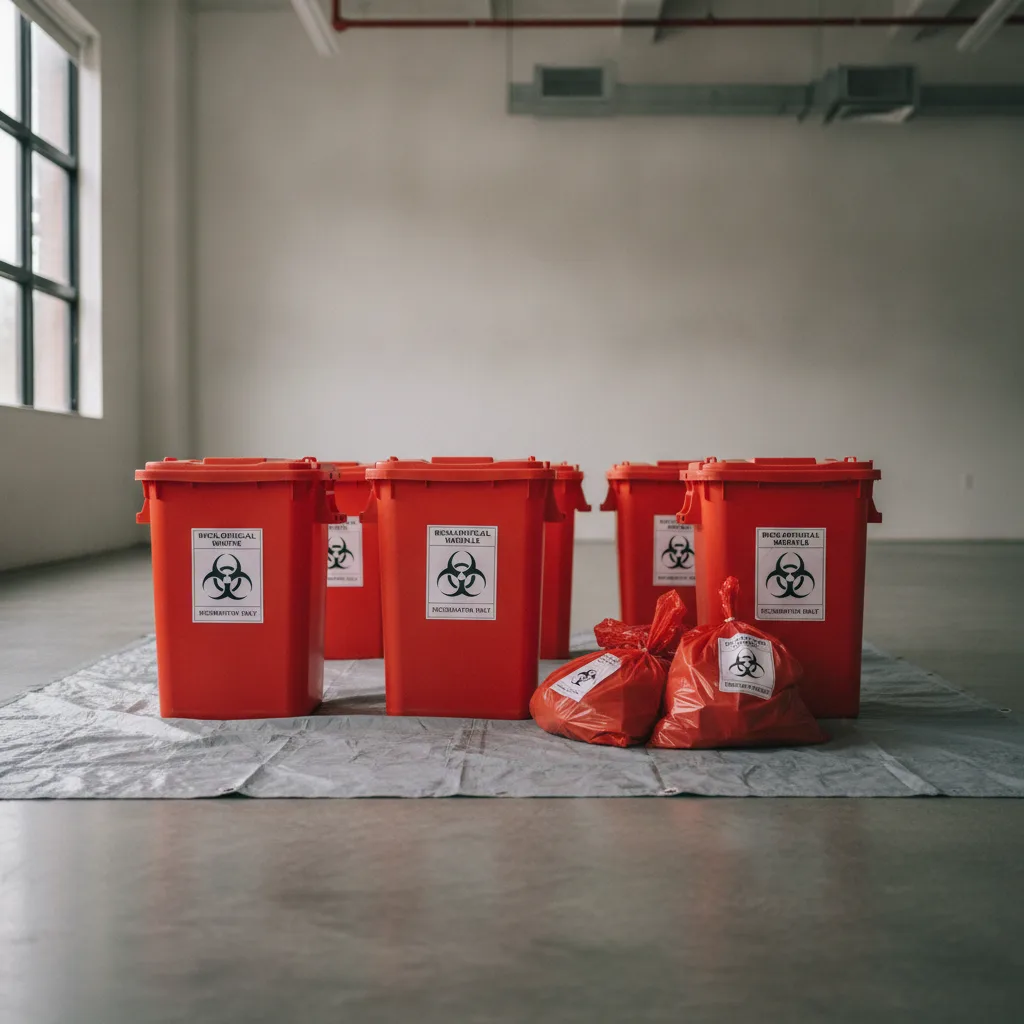
We clean up any situation involving blood, body fluids, waste or infectious material in homes, businesses, vehicles and common areas.
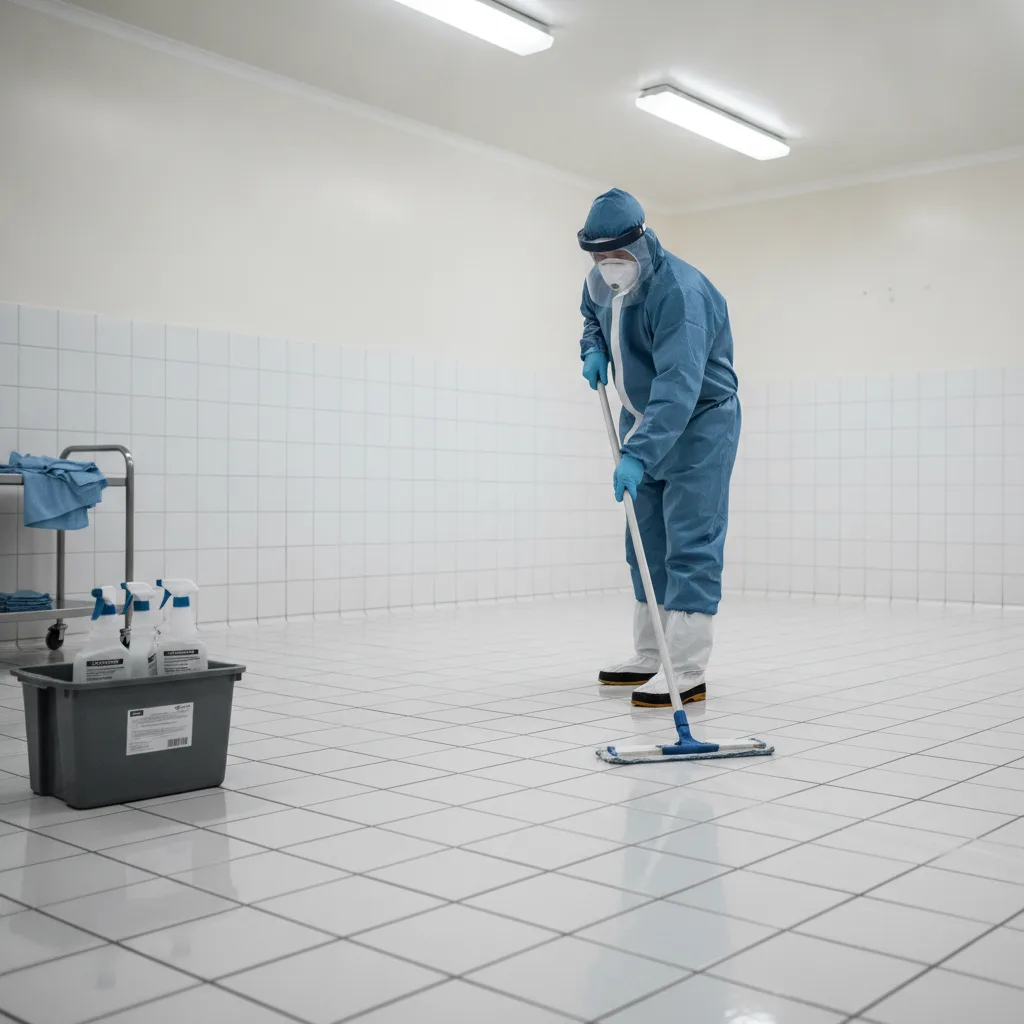
We restore homes after suicides, accidents and serious injuries, with discretion and compassion for families in shock.
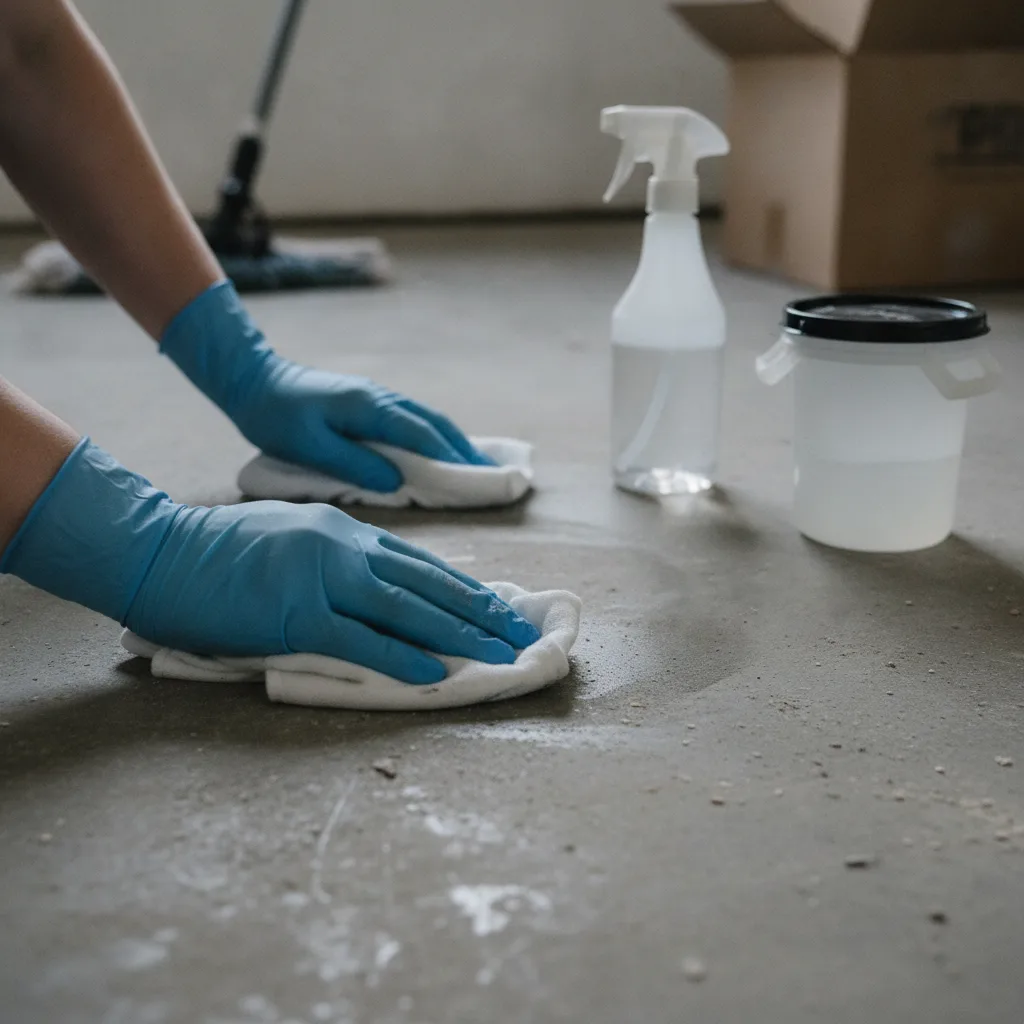
We remove blood of any amount from floors, walls, furniture, mattresses and vehicles, including whatever soaked in below the surface.
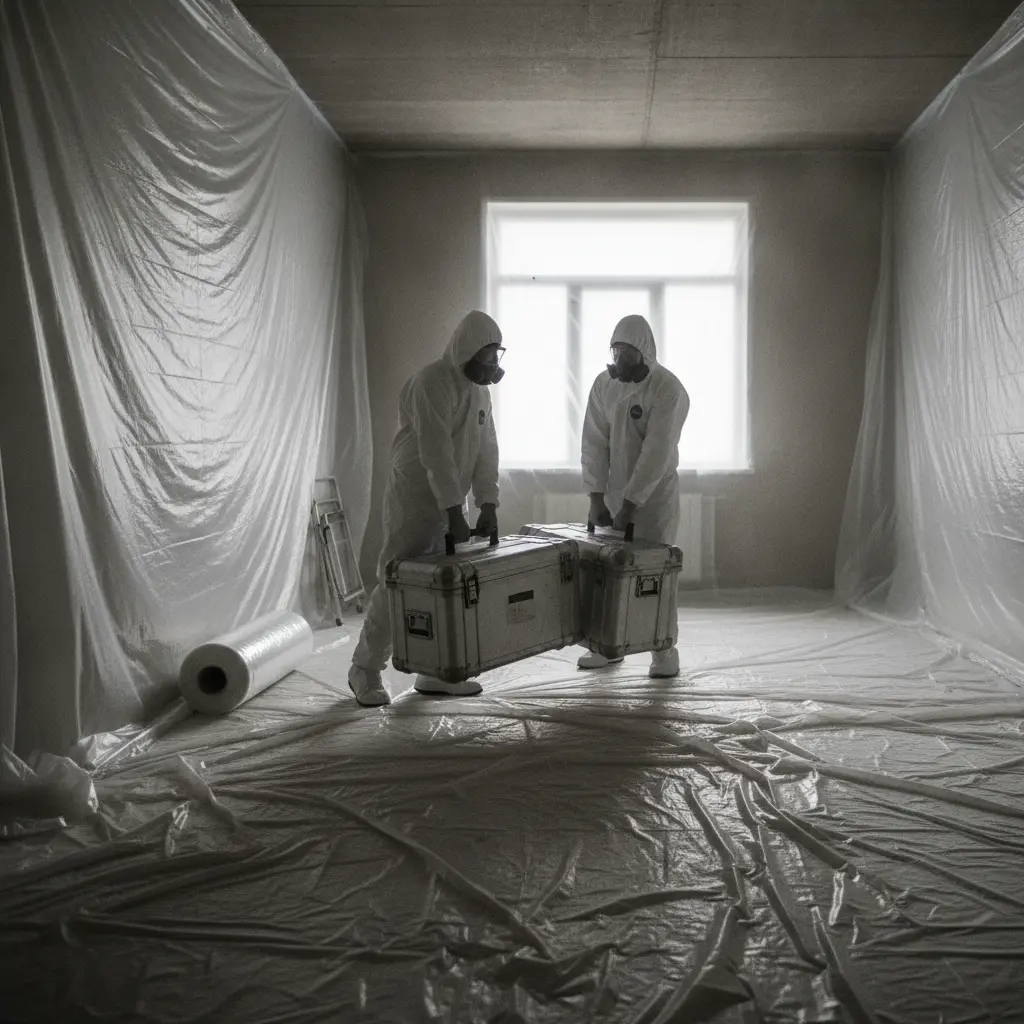
We fully clean homicide scenes, both indoors and outdoors, and remove all trace of the event so families and owners can start moving forward.
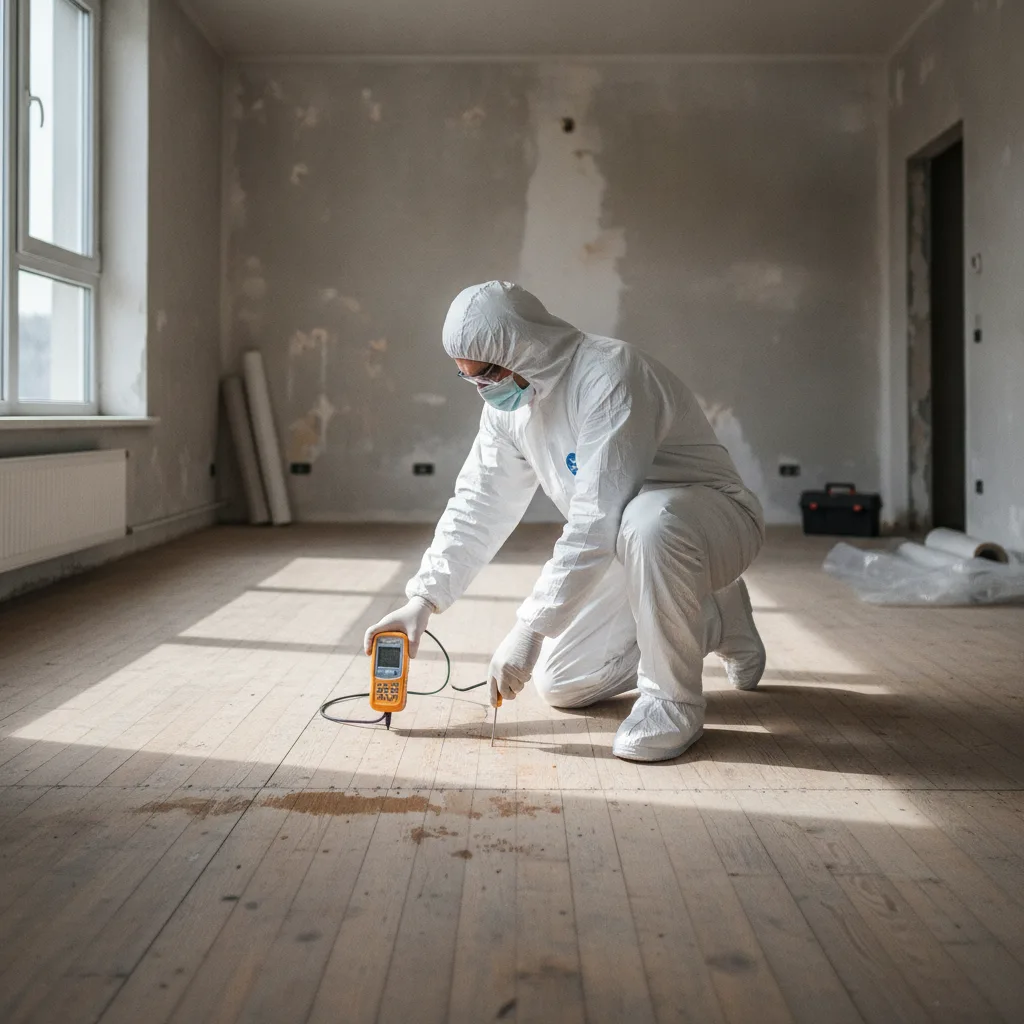
We clean and restore homes where someone passed away alone, handling both the biological contamination and the odor.
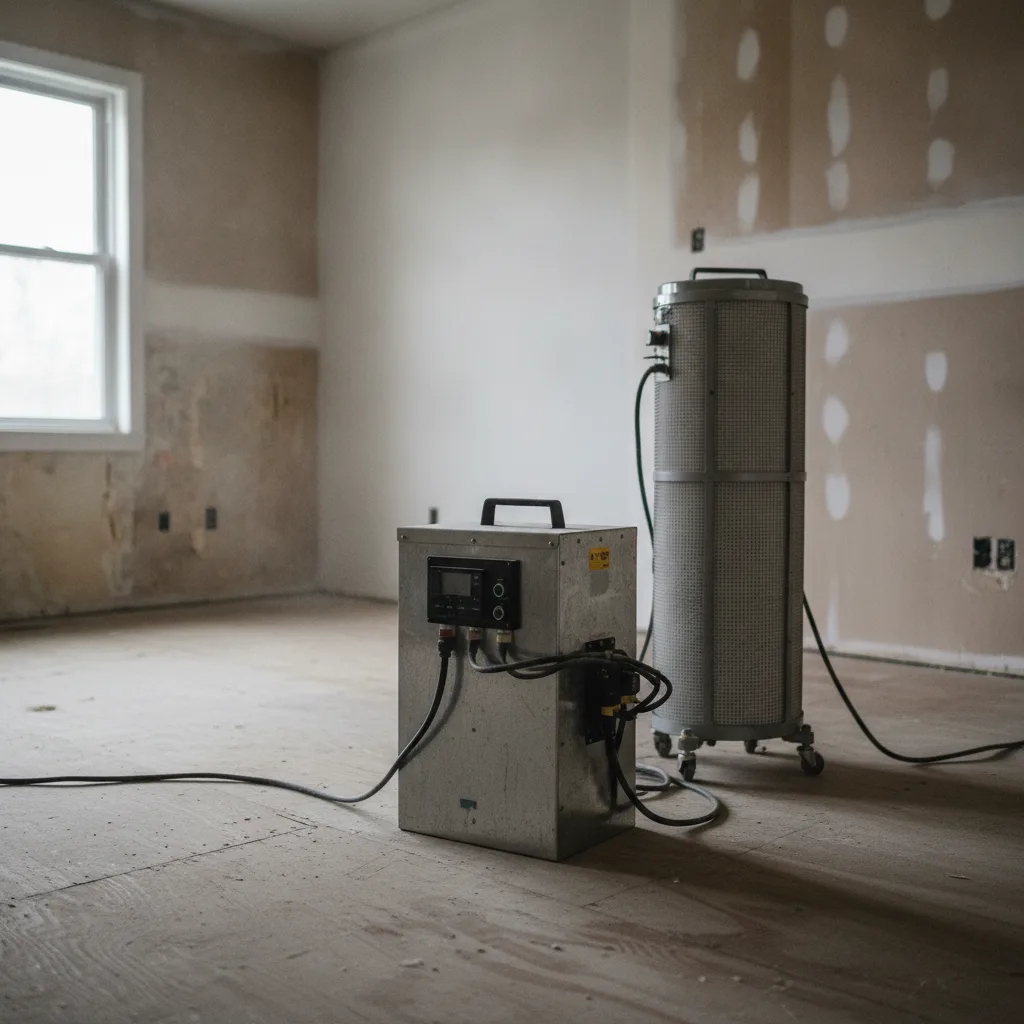
We handle advanced decomposition, where fluids have reached subfloors, joists, plaster and sometimes the unit below.
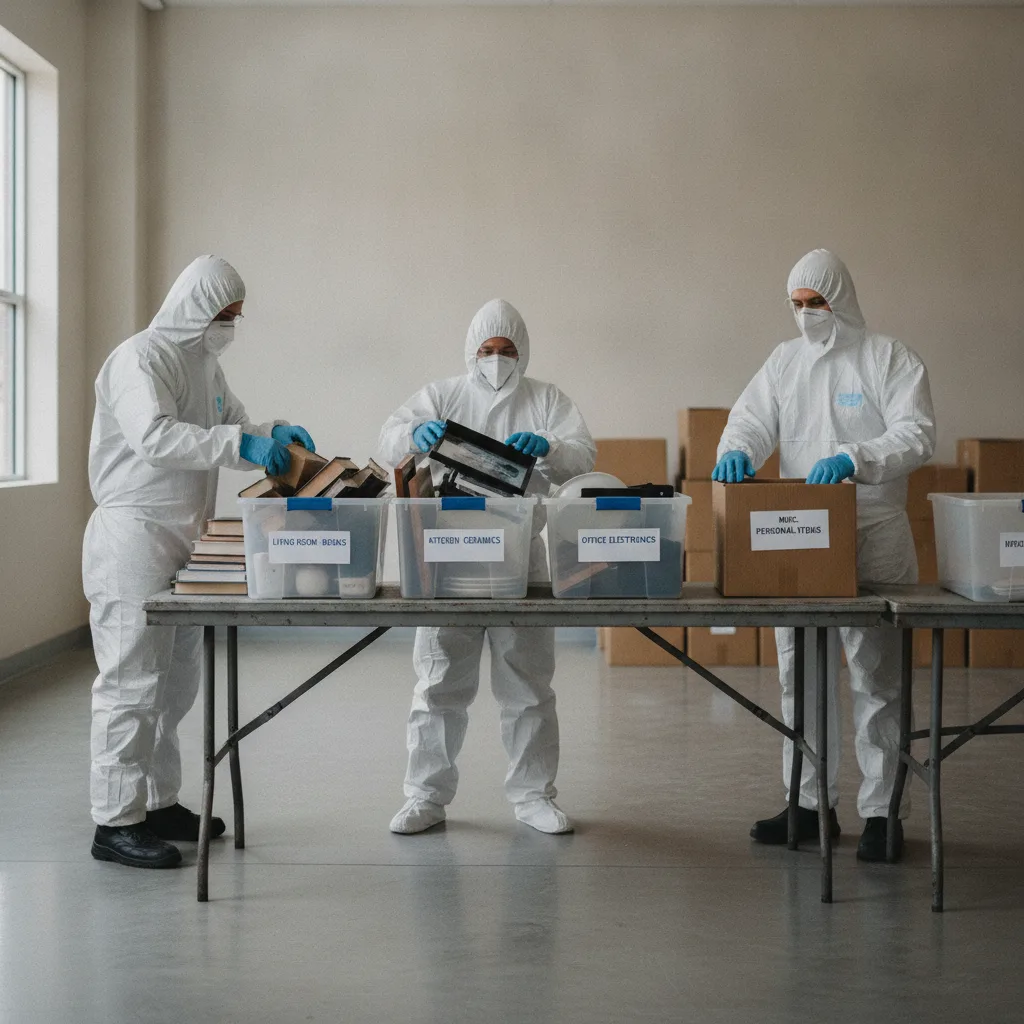
We clean out hoarded and squalid homes with respect for the person living there, sorting, removing, sanitizing and deodorizing.
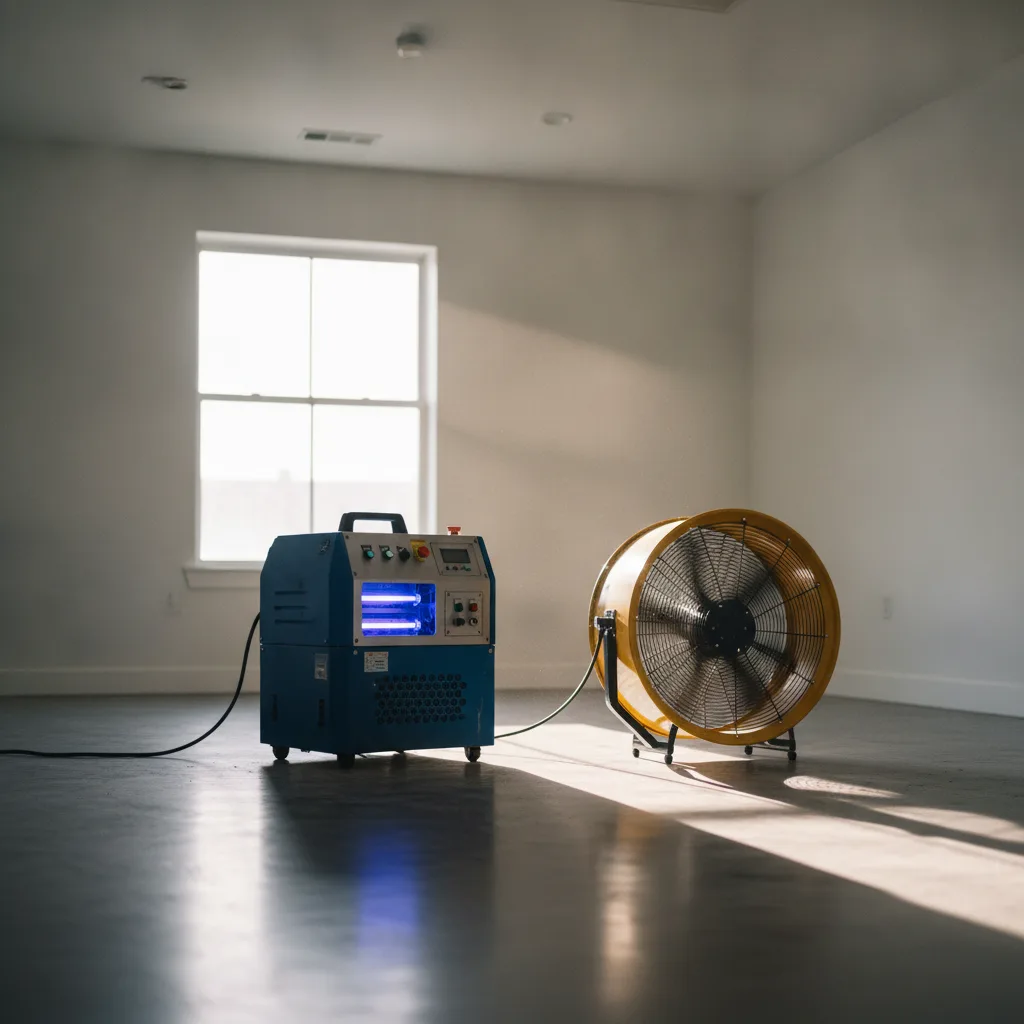
We remove death, decomposition, smoke, urine and waste odors at the source instead of covering them up.
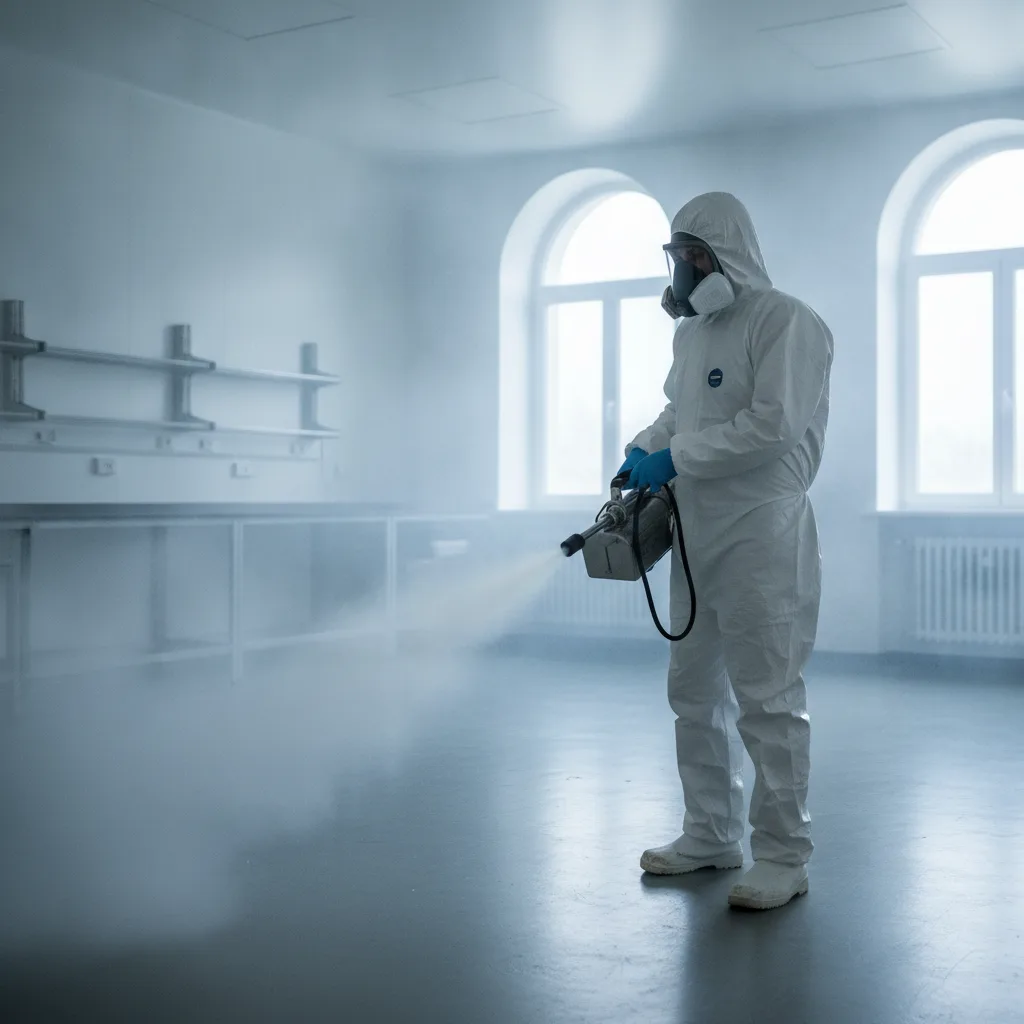
We decontaminate homes, businesses and vehicles affected by sewage, infectious disease, drug residue or other hazardous biological material.
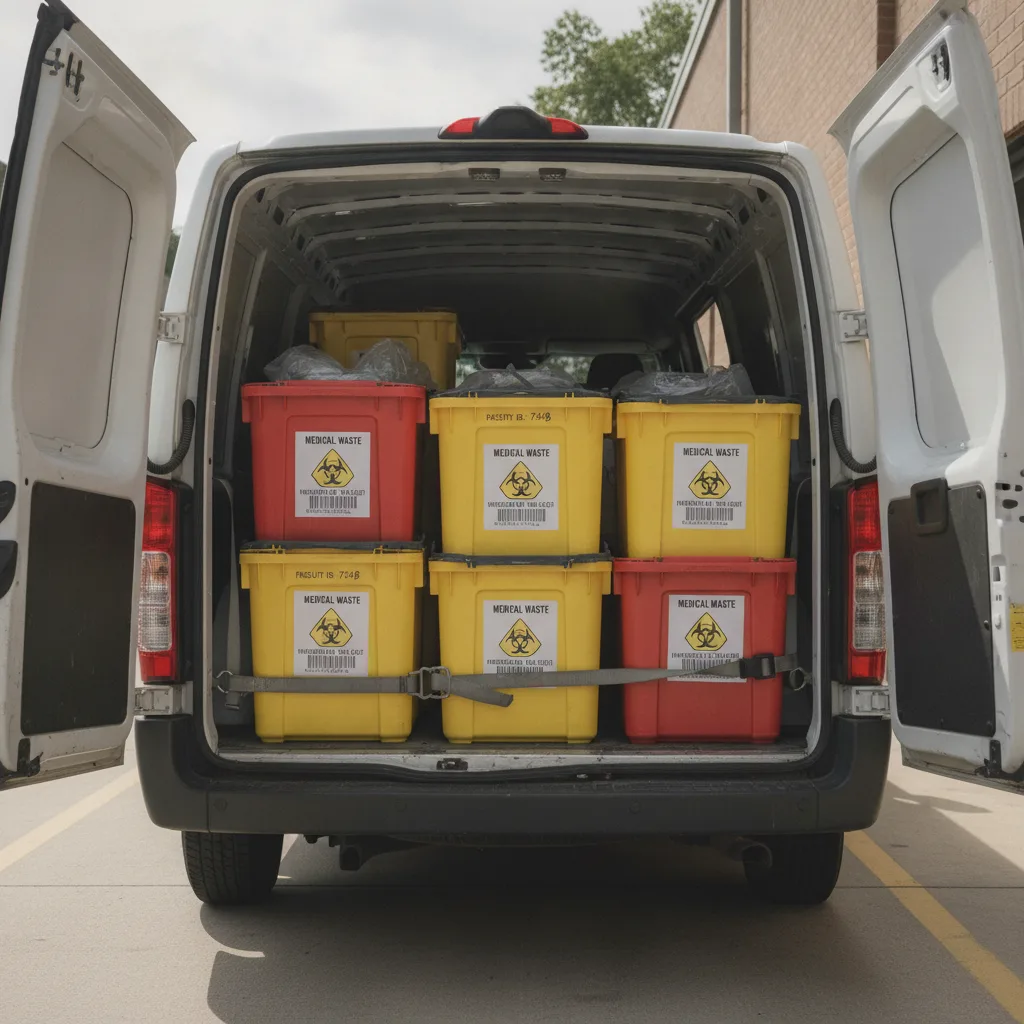
We package, label and dispose of sharps and other biohazardous waste found at scenes and in homes.
Every scene is different, but the same problems keep coming up in Essex and Hudson County housing. Knowing why they happen here helps you act quickly, protect the people living around you and avoid a much bigger repair bill later.
An unattended death happens when someone dies alone and isn't found for days or weeks. As the body decomposes, fluids, gases and bacteria seep into flooring, mattresses, walls and the structure below. The result is serious biohazard contamination and a strong, persistent odor.
Violent incidents leave blood, tissue and other potentially infectious materials on surfaces indoors and out. Contamination usually spreads much farther than it looks, into grout, carpet pad, wall cavities, door frames and porous concrete.
After an overdose, a home, vehicle or common area can be left with used syringes, drug residue, vomit and body fluids. Fentanyl residue and hidden needles put families, tenants and maintenance workers at risk.
Hoarding is a buildup of possessions, trash and sometimes animal waste that makes a home unsafe. It can block exits, invite pests and hide rot, mold and structural damage behind the piles.
A sewage backup floods a basement or lower floor with raw wastewater. That water carries bacteria, viruses and parasites. Anything porous it touches, like drywall, carpet, insulation and stored belongings, usually has to be removed.
Odor from a death, a hoarding situation or contamination left behind travels past the original room. It moves through wall cavities, ductwork, plumbing chases and stairwells and settles into neighbors' belongings and building materials.
These are smaller amounts of blood from an injury, a nosebleed, a self-harm incident or a medical event in a car, bathroom or bedroom. Even a small spill carries a bloodborne pathogen risk and can soak into upholstery or carpet pad.
You'll get a calm, clear process from the first call to the final walkthrough. We take care of insurance, logistics and disposal so you can focus on your family.
Answered 24/7, day or night
Usually within hours of your call
A few hours to several days, depending on scope
Usually 1–3 days
When the job is done
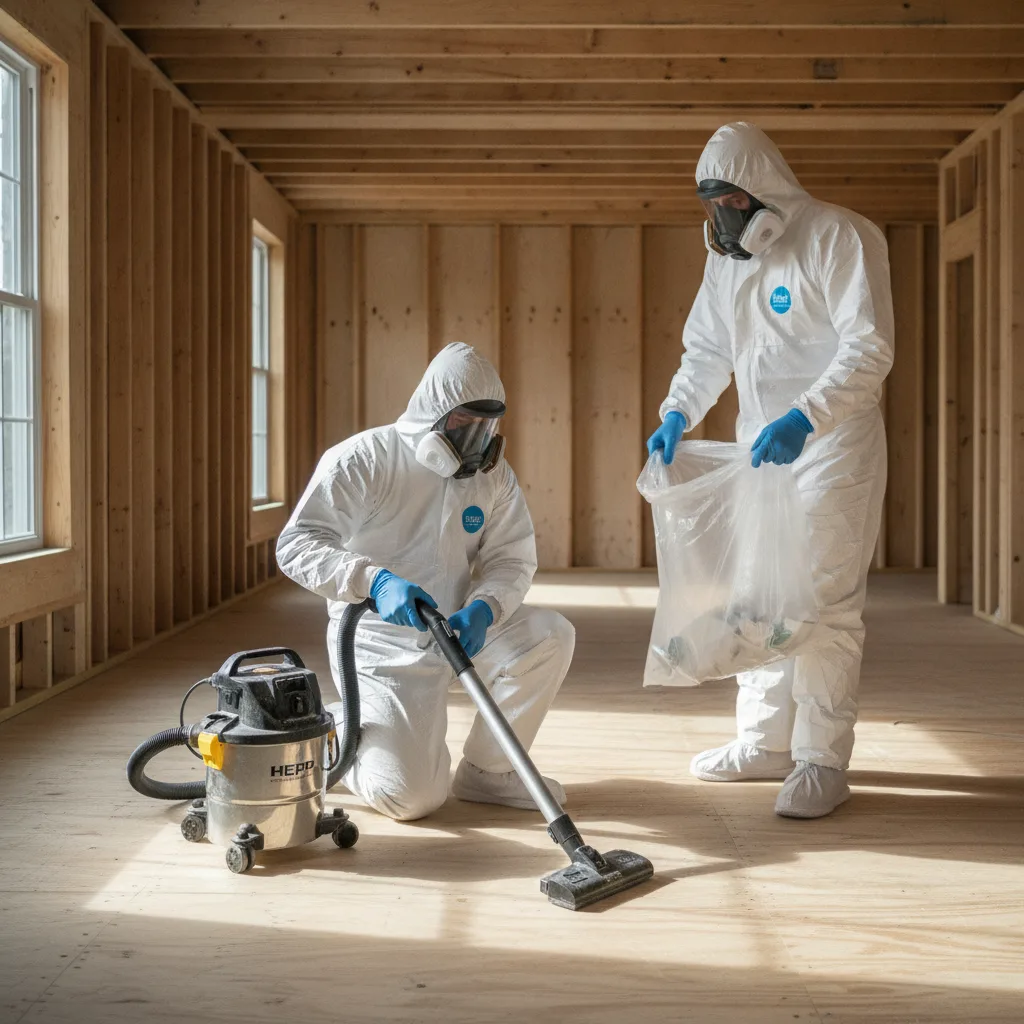
We know money is tight for a lot of families in Newark, East Orange and Irvington. That's why we start every call by checking coverage. Homeowner's policies, many renter's policies, landlord policies and the NJ Victims of Crime Compensation Office can cover trauma cleanup. We bill insurers directly and put together itemized documentation, photos and scope reports that adjusters and the VCCO expect to see. Many of the families we help pay $0 out of pocket. You won't be asked to sign anything you don't understand.
Much of our work is in two- and three-family frame houses, brick walk-ups and attached rowhouses built before WWII. We know balloon framing carries odor between floors. We know plank subfloors let fluid drip into the ceiling below, and that shared basements and ductwork spread contamination across unit lines. So we check beyond the obvious room, including the unit downstairs, the stairwell and the vents. That's how one incident stays a one-time cleanup instead of a months-long tenant problem.
When the family next door or the tenant downstairs lives a few feet away, containment isn't optional. We put up barriers, control airflow and plan waste routes so other households aren't exposed. For landlords and property managers, we coordinate with tenants, superintendents and building management at the same time. That keeps people informed and keeps the building running while we work.
Tragedy doesn't wait for business hours, and neither do we. We answer 24/7 and come in unmarked vehicles without branded uniforms or signs. On blocks where word travels fast, from the Ironbound to Irvington Center, that privacy matters. Our technicians are patient and respectful. They handle personal belongings carefully and never rush a grieving family.
Our technicians follow OSHA's Bloodborne Pathogens Standard, including proper PPE, exposure control and training. Soiled materials are packaged, labeled and tracked as regulated medical waste under NJDEP rules and handed to a registered transporter. You get documentation showing the job was done correctly. Landlords, condo associations and insurers often ask for exactly that.
Biohazard work involves demolition, chemicals and serious health risks. We're fully insured, which protects you, your property and the building around it. Property managers and condo associations in Downtown Newark and Harrison's waterfront towers can request proof of insurance before we start, and we'll provide it quickly.
Crime scene, unattended death, decomposition, hoarding, sewage, odor and sharps disposal are all handled by one crew. You don't have to call a separate cleaner, an odor company and a waste hauler. When asbestos or lead work needs licensed specialists, we coordinate with them for you.
For most families, the honest answer is that insurance or compensation programs cover the cost. Homeowner's, renter's and landlord policies often include trauma cleanup, and the NJ VCCO helps eligible crime victims. We bill directly and walk you through every step.
Whether you pay anything depends mostly on coverage. Homeowner's policies often cover trauma and biohazard cleanup. Renter's policies may cover your belongings, and the landlord's policy often covers the building itself. For crime-related scenes, the NJ Victims of Crime Compensation Office can reimburse eligible victims and families. We check coverage on the first call, bill insurers directly and prepare itemized invoices for the VCCO.
A spill on tile is very different from fluid that has soaked through an old plank floor into the ceiling below. In Newark's balloon-framed and stacked-flat buildings, the scope often reaches past one room into the next unit, the stairwell or the ductwork. Removing more materials and treating more units increases the claim value, which is why careful documentation matters to your adjuster.
An unattended death found within a day mostly needs surface cleaning. One found after a week in a hot July top-floor unit can mean removing subfloor, plaster and joists, followed by days of deodorizing. Newark's summer humidity also adds drying and dehumidification time. Late discovery is the biggest reason claims grow larger.
Fourth-floor walk-ups with no elevator, tight Ironbound parking, high-rise service-elevator schedules and condo association rules all affect labor time. In pre-1978 buildings, we may also need licensed asbestos or lead specialists before removing materials, which adds steps to the claim.
Every bag of soiled material and every sharps container has to be packaged, tracked and sent to a registered New Jersey regulated medical waste transporter. Large decomposition and hoarding jobs produce far more waste, and that's reflected in the itemized invoice we send to your insurer.
If part of a job isn't covered, we'll explain that before any work starts and look at landlord, policy and VCCO options with you. No surprises, ever.
Most likely you won't pay anything out of pocket. Many homeowner's policies cover trauma and biohazard cleanup, and the landlord's policy often covers rental buildings. Renter's policies can cover damaged belongings. For crime-related scenes, the NJ Victims of Crime Compensation Office can cover certain cleanup costs for eligible victims and families. We check your coverage when you call, bill the insurer directly and prepare the itemized invoices and photos the VCCO asks for. If any part might not be covered, we'll tell you before work begins.
We answer 24/7, and in Newark, East Orange, Irvington and Harrison we usually arrive within hours of your call once the scene is released. A small blood cleanup can be done in a few hours. Homicide scenes usually take one to two days. Severe decomposition in a multi-family building, where flooring, subfloor and plaster come out and the unit below needs treatment, can take three to five days or more, including drying and deodorizing. We'll give you a realistic timeline after the assessment.
Yes, the scene has to be released first. Depending on the incident, that comes from the Newark Police Division, the East Orange, Irvington or Harrison police, or the Essex County Prosecutor's Office. For unattended deaths, the Regional Medical Examiner's Office in Newark is involved. Cleanup itself doesn't usually need a city permit. Asbestos removal does require NJ-licensed contractors, and changes to exteriors in historic districts like Forest Hill or Lincoln Park may need review. We coordinate all of it.
This is common in Newark's older stacked flats and walk-ups, where plank floors have gaps. We check the ceiling, wall cavities and belongings in the unit below and seal off both spaces. Then we clean and treat them together. The landlord's or building policy usually covers structural work, and the downstairs tenant's renter's policy may cover their belongings. We work directly with the landlord, property manager and tenants so everyone knows what's happening and the building stays livable.
We strongly advise against it. Blood and body fluids can carry hepatitis B, hepatitis C, HIV and other pathogens, and household cleaners don't reach what soaks into carpet pad, grout or subfloor. Overdose scenes can hide needles and fentanyl residue. In New Jersey, soiled materials may count as regulated medical waste and have to be disposed of a specific way. Cleaning it yourself is also hard emotionally, and since insurance often covers professional cleanup, there's usually no financial reason to do it.
Call as soon as the scene is released. In Newark's summer heat and humidity, contamination and odor get into porous materials within days. Waiting can turn surface cleaning into tearing out subfloor and plaster, and odor can spread to neighbors through shared walls and ducts. In winter, forced-air heat moves odor through a building quickly. Calling early protects your property and the people living around you, and it often keeps the scope and the insurance claim smaller.
Simple habits help a lot. Ask tenants for emergency contacts, and encourage regular check-ins for elderly residents living alone. Train superintendents to report piled-up mail, flies at windows or unusual smells in hallways. Ask for a police wellness check if a tenant hasn't been seen. During summer heat waves, check top-floor units without air conditioning. For hoarding, act early on code concerns rather than waiting for an inspection deadline. Finding a problem early limits damage to the building and protects other tenants.
Not from us. We arrive in unmarked vehicles, keep equipment and waste out of sight as much as we can and work quietly. On close blocks in the Ironbound, Ivy Hill or Irvington, and in apartment buildings where people talk, we know privacy matters. We coordinate entry and waste removal with building management in high-rises so we keep a low profile. Our crew won't discuss your situation with anyone except you and the people you authorize.
We come to you anywhere in Newark and the surrounding area, in unmarked vehicles, any hour of the day.
You don't have to face this alone or pay for it yourself. Call Integrity Crime Scene Services and we'll handle the cleanup, the insurance and the paperwork with care.
Call (862) 461-2729 Now