Discreet, certified crime scene and biohazard cleanup in Lincoln — unmarked vehicles, compassionate technicians, and in most cases $0 out of pocket since we bill your insurance directly.
Biohazard cleanup isn't the same job everywhere. In Lincoln, extreme seasonal swings, century-old houses, dense student housing and a busy I-80 corridor all shape how contamination spreads and what it takes to remove it safely. Here's what local families and property managers are dealing with.
July highs average around 89°F, and heat waves in the upper 90s to 100s come with dew points in the 70s. In a closed house with the AC off, decomposition and fluid seepage into subfloors can get much worse within a day or two, so June through August is when a fast response matters most. Winter works the other way. January lows sit in the teens with subzero snaps, and cold slows decomposition, so a death can go unnoticed for weeks, especially when an older resident lives alone. Spring and summer storms dump most of the area's 28–30 inches of annual rain. Flooding along Salt Creek, Antelope Creek, Dead Man's Run, Beal Slough and the Big Blue River can push Category 3 sewage into basements. Humid air then raises mold risk if drying is delayed.
Victorians, foursquares and bungalows in Near South, Everett, Hawley, Clinton and Mount Emerald were built between the late 1800s and the 1920s. They have plaster-and-lath walls, unsealed hardwood and porous stone or brick basements, and fluids soak deep into all of them. In postwar ranches in Meadowlane, Eastridge, Indian Village and Bethany, the floor tile or popcorn ceilings may contain asbestos and need checking before any demolition. Newer homes in Williamsburg, Wilderness Hills and Fallbrook have carpet pad, drywall and finished basements that absorb fluids readily. In student apartments near City and East Campus, and in the Haymarket's converted warehouse lofts, contamination can move between units through shared floor-ceiling assemblies.
Nebraska doesn't issue a crime-scene-specific cleanup license, but OSHA's Bloodborne Pathogens Standard, respiratory protection and hazard communication rules still apply. Infectious waste can't go in household trash or the Bluff Road landfill. It has to be manifested and sent to permitted haulers and treatment facilities. No one can clean a scene until Lincoln Police, the Lancaster, Saline or Seward County Sheriff, Nebraska State Patrol or the county attorney releases it. Former meth properties may need cleanup to state standards before anyone lives there again. LLCHD and Building & Safety can also set deadlines for unsanitary homes. In pre-1978 houses, disturbing painted surfaces brings in EPA lead-safe rules.
Lincoln has about 290,000 residents, more than 23,000 UNL students, plenty of retirees in established neighborhoods, and growing Vietnamese, Iraqi, Karen, Sudanese, Yazidi and Hispanic communities. Most of our calls come from grieving families, adult children of elderly parents, landlords, real estate agents, hotel managers, funeral homes and victim advocates. People here are practical. They want plain answers, help with insurance, and a crew that treats them with respect.
Every service below follows OSHA safety rules and Nebraska's biohazard disposal requirements, and we bill insurance directly whenever coverage applies. We match the method to the building, whether that's a Near South Victorian, a Haymarket loft, a Hickman starter home or a Seward farmstead.
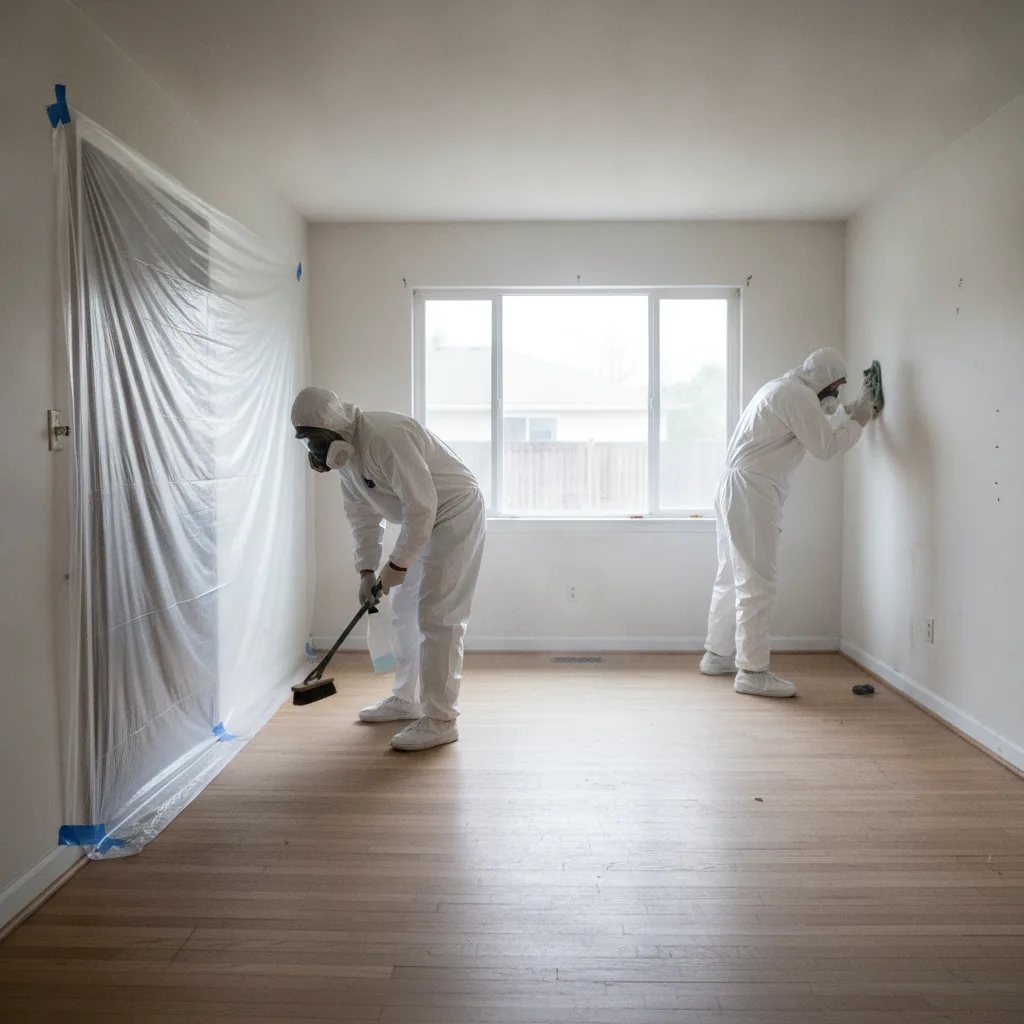
We restore homes and businesses once Lincoln Police, a county sheriff or Nebraska State Patrol has released the scene. We remove blood, tissue and investigative residue so the space is safe to use again.
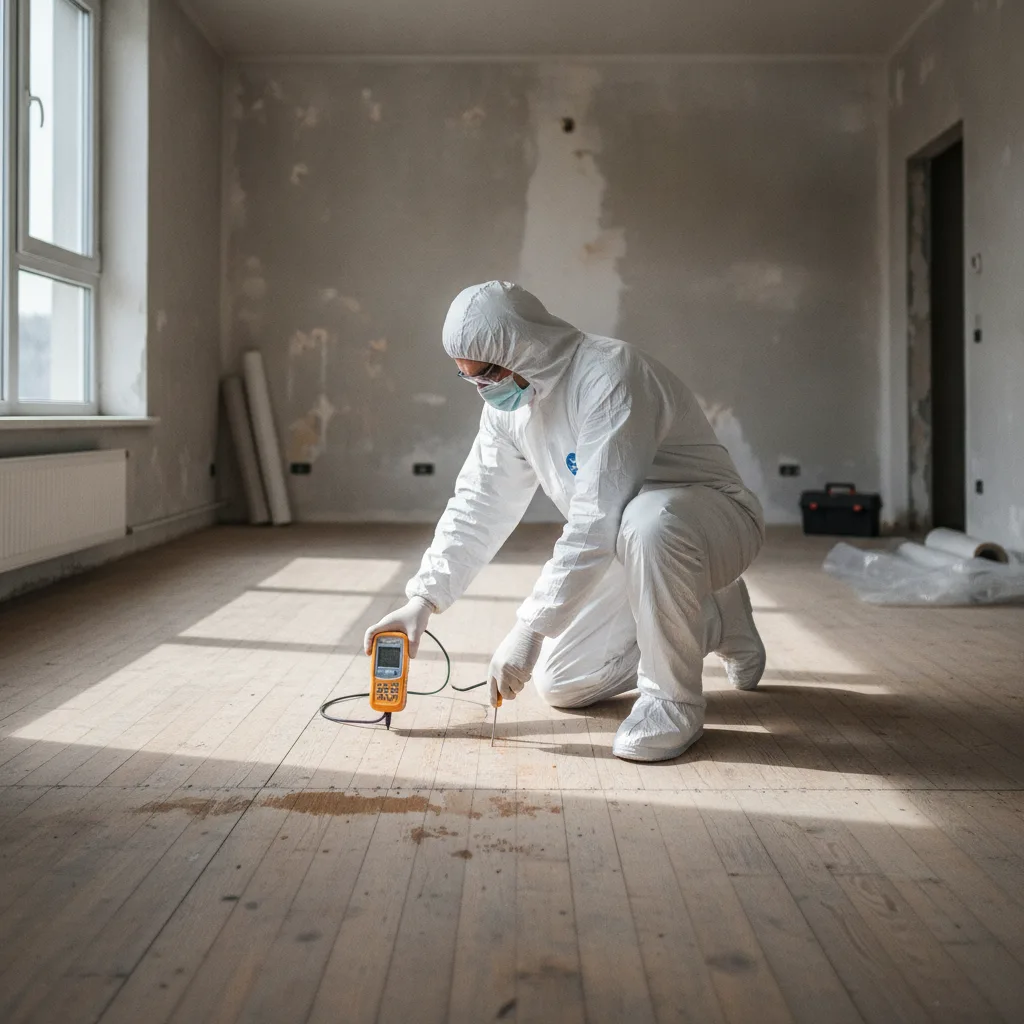
We clean and decontaminate homes after someone has died alone. That means removing body fluids, affected flooring and odor sources, and treating the family with care throughout.
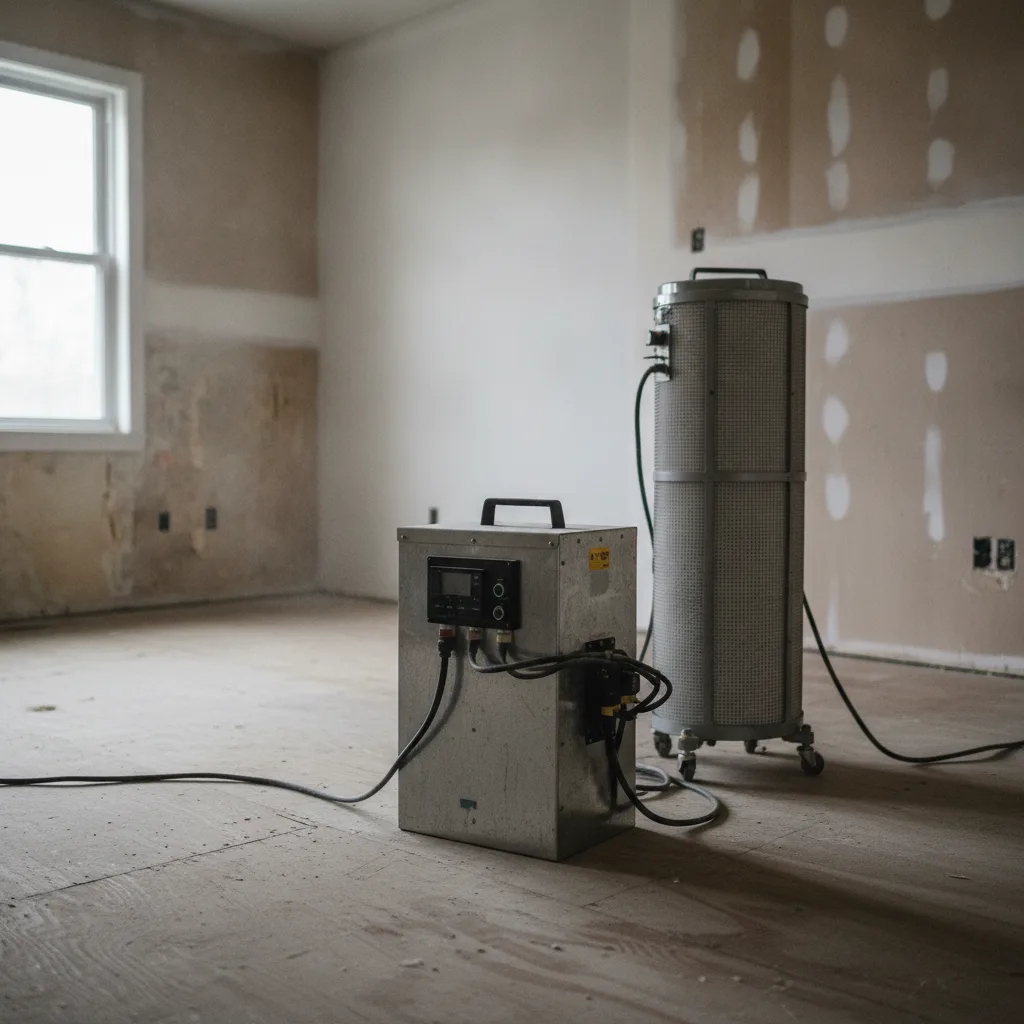
We remediate advanced decomposition, including fluids, insects and deep odor, often in homes that were closed up during heat waves or cold snaps.
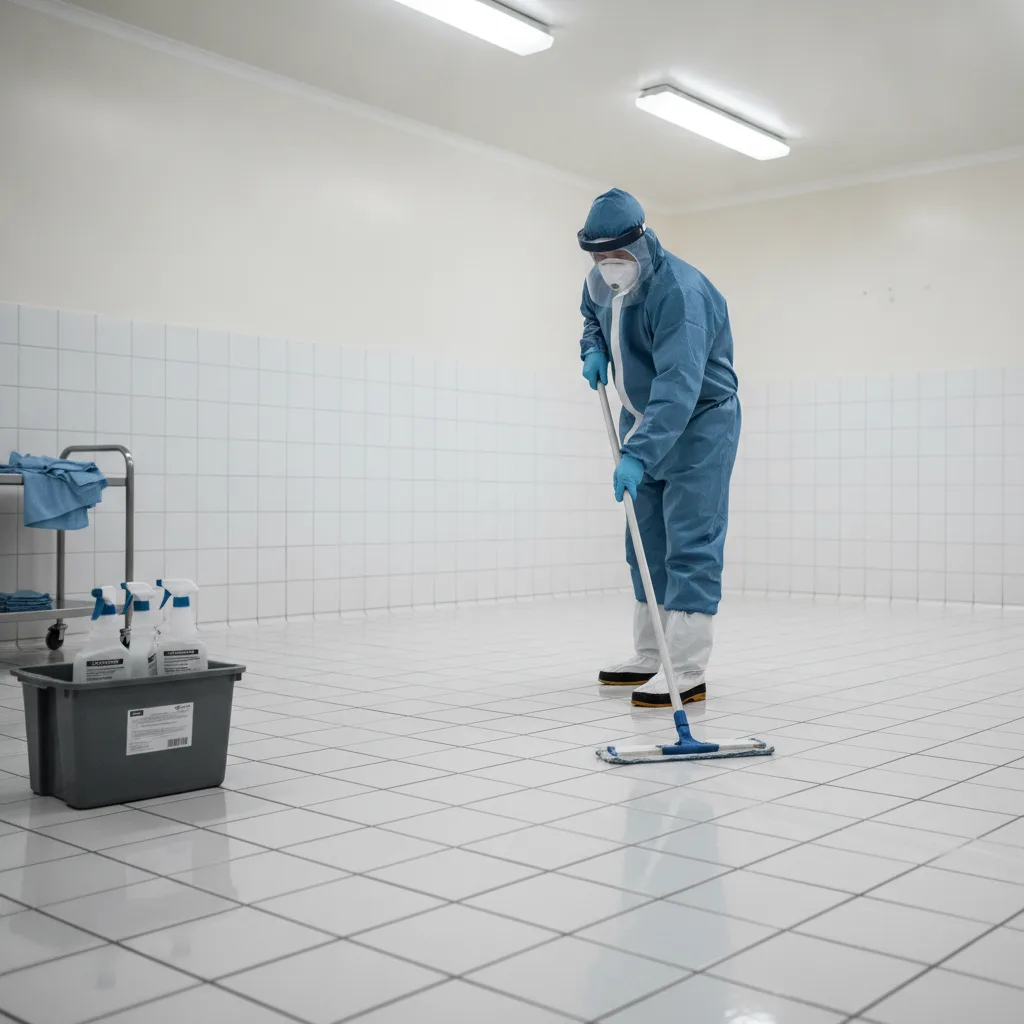
We clean up after suicides, serious accidents and injuries in homes, vehicles and workplaces.
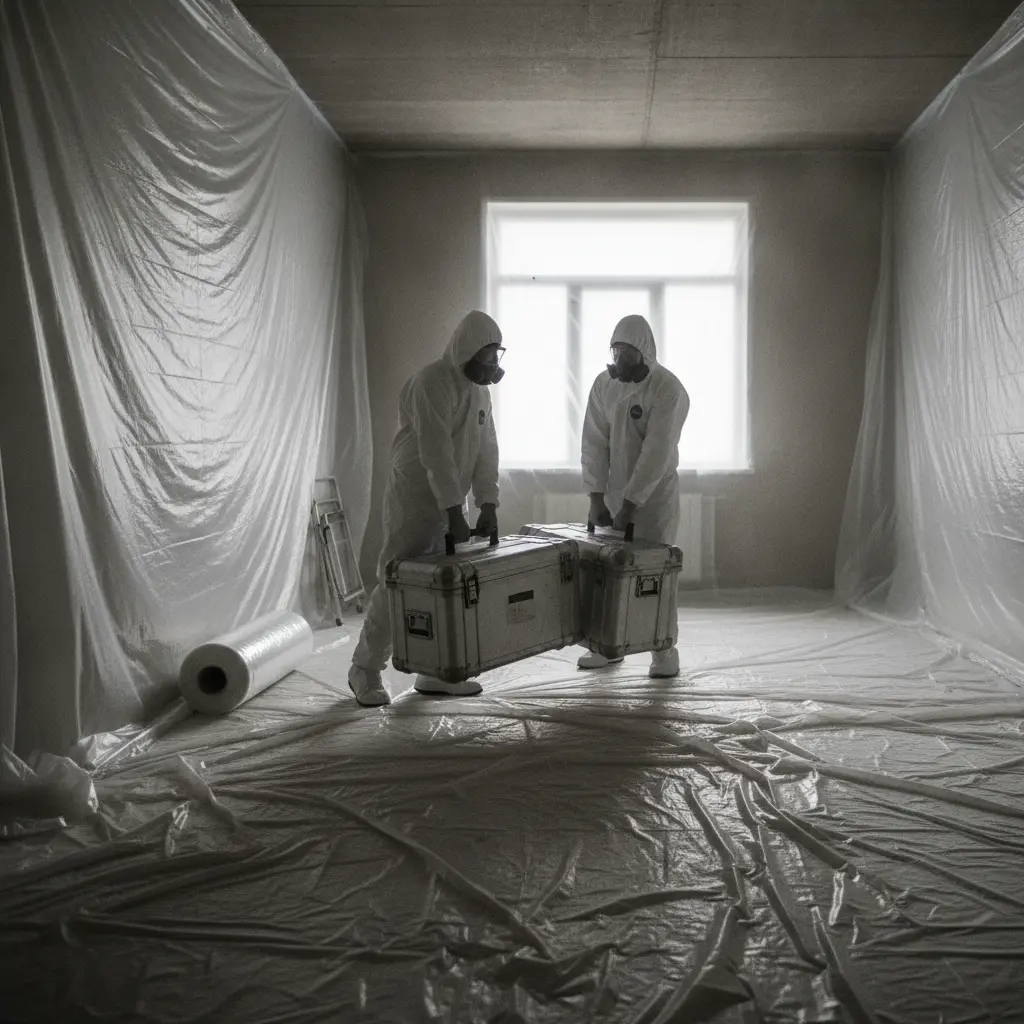
We fully restore homes after a violent death, once investigators release the scene.
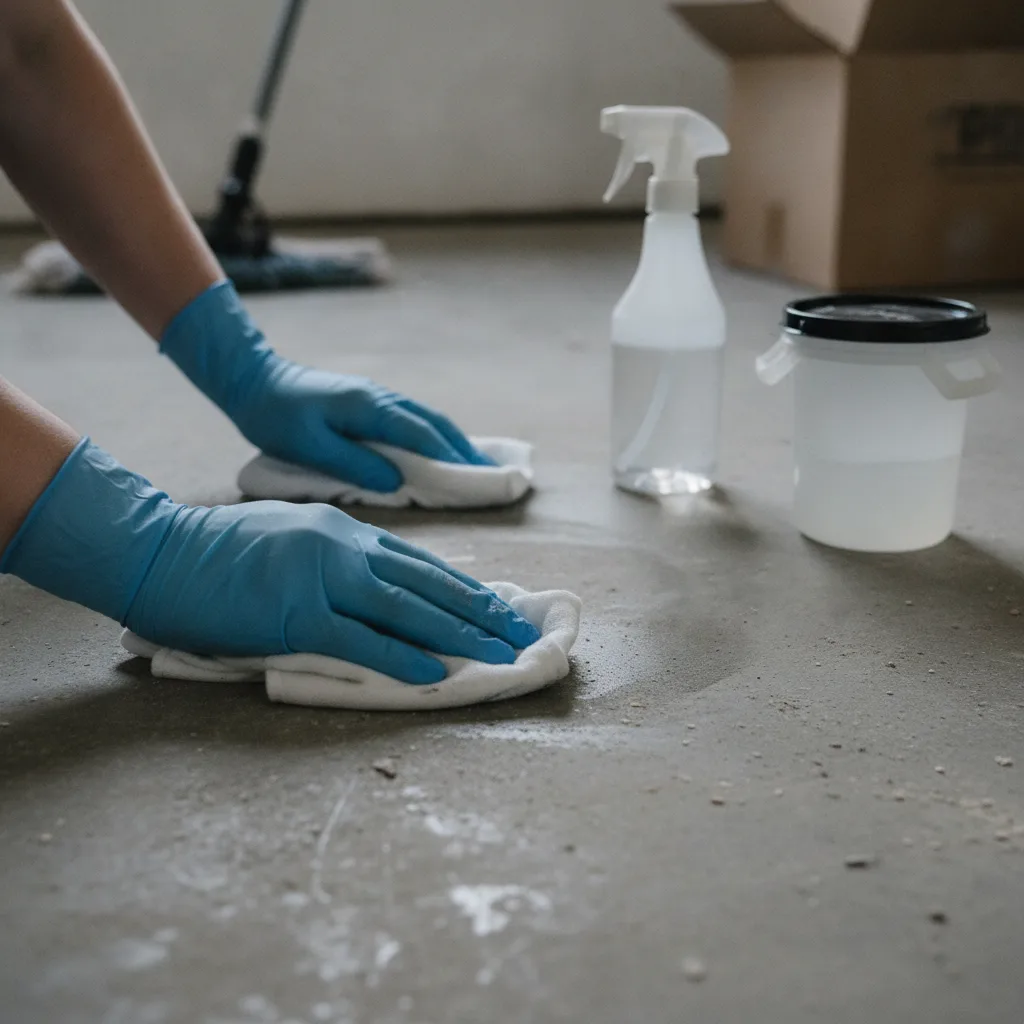
We safely remove blood from any surface, from a single room to a vehicle interior.
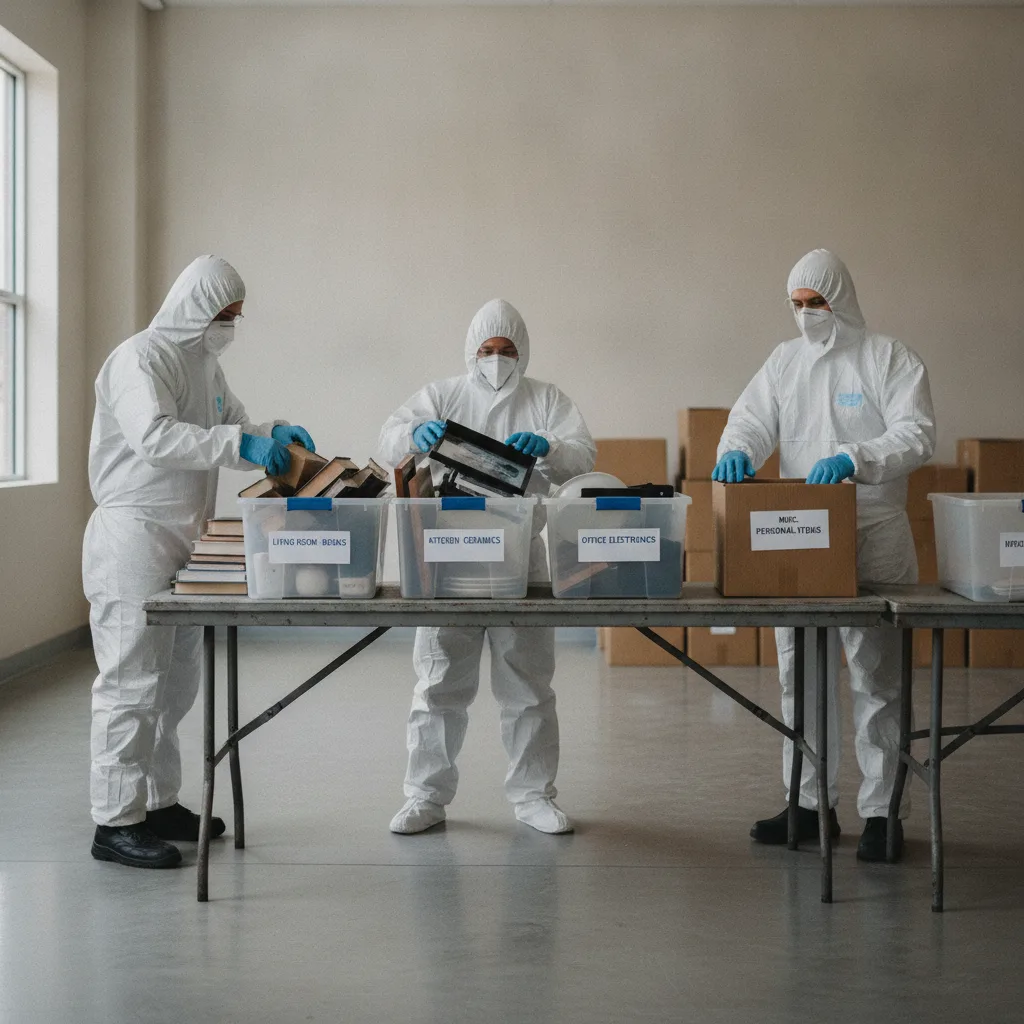
We clear and sanitize hoarded homes without judgment, and we save the things that matter to you.
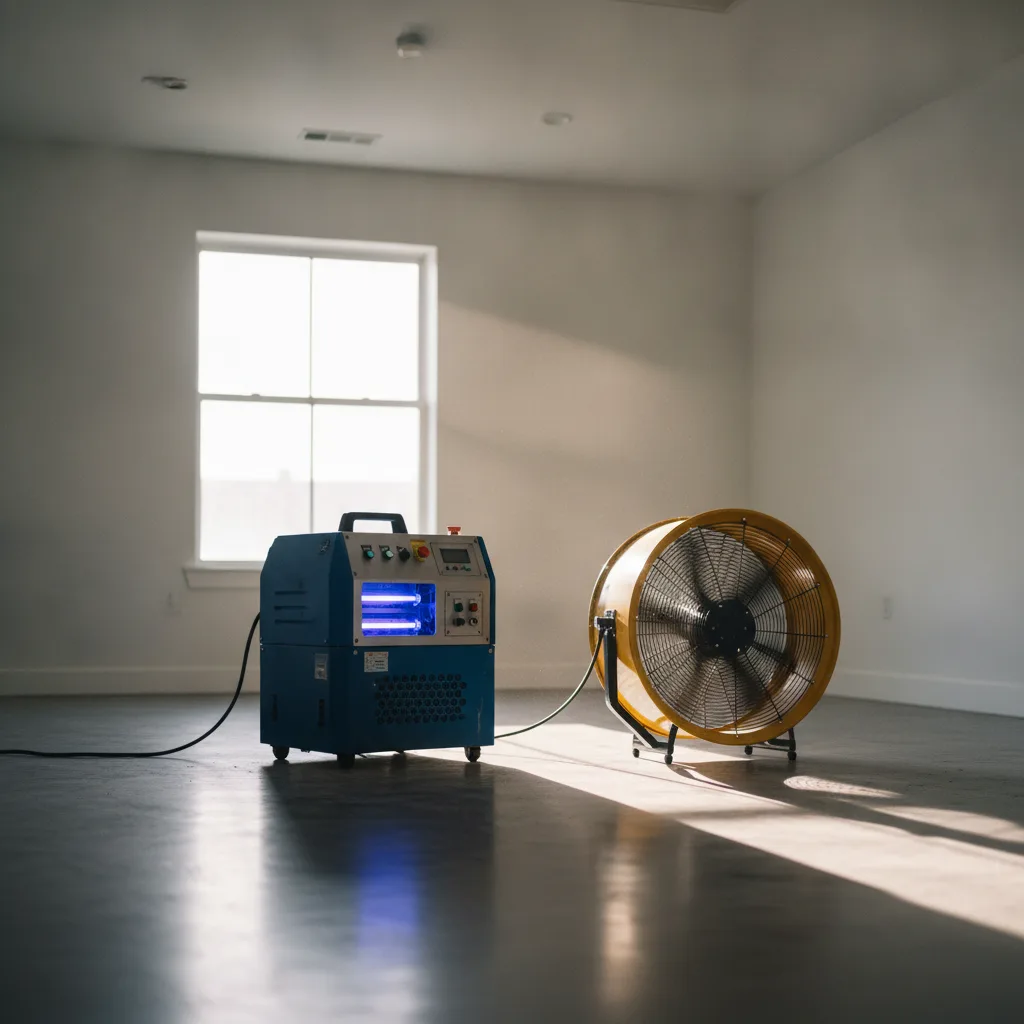
We get rid of the source of biohazard, smoke, sewage and decomposition odors instead of covering them up.
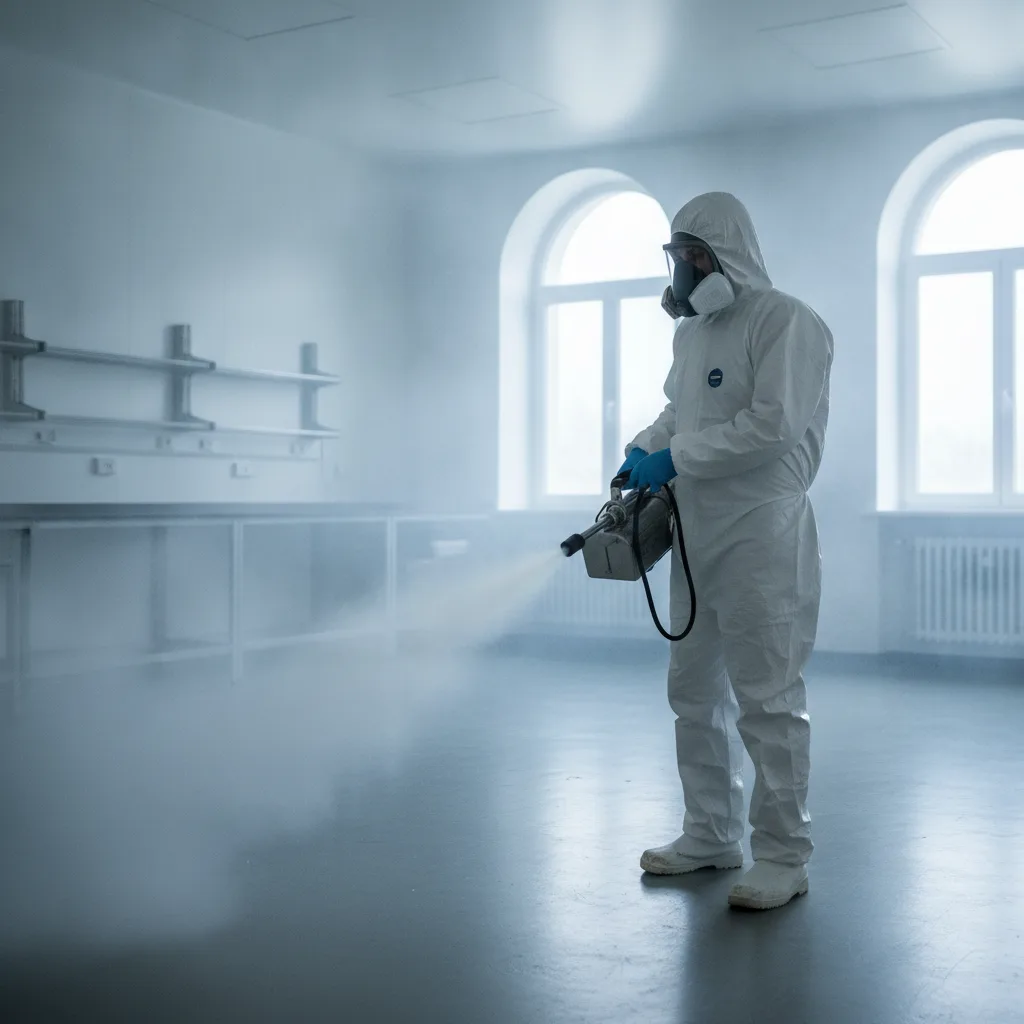
We decontaminate homes and facilities after drug residue, sewage or infectious disease exposure.
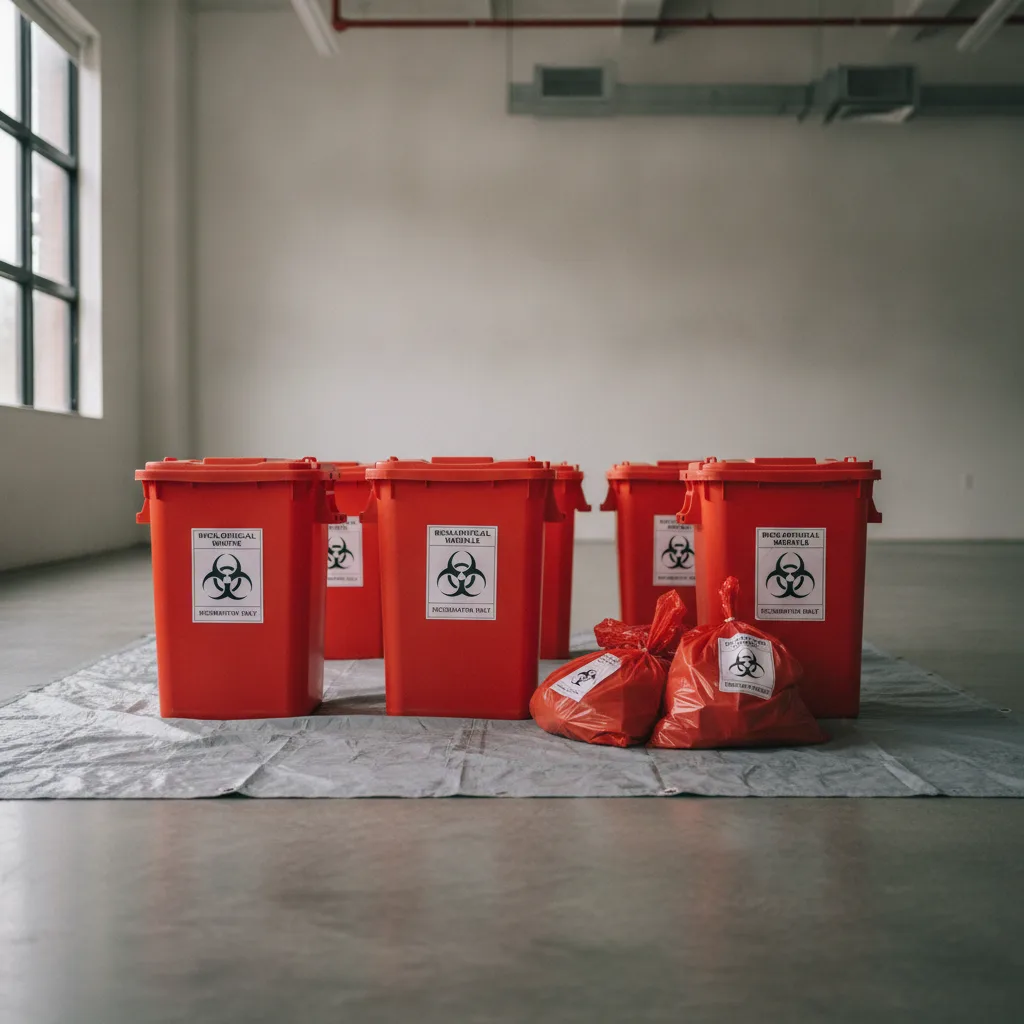
We clean up any biological hazard, including bodily fluids, black water and animal waste.
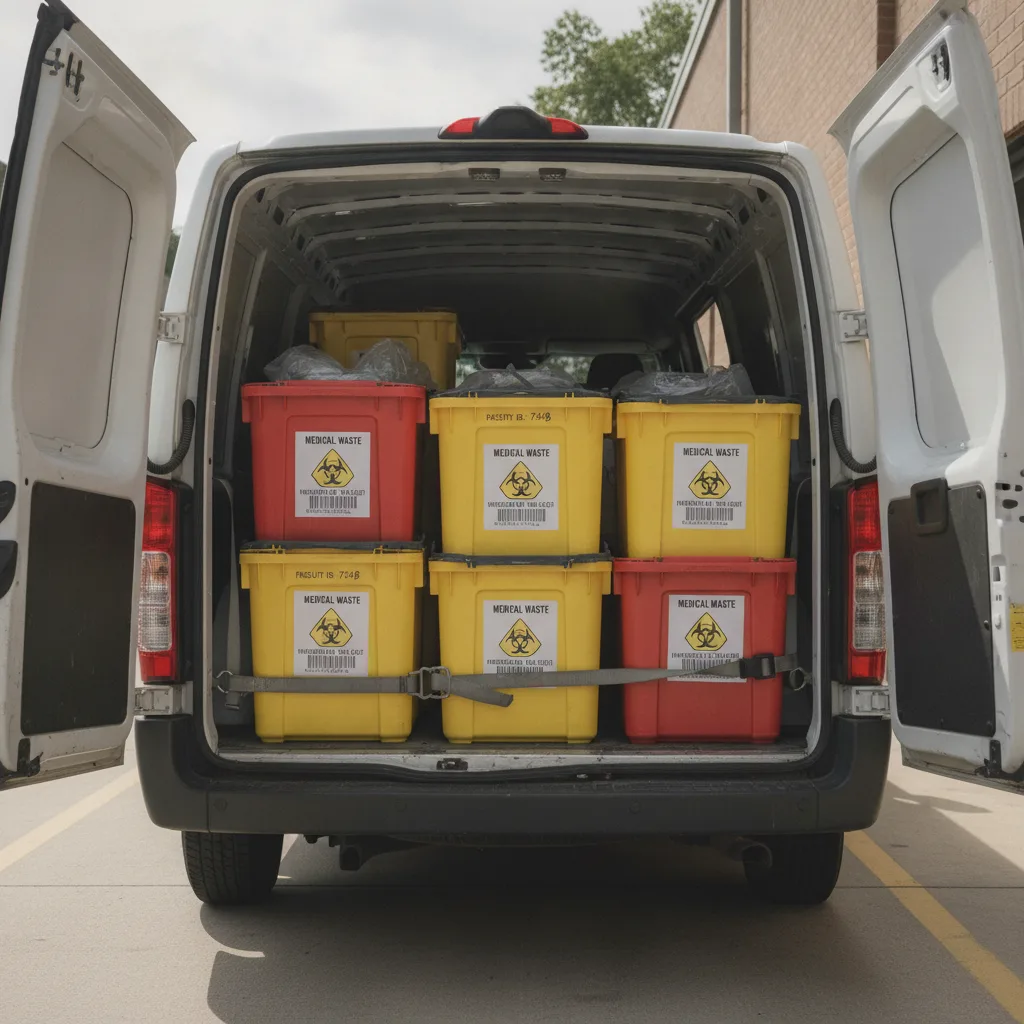
We package, transport and dispose of sharps, contaminated materials and infectious waste the right way.
Each situation calls for its own approach. Some need help within hours. Others can wait a day for scheduling, but they still need professional decontamination. Below are the situations we see most around Lincoln and the surrounding towns, why they happen here, and what fixing them usually involves.
When someone passes away alone and isn't found for days or weeks, body fluids, tissue and odor-causing compounds soak into flooring, subfloor, walls and HVAC systems. Insect activity often follows. Even a small area can contaminate the air of the whole home.
After a homicide, assault or suicide, blood and tissue can spread across several surfaces and rooms, much farther than family members expect. Hidden spatter, contaminated drywall and soaked flooring pose bloodborne pathogen risks, and they're far too traumatic for loved ones to handle themselves.
Hoarding becomes a biohazard when clutter hides animal waste, rodent droppings, spoiled food, mold, needles or human waste. Pathogen exposure, fire load and blocked exits create real health and safety risks for occupants and anyone who comes in to help.
Category 3 black water from sewer backups or flooding carries bacteria, viruses and parasites. It soaks into carpet, drywall, insulation and concrete, and it can contaminate HVAC returns in finished basements.
Drug use or manufacturing leaves chemical residue on walls, ductwork, carpet and fixtures. You usually can't see it, but it can harm later occupants, especially children, and it can affect whether a property can be sold or rented.
Odor that hangs around after a death, hoarding situation or sewage event usually means contamination is still in subfloor, drywall, ductwork or porous wood. Air fresheners and surface cleaning only cover it up for a while.
Smaller, contained blood events, like an injury in a car, a hotel room incident or a workplace accident, still carry bloodborne pathogen risks and need proper disinfection and disposal.
We keep the process simple and private, and we try to take as much off your plate as possible, from the first call through the insurance paperwork.
24/7, immediately
Arrival as soon as possible; rural trips planned around travel time
Usually begins the same day
Often 1–3 days; larger decomposition or hoarding jobs take longer
End of job
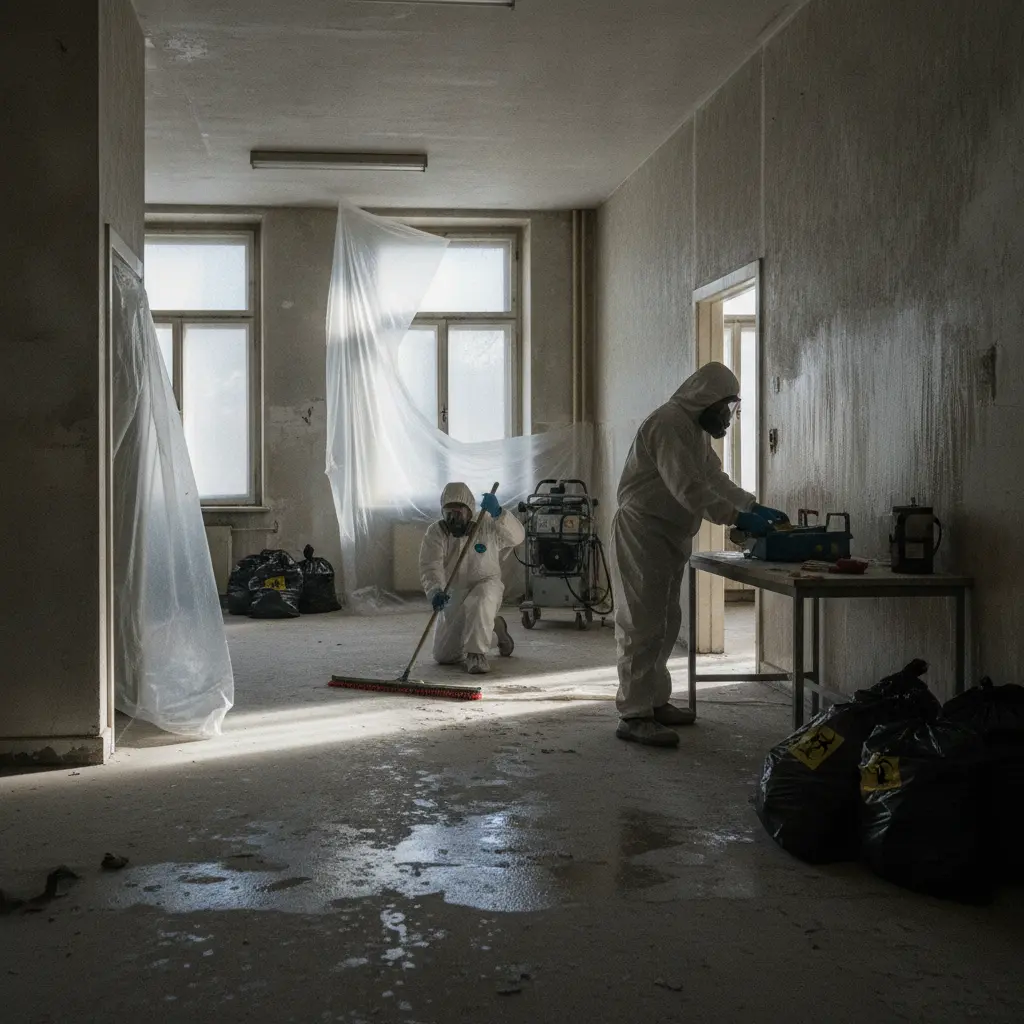
You shouldn't have to talk about money on one of the worst days of your life. Homeowners insurance often covers trauma, unattended death and biohazard cleanup, so we work directly with your insurance company. We document the scene, submit the scope and handle the follow-up. If a deductible applies, we'll tell you before any work begins, with no surprises later. For eligible crime victims, we can also point you toward Nebraska's crime victim compensation program, which may reimburse cleanup costs. Lincoln families tell us that clear, plain answers about payment take a huge weight off.
Restoring a 1910 foursquare in Everett takes different work than restoring a 2015 build in Wilderness Hills. Old-growth hardwood, plaster-and-lath walls and porous stone basements hold contamination in ways drywall and carpet don't. We know which postwar homes in Bethany or Indian Village might have asbestos tile, how fluids travel through converted apartments near UNL, and how summer humidity brings odor back out of wood. That local knowledge means fewer missed spots, fewer callbacks and a home that's actually clean.
In Lincoln and in towns like Crete, Hickman and Seward, people talk. Our vehicles are unmarked, our crews arrive quietly, and we don't discuss your situation with neighbors. Property managers at large complexes and HOA communities depend on us to protect tenant privacy, and grieving families depend on us to keep a private loss private. We'll also work around your schedule, including early mornings or evenings, if that helps.
Biohazards don't wait for business hours, and in a Lincoln July they get worse by the hour. We answer around the clock, including weekends and holidays. Night or day, a real person picks up, walks you through the next steps and gets a crew moving. Whether it's a midnight call from an I-80 hotel manager or a Sunday call from a family in Waverly, we respond with the same urgency and care.
Nebraska doesn't issue a crime-scene-specific cleanup license, which makes a company's standards matter even more. Our technicians follow OSHA's Bloodborne Pathogens Standard, respiratory protection and hazard communication rules. We're insured, and all biohazard waste goes through permitted haulers and treatment facilities under Nebraska disposal protocols. None of it goes in household trash or the Bluff Road landfill. When a landlord, insurer or code officer needs proof, we provide it.
Our calls come from grieving spouses, adult children, landlords, victim advocates and funeral homes, and every one of them deserves patience. We don't pressure anyone, and we don't rush you. We'll help you set aside photos, documents and keepsakes before we remove anything. Lincoln is home to Vietnamese, Iraqi, Karen, Sudanese, Yazidi and Hispanic families, and we take the time to understand your cultural and religious needs during cleanup.
Rural families deserve the same response as city residents. We serve Waverly, Hickman, Crete, Seward and the acreages and farmsteads around them. We plan for longer drives, well-and-septic systems and outbuildings, and we help rural families work through law enforcement release, the county attorney process and insurance, so nobody's left to figure it out alone.
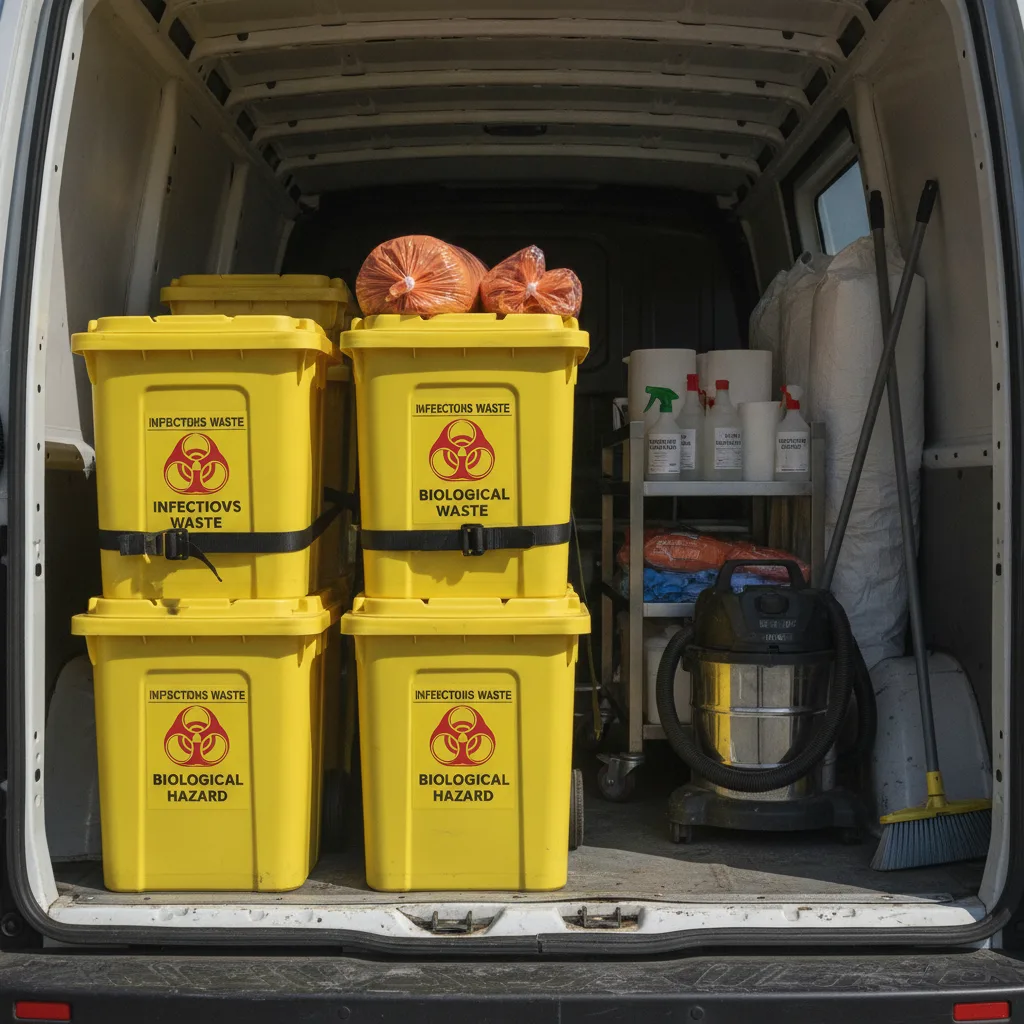
For most Lincoln families, the cost of biohazard cleanup lands on their insurer, not on them. Homeowners policies often cover trauma, unattended death and many biohazard events. We bill the insurer directly. Here's what affects the size of a claim and what's usually covered.
Your policy decides what you'll pay, which is often nothing beyond any deductible. Most homeowners and many landlord policies cover sudden trauma and unattended death cleanup. Vehicle incidents usually go through auto insurance, and hotels and businesses go through commercial coverage. We review your coverage with you, explain any deductible before we start, and communicate with your adjuster directly so you don't have to make difficult calls.
A contained blood spill on tile is a much smaller claim than decomposition that soaked through carpet, subfloor and joists. How long it took to discover the situation matters a lot in Lincoln. Summer heat speeds up seepage, and winter isolation delays discovery. The more materials affected, the more removal and disposal goes into the claim your insurer reviews.
Pre-1940 homes in Near South, Everett and Hawley have plaster, old-growth hardwood and porous basements that take more labor to decontaminate. Postwar homes may need an asbestos assessment before demolition, and pre-1978 paint brings in lead-safe rules. Newer homes in Williamsburg or Hickman often need carpet, pad and drywall cut out. We document all of this so the claim reflects the real scope of work.
Infectious waste has to be packaged, manifested and sent to permitted haulers and treatment facilities under Nebraska rules. Larger scenes mean more biohazard containers and transport. These are regulated costs that insurers expect to see, and we include clear documentation with every claim.
Downtown lofts, upper-floor apartments near UNL, and rural farmsteads near Seward or Crete each come with their own access and travel demands. Multi-unit buildings may need neighboring units checked for migration. We plan for these up front so there are no surprises later.
We bill insurers directly and handle the paperwork. Victims of a crime may qualify for Nebraska crime victim compensation, which may reimburse cleanup costs. We'll help you check current eligibility and terms, and if coverage is limited, we'll talk through every option with you before any work begins.
Often, no. Many Lincoln homeowners pay $0 out-of-pocket because homeowners insurance usually covers trauma, crime scene and unattended death cleanup, apart from any deductible. We bill your insurer directly, send the photos and scope, and stay in touch with the adjuster. Vehicle incidents usually go through auto coverage, and hotels and businesses through commercial policies. If the event was a crime, Nebraska's crime victim compensation program may reimburse eligible costs, and we can help you look into it. We'll always explain any deductible or gap in coverage before work starts.
We answer 24/7, and a crew gets moving as soon as the scene is released. Inside Lincoln, that usually means arriving within a few hours. For Waverly, Hickman, Crete, Seward and rural acreages, we plan around travel time and tell you an honest arrival estimate. Speed matters most in summer. When Lincoln's July heat waves push closed-up homes above 90°F, contamination can spread into the subfloor quickly, so call as soon as you can.
Most trauma and blood cleanups finish in one to two days. Unattended death and decomposition scenes, especially in older homes where subfloor or joists need to come out, often take two to four days. Hoarding cleanups can take a week or more depending on volume and outbuildings. We'll give you a realistic timeline after the assessment and keep you updated, so you know when it's safe to go back in.
Yes. We can't clean until the investigating agency releases the scene. That might be the Lincoln Police Department, the Lancaster, Saline or Seward County Sheriff, Nebraska State Patrol, or the county attorney. If you aren't sure whether the scene has been released, call us and we'll help you figure out who to ask. Cleanup itself doesn't usually need a permit. Rebuilding drywall, subfloor or electrical afterward may need a City of Lincoln or Lancaster County building permit, and pre-1980 homes may bring asbestos or lead-safe rules into play.
We strongly advise against it. Blood and body fluids can carry bloodborne pathogens like hepatitis B, hepatitis C and HIV, and OSHA requires specific protective equipment for handling them. Fluids also soak deep into hardwood, plaster and carpet pad, so surface cleaning leaves contamination and odor behind. That's especially true in Lincoln's older homes. Biohazard waste can't go in your trash or the Bluff Road landfill. It has to go through permitted haulers. And emotionally, no family should have to do this.
Call right away if there's blood beyond a small, simple spill, any bodily fluids from a death, a decomposition odor, sewage in your basement, or suspected drug residue. Waiting lets fluids reach the subfloor and HVAC system, and Lincoln's summer humidity can turn a wet basement into a mold problem within 24 to 48 hours. If you're unsure, call anyway. We'll give you honest advice even if you don't need us.
Not from us. We drive unmarked vehicles, arrive quietly, and don't talk about the job with anyone you haven't authorized. In apartment buildings and HOA neighborhoods, we work with property managers to protect tenant privacy. In small towns like Crete, Hickman and Seward, where news travels fast, discretion is a big part of why families call us.
For elderly relatives living alone, regular check-ins, especially during winter cold snaps and summer heat waves, help catch emergencies early. Install backflow valves and keep floor drains clear if you live near Salt Creek or its tributaries. For rentals, screen tenants and consider drug residue testing between leases. If an incident does happen, close the room, turn off forced-air HVAC to limit spread, and call us before anyone attempts cleanup.
We come to you anywhere in Lincoln and the surrounding area, in unmarked vehicles, any hour of the day.
You don't have to handle this alone or pay up front. One call gets a discreet crew on the way, and we deal with your insurance company, so you can take care of your family.
Call (402) 784-8184 Now